

The air feels different now. Heavier. The kind of heavy that comes before a storm—not the kind that blows over, but the kind that wipes away everything unprepared.
Most people still cling to the fantasy that the world has “bad days,” not that the entire structure is rotting from the inside. They still believe the trucks will keep delivering food. They still trust that the grid won’t fail. They still think someone—anyone—is in control.
But you know better.
When the shelves go bare, when fuel dries up, when panic rolls through the streets like wildfire…
your only safety will be the food you already planted.
And not the cute “homestead aesthetic” crops people brag about online.
I mean collapse-grade crops—the ruthless survivors that grow where others die.
Here are 10 new doomsday crops built for a future no one is ready for.
1. Amaranth (The Ancient Famine-Proof Grain)
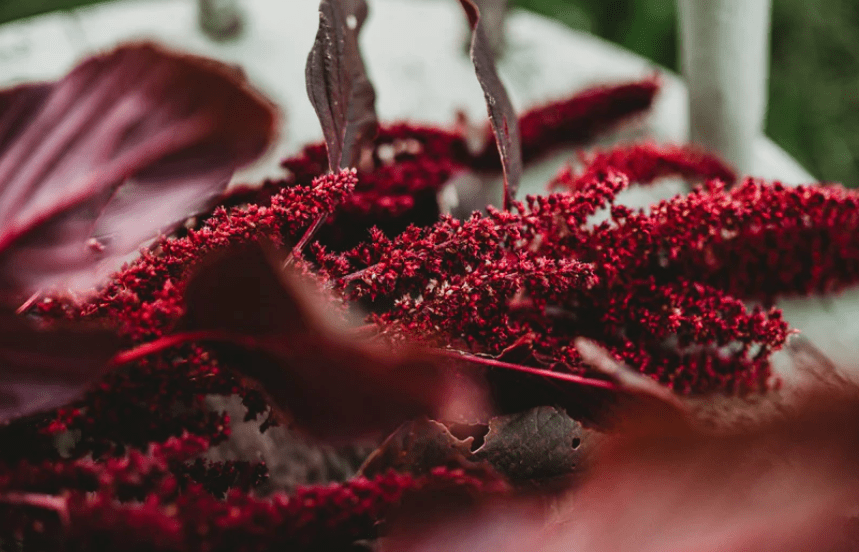
This plant kept entire civilizations alive when empires crumbled. It thrives in heat, drought, poor soil, and outright neglect. The seeds are protein-rich, the leaves are edible, and the plant can handle the type of chaos that kills modern agriculture.
Why amaranth is priceless:
- High-protein grain AND leafy vegetable
- Drought and heat tolerant
- Self-seeds reliably
- Stores for years
Amaranth doesn’t just survive—you’ll wish you were as tough as this plant.
2. Jerusalem Artichokes (The Underground Food That Never Dies)

Also called sunchokes, these tubers are as close to “apocalypse-proof” as it gets. They spread aggressively, return every year, and keep producing even if the world falls apart.
Why they matter:
- Perennial and nearly impossible to kill
- Massive yields with almost zero upkeep
- Stores well underground all winter
- Thrives in neglected soil
Plant once. Eat forever.
3. Buckwheat (Your Lightning-Fast Crisis Carb)

When everything collapses, fast food takes on a whole new meaning. Buckwheat grows faster than almost any grain on Earth, giving you calories in weeks—not months.
Buckwheat advantages:
- Matures in as little as 6–8 weeks
- Grows in terrible soil
- High in nutrients
- Helps reclaim exhausted land
It is the crop you grow when time is running out.
4. Turnips (The Cold-Weather Lifesaver)

Turnips don’t care about frost, storms, or the rapidly shifting climate. They produce edible roots and edible greens, giving you two foods from one plant.
Turnips earn their place by:
- Thriving in cold conditions
- Growing extremely quickly
- Lasting months in storage
- Providing greens long before other crops sprout
When winter turns deadly, turnips stay alive.
5. Chickpeas (The Protein Vault of the Old World)

These ancient legumes fed people through wars, famines, and droughts. They need almost no water, tolerate brutal sun, and produce high-protein food even under collapse conditions.
Why chickpeas are essential:
- Long-term protein
- Drought resistant
- Excellent dry storage
- Soil-building nitrogen fixers
Plant chickpeas if you don’t want to depend on luck.
6. Millet (The Grain for When the Rain Stops)
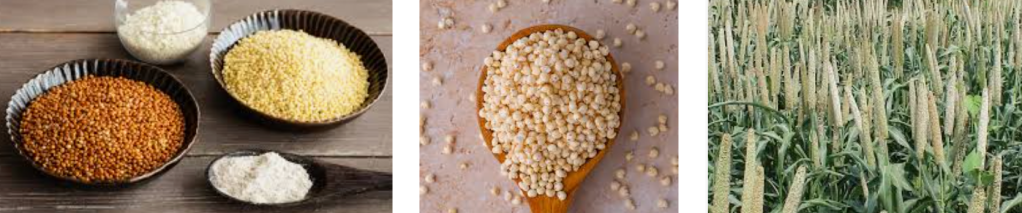
Millet grows where other grains surrender. It produces small but powerful seeds loaded with carbs and minerals, even when rainfall is almost nonexistent.
Millet strengths:
- Perfect for drought
- Quick-maturing
- Stores for years
- Reliable calorie source
When the climate turns hostile, millet endures.
7. Leeks (The Cold-Hard Guardians of Winter)

Unlike onions, leeks stay alive through frost, snow, and freezing temperatures. When food is scarce and the world is frozen, leeks remain standing.
Leek advantages:
- Extremely cold hardy
- Long harvest windows
- High in vitamins
- Easy to grow in tight spaces
Leeks are the winter warriors your future self will thank you for.
8. Peanuts (The Collapse-Ready Fat Source)
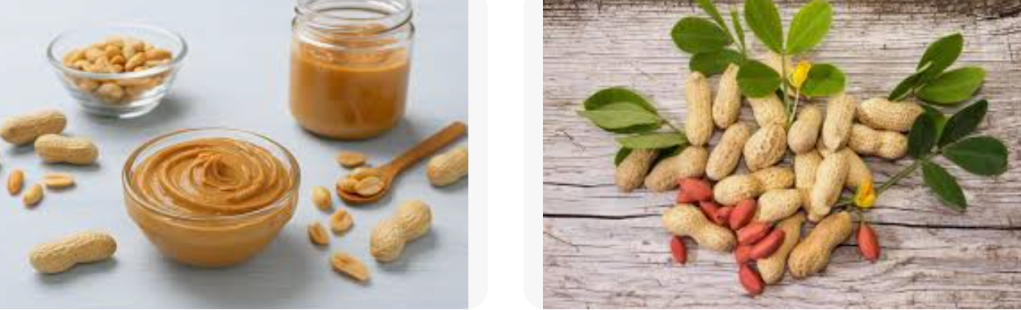
When society falls apart, oils and fats become rare. Peanuts solve that problem. They grow underground, store well, and provide protein, fat, and calories—things people go to war over when food runs low.
What makes peanuts invaluable:
- High fat and protein
- Heat tolerant
- Long storage life
- Useful for oil pressing
In a starving world, fat becomes power.
9. Rhubarb (The Perennial With a Vengeance)

Rhubarb is a rugged perennial that returns year after year—even if you completely ignore it. Once established, it’s almost impossible to kill.
Rhubarb earns its place because:
- Grows for a decade or more
- Cold resistant
- Large harvests every spring
- Minimal maintenance
Plant it once and it outlives half your neighborhood.
10. Moringa (The Tree That Replaces a Multivitamin)

If there is a “tree of life” for collapse, it’s moringa. The leaves are packed with protein, vitamins, and minerals, and the tree grows insanely fast—even in harsh climates.
Why moringa is survival gold:
- Edible leaves, pods, seeds
- Grows in poor, dry soil
- Rapid growth rate
- Can be used for water purification
If malnutrition becomes widespread—which it will—moringa becomes priceless.
THE COLD TRUTH: YOU DON’T HAVE YEARS. YOU HAVE MONTHS.
Civilization is being held together by duct tape and denial. Supply chains are failing. Infrastructure is aging. Tensions rise. Weather gets worse. Resources shrink.
You are not planting a garden.
You are building your last line of defense.
Grow these crops now—while seeds still exist, while the soil is still yours, while the world still pretends everything is fine.
Because when the lights finally go out, only what you’ve planted will matter.



 TheDailyChristian