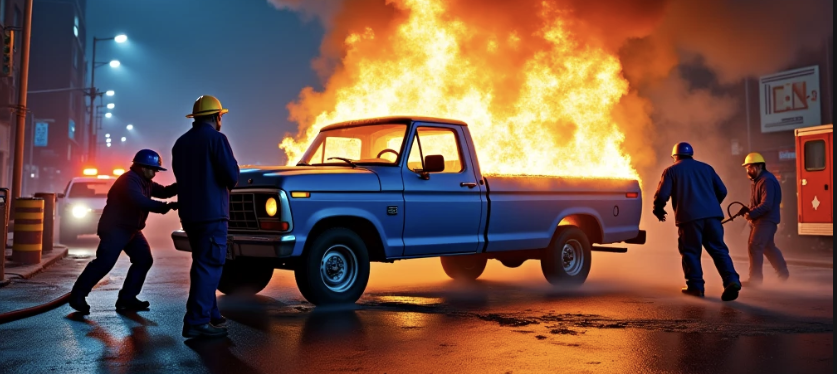
How To Stay Safe and Survive During a Riot in Maine

Let me start by telling you this—when society cracks, it doesn’t do it politely. Riots are fast, chaotic, and unforgiving. I’ve trained for all kinds of emergencies, from economic collapse to grid-down scenarios. But civil unrest? That’s a whole different beast. You don’t need to be paranoid to be prepared. When things spiral out of control—like what we’ve seen across the country and even small towns in Maine—being ready isn’t optional. It’s survival.

Riots can spring up anywhere, even in places where you think, “Not here. Not us.” But unrest doesn’t ask for permission, and it won’t send a warning. You have to be ready. Below, I’ll walk you through self-defense tactics, real-world prep tips, and how to build survival weapons from scratch. This isn’t theory. It’s what works.


8 Self-Defense Skills Every Prepper Needs During a Riot

1. Situational Awareness
Before you even need a weapon, your first line of defense is your awareness. Know your exits, observe crowd energy, and scan for erratic behavior. Stay off your phone. Keep your head on a swivel and trust your instincts. If something feels off, it probably is.

2. De-escalation Techniques
Avoiding a fight is smarter than winning one. Speak calmly, don’t posture aggressively, and use body language to show non-threat. Your goal is to vanish into the background, not be a hero.

3. Basic Striking
Learn palm strikes, knee strikes, and elbow blows. These are high-impact, low-effort moves that work when you’re in tight spaces. You’re not in a movie—keep it simple and effective.

4. Escape From Grabs
If someone grabs you, you need to know how to break free fast. Practice wrist release techniques and elbow leverage moves. Every second counts when you’re restrained.

5. Improvised Weapon Use
Know how to turn what’s around you into a tool. A belt with a metal buckle becomes a flail. A flashlight can be a bludgeon. A pen? A lethal force multiplier.

6. Crowd Movement Navigation
Learn how to move with a panicked crowd without being trampled. Stay near walls, keep your arms up for space, and go with the flow until you can break out sideways. Don’t go against the current—it’ll swallow you.

7. Tactical Retreat
There’s no shame in running. A retreat is a strategic repositioning to preserve your life. Practice quick exits and safe fallback points around your home or work area. Know your alleyways, fences, and escape paths.

8. Ground Defense
If you fall, you’re vulnerable. Learn how to break your fall and defend from the ground. Practice kicking from your back and using your legs to create space until you can stand or escape.


3 DIY Survival Weapon Builds for Emergency Defense

1. PVC Pipe Baton

  • Materials: 1.5” PVC pipe (18-24”), duct tape, metal nuts or bolts, sand or concrete mix.
  • Build: Fill the pipe with sand or bolts, cap the ends, and wrap the handle with duct tape for grip. You’ve got a durable, hard-hitting baton that’s light and concealable.
  • Use: Strikes to joints or collarbones. Aim for disabling, not showmanship.

2. Survival Spear from a Broomstick

  • Materials: Old broom handle, steel knife blade, paracord.
  • Build: Lash a fixed-blade knife securely to the broomstick using paracord in an X-wrap pattern. Reinforce with duct tape if needed.
  • Use: Defense against multiple threats at distance or as a deterrent while retreating.

3. Weighted Slingshot with Marbles or Bearings

  • Materials: Y-shaped tree branch, surgical tubing, leather patch, marbles or steel ball bearings.
  • Build: Attach surgical tubing to the branch, with the leather patch in the middle. Practice tension for consistency.
  • Use: Quiet, reusable, and surprisingly powerful. Aim for head or knee-level targets.

Survival Mindset During Civil Unrest

A riot is chaos incarnate. Looters don’t care who you are. Some folks get swept up in group hysteria and act in ways they never would on their own. Your focus must be: avoid, defend, escape.

Don’t participate. Don’t record. Don’t engage. You are not law enforcement. You are not a hero. You are a survivor. That’s your job, and it’s a full-time commitment once SHTF (S*** Hits The Fan).

Bug-Out vs. Bug-In:
If you’re caught near a riot, your first choice is always to bug out. But sometimes roads are blocked, or you’re safer inside. If you have to bug in, reinforce your doors, shut off lights, and make your home look uninviting. No lights, no sound, no visibility from the street. Stack furniture or sandbags behind doors. Keep quiet and keep watch.

Escape Routes:
Always have two: one primary, one backup. Know which streets get congested and which backroads lead to open areas. Keep your gas tank half full at all times. Map out safe houses—friends or family at least 10 miles out.

Personal Loadout (Minimum Riot Kit):

  • Compact multi-tool or utility knife
  • Tactical flashlight (with strobe mode)
  • N95 mask (for smoke/gas protection)
  • Leather gloves
  • Safety glasses
  • Light body armor or padded jacket
  • Emergency radio
  • Concealed pepper spray or stun device (where legal)

Preparedness Checklist: Know It Cold

  • Food & Water: 3 days’ worth, per person.
  • Communication: Battery radio, burner phone, walkie-talkies.
  • Medical Supplies: Trauma kit with gauze, tourniquet, pain meds.
  • Documents: Keep IDs, emergency cash, and important papers in a waterproof bag.
  • Community Contacts: Know who you can trust locally. Lone wolves don’t last long when chaos drags on.

Closing Thoughts from a Veteran Prepper

Riots are not just “big city” problems. Maine, with its quiet towns and tightly knit communities, is no exception. The second you think “It can’t happen here” is the moment you become most vulnerable.

Preparation isn’t paranoia. It’s the mindset of those who live to tell the tale. Be calm, be smart, and be two steps ahead. When the fire rises and the streets fill with fear, you won’t have time to “figure it out.” You’ll either be ready or you won’t.

Train now. Build now. Plan now.

When society breaks, there’s no reset button. Only those who kept their edge survive!
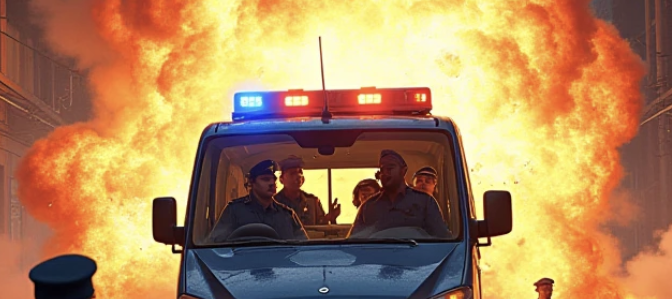
How To Stay Safe and Survive During a Riot in Michigan

When civil unrest breaks out, things can spiral fast—especially in cities where tensions are already boiling over. I’ve lived through chaos, trained for uncertainty, and helped others get out of life-threatening situations with nothing but grit, brains, and a well-packed bug-out bag. If you’re in Michigan and riots hit your area, don’t rely on chance or hope. Rely on skills. This guide lays out what you need to know to stay safe and survive a riot.

Mindset: Situational Awareness Over Fear

Before you start swinging bats or thinking you can brawl your way out of trouble, let me give you the golden rule of surviving civil unrest: avoidance is better than confrontation. Awareness and preparation beat strength every time. You have to be calm, fast-thinking, and light on your feet. Always know where your exits are, who’s nearby, and what’s happening within your line of sight.

You don’t have to be a fighter to survive—but knowing how to defend yourself if it comes to it? That’s priceless.


8 Self-Defense Skills Every Civilian Should Master

  1. The Hammer Fist Strike
    Easy to learn, devastating to apply. Use the meaty bottom of your fist like a hammer—target the nose, collarbone, or side of the head. Practice this with a tire or punching bag until it becomes second nature.
  2. Knee Strikes
    When it’s close-quarters, your knees are deadly weapons. Drive them upward into the attacker’s midsection, groin, or thigh. Knee strikes can neutralize even larger opponents when timed right.
  3. Elbow Strikes
    In tight crowds, swinging a fist is tough. Your elbows, however, are perfect for close-range defense. Practice horizontal and downward elbow strikes—aim for the temple, jaw, or ribs.
  4. Wrist Grab Escape
    Riots are chaotic, and people may grab you—either to harm you or stop you. Learn the wrist escape: rotate your wrist toward the attacker’s thumb and pull sharply away. This simple trick can save your life.
  5. Chokehold Escape (Standing Rear Choke)
    If someone catches you from behind, don’t panic. Step to the side, lower your center of gravity, and strike backward with elbows or stomp their foot—then peel their arm from your neck. Learn this through video demos or martial arts classes.
  6. Use of Makeshift Shields
    Riot environments often rain debris. Use a backpack as a shield. A rolled-up jacket wrapped around your arm can block blades. Know how to turn everyday items into protection.
  7. Ground Defense Basics
    If you fall, don’t curl up. Get into a defensive position—knees up, arms shielding your head—and find a way to get back to your feet fast. Ground-and-pound situations are deadly.
  8. Weapon Retention
    If you’re carrying any tool or weapon, you better know how to keep it. Practice keeping control of your gear, especially if you’re carrying a baton, pepper spray, or a knife. If someone takes it from you, they’ll use it on you.

Your Riot Survival Toolkit

Michigan’s weather can be unpredictable, and that adds another layer to any survival situation. A good kit is half the battle won. Here’s what you need in a mobile, low-profile riot survival bag:

  • Compact first-aid kit
  • Bandana (for dust, debris, or makeshift tourniquet)
  • Flashlight with strobe feature
  • Leather gloves
  • Water bottle with purification tablets
  • Energy bars
  • Power bank
  • Folding knife or multi-tool
  • Pepper spray or gel (gel preferred in wind-prone Michigan cities)
  • Backup phone with prepaid SIM
  • Map of your local area (yes, paper—because GPS may go down)

Keep your kit light and ready to go. Leave flashy gear at home. You want to blend in—not stand out.


3 DIY Survival Weapon Builds

Let me be clear: these are for defense. Never use these for aggression. But when you’re cornered and the law is twenty minutes away—or not coming at all—you’ll be glad you know how to improvise.

  1. PVC Pipe Baton
    • Materials: 18-24” of 1-inch PVC pipe, steel bolts, duct tape
    • Fill the pipe halfway with bolts or small stones. Cap both ends. Wrap the grip with duct tape. You now have a makeshift baton that’s light but delivers heavy hits.
  2. Sling Shot from Paracord and Metal Spoon
    • Cut the handle off a sturdy metal spoon. Bend the bowl into a Y-shape. Attach paracord or surgical tubing to the arms. Use small stones or ball bearings as ammo. Great for distracting and defensive distance strikes.
  3. Canister Flash Device
    • Use a small metal container (Altoids tin), flashlight guts, and a burst of magnesium shavings (from fire-starter blocks). When ignited briefly, it creates a blinding flash that gives you 3–5 seconds to escape. Do not use near flammable material.

Route Planning and Escape Strategy

If you’re in Detroit, Grand Rapids, Flint, or Lansing—expect the possibility of demonstrations getting heated. The key to riot survival is knowing multiple exits and blending in.

Do:

  • Memorize 2-3 escape routes from your home and workplace.
  • Know where police stations, hospitals, and fire stations are.
  • Avoid main roads and commercial districts after dark.
  • Dress neutral: gray, black, or navy. No flashy gear.

Don’t:

  • Film everything. You’re not a journalist. Phones attract attention.
  • Wear open-toed shoes. Always be ready to run or fight.
  • Get involved in any protest unless you understand the risks.

Teamwork: Survive Together

If you’ve got a family, establish a rally point. If phones go down, have backup communication plans like whistles or pre-set radio channels (FRS/GMRS). Practice this with your kids if you have any. Drill it. Repetition builds instinct.

Got neighbors you trust? Form a mutual watch agreement. Strength in numbers still applies when society breaks down.


Final Thoughts

Riots are terrifying not because of one threat—but because they contain many threats. Fires. Gunfire. Crowds. Police responses. Opportunistic criminals. In those moments, law and order are concepts, not guarantees. Your survival depends on how quickly you recognize danger, how well you prepare, and how ruthlessly you execute your plan.

If you’re reading this after the chaos starts—get somewhere safe, quiet, and defensible. If you’re reading this before it starts, you’re already ahead of the curve. Stay gray. Stay smart. Stay alive.

How To Stay Safe and Survive During a Riot in Dallas, TX

When the world starts to unravel—whether it’s due to political unrest, civil disorder, or social chaos—urban areas like Dallas, Texas, can become pressure cookers just waiting to blow. I’ve seen the good, the bad, and the downright apocalyptic. When the streets erupt into chaos, only one thing will separate the survivors from the victims: preparedness.

In this guide, I’ll walk you through how to stay alive, stay sharp, and stay ahead during a riot in Dallas. This is the real deal, not some fluff from a weekend warrior. We’re talking tactical movement, situational awareness, improvised weaponry, and streetwise self-defense techniques that’ll keep you in one piece.


Understanding the Terrain: Know Dallas Like a Combat Zone

Dallas is a sprawling urban environment with both advantages and threats. From Deep Ellum to Downtown, every area reacts differently during unrest. Know the high-risk areas (typically near government buildings, large public squares, and protest-prone districts). Use apps like Citizen or PulsePoint to track real-time activity. Avoid freeways if you need to bug out—they jam fast.

Pro Tip: Make mental notes of choke points, side alleys, parking garage exits, and underpasses. These could be your escape route—or your trap—depending on how well you prep.


8 Critical Self-Defense Skills You Must Master

1. Situational Awareness (SA)

Your #1 defense is your brain. Learn to scan crowds, read body language, and notice exit points. Trust your gut. If something feels off, it probably is. Make it a habit to observe and orient before acting—this is your first weapon.

2. De-escalation Tactics

Sometimes violence can be avoided by keeping your cool and using calm, confident body language and speech. Don’t posture. Don’t stare. Speak firmly but not aggressively. This can defuse tension faster than fists.

3. Knife Defense and Disarmament

Riots often attract opportunists. If someone pulls a blade, know how to deflect, control, and disarm using forearm blocks and redirection techniques. Practice with a dummy knife until you can move instinctively.

4. Improvised Weapon Use

You won’t always have a baton or blade—sometimes, a flashlight, a belt with a heavy buckle, or even a pen can be lethal in trained hands. Learn how to grip, swing, and use these tools for defense.

5. Escape from Holds

If you’re grabbed in a crowd, breaking a wrist grip using leverage (not strength) is key. Practice techniques like “thumb trap” breaks or the “roll and twist” escape for hair grabs and rear chokes.

6. Ground Defense

Getting knocked down in a riot can be fatal. Learn how to fall without injury, protect your head, and create space with kicks to regain footing fast.

7. Tactical Running (Movement Under Duress)

Running blindly can get you caught or injured. Practice zigzag sprints, staying low, and using cover. The goal is evasion, not just escape.

8. Verbal Command Presence

Sound like someone who knows what they’re doing—even if you’re scared. A loud, commanding voice can freeze aggressors and buy you seconds. Use it wisely.


3 DIY Survival Weapons You Can Build Fast

1. PVC Pipe Baton

Buy a 1-inch diameter PVC pipe, around 2 feet long. Fill it with sand or bolts, seal both ends with duct tape, and wrap the handle in paracord. Lightweight, intimidating, and brutally effective for self-defense or crowd deterrence.

2. Tactical Slingshot

All you need is surgical tubing, a Y-shaped branch, and a leather pouch. Load with marbles, bolts, or ball bearings. Silent, deadly, and legal in many jurisdictions. Keep one in your go-bag.

3. Makeshift Spear

Use a broomstick or curtain rod and duct-tape a sharpened kitchen knife or multi-tool blade to the end. It’s a last-resort weapon but gives you reach when you need to keep distance in tight spaces.


What to Do During a Riot in Dallas, TX

1. Stay Off the Radar

Blend in. Wear neutral clothing—no logos, no political messages, no flashy colors. Keep your head down and move with purpose. A grey hoodie and jeans go a long way.

2. Avoid Main Roads

Riots love open spaces. Stay away from intersections, parks, and public squares. Stick to alleys, secondary streets, and interior corridors of buildings you know well.

3. Use a Bug-Out Plan

Have a safe location to flee to outside the riot zone—a friend’s place in Plano or Richardson is gold. Pre-pack your go-bag: water, first aid, energy bars, burner phone, power bank, flashlight, and a compact weapon.

4. Don’t Be a Hero

You’re not there to play vigilante. Avoid confrontation unless absolutely necessary. Defend your life, not your pride.

5. Watch the Wind

If tear gas or smoke bombs are deployed, move upwind. Use a bandana soaked in vinegar or lemon juice to cover your nose and mouth. Better yet, pack a painter’s respirator if you’re prepping smart.

6. Get Off the Grid

Power can go down, cell towers can jam. Have offline maps downloaded. Use walkie-talkies or ham radios with emergency channels. Communication is survival.


Mental Resilience: Your Most Powerful Weapon

Riots test more than just muscle—they test the mind. You’ll face fear, uncertainty, and moral dilemmas. Keep your mission clear: Survive. Escape. Regroup. Repeat that mantra in your head. Remember, hesitation kills. Preparation doesn’t.

Here’s what most folks forget: adrenaline dumps leave you shaky, tired, and prone to bad decisions. Train your breathing. Inhale for four seconds, hold four, exhale four. This lowers heart rate and sharpens thinking in a crisis.


After the Riot: What Comes Next

The dust might settle, but the risks won’t. Looters may still be around. Cops may still be jumpy. And services might be down for hours or days. Stay alert for 24 hours post-event. Recheck your supplies. Debrief yourself on what went wrong or right. Upgrade your skills accordingly.


Final Word from a Seasoned Prepper

Dallas isn’t the Wild West—but during a riot, it might as well be. I’ve lived through hurricanes, blackouts, and even civil unrest overseas. Nothing changes the game like an urban riot. They’re fast, chaotic, and ruthless.

But if you prep smart, think sharper, and move with purpose, you’ll not only survive—you’ll come out ahead.

Don’t wait for sirens to start prepping. By then, it’s too damn late.