Texas Tiny Home Living: Best Cities and Worst Zoning Areas
by Brooke Homestead — 2025 Female Survival Prepper of the Year

Texas is big. I mean really big. From the Hill Country to the deserts of West Texas, sprawling ranches to bustling cities, it’s a state that can accommodate nearly any lifestyle — including tiny home living. But size doesn’t automatically mean freedom. The Lone Star State has a mix of welcoming cities and tough zoning landscapes that can make or break your dream. I’m Brooke Homestead, and I’ve built off-grid setups in extreme climates. Today, I’ll guide you through the best cities for tiny homes in Texas and the places where zoning makes life a little trickier.
Best Cities for Tiny Homes in Texas: Austin and Fredericksburg
Austin — Culture, Community, and Tiny Home-Friendly Policies
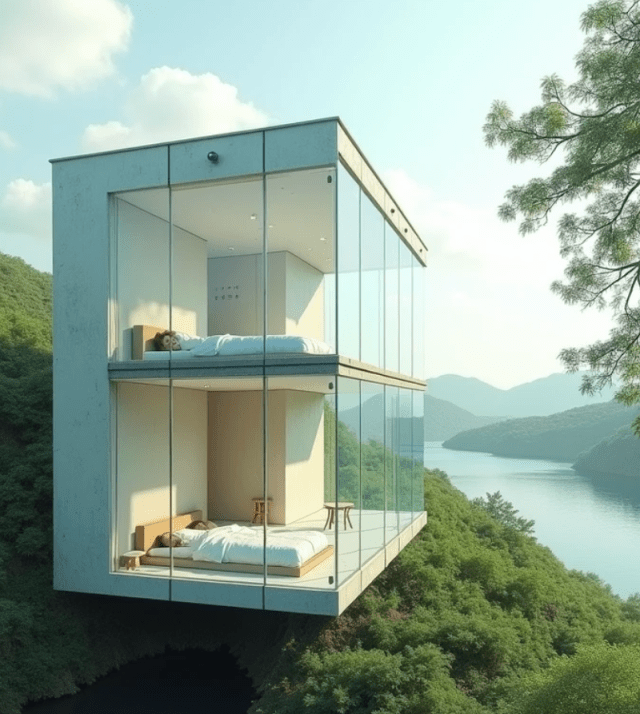
Austin is the Texas state capital and also a city with a culture of creativity and sustainability. Tiny homes are increasingly accepted here, especially as Accessory Dwelling Units (ADUs).
Why Austin works:
- Progressive zoning: Many neighborhoods now allow ADUs up to 400 square feet. Some districts also accept tiny homes as primary residences with proper permits.
- Culture of innovation: The city embraces sustainability, solar energy, and alternative lifestyles — perfect for off-grid or tiny living.
- Access to utilities and services: Even if you choose a small lot or off-grid setup, Austin provides proximity to healthcare, shops, and a thriving community.
💡 Brooke Tip: Seek parcels outside strict historic districts or single-family overlays to simplify approvals. Suburban and semi-rural areas near Austin are often the sweet spot for tiny home living.
Fredericksburg — Hill Country Charm and Rural Freedom
Fredericksburg sits in the Texas Hill Country, surrounded by rolling hills, vineyards, and open land. It’s ideal if you want space to spread out and a community that’s familiar with rural lifestyles.
Why Fredericksburg works:
- Rural flexibility: Many parcels allow tiny homes on wheels or foundation-based homes with minimal interference from county zoning.
- Scenic surroundings: Nature is literally at your doorstep — perfect for gardens, solar arrays, and small homesteads.
- Community friendliness: Locals tend to respect private property rights and rural self-sufficiency, making it easier to integrate a tiny home.
Brooke Survival Insight: Water access is key in the Hill Country. Many rural lots have wells, but confirm availability before you buy. A tiny home with reliable water supply is a tiny home that survives.
Worst Zoning Areas for Tiny Homes: Houston and Dallas
Houston and Dallas are economic hubs, but zoning for tiny homes can be brutal:
- Houston: Surprisingly tricky despite its size. While the city has no formal zoning law for most of its land, county-level permitting and utility access can be inconsistent. Tiny homes on wheels are treated like RVs, making full-time living complicated.
- Dallas: Zoning tends to prioritize traditional housing and multifamily units. Tiny homes on private lots usually need to comply with minimum square footage rules, limiting your flexibility.
Other urban centers like San Antonio also present similar challenges — it’s not impossible, but expect bureaucracy, permit delays, and higher land costs.
Brooke Advice: If urban living is a must, consider tiny homes as ADUs behind a main residence or explore tiny home communities where regulations are built into the plan.
Zoning Laws in Texas — What Tiny Home Builders Must Know
Texas does not have statewide tiny home legislation. Tiny home legality depends on local city ordinances and county regulations. Here’s a breakdown:
- Accessory Dwelling Units (ADUs): Growing acceptance in progressive cities like Austin and San Antonio. Usually requires adherence to local building codes.
- Tiny Homes on Wheels (THOWs): Treated like RVs. Often allowed in RV parks, rural counties, or private lots with temporary permits.
- Foundation-based Tiny Homes: Must comply with the International Residential Code (IRC) and local building codes. Some cities require minimum square footage for primary residences.
💡 Brooke Tip: Always call the city or county planner before buying land. I’ve seen too many tiny home dreams stall because of overlooked ordinances — especially minimum dwelling size and setback requirements.
Cost of Land in Texas — Know Your Budget
Texas land prices vary by region:
- Rural Hill Country (Fredericksburg, Kerrville): $5,000–$15,000 per acre. Utilities and water access may need to be added.
- Austin suburbs: $50,000–$150,000+ per small lot; tiny homes often require ADU classification.
- Dallas/Fort Worth metro: High demand = high cost; small urban lots can easily exceed $100,000.
- West Texas (El Paso, Marfa, remote areas): Low cost, open space, but infrastructure may be minimal.
Other costs to plan for: septic systems, wells, solar panels, road access, and permits. Off-grid readiness pays off in the long run.
Climate Considerations — Texas Weather Challenges
Texas is not uniform — climate varies from region to region:
- Hill Country and Austin area: Hot summers, mild winters, occasional floods. Plan for heat mitigation, rainwater collection, and storm preparedness.
- West Texas deserts: Arid, hot, and windy. Solar power and water storage are essential.
- East Texas (piney woods): Humid, rainy summers, risk of tornadoes. Foundation and roof stability are key.
- Metro areas: Urban heat islands, flooding in low-lying areas — plan drainage and insulation carefully.
Brooke Homestead Tip: Wherever you build, think resiliency first. Strong foundations, proper insulation, solar, and water storage are your best friends.
Brooke Homestead’s Final Words – Click Video Below to Watch

Texas is a land of extremes — big landscapes, diverse climates, and varied zoning realities. Tiny home living here is possible — but you need to pick your city wisely:
- Best Cities: Austin for culture and policy-friendly ADUs; Fredericksburg for rural freedom and natural beauty.
- Worst Zoning Areas: Houston and Dallas present bureaucracy, minimum square footage restrictions, and high costs.
- Planning Is Everything: Understand local zoning, prepare for climate extremes, and budget realistically for land and infrastructure.
Tiny living is about freedom, resilience, and connection to your surroundings. Texas has the potential to offer all three — but only if you plan smart, respect the rules, and build wisely.