South Dakota’s Worst Roads to Drive on During a Disaster

South Dakota’s Worst Roads to Drive on During a Disaster: A Survivalist’s Guide to Driving Your Way Out

I’ve spent decades on the road—across continents, through unforgiving terrain, and in every imaginable disaster scenario. Whether navigating flooded highways, treacherous mountain passes, or icy backroads, one truth stands firm: your vehicle can be your lifeline—or your coffin. South Dakota is no exception. Its wide-open prairies hide some dangerous choke points and stretches that become death traps when disaster strikes.

If you ever find yourself needing to bug out or escape a disaster in South Dakota, knowing which roads to avoid—and how to drive like your life depends on it—is crucial. I’ve mapped out some of the worst roads for disaster driving here, along with survival driving skills you need to master, and a few DIY hacks for when you run out of fuel. Buckle up; this is not a ride for the faint of heart.


The Worst Roads in South Dakota to Avoid in Disaster Scenarios

South Dakota’s terrain may look gentle, but disaster turns it into a death zone quickly. These roads are notoriously difficult during floods, ice storms, or structural failures:

  1. Highway 34 through the Badlands
    Narrow, winding, and often exposed to high winds and sudden rockslides, this highway can become a nightmare when disaster strikes. The Badlands are known for unpredictable weather and limited cell service, meaning if you get stuck here, help could be days away.
  2. Interstate 90 near the Missouri River Bridges
    During floods, these bridges can be compromised or closed without warning. Traffic congestion becomes a death trap in disaster evacuations, and the surrounding lowlands flood fast, trapping vehicles.
  3. Highway 79 south of Belle Fourche
    This stretch is exposed prairie with few alternative routes and is prone to heavy snow drifts in winter storms. In a disaster, this road can quickly become impassable, with limited places to pull over safely.
  4. State Route 34 between Huron and Mitchell
    Flood plains dominate this region, making it vulnerable to flash floods. The flat terrain means water pools quickly, and drainage systems can be overwhelmed.
  5. County Roads near the Black Hills National Forest
    Rugged, poorly maintained, and winding through dense forest, these roads are prone to landslides and fallen trees during storms or wildfires.

Survival Driving Skills for Disaster Scenarios in South Dakota

When the stakes are life or death, normal driving techniques won’t cut it. Here are 15 survival driving skills I swear by when navigating disaster zones on South Dakota’s worst roads:

  1. Controlled Skid Recovery
    When ice or mud takes the wheel from you, don’t slam the brakes. Steer into the skid and gently ease off the accelerator until control is regained.
  2. Throttle Modulation
    Smooth throttle application prevents wheel spin on slippery surfaces like ice or loose gravel.
  3. Defensive Scanning
    Constantly scan the horizon and roadside for obstacles, fallen trees, animals, or sudden drops. This also helps you anticipate road collapses or flood zones.
  4. Weight Transfer Management
    Understanding how your vehicle’s weight shifts during turns and braking helps prevent rollovers on narrow roads like Highway 34 through the Badlands.
  5. Emergency Braking Without ABS
    If your vehicle doesn’t have ABS, pump the brakes to avoid skidding. ABS systems behave differently; learn your vehicle’s braking response before disaster hits.
  6. High-Centering Avoidance
    When driving on uneven gravel roads or flood debris, know how to navigate to avoid your vehicle getting stuck high on an obstacle.
  7. Low-Speed Manoeuvring
    Master slow, precise steering to navigate tight, damaged, or obstructed roads.
  8. Hill Start Control
    On steep, icy inclines, use clutch control or the parking brake to prevent rollback.
  9. Use of Engine Braking
    On steep descents, downshift instead of relying solely on brakes to avoid overheating.
  10. Crosswind Stability
    South Dakota’s open plains expose vehicles to fierce crosswinds; keep a firm grip and slight steering correction to maintain lane control.
  11. Night Driving Preparedness
    Disasters often strike without warning; keep your night vision sharp and drive with minimal light pollution—use high beams only when safe.
  12. Water Fording Judgement
    Know the depth and current of floodwaters before crossing. Water above the axle is almost always a no-go.
  13. Tire Pressure Adjustments
    Lowering tire pressure can increase traction on soft surfaces like mud or sand, but be ready to reinflate as soon as possible.
  14. Vehicle Positioning for Escape Routes
    Always park or stop your vehicle so you can drive out quickly in any direction, especially on roads prone to sudden closures or blockages.
  15. Emergency Communication Readiness
    Keep a charged radio or satellite communicator to receive updates on road closures or hazards.

DIY Survival Driving Hacks When You Run Out of Gas

Running out of fuel during a disaster is a nightmare, but being a survivalist means preparing for the worst and improvising solutions. Here are three hacks that can keep you moving—or at least help you escape:

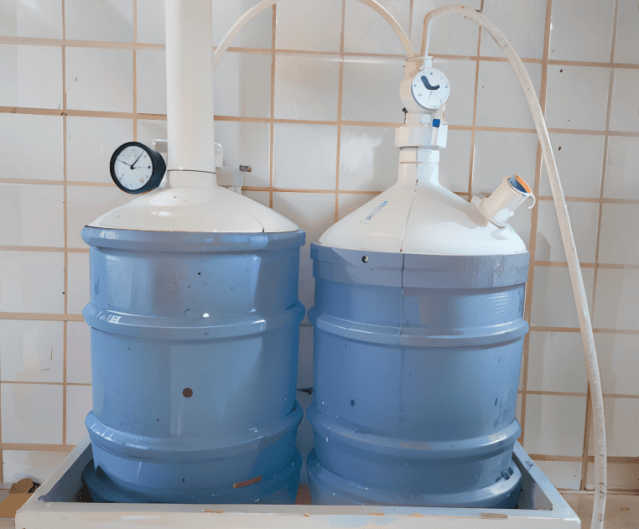
  1. Create a Gravity-Fed Fuel Transfer System
    If you find a fuel source in a nearby container (a damaged vehicle, storage tank, or jerrycan), use a clean hose or even a sturdy, flexible tube to siphon fuel. Gravity-fed siphoning is safer and more effective than mouth suction. Remember: always filter fuel through a clean cloth to avoid clogging your fuel lines.
  2. Use Dry Wood or Charcoal Briquettes to Generate Heat and Signal
    If you can’t move your vehicle, use dry wood or charcoal to create a controlled fire nearby. This can serve multiple purposes: keeping you warm, signaling rescuers, and deterring predators. Don’t leave your vehicle unguarded while you gather materials.
  3. Build a Makeshift Pulley or Tow System
    If your vehicle is stuck and fuel is low, rig a pulley system from sturdy branches or vehicle parts. Use your tow straps, rope, or even seat belts to leverage moving your vehicle to safer ground or toward a known fuel source. This requires some muscle and ingenuity but can save hours waiting for rescue.

Putting It All Together: Preparing for South Dakota’s Roads in Disaster

In my travels, I’ve learned that knowledge combined with preparation is survival’s foundation. South Dakota may seem calm, but when disaster hits, these roads become high-risk zones. Always:

  • Scout your route beforehand.
  • Pack extra fuel, emergency repair kits, and communication devices.
  • Know your vehicle’s limits.
  • Practice the survival driving skills until they become second nature.

When roads narrow or floodwaters rise, your mindset will determine if you’re just another statistic—or the one who makes it through.


Final Thoughts

South Dakota’s rural and sometimes wild landscape tests every driver, but especially in disaster scenarios. Your vehicle is a tool—one that requires skill, respect, and constant readiness. Learn the terrain, anticipate hazards, and never rely solely on modern conveniences like GPS or mobile networks. These will fail when you need them most.

Remember: disaster driving isn’t about speed; it’s about control, patience, and survival instincts honed by experience. If you master these 15 survival driving skills and know the worst roads to avoid, you’ll dramatically increase your chances of bugging out safely.

And if you do run out of gas, those three DIY hacks might just be the difference between staying stranded and making it home.

Stay sharp, stay ready, and drive smart.

Oregon’s Worst Roads to Drive on During a Disaster

Let me tell you something—Oregon is a beautiful place, but when the world starts to fall apart, beauty becomes a liability. Towering Douglas firs turn into roadblocks, winding coastal highways become landslide alleyways, and mountain passes? Death traps wrapped in ice and fog. I’ve driven through everything from flash floods in Mississippi to sandstorms in the Mojave, and if there’s one state where road conditions can shift faster than a rattlesnake’s mood—it’s Oregon.

When disaster strikes—whether it’s the Cascadia Subduction Zone finally letting loose, a wildfire tearing through the forest, or even just a good old-fashioned storm—you better know the lay of the land and how to drive your way out of it. That means knowing which roads to avoid, what skills to have under your belt, and what tricks you can pull when gas stations are out, GPS is dead, and the only thing keeping you alive is your vehicle and your grit.


Oregon’s Most Dangerous Roads During a Disaster

Let’s start with the roads. I’ve driven ‘em. I’ve cursed ‘em. And I sure as hell don’t want to be caught on them when the SHTF.

  1. U.S. Route 101 – Oregon Coast Highway
    Beautiful? Sure. But come a tsunami warning or a landslide, and you’re boxed in between cliffs and ocean. Frequent landslides, narrow lanes, and no quick inland access make this road a death trap.
  2. Highway 242 – McKenzie Highway
    It winds through lava fields like some kind of Tolkien nightmare. It’s closed in winter and often blocked by downed trees during storms. One wrong turn and you’re driving into Mordor.
  3. Highway 58 – Willamette Pass
    Ice, fog, and remote as hell. The Willamette Pass is a long, lonely drive that becomes impassable during snowstorms or if a wildfire jumps the road.
  4. I-84 through the Columbia River Gorge
    Winds strong enough to tip a semi. Rockslides? Regular. If you’re lucky, you’ll just get stalled behind a wreck. If you’re not, you’re under a pile of basalt.
  5. Forest Service Roads in the Mount Hood National Forest
    Beautiful and off-grid—but that’s a double-edged sword. No cell service, no rescue, and all it takes is a fallen tree or flood to strand you for days.
  6. Lolo Pass Road
    Tight turns, steep grades, and limited visibility. During winter, it’s a skating rink. During fire season, it’s your one-way ticket to toastville.
  7. US-26 through Warm Springs Reservation
    Long stretches without services. Fires here move fast. And when evacuations start, this road gets choked up quickly with traffic and poor visibility from smoke.
  8. Highway 138 through Umpqua National Forest
    Narrow, winding, and isolated. Perfect for getting lost or trapped by a fire moving faster than your vehicle can escape.
  9. Crater Lake Rim Drive
    Don’t even think about it in winter. Volcanic terrain, snowfall measured in feet, and sheer drop-offs. This is the kind of place helicopters rescue you from—if they can find you.
  10. OR-66 – Ashland to Klamath Falls
    It’s called the Green Springs Highway, but in a wildfire it’s just a green hell. Sharp curves, little shoulder space, and too many blind corners.

15 Survival Driving Skills You Better Master

You can have the best bug-out vehicle in the world, but if you can’t drive like your life depends on it—well, it won’t matter. These are survival skills I’ve used in hurricanes, riots, and wildfire zones, and if you want a chance of making it out alive, learn them.

  1. Situational Awareness Driving – Don’t just drive—scan. Watch every mirror, road shoulder, and overpass. Know what’s around and what’s behind.
  2. Evasive Maneuvering – Learn how to swerve safely at high speed. Practice J-turns and quick braking in controlled environments.
  3. Driving Without GPS – Learn to read paper maps, landmarks, and follow the sun if needed.
  4. High-Clearance Navigation – Know how to handle boulders, logs, and debris. Don’t get your oil pan torn open miles from help.
  5. Throttle and Brake Control on Slippery Surfaces – Whether it’s ice or mud, smoothness is survival. Slam on the brakes and you’re spinning.
  6. Water Crossing Techniques – Don’t charge through water unless you’ve judged its depth and current. Use a stick or walk it first if needed.
  7. Off-Road Trail Recovery – Know how to winch, tow, and use traction boards. When stuck, you need to be your own tow truck.
  8. Driving with Blown Tires or Limited Visibility – Practice limping on a flat. Tape the side mirror if it’s busted. Improvise and move.
  9. Engine Overheat Management – Know how to manage a temp gauge climbing fast. Turn on the heater, ease the throttle, and coast downhill.
  10. Fuel Management and Efficiency Driving – Coasting, idling wisely, and using gravity when you can will stretch every drop.
  11. Driving in a Smoke or Dust Cloud – Windows up, lights on low beam, stay to the right, and sound your horn regularly.
  12. Silent Night Driving – At times, noise discipline matters. Learn how to coast and minimize your engine sound during covert escapes.
  13. Manual Transmission Know-How – If you can’t drive stick, you’re cutting your options in half. Many old rigs and military surplus vehicles are manual.
  14. Changing a Tire Under Pressure – Practice doing it in the dark, in the rain, fast. Because that’s how it’ll happen.
  15. Using a Car as a Shield or Tool – In riots or ambushes, your vehicle is cover and battering ram. Know its limits and use it accordingly.

3 DIY Survival Driving Hacks When You Run Out of Gas

Gas stations? In a disaster, they’re either bone dry or burned to the ground. Here are three field-tested tricks to stretch what you’ve got or go without.

  1. Siphon Like a Pro
    Get a clear plastic tube (6-8 feet). Gravity is your friend. Find abandoned vehicles, lawnmowers, even boats—many have usable fuel. Always filter through a coffee filter or sock to catch debris. Gas can degrade, but in a pinch, even old stuff can be better than nothing.
  2. Alcohol-Based Emergency Fuel
    Camp stove alcohol, isopropyl alcohol (90%+), and even Everclear can burn in small engines or mixed carefully with gasoline. Don’t try this in modern fuel-injected vehicles without research. But old carbureted engines? You’d be surprised.
  3. Fuel-Saving Mod: Remove Roof Rack and Excess Gear
    That roof rack might look cool with your gear, but it’s tanking your fuel economy by up to 15%. Ditch it and stash gear inside if possible. Also, reduce weight. Every 100 pounds means fewer miles per gallon. Tighten tire pressure to the high end of safe range to reduce rolling resistance.

Closing Thoughts from the Road

Disaster doesn’t wait. When the earth shakes or flames come down the mountain, you’ve got one chance to get it right. That means knowing your routes, keeping your ride in top shape, and having the skills to keep moving no matter what’s in your way.

The roads I’ve mentioned aren’t just dangerous because of terrain—they’re dangerous because they isolate you. Because they can trap you in a box canyon of fire, water, or rock. Avoid them if you can. And if you have to use them? Go prepared, drive smart, and trust your instincts.

The rule of thumb? When in doubt, get out. Early. Delay by an hour, and you might be stuck for a week—or worse, not make it out at all. Practice your escape. Pack your rig. And when that siren wails or that first tremor hits, remember: survival favors the prepared.


Clear to the Last Drop: Mastering Water Purification Methods

Listen up, because I’m only going to say this once—your cushy modern lifestyle has made you soft, blind, and dangerously dependent on a system that’s teetering on the brink of collapse. You think that faucet will always spit out clean water? You think bottled water will save you when the trucks stop rolling? Wake the hell up. When the grid goes down, the shelves empty out, and the government forgets your ZIP code, the only water you’ll have is the water you can purify yourself. You better learn how to turn sludge into salvation—now. Not next week. Not when you’re already thirsty. Now.

Why Water Matters More Than You Realize

You can survive three weeks without food. But without water? Three days, maybe less if it’s hot and you’re exerting yourself. And no, guzzling from a river isn’t going to cut it unless you want your insides turned into a parasitic amusement park. Giardia, cryptosporidium, E. coli, cholera—you ever heard of them? If you haven’t, you will… when they’re drilling holes in your guts and you’re writhing in the dirt, praying to a sky that doesn’t give a damn.

Let’s fix that ignorance right now. I’m going to teach you how to purify water like your life depends on it—because it does.


10 Survival Skills to Purify Water When the World Goes to Hell

1. Boiling

Boiling is your first line of defense. Build a damn fire and get that water rolling. A good three to five minutes at a hard boil will kill most of the microscopic hellspawn. At higher altitudes? Boil longer. Firewood’s free if you’re willing to sweat for it.

2. Solar Disinfection (SODIS)

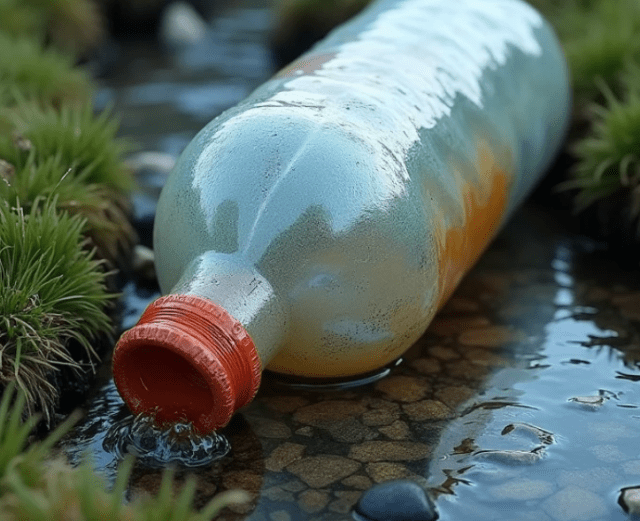
Fill a clear plastic bottle with water. Shake it to aerate, then lay it in direct sunlight for six hours—longer if it’s cloudy. UV-A radiation and heat will kill a lot of the bacteria. Is it perfect? No. But it’s better than drinking raw creek juice.

3. DIY Charcoal Filter

Layer gravel, sand, and activated charcoal in a bottle or hollow log. Pour your water through it. This won’t kill pathogens, but it’ll remove particulates and improve taste before you boil or disinfect chemically. Think of it as a pre-wash before you hit it with the heavy stuff.

4. Chemical Treatment (Iodine or Chlorine)

Carry iodine tablets or unscented household bleach. 2 drops of bleach per liter of water. Let it sit for 30 minutes. Taste the bleach? Good. That means it’s working. No bleach? Learn how to make it from salt and a car battery. (That’s a skill for another day.)

5. Distillation

Boiling water into steam and collecting the condensation will leave most nasties behind—including heavy metals and salts. Use a metal pot, tubing, and a collection vessel. Even seawater becomes drinkable. It’s slow, but it’s clean.

6. Pump Filters

There are portable survival filters out there with ceramic or carbon cartridges. They’re solid. If you can buy one, do it. But remember—they clog, they break, and replacement parts are rare when society tanks. Know how to clean and maintain them.

7. Improvised Evaporation Still

Dig a pit, put a container in the middle, and cover the pit with plastic. Put a pebble in the center to make the plastic dip. As water evaporates, it condenses and drips into the container. It’s not fast, but it’ll save your hide in arid hellscapes.

8. Tree Transpiration

Wrap a clear plastic bag around leafy branches. The tree will sweat out moisture, and it’ll collect in the bag. Bonus: It’s already distilled and safer than river water. Just don’t use toxic plants like poison oak or sumac, genius.

9. Snow and Ice Safety

Melt snow before you drink it. Never eat it raw—it lowers your core temperature and burns precious calories. Ice from moving water is safer than stagnant snowbanks. Don’t trust pristine looks. Mother Nature lies.

10. Rainwater Harvesting

Set up a tarp, metal sheeting, or even a poncho to channel rainwater into a container. Keep it covered. Birds crap mid-flight, and you don’t want that in your sip. Rain’s generally safe, but if you’re near factories or downwind of civilization, purify it anyway.


3 DIY Survival Hacks That’ll Make You Look Like a Water Wizard

Hack #1: The “Fire Bottle” Water Boiler

Got a metal water bottle? Good. Drop it into the edge of your campfire and let it boil. No pot required. Just don’t use aluminum—it’ll melt and leach into your water. Stainless steel is king. Pour it into another container or drink straight from it once cool.

Hack #2: Pine Needle Disinfection

Boil water with pine needles. Not only does it help kill bacteria, but pine contains vitamin C and mild antiseptic properties. It doesn’t replace proper purification, but it gives your water a fighting chance and a survivalist’s bouquet you’ll learn to love.

Hack #3: Bandana Pre-Filter

Before boiling or chemically treating, run water through a bandana or shirt to filter out sediment, bugs, and other nasty floaters. It won’t kill microbes, but it keeps your other gear from clogging and makes it easier to disinfect.


Gear Up or Shut Up

You want the easy route? Get a LifeStraw or Sawyer filter, iodine tablets, a stainless steel pot, and a solar still kit. But don’t just stash them in your bug-out bag and call it good. Use them. Practice in the woods, in your backyard, or on that next camping trip you always talk about but never take. Know how to improvise when the tools fail—because they will.


The Water Mindset

Screenshot

Every drop is precious. Learn to find it. Learn to protect it. Treat it like liquid gold. No one’s coming to save you, and thirst doesn’t wait for your Amazon order to arrive. Build a water strategy today—not tomorrow. Stockpile supplies. Practice techniques. Teach your kids. Tell your neighbors, or don’t—it’s up to you who lives when the tap runs dry.

I’m not here to sugarcoat or pat you on the back. I’m here to scream the truth into your face while you can still hear it.

Water is life. Learn how to keep it clean—or you won’t keep anything at all.

Caught to Survive: The Prepper’s Guide to Traps and Snares

Alright, listen up, because I’m only gonna say this once. If you’re dumb enough to think survival is just about stocking up on canned beans and pretending that’ll keep you alive when the world goes sideways, then this rant isn’t for you. Survival is about doing — using your brain, your hands, and yes, your grit — to catch what you can, snare what you need, and make it through whatever hellhole we find ourselves dropped into.

Welcome to Caught to Survive: The Prepper’s Guide to Traps and Snares — a no-BS blueprint for anyone who refuses to be just another dead body left behind when the grid goes dark. If you don’t know how to make a trap or a snare, you might as well start digging your grave now.


15 Survival Skills Every Prepper Should Master — Or Die Trying

1. Basic Knot Tying
If you don’t know a bowline from a granny knot, you’re already screwed. Traps and snares depend on strong, reliable knots. Practice until you can tie them blindfolded and with one hand tied behind your back.

2. Crafting Deadfall Traps
This ain’t your grandpa’s picnic. Knowing how to build a deadfall trap using logs and rocks can catch rabbits, squirrels, or whatever dumb critter walks into your line.

3. Snare Making
Wire snares are the backbone of stealth trapping. Know how to twist, set tension, and place snares where animals naturally run — otherwise, you’re wasting time.

4. Camouflage and Concealment
A trap that’s obvious gets disabled or avoided. Learn to hide your gear in plain sight with branches, leaves, or dirt. If your traps aren’t invisible, they’re useless.

5. Tracking Animal Behavior
Study animal trails, feeding spots, and habits. Set traps where animals will be, not where you wish they’d show up. If you’re just hoping for luck, you’ll be eating dirt.

6. Fire Starting Under Any Conditions
You’ll need fire to cook your catch, sterilize traps, and keep warm. Practice friction, flint, and modern methods until you can start a blaze in a rainstorm with nothing but grit.

7. Knotless Snares and Loop Placement
Sometimes animals are wary of wire loops with knots. Master creating smooth, sliding loops to increase your catch rate.

8. Butchering Small Game
Trapping isn’t just about capture — you’ve got to know how to clean and prepare your kill fast and sanitary. You’re not hunting dinner for fancy; you’re hunting survival.

9. Using Natural Materials for Traps
Wire might run out. Learn to use vines, strips of bark, and wood for snares and triggers.

10. Primitive Tools Making
Carve your own hooks, spears, and trap components from stone, bone, or wood. If you don’t have gear, make it. No excuses.

11. Emergency Shelter Building
Trapping is useless if you freeze to death. Know how to build shelters with minimal materials while you lay traps and prepare food.

12. Water Sourcing and Purification
Without water, you’re dead in 3 days. Find and purify water near your trap zones. Don’t poison your own food source with careless water mistakes.

13. First Aid for Trapping Injuries
Cut yourself setting a snare? Step on a rusty nail? Know basic first aid to keep infection from killing you.

14. Disguise Your Scent
Animals smell better than you think. Use mud, leaves, or natural scents to hide your human odor near trap lines.

15. Understanding Local Wildlife Laws and Ethics
Yeah, when society is functioning, respect the laws and the animals. But when survival’s on the line, knowing the legal boundaries beforehand saves you headaches later.


3 DIY Survival Hacks to Boost Your Trap and Snare Game

Hack #1: The “Tripwire Alarm”
Use a length of thin wire or strong cord connected to a can filled with rocks or anything noisy. Place it across a path where you expect an animal. When triggered, it alerts you without you having to stay glued to the trap all day. No more missing your catch because you were distracted or sleeping.

Hack #2: The “Improvised Spring Snare”
If you don’t have steel wire or springs, carve a Y-shaped flexible sapling branch. Attach a loop of vine or wire to the top and set the snare with the bent sapling tensioned. When the animal steps into the loop, the sapling snaps back, tightening the noose. It’s noisy but effective if you can’t get your hands on commercial gear.

Hack #3: The “Natural Glue Trap”
Mix pine resin with charcoal or crushed leaves to make a sticky, natural glue. Spread it on a flat surface or a small stick and place near bait. Small rodents get their paws stuck, making capture easier. It’s messy but works when you’re desperate and wire’s not an option.


Here’s Why This Matters — And Why You Should Be Mad Too

When disaster strikes, the entire system you rely on falls apart. Power? Gone. Grocery stores? Looted or empty. Police? Who knows. The only reliable source of food will be your hands and your wit. If you’re not trapping and snaring, you’re begging for scraps or starvation. And no one’s gonna hand you a sandwich when chaos rules the day.

Get angry. Get serious. This is not a game. Every second you waste scrolling your phone or buying more junk you don’t need, someone else is learning to survive without it. The animals don’t care about your excuses. If you can’t catch food, you die.

Traps and snares are the silent soldiers of survival — no loud guns, no wasting ammo, just pure skill and patience. They’re the tools that will keep your belly full when the world crumbles. Master them or prepare to be a statistic.


Final Warning: If You’re Not Willing to Get Dirty, Stay Home

Setting traps isn’t glamorous. It’s tedious, frustrating, and sometimes downright gross. You’ll get bitten by bugs, scratched by thorns, and spend hours just watching a snare you set. But that’s the price of survival — patience and resilience.

Get angry at the world for making survival necessary. Get angry at yourself for not preparing sooner. But channel that anger into action. Learn every skill, practice every hack, and build traps until they’re second nature.

Because when the grid goes dark and the streets fill with chaos, no one’s coming to save you. You’re on your own. And if you don’t catch to survive, you won’t.


There. Now stop whining and start doing. What do you want me to break down first — setting snares? Finding the best trap locations? Or maybe how to butcher a rabbit clean in under five minutes?

Built to Survive: Shelter Tactics Using Nature and Know-How

You think that store-bought tent is gonna save your sorry butt when the grid crashes? Think again. When the world turns upside-down—and trust me, it will—you better have more than a nylon cocoon and YouTube tutorials to protect you from Mother Nature’s full-blown wrath. If you’re not learning how to build your shelter from dirt, sticks, and brains, you’re not surviving—you’re delaying your expiration date.

Let me be blunt: your comfort zone is a kill zone. The wild doesn’t care about your feelings. The cold will strip the warmth from your bones like a butcher skinning a deer, and the rain will seep into your soul. Shelter isn’t optional—it’s survival Priority Number One right after you can breathe and not bleed out.

So listen up. You want to live? You better start learning like your life depends on it—because it does.


10 Survival Skills for Building Natural Shelters

1. Terrain Scouting

Don’t just plop down in a pretty clearing like some clueless city hiker. Learn to read the land. Avoid valleys where cold air pools and floods form. Stay clear of ridgelines where wind turns your tarp into a damn parachute. Pick elevated, flat ground near resources—but not too near water, unless you’re asking to be eaten alive by mosquitoes or flash-flooded into the afterlife.

2. Natural Windbreaks

Wind will suck the heat out of you faster than a thief in the night. Find natural windbreaks—thick brush, rock walls, or tree lines—or build your own using stacked logs, woven branches, or even your backpack if you’re desperate.

3. Insulation Gathering

Don’t build a shelter and sleep on bare earth like a fool. You need insulation—pine needles, leaves, moss, bark. Pile it thick—at least six inches—to keep ground chill from eating you alive. Better itchy than dead.

4. Framework Building

If you can’t build a solid frame, you’re gonna wake up with the roof on your chest or, worse, hypothermic. Learn to latch, lash, and lean. Use a basic A-frame or lean-to. No nails? No excuses. Use paracord, vines, inner bark strips—whatever it takes.

5. Water Runoff Management

Ever slept in a puddle? It’s a bad time. Angle your roof steep and make a trench around your shelter. Don’t be lazy unless you want rainwater spooning you at 2 a.m.

6. Camouflage Construction

Not every threat in the wild walks on four legs. Sometimes it walks on two—and it’s armed. Blend in. Use mud, foliage, bark. Don’t light up your shelter like a Vegas sign. Stay hidden, stay alive.

7. Fire Integration

Learn how to build a reflector wall to bounce fire heat into your shelter. And yeah, don’t set the damn place on fire. Keep flames at a safe distance, use a fire pit, and always have your fire on the windward side.

8. Moisture Barrier Creation

You want to stay dry? Layer bark and large leaves to create a water-resistant roof. Hell, you can even line the outside with trash bags if you’re lucky enough to find one. Smart survivors repurpose everything.

9. Emergency Cordage

Cordage isn’t a luxury—it’s a lifeline. If you didn’t bring paracord, shame on you. But you can make rope from inner tree bark (like basswood), dry grasses, or even plastic trash. Twist, braid, tie—it better hold your weight, or your broken leg will be the least of your problems.

10. Structural Adaptability

No two scenarios are the same. Snow cave in winter. Debris hut in the fall. Jungle platform in the wet season. Desert rock shelter when the sun’s trying to kill you. If you can’t adapt, nature’s going to crush you like a bug.


3 DIY Survival Hacks from a Realist, Not a Blogger

1. The Trash Tarp Trick

You ever find an old plastic sheet or trash bags in the woods? Jackpot. Stitch them together with thorny branches or tie with bark cordage to make a waterproof tarp. Reinforce the corners with stones or folded sticks. It’s ugly, but it keeps you dry—and that keeps you alive.

2. Pine Sap Glue

Need to stick something? Make glue. Heat pine sap over fire till it bubbles, mix with crushed charcoal and a bit of animal dung or powdered bark. Let it cool, and boom—you’ve got nature’s epoxy. Use it to patch holes, fix tools, even seal cracks in your shelter roof.

3. Bark Paneling

Got trees? You’ve got shelter walls. Use a sharp rock or knife to peel large bark sheets off dead trees (don’t kill healthy ones—you’re not a moron). Stack them like shingles, lash to your frame, and you’ve got windproof, semi-waterproof walls. Way better than freezing behind a blue tarp some weekend warrior left behind.


Hard Truth: You’re Not Ready

If your plan for “bugging out” includes a REI shopping spree and wishful thinking, you’re already dead. Gear fails. Batteries die. Comfort ends. You need knowledge that lives in your hands—not in your gear bag.

Start now. Practice in the woods. Sleep without your tent. Build with your hands, bleed a little, screw up, and fix it. Get your body and mind used to discomfort, cold, and exhaustion. Shelter building is dirty, it’s hard, and it’s necessary.

Don’t be the idiot who panics because their zipper broke or their app didn’t load. You want to survive? Learn to fight the cold, the rain, the wind—and your own softness.


Final Word

Shelter is more than a roof—it’s your battle line against the wild. If you can master nature’s tools, if you can build with sticks and instinct, you can endure damn near anything. But if you’re waiting for someone to come rescue you, you’re already part of the forest floor.

Get smart. Get skilled. Get angry enough to outlast anything. Because when it all goes down, it won’t be the richest, the strongest, or the best equipped who survive—it’ll be the ones who refused to die stupid.

So build like your life depends on it. Because one day, it just might.

Eat to Live: Mastering Edible Plant ID for Survival Scenarios

Eat to Live: Mastering Edible Plant ID for Survival Scenarios
By someone who’s fed up with your ignorance

Let me cut the crap right off the bat—if you’re reading this because you think “foraging” is some cute weekend hobby between lattes and scrolling on your damn phone, you’re already a liability. This isn’t about wildflower pics for your Instagram. This is about survival—pure, raw, unfiltered survival. The kind where if you screw up, you don’t get a second chance. You either eat or you rot.

When the grid collapses, the cities will become tombs. Your favorite Uber driver isn’t going to save you. Your “meal prep” skills won’t mean squat when the only thing on the menu is bark and berries. But here’s the truth: nature provides—if you know what you’re doing. And if you don’t, nature will kill you. Fast.

Survival Skill #1: Learn the Damn Plants

You better get good at plant ID, and I don’t mean glancing at some leafy green and guessing. I mean knowing the difference between Queen Anne’s Lace and poison hemlock. One feeds you, the other shuts down your respiratory system like a vise. Learn the leaf patterns. Smell the roots. Break the stems. Know the seasonal changes. If you can’t name five edible plants native to your area right now, you’re not ready. Period.

Survival Skill #2: Know the Universal Edibility Test

In a real survival scenario, you won’t always have your plant guides or phone apps. Use the Universal Edibility Test—but use it smart. Break the plant into parts: root, stem, leaves, flower. Test each part separately over hours. Rub it on your skin, then your lips, then your tongue. Wait. Swallow only if there’s no reaction. You think it’s tedious? So is dying from gut-wrenching poison.

Survival Skill #3: Track Seasonal Availability

Wild edibles aren’t available all year. You need to know when to harvest roots, which plants bloom in spring, and which weeds you can count on in winter. Chickweed, dandelion, wild garlic—they’re your allies if you’ve got the balls to pay attention.

DIY Survival Hack #1: Build a Pocket Herbarium

Forget your TikTok hacks. Get a damn notebook and start pressing specimens. Dry them, label them, annotate what parts are edible and when. Make your own field guide. That way when you’re freezing your ass off in some backwoods hole and stumble on a patch of greens, you don’t second-guess what could be your next meal.

Survival Skill #4: Understand Plant Look-Alikes

Mother Nature is a tricky bastard. Edible plants have toxic twins. Wild carrot vs. poison hemlock. Wild grape vs. moonseed. You mess that up, you’re not going to the ER—you’re going to the morgue. If you can’t tell them apart, don’t touch them.

Survival Skill #5: Practice Harvesting Without Destroying the Source

A real survivalist doesn’t burn the forest to bake a loaf of bread. Take only what you need. If you find wild leeks, leave half. If you spot cattails, don’t rip the whole colony apart. Respect the land, because it’s the only damn thing keeping you alive.

DIY Survival Hack #2: Make a Solar Plant Dehydrator

Don’t rely on power when you can build a plant dryer with sticks, screen, and sunlight. Dehydrate dandelion leaves, wild mint, or purslane. It preserves nutrients and lightens your pack. Who needs fancy gear when the sun is still free?

Survival Skill #6: Know Your Medicinal Plants

Food isn’t the only thing that keeps you alive. Ever had diarrhea in the woods with no meds? Good luck. Learn yarrow (stops bleeding), plantain (draws out poison), and willow bark (natural aspirin). Your brain’s your best survival tool—if you fill it with something useful.

Survival Skill #7: Test and Train—Before You Have To

You’re not a survivalist until you’ve lived it. So take your cushy ass out of the suburbs and spend three nights in the wild with nothing but a knife, a water bottle, and your plant ID skills. No phone. No tent. Eat only what you find. That’s how you learn.

DIY Survival Hack #3: Edible Plant “Cheat Stick”

Tape samples of dried, identifiable parts of key edible plants to a sturdy stick or ruler. Seal them under clear packing tape. Waterproof, portable, and faster than flipping through pages when the sun’s going down and your stomach’s roaring.

Survival Skill #8: Cook What Needs Cooking

Some plants will screw you up if you eat them raw. Cattail roots need roasting. Pokeweed can be eaten only when young and only after multiple boils. Know what must be cooked, because gastrointestinal distress in the wild is a fast track to death.

Survival Skill #9: Urban Foraging Tactics

Don’t assume survival scenarios only happen in the backwoods. Cities have plant life too—back alleys, parks, abandoned lots. Learn to spot mulberry trees, lamb’s quarters, wild amaranth, and purslane growing in cracks. Concrete jungles have calories too.

Survival Skill #10: Mental Resilience

This isn’t just about what you know—it’s about what you do when you’re cold, starving, and scared. You panic, you die. You hesitate, you miss a meal. You doubt yourself, you eat the wrong berry and meet your maker. Know your plants, trust your skills, and keep moving.


Let me be clear one last time: this isn’t a damn joke. When things fall apart, the people who laugh at this stuff are going to be the first to beg for a cracker. Don’t be one of them. Be the one who walks into the woods and walks out fed, alive, and free.

Nature doesn’t care about your opinions. It doesn’t care about your degree, your follower count, or your Wi-Fi signal. It rewards the prepared. It eats the rest.

So pick up that field guide, get your boots dirty, and for God’s sake—eat to live.

Knot Your Average Skill: Survival Ties That Save Lives

Alright, buckle up, because I’m about to unload some no-nonsense survival truth on you — and it ain’t pretty. If you think survival is all about fancy gear or luck, you’re dead wrong. The raw, gritty reality? Your life depends on mastering the basics. And nothing — nothing — is more fundamental than knowing your knots. This isn’t some weekend camper fluff. This is survival ties that save lives. Your life. Your family’s life. And if you can’t tie a proper knot under pressure, you’re a liability, plain and simple.

I’m sick of seeing people waste precious time fumbling with rope or paracord when the clock’s ticking. That’s why you need to know these survival skills cold — no excuses. And because I’m not here to coddle you, I’m throwing down the gauntlet with eight survival skills focused on knots and three DIY survival hacks that’ll make you a walking, breathing survival machine.


Knot Your Average Skill: Survival Ties That Save Lives

1. Bowline Knot — The “Never-Fail” Loop

This is the knot that’s saved countless lives, and for good reason. The bowline creates a fixed loop that won’t slip or bind, but you can untie it even after it’s been under a heavy load. Use it to secure yourself to a harness, tie off gear, or create a makeshift sling. If you don’t know the bowline cold, you’re dead weight.

2. Square Knot (Reef Knot) — The Quick Bind

Don’t screw this one up. The square knot is a quick way to bind two ropes of the same thickness together. But beware — it’s not for heavy loads or critical holds. It’s great for first aid bandages or tying bundles, but if you need strength, it’s not your go-to. Know when to use it and when to ditch it.

3. Clove Hitch — The Fastener You’ll Need Yesterday

Want to tie a rope to a pole, tree, or post quickly? The clove hitch is your friend. It’s fast, adjustable, and perfect for setting up shelters or securing loads. But don’t rely on it alone for critical loads because it can slip under heavy strain unless backed up.

4. Taut-Line Hitch — The Adjustable Tensioner

This knot lets you create an adjustable loop that tightens under load but slides when you want to adjust it. It’s essential for setting up tarps, tents, or any shelter where tension matters. If your shelter collapses because you didn’t know this knot, you’ll have no one to blame but yourself.

5. Sheet Bend — The Heavy-Duty Rope Joiner

When you need to join two ropes of different thickness or materials, the sheet bend is your go-to. It’s strong, reliable, and won’t slip under tension. Never rely on a square knot to join mismatched ropes, or you’ll find yourself hanging by a thread — literally.

6. Figure Eight Follow-Through — The Life-Saver

This is the knot climbers and rescue teams swear by. It’s incredibly strong and used to tie a rope securely around a harness or anchor point. It won’t slip, and it’s easy to inspect. If you’re rappelling or doing any kind of rescue work, learn this knot before you even think about going out.

7. Double Fisherman’s Knot — The Ultimate Rope Connector

For when you absolutely, positively need to join two ropes together, especially in critical situations like climbing or rescue, the double fisherman’s knot won’t let you down. It’s a bit tricky to tie but worth every second you spend mastering it.

8. Prusik Knot — The Friction Loop Climber

Need to ascend a rope or create a backup in your climbing system? The prusik knot grips tightly when loaded but slides when unloaded. It’s your best friend for self-rescue or creating friction backups. If you don’t know this knot, you’re playing with fire.


Survival Skills That Demand Your Attention

Skill #1: Master Your Knots Before the Sh*t Hits the Fan

Practice tying these knots over and over until you can do them blindfolded and under pressure. In a crisis, your hands will shake, your mind will race, and you won’t have time to Google or watch a YouTube tutorial. Your knots must be muscle memory.

Skill #2: Keep Your Rope in Fighting Shape

Rope care is survival care. A frayed, dirty, or wet rope won’t hold when it counts. Know how to inspect, clean, and maintain your ropes. If your line snaps during a crucial moment, don’t blame the rope — blame your negligence.

Skill #3: Always Have Multiple Knot Options Ready

Different knots serve different purposes. You need the right knot for the right job — no exceptions. If you only know one or two knots, you’re handicapping yourself. Expand your knot repertoire and understand when and why to use each one.

Skill #4: Understand the Mechanics of Load and Tension

Knots don’t exist in a vacuum. You need to know how tension affects them, how the direction of pull changes their strength, and when knots might slip or jam. Ignorance here will cost you dearly.

Skill #5: Use Natural and Synthetic Materials Interchangeably

Paracord and nylon rope aren’t your only options. Sometimes you’ll have to rely on natural materials like vines, roots, or strips of fabric. Learn how to tie knots with these materials — they behave differently and require finesse.

Skill #6: Set Up Effective Shelters Using Knots

Your shelter is your lifeline. If your knots fail in the middle of the night during a storm, you’re exposed. Practice using knots like the taut-line hitch and clove hitch to build solid, adjustable shelters that can withstand weather and wildlife.

Skill #7: Craft Makeshift Tools and Traps with Knotting Skills

Knots are the backbone of survival traps, snares, and improvised weapons. If you want to eat, you need to be able to rig snares that hold. If you want to defend yourself, you need to know how to lash sticks and create handles. This isn’t optional.

Skill #8: Tie Up Injuries with Confidence

First aid in the wild often requires secure bandages and slings. Knowing knots like the square knot and bowline will let you immobilize limbs or stop bleeding effectively. Improperly tied bandages can kill just as surely as a predator.


3 DIY Survival Hacks Using Knots and Basic Materials

Hack #1: Paracord Tourniquet

You want to stop serious bleeding in the field? Use a length of paracord tied with a bowline loop at one end and a taut-line hitch to tighten. This DIY tourniquet can save a limb or life if applied correctly. Practice it — don’t wait for an emergency to learn.

Hack #2: Improvised Fishing Line with a Snare Knot

No fishing line? No problem. Strip fibers from your clothes or use thin vine strands. Tie a snare knot to create a loop that tightens around a fish’s body when it pulls. This simple snare knot turns ordinary string into a deadly fishing tool.

Hack #3: Lash Together a Shelter Frame with Square and Clove Hitches

If you’re stuck with only sticks and rope, use square knots to bind the sticks in bundles and clove hitches to secure your frame to trees. This DIY shelter hack keeps your structure sturdy and quick to assemble. Knowing how to lash properly can mean the difference between a night in safety and a night in misery.


Bottom Line — Get It Right or Don’t Bother

If you think knots are just some trivial camping skill, you’re courting disaster. In survival, your knots are the difference between holding on and falling off, between shelter and exposure, between life and death. You want to survive? Stop whining and start tying. Learn these eight knots, hone these survival skills, and use the hacks I just gave you. Do it until you bleed.

Because when the wild gets ugly — and it will — you’ll wish you had.

Jump or Die: Ocean Crash Survival for the Desperate and Prepared

You’re Crashing Into the Ocean – Here’s How Not to Die Like an Amateur

Listen up. You’re 30,000 feet above nowhere, strapped in a glorified soda can, sipping overpriced ginger ale, when BOOM — something goes wrong. Engines flame out. Cabin screams. The pilot starts praying louder than the passengers. That’s when you know: you’re going down. Into the cold, black, unforgiving ocean.

What you do next decides if you live or if your body bloats up and floats ashore for some tourist to find a week later.

This isn’t your average survival blog. This is the real deal. If you’re not ready to move like your life depends on it — because it absolutely does — then close this window and prepare to meet the fish. Otherwise, let’s dive in. Literally.


💥 10 Ocean-Crash Survival Skills Every Passenger Should Know

1. Situational Awareness Before You Even Take Off

Yeah, I know. You want to nap. But if you’re too lazy to count the rows between you and the exits, you deserve what’s coming. Every damn time you fly, you better know where the exits are, where the flotation devices are, and how to manually open the emergency doors.

2. Brace Position That Doesn’t Get You Killed

Forget what they show in the seatback card. In a real crash, you need to protect your head and brace your legs to avoid snapping your spine on impact. Feet flat, knees slightly apart, head down, arms wrapped over your head or seat in front of you. Practice this at home, not when the plane starts rattling.

3. Ditch the Seatbelt at the Right Time

Screenshot

Too early and you fly around like a piñata. Too late and you’re trapped. As soon as the initial impact hits and the plane stops skidding, unbuckle and MOVE. Do NOT freeze. Every second counts.

4. Egress Navigation Underwater

The lights are out. The cabin’s tilting. Water’s rushing in. If you can’t crawl blind toward an exit with your eyes shut, you’re dead. Practice escaping in pools, learn how to hold your breath under stress, and train to follow walls and seats.

5. Inflating Life Vests AFTER Exiting the Aircraft

You inflate inside, you’re a floaty balloon trapped in a sinking coffin. Keep that vest uninflated until you’re outside. If you forget this, you’ll be a buoyed corpse.

6. Identifying and Using Life Rafts

Not all planes have them. Know if yours does. Know where they are. Learn to deploy them and how to board even if you’re exhausted. Also — steal an emergency flashlight. It’ll help signal, and screw the rules. You’re in survival mode now.

7. Cold Water Survival & Hypothermia Prevention

The ocean isn’t your friend. Get out of the water fast. Conserve body heat. Huddle with others. Stay dry, stay moving, and don’t drink seawater unless you’re craving madness.

8. Floating Techniques If You’re Alone

If all you’ve got is a vest and darkness, learn to float without tiring. Back float. Dead man’s float. Anything that keeps your head above water while you catch your breath or wait for rescue.

9. Using the Environment to Signal

Pull mirrors, shiny surfaces, fire-starting tools, even fabric. Signal with smoke, flashlights, or colored clothing. Splash. Yell. Make noise. Draw attention. But save energy when it’s futile.

10. Mental Fortitude Under Terror

You will want to scream, freeze, panic. That’s death. Control your fear. Use adrenaline. Breathe in. Focus. Decide. Act. Don’t wait for orders — think and move like your life depends on you.


🧰 3 DIY Survival Hacks for Escaping a Moving Airplane

Screenshot

1. Improvised Window Breaker

Most plane windows can’t be opened. But sometimes cabin pressure blows out or breaks panels. Keep a solid pen, metal flashlight, or steel water bottle in your carry-on. These can help bust plastic panels or thin interior doors in emergencies.

2. Seat Cushion Raft Hack

Yes, that foam cushion can float. But if you’re smart, you’ll jam two together with your belt or jacket to increase buoyancy. Instant DIY mini-raft. Not comfortable. Not elegant. But it keeps you from sinking.

3. Plastic Bag Floatation Assist

You packed your gear in ziplocks, right? No? Dumb. But if you did — trap air in large bags, seal them, and tie them to your body or under your arms. Not Coast Guard-approved, but better than sinking like a brick.


🛑 Final Word: When That Plane Drops, You’ve Got Seconds

Let me be blunt. Most people freeze. They wait for instructions. They pray. They scream. They forget every drill they saw in that cartoon safety video and then wonder why the hell they’re drowning.

You’re different. Or you better be.

Here’s your checklist:

  • Know your exits.
  • Brace like you mean it.
  • Unbuckle fast.
  • Don’t inflate inside.
  • Get the hell out.
  • Climb onto anything that floats.
  • Signal hard.
  • Conserve warmth.
  • Don’t drink the ocean.
  • Fight the fear. Move.

If you think you’re going to wing it when the fuselage starts groaning and smoke pours in — you’re already dead. But if you drill these into your skull and train like your life depends on it (because it does), you’ll punch the reaper in the face and live to tell the story.

Remember: no one’s coming to save you in time. Save your damn self.

Bug Out Bags (BOB) – What to pack, how to tailor it to your needs, and keeping it ready.

Let me be crystal clear right off the bat: if you don’t have a Bug Out Bag (BOB) packed and ready to grab this dang second, you are not ready for anything but a front-row seat to your own demise. This isn’t some Boy Scout sleepover or a cute Instagram hike. This is survival, plain and ugly. When the world turns sideways — and trust me, it will — you won’t have time to debate the pros and cons of your gear choices. You either grab your bag and get out, or you stay put and rot. Those are your options.

What the Heck Is a Bug Out Bag, and Why You Need One Yesterday

A Bug Out Bag is your lifeline — your emergency pack for when staying where you are means death, detention, or destruction. It needs to sustain you for at least 72 hours of full self-reliance. You can build it for longer, but don’t make the mistake of packing your whole garage. You’re not moving house. You’re escaping Hell.

Most of the world walks around with their heads shoved so far up their rear ends they could see their own tonsils. They think Amazon Prime and a 911 call are going to save them. Let me tell you something, cupcake — no one’s coming to save you. You are the cavalry. So get off your ass and start packing your BOB.


The 15 Survival Skills You Better Damn Well Know Before You Bug Out

You can have the best gear in the world, but if you don’t know what the hell you’re doing, you’re just a well-equipped corpse. Learn these skills like your life depends on them — because it does.

  1. Fire Starting (Without a Lighter) – Learn to spark a flame with flint, steel, a ferro rod, or hell, even a damn battery and steel wool.
  2. Water Purification – Boil, filter, use iodine tablets — or die slowly from diarrhea. Your call.
  3. Shelter Building – Tarps, space blankets, or natural materials. Know how to stay dry and off the ground.
  4. Knot Tying – You think rope ties itself? Learn real knots: bowline, taut-line hitch, trucker’s hitch.
  5. Navigation Without GPS – Compass, topographical map, sun and stars. Your phone’s going to be dead weight in a real crisis.
  6. First Aid – CPR, wound care, infection control. Blood is slippery; learn how to deal with it.
  7. Food Foraging – Know what plants won’t kill you and which ones will make you vomit blood.
  8. Hunting and Trapping – You’re not living off granola bars forever. Know how to snare, fish, and shoot.
  9. Security and Self-Defense – Know how to use a knife and a firearm. And not like a damn movie star — properly.
  10. Stealth Movement – Loud people die first. Learn how to move like a ghost.
  11. Situational Awareness – Pay attention. Stop looking at your feet. Know your surroundings.
  12. Camouflage and Concealment – Blending in isn’t just fashion; it’s survival.
  13. Bartering and Negotiation – People will kill for toilet paper. Know how to deal and not get swindled.
  14. Mental Toughness – Stop crying. Stay calm. Think fast. Panic is a killer.
  15. Improvisation – You won’t always have gear. Learn to MacGyver your way through life-threatening situations.

How to Tailor Your BOB Without Being a Damn Idiot

Here’s where most people screw up — they copy a list from the internet without thinking. Tailor your bag to your region, your climate, your body, your skills, and your realistic bug-out plan.

Are you in the city or the woods?
If you’re in a city, weight matters more — you may be walking 20 miles in boots. You’ll need more water purification and urban navigation tools. If you’re out in the boonies, focus on shelter and hunting tools.

What’s your climate?
Cold? Pack layers, a thermal bivvy, and waterproof gear. Hot? Shade tarp, hydration tabs, light clothing, and sunscreen.

Got kids? A dog? Medical issues?
If you need meds, pack extra. If you have kids, double water and snacks. Dogs? They eat and drink too, genius.

Fitness level?
Don’t pack a 60-pound bag if you can’t jog across the street without wheezing. Tailor it to your real ability, not your fantasy.


What Goes in a Bug Out Bag – The Non-Negotiables

Screenshot

Here’s the foundation. Don’t argue. Just pack it.

  • Water: At least 1 liter per day. Bring purification tabs, LifeStraw, Sawyer Mini, and a metal container for boiling.
  • Food: MREs, energy bars, trail mix, jerky. High calories, low space. Rotate stock every 6 months.
  • Shelter: Tarp, space blanket, bivvy sack, paracord.
  • Fire: Ferro rod, waterproof matches, dryer lint in a pill bottle. Redundancy matters.
  • Knife: Fixed-blade full-tang. Don’t bring some flimsy kitchen crap.
  • Multi-tool: Leatherman or equivalent.
  • First Aid Kit: Stop bleeding. Kill infection. Include tourniquet, QuikClot, trauma shears, gauze.
  • Light: Headlamp with spare batteries.
  • Clothing: Season-appropriate. Layers. Wool socks. Underwear. Gloves.
  • Navigation: Compass, local map, laminated and marked.
  • Cash: Small bills. ATMs will be dead.
  • Documents: Copies of ID, insurance, prescriptions, in a waterproof pouch.
  • Comms: Crank radio, emergency whistle, signal mirror.
  • Self-defense: You do what’s legal in your area. Just be able to protect what’s yours.
  • Hygiene: Toothbrush, soap, toilet paper, feminine supplies. Sanity matters.
  • Misc: Duct tape, zip ties, super glue, fishing kit, sewing needle and thread.

3 DIY Survival Hacks You’ll Thank Me For Later

You want clever? Here’s your clever. These hacks are field-tested, dirt-approved, and desperation-certified.

1. Altoid Tin Survival Kit
Pack a mini kit in an old mint tin: fire striker, fish hooks and line, a mini compass, a razor blade, needle and thread, safety pins, water purification tabs. Throw it in your BOB as backup — or stash one in your glovebox, jacket, and every damn coat pocket you own.

2. Tampon Trick
Not just for first aid or hygiene — tampons are compact, sterile, and super absorbent. Use them to stop bleeding, as tinder, or even a water filter (in a pinch). Keep a couple in a Ziploc bag. Laugh now, live later.

3. Crayon Candle
In the dark and need light? A standard crayon burns for 20–30 minutes. Use a paperclip as a stand, light the tip — now you’ve got emergency lighting in a pinch. Carry a couple in your bag. Cheap, light, and long-burning.


Keep It Ready — Or Kiss Your Ass Goodbye

A Bug Out Bag that isn’t ready is just a duffel full of dead weight. Rotate your food every six months. Check your water filters, batteries, and meds. Do a seasonal gear audit. You want to find out your flashlight’s dead when your home’s on fire?

Stash your BOB by the exit. Not in the attic. Not buried under camping gear. Put it somewhere you can grab it with your eyes closed. Hell, practice doing just that. Run drills. Time yourself. You should be out the door in 60 seconds, max.


Final Thought

This world doesn’t owe you a damn thing. Not power. Not food. Not peace. If you’re still waiting for the government to take care of you, you’re already dead — they’ll get around to scraping up what’s left of you after the dust settles.

But if you’ve got a solid Bug Out Bag, real skills, and a plan, then maybe — just maybe — you’ll be one of the few standing when the smoke clears.

So get mad, get ready, and get packed.

Alternative Power Sources – Solar panels, generators, wind power, and battery banks.

Alright, listen up, because I’m only going to say this once. If you’re out there thinking you can just sit back and rely on the grid when the world goes sideways, you’re dead wrong. The grid fails. It’s a ticking time bomb that can explode at any second — a blackout, a natural disaster, civil unrest, or a cyberattack — and then you’re left in the dark, literally and figuratively. If you don’t have alternative power sources locked down, you might as well kiss your survival chances goodbye.

I’m not here to sugarcoat it or hold your hand. Survival is about being ready, being ruthless, and being smart. If you don’t want to be a sitting duck, you better learn how to harness power on your own terms. Solar panels, generators, wind turbines, and battery banks are your lifelines in a SHTF scenario. But it’s not enough to just have them—you need to know how to use, maintain, and adapt these systems. Here’s the raw, no-BS breakdown.


15 Survival Skills for Alternative Power Sources

  1. Solar Panel Setup and Orientation
    If you don’t know how to properly set up your solar panels, you’re wasting time and resources. Panels need to face true south (in the northern hemisphere) and be angled based on your latitude. Learn how to adjust this seasonally for maximum efficiency.
  2. Solar Panel Maintenance
    Dust, snow, leaves, and grime kill your panel’s output. You need to be scrubbing those panels regularly with clean water and a soft cloth. Never use harsh chemicals or abrasive materials.


  3. Generator Operation and Fuel Management
    A generator isn’t magic; it’s a beast that needs fuel and proper care. Know how to start it cold, run it safely, and manage fuel reserves without letting gas go stale. Rotating your fuel stockpile is essential.
  4. Generator Troubleshooting
    Generators can fail. Know how to check spark plugs, fuel lines, oil levels, and air filters. Don’t wait until you need it—practice running your generator monthly.
  5. Wind Turbine Basics
    Wind power is often overlooked. Learn to build or set up a small wind turbine, identify optimal sites (look for steady, unobstructed wind), and know the common failure points like blade damage or electrical shorts.
  6. Battery Bank Assembly
    It’s not just about throwing a bunch of batteries together. Understand series vs. parallel connections, proper wiring, fusing, and ventilation to avoid deadly short circuits or fires.
  7. Battery Maintenance and Monitoring
    Lead-acid and lithium batteries need different care. You have to check water levels in flooded batteries, keep terminals clean, and use voltmeters or battery monitors to avoid deep discharge.
  8. Inverter Use and Power Management
    Converting DC to AC with an inverter wastes power. Know your inverter’s efficiency, the wattage limits, and how to prioritize what appliances get power.
  9. Power Load Calculation
    You must calculate the total wattage your system can handle. Overloading your system means failure when you need it most.
  10. Emergency Power Rationing
    Know how to ration your power output—turn off non-essential devices, switch to energy-saving modes, and rotate usage to stretch your reserves.
  11. Energy Storage Alternatives
    Aside from batteries, learn how to use capacitors, flywheels, or even old-school mechanical storage (like gravity-based energy storage) if you want to get creative.
  12. Portable Power Sources
    Learn to maintain portable solar chargers and small generators that can be transported easily—critical if you need to bug out.
  13. DIY Power Repair Skills
    Have basic electrical skills—knowing how to solder, crimp, and replace fuses or connectors can keep your system running when parts fail.
  14. Fuel Harvesting and Storage
    For generators, learn to store fuel safely and harvest alternative fuels like biodiesel or wood gas if you’re truly hardcore.
  15. Grid Tie-in and Isolation
    Know how to safely isolate your system from the grid or even tie into it if it’s still functioning. Backfeeding can kill linemen or damage your gear.

3 DIY Survival Hacks for Alternative Power

1. Build Your Own Solar Still to Power Small Devices

If you’re desperate, make a solar still with clear plastic, a container, and a water source. This isn’t just for water purification — you can use the condensation water to cool small solar panels or create micro-hydro setups. It’s a low-cost, low-tech way to get the basics when you have zero gear.

2. Repurpose Old Car Alternators for Wind or Water Power

Car alternators are rugged and made to generate electricity. Hook one up to a DIY wind turbine or a small water wheel. This is how you get electricity without buying expensive gear. Yes, it takes some work and know-how, but when the grid fails, a little elbow grease goes a long way.

3. Create a Bicycle Generator Setup

Turn your bike into a generator by attaching it to a DC motor wired to your battery bank. Pedaling spins the motor, generating power. It’s brutal work, but when you’re trapped with no fuel and no sun, the sweat on your brow will keep your lights on and your radio running.


Why This Matters

Look, survival isn’t a weekend hobby or a trendy Instagram post. It’s life or death. You don’t just get to rely on government help, the power company, or your neighbors. The power grid is a fragile beast that can fail without warning—and if you’re not prepared with alternative power sources, you’re dead in the water.

Solar panels don’t care about blackouts, wind turbines laugh at gas shortages, generators can keep you running when the sun goes down, and battery banks store precious power you can’t afford to lose. But only if you know how to use them.

Get out there, learn these skills, and build your own power fortress. Otherwise, when the blackout hits, don’t come whining to me because you didn’t prepare.


If you want me to break down each power source in excruciating detail, or if you want me to talk about long-term storage and fuel alternatives, just say the word. But until then? Get off your butt and start building. Because if you don’t, someone else will—and you’ll be begging for scraps in the dark.