Vehicle Prepping – Bug-out vehicle modifications, fuel storage, and mobile supplies.

Why Your Vehicle Is Your Most Important Survival Tool

First off, understand that when society collapses, roads won’t be safe, gas stations won’t be open, and help won’t be coming. Your vehicle has to be more than just a means of transportation — it has to be a mobile fortress, a supply depot, and your ticket out of danger. This means serious upgrades, hardcore modifications, and smart planning.


15 Survival Skills for Your Bug-Out Vehicle

  1. Basic Mechanical Know-How
    If you can’t fix your own vehicle, you’re screwed. Learn how to change tires, replace belts, check fluids, and jump-start your battery. Know your vehicle like the back of your hand.
  2. Tire Repair and Maintenance
    Carry a high-quality tire repair kit — plugs, patches, inflator — and learn how to use it. Flats will happen, and roadside assistance will be a fantasy.
  3. Fuel Management and Conservation
    Drive slow, steady, and avoid unnecessary trips. Know your vehicle’s fuel consumption, and carry extra fuel safely.
  4. Off-Road Driving Skills
    Disasters don’t happen on smooth highways. Practice driving on dirt, mud, gravel, and rocky terrain.
  5. Navigation Without GPS
    Memorize key routes, use a physical map, and carry a compass. GPS satellites may be down or compromised.
  6. Emergency Vehicle Signaling
    Learn how to use your horn, lights, and reflective materials to signal for help or warn others.
  7. Basic First Aid
    Always have a well-stocked first aid kit. Know how to treat cuts, burns, shock, and broken bones — because a wound on the road can be a death sentence.
  8. Firearm Familiarity
    If legal in your area, keep a firearm and ammo in the vehicle for protection. Learn to use it responsibly.
  9. Water Purification
    Carry water purification tablets or a portable filter. Water found on the road might be contaminated.
  10. Communication
    Have a CB radio or ham radio setup to receive emergency broadcasts and communicate with others.
  11. Vehicle Recovery
    Carry a winch, tow straps, and shackles. Learn how to recover your vehicle if it gets stuck.
  12. Solar Charging
    Install portable solar panels to keep batteries, radios, and devices charged without draining the vehicle.
  13. Self-Defense Training
    Know how to defend yourself physically if attacked while on the move or at a stop.
  14. Night Driving Without Lights
    Sometimes you need to move stealthily. Practice driving without headlights or use low-impact lighting options.
  15. Thermal Management
    Know how to deal with heat and cold in your vehicle — blankets, insulated windows, ventilation, or portable heaters can be lifesavers.

3 DIY Survival Hacks for Your Bug-Out Vehicle

1. DIY Fuel Can Carrier and Safety System

Don’t just throw extra fuel cans in the back of your truck and hope for the best. Construct a secure, ventilated frame inside your vehicle that holds fuel cans upright and separated by fireproof materials (like metal sheets). Drill a small vent hole with a one-way valve to prevent dangerous vapor build-up. Attach straps to keep the cans from sliding or tipping. This isn’t just convenience — it’s a potential life-saver.

2. Emergency Water Catchment System

Attach a collapsible rainwater collector tarp or tarp system on your vehicle’s roof rack. In a pinch, park your vehicle under a tree or anywhere rain falls, and funnel water through a hose into sanitized containers. You can even rig a simple gravity filter with a coffee filter and activated charcoal packed in a clean bottle, giving you a decent first line of water filtration.

3. Improvised Vehicle Armor

You don’t need a tank, but a little extra protection goes a long way. Use steel mesh or thick metal sheets to reinforce vulnerable areas—especially windows and undercarriage. If you’re super handy, fashion a removable shield for your radiator and lights to protect from flying debris and attacks. Remember, even a layer of hardened plywood screwed tightly over windows can buy you seconds to escape.


Essential Bug-Out Vehicle Modifications

  • Heavy-Duty Suspension and Tires: Upgrade your suspension to handle rough terrain. Invest in all-terrain or mud tires that won’t fail when you need them most.
  • Skid Plates: Protect the undercarriage from rocks, stumps, and debris.
  • Roof Rack and Storage Boxes: Maximize your cargo capacity with weatherproof containers for gear and supplies.
  • Winch Installation: A winch can pull you out of mud, sand, or snow—and help others.
  • Dual Battery Setup: Keep your communications, fridge, or other electronics powered without draining your starter battery.
  • Additional Lighting: Install off-road lights, spotlights, and emergency flashers.
  • CB Radio Antenna and Radio: For communication beyond cell service.
  • Fuel Storage and Transfer Pump: Safely carry extra fuel and transfer it without spilling.
  • Portable Air Compressor: For inflating tires on the go.
  • Heavy-Duty Tow Hooks: For recovery or towing others.
  • Window Tint or Mesh: For privacy and to reduce heat.
  • Lockable Storage Compartments: Keep valuables and weapons safe.
  • Fire Extinguisher Mounts: Easily accessible in case of fire.
  • Solar Panels: Mounted or portable to keep batteries charged.
  • Camouflage Netting: To conceal your vehicle in hostile environments.

Fuel Storage: Don’t Be a Sitting Duck

Fuel is your lifeblood. When the grid goes down, gas stations close or get looted within hours. You need:

  • Approved Containers: Use DOT-approved metal or high-grade plastic jerry cans. Cheap cans leak and degrade fuel.
  • Rotation System: Store fuel and rotate it every 6 months with fresh fuel to avoid ethanol separation and gumming.
  • Cool, Ventilated Storage: Keep fuel containers in a shaded, ventilated area to prevent vapor buildup and degradation.
  • Separate Storage: Never store fuel inside the vehicle’s passenger compartment — keep it outside or in a dedicated, ventilated box.
  • Add Stabilizers: Use fuel stabilizer additives to extend shelf life.

Mobile Supplies Checklist

  • Food and Water: Non-perishable, compact rations like MREs, energy bars, and water purification kits.
  • First Aid: Trauma kits, bandages, antibiotics, painkillers, and burn treatment.
  • Tools: Multi-tool, hand saw, crowbar, duct tape, zip ties.
  • Fire Starting: Waterproof matches, lighters, ferro rods.
  • Shelter: Compact tarp, emergency blanket, small tent or bivvy.
  • Clothing: Weather-appropriate, durable, and layered.
  • Lighting: Headlamp, flashlights, spare batteries.
  • Self-defense: Pepper spray, knives, firearms if legal.
  • Communications: Radios, extra batteries, signal mirrors.
  • Navigation: Maps, compass, GPS device.
  • Hygiene: Soap, sanitizer, toilet paper.
  • Miscellaneous: Paracord, sewing kit, spare vehicle parts.

Final Word of Warning: Don’t Be a Lazy, Unprepared Moron
If you think survival is as simple as just “bugging out,” you’re walking straight into the lion’s mouth. Your vehicle is an extension of you—keep it sharp, keep it fueled, keep it loaded with everything you need to get out and stay out alive. When the world falls apart, there’s no room for mistakes or shortcuts. Your life depends on the quality of your preparation, your skills, and your resolve.

If you’re serious about surviving, start working on these survival skills and prepping your bug-out vehicle TODAY. Because when the chaos hits, you won’t get a second chance.


You want to survive? Then get your hands dirty, get smart, and get ready. The road ahead is going to be rough—and if you’re not prepared, it’ll swallow you whole.


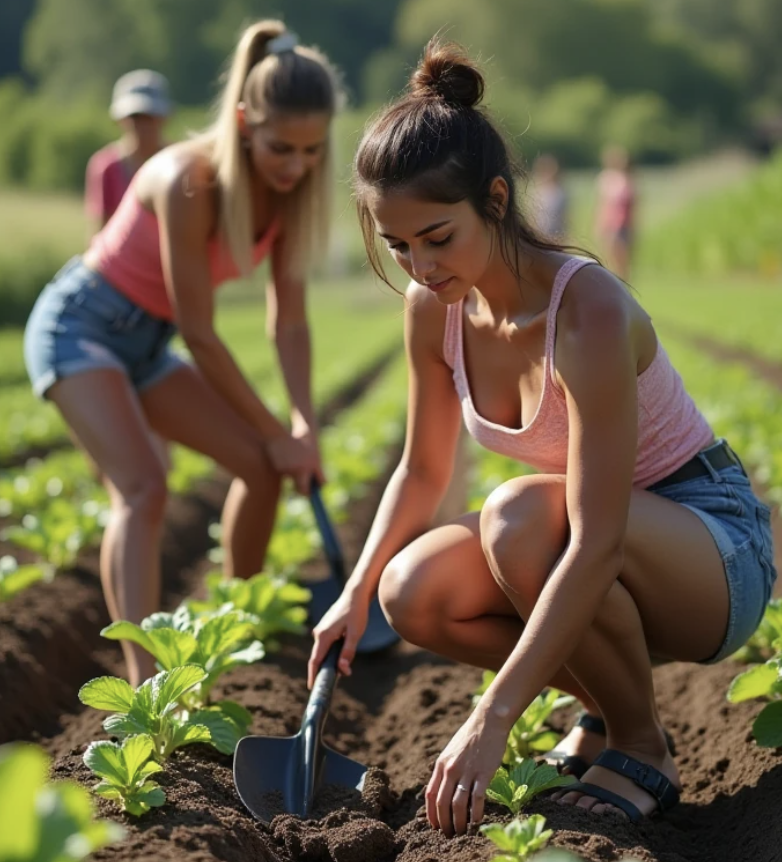
Homesteading Skills – Gardening, livestock, beekeeping, and food independence.

Alright, buckle up, because I’m not here to sugarcoat anything. If you think homesteading is some cute little hobby for weekend warriors sipping lattes, you’re dead wrong. This is about survival — real, gritty, no-BS self-reliance in a world that’s falling apart piece by piece. You want to eat, you want shelter, and you want your family to live? Then you better learn these homesteading skills now before the grid goes dark for good.

Homesteading Skills – Gardening, Livestock, Beekeeping, and Food Independence

15 Survival Skills You’d Better Master Yesterday

1. Seed Saving and Storage
If you don’t know how to save seeds from your crops, you’re just begging for starvation. Learn to harvest, dry, and store seeds properly. Keep them cool, dry, and dark. That little packet is your lifeline next season.

2. Soil Building and Composting
You want crops to grow, right? Then don’t expect miracles from dead dirt. Build healthy soil with compost and mulch. Stop relying on chemical fertilizers—they run out and poison your land. Nature’s way is the only way.

3. Crop Rotation and Companion Planting
Planting the same crop in the same spot every year is a death sentence for your garden. Rotate crops and plant companions that fight pests and boost growth naturally. Learn which plants hate each other and which ones love each other.

4. Water Harvesting and Conservation
Relying on municipal water? Ha! Learn to catch rainwater, build swales, or dig wells. Know how to conserve every drop. Without water, nothing grows, and you dry up and die.

5. Livestock Husbandry Basics
Chickens, goats, rabbits—these animals are your food factory, fertilizer source, and even security if you know what you’re doing. Learn proper feeding, shelter, health care, and breeding. Don’t let your critters die on you like some backyard zoo.

6. Butchering and Meat Processing
Don’t be squeamish. Learn how to butcher your animals cleanly and safely. Meat rots fast if you don’t handle it right. Knowing how to process and preserve meat saves your life when the freezer fails.

7. Beekeeping and Honey Harvesting
Bees aren’t just cute—they’re essential pollinators. You want your garden to produce, you better keep bees. Honey is natural medicine and a long-lasting sugar source. Know how to manage hives and harvest without wrecking the colony.

8. Food Preservation Techniques
Canning, drying, fermenting, smoking—you need to preserve your harvest or you’ll waste half of it. Learn every method so you don’t rely on supermarkets. Preserved food can keep you alive through winter or tough times.

9. Foraging Wild Edibles
Don’t just rely on your plot. Know how to find and identify edible plants, nuts, and berries in the wild. Ignorance here will get you sick or dead.

10. Pest and Disease Management
Don’t just spray chemicals like a zombie. Learn organic and natural pest control methods. Healthy soil and diverse crops resist pests better. If your garden gets wiped out, your food supply is toast.

11. Tool Maintenance and Repair
Broken hoe? Dead chainsaw? No parts and no hardware store nearby? Learn to fix and maintain your tools. Your tools are your lifelines—treat them like your own limbs.

12. Emergency Shelter Building
Shit hits the fan and you lose your home? Knowing how to build a quick shelter from natural materials or salvage is crucial. This isn’t just about comfort—it’s survival.

13. Fire Making and Cooking
You better know how to build and control fire with or without matches. Open flame cooking skills will save you when the power grid fails and fuel runs scarce.

14. Animal Butchering and Hide Tanning
Besides meat, your livestock gives you hides, bones, and sinew—valuable resources. Know how to tan hides and turn scraps into useful gear. Don’t waste a single bit.

15. Self-defense and Security
Protect your homestead. Learn basic self-defense and security protocols. Desperate people do desperate things, and when society collapses, you’ll need to defend your food and family.


3 DIY Survival Hacks for Homesteading

Hack #1: DIY Solar Food Dehydrator
Stop waiting for fancy gear. Build a solar dehydrator using scrap wood, clear plastic, and mesh screens. Dry fruit, herbs, and meat under the sun to preserve food without electricity. This simple contraption can save tons of food from spoiling and give you portable, high-energy snacks when fuel and power are gone.

Hack #2: Rain Barrel Water Filter
Set up a rain barrel system with a basic filter made from layers of sand, charcoal, and gravel. Collect rainwater off your roof, run it through this filter, and use it for irrigation or emergency drinking water after boiling. It’s dirt cheap and can keep your plants alive when drought hits.

Hack #3: Chicken Tractor from Scrap Materials
Build a movable chicken coop (chicken tractor) out of reclaimed wood and hardware cloth. This lets your chickens fertilize fresh ground while scratching for bugs, reducing feed costs and improving your soil naturally. Plus, it’s easy to move so you can keep your flock safe and happy.


Listen up. These skills aren’t just a hobby or a cute weekend project. They’re your lifeline if the supply chains break, the power grid goes down, or the economy tanks. Waiting for “someone else” to save you is a death sentence.

You want food independence? You want to raise your own protein and pollinate your garden with bees? You want to survive hard times with dignity? Then put down your phone, get outside, and start mastering these skills. No one’s coming to rescue you. It’s up to you to build, grow, and defend.

And if you think it’s easy, you’re dead wrong. It takes sweat, grit, and constant vigilance. This is survivalism at its rawest—no shortcuts, no excuses, no luxury.

Get to work.

Home Defense & Security – Fortifying your home, surveillance, and defensive landscaping.

If you think your cozy little house is safe just because you’ve got a lock on the door and some curtains drawn, you’re dead wrong — and sooner or later, that complacency will get you gutted like a fish. In these chaotic times, home defense and security aren’t optional extras; they’re lifelines. If you don’t fortify your home like a damn fortress, you’re inviting disaster. And I’m not talking about paranoia — I’m talking cold, hard reality.

You want to survive, you want to keep your family alive? Then you better get serious. This isn’t a game. This is about turning your home into a stronghold — a place where anyone trying to invade will regret it immediately. If you’re not prepared, you might as well just hand over the keys and roll out a welcome mat for looters, thieves, and worse.

Here’s the no-bullshit truth: You must have layers. Layers of defense. Layers of surveillance. Layers of deterrents so thick it’d make a tank look like a paperweight. So buckle up. I’m going to lay out 15 survival skills you need for home defense and security, and finish with 3 DIY survival hacks that will save your ass when the chips are down.


15 Survival Skills for Home Defense & Security

1. Fortify Every Entry Point

Your doors and windows are your frontline. If your doors aren’t solid core, get them replaced. Use heavy-duty deadbolts, reinforced strike plates, and long screws that reach the frame studs — no cheap shit. Windows? Reinforce with security film, bars, or shutters. Don’t leave any weak spots.

2. Perimeter Surveillance

Set up multiple layers of surveillance around your property. Motion-activated cameras with night vision are a must. They’re not just for catching criminals after the fact — they’re your early warning system. You want to know before someone sets foot on your property, not after they’ve kicked your door down.

3. Alarm Systems Are Essential

Get a loud, reliable alarm system. One that’s wired or battery-backed and can’t be easily disabled by power cuts. Loud alarms aren’t just noise; they’re a psychological barrier. Criminals hate attention.

4. Defensive Landscaping

Plant thorny bushes or thick shrubs under windows to deter burglars from getting close. Keep sight lines clear — no giant trees or bushes giving cover to creeps trying to sneak up. Gravel or stone pathways can alert you by making noise when someone walks over them.

5. Strategic Lighting

Use motion-activated floodlights all around your property. Darkness is the criminal’s best friend. When a light flips on, they bolt or get caught. Don’t skimp on lighting — this isn’t about beautifying your yard; it’s about scaring the hell out of intruders.

6. Secure the Garage and Outbuildings

Most people forget that garages and sheds are just as vulnerable as the house itself. If someone gets in there, they can grab tools or gain entry inside your home. Lock these up tight and reinforce doors like you do the main house.

7. Learn Proper Firearm Use and Safety

If you live in a place where guns are legal, knowing how to use a firearm safely and effectively is critical. A gun isn’t just for hunting or target shooting — it’s a last line of defense. Train until it’s second nature.

8. Create Safe Rooms

Designate and reinforce a safe room inside your house — a place with solid walls, a strong door, and supplies where you can retreat if your home is breached. It’s your fallback point, your lifeboat in the storm.

9. Master Hand-to-Hand Combat

When the worst happens and firearms aren’t an option, know how to defend yourself with your hands. Basic martial arts or self-defense skills could save your life. Never underestimate the power of a well-placed strike.

10. Escape and Evasion Plans

Have multiple escape routes planned from your home in case you’re overrun. Know where to go, how to get there quietly, and what you’ll need to take with you if you have to bolt. Survival isn’t just about fighting — it’s about knowing when to run.

11. Noise Discipline and Stealth

Learn how to move quietly and how to identify noises outside that signal danger. You want to hear the intruder before they hear you. Avoid making unnecessary sounds that reveal your location.

12. Use Barriers and Traps

Not lethal traps — legal ones — like trip wires connected to noisy alarms or obstacles that slow down an intruder’s progress. The more time you buy yourself, the better your chances.

13. Communication and Signaling

Have radios, signal mirrors, whistles, or other devices ready for emergencies to communicate silently with family members or neighbors. If you need backup or help, every second counts.

14. Stay Physically and Mentally Fit

Survival isn’t just about gear; it’s about mindset. Train your body to handle stress and fight or flight situations. Mental toughness will make the difference when the adrenaline’s pumping.

15. Practice Regular Drills

Set up scenarios with your family or housemates and run through your defense plans regularly. When it counts, everyone needs to know what to do without hesitation. Practice keeps panic at bay.


3 DIY Survival Hacks for Home Defense & Security

Hack 1: DIY Door Barricade with a Steel Rod

Take a heavy-duty steel rod or rebar about the length of your door’s width. Cut it to size so it fits snugly between the door handle and the floor at an angle. When you want to secure the door, wedge the rod firmly in place. This simple, cheap barricade can stop even the toughest kick-ins. It’s easy to install and remove but a serious barrier against forced entry.

Hack 2: Homemade Tripwire Alarm

Get some cheap bells or even old cans and string them up across common intrusion paths outside your home. Tie fishing line or thin wire across bushes or along pathways at ankle height. When a person walks through, it trips the wire and sets off the noise — alerting you immediately. It’s a classic, overlooked trick that works like a charm and costs next to nothing.

Hack 3: Mirrored Reflectors for Night Surveillance

Take old CDs or use small mirrors and hang them in your yard or near windows. Position them to catch moonlight or streetlight and reflect flashes toward likely intrusion paths. This flash of light can disorient or warn you about movement. Intruders don’t want to be caught in the spotlight — even one they don’t expect.


Final Word of Warning

This isn’t about turning your home into a fortress just for kicks or paranoia. It’s about survival. About defending what’s yours against a world that’s getting more violent and unpredictable by the day. If you don’t take home defense seriously, you’re a sitting duck.

Every inch of your property needs to be hardened, every possible weak spot reinforced, and every family member trained. You can’t afford to be lax. The criminals, the looters, the desperate people looking for easy targets — they don’t care about your comfort. They want what you have, and they won’t hesitate to take it by force.

So don’t wait until it’s too late. Start building your fortress today. Lock down every window and door, set up surveillance, light the perimeter like a stadium, and learn these survival skills like your life depends on it — because it does.

Get angry. Get prepared. Get ready to fight for your home.

Defend Your Ground: Practical Strategies for Survival Security

Listen up. If you think survival is some cozy little hobby, like gardening or birdwatching, you’re dead wrong. Out here in the real world, the second things go south, your safety is your responsibility — no one else’s. And if you don’t defend your ground, you might as well pack it in and become someone else’s snack. The world’s a ruthless place, and if you’re not prepared to defend what’s yours with every ounce of grit and grit alone, you’ll lose it all.

I’m sick of the wannabe “survivalists” who think stockpiling a few canned goods and a flashlight makes them ready. Bullshit. You want to survive? You need skills — real, practical, fight-or-flight skills that will keep you alive when every second counts and the stakes are your life.

Here’s the cold, hard truth: Defending your ground means being proactive, ruthless, and ready to act before things get ugly. The moment you hesitate is the moment you lose. So, strap in. I’m going to lay out ten survival skills you need burned into your brain, plus three DIY survival hacks you can build with your own two hands right now.


1. Situational Awareness: Your Sixth Sense

If you don’t see danger coming, you’re already dead. Period. Situational awareness isn’t just “looking around.” It’s knowing your environment like the back of your hand — every nook, every shadow, every possible threat vector. Train your eyes and ears to catch the smallest anomaly. Hear that twig snap? That’s not a squirrel; it could be someone stalking your perimeter.


2. Firearms Mastery

If you don’t have a working knowledge of firearms and practice regularly, you’re a liability — not an asset. Learn your weapon inside and out. Clean it, maintain it, shoot it until your hands bleed. In a crisis, hesitation or fumbling is a death sentence. Know how to handle firearms safely, but never underestimate their power to defend your ground.


3. Improvised Weapon Crafting

Sometimes you won’t have a gun handy. Fine. You better know how to turn anything into a weapon. A sturdy stick becomes a spear with a sharpened rock. Nails hammered into a plank make a nasty club. Learn how to craft improvised weapons fast — speed and creativity save lives.


4. Fortifying Your Perimeter

Walls and fences aren’t enough. You have to harden your base with layered defenses — think tripwires, camouflaged pits, and noise traps. If an intruder sets foot on your property, they shouldn’t just know you’re there — they should be afraid, confused, and disoriented. Make your defenses a maze of hazards.


5. Close-Quarter Combat

When an assailant breaks through your defenses, it’s going to come down to close-quarter combat. Learn how to fight dirty — elbows, knees, chokeholds, and strikes to vulnerable areas. Hand-to-hand combat isn’t Hollywood fancy; it’s brutal, fast, and messy. Get in, incapacitate your attacker, and get out.


6. Stealth Movement

Sometimes the best defense is not being detected at all. Move silently, blend with your environment, and avoid confrontation when you can. Stealth isn’t just for ninjas; it’s a survival skill. Learn to move like a shadow and never give away your position.


7. Escape and Evasion

No matter how strong your defenses, sometimes you have to bug out — fast. Know multiple escape routes and practice evasion tactics. Use terrain to your advantage, cover your tracks, and never go in a straight line. Staying mobile and unpredictable is key.


8. First Aid Under Fire

If you’re wounded defending your ground, a tourniquet and pressure bandage can be the difference between life and death. Learn trauma first aid like your life depends on it — because it does. Stop bleeding, manage shock, and keep moving.


9. Communication Without Tech

When the grid goes down, forget your phone. Know hand signals, mirror flashes, or whistle codes to communicate silently with your team. Noise can attract unwanted attention. Communication is survival, so master low-tech methods that work when everything else fails.


10. Mental Fortitude

The battlefield isn’t just physical — it’s mental. Fear will try to freeze you. Panic will cloud your judgment. You have to train your mind to push through exhaustion, pain, and fear. Mental toughness is what separates the survivors from the corpses. Build your resilience every damn day.


Three DIY Survival Hacks to Secure Your Ground

Alright, theory is fine, but you need actionable hacks you can set up today with stuff you already have lying around. Here are three DIY survival hacks to boost your security without breaking the bank:


Hack #1: Nailboard Tripwire Alarm

All you need is some scrap wood, old nails, and string or wire. Hammer nails into a wooden plank, sticking out a bit like spikes. String a thin wire or string across your perimeter, attaching it so that when triggered, it pulls on the nails, producing a loud rattling noise that will alert you instantly if someone crosses the boundary. Cheap, simple, and it can buy you precious seconds to get to your weapon.


Hack #2: DIY Sandbag Barricade

Sandbags are the backbone of any defensive perimeter. Don’t wait for a natural disaster supply run to find them. Use old pillowcases or sacks, fill them with dirt, sand, or even gravel, and stack them around doors and windows. They absorb shock, provide cover, and slow down any forced entry. Reinforce weak points on your property fast with this makeshift barricade.


Hack #3: PVC Pipe Spiked Fence

Cut sections of thick PVC pipe lengthwise, sharpen the edges with a file or grinder until they’re razor-sharp. Insert these into the tops of your fences or around your property’s vulnerable points. It’s not just ugly — it’s painful and will discourage any foolhardy intruder. Sharp PVC spikes cost pennies and can be mounted almost anywhere for a quick security upgrade.


Final Warning

I don’t care if you think your neighborhood is safe or your government has your back — when the grid collapses, all bets are off. The law won’t be there. Police? Military? Gone or overwhelmed. Your survival depends on your ability to defend your ground with everything you’ve got.

If you think security means locking your doors and hoping for the best, wake up. It’s a full-time job, a mindset, and a commitment. You will sweat, bleed, and maybe even lose some friends. But if you don’t prepare now, you’ll lose your life later.

Survival isn’t pretty. It’s raw, ugly, and relentless. But it’s the only truth out here. So get angry. Get prepared. Defend your ground — because no one else will.

Stockpile Smart: Mastering Long-Term Food Storage Techniques

First off, wake up! The world isn’t your safe little bubble anymore. The power grid can go out, trucks can stop delivering, and those fancy supermarkets? Empty shelves faster than you can blink. You want peace of mind? You build a fortress of food, not just some half-assed pantry with expired cans in the back.

But don’t get cocky thinking you can just shove a bunch of junk food in a closet and call it a day. Stockpiling smart means knowing what to store, how to store it, and for how long it’ll last. This isn’t a weekend camping trip; this is about surviving the unknown long haul. Here’s the deal:


10 Survival Skills You MUST Master for Long-Term Food Storage

  1. Food Rotation Management
    Don’t let your stockpile turn into a science experiment. Keep track of expiration dates and always rotate your supplies. Use the oldest first, replace with fresh, and mark everything clearly. No excuses.
  2. Proper Sealing Techniques
    Oxygen and moisture are your enemies. Learn to use vacuum sealers and Mylar bags with oxygen absorbers to extend shelf life. You want airtight containers that can withstand the test of time and pests.
  3. Dehydrating Food
    Drying food is a time-tested method that reduces weight and volume while locking in nutrients. Learn to dehydrate fruits, vegetables, and meats. It’s cheap, effective, and makes your stockpile last longer.
  4. Canning Mastery
    Pressure canning for low-acid foods like beans and meat is a survival skill you can’t ignore. If you botch it, you risk botulism—so get trained or study hard. Home-canned food can last years if done right.
  5. Growing Your Own Food
    Store all you want, but if the disaster drags on, you’ll need to grow your own. Get good at gardening, seed saving, and understanding your soil and climate. Stockpiling alone won’t save you forever.
  6. Foraging Knowledge
    Learn what wild plants are edible and safe. If you have to stretch your stockpile, wild greens, nuts, and berries can supplement your diet. But know them well—one wrong bite and you’re done.
  7. Food Preservation with Salt and Smoke
    If you want to keep meats and fish long-term, get familiar with salting and smoking. These old-school methods work wonders without electricity or fancy gadgets.
  8. Pest Control
    Rodents, bugs, and mold will wreck your food faster than you think. Master pest-proofing your storage area with tight containers, traps, and natural repellents.
  9. Water Purification and Storage
    Food alone won’t do you any good without clean water. Know how to store water safely and purify it on the fly with filters, boiling, or chemical treatments.
  10. Cooking with Minimal Resources
    Long-term survival means you might have to cook on a camp stove, solar oven, or even an open fire. Practice cooking from your stockpile using minimal fuel and tools.

3 DIY Survival Hacks for Smarter Food Storage

  1. DIY Mylar Bag and Oxygen Absorber System
    Don’t waste cash on pre-packaged storage. Buy food-grade Mylar bags in bulk, scoop in your dried or dehydrated food, and throw in oxygen absorbers. Seal the bag with a cheap iron from a thrift store or even a hair straightener. This DIY method will keep your food fresh and bug-free for years.
  2. Repurpose Old Buckets for Bulk Storage
    Got old 5-gallon buckets? Clean ’em out, line with Mylar bags, and store large quantities of grains, beans, or flour. Use gamma seal lids for airtight, stackable storage. This keeps pests out and food fresh. Bonus: buckets can double as water storage or emergency toilets if you’re really in a pinch.
  3. Build a Root Cellar Substitute
    No basement? No problem. Dig a small hole in a shaded, cool part of your yard, line it with bricks or wood, and cover it well with insulating materials. Store root veggies and some canned goods there to keep them cool and extend their shelf life naturally. This is old-school survival wisdom that’s dirt cheap and effective.

Now, why the hell does all this matter?

Because when SHTF, your “funny little stockpile” of expired canned beans and stale crackers won’t cut it. You need a system. A fortress. Something that works when the lights go out and the world flips upside down. If you don’t stockpile smart, you’re just delaying the inevitable starvation party.


More Angry Survivalist Truths About Food Storage

Don’t fall for the marketing crap! Freeze-dried meals and survival kits that cost you a kidney aren’t always the answer. They’re a start, sure, but building your own stockpile with bulk grains, beans, dried vegetables, and home-canned goods is where you build real resilience.

Balance nutrition, dammit! Storing only rice and beans might keep you alive, but you’ll feel like garbage. Get some powdered milk, freeze-dried fruits, nuts, honey, and salt. Your body needs variety to keep fighting.

Don’t forget your tools! You better have a manual can opener, a good knife, and a portable stove or two. If you can’t open your food, it’s worthless. No exceptions.

Label everything. No, seriously. Label every container with the contents and date stored. This is survival 101. You don’t want to waste precious calories guessing what’s inside.


Step-by-Step Stockpile Smart Plan

  1. Assess Your Needs
    Calculate how many days or months you want to cover. Factor in family size, calorie needs, and dietary restrictions.
  2. Start Small, Build Fast
    Buy staples in bulk gradually. Don’t blow your entire savings on one haul and then give up.
  3. Get Proper Containers
    Use airtight buckets, Mylar bags, vacuum sealers, and food-grade jars. Plastic bags won’t cut it.
  4. Keep It Cool and Dry
    Temperature and humidity are the enemy of food storage. Find a cool, dark, and dry place for your stockpile.
  5. Learn Preservation Skills
    Master drying, canning, fermenting, and salting. The more techniques you have, the better your chances.
  6. Regularly Inspect Your Stockpile
    Look for leaks, moisture, pests, and spoilage. Catch problems early before your food turns to garbage.
  7. Practice Using Your Stockpile
    Cook meals from your stockpile regularly to familiarize yourself with what you have and avoid surprises.

Final Warning

You want to be the one who survives? Stop whining and start doing. Stockpiling smart isn’t about paranoia; it’s about preparedness. If you wait until disaster strikes, it’ll be too late. Long-term food storage is your insurance policy against chaos.

If you haven’t mastered these skills and built your stockpile yet, you’re playing Russian roulette with your life. Get moving before the next crisis slams the door shut.


So, what are you waiting for? Start learning, start building, and stockpile smart. Because when the world goes dark, it’s not just about surviving. It’s about thriving — and that starts with your food.

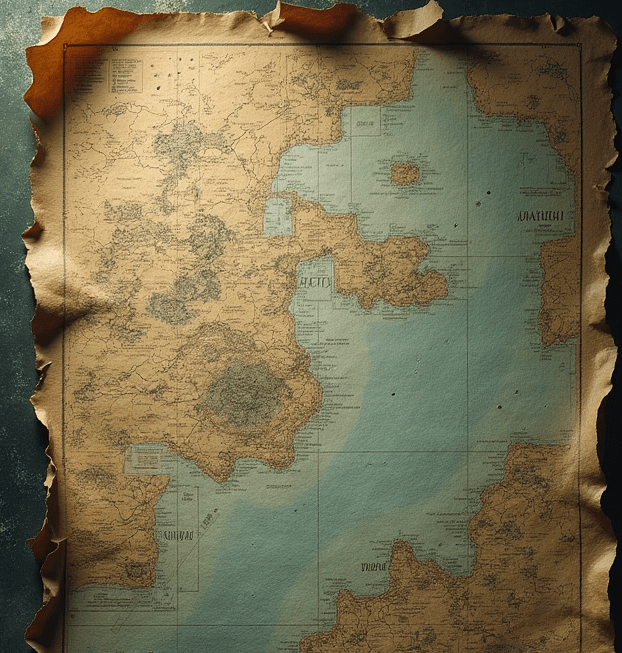
Old-School Navigation: How to Read Maps and Use a Compass Like a Pro

Old-School Navigation: How to Read Maps and Use a Compass Like a Dang Pro
(An Angry Survivalist’s No-BS Guide to Not Getting Lost )


Listen up, you soft modern-day wimps addicted to GPS and your goddamn smartphones. When the grid goes down—because trust me, it will—all your fancy gadgets will be about as useful as a screen door on a submarine. If you don’t know how to navigate old-school with nothing but a paper map and a compass, you might as well kiss your survival chances goodbye.

This is a brutal reality check. Nature doesn’t care about your tech, your signals, or your selfies. Nature demands respect and knowledge. So, if you want to survive the wild, you better get off your ass and learn how to read maps and use a compass like a pro—no whining, no shortcuts, no excuses.

Here’s a no-nonsense crash course with seven survival skills and three DIY hacks to keep you from wandering lost in the hellscape that is the wild.


Survival Skill #1: Understand Your Map—Topographic Maps Are Your Bible

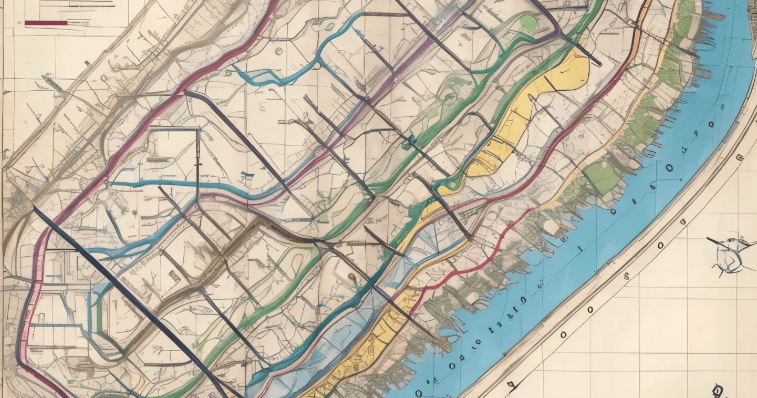
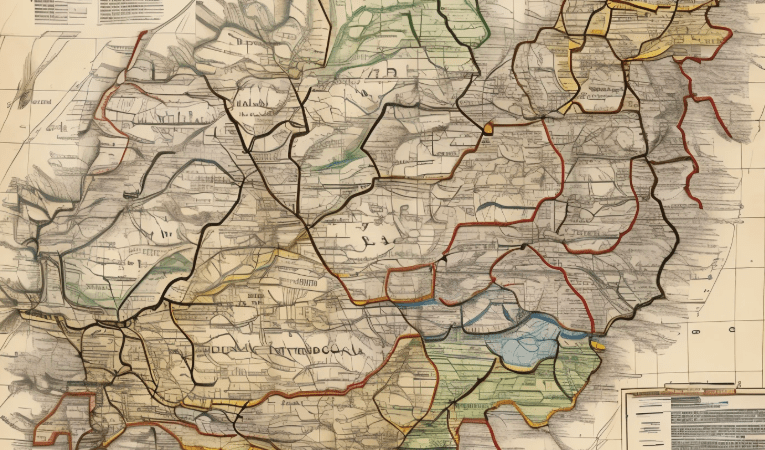
First, ditch those crappy road maps or tourist pamphlets. You want topographic maps—those beauties show elevation, terrain features, water sources, trails, and every knoll and valley you might crawl through. Learn to read contour lines: close lines mean steep terrain, wide lines mean gentle slopes. Know the symbols: trees, rivers, cliffs, roads, and trails.

If you can’t interpret your map’s legend, you’re dead meat. This isn’t a joke. Without a clear understanding, you might be aiming for a deadly cliff instead of a river crossing.


Survival Skill #2: Master Your Compass—Know Your Needle and Dial Like Your Life Depends On It

That needle doesn’t spin for fun. It points to magnetic north, which isn’t the same as true north, so you gotta learn the difference—declination—and adjust for it on your compass. If you just blindly follow the needle without accounting for declination, you’ll get lost faster than a squirrel in a maze.

Practice holding the compass flat, lining up the direction-of-travel arrow, and turning the bezel until the orienting arrow matches the magnetic needle. When that’s done, you’ve got a bearing to follow—simple but deadly effective if you screw it up.


Survival Skill #3: Taking a Bearing From the Map—Don’t Guess, Calculate

If you want to get somewhere, first figure out its bearing from your current position. Put the compass on the map with the edge connecting your position and the target. Rotate the bezel until the orienting lines align with the map’s north-south grid. Then, take that bearing off the compass and follow it.

If you skip this and just wander toward “the hill over there,” you’ll be walking in circles and starving before sunset.


Survival Skill #4: Using Landmarks to Confirm Your Position—Trust Your Eyes and Brain

Maps and compasses are useless if you don’t pay attention to the environment. Pick out landmarks—distinct hills, rivers, ridges, or roads—and match them to the map. Confirm your location often, don’t just blindly march forward.

If you’re not checking your surroundings constantly, you’re inviting disaster. Get lost once, and you’ll be lucky if you live to see a rescue.


Survival Skill #5: Pace Counting—Measure Your Distance Without Fancy Gadgets

Without GPS, you need a way to measure how far you’ve gone. Learn to count your paces—a survivalist’s best friend. Count every step for a set distance, then use that to estimate your stride length.

Yes, it’s annoying, but when you’re exhausted and starving, knowing you’ve gone two miles or ten can be the difference between hope and hopelessness.


Survival Skill #6: Back Bearings and Triangulation—Don’t Wander Blind

If you’re lost, don’t panic. Use back bearings to retrace your steps. Point your compass in the direction you came from, turn 180 degrees, and follow that bearing back.

Even better, use triangulation: take bearings on two or three distinct landmarks, draw lines on the map, and where they intersect is where you are. This is survival math—learn it or die trying.


Survival Skill #7: Night and Low-Visibility Navigation—Be Prepared to Improvise

Nightfall or fog doesn’t mean you stop moving. Know how to navigate by the stars or the moon if you lose your compass. Use natural indicators: moss growing on the north side of trees, the sun’s position at dawn or dusk.

Don’t wait for perfect conditions. The wild doesn’t care if you want to rest—it’s relentless. Keep moving with a plan.


DIY Survival Hack #1: Make Your Own Compass—Magnetize a Needle on the Fly

No compass? No problem. Find a sewing needle or small steel piece, rub it vigorously against silk, wool, or your hair to magnetize it, then float it on a leaf in still water. That needle will align north-south.

It’s crude but better than walking blind. Test this method at home before you actually need it—practice saves lives.


DIY Survival Hack #2: Create a Sundial to Approximate Direction

If you have a stick and some sun, you can create a simple sundial. Stick the stick upright in the ground, mark the tip of the shadow. Wait 15-30 minutes and mark the new position of the shadow tip. Draw a line between the two marks—this line runs approximately west-east.

From there, you can orient yourself roughly north-south. It’s not perfect but can save your ass in a pinch.


DIY Survival Hack #3: Use Natural Features as a Map Legend

When you have no map or compass, turn your environment into one. Sketch the terrain with sticks, stones, or in the dirt. Mark streams, hills, and campsites you’ve passed.

This rough “map” helps keep track of your route and prevents doubling back into dangerous spots or traps.


Final Word From the Gritty Trenches of Survival

If you think you can survive with just a phone app and a trust fall into Mother Nature’s arms, wake up. You’ll die cold, lost, and hungry. Old-school navigation isn’t just a skill—it’s a sacred survival rite.

Every survivalist worth their salt swears by the map and compass combo. It’s the purest, most reliable method known to mankind. No batteries, no satellites, just your brain, your eyes, and your hands.

Practice these skills until they’re as natural as breathing. Train yourself to respect the wilderness, to read its cues, and to never wander aimlessly. When the modern world crumbles, only the prepared will thrive.

So get off your lazy butt, print out a topo map, buy a real compass, and start drilling these skills hard. Because when the day comes, and it will come, you’ll either navigate like a pro or perish like the clueless fool you’ve been.

The SHTF Wake-Up Call: How to Prepare for a World Where What You Have Is All That Matters

The SHTF Wake-Up Call: How to Prepare for a World Where What You Have Is All That Matters

If you’re still sitting around, thinking that everything is going to be fine and that some miracle will come along to save you, then it’s time for a serious wake-up call. You’ve been warned, and if you haven’t taken action yet, you’re a fool. When shit hits the fan (SHTF) for real, you won’t have time to run to the store and pick up a few cans of beans. You won’t have a backup plan that depends on someone else’s help. The hard truth is, what you have on hand will be ALL that matters. That’s it. You think you’re prepared? Think again. You can’t survive on optimism or hope alone.

So, let me make it crystal clear: You better have your act together now, or you’re done.

The problem with most people today is that they’re completely blind to the real threats we face. They walk around, heads buried in their phones, oblivious to the fact that this whole society could collapse in the blink of an eye. But it’s not just some far-off apocalypse I’m talking about. I’m talking about economic collapse, social unrest, grid failures, natural disasters, pandemics, and everything in between. The kind of world where your food, your water, your shelter, and your ability to protect yourself from the chaos around you will depend entirely on what you’ve managed to gather and the skills you’ve learned.

That’s right. Skills. Skills that you better start mastering now.

Here’s the thing: when the grid goes down and the grocery stores empty out, you won’t be able to waltz into your friendly local convenience store to grab a snack. And let me tell you, unless you live in a rural area and have prepared for the worst, you won’t be seeing those preppers with “lots of ammo and supplies” coming to save you. It’s every man for himself, and you will quickly realize just how unprepared you are if you don’t start taking this seriously.

So, let’s get into it. If you want to survive the collapse, you need to have the right skills in your back pocket. Here are 15 critical SHTF survival skills you need to master before it’s too late.

1. Water Filtration and Purification

If there’s one thing that’s more precious than gold when SHTF, it’s water. You can go without food for weeks, but you can’t survive more than a few days without water. Stockpiling water is smart, but you also need the knowledge to purify any water you come across. Learn how to boil water, use filtration systems, and make DIY purification methods.

2. Fire Starting

A fire isn’t just for cooking or warmth. It’s a beacon for rescue, a deterrent for predators, and a signal to others. Learn how to start a fire with limited supplies. I’m talking about using flint and steel, magnifying glasses, fire starters, and even primitive methods like rubbing sticks together. If you can’t make fire, you’re screwed.

3. Food Preservation

Stockpiling food is essential, but do you know how to make it last? Canning, dehydrating, and fermenting food are all necessary skills. If you’re relying solely on canned goods, you’re setting yourself up for failure in the long run. Learning how to preserve your own food can make the difference between life and death.

4. Self-Defense

Let me say it loud and clear: the world isn’t going to be a safe place when SHTF. People will become desperate, and desperation breeds violence. If you don’t know how to defend yourself—whether that’s with a firearm, a knife, or your bare hands—you’re putting yourself at extreme risk. Learn how to use weapons, but also know how to fight without them.

5. Shelter Building

When your home is no longer safe, you’ll need to know how to build a shelter. Do you know how to construct a lean-to, a tarp shelter, or even use natural resources for protection? If you’re stuck in the wilderness, your survival depends on your ability to stay dry, warm, and protected.

6. Hunting and Fishing

You’re not going to find a butcher shop to supply you with steaks once society falls apart. Knowing how to hunt, fish, trap, and forage is vital for long-term survival. You need to have the skills to put food on the table in a world where hunting for a meal isn’t just a recreational activity.

7. First Aid and Medical Knowledge

When help isn’t on the way, you better know how to take care of yourself. You need more than just a basic first aid kit—you need to know how to use it. Learn basic field medicine, including how to treat wounds, fractures, infections, and even how to perform CPR. The human body is fragile, and when it goes wrong, you’ll be on your own.

8. Navigation

If the GPS goes down, are you prepared to find your way? Learn how to read a map and use a compass. In a collapsed world, you’ll need to be able to navigate through urban areas or the wilderness. Whether you’re running from danger or searching for a safer place, the ability to find your way will be crucial.

9. Bartering

Cash is worthless when the economy collapses, but goods and services still hold value. If you don’t understand how to barter, you’re going to be at a serious disadvantage. Learn how to negotiate and trade supplies or skills to get what you need.

10. Composting and Growing Food

When you can no longer rely on grocery stores, you better know how to grow your own food. If you can’t grow your own crops or raise livestock, you’ll quickly run out of resources. Learn how to compost, plant, and maintain a garden. It’s one of the most valuable survival skills you can have.

11. Mental Toughness

Let’s face it: survival isn’t just about physical skills; it’s also about mental resilience. If you lose your nerve when things get tough, you won’t last long. You need to stay calm, think critically, and be able to make tough decisions when everything around you is falling apart. Mental toughness will be your secret weapon.

12. Improvised Weapons

When ammunition and weapons are scarce, you need to know how to improvise. A sharp stick or a hammer can be just as effective as a firearm in a pinch. Learn how to turn everyday objects into weapons for self-defense.

13. Electricity Alternatives

You won’t have access to the grid when it goes down, so you better know how to create your own power. Solar panels, wind turbines, and hand-crank generators are all viable options. You also need to know how to repair basic electrical systems.

14. Communication

When cell towers and the internet are gone, you need to know how to communicate without relying on modern technology. Ham radios, signal fires, and other low-tech methods will keep you connected when everyone else is in the dark.

15. Mental Health Care

When society breaks down, your emotional and psychological state can make or break your survival. Depression, stress, and anxiety can destroy your ability to function. Learn techniques for maintaining mental health during chaotic times. You need to stay strong, calm, and focused.


3 DIY SHTF Survival Hacks

Now, let’s talk about some simple, DIY hacks that can save your life when SHTF. If you’re relying on a pre-made kit, you’re already behind the curve. Here are three hacks you need to know:

1. DIY Water Filter

You don’t need an expensive water filtration system to clean dirty water. Create a simple water filter using sand, gravel, charcoal, and a piece of cloth. Just layer these materials in a plastic bottle, and it will filter out the bigger contaminants, leaving you with cleaner water. It won’t purify it entirely, but it will make it much safer to drink.

2. DIY Solar Still

If you’re out in the wilderness without access to clean water, a solar still can help. Dig a small hole, place a container at the bottom, and surround it with plastic sheeting. Place a small stone in the center of the plastic to create a low point, and the sun will cause the water to evaporate, collect, and drip into the container. It’s a slow process, but it can provide clean water.

3. Fire Starter with Cotton Balls and Vaseline

When you don’t have matches, and you need to start a fire, make your own fire starter. Soak cotton balls in Vaseline and store them in a waterproof container. When you need to start a fire, just light one of these balls. The Vaseline will act as an accelerant, giving you a fast and hot flame to get your fire going.


If you think all of this is overkill, fine. Keep living in your fantasy world where someone else will save you when the world falls apart. But remember this: when SHTF, what you have is all you’ll have. No backup plans, no help from anyone. It’s time to wake up, get real, and start preparing. Or you’ll be one of the ones begging for help when it’s already too late. Your survival starts now, not tomorrow.

Naked in the Cold: How to Survive Freezing Temperatures Without Clothes

Let me paint a scenario for you, and don’t you dare shrug it off like it’s some movie plot. You’re out in the woods. Maybe you fell into a river, maybe your gear burned up in a freak accident, maybe some psycho stripped you and left you for dead. Doesn’t matter how it happened. The point is: you’re naked, it’s freezing, and you’ve got one job—stay alive.

And I hate to break it to you, but most of you wouldn’t last more than an hour. You’d panic, cry, curl into a ball, and die like a damn amateur. Not because nature is cruel (it is), but because you never trained for rock-bottom scenarios. You thought your gear would save you. You thought “that’ll never happen to me.” Well guess what? Nature doesn’t care about your fantasies. You either adapt, or you die.

So here it is. The hard, cold truth about how to survive when you’ve got nothing. No gear, no clothes, and death breathing down your neck.


First Rule: Panic Kills

You panic, you die. Simple as that. When you start hyperventilating, wasting energy pacing, or screaming for help that’s not coming—you’re burning calories and losing heat. STOP. BREATHE. ASSESS.

Your body is a machine. The moment you’re exposed to freezing temps, it goes into triage mode. Blood rushes to your core to protect vital organs. Your fingers and toes? They’re already expendable. You need to act, not freak out.


Step 1: Get Out of the Wind

Wind is the silent killer. It steals your body heat ten times faster than still air. Find a windbreak—fast. Rock outcroppings, dense bushes, downed trees, snowdrifts—use whatever you can. Dig into the earth or snow if you have to. Create a trench or burrow like your life depends on it, because it does.


Step 2: Insulate Yourself with Nature

No clothes? Fine. Nature’s full of insulation—if you’re not too soft to use it.

Stuff your body with:

  • Dead leaves
  • Dry grass
  • Pine needles
  • Moss
  • Bark shavings

Pack it everywhere: under your arms, between your legs, down your back. Build layers between you and the air. You look like a swamp monster? Who cares? Ugly people survive. Dead people don’t.


Step 3: Fire Is Non-Negotiable

If you can make fire, you make fire. I don’t care if it takes an hour. I don’t care if your hands are bleeding. Fire is warmth. Fire is life.

No tools? Then you’d better have the mental grit to make a bow drill or hand drill. Use dry wood only. Dead standing wood—not fallen, not wet.

DIY Survival Hack #1: Bark Tinder

Strip birch bark or cedar bark into fine fibers and crumple it up. It lights even when damp and burns hot.


Step 4: Shelter—Your First Home is Your Body

You can’t build a mansion out there, but you can make a microclimate.

  • Dig a pit shelter, about 2–3 feet deep.
  • Line the bottom with leaves or pine needles.
  • Build a roof with branches and more debris.
  • If you’ve got snow, use it—snow insulates, moron.

Trap your body heat. Sleep curled up in the fetal position. Don’t sprawl out like you’re on a damn beach.


Step 5: Move, But Not Too Much

You need to generate heat, but not burn calories recklessly. Marching around naked in sub-zero temps? That’s suicide.

  • Do short bursts of exercise: jumping jacks, squats, or arm circles.
  • Keep blood flowing to your extremities.
  • But don’t sweat—sweat is death in the cold. Once you’re wet, you’re done.

15 Cold Survival Skills You’d Better Learn Yesterday:

  1. Fire from friction – Make a bow drill, hand drill, or even fire plow.
  2. Primitive insulation – How to find, dry, and use natural materials to trap heat.
  3. Deadfall shelter building – Quick shelters from branches and snow.
  4. Understanding hypothermia – Recognize signs: slurred speech, shivering stops, confusion = you’re already in danger.
  5. Water purification – Snow isn’t clean; boil or filter it, or risk parasites.
  6. Snow melting without fire – Use body heat or dark containers to melt it slowly.
  7. Cold weather first aid – Treat frostbite and trench foot without a kit.
  8. Tracking wildlife – You may need to hunt or trap. Know the prints and patterns.
  9. Primitive snares – Use vines, shoelaces (if you’ve got ‘em), or bark strips.
  10. Navigating in snow – Landmarks vanish; learn sun and shadow tricks.
  11. Improvised footwear – Bark, grass, or thick moss tied with vines—protect your feet!
  12. Stone blade crafting – Shatter rocks to make usable edges.
  13. Snow cave construction – Done right, a snow cave keeps you at 32°F even if it’s -10°F outside.
  14. Mental survival conditioning – Training yourself to push through panic, pain, and despair.
  15. Signal making in snow – Contrasts with debris, fire smoke, or body tracks.

DIY Survival Hack #1: Body Heat Battery

If you’re freezing and alone, dig a depression in the snow and line it with dry material. Curl up, pee if you have to, and trap your own heat. Human urine, gross as it sounds, is warm and sterile and can raise core temp briefly. You’re not too good for it. Use everything.


DIY Survival Hack #2: Makeshift Mittens and Socks

No gloves? Wrap your hands and feet in multiple layers of natural debris, then cover that with bark or strips of flexible wood. Bind with vines or twisted grasses. It’s not pretty—but it buys you time.


Eat or Die Trying

Calories = heat. You need fat and protein, period. Look for:

  • Grubs under logs (yes, eat the damn bug)
  • Squirrels, rabbits (trap ‘em or club ‘em)
  • Edible bark (inner bark of pine and birch is chewable)
  • Fish (use sharpened sticks as spears)

If you’re too squeamish to eat a raw grub, you don’t deserve to survive. Sorry, but that’s the truth.


Final Word: This Ain’t Hollywood

You’re not Bear Grylls, and no one’s coming with a helicopter. When you’re naked in the cold, it’s just you, your wits, and your will to live.

Most people would rather die than crawl through mud, eat bugs, or sleep in a pile of leaves. They want dignity. Guess what? Dignity is for funerals. Out here, you either fight for every shivering second, or you freeze to death while whispering regrets.

So memorize this: You are not fragile. You are not helpless. You are not dead—until you give up.

You want to survive the cold with nothing? Then start acting like someone who deserves to survive.

And don’t wait for disaster to find you. Go out, strip down, and test yourself. Train. Prepare. Because the next time you’re naked in the cold, there won’t be a second chance.

You either make it out… or you become one more frozen idiot people tell stories about.