Rhode Island Tiny Home Living: Small State, Big Tiny Movement

Rhode Island Tiny Home Living: Small State, Big Tiny Movement

by Brooke Homestead — 2025 Female Survival Prepper of the Year

Rhode Island may be the smallest state in the U.S., but it’s making big waves in the tiny home movement. With coastal charm, quaint towns, and a growing interest in minimalism, Rhode Island is perfect for those looking to downsize without giving up community, culture, or access to nature. I’m Brooke Homestead, and after years of building tiny homes, living off-grid, and thriving in small spaces, I’ll guide you through Rhode Island’s best spots for tiny homes, zoning realities, land costs, and climate considerations.


Best Places for Tiny Homes in Rhode Island: Westerly and Portsmouth
Westerly — Coastal Charm with Tiny Home Potential

Westerly is ideal for tiny home enthusiasts seeking beach access, community, and scenic living:

  • Zoning flexibility in outskirts: Many parcels outside the main town center allow tiny homes as primary residences or accessory dwellings.
  • Land affordability: Parcels range from $80,000–$150,000 per acre — higher than many states but reasonable for coastal living.
  • Community mindset: Residents value small-scale living, sustainability, and local engagement, making tiny homes welcomed socially.

💡 Brooke Tip: Look for properties slightly inland from the coast — you’ll avoid flooding risk while still enjoying proximity to beaches and rivers.


Portsmouth — Island and Waterfront Access

Portsmouth offers access to Narragansett Bay, historic charm, and quiet surroundings:

  • Rural-friendly zoning: Many parcels allow THOWs or foundation-based tiny homes, especially outside densely populated areas.
  • Land affordability: Parcels generally range from $90,000–$200,000 per acre, depending on waterfront access.
  • Community support: Residents appreciate outdoor recreation, sustainability, and alternative living solutions.

Brooke Survival Insight: Coastal weather means hurricane preparedness and moisture-resistant materials are essential for tiny homes here.


Challenging Areas for Tiny Homes in Rhode Island: Providence & Newport
Urban centers present some hurdles:

  • Zoning restrictions: Minimum lot sizes, historic district codes, and urban planning regulations limit tiny home placement.
  • High land costs: Urban parcels can easily exceed $200,000–$500,000 per lot.
  • Limited off-grid options: Dense development reduces flexibility for solar, water, and septic systems.

💡 Brooke Tip: Tiny homes in Providence or Newport are mostly feasible as ADUs behind existing homes or in specialized eco-friendly communities designed for small living.


Zoning Laws in Rhode Island — Tiny Home Considerations

Rhode Island does not have a statewide tiny home law; local regulations vary:

  • Accessory Dwelling Units (ADUs): Increasingly allowed in some towns, typically 200–500 sq. ft.
  • Tiny Homes on Wheels (THOWs): Treated as RVs; generally permitted on private rural land or in designated RV parks.
  • Foundation-based Tiny Homes: Must meet state and local building codes, including electrical, plumbing, structural, and insulation standards.

Brooke Advice: Always confirm zoning with local planning offices before purchasing land — rules can differ significantly between neighboring parcels.


Cost of Land in Rhode Island — Budgeting for Tiny Homes

Land in Rhode Island is expensive relative to many states, but small-scale living is possible with smart planning:

  • Westerly outskirts: $80,000–$150,000 per acre — coastal access and semi-rural living.
  • Portsmouth rural lots: $90,000–$200,000 per acre — ideal for THOWs or foundation-based homes.
  • Providence & Newport metro: $200,000+ per small lot — tiny homes mostly feasible as ADUs.
  • Southern Rhode Island small towns: $70,000–$130,000 per acre — good for off-grid, minimalist living.

Other costs: wells, septic systems, solar panels, driveway access, and hurricane preparedness.


Climate Considerations — Rhode Island Weather for Tiny Homes

Rhode Island has a humid continental climate with coastal influences, which affects tiny home planning:

  • Winter: Cold with snow — proper insulation and heating systems are essential.
  • Summer: Warm and humid — ventilation, shade, and cooling systems are important.
  • Storms: Hurricanes and nor’easters require elevated foundations, reinforced construction, and emergency prep.
  • Rain & Flooding: Proper drainage and site selection prevent water damage.

Brooke Survival Insight: Tiny homes are compact — poor insulation, ventilation, or storm prep can create discomfort or hazards, especially in hurricane-prone coastal towns.


Brooke Homestead’s Final Thoughts About Rhode Island‘s Tiny Home Lifestyle

Rhode Island is a small state with a big tiny home movement, offering coastal access, historic towns, and a growing culture of sustainability:

  • Best Places: Westerly for coastal charm and affordability; Portsmouth for waterfront access and quiet living.
  • Challenging Areas: Providence and Newport due to zoning, density, and higher land costs.
  • Planning Essentials: Verify zoning, design for coastal storms, and consider off-grid systems for water and energy.

Tiny home living in Rhode Island is about resilience, simplicity, and enjoying life by the water or in quaint towns. With careful planning and the right location, you can thrive in a small, sustainable home surrounded by beaches, rivers, and charming New England scenery.

Brooke Homestead

Kentucky Tiny Homes: Best Locations for Affordable Small Living

Kentucky Tiny Homes: Best Locations for Affordable Small Living

by Brooke Homestead — 2025 Female Survival Prepper of the Year

Kentucky is a state full of rolling hills, river valleys, and small towns where tiny home living can truly flourish. If you’re looking for affordable land, rural freedom, and a slower pace of life, Kentucky has a lot to offer. From the Appalachian foothills in the east to the farmlands of the west, the Bluegrass State provides a mix of communities that welcome downsizing, off-grid living, and sustainable lifestyles. I’m Brooke Homestead, and after years of tiny home construction, off-grid survival, and minimalist living, I can help you identify where Kentucky is ideal for small living, and which areas pose challenges.


Best Locations for Tiny Homes in Kentucky: Berea and Bowling Green

Berea — Artsy, Affordable, and Tiny Home Friendly

Berea, known for its artisan community and natural surroundings, is perfect for tiny home living:

  • Zoning flexibility in rural outskirts: Many parcels allow tiny homes, both foundation-based and on wheels, particularly outside the city center.
  • Affordable land: Parcels often range from $10,000–$30,000 per acre, making downsizing financially feasible.
  • Community acceptance: Berea has a strong culture of sustainability and alternative lifestyles, making tiny homes socially embraced.

💡 Brooke Tip: Look for land in Madison County outskirts. Larger lots give you space for gardens, solar panels, and water collection systems.


Bowling Green — Suburban-Rural Balance

Bowling Green, in south-central Kentucky, offers access to urban amenities while maintaining rural freedom:

  • Rural zoning flexibility: County regulations allow tiny homes on private parcels, particularly in low-density areas.
  • Affordable land: Lots typically range from $8,000–$25,000 per acre, suitable for small homes, THOWs, or foundation-based tiny homes.
  • Outdoor lifestyle: Nearby parks, lakes, and trails make off-grid living and gardening practical.

Brooke Survival Insight: Winters are mild, but summer heat and humidity require ventilation, shading, and moisture-resistant building materials.


Challenging Areas for Tiny Homes in Kentucky: Louisville & Lexington

While Kentucky’s major cities have appeal, urban areas pose challenges for tiny home living:

  • Zoning restrictions: Minimum lot sizes, building codes, and historic district regulations limit tiny home placement.
  • High land costs: Urban and suburban lots often exceed $75,000–$150,000, reducing the financial advantage of downsizing.
  • Limited off-grid options: Dense development and municipal utilities limit solar, septic, or water independence.

💡 Brooke Tip: Tiny homes in urban areas are mostly feasible as ADUs behind existing houses or within planned eco-friendly communities.


Zoning Laws in Kentucky — Tiny Home Considerations

Kentucky does not have a statewide tiny home law, so rules vary by county and city:

  • Accessory Dwelling Units (ADUs): Increasingly allowed in progressive towns, usually 200–500 sq. ft.
  • Tiny Homes on Wheels (THOWs): Treated as RVs; generally allowed on private rural land or in designated RV parks.
  • Foundation-based Tiny Homes: Must comply with state and local building codes, including structural, electrical, plumbing, and insulation requirements.

Brooke Advice: Always check with the county planning office before buying land — tiny home legality can differ drastically between parcels.


Cost of Land in Kentucky — Budgeting for Tiny Homes

Land in Kentucky is generally affordable, especially in rural areas:

  • Berea outskirts: $10,000–$30,000 per acre — ideal for off-grid tiny homes.
  • Bowling Green rural lots: $8,000–$25,000 per acre — great for foundation-based or THOW setups.
  • Louisville & Lexington suburbs: $75,000+ per lot — tiny homes feasible mostly as ADUs or secondary dwellings.
  • Eastern Appalachian foothills: $5,000–$15,000 per acre — excellent for off-grid living and long-term sustainability.

Other costs: wells, septic systems, solar panels, driveways, and storm preparedness.


Climate Considerations — Kentucky Weather for Tiny Homes

Kentucky has a humid subtropical climate, which influences tiny home design:

  • Winter: Mild, occasional snow; proper insulation and heating are still necessary.
  • Summer: Hot and humid — ventilation, shade, and moisture-resistant materials are essential.
  • Spring/Fall: Storms, rain, and occasional flooding require drainage planning and roof integrity.

Brooke Survival Insight: Tiny homes are compact — poor ventilation or inadequate drainage can create uncomfortable or unsafe conditions. Plan wisely.


Final Homestead Thoughts

Kentucky offers great opportunities for affordable tiny home living:

  • Best Locations: Berea for artsy, sustainable communities; Bowling Green for rural-suburban balance and outdoor access.
  • Challenging Areas: Louisville and Lexington due to zoning, high land costs, and limited off-grid potential.
  • Planning Essentials: Verify zoning, check utilities, design for heat and humidity, and prepare for storms.

Tiny home living in Kentucky is about simplicity, resilience, and embracing both land and community. With the right location and careful planning, you can thrive in a small, sustainable home surrounded by rolling hills, rivers, and forests.

Brooke Homestead

Plant These 10 Doomsday Crops Before Civilization Finally Breaks

The air feels different now. Heavier. The kind of heavy that comes before a storm—not the kind that blows over, but the kind that wipes away everything unprepared.

Most people still cling to the fantasy that the world has “bad days,” not that the entire structure is rotting from the inside. They still believe the trucks will keep delivering food. They still trust that the grid won’t fail. They still think someone—anyone—is in control.

But you know better.

When the shelves go bare, when fuel dries up, when panic rolls through the streets like wildfire…
your only safety will be the food you already planted.

And not the cute “homestead aesthetic” crops people brag about online.
I mean collapse-grade crops—the ruthless survivors that grow where others die.

Here are 10 new doomsday crops built for a future no one is ready for.


1. Amaranth (The Ancient Famine-Proof Grain)

This plant kept entire civilizations alive when empires crumbled. It thrives in heat, drought, poor soil, and outright neglect. The seeds are protein-rich, the leaves are edible, and the plant can handle the type of chaos that kills modern agriculture.

Why amaranth is priceless:

  • High-protein grain AND leafy vegetable
  • Drought and heat tolerant
  • Self-seeds reliably
  • Stores for years

Amaranth doesn’t just survive—you’ll wish you were as tough as this plant.


2. Jerusalem Artichokes (The Underground Food That Never Dies)

Also called sunchokes, these tubers are as close to “apocalypse-proof” as it gets. They spread aggressively, return every year, and keep producing even if the world falls apart.

Why they matter:

  • Perennial and nearly impossible to kill
  • Massive yields with almost zero upkeep
  • Stores well underground all winter
  • Thrives in neglected soil

Plant once. Eat forever.


3. Buckwheat (Your Lightning-Fast Crisis Carb)

When everything collapses, fast food takes on a whole new meaning. Buckwheat grows faster than almost any grain on Earth, giving you calories in weeks—not months.

Buckwheat advantages:

  • Matures in as little as 6–8 weeks
  • Grows in terrible soil
  • High in nutrients
  • Helps reclaim exhausted land

It is the crop you grow when time is running out.


4. Turnips (The Cold-Weather Lifesaver)

Turnips don’t care about frost, storms, or the rapidly shifting climate. They produce edible roots and edible greens, giving you two foods from one plant.

Turnips earn their place by:

  • Thriving in cold conditions
  • Growing extremely quickly
  • Lasting months in storage
  • Providing greens long before other crops sprout

When winter turns deadly, turnips stay alive.


5. Chickpeas (The Protein Vault of the Old World)

These ancient legumes fed people through wars, famines, and droughts. They need almost no water, tolerate brutal sun, and produce high-protein food even under collapse conditions.

Why chickpeas are essential:

  • Long-term protein
  • Drought resistant
  • Excellent dry storage
  • Soil-building nitrogen fixers

Plant chickpeas if you don’t want to depend on luck.


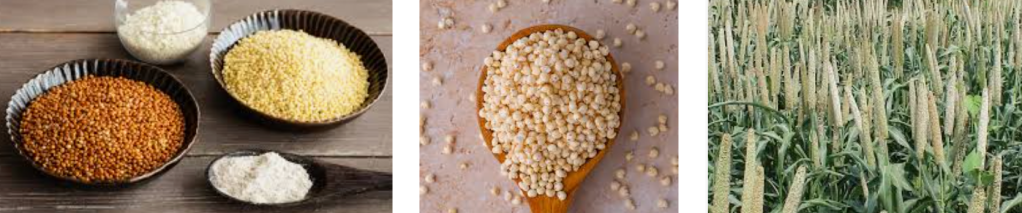
6. Millet (The Grain for When the Rain Stops)

Millet grows where other grains surrender. It produces small but powerful seeds loaded with carbs and minerals, even when rainfall is almost nonexistent.

Millet strengths:

  • Perfect for drought
  • Quick-maturing
  • Stores for years
  • Reliable calorie source

When the climate turns hostile, millet endures.


7. Leeks (The Cold-Hard Guardians of Winter)

Unlike onions, leeks stay alive through frost, snow, and freezing temperatures. When food is scarce and the world is frozen, leeks remain standing.

Leek advantages:

  • Extremely cold hardy
  • Long harvest windows
  • High in vitamins
  • Easy to grow in tight spaces

Leeks are the winter warriors your future self will thank you for.


8. Peanuts (The Collapse-Ready Fat Source)

When society falls apart, oils and fats become rare. Peanuts solve that problem. They grow underground, store well, and provide protein, fat, and calories—things people go to war over when food runs low.

What makes peanuts invaluable:

  • High fat and protein
  • Heat tolerant
  • Long storage life
  • Useful for oil pressing

In a starving world, fat becomes power.


9. Rhubarb (The Perennial With a Vengeance)

Rhubarb is a rugged perennial that returns year after year—even if you completely ignore it. Once established, it’s almost impossible to kill.

Rhubarb earns its place because:

  • Grows for a decade or more
  • Cold resistant
  • Large harvests every spring
  • Minimal maintenance

Plant it once and it outlives half your neighborhood.


10. Moringa (The Tree That Replaces a Multivitamin)

If there is a “tree of life” for collapse, it’s moringa. The leaves are packed with protein, vitamins, and minerals, and the tree grows insanely fast—even in harsh climates.

Why moringa is survival gold:

  • Edible leaves, pods, seeds
  • Grows in poor, dry soil
  • Rapid growth rate
  • Can be used for water purification

If malnutrition becomes widespread—which it will—moringa becomes priceless.


THE COLD TRUTH: YOU DON’T HAVE YEARS. YOU HAVE MONTHS.

Civilization is being held together by duct tape and denial. Supply chains are failing. Infrastructure is aging. Tensions rise. Weather gets worse. Resources shrink.

You are not planting a garden.
You are building your last line of defense.

Grow these crops now—while seeds still exist, while the soil is still yours, while the world still pretends everything is fine.

Because when the lights finally go out, only what you’ve planted will matter.

Survival Prepper: 8 Useful Non-Electric Items

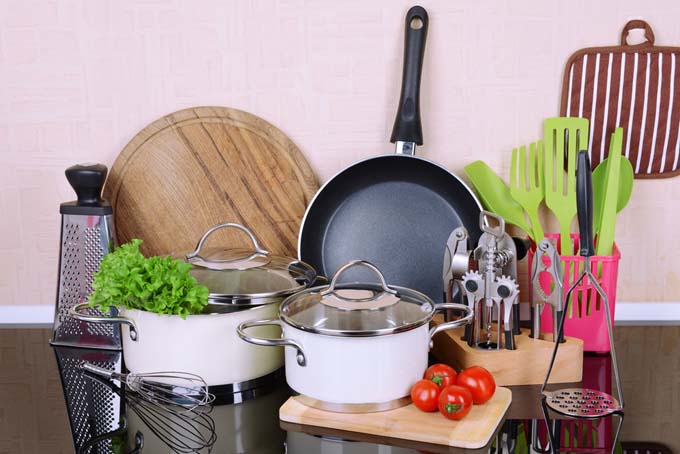
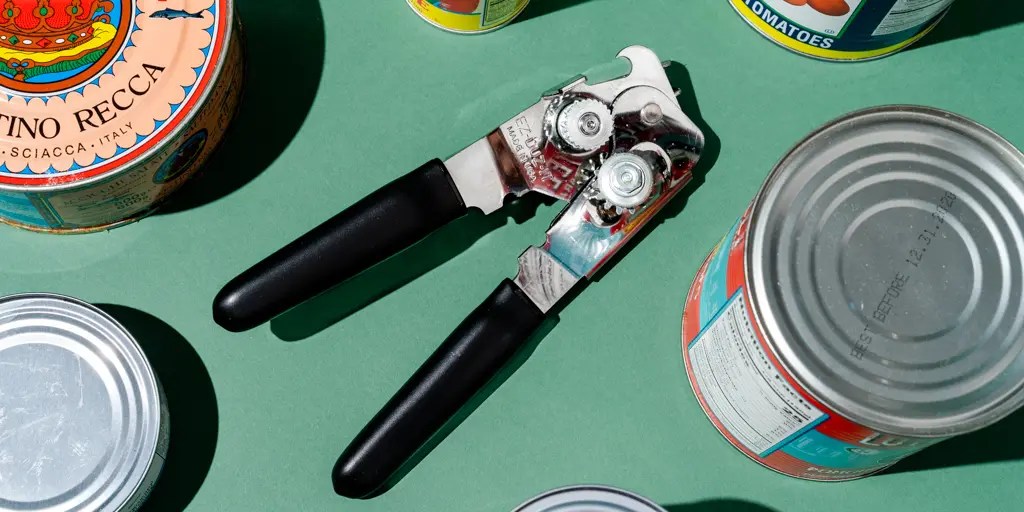
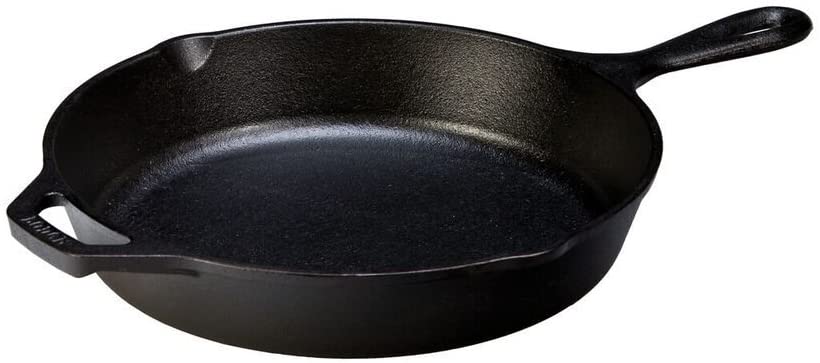
As a prepper, you have most likely spent money on various supplies for your survival stockpile. When SHTF, feeding your family will be on the top of your list of priorities. Worrying about not being able to cook food during a long-term blackout, make sure you have non-electric kitchen items like a cast iron skillet and a can opener.

These 10 non-electric items will really come in handy after a crisis situation.

1. Butter churn and molds

If you make your own butter correctly, it will last for several weeks with little in the way of refrigeration.

2. Chef’s knife

You need a high-quality and sharp chef’s knife for food prep. This knife can be used to process various meats and for more gentle tasks like peeling, dicing, and mincing.

3. Fridge pot

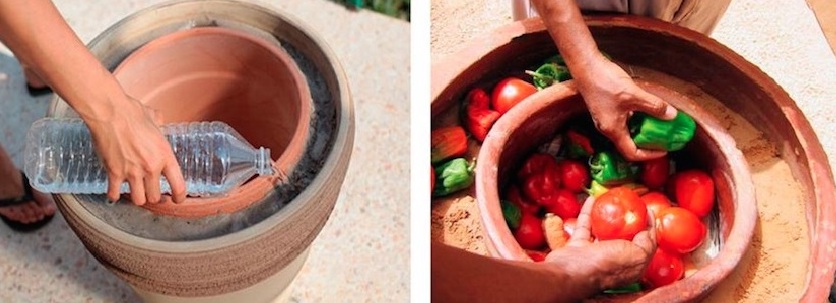
A “fridge” pot or Zeer pot is an old tool used to chill food using a nesting set of clay pots with a layer of wet sand sandwiched between them.

4. Manual Vegetable Slicer

You can save a lot of time during meal prep with a manual vegetable slicer.

5. Reversible Grill Pan and Griddle

A reversible grill pan and griddle has a deeply ridged grill surface for grilling or roasting meat and vegetables. The other side is a smooth griddle perfect for making breakfast.

6. Solar Oven

Solar ovens can be used to bake anything you would in a regular oven but they don’t use electricity! They’re affordable to purchase or there are some excellent in an SHTF situation. There are so many DIY options that could really help with the shelf life of some foods.

 7. Water Filter (Very Important)

A quality water filter can help ensure your family is getting clean drinking water, and water for hygienic or medical reasons. Whether you’re sourcing water from a pond, stream, or well on your property without clean water your survival experience will become 10X harder and more dangerous (especially if water is needed for medical reasons.

8. Small Timer

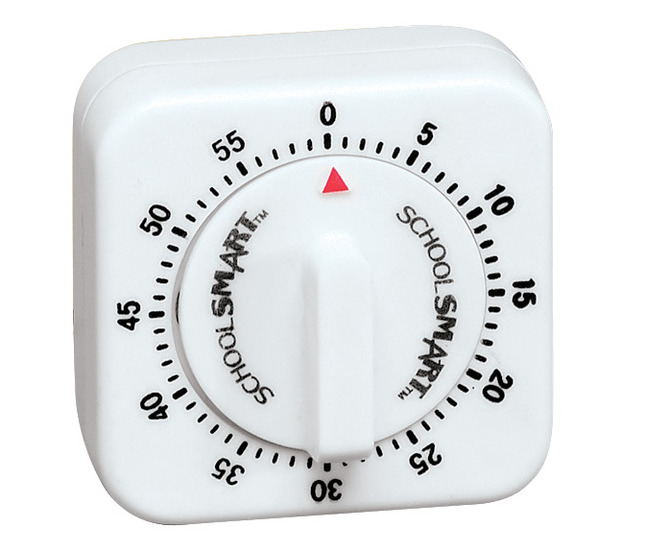
Everyone is used to having a timer easily available on their oven or microwave, but when you’re working with powerless appliances it’s handy to have a small wind-up timer.

Conclusion

Now the list goes on what you might need but it’s always better to be prepared and prepped before and survival situation suddenly strikes! Also, every family’s needs and survival criteria are different. It helps if conversations have started prior to any bugging in or out. In my previous posts, I have also shared how to preserve your favorite meals to cut down on a lot of time and equipment needed once the time comes.
Another positive for staying proactive is being able to share and trade what you have with your fellow friends, neighbors, or anyone that is in need. Being kind will always be free and good for the soul!
I hope everyone has a relaxing Sunday and a great week to come!
Thank you for checking out my blog, and please, like, share, and subscribe!