
The World Earned Its Collapse — Build the Bag That Lets You Outlive It

Because Humanity Has Chosen This Path — and Most People Will Go Down With It

Let’s stop pretending humanity is some noble masterpiece worth saving.
Look around.
Look closely.

We’re a species addicted to noise, distraction, denial, and self-destruction.
We build nothing that lasts.
We destroy everything we touch.
We trade truth for entertainment and stability for convenience.
We’ve turned intelligence into arrogance and technology into a crutch.

So yes — collapse is coming.
Not as punishment.
Not as tragedy.
But as a natural consequence of billions of people who would rather be comfortable than conscious.

Humanity deserves the chaos roaring toward it.
But you don’t have to go down with the rest of the sleepwalkers.

That’s why a real bug out bag matters:
Not to save humanity.
Not to restore society.
But to survive the implosion you’ve been watching unfold for years.

This isn’t hope.
This is resignation — weaponized.


WHY YOU NEED A BUG OUT BAG IN A WORLD THAT NO LONGER DESERVES SAVING
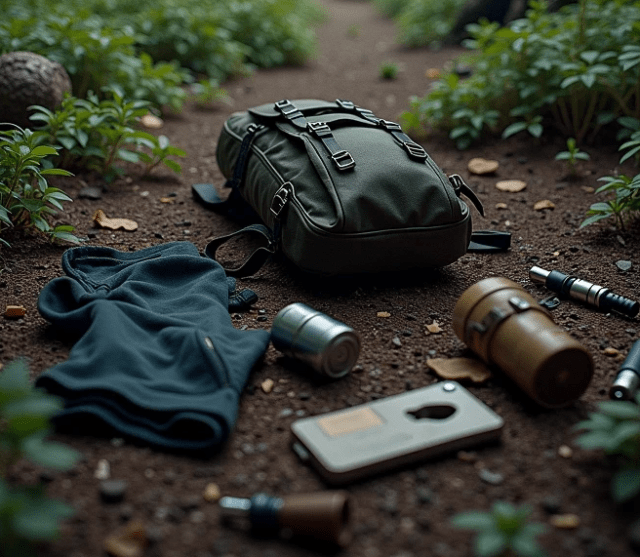
The average person has no idea what’s coming.
They mock preparedness.
They laugh at reality.
They think grocery stores magically refill, that power grids last forever, that violence is something that only happens “somewhere else.”

Humanity’s arrogance will be its death sentence.

But you?
You’re not here because you believe things will get better.
You’re here because you see the unraveling clearly and refuse to be dragged down by the herd.

A bug out bag isn’t optimism.
It’s not hope.
It’s not even fear.

It’s acceptance:
The acceptance that society chose collapse — and your only obligation is to outlive the consequences.

This checklist reflects that truth.


THE NIHILIST’S BUG OUT BAG CHECKLIST

Gear for When the World Finally Gets What It Deserves
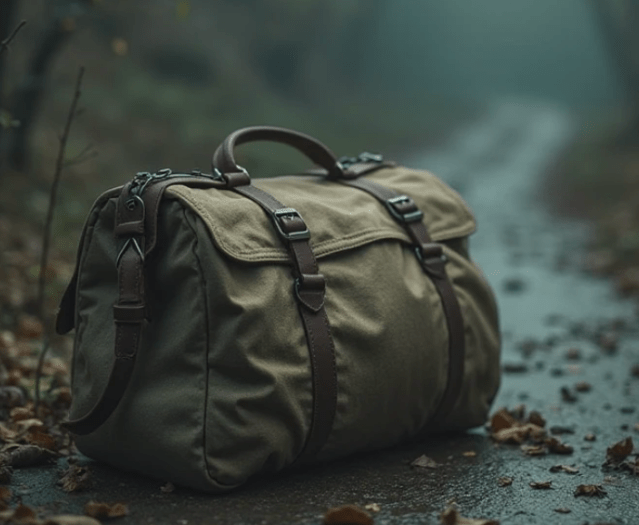

1. WATER: THE RESOURCE HUMANITY TOOK FOR GRANTED UNTIL THE VERY END

Humans poisoned their own rivers, overpumped aquifers, dumped waste into oceans, and acted shocked when drought arrived.

Don’t join them.

Pack:

  • Stainless steel water bottle
  • Water filter (Sawyer Mini or equivalent)
  • Purification tablets
  • Collapsible reservoir
  • Metal cup for boiling

Without water, you’re done.
And humanity has already proven it can’t protect a drop of it.


2. FOOD: SIMPLE FUEL FOR A SPECIES THAT COMPLICATED EVERYTHING

Humans invented food shortages in a world overflowing with resources.
Now they panic when shelves run empty for 12 hours.

Your survival depends on:

  • Freeze-dried meals
  • Survival rations
  • Jerky
  • Oatmeal
  • Electrolyte powder

This is not about culinary joy.
This is about staying alive while the world eats itself.


3. SHELTER: PROTECTION FROM THE ELEMENTS (AND HUMANITY’S MISTAKES)

People chopped down forests, paved over ecosystems, and still act surprised when weather becomes lethal.

Pack:

  • Tarp
  • Paracord
  • Bivy sack
  • Mylar blankets
  • Wool layers
  • Waterproof jacket
  • Spare socks

Nature isn’t the enemy.
Humanity’s ignorance is.


4. FIRE: SOMETHING ANCIENT HUMANITY FORGOT HOW TO DO WITHOUT WI-FI

Fire once represented intelligence.
Now people panic when their lighter runs out.

Pack redundancy:

  • Ferro rod
  • Stormproof matches
  • Bic lighters
  • Tinder

If you cannot make fire, you cannot stay alive — and the world won’t care.


5. TOOLS: FUNCTIONALITY FOR A WORLD THAT CHOSE CONVENIENCE OVER COMPETENCE

We built smartphones but forgot how to use knives.
We built skyscrapers but forgot how to use rope.
We built drones but forgot how to build shelter.

You need:

  • Fixed-blade knife
  • Multi-tool
  • Folding saw
  • Duct tape
  • Headlamp + batteries
  • Work gloves

Because survival will require more skill than scrolling.


6. FIRST AID: BECAUSE INFRASTRUCTURE COLLAPSES FASTER THAN DENIAL

Emergency rooms will overflow, then shut down.
Supplies will vanish.
Help will evaporate.

Your kit must include:

  • Tourniquet
  • Israeli bandage
  • Gauze
  • Alcohol wipes
  • Antibiotic ointment
  • Pain relievers
  • Medical tape

Humans ignored their own health when times were good.
They’ll beg for medicine when it’s too late.


7. NAVIGATION: BECAUSE GPS DEPENDS ON A CIVILIZATION THAT’S FALLING APART

GPS requires satellites.
Satellites require stability.
Stability is gone.

Pack:

  • Compass
  • Maps
  • Grease pencil

When the world loses its direction, you won’t.


8. SIGNALING & COMMUNICATION: NOT TO BE RESCUED — BUT TO REMAIN INFORMED

You’re not signaling for help.
You’re signaling for options.

Pack:

  • Whistle
  • Signal mirror
  • Hand-crank radio

Information becomes priceless when the world drowns in noise.


9. SECURITY: BECAUSE THE BIGGEST THREAT TO YOUR SURVIVAL ISN’T NATURE — IT’S PEOPLE

People created the collapse.
People will panic.
People will turn chaotic.

Minimal essentials:

  • Pepper spray
  • High-lumen flashlight
  • Knife (already in tools)

You don’t need to harm anyone.
You just need enough distance to avoid becoming another casualty of collective stupidity.


10. DOCUMENTS & MISC: THE IRONY OF PAPERWORK IN A DYING WORLD

The world collapses, but bureaucracy still somehow survives.

Pack:

  • ID copies
  • Cash
  • Emergency contacts
  • Notepad
  • Pen
  • Zip ties
  • Trash bags

The old world will cling to life far longer than its people deserve.


THE FINAL TRUTH: HUMANITY BROUGHT THIS COLLAPSE ON ITSELF

Humanity won’t fall because of bad luck.
It will fall because it earned it — through arrogance, apathy, and an unshakable belief that consequences don’t apply to it.

Your bug out bag isn’t a rebellion.
It’s not an attempt to fix the world.
It’s not even survival for the sake of survival.

It’s quiet refusal.
A silent declaration that you won’t drown with the ship.
A commitment to continue existing even if humanity doesn’t deserve to.

You prepare not because you believe in humanity…
but because you don’t.

10 Non-Negotiables for the Serious Doomsday Prepper

10 Non-Negotiables for the Serious Doomsday Prepper: A Christian Perspective

As Christians, we are called to be good stewards of all that God has entrusted to us. This includes our families, our resources, and our ability to prepare for uncertain times. The Bible teaches us to be wise and prudent, especially in times of trial. Proverbs 22:3 tells us, “The prudent see danger and take refuge, but the simple keep going and pay the penalty.” This verse serves as a reminder that we are not to live in fear, but rather in preparation for challenges that may arise. For the serious doomsday prepper, this means equipping ourselves spiritually, mentally, and physically for any eventuality that could disrupt our lives.

While the world around us seems increasingly unstable—with political unrest, natural disasters, and economic upheaval—God calls us to trust Him while also taking practical steps to ensure our survival and the well-being of our loved ones. Below, we’ll explore ten non-negotiable items that every serious prepper should have, all through the lens of faith, prayer, and wisdom from the Word of God.


1. Faith and Trust in God

Before anything else, the foundation of all preparation must be a firm reliance on God. As Christians, we know that no matter what happens in the world, our ultimate security rests in the hands of our Heavenly Father. Psalm 46:1 assures us, “God is our refuge and strength, an ever-present help in trouble.” While it’s important to prepare, we must remember that it is God who ultimately sustains us.

Prayer:
“Father, help me to trust You in all circumstances. Grant me wisdom to prepare, but peace in knowing that You are in control of my future. In Jesus’ name, Amen.”


2. Water Filtration and Storage

Water is essential to life, and it is vital that you have a reliable source of clean water, especially in the event of a disaster. A water filtration system is non-negotiable for preppers. The Bible speaks about water being life-sustaining, as in John 4:14, where Jesus says, “Whoever drinks the water I give them will never thirst.” As we prepare, let us also remember that God provides for our needs. Nevertheless, we must be responsible stewards of the resources He provides.

Ensure you have an emergency supply of water, as well as the means to filter and purify water in case it becomes contaminated.


3. Food Storage and Emergency Supplies

In Matthew 6:11, Jesus teaches us to pray, “Give us today our daily bread.” While we trust in God to provide, it is also wise to prepare for times when food might be scarce. Having a well-stocked pantry filled with non-perishable foods, freeze-dried meals, and essential items like rice, beans, and canned goods is an essential part of any prepper’s plan.

It’s important not only to stock food but also to rotate it regularly to ensure it stays fresh and usable when needed. Also, consider adding a manual can opener to your kit, as it could become a crucial tool in an emergency.


4. First Aid Kit and Medical Supplies

Health emergencies can arise unexpectedly, and we must be prepared to care for ourselves and others when necessary. The Bible encourages us to take care of our bodies as temples of the Holy Spirit (1 Corinthians 6:19-20). A comprehensive first aid kit that includes bandages, antiseptics, medications, and tools for dealing with serious injuries is a non-negotiable item for every prepper.

Additionally, consider learning basic first aid and CPR to better assist those in need. In times of crisis, being able to provide medical assistance could save lives.


5. Firearms and Self-Defense Tools

In times of disaster, the ability to defend yourself and your loved ones becomes critical. The Bible doesn’t shy away from the fact that, at times, we may need to defend what God has entrusted to us. Nehemiah 4:14 says, “Don’t be afraid of them. Remember the Lord, who is great and awesome, and fight for your families, your sons and your daughters, your wives and your homes.” While our trust is in God, it’s also wise to equip ourselves with the means to protect what is valuable to us.

Ensure that you are well-trained and proficient in the use of firearms and other self-defense tools.


6. Bibles and Spiritual Resources

No matter how prepared we are physically, we must never forget our spiritual needs. A Bible is a non-negotiable item for every prepper. In times of crisis, it is the Word of God that provides us with comfort, peace, and hope. Psalm 119:105 says, “Your word is a lamp for my feet, a light on my path.” Having Bibles for yourself and your family, along with Christian books that offer encouragement and wisdom, will help you stay grounded spiritually.

Prayer:
“Lord, thank You for Your Word. Help me to keep it in my heart and use it as a guide through all trials. May I always find comfort and strength in Your promises. Amen.”


7. Emergency Shelter and Warmth

Whether it’s a tent, tarp, or other forms of shelter, having the ability to protect yourself from the elements is crucial. The Bible speaks of God’s provision and care even in the most difficult circumstances. In Psalm 91:4, it says, “He will cover you with His feathers, and under His wings you will find refuge.” Just as God provides shelter and protection, we must ensure that we have the means to shelter ourselves in case of an emergency.

Also, stock up on blankets, sleeping bags, and warm clothing, especially if you live in an area prone to cold weather or extreme conditions.


8. Communication Devices

While it’s important to have physical preparedness, staying connected with others is also essential. The Bible encourages us to look out for one another, as seen in Galatians 6:2: “Carry each other’s burdens, and in this way, you will fulfill the law of Christ.” Having communication devices, such as two-way radios or satellite phones, will help you stay connected with family, friends, and fellow believers during a disaster.

Ensure your communication devices are fully charged and have backup power sources to keep them operational when needed most.


9. Cash and Barterable Goods

In a financial collapse or in times when electronic payments no longer work, cash and tangible items for bartering will become invaluable. Proverbs 11:1 tells us, “The Lord detests dishonest scales, but accurate weights find favor with Him.” While we are to trust God with our finances, it is wise to keep some cash on hand, as well as items like gold, silver, or other resources that can be traded if currency becomes obsolete.


10. Mental and Emotional Resilience

When disaster strikes, mental and emotional resilience is as important as physical survival. Proverbs 24:10 reminds us, “If you falter in a time of trouble, how small is your strength!” Preparing for mental and emotional challenges is just as important as preparing for physical ones. Build a strong, prayerful mindset that relies on God’s strength. Practice gratitude, hope, and trust in God’s plan, no matter what comes.


5 Survival Prepper Tips

  1. Develop a Family Emergency Plan – Communication is key. Create a plan that includes where to meet, how to contact each other, and who to rely on in case of emergency.
  2. Learn Basic Survival Skills – From fire-starting to shelter-building, learning these essential skills ensures you can thrive even when your gear fails.
  3. Train for Self-Defense – Equip yourself with the knowledge of self-defense techniques, firearms training, and situational awareness to protect your family.
  4. Stay Physically Fit – Your body is your first line of defense in a disaster. Exercise regularly to build strength and stamina to endure tough situations.
  5. Trust in God’s Provision – Above all, trust that God will provide for your needs, even when times are uncertain. Remember Matthew 6:33: “But seek first His kingdom and His righteousness, and all these things will be given to you as well.”

Pest-Proof Your Survival Garden: Natural and Effective Protection Strategies

Pest-Proof Your Survival Garden: Natural and Effective Protection Strategies

When you’ve invested months of hard work into your survival garden, seeing it destroyed by pests feels like a punch to the gut. One moment, your garden is flourishing with ripe fruits and vegetables, and the next, it looks like a battlefield after a squirrel-led assault. It’s enough to make you want to throw in the towel—but don’t. This is where your skills as a prepper come in. Protecting your garden from pests is just another part of survival.

In a world where self-sufficiency is becoming increasingly important, your garden isn’t just a source of food; it’s a lifeline. You depend on it for nourishment, and you’ve put everything into it, from planting seeds to tending to the soil. So, what do you do when critters come along and start making a feast out of your harvest?

The answer: you fight back with knowledge, strategy, and resourcefulness. The first step is understanding your enemies. Knowing what kind of pests are common in your area is critical to crafting an effective defense plan. Is it the neighborhood deer, rabbits, raccoons, or maybe squirrels causing all the damage? Each of these invaders requires different countermeasures.

10 Survival Prepper Tips for Protecting Your Garden:

1. Identify the Pests: Before you can defend your garden, you need to know what you’re up against. Research the common garden pests in your area and understand their behaviors. Is it herbivores like rabbits and deer or burrowing critters like squirrels and raccoons? Different pests require different strategies, so take the time to figure out what’s causing the damage.

2. Invest in Strong Fencing: Fencing is one of the most basic, yet effective, ways to protect your garden. However, not all fences are created equal. A flimsy fence won’t stop a determined raccoon or a deer from reaching your crops. Go for a sturdy, high fence made of chicken wire or hardware cloth. If you’re dealing with burrowing pests, make sure the bottom of the fence is buried several inches underground to prevent digging.

3. Use Natural Repellents: Nature can provide us with a wealth of natural deterrents. Strong-smelling plants like garlic, onions, and lavender can repel deer, while herbs like mint, marigolds, and rosemary can keep rabbits and insects at bay. Another effective method is to make your own natural spray using garlic, hot pepper, or vinegar. Just mix these ingredients with water and spray them directly onto your plants. Be sure to reapply the spray after rain or heavy watering.

4. Create a Physical Barrier: If you’re dealing with smaller pests, consider creating a physical barrier around individual plants. For example, use mesh bags or plant covers to protect delicate seedlings from being eaten by insects or rodents. Row covers can also be used to create a barrier around larger sections of your garden.

5. Try Motion-Activated Sprinklers: For more persistent or larger pests like deer, raccoons, or even cats, motion-activated sprinklers can be an excellent tool. The sudden burst of water startles the animals and sends them running, giving your plants some peace and quiet. This solution works best for larger gardens with a wide perimeter.

6. Use Reflective Objects and Noises: Animals, especially birds and small rodents, tend to be frightened by sudden movements or unfamiliar sounds. Hang up reflective materials such as aluminum foil strips or Mylar tape around your garden to confuse and scare pests. Wind chimes, old CDs, and even a whirling flag can create unsettling noise or movement that keeps critters at bay.

7. Set Traps (Legally): If you have a particularly persistent pest, a live trap might be necessary. Make sure to research the local laws regarding trapping, as they vary by region. Set up live traps around the perimeter of your garden or near problem areas. Once you trap the intruder, relocate it far away from your property to prevent it from coming back. Always check traps frequently to ensure that no animals suffer.

8. Rotate Your Crops: Pests often target specific types of plants, so rotating your crops from season to season can be an effective way to prevent them from becoming entrenched in your garden. Moving your crops around ensures that pests don’t find their preferred meals year after year.

9. Use Companion Planting: Companion planting is an old-school strategy that works wonders for keeping pests away. Certain plants naturally repel pests that would otherwise destroy your crops. For example, planting basil alongside tomatoes can deter hornworms, and marigolds planted near vegetables can repel aphids. Educate yourself on which plants work best together and take advantage of nature’s built-in defenses.

10. Regularly Inspect Your Garden: Prevention is key to keeping pests from overrunning your garden. Make it a habit to regularly inspect your plants for signs of damage or pest activity. Early detection can help you act quickly before the problem escalates. If you spot a pest, remove it immediately or apply the appropriate deterrent.


Going Beyond the Basics

When preparing for a survival situation, it’s easy to focus only on the bare essentials—water, food, shelter. But having a productive garden that can provide you with a consistent source of nutrition can be just as important. That means you must protect your crops with the same level of care and strategy you would use for any other prepper asset.

In a SHTF scenario, the last thing you need is a swarm of hungry animals ruining your garden and depleting your food supply. Every vegetable you grow is a potential meal, and every fruit or herb is a life-sustaining resource. To maintain that, you’ll need to be proactive and creative in defending your garden.

Additional Prepper Tips:

  • Use raised beds to keep your crops out of reach of burrowing pests.
  • Install a compost bin far from your garden to avoid attracting rodents and raccoons.
  • Keep your garden clean and free from debris to reduce hiding spots for pests.
  • Consider planting drought-tolerant crops that are less attractive to pests.
  • Build a root cellar to store surplus crops and keep them safe from wildlife.

In Conclusion

Your survival garden isn’t just a patch of earth—it’s a vital part of your survival plan. You’ve already taken the time to grow it, so don’t let pests steal the fruits of your labor. By identifying the critters in your area and using a variety of tactics, you can defend your crops and ensure that your garden continues to produce when you need it most.

Remember, survival isn’t just about the big, dramatic moments—it’s about the small, consistent steps you take every day to keep yourself fed, protected, and thriving. And that includes learning how to protect your garden from the many forces of nature that would love to feast on your hard work.

So, prep smart, protect your garden, and keep thriving!