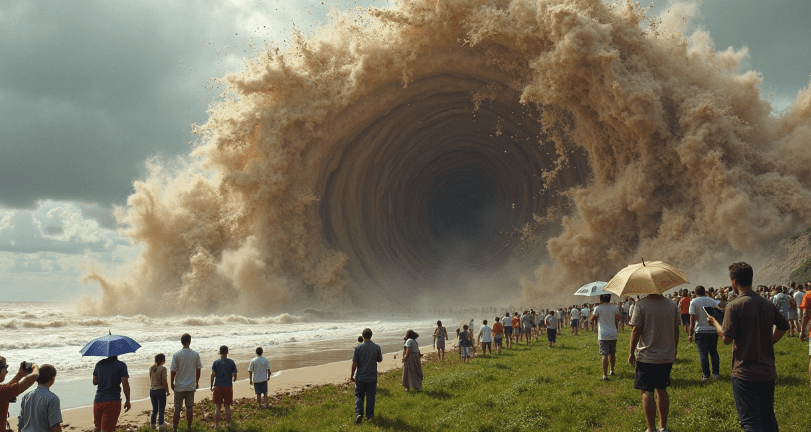
Surviving Alaska: How to Prepare for Natural Disasters in the Last Frontier

How Alaska Residents Prepare for the State’s Worst Natural Disasters

Living in Alaska, we know that the harsh environment is as much a part of life as breathing. From freezing winters to unpredictable earthquakes and wildfires, natural disasters are just another reality we must contend with. Preparing for these challenges isn’t a choice—it’s a necessity. If you’re a resident of the Last Frontier, you understand that survival isn’t about waiting for disaster to strike. It’s about being ready long before the storm hits.

Alaska is vast and diverse, stretching across multiple climate zones, making it prone to a wide range of natural disasters. Earthquakes, tsunamis, wildfires, and severe weather events are common, each presenting its own set of challenges. Let’s break down the most significant natural disasters that could impact the state and how we prepare for them.

Earthquakes

Alaska is located on the Pacific Ring of Fire, making it one of the most seismically active regions in the world. The state experiences thousands of earthquakes each year, though most go unnoticed. However, there’s always the risk of a major earthquake. In 1964, Anchorage experienced a magnitude 9.2 earthquake—the most powerful earthquake ever recorded in North America.

Preparation Tips for Earthquakes in Alaska:

  1. Secure Heavy Items: Make sure furniture, water heaters, and other large items are securely anchored to walls. In an earthquake, the last thing you need is a heavy object falling on you or causing a fire.
  2. Emergency Kit: Keep a survival kit with food, water, medical supplies, and a flashlight. Keep it in an easily accessible location.
  3. Learn to Drop, Cover, and Hold On: Earthquakes strike without warning. Teach your family how to protect themselves when the shaking starts.
  4. Have a Communication Plan: During a major earthquake, phone lines may be down. Make sure everyone knows where to meet and how to communicate in case of an emergency.
  5. Know Your Exit Routes: In an earthquake, you may need to evacuate. Familiarize yourself with alternate exit routes from your home.

Tsunamis

Alaska’s long coastline is vulnerable to tsunamis, triggered by undersea earthquakes or volcanic activity. The Alaska Peninsula, Aleutian Islands, and southern coastal areas are at the highest risk. In 1964, the Great Alaska Earthquake triggered a tsunami that caused widespread damage across the state and even as far as Hawaii and Japan.

Preparation Tips for Tsunamis in Alaska:

  1. Know Your Evacuation Zone: If you live along the coast, find out whether you’re in a tsunami evacuation zone. Local authorities often provide maps that show evacuation routes.
  2. High Ground: Always know the nearest high ground in case of a tsunami warning. Get to higher ground immediately—don’t wait to see if the water rises.
  3. Tsunami Warning System: Pay attention to local tsunami warnings. They’re issued by the National Weather Service and can save lives. Make sure your emergency kit includes a battery-powered radio to receive alerts.
  4. Family Meeting Points: Tsunamis can be especially dangerous if you’re separated from your family. Set predetermined meeting points in the event of an evacuation.
  5. Prepare for Aftershocks: After a tsunami or earthquake, there may be aftershocks that cause further damage or trigger additional tsunamis. Be prepared for more seismic activity.

Wildfires

Alaska experiences some of the largest wildfires in the country, especially in the summer. The state’s vast forests and dry conditions create ideal environments for fires to spread quickly. Fire seasons can be unpredictable, with some years experiencing little activity and others facing massive outbreaks.

CLICK HERE TO LEARN HOW TO SURVIVE A FAMINE

Preparation Tips for Wildfires in Alaska:

  1. Create a Defensible Space: Clear brush, dead trees, and flammable materials from around your home. Creating a defensible space can help protect your property from encroaching wildfires.
  2. Fire-Resistant Materials: If you’re building or renovating, consider using fire-resistant materials like metal roofing and non-combustible siding to reduce your home’s risk.
  3. Fire Extinguishers: Keep fire extinguishers in strategic locations around your home and property. Make sure you know how to use them.
  4. Evacuation Routes: Plan multiple evacuation routes in case of a wildfire. Roads may become impassable, so it’s essential to have alternatives.
  5. Emergency Kit: In addition to the usual items in an emergency kit, include N95 masks to protect against smoke inhalation during a wildfire.

Severe Winter Weather

Alaska’s winter weather is brutal. Snowstorms, ice storms, and temperatures regularly dipping below freezing are common occurrences. With little daylight in the winter months, Alaskans must be especially vigilant about staying prepared.

Preparation Tips for Severe Winter Weather:

  1. Winterize Your Home: Insulate your pipes and windows. Ensure your home’s heating system is in good working order, and stock up on firewood if you use a wood stove for heat.
  2. Winter Survival Gear: Always have cold-weather survival gear in your vehicle, including blankets, extra clothing, food, and water. If you get stranded, these items can mean the difference between life and death.
  3. Snow Removal Tools: Keep snow shovels, salt, and other tools on hand to keep driveways and walkways clear.
  4. Car Maintenance: Before winter sets in, make sure your vehicle is ready. Check the tires, battery, and fluid levels to prevent breakdowns in freezing temperatures.
  5. Emergency Heat Sources: Consider having a backup heat source in case your primary heating system fails. A propane heater or kerosene heater can be life-saving.

Flooding

Click here to learn how to survive a nationwide blackout

Floods can occur in Alaska due to rapid snowmelt, heavy rain, or ice jams. While the state’s vast wilderness areas are less prone to flooding than more developed areas, communities along rivers and streams still face a significant risk, especially during the spring thaw.

Preparation Tips for Flooding in Alaska:

  1. Elevate Important Items: In flood-prone areas, raise valuables and important documents off the ground to prevent water damage.
  2. Sandbags: Keep sandbags on hand to divert floodwaters away from your property. These can be used around doors or windows to protect your home.
  3. Know Your Flood Zones: If you live in a floodplain, check local maps and understand the risks to your property. Develop a plan to evacuate quickly if necessary.
  4. Keep a Boat or Floatation Device: If you live in a flood-prone area, having a small boat or floatation device on hand can help with evacuations or emergency rescues.
  5. Flood Insurance: Regular homeowner’s insurance won’t cover flood damage. Look into flood insurance if you live in a high-risk zone.

10 Survival Prepper Tips for Alaska’s Natural Disasters

  1. Layer Up: In Alaska’s unpredictable weather, layering is key to staying warm. A good base layer will keep sweat off your skin and trap heat.
  2. Stockpile Non-Perishables: Buy extra canned goods, dried foods, and long-lasting supplies to ensure you can survive during an emergency.
  3. Water Filtration: Have a water filtration system or purification tablets on hand in case your water supply is contaminated.
  4. Battery-Powered Radio: Stay informed by having a battery-powered or hand-crank radio to listen to weather alerts and emergency instructions.
  5. Fire-Starting Kit: A fire can save your life in extreme cold. Keep waterproof matches, lighters, and fire starters in your survival kit.
  6. Work Boots and Gloves: Protect your feet and hands with durable boots and gloves, especially when working outside in harsh conditions.
  7. GPS Devices: If you’re traveling in remote areas, a GPS device can help you navigate and stay on track if traditional landmarks are covered in snow or debris.
  8. Practice Regular Drills: Regularly practice your emergency plans with your family so everyone knows what to do when disaster strikes.
  9. Know the Wild Edibles: Familiarize yourself with local plant life so you can forage for food in an emergency situation.
  10. Stay Fit: Physical fitness is crucial for survival. Whether it’s hiking, snowshoeing, or even carrying firewood, staying strong will help you endure tough conditions.

Surviving Connecticut’s Worst: A Prepper’s Guide to Natural Disasters

5 Ways Connecticut Preppers Survive the State’s Worst Natural Disasters

Living in Connecticut means you’ve got to be ready for anything. Whether it’s the bitter cold of winter, hurricane-force winds, or sudden floods, every prepper knows that survival isn’t about luck — it’s about preparation. As a seasoned prepper in the Nutmeg State, I’ve learned through experience that the best way to survive any natural disaster is to stay ahead of the game. Here’s how I and many other Connecticut residents get ready for the worst.

CLICK HERE TO LEARN HOW TO SURVIVE A FAMINE

1. Preparing for Severe Winter Weather

Connecticut winters are nothing to laugh about. While the coastal areas might get some respite, the rest of the state, especially inland, gets hit with heavy snow, freezing rain, and bone-chilling temperatures. To prepare for winter storms, preppers in Connecticut focus on three main priorities: heat, food, and transportation.

  • Heat: You should have multiple heat sources. A wood stove, propane heater, or kerosene heater can save your life when the power goes out during a winter storm. If you can, make sure your stove or fireplace is in good working order and has a reliable supply of wood. Invest in thermal blankets, sleeping bags rated for sub-zero temperatures, and extra fuel for heaters.
  • Food and Water: Make sure you have a minimum of three days’ worth of non-perishable food and water, but ideally, go for at least two weeks’ worth. Canned goods, freeze-dried meals, and water purification systems like a LifeStraw or Sawyer Mini filter are absolute essentials.
  • Transportation: Keep your vehicle stocked with essentials like jumper cables, blankets, food, and water. Keep it well-maintained and ensure you’ve got good winter tires, as snowstorms can make the roads treacherous.

2. Dealing with Hurricane Season

Hurricane season in Connecticut can be unpredictable, especially for coastal areas like New Haven and Bridgeport. When a storm like Hurricane Sandy hit in 2012, the devastation showed how quickly the state could be knocked off its feet. Preppers in Connecticut know it’s vital to keep a close eye on weather patterns and stay prepared.

  • Evacuation Routes: Know your local evacuation routes and have a bug-out bag ready for each member of your family, including pets. Have a go-bag with clothes, food, water, a flashlight, batteries, and important documents ready to grab in case of an evacuation order.
  • Flood Prevention: If you live near the coast or a river, investing in sump pumps, sandbags, and waterproofing your basement is crucial. You can never be too prepared for flooding. If your home isn’t in a flood zone, consider elevating critical equipment and electrical outlets at least 12 inches above the ground.

3. Preparing for Flooding

Flooding is one of Connecticut’s most common natural disasters. Heavy rainstorms, especially during the spring and fall, can cause rivers to overflow and create flash floods. You don’t need to live on the coast to be at risk — inland areas like Hartford, New London, and Torrington are often affected.

  • Flood-Resistant Gear: Keep waders, waterproof boots, and water-resistant bags in your prepper kit. These items are essential when navigating through flooded areas, especially if you have to evacuate on foot.
  • Home Floodproofing: You should have a plan for elevating your home’s essential systems. This includes moving electronics and valuables to higher ground and using sump pumps or drainage systems to minimize water intrusion. If you’re in an area prone to repeated flooding, you might want to consider installing flood barriers.

4. Tornadoes in the Quiet Corner

Tornadoes are a less common but very real threat in Connecticut. Although they don’t occur with the same frequency as in Tornado Alley, they do pop up, especially in the eastern part of the state, sometimes referred to as the “Quiet Corner.” These twisters can be extremely dangerous and unpredictable.

  • Shelter: A basement or storm cellar is your best option, but if that’s not available, an interior room with no windows (such as a closet) is the next best thing. Keep helmets, heavy-duty gloves, and blankets in your tornado kit to protect against flying debris.
  • Warning Systems: Sign up for Connecticut’s emergency alert system. The state issues tornado warnings through multiple channels, so make sure your family knows what to do when those sirens go off.

5. Earthquakes and Seismic Activity

While Connecticut is not known for major earthquakes, it does experience minor tremors. The New Madrid Fault Zone, while mainly active further west, can still send shockwaves across the region. Minor earthquakes can cause structural damage, so it’s best to prepare for the unexpected.

  • Structural Stability: Secure heavy furniture and appliances to walls, and use non-slip mats for electronics and fragile items. It’s important to make sure you have a clear exit path, as buildings may sway or crack during a tremor.
  • Emergency Plan: Make sure you have a family emergency plan that includes what to do during an earthquake. Practicing drop, cover, and hold on drills can save lives in case the ground shakes.

Top 10 Survival Prepper Tips for Connecticut’s Natural Disasters

  1. Stock Up on Essentials: Always have at least two weeks’ worth of non-perishable food and water. Don’t forget pet food and other family essentials.
  2. Build a Bug-Out Bag: Each family member should have a bug-out bag that includes clothes, food, water, first aid, and a flashlight.
  3. Know Your Local Hazards: Whether it’s floods, hurricanes, or tornadoes, research your area and prepare accordingly.
  4. Backup Power: Keep a portable generator and extra fuel on hand in case of power outages. Solar-powered chargers are a must for your devices.
  5. First Aid Skills: Learn basic first aid and CPR. You never know when you might need to treat a wound or assist someone in distress.
  6. Water Purification: Invest in a high-quality water filter or purification tablets to ensure you have access to clean water during emergencies.
  7. Plan for Pets: Make sure your pets have their own emergency kit, including food, water, and any necessary medications.
  8. Communication Plans: Set up a communication plan with your family so you can stay in contact during an emergency, even if phone lines are down.
  9. Maintain Your Vehicle: Regular maintenance is key, especially in harsh winter conditions. Keep your car well-stocked with emergency supplies.
  10. Stay Calm and Educated: The more you prepare, the calmer you’ll be when disaster strikes. Stay informed and stay calm.

Other Preparedness Resources:

  • Local Prepper Groups: Connect with other preppers in your area. Many of us share knowledge, tools, and support when things go wrong.
  • Red Cross Classes: Take a first aid and CPR course through the American Red Cross or a local community center.

In the end, Connecticut is a beautiful state, but as preppers, we know how important it is to be ready for anything. Whether it’s a blizzard, flood, or hurricane, having the right gear, knowledge, and plans in place can make all the difference when disaster strikes. Stay safe out there, and remember: It’s always better to be over-prepared than underprepared.

This Is How Colorado Residents Prepare for the State’s Worst Natural Disasters

How Colorado Residents Prepare for the State’s Worst Natural Disasters

Living in Colorado can feel like a blessing, especially with the picturesque mountains, expansive forests, and rich wildlife. But, as anyone who’s been here for any length of time knows, it’s not all about snow-capped peaks and stunning vistas. Colorado is also home to some of the most intense and unpredictable natural disasters in the United States. As a survival prepper in Colorado, you’ve got to be ready for everything—from wildfires to blizzards and everything in between.

1. Wildfires: A Growing Threat

Colorado has been on the frontlines of some of the most devastating wildfires in history. The state’s dry climate, combined with seasonal winds, makes it ripe for catastrophic wildfires that can spread with terrifying speed. As a prepper, it’s essential to be ready for this possibility year-round. The fires don’t just happen in the summer, either. Wildfires can flare up any time there’s dry vegetation and the right conditions, and they can spread rapidly, threatening not just homes but entire communities.

Survival Tip #1: Always have an evacuation plan. Know multiple routes out of your neighborhood or town and make sure your vehicle is stocked with essentials, including a first-aid kit, extra water, and your emergency bug-out bag.

2. Snowstorms and Blizzards: The Danger of the Winter Months

If you live in Colorado, you’ve likely experienced the frustration of being snowed in. The state’s high elevation and unpredictable weather patterns make it susceptible to heavy snowstorms and blizzards, particularly in the mountains. These can make roads impassable, isolate communities, and cause power outages for days, or even weeks.

In Colorado’s mountainous areas, snowstorms can hit at any time, but they’re most common from October through April. If you’re up in the higher elevations, you need to be especially mindful of blizzards, which can drop several feet of snow and drastically reduce visibility in mere minutes.

Survival Tip #2: Keep a well-stocked emergency supply kit in your home, including extra blankets, warm clothing, flashlights, batteries, non-perishable food, and a portable generator.

Survival Tip #3: When traveling during the winter, always have a shovel, ice scraper, and extra supplies like blankets, a firestarter, and a portable stove to cook food if you get stuck.

3. Flooding: Flash Floods and Overflowing Rivers

In the spring and early summer, Colorado can experience sudden and intense rainfall that causes flash floods. These floods can happen quickly, especially in the foothills and along the many rivers that snake through the state. Flash floods can inundate entire neighborhoods in a matter of minutes, washing away vehicles, homes, and even entire stretches of roads.

As a prepper, you should always know whether you live in a flood-prone area. Areas near rivers, streams, or urban drainage systems are especially susceptible. But remember, flash floods aren’t always predictable, and they can strike anywhere, including in regions that typically experience drier weather.

Survival Tip #4: Know your flood zone. If you live in a flood-prone area, keep important documents in a waterproof container and be ready to evacuate at a moment’s notice.

Survival Tip #5: If flash flooding is possible, move to higher ground immediately. Don’t wait for an evacuation order, as roads can become impassable very quickly.

4. Tornadoes: A Silent Threat in Eastern Colorado

Tornadoes are most commonly associated with the Midwest, but Colorado is no stranger to these powerful, destructive storms. Tornadoes are more common in the eastern plains of Colorado, where conditions are ideal for these storms to form. In fact, Colorado sees an average of 50 tornadoes a year, making it one of the top 10 states for tornado activity.

The storms usually develop during the late spring and summer, often in the late afternoon or early evening. Tornadoes in Colorado tend to be smaller and shorter-lived than those in places like Kansas, but they can still cause significant damage and pose a serious risk to life and property.

Survival Tip #6: Keep an emergency weather radio on hand so you can receive timely tornado warnings. Have a designated safe space in your home, such as a basement or interior room, where you can seek shelter if a tornado warning is issued.

5. Earthquakes: Not as Common, But Possible

While not as frequent as wildfires or blizzards, earthquakes can and do happen in Colorado. The state has seen several notable earthquakes over the years, and they’re most common along the state’s western edge near the Colorado Plateau. Though Colorado’s earthquakes are typically small, they can still cause significant damage, especially to older buildings and infrastructure.

Though the risk of a major earthquake is lower compared to places like California, it’s always a good idea to be prepared for the unexpected.

Survival Tip #7: If you’re in a building when an earthquake strikes, drop to the ground, take cover under something sturdy, and hold on until the shaking stops. Always keep a set of sturdy shoes and a flashlight near your bed in case of a quake at night.

6. Droughts: Managing Water in Arid Conditions

CLICK HERE TO LEARN HOW TO SURVIVE A FAMINE

Colorado’s semi-arid climate means that droughts are a regular occurrence. These dry spells can last for months or even years, and they can have devastating effects on the state’s agriculture, water supply, and wildfires. As a prepper, it’s important to conserve water and be mindful of how long your water supplies might last during times of drought.

Survival Tip #8: Stockpile water—at least one gallon per person per day for a week—and learn how to filter and purify water from local sources if necessary.

Survival Tip #9: Grow a drought-resistant garden with native plants, and use water-efficient techniques like drip irrigation to make the most of your water supply.

7. Preparing for the Unexpected

While wildfires, snowstorms, floods, and tornadoes are the most well-known threats, Colorado can throw a variety of other natural disasters at you, including hailstorms, landslides, and even extreme heat waves. The best way to prepare for the unpredictable is to think ahead and prepare for every possibility.

Survival Tip #10: Always have a bug-out bag ready with essentials like food, water, a first-aid kit, and tools. Make sure you have a plan for communicating with loved ones during a disaster, and have a list of emergency contacts.

Conclusion: Stay Ready, Stay Safe

Living in Colorado means embracing the beauty of the landscape—and understanding that with that beauty comes a variety of risks. Whether it’s the raging wildfires, the heavy snowstorms, or the flash floods, being a survival prepper here requires vigilance, foresight, and a commitment to always being ready for what’s next.

By taking the time to prepare and learn how to react in any given situation, you can ensure the safety and security of yourself and your family, no matter what natural disaster comes your way.


Surviving Washington’s Natural Disasters: A Prepper’s Guide

Surviving the Unpredictable: How Washington Residents Prepare for Natural Disasters

Living in Washington State, we’re no strangers to Mother Nature’s fury. From volcanic eruptions to severe winter storms, flooding, and the occasional earthquake, Washington residents need to be prepared for a variety of natural disasters that could strike without warning. Whether you’re in the shadow of Mount Rainier or along the Puget Sound coastline, the risks vary, but the need for preparedness is universal. In this post, we’ll dive into how we prepare for the worst and give you a rundown of survival tips you need to implement now.

1. Understanding the Hazards

CLICK HERE TO LEARN HOW TO SURVIVE A FAMINE

Washington State has a range of potential disasters, but the big ones we need to worry about are:

  • Volcanic Eruptions: With Mount St. Helens, Mount Rainier, and Mount Baker all active, volcanic eruptions are a constant threat.
  • Earthquakes: The Cascadia Subduction Zone is a real concern. A major earthquake could hit at any time, and the risk of a tsunami along the coast adds another layer of danger.
  • Flooding: Heavy rain, rapid snowmelt, and river overflow can cause severe flooding, particularly in western Washington.
  • Wildfires: Summer months bring dry conditions, especially in the eastern part of the state, making wildfires a concern.
  • Winter Storms: Harsh winter storms and freezing temperatures are a norm in Washington, particularly in higher altitudes and the Cascade Range.

2. Stockpiling Essentials

Living in Washington, we know that we might need to rely on ourselves for several days or even weeks if a disaster hits. That’s why having an emergency supply kit is essential. Here are the basics every prepper should have on hand:

  • Water: The general rule is to store one gallon per person per day for at least three days, but I’d recommend having enough to last at least two weeks if possible.
  • Non-perishable Food: Canned goods, freeze-dried meals, energy bars, and MREs (Meals Ready-to-Eat) are great options.
  • First Aid Kit: You can’t afford to overlook this one. A well-stocked first aid kit with medications and supplies can be a lifesaver.
  • Flashlights and Batteries: The power can go out for days, so have enough flashlights, headlamps, and extra batteries to light your way.
  • Manual Tools: When the electricity goes out, you’ll need a good set of manual tools. Hand-cranked radios and chargers are a must.

3. Creating a Family Plan

If you’re a family, you need to create a disaster plan that everyone knows and can execute under stress. This includes establishing communication points, evacuation routes, and meeting places. In a state like Washington, where seismic activity is a threat, an emergency family plan isn’t just a good idea—it’s essential.

4. Evacuation Routes and Emergency Shelters

With a state prone to earthquakes and volcanic activity, knowing your evacuation routes is critical. Washington’s infrastructure, especially in cities like Seattle, can be strained under emergency conditions. Make sure you’re familiar with all routes, including secondary roads, as highways can quickly become blocked. Additionally, identify local shelters in your area—know where they are and how to get there.

5. Investing in Emergency Power Sources

Power outages are common during storms, and in the event of an earthquake or volcanic eruption, the grid could be down for a while. Investing in backup power is non-negotiable for anyone living here. Options include solar-powered generators, gasoline-powered generators, and even manual backup systems like a bike-powered generator. This way, you’ll have power for your phone, medical equipment, or essential lights.

6. Understanding Volcanic Risk and Ashfall Preparedness

Mount St. Helens erupted in 1980, and while it hasn’t erupted since, Washington still sits within a volcanic hotspot. Ashfall is one of the major concerns, as it can disrupt transportation, damage crops, and even cause respiratory issues. If you live near a volcano, you need to have masks, goggles, and proper ventilation in your emergency kits.

Additionally, if you’re close to a river near a volcano, it’s important to be aware of lahar risks (volcanic mudflows), which could occur during an eruption. A lahar can travel at a rapid pace, and it could cause massive destruction.

7. Earthquake Preparedness: The Cascadia Subduction Zone

The Cascadia Subduction Zone (CSZ) is an area where the Juan de Fuca Plate meets the North American Plate, and when it shifts, it can trigger a massive earthquake. A CSZ earthquake could result in significant damage across the entire state. Preparedness for this means securing heavy furniture, reinforcing your home’s structure, and storing enough supplies to get through weeks without outside help.

8. Dealing with Flooding

While the western part of the state is prone to rain and flooding, it’s also important to prepare for the threat of mudslides, especially in mountainous areas. If you live in a floodplain, invest in sandbags or barriers to protect your property. Additionally, understand your local flood evacuation routes and ensure you have a high-water vehicle or a way to get out if roads are impassable.

9. Protecting Against Wildfires

If you live in eastern Washington, wildfire season should be part of your yearly preparation routine. Clearing brush and firewood from around your home, installing ember-resistant vents, and creating a defensible space will give you a much better chance of surviving a wildfire. Always have a go-bag ready in case you need to evacuate quickly.

10. Winter Storm Preparation

Winter storms can strike at any time, especially in the Cascade Mountains. Be sure to have chains for your vehicle, plenty of warm clothing, and a heating source that doesn’t rely on electricity, like a propane heater or wood stove. Stock up on salt or sand for icy roads, and don’t forget about snow shovels and snow blowers for clearing driveways.

10 Survival Prepper Tips for Washington Residents

  1. Install earthquake-resistant brackets for heavy furniture to prevent damage or injury during a seismic event.
  2. Create a firebreak around your home by clearing brush and debris, especially in fire-prone areas like eastern Washington.
  3. Stock up on local maps, as GPS may be unreliable during natural disasters.
  4. Build a DIY water filtration system—a simple, effective method for purifying water if you’re unable to access clean sources.
  5. Maintain a bug-out bag at home and in your car with essential supplies in case of sudden evacuation.
  6. Store extra fuel for your generator, chainsaw, or vehicle, as it may be difficult to refuel during an emergency.
  7. Join a local community preparedness group—collaborating with neighbors can make all the difference in an emergency.
  8. Practice fire drills with your family, including evacuating the house and meeting at a designated spot.
  9. Use a 72-hour emergency kit as a starting point but plan for two weeks of self-sufficiency.
  10. Invest in a personal locator beacon (PLB) if you live in a remote area; it could save your life in an emergency.

Conclusion

Washington residents know that being prepared isn’t just a nice idea—it’s a necessity. From volcanic eruptions to winter storms, there are plenty of reasons to stay ready. Stocking up on supplies, securing your home, and having a plan in place are all key to surviving the worst natural disasters this state has to offer. Stay vigilant, stay prepared, and never underestimate the power of nature. Your family’s safety depends on it.

Disaster-Proofing Your Home in New Mexico: Essential Survival Tips for New Mexico’s Worst Natural Disasters

How New Mexico Residents Prepare for the State’s Worst Natural Disasters

Living in New Mexico comes with its own unique set of challenges when it comes to preparing for natural disasters. Whether it’s the threat of wildfires, flash floods, earthquakes, or the occasional dust storm, residents of the Land of Enchantment need to stay vigilant and well-prepared. Unlike other regions, New Mexico’s geography and climate throw a curveball at survival preppers who need to plan for a variety of potential disasters. Here’s how we get ready for the worst, and some of the steps that you should take to ensure your family’s safety when things go south.

Understanding the Risks of New Mexico’s Natural Disasters

CLICK HERE TO LEARN HOW TO SURVIVE A FAMINE

The first step in preparing for any natural disaster is understanding the risks. In New Mexico, the risk varies by region, but there are several types of disasters we all need to think about:

  1. Wildfires: With hot, dry summers, New Mexico is no stranger to wildfires. The danger is particularly high in the spring and early summer when the state’s vegetation is dry. Areas near forests or grasslands are more vulnerable.
  2. Flash Floods: While the state is known for its deserts, it also experiences brief but intense rainstorms that can quickly turn dry washes and arroyos into raging rivers. These floods can be especially dangerous in the mountainous regions and along areas where flash floods are common.
  3. Earthquakes: The southwest is earthquake-prone, and New Mexico is no exception. Though the state doesn’t experience large, devastating quakes like California, the risk of a moderate earthquake is still present, especially in the northern regions.
  4. Severe Windstorms and Dust Storms: New Mexico’s flat desert landscape makes it susceptible to intense windstorms, particularly in the spring and fall. Dust storms, also called “haboobs,” can reduce visibility to near zero and cause dangerous driving conditions.
  5. Extreme Heat: New Mexico experiences some of the hottest temperatures in the country, especially in the summer. Extreme heat can be just as deadly as a fire or flood if you’re not prepared.

With these risks in mind, New Mexico residents need to have a comprehensive plan to deal with these natural disasters. But what exactly do we do to stay safe?

Prepping for Wildfires:

In New Mexico, wildfire season can start early in the year, sometimes as early as March. If you live in or near wooded areas, you need to take wildfire preparedness seriously.

  1. Defensible Space: Creating defensible space around your home is crucial. This means clearing brush, trees, and dead plants from a 30-foot perimeter. Prune trees and bushes to prevent fire from spreading to your home.
  2. Fire-Resistant Materials: If you’re building or remodeling, consider fire-resistant materials for your home, such as metal roofing, stucco siding, and tempered glass windows. These materials can help prevent your house from igniting in the event of a wildfire.
  3. Emergency Bag: Keep a go-bag ready with essentials like water, food, first aid supplies, and fire-resistant clothing. Don’t forget your important documents and identification in a waterproof bag.

Preparing for Flash Floods:

Flash floods in New Mexico can come out of nowhere. With the steep, rugged terrain, rain can turn dry arroyos into deadly torrents, so it’s important to know what to do if you find yourself in one of these situations.

  1. Know Your Flood Zone: Research the area where you live and understand whether you’re in a floodplain. Even if you’re not in a flood zone, flash floods can still happen unexpectedly.
  2. Flash Flood Kit: A kit designed specifically for flash flood situations should include waterproof bags, a hand-cranked flashlight, extra batteries, a portable radio, and non-perishable food and water. Having a solid plan to leave your home before a flood hits can save your life.
  3. Elevation Awareness: If you’re in an area prone to floods, know where the high ground is. In the event of heavy rainfall, you may need to move to higher ground quickly.

Dealing with Earthquakes:

While New Mexico isn’t as seismically active as places like California, earthquakes still pose a risk. If you live in the northern part of the state, you may be closer to fault lines that are capable of triggering tremors.

  1. Earthquake-Proof Your Home: Use anchor bolts to secure large furniture to walls, and install latches on cabinets to prevent items from falling. You’ll want to be able to secure your home and protect your family as much as possible.
  2. Have a Shake-Ready Kit: Pack an earthquake survival kit with essentials like bottled water, first aid supplies, a flashlight, and sturdy shoes (since the ground may be unstable).
  3. Create an Emergency Plan: Make sure your family knows where to meet and how to get in touch if the phone lines are down. In the case of an earthquake, it’s essential to know where the safest spaces in your home are—under a sturdy table or against an interior wall, away from windows.

Surviving Dust Storms:

Dust storms, or haboobs, are a common occurrence in New Mexico, especially in the spring. These storms can whip up dust and sand at speeds of over 60 miles per hour, reducing visibility and making it hard to breathe.

  1. Stay Indoors: The best thing you can do during a dust storm is to stay indoors. Seal windows and doors tightly to prevent dust from entering your home. Keep the air conditioning on, but make sure the air intake is closed.
  2. Have a Dust Mask: If you must go outside, wearing a dust mask can help protect your respiratory system from the harmful particles in the air. Have extra masks on hand for emergencies.

Additional Survival Prepper Tips for New Mexico:

  1. Stay Hydrated in the Heat: New Mexico’s high summer temperatures can lead to dehydration quickly. Make sure you and your family are drinking plenty of water, especially during outdoor activities.
  2. Solar Power Systems: In remote areas, power outages are common, so having a solar power system or backup generator can keep your lights on and your communication devices working.
  3. Fire Extinguishers: Keep multiple fire extinguishers in easily accessible areas around your home, especially near the kitchen, garage, and areas with lots of flammable materials.
  4. Shelter in Place Supplies: If a major storm or disaster prevents you from leaving home, ensure your shelter-in-place supplies are well-stocked. This includes food, water, a battery-powered radio, and a first-aid kit.
  5. Know Your Community Emergency Plan: Understand how local authorities and emergency services respond to disasters in your area. Have contact information for shelters, road closures, and emergency response teams.

Conclusion

Living in New Mexico means facing a variety of natural disasters. But by preparing your home, having the right gear, and understanding the unique risks of the state, you can protect yourself and your loved ones. Whether it’s preparing for wildfires, floods, or dust storms, a survival prepper’s mindset and proactive actions are the keys to surviving when disaster strikes.

Utah’s Worst Natural Disasters and How to Prepare Like a Pro

Surviving Utah: A Prepper’s Guide to Natural Disaster Readiness

As a seasoned prepper in Utah, I know firsthand that survival isn’t just about gear—it’s about mindset, strategy, and community. Utah’s diverse terrain and climate present unique challenges, from the seismic risks along the Wasatch Front to the wildfire-prone regions in the south. Here’s how we prepare for the worst, ensuring we not only survive but thrive when disaster strikes.

CLICK HERE TO LEARN HOW TO SURVIVE A FAMINE


1. Earthquakes: Brace for the Big One

The Wasatch Front is overdue for a significant earthquake. With a 57% chance of a magnitude 6.0 or greater quake in the next 50 years, preparedness is paramount. Securing heavy furniture, retrofitting homes, and assembling a comprehensive emergency kit are essential steps. Additionally, practicing the “drop, cover, and hold on” technique can save lives during the shaking. KSL News+5KSL News+5KSL News+5KSL News+5KSL News+5KSL News+5dspd.utah.gov+6KSL News+6KSL News+6


2. Wildfires: Defend Your Homestead

Utah’s hot, dry summers create prime conditions for wildfires. Residents in areas like St. George and Cedar City are particularly vulnerable. Creating defensible space around your property, using fire-resistant materials, and having a go-bag ready can make all the difference. Stay informed through local fire alerts and always have an evacuation plan in place.


3. Flooding: Know Your Terrain

While floods aren’t as common as other disasters, Utah’s mountainous terrain and rapid snowmelt can lead to sudden flash floods. Living near rivers or in valleys increases this risk. It’s crucial to understand your local flood zone and have a plan to move to higher ground if necessary. Avoid driving through flooded areas, as even shallow waters can be deadly. Utah State University Extension


4. Winter Storms: Winterize Everything

Utah’s winters can be brutal, with blizzards and subzero temperatures. Winterizing your vehicle, stocking up on essentials like blankets and non-perishable food, and ensuring your home heating systems are functional are vital steps. Always keep a battery-powered radio to receive weather updates during power outages. dspd.utah.gov+1Vox+1


5. Heatwaves: Stay Cool and Hydrated

Utah’s summer heat can be intense, especially in southern regions. To combat heat-related illnesses, drink plenty of water, avoid strenuous activities during peak heat hours, and stay in air-conditioned environments when possible. Having a cooling center plan and understanding the signs of heat exhaustion can be lifesaving.


10 Survival Prepper Tips for Utah’s Natural Disasters

  1. Diversify Water Sources: Don’t rely solely on city water. Collect rainwater and store it in barrels. Ensure you have a portable water filter for purification.Utah State University Extension
  2. Emergency Communication Plan: Establish a family meeting point and an out-of-state contact. Use walkie-talkies or satellite phones when cell networks are down.KSL News
  3. Food Storage: Maintain a 72-hour emergency food supply. Rotate stock regularly and include comfort foods to maintain morale.dspd.utah.gov+1Be Ready Utah+1
  4. First Aid Training: Take CPR and first aid courses. Equip your kit with essential medical supplies, including prescription medications.AP News
  5. Fire Safety: Keep fire extinguishers accessible and learn how to use them. Regularly clear dry brush and debris from around your property.Be Ready Utah
  6. Power Backup: Invest in solar-powered chargers and backup generators. Ensure you have extra fuel stored safely.
  7. Emergency Shelter: Have tents, tarps, and sleeping bags ready. Know the locations of nearby shelters and evacuation routes.
  8. Security Measures: Install motion-sensor lights and security cameras. Consider firearms training and legal firearm ownership for self-defense.
  9. Community Involvement: Join local CERT (Community Emergency Response Team) groups. Participate in neighborhood preparedness drills.Utah State University ExtensionKSL News+6Be Ready Utah+6Vox+6
  10. Stay Informed: Use apps like FEMA, MyShake, and NOAA Weather Radio for real-time alerts. Regularly check local hazard maps and updates.Utah State University Extension+2WIRED+2Vox+2Be Ready Utah

Conclusion

In Utah, survival isn’t just about having the right gear; it’s about being proactive, staying informed, and fostering a community of preparedness. By understanding the unique risks our state faces and taking deliberate steps to mitigate them, we ensure that when disaster strikes, we’re not just surviving—we’re thriving.

Missouri Preppers Prepare for the Worst: Are You Ready?

How Missouri Residents Prepare for the State’s Worst Natural Disasters

Living in Missouri means being ready for anything. Between the Midwest’s unpredictable weather patterns, its geographical location, and seasonal shifts, we often find ourselves facing various natural disasters that demand attention. As a prepper living in the Show-Me State, I’ve learned firsthand that the key to survival is preparation. Missourians have a unique set of challenges to contend with, and we need to be strategic in how we prepare for them. Whether it’s flooding, severe storms, tornadoes, or even earthquakes, knowing how to stay ahead of these disasters can make all the difference between life and death.

Understanding Missouri’s Natural Disasters

Before diving into how to prepare, it’s important to understand the risks Missourians face. Our state is geographically located in the heart of Tornado Alley, making us prone to frequent and violent tornadoes, especially in spring and early summer. Beyond that, Missouri is prone to extreme flooding, often caused by intense rainfall or the overflow of major rivers like the Missouri and Mississippi.

Severe storms are another threat, bringing with them high winds, hail, and even the occasional derecho (a widespread, long-lived wind storm). Additionally, Missouri sits on the New Madrid Seismic Zone, which means we are also at risk for earthquakes, even though they aren’t as frequent as the other disasters. With all of this in mind, having a robust preparedness plan is essential for surviving Missouri’s natural disasters.

CLICK HERE TO LEARN HOW TO SURVIVE A FAMINE

The Prepper’s Guide to Surviving Missouri’s Natural Disasters

  1. Tornadoes
    Tornadoes are a significant threat here in Missouri. When the weather starts to get rough in the spring, the conditions are right for twisters to form. The key is to have a plan in place before the sirens go off. Prepper Tip #1: Have a basement or storm shelter ready. If you don’t have one, create an interior safe room in the lowest level of your home, away from windows. Stock it with essentials like food, water, a first-aid kit, and communication devices.
  2. Flooding
    Missouri is prone to flooding, especially in areas near rivers and low-lying regions. Flooding can come quickly, often within hours, and it’s important to stay informed. Prepper Tip #2: Invest in waterproof storage containers to protect important documents and valuables. Also, consider elevating electrical outlets and appliances if you live in a flood-prone area.
  3. Severe Thunderstorms and Hail
    Severe thunderstorms with hail can cause damage to your home, vehicles, and crops. It’s vital to stay prepared, as these storms can crop up without warning. Prepper Tip #3: Always have a weather radio that broadcasts real-time alerts. This will help you stay ahead of the storm and take action to protect your family and property.
  4. Earthquakes
    While earthquakes aren’t common, Missouri residents in the New Madrid Seismic Zone need to be prepared for a potential quake. Earthquakes can cause major structural damage and disrupt utilities. Prepper Tip #4: Secure heavy furniture and appliances to walls to prevent them from falling during a quake. Make sure to also have emergency supplies and a plan for what to do if an earthquake strikes.
  5. Winter Storms
    Missouri is no stranger to heavy snow and freezing temperatures. These winter storms can cause power outages, isolate communities, and leave roads impassable. Prepper Tip #5: Have a winter survival kit stocked with blankets, non-perishable foods, extra batteries, and a manual can opener. Keep your car winter-ready with antifreeze, windshield washer fluid, and an emergency kit.
  6. Wildfires
    While wildfires are less frequent than other disasters, they can still pose a threat, particularly during dry spells and in rural areas. Prepper Tip #6: Maintain defensible space around your property. Trim trees and bushes, and keep brush away from your home to reduce the chance of wildfire spreading to your area.
  7. Power Outages
    Missouri’s weather can knock out power lines during storms, leaving you without power for extended periods. Preparing for this means more than just having candles and flashlights. Prepper Tip #7: Consider investing in a portable generator and fuel. Also, stock up on essential items like water, non-perishable foods, and medical supplies.
  8. Heat Waves
    Missouri summers can bring scorching heat waves. If you’re not prepared, these can be life-threatening, particularly for the elderly and vulnerable. Prepper Tip #8: Stay hydrated, have a cooling plan in place, and ensure you have an air conditioning system that works. Stock up on fans, cool towels, and sunscreen to manage the heat.
  9. Disease Outbreaks
    While not strictly a natural disaster, disease outbreaks can spread rapidly during or after a disaster. Missouri residents need to be prepared for the unexpected. Prepper Tip #9: Have a well-stocked first aid kit, as well as extra hygiene supplies like soap, sanitizers, and masks. Ensure your family’s vaccinations are up-to-date to prevent disease outbreaks from getting worse.
  10. Evacuations and Sheltering
    Disasters like flooding, tornadoes, or hazardous materials spills may require evacuation. Knowing the routes and where to go can save precious time.

Prepper Tip #10: Plan and practice an evacuation route with your family. Keep a “go-bag” with essentials like water, food, medicine, and important documents ready to grab in case of an emergency.

Preparing for Natural Disasters in Missouri: A Final Word

Missouri’s unpredictable weather and geological risks demand that we be proactive when it comes to preparing for natural disasters. From tornadoes to earthquakes, floods to winter storms, survival preparation is crucial. By following these survival tips, you can ensure that you and your loved ones stay safe during whatever disaster may come your way.

WATCH THIS MIND NUMBING SURVIVAL PREPPER DOCUMENTARY – IT’S ACTUALLY FREE

Now, it’s not enough to simply have plans and supplies. It’s about being adaptable and staying ahead of the curve. Keep an eye on weather forecasts, pay attention to emergency warnings, and make sure your entire family is on the same page when it comes to disaster preparedness.

Here’s a final piece of advice: always be ready to adapt and change as needed. Disasters are unpredictable, but by staying prepared and vigilant, you can ensure that you’re never caught off guard.

Off-Grid and Thriving: The Rise of Homesteading in Missouri

Is Homesteading Popular in Missouri? You Bet It Is—Here’s Why

As a seasoned survival prepper, I keep a close eye on the trends that actually matter—like where people are moving when they get serious about self-reliance. And let me tell you, Missouri is gaining ground fast in the homesteading world. It’s not just popular—it’s practically a magnet for folks who are ready to take control of their own food, water, and security.

Let’s break it down.

1. Missouri Has the Land for It
You want fertile soil? Check. Rolling hills, fresh water sources, and affordable acreage? Double check. Compared to states like Colorado or even Tennessee, you can still buy land in Missouri without selling your soul to the bank. Whether you’re planting heirloom crops, raising chickens, or going full permaculture, the Ozarks and surrounding regions offer space and variety most homesteaders only dream of.

2. Friendly Laws for Freedom-Lovers
Missouri is one of the most liberty-minded states in the U.S. Want to collect rainwater? Go ahead. Thinking about going off-grid entirely? No problem. You’ll find fewer regulatory headaches here than in many coastal states. Plus, the state’s stand-your-ground laws and low property taxes make it especially appealing for those of us who take self-defense and financial resilience seriously.

3. A Tight-Knit Prepper and Homesteader Community
This isn’t some isolated endeavor. There are entire communities here focused on barter, food independence, solar power, and herbal medicine. You’re not alone, and that matters when the power grid goes down or supply chains start to wobble. Missouri hosts multiple homesteading and survival expos every year, and networking with like-minded folks has never been easier.

4. Climate That Works with You, Not Against You
Sure, winters can be brisk, and summers get humid—but compared to the droughts out west or hurricanes down south, Missouri’s climate is relatively stable. A long growing season and good rainfall support a wide range of crops, livestock, and even alternative energy setups like hydro and solar.

5. Strategic Location
You’re not too far from major supply routes, but far enough to disappear if needed. Missouri sits dead-center in the country, which makes it a strategic spot for bug-out planning. Whether you’re concerned about civil unrest, economic collapse, or just want to live off the land in peace, this state offers the kind of terrain and resources that make it possible.

Final Thoughts


So, is homesteading popular in Missouri? Absolutely—and for good reason. If you’re prepping for whatever comes next—be it economic instability, grid failure, or just the desire to live free—Missouri should be on your radar. I made the move myself, and I haven’t looked back.

Stay sharp, stay ready, and remember: the best time to prepare was yesterday. The second-best time? Right now.