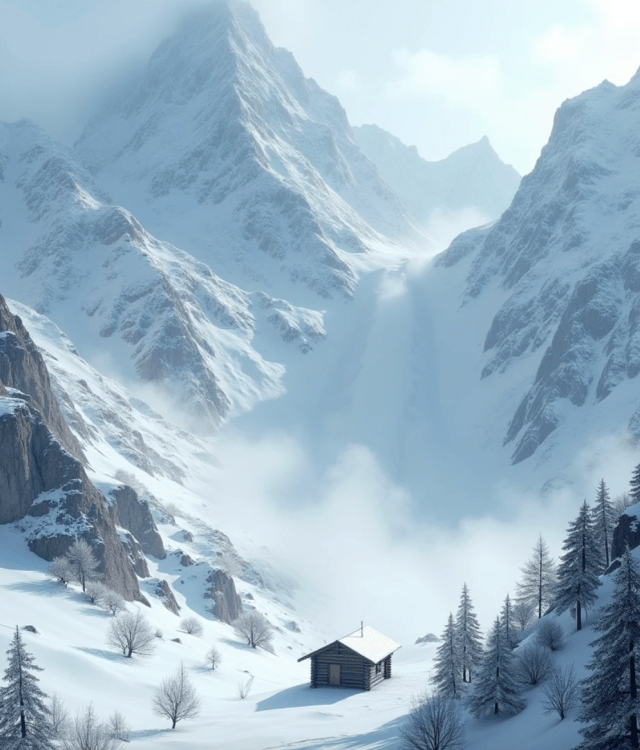
Tiny Home Life in Alaska: Where Small Living Works — and Where It Doesn’t
by Brooke Homestead — 2025 Female Survival Prepper of the Year
Alaska might be the last place people imagine when they think about tiny homes—but for the right person, it can be one of the most rewarding places in the world for small-space living. Vast wilderness, incredible independence, and wide-open land make Alaska a natural fit for people who value resilience and self-sufficiency.
I’m Brooke Homestead, and after years of building tiny homes and experimenting with off-grid living, I can tell you this: Alaska rewards preparation. Tiny homes here must be built tougher, smarter, and more efficient than almost anywhere else in the country. But if you plan carefully and choose the right town, the lifestyle can be absolutely incredible.
Let’s explore where tiny home living works best in Alaska—and where the challenges become much greater.
Best Places for Tiny Homes in Alaska: Fairbanks and Palmer
Fairbanks — Interior Alaska’s Off-Grid Capital
Fairbanks is one of the best places in the state for tiny homes, especially for people interested in off-grid living.
Why Fairbanks works well:
Rural land availability: Large parcels outside the city provide space for cabins, tiny homes, and self-sufficient living.
Off-grid culture: Many residents already rely on wood heat, solar panels, and independent water systems.
Affordable land: Parcels in the surrounding borough can range from $5,000–$30,000 per acre, depending on road access.
Brooke Survival Insight: In Interior Alaska, tiny homes must be designed like survival shelters—excellent insulation, airtight construction, and dependable heat sources are essential.
The reward? Stunning northern lights, quiet forests, and a lifestyle that feels deeply connected to nature.
Palmer — Small-Town Living Near Anchorage
Palmer sits in the beautiful Matanuska-Susitna Valley and offers a balance between rural living and access to urban services.
Why Palmer stands out:
Agricultural heritage: The region has a long history of homesteading and self-reliant living.
Land outside town: Rural properties nearby often allow cabins or small homes on private land.
Community resources: Palmer is close enough to Anchorage for jobs, supplies, and healthcare.
Land prices: Parcels in the surrounding valley generally range from $15,000–$50,000 per acre.
💡 Brooke Tip: The Mat-Su Valley has some of the best growing conditions in Alaska, making it ideal for gardening and food production.
For tiny home enthusiasts who want access to Alaska’s wilderness without being completely isolated, Palmer is a fantastic choice.
Places Where Tiny Homes Are Much Harder: Anchorage and Juneau
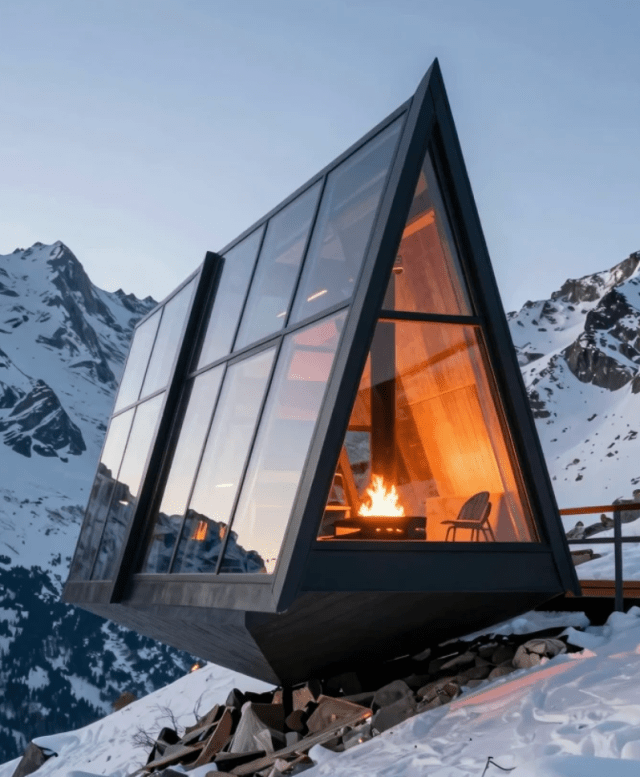
Some Alaska cities present major challenges for tiny home living.
Anchorage
Anchorage is the state’s largest urban area and has more structured zoning rules.
Challenges include:
- Residential building codes with minimum size expectations
- Higher land costs
- Limited space for off-grid infrastructure
Tiny homes are most feasible as Accessory Dwelling Units (ADUs) rather than primary homes.
Juneau
Juneau presents different challenges due to geography.
Issues include:
- Extremely limited land availability
- High property prices
- Terrain and environmental restrictions
💡 Brooke Tip: Coastal cities in Alaska often have stricter development rules and less buildable land compared to interior regions.
Zoning Laws in Alaska — Tiny Home Reality
Alaska does not have a single statewide tiny home law. Regulations are controlled by boroughs and municipalities.
Common situations include:
Tiny Homes on Wheels (THOWs):
Often classified as RVs and restricted to campgrounds or temporary use.
Cabin-style tiny homes:
Foundation-based small homes are more common in rural areas and must follow local building codes.
Remote properties:
Some unincorporated areas have very few zoning restrictions, which allows greater flexibility.
Brooke Advice: In Alaska, local borough rules matter more than state regulations. Always check local planning offices before buying land.
Cost of Land in Alaska
Land costs vary widely depending on access to roads, utilities, and proximity to cities.
Typical ranges include:
- Fairbanks area: $5,000–$30,000 per acre
- Mat-Su Valley near Palmer: $15,000–$50,000 per acre
- Anchorage metro: $80,000+ for residential lots
- Remote parcels: sometimes under $10,000 per acre
Additional costs may include:
- Well drilling or water delivery
- Septic systems
- Road access improvements
- Fuel or wood heating systems
- High-performance insulation
Climate Considerations — Building Tiny Homes for Alaska

Alaska’s climate is the biggest factor in designing a tiny home.
Winter:
Extremely cold in many regions, especially in the interior.
Daylight changes:
Long summer days and very short winter days affect solar energy planning.
Snow loads:
Roofs must be designed to handle heavy snow accumulation.
Wildlife:
Moose, bears, and other animals may interact with rural properties.
Brooke Survival Insight: In Alaska, insulation isn’t optional—it’s survival. Tiny homes should be designed with thick walls, triple-pane windows, and reliable heating systems.
Brooke Homestead’s Final Thoughts About Tiny Home Life in Alaska

Alaska can be one of the most exciting places for tiny home living—but it requires preparation and resilience.
Best places to consider:
- Fairbanks for off-grid freedom and affordable land
- Palmer for rural living with access to services
More difficult locations:
- Anchorage due to urban zoning and higher costs
- Juneau because of limited land and coastal restrictions
Tiny home living in Alaska isn’t just about downsizing—it’s about embracing independence, resilience, and the wild beauty of the north. With the right planning and a well-built home, a small space can become a warm refuge in one of the most breathtaking landscapes on Earth.
And trust me—watching the northern lights from the window of a tiny home you built yourself is a feeling you never forget.