Georgia is not immune to winter storms. It’s vulnerable to them.
And that difference matters.
Georgia doesn’t deal with winter often, which means when snow or ice does hit, the state grinds to a halt. Roads aren’t treated. Drivers aren’t trained. Power grids aren’t hardened. Grocery stores aren’t stocked for panic buying. And people don’t have food, heat, or backup power ready.
I’ve watched Georgia ice storms turn entire metro areas into parking lots, shut down power for days, and leave families trapped in cold homes with nothing but excuses.
This article breaks down:
The top ways people die during winter storms in Georgia
Why grocery stores empty almost instantly
Why survival food and backup power are essential here
What supplies actually matter
How to survive when ice hits a state that isn’t built for it
If you live in Georgia and think winter storms are rare enough to ignore, that mindset will get you hurt—or worse.
Why Winter Storms in Georgia Are So Dangerous
Georgia winter storms don’t need deep snow. They just need ice.
Here’s what makes Georgia especially dangerous during winter weather:
Freezing rain that coats roads and bridges
Hills and elevation changes across much of the state
Minimal snow and ice treatment infrastructure
Power lines and trees vulnerable to ice loads
A population with little ice-driving experience
Rapid shutdown of businesses and services
Georgia isn’t built for winter—and winter doesn’t care.
The Top Ways People Die in Winter Storms in Georgia
These deaths are tragically predictable.
1. Vehicle Accidents on Ice-Covered Roads
This is the leading cause of winter storm deaths in Georgia.
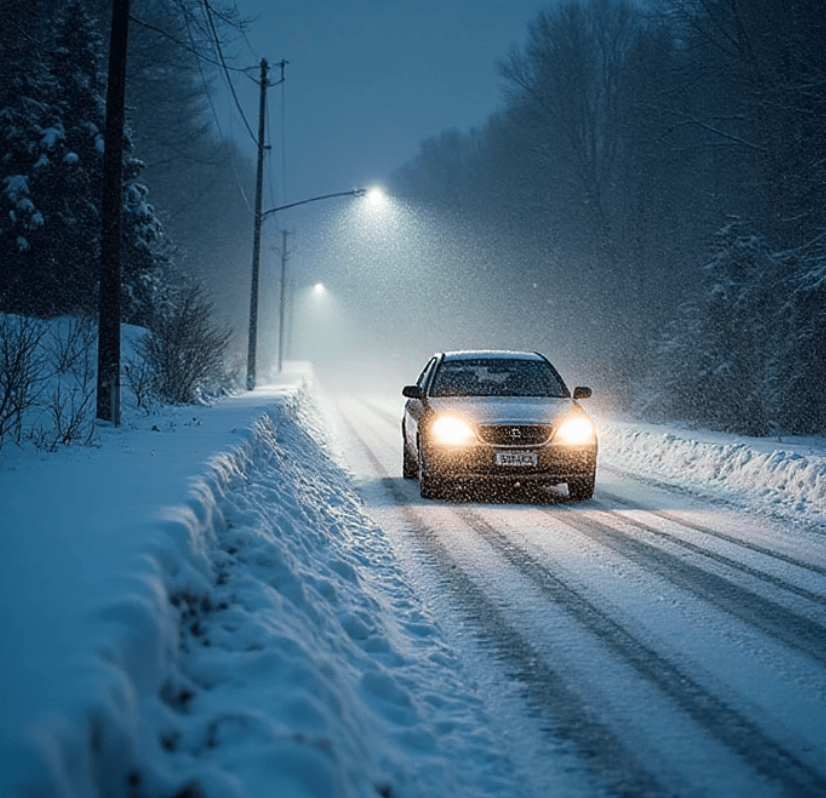
Icy interstates like I-75, I-85, and I-20
Bridges and overpasses freezing instantly
Drivers with no ice experience
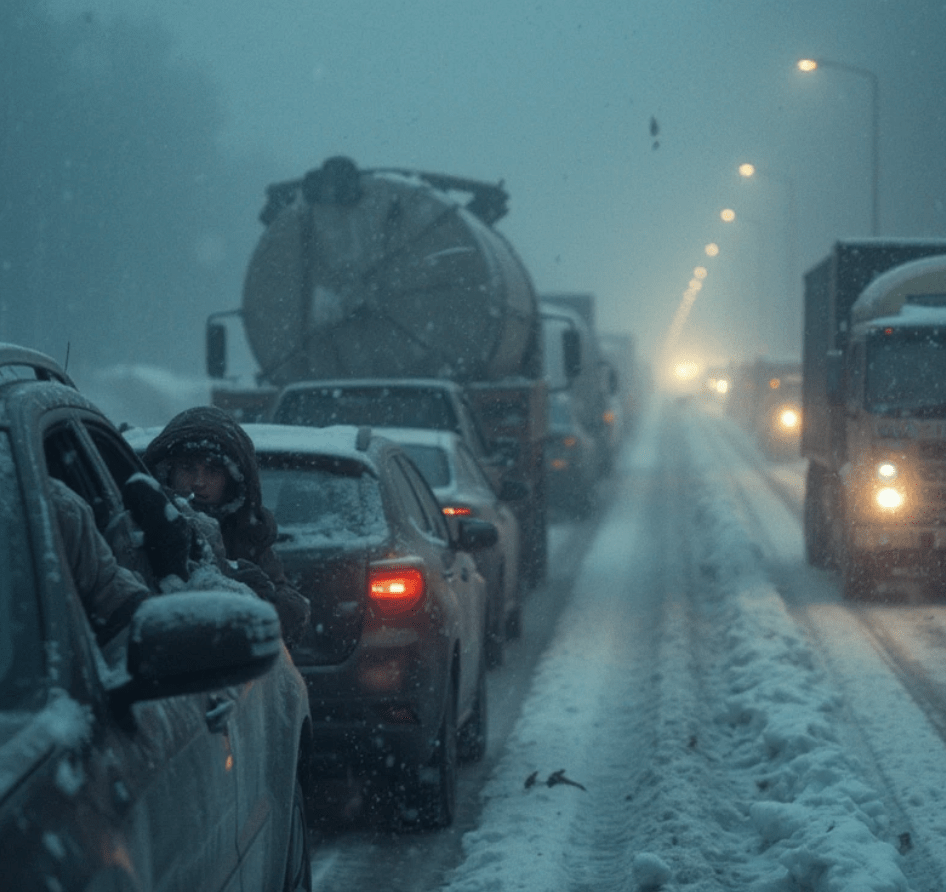
Gridlock that leaves people stranded for hours
Georgia’s roads turn into ice rinks fast—and once traffic locks up, emergency response slows to a crawl.
If ice is forecast, stay off the roads. Period.
2. Hypothermia Inside the Home
This one surprises people every time—and it shouldn’t.
Most Georgia homes rely entirely on electricity for heat. Ice storms knock power out fast and keep it out.
People die from hypothermia:
Sitting in cold homes
Wearing light clothing indoors
Trying to “wait it out”
Falling asleep and never waking up
Cold kills quietly, especially in homes not designed to retain heat.
3. Carbon Monoxide Poisoning
Every Georgia winter storm brings the same preventable tragedy.
Generators run inside garages
Propane heaters misused
Charcoal grills used indoors
Gas stoves used as heaters
Carbon monoxide is invisible and odorless. Families go to sleep and don’t wake up.
If you don’t have carbon monoxide detectors, you are risking your life for no reason.
4. Medical Emergencies With Delayed Response
During winter storms:
Ambulances are delayed
Roads are impassable
Clinics and pharmacies close
Emergency response times skyrocket
People die from:
Heart attacks while shoveling ice
Missed medications
Respiratory distress
Diabetic complications
The storm doesn’t cause these emergencies—it cuts off help.
5. Falling Trees and Downed Power Lines
Ice storms turn Georgia’s trees into weapons.
Branches snap under ice load
Trees fall onto homes and cars
Power lines come down
People are crushed or electrocuted
Trying to clean up during or immediately after a storm is how people get seriously hurt.
Will Grocery Stores Go Empty in Georgia?
Yes—and faster than almost anywhere else.
Georgia grocery stores run on just-in-time inventory, which means:
Minimal back stock
Constant truck deliveries
No buffer when roads ice over
What disappears first:
Bread
Milk
Eggs
Meat
Bottled water
Baby formula
Once roads shut down, shelves stay empty.
If you wait until the storm hits to shop, you’ve already lost.
Why Survival Food Prepping Matters in Georgia
Georgia storms may not last weeks—but 3–7 days without power or stores is common.
Survival food buys you time and stability.
Every household should have:
7–10 days of food per person
No refrigeration required
Minimal cooking needs
Best Survival Food Options
Freeze-dried meals
Canned soups and meats
Rice and beans
Pasta
Protein bars
Peanut butter
Instant oatmeal
If your food depends on electricity, it’s not dependable.
Solar Generators: The Best Backup Power Option for Georgia
Gas generators fail people every ice storm:
Fuel shortages
Carbon monoxide risk
Noise and theft
Cold-start issues
Solar generators with battery storage are safer and more reliable for Georgia homes.
They can power:
Phones and radios
Medical equipment
LED lights
Refrigerators
Internet routers
Small heaters
No fuel runs. No fumes. No chaos.
If you don’t have backup power, you’re trusting a grid that isn’t designed for ice.
Essential Winter Survival Supplies for Georgia
This is the minimum setup to survive a Georgia winter storm:
Power & Heat
Solar generator with battery storage
Power banks
Indoor-safe heater
Warm blankets and sleeping bags
Clothing & Warmth
Thermal layers
Wool socks
Hats and gloves
Emergency bivy blankets
Food & Water
1 gallon of water per person per day
Non-perishable food
Manual can opener
Safety & Medical
First aid kit
Prescription medication backups
Carbon monoxide detectors
Fire extinguisher
Communication
NOAA weather radio
Flashlights and headlamps
Extra batteries
If you don’t own these, you’re not prepared—you’re exposed.
Let’s clear something up right now: Living in Utah does NOT mean you’re automatically good at winter.
I don’t care how long you’ve lived here. I don’t care how many snowstorms you’ve “handled.” Every winter, Utah still racks up injuries, fatalities, and near-misses because people confuse familiar with safe.
Utah winter storms aren’t cute postcard snowfalls. They’re high-altitude blizzards, whiteout canyon roads, ice storms in the valleys, and brutal cold snaps that knock out power for days.
And every single time, people are shocked.
I’m not shocked anymore. I’m angry—because most of these deaths are completely preventable.
This article breaks down:
The top ways people die during winter storms in Utah
Why grocery stores empty fast, even in “prepared” states
Why survival food, backup power, and planning matter more here than most places
What supplies actually keep you alive
How to survive when the storm overstays its welcome
Read it now—before you’re stuck reading it by flashlight.
Why Utah Winter Storms Are Especially Dangerous
Utah’s geography makes winter storms far more lethal than people realize.
Here’s why:
High elevation = colder temps and faster weather changes
Mountain passes close quickly and stay closed
Rural areas are spread out with delayed emergency response
Inversions trap cold air and worsen conditions
Heavy snow loads collapse roofs and power lines
Dry air accelerates dehydration and hypothermia
People think snow equals “business as usual.”
That mindset kills.
The Top Ways People Die in Winter Storms in Utah
Let’s talk reality, not fairy tales.
1. Vehicle Accidents in Snow, Ice, and Whiteouts
This is the leading cause of winter storm deaths in Utah.
Interstate pileups on I-15 and I-80
Black ice in canyon roads
Whiteout conditions in open areas
Drivers overestimating AWD and snow tires
AWD does not stop you. Snow tires do not defy physics. Confidence does not equal traction.
Once you’re stranded in subfreezing temps at elevation, survival becomes a countdown.
2. Exposure and Hypothermia (Even for “Tough” Utahns)
Utah cold is deceptive. Dry air makes it feel manageable—until it’s not.
People die from hypothermia:
While stuck in vehicles
Inside homes without power
While shoveling snow
While hiking or snowmobiling during storms
Hypothermia doesn’t feel dramatic. It feels sleepy. Confused. Slow.
That’s why it kills so many people who thought they were “fine.”
3. Carbon Monoxide Poisoning
Every winter, without fail.
Gas generators run indoors
Propane heaters used improperly
Charcoal grills inside garages
Poor ventilation in cabins and RVs
Carbon monoxide kills silently. No warning. No second chance.
If you don’t own a carbon monoxide detector, you are not prepared—you are reckless.
4. Avalanches and Structural Collapses
Utah’s snow is heavy. And when it stacks up, bad things happen.
Roof collapses on homes and sheds
Barns and carports fail
Avalanches in backcountry and canyon areas
People die because they assume:
“It’s not that much snow”
“This roof has held before”
“We’ve skied here a hundred times”
Nature does not care about your past experience.
5. Medical Emergencies With No Access to Help
During severe storms:
Ambulances are delayed
Mountain roads are impassable
Clinics close
Pharmacies shut down
People die from:
Heart attacks while shoveling
Missed medications
Asthma and respiratory distress
Diabetic complications
The storm doesn’t cause these—it removes your safety net.
Will Grocery Stores Go Empty in Utah?
Yes. Fast. And worse in rural areas.
I’ve watched Utah grocery stores empty in hours, not days.
Here’s what disappears first:
Bread
Milk
Eggs
Meat
Bottled water
Baby formula
Utah’s just-in-time inventory system means:
No back stock
No quick resupply
Delayed delivery trucks due to road closures
Mountain towns and rural communities are hit hardest—and last to recover.
If your food plan relies on “running to the store,” you don’t have a plan.
Why Survival Food Prepping Is Non-Negotiable in Utah
Utah storms can isolate communities for days or even weeks.
Survival food buys you time—and time buys you safety.
Every household should have:
7–14 days of food per person
No refrigeration required
Easy preparation with minimal fuel
Best Survival Food Options
Freeze-dried meals (excellent for altitude)
Canned soups and meats
Rice, beans, pasta
Protein bars
Instant oatmeal
Peanut butter
If your food spoils when the power goes out, it’s a liability—not an asset.
Solar Generators: The Smarter Utah Power Backup
Gas generators sound great—until winter hits.
Problems with gas generators:
Fuel shortages
Frozen engines
Carbon monoxide danger
Loud, attention-drawing noise
Solar generators excel in Utah because:
Cold improves battery efficiency
High altitude = strong solar exposure
No fuel needed
Safe indoor operation
Solar generators can power:
Phones and radios
Medical devices
LED lights
Refrigeration
Internet routers
Small heaters
If you live in Utah and don’t have backup power, you’re trusting luck instead of planning.
Essential Winter Survival Supplies for Utah
Here’s the bare minimum for surviving a serious winter storm in Utah:
Power & Heat
Solar generator with battery storage
Power banks
Indoor-safe heater
Sleeping bags rated for cold weather
Clothing & Warmth
Thermal base layers
Wool socks
Insulated gloves and hats
Emergency bivy blankets
Food & Water
1 gallon of water per person per day
Non-perishable food
Manual can opener
Safety & Medical
First aid kit
Prescription medication backups
Carbon monoxide detectors
Fire extinguisher
Communication & Light
NOAA weather radio
LED flashlights
Extra batteries
Headlamps
No gear. No plan. No mercy from winter.
Why Survival Prepping Matters in Utah More Than People Admit
Utah residents like to think they’re tougher than average. Sometimes that’s true. But toughness without preparation is just arrogance.
Weather is becoming:
More extreme
Less predictable
More disruptive
Infrastructure is aging. Power grids are strained. Emergency services are overwhelmed during storms.
Prepping isn’t fear—it’s competence.
You prepare so:
You don’t panic
You don’t risk your life driving
You don’t become a burden on first responders
You don’t become another preventable headline
Final Word From an Angry Utah Prepper
Winter storms don’t kill people because they’re unstoppable.
They kill people because:
People underestimate them
People delay preparation
People assume help will arrive fast
If you live in Utah, winter is not optional—it’s guaranteed.
Prepare before the storm, or learn during it.
And trust me—you don’t want to learn the hard way.
Maine has a dangerous reputation problem. People here are proud of handling cold, snow, and ice—and that pride gets them killed. Winter storms in Maine don’t need record-breaking blizzards to be deadly. They kill through cold, isolation, power outages, and slow rescue times.
I’ve watched the same mistakes happen year after year—from coastal towns to inland forests to remote northern communities. Winter storms in Maine don’t announce themselves with drama. They just grind people down until something goes wrong.
This article breaks down:
The top ways people die during winter storms in Maine
Why grocery stores empty fast, especially in rural areas
Why survival food, backup power, and planning are critical here
What supplies actually keep you alive
How to survive when the grid fails and help is delayed
If you live in Maine and think “we’re used to this,” keep reading. That mindset is exactly why people die.
Why Winter Storms in Maine Are Especially Dangerous
Maine isn’t just cold—it’s remote, forested, and spread out.
Here’s what makes Maine winter storms uniquely deadly:
Long-lasting cold snaps
Heavy, wet snow that brings down power lines
Ice storms that shut down roads
Remote communities with slow emergency response
Coastal storms that combine snow, wind, and flooding
Aging infrastructure and power grids
Short daylight hours that limit recovery and visibility
When things go wrong in Maine, they stay wrong longer.
The Top Ways People Die in Winter Storms in Maine
Let’s talk reality—not folklore.
1. Vehicle Accidents and Stranding
This is the number one cause of winter storm deaths in Maine.
Snow-covered back roads
Icy highways like I-95 and Route 1
Whiteouts in rural areas
Drivers overestimating snow tires and experience
Getting stranded in Maine isn’t just inconvenient—it’s dangerous. Temperatures drop fast, cell service is unreliable, and help can be far away.
If you don’t carry winter survival gear in your vehicle, you’re one breakdown away from a life-threatening situation.
2. Hypothermia and Cold Exposure
Maine cold is relentless.
People die from hypothermia:
Inside homes without power
While clearing snow
While working outdoors too long
After getting wet and underestimating the danger
Hypothermia doesn’t feel dramatic. It feels manageable—until it suddenly isn’t.
Elderly residents are especially vulnerable, but cold doesn’t care how tough you think you are.
3. Carbon Monoxide Poisoning
Every winter in Maine, people die this way—and it’s always preventable.
Generators run inside homes or garages
Propane heaters misused
Wood stoves improperly vented
Gas stoves used for heat
Carbon monoxide is invisible and odorless. By the time you feel something is wrong, it’s usually too late.
If you live in Maine and don’t have carbon monoxide detectors, you are playing Russian roulette with your family.
4. Medical Emergencies With Delayed Help
Winter storms isolate Maine communities quickly.
During storms:
Ambulances are delayed
Roads are impassable
Clinics close
Pharmacies shut down
People die from:
Heart attacks while shoveling heavy snow
Missed medications
Respiratory complications
Diabetic emergencies
The storm doesn’t cause the condition—it removes access to help.
5. Structural Failures and Falling Trees
Maine’s heavy snow and ice load causes:
Roof collapses
Falling trees
Downed power lines
Barn and shed failures
People get crushed, electrocuted, or trapped. In rural areas, rescue may take hours—or longer.
Assuming “it’s held before” is how people end up buried or injured.
Will Grocery Stores Go Empty in Maine?
Yes—and faster than people expect.
Maine relies heavily on:
Trucked-in food
Long supply chains
Limited local inventory
Once storms hit:
Delivery trucks stop
Shelves empty
Stores close early or entirely
What disappears first:
Bread
Milk
Eggs
Meat
Bottled water
Baby supplies
In rural and northern Maine, stores can stay empty for days or even weeks.
If your plan is “we’ll just go to the store,” you don’t understand how fragile the system is.
Why Survival Food Prepping Is Essential in Maine
Maine storms isolate people. That’s not an opinion—it’s geography.
Survival food buys you time, and time keeps you alive.
Every household in Maine should have:
10–14 days of food per person
No refrigeration required
Minimal cooking needs
Best Survival Food Options
Freeze-dried meals
Canned soups and meats
Rice, beans, and pasta
Protein bars
Peanut butter
Instant oatmeal
If your food plan relies on power or daily grocery access, it will fail.
Solar Generators: A Lifeline During Maine Power Outages
Maine loses power during winter storms more than most states.
Gas generators fail people because:
Fuel runs out
Engines struggle in extreme cold
Carbon monoxide risk
Noise attracts attention
Solar generators work well in Maine when paired with batteries:
Cold temperatures improve battery efficiency
Quiet and safe for indoor use
No fuel dependency
Works during extended outages
Solar generators can power:
Lights
Phones and radios
Medical devices
Refrigerators
Internet equipment
If you live in Maine without backup power, you’re relying on luck—and luck runs out.
Essential Winter Survival Supplies for Maine
Here’s the non-negotiable list for Maine winters:
Power & Heat
Solar generator with battery storage
Power banks
Indoor-safe heater
Cold-rated sleeping bags and blankets
Clothing & Warmth
Thermal base layers
Wool socks
Insulated gloves and hats
Emergency bivy blankets
Food & Water
1 gallon of water per person per day
Non-perishable food
Manual can opener
Safety & Medical
First aid kit
Prescription medication backups
Carbon monoxide detectors
Fire extinguisher
Communication
NOAA weather radio
LED flashlights
Headlamps
Extra batteries
If you don’t have these, you’re not prepared—you’re exposed.
Why Survival Prepping Matters So Much in Maine
Maine has:
Long winters
Sparse population
Slow response times
Aging infrastructure
Prepping isn’t fear—it’s common sense in a hard environment.
You prepare so:
You don’t drive in dangerous conditions
You don’t freeze during outages
You don’t become a burden on first responders
You don’t become another winter fatality
One Last Word From a Maine Survival Prepper
Every winter death in Maine has the same root cause: Someone assumed experience was enough.
Winter doesn’t care how long your family’s lived here. It doesn’t care how many storms you’ve survived. And it doesn’t care how tough you think you are.
Prepare early. Prepare seriously. Because Maine winter doesn’t forgive mistakes.
How Do Most People Die in a Winter Storm in the State of Pennsylvania — And How to Survive One
If you live in Pennsylvania and think winter storms are “manageable,” you’re already thinking like someone who hasn’t been humbled yet.
I’ve watched Pennsylvanians shrug off storm warnings for decades. People assume winter here is mild compared to the Midwest or New England — and that false sense of security is exactly why storms kill people every single year.
Pennsylvania winter storms aren’t just snowstorms. They’re:
Ice storms that snap power lines
Nor’easters that paralyze entire regions
Lake-effect snow in the northwest
Appalachian cold that traps rural communities
Wind that strips heat faster than people realize
Winter here doesn’t need record snowfall to be deadly. It just needs people who didn’t prepare.
How Winter Storms Actually Kill People in Pennsylvania
Let’s stop pretending these deaths are freak accidents. They follow the same patterns — every winter.
1. Hypothermia — Inside Homes and Apartments
Hypothermia is the leading cause of winter storm deaths in Pennsylvania.
And no, it doesn’t just happen outdoors.
It happens when:
Ice storms knock out power
Heating systems fail
Temperatures drop into the teens or single digits
Wind penetrates poorly insulated buildings
Older homes, row houses, mobile homes, and apartments lose heat fast. People try to “ride it out” instead of preparing.
Once your core temperature drops, judgment disappears. People stop thinking clearly, stop layering properly, and stop making smart choices.
Cold kills quietly — especially indoors.
2. Carbon Monoxide Poisoning (The Most Preventable Death)
Every major Pennsylvania winter storm brings carbon monoxide deaths. Every single one.
People run:
Gas generators in garages
Propane heaters inside homes
Grills or camp stoves indoors
Vehicles too close to buildings
Carbon monoxide is odorless, invisible, and lethal. You don’t get a warning. You don’t feel pain. You just pass out.
If you live in Pennsylvania and don’t have battery-powered carbon monoxide detectors, you’re trusting luck — and winter does not reward luck.
3. Vehicle-Related Deaths on Icy and Rural Roads
Pennsylvania roads during winter storms are a death trap for the unprepared.
People die because they:
Drive during freezing rain or whiteouts
Get stranded on highways or mountain roads
Run out of fuel
Sit in vehicles with snow-blocked exhaust pipes
Don’t carry winter survival gear
In rural and mountainous parts of Pennsylvania, help can take hours or days to arrive. Cell service disappears fast. A car becomes your shelter whether you planned for it or not.
If your vehicle doesn’t have a winter survival kit, you’re not prepared to travel. Period.
4. Ice Falls, Roof Collapses, and Shoveling Heart Attacks
Ice storms are especially deadly in Pennsylvania.
Deaths occur from:
Slipping on untreated ice
Falling from ladders or roofs
Structural collapses from ice accumulation
Overexertion while shoveling heavy, wet snow
Cold constricts blood vessels. Heavy lifting stresses the heart. Every winter, people collapse mid-driveway because they ignored their limits.
Survival isn’t about toughness. It’s about restraint.
5. Power Outages and Medical Dependency Failures
Pennsylvania’s aging infrastructure makes power outages especially dangerous.
People who rely on:
Oxygen concentrators
CPAP machines
Refrigerated medications
Electric mobility devices
…are at serious risk during extended outages caused by ice and wind.
During major storms, emergency services get overwhelmed fast. Roads are impassable. Help is delayed. If you don’t have backup power, you are exposed.
Will Grocery Stores Go Empty During a Pennsylvania Winter Storm?
Yes. And they empty faster than people expect.
Every storm forecast triggers:
Panic buying
Shelf stripping
Delivery delays
What disappears first:
Bread
Milk
Eggs
Bottled water
Canned food
Batteries
Firewood
Ice storms are especially brutal because trucks can’t move safely. Rural communities and small towns get hit hardest.
If you wait until the storm is announced, you are already behind.
Why Survival Prepping Is Critical in Pennsylvania
Pennsylvania winters demand preparation because:
Ice storms cripple infrastructure
Rural and mountainous regions slow emergency response
Aging power grids fail easily
Weather changes rapidly
Prepping isn’t paranoia. It’s acknowledging that you may be on your own longer than you think.
Prepared people stay warm, fed, and informed. Unprepared people panic and freeze.
Survival Food Prepping for Pennsylvania Winter Storms
Food isn’t comfort during winter storms — it’s fuel.
Best Survival Foods to Store
Choose foods that:
Don’t require refrigeration
Can be eaten cold
Deliver high calories
Top options:
Canned meats (chicken, tuna, beef)
Beans and lentils
Rice and pasta
Oatmeal
Peanut butter
Protein bars
Shelf-stable soups
Freeze-dried meals
In Pennsylvania, you should store at least 7–14 days of food per person, more if you live rurally.
Melting snow requires fuel and time — neither guaranteed during outages.
Solar Generators: A Smart Winter Backup Power Option
Gas generators work — but they require fuel, ventilation, and constant attention.
Solar generators offer:
Indoor-safe power
Quiet operation
No fuel dependency
Reliable backup electricity
They can power:
Medical devices
Lights
Phones
Radios
Electric blankets
Refrigerators intermittently
Look for:
1,000–2,000Wh capacity
Expandable solar panels
Multiple output ports
Power equals warmth. Warmth equals survival.
Essential Winter Storm Survival Supplies for Pennsylvania
Home Survival Essentials
Thermal blankets
Cold-rated sleeping bags
Flashlights and headlamps
Battery-powered radio
Extra batteries
Layered winter clothing
Hats, gloves, wool socks
Safety Gear
Fire extinguisher
First aid kit
Carbon monoxide detectors
Safe space heaters
Fire-safe candles
Vehicle Survival Kit (Non-Negotiable)
Heavy blankets
High-calorie food
Water
Shovel
Jumper cables
Ice scraper
Flares or reflectors
How to Actually Survive a Pennsylvania Winter Storm
Survival is about discipline, not bravado.
You survive by:
Staying home
Conserving heat
Eating enough calories
Using backup power wisely
Avoiding unnecessary travel
You die by:
Driving when warned not to
Using unsafe heating methods
Waiting until the last minute
Assuming help is close
Winter storms don’t reward confidence. They reward preparation.
Pennsylvania winter storms don’t care how long you’ve lived here. They don’t care that you’ve “seen worse.” They don’t care about tradition, pride, or convenience.
They care about exposure, heat, calories, and planning.
Prepared people endure storms. Unprepared people become statistics.
You don’t prep because you’re afraid. You prep because you respect winter enough to survive it.
How Do Most People Die in a Winter Storm in the State of New York — And How to Survive One
If you live in New York and think winter storms are “nothing new,” congratulations — that mindset is exactly why people die every single year.
I’ve been a survival prepper long enough to watch New Yorkers shrug off storm warnings, mock preparation, and assume infrastructure will save them. Then the power goes out. Roads close. Emergency services get overwhelmed. And suddenly everyone realizes they are far more dependent than they thought.
New York winter storms don’t just affect rural areas or upstate regions. They kill people in cities, suburbs, small towns, and mountain communities alike. From lake-effect blizzards to ice storms, Nor’easters, and polar cold snaps — winter in New York is unforgiving.
And no, experience doesn’t equal preparedness.
How Winter Storms Actually Kill People in New York
Let’s be clear: winter storms don’t kill randomly. They kill predictably — the same ways, every time.
Here’s how most deaths actually happen in New York winter storms.
1. Hypothermia — Even Indoors
Hypothermia is the leading cause of winter storm deaths in New York.
People assume hypothermia only happens outdoors. That’s wrong.
It happens when:
Power goes out
Heating systems fail
Temperatures drop below freezing
Wind strips heat from poorly insulated buildings
Older homes, apartments, and high-rise buildings lose heat fast. Elevators stop working. Hallways become wind tunnels. People try to “wait it out” instead of preparing.
Once your core body temperature drops, judgment disappears. People stop making smart decisions — and that’s usually the beginning of the end.
Cold kills quietly.
2. Carbon Monoxide Poisoning (A Deadly, Repeating Mistake)
Every major New York winter storm results in carbon monoxide deaths. Every single one.
People:
Run generators in apartments or garages
Use grills, camp stoves, or propane heaters indoors
Burn fuel improperly in enclosed spaces
Carbon monoxide has no smell. No warning. No mercy.
If you don’t have battery-powered carbon monoxide detectors, you are rolling the dice with your life for no reason.
This is not bad luck. This is preventable ignorance.
3. Vehicle-Related Deaths During Storms
New York drivers consistently overestimate their abilities in winter conditions.
People die because they:
Drive during whiteouts
Get stuck on highways
Run out of fuel
Sit in snow-blocked vehicles
Don’t clear exhaust pipes
Lake-effect snow can dump feet of snow in hours. Roads shut down fast. When traffic stops, vehicles turn into refrigerators.
If you don’t have a winter car survival kit, your vehicle is not a safety plan — it’s a liability.
4. Falls, Ice Injuries, and Shoveling-Related Heart Attacks
Ice kills more New Yorkers than snow.
Common causes:
Slipping on untreated sidewalks
Falling on stairs
Overexertion while shoveling
Ignoring physical limitations
Cold constricts blood vessels. Heavy snow shoveling pushes the heart past its limits. Every winter, people collapse mid-driveway because they refused to slow down.
Survival requires patience, not pride.
5. Medical Equipment Failure During Power Outages
This one doesn’t get enough attention.
People who rely on:
Oxygen concentrators
Dialysis support equipment
Refrigerated medications
Powered mobility devices
…are at extreme risk during extended outages.
During major New York storms, emergency services get overwhelmed fast. Hospitals prioritize life-threatening emergencies. If you don’t have backup power, you are dangerously exposed.
Will Grocery Stores Go Empty During a New York Winter Storm?
Yes. And they empty faster than people want to admit.
Every storm forecast triggers:
Panic buying
Shelf stripping
Supply chain disruptions
What disappears first:
Bread
Milk
Eggs
Bottled water
Canned food
Batteries
Flashlights
In heavy storms, delivery trucks stop moving. Stores close due to power outages or staff shortages. Urban areas aren’t immune — they’re often worse because of population density.
If you wait until the storm is announced, you’re already late.
Why Survival Prepping Is Critical in New York
New York has:
Aging infrastructure
Dense populations
Long emergency response times during storms
Severe winter weather variability
When the grid fails, millions are affected at once. You cannot depend on speed, convenience, or outside help.
Prepping is not paranoia. It’s accepting reality.
Prepared people stay warm, fed, and informed. Unprepared people freeze, panic, and wait for rescue that may not arrive quickly.
Survival Food Prepping for New York Winter Storms
Food is survival fuel — especially in cold environments.
Best Survival Foods to Stock
Choose foods that:
Don’t require refrigeration
Can be eaten without cooking
Provide high calories
Top options:
Canned meats (tuna, chicken, beef)
Beans and lentils
Rice and pasta
Oatmeal
Peanut butter
Protein bars
Shelf-stable soups
Freeze-dried meals
You should store at least 7–14 days of food per person in New York. Urban living doesn’t change biology — cold burns calories fast.
Water: The Forgotten Essential
People assume water will always flow. Winter storms prove otherwise.
I’ve been prepping for years, and I’m going to say this plainly because sugarcoating gets people killed: most people who die in winter storms don’t die because the storm was “too strong.” They die because they were unprepared, stubborn, ignorant, or lazy.
New Jersey is not immune to brutal winter weather. Nor’easters, blizzards, ice storms, whiteout conditions, sub-freezing temperatures, and multi-day power outages happen here regularly — and every single year people act surprised like this is brand new information.
It isn’t.
This article exists because too many people still think “it won’t be that bad” right up until they’re freezing, trapped, hungry, or dead. If that sentence offends you, good — that means you need to read this more than anyone else.
How Winter Storms Actually Kill People in New Jersey
Let’s clear up the biggest lie first: snow itself doesn’t kill people. Behavior does.
Here are the top ways people die during winter storms in New Jersey — over and over and over again.
1. Exposure and Hypothermia (The Silent Killer)
Hypothermia is the #1 killer in winter storms.
It doesn’t require arctic conditions. People in New Jersey die from hypothermia inside their own homes every winter when power goes out and temperatures drop.
Common mistakes:
No backup heat source
Relying solely on the power grid
Not owning proper winter clothing indoors
Assuming the outage will “only last a few hours”
Hypothermia sets in when your core body temperature drops below 95°F. Once that happens, judgment declines, movement slows, and people make stupid decisions — like going outside when they shouldn’t or falling asleep and never waking up.
Cold doesn’t care how confident you are.
2. Carbon Monoxide Poisoning (The Most Avoidable Death)
Every major winter storm brings carbon monoxide deaths. Every single one.
People:
Run generators indoors or in garages
Use grills, propane heaters, or camp stoves inside
Burn candles improperly in enclosed spaces
Carbon monoxide is odorless, invisible, and ruthless. You don’t “feel” it coming. You just get sleepy… then you’re done.
If you do not own battery-powered CO detectors, you are gambling with your life for no reason.
3. Vehicle-Related Deaths (Stupidity on Wheels)
New Jersey drivers love to believe they’re invincible. Winter storms prove otherwise.
People die because they:
Drive during whiteouts
Get stranded on highways
Run out of fuel
Sit in snow-covered cars with blocked exhaust pipes
Try to “just make it home”
Vehicles become freezers on wheels during winter storms. If you don’t have a winter car kit, your car is not a safety net — it’s a coffin with a steering wheel.
4. Falls, Ice Injuries, and Heart Attacks
Shoveling snow kills more people than most storms themselves.
Slipping on ice
Overexertion
Ignoring medical limitations
Not taking breaks
No traction gear
Heart attacks spike during blizzards because people push themselves instead of working smart. Cold constricts blood vessels. Heavy lifting in freezing weather is a perfect recipe for disaster.
5. Medical Equipment Failure During Power Outages
If you or someone in your household relies on:
Oxygen machines
Refrigerated medications
Electric mobility devices
…and you don’t have a backup power plan, you are one outage away from catastrophe.
Hospitals get overwhelmed during storms. Emergency services get delayed. You are expected to survive on your own longer than you think.
Will Grocery Stores Go Empty During a New Jersey Winter Storm?
Yes. And they already do — every time snow is forecasted.
The shelves don’t empty because of the storm itself. They empty because people panic-buy at the last second like they’ve learned nothing from the last 20 winters.
Within hours:
Bread disappears
Milk vanishes
Eggs are gone
Canned food gets wiped out
Water is stripped bare
Supply trucks don’t magically teleport through blizzards. If roads are closed, deliveries stop. If power is out, stores close.
If your plan is “I’ll just run to the store if it gets bad,” you don’t have a plan. You have a fantasy.
Why Survival Prepping Matters During Winter Storms
Prepping isn’t paranoia. It’s responsibility.
Winter storms don’t ask permission. They don’t care about your job, your schedule, or your opinions. The grid is fragile. Emergency services are stretched thin. You are expected to handle yourself.
Prepping gives you:
Warmth when the grid fails
Food when stores close
Power when darkness hits
Control when chaos spreads
The people who mock preparedness are always the first ones begging for help when things go sideways.
Survival Food Prepping for New Jersey Winter Storms
You don’t need to be extreme — you need to be consistent.
Best Survival Foods to Stock
Focus on foods that:
Don’t require refrigeration
Can be eaten cold if necessary
Are calorie-dense
Top choices:
Canned meats (tuna, chicken, beef)
Beans (black, kidney, lentils)
Rice and pasta
Oatmeal
Peanut butter
Protein bars
Freeze-dried meals
Shelf-stable soups
Powdered milk
You should have at least 7–14 days of food per person. Not snacks. Actual meals.
Calories matter more than variety in cold conditions.
Water: The Most Ignored Survival Supply
Winter storms knock out water treatment plants and freeze pipes.
Minimum rule:
1 gallon of water per person per day
Store at least 7–10 days
If pipes freeze or burst, you won’t be able to boil water without power. Store water ahead of time or invest in water purification options.
Solar Generators: The Smart Prepper’s Secret Weapon
Gas generators are useful — but they require fuel, ventilation, and constant management.
Solar generators are quieter, safer, and usable indoors.
Best uses:
Power medical devices
Charge phones
Run lights
Power small heaters or electric blankets
Keep refrigerators running intermittently
Look for solar generators with:
At least 1,000–2,000Wh capacity
Multiple output options
Expandable solar panels
Power equals control. Darkness equals panic.
Essential Winter Storm Survival Supplies
If you live in New Jersey and don’t own these, fix that immediately:
Core Survival Gear
Battery-powered radio
Headlamps and flashlights
Extra batteries
Thermal blankets
Cold-weather sleeping bags
Layered winter clothing
Gloves, hats, scarves
Safety Gear
Fire extinguisher
First aid kit
Carbon monoxide detectors
Ice cleats for boots
Snow shovel (ergonomic)
Vehicle Survival Kit
Blankets
Water
Flares
Jumper cables
Shovel
Cat litter or sand for traction
Emergency food
How to Actually Survive a New Jersey Winter Storm
Here’s the blunt truth: survival is boring and disciplined.
You survive by:
Staying home
Conserving heat
Eating enough calories
Avoiding unnecessary risks
Using backup power wisely
Monitoring weather updates
You do not survive by:
Driving unnecessarily
Ignoring warnings
Waiting until the last minute
Assuming help is coming quickly
Storms don’t kill prepared people. They kill complacent ones.
Winter storms in New Jersey are not rare. They are not unpredictable. They are not unavoidable.
Deaths happen because people refuse to prepare, refuse to listen, and refuse to respect the environment they live in.
You don’t need fear — you need foresight.
If this article made you uncomfortable, good. Comfort is what gets people killed. Preparation is what keeps you alive.
Oklahoma is a strong, resilient state built by people who know how to endure hardship. But despite that grit, thousands of Oklahomans die every year from preventable causes—not from old age, not from natural decline, but from lack of preparedness, lack of awareness, and lack of survival skills.
As a survivalist and preparedness advocate, I believe one thing deeply:
If you understand what actually kills people where you live—and prepare for it—you dramatically increase your odds of survival.
This article breaks down the top 10 ways people in Oklahoma die that are NOT related to old age, explains why these deaths happen, and—most importantly—what you must do to avoid becoming another statistic.
This isn’t fear-mongering. This is real-world survival education.
⚠️ Why This Matters in Oklahoma
Oklahoma has unique risk factors:
Severe weather (tornadoes, floods, heat)
Rural roads and long EMS response times
High firearm ownership
Agricultural and industrial hazards
Elevated substance abuse rates
Extreme temperature swings
Preparedness here isn’t optional—it’s essential.
🧠 The Top 10 Ways People Die in Oklahoma (Not Old Age)
1. 🚗 Motor Vehicle Accidents
Why This Kills So Many Oklahomans
Car crashes are consistently one of the leading causes of death in Oklahoma, especially for people under 55.
Contributing factors include:
High-speed rural highways
Long stretches of unlit roads
Distracted driving
Drunk or impaired driving
Not wearing seatbelts
Severe weather conditions
Rural crashes are especially deadly because help can be 30–60 minutes away.
How to Survive It
A prepper doesn’t just “drive”—they plan for crashes.
Survival actions:
Always wear a seatbelt (it reduces fatal injury risk by over 45%)
Slow down on rural roads—speed kills faster than anything else
Carry a vehicle emergency kit:
Tourniquet
Trauma bandages
Flashlight
Emergency blanket
Learn basic trauma care
Never drive impaired—ever
Survival rule: Your car is a potential weapon. Treat it with respect.
2. 💊 Drug Overdoses (Especially Opioids & Meth)
Why This Is So Deadly
Oklahoma has struggled with:
Prescription opioid misuse
Methamphetamine abuse
Fentanyl contamination
Many overdoses happen because:
People don’t know their dosage
Drugs are laced
Users are alone
No one recognizes overdose symptoms in time
How to Survive It
Preparedness means harm reduction, even if you don’t use drugs yourself.
Survival actions:
Carry Naloxone (Narcan)—it saves lives
Learn overdose signs:
Slow or stopped breathing
Blue lips or fingertips
Unresponsiveness
Never use substances alone
Seek treatment early—addiction is survivable
A prepared community keeps its people alive—even when they’re struggling.
I’m a professional survivalist prepper. I believe in preparedness, redundancy, situational awareness, and the radical idea that you should wake up alive tomorrow. I’m also a stand-up comedian, which means I cope with reality by making jokes while quietly checking my emergency kit.
This article isn’t about fear. It’s about probability.
Most people don’t die because they’re old. They die because something preventable went wrong, they underestimated a risk, or they assumed “it won’t happen to me.”
California has a unique risk profile. Some dangers are obvious. Others wear yoga pants and look harmless until they ruin your life.
Below are the Top 10 non-old-age-related ways people commonly die in California, why they happen, and what you can do to stay alive, functional, and sarcastically optimistic.
Let’s begin.
1. Motor Vehicle Accidents (AKA: The California Freeway Hunger Games)
Why People Die This Way
California traffic isn’t traffic — it’s a social experiment in impatience.
People die in vehicle accidents due to:
Speeding (especially on freeways and rural highways)
Driving under the influence (alcohol, drugs, or exhaustion)
Motorcycles versus physics (physics always wins)
Aggressive driving combined with fragile egos
The problem isn’t just accidents — it’s reaction time, speed, and mass. A two-ton vehicle moving at 70 mph doesn’t care about your intentions.
How to Survive It
Drive like everyone else is drunk, angry, and late — because statistically, some of them are.
Leave more following distance than you think you need. Then double it.
Don’t race. The finish line is a red light.
Avoid peak DUI hours (late night, weekends).
If you ride a motorcycle, assume you are invisible and fragile — because you are.
Keep emergency supplies in your vehicle: water, first aid kit, flashlight, phone charger.
Survival Rule: The goal of driving is not to be right. The goal is to be alive.
2. Drug Overdoses (The Silent, Relentless Killer)
Why People Die This Way
Overdoses don’t just happen in dark alleys. They happen in:
Suburban homes
Apartments
Bathrooms
Bedrooms
“One last time” scenarios
California has been hit hard by opioid overdoses, especially fentanyl contamination. People often don’t know what they’re taking, how strong it is, or how their tolerance has changed.
Add isolation, shame, and delayed medical response — and it becomes fatal.
How to Survive It
Never use alone. Ever. Pride kills.
Carry Naloxone (Narcan) if you or someone you know uses opioids.
Test substances when possible. Street drugs lie.
If you’re prescribed medication, follow dosage instructions like your life depends on it — because it does.
If someone is unresponsive, call 911 immediately. California’s Good Samaritan laws protect callers.
Survival Rule: Shame is deadlier than drugs. Call for help.
3. Suicide (The Most Preventable Cause of Death)
Why People Die This Way
This isn’t about weakness. It’s about:
Untreated depression
Chronic stress
Financial pressure
Isolation
Loss of meaning
Access to lethal means during a temporary crisis
Many suicides happen during short emotional storms, not lifelong decisions.
How to Survive It
If you’re struggling, talk to someone before the crisis peaks.
Remove or lock away lethal means during hard periods.
Build routines: sleep, movement, sunlight.
If someone you know is withdrawing or giving things away, take it seriously.
Call or text 988 (Suicide & Crisis Lifeline) if needed.
Survival Rule: Feelings are temporary. Death is not. Stay.
4. Accidental Falls (Not Just an “Old People” Thing)
Why People Die This Way
Falls kill people of all ages due to:
Head injuries
Ladder accidents
Alcohol impairment
Slippery surfaces
Overconfidence and under-footwear
California’s DIY culture alone accounts for half of this category.
How to Survive It
Use proper ladders. No chairs. No crates. No vibes.
Wear shoes with traction.
Install handrails and adequate lighting.
Don’t mix alcohol and heights.
If you hit your head and feel “off,” seek medical attention.
Survival Rule: Gravity has never lost a fight. Respect it.
5. Fire & Smoke Inhalation (Wildfires and Home Fires)
Why People Die This Way
Fire doesn’t kill most victims — smoke does.
In California, deaths occur from:
Wildfires overtaking homes or vehicles
Smoke inhalation during evacuations
House fires caused by cooking, candles, or faulty wiring
Smoke incapacitates fast. You don’t get heroic last words.
How to Survive It
Install and maintain smoke detectors.
Have an evacuation plan. Practice it.
Keep a “go bag” ready during fire season.
Close doors when evacuating to slow fire spread.
If there’s heavy smoke, stay low and get out immediately.
Survival Rule: You don’t outrun fire. You out-plan it.
6. Homicide (Violence, Firearms, and Bad Decisions)
Why People Die This Way
Most homicides involve:
Firearms
People who know each other
Escalated arguments
Alcohol or drugs
Poor conflict management
Random violence exists, but predictable violence is more common.
How to Survive It
Avoid confrontations with strangers.
De-escalate. Ego is not bulletproof.
Be aware of your surroundings.
Secure firearms safely and responsibly.
Trust your instincts and leave bad situations early.
Survival Rule: Winning an argument isn’t worth dying for.
7. Drowning (Oceans, Rivers, Pools, and “I Got This”)
Why People Die This Way
California water deaths happen due to:
Rip currents
Cold shock
Alcohol
Overestimating swimming ability
No life jackets
The ocean doesn’t care if you’re fit.
How to Survive It
Learn how rip currents work.
Never swim alone.
Wear life jackets when boating.
Don’t fight the current — float and signal.
Avoid alcohol near water.
Survival Rule: Water is patient. It waits for mistakes.
8. Workplace Accidents (Especially Construction & Agriculture)
Why People Die This Way
Common causes include:
Falls from heights
Heavy machinery
Electrical hazards
Fatigue
Cutting corners to save time
California’s economy runs on people who work hard — sometimes too hard.
How to Survive It
Follow safety protocols, even when annoying.
Use protective equipment.
Report unsafe conditions.
Rest. Fatigue kills.
Speak up — your life outranks productivity.
Survival Rule: No job is worth a funeral.
9. Extreme Heat (Yes, Even in California)
Why People Die This Way
Heat kills via:
Dehydration
Heat exhaustion
Heat stroke
Organ failure
It sneaks up, especially on people without access to cooling or water.
How to Survive It
Hydrate constantly.
Avoid peak heat hours.
Use cooling centers.
Check on vulnerable neighbors.
Never leave people or pets in cars.
Survival Rule: If you feel “off,” you’re already in trouble.
10. Carbon Monoxide Poisoning (The Invisible Assassin)
Why People Die This Way
Carbon monoxide is odorless, colorless, and lethal. Causes include:
Faulty heaters
Generators indoors
Grills in enclosed spaces
Blocked vents
People fall asleep and never wake up.
How to Survive It
Install CO detectors.
Maintain appliances.
Never run engines indoors.
Ventilate properly.
Take alarms seriously.
Survival Rule: If you can’t smell the danger, detect it.
Final Survivalist Thoughts
California is not trying to kill you. Complacency is.
Most deaths aren’t freak accidents. They’re patterns — predictable, preventable, and survivable with awareness and preparation.
And remember: The goal isn’t to live forever. It’s to not die stupidly.
Stay sharp. Stay ready. Stay alive.
California is beautiful. It has beaches, mountains, deserts, forests, sunshine, earthquakes, traffic, wildfires, and enough stress to make a yoga instructor cry in a Trader Joe’s parking lot.
I’m a professional survivalist prepper. I believe in preparedness, redundancy, situational awareness, and the radical idea that you should wake up alive tomorrow. I’m also a stand-up comedian, which means I cope with reality by making jokes while quietly checking my emergency kit.
This article isn’t about fear. It’s about probability.
Most people don’t die because they’re old. They die because something preventable went wrong, they underestimated a risk, or they assumed “it won’t happen to me.”
California has a unique risk profile. Some dangers are obvious. Others wear yoga pants and look harmless until they ruin your life.
Below are the Top 10 non-old-age-related ways people commonly die in California, why they happen, and what you can do to stay alive, functional, and sarcastically optimistic.
Let’s begin.
1. Motor Vehicle Accidents (AKA: The California Freeway Hunger Games)
Why People Die This Way
California traffic isn’t traffic — it’s a social experiment in impatience.
People die in vehicle accidents due to:
Speeding (especially on freeways and rural highways)
Driving under the influence (alcohol, drugs, or exhaustion)
Motorcycles versus physics (physics always wins)
Aggressive driving combined with fragile egos
The problem isn’t just accidents — it’s reaction time, speed, and mass. A two-ton vehicle moving at 70 mph doesn’t care about your intentions.
How to Survive It
Drive like everyone else is drunk, angry, and late — because statistically, some of them are.
Leave more following distance than you think you need. Then double it.
Don’t race. The finish line is a red light.
Avoid peak DUI hours (late night, weekends).
If you ride a motorcycle, assume you are invisible and fragile — because you are.
Keep emergency supplies in your vehicle: water, first aid kit, flashlight, phone charger.
Survival Rule: The goal of driving is not to be right. The goal is to be alive.
2. Drug Overdoses (The Silent, Relentless Killer)
Why People Die This Way
Overdoses don’t just happen in dark alleys. They happen in:
Suburban homes
Apartments
Bathrooms
Bedrooms
“One last time” scenarios
California has been hit hard by opioid overdoses, especially fentanyl contamination. People often don’t know what they’re taking, how strong it is, or how their tolerance has changed.
Add isolation, shame, and delayed medical response — and it becomes fatal.
How to Survive It
Never use alone. Ever. Pride kills.
Carry Naloxone (Narcan) if you or someone you know uses opioids.
Test substances when possible. Street drugs lie.
If you’re prescribed medication, follow dosage instructions like your life depends on it — because it does.
If someone is unresponsive, call 911 immediately. California’s Good Samaritan laws protect callers.
Survival Rule: Shame is deadlier than drugs. Call for help.
3. Suicide (The Most Preventable Cause of Death)
Why People Die This Way
This isn’t about weakness. It’s about:
Untreated depression
Chronic stress
Financial pressure
Isolation
Loss of meaning
Access to lethal means during a temporary crisis
Many suicides happen during short emotional storms, not lifelong decisions.
How to Survive It
If you’re struggling, talk to someone before the crisis peaks.
Remove or lock away lethal means during hard periods.
Build routines: sleep, movement, sunlight.
If someone you know is withdrawing or giving things away, take it seriously.
Call or text 988 (Suicide & Crisis Lifeline) if needed.
Survival Rule: Feelings are temporary. Death is not. Stay.
4. Accidental Falls (Not Just an “Old People” Thing)
Why People Die This Way
Falls kill people of all ages due to:
Head injuries
Ladder accidents
Alcohol impairment
Slippery surfaces
Overconfidence and under-footwear
California’s DIY culture alone accounts for half of this category.
How to Survive It
Use proper ladders. No chairs. No crates. No vibes.
Wear shoes with traction.
Install handrails and adequate lighting.
Don’t mix alcohol and heights.
If you hit your head and feel “off,” seek medical attention.
Survival Rule: Gravity has never lost a fight. Respect it.
5. Fire & Smoke Inhalation (Wildfires and Home Fires)
Why People Die This Way
Fire doesn’t kill most victims — smoke does.
In California, deaths occur from:
Wildfires overtaking homes or vehicles
Smoke inhalation during evacuations
House fires caused by cooking, candles, or faulty wiring
Smoke incapacitates fast. You don’t get heroic last words.
How to Survive It
Install and maintain smoke detectors.
Have an evacuation plan. Practice it.
Keep a “go bag” ready during fire season.
Close doors when evacuating to slow fire spread.
If there’s heavy smoke, stay low and get out immediately.
Survival Rule: You don’t outrun fire. You out-plan it.
6. Homicide (Violence, Firearms, and Bad Decisions)
Why People Die This Way
Most homicides involve:
Firearms
People who know each other
Escalated arguments
Alcohol or drugs
Poor conflict management
Random violence exists, but predictable violence is more common.
How to Survive It
Avoid confrontations with strangers.
De-escalate. Ego is not bulletproof.
Be aware of your surroundings.
Secure firearms safely and responsibly.
Trust your instincts and leave bad situations early.
Survival Rule: Winning an argument isn’t worth dying for.
7. Drowning (Oceans, Rivers, Pools, and “I Got This”)
Why People Die This Way
California water deaths happen due to:
Rip currents
Cold shock
Alcohol
Overestimating swimming ability
No life jackets
The ocean doesn’t care if you’re fit.
How to Survive It
Learn how rip currents work.
Never swim alone.
Wear life jackets when boating.
Don’t fight the current — float and signal.
Avoid alcohol near water.
Survival Rule: Water is patient. It waits for mistakes.
8. Workplace Accidents (Especially Construction & Agriculture)
Why People Die This Way
Common causes include:
Falls from heights
Heavy machinery
Electrical hazards
Fatigue
Cutting corners to save time
California’s economy runs on people who work hard — sometimes too hard.
How to Survive It
Follow safety protocols, even when annoying.
Use protective equipment.
Report unsafe conditions.
Rest. Fatigue kills.
Speak up — your life outranks productivity.
Survival Rule: No job is worth a funeral.
9. Extreme Heat (Yes, Even in California)
Why People Die This Way
Heat kills via:
Dehydration
Heat exhaustion
Heat stroke
Organ failure
It sneaks up, especially on people without access to cooling or water.
How to Survive It
Hydrate constantly.
Avoid peak heat hours.
Use cooling centers.
Check on vulnerable neighbors.
Never leave people or pets in cars.
Survival Rule: If you feel “off,” you’re already in trouble.
10. Carbon Monoxide Poisoning (The Invisible Assassin)
Why People Die This Way
Carbon monoxide is odorless, colorless, and lethal. Causes include:
Faulty heaters
Generators indoors
Grills in enclosed spaces
Blocked vents
People fall asleep and never wake up.
How to Survive It
Install CO detectors.
Maintain appliances.
Never run engines indoors.
Ventilate properly.
Take alarms seriously.
Survival Rule: If you can’t smell the danger, detect it.
Final Survivalist Thoughts
California is not trying to kill you. Complacency is.
Most deaths aren’t freak accidents. They’re patterns — predictable, preventable, and survivable with awareness and preparation.
And remember: The goal isn’t to live forever. It’s to not die stupidly.
Stay sharp. Stay ready. Stay alive.
California is beautiful. It has beaches, mountains, deserts, forests, sunshine, earthquakes, traffic, wildfires, and enough stress to make a yoga instructor cry in a Trader Joe’s parking lot.
I’m a professional survivalist prepper. I believe in preparedness, redundancy, situational awareness, and the radical idea that you should wake up alive tomorrow. I’m also a stand-up comedian, which means I cope with reality by making jokes while quietly checking my emergency kit.
This article isn’t about fear. It’s about probability.
Most people don’t die because they’re old. They die because something preventable went wrong, they underestimated a risk, or they assumed “it won’t happen to me.”
California has a unique risk profile. Some dangers are obvious. Others wear yoga pants and look harmless until they ruin your life.
Below are the Top 10 non-old-age-related ways people commonly die in California, why they happen, and what you can do to stay alive, functional, and sarcastically optimistic.
Let’s begin.
1. Motor Vehicle Accidents (AKA: The California Freeway Hunger Games)
Why People Die This Way
California traffic isn’t traffic — it’s a social experiment in impatience.
People die in vehicle accidents due to:
Speeding (especially on freeways and rural highways)
Driving under the influence (alcohol, drugs, or exhaustion)
Motorcycles versus physics (physics always wins)
Aggressive driving combined with fragile egos
The problem isn’t just accidents — it’s reaction time, speed, and mass. A two-ton vehicle moving at 70 mph doesn’t care about your intentions.
How to Survive It
Drive like everyone else is drunk, angry, and late — because statistically, some of them are.
Leave more following distance than you think you need. Then double it.
Don’t race. The finish line is a red light.
Avoid peak DUI hours (late night, weekends).
If you ride a motorcycle, assume you are invisible and fragile — because you are.
Keep emergency supplies in your vehicle: water, first aid kit, flashlight, phone charger.
Survival Rule: The goal of driving is not to be right. The goal is to be alive.
2. Drug Overdoses (The Silent, Relentless Killer)
Why People Die This Way
Overdoses don’t just happen in dark alleys. They happen in:
Suburban homes
Apartments
Bathrooms
Bedrooms
“One last time” scenarios
California has been hit hard by opioid overdoses, especially fentanyl contamination. People often don’t know what they’re taking, how strong it is, or how their tolerance has changed.
Add isolation, shame, and delayed medical response — and it becomes fatal.
How to Survive It
Never use alone. Ever. Pride kills.
Carry Naloxone (Narcan) if you or someone you know uses opioids.
Test substances when possible. Street drugs lie.
If you’re prescribed medication, follow dosage instructions like your life depends on it — because it does.
If someone is unresponsive, call 911 immediately. California’s Good Samaritan laws protect callers.
Survival Rule: Shame is deadlier than drugs. Call for help.
3. Suicide (The Most Preventable Cause of Death)
Why People Die This Way
This isn’t about weakness. It’s about:
Untreated depression
Chronic stress
Financial pressure
Isolation
Loss of meaning
Access to lethal means during a temporary crisis
Many suicides happen during short emotional storms, not lifelong decisions.
How to Survive It
If you’re struggling, talk to someone before the crisis peaks.
Remove or lock away lethal means during hard periods.
Build routines: sleep, movement, sunlight.
If someone you know is withdrawing or giving things away, take it seriously.
Call or text 988 (Suicide & Crisis Lifeline) if needed.
Survival Rule: Feelings are temporary. Death is not. Stay.
4. Accidental Falls (Not Just an “Old People” Thing)
Why People Die This Way
Falls kill people of all ages due to:
Head injuries
Ladder accidents
Alcohol impairment
Slippery surfaces
Overconfidence and under-footwear
California’s DIY culture alone accounts for half of this category.
How to Survive It
Use proper ladders. No chairs. No crates. No vibes.
Wear shoes with traction.
Install handrails and adequate lighting.
Don’t mix alcohol and heights.
If you hit your head and feel “off,” seek medical attention.
Survival Rule: Gravity has never lost a fight. Respect it.
5. Fire & Smoke Inhalation (Wildfires and Home Fires)
Why People Die This Way
Fire doesn’t kill most victims — smoke does.
In California, deaths occur from:
Wildfires overtaking homes or vehicles
Smoke inhalation during evacuations
House fires caused by cooking, candles, or faulty wiring
Smoke incapacitates fast. You don’t get heroic last words.
How to Survive It
Install and maintain smoke detectors.
Have an evacuation plan. Practice it.
Keep a “go bag” ready during fire season.
Close doors when evacuating to slow fire spread.
If there’s heavy smoke, stay low and get out immediately.
Survival Rule: You don’t outrun fire. You out-plan it.
6. Homicide (Violence, Firearms, and Bad Decisions)
Why People Die This Way
Most homicides involve:
Firearms
People who know each other
Escalated arguments
Alcohol or drugs
Poor conflict management
Random violence exists, but predictable violence is more common.
How to Survive It
Avoid confrontations with strangers.
De-escalate. Ego is not bulletproof.
Be aware of your surroundings.
Secure firearms safely and responsibly.
Trust your instincts and leave bad situations early.
Survival Rule: Winning an argument isn’t worth dying for.
7. Drowning (Oceans, Rivers, Pools, and “I Got This”)
Why People Die This Way
California water deaths happen due to:
Rip currents
Cold shock
Alcohol
Overestimating swimming ability
No life jackets
The ocean doesn’t care if you’re fit.
How to Survive It
Learn how rip currents work.
Never swim alone.
Wear life jackets when boating.
Don’t fight the current — float and signal.
Avoid alcohol near water.
Survival Rule: Water is patient. It waits for mistakes.
8. Workplace Accidents (Especially Construction & Agriculture)
Why People Die This Way
Common causes include:
Falls from heights
Heavy machinery
Electrical hazards
Fatigue
Cutting corners to save time
California’s economy runs on people who work hard — sometimes too hard.
How to Survive It
Follow safety protocols, even when annoying.
Use protective equipment.
Report unsafe conditions.
Rest. Fatigue kills.
Speak up — your life outranks productivity.
Survival Rule: No job is worth a funeral.
9. Extreme Heat (Yes, Even in California)
Why People Die This Way
Heat kills via:
Dehydration
Heat exhaustion
Heat stroke
Organ failure
It sneaks up, especially on people without access to cooling or water.
How to Survive It
Hydrate constantly.
Avoid peak heat hours.
Use cooling centers.
Check on vulnerable neighbors.
Never leave people or pets in cars.
Survival Rule: If you feel “off,” you’re already in trouble.
10. Carbon Monoxide Poisoning (The Invisible Assassin)
Why People Die This Way
Carbon monoxide is odorless, colorless, and lethal. Causes include:
Faulty heaters
Generators indoors
Grills in enclosed spaces
Blocked vents
People fall asleep and never wake up.
How to Survive It
Install CO detectors.
Maintain appliances.
Never run engines indoors.
Ventilate properly.
Take alarms seriously.
Survival Rule: If you can’t smell the danger, detect it.
Final Survivalist Thoughts
California is not trying to kill you. Complacency is.
Most deaths aren’t freak accidents. They’re patterns — predictable, preventable, and survivable with awareness and preparation.
I’ve spent most of my life preparing for disasters most people hope never come. Storms. Grid failure. Civil unrest. Food shortages. But one of the most sobering realities of modern life is this: violence can erupt anywhere, even in places designed to feel safe, familiar, and routine—like your local grocery store.
A grocery store is one of the worst possible environments for a mass-casualty event. Wide open aisles, reflective surfaces, limited exits, crowds of distracted shoppers, and carts that slow movement all work against you. You don’t have to be paranoid to survive—but you do have to be prepared.
This article is not about fear. It’s about awareness, decisiveness, and survival.
Understanding the Grocery Store Threat Environment
Before we talk about survival, you must understand the battlefield—because whether you want it or not, that’s exactly what a mass shooting turns a grocery store into.
Why Grocery Stores Are Vulnerable
Multiple public entrances and exits
Long, narrow aisles that limit escape angles
Loud ambient noise masking gunfire at first
Glass storefronts and windows
High population density
Shoppers mentally disengaged and focused on lists, phones, or kids
Survival begins before anything happens.
How to Be Proactive: Spotting Trouble Before It Starts
Most people don’t realize this, but many mass shooters telegraph their intent—sometimes subtly, sometimes blatantly. You don’t need to profile people. You need to recognize behavioral red flags.
Warning Signs to Watch For
Someone wearing heavy clothing in hot weather
Visible agitation, pacing, clenched jaw, or shaking hands
Fixated staring or scanning instead of shopping
Carrying a bag or object held unnaturally tight
Entering without a cart, basket, or intent to shop
Rapid movement toward central store areas
Audible statements of anger, grievance, or threats
Trust your instincts. If something feels wrong, leave immediately. Groceries can wait. Your life cannot.
Strategic Awareness Tips
Always identify two exits when entering
Note where bathrooms, stock rooms, and employee-only doors are
Avoid lingering in the center of the store
Shop near perimeter aisles when possible
Keep headphones volume low or off
Prepared people don’t panic—they move early.
Immediate Actions When a Shooting Begins
If gunfire erupts, seconds matter. Your goal is simple:
SurVIVE. ESCAPE if possible. HIDE if necessary. RESIST only as a last resort.
This is not movie hero time. This is survival time.
How to Escape a Mass Shooting in a Grocery Store
Escape is always the best option—but only if it can be done safely.
Escape Principles
Move away from gunfire, not toward it
Drop your cart immediately
Use side aisles, not main aisles
Avoid bottlenecks at main entrances
Exit through employee doors, stock areas, or fire exits if accessible
Leave belongings behind—speed is survival
If you escape:
Run until you are well clear of the store
Put hard cover between you and the building
Call 911 when safe
Do not re-enter for any reason
Hiding to Survive Inside a Grocery Store
If escape is impossible, hiding may save your life—but only if done correctly.
Best Places to Hide
Walk-in freezers or coolers (if they lock or can be barricaded)
Employee-only stock rooms
Behind heavy shelving units
Storage areas with solid doors
Office areas away from public access
How to Hide Effectively
Turn off all phone sounds immediately
Lock or barricade doors
Stack heavy items (carts, pallets, shelving)
Sit low and remain silent
Spread out if hiding with others
Prepare to stay hidden for an extended period
Avoid:
Bathrooms with no secondary exits
Glass-fronted rooms
Large open spaces
Hiding under checkout counters alone
Stillness and silence keep you alive.
Slowing or Stopping a Mass Shooting: Survival-Focused Actions
Let me be very clear: your primary responsibility is survival, not confrontation. However, there are non-offensive actions that can reduce harm and increase survival odds.
Defensive, Survival-Oriented Actions
Barricade access points with heavy objects
Pull shelving units down to block aisles
Lock or wedge doors
Turn off lights in enclosed areas
Break line of sight using obstacles
Group Survival Measures
Communicate quietly
Assign someone to watch entrances
Prepare to move only if necessary
Aid the injured if safe to do so
Direct confrontation should only be considered if immediate death is unavoidable, escape is impossible, and lives are imminently threatened. Even then, survival—not heroics—is the goal.
What to Do If You Are Injured
Bleeding kills faster than fear.
Immediate Medical Priorities
Apply direct pressure
Use tourniquets if available
Pack wounds if trained
Stay still once bleeding is controlled
If You Are Helping Others
Drag them to cover if safe
Do not expose yourself unnecessarily
Focus on stopping bleeding first
Learning basic trauma care saves lives.
Survival Gear You Can Always Have at the Grocery Store
Preparedness doesn’t mean looking tactical. It means being smart and discreet.
Everyday Carry (EDC) Survival Items
Tourniquet (compact, pocket-sized)
Pressure bandage
Flashlight
Whistle
Phone with emergency contacts preset
Minimal first-aid kit
Pepper spray (where legal, used defensively only)
Vehicle-Based Gear
Trauma kit
Extra tourniquets
Change of clothes
Emergency water
Phone charger
You don’t need everything—just the right things.
Mental Preparedness: The Survival Mindset
Survival is as much mental as physical.
Key Mental Rules
Accept reality quickly
Act decisively
Avoid freezing
Help others only if it doesn’t cost your life
Stay calm and breathe deliberately
People survive because they decide to survive.
After the Incident: What to Expect
Once law enforcement arrives:
Keep hands visible
Follow commands immediately
Expect confusion and delays
Provide information calmly
Seek medical evaluation even if you feel fine
Trauma doesn’t end when the noise stops. Take care of your mental health afterward.
Final Thoughts from a Survival Prepper
You don’t prepare because you expect violence—you prepare because you value life.
Most days, a grocery store is just a grocery store. But preparedness means acknowledging that things can change in seconds. Awareness, movement, concealment, medical readiness, and mindset save lives.








































 TheDailyChristian