
Surviving Minnesota’s Worst: A Prepper’s Guide to Natural Disasters
As a seasoned prepper in Minnesota, I’ve learned the hard way that the state’s unpredictable weather can turn deadly in an instant. From blizzards that trap you in your own home to tornadoes that tear through communities, being unprepared is not an option. Here’s how I, and many like me, prepare for Minnesota’s worst natural disasters.
1. Emergency Kits: Your Lifeline

Every Minnesotan should have an emergency kit ready to go. The Minnesota Department of Public Safety recommends a kit that includes:Minnesota Department of Public Safety+2Minnesota Department of Public Safety+2Minnesota Department of Public Safety+2
- One gallon of water per person per day for at least three days
- A three-day supply of non-perishable food
- Battery-powered or hand-crank radio and a NOAA Weather Radio with tone alert
- Flashlight and extra batteries
- First aid kit
- Whistle to signal for help
- Dust mask to help filter contaminated air
- Plastic sheeting and duct tape to shelter-in-place
- Moist towelettes, garbage bags, and plastic ties for personal sanitation
- Wrench or pliers to turn off utilities
- Can opener for food (if kit contains canned food)
- Local maps
- Cell phone with chargers, inverter, or solar chargerMinnesota Department of Health+4Minnesota Department of Public Safety+4Minnesota Department of Public Safety+4
These items are crucial for surviving the first 72 hours after a disaster, especially when help may be delayed.
2. Family Emergency Plan: Communication is Key
When disaster strikes, communication can be the difference between life and death. Establishing a family emergency plan is essential. Decide on a meeting place, ensure everyone knows how to reach each other, and practice your plan regularly. The Minnesota Department of Public Safety offers resources to help you create a comprehensive plan. Minnesota Department of Public SafetyUniversity of Minnesota Extension+1Minnesota Department of Public Safety+1
3. Evacuation Kit: Be Ready to Leave at a Moment’s Notice
In Minnesota, wildfires and floods can force you to evacuate quickly. The Minnesota Department of Natural Resources provides an evacuation checklist that includes:
- Leaving power and outside lights on
- Leaving a written note on the table of who evacuated, where you are heading, and the time and date
- Leaving your cabin unlocked
- Turning on your hose with the nozzle in the closed position
- Taking your pets with you, along with their medications and vaccination records
- Taking your medications with you, in their original bottles
- Leaving ladders up against your roof
- Leaving your boats in the lake with motor, gas, and life preservers
- Notifying your next of kin that you have evacuated and are safe
- Following designated evacuation routes
- Bringing extra eyeglasses if necessary
- Bringing cash, credit cards, and important documents you may have stored at home
- Taking a change of clothes and pillow, blanket, and towel
- Including any special needs items (formula, diapers, nebulizers, canes, wheelchairs, etc.)MN DNR+1AP News+1
Being prepared to evacuate can save precious time and ensure your safety. AP News+1MN DNR+1
4. Financial Preparedness: Protect Your Assets

Organizing your financial life ahead of natural disasters is crucial. Gather important documents like birth certificates, social security cards, and insurance policies, and store them securely in a fireproof and waterproof location. Maintain updated records of financial accounts, medical information, and contact details for key individuals and services. Additionally, keep cash available for emergencies, as electronic banking may be disrupted. AP News
5. Stay Informed: Knowledge is Power
In Minnesota, staying informed can be a matter of life and death. Monitor weather alerts through NOAA Weather Radio or local news stations. The Minnesota Department of Public Safety emphasizes the importance of being informed about potential hazards and knowing what to do before, during, and after an emergency. Minnesota Department of Public Safety+1Minnesota Department of Public Safety+1
10 Survival Prepper Tips for Minnesota’s Natural Disasters
- Winterize Your Vehicle: Ensure your vehicle is equipped with winter tires, antifreeze, and an emergency kit including blankets, food, and a shovel.
- Fire-Resistant Landscaping: Use fire-resistant plants and materials around your home to reduce wildfire risk.
- Flood-Proof Your Home: Install sump pumps and seal basement windows to prevent flooding.
- Tornado Drills: Regularly practice tornado drills with your family to ensure everyone knows what to do.Minnesota Department of Public Safety+1Minnesota Department of Health+1
- Backup Power: Invest in a generator to keep essential appliances running during power outages.Minnesota Department of Public Safety+1Minnesota Department of Public Safety+1
- Emergency Water Supply: Store at least one gallon of water per person per day for at least three days.Minnesota Department of Public Safety
- Non-Perishable Food: Stock up on a three-day supply of non-perishable food items.Minnesota Department of Public Safety+1Minnesota Department of Public Safety+1
- Secure Important Documents:
Store originals in a waterproof/fireproof safe and make digital copies saved to a USB drive or secure cloud storage. Include IDs, insurance papers, medical records, and property deeds—if disaster strikes, having fast access can make all the difference. - Build Local Connections:
Know your neighbors and build a local support network. In a crisis, especially in rural Minnesota, help might not arrive fast. Trading supplies, sharing intel, or just having someone to watch your six can save lives. - Train and Practice Regularly:
Don’t let your survival plan collect dust. Conduct regular drills, rotate food and water supplies, and keep your skills sharp—fire-starting, first aid, basic navigation, and self-defense. The best gear in the world won’t save you if you don’t know how to use it.
Natural Disasters Minnesota Preppers Face—and How We Handle Them
Minnesota might look like the land of lakes and peace, but don’t let the serene nature fool you. Our state faces a cocktail of threats year-round, and here’s how we confront each one:
❄️ Blizzards and Extreme Cold

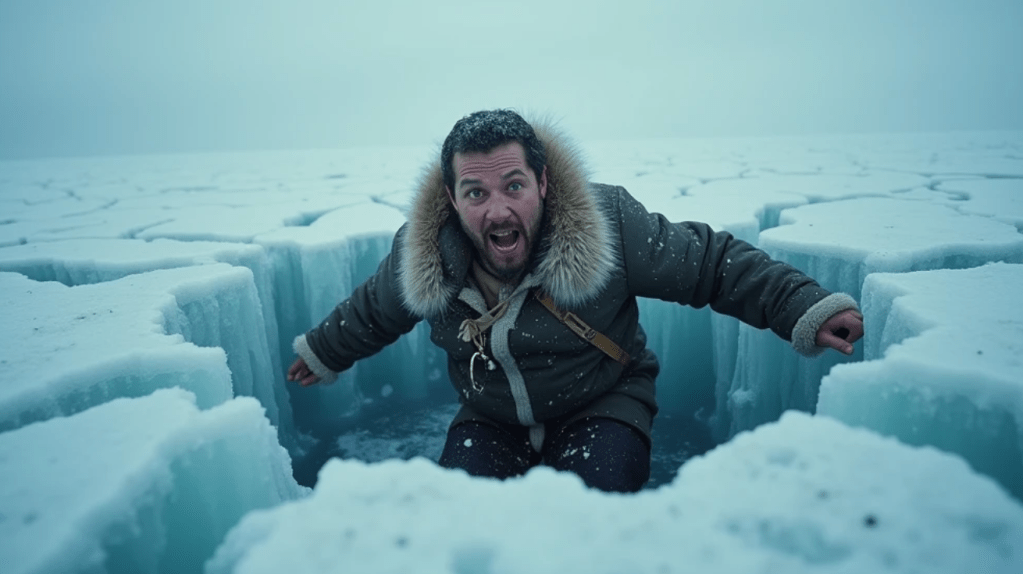
Minnesota winters are no joke. Temperatures dip well below zero, with whiteouts stranding folks in their cars or homes for days. I keep thermal blankets, a kerosene heater, and a sealed-off “heat room” to preserve warmth. All windows are insulated, and I rotate my food stocks every season.
🌪️ Tornadoes
Come spring and summer, the winds shift—and so does our focus. Tornado sirens are a normal part of life here. I have a reinforced storm shelter stocked with 7 days of rations, water, and comms. My family knows the drill: no hesitation, grab the go-bag and get underground.
🌊 Flooding
Especially near the Mississippi, Minnesota River, and Red River, floods can wipe out homes. I elevate my essential gear and use water alarms in my basement. I also track rainfall and snowmelt patterns. My sump pump system has backup batteries and an alert system tied to my phone.
🔥 Wildfires
Northern Minnesota is forested territory, and dry spells can turn the woods into tinder. I’ve cleared brush 30 feet from all buildings, store firefighting tools nearby, and always have an evacuation pack prepped in my truck.
⚡ Power Outages
Ice storms and high winds frequently knock out the grid. That’s why my solar battery backup and dual-fuel generator are non-negotiables. I’ve even wired essential circuits in the cabin to switch automatically.
Final Thoughts from the Minnesota Wilderness

Preparedness isn’t paranoia—it’s peace of mind. Out here, nature doesn’t care if you’re ready. It’ll bury you in snow, blow your roof off, or drown your home with spring melt. Being a prepper in Minnesota means respecting the land but never underestimating it.
It’s about readiness, not fear. Confidence, not panic. And while we might seem a bit intense to the untrained eye, we know that the difference between surviving and suffering is often just a few hours—or a few decisions.
So stock up. Gear up. And never let the weather catch you off guard. Because in Minnesota, it’s not if disaster strikes—it’s when.

 TheDailyChristian