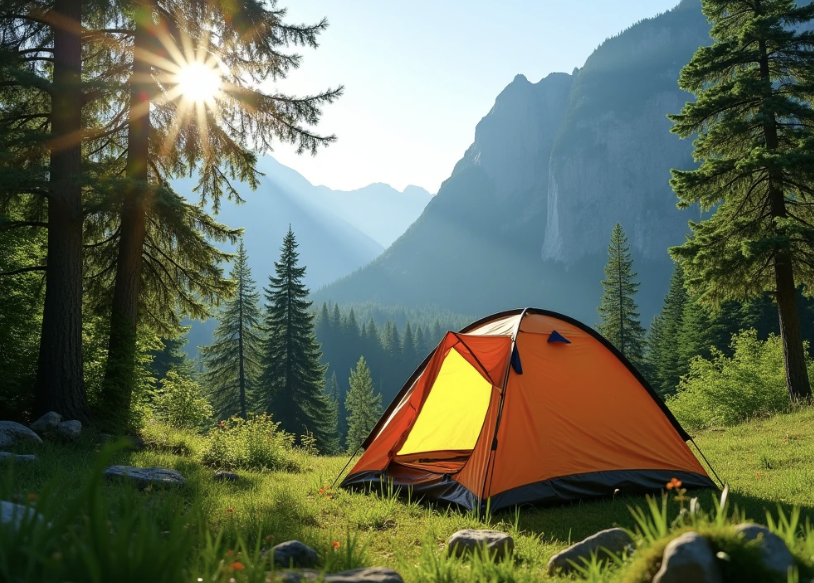
Beyond the Basics: What Survival Skills Alone Can’t Prepare You For

Anyone who’s been around the prepping world long enough knows this: book knowledge and bushcraft skills will only get you so far.

Yes, it’s great if you know how to start a fire with a bow drill or set up a lean-to shelter with paracord. But if you think survival is just about skills, you’re not seeing the whole picture. Survival isn’t just about staying alive—it’s about staying functional, smart, and sane under pressure.

When the grid goes down, society breaks, or you’re deep in the wild with no backup, you’ll need more than just skills—you’ll need grit, mental clarity, and adaptability.


The Real-World Truth About Survival

In real-life situations, things don’t happen like they do in the manuals. You don’t get perfect weather. You don’t get all the right gear. You don’t always have time to think. And your biggest threats? They’re not just hunger or cold. They’re panic, poor judgment, fatigue, and people making bad decisions—including you if you’re not ready.

That’s why mental preparedness, physical endurance, and adaptability are just as critical as any survival skill.


10 Survival Prepper Tips to Go Beyond the Basics

1. Train Your Mind Before You Train Your Hands
It doesn’t matter how good you are with a ferro rod if you can’t stay calm when you’re wet, cold, and lost. Mental discipline saves lives.

2. Get Uncomfortable on Purpose
Practice survival scenarios when conditions suck—rain, cold, hunger, or fatigue. Comfort-based training breeds weakness.

3. Know When to Fight and When to Flee
Prepping isn’t just defense—it’s strategy. Sometimes survival means walking away and saving your strength.

4. Build a System, Not Just a Bag
Your bug-out bag is only part of the plan. Without a system—routes, contacts, backups—it’s just expensive dead weight.

5. Practice Real-World Scenarios
Blindfold yourself and build a fire. Purify water at night. Escape a “stranded vehicle” with limited gear. Don’t train only in fair weather.

6. Harden Your Body Now
You won’t rise to the occasion—you’ll fall to your level of training. Hike. Carry weight. Get stronger. Fitness is survival currency.

7. Learn to Work with People You May Not Like
In a survival situation, you might not get to pick your group. Learn to lead, follow, and manage tension under stress.

8. Diversify Your Skills
Don’t just master fire-starting. Learn comms, basic mechanics, first aid, negotiation, navigation, and bartering. Prepping is about being multi-dimensional.

9. Prepare for Boredom and Isolation
Mental fatigue kills. Pack low-tech distractions—cards, a notepad, even a harmonica. Your mind needs fuel just like your body does.

10. Stock Resilience, Not Just Supplies
The strongest prep isn’t in your pantry—it’s in your mindset. Keep adapting, learning, and staying three steps ahead. That’s the real edge.


Final Word: Skills Are Just the Beginning

Survival is a full-spectrum discipline. It’s not about being the best woodsman or having the fanciest gear. It’s about enduring the unexpected, staying sharp when it matters, and being prepared when others panic.

So train smart. Think deeper. Prepare harder.

Because when it hits the fan, survival doesn’t reward the skilled—it rewards the ready.

SHTF Reality Check: Why Local Officials Might Not Have Your Back

Many folks believe that when disaster strikes, the authorities will step in and keep them informed. They assume that emergency alerts will come through loud and clear, and that help will be on the way. But that mindset is a dangerous one.

The truth is, when the SHTF, relying on authorities—or mainstream media—to keep you informed is a gamble. Their priorities often don’t align with your survival needs. In many cases, they might not even have the information you need when you need it most.

It’s time to face facts: you are your first responder. If you’re waiting for someone else to tell you what’s happening, you’re already behind the curve.

CLICK HERE TO LEARN HOW TO NEVER STARVE WHEN DOOMSDAY HITS!


The Reality of Emergency Information

When disaster strikes, authorities may not be as transparent as we’d like them to be. Their priority is often to prevent confusion from spreading through the masses. Panicking can cause more immediate disarray than the emergency itself, and they know this.

To them, emergency situations are about the statistics. What they care about the most is saving face with the public. And everyday folks who just want to protect themselves and their families may be left in the dark when SHTF—until it’s too late to do anything about it.

But our families are not just a percentage on a screen. It is our duty to protect them.


10 Survival Prepper Tips to Stay Informed and Prepared

1. Invest in a Hand-Crank or Solar-Powered Radio

A battery-operated or hand-cranked radio can keep you connected to the outside world, even when the power grid fails. There are numerous channels and frequencies dedicated to emergency broadcasts, and they can be an invaluable resource when emergencies strike.

2. Utilize Emergency Alert Apps

There are several apps designed to keep you informed during emergencies. Apps like FEMA, AccuWeather, and the American Red Cross offer real-time alerts and detailed disaster planning guides. Additionally, apps like Zello turn your phone into a walkie-talkie, allowing you to communicate with others using Wi-Fi or cellular data .LifewireLifewire+2preppersparadigm.com+2End Times Preppers+2

3. Build a Local Network

Your neighbors, your friends, or any acquaintance you have can provide important insights and updates during emergencies. Building these relationships can pay us back a thousandfold in bad situations.

4. Stay Active on Community Forums

Online communities and forums dedicated to emergency preparedness and survival can be invaluable resources. Websites like SurvivalistBoards and PrepperForums offer a wealth of information and allow you to connect with like-minded individuals .

5. Monitor Police and Emergency Scanner Apps

Apps like Police Scanner and Scanner Radio allow you to listen to live broadcasts from law enforcement and emergency services. These can help you stay informed about local emergencies, road closures, and other critical events!

6. Create a Family Emergency Plan

Develop a comprehensive emergency plan that includes evacuation routes, meeting points, and communication strategies. Ensure all family members are familiar with the plan and conduct regular drills.

7. Assemble a Bug-Out Bag

A well-stocked bug-out bag can be a lifesaver in an emergency. Include essentials like water, non-perishable food, a first aid kit, flashlight, and multi-tool. Don’t forget important documents and any necessary medications.

8. Stay Informed Through Alternative News Sources

While mainstream media can be unreliable, alternative news sources often provide more detailed and timely information. Websites like Zero Hedge and The Prepper Journal offer insights into current events and their potential impact on your preparedness plans .Food Storage Moms+1Preparing with Dan+1

9. Practice Situational Awareness

Always be aware of your surroundings and stay alert to potential threats. Trust your instincts and don’t ignore red flags. Situational awareness can help you make informed decisions and avoid dangerous situations.

10. Regularly Review and Update Your Preparedness Plans

Emergencies can evolve rapidly, and so should your preparedness plans. Regularly review and update your plans to ensure they remain effective and relevant. Adapt to new information and changing circumstances.


Final Thoughts

Our world is unpredictable and often unfair. We can’t always rely on being spoon-fed knowledge in emergencies. However, by staying proactive and equipping ourselves with the right tools, we can stay ready to move when we have to.

Remember, when the SHTF, the authorities might not be there to help you. It’s up to you to stay informed, stay prepared, and stay alive.

Take control of your information sources, build a reliable network, and equip yourself with the knowledge and tools you need. Your family’s safety depends on it.

Heat Is the Enemy: How to Defend Your Survival Garden from the Summer Onslaught

When you’re living with a prepper mindset, your garden isn’t just a hobby—it’s a lifeline. It’s your food, your medicine, and your independence. But come the dog days of summer, the very source of life—sunlight—turns into a slow-burning threat.

Make no mistake: extreme heat is a silent killer, and your crops are often the first to suffer. If you’re not prepared, weeks or months of hard work can vanish in a matter of days. We’re talking dry, cracked soil, wilting greens, and ruined yields.

But this isn’t just about gardening—it’s about survival.

So here’s how we fight back. These aren’t luxury tips for weekend hobbyists. These are battle-tested, prepper-grade tactics to protect your food supply when the heat tries to take it from you.

CLICK HERE TO LEARN HOW TO NEVER STARVE WHEN DOOMSDAY HITS!


1. Watering at the Right Time: Dawn and Dusk Are Your Allies

Prepper Tip #1: Water early in the morning or at dusk—not in the heat of the day.

It might seem like a good idea to douse your garden at high noon, but don’t fall for it. Watering when the sun is overhead leads to rapid evaporation. Worse, droplets can magnify sunlight and scorch leaves.

Instead, water at first light or just after sundown. This gives the moisture time to soak deep into the soil, reaching the roots where it matters most. Use a slow drip or soaker hose if possible—conservation is key.


2. Mulch: Your Garden’s First Line of Defense

Prepper Tip #2: Use mulch to trap moisture and insulate the soil.

A thick layer of mulch helps block the sun’s rays, keeps your soil cooler, and dramatically reduces water loss. Think of it as armor for your garden. Go for organic mulch like straw, grass clippings, shredded bark, or even dried leaves. Not only do they hold in water—they break down and enrich the soil.

Apply it two to four inches deep around your plants. Don’t skimp.


3. Shade Strategically

Prepper Tip #3: Use shade cloths or makeshift barriers to shield vulnerable crops.

Not every plant handles direct, relentless sunlight the same way. Leafy greens like lettuce, spinach, and herbs will bolt and die off if exposed too long. Use shade cloth (30–50% density) or repurpose tarps, bed sheets, or burlap sacks.

You can even plant tall crops (like corn or sunflowers) to serve as natural shade barriers for smaller ones. Be smart. Be tactical.


4. Prioritize Deep Watering Over Frequent Sprinkling

Prepper Tip #4: Train your plants to develop deep roots by watering less often but more deeply.

Shallow, frequent watering trains roots to stay near the surface, where they’re vulnerable to heat and evaporation. Instead, give your plants a good, deep soak a couple of times a week. This encourages roots to go deeper and tap into cooler, moist soil layers.

Think long-term survival, not just short-term fixes.


5. Move and Cluster Potted Plants

Prepper Tip #5: Group containers together and relocate them to shade zones.

Potted plants are more prone to heat stress—they dry out faster and have no insulation from surrounding soil. In extreme heat, cluster them together to create a humid microclimate. Better yet, move them under trees, porches, or makeshift shade shelters.

Containers? Use light-colored pots if possible—they absorb less heat.


6. Harvest Early and Often

Prepper Tip #6: Don’t let your food rot in the field—harvest as soon as it’s ready.

Fruit left on the vine too long in extreme heat is a target for sunscald, rot, or pest damage. Check your plants daily and harvest early in the morning when fruits are plump and hydrated.

Preserve immediately—can it, dehydrate it, or root cellar it. This is about food security.


7. Build Windbreaks and Heat Shields

Prepper Tip #7: Create simple windbreaks or reflective barriers for added protection.

High winds combined with heat can strip moisture from soil and plants. Use fencing, stacked straw bales, or even old pallets to build a windbreak. To reflect harsh sun from your crops, lean old metal roofing or foil-covered boards on the sun-facing side.

Your garden deserves cover fire—so give it some.


8. Monitor Soil Conditions Daily

Prepper Tip #8: Stick your finger 2–3 inches into the soil—every day.

Soil may look fine on the surface and be bone-dry underneath. This is where hands-on awareness beats any weather app. Check your moisture levels and inspect the leaves. Curled or limp leaves are signs you need to act fast.

Don’t wait for visible damage—anticipate it.


9. Rotate and Rest Crops as Needed

Prepper Tip #9: In severe heat, it’s OK to let parts of your garden rest.

If you’re experiencing prolonged drought and limited water access, scale back. Focus on high-yield, high-value crops and let less important sections go fallow. This conserves energy, water, and resources.

Remember—tactical retreat is not failure. It’s long-term survival.


10. Keep a Summer Heat Garden Log

Prepper Tip #10: Track what works and what fails every summer.

Prepping is about learning and adapting. Keep a notebook or digital log of heatwaves, water usage, plant stress signals, shade tactics, and what crops performed best. Each season is a test—pass or fail depends on your ability to adapt.


Final Word: Fight Like Your Food Depends On It—Because It Does

Your survival garden isn’t just dirt and plants. It’s your independence. It’s what separates you from relying on empty grocery shelves or FEMA handouts when SHTF. And summer? Summer is the battleground where you prove whether your garden is a fortress—or a failure.

So water wisely. Shade strategically. Use every tool, trick, and tactic at your disposal. Because come July and August, there are no second chances.

Your food security depends on what you do now.

Stay sharp. Stay ready. Stay growing.

Survival Strategies for Massachusetts: Preparing for the Worst Natural Disasters

The Ultimate Prepper’s Guide to Massachusetts: Staying Ready for Any Natural Disaster

Living in Massachusetts, we all know that the weather can turn on a dime. Whether it’s snowstorms, hurricanes, or floods, we face a variety of natural disasters that demand preparedness. For a survival prepper like myself, the key to getting through any disaster is being ready, no matter what mother nature throws our way. In this post, I’ll walk you through how Massachusetts residents prepare for the worst natural disasters the state is prone to and provide survival prepper tips tailored to the unique challenges of living here.

The New England Winter: Preparing for Snowstorms and Blizzards

When it comes to natural disasters in Massachusetts, the winter months pose one of the greatest risks. Nor’easters—those fierce winter storms that dump heavy snow and bring powerful winds—are something we prep for every year. These storms can knock out power lines, cause road blockages, and leave entire neighborhoods in a state of emergency for days.

Survival Prepper Tip 1: Stock Up on Non-Perishable Foods and Water
You don’t want to be caught without food or water when the power goes out during a blizzard. Canned goods, dry foods like rice and beans, and a good supply of bottled water are essential. Make sure to have at least three days’ worth of supplies for each member of your family.

Survival Prepper Tip 2: Have a Reliable Heating Source
Massachusetts is known for frigid temperatures during winter, so you’ll want a backup heating source in case the power goes out. Propane heaters, wood stoves, or kerosene heaters can keep your home warm when the grid goes down. Make sure your chimney is cleaned regularly if you’re using a wood stove or fireplace.

Hurricane Season: Dealing with Coastal Storms

Though Massachusetts isn’t as frequently hit by hurricanes as some Southern states, we’ve still seen our fair share of damage from these powerful storms. Coastal areas are especially vulnerable to storm surges, high winds, and flooding. As a prepper, I always keep a watchful eye on hurricane season, which runs from June to November.

Survival Prepper Tip 3: Create an Evacuation Plan
If you live near the coast, evacuation is sometimes the best option during a hurricane. Know your evacuation routes and make sure your family is familiar with them. If you’re in a flood-prone area, consider having a “go bag” packed with essentials like clothing, medication, and important documents so you can leave quickly if needed.

Survival Prepper Tip 4: Reinforce Your Home
For those living near the coast, it’s important to fortify your home against strong winds and storm surges. Invest in storm shutters, and reinforce your roof, windows, and doors. Consider sandbagging around your home’s perimeter to protect against flooding.

Flooding: An Increasing Threat in Massachusetts

CLICK HERE TO LEARN HOW TO SURVIVE A FAMINE

Flooding is one of the biggest concerns for Massachusetts residents, especially as the climate changes and rainfall patterns become more unpredictable. While we don’t see the catastrophic flooding of places like New Orleans, our state is still vulnerable to flash floods and coastal flooding. Areas near rivers, the Cape Cod region, and Boston are particularly at risk.

Survival Prepper Tip 5: Elevate Important Items
In case of a flood, it’s crucial to protect your valuable items. Store important documents in waterproof containers and elevate electronics, furniture, and anything that could get ruined. If you live in a flood-prone area, consider installing sump pumps to prevent basement flooding.

Survival Prepper Tip 6: Create a Flood-Proof Emergency Kit
Flooding can leave you stranded in your home or in a temporary shelter for an extended period. Make sure your emergency kit includes a flashlight, batteries, a first-aid kit, and extra medication. Include items like waterproof matches, water purification tablets, and extra clothing.

Tornadoes: Rare, But Dangerous

Though Massachusetts isn’t known for frequent tornado activity, the state is not immune. Tornadoes can spring up unexpectedly, especially during severe thunderstorms in late spring and summer. While the risk of a direct hit is low, it’s always a good idea to be prepared for the possibility.

Survival Prepper Tip 7: Know Your Shelter Locations
If a tornado is heading your way, you need to seek shelter immediately. A basement or storm cellar is your safest bet. If you don’t have access to a basement, go to the interior part of your house on the lowest floor, away from windows. Keep a small “tornado kit” with essentials like blankets, water, and non-perishable snacks in your shelter area.

Earthquakes: Not a Major Threat, But Still Possible

Though Massachusetts is not on a fault line like California, the state can experience small to moderate earthquakes. The last significant earthquake to hit Massachusetts was in 1755, but smaller tremors are not unheard of. While a major earthquake is unlikely, it’s still worth knowing how to prepare.

Survival Prepper Tip 8: Secure Heavy Items
In the event of an earthquake, unsecured heavy furniture and appliances can fall and cause injury. Use brackets, anchors, or straps to secure shelves, TVs, and large appliances to the wall. Keep a first-aid kit on hand in case of injury.

Extreme Heat and Drought: A Growing Concern

As global temperatures rise, Massachusetts is experiencing hotter summers and occasional drought conditions. Prolonged heatwaves can put a strain on the power grid and increase the risk of wildfires. While we don’t see as many wildfires as the West, they can still occur, especially during dry conditions.

Survival Prepper Tip 9: Stay Hydrated and Plan for Power Outages
In extreme heat, staying hydrated is crucial. Always have plenty of water on hand, and consider purchasing a portable fan or solar-powered cooling system if you live without air conditioning. If your area is prone to power outages during storms or extreme heat, invest in a backup generator.

Winter Storms and Emergency Power

Massachusetts winters can throw everything at you, from snowstorms to ice storms, so it’s essential to be prepared for these cold and potentially power-sapping conditions. Ice storms can knock out power for days, making it imperative to have backup energy sources and supplies.

Survival Prepper Tip 10: Invest in a Generator and Backup Power
Power outages during winter storms can leave you without heat or refrigeration for extended periods. A reliable backup generator is one of the best investments a prepper can make. Make sure you have enough fuel stored to last for several days, and consider a propane or solar generator for a long-term solution.

Conclusion

Living in Massachusetts means preparing for the unexpected, and the state’s natural disasters require us to be proactive in our readiness. From winter storms to hurricanes and floods, knowing how to react and have the right gear ready is essential for survival. If you take the time now to prepare your home and family, you’ll be more than ready to face whatever comes your way. Stay safe, stay prepared, and remember that a good prepper is always ready for the worst—no matter the disaster.

The Stockpiler’s Survival Guide

In 2002, a man named Jack Whittaker from West Virginia hit the Powerball jackpot. It was the biggest prize of its time—hundreds of millions. Most folks would think he hit the ultimate jackpot. But if you dig deeper, you’ll find a cautionary tale that every prepper should take to heart.

Jack’s windfall didn’t bring joy. It brought chaos, greed, tragedy, and death. The moment people found out he was rich, they came out of the woodwork—begging, scheming, and circling like vultures. His house turned into a battleground of handouts and deception. He faced constant legal troubles, and worse, he lost both his daughter and granddaughter under tragic circumstances that many say were linked—directly or not—to the poison of sudden wealth.

Eventually, Jack said publicly that he wished he had torn up that lottery ticket.

CLICK HERE TO LEARN HOW TO NEVER STARVE WHEN DOOMSDAY HITS!

And that got me thinking.

As preppers, we’re not chasing lottery wins. But if you’re stockpiling wisely—if you’ve been planning for what others refuse to see coming—then in the eyes of the unprepared, you’re rich. Maybe not with cash, but with things that matter when the system collapses: food, water, fuel, skills, and know-how.

And just like Jack, if the wrong people find out, you become a target.

When SHTF, desperation turns good people bad. Neighbors turn into looters. Friends can become beggars. And strangers—well, don’t even count on mercy from them. It won’t matter if it’s your kid’s formula, your last bag of rice, or the meds you set aside for your spouse. If someone knows you have it, they will do anything to get it.

Lesson One: Conceal What You Have.

You don’t need to parade your supplies on social media. You don’t need to show off your stash in YouTube videos or brag about your “bug-out” plans at work. Loose lips sink ships. In a true crisis, every can of beans becomes gold. Every gallon of water becomes leverage.

Think about this: If every grocery store and supermarket shut down tonight, and folks knew you were stocked, your house might not survive the week. And that’s not paranoia—it’s math. Hungry people act fast. Starving people act violently.

Take a lesson from Jack Whittaker: if you have value—whether it’s dollars, gear, or provisions—keep it quiet. Because the more they know, the more they’ll take. And they won’t ask nicely.

Now, let’s talk about how to keep your prepping smart, quiet, and effective. Here are ten essential prepper tips every stockpiler should follow if they want to survive and stay off the radar.


10 Survival Prepper Tips for Smart Stockpiling and Stealth Survival

1. Don’t Tell, Don’t Show

It’s tempting to share your plans with friends or neighbors, especially if you’re proud of your setup. But limit your disclosures. Tell only those you trust with your life—and even then, keep details vague.

2. Diversify Your Stash

Don’t keep all your supplies in one place. Spread your stockpile across your home, vehicle, shed, and even hidden caches if possible. That way, if one area gets compromised, you’re not left high and dry.

3. Practice OPSEC

Operational Security (OPSEC) is a mindset. Don’t throw out packaging from large food purchases. Avoid bulk deliveries when neighbors are watching. Blend in. Be the “average Joe” who shops like everyone else.

4. Train, Don’t Just Store

All the gear in the world is worthless if you don’t know how to use it. Practice purifying water, making fire without matches, cooking off-grid, and self-defense. Build muscle memory.

5. Develop Community—but Quietly

Survival is easier in a group, but choose your circle carefully. Build quiet alliances with like-minded individuals. Barter, trade, and train together—but keep things low-key and never disclose your full inventory.

6. Gray Man Strategy

Look harmless, unprepared, and average. In public, don’t dress like you’re headed into the wild. When disaster strikes, don’t be the guy with the latest tactical gear walking down the street. Blend in to avoid attention.

7. Rotate and Maintain Supplies

Your food, fuel, and meds have expiration dates. Rotate stock, label everything, and use a spreadsheet if needed. The worst time to realize your food is spoiled is when your life depends on it.

8. Harden Your Home

Your house is your first line of defense. Reinforce doors, add security film to windows, set up motion lights, and consider solar cameras. You’re not being paranoid—you’re being ready.

9. Prepare for Power Loss

Most people think about food and water but forget energy. Stock up on batteries, solar chargers, hand-crank radios, and backup heating options. When the grid fails, you need to adapt quickly.

10. Have an Exit Plan

Sometimes you can’t shelter in place. Know where you’ll go, how you’ll get there, and what you’ll bring. Keep bug-out bags ready and have alternate routes. Never assume your first plan will work.


Survival Isn’t Just About Stuff—It’s About Mindset

Jack Whittaker’s story is more than a tragedy—it’s a mirror. When society collapses, the rules change. The rich won’t be the ones with stock portfolios—they’ll be the ones with clean water, warm meals, and working flashlights.

And just like Jack learned, if people know you’ve got something they don’t, they’ll come for it.

So stay sharp. Stay quiet. Stockpile smart. And remember: stealth is strength.

We prep not to boast, but to survive. And the best preppers don’t just prepare for disasters—they prepare to stay invisible when the world starts watching.

The Ultimate Survivalist In-Car Checklist: 7 Items You Need

Disaster doesn’t announce itself.

It strikes when you’re least ready—when your guard is down, and your mind is elsewhere. You might be thinking about dinner plans, your kids’ soccer game, or just getting home to a warm bed. But emergencies don’t care about your schedule.

CLICK HERE TO LEARN HOW TO NEVER STARVE WHEN DOOMSDAY HITS!

Picture this: It’s Friday evening. You’re finally off work. You’re cruising down a quiet stretch of road, miles away from the nearest gas station, thinking about how you’ll spend the weekend with your family. And then—BAM. A loud thud. Your car jerks violently. You lose control for a split second before steering to the shoulder. You get out, and there it is… a flat tire.

And just your luck—it’s raining sideways. Not a streetlamp in sight.

CLICK HERE TO LEARN HOW TO NEVER STARVE WHEN DOOMSDAY HITS!

Now let me ask you: Are you ready?

Because if you’re not, that flat tire could turn into a full-blown survival scenario. As any seasoned prepper will tell you, your vehicle isn’t just a means of transportation. It’s a mobile command center. It’s your lifeline when SHTF. Whether you’re evacuating due to wildfires, stranded in a snowstorm, or simply stuck with a mechanical failure, your car must be prepped for anything.

Here are the 7 essential items every survival-minded individual needs in their vehicle—and 10 additional prepper tips to keep you one step ahead when the unexpected hits.


1. Spare Tire, Jack, and Lug Wrench

Let’s start with the basics. A flat tire is more than just an inconvenience—it can leave you stranded for hours, or worse, overnight in the middle of nowhere. You need a fully inflated spare tire, a sturdy jack, and a reliable lug wrench.

Prepper Tip #1: Rotate and inspect your spare every three months. A flat spare is as useless as no spare at all.

Prepper Tip #2: Consider adding a tire plug kit and portable air compressor. Sometimes a quick patch and refill is all you need to get moving again.


2. Jumper Cables (or Jump Starter)

A dead battery is another common issue, especially in extreme temperatures. Having a solid pair of jumper cables can save you hours of waiting for help—or worse, being stuck in hostile conditions.

Prepper Tip #3: Upgrade to a lithium-ion jump starter. These compact power packs can jump your car without needing another vehicle. Plus, they usually have USB ports to charge your phone.


3. First-Aid Kit

This is non-negotiable. From minor cuts and scrapes to more serious injuries, a well-stocked first-aid kit can save lives.

Prepper Tip #4: Customize your kit. Add painkillers, antiseptics, trauma supplies (like a tourniquet), and allergy meds. Don’t forget a laminated card with CPR instructions and your personal medical info.


4. Flashlight and Extra Batteries

When darkness falls, you’ll need a dependable flashlight. Whether you’re checking under the hood, flagging down help, or navigating on foot, a solid light source is crucial.

Prepper Tip #5: Invest in a high-lumen LED flashlight with a strobe or SOS function. Keep extra batteries in a waterproof container, or go with a solar/crank-powered model for infinite power.


5. Emergency Blankets and Warm Clothing

Hypothermia can set in faster than you’d think, especially if your car won’t start and you’re trapped in cold weather. Emergency mylar blankets are compact, lightweight, and designed to reflect 90% of body heat.

Prepper Tip #6: Include a wool hat, gloves, socks, and a waterproof poncho. Hypothermia often starts with extremities, and you’ll be thankful for that added layer.


6. Non-Perishable Food and Water

If you’re stuck for hours—or days—you’ll need calories and hydration. Keep a stash of non-perishable, high-energy food and bottled water in your vehicle.

Prepper Tip #7: Use vacuum-sealed ration bars and emergency water pouches with a 5-year shelf life. They’re space-efficient and built for survival.

Prepper Tip #8: Toss in a LifeStraw or water purification tablets. If you run out of bottled water, these could keep you alive in a longer crisis.


7. Portable Charger or Power Bank

Your phone is your most powerful tool in a crisis—but only if it’s charged. A high-capacity portable power bank ensures you stay connected when your car battery isn’t an option.

Prepper Tip #9: Look for solar-powered models. Even if the grid’s down, you’ll still be able to charge your devices.


10 Bonus Survival Prepper Tips for Your Car

Now that you’ve got the 7 essentials, take it a step further. Hardcore preppers know that redundancy and versatility are key.

1. Multi-tool or Survival Knife

From cutting seatbelts to making repairs or defending yourself, a quality multi-tool is invaluable.

2. Duct Tape

Fix a hose, seal a window, secure gear, or even splint an injury. The uses are endless.

3. Maps and Compass

Don’t rely on GPS. If the grid’s down or you’re in a dead zone, paper maps and a compass will keep you on track.

4. Fire Starter Kit

Waterproof matches, ferro rods, or lighters—fire can provide warmth, boil water, signal for help, or keep predators away.

5. Reflective Triangle or Road Flares

Increase your visibility to other drivers, especially during night or low-visibility conditions.

6. Cash in Small Bills

ATMs might be down or inaccessible. Keep a stash of $1s, $5s, and $10s hidden in your car.

7. Toilet Paper and Hygiene Kit

Sanitation can be crucial. A small hygiene kit with TP, wipes, and hand sanitizer is easy to store and highly valuable.

8. Gloves and Safety Glasses

Whether fixing a tire or clearing debris, protect your hands and eyes.

9. Tow Strap

Help others—or get helped—without relying on a tow truck.

10. Notebook and Pencil

Record important details, leave a note if you have to leave your vehicle, or track resources. It’s old-school, but it works.


Final Word

Emergencies aren’t a matter of if, they’re a matter of when. Your vehicle is your mobile bug-out location—treat it like one. A well-stocked car can mean the difference between inconvenience and catastrophe.

So prep it now. Load it with gear. Check your supplies. Refresh items regularly.

Because when the moment comes—and it will—you won’t rise to the occasion.

You’ll fall back on your preparation.

And that, my fellow survivalist, is how you thrive when the rest of the world panics.

How Your Children Can Protect Themselves From Stalkers

The world can be a dangerous place folks.

I was just watching a video on the television the other day that showed a grown man following a little girl.

Who knows what his motives where

But thankfully, the little girl managed to escape him.

My blood boiled as I watched that video.

What if my kids were in that place?

Would they also be able to escape that creep?

CLICK HERE TO LEARN HOW TO NEVER STARVE WHEN DOOMSDAY HITS!

I started thinking about what our children should do if they ever feel they are being followed.

I know. It’s a chilling thought. But let’s dive into this together.

First, it’s important we educate our children about this possibility.

We don’t want to scare them. We want to empower them. Equip them with the knowledge they need to stay safe.

Teach your kids that their intuition is one of the greatest tools they possess.

If something or someone is making them feel uneasy, there’s likely a good reason why.

Trusting this gut feeling can be a lifesaver.

Once they’ve identified this feeling, they should respond to it.

How?

Well, there are four simple steps they can follow.

  1. Confirm

If they feel someone is following them, tell them to cross the street or shift directions.

If the person does the same, it’s a clear signal that something might be amiss.

  1. Be Visible

Teach them to stay in well-lit, populated areas.

Encourage them to steer away from alleyways, wooded areas, or secluded streets.

There is safety in numbers.

  1. Reach Out

Have them memorize your cellphone number and the numbers of a few trusted adults.

If they feel unsafe, they should reach out to someone quickly.

In addition, teach them to make a noticeable commotion or yell if necessary. Drawing attention to the situation can often deter potential threats.

  1. Report

Once they’re safe, they should report the incident to you or a trusted adult, who can then inform the authorities.

I understand that this topic might feel a bit heavy. The last thing we want to do is instill fear into our children.

However, by empowering them with this knowledge, we give them the tools they need to navigate the world more safely.

My hope is that they will not have to use this knowledge.

But if the time comes, they’ll be ready.

Our job is to equip them for the world out there, and I can’t think of a more important task.

So let’s empower our young ones and make them more resilient.

Survivalist’s Guide: Top 25 Kentucky Campgrounds for Preppers

Survivalist’s Guide: Top 30 Prepper-Friendly Campsites in Kentucky

As a prepper in Kentucky, finding campsites that offer more than just a place to pitch a tent is crucial. You need locations that provide seclusion, access to water sources, diverse terrain for training, and proximity to natural resources. Kentucky, with its rolling hills, dense forests, and numerous waterways, offers a plethora of such sites. Here’s a curated list of 25 campsites across the state that cater to survivalists and outdoor enthusiasts alike.

1. Cumberland Falls State Resort Park (Corbin)
Known as the “Niagara of the South,” this park offers rugged terrain, the Cumberland River, and a chance to witness the rare moonbow. The Dyrt+3The Dyrt+3Survival Life+3

2. Red River Gorge (Slade)
A haven for rock climbers and hikers, this area provides natural shelters and abundant resources.

3. Daniel Boone National Forest
With over 700 miles of trails, this forest offers diverse ecosystems and numerous water sources. Toxigon

4. Land Between the Lakes (Golden Pond)
Spanning 170,000 acres, this area offers dense forests and multiple campgrounds suitable for preppers.

5. Cumberland Gap National Historical Park
Provides access to the Appalachian backcountry with over 85 miles of trails. Step Outside

6. Zilpo Campground (Salt Lick)
Located on Cave Run Lake, this site offers water access and scenic views. Kentucky Tourism+1The Dyrt+1

7. Natural Bridge State Resort Park (Slade)
Features sandstone arches and a 60-acre lake, ideal for water-based survival training. Beyond The Tent+1Southern Living+1

8. Lake Cumberland State Resort Park (Jamestown)
Offers extensive water access and a marina for boating practice. Toxigon

9. Dale Hollow State Park (Burkesville)
Provides equestrian camping and access to hiking trails. Beyond The Tent+1Wilderness Camp Life+1

10. Nolin Lake State Park (Bee Spring)
Features primitive sites and proximity to Mammoth Cave for spelunking activities. Kentucky Tourism

11. Taylorsville Lake State Park (Taylorsville)
Offers multi-use trails and water access for various survival training exercises.

12. Fort Boonesborough State Park (Richmond)
A historical site with reconstructed fort and access to the Kentucky River. Beyond The Tent

13. Levi Jackson Wilderness Road State Park (London)
Features 8.5 miles of hiking trails and a community pool for relaxation. Wikipedia+1Wilderness Camp Life+1

14. Holly Bay Campground (Laurel River Lake)
Located in Daniel Boone National Forest, offering water access and scenic views. Kentucky Tourism

15. Big Bone Lick State Park (Union)
Known for its prehistoric history and bison herd, providing unique training opportunities. The Dyrt

16. Grayson Lake State Park (Olive Hill)
Features a 1512-acre reservoir and hiking trails for diverse training scenarios. Beyond The Tent

17. John James Audubon State Park (Henderson)
Offers a museum and wetlands boardwalk, ideal for stealth and observation training. Southern Living

18. Waitsboro Recreation Area (Somerset)
Located on Lake Cumberland, providing fishing and boating opportunities. Survival Life

19. Walnut Creek Marina (Scottsville)
Offers jet ski rentals and boat ramp on Barren River Lake for water-based survival skills. Survival Life+1Beyond The Tent+1

20. Koomer Ridge Campground (Pine Ridge)
Situated in the Red River Gorge, offering access to hiking trails and natural shelters. EcoFlow US Blog

21. Mammoth Cave Campground (Mammoth Cave National Park)
Provides access to the world’s longest cave system for spelunking activities.

22. Lake Malone State Park (Dunnville)
Features a 778-acre lake and hiking trails for diverse training scenarios.

23. Taylorsville Lake State Park (Taylorsville)
Offers multi-use trails and water access for various survival training exercises.

24. Columbus-Belmont State Park (Columbus)
A historical site with Civil War earthworks and access to the Mississippi River. Beyond The Tent

25. Carter Caves State Resort Park (Olive Hill)
Features cave tours and hiking trails for diverse training scenarios.

Conclusion: Prepare, Practice, Survive — Kentucky Style

Living off the land, training for the unknown, and being ready for anything is more than a mindset — it’s a way of life for us Kentucky preppers. Whether you’re practicing your bug-out plan, testing your shelter-building skills, purifying river water, or simply reconnecting with the land, the Bluegrass State offers you some of the best survival playgrounds in the country. These 30 camping spots aren’t just for weekend warriors — they’re practical, rugged, and perfectly suited for both training and long-term contingency planning.

So pack your gear, load your truck, and make sure your compass is true — because out here in Kentucky, we don’t just camp… we prepare. And when the grid goes dark, you’ll already know the land, the trails, and the wild that could one day keep you alive. From the hollers of Appalachia to the flatlands near the Mississippi, there’s a place out here for every kind of prepper.

CLICK HERE TO LEARN HOW TO SURVIVE A FAMINE

Be smart. Be ready. And never forget — it’s not paranoia if it keeps you alive.

Why The Local Authorities Will Not Always Be Your Ally When SHTF

I see a lot of people who don’t even bother staying in touch with the latest events.

Because as they say “the authorities will let them know if anything major happens.”

But they have it backward, folks.

In an emergency, authorities may not be as transparent as we’d like them to be.

Their priority is to prevent confusion from spreading through the masses.

Panicking often causes more immediate disarray than the emergency itself.

And they know this.

CLICK HERE TO LEARN HOW TO NEVER STARVE WHEN DOOMSDAY HITS!

To them, emergency situations are about the statistics.

What they care about the most is saving face to the public.

And everyday folks who just want to protect themselves and their families may be left in the dark when SHTF

Until it’s too late to do anything about it.

But our families are not just a percentage on the screen.

It is our duty to protect them.

That’s why it’s absolutely essential that we take the reins on how we obtain and process knowledge.

Let’s not rely solely on the local authorities or mainstream media.

There are numerous alternatives that allow us to stay informed and be ready for anything.

Radio, for instance, has long been a reliable source of info during emergencies.

A battery-operated or hand-cranked radio can keep you connected to the outside world, even when the power grid fails.

There are numerous channels and frequencies dedicated to emergency broadcasts, and they can be an invaluable resource when emergencies strike.

And don’t forget about the web.

Sure, you can’t rely on it in the worst-case scenario, but it’s a treasure trove of information as long as it’s available.

Follow trusted alternative info websites, independent journalists, and forums dedicated to emergency preparedness and survival.

Lastly, don’t forget the importance of local community networks.

Your neighbors, your friends, or any acquaintance you have can provide important insights and updates during emergencies.

Building these relationships can pay us back a thousandfold in bad situations.

Our world is unpredictable and often unfair. We can’t always rely on being spoon-fed knowledge in emergencies.

However, by staying proactive and equipping ourselves with the right tools, we can stay ready to move when we have to.

The Survival Essential That Should Be in Every Prepper’s Kit

The Survival Essential That Should Be in Every Prepper’s Kit

When it comes to prepping, many people focus on the flashy gear—the tactical knives, the high-tech radios, or the heavy-duty survival tools. These items might be essential, but there’s one overlooked gem in the survival world that doesn’t get the attention it deserves. It’s small, simple, and probably sitting right in your kitchen right now: baking soda.

CLICK HERE TO LEARN HOW TO NEVER STARVE WHEN DOOMSDAY HITS!

Yes, you read that right. Baking soda. It’s not flashy, it’s not high-tech, and it’s definitely not something that screams “survival gear.” But believe me, this humble compound is one of the most versatile and useful tools you can have in your survival kit. It’s more than just a baking ingredient or fridge deodorizer—it could be the difference between thriving and simply surviving when disaster strikes.

Now, you might be wondering why I’m recommending something so seemingly mundane. Well, let me walk you through just a few reasons why baking soda needs a spot in your emergency supplies—and how it can make a world of difference when the chips are down.

1. First Aid in a Pinch

In a survival situation, the likelihood of encountering minor injuries is high. Whether it’s a burn from cooking over an open flame, a sting from an insect, or a scratch from rough terrain, you need solutions that are easy to apply and effective. Baking soda can serve as a simple first-aid tool to treat these ailments.

  • Burns: If you’ve suffered a minor burn, make a paste of baking soda and water and apply it to the affected area. It will help soothe the pain and speed up the healing process.
  • Insect Bites and Stings: Same idea applies for insect bites and stings. A baking soda paste will help neutralize the itching and discomfort.
  • Skin Irritations: Baking soda can also work as an exfoliant for your skin and help soothe rashes or other minor irritations. It’s gentle but effective, making it ideal for when you don’t have a lot of options.

2. Personal Hygiene in Tight Spots

When you’re out in the wilderness or trying to survive without access to stores, staying clean is a priority, but not always an easy one. Baking soda can save the day when conventional hygiene products are unavailable.

  • Toothpaste Alternative: If you’re out of toothpaste or don’t have access to the store, baking soda makes a great stand-in. It’ll help clean your teeth, freshen your breath, and prevent bad odors.
  • Deodorant: You may not have access to your regular deodorant, but a little baking soda rubbed into your underarms can help neutralize body odor and keep you feeling fresh.
  • Body Scrub: If you need a scrub to exfoliate your skin and remove dirt or oils, baking soda is your go-to. Just mix it with a little water, and it’s perfect for a quick clean-up.

3. Taking Care of Your Equipment

In a survival situation, your gear becomes an extension of your life. Keeping it in good working condition is critical, and baking soda can help you with that, too.

  • Rust Removal: If you’ve been in wet conditions and your metal gear is showing signs of rust, baking soda can help. A simple paste of baking soda and water applied to the rusted area will gently scrub it away without damaging your tools.
  • Cleaning Pots and Pans: After a long day of cooking over a campfire, cleaning your cookware might feel like a chore. Baking soda can help you remove grease and grime from your cooking pots and pans. Just sprinkle it on, add a little water, and scrub away.
  • Cleaning Gear: Baking soda can also be used to clean the exterior of your gear—your knives, backpacks, or even your boots. It can help get rid of dirt and grime and leave things looking sharp and ready for the next mission.

4. A Fire-Fighting Agent

When SHTF, the ability to put out a fire quickly and safely can be a game-changer. A small grease or electrical fire could turn deadly if not contained. Baking soda can be used to smother these types of fires.

  • Fire Extinguisher: If you don’t have a fire extinguisher on hand, a decent amount of baking soda can help extinguish small fires. Simply pour it over the fire (especially grease or electrical fires) and watch it snuff out the flames.

However, let’s be clear: baking soda is not a substitute for a fire extinguisher. It’s a quick solution for small fires, but if the fire is large, you need to move quickly and use proper fire-fighting equipment.

5. Combatting Odors and Pollutants

In a survival setting, odors can become a major problem, whether it’s from food, waste, or something else. Thankfully, baking soda is a powerful odor neutralizer and can help keep your shelter and supplies smelling fresh.

  • Deodorize Your Shelter: Whether it’s your bug-out bag, tent, or shelter, baking soda can be used to absorb and neutralize odors, preventing them from becoming unbearable.
  • Food Preservation: If you’re storing food, baking soda can also help neutralize any funky smells, especially from canned goods or dried food. It helps to maintain a cleaner environment.

6. Natural Cleaning Agent

In survival situations, you can’t always count on store-bought cleaners or disinfectants. But you can count on baking soda as an excellent all-purpose cleaner.

  • Kitchen Cleaning: Use baking soda to scrub surfaces in your cooking area or even to clean your hands after handling raw meat or fish. It’s effective, non-toxic, and easy to use.
  • Deodorize Clothing: Baking soda can be used to freshen up your clothes, even if you don’t have a washer and dryer available. Sprinkle it on and let it sit, then shake or brush it off for a fresher-smelling outfit.

7. Relieving Heartburn and Digestive Issues

In the absence of medication, baking soda can serve as a home remedy for heartburn or indigestion. It neutralizes stomach acid, helping relieve discomfort quickly.

8. A Compact, Lightweight Addition to Your Kit

One of the best things about baking soda is how easy it is to pack. It’s lightweight, cheap, and incredibly versatile, making it a no-brainer to include in your bug-out bag, emergency supplies, or camping gear.


10 Survival Prepper Tips for Using Baking Soda:

  1. Store Baking Soda Properly: Make sure you keep it in a sealed container to protect it from moisture. You don’t want it to clump or lose its effectiveness.
  2. Use it for Personal Hygiene: Mix it with a bit of water to clean your teeth and freshen your breath when toothpaste isn’t available.
  3. Rust-Proof Your Gear: Regularly clean your metal tools with a baking soda paste to prevent rust buildup.
  4. Fire Safety: Keep a small container of baking soda close to your cooking area for quick fire suppression.
  5. Deodorize Your Shelter: Sprinkle baking soda around your shelter to help keep things smelling fresh.
  6. Cookware Cleaning: Use baking soda to clean grease and grime off your cookware after meals.
  7. Bug and Plant Care: Use baking soda as a natural pesticide to keep bugs away from your survival garden.
  8. Treat Minor Wounds: Use a baking soda paste to treat burns or stings on the go.
  9. Relieve Indigestion: Pack it as an emergency remedy for digestive discomfort.
  10. Always Have a Backup: Store extra baking soda in your long-term food supplies to ensure you have it when needed.

Final Thoughts

Baking soda may not be the most glamorous survival tool, but its versatility and practicality make it an essential item for any prepper. Whether you’re dealing with a burn, freshening your breath, or cleaning your gear, baking soda can serve you well in numerous survival situations. So, the next time you’re preparing your kit, make sure to add this humble compound—it’s a small investment that could pay huge dividends in the field.