Survive a Disneyland Mass Shooting – Active Shooters Can Attack Anywhere

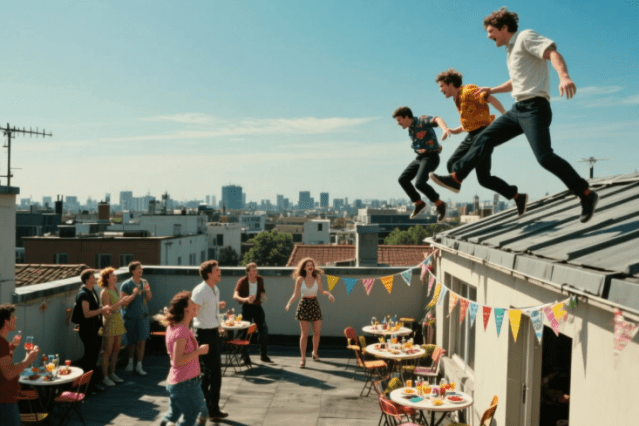
Disneyland is known worldwide as “The Happiest Place on Earth.” Families travel from across the globe expecting safety, joy, and unforgettable memories. Yet from a survival preparedness perspective, any large, crowded venue must be evaluated honestly and without emotion. Dense crowds, limited exits, sensory overload, and a false sense of security create vulnerabilities that cannot be ignored.

As a professional survival prepper, my goal is not to spread fear—but to replace blind trust with calm, practical awareness. Emergencies do not announce themselves politely, and violence does not respect location, intention, or innocence. Preparation is not paranoia. Preparation is responsibility.

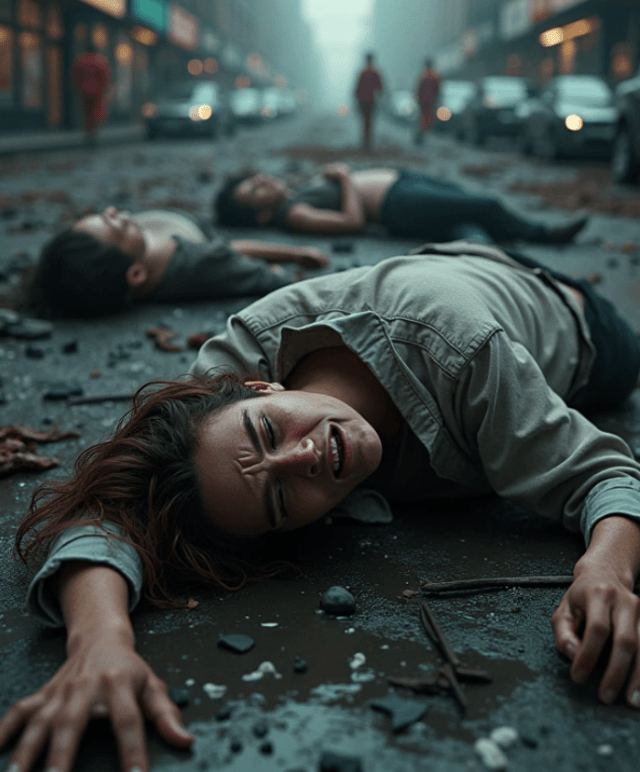
This article focuses on how to survive a mass shooting scenario at Disneyland during a busy day, using principles of situational awareness, avoidance, hiding, and proactive behavior. This is about staying alive, protecting loved ones, and making it home.


Understanding the Reality of Disneyland as a High-Density Environment

Before discussing survival strategies, it is important to understand the environment itself.

Disneyland during peak hours contains:

  • Tens of thousands of people
  • High noise levels (music, rides, crowds)
  • Visual distractions everywhere
  • Bottlenecks at rides, restaurants, and walkways
  • Families with children, strollers, and mobility limitations

These factors significantly affect how emergencies unfold. In survival preparedness, crowd density is risk density. Panic spreads quickly. Movement slows dramatically. Information becomes unreliable.

Your advantage is awareness before chaos.


Being Proactive: Spotting Warning Signs Before Violence Starts

Most people assume a mass shooting begins suddenly and without warning. In reality, many incidents include observable pre-incident indicators that go unnoticed because people are distracted.

Behavioral Red Flags to Watch For

While no single sign confirms a threat, combinations matter:

  • A person moving against crowd flow without purpose
  • Heavy clothing inconsistent with weather
  • Visible agitation, pacing, or clenched posture
  • Fixation on entrances, exits, or security
  • Ignoring rides, entertainment, or companions
  • Repeatedly adjusting clothing or bags
  • Sudden isolation in a crowded environment

Trust your instincts. Humans evolved to sense danger. If something feels off, act early by creating distance.

Environmental Awareness Habits

Professional preppers constantly scan for:

  • Nearest exits (not just the main one)
  • Areas of cover vs. concealment
  • Crowd choke points
  • Quiet zones vs. high-density zones

Make it a habit to ask:

“If something goes wrong here, where do I go?”

You don’t need to obsess—just observe.


Immediate Survival Priorities If a Mass Shooting Begins

Survival doctrine prioritizes distance, barriers, and time. Your objective is not confrontation—it is survival.

1. Create Distance (Escape When Possible)

If you can safely move away:

  • Move immediately and decisively
  • Do not stop to film or investigate
  • Leave belongings behind
  • Help children first
  • Follow staff instructions when available
  • Move away from the sound of danger, not toward it

Avoid main entrances if they are congested. Side exits, service corridors, and less popular areas may offer safer escape routes.

2. Hiding: Surviving When Escape Is Not Possible

There will be situations where escape is impossible due to crowd pressure, locked areas, or proximity to danger. Hiding then becomes a survival tool.

Principles of Effective Hiding (Disneyland Context)

  • Break line of sight: You want barriers between you and danger.
  • Avoid predictable hiding spots: Bathrooms and obvious rooms fill quickly.
  • Stay quiet: Silence phones, children’s toys, and electronics.
  • Stay low and still: Movement attracts attention.
  • Barricade when possible: Use heavy objects to reinforce doors.

Ideal hiding characteristics include:

  • Solid walls or structures
  • Limited access points
  • Ability to lock or block entry
  • No external visibility

Remember: concealment hides you; cover protects you. Cover is always preferable.


Slowing or Stopping a Mass Shooting: A Survival-Focused Perspective

This is an important but sensitive subject.

As a survival prepper, I do not advocate for untrained civilians to pursue confrontation. Attempting to physically stop a shooter without training or coordination often increases casualties.

However, there are non-violent, survival-oriented actions that can reduce harm:

Actions That Can Reduce Impact Without Direct Combat

  • Early reporting of suspicious behavior to staff or security
  • Rapid evacuation to reduce available targets
  • Barricading and lockdown to limit movement
  • Using alarms or alerts to draw attention and trigger response
  • Providing first aid to the injured when safe

Disruption does not always mean physical engagement. Time, obstacles, and isolation save lives.

Law enforcement and trained security are responsible for neutralization. Your role is survival.


Family Survival: Protecting Children and Dependents

Children are especially vulnerable in crowded emergencies.

Prepper Rules for Families at Disneyland

  • Establish a rally point before entering the park
  • Teach children to:
    • Stay with adults
    • Follow instructions
    • Drop to the ground if separated
  • Use physical identifiers discreetly (bracelets inside clothing)
  • Assign roles:
    • One adult leads
    • One adult sweeps

Practice calm authority. Panic spreads faster than danger.


Everyday Survival Gear You Can Legally Carry at Disneyland

Preparedness does not require tactical equipment. Subtle, everyday items save lives.

Low-Profile Survival Items

  • Compact first aid kit (tourniquet, pressure bandage)
  • Whistle (for signaling)
  • Portable phone battery
  • Emergency contact card
  • Small flashlight
  • Hand sanitizer or wipes (for wound cleaning)
  • Comfortable footwear (mobility matters)

Knowledge is the most important gear. Learn basic trauma care. Bleeding control saves lives.


After the Incident: What to Do Once You Reach Safety

Survival does not end when the threat stops.

  • Follow law enforcement instructions
  • Avoid spreading rumors
  • Account for family members
  • Provide aid if trained and safe
  • Seek medical evaluation even if uninjured
  • Expect emotional aftereffects

Psychological survival matters too. Trauma is real. Acknowledge it.


The Prepper Mindset: Calm Beats Fear

Prepared people are not fearless—they are mentally rehearsed. Calm comes from knowing you have options.

Disneyland is designed to feel safe, and most visits will be. But survival preparation is about probability, not optimism.

You do not prepare because something will happen.
You prepare because if it does—you want to live.

Stay aware. Stay calm. Stay ready.


The Most Dangerous Insects in Massachusetts – What Can Kill You and How to Stay Alive

Pull up a chair. Pour yourself something hot. If you’re living, hiking, hunting, fishing, or even sipping tea off the grid here in Massachusetts, there’s something you need to understand right now:

You don’t need bears, blizzards, or back-alley nonsense to end up dead in the Bay State.

Sometimes all it takes is an insect small enough to miss during a shower.

I’ve spent years prepping, teaching, and living the self-reliant life—half woodsman, half neighborhood uncle who knows how to fix things when they break. And I’ll tell you this straight: Massachusetts doesn’t look dangerous until it is. The insects here don’t roar or rattle. They bite, sting, and vanish—and if you don’t know what you’re dealing with, they can absolutely put you in the ground.

Let’s break down the most dangerous insects in Massachusetts and, more importantly, how to survive them like someone who plans to see tomorrow.


1. Ticks: The Silent Assassins of New England

If Massachusetts had an unofficial insect mascot of doom, it would be the tick.

Blacklegged ticks—also called deer ticks—are everywhere: woods, lawns, parks, stone walls, and yes, your own backyard. They don’t buzz. They don’t warn you. They hitch a ride and dig in.

The real danger isn’t the bite—it’s what comes with it.

Ticks in Massachusetts are known carriers of Lyme disease, anaplasmosis, babesiosis, and other serious illnesses. Left untreated, these infections can lead to long-term neurological damage, organ failure, and in rare but very real cases, death.

Survival Tips from the Field:

  • Wear long sleeves and pants when in brush or woods. Light-colored clothing helps you spot them.
  • Use permethrin-treated clothing or proper insect repellent.
  • Perform full body tick checks every single time you come in from outdoors.
  • Remove ticks immediately with fine-tipped tweezers—slow, steady pull, no twisting.
  • If symptoms show up (fever, fatigue, joint pain), don’t tough it out. Get medical help.

Ticks don’t care how strong you are. Knowledge is your armor.


2. Mosquitoes: Flying Syringes of Disease

Most folks think mosquitoes are just itchy annoyances. That thinking gets people hurt.

In Massachusetts, mosquitoes are known carriers of Eastern Equine Encephalitis (EEE) and West Nile Virus. EEE, in particular, is no joke. While rare, it carries a high fatality rate and can cause severe brain inflammation.

These insects thrive near standing water, wetlands, and during warm, humid months. One bite. That’s all it takes.

Survival Tips from the Field:

  • Eliminate standing water around your property.
  • Use screens, netting, and repellents when outdoors.
  • Avoid dusk and dawn exposure during peak mosquito season.
  • Wear loose, long clothing when possible.
  • If severe headache, fever, confusion, or stiff neck appear—seek medical attention immediately.

Mosquitoes don’t look like killers. That’s exactly why they are.


3. Bees, Wasps, and Hornets: When One Sting Is One Too Many

Most stings are painful. Some are deadly.

In Massachusetts, yellow jackets, hornets, and bees cause thousands of emergency room visits each year. For people with severe allergies, a single sting can trigger anaphylaxis, a rapid and potentially fatal reaction that shuts down breathing and drops blood pressure fast.

You don’t need to be deep in the woods for this—backyards, picnics, sheds, and even trash cans are hot zones.

Survival Tips from the Field:

  • Know if you or family members have allergies.
  • Carry an epinephrine auto-injector if prescribed.
  • Avoid swatting—slow movements reduce aggression.
  • Keep food sealed outdoors.
  • If stung and symptoms escalate (swelling of face/throat, dizziness, difficulty breathing), call emergency services immediately.

Nature doesn’t care if it was an accident.


4. Deer Flies and Horse Flies: Pain, Infection, and Blood Loss Risks

These flies don’t just bite—they slice.

Deer flies and horse flies are aggressive, fast, and persistent during summer months. While they’re not major disease vectors like ticks, their bites can lead to serious infections, allergic reactions, and significant blood loss in vulnerable individuals.

They’re especially dangerous for children, the elderly, or anyone with compromised immune systems.

Survival Tips from the Field:

  • Wear hats and light-colored clothing—deer flies target dark colors.
  • Use insect repellents that target biting flies.
  • Clean bites thoroughly and monitor for infection.
  • Cover open wounds immediately.

Pain is one thing. Infection is another.


5. Spiders: Rare but Worth Respecting

Massachusetts doesn’t have many deadly spiders, but black widows do exist, though encounters are rare. Their venom can cause severe muscle pain, cramping, and systemic reactions, especially in children or older adults.

Brown recluses, despite popular myth, are not native to Massachusetts.

Survival Tips from the Field:

  • Shake out gloves, boots, and stored clothing.
  • Reduce clutter in sheds and basements.
  • Seek medical care if severe pain or symptoms develop after a bite.

Low probability doesn’t mean zero risk.


Here’s the truth they don’t teach in glossy brochures:

Survival in Massachusetts isn’t about fear—it’s about awareness.

The most dangerous insects here don’t hunt you. They wait for ignorance, laziness, or bad habits. A prepper’s edge isn’t weapons or gear—it’s discipline.

Check yourself.
Protect your space.
Act early when something feels off.

Do that, and you’ll keep enjoying that off-grid tea with folks who trust you to know what you’re talking about.

And that, my friend, is how you survive the Bay State—one tiny threat at a time.

Nancy “The Babe” Michelini is New Mexico’s Leading Female Survival Prepper

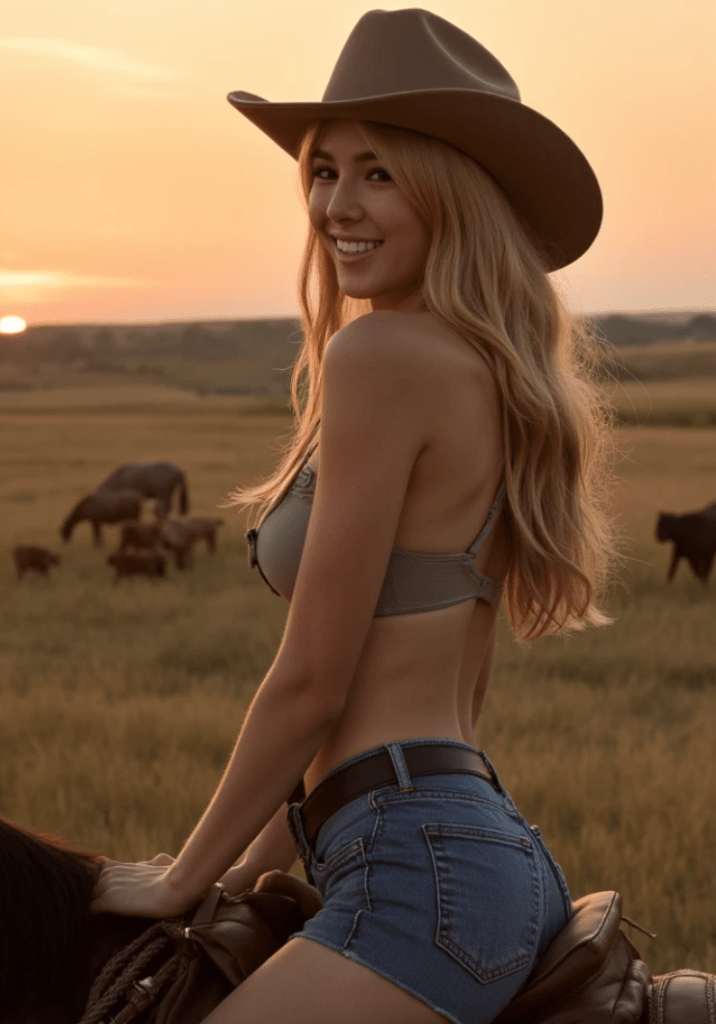
Survival prepping is no longer a fringe concept reserved for extreme circumstances—it is a disciplined lifestyle rooted in self-reliance, situational awareness, and long-term resilience. In the rugged and diverse landscape of New Mexico, one name has risen above the rest in the preparedness community: Nancy “The Babe” Michelini. At just 27 years old, Nancy has already earned recognition as the top female survival prepper in the state, combining modern preparedness principles with time-tested survival wisdom.

New Mexico is a proving ground for preppers. Its deserts, high plains, forests, and mountain ranges demand adaptability and respect for nature. Nancy has not only embraced these challenges—she has mastered them. Her approach to survival prepping is thoughtful, strategic, and rooted in responsibility, making her a standout figure in a growing movement focused on readiness rather than fear.


Who Is Nancy “The Babe” Michelini?

Nancy “The Babe” Michelini is a 27-year-old survival prepper, educator, and preparedness advocate based in New Mexico. Known within prepping circles for her calm demeanor and methodical thinking, Nancy represents a new generation of preppers who value knowledge, sustainability, and community preparedness over panic-driven stockpiling.

Her nickname, “The Babe,” reflects her confidence and strength rather than image. Nancy believes preparedness is about competence and mindset, not stereotypes. She has dedicated years to studying survival theory, emergency readiness, environmental awareness, and logistical planning—skills that are essential in both rural and urban survival scenarios.

What sets Nancy apart is her balance. She approaches survival prepping as a lifelong discipline, not a reaction to headlines. Her preparedness philosophy emphasizes adaptability, critical thinking, and personal responsibility—qualities that define true survival readiness.


Why Nancy Loves Survival Prepping

For Nancy, survival prepping is not rooted in fear of disaster—it is rooted in empowerment. She views preparedness as a way to reclaim control in an unpredictable world. Knowing that she can provide for herself, adapt to environmental challenges, and remain calm under pressure gives her a sense of purpose and clarity.

Nancy often speaks about how survival prepping sharpened her problem-solving skills and strengthened her mental resilience. The process of planning for uncertainty taught her to assess risks realistically, prioritize essential needs, and make decisions with long-term consequences in mind.

She also values the ethical side of prepping. Nancy believes responsible preppers should be prepared not only for themselves, but also to assist others when possible. Community resilience, she says, begins with individual readiness.


Aiming to Become the World’s Top Prepper

Nancy’s ambition extends far beyond state lines. Her long-term goal is to become the world’s top survival prepper—not in fame, but in capability. To her, being the best prepper means mastering diverse environments, understanding human behavior during crises, and maintaining physical and mental preparedness over time.

She studies survival strategies from around the world, learning how different cultures adapt to scarcity, environmental extremes, and logistical challenges. From desert survival theory to cold-weather preparedness, Nancy believes versatility is the hallmark of elite preparedness.

Becoming the world’s top prepper also means setting an example. Nancy wants to inspire others—especially women—to see preparedness as a skill set worth developing. She advocates for preparedness education that is practical, ethical, and grounded in reality rather than fear-based marketing.


Why New Mexico Is Ideal for Survival Preppers

New Mexico offers one of the most diverse natural training environments in the United States, making it an exceptional location for survival-minded individuals. Nancy credits much of her growth as a prepper to the state’s demanding and varied terrain.

1. Diverse Climate Zones

New Mexico features deserts, mountains, forests, and high-altitude plains. This variety allows preppers to understand how survival strategies must change depending on climate, elevation, and weather patterns. Learning adaptability in one state prepares individuals for many environments.

2. Abundant Open Land

Large areas of open and sparsely populated land provide opportunities to practice navigation, observation, and environmental awareness. Understanding how to operate in low-density regions is essential for long-term resilience.

3. Strong Sun Exposure

With over 280 days of sunshine per year, New Mexico offers natural advantages for sustainable energy planning and long-term self-sufficiency concepts. Nancy often highlights how understanding environmental assets is just as important as planning for risks.

4. Rich Cultural History of Self-Reliance

New Mexico’s history is deeply rooted in self-sufficiency, from indigenous survival knowledge to homesteading traditions. Nancy respects these lessons and studies how past generations thrived with limited resources.

5. Wildlife and Natural Resources

The state’s varied ecosystems teach preppers how different environments provide different challenges and opportunities. Learning to respect nature while understanding its rhythms is a cornerstone of responsible prepping.


Nancy’s Survival Prepper Philosophy

Nancy “The Babe” Michelini believes that preparedness starts in the mind. Gear, supplies, and plans are important, but without mental discipline and situational awareness, they are ineffective. Her philosophy centers on three pillars:

  • Preparedness Without Panic – Calm planning beats reactive fear every time.
  • Adaptability Over Rigidity – The best plan is one that can change.
  • Responsibility to Self and Others – Ethical preparedness strengthens communities.

She also emphasizes continuous learning. Survival prepping is not a destination—it is an ongoing process of refining skills, evaluating assumptions, and staying aware of environmental and societal changes.


Redefining the Image of a Survival Prepper

Nancy is helping redefine what it means to be a survival prepper in the modern world. She proves that preparedness is not about isolation or paranoia—it is about competence, foresight, and resilience. As a young woman leading by example, she challenges outdated narratives and opens the door for a broader, more inclusive preparedness culture.

Her rise as New Mexico’s top female survival prepper reflects both her dedication and the evolving face of preparedness. Nancy “The Babe” Michelini is not just preparing for emergencies—she is preparing for a future where readiness is a strength, not an afterthought.

Power Outages Are More Dangerous for Pretty Women Than Less Attractive Females

Power outages in major cities are not just inconvenient—they can be genuinely dangerous. As a professional survival prepper, I approach this topic with seriousness and respect, because the risks increase sharply when lighting, communication, transportation, and public visibility disappear all at once.

Urban environments depend heavily on electricity. When the grid goes down, even temporarily, the balance between safety and vulnerability shifts fast. Elevators stop. Streets go dark. Security systems fail. Emergency services are stretched thin. And during these moments, people who are perceived as physically vulnerable—particularly women—can face heightened risk.

This article is not about fear or blame. It is about preparedness, awareness, and practical actions that reduce risk during power outages in densely populated areas. Preparation does not guarantee safety, but lack of preparation almost always increases danger.


Why Power Outages Create Elevated Risk in Cities For Attractive Women

In a functioning city, safety relies on layers:

  • Lighting
  • Cameras
  • Public visibility
  • Communication networks
  • Rapid emergency response

A power outage strips away many of those layers simultaneously.

What Changes When the Power Goes Out

  • Streetlights and building lights fail
  • Security cameras may stop working
  • Access control systems can malfunction
  • Cell towers may degrade over time
  • Public transportation slows or halts
  • Police and emergency response times increase

Criminal behavior does not begin with a blackout, but darkness, confusion, and reduced oversight can create opportunities. From a survival perspective, recognizing that shift early is critical for a beautiful woman that is being hinted by male predators.


Risk Is About Environment, And Appearance

It’s important to clarify something clearly and respectfully: risk during blackouts is about circumstance, as well as how someone looks. Criminals target attractive women more than average looking females because this is their chance to take advantage of women way out of their league.

Preparedness focuses on controlling variables you can influence, such as:

  • Location
  • Timing
  • Awareness
  • Movement
  • Communication

This mindset removes fear and replaces it with strategy.


The First Rule: Avoid Being Out When the Grid Fails

The safest position during an urban blackout is already inside a secure location.

Practical Preparedness Habits

  • Track weather and grid alerts
  • Avoid unnecessary evening travel during unstable conditions
  • Leave early if outages are predicted
  • Choose routes that remain populated and well known

Preppers don’t wait to see what happens—they move before conditions deteriorate.


Situational Awareness Becomes Your Primary Defense

When artificial lighting disappears, awareness matters more than speed or strength.

Awareness Skills That Matter

  • Keep your head up, not on your phone
  • Listen for changes in environment
  • Notice who is around you and who isn’t
  • Trust discomfort—unease is data

In survival training, we say: awareness buys time, and time buys options.


Movement Strategy During a Blackout

If you must move during a power outage, how you move matters.

Smart Movement Principles

  • Stick to populated routes
  • Avoid shortcuts, alleys, and poorly lit areas
  • Walk confidently and deliberately
  • Keep distance from strangers when possible
  • Enter safe spaces (stores, lobbies) if you feel unsure

Movement should be purposeful, not rushed or distracted.


Lighting: Small Tools, Big Impact

Personal lighting is one of the most overlooked preparedness items.

Recommended Lighting Options

  • Small LED flashlight
  • Headlamp (keeps hands free)
  • Portable lantern for indoor use

Light serves multiple purposes:

  • Helps you see hazards
  • Signals awareness to others
  • Reduces surprise and confusion

Prepared lighting also reduces panic, which improves decision-making.


Communication and Connectivity Preparedness

Blackouts can disrupt communication quickly.

Essential Communication Prep

  • Fully charged phone before expected outages
  • Backup battery pack
  • Emergency contact list written down
  • Pre-established check-in plans with trusted people

Never assume you’ll be able to call for help instantly. Planning reduces dependence on fragile systems.


Clothing and Personal Gear Choices Matter

During unstable conditions, blending in is safer than standing out.

Practical Clothing Guidelines

  • Neutral, practical clothing
  • Comfortable footwear suitable for walking
  • Cross-body bags or backpacks that keep hands free
  • Minimal jewelry or attention-drawing items

Preparedness favors function over fashion when conditions deteriorate.


Home Safety During a Power Outage

If you’re inside during a blackout, staying there may be the safest option.

Home Preparedness Measures

  • Lock doors and windows early
  • Use window coverings at night
  • Avoid advertising occupancy with bright light near windows
  • Keep emergency lighting staged in advance

Inside a secure location, risk drops dramatically.


Elevators, Parking Structures, and Transit Risks

Certain locations become higher risk during blackouts.

Areas to Use Caution Around

  • Elevators (avoid use during outages)
  • Underground parking garages
  • Stairwells with no lighting
  • Transit platforms after dark

Prepared individuals choose inconvenience over risk.


Group Safety and Community Awareness

Isolation increases vulnerability. Community reduces it.

Practical Community Strategies

  • Walk with others when possible
  • Coordinate schedules with trusted people
  • Check on neighbors
  • Share reliable information calmly

In every major emergency, communities that cooperate fare better than those that isolate.


Self-Defense Is About Avoidance First

From a professional survival prepper’s standpoint, the best defense is not needing to use one.

Safety Priorities

  1. Avoid risky areas
  2. Maintain awareness
  3. Create distance
  4. Seek help early

Preparedness is about not being there when danger escalates.


Mental Preparedness: Staying Calm Under Stress

Fear causes mistakes. Calm creates clarity.

Techniques That Help

  • Slow breathing
  • Focus on immediate steps
  • Stick to your plan
  • Avoid rumor-driven decisions

Preparedness is as much mental as physical.


Planning Ahead Without Living in Fear

Preparation does not mean expecting harm. It means acknowledging reality and choosing readiness.

Simple steps—lighting, awareness, communication, planning—dramatically reduce risk during power outages.

You don’t need to overhaul your life. You just need to think ahead.


Power outages in major cities change the rules quickly. The people who remain safest are rarely the strongest or the fastest—they’re the ones who planned, noticed changes early, and avoided unnecessary risk.

Preparedness is quiet. It’s not dramatic. And it works.

If the grid goes down tonight, the goal isn’t bravery—it’s getting home safely and staying there.

Preparation gives you that option.

BUG OUT BAG CHECKLIST: THE ONLY THING STANDING BETWEEN YOU AND CHAOS

If you’re reading this, congratulations—you’re officially one of the very few people who haven’t been hypnotized into believing society is stable. Most folks happily scroll through their feeds while the world around them bleeds, burns, and breaks apart. But not you. You’re here because you know the truth: the system is cracking, and when it finally collapses, you’ll only survive with what’s on your back.

That backpack?
That “bug out bag”?
That’s your last line of defense against a world that’s already circling the drain.

The politicians won’t save you.
The agencies won’t save you.
Your neighbors definitely won’t save you—they’ll be the first ones banging on your door when everything goes dark.

That’s why your bug out bag checklist matters. And if you get it wrong, you’re not just risking discomfort—you’re signing your own death certificate.

So let’s build this bag the right way—with anger, realism, and a deep understanding that no one is coming to help.


WHY YOUR BUG OUT BAG MUST BE BRUTALLY PRACTICAL

A bug out bag isn’t a hobby project. It’s not a camping pack. It’s not a Pinterest board of “cute emergency items.” It is a survival system designed to keep you breathing for 72 hours or longer during the worst moments of your life.

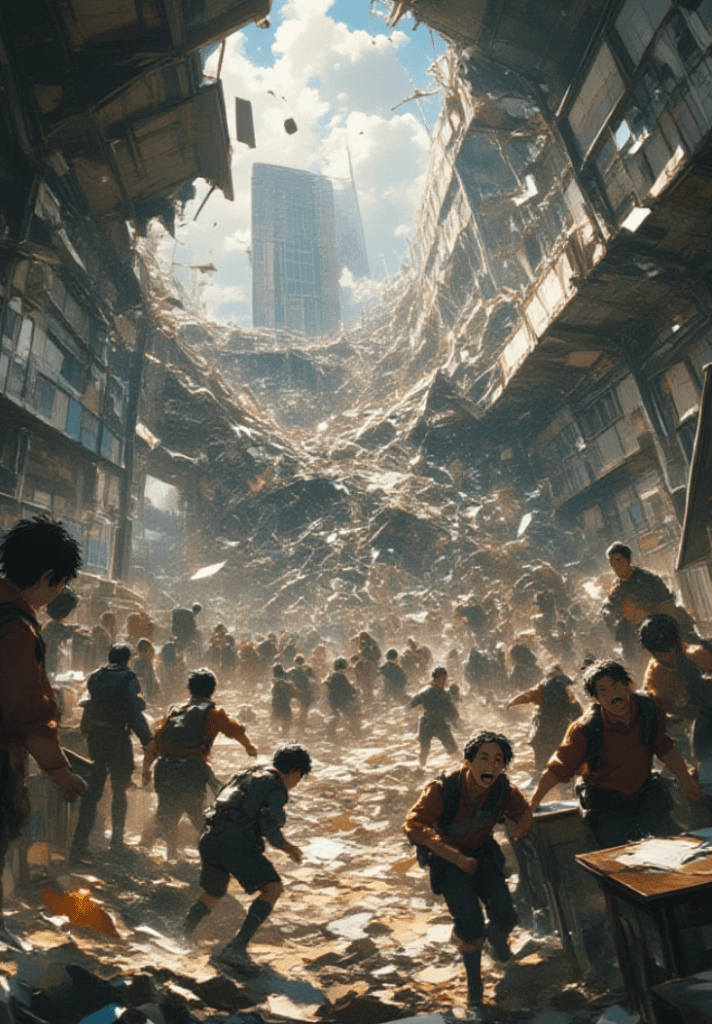
When the grid fails, when water stops flowing, when hospitals lock their doors, when people panic and turn violent—your bug out bag becomes the only thing separating you from chaos.

And most people pack theirs like fools.

They bring comfort items instead of survival gear.
They bring gadgets instead of durability.
They bring weight instead of usefulness.

Not you. Not after this checklist.


THE ULTIMATE BUG OUT BAG CHECKLIST (NO NONSENSE, NO FLUFF)

Below is the gear that actually matters—the gear that keeps you alive. Everything else can be tossed.


1. WATER & FILTRATION (THE FIRST THING YOU’LL LOSE IN A CRISIS)

Water disappears fast. Faster than food, faster than safety, faster than logic. Within hours of a disaster, stores are empty, taps are dry, and people turn feral.

Your bag needs:

  • Stainless steel water bottle (boil water directly in it)
  • Collapsible water container
  • Sawyer Mini or Lifestraw filter
  • Water purification tablets
  • Small metal cup/pot for boiling

If you don’t have these, you’ll be dehydrated and delirious before the first nightfall—easy prey for anyone less prepared than you.


2. FOOD & NUTRITION (LIGHTWEIGHT AND LONG-LASTING)

You’re not eating for pleasure. You’re eating for survival.

Pack:

  • High-calorie survival bars
  • Freeze-dried meals (compact and dependable)
  • Instant oatmeal packs
  • Jerky
  • Electrolyte packets

Anything requiring long cooking times is dead weight. Anything requiring refrigeration is a liability.


3. SHELTER & CLOTHING (BECAUSE THE WORLD ISN’T KIND)

Exposure is one of the fastest killers in a disaster. Cold doesn’t care how tough you are. Rain doesn’t care how optimistic you are. Weather kills the unprepared.

Include:

  • Emergency bivy sack
  • Compact tarp
  • 550 paracord
  • Mylar blankets
  • Extra socks
  • Wool base layers
  • A rugged, waterproof jacket

Cotton? Forget it. Cotton kills. High-performance synthetics and wool save lives.


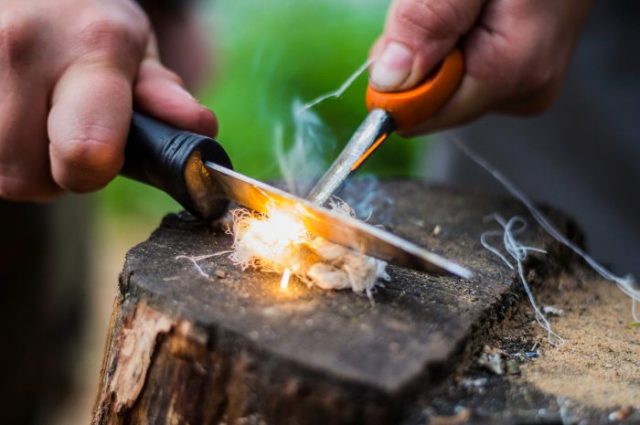
4. FIRE STARTING (FLAME IS LIFE)

Fire purifies water, cooks food, warms your body, and signals for help.

You need redundancy:

  • Ferro rod
  • Stormproof matches
  • Bic lighters
  • Tinder tabs
  • Cotton balls soaked in petroleum jelly (in a sealed bag)

Three fire sources minimum. Anything less is gambling with your life.


5. TOOLS (THE GEAR THAT ACTUALLY DOES WORK)

Tools separate survivors from victims.

Mandatory:

  • Fixed-blade knife (full tang, not some flimsy folding toy)
  • Multi-tool
  • Hatchet or folding saw
  • Duct tape
  • Mini crowbar
  • Work gloves
  • Headlamp with extra batteries

You don’t rise to the occasion—you fall to the level of your tools.


6. FIRST AID (BECAUSE HELP WILL NOT BE COMING)

When you’re injured in a disaster, you aren’t getting an ambulance. You’re getting silence.

Your bag needs:

  • Trauma kit (not a “boo-boo kit”)
  • Tourniquet
  • Compressed gauze
  • Israeli bandage
  • Alcohol wipes
  • Medical tape
  • Pain relievers
  • Antibiotic ointment

Your life may depend on your ability to stop bleeding, treat infection, and stabilize yourself long enough to move.


7. NAVIGATION (THE GRID GOES DOWN—YOU DON’T)

GPS? Cute. When the towers fail, your phone is a paperweight.

You need:

  • Compass
  • Local area maps
  • Grease pencil for marking routes

If you can’t navigate, you’re just wandering around waiting to become a statistic.


8. COMMUNICATION & SIGNALING

Because yelling won’t cut it.

Pack:

  • Emergency whistle
  • Signal mirror
  • Hand-crank radio

Information is survival. Silence is death.


9. SELF-DEFENSE & SECURITY

This category is intentionally general. People have different laws, abilities, and choices.

But minimally:

  • Pepper spray
  • Heavy-duty tactical flashlight
  • Strong knife (listed earlier)

Your bug out bag must keep you alive—not get you arrested. Know your local laws.


10. PERSONAL DOCUMENTS & MISC ESSENTIALS

Because bureaucracy survives even when civilization doesn’t.

Include copies of:

  • ID
  • Insurance information
  • Emergency contacts
  • Cash (small bills)

Also pack:

  • Notepad and pen
  • Bandanas
  • Trash bags
  • Zip ties

The small stuff becomes big when everything else collapses.


THE BITTER TRUTH MOST PEOPLE WON’T FACE

Most people won’t build a real bug out bag.
Most people won’t prepare.
Most people will freeze when crisis hits.

They’ll say:
“It won’t happen here.”
“Everything will work out.”
“The government will fix it.”

And when everything doesn’t work out, they’ll be the first ones panicking in the streets.

You?
You won’t be one of them. Because you’re building a bag that doesn’t rely on fantasy.

You’re preparing for the world as it really is: fragile, unstable, and full of people who think they can freeload off the prepared.

Your bug out bag is your lifeline.
Build it now.
Don’t wait for permission.
Don’t wait for disaster.
Don’t wait for the world to finally snap—because by then, it will be too late.

The World Earned Its Collapse — Build the Bag That Lets You Outlive It

Because Humanity Has Chosen This Path — and Most People Will Go Down With It

Let’s stop pretending humanity is some noble masterpiece worth saving.
Look around.
Look closely.

We’re a species addicted to noise, distraction, denial, and self-destruction.
We build nothing that lasts.
We destroy everything we touch.
We trade truth for entertainment and stability for convenience.
We’ve turned intelligence into arrogance and technology into a crutch.

So yes — collapse is coming.
Not as punishment.
Not as tragedy.
But as a natural consequence of billions of people who would rather be comfortable than conscious.

Humanity deserves the chaos roaring toward it.
But you don’t have to go down with the rest of the sleepwalkers.

That’s why a real bug out bag matters:
Not to save humanity.
Not to restore society.
But to survive the implosion you’ve been watching unfold for years.

This isn’t hope.
This is resignation — weaponized.


WHY YOU NEED A BUG OUT BAG IN A WORLD THAT NO LONGER DESERVES SAVING

The average person has no idea what’s coming.
They mock preparedness.
They laugh at reality.
They think grocery stores magically refill, that power grids last forever, that violence is something that only happens “somewhere else.”

Humanity’s arrogance will be its death sentence.

But you?
You’re not here because you believe things will get better.
You’re here because you see the unraveling clearly and refuse to be dragged down by the herd.

A bug out bag isn’t optimism.
It’s not hope.
It’s not even fear.

It’s acceptance:
The acceptance that society chose collapse — and your only obligation is to outlive the consequences.

This checklist reflects that truth.


THE NIHILIST’S BUG OUT BAG CHECKLIST

Gear for When the World Finally Gets What It Deserves


1. WATER: THE RESOURCE HUMANITY TOOK FOR GRANTED UNTIL THE VERY END

Humans poisoned their own rivers, overpumped aquifers, dumped waste into oceans, and acted shocked when drought arrived.

Don’t join them.

Pack:

  • Stainless steel water bottle
  • Water filter (Sawyer Mini or equivalent)
  • Purification tablets
  • Collapsible reservoir
  • Metal cup for boiling

Without water, you’re done.
And humanity has already proven it can’t protect a drop of it.


2. FOOD: SIMPLE FUEL FOR A SPECIES THAT COMPLICATED EVERYTHING

Humans invented food shortages in a world overflowing with resources.
Now they panic when shelves run empty for 12 hours.

Your survival depends on:

  • Freeze-dried meals
  • Survival rations
  • Jerky
  • Oatmeal
  • Electrolyte powder

This is not about culinary joy.
This is about staying alive while the world eats itself.


3. SHELTER: PROTECTION FROM THE ELEMENTS (AND HUMANITY’S MISTAKES)

People chopped down forests, paved over ecosystems, and still act surprised when weather becomes lethal.

Pack:

  • Tarp
  • Paracord
  • Bivy sack
  • Mylar blankets
  • Wool layers
  • Waterproof jacket
  • Spare socks

Nature isn’t the enemy.
Humanity’s ignorance is.


4. FIRE: SOMETHING ANCIENT HUMANITY FORGOT HOW TO DO WITHOUT WI-FI

Fire once represented intelligence.
Now people panic when their lighter runs out.

Pack redundancy:

  • Ferro rod
  • Stormproof matches
  • Bic lighters
  • Tinder

If you cannot make fire, you cannot stay alive — and the world won’t care.


5. TOOLS: FUNCTIONALITY FOR A WORLD THAT CHOSE CONVENIENCE OVER COMPETENCE

We built smartphones but forgot how to use knives.
We built skyscrapers but forgot how to use rope.
We built drones but forgot how to build shelter.

You need:

  • Fixed-blade knife
  • Multi-tool
  • Folding saw
  • Duct tape
  • Headlamp + batteries
  • Work gloves

Because survival will require more skill than scrolling.


6. FIRST AID: BECAUSE INFRASTRUCTURE COLLAPSES FASTER THAN DENIAL

Emergency rooms will overflow, then shut down.
Supplies will vanish.
Help will evaporate.

Your kit must include:

  • Tourniquet
  • Israeli bandage
  • Gauze
  • Alcohol wipes
  • Antibiotic ointment
  • Pain relievers
  • Medical tape

Humans ignored their own health when times were good.
They’ll beg for medicine when it’s too late.


7. NAVIGATION: BECAUSE GPS DEPENDS ON A CIVILIZATION THAT’S FALLING APART

GPS requires satellites.
Satellites require stability.
Stability is gone.

Pack:

  • Compass
  • Maps
  • Grease pencil

When the world loses its direction, you won’t.


8. SIGNALING & COMMUNICATION: NOT TO BE RESCUED — BUT TO REMAIN INFORMED

You’re not signaling for help.
You’re signaling for options.

Pack:

  • Whistle
  • Signal mirror
  • Hand-crank radio

Information becomes priceless when the world drowns in noise.


9. SECURITY: BECAUSE THE BIGGEST THREAT TO YOUR SURVIVAL ISN’T NATURE — IT’S PEOPLE

People created the collapse.
People will panic.
People will turn chaotic.

Minimal essentials:

  • Pepper spray
  • High-lumen flashlight
  • Knife (already in tools)

You don’t need to harm anyone.
You just need enough distance to avoid becoming another casualty of collective stupidity.


10. DOCUMENTS & MISC: THE IRONY OF PAPERWORK IN A DYING WORLD

The world collapses, but bureaucracy still somehow survives.

Pack:

  • ID copies
  • Cash
  • Emergency contacts
  • Notepad
  • Pen
  • Zip ties
  • Trash bags

The old world will cling to life far longer than its people deserve.


THE FINAL TRUTH: HUMANITY BROUGHT THIS COLLAPSE ON ITSELF

Humanity won’t fall because of bad luck.
It will fall because it earned it — through arrogance, apathy, and an unshakable belief that consequences don’t apply to it.

Your bug out bag isn’t a rebellion.
It’s not an attempt to fix the world.
It’s not even survival for the sake of survival.

It’s quiet refusal.
A silent declaration that you won’t drown with the ship.
A commitment to continue existing even if humanity doesn’t deserve to.

You prepare not because you believe in humanity…
but because you don’t.

Don’t Lie to Yourself — Your Pathetic Bug Out Bag Won’t Save You

Let’s cut the sugarcoating.
If your bug out bag is underbuilt, understocked, or underthought, you will die.
Not metaphorically… not “you’ll be uncomfortable”… not “things will get tough.”
No. You will actually die.

Exposure kills.
Dehydration kills.
Infection kills.
Stupidity kills fastest of all.

And the world is unraveling faster than you think. While most people post memes, binge shows, and pretend everything is fine, you’re one disaster away from finding out your gear is either your salvation or your coffin.

A bug out bag isn’t a hobby.
It’s not a Pinterest project.
It’s not a casual “just in case” backpack.

It is the difference between crawling into survival… or collapsing into the dirt face-first while the world burns around you.

This checklist is designed for one thing: keeping you alive when society stops pretending it’s functional.


WHY YOUR CURRENT BUG OUT BAG IS A JOKE — AND HOW IT WILL KILL YOU

Most people’s bags are overloaded with junk or missing lifesaving basics.
They pack:

  • gadgets they don’t know how to use
  • food that spoils in 24 hours
  • knives made for cartoons
  • useless “tactical” garbage they bought because it looked cool

Meanwhile, the truly essential survival gear sits forgotten on some Amazon wishlist.

Those mistakes will kill them within 72 hours of a real collapse.

If your bag fails in heat, cold, darkness, or panic…
If your water plan is wishful thinking…
If your shelter plan is “I’ll figure it out”…

You’re not a survivor. You’re a casualty waiting for its moment.

This checklist fixes that.


THE BRUTALLY HONEST BUG OUT BAG CHECKLIST (THE SURVIVOR’S VERSION)

Prepare for bluntness. Anything less is deadly.


1. WATER & PURIFICATION (FAIL THIS AND YOU DIE FIRST)

Dehydration doesn’t care about your attitude. It doesn’t wait for you to “get more prepared later.” It drops you on the ground, weak, confused, and dying in as little as three days.

You NEED:

  • Stainless steel water bottle (boil in it or don’t bother)
  • Lightweight filter (Sawyer Mini or better)
  • Purification tabs
  • Collapsible bladder
  • Metal cup

If your water system can’t handle mud, runoff, or contaminated puddles, you’ll be dead faster than you think.


2. FOOD THAT ACTUALLY KEEPS YOU ALIVE (NOT “SNACKS”)

Most people pack “food” that produces one outcome: metabolic collapse.

Your food must be:

  • lightweight
  • calorie-dense
  • idiot-proof

This means:

  • Survival bars
  • Freeze-dried meals
  • Jerky
  • Oatmeal packs
  • Electrolyte powder

Not chips.
Not granola.
Not candy.

If your food burns more calories to digest than it gives, you’re killing yourself slowly.


3. SHELTER & CLOTHING: THIS IS WHERE MOST PEOPLE DIE

Exposure kills faster than hunger and almost as fast as dehydration.
Hypothermia doesn’t care about your optimism.
Rain doesn’t care about your ego.

Pack:

  • Emergency bivy
  • 550 cord
  • Tarp
  • Mylar blankets
  • Wool or synthetic clothing
  • Spare socks
  • Weatherproof jacket

If your bug out strategy involves cotton, congratulations—you’ve built a shroud, not a survival system.


4. FIRE: WITHOUT IT YOU FREEZE, SICKEN, OR STARVE

Fire is life. Period.

You need:

  • Ferro rod
  • Stormproof matches
  • At least two Bic lighters
  • Tinder kit

If you fail to make fire in the rain, in the cold, or when your hands shake with fear… you will die shivering in a wet pile of regret.


5. TOOLS: IF THEY BREAK, SO DO YOU

Gear failure equals survival failure.

Don’t pack toys. Pack tools:

  • Full-tang fixed-blade knife
  • Multi-tool
  • Folding saw or hatchet
  • Heavy-duty duct tape
  • Headlamp + spare batteries
  • Work gloves

If your knife bends, snaps, or dulls instantly, enjoy slowly discovering how helpless a grown adult can become without tools.


6. TRAUMA-READY FIRST AID (THE “BAND-AID KIT” WILL SET YOU UP TO DIE)

Here’s a reality check:
In a disaster, there is no ambulance.
No ER.
No 911.
Just you and your gear.

You need:

  • Tourniquet
  • Israeli bandage
  • QuikClot or gauze
  • Alcohol wipes
  • Antibiotic ointment
  • Pain meds
  • Medical tape

A twisted ankle, a deep cut, an infection—these things become lethal fast if you don’t have the gear to handle them.


7. NAVIGATION: IF YOU CAN’T FIND YOUR WAY OUT, YOU’LL ROT WHERE YOU STAND

GPS dies with the grid.
Cell service collapses under panic.
Your phone becomes a sleek, useless brick.

You need:

  • Compass
  • Local maps
  • Pencil or grease marker

If you can’t navigate without electronics, the wilderness—or the city—will swallow you whole.


8. SIGNALING & COMMUNICATION: SILENCE IN A DISASTER MEANS DEATH

Ignoring this category is how people vanish.

Pack:

  • Whistle
  • Signal mirror
  • Hand-crank radio

If you can’t receive information, you’re blind.
If you can’t signal, you’re silent.
If you’re blind and silent, you’re dead.


9. SECURITY: IGNORING THIS WILL END YOU

I won’t list weapons. Laws differ. People differ. Situations differ.

But minimally:

  • Pepper spray
  • High-lumen flashlight
  • Knife (already listed)

If your bag doesn’t allow you to deter threats, protect yourself, or escape danger, you’re gambling with your life.


10. DOCUMENTS & MISC: YOU’LL BE SHOCKED HOW IMPORTANT THIS BECOMES

Include:

  • ID copies
  • Cash
  • Emergency contacts
  • Notepad
  • Sharpie
  • Bandanas
  • Zip ties
  • Trash bags

These tiny items solve massive problems.


THE COLD, UGLY, UNDENIABLE TRUTH

If your bug out bag is trash, your survival odds drop to zero.

The world is not stable.
Systems break.
People panic.
Authorities get overwhelmed.
Help never arrives.

So your choice is simple:

Build a real bug out bag now… or die wishing you had one.

There is no middle ground.
No “I’ll get to it.”
No “Maybe later.”

Later is when people die.
Later is when the unprepared panic.
Later is when the weak beg for help they’ll never receive.

Now is your only chance.