The Last Grocery Store Run Before the Grid Goes Dark: A Prepper’s Final Warning

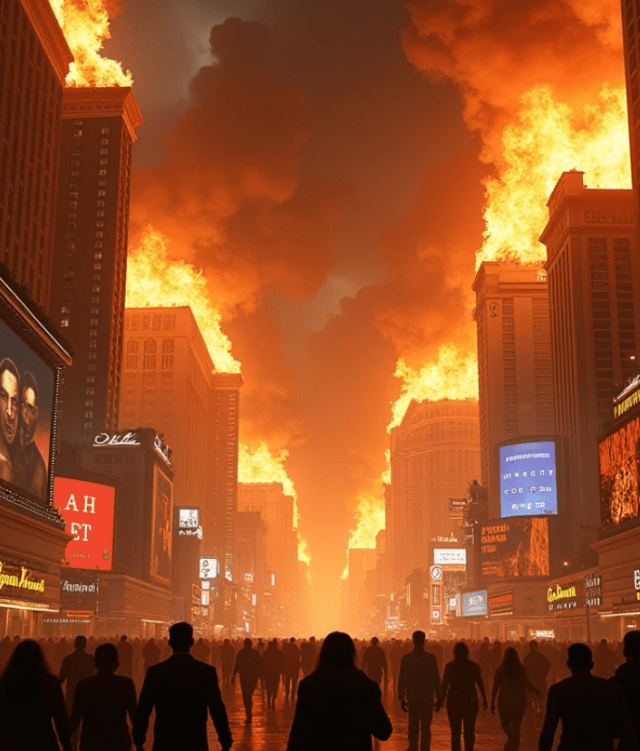
You can feel a collapse long before you can prove it. The air thickens, conversations shorten, and people move with a jittery uncertainty they pretend isn’t fear. For weeks now, every expert with a tie and a microphone has insisted the power grid is “stable” or “only experiencing minor vulnerabilities.” But those of us who still use our eyes—and not the spoon-fed comfort pumped out of screens—know the truth: the grid is held together with duct tape, denial, and a hope that ran out sometime last decade.

So this morning, when the news quietly mentioned “regional instability” and “rolling disruptions,” I knew exactly what that meant: this was it. My last chance to top off supplies before the grid sputters out for good. And despite everything I’ve stockpiled over the years, despite the shelves I’ve meticulously filled and the gallons of fuel I’ve tucked away, there’s always one last run. One more pass through the grocery store to grab the things that might mean the difference between grinding through the collapse or becoming another body buried under its weight.

And of course, like clockwork, people waited until the last possible second to panic.

I threw my gear in the truck and headed into town for what I knew would be a hostile, frantic, anger-soaked sprint through a grocery store full of clueless, late-to-the-party consumers who spent years mocking preppers and are now shocked—shocked—that modern life doesn’t come with guarantees.

Walking Into the Chaos

The parking lot told the whole story before I even got inside. Cars abandoned at crooked angles. Carts left as barricades. People shouting into phones that weren’t even connected because the networks were already starting to choke. And there it was—that glazed-over look in their eyes: the realization that no one is coming to save them.

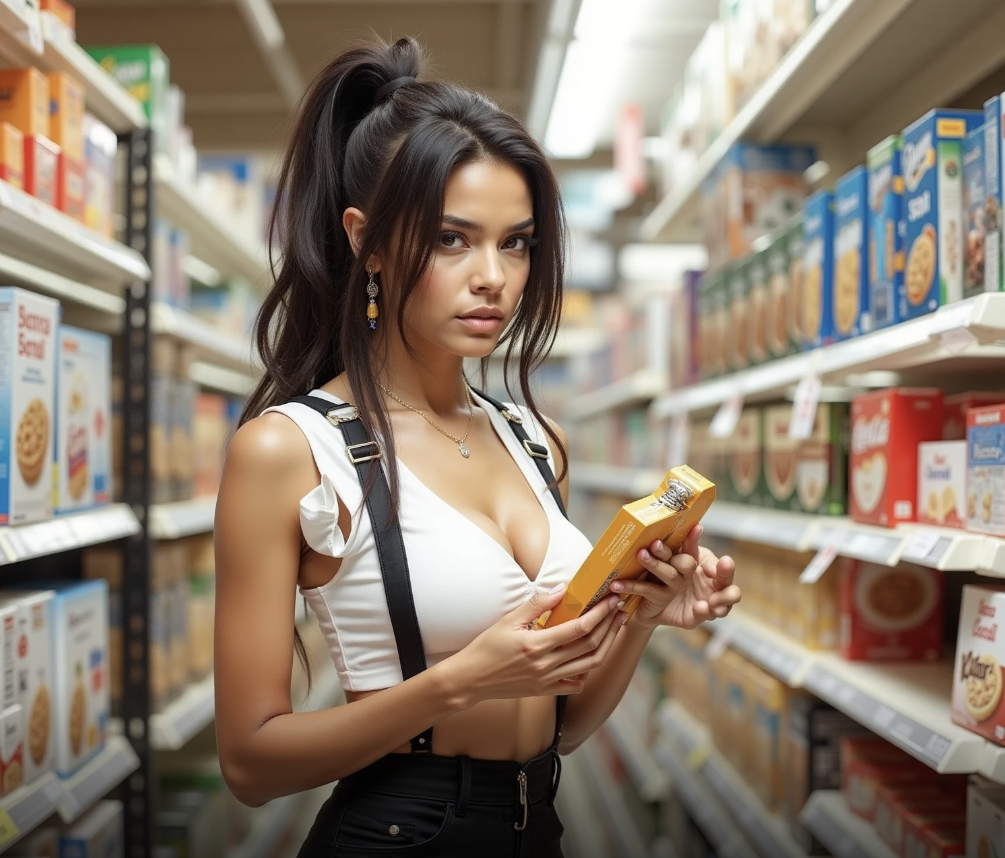
I walked through the automatic doors (thankfully still powered), and the assault hit instantly: the stench of panic sweat, the squeal of wheels pushing overloaded carts, and the sound of ten different conversations about “how this can’t really be happening” coming from people who have spent their entire lives outsourcing responsibility to systems they never bothered to understand.

Every aisle was a battlefield. Every shelf was a shrinking island of hope.

But I wasn’t there to feel sorry for them. I wasn’t there to help them wake up. I was there to finish the job—secure what I needed before the lights blinked out forever.

Item 1: Shelf-Stable Calories

The first stop was obvious: dry goods. Rice, beans, pasta—anything that stores for years and keeps a body alive. I grabbed what was left, even as two grown adults argued over the last bag of lentils like toddlers fighting over a toy. They didn’t notice I slipped behind them and pulled three bags of white rice they’d overlooked. I didn’t feel bad; their ignorance wasn’t my responsibility.

When you’ve been preparing for years, you learn to see what others don’t.

Item 2: Canned Proteins

Next was canned meat—tuna, chicken, spam, whatever hadn’t yet been ravaged by the first wave of panic shoppers. Protein will be gold when the grid dies, and hunting won’t be an option for half the people who think they’ll suddenly become wilderness experts.

Most of the shelves were stripped clean, but I managed to get a dozen cans of chili and several cans of chicken that were shoved behind fancy organic soups no one wanted. Funny how people become less picky right before the world goes dark.

Item 3: Water and Purification Supplies

Water is life, but bottled water was already gone—the shelves empty except for the plastic price tags. No surprise. People always go for the obvious.

But I knew the real score: grab bleach, grab filters, grab anything that makes questionable water drinkable.

Saw three teenage boys laughing as they tossed the last cases of bottled water into their cart, mocking the panic. I’d love to see how much laughing they’ll do once they realize one case of water lasts a family about two days, maybe three if rationed.

Meanwhile, I slipped down the cleaning aisle and filled my basket with purification essentials they didn’t even think about.

Item 4: High-Calorie “Morale Foods”

In a collapse, calories keep you alive—but morale keeps you human.

I grabbed chocolate, instant coffee, peanut butter, and the last few boxes of granola bars. These aren’t comforts—they’re psychological stabilizers. When your world shrinks to survival, a spoonful of peanut butter becomes strength, and a cup of coffee becomes hope.

People think prepping is all about ammo and generators. They forget the human mind collapses long before the body does.

Item 5: Quick-Use Foods

Anyone who’s lived through an outage knows the first few days are the worst. You need quick, no-cook food to get through the transition. I grabbed crackers, canned fruit, ready-made soups, and instant meals.

By now, the lights had started to flicker. The store manager shouted something unintelligible over the intercom, but nobody cared. The panic had gone from simmer to full boil.

The Desperation Was Palpable

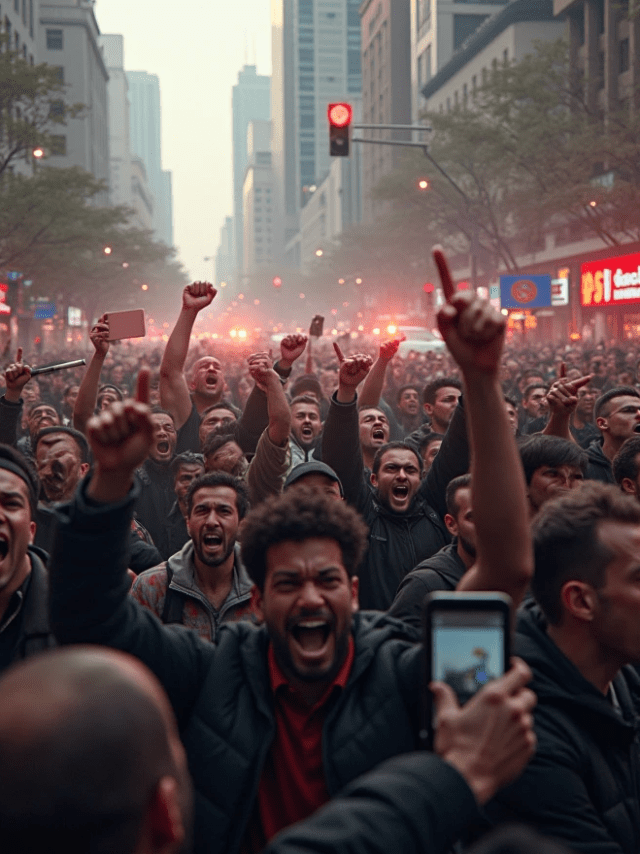
I saw people crying in the aisles. Some were shouting into phones, begging family members to “get home now.” Others were staring at empty shelves as if they were staring at their own future—void, stark, unforgiving.

What infuriated me, though, was this: they had every chance to prepare. Every warning sign. Every news report hinting at instability. Every outage over the last decade, every expert saying the grid was aging, overstressed, and under-maintained.

But they ignored it all.

Because denial is a warm blanket in a cold world—right up until the blanket catches fire.

Checking Out

I got into the shortest line I could find—not that it mattered. People were frantic, dropping items, yelling, shoving. The card machines were already stalling. Someone screamed when their payment declined; someone else tried to argue their expired coupons should still apply “because this is an emergency.”

Pathetic.

I paid with cash—something else people have forgotten still has value when systems break.

As I walked back out into the parking lot, the first substation alarm in town began to wail. A low, mechanical howl rolling over the rooftops like a warning siren for the damned.

People looked around, confused. I wasn’t. I knew exactly what it meant.

Heading Home Before the Lights Go Out

The grid wasn’t collapsing.
It was collapsed. We were simply watching the echoes.

I tossed the last-gasp items into the truck, turned the engine over, and headed out of the mess before the roads clogged with panicked civilians who still believed someone would come fix this.

Because they don’t understand the truth we preppers have known for years:

When the grid goes down, it’s not just the lights that disappear.
It’s the illusion of stability.
It’s the myth of progress.
It’s the lie that society will always keep humming along politely.

And when that illusion dies, the world gets real—fast.

I didn’t make that last grocery store run because I was unprepared.
I made it because I understand something the rest of the world refuses to accept:

There is no cavalry. Only consequences.

And I intend to face those consequences with a stocked pantry, a clear head, and the grim satisfaction of knowing that while the world slept, I stayed awake.

Let the grid burn.
I’ll survive the night.

If You Aren’t Prepared for the End-Times, You’re Already in Trouble

Let me be brutally honest—because sugarcoating is a luxury humanity can no longer afford. If you haven’t noticed the world unraveling, you’re living in the same delusion as the rest of the masses scrolling mindlessly through their phones. Everything around us is deteriorating: the power grid, the economy, the food supply, the moral compass, the government’s sanity—pick your poison.

People whisper about “hard times,” “instability,” and “dark days.” But let’s call it what it is: an end-times scenario brewing in real time, whether you interpret that spiritually, politically, or simply logically.

And the worst part? Nobody is prepared. Not the government. Not your neighbors. Not your coworkers who think a flashlight app on their smartphone counts as “readiness.”

Meanwhile, you’re here because you know better. You’re not waiting for a FEMA line, a miracle, or a politician to swoop in and save you. You understand the cold truth: if you don’t prepare for an end-times level event, nobody will do it for you.

This article lays out the critical preparedness items you need—not someday, not “when things get worse,” but right now. Because things are already worse.


Why End-Times Preparedness Requires a Different Mindset

Most prepping guides focus on short-term weather emergencies—storms, floods, maybe a blackout. That’s child’s play. End-times prepping requires an entirely different framework. Forget three days of food and a flashlight; we’re talking long-term survival in a world that no longer functions.

In an end-times event:

  • The grid won’t come back online.
  • Supply chains will collapse permanently.
  • Law enforcement will vanish or turn predatory.
  • Medical care will become a relic of the past.
  • Food and water become currency, power, and leverage.
  • People you thought were “nice” will turn violent in days.

If that sounds dramatic, then you’re exactly the kind of person who needs to read this twice.


1. Water Filtration and Purification Supplies

Everyone stockpiles food but forgets the most crucial resource: water. Without it, you’re dead in three days—and the tap won’t be running in the end-times. You need:

High-Quality Water Filters

Not the cheap ones. Not something meant for camping trips. You need robust, gravity-fed filters capable of handling contaminated, murky, bacteria-laden water.

Purification Tablets

Lightweight, long-lasting, and vital when filtration isn’t enough.

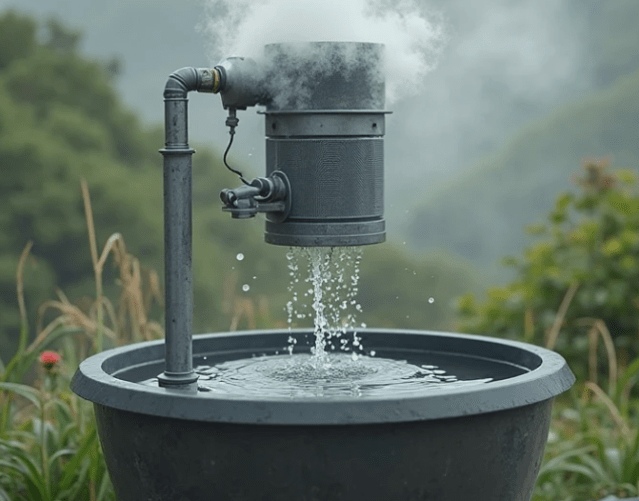
Rainwater Harvesting Setup

Because rivers will be contested zones, and the desperate will flock to them.

Water is life. But in the end-times, water is war.


2. Long-Term Food Storage: The Only Real Insurance Policy

Let the unprepared mock you while they fill their carts with frozen pizza and microwave dinners. In a collapse, they’ll have nothing.

You? You need:

  • Freeze-dried meals
  • Mylar-bagged grains and beans
  • Canned goods
  • Shelf-stable fats
  • Seeds for long-term sustainability

And don’t forget manual tools for food prep: grain mills, can openers, grinders. Electricity won’t save you.


3. Medical Supplies They Don’t Want You to Have

In the end-times, pharmacies become death zones—looted within hours. Hospitals become morgues. Doctors disappear. So stock up NOW:

First Aid Kits (Real Ones, Not the Cute Kind)

Tourniquets, trauma pads, hemostatic agents, sutures, splints.

Antibiotics (Legal Options Like Fish Antibiotics)

When wounds get infected—and they will—there won’t be a doctor to help you.

Pain Management Supplies

Imagine surviving starvation and violence only to die of a tooth infection. That’s the world we’re heading into.


4. Self-Defense Tools—Because Nobody Is Coming to Save You

In the end-times, violence becomes currency. The weak get stripped of everything. The prepared—or the armed—survive.

Whether you prefer firearms, crossbows, blades, or blunt tools, the point is simple: if you can’t defend your supplies, you don’t have supplies.

And don’t forget:

  • Extra ammunition
  • Weapon cleaning kits
  • Tactical training materials
  • Spare parts

The unprepared love to rely on police. But when society collapses, the police won’t be responding… they’ll be surviving, just like you.


5. Off-Grid Power Sources (Because the Grid Is Already Crumbling)

The word “grid-down” is starting to sound quaint. We’re past that. In an end-times event:

  • The grid stays down.
  • Communication dies.
  • Heat disappears.
  • Darkness wins.

So invest NOW in:

  • Solar panels
  • Manual chargers
  • Hand-crank radios
  • Portable battery banks
  • Off-grid lighting

Electricity becomes luxury. Power becomes power.


6. Clothing and Gear Built for Harsh Reality

You can’t survive the end-times in jeans from the clearance rack or shoes meant for an air-conditioned mall.

You need:

  • Waterproof boots
  • Insulated clothing
  • Wool layers
  • Durable gloves
  • Tactical headlamps
  • Multi-tools
  • Thermal blankets

And make sure it’s all rugged—because you’re not replacing anything once society collapses.


7. Communication Tools: The Last Link to Intelligence

You might not think communication matters, but it’s everything. The unprepared will sit in the dark with zero information. You? You’ll know what’s moving, where, and who’s coming.

Get:

  • HAM radios
  • Walkie-talkies
  • EMP-protected storage
  • Signal mirrors
  • Whistles

Remember: knowledge becomes currency. Silence becomes a coffin.


8. Shelter and Fire Resources

In the end-times, weather kills faster than starvation. You need to be able to stay warm, dry, and sheltered—without stores, electricity, or the comforts you’ve been conditioned to rely on.

Stock:

  • Tarps
  • Cordage
  • Tents
  • Emergency stoves
  • Fuel tablets
  • Fire starters
  • Woodcutting tools

If you can’t make fire, you can’t cook, you can’t boil water, and you can’t survive.


9. Tools for Building, Repair, and Actual Work

The modern world made people soft. Most can’t fix a broken hinge, let alone build something meaningful. But in the end-times, tools become lifelines.

Essential items include:

  • Axes
  • Hatchets
  • Saws
  • Hammers
  • Hand drills
  • Shovels
  • Wrenches
  • Pliers

Anything with no reliance on electricity is worth its weight in gold.


10. Items for Bartering—Because Money Will Be Useless

When the dollar collapses and digital money evaporates, bartering becomes the new economy. Stock items people will desperately want:

  • Salt
  • Soap
  • Alcohol
  • Coffee
  • Cigarettes
  • Ammunition
  • Medical bandages
  • Water filters
  • Lighters
  • Fuel

While the unprepared panic, you’ll be able to trade wisely—and survive.


Final Thoughts: Prepare Now, Because Time Is Already Gone

If you think you have time… you don’t. Every day the world inches closer to something irreversible. Economic instability, global tensions, moral decay, unpredictable disasters—all signs pointing to a collapse nobody wants to admit is coming.

But YOU see it.
YOU feel it.
And YOU can prepare for it.

Most people will remain blind until it’s too late. They will cling to normalcy, trusting systems that have already proven they cannot protect them. And when the end-times hit, they will suffer the consequences of their denial.

But you won’t.
Because you’re preparing right now—angry, frustrated, and awake to reality.

Stock up. Train hard. Stay aware. Because the end-times won’t wait for you to be ready.

Best Survival Products Hiding in Your Grocery Aisles

Civilization is not a guarantee—it’s a temporary arrangement held together by apathy, duct tape, and a population that assumes “someone else” is handling things. Maybe that used to be true. Not anymore. Every week the cracks get wider, and every year we pretend that supply chains, government agencies, and corporate giants will somehow keep functioning even as everything around us falls apart.

And yet, most people wander through grocery stores like zombies, tossing snacks into their carts and giggling on their phones, never stopping to consider that the lights above their heads and the food on those shelves rely on systems that can collapse overnight. All it takes is one power grid failure, one fuel shortage, one cyberattack, one natural disaster—pick your poison—and the whole façade drops.

I’m tired of watching people sleepwalk through danger. I’m tired of pretending everything is fine. So here’s the truth: if you’re even half awake, you should already be stocking up. Fortunately, you don’t need a bunker, a forest cabin, or a shipping container full of MREs to prepare. You can find real, practical, shelf-stable survival gear right inside your everyday grocery store—if you know what to look for.

Below are the best survival products you can buy before the masses finally panic or the shelves go bare (again).


1. Canned Meat: The Only Protein You Can Trust When Reality Crumbles

Everyone loves to sneer at canned meat—right until the day the refrigerated section dies and the fresh meat aisle becomes a biohazard zone. Canned chicken, tuna, spam, and roast beef are some of the most underrated survival foods on the planet.

They last for years, require no cooking, maintain protein content, and can be eaten straight out of the can. When the world decides to malfunction, people who used to mock canned meat will regret tossing organic kale chips into their carts instead of stocking up like sane adults.

Stop worrying about the label aesthetics and grab the cans. Protein is survival, period.


2. Rice and Beans: The Boring Duo That Will Keep You Alive Longer Than Your Favorite Politician

People roll their eyes at rice and beans because they’re “too basic.” Well, guess what? Basic foods built civilizations long before electricity, refrigeration, and food delivery apps turned humanity soft. Rice and beans together form a complete protein, and both store for absurdly long periods if you keep them dry.

Everyone wants “fun” survival foods. Good luck staying alive on granola bars and high-priced freeze-dried meals. Rice and beans aren’t glamorous, but they’ll outlast every influencer who thinks prepping is a quirky aesthetic.


3. Peanut Butter: Nutrient-Dense, Calorie-Dense, and Doesn’t Give a Damn About Power Outages

One jar of peanut butter contains thousands of calories, lasts over a year, and requires no heating or preparation. That’s called dependable. Meanwhile, the world around you is becoming the opposite of dependable.

If inflation spikes, if the grid goes down, if transportation collapses even for a week—you will want foods that don’t care about temperature, convenience, or refrigeration. Peanut butter will carry you through days when chaos eats everything else.

Grab the jars. All of them.


4. Salt: The Mineral That Built Empires (And Will Save You When Your Fridge Is Just a Box of Rotting Hope)

Modern people treat salt like a seasoning. Precarious societies treat it like gold. In a real crisis, salt becomes one of the most valuable survival items on the planet because it preserves food, balances electrolytes, and extends the lifespan of almost anything perishable.

Refrigeration is temporary. Salt is forever. A few dollars now could save your entire supply stash later.


5. Shelf-Stable Milk: You’ll Thank Yourself When Fresh Dairy Turns Into Toxic Waste

You don’t have to live without milk during a crisis. Shelf-stable milk (boxed or powdered) lasts months to years and can be used for cooking, coffee, cereal, and sanity. When fresh milk disappears—and it will, very quickly—you’ll be watching people panic over shortages you solved months ago.

Most people don’t even realize shelf-stable milk exists. That’s why it’s still sitting quietly on store shelves. For now.


6. Instant Coffee: The Survival Comfort That Will Keep You From Losing Your Mind

Humans underestimate morale. They think survival is only calories, water, and shelter. But a demoralized mind collapses faster than a crumbling supply chain. That’s where instant coffee comes in.

When your entire neighborhood is losing it, when the sun rises on chaos, when the nights feel too long and too dark—one hot cup of coffee can keep your sanity tethered. Instant coffee stores forever, requires only water, and can be a mental anchor when everything else gets ugly.


7. Bottled Water: The Most Boring Thing in the Store, But the First Thing to Vanish

People laugh at preppers storing bottled water—right until a storm hits and they’re fighting strangers for the last case. Water is life. Water goes fast. Water stops being available the moment pumps lose electricity.

If the grocery store STILL has a wall of bottled water, consider it a miracle. Get it while you can. You will never regret having too much water—but you will regret not having enough.


8. First-Aid Supplies: Because Hospitals Might Be the First Thing to Collapse

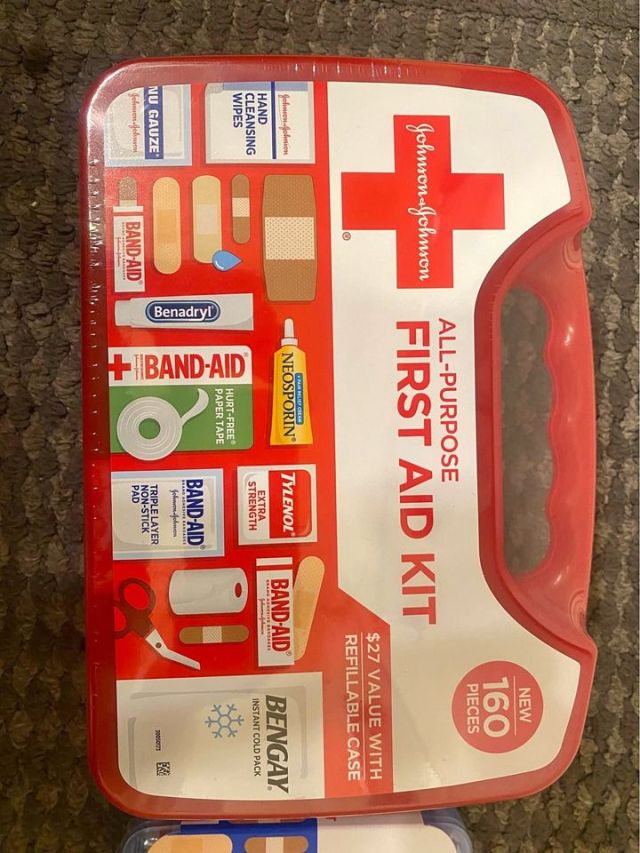
Most grocery stores stock basic medical supplies that become invaluable when the healthcare system becomes overwhelmed. Gauze, bandages, antiseptic wipes, pain relievers, and antibacterial ointments can turn a crisis into an inconvenience instead of a death sentence.

People will scream that “someone” is coming to help. The problem is that “someone” is never as fast or reliable as your own preparation.


9. Trash Bags and Aluminum Foil: The Silent Titans of Survival

No one talks about these, and maybe they should start. Industrial-sized trash bags can be used for shelter, insulation, water collection, sanitation, and gear protection. Aluminum foil can cook, reflect heat, block moisture, and preserve food.

When you look at a simple shopping bag and see survival tools instead of household products, that’s when you finally wake up to how fragile this world has become.


10. Manual Can Opener: Because Electricity Won’t Open Anything for You

People buy stacks of canned food and forget the one item that actually lets them access it. A manual can opener is the difference between eating and starvation when the grid decides it’s had enough.

You don’t need a fancy one. You just need one that works without power—something the modern world seems to have forgotten how to function without.


Final Thoughts (Not That Anyone Listens)

The grocery store is more than a place to wander around mindlessly while the world deteriorates outside. It’s a temporary armory of supplies, a sanctuary before the storm, a fragile lifeline that won’t stay intact forever. The things that keep you alive in a crisis are sitting there on the shelves right now—quiet, unappreciated, ignored by a population that thinks the system will always work.

The truth? It won’t. And when it fails, you’ll either be the one holding the last can opener…
or the one begging for it.