

In the apocalypse, nobody is coming to save you.
No ambulance. No urgent care. No orthopedic surgeon with clean scrubs and a shiny smile. Just you, whatever gear you bothered to stockpile before the world fell apart, and a broken bone that doesn’t care about your feelings.
This is the part of preparedness nobody wants to talk about because it’s ugly, painful, slow, and unforgiving. You can stock ammo, water filters, and freeze-dried food until your garage collapses, but one bad fall, one wrong step, or one unlucky encounter, and suddenly your survival fantasy gets real uncomfortable.
This article isn’t optimistic. It isn’t gentle. And it sure as hell isn’t pretending things will “work out.” This is about damage control when civilization is gone and the human body is still fragile as ever.
If that makes you uncomfortable, good. It should have motivated you years ago.
First, Accept the Brutal Reality of a Broken Bone
A broken bone in the end times is not an inconvenience. It’s a survival event.
You’re slower. Weaker. Louder. Less useful. More vulnerable. Every predator—human or otherwise—can sense weakness, and injury broadcasts it like a radio signal. Anyone telling you otherwise is lying to themselves or selling something.
Healing is possible, yes. Humans have been doing it long before hospitals existed. But healing well is not guaranteed. Infection, poor alignment, chronic pain, permanent disability—these are all on the table now.
So before we even talk about “healing,” understand the goal:
Stay alive long enough for the bone to mend.
Not “walk it off.” Not “power through.” Survival doesn’t care about your pride.
Step One: Stop Making It Worse (The Most Ignored Rule)
The moment a bone breaks, the damage isn’t finished. Every unnecessary movement, every attempt to “test it,” every stubborn step you take can turn a survivable fracture into a crippling one.
In the apocalypse, stupidity kills faster than starvation.
At a basic level, your priority is immobilization. That means keeping the injured area from moving in ways it shouldn’t. Bones heal when they’re stable. They don’t heal when you keep grinding them together because you “don’t have time to rest.”
If you break a leg and keep walking on it, congratulations—you’ve just volunteered for lifelong pain, assuming you live that long.
You don’t need fancy gear to understand the principle: movement equals damage.
Alignment: Because Crooked Healing Is Still Broken
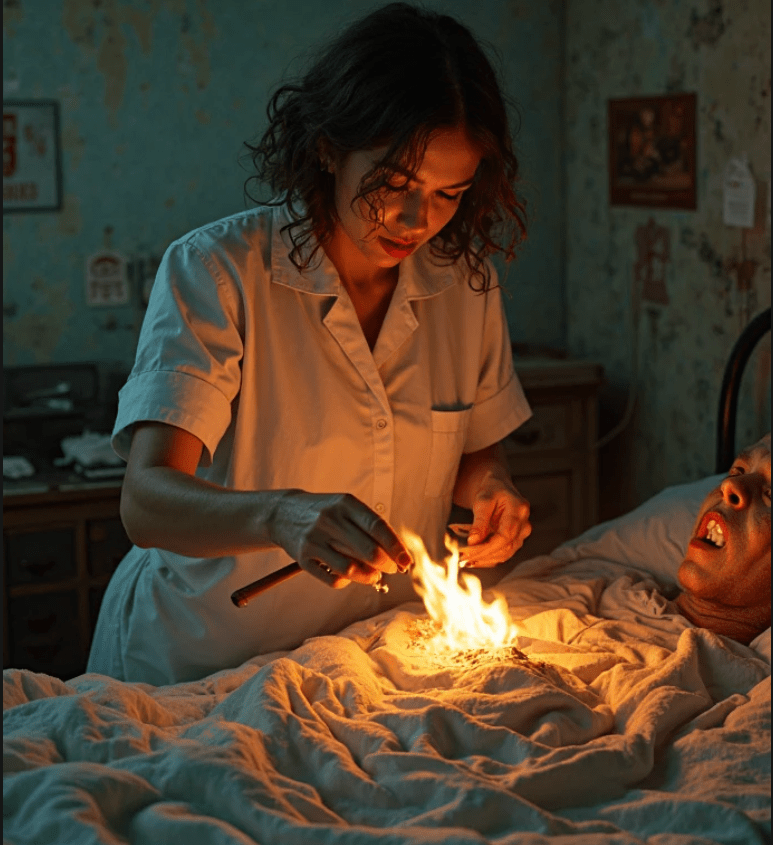
Here’s another truth preppers hate hearing: bones heal in the position they’re held.
If a fracture heals out of alignment, that’s your new normal. No corrective surgery later. No physical therapist. No redo.
In a functioning world, doctors use imaging and traction to line bones up properly. In the end times, you’re working blind. That means gentle correction only and only if it’s obvious something is severely out of place.
This is where ego gets people killed.
Forcing bones into place without training can cause nerve damage, blood loss, or turn a closed fracture into an open one. If the limb is reasonably straight and circulation is intact, stabilizing it where it is may be the lesser evil.
Perfect healing is a luxury of civilization. Survival healing is about avoiding catastrophe.
Immobilization Without Modern Comforts
No, you won’t have a fiberglass cast and a nurse signing it in Sharpie.
You’ll have sticks, boards, torn clothing, duct tape if you were smart, and whatever else you scavenged before the shelves went bare. The principle is simple even if the execution is miserable: support the bone and limit motion above and below the break.
Immobilization isn’t about squeezing tight. It’s about support. Cut off circulation and you’ll trade a fracture for tissue death, which is a fast track to infection and amputation—assuming anyone is left who knows how.
Check circulation. Check sensation. Check color. And then check again later. The body changes, swelling happens, and what was “fine earlier” can become deadly overnight.
This is not a “set it and forget it” situation.
Infection: The Silent Killer Nobody Plans For
You don’t die from the break. You die from what comes after.
In a collapsed world, infection is the real threat. Dirt, blood, open wounds, compromised immune systems, stress, poor nutrition—it’s a perfect storm. Even a closed fracture can become a problem if swelling breaks skin or blisters form.
Cleanliness becomes sacred. Water that’s safe enough to drink is barely safe enough to clean wounds, but you use what you have. Dirty wounds kill. Period.
Antibiotics, if you have them, become priceless. But misuse them and they’re gone forever—or worse, ineffective when you truly need them. This isn’t a pharmacy with automatic refills. Every pill is a strategic decision.
If you never stocked medical supplies because they weren’t “cool,” congratulations again. You planned for gunfights and forgot about gravity.
Nutrition: You Can’t Heal on Empty
Here’s something most survival fantasies ignore: bone healing requires resources.
Calories. Protein. Minerals. Hydration.
Your body doesn’t magically fix itself because you want it to. It needs raw materials, and in the apocalypse, those materials are scarce. Healing a fracture is metabolically expensive. If you’re already malnourished, the process slows to a crawl or stops altogether.
That means food allocation matters. The injured person may need more, not less. Yes, that feels unfair when everyone is hungry. Survival isn’t fair.
Weak nutrition leads to weak healing, which leads to prolonged immobility, which leads to increased risk. Everything compounds. The world is very good at punishing mistakes.
Time: The One Resource You Can’t Rush
Bones take weeks to months to heal under ideal conditions. The apocalypse is not ideal.
There is no shortcut. No hack. No motivational speech that speeds up cellular repair. Anyone telling you otherwise is selling nonsense.
Rest is mandatory. Movement is calculated. Pain is information, not something to ignore. Every day you’re injured is a day you’re less capable of defending yourself, gathering supplies, or relocating.
This is why injury avoidance is the most underrated survival skill. You don’t get bonus points for bravery when you fall off a ladder and break your arm because you were rushing.
The end times reward caution, not heroics.
Mental Health: The Part No One Wants to Admit Matters
Lying still while the world burns does things to your head.
Anger. Depression. Paranoia. Hopelessness. All normal. All dangerous.
A broken bone doesn’t just weaken the body; it messes with morale. And morale affects decision-making. Bad decisions get you killed faster than bad luck.
Staying mentally engaged—planning, observing, maintaining routines—can matter as much as physical healing. Giving up because “what’s the point” is how people fade out quietly.
The world may be over, but you’re not done yet. Not unless you decide you are.
When Healing Isn’t Perfect (And It Often Won’t Be)
Here’s the bitter end of the truth: you may never fully recover.
Reduced mobility. Chronic pain. Limited strength. That might be the price of survival. In a functioning society, that’s tragic but manageable. In a collapsed one, it changes your role permanently.
Adaptation becomes the new survival skill. You do what you can. You stop pretending life will go back to “normal.” Normal is dead. You’re living in the aftermath.
Those who survive long-term aren’t the strongest. They’re the ones who adjust fastest to the damage they’ve taken.
Final Thoughts from an Angry, Tired Prepper

I’m not writing this to scare you. I’m writing it because most people refuse to think past the fantasy phase.
Broken bones don’t care about your political opinions, your stockpile size, or how many forums you argued on. They happen quietly, randomly, and at the worst possible time.
If the apocalypse comes—and history says something always does eventually—your survival won’t hinge on how tough you are. It will hinge on how well you prepared for being fragile.
Because in the end times, the world isn’t just dangerous.
It’s indifferent.
And it will break you without a second thought if you give it the chance.


 TheDailyChristian