The Water Apocalypse: Why Humanity Is Staring Down Its Own Thirst-Driven Obliteration

If there were ever a way humanity was going to finally wipe itself off the face of the earth, it wouldn’t be from something gloriously cinematic like volcanic eruptions, meteor impacts, or nuclear firestorms. No, the downfall of the human species is going to be infinitely dumber: people refusing to store and purify their own water. We are staring down an extinction-level event because humanity has developed a suicidal obsession with trusting broken systems, polluted tap water, and an infrastructure held together with duct tape and bureaucracy.

You want real talk? Sit down.

The world is already failing. Not “maybe one day,” not “if things get worse,” not “in some distant future.” Now. Civilization is wobbling like a rotted tree ready to snap. Water treatment plants are ancient, pipelines are decaying, contamination events are weekly news, and half the country drinks more chemicals than hydration. And that’s before the real collapse comes.

When the grid finally dies — from cyberattacks, solar storms, political incompetence, or plain old entropy — your water flow ceases instantly. No power for pumps. No power for treatment facilities. No power for filtration systems. No trucks delivering bottled water. No emergency crews. No nothing.

Your tap will go dry so fast your denial won’t even have time to finish a sentence.

And yet? People still drink tap water right now like it’s natural spring purity. Let’s call it what it is: an unregulated chemical cocktail spiked with industrial runoff, pharmaceutical residue, agricultural waste, heavy metals, microplastics, and whatever else local authorities casually shrug off. But sure, keep drinking it — if your long-term survival goals involve weakened immunity, chronic illness, and collapsing faster when the real crisis hits.

This is why preppers are always angry. Because we’re watching a species sprint toward extinction and brag about how “the government will handle it.” Yeah, they’ll handle it — the way they “handle” everything: late, poorly, and only after the damage is done.

Step One: Store Water Like You Expect Civilization to Fail (Because It Will)

Let’s get the baseline out of the way:
FEMA’s “one gallon per person per day” is a fantasy. A bureaucratic bedtime story meant to calm the sheep. In a collapse scenario, you need 3–5 gallons per person per day bare minimum — and that’s if you’re being conservative, cautious, and completely ignoring comfort.

Real survivalists know:

  • 30 days is the beginner tier.
  • 90 days is serious preparedness.
  • 180+ days is what an intelligent species would do if it wanted to avoid extinction.

Store water in:

  • 55-gallon barrels
  • Water bricks
  • IBC totes
  • Underground tanks
  • Rain catchment systems
  • Every spare container that won’t degrade

If it holds water and won’t poison you, fill it.

Step Two: Purify Water Like Everything Is Contaminated (Because It Will Be)

When collapse hits, no water on earth is safe.

Not the lakes.
Not the rivers.
Not the streams.
Not the rainfall.

Once the grid fails, contamination becomes universal and unavoidable.

Human desperation alone destroys waterways within days. People dump trash, waste, chemicals, and runoff everywhere when they panic — and they will panic. Water you could drink today becomes a biological and chemical hazard overnight.

You need purification redundancies:

  • Gravity filters (Berkey-style, Alexapure)
  • Ceramic filters
  • Portable purifiers (Sawyer Squeeze, Lifestraw)
  • Chemical treatments (chlorine dioxide, iodine)
  • Boiling capability
  • Distillation setups
  • Pre-filters for sediment

If you only have one method, you’re not prepared. You’re gambling.

And in an extinction-level scenario, gamblers die fast.

Step Three: Become Your Own Water Infrastructure

The people who survive extinction-level collapse aren’t the “lucky ones.” They’re the ones who planned like pessimists and prepared like realists.

You need:

  • Rain catchment systems with food-grade gutters
  • Gravity-fed storage tanks
  • Backyard cisterns
  • Manual pumps for wells
  • Off-grid filtration rigs
  • Redundant water caches hidden on your property

You build your own water grid because the one you rely on now will fail spectacularly.

Step Four: Stop Pretending Tap Water Is Anything but Slow Poison

Let’s finally address the delusion at the core of the problem: people think tap water is “safe.” They think government regulation means anything in a world where cities legally pump water through outdated lead pipes and industrial contamination is dismissed as “acceptable risk.”

Drinking unfiltered tap water is self-inflicted sabotage.

When collapse hits, the unprepared will drop fast — dehydrated, sick, or too weak to fight for survival. And yes, fight. Because when water vanishes, humanity drops its mask and reverts to its most primal instinct: take or die.

Step Five: Accept That Survival Is on You — No One Else Is Coming

People think they’re “good people,” which means they assume society will magically hold together even after infrastructure dies. That’s wishful thinking with extra stupidity.

When water stops flowing, everyone goes feral.

The only barrier between you and extinction is what you store, what you purify, and what you build now, while the lights are still on and the taps still drip their contaminated sludge.

If you want to survive the extinction event unfolding around us, start acting like a species that wants to exist tomorrow.

Because if you don’t?
You’ll be one of the billions who vanish — thirsty, shocked, and unprepared.


Water Will Be Power Sooner Than You Think, And Most of You Won’t Survive to Beg for It

Imagine the world after everything collapses: a blasted wasteland of sun-scorched earth, rusted skeletons of buildings, abandoned highways littered with broken vehicles, and desperate survivors wandering like lost animals. That’s not fiction — that’s our trajectory.

The signs are everywhere:
Infrastructure failing.
Water systems collapsing.
Cities poisoning their own tap supply.
And millions sipping contaminated water while watching society rot in real time.

Most people are sleepwalking into the wasteland.
A real-life Mad-Max future.
A world where water becomes the only law anyone respects.

Let’s be clear: you won’t survive that world unless you start preparing now.

Tap Water? It’s Already a Toxic Joke

While people complain about grocery prices and politics, their tap water slowly fills them with microplastics, pharmaceuticals, agricultural chemicals, PFAS, and industrial waste. Cities can’t (or won’t) fix it.

And these same people think this crumbling water system will magically stay functional when the grid collapses?

The second the grid goes down:

  • Treatment plants stop.
  • Pumps stop.
  • Purification stops.
  • Distribution stops.

You’ll walk to your sink, turn the handle, and get nothing — not even a gasp of air.

The wasteland begins the moment the tap runs dry.

In a Mad-Max Collapse, Water Is the New Currency

Forget money. Forget crypto. Forget gold.
Those become relics of a dead civilization.

Water is worth more than weapons.
Water is worth more than fuel.
Water is worth more than shelter.

In the wasteland, water is power.

Anyone who controls it controls everything else.

That’s why preppers store water — not because they’re paranoid, but because they’re paying attention.

Water Storage: Build Your Own Fortress of Hydration

Weak people think keeping a few water bottles in a cabinet is “being prepared.”

Warlords of the wasteland think like this:

  • 55-gallon drums stacked like defensive walls
  • IBC totes in garages, sheds, and buried pits
  • Water bricks lining shelves like ammunition
  • Rain catchment systems feeding multiple tanks
  • Underground cisterns that neighbors never see
  • Collapsible bladders for emergency filling

You store water like you’re preparing for a siege — because collapse is a siege, and dehydration is what kills people first.

Purification: Your Last Defense in a Poisoned World

In the wasteland, clean water doesn’t exist.
It must be created.

That means filtration gear tough enough to withstand the apocalypse:

  • Gravity filters for home base
  • Ceramic purifiers suitable for contaminated runoff
  • Portable squeeze filters for nomad survival
  • Iodine or chlorine dioxide for chemical kill
  • Boiling rigs (stoves, rocket stoves, ember cookers)
  • Pre-filters for sludge, ash, debris, and sediment
  • Distillers for water sources so toxic they make your eyes burn

When collapse happens, the natural water sources get poisoned within days.

Not by nature.
By people.

Desperate people.
Stupid people.
Panicked people.

They will contaminate everything they touch.

Rainwater: The Sky Is Your Only Trustworthy Ally

When the surface world turns into a polluted battleground, the sky becomes your safest reservoir.

Rainwater harvesting is not optional.
It’s survival engineering.

Set up:

  • Food-grade gutters
  • First-flush diverters
  • Barrel chains
  • Large overhead tanks
  • Ground-level sealed reservoirs

Store every drop like you’re catching liquid gold — because you are.

Mobility: Become a Nomad Who Doesn’t Die of Thirst

In a Mad-Max world, you may not stay in one place.

You must be capable of traveling with water infrastructure strapped to your back or your vehicle:

  • Collapsible bladders
  • Hydration packs
  • Hand pumps
  • Mobile filtration kits
  • High-capacity canteens
  • Boil kits with wind shields
  • Portable gravity filters

Nomads survive because they’re adaptable.
The unprepared die because they aren’t.

Tap Water Today, Wasteland Poison Tomorrow

The people who trust tap water today are the first casualties of collapse.
Their bodies are already weakened from contamination, microplastics, chemical residues, and chronic dehydration from polluted supply.

Collapse accelerates what has already begun.

The wasteland isn’t waiting for you.
It’s being built right now.

Only the Prepared Control Their Fate

A Mad-Max future is an ugly place — but it’s survivable if you’re ready.

Store water.
Purify water.
Protect water.
Defend water.

In a world where everything burns, the last resource worth fighting for is the one everyone needs and few will have.

Prepare now, or be one of the nameless piles of dust left behind.

Plant These 10 Doomsday Crops Before Civilization Finally Breaks

The air feels different now. Heavier. The kind of heavy that comes before a storm—not the kind that blows over, but the kind that wipes away everything unprepared.

Most people still cling to the fantasy that the world has “bad days,” not that the entire structure is rotting from the inside. They still believe the trucks will keep delivering food. They still trust that the grid won’t fail. They still think someone—anyone—is in control.

But you know better.

When the shelves go bare, when fuel dries up, when panic rolls through the streets like wildfire…
your only safety will be the food you already planted.

And not the cute “homestead aesthetic” crops people brag about online.
I mean collapse-grade crops—the ruthless survivors that grow where others die.

Here are 10 new doomsday crops built for a future no one is ready for.


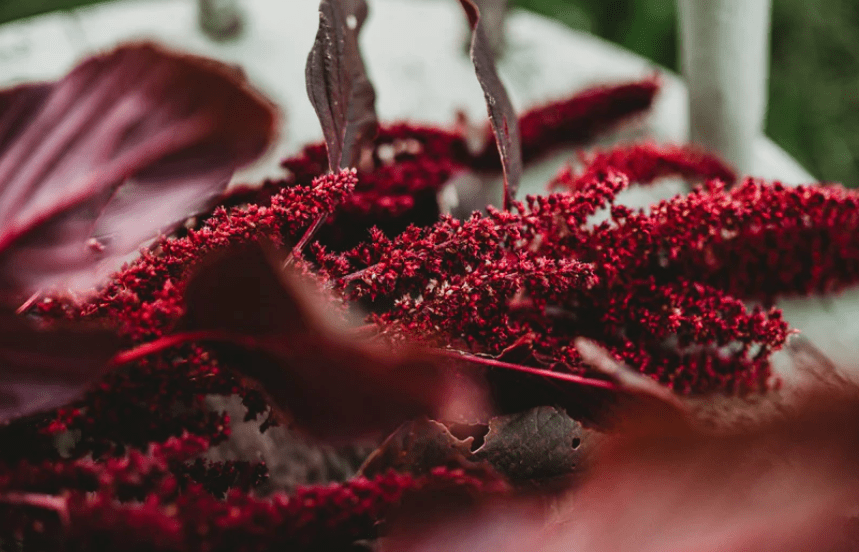
1. Amaranth (The Ancient Famine-Proof Grain)

This plant kept entire civilizations alive when empires crumbled. It thrives in heat, drought, poor soil, and outright neglect. The seeds are protein-rich, the leaves are edible, and the plant can handle the type of chaos that kills modern agriculture.

Why amaranth is priceless:

  • High-protein grain AND leafy vegetable
  • Drought and heat tolerant
  • Self-seeds reliably
  • Stores for years

Amaranth doesn’t just survive—you’ll wish you were as tough as this plant.


2. Jerusalem Artichokes (The Underground Food That Never Dies)

Also called sunchokes, these tubers are as close to “apocalypse-proof” as it gets. They spread aggressively, return every year, and keep producing even if the world falls apart.

Why they matter:

  • Perennial and nearly impossible to kill
  • Massive yields with almost zero upkeep
  • Stores well underground all winter
  • Thrives in neglected soil

Plant once. Eat forever.


3. Buckwheat (Your Lightning-Fast Crisis Carb)

When everything collapses, fast food takes on a whole new meaning. Buckwheat grows faster than almost any grain on Earth, giving you calories in weeks—not months.

Buckwheat advantages:

  • Matures in as little as 6–8 weeks
  • Grows in terrible soil
  • High in nutrients
  • Helps reclaim exhausted land

It is the crop you grow when time is running out.


4. Turnips (The Cold-Weather Lifesaver)

Turnips don’t care about frost, storms, or the rapidly shifting climate. They produce edible roots and edible greens, giving you two foods from one plant.

Turnips earn their place by:

  • Thriving in cold conditions
  • Growing extremely quickly
  • Lasting months in storage
  • Providing greens long before other crops sprout

When winter turns deadly, turnips stay alive.


5. Chickpeas (The Protein Vault of the Old World)

These ancient legumes fed people through wars, famines, and droughts. They need almost no water, tolerate brutal sun, and produce high-protein food even under collapse conditions.

Why chickpeas are essential:

  • Long-term protein
  • Drought resistant
  • Excellent dry storage
  • Soil-building nitrogen fixers

Plant chickpeas if you don’t want to depend on luck.


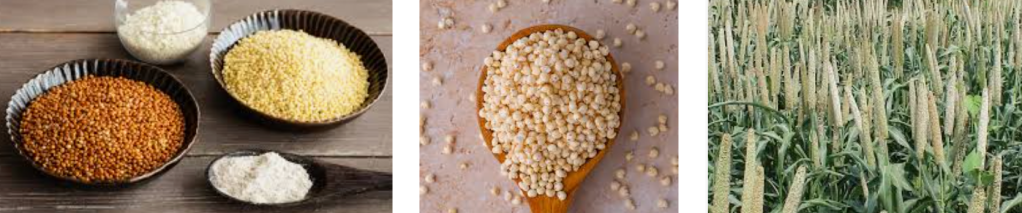
6. Millet (The Grain for When the Rain Stops)

Millet grows where other grains surrender. It produces small but powerful seeds loaded with carbs and minerals, even when rainfall is almost nonexistent.

Millet strengths:

  • Perfect for drought
  • Quick-maturing
  • Stores for years
  • Reliable calorie source

When the climate turns hostile, millet endures.


7. Leeks (The Cold-Hard Guardians of Winter)

Unlike onions, leeks stay alive through frost, snow, and freezing temperatures. When food is scarce and the world is frozen, leeks remain standing.

Leek advantages:

  • Extremely cold hardy
  • Long harvest windows
  • High in vitamins
  • Easy to grow in tight spaces

Leeks are the winter warriors your future self will thank you for.


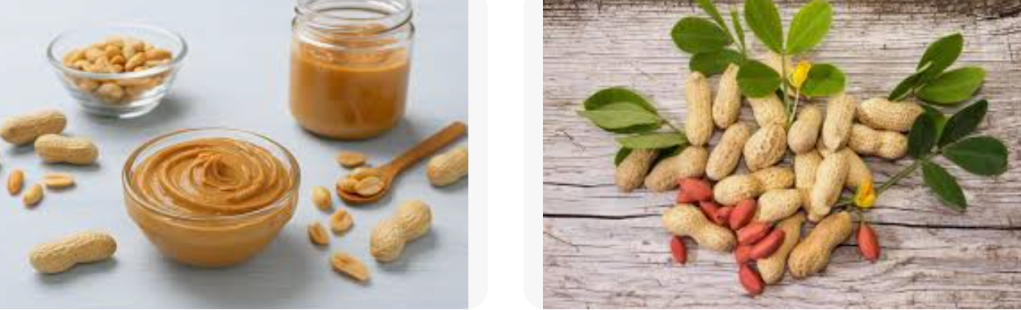
8. Peanuts (The Collapse-Ready Fat Source)

When society falls apart, oils and fats become rare. Peanuts solve that problem. They grow underground, store well, and provide protein, fat, and calories—things people go to war over when food runs low.

What makes peanuts invaluable:

  • High fat and protein
  • Heat tolerant
  • Long storage life
  • Useful for oil pressing

In a starving world, fat becomes power.


9. Rhubarb (The Perennial With a Vengeance)

Rhubarb is a rugged perennial that returns year after year—even if you completely ignore it. Once established, it’s almost impossible to kill.

Rhubarb earns its place because:

  • Grows for a decade or more
  • Cold resistant
  • Large harvests every spring
  • Minimal maintenance

Plant it once and it outlives half your neighborhood.


10. Moringa (The Tree That Replaces a Multivitamin)

If there is a “tree of life” for collapse, it’s moringa. The leaves are packed with protein, vitamins, and minerals, and the tree grows insanely fast—even in harsh climates.

Why moringa is survival gold:

  • Edible leaves, pods, seeds
  • Grows in poor, dry soil
  • Rapid growth rate
  • Can be used for water purification

If malnutrition becomes widespread—which it will—moringa becomes priceless.


THE COLD TRUTH: YOU DON’T HAVE YEARS. YOU HAVE MONTHS.

Civilization is being held together by duct tape and denial. Supply chains are failing. Infrastructure is aging. Tensions rise. Weather gets worse. Resources shrink.

You are not planting a garden.
You are building your last line of defense.

Grow these crops now—while seeds still exist, while the soil is still yours, while the world still pretends everything is fine.

Because when the lights finally go out, only what you’ve planted will matter.

Indiana’s Worst Roads to Drive on During a Disaster

’ve been through more broken terrain and disaster zones than most folks see in a lifetime. Desert rubbles, forest mud, coastal storms—everywhere I’ve pushed my rig to the limit. But if you ask me, it’s Indiana’s worst roads that sneak up on you during a crisis. They may not look dangerous on a GPS map, but once the storm hits or civil disruption starts, what seems like a harmless rural highway can become a deathtrap in minutes.

So here’s my comprehensive guide: how to survive driving through those back roads, gravel highways, and forgotten bridges when everything goes sideways, and how to drive your way out without fuel when the gas pumps go dead.


Indiana’s Worst Roads in a Disaster Scenario

  1. County Road 600 East (Shelby County)
    Narrow, winding, crosses multiple creek beds. Wooden planks on bridges rot fast, and without maintenance during a disaster, collapse is just a matter of time.
  2. Old Vincennes Trail (Vigo County)
    Overgrown, poorly marked, passing through wooded areas. Fallen trees and wildlife are common obstacles after high winds.
  3. State Road 156 (Clark County)
    Cliffside road overlooking the Ohio River. Erosion from flash flooding can cause sudden landslides.
  4. County Road 775 South (Jennings County)
    Sandstone ridges and blind turns; when mud shows up, traction vanishes.
  5. Old State Road 32 (Madison County)
    Sporadically paved, pocked with sinkholes. In a quake or flooding, you’ll be playing dodge‑the‑hole.
  6. Several river‑low bridge crossings
    Any small under‑maintenance crossing becomes dangerous when water rises. Think County Road 700 South over the Muscatatuck River.
  7. Backcountry farm‑access lanes (any county)
    Dusty or muddy, they often turn to impassable quagmires when rain hits.
  8. Abandoned railroad crossings
    Rails burst, gravel shifts, axles break.
  9. Hilly switchbacks around Brown County
    Steep, no guardrails, deceptively narrow, and easy to overlook black ice in winter emergencies.
  10. Unlighted stretches of US 41 (Benton–Newton counties)
    In power outages, you’re blind and vulnerable to stranded vehicles or ambush.

These roads share traits: narrow width, degraded pavement, poor signage, multiple natural‑feature crossings, and few civil‑support options. In a disaster—whether tornadoes, floods, EMP, or civil unrest—any one could strand you or worse.


15 Survival Driving Skills

  1. 4×4 Engagement on Uneven Terrain
    Always be familiar with how and when to shift into 4‑wheel drive or low‑range. Too early or too late, and you get wheelspin or lock‑up.
  2. Reading Water Flow Through Bridges
    Wet bridge? Look for current direction and debris patterns. Back off immediately if it’s choppy or fast; wood‑plank bridges hide structural damage until they fail.
  3. Low‑Torque Start on Loose Surfaces
    Feather throttle at launch — high RPMs on gravel or mud dig you in faster than a front‑end dig.
  4. Heel‑and‑Toe Shifting for Descents
    Mismatched revs cause lurching. Master heel‑and‑toe for smooth downshifts steeply.
  5. Left‑Right Shake Method for Stuck Tires
    Shift between drive and reverse while gently applying throttle to jar tires free.
  6. Smart Air‑Down for Gravel or Sand
    10–15 PSI lower gives better traction—but don’t go below 15 PSI to avoid bead‑seals popping.
  7. Tire Chains Without Chains
    Use rope in a crisscross pattern to dig into ice/mud if you don’t have actual chains.
  8. Maintaining Momentum on Uphill Soft Spots
    Too fast, you’ll dig; too slow, you’ll stall. Keep steady momentum to pass through.
  9. Stone‑Dodging
    Steer around big rocks on uneven road — never drive directly over them unless you’ve got rock‑sliders.
  10. Trail‑Guided Spotting
    Have a passenger get out and direct you slowly through tricky curves or washed‑out areas.
  11. Exit Planning at Intersections
    If disaster intensifies, always identify the safest route exit early—not just the shortest.
  12. Steering On‑Point at Loss of Traction
    Caused by mud or ice? Don’t brake hard. Gently steer into the skid.
  13. Fuel Conservation by Dialing Back Speed
    Drive at half throttle; aerodynamic drag kills your range quickly.
  14. Emergency Braking Without ABS
    Pump brakes to hold control; heard of ABS, but pumps manually if needed.
  15. Night Vision with High Beams and Mirrors
    Angle mirror to reflect headlight glare onto signs/obstacles; life‑saving when power’s out.

3 DIY Survival Driving Hacks When You Run Out of Gas

On Indiana’s worst roads, gas stations may be gone—or unreachable. If you’re out of gas, here’s how to keep moving.

Hack 1: Gravity‑Feed from Above‑Ground Tank

You carry a soft fuel bladder or five‑gallon jerry can? Strap it securely on roof or tailgate. Use gravity hose to feed fuel into a tank primed inlet loop. Makeshift pump: suck to prime, then let gravity take over. Yes, risk of spillage—but it beats being stranded at night on County Road 600 East with a creek rising fast.

Hack 2: Charcoal‑Filtered Woodgas Retro‑Burner

If you have a small steel tank and angle grinder, you can convert it into a woodgas generator to run a carbureted engine. On cold nights near wooded backroads, scavenge sticks and deadfall. Build small charcoal gasifier, pipe the gas in. Maintains low RPM just to get out. It’s not clean or fast—but it moves you miles on firewood alone.

Hack 3: Pedal‑Truck Push Start

Now, I’ve done this solo. Use tire pressure: lower rear tires a bit to increase traction, fold the rear tailgate down. Shift to neutral, starting at a slight decline if available (maybe an abandoned bridge ramp on State Road 156). Hop in and start pushing with hands or foot‑brace on tailgate. Once you get it rolling, jump in and pop it into second gear—bump start. Works until engine turns over. Yes, slower than a patrolling cop with a machine gun, but it gets you moving.


Navigating Disaster on Indiana’s Harsh Roads

Picture this: the power’s out, emergency sirens howl somewhere in the east. You’ve just fled town with enough gear for 72 hours—food, water, med kit, fuel bladder, jumper cables, axe, tow strap. You’re on County Road 600 East, heading toward high ground. Two miles in, the wooden bridge over Little Blue Creek creaks and tilts as fast‑flowing water pounds foundations.

You stop. You don’t cross. Use skill #2: read the flow and bounce the front bumper light on the water. You see rippling eddies that signal rising water. Bridge side rotted. You turn around onto a mud‑marked service road parallel to the creek. Feather throttle, use 4×4 low, and push through ruts. Two more creek crossing ahead—one small, one large. Use #1 and #6—air‑down and steady momentum. Scrape mud clear with shovel, dig out puddles that could bury axles. You make it safe.

Your fuel runs low. You cross paths with another driver stranded without fuel. He offers you 3 gallons of white‑gas camp fuel. It’ll work—just add it to your mix and run at carrot‑and‑stick half throttle (#13)—and avoid highways where you’d burn through it too fast. You ration. You’re still miles from ignition.

That night, you set camp by Old Vincennes Trail edge. Rain pounds, mud deepens. You build woodgas maker (#2 hack) from a steel drum scavenged at a burned‑out farmstead. You fire it up. Squeaky, smoky, home‑built. Smoke trails under your chassis. You manage a mile—overnight goal reached.

By dawn, you’re near State Road 156, cliffside curves ahead. You check erosion signs, use heel‑and‑toe to descend without overheating brakes (#4). Bridges? You test the surface. Shake the suspension as you ease on. Good to go. You make it off the worst route.


Tips for Staying Alive on These Roads

  • Pre‑trip inspection: check tires (wear, mud, gravel patterns), steering tightness, brake fade. Repair immediately—mobile tools are useless once you’re 10 miles from pavement.
  • Pack a survival driving kit: include rope, small pump, low‑pressure gauge, charcoal, steel pipe, welding gloves (for woodgas hack), funnel, shovel, jerry can, battery jumper leads, emergency blankets, hand winch.
  • Drive early or late: midday brings heat and storms; night brings opportunistic threats. Dusk to dawn is quietest—but use high‑beam night‑vision tricks (#15).
  • Scan shoulder signs: any unusual piles of brush, stones, or barricades likely indicate you’re heading into flashpoint or unstable terrain.
  • Avoid predictable routes: towns near rivers, dams, power substations are likely to bubble in a disaster zone. Take alternative farmland roads instead.
  • Stay low and quiet: engine off, wheels straight, lights out at rest points. Listen to water, wind, wildlife patterns—silent terrain reveals more than loud engines.
  • Log your route: draw progress on map as you go—even if GPS dies, you’ll have a paper chart with mileage and direction.

Why Indiana’s Worst Roads Demand Respect

Most disasters don’t strike the urban core first—they hit infrastructure: rural roads, bridges, culverts. Maintenance stops, communication fails. Suddenly, that unassuming county road you took as a shortcut becomes the only passable route… until it buckles under pressure. In a hurry, without the right skills and foresight, you end up trapped in a flash flood, landslide, or worse.

Every survivalist knows: it’s not a matter of if your route becomes compromised—it’s when. That’s why you build redundancy: alternative tracks, vehicle adaptability, ability to jury‑rig fuel systems. You learn dirt, water, slope, and engine behavior by night, when mistakes hurt, and climb back into that rig knowing it’s re‑broken now. Only after 10 nights of living on a plateau under the first light of dawn do you begin to respect the roads ahead again.


Final Takeaways

  • Indiana’s worst roads—narrow, rural, weakly maintained—become death zones in any significant disaster.
  • Master 15 survival driving skills: from mud starts to heel‑and‑toe downshifts and on‑point skid control.
  • Carry the tools to jerry‑rig fuel or make woodgas: 3 DIY hacks for zero‑fuel emergencies.
  • Drive defensively—know every mile, test every creek, carry a detailed map, and plan your exits.
  • Above all: stay calm, keep momentum, trust your training—and remember: in a crisis, speed is a trap; control is what gets you home.

When the sirens fade and normalcy bleeds back in, folks will talk about how the interstate jammed, how the airport shut down. You’ll be working on your truck, re‑packing your gear, cleaning your woodgas rig. You’ll drive through forgotten roads, patch bridges, and smile: you chose the hard way—and lived to tell the tale.

The Wyoming Homestead Lifestyle: A Manifesto of Grit, Skills, and No-Nonsense Survival

The Wyoming Homestead Lifestyle: A Manifesto of Grit, Skills, and No-Nonsense Survival

Let me tell you something, straight and unvarnished: if you’re not prepared to get calluses on your hands and dirt under your nails, Wyoming ain’t for you. This is not suburbia with a rustic aesthetic. This is not a Pinterest dreamland of aesthetic chicken coops and perfectly arranged mason jars. This is war—war against the elements, the government’s overreach, and your own laziness. Wyoming homesteading is a damn lifestyle, not a hobby.

Out here, it’s you versus wind that can rip a tarp off your barn like tissue paper. It’s you versus predators that want your chickens for breakfast. It’s you versus a winter that’ll freeze your pipes and your soul if you’re not ready. If you’re soft, stay in the city and order your overpriced “organic” kale like a good little consumer. But if you’ve got grit in your bones and a fire in your gut, then listen close.

This is how we survive. This is how we thrive.


15 Homestead Skills Every Wyoming Survivalist Better Master or Die Trying

  1. Basic Carpentry – If you can’t build a chicken coop or mend a fence with your own damn hands, you’re not a homesteader. You’re a liability. Learn to hammer, saw, measure, and make it square—before winter comes.
  2. Chainsaw Operation & Maintenance – You think you’ll keep warm in a Wyoming January without firewood? Think again. Chainsaw mastery isn’t optional. It’s life or death.
  3. Canning & Food Preservation – Your garden won’t last past October. If you don’t can, pickle, salt, or dehydrate your harvest, you’re just composting your hard work. Store it or starve.
  4. Animal Husbandry – Chickens, goats, pigs, maybe even a milk cow. If you can’t raise and manage livestock, you’re not living the homestead life—you’re playing house.
  5. Hunting & Butchering – A freezer full of elk, deer, or rabbit can mean the difference between feasting and famine. Know how to field dress, skin, and process meat. Otherwise, you’re wasting your shots.
  6. Composting – Quit throwing away gold. Organic waste becomes black gold if you know what you’re doing. Build soil. Build sustainability.
  7. First Aid – Nearest hospital could be hours away on icy roads. Learn to treat wounds, broken bones, infections, and how to recognize hypothermia before it kills you.
  8. Blacksmithing & Tool Repair – Tools break. In town, you throw them away. Out here, you fix them—or do without. Knowing how to mend steel is worth its weight in gold.
  9. Trapping & Fur Handling – It’s not just about meat. Those furs can be clothing, blankets, barter. Coyotes, beaver, fox—they’re not just pests; they’re opportunities.
  10. Seed Saving – Depend on seed catalogs and you’re on a leash. Learn how to save heirloom seeds and you control your food supply. It’s about freedom, not gardening.
  11. Root Cellaring – Build one, use it right, and your potatoes, carrots, apples, and canned goods will feed you all winter long. Otherwise, you’re gambling with spoilage.
  12. Solar & Off-Grid Power – The grid isn’t reliable, especially in the high plains and mountain backcountry. You need solar panels, batteries, and know-how—or you need candles and prayers.
  13. Beekeeping – Honey is sugar, medicine, and barter currency. Bees pollinate your crops. Without them, your yields drop. Protect them like your life depends on it—because it does.
  14. Well Maintenance & Water Purification – Out here, if your well goes dry or your pump breaks, you’re screwed. Know how to fix it. Know how to filter creek water if you have to.
  15. Fire Starting in Any Weather – If you can’t start a fire in wind, rain, or snow with wet wood and cold fingers, you’re already dead. Fire is life. Master it.

3 DIY Homestead Hacks to Keep You Ahead of the Game

Hack #1: The Passive Solar Water Heater

You want hot water without a $300 electric bill? Good. Build a passive solar water heater from a black-painted steel coil inside a glass-topped wooden box. Mount it on a south-facing roof or platform. Gravity feed it into your kitchen or bathroom sink. Works like a charm—unless you’re lazy.

Hack #2: The Rocket Mass Heater

Forget your old wood stove that eats logs like candy. Build a rocket mass heater using bricks, cob, and a few bits of pipe. Burns cleaner, uses a fraction of the fuel, and keeps your house warm as a campfire in a cave. Bonus: it’s cheap as dirt if you scavenge right.

Hack #3: Gravity-Fed Drip Irrigation from Rain Barrels

Wyoming rains are rare, but when they hit, you better catch every drop. Set up barrels at every downspout, connect them with PVC, and run a drip line to your garden beds. No power. No pumps. Just gravity, baby. Efficient, silent, and free. Lazy people don’t collect water. Survivors do.


Wyoming: Where Homesteading Isn’t Just a Dream—It’s a Battlefield

You think you’re ready for the Wyoming Homestead Lifestyle? Let me be clear: this life is not for dabblers, tourists, or social media influencers. This land eats the weak. The wind will break you if the solitude doesn’t get there first. The snow will bury your plans if you don’t plan better. The isolation will crush your spirit if you’re not built for it.

But if you are—if you’re the kind of person who looks at a broken-down barn and sees a project, not a problem—then this life will feed your soul. It’ll teach you real value. Self-reliance. Honor. Work ethic. The kind of values they don’t teach in schools anymore.

You’ll come to love the rhythm of chores, the honest ache of muscles well-used, and the satisfaction of putting food on the table you raised, grew, or harvested yourself. You’ll wake up at dawn, not because some boss told you to, but because your life depends on it. You’ll sleep well, because exhaustion and purpose are the best bedfellows known to man.

So get out here. Build something with your own two hands. Grow food. Raise animals. Learn the old ways—not for nostalgia, but for survival. Because when the world gets shaky—and it will—you won’t be the one panic-buying batteries and bottled water. You’ll already be ready. You’ll already be free.


Final Thought from a Surly Realist:

Homesteading in Wyoming is not cute. It’s not quaint. It’s powerful. It’s about taking control back from corporations, from dependence, from mediocrity. It’s about living a life that actually means something.

So quit whining. Quit scrolling. Get to work.

Because out here? You either live like a wolf, or you die like a sheep.

So You Wanna Live Off-Grid in Paradise? Hawaii Homestead Lifestyle!

So You Wanna Live Off-Grid in Paradise? Welcome to the Hawaiian Homestead Hellscape (If You Ain’t Ready).

You think paradise means mai tais, hammocks, and endless sunsets? Think again, pal. Hawaii’ll eat you alive if you come in soft. You want the Hawaii homestead lifestyle? You better be ready to bleed for it. This ain’t a postcard—it’s volcanic rock, wild boars, relentless rain, sun that burns your scalp off, and bureaucrats who’d rather drown you in paperwork than let you build a damn chicken coop.

Let’s get one thing straight: You are not on vacation. You are surviving. Out here, you’re 2,500 miles from the mainland. You run outta supplies? Too bad. Boat comes once a week, maybe. Stores hike prices higher than Mauna Kea. So if you don’t learn to make, grow, hunt, fix, build, and hustle everything yourself, you’re gonna wish you never traded your cubicle for coconuts.

15 HARDCORE HOMESTEAD SKILLS YOU’D BETTER MASTER IN HAWAII

  1. Rainwater Harvesting – If you think tap water is reliable, you’re dumber than a feral goat. Get yourself a system. 55-gallon drums, filters, UV sterilizers. Capture every drop like it’s your last.
  2. Tropical Permaculture Gardening – Everything grows in Hawaii, including weeds. Learn to work WITH the jungle, not against it. Banana circles, sweet potato beds, pigeon pea hedges—get your soil fed, or your crops are dead.
  3. Solar Power System Maintenance – Grid’s unreliable. You’ll need solar. But panels corrode. Batteries die. Inverters blow. Learn to troubleshoot, or enjoy the dark.
  4. Off-Grid Cooking – Propane runs out. Build a rocket stove, a solar oven, and learn to cook over kiawe wood. And for the love of taro, STOP trying to use an electric microwave.
  5. Animal Husbandry (Island Style) – Chickens, goats, pigs. They’ll feed you if you treat them right. But if you slack, mongoose, dogs, and parasites will wipe your whole stock out overnight.
  6. Hunting & Trapping Feral Pigs – These beasts wreck gardens and spread disease. Learn to track, trap, dress, and cook ’em. Free protein, if you’re not squeamish.
  7. Wild Edible Foraging – Breadfruit, guava, wild turmeric, warabi fern, Java plum. Know what you can eat—and what’ll send you to the ER.
  8. Natural Building – Cement costs a fortune out here. Use bamboo, ohia, albizia, lava rock. Build hurricane-proof, termite-resistant shelters or watch your home rot into the ground.
  9. Composting Toilets – Septic installation is a nightmare. Deal with your business the old-school way—bucket, sawdust, compost pile. Keep it clean or catch disease.
  10. Food Preservation – Dehydrate, can, ferment. Mango season’s short. Breadfruit rots fast. If you ain’t preserving, you’re wasting.
  11. First Aid & Tropical Medicine – You’ll get cut. You’ll get stung. You’ll get infected. Know how to clean wounds, make poultices, fight infections, and set your own damn bones if needed.
  12. Firewood Harvesting & Storage – Hawaii’s wet. You want a fire? Keep your wood dry. Learn which trees burn hot, which smoke like hell, and which ones’ll blow sparks into your face.
  13. Communication & Radios – No cell signal, no internet, and the power’s out? You better know how to use a ham radio or die ignorant.
  14. Barter & Island Trade – Cash means jack if the boat doesn’t come. Eggs, avocados, banana starts, firewood—these are your currency. Be useful or be broke.
  15. Dealing With Bureaucracy – The real predators wear Aloha shirts and carry clipboards. Permits, zoning, water rights, ag land regulations—study the law or get fined into oblivion.

DIY HACKS THAT MIGHT JUST SAVE YOUR TAIL

1. Banana Trunk Mulch Hack
Banana trees grow like weeds. Cut ‘em down, chop the trunks, and lay them around your plants. It’s free mulch, it holds moisture like a sponge, and it breaks down fast to feed the soil. Out here where the sun bakes the ground and rains wash away your topsoil, this hack saves your garden.

2. Lava Rock Heat Sink
Build raised garden beds or walls using lava rock. It soaks in heat during the day and radiates it out at night—keeps your plants warmer and protects them from fungal rot during those cold wet spells. And guess what? It’s everywhere. Just dig.

3. DIY Solar Fruit Dehydrator
You got guavas and mangoes rotting in piles? Build a solar dehydrator with scrap wood, black mesh, and plexiglass or old windows. Angle it toward the sun. Add ventilation. Boom—now you’ve got dried fruit and preserved nutrition year-round.


HERE’S WHAT THE TOURISTS DON’T TELL YOU

They sell the dream of Hawaii: “Live on a beach, eat pineapples, surf all day.” Reality? That beach is eroding, pineapples are $8 a piece, and you’ll be too damn tired from hauling pig feed up a muddy hill to even see the ocean.

Hawaii isn’t for the weak. It’s not for the lazy. It’s not for rich influencers playing house in $3M “eco-luxury” pods. It’s for warriors. For scrappers. For the kind of people who can chase a loose goat through jungle, haul water uphill in the rain, and build a chicken tractor with rusty nails and bamboo.

Out here, your life is in your hands. Your food is what you grow. Your comfort is what you build. And your safety? That’s you, your dogs, and maybe a loaded shotgun if the pigs or tweakers get too bold.

You can’t Uber Eats a pizza. You can’t call a plumber. You can’t cry when the goat eats your kale for the fifth damn time. You either learn. Adapt. Or fail.


YOU STILL THINK YOU WANT THIS?

Good. Maybe you’ve got some guts after all. If you’re willing to sweat, bleed, and live with purpose, there’s nothing like it. Hawaii will test you. It’ll harden you. And it’ll reward you, if you earn it.

You’ll eat food you grew. Drink water you caught. Sleep under stars with your dogs curled at your feet and the sound of the coqui frogs in your ears. You’ll live life on your own terms, beholden to no one.

But don’t expect it to be easy. Expect it to be real.

Get ready. Or get wrecked.


Now go build that rain catchment, sharpen your machete, and plant some damn taro. You’re burning daylight.

Is Nevada’s Drinking Water Safe? An Angry Survivalist’s Wake-Up Call

Let’s get one thing straight, right out the gate: if you’re asking whether Nevada’s drinking water is safe, you’re already behind. You think the government’s got your back? You think some bureaucrat in a cubicle in Carson City gives a damn about what’s flowing through your tap? Wake up. The taps are poison dispensers waiting to turn your insides into a science experiment, and if you’re not filtering your water like your life depends on it—because it does—you’re playing Russian roulette with your kidneys.

Nevada’s water supply is no joke. We’re talking arsenic, uranium, nitrates, and god-knows-what from decaying infrastructure and mining runoff. You think because the faucet runs clear, you’re in the clear? Don’t be naive. Contaminants don’t wave little flags. They’re silent killers. Las Vegas alone pulls water from Lake Mead—ever seen that puddle lately? It’s a bathtub ring of doom. With the drought tightening like a noose and aquifers being pumped faster than a cracked-out meth head with a shop vac, we’re running out of clean water fast.

So what’s a thinking person to do? You don’t wait for some report from the EPA that’ll be published six years too late. You act like you’re already in the apocalypse—because in Nevada, you kind of are. Here’s how to keep you and yours alive when the tap water turns toxic.


15 Water Filtration Survival Skills Every Nevadan Should Master Before It’s Too Late

  1. Boiling Water Like Your Ancestors Did
    Basic but critical. Boil for at least 5 minutes at elevation. Don’t half-ass it with a quick simmer.
  2. DIY Charcoal Filter Construction
    Build your own from a plastic bottle, activated charcoal (not BBQ bricks), sand, and gravel. Layer it right, or die trying.
  3. Solar Still Mastery
    Use a clear plastic sheet, a container, and sunlight to distill water. Works in the Mojave like magic—if you know what you’re doing.
  4. Improvised Bio-Sand Filter
    Learn to make one with buckets, sand, gravel, and a diffuser plate. This isn’t arts and crafts—it’s your lifeline.
  5. Prepping with Commercial Filters
    Buy the damn LifeStraw or Sawyer Mini. Keep two in every bug-out bag, because one will break and the other will save you.
  6. Making Your Own Ceramic Filter
    If you’ve got clay, sawdust, and a kiln (or can make one), you can make a ceramic filter that removes bacteria and particulates.
  7. Solar Disinfection (SODIS)
    Fill clear plastic bottles and lay them in the sun for 6+ hours. UV kills bacteria. Use PET bottles, not cloudy crap.
  8. Calcium Hypochlorite for Long-Term Disinfection
    Forget liquid bleach—it degrades. Dry pool shock (no additives) can disinfect thousands of gallons if dosed right.
  9. Distillation Over a Campfire
    Construct a distillation system using two pots and copper tubing. You want pure H2O? This gets you there.
  10. Chemical Water Testing on the Fly
    Use test strips or portable kits to ID contaminants. Don’t drink if you don’t know what’s in it.
  11. Know Your Water Sources
    Learn which Nevada springs and streams are safe (few are). Carry a topographical map and scout before you sip.
  12. Improvised Cloth Filtration
    Even a t-shirt can filter out visible sediment. It won’t kill bacteria, but it’ll buy you time to boil or disinfect.
  13. DIY Gravity-Feed Filtration System
    Rig a system with stacked buckets and filters like Berkey or ceramic elements. No electricity needed.
  14. Using Iodine Drops Properly
    2% tincture, 5 drops per quart. Wait 30 minutes. It tastes nasty, but death tastes worse.
  15. Filter Maintenance and Lifespan Awareness
    Every filter has a limit. Don’t be the moron sucking from a used-up filter. Know your gear and its expiration date.

3 DIY Survival Drinking Water Hacks You Need in Nevada—Yesterday

Hack 1: The Plastic Bottle + Bleach Hack
Take a 2-liter bottle of questionable water. Add 4 drops of unscented bleach per liter. Shake, wait 30 minutes. If it doesn’t smell slightly of chlorine, add a few more drops. This is not gourmet hydration—it’s battlefield survival.

Hack 2: The Aluminum Can Boil Bag
Lost your pot? Cut the top off a soda can, fill with water, and boil it right over the fire. Don’t drink from the can; pour it into a clean container after. Yeah, it’s sketchy. So is dehydration.

Hack 3: Cactus Distiller for the Desert-Desperate
Dig a hole, toss in cactus pulp and a container. Cover with plastic wrap, weight the center, and let the sun do its thing. Water vapor condenses and drips in. It’s not much, but it can save your bacon.


What’s Really in Nevada’s Water?

Want the short answer? A whole damn cocktail of things you didn’t order. Take the town of Fallon. Arsenic levels there have historically spiked way beyond federal limits. Las Vegas and Henderson have both seen nitrate problems, especially around agriculture zones. And rural Nevada? Uranium and radon leach out of the ground like it’s their job. You think that rustic well water is pure? Test it—bet you’ll wish you hadn’t.

Let me remind you: just because it’s legal doesn’t mean it’s safe. Federal limits are compromises, not guarantees. The so-called “safe” levels are the result of lobbying, cost-cutting, and bureaucratic head-patting. If you’re depending on that for your survival, you’ve already lost.


Final Rant: Trust No Tap

Don’t wait until the faucet coughs out sludge or your kids come down with rashes. Don’t trust anyone who says “It’s fine now.” Water infrastructure in this state is aging like milk, not wine. Between climate change, overdevelopment, and chemical contamination, it’s not a matter of if the water goes bad—it’s when.

You need to become your own filtration plant. You need to look at every drop of water like it’s trying to kill you—because it just might. Whether you’re in Reno, Vegas, or some God-forsaken ghost town in the middle of nowhere, there is no excuse not to have a water plan.

Got a fridge full of bottled water? Great—until it runs out. Got a few jugs stashed in the garage? Awesome—until summer bakes the plastic and you’re drinking estrogen-laced soup. The only thing that keeps you alive in a crisis is skill. That means practicing filtration, knowing your sources, and training your family like you’re prepping for war—because you are.

Water isn’t a convenience. It’s survival. And in Nevada, where the land is dry, the heat is deadly, and the taps are tainted, you’d better get that through your thick skull.

You want to survive? Then start acting like it.

Is Michigan’s Drinking Water Safe

Is Michigan’s Drinking Water Safe? Hell No. Wake Up Before It’s Too Late

Alright, listen up! If you think Michigan’s drinking water is safe because the government says so or because you see those big blue signs advertising “clean lakes” or “pure Great Lakes water,” you’re playing Russian roulette with your health—and that’s a slow death sentence. I don’t care if you live in Detroit, Grand Rapids, or some tiny town in the UP, your tap water is compromised. Period.

Michigan’s water is a toxic soup of industrial waste, agricultural runoff, lead from corroded pipes, and pharmaceutical residues. And don’t get me started on the Flint water crisis—it’s a glaring, stinking proof that the system is broken beyond repair. If you want to drink that water and invite cancer, neurological damage, or god knows what else into your body, be my guest. But if you’re serious about survival, you better get mad, get smart, and start filtering like your life depends on it—because it does.

In this no-BS survival guide, I’m going to give you 15 water filtration survival skills you MUST learn, plus 3 DIY drinking water hacks that will keep you hydrated and alive no matter how screwed Michigan’s water gets. This isn’t some fluff article; it’s a survival manual for anyone who refuses to get poisoned by corrupt infrastructure and corporate greed.


Why Michigan’s Water Is a Disaster Waiting to Happen

Let’s get the facts straight before I rip into solutions. Michigan’s water contamination issues are not a secret or some wild conspiracy theory. They’re a documented nightmare.

  • Lead Poisoning: Flint was just the tip of the iceberg. Old, corroded pipes leach lead into your glass every day. Lead is a neurotoxin, plain and simple. It damages brains and bodies, especially children’s.
  • PFAS (Forever Chemicals): These synthetic chemicals from firefighting foam and industry are everywhere. They don’t break down, accumulate in your body, and are linked to cancer, immune disorders, and hormone disruption.
  • Agricultural Runoff: Pesticides, herbicides, and fertilizers wash into lakes and rivers, turning your water into a toxic stew of nitrates and chemicals that cause birth defects and cancer.
  • Industrial Pollution: Michigan’s industrial legacy means heavy metals, PCBs, and other carcinogens seep into groundwater and surface water.
  • Bacterial Contamination: Aging infrastructure and sewage overflows mean bacteria and viruses are never far behind.

If you’re still drinking straight from the tap, congratulations. You’re basically volunteering as a toxic waste test subject.


15 Water Filtration Survival Skills You Need to Master Now

  1. Boiling Alone Won’t Cut It
    Boiling kills bacteria and viruses, yes, but it does nothing against chemicals, heavy metals, or sediment. Boiling is just one step.
  2. Build and Use a Charcoal Filter
    Activated charcoal is a survivalist’s best friend. It absorbs chemicals, toxins, and improves taste. Crush charcoal from a fire, rinse it, and layer it with sand and gravel in a DIY filter.
  3. Mechanical Filtration Using Sand and Gravel
    Sand traps dirt and particulate matter. Gravel acts as a coarse pre-filter. Layer them properly to remove sediments before chemical or biological treatment.
  4. Solar Disinfection (SODIS Method)
    UV rays from the sun can kill many pathogens. Fill clear plastic bottles with water and place them on a reflective surface under direct sunlight for 6+ hours.
  5. Use Portable Water Filters
    Invest in a high-quality survival water filter capable of removing bacteria, protozoa, and some viruses. Familiarize yourself with filter replacement and maintenance.
  6. Distillation for Chemical Removal
    Distillation is the ultimate method to separate pure water from heavy metals, chemicals, and biological contaminants. Build a solar still or improvised distiller.
  7. Pre-Filtration Using Cloth
    Use clean cloth, coffee filters, or even bandanas to remove large particles before running water through charcoal or other filters.
  8. Chlorination for Microbial Safety
    Add household bleach (without scents or additives) carefully—8 drops per gallon for clear water, more if cloudy. Wait 30 minutes before drinking.
  9. Iodine Treatment—Use Sparingly
    Effective against microbes, but harmful in large or long-term doses. Use only in emergencies.
  10. Build Layered Natural Filters
    Use moss, grass, sand, charcoal, and gravel in succession inside a hollow container for stepwise filtration.
  11. Test Your Water
    Portable water test kits for pH, nitrates, chlorine, and heavy metals can be lifesavers. Regular testing can alert you to danger.
  12. Know Your Water Sources
    Locate natural springs, catch rainwater, and identify safe groundwater spots far from agricultural or industrial sites.
  13. Safe Water Storage
    Use clean, sealed containers away from sunlight and contaminants to store filtered water. Avoid plastic leaching by using BPA-free or glass containers.
  14. Rainwater Harvesting Systems
    Set up gutters and barrels to catch rainwater. Always filter and disinfect before consumption.
  15. Maintain and Repair Your Filters
    Carry spare parts, learn to clean or repair filters, and improvise with local materials when needed.

3 DIY Survival Drinking Water Hacks for Michigan’s Toxic Mess

Hack #1: The Inverted Plastic Bottle Charcoal and Sand Filter

Grab a clean 2-liter plastic bottle. Cut off the bottom and invert it funnel-style. Layer the inside as follows:

  • Fine cloth or coffee filter at the neck
  • Activated charcoal (crushed and rinsed)
  • Fine sand
  • Coarse sand/gravel at the top

Pour suspicious tap water slowly through this layered filter into a clean container. Then boil or chemically treat the water for full safety.

Hack #2: Solar Disinfection with Oxygenation

Fill clear plastic PET bottles with water. Shake vigorously for 20 seconds to oxygenate—this increases pathogen kill rates. Lay the bottles horizontally on reflective surfaces in full sun for 6+ hours. This UV + oxygen combo kills many pathogens. Follow up with charcoal filtration to remove chemicals.

Hack #3: The Simple Solar Still

Dig a hole in the ground, place a clean container in the center, and cover the hole with clear plastic sheeting. Use a small rock to weigh down the center of the plastic so condensation drips into the container. This distills water from moisture in soil or plants, removing most contaminants and chemicals. It’s slow but effective when nothing else is available.


Wake Up and Take Control

You think you’re safe because Michigan’s water system “meets standards”? Standards set by politicians and companies more interested in profit than people’s health. The Flint disaster should have woken everyone up, but many are still drinking poison every day because they don’t care or don’t know better.

Your survival depends on preparation and knowledge. Water is the first battle in any crisis. Without clean water, everything else is pointless. If you’re not filtering, purifying, and testing your water daily, you’re walking a death sentence.

The state won’t save you. The water company won’t save you. You have to be your own water warrior. Learn these 15 filtration skills and 3 hacks. Build your filters. Carry your water purification tools everywhere. Test your water and store clean water safely.

If you care about your family, your health, or your survival, get serious now. Water is life. Don’t let corrupt infrastructure, polluted rivers, and toxic chemicals kill you slowly. Get mad, get prepared, and never trust the tap without a fight.


Bottom line: Michigan’s drinking water is a disaster disguised as “safe.” Contaminated with lead, PFAS, agricultural poisons, and industrial waste, your tap water is a toxic cocktail. Your only defense is knowledge, filtration skills, and survival hacks.

Don’t wait for another Flint to happen. Protect your water—and protect your life—starting today.

Is Massachusetts’s Drinking Water Safe

Alright, listen up! If you think Massachusetts’s drinking water is safe just because some government agency says so, you’re dead wrong. Complacency is a death sentence in survival. You’ve got contaminants sneaking in, aging infrastructure on the brink of collapse, and nature ready to throw its worst at your water supply. If you want to live through whatever disaster—natural or man-made—knowing how to secure clean drinking water is the difference between thriving and starving for hydration. So I’m going to tell you, no sugar-coating, exactly what you need to do. If you think bottled water and city tap water are your friends, wake up!

Is Massachusetts’s Drinking Water Safe? The Brutal Truth

Massachusetts has made some strides in water safety, sure, but don’t be fooled. Lead pipes still lurk beneath the streets of Boston and other towns, older treatment plants get overwhelmed, and chemical runoff from agriculture and industry sneaks past some filters. Plus, rising floods from storms like the ones hitting New England can easily overwhelm sewer systems and contaminate your water supply with pathogens and toxins. And if you think the government is going to warn you before disaster hits? Forget it. They’re slow, bureaucratic, and reactive at best. Your survival depends on you being ready now.

So if you’re in Massachusetts, or anywhere really, here’s your survivalist’s battle plan for securing safe drinking water. Learn these 15 water filtration survival skills like your life depends on it — because it does.


15 Water Filtration Survival Skills You NEED to Master

  1. Know Your Water Sources
    Before disaster strikes, identify local water sources: lakes, rivers, ponds, springs. Know where to go if your tap runs dry or turns toxic.
  2. Boiling Is Your First Line of Defense
    Boil water vigorously for at least one minute (or three minutes at higher altitudes). Boiling kills most pathogens — bacteria, viruses, and protozoa.
  3. Use Portable Water Filters
    Invest in a reliable survival water filter (like Sawyer Mini or LifeStraw). They remove bacteria, protozoa, and some chemicals without the need for fuel or electricity.
  4. Learn to Use Improvised Filters
    If your gear is gone, use charcoal, sand, and gravel layered in a bottle to filter sediment and some impurities. It’s not perfect but beats drinking mud.
  5. Chemical Purification with Bleach
    Regular unscented household bleach (5-6% sodium hypochlorite) is a cheap and effective disinfectant. Use 8 drops per gallon, stir, and wait 30 minutes.
  6. Use Iodine Tablets or Drops
    Iodine is another chemical option for water purification. Follow instructions carefully; not recommended for pregnant women or people with thyroid issues.
  7. Solar Disinfection (SODIS Method)
    Fill clear plastic bottles with water and place them in direct sunlight for 6 hours. UV rays kill pathogens. It’s slow but useful if you have no fuel.
  8. Distillation
    Boil water and capture the steam, condensing it back into liquid. Distillation removes most contaminants including salts, metals, and microbes.
  9. Know the Signs of Contaminated Water
    Murky water, foul smells, strange colors—never drink it without purification. Sometimes clear water can still be dangerous, so always purify.
  10. Pre-Filter Using Cloth
    Run water through a clean cloth to remove large particles before further purification.
  11. Carry Water Purification Straws
    Compact and portable, these straws let you sip directly from questionable water sources with built-in filtration.
  12. Understand pH and Chemical Contaminants
    Some contaminants like pesticides and heavy metals aren’t killed by boiling or filtered by some devices. Activated charcoal filters help remove chemicals.
  13. Maintain and Clean Your Filters
    Dirty filters clog and become ineffective. Follow maintenance instructions religiously to keep your gear working.
  14. Create a Water Collection System
    Set up rainwater catchment with tarps and containers, but never assume it’s safe without filtration and purification.
  15. Store Purified Water Properly
    Use clean, sealed containers stored in cool, dark places to prevent recontamination.

3 DIY Survival Drinking Water Hacks for When You’re In a Bind

1. DIY Charcoal Water Filter
Grab some hardwood charcoal (from a campfire, not treated wood). Crush it into small pieces and layer it in a cut plastic bottle with sand and gravel. Pour water through this filter multiple times. It helps reduce bad tastes, odors, and some chemicals. It’s not a silver bullet but better than nothing.

2. Solar Still for Distillation
Dig a hole in the ground, place a container in the center, and cover the hole with plastic sheeting secured at the edges with dirt or rocks. Place a small rock in the center of the plastic so it dips down above the container. The sun heats the moist soil, water evaporates, condenses on the plastic, and drips into the container. You get distilled water — pure, but slow and low yield.

3. Boil + Cloth Filter Combo
If you lack fancy gear, combine methods: strain water through a cloth to remove solids, then boil it for at least one minute. Boiling kills pathogens and the cloth removes dirt. It’s the simplest reliable way to make dirty water drinkable in a pinch.


Why You Can’t Trust Massachusetts’s Tap Water — A Survivalist’s Warning

The infrastructure in Massachusetts is old, fragile, and subject to failure. Even if water meets EPA standards, those standards don’t account for every possible contaminant or scenario. When a storm hits, when industrial accidents happen, when pipes burst—your tap water could instantly turn toxic or infected. You don’t want to be the one scrambling for bottled water when shelves are empty and the government’s emergency alerts are delayed or non-existent.

You need to be prepared to filter and purify water from any source, anywhere, anytime. When the grid goes down, your survival hinges on your ability to make water safe, not on city treatment plants or bottled water delivery trucks.


Get Off Your Ass and Prepare NOW

Don’t wait for some mass poisoning or a hurricane to make you care about clean water. This is survival 101! Water is life. Without it, you’re done in less than three days. So:

  • Stockpile filtration gear and chemicals.
  • Practice your filtration and purification skills regularly.
  • Know your local water sources like the back of your hand.
  • Build DIY water filtration devices before you need them.
  • Stay skeptical of “safe” tap water claims, especially in Massachusetts’s older cities and towns.

Your survival depends on your knowledge, preparation, and willingness to take control of your water situation. Stop relying on bureaucrats and complacent systems. This is your fight for life. Master these skills or risk death by waterborne disease or dehydration when disaster strikes.

Got it? Good. Now go build your filtration kit and practice making your own clean water. No excuses. Because when your throat’s burning and your stomach’s twisting, you’ll thank me. Or you’ll be dead.

Stay sharp. Stay hydrated. Stay alive.

Is New Mexico’s Drinking Water Safe

Let’s not sugarcoat this like the government and those soft-gloved bureaucrats love to do: New Mexico’s drinking water is in deep trouble. If you’re one of those folks still trusting what flows out of your tap, then you might as well be guzzling chemical sludge with a smile. Because what’s really dripping into your glass? Arsenic, PFAS, uranium, nitrates, and God knows what else. You’re not drinking “clean” water—you’re sipping on a cocktail of slow death.

I’ve lived off-grid, off the land, and away from the blind comfort of water bills and false assurances. So listen up. I’ve studied New Mexico’s terrain, water tables, aquifers, and contamination reports, and I’m telling you—you’ve got to be your own damn filtration plant. You think the state’s going to rescue you when the next drought hits or the water main gets fouled up again? Hell no. They’ll hand out a flyer and say “boil your water.” You better be ready to survive, not panic.

What’s Really in New Mexico’s Water?

Let me tell you why I’m sounding the alarm.

  • Arsenic levels in many New Mexico wells exceed EPA limits—and arsenic doesn’t just “go away” when you boil your water.
  • The Rio Grande, which supplies water to many, gets choked by agricultural runoff, bacteria, and who-knows-what dumped upstream.
  • PFAS chemicals—you know, the “forever chemicals” they use in Teflon—have been detected in areas like Clovis and Cannon Air Force Base.
  • Old infrastructure in cities like Albuquerque and Las Cruces leaks lead and copper into drinking lines.
  • On top of it all, droughts and overpumping are sucking aquifers dry. What’s left? Concentrated contaminants.

Now tell me: Do you trust a faucet?

If you’ve got an ounce of common sense, you’ll want to learn how to filter your own water, treat it like your life depends on it—because it does.


15 Water Filtration Survival Skills That Will Keep You Breathing

These aren’t cute camping tips. These are battle-tested skills you’d better master if you want to make it through drought, contamination, or straight-up infrastructure failure.

  1. Boiling – The bare minimum. Bring water to a rolling boil for at least 1 minute. At high altitudes in NM? Make it 3 minutes.
  2. Charcoal Layering – Make a DIY filter with activated charcoal. Absorbs chemicals and odors—vital when you’re pulling water from a foul-smelling source.
  3. Sand & Gravel Filter – Layer gravel, sand, and charcoal in a container. Nature’s filter—simple but effective.
  4. Solar Still Construction – Dig a pit, use clear plastic, collect evaporated water. Slow but pure.
  5. DIY Berkey-Style Gravity Filter – Two buckets, two Black Berkey elements, a spigot. Assemble and filter gallons a day—off-grid gold.
  6. Bleach Disinfection – 8 drops of regular unscented bleach per gallon of water. Wait 30 minutes. Kill pathogens dead.
  7. Iodine Tablets – Lightweight, effective, tastes like chemical warfare—but safe water is better than diarrhea.
  8. UV Light Pen (Steripen) – Kills viruses, bacteria, protozoa. Use in clear water only, not murky slop.
  9. Pre-Filtration – Always pre-filter with a bandana or coffee filter to remove sediment before treating water.
  10. Moss Filtering – In emergencies, tightly packed moss can filter sediment and trap bacteria. Rinse, rotate, and replace often.
  11. Clay Pot Filtration – Traditional technique that works. Unglazed pots slowly seep filtered water out—great for heavy metals.
  12. Aquatabs or Chlorine Dioxide Tabs – Lightweight and powerful. Get rid of Giardia, E. coli, and other nasties.
  13. Pressure Filter Systems (LifeSaver Jerrycan or MSR Guardian) – Hardcore, expedition-grade. Filters viruses too.
  14. Slow Drip Bio-Sand Filter – A long-term survival filter that improves with use. Requires setup time but excellent for off-grid living.
  15. Water Source Scouting – Not a tool, a mindset. Learn how to read terrain, find clean springs, avoid agricultural runoff zones, and test water with portable kits.

These skills aren’t optional—they’re essential.


3 DIY Survival Drinking Water Hacks You Should Tattoo On Your Brain

Now for the real-deal MacGyver tricks. Don’t rely on REI or Walmart. You need to be able to scrape survival out of rocks if needed.

1. The T-Shirt Water Bucket Trick

You’ve got dirty pond water and a clean container. Stretch a T-shirt over the clean container’s mouth. Slowly pour the dirty water through the shirt. This catches large particulates and sediment. It’s not perfect, but it buys you time until you can boil or chemically treat the water.

2. Plastic Bottle UV Purification (SODIS Method)

Fill clear PET bottles with clear water (filtered for debris first). Lay them in the sun for 6+ hours. UV rays will kill most bacteria and viruses. Works best on hot days in open areas—aka New Mexico in July. Free energy. Minimal effort. Just remember—this doesn’t remove chemicals.

3. Emergency Rainwater Harvesting Rig

Got a tarp, trash bags, or even an old poncho? Tie corners up to trees or stakes, create a dip in the middle to funnel water into a container. Collect rain—it’s usually cleaner than anything coming out of a faucet these days. Filter or boil it if you can, but in a pinch, it’s safer than well water in some counties.


You Think the Government Will Warn You?

You know what’s funny? In a grim, rage-inducing way?

In 2022, parts of New Mexico were issued “Do Not Drink” orders AFTER contaminants were found in drinking water. AFTER. Not a proactive alert—reactive damage control. They wait until people get sick, then issue a PDF buried on some county website.

If you’re sitting there, nodding and saying, “I’ll just buy a Brita,” you’re part of the problem. Brita filters won’t remove PFAS, arsenic, or viruses. You need real gear. Or better yet—real knowledge.


Here’s What You Do Right Now

  1. Get a water test kit and test your home supply.
  2. Stock up on filters—don’t wait for the next wildfire or drought.
  3. Learn at least 5 of the filtration skills above, even if you live in the city.
  4. Start collecting rainwater—it’s legal in NM, and it’s damn smart.
  5. Store water. You want 1 gallon per person per day, for a minimum of 30 days.

This isn’t fearmongering. It’s survival realism.

New Mexico is a beautiful, rugged place—but she’s not forgiving. When your well runs dry or your tap runs brown, you’ll wish you’d listened. Don’t count on the city. Don’t count on the EPA. Count on yourself.

Water is life—and right now, life in New Mexico is under siege. You’d better fight like hell to protect yours.