The Deadly Side of Illinois: 10 Things That Can End Your Life and How to Escape Them

If you think Illinois is just flat cornfields, windy cities, and midwestern monotony, you are dead wrong—literally. I’ve been alive long enough to see the world crawl into decay, and Illinois is no exception. There’s a quiet lethality lurking in the corners of the state, in both its cities and its countryside. This is not a cheery tourist guide or a fluff piece for the fainthearted. This is your wake-up call. The top 10 threats I’ve identified are real, and each one can end you in a heartbeat if you don’t know how to survive.


The Top 10 Most Dangerous Things in the State of Illinois That Can Easily End Your Life—and How to Survive Them

1. Tornadoes – Nature’s Unpredictable Executioners

Illinois sits squarely in Tornado Alley’s eastern edge, and Mother Nature doesn’t care about your plans. Tornadoes can form in minutes, reaching wind speeds over 200 mph, capable of ripping buildings apart like cardboard. In rural areas, your chances of survival drop if you’re in a mobile home or a flimsy structure.

Survival Tips:

  • Know your safe spots—storm cellars, basements, or interior rooms with no windows.
  • Have an emergency kit with food, water, first aid, and a weather radio.
  • Stay informed through NOAA alerts. If a tornado warning sounds, don’t debate—it’s already too late to hesitate.

2. Highway Traffic – Death at 70 MPH

The I-90, I-55, and I-57 corridors are death traps masquerading as roads. Illinois drivers are notoriously aggressive, distracted, or just downright incompetent. Combine that with winter black ice and potholes the size of small lakes, and you have a recipe for instant death.

Survival Tips:

  • Always wear your seatbelt. This is not optional.
  • Keep a safe distance from other vehicles; tailgating is a fast ticket to death.
  • Maintain a winter emergency kit in your car: blankets, flares, food, water, and a small first-aid kit.

3. Chicago Crime – When Steel Meets Malice

Chicago gets a lot of heat for violence, and for good reason. Gang conflicts, shootings, and random acts of aggression are common. Walking into the wrong neighborhood without situational awareness is an invitation to become a statistic.

Survival Tips:

  • Stick to well-populated, well-lit areas and always know your exit routes.
  • Avoid confrontations. Your life is not worth proving a point.
  • Carry non-lethal self-defense tools where legally permitted.

4. Extreme Winter Weather – The Silent Killer

Illinois winters are brutal. Wind chills routinely hit negative numbers, ice storms make roads impassable, and snow can trap you in your home for days. Hypothermia and frostbite are silent, slow killers that catch the unprepared off guard.

Survival Tips:

  • Invest in proper winter clothing and layered insulation.
  • Keep extra food, water, and fuel in case you’re snowed in.
  • Don’t underestimate the danger of driving during ice storms. Sitting in your driveway is safer than hitting the roads.

5. Flash Floods – Illinois’ Hidden Water Hazard

You don’t need a hurricane to be drowned in Illinois. Flash floods happen fast, often after heavy rain. Rivers, creeks, and even urban streets can turn into raging torrents in minutes.

Survival Tips:

  • Never attempt to cross flooded roads. Six inches of water can sweep a person off their feet; two feet can float a car.
  • Move to higher ground immediately if there’s a flood warning.
  • Keep an emergency bag in your home with essentials. Water rises fast, but preparation rises faster.

6. Gun Accidents – The Silent Threat in Homes

Illinois may have strict gun laws in some areas, but accidents still happen. Unsecured firearms in homes or carelessness while hunting can end lives instantly. Even experienced hunters underestimate how fast a firearm can become a killer.

Survival Tips:

  • Always store guns unloaded and locked.
  • Educate everyone in your household about firearm safety.
  • Treat every gun as loaded until proven otherwise.

7. Poisonous Wildlife – Illinois’ Unexpected Predators

Everyone worries about bears or mountain lions, but Illinois has its own toxic residents: venomous snakes like copperheads and rattlesnakes, aggressive snapping turtles, and deer with nasty temperaments during mating season. Even ticks carrying Lyme disease are life-threatening if ignored.

Survival Tips:

  • Wear proper clothing when hiking or working outdoors.
  • Learn to identify dangerous snakes and give them a wide berth.
  • Use tick repellents and check for ticks after any exposure to tall grass or wooded areas.

8. Industrial Accidents – When Human Negligence Strikes

Illinois is a hub of factories, chemical plants, and construction zones. Explosions, chemical spills, and structural collapses aren’t rare—they’re inevitable somewhere in the state. One careless mistake or safety violation can make your life end before you see it coming.

Survival Tips:

  • Stay alert near industrial areas and heed warning signs.
  • Know your community’s emergency evacuation routes.
  • Keep a basic hazmat knowledge toolkit and protective equipment if you live near high-risk zones.

9. Urban Fires – Flames You Can’t Always Escape

Chicago and other cities aren’t immune to deadly fires. Whether it’s an apartment, a commercial building, or a row house, fires can spread in minutes. Smoke inhalation kills faster than flames, and panic spreads faster than the fire itself.

Survival Tips:

  • Install smoke detectors in every room and test them regularly.
  • Keep fire extinguishers within reach.
  • Plan multiple escape routes and practice fire drills. In urban fires, speed equals survival.

10. Illness and Pandemics – The Invisible Killer

Finally, let’s not forget the quiet killers: viruses, bacteria, and sudden outbreaks. Illinois has major travel hubs like Chicago O’Hare, making it a hotspot for contagious illnesses. One careless cough, one ignored warning, and your life could be over.

Survival Tips:

  • Stay up-to-date on vaccinations and health warnings.
  • Practice hygiene and keep a stock of basic medical supplies.
  • Isolate when necessary. Survival isn’t glamorous—it’s practical.

Conclusion: Survival in Illinois Isn’t Optional

If you think life in Illinois is safe because it doesn’t have volcanoes or desert storms, think again. From natural disasters to human negligence, the state is a minefield of threats waiting to strike at any moment. I don’t sugarcoat reality. Survival isn’t a weekend hobby—it’s a full-time, paranoid, angry occupation.

Prepare yourself. Know the dangers. Respect them. And remember: if you ignore this advice, Illinois won’t care about your excuses. Your survival depends on vigilance, preparation, and the bitter recognition that the world is a relentless predator—and Illinois has its share of fangs.


Surviving Ohio: The 10 Most Dangerous Things That Could Kill You at Any Moment

The state of Ohio, with its cornfields, sleepy suburbs, and so-called “friendly people,” is quietly plotting your demise. Most of the population strolls around blind to the fact that death is lurking behind seemingly innocent facades—your local forest, a quiet pond, even the air you breathe. I’m done watching idiots get themselves killed while pretending everything is “fine.”

Here’s a cold, unfiltered rundown of the top 10 most dangerous things in Ohio that can easily end your life, and what you absolutely must do to survive them. Spoiler alert: if you think luck or a polite smile will save you, you’re already halfway to the morgue.


1. Tornadoes

Ohio isn’t Oklahoma, but don’t let that fool you—tornadoes are unpredictable, brutal, and they love Ohio in spring. These rotating death funnels can obliterate homes in seconds, hurl cars like toys, and turn your entire life into a nightmare in minutes.

How to survive:

  • Never, ever ignore tornado warnings. Your “I’ll wait it out” mentality will get you killed.
  • Have a storm cellar or a reinforced basement stocked with essentials.
  • Keep helmets and heavy blankets on hand—anything to protect your skull from flying debris.

Ignoring tornadoes is like challenging a bear to a thumb war. You’ll lose.


2. Rattlesnakes and Other Venomous Critters

Ohio is home to the Eastern Massasauga rattlesnake. Cute? Sure. Deadly? Absolutely. Most people never see them until it’s too late. Combine that with aggressive bees, spiders, and other venomous creatures, and your backyard can quickly become a death trap.

How to survive:

  • Watch your step in tall grass or near rivers.
  • Keep a snakebite kit handy and know how to use it.
  • Do NOT try to handle any venomous animals. You are not a superhero.

3. Flooding

Flooding in Ohio is subtle and sinister. A seemingly calm river can swell in hours, destroying homes, sweeping cars away, and drowning the unprepared. Many deaths happen not because people can’t swim, but because they underestimate water power.

How to survive:

  • Monitor local flood alerts—this isn’t optional.
  • Never drive or walk through floodwaters. A few inches can turn into a swift, deadly current.
  • Elevate critical items in your home and have an evacuation plan.

4. Poisonous Plants

Yes, you read that right. Ohio’s forests are full of plants that can slowly, painfully kill you if ingested or touched. Poison hemlock, wild parsnip, and deadly mushrooms aren’t folklore—they’re real, and they’re everywhere.

How to survive:

  • Learn to identify toxic flora. Ignorance is fatal.
  • Never eat foraged plants unless you are 100% sure they are safe.
  • Protect your skin when walking through thick vegetation.

5. The Ohio Highways

Forget bears, snakes, or tornadoes—humans on the road are just as deadly. Ohio’s highways are crawling with reckless drivers, distracted teenagers, and commuters fueled by coffee and rage. Statistics show thousands die in car accidents each year, many preventable.

How to survive:

  • Defensive driving isn’t optional. Assume every driver is trying to kill you.
  • Avoid driving at night on rural roads; wildlife is just waiting to plow into your car.
  • Seatbelts are the bare minimum—think of them as life insurance, not a suggestion.

6. Extreme Weather

Ohio doesn’t just have tornadoes. Winters bring bone-chilling cold, ice storms, and hypothermia-inducing blizzards. Summers are sweltering, humid, and perfect for heatstroke. Nature here will test your body, patience, and survival skills.

How to survive:

  • Stock layered clothing for winter and hydration strategies for summer.
  • Never underestimate exposure—frostbite and heatstroke are silent killers.
  • Have backup heat sources and cooling methods in case the grid fails.

7. Drowning in Lakes and Rivers

Ohio has thousands of lakes, rivers, and ponds. People go to swim, fish, or boat without realizing that water can end their life in moments. Currents, cold water shock, or even just poor swimming skills can kill you faster than you think.

How to survive:

  • Always wear a life jacket while boating or fishing.
  • Swim only in designated areas with lifeguards if possible.
  • Never underestimate cold water—it can incapacitate you in minutes.

8. Rabid Animals

Rabies isn’t a legend here; it’s a very real and very deadly threat. Bats, raccoons, and even stray dogs can carry the virus. A single bite can be fatal if not treated immediately.

How to survive:

  • Avoid wild animals, especially if they are acting unusually aggressive or tame.
  • Vaccinate pets and keep them away from wildlife.
  • Seek immediate medical attention if bitten—time is critical.

9. Foodborne Illnesses

You think dying in Ohio means a tornado or snakebite? Think again. Contaminated food, whether from local farms, restaurants, or your own kitchen, kills hundreds every year. Bacteria like E. coli and Salmonella are stealthy killers.

How to survive:

  • Wash hands, cook meat thoroughly, and store food properly.
  • Be skeptical of “fresh” produce from unknown sources.
  • When in doubt, throw it out. Your life is worth more than a moldy tomato.

10. The Complacent Mindset

Finally, the most lethal danger of all is your own ignorance. People assume Ohio is “safe” because it’s not New Orleans, not California, not Alaska. That complacency kills more than snakes, floods, and tornadoes combined.

How to survive:

  • Always be aware of your surroundings.
  • Learn survival skills, first aid, and basic self-defense.
  • Never trust that luck will keep you alive. It won’t.

Conclusion

Ohio might look peaceful with its rolling hills, cornfields, and “friendly” neighborhoods, but underneath lurks a deadly cocktail of natural, human, and environmental hazards. Tornadoes, floods, venomous creatures, and your own stupidity are waiting to end your life.

If you want to survive, you need to wake up. Be vigilant, be prepared, and respect every threat like it has a vendetta against your sorry existence—because, honestly, it does. Don’t wait until it’s too late. In Ohio, death doesn’t send a warning; it just comes for you quietly, and often, ruthlessly.

You’ve been warned.

The Sunshine State is a Death Trap: Florida’s Top 10 Most Dangerous Hazards and How to Live Through Them

Listen, I’m going to lay it out straight: Florida is not the paradise postcards want you to believe it is. The sunshine, palm trees, and overpriced beach real estate hide a sinister truth—this state is a death trap, and most people are walking around like oblivious idiots thinking it’s all fun and games. If you value your life even slightly, you need to understand the Top 10 most dangerous things in Florida that could wipe you out faster than you can scream “Florida Man strikes again.” I’ll not sugarcoat it. I’ll tell you exactly what they are—and how to survive them.


The Top 10 Most Dangerous Things in the State of Florida That Can Easily End Your Life, and How to Survive All 10

1. Alligators: Nature’s Bite-Sized Death Machines

Alligators are everywhere. Swamps, rivers, canals, golf courses, and probably your backyard pond if you live near water (which in Florida, you do). These things aren’t cute or cuddly; they’re predators designed to kill. An alligator attack isn’t just painful—it’s often fatal.

Survival tip: Stay out of the water, don’t dangle limbs near the edge, and for the love of your own dumb life, do not feed them. If one grabs you, fight back, aim for the eyes, and hope you’re faster than your own blood pressure allows.


2. Sharks: Florida’s Underwater Hitmen

Every year, Florida leads the nation in shark bites, and guess what? Most people don’t even see it coming. Swimming in what you think is “safe” water can be a gamble with your life.

Survival tip: Avoid swimming in murky waters, especially at dawn or dusk. If a shark approaches, defend yourself by targeting the eyes or gills. And maybe invest in some shark-repelling tech—because luck isn’t reliable.


3. Snakes: Silent, Slithering Killers

Florida has a disturbing number of venomous snakes. The Eastern Diamondback Rattlesnake, Cottonmouth, and Coral Snake are all capable of killing a careless tourist in minutes. And don’t even get me started on the invasive Burmese pythons that can swallow a full-grown adult.

Survival tip: Learn to identify local snakes. Wear boots in the wilderness and NEVER reach into underbrush or water blindly. Always keep antivenom accessible if you’re a complete masochist who ventures outdoors.


4. Hurricanes: Mother Nature’s Wrath

Forget the cute “Category 1 storm” talk. Hurricanes in Florida will flatten your house, toss your car around like a toy, and leave you without water, electricity, or hope. They are predictable, but only if you’re paying attention—most people aren’t.

Survival tip: Have a full storm kit, evacuation plan, and a bunker—or at least a reinforced room. Don’t think you’re special enough to “ride it out.” That’s how idiots die.


5. Lightning: Sky-Forged Death

Florida has the highest lightning strike frequency in the U.S., and lightning doesn’t discriminate. Your backyard barbecue or lazy afternoon at the beach can end in a split second of molten pain.

Survival tip: The old “30-30 rule” isn’t enough if you’re already in danger. Find shelter immediately, avoid open fields and tall isolated objects, and don’t even think about being that person who thinks “lightning never hits me.”


6. Crocodiles: The Overlooked Cousins of Alligators

Yes, Florida has actual crocodiles. Most people underestimate them, assuming they’re just alligators with a fancy accent. Crocodiles are faster, meaner, and have a taste for human flesh.

Survival tip: Avoid fresh and brackish water in southern Florida. If you see one, leave—slowly. Crocodiles can sense fear and hesitation. If it attacks, aim for the eyes. Again, it’s a recurring theme: the eyes.


7. Dangerous Wildlife Stings and Bites

It’s not just snakes and gators. Florida is home to jellyfish, scorpions, spiders, and even fire ants that can turn a casual stroll into a medical emergency. Box jellyfish stings are excruciating and potentially lethal.

Survival tip: Always wear shoes outdoors. Don’t touch strange sea creatures. Keep vinegar and first-aid supplies nearby if you venture into the ocean. Florida doesn’t play nice, and neither should you in defense.


8. Extreme Heat and Dehydration: The Silent Killer

You might not die in a flashy attack from a beast or a storm, but Florida’s summer heat is merciless. Heatstroke, dehydration, and sun-induced delirium quietly end lives every year.

Survival tip: Hydrate like your life depends on it—because it does. Avoid being outdoors during peak heat, wear lightweight clothing, and have electrolyte replacements on hand. Your body will betray you if you underestimate this.


9. Rip Currents: The Ocean’s Secret Executioners

Even experienced swimmers are dragged out to sea by Florida’s sneaky rip currents. These invisible killers don’t care about your confidence or your swimming skills.

Survival tip: Learn to recognize and escape rip currents. Swim parallel to the shore, don’t fight the current directly, and pay attention to local warnings. Ignorance is death here.


10. Human Stupidity and Negligence: The Deadliest Threat of All

Let’s be honest—most people die because of their own idiocy. Driving recklessly, ignoring storm warnings, swimming in unsafe waters, or interacting with wildlife like it’s a Disney attraction. Florida doesn’t need to attack you; you often hand your life over voluntarily.

Survival tip: Use common sense, although I know that’s asking a lot. Trust instincts, respect nature, and prep for every foreseeable disaster. The moment you think “it won’t happen to me” is the moment you’re setting yourself up for a Darwin Award.


Conclusion: Florida Is Beautiful, but It’s Also Lethal

If you’ve made it this far and still want to live in Florida, congratulations—you have the survival awareness that most residents lack. The state’s combination of wildlife, extreme weather, and human recklessness makes it a perfect storm for fatal encounters. Each of these ten dangers is enough to take your life, often faster than you can process what’s happening.

The good news? Survival is possible if you treat Florida like the hazardous environment it is. Pay attention, prepare, and respect the deadly reality around you. Carry the knowledge, arm yourself with safety tools, and remember: Florida doesn’t negotiate. It doesn’t have a conscience. It doesn’t care if you survive.

You either adapt, survive, and respect the threats—or you become another cautionary tale on a grim statistic nobody talks about until it’s too late. And trust me, Florida has plenty of those.

Survival Prepper: Blueprint To Perseving Water

With summer approaching and high temperatures once again breaking records. It’s safe to assume there will be some crisis. Or, in some cases, the electrical companies must turn the power off during extreme weather events like wildfires or rolling blackouts. 

Prepping does not have to cost you an arm and a leg. The only thing you should be preparing for is maintaining your basic needs. After all, once the power goes out, you risk your health, food, and overall livelihood. Tbh, there are many ways you can survive a short-term disaster with very minimal inconvenience. In this post I wanted to strictly focus on water resources and storage.

Keeping Water On Hand For Emergencies

When the power goes out, you can bet so do the water treatment facilities. Because they use electricity to pump the water, once the power is out, your water may no longer be safe for drinking, personal hygiene, or cooking. When that happens most will turn to boiling water or other resources, having water stored ahead of time can circumvent this situation.

If we follow the recommendation of emergency organizations, each person will need a gallon per day per person. That means a family of 4 would require 28 gallons a week! Can you imagine what the grocery stores would look like if a crisis were to strike now? Well, we don’t need to imagine it, we’ve been living it on and off for the last couple of years. It’s so much easier to pick up a few gallons every time you’re heading to the grocery store, rather than wait for a disastrous situation.

Building An Emergency Water Supply

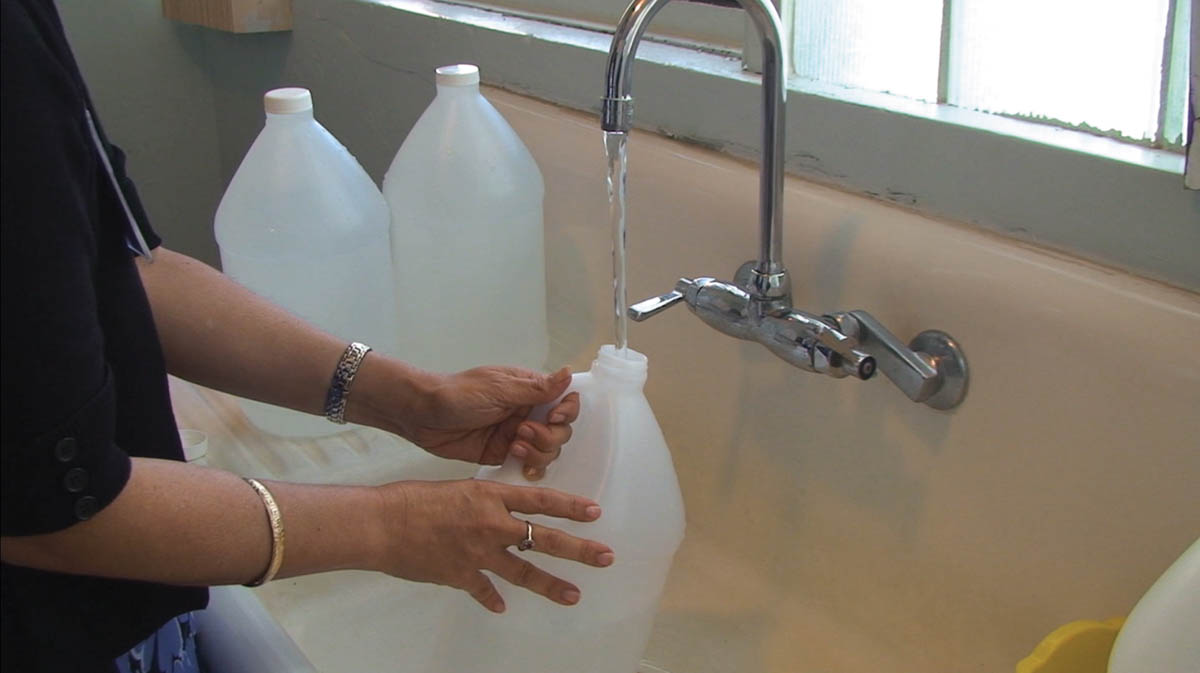
To start, you really need to think about what type of container would be the safest for long-term storage. Plastic containers that are polyethylene-based plastics, or plastics #1, #2, and #4. All food-grade plastics are made of High-density polyethylene (HDPE) #2. You can also use glass bottles as long as they haven’t stored non-food items. Stainless steel is another option, but keep in mind you won’t be able to treat your stored water with chlorine, as it wears down steel. It’s important that you seal and label your water stating what it’s used for and the expiration date. Store the containers in a cool, dry, and dark place for up to 6 months. Though its flavor can change over time, it’s still considered safe to drink if properly stored.

Store Bought Water

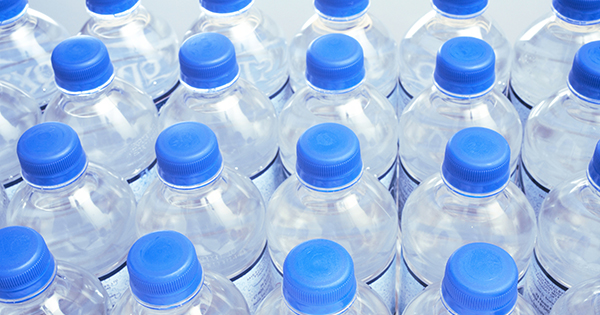
Although buying pre-packaged water would be the easiest route to stock up on your emergency supply, it is slightly more expensive (depending on the brand) than using tap water. It’s also cleaner, well-sealed and already comes in food-grade plastic. More importantly, bottled water is highly portable, which comes in handy if you need to bug out. This is a great option if you have limited space in your home or apartment. All you need to do is buy a bunch of packages and store them under beds.

Reuse, Reduce and Recycle


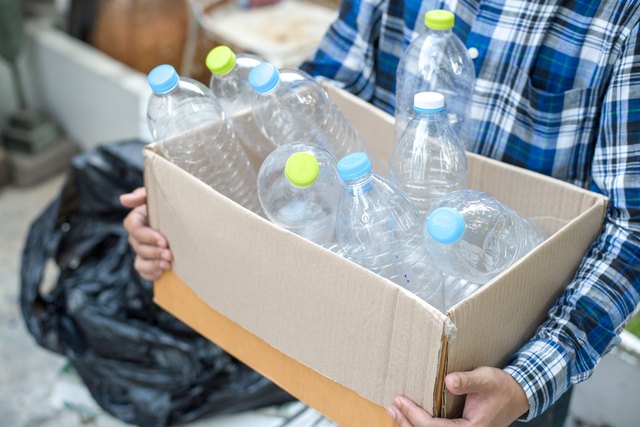
If you care about the environment and are not interested in purchasing more plastic. A great alternative is using old soda and Gatorade bottles, so as long as you properly wash the previously used bottles. It’s a great way to recycle, and you’re getting the very same benefits without making the initial purchase.

Larger water jugs (in the 5-7 gallon region) that you would normally take camping are also a great option for water storage, and the blue water jugs have an added bonus of restricting light, which will help prevent the growth of algae.

The Conclusion

Certain chemicals found in plastic can leach into bottled water over time, which could potentially damage your health. Therefore, it’s probably best to avoid commercially bottled water that’s far past its expiration date.

Always remember to practice good habits regarding water storage and consumption for you and your family’s safety.