

Brooke Homestead’s Core Survival Pillars: The Essential Preparedness Guide for When Things Go Wrong
Brooke Homestead often tells her audience that preparedness isn’t about fear — it’s about responsibility.
Modern life is incredibly convenient, but it is also fragile. Supply chains stretch across the globe, power grids connect millions of homes, and digital systems control everything from banking to communication. When those systems fail — even temporarily — the consequences can arrive quickly.
As Brooke often says:
“Preparedness isn’t about expecting the worst every day. It’s about building the kind of life where your family is safe even when things go wrong.”
Through years of sharing preparedness knowledge, Brooke has broken survival planning down into core pillars — essential categories every household should address before worrying about advanced gear or extreme scenarios.
These pillars cover basic survival needs, essential gear, practical skills, and realistic emergency planning.
Below is Brooke Homestead’s framework for core survival preparedness.
1. Core Survival Pillars (The Essentials)
Every preparedness plan begins with the most fundamental human needs.
Without these basics, even the most advanced survival gear becomes useless.
Water
Water is the single most important survival resource. Humans can survive weeks without food but only a few days without water.
Brooke recommends storing at least one gallon of water per person per day as a baseline. This includes both drinking and minimal hygiene needs.
For longer emergencies, households should have multiple water solutions, including:
- Stored water containers or barrels
- Water purification tablets
- Portable filters such as Sawyer-style filters or straw filters
- Knowledge of nearby water sources like rivers, lakes, or wells
Water purification is critical because untreated water can contain bacteria, parasites, and other contaminants.
Simple methods like boiling, filtering, or chemical treatment can make many water sources safe to drink.
Brooke emphasizes redundancy.
“Never rely on just one water source. Storage, filtration, and purification together create real security.”
Food Storage
Food security is another core pillar of preparedness.
Most households rely on grocery stores that carry only a few days’ worth of inventory. When supply chains break down — whether from storms, strikes, or panic buying — shelves can empty quickly.
Brooke recommends building a 3-month to 1-year food supply gradually over time.
A well-balanced emergency pantry often includes:
- Rice
- Beans
- Lentils
- Pasta
- Oats
- Canned vegetables
- Canned meats
- Shelf-stable soups
Many preppers also store freeze-dried meals, which can last 20–30 years when properly sealed.
Beyond stockpiling food, Brooke encourages learning food preservation techniques, including:
- Canning
- Dehydrating
- Fermenting
- Vacuum sealing
These skills allow families to extend food supplies and reduce dependence on external systems.
First Aid & Hygiene
Medical care becomes much harder to access during major disasters. Hospitals may be overwhelmed, transportation may be limited, and pharmacies could run out of essential medications.
For this reason, Brooke encourages building comprehensive medical kits that go beyond basic bandages.
Prepared households often include:
- Trauma bandages
- Gauze and compression wraps
- Antiseptics
- Pain relievers
- Allergy medications
- Tourniquets
- Medical gloves
- Thermometers
Prescription medications are also important. Many preparedness experts recommend keeping extra medication supplies whenever legally possible.
Hygiene is equally critical.
When sanitation systems break down, disease can spread rapidly. Emergency hygiene supplies may include:
- Portable toilet bags
- Soap and disinfectant
- Hand sanitizer
- Wet wipes
- Waterless hygiene products
Cleanliness can prevent many illnesses that become dangerous during emergencies.
Shelter & Warmth
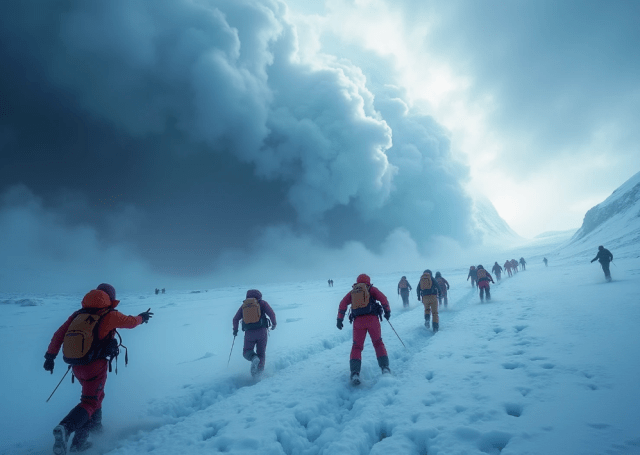
Protection from the elements is another survival priority.
Even mild weather can become dangerous without proper shelter, especially during extended outages or evacuations.
Essential shelter equipment includes:
- Tents
- Sleeping bags
- Tarps
- Emergency blankets
- Ground pads
Fire-starting tools are also crucial. Brooke recommends carrying multiple fire-starting methods, including:
- Ferro rods
- Stormproof matches
- Lighters
Fire provides warmth, light, cooking capability, and morale during difficult situations.
2. Gear & Infrastructure

Once the core survival needs are addressed, the next layer of preparedness focuses on mobility, communication, and infrastructure.
Bug-Out Bags (BOB)
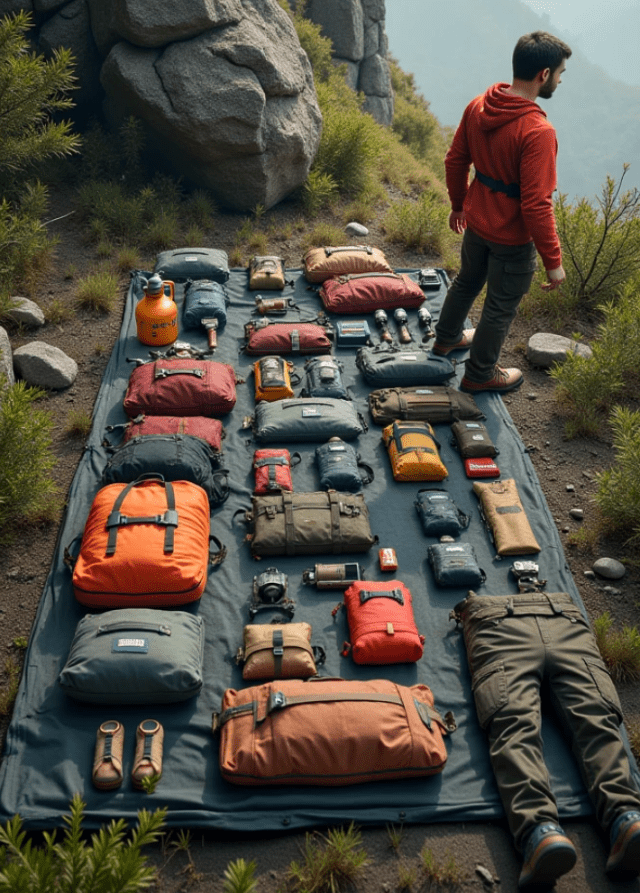
A bug-out bag is a portable emergency kit designed to sustain a person for 72 hours during evacuation.
These bags typically contain:
- Food and water
- First aid supplies
- Flashlights
- Fire-starting tools
- Extra clothing
- Emergency shelter
Every family member should ideally have their own bag prepared in advance.
Everyday Carry (EDC)

Everyday Carry refers to small, practical tools people keep with them daily.
Common EDC items include:
- Pocket knives
- Flashlights
- Multi-tools
- Lighters
- Compact first aid supplies
While small, these tools can solve many problems during emergencies.
Power & Light
Electricity powers nearly every part of modern life.
Prepared households often keep backup lighting and power options such as:
- Solar generators
- Flashlights
- Lanterns
- Spare batteries
- Candles
Solar charging systems are increasingly popular because they allow renewable power generation during long outages.
Communication

Communication becomes vital during disasters.
Cell networks can fail, making alternative systems important.
Emergency communication tools include:
- NOAA weather radios
- HAM radios
- Two-way radios
- Satellite messengers
These systems allow people to receive updates and communicate when traditional networks fail.
Security
Emergencies can sometimes create unstable environments.
Prepared households focus on situational awareness and practical home security measures.
This may include:
- Reinforced doors and locks
- Outdoor lighting
- Neighborhood cooperation
- Personal safety planning
The goal is not confrontation but awareness and protection.
3. Skills & Knowledge
Gear alone does not create preparedness.
Brooke frequently reminds her audience that skills outweigh equipment.
Survival Skills

Basic survival skills can dramatically improve resilience.
Important skills include:
- Fire-starting
- Knot-tying
- Navigation with map and compass
- Foraging for edible plants
These abilities allow people to function even if equipment is lost or unavailable.
Medical Training

Medical knowledge is especially valuable when professional help is delayed.
Useful training includes:
- CPR certification
- Tourniquet application
- Basic trauma care
- Wound treatment
Many communities offer emergency medical training classes that can build life-saving skills.
Urban Survival
Preparedness isn’t only for wilderness environments.
Urban areas present their own unique challenges.
Urban survival knowledge may include:
- Using silcock keys to access exterior water valves
- Navigating city lockdowns
- Growing food through urban gardening
Cities contain many hidden resources for those who know where to look.
4. Common Emergency Scenarios
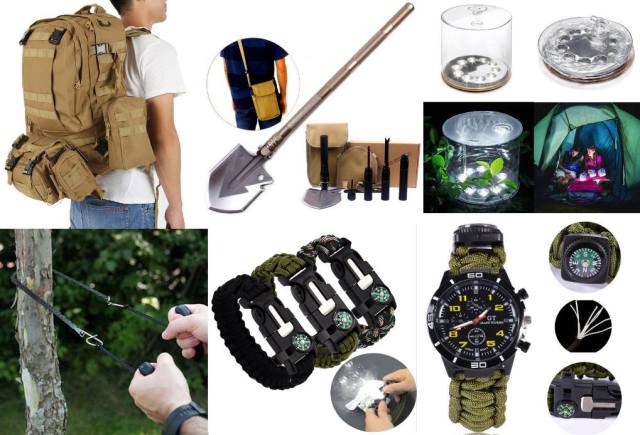
Preparedness planning should focus on realistic events, not just extreme possibilities.
Brooke encourages people to start with the disasters most likely to occur in their region.
Common emergencies include:
Natural Disasters
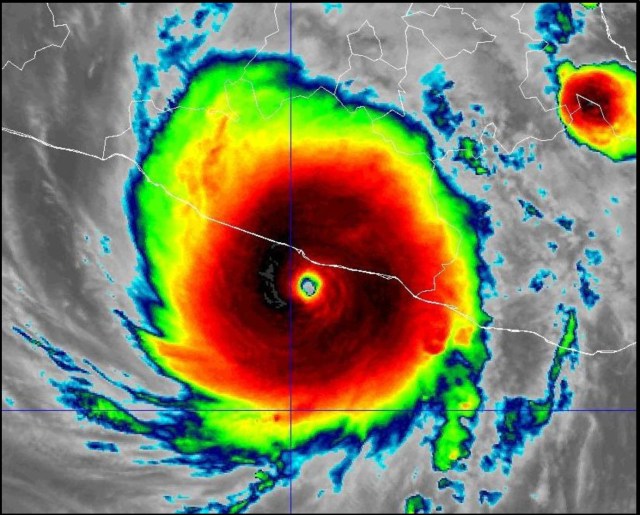
Events like earthquakes, hurricanes, floods, and wildfires can disrupt communities for weeks.
These disasters often cause:
- Power outages
- Road closures
- Water contamination
- Supply shortages
Prepared households can remain safe and self-sufficient during recovery periods.
Power Outages and Grid Failures

Large power outages have become increasingly common.
A grid failure can affect:
- Water systems
- refrigeration
- communication networks
- fuel pumps
Backup lighting, food storage, and alternative power sources help families manage extended outages.
Economic Disruptions
Economic instability can also disrupt supply chains.
Shortages, inflation, and transportation issues can affect food and fuel availability.
Prepared households with stocked pantries and emergency supplies experience far less stress during these events.
5. Specialized Prepping Areas
Once the basic pillars are in place, many preparedness enthusiasts explore additional areas of resilience.
Financial Preparedness

Digital payment systems depend on electricity and internet access.
During outages or cyber disruptions, cash becomes essential.
Brooke recommends keeping small bills stored safely for emergencies.
Emergency Cooking

If power or gas systems fail, cooking becomes difficult.
Prepared households often keep backup cooking options such as:
- Coleman camping stoves
- Solar ovens
- Rocket stoves
These tools allow food preparation even during extended outages.
Vehicle Preparedness

Vehicles can become vital during evacuations.
Many preppers keep a “Get Home Bag” in their car containing:
- Water
- Snacks
- Flashlights
- First aid supplies
- Navigation tools
This kit helps people return home safely if transportation systems fail.
DIY Emergency Repairs
Small infrastructure problems can become major issues during disasters.
Basic repair skills can solve many emergencies.
Useful supplies include:
- Plumber’s epoxy for pipe leaks
- Specialized repair tapes
- Multi-tools
- Spare hardware
Quick fixes can prevent serious damage to homes and vehicles.
Final Thoughts
Brooke Homestead’s preparedness philosophy focuses on layered resilience.
Instead of obsessing over worst-case scenarios, she encourages people to gradually build systems that support their families through disruptions.
Her core survival pillars emphasize:
- Water
- Food
- Medical readiness
- Shelter
- Skills
- Practical tools
As Brooke often reminds her audience:
“Preparedness isn’t about predicting the future. It’s about building the ability to handle whatever the future brings.”
By focusing on these core survival pillars, families can build confidence, security, and peace of mind — no matter what challenges come their way.















 TheDailyChristian