
Surviving Connecticut’s Worst: A Prepper’s Guide to Natural Disasters

5 Ways Connecticut Preppers Survive the State’s Worst Natural Disasters

Living in Connecticut means you’ve got to be ready for anything. Whether it’s the bitter cold of winter, hurricane-force winds, or sudden floods, every prepper knows that survival isn’t about luck — it’s about preparation. As a seasoned prepper in the Nutmeg State, I’ve learned through experience that the best way to survive any natural disaster is to stay ahead of the game. Here’s how I and many other Connecticut residents get ready for the worst.

CLICK HERE TO LEARN HOW TO SURVIVE A FAMINE

1. Preparing for Severe Winter Weather

Connecticut winters are nothing to laugh about. While the coastal areas might get some respite, the rest of the state, especially inland, gets hit with heavy snow, freezing rain, and bone-chilling temperatures. To prepare for winter storms, preppers in Connecticut focus on three main priorities: heat, food, and transportation.

  • Heat: You should have multiple heat sources. A wood stove, propane heater, or kerosene heater can save your life when the power goes out during a winter storm. If you can, make sure your stove or fireplace is in good working order and has a reliable supply of wood. Invest in thermal blankets, sleeping bags rated for sub-zero temperatures, and extra fuel for heaters.
  • Food and Water: Make sure you have a minimum of three days’ worth of non-perishable food and water, but ideally, go for at least two weeks’ worth. Canned goods, freeze-dried meals, and water purification systems like a LifeStraw or Sawyer Mini filter are absolute essentials.
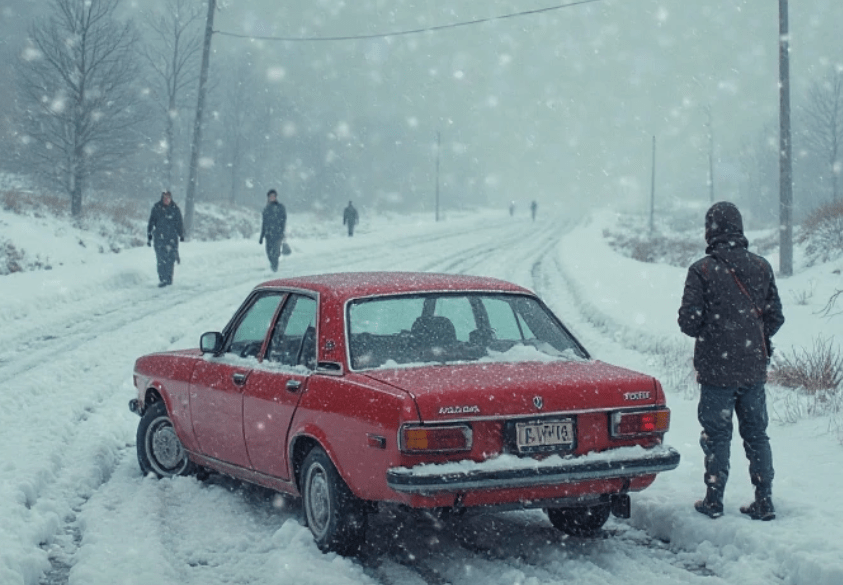
  • Transportation: Keep your vehicle stocked with essentials like jumper cables, blankets, food, and water. Keep it well-maintained and ensure you’ve got good winter tires, as snowstorms can make the roads treacherous.

2. Dealing with Hurricane Season

Hurricane season in Connecticut can be unpredictable, especially for coastal areas like New Haven and Bridgeport. When a storm like Hurricane Sandy hit in 2012, the devastation showed how quickly the state could be knocked off its feet. Preppers in Connecticut know it’s vital to keep a close eye on weather patterns and stay prepared.

  • Evacuation Routes: Know your local evacuation routes and have a bug-out bag ready for each member of your family, including pets. Have a go-bag with clothes, food, water, a flashlight, batteries, and important documents ready to grab in case of an evacuation order.
  • Flood Prevention: If you live near the coast or a river, investing in sump pumps, sandbags, and waterproofing your basement is crucial. You can never be too prepared for flooding. If your home isn’t in a flood zone, consider elevating critical equipment and electrical outlets at least 12 inches above the ground.

3. Preparing for Flooding

Flooding is one of Connecticut’s most common natural disasters. Heavy rainstorms, especially during the spring and fall, can cause rivers to overflow and create flash floods. You don’t need to live on the coast to be at risk — inland areas like Hartford, New London, and Torrington are often affected.

  • Flood-Resistant Gear: Keep waders, waterproof boots, and water-resistant bags in your prepper kit. These items are essential when navigating through flooded areas, especially if you have to evacuate on foot.
  • Home Floodproofing: You should have a plan for elevating your home’s essential systems. This includes moving electronics and valuables to higher ground and using sump pumps or drainage systems to minimize water intrusion. If you’re in an area prone to repeated flooding, you might want to consider installing flood barriers.

4. Tornadoes in the Quiet Corner

Tornadoes are a less common but very real threat in Connecticut. Although they don’t occur with the same frequency as in Tornado Alley, they do pop up, especially in the eastern part of the state, sometimes referred to as the “Quiet Corner.” These twisters can be extremely dangerous and unpredictable.

  • Shelter: A basement or storm cellar is your best option, but if that’s not available, an interior room with no windows (such as a closet) is the next best thing. Keep helmets, heavy-duty gloves, and blankets in your tornado kit to protect against flying debris.
  • Warning Systems: Sign up for Connecticut’s emergency alert system. The state issues tornado warnings through multiple channels, so make sure your family knows what to do when those sirens go off.

5. Earthquakes and Seismic Activity

While Connecticut is not known for major earthquakes, it does experience minor tremors. The New Madrid Fault Zone, while mainly active further west, can still send shockwaves across the region. Minor earthquakes can cause structural damage, so it’s best to prepare for the unexpected.

  • Structural Stability: Secure heavy furniture and appliances to walls, and use non-slip mats for electronics and fragile items. It’s important to make sure you have a clear exit path, as buildings may sway or crack during a tremor.
  • Emergency Plan: Make sure you have a family emergency plan that includes what to do during an earthquake. Practicing drop, cover, and hold on drills can save lives in case the ground shakes.

Top 10 Survival Prepper Tips for Connecticut’s Natural Disasters

  1. Stock Up on Essentials: Always have at least two weeks’ worth of non-perishable food and water. Don’t forget pet food and other family essentials.
  2. Build a Bug-Out Bag: Each family member should have a bug-out bag that includes clothes, food, water, first aid, and a flashlight.
  3. Know Your Local Hazards: Whether it’s floods, hurricanes, or tornadoes, research your area and prepare accordingly.
  4. Backup Power: Keep a portable generator and extra fuel on hand in case of power outages. Solar-powered chargers are a must for your devices.
  5. First Aid Skills: Learn basic first aid and CPR. You never know when you might need to treat a wound or assist someone in distress.
  6. Water Purification: Invest in a high-quality water filter or purification tablets to ensure you have access to clean water during emergencies.
  7. Plan for Pets: Make sure your pets have their own emergency kit, including food, water, and any necessary medications.
  8. Communication Plans: Set up a communication plan with your family so you can stay in contact during an emergency, even if phone lines are down.
  9. Maintain Your Vehicle: Regular maintenance is key, especially in harsh winter conditions. Keep your car well-stocked with emergency supplies.
  10. Stay Calm and Educated: The more you prepare, the calmer you’ll be when disaster strikes. Stay informed and stay calm.

Other Preparedness Resources:

  • Local Prepper Groups: Connect with other preppers in your area. Many of us share knowledge, tools, and support when things go wrong.
  • Red Cross Classes: Take a first aid and CPR course through the American Red Cross or a local community center.

In the end, Connecticut is a beautiful state, but as preppers, we know how important it is to be ready for anything. Whether it’s a blizzard, flood, or hurricane, having the right gear, knowledge, and plans in place can make all the difference when disaster strikes. Stay safe out there, and remember: It’s always better to be over-prepared than underprepared.

Blizzards, Floods & Tornadoes: How North Dakota Preppers Stay Ready

Surviving the Northern Plains: A Prepper’s Guide to North Dakota’s Natural Disasters

Living in North Dakota isn’t for the faint of heart. From the bone-chilling blizzards of winter to the unpredictable tornadoes of summer, this state demands resilience and preparation. As a seasoned prepper residing in the heart of the Great Plains, I’ve learned that survival isn’t just about having the right gear—it’s about understanding the land, the weather, and the unique challenges our environment presents.

Understanding North Dakota’s Natural Disasters

North Dakota’s vast landscapes and extreme weather patterns make it prone to several natural disasters:

  • Blizzards and Extreme Cold: Winters here can be brutal, with temperatures plummeting well below freezing and snowstorms that can immobilize entire regions.
  • Flooding: Spring thaws and heavy rains can lead to rapid snowmelt, causing rivers like the Red River to overflow and flood surrounding areas.
  • Tornadoes: While less frequent than in “Tornado Alley,” North Dakota still experiences tornadoes, especially during the warmer months.
  • Wildfires: Dry conditions, high winds, and low humidity can quickly escalate into dangerous wildfires, particularly in the western part of the state.Wikipedia

10 Essential Survival Prepper Tips for North Dakota Residents

  1. Winterize Your Home and Vehicle: Ensure your heating systems are efficient and have backup fuel sources. Keep your vehicle’s gas tank at least half full to prevent fuel line freeze-up. American Red Cross
  2. Build a Comprehensive Emergency Kit: Include items like non-perishable food, water, flashlights, batteries, a first aid kit, and essential medications. Don’t forget pet supplies if you have animals. casscountynd.gov
  3. Stay Informed with Local Alerts: Sign up for local emergency notification systems like Cass Clay Alerts to receive timely updates on weather events and other emergencies. Fargo+1casscountynd.gov+1
  4. Create a Family Communication Plan: Establish meeting points and communication methods in case of separation during a disaster. Ensure all family members are familiar with the plan. casscountynd.gov+1Fargo+1
  5. Elevate Electrical Systems: In flood-prone areas, raise electrical panels, outlets, and wiring above potential flood levels to prevent damage. North Dakota Insurance Department+1North Dakota State University+1
  6. Protect Your Property from Flooding: Install sump pumps, backflow valves, and ensure proper drainage around your property to divert water away from your home. North Dakota Insurance Department
  7. Maintain Fire Safety Measures: Keep fire extinguishers accessible, clear brush and dry vegetation around your property, and stay informed about local fire danger levels.
  8. Secure Loose Items During Storms: Strong winds can turn everyday objects into projectiles. Secure or bring inside items like patio furniture, grills, and tools.
  9. Stockpile Emergency Supplies: In addition to basics, consider items like a portable generator, extra fuel, and a battery-powered weather radio to stay informed during power outages.
  10. Practice Regular Drills: Conduct family drills for various scenarios—blizzards, floods, fires—to ensure everyone knows their role and can act swiftly when needed.

Living Off the Land: A Prepper’s Lifestyle

Beyond stockpiling supplies, true preparedness in North Dakota means becoming self-reliant. This includes growing your own food, raising livestock, and learning traditional skills like canning and preserving. The harsh winters can isolate communities, making it crucial to have the means to sustain yourself and your family.

Community and Networking

While self-sufficiency is vital, community support can be a lifesaver during disasters. Join local prepper groups, attend community emergency response training, and build relationships with neighbors. In times of crisis, a strong network can provide resources, information, and assistance when needed most.

Conclusion

CLICK HERE TO LEARN HOW TO SURVIVE A FAMINE

Surviving in North Dakota requires more than just enduring the elements—it demands preparation, knowledge, and a proactive mindset. By understanding the unique challenges our state presents and taking steps to mitigate risks, we can ensure the safety and well-being of ourselves and our loved ones. Remember, in the world of survival prepping, it’s better to be over-prepared than under-prepared.

Surviving Minnesota’s Worst: A Prepper’s Guide to Natural Disasters

Surviving Minnesota’s Worst: A Prepper’s Guide to Natural Disasters

As a seasoned prepper in Minnesota, I’ve learned the hard way that the state’s unpredictable weather can turn deadly in an instant. From blizzards that trap you in your own home to tornadoes that tear through communities, being unprepared is not an option. Here’s how I, and many like me, prepare for Minnesota’s worst natural disasters.

1. Emergency Kits: Your Lifeline

Every Minnesotan should have an emergency kit ready to go. The Minnesota Department of Public Safety recommends a kit that includes:Minnesota Department of Public Safety+2Minnesota Department of Public Safety+2Minnesota Department of Public Safety+2

  • One gallon of water per person per day for at least three days
  • A three-day supply of non-perishable food
  • Battery-powered or hand-crank radio and a NOAA Weather Radio with tone alert
  • Flashlight and extra batteries
  • First aid kit
  • Whistle to signal for help
  • Dust mask to help filter contaminated air
  • Plastic sheeting and duct tape to shelter-in-place
  • Moist towelettes, garbage bags, and plastic ties for personal sanitation
  • Wrench or pliers to turn off utilities
  • Can opener for food (if kit contains canned food)
  • Local maps
  • Cell phone with chargers, inverter, or solar chargerMinnesota Department of Health+4Minnesota Department of Public Safety+4Minnesota Department of Public Safety+4

These items are crucial for surviving the first 72 hours after a disaster, especially when help may be delayed.

2. Family Emergency Plan: Communication is Key

When disaster strikes, communication can be the difference between life and death. Establishing a family emergency plan is essential. Decide on a meeting place, ensure everyone knows how to reach each other, and practice your plan regularly. The Minnesota Department of Public Safety offers resources to help you create a comprehensive plan. Minnesota Department of Public SafetyUniversity of Minnesota Extension+1Minnesota Department of Public Safety+1

3. Evacuation Kit: Be Ready to Leave at a Moment’s Notice

In Minnesota, wildfires and floods can force you to evacuate quickly. The Minnesota Department of Natural Resources provides an evacuation checklist that includes:

  • Leaving power and outside lights on
  • Leaving a written note on the table of who evacuated, where you are heading, and the time and date
  • Leaving your cabin unlocked
  • Turning on your hose with the nozzle in the closed position
  • Taking your pets with you, along with their medications and vaccination records
  • Taking your medications with you, in their original bottles
  • Leaving ladders up against your roof
  • Leaving your boats in the lake with motor, gas, and life preservers
  • Notifying your next of kin that you have evacuated and are safe
  • Following designated evacuation routes
  • Bringing extra eyeglasses if necessary
  • Bringing cash, credit cards, and important documents you may have stored at home
  • Taking a change of clothes and pillow, blanket, and towel
  • Including any special needs items (formula, diapers, nebulizers, canes, wheelchairs, etc.)MN DNR+1AP News+1

Being prepared to evacuate can save precious time and ensure your safety. AP News+1MN DNR+1

4. Financial Preparedness: Protect Your Assets

Organizing your financial life ahead of natural disasters is crucial. Gather important documents like birth certificates, social security cards, and insurance policies, and store them securely in a fireproof and waterproof location. Maintain updated records of financial accounts, medical information, and contact details for key individuals and services. Additionally, keep cash available for emergencies, as electronic banking may be disrupted. AP News

5. Stay Informed: Knowledge is Power

In Minnesota, staying informed can be a matter of life and death. Monitor weather alerts through NOAA Weather Radio or local news stations. The Minnesota Department of Public Safety emphasizes the importance of being informed about potential hazards and knowing what to do before, during, and after an emergency. Minnesota Department of Public Safety+1Minnesota Department of Public Safety+1


10 Survival Prepper Tips for Minnesota’s Natural Disasters

  1. Winterize Your Vehicle: Ensure your vehicle is equipped with winter tires, antifreeze, and an emergency kit including blankets, food, and a shovel.
  2. Fire-Resistant Landscaping: Use fire-resistant plants and materials around your home to reduce wildfire risk.
  3. Flood-Proof Your Home: Install sump pumps and seal basement windows to prevent flooding.
  4. Tornado Drills: Regularly practice tornado drills with your family to ensure everyone knows what to do.Minnesota Department of Public Safety+1Minnesota Department of Health+1
  5. Backup Power: Invest in a generator to keep essential appliances running during power outages.Minnesota Department of Public Safety+1Minnesota Department of Public Safety+1
  6. Emergency Water Supply: Store at least one gallon of water per person per day for at least three days.Minnesota Department of Public Safety
  7. Non-Perishable Food: Stock up on a three-day supply of non-perishable food items.Minnesota Department of Public Safety+1Minnesota Department of Public Safety+1
  1. Secure Important Documents:
    Store originals in a waterproof/fireproof safe and make digital copies saved to a USB drive or secure cloud storage. Include IDs, insurance papers, medical records, and property deeds—if disaster strikes, having fast access can make all the difference.
  2. Build Local Connections:
    Know your neighbors and build a local support network. In a crisis, especially in rural Minnesota, help might not arrive fast. Trading supplies, sharing intel, or just having someone to watch your six can save lives.
  3. Train and Practice Regularly:
    Don’t let your survival plan collect dust. Conduct regular drills, rotate food and water supplies, and keep your skills sharp—fire-starting, first aid, basic navigation, and self-defense. The best gear in the world won’t save you if you don’t know how to use it.

Natural Disasters Minnesota Preppers Face—and How We Handle Them

Minnesota might look like the land of lakes and peace, but don’t let the serene nature fool you. Our state faces a cocktail of threats year-round, and here’s how we confront each one:

❄️ Blizzards and Extreme Cold

Minnesota winters are no joke. Temperatures dip well below zero, with whiteouts stranding folks in their cars or homes for days. I keep thermal blankets, a kerosene heater, and a sealed-off “heat room” to preserve warmth. All windows are insulated, and I rotate my food stocks every season.

🌪️ Tornadoes

Come spring and summer, the winds shift—and so does our focus. Tornado sirens are a normal part of life here. I have a reinforced storm shelter stocked with 7 days of rations, water, and comms. My family knows the drill: no hesitation, grab the go-bag and get underground.

🌊 Flooding

Especially near the Mississippi, Minnesota River, and Red River, floods can wipe out homes. I elevate my essential gear and use water alarms in my basement. I also track rainfall and snowmelt patterns. My sump pump system has backup batteries and an alert system tied to my phone.

🔥 Wildfires

Northern Minnesota is forested territory, and dry spells can turn the woods into tinder. I’ve cleared brush 30 feet from all buildings, store firefighting tools nearby, and always have an evacuation pack prepped in my truck.

Power Outages

Ice storms and high winds frequently knock out the grid. That’s why my solar battery backup and dual-fuel generator are non-negotiables. I’ve even wired essential circuits in the cabin to switch automatically.


Final Thoughts from the Minnesota Wilderness

Preparedness isn’t paranoia—it’s peace of mind. Out here, nature doesn’t care if you’re ready. It’ll bury you in snow, blow your roof off, or drown your home with spring melt. Being a prepper in Minnesota means respecting the land but never underestimating it.

It’s about readiness, not fear. Confidence, not panic. And while we might seem a bit intense to the untrained eye, we know that the difference between surviving and suffering is often just a few hours—or a few decisions.

So stock up. Gear up. And never let the weather catch you off guard. Because in Minnesota, it’s not if disaster strikes—it’s when.

North Carolina Prepper’s Handbook: Surviving the State’s Worst Natural Disasters

How North Carolina Residents Prepare for the State’s Worst Natural Disasters

Living in North Carolina means embracing the beauty of the mountains, the charm of small towns, and the unpredictability of Mother Nature. From the coast to the foothills, we’ve seen it all: hurricanes, floods, tornadoes, and even the occasional earthquake. As a seasoned prepper in the Tar Heel State, I’ve learned that preparation isn’t just a choice—it’s a necessity.

CLICK HERE TO LEARN HOW TO SURVIVE A FAMINE


Understanding North Carolina’s Natural Disasters

North Carolina’s diverse geography makes it susceptible to a variety of natural disasters:

  • Hurricanes: The Atlantic hurricane season runs from June 1 to November 30. Coastal areas like Wilmington and the Outer Banks are particularly vulnerable. Hurricane Helene in 2024 was a stark reminder of the devastation these storms can bring.NC DPSWIRED+3Politico+3Vox+3
  • Flooding: Heavy rains can lead to flash floods, especially in mountainous regions. Western North Carolina experienced unprecedented flooding during Hurricane Helene, with over 2 feet of rain causing widespread damage. Politico
  • Tornadoes: While less common, tornadoes can strike without warning. The Piedmont and Coastal Plain regions are particularly at risk.
  • Winter Storms: Ice and snow can disrupt power lines and transportation, particularly in the higher elevations.
  • Earthquakes: Though rare, seismic activity can occur, especially in the eastern part of the state.

10 Survival Prepper Tips for North Carolina Residents

  1. Assemble a Comprehensive Emergency Kit: Include at least 3-7 days’ worth of water (1 gallon per person per day), non-perishable food, a battery-powered or hand-crank radio, flashlights, extra batteries, a manual can opener, first aid supplies, prescription medications, and important documents in a waterproof container. SELF+3North Carolina A&T State University+3Macon County Center+3
  2. Secure Your Home: Install storm shutters or plywood over windows, anchor outdoor furniture, and clear gutters to prevent water damage. NC DOI
  3. Create a Family Emergency Plan: Establish communication protocols, designate meeting points, and ensure all family members know evacuation routes and shelter locations. NC 211 – NC 211
  4. Stay Informed: Monitor weather conditions through NOAA Weather Radio, local news, and emergency alerts. Sign up for community warning systems when available.
  5. Maintain a Home Inventory: Document valuables and belongings with photos or videos, and store them digitally. This can assist with insurance claims after a disaster. NC DOI
  6. Ensure Proper Insurance Coverage: Standard homeowner’s insurance may not cover flood damage. Consider purchasing additional flood insurance through the National Flood Insurance Program (NFIP). NC 211 – NC 211+1AP News+1AP News
  7. Prepare Your Vehicle: Keep your gas tank full, and store emergency supplies such as blankets, water, non-perishable snacks, and a first aid kit in your car.
  8. Practice Drills: Conduct regular emergency drills with your family to ensure everyone knows their roles and responsibilities during a disaster.NC DPS+2NC 211 – NC 211+2Macon County Center+2
  9. Plan for Pets and Livestock: Have a plan in place for evacuating or sheltering animals. Include food, water, medications, and carriers in your emergency kit.NC DPS
  10. Stay Financially Prepared: Keep cash on hand, as ATMs and credit card machines may be down during power outages. Store important financial documents in a secure, waterproof location. SELF+1AP News+1AP News

Conclusion

In North Carolina, we face a unique blend of natural disasters due to our state’s diverse geography. However, with proper preparation, we can mitigate the impacts of these events. By assembling comprehensive emergency kits, securing our homes, staying informed, and practicing emergency drills, we can ensure the safety and well-being of ourselves and our families. Remember, preparedness is not just about surviving a disaster—it’s about thriving in the face of adversity.

A Michigan Prepper’s Strategy for Natural Disasters

How Michigan Residents Prepare for the State’s Worst Natural Disasters

Living in Michigan means embracing the extremes. From the bone-chilling cold of winter to the unpredictable fury of summer storms, the Great Lakes State tests its residents’ resilience. As a seasoned prepper, I’ve learned that surviving Michigan’s natural disasters isn’t just about having the right gear—it’s about mindset, strategy, and community.


Understanding Michigan’s Natural Disasters

CLICK HERE TO LEARN HOW TO SURVIVE A FAMINE

Michigan’s diverse climate and geography make it susceptible to a range of natural disasters:

  • Winter Storms & Ice: The Upper Peninsula and northern Lower Peninsula often face severe ice storms, leading to power outages and hazardous travel conditions.Manistee News Advocate
  • Flooding: Heavy spring rains and rapid snowmelt can overwhelm rivers and drainage systems, causing widespread flooding.
  • Tornadoes & Severe Thunderstorms: While not as frequent as in “Tornado Alley,” Michigan experiences its share of twisters and intense storms, especially in the spring and summer months.
  • Wildfires: Though less common, dry conditions in certain areas can lead to wildfires, particularly in the western Upper Peninsula.
  • Extreme Cold & Wind Chill: The state’s northern regions can experience dangerously low temperatures and wind chills during winter months.Michigan+1Midland Daily News+1

10 Survival Prepper Tips for Michigan’s Natural Disasters

  1. Winterize Your Home and Vehicle: Ensure your home is insulated, and your vehicle is equipped with winter survival gear, including blankets, non-perishable food, and a shovel.
  2. Maintain a Three-Day Emergency Kit: Stock up on essentials like water, canned food, medications, and batteries. Don’t forget pet supplies and baby formula if applicable. FOX 17 West Michigan News (WXMI)+3Michigan Medicine+3Michigan Medicine+3
  3. Stay Informed with NOAA Weather Radio: These radios provide continuous broadcasts of official Weather Service information, including weather and emergency information. Time+2Michigan+2WIRED+2
  4. Create a Family Emergency Plan: Establish meeting points, communication methods, and roles for each family member during a disaster. Michigan Medicine+1Michigan Medicine+1
  5. Backup Power Solutions: Invest in generators and solar chargers to keep essential devices running during power outages. Michigan Medicine+1Michigan Medicine+1
  6. Flood-Proof Your Property: Elevate electrical appliances, clear gutters regularly, and use sump pumps to prevent basement flooding. Michigan
  7. Fire Safety Measures: Keep fire extinguishers accessible, clear brush away from structures, and stay informed about local fire danger levels. Manistee News Advocate
  8. Secure Important Documents: Store copies of insurance policies, identification, and medical records in a waterproof and fireproof container. AP News
  9. Practice Regular Drills: Participate in local tornado drills and other emergency preparedness exercises to stay sharp. Huron Daily Tribune
  10. Community Engagement: Join local CERT (Community Emergency Response Team) programs and stay connected with neighbors to enhance collective preparedness. Manistee News Advocate

Conclusion

Surviving Michigan’s natural disasters requires more than just a stocked pantry—it demands a proactive approach, continuous learning, and community involvement. By implementing these prepper strategies, you can ensure that you and your loved ones are ready for whatever the Great Lakes State throws your way.