Eat These 10 Foods and Forget Living to 100 Years Old

The world is sick, the food supply is broken, and most people are eating themselves into an early grave while being told to “enjoy life.” That’s not enjoyment — that’s ignorance dressed up as convenience.

If you want to live to 100 years old, you don’t get there by accident. You get there by avoiding the garbage that modern society aggressively pushes as “normal food.” Longevity isn’t about magic superfoods or trendy supplements — it’s about not poisoning yourself every day.

The truth? Most people won’t make it anywhere near 100 because they keep eating things that quietly wreck their organs, blood vessels, hormones, and immune systems. And nobody in power seems to care — because sick people are profitable.

So here it is: 10 of the worst foods and drinks you can consume if long life is your goal. Eat them regularly, and you dramatically reduce your odds of ever seeing triple digits.


1. Ultra-Processed Junk Food

This is enemy number one.

Ultra-processed foods aren’t real food — they’re industrial products engineered for shelf life, addiction, and profit. Think packaged snacks, frozen meals, boxed “foods,” and anything with a paragraph-long ingredient list.

These products are loaded with:

  • Refined sugars
  • Industrial seed oils
  • Artificial flavors and preservatives
  • Chemical stabilizers

Your body doesn’t recognize this stuff as nourishment. It recognizes it as stress.

Long-term consumption is linked to inflammation, metabolic damage, cardiovascular disease, and accelerated aging. You can’t eat lab-created sludge every day and expect your body to survive a century.


2. Sugary Soft Drinks and Energy Drinks

Liquid sugar is one of the fastest ways to destroy long-term health.

Soft drinks and energy drinks spike blood sugar, strain the pancreas, damage blood vessels, and contribute to insulin resistance — all without providing a single useful nutrient.

They also:

  • Dehydrate you
  • Damage teeth
  • Disrupt appetite regulation

Drinking sugar is like mainlining metabolic chaos. People who consume these daily aren’t just shortening their lifespan — they’re degrading their quality of life decades before the end.


3. Highly Refined White Bread and Pastries

White bread, pastries, donuts, and baked desserts are longevity killers hiding in plain sight.

Refined flour has been stripped of fiber and nutrients, leaving behind a fast-digesting starch that spikes blood sugar and feeds inflammation. Add sugar and industrial fats, and you’ve got a perfect recipe for chronic disease.

These foods:

  • Promote fat storage
  • Disrupt gut health
  • Accelerate metabolic aging

No culture known for long life built its diet around pastries and white bread.


4. Industrial Seed Oils

This one makes people uncomfortable — good.

Industrial seed oils like soybean oil, corn oil, canola oil, and sunflower oil are everywhere. They’re cheap, unstable, and highly processed using heat and chemicals.

These oils are prone to oxidation, which contributes to:

  • Chronic inflammation
  • Cellular damage
  • Cardiovascular stress

They’re in restaurant food, packaged snacks, salad dressings, and fast food. If you’re eating out regularly, you’re swimming in them.

A body inflamed for decades doesn’t age gracefully — it breaks down early.


5. Processed Meats
Bacon, hot dogs, deli meats, sausages — they’re convenient, salty, and aggressively marketed.

They’re also loaded with preservatives, excess sodium, and compounds formed during processing that stress the body over time.

Regular consumption is associated with increased risk of:

  • Cardiovascular disease
  • Digestive issues
  • Metabolic dysfunction

This doesn’t mean never eating meat — it means avoiding factory-processed versions that prioritize shelf life over human health.


6. Excessive Alcohol

Let’s be honest: society treats alcohol like a personality trait.

Alcohol is not a health food. It’s a toxin that your liver has to neutralize before it can do anything else. Chronic consumption damages the liver, brain, heart, and immune system.

Long-term overuse:

  • Accelerates aging
  • Weakens cognition
  • Disrupts sleep and hormones

People who live to 100 typically don’t drink heavily — and when they do drink, it’s moderate, infrequent, and culturally grounded, not binge-based escapism.


7. Fast Food

Fast food is survival food for a system that doesn’t care if you survive long-term.

It’s high in calories, low in nutrients, and engineered for maximum palatability. Everything is fried, sugared, or drowned in industrial sauces.

Fast food diets contribute to:

  • Obesity
  • Heart disease
  • Early-onset chronic illness

If you rely on fast food, you’re trading years of life for minutes of convenience.


8. Artificially Sweetened “Diet” Products

Diet sodas, sugar-free snacks, and artificially sweetened foods are marketed as healthy alternatives. They’re not.

Artificial sweeteners can:

  • Disrupt gut bacteria
  • Confuse appetite signaling
  • Increase cravings for real sugar

You don’t trick biology. You only stress it.

Longevity isn’t built on chemical loopholes — it’s built on real food and restraint.


9. Excessively Salty Packaged Foods

Salt itself isn’t the villain — processed salt bombs are.

Packaged soups, chips, crackers, and instant meals often contain extreme sodium levels combined with preservatives and refined carbohydrates.

Over time, this contributes to:

  • Blood pressure issues
  • Kidney strain
  • Cardiovascular stress

Traditional long-lived cultures consumed salt in whole foods — not as a byproduct of industrial preservation.


10. Ultra-Sugary Breakfast Cereals

Colorful boxes, cartoon mascots, and “fortified” labels don’t change the truth.

Most breakfast cereals are desserts pretending to be health food. They spike blood sugar first thing in the morning and set the tone for energy crashes and cravings all day.

A daily sugar spike for decades is a terrible longevity strategy.


The Uncomfortable Truth About Living to 100

Reaching 100 isn’t about optimism. It’s about discipline, awareness, and refusing to participate in a broken system.

Most people won’t live that long — not because they’re unlucky, but because they consistently choose convenience over survival. The food environment is hostile, and pretending otherwise is denial.

Longevity requires:

  • Eating mostly whole, minimally processed foods
  • Drinking water instead of sugar
  • Treating food as fuel, not entertainment
  • Accepting that comfort today costs years tomorrow

The world won’t change for you. Corporations won’t save you. Nobody is coming to fix the food supply.

If you want to live to 100, you have to eat like someone who actually wants to survive that long.


Survive Anything: The Lifespan of Your Emergency Kit and the Best Places to Keep It

When it comes to surviving the unexpected, there’s nothing more empowering than having a fully stocked emergency preparedness kit. Whether it’s a hurricane, an earthquake, a power outage, or even civil unrest, having the right supplies within reach can make the difference between a stressful inconvenience and a true life-or-death situation.

But as any seasoned prepper will tell you, it’s not just about having a kit—it’s about maintaining it, understanding its lifespan, and storing it in the right location. Today, we’re going to dive into how long emergency kits can last, what factors affect their longevity, and the best practices for storing them so they’re always ready when you need them.


Understanding the Lifespan of an Emergency Kit

First, let’s address the big question: how long can an emergency kit last? The answer isn’t straightforward, because it depends on what’s inside the kit, the storage conditions, and how often you rotate or check your supplies.

1. Food Supplies
Most preppers know that food is the cornerstone of any survival kit. However, food has a shelf life, and not all emergency foods are created equal.

  • Canned Goods: Most canned foods can last anywhere from 2 to 5 years if stored properly in a cool, dry place. However, the acidic nature of foods like tomatoes or citrus can shorten the lifespan to around 18 months to 2 years.
  • Freeze-Dried Meals: These are the gold standard for preppers because they can last anywhere from 25 to 30 years if stored correctly. They’re lightweight, nutritious, and easy to prepare with just water.
  • MREs (Meals Ready-to-Eat): Military-grade MREs can last about 5 years at room temperature, with longevity decreasing in higher temperatures.

2. Water and Hydration Supplies
Water is arguably the most critical component of any emergency kit. While tap water stored in sealed containers can last up to 6 months, commercially bottled water has a shelf life of 1 to 2 years. For long-term storage, consider water purification tablets or filters, which can last up to 10 years unopened.

3. Medical Supplies
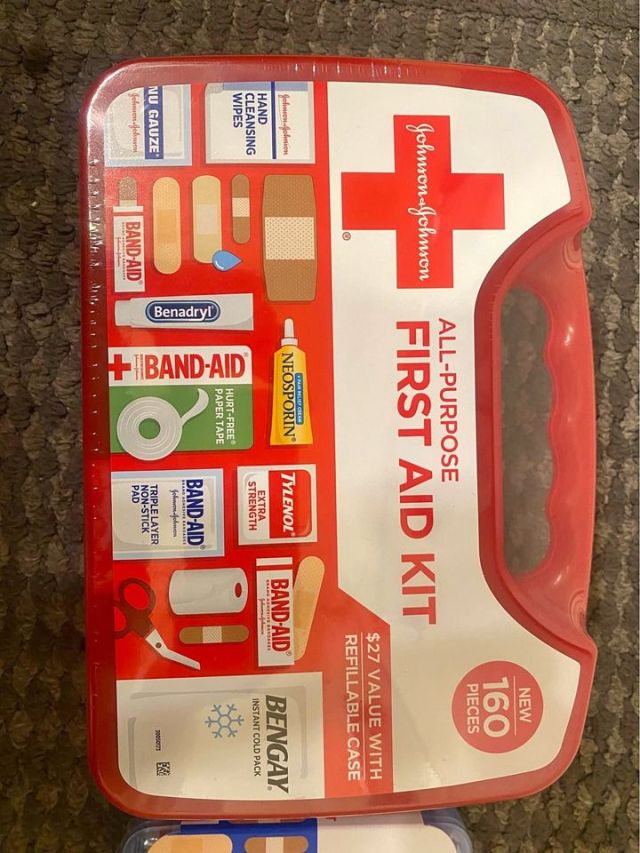
First aid kits often contain bandages, antiseptics, medications, and other medical essentials. While bandages and gauze can last indefinitely if stored properly, medications and ointments have expiration dates ranging from 1 to 5 years. Always check these regularly and rotate them out as needed.

4. Tools and Gear
Flashlights, multi-tools, batteries, and other equipment may not “expire” in the traditional sense, but they can degrade over time. For instance, batteries may corrode or lose charge, and plastic components can become brittle if exposed to extreme temperatures. Store tools in a controlled environment and check them at least twice a year.


Factors That Affect Kit Longevity

Several external factors can influence how long your emergency kit lasts:

  • Temperature: Extreme heat can dramatically shorten the shelf life of food, medications, and batteries. Keep your kit in a cool, dry place.
  • Humidity: Moisture can cause canned goods to rust, mold to develop, or bandages to degrade.
  • Light Exposure: Sunlight can break down packaging, degrade medications, and dry out essential oils. Always keep your kit in a dark or opaque container.
  • Movement: Shaking or jostling can damage cans, glass containers, or delicate items like matches and electronics.

Understanding these factors helps you make informed decisions about where and how to store your kit for maximum longevity.


Where to Keep Your Emergency Kit

Knowing how long your kit can last is only half the battle—the other half is knowing where to store it. The ideal storage location is one that balances accessibility with protection from environmental threats.

1. Home Storage
For most people, keeping a kit at home is the first priority. Consider these options:

  • Basement: Often the most temperature-stable area of a house, a basement can protect supplies from heat and light. However, ensure it’s dry to avoid mold or rust.
  • Closet: A dedicated closet or pantry can work well if it’s away from heat sources like ovens, heaters, or direct sunlight.
  • Under Bed or Furniture: Some preppers like to keep a compact kit under the bed or in a storage ottoman for quick access during emergencies.

2. Car Storage
A smaller, portable emergency kit in your car can be a lifesaver during road accidents, breakdowns, or natural disasters while away from home. Keep a kit in your trunk or glove compartment—but remember, cars can experience extreme temperatures, so check supplies regularly.

3. Workplace Storage
For people who spend long hours at work, having an emergency kit at your office or workspace can be crucial. Opt for a compact kit with essentials like food, water, first aid, and a flashlight.

4. Bug-Out Locations
If you maintain a secondary shelter, cabin, or safe house, keep a kit there as well. Store long-lasting supplies in airtight containers and in areas protected from moisture and rodents.


Tips for Maintaining Your Emergency Kit

Even the best kit won’t do you much good if it’s expired or broken when disaster strikes. Here are some essential maintenance tips:

  1. Label Everything: Clearly label containers with the purchase or expiration date.
  2. Rotate Supplies: Use older items for everyday use and replace them with fresh stock.
  3. Inspect Regularly: At least twice a year, check for leaks, rust, mold, or broken items.
  4. Keep a Checklist: Maintain a written or digital inventory to track what’s inside and when items need to be replaced.
  5. Temperature Control: If possible, store your kit in a climate-controlled area to extend shelf life.
  6. Educate Household Members: Everyone should know where the kit is and how to use it. Knowledge is as critical as the supplies themselves.

The Psychological Edge of Preparedness

One of the most overlooked benefits of having an emergency kit is the peace of mind it brings. Knowing that you have food, water, medical supplies, and essential tools at your fingertips reduces panic, helps you make rational decisions, and increases your overall resilience during any disaster.

Preparedness isn’t just about surviving—it’s about thriving when chaos strikes. A well-maintained kit gives you the confidence to act decisively, whether it’s evacuating your home during a hurricane or sheltering in place during a prolonged blackout.


Conclusion: Survival Starts With Preparedness

An emergency kit isn’t just a collection of items—it’s a lifeline. By understanding how long each component lasts and storing it in the right location, you’re ensuring that your kit will be effective when you need it most.

From canned foods and freeze-dried meals to water, first aid supplies, and tools, each item has its role in helping you survive disasters—both natural and man-made. Regular maintenance, strategic storage, and periodic rotation are key to keeping your kit reliable.

Remember, survival isn’t just about stockpiling supplies; it’s about foresight, knowledge, and the peace of mind that comes from knowing you’re prepared for whatever life throws your way.

So, take action today: check your kit, refresh your supplies, and secure it in a place that maximizes both longevity and accessibility. Your future self will thank you when disaster strikes.

The Last Grocery Store Run Before the Grid Goes Dark: A Prepper’s Final Warning

You can feel a collapse long before you can prove it. The air thickens, conversations shorten, and people move with a jittery uncertainty they pretend isn’t fear. For weeks now, every expert with a tie and a microphone has insisted the power grid is “stable” or “only experiencing minor vulnerabilities.” But those of us who still use our eyes—and not the spoon-fed comfort pumped out of screens—know the truth: the grid is held together with duct tape, denial, and a hope that ran out sometime last decade.

So this morning, when the news quietly mentioned “regional instability” and “rolling disruptions,” I knew exactly what that meant: this was it. My last chance to top off supplies before the grid sputters out for good. And despite everything I’ve stockpiled over the years, despite the shelves I’ve meticulously filled and the gallons of fuel I’ve tucked away, there’s always one last run. One more pass through the grocery store to grab the things that might mean the difference between grinding through the collapse or becoming another body buried under its weight.

And of course, like clockwork, people waited until the last possible second to panic.

I threw my gear in the truck and headed into town for what I knew would be a hostile, frantic, anger-soaked sprint through a grocery store full of clueless, late-to-the-party consumers who spent years mocking preppers and are now shocked—shocked—that modern life doesn’t come with guarantees.

Walking Into the Chaos

The parking lot told the whole story before I even got inside. Cars abandoned at crooked angles. Carts left as barricades. People shouting into phones that weren’t even connected because the networks were already starting to choke. And there it was—that glazed-over look in their eyes: the realization that no one is coming to save them.

I walked through the automatic doors (thankfully still powered), and the assault hit instantly: the stench of panic sweat, the squeal of wheels pushing overloaded carts, and the sound of ten different conversations about “how this can’t really be happening” coming from people who have spent their entire lives outsourcing responsibility to systems they never bothered to understand.

Every aisle was a battlefield. Every shelf was a shrinking island of hope.

But I wasn’t there to feel sorry for them. I wasn’t there to help them wake up. I was there to finish the job—secure what I needed before the lights blinked out forever.

Item 1: Shelf-Stable Calories

The first stop was obvious: dry goods. Rice, beans, pasta—anything that stores for years and keeps a body alive. I grabbed what was left, even as two grown adults argued over the last bag of lentils like toddlers fighting over a toy. They didn’t notice I slipped behind them and pulled three bags of white rice they’d overlooked. I didn’t feel bad; their ignorance wasn’t my responsibility.

When you’ve been preparing for years, you learn to see what others don’t.

Item 2: Canned Proteins

Next was canned meat—tuna, chicken, spam, whatever hadn’t yet been ravaged by the first wave of panic shoppers. Protein will be gold when the grid dies, and hunting won’t be an option for half the people who think they’ll suddenly become wilderness experts.

Most of the shelves were stripped clean, but I managed to get a dozen cans of chili and several cans of chicken that were shoved behind fancy organic soups no one wanted. Funny how people become less picky right before the world goes dark.

Item 3: Water and Purification Supplies

Water is life, but bottled water was already gone—the shelves empty except for the plastic price tags. No surprise. People always go for the obvious.

But I knew the real score: grab bleach, grab filters, grab anything that makes questionable water drinkable.

Saw three teenage boys laughing as they tossed the last cases of bottled water into their cart, mocking the panic. I’d love to see how much laughing they’ll do once they realize one case of water lasts a family about two days, maybe three if rationed.

Meanwhile, I slipped down the cleaning aisle and filled my basket with purification essentials they didn’t even think about.

Item 4: High-Calorie “Morale Foods”

In a collapse, calories keep you alive—but morale keeps you human.

I grabbed chocolate, instant coffee, peanut butter, and the last few boxes of granola bars. These aren’t comforts—they’re psychological stabilizers. When your world shrinks to survival, a spoonful of peanut butter becomes strength, and a cup of coffee becomes hope.

People think prepping is all about ammo and generators. They forget the human mind collapses long before the body does.

Item 5: Quick-Use Foods

Anyone who’s lived through an outage knows the first few days are the worst. You need quick, no-cook food to get through the transition. I grabbed crackers, canned fruit, ready-made soups, and instant meals.

By now, the lights had started to flicker. The store manager shouted something unintelligible over the intercom, but nobody cared. The panic had gone from simmer to full boil.

The Desperation Was Palpable

I saw people crying in the aisles. Some were shouting into phones, begging family members to “get home now.” Others were staring at empty shelves as if they were staring at their own future—void, stark, unforgiving.

What infuriated me, though, was this: they had every chance to prepare. Every warning sign. Every news report hinting at instability. Every outage over the last decade, every expert saying the grid was aging, overstressed, and under-maintained.

But they ignored it all.

Because denial is a warm blanket in a cold world—right up until the blanket catches fire.

Checking Out

I got into the shortest line I could find—not that it mattered. People were frantic, dropping items, yelling, shoving. The card machines were already stalling. Someone screamed when their payment declined; someone else tried to argue their expired coupons should still apply “because this is an emergency.”

Pathetic.

I paid with cash—something else people have forgotten still has value when systems break.

As I walked back out into the parking lot, the first substation alarm in town began to wail. A low, mechanical howl rolling over the rooftops like a warning siren for the damned.

People looked around, confused. I wasn’t. I knew exactly what it meant.

Heading Home Before the Lights Go Out

The grid wasn’t collapsing.
It was collapsed. We were simply watching the echoes.

I tossed the last-gasp items into the truck, turned the engine over, and headed out of the mess before the roads clogged with panicked civilians who still believed someone would come fix this.

Because they don’t understand the truth we preppers have known for years:

When the grid goes down, it’s not just the lights that disappear.
It’s the illusion of stability.
It’s the myth of progress.
It’s the lie that society will always keep humming along politely.

And when that illusion dies, the world gets real—fast.

I didn’t make that last grocery store run because I was unprepared.
I made it because I understand something the rest of the world refuses to accept:

There is no cavalry. Only consequences.

And I intend to face those consequences with a stocked pantry, a clear head, and the grim satisfaction of knowing that while the world slept, I stayed awake.

Let the grid burn.
I’ll survive the night.

Why Your Food Won’t Last When the Grid Fails Unless You Do This

Let’s stop pretending everything is fine. You’re smart enough to see the cracks forming. Every month, the world grows more unstable—power grids stretched to their limits, infrastructure rotting, supply chains one bad day away from snapping. And the average person? They just scroll on their phone, complaining about inconveniences while being completely dependent on a system that can’t even keep the lights on during a windy afternoon.

That’s why you, the person reading this, already know what most refuse to accept: if the grid goes down for real—whether it’s a cyberattack, an EMP, civil unrest, or just the inevitable collapse of aging infrastructure—nobody’s coming to save you. And food? Food will be the first thing to vanish, right after sanity.

So let’s talk about how to preserve food in a grid-down situation… because if you don’t take this seriously, you may as well hand your pantry over to your neighbors when they start pounding on your door.


Why You Need to Think About Food Preservation NOW

People love to mock preppers—until they’re hungry. Until they realize that grocery stores keep, on average, three days of food on the shelves. Three days. That’s it. If the trucks stop rolling, the grid dies, or the government decides to “ration” supplies, you’ll watch shelves empty faster than a politician’s promise.

And when the grid goes down?
Your fridge is useless.
Your freezer is a liability.
Your “fresh food” is now a ticking time bomb.

Most Americans can’t even go a day without DoorDash. Imagine them trying to salt a piece of meat or ferment vegetables. They won’t last a week.

But you aren’t going to be one of them. You’re here to prepare, even if the world calls you paranoid.

Good. They can stay unprepared. You’re going to stay alive.


1. Canning: The Skill the Modern World Forgot

Canning is one of the oldest, safest, and longest-lasting ways to preserve food—and I’m always amazed at how many people refuse to learn it because “it looks complicated.” You know what’s complicated? Starving.

There are two main methods:

Water Bath Canning

Perfect for high-acid foods like:

  • Tomatoes
  • Pickles
  • Fruits
  • Jams and jellies

Pressure Canning

For low-acid foods, which is basically everything else worth eating in a crisis:

  • Meat
  • Beans
  • Soups
  • Vegetables
  • Broths

If you don’t have a pressure canner, get one now, before prices skyrocket again or shelves go empty—because they absolutely will in a crisis.

Canned food can last 5+ years, and unlike a freezer, it doesn’t stop working when the power does.


2. Dehydration: Turning Fresh Food into Survival Food

You don’t need electricity to dehydrate food—though electric dehydrators certainly make life easier during “normal” times. When the grid collapses, there are alternatives:

Solar Dehydrators

These can be built from scrap wood, screen material, and a little patience. They use sunlight and airflow—nothing fancy, nothing fragile.

Air Drying

Great for herbs, some vegetables, and thin cuts of meat (jerky), if humidity isn’t a problem.

Dehydrated foods are lightweight, compact, and can last decades when stored properly. And unlike MREs or store-bought survival food, you know exactly what’s in them.


3. Fermentation: The Preservation Method Civilization Was Built On

People forget that before refrigerators, fermentation was how entire populations survived winters, plagues, and wars.

Fermentation doesn’t require electricity—just salt, time, jars, and a little common sense. You can ferment:

  • Cabbage (sauerkraut)
  • Carrots
  • Beets
  • Cucumbers
  • Radishes
  • Garlic
  • Peppers

Fermented foods are packed with probiotics, vitamins, and calories—exactly what your body needs during stress and scarcity.

And the best part?
Fermentation can’t collapse because the grid does.


4. Smoking and Salting Meat: Because Your Freezer Will Fail You

Most people hoard their freezers with food, thinking they’re prepared. They’re not. When the power dies, they’ll be trying to figure out how to keep 200 pounds of meat cold before it turns into a bacteria buffet.

The old methods still work:

Smoking

Smoke adds flavor, removes moisture, and creates a protective layer on meat and fish. Build a smokehouse or use a barrel—you don’t need a fancy setup.

Salting

Salt pulls moisture out of the meat and prevents bacterial growth. It’s one of the most reliable preservation methods in human history.

Salt is cheap now.
It won’t stay cheap.
Stock up.


5. Root Cellaring: Nature’s Refrigerator That Won’t Betray You

You don’t need electricity to store food at stable temperatures. A root cellar—whether built into your basement, buried in the ground, or improvised with barrels or coolers—can keep food fresh for months.

Foods that store well in a root cellar include:

  • Potatoes
  • Onions
  • Carrots
  • Cabbage
  • Apples
  • Beets
  • Winter squash

Imagine that—storing food naturally instead of relying on a grid that barely works on the best days.


6. The Importance of Backup Storage: Mylar, O2 Absorbers & Buckets

Screenshot

You’ve probably seen the panic buyers hoard rice and beans during every “emergency” the media announces. But guess what?

They store them wrong every time.

If you want your dry goods to last 10–30 years, you need:

  • Mylar bags
  • Oxygen absorbers
  • Food-grade buckets
  • Desiccant packs (optional but helpful)

Pack it right once, and it’ll outlive the chaos.


7. The Hard Truth: People Will Come for Your Food

No one wants to talk about this part. But as a prepper, you know it’s true: when people are hungry, they turn violent. When they’re desperate, they stop being rational.

You can have the best food stockpile on the planet, preserved every which way…
but if you don’t defend it, you’re just storing it for someone else.

So prepare quietly. Preserve your food without broadcasting it to the world. The unprepared masses will mock you today—but they’ll envy you later.

And envy becomes danger.


Final Thoughts: Don’t Rely on a System That Has Already Failed

Every year, the grid becomes less stable. Every year, disasters—natural, political, or fabricated—add more strain to the system. And every year, the average citizen becomes more helpless, more dependent, more vulnerable.

But not you.

You’re doing what the world refuses to do: learning real skills, preserving real food, and building real security. When the grid goes down—and it will—your preparations will be the only thing standing between survival and starvation.

Start today.
Because when collapse comes… you won’t get a warning.

Why You Must Organize and Rotate Your Food Supplies Before It’s Too Late

Most people think that prepping begins and ends with stockpiling cans, rice, and ramen until the garage looks like a doomsday supermarket. They brag about stacking food ten cases high, take pictures for social media, and call themselves “ready.” Meanwhile, those of us who actually understand survival know the truth: a disorganized food supply is nothing more than slow, predictable failure. And if your food storage is a chaotic mess, congratulations—you’ve built yourself a museum of future waste.

Let’s be brutally honest: organizing and rotating your food supplies isn’t optional. It’s not a “nice-to-have.” It’s not something you get around to “when you have time.” If you’re serious about survival—and not just playing pretend—then food rotation is the backbone of long-term readiness. And the sad part? Most people will never bother. They’ll wait until they’re hungry, scrambling, desperate… and then they’ll discover half their stash is expired, stale, or infested.

But hey, society is collapsing anyway. Why should we expect people to act responsibly with their food stores when they can’t even maintain basic common sense?


Food Storage Isn’t a Set-It-and-Forget-It System

You’d think this would be obvious, but apparently it’s not.

Food goes bad. Cans rust. Boxes get moisture damage. Rodents chew through bags faster than you can say “I should’ve rotated that.” And expiration dates? They’re not just decorative suggestions. Even shelf-stable foods can degrade, lose nutrients, and eventually become completely useless.

A lot of preppers proudly stack food in the back of a closet and forget about it for five years. Then when a disaster hits, they’ll open a can and wonder why it smells like metallic swamp water. Because they never rotated anything. Because they never checked. Because they thought stockpiling was the same as preparing.

Good luck surviving on expired mush and rancid pasta.


Organization Helps You Know What You Actually Have

This might sound radical to some people, but knowing what you own is kind of important.

When your food is scattered, untracked, or tossed in random bins, one of two things will happen:

  1. You’ll run out of something critical without realizing it, because you assumed you had more than you actually did.
  2. You’ll buy way too much of the wrong thing, because you forgot that you already had twenty pounds of it sitting behind a pile of old holiday decorations.

If you don’t organize your supplies, something as simple as making a meal plan during an emergency becomes a guessing game. You can’t calculate how long your food will last. You can’t budget your calories. You can’t plan your resupply strategy. You’re just blindly hoping that your pile of cans magically supports your needs.

Hope is not a strategy. And in a crisis, it’s worthless.


Rotation Ensures Nothing Goes to Waste

You worked hard for your supplies. You spent money, time, and probably a little sanity. So why let any of it go to waste?

Rotating your food prevents:

  • Expired cans
  • Stale grains
  • Nutrient loss over time
  • Pest damage
  • Redundant buying
  • Sudden shortages
  • Dangerous surprises during emergencies

This is the part that really infuriates me: people complain about inflation, shortages, and food prices—yet they let their storage rot because they’re too disorganized to manage it. That’s not prepping. That’s sabotaging your own survival.

FIFO—First In, First Out—isn’t just a cute acronym. It’s a rule. Your oldest items should be the first ones you use. Period.


A Good System Saves You During Real Emergencies

You know what happens during real survival situations? Stress. Panic. Confusion. People forget things. People make mistakes. People lose track of what they’ve consumed and what they have left. And the stakes become life-or-death.

A properly organized, rotated food supply eliminates that chaos.

When disaster hits, you should already know:

  • Exactly how many days of food you have
  • Which items need to be used first
  • What meals you can make from your inventory
  • How long each category will last
  • Where every item is located
  • What you need to replenish after the crisis ends

That level of clarity doesn’t magically appear. It’s earned through discipline—something most people lack even in peaceful times, let alone in disaster.


The World Won’t Bail You Out

I’m not sure why people still haven’t learned this, but the government isn’t coming to save you. Grocery stores won’t stay stocked. Supply chains can snap like cheap twine. If you think your neighbors are going to help you, you really haven’t paid attention to how selfish society has become.

If a crisis hits and your food storage is a neglected mess, you lose. Simple as that.

Your future meals will be determined not by luck, but by the choices you made (or ignored) months or years earlier.


Organize Now or Pay Later

You don’t rotate food later.
You don’t organize food once chaos starts.
You don’t suddenly become responsible in a crisis.

You do all of that now, when you still have the luxury of time and stability.

Because when things fall apart—and they will—the only food you can count on is the food you’ve organized, tracked, protected, and maintained.

Everything else? It’s already lost.

Best Survival Products Hiding in Your Grocery Aisles

Civilization is not a guarantee—it’s a temporary arrangement held together by apathy, duct tape, and a population that assumes “someone else” is handling things. Maybe that used to be true. Not anymore. Every week the cracks get wider, and every year we pretend that supply chains, government agencies, and corporate giants will somehow keep functioning even as everything around us falls apart.

And yet, most people wander through grocery stores like zombies, tossing snacks into their carts and giggling on their phones, never stopping to consider that the lights above their heads and the food on those shelves rely on systems that can collapse overnight. All it takes is one power grid failure, one fuel shortage, one cyberattack, one natural disaster—pick your poison—and the whole façade drops.

I’m tired of watching people sleepwalk through danger. I’m tired of pretending everything is fine. So here’s the truth: if you’re even half awake, you should already be stocking up. Fortunately, you don’t need a bunker, a forest cabin, or a shipping container full of MREs to prepare. You can find real, practical, shelf-stable survival gear right inside your everyday grocery store—if you know what to look for.

Below are the best survival products you can buy before the masses finally panic or the shelves go bare (again).


1. Canned Meat: The Only Protein You Can Trust When Reality Crumbles

Everyone loves to sneer at canned meat—right until the day the refrigerated section dies and the fresh meat aisle becomes a biohazard zone. Canned chicken, tuna, spam, and roast beef are some of the most underrated survival foods on the planet.

They last for years, require no cooking, maintain protein content, and can be eaten straight out of the can. When the world decides to malfunction, people who used to mock canned meat will regret tossing organic kale chips into their carts instead of stocking up like sane adults.

Stop worrying about the label aesthetics and grab the cans. Protein is survival, period.


2. Rice and Beans: The Boring Duo That Will Keep You Alive Longer Than Your Favorite Politician

People roll their eyes at rice and beans because they’re “too basic.” Well, guess what? Basic foods built civilizations long before electricity, refrigeration, and food delivery apps turned humanity soft. Rice and beans together form a complete protein, and both store for absurdly long periods if you keep them dry.

Everyone wants “fun” survival foods. Good luck staying alive on granola bars and high-priced freeze-dried meals. Rice and beans aren’t glamorous, but they’ll outlast every influencer who thinks prepping is a quirky aesthetic.


3. Peanut Butter: Nutrient-Dense, Calorie-Dense, and Doesn’t Give a Damn About Power Outages

One jar of peanut butter contains thousands of calories, lasts over a year, and requires no heating or preparation. That’s called dependable. Meanwhile, the world around you is becoming the opposite of dependable.

If inflation spikes, if the grid goes down, if transportation collapses even for a week—you will want foods that don’t care about temperature, convenience, or refrigeration. Peanut butter will carry you through days when chaos eats everything else.

Grab the jars. All of them.


4. Salt: The Mineral That Built Empires (And Will Save You When Your Fridge Is Just a Box of Rotting Hope)

Modern people treat salt like a seasoning. Precarious societies treat it like gold. In a real crisis, salt becomes one of the most valuable survival items on the planet because it preserves food, balances electrolytes, and extends the lifespan of almost anything perishable.

Refrigeration is temporary. Salt is forever. A few dollars now could save your entire supply stash later.


5. Shelf-Stable Milk: You’ll Thank Yourself When Fresh Dairy Turns Into Toxic Waste

You don’t have to live without milk during a crisis. Shelf-stable milk (boxed or powdered) lasts months to years and can be used for cooking, coffee, cereal, and sanity. When fresh milk disappears—and it will, very quickly—you’ll be watching people panic over shortages you solved months ago.

Most people don’t even realize shelf-stable milk exists. That’s why it’s still sitting quietly on store shelves. For now.


6. Instant Coffee: The Survival Comfort That Will Keep You From Losing Your Mind

Humans underestimate morale. They think survival is only calories, water, and shelter. But a demoralized mind collapses faster than a crumbling supply chain. That’s where instant coffee comes in.

When your entire neighborhood is losing it, when the sun rises on chaos, when the nights feel too long and too dark—one hot cup of coffee can keep your sanity tethered. Instant coffee stores forever, requires only water, and can be a mental anchor when everything else gets ugly.


7. Bottled Water: The Most Boring Thing in the Store, But the First Thing to Vanish

People laugh at preppers storing bottled water—right until a storm hits and they’re fighting strangers for the last case. Water is life. Water goes fast. Water stops being available the moment pumps lose electricity.

If the grocery store STILL has a wall of bottled water, consider it a miracle. Get it while you can. You will never regret having too much water—but you will regret not having enough.


8. First-Aid Supplies: Because Hospitals Might Be the First Thing to Collapse

Most grocery stores stock basic medical supplies that become invaluable when the healthcare system becomes overwhelmed. Gauze, bandages, antiseptic wipes, pain relievers, and antibacterial ointments can turn a crisis into an inconvenience instead of a death sentence.

People will scream that “someone” is coming to help. The problem is that “someone” is never as fast or reliable as your own preparation.


9. Trash Bags and Aluminum Foil: The Silent Titans of Survival

No one talks about these, and maybe they should start. Industrial-sized trash bags can be used for shelter, insulation, water collection, sanitation, and gear protection. Aluminum foil can cook, reflect heat, block moisture, and preserve food.

When you look at a simple shopping bag and see survival tools instead of household products, that’s when you finally wake up to how fragile this world has become.


10. Manual Can Opener: Because Electricity Won’t Open Anything for You

People buy stacks of canned food and forget the one item that actually lets them access it. A manual can opener is the difference between eating and starvation when the grid decides it’s had enough.

You don’t need a fancy one. You just need one that works without power—something the modern world seems to have forgotten how to function without.


Final Thoughts (Not That Anyone Listens)

The grocery store is more than a place to wander around mindlessly while the world deteriorates outside. It’s a temporary armory of supplies, a sanctuary before the storm, a fragile lifeline that won’t stay intact forever. The things that keep you alive in a crisis are sitting there on the shelves right now—quiet, unappreciated, ignored by a population that thinks the system will always work.

The truth? It won’t. And when it fails, you’ll either be the one holding the last can opener…
or the one begging for it.

Grow These Survival Crops Now—Because Nobody’s Coming to Save You

The world isn’t getting better. You already know that—every headline is another reminder that the system is rotting from the inside out. The supply chain snaps if the wrong boat parks sideways. Grocery stores empty out if people panic for twenty minutes. And you’re supposed to trust that civilization will hold up long enough to keep your family fed?

Yeah. Right.

If you’re paying attention, you already know you need to grow your own food—real survival food, not the trendy nonsense influencers pretend will “heal your energy.” I’m talking about the tough crops. The war-zone crops. The crops that can keep you alive when everything else stops working.

This isn’t about gardening. This is about staying alive when society collapses under the weight of its own stupidity.

Below are the best survival foods to grow if you’re serious about not starving. They’re hardy, calorie-dense, reliable, and proven to keep humans alive when all hell breaks loose.

1. Potatoes (The Underrated Calorie King)

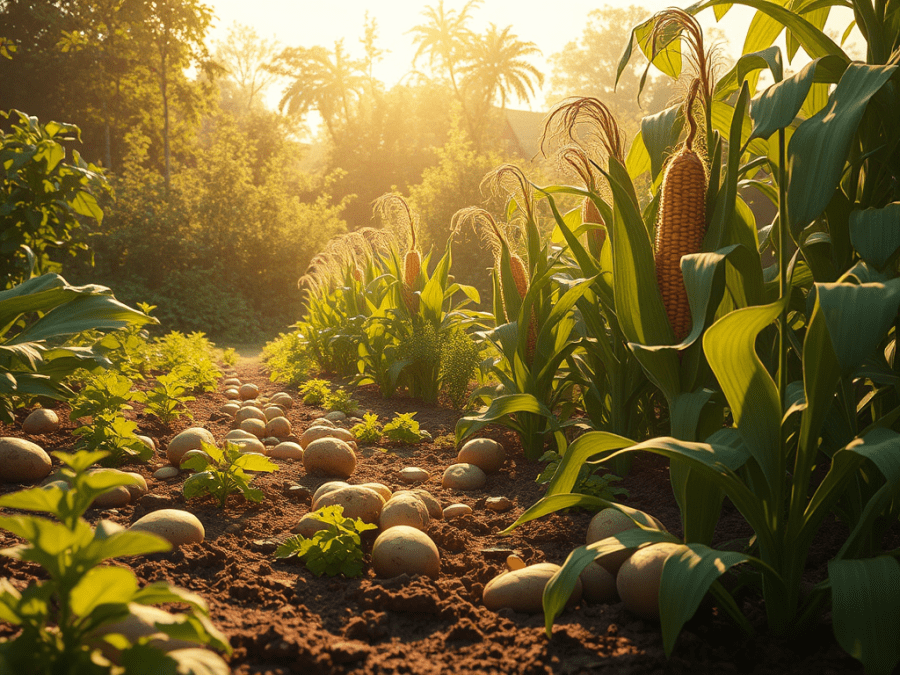
People laugh at potatoes—until they realize these humble dirt nuggets kept entire civilizations alive. Potatoes grow in lousy soil, don’t need much babying, and produce more calories per square foot than almost anything else.

When grocery shelves are stripped bare and the clueless masses panic, you’ll be sitting on piles of real food while they argue about who took the last granola bar.

Why potatoes are essential:

  • High calories
  • Grow in poor soil
  • Store well in cool, dark areas
  • Minimal pest issues

If you’re not growing potatoes, you’re already behind.

2. Beans (Your Long-Term Survival Protein)

Everyone talks about protein until they need to actually grow some. Livestock? Good luck feeding it when animal feed disappears. Hunting? So will everyone else—wildlife will vanish fast. But beans? Beans just grow. And they give you protein without expecting you to play rancher in the apocalypse.

Pole beans, bush beans, dry beans—grow them all. They improve soil, climb anything, and tolerate harsh neglect better than most people you know.

Why beans matter:

  • Plant-based protein
  • Long-term dry storage
  • Soil-building nitrogen fixers
  • Reliable yield

Beans won’t betray you. People will.

3. Corn (Massive Harvest, Endless Uses)

Say what you want about corn—it feeds people. It feeds animals. It feeds entire nations. And unlike half the fragile specialty crops people obsess over, corn actually produces enough mass to matter when you’re trying to stay alive.

You can grind it into meal, feed it to chickens, ferment it, store it, or eat it straight off the cob. Fast-growing, sun-loving, drought-tolerant corn is a prepper’s workhorse.

Corn benefits:

  • Huge calorie yield
  • Can be dried and stored long-term
  • Works in tons of recipes
  • Great for bartering

In a grid-down world, corn is currency.

4. Winter Squash (Hard-Shelled Survival Gold)

After the collapse, refrigeration won’t be there to save you. That’s why winter squash matters—they’re the original long-term storage food. With thick rinds and durable flesh, they’ll sit on your shelf for months without rotting into compost.

Butternut, acorn, Hubbard, kuri—pick your fighters. Just make sure you grow a lot of them.

Why winter squash is vital:

  • Keep for 6–12 months
  • Great carbs and vitamins
  • Hardy plants once established
  • Huge harvest potential

When everyone else is shivering and hungry, your squash pile will look like treasure.

5. Sweet Potatoes (Survival Meets Nutrition)

Unlike regular potatoes, sweet potatoes tolerate heat, drought, and neglect like they’re built for catastrophe. They provide calories, vitamins, and vines you can eat as greens if you’re desperate.

Once you plant sweet potatoes, they practically take over—exactly what you want in a world falling apart.

Benefits:

  • High yield
  • Heat and drought tolerant
  • Edible greens
  • Stores for months

Sweet potatoes don’t care if civilization crumbles.

6. Cabbage (The Forget-Me-Not Food That Just Keeps Giving)

Cabbage is the vegetable equivalent of a bunker—heavy, tough, and made to endure. It produces a ton of edible mass and becomes even more useful when fermented.

Sauerkraut isn’t a trend—it’s what people made when they didn’t have refrigerators.

Why cabbage is a survival classic:

  • Huge nutritional value
  • Stores for weeks
  • Can be fermented for long-term preservation
  • Cold-hardy

Cabbage doesn’t die easily. Can’t say the same about most modern diets.

7. Garlic & Onions (Flavors That Keep You Sane)

Listen, life after collapse is going to be miserable enough. If your food is bland, it gets even worse. Garlic and onions aren’t just flavor—they’re medicine, pest repellants, and food preservers.

Plus, they store extremely well.

Why you need them:

  • Long storage
  • Antibacterial properties
  • Easy to grow
  • High value for trade

If you want morale, you want alliums.

8. Carrots (The Survival Root That Doesn’t Complain)

Carrots take a little soil prep, but once they’re growing, they’re practically unstoppable. They store well, grow well in cool weather, and diversify your calories.

They’re also one of the few crops people will still like eating when they’re exhausted, cold, and miserable.

Why carrots earn a spot:

  • Easy to grow
  • Long storage
  • Cold tolerant
  • High vitamins

Carrots are simple. The world won’t be.

9. Kale (The One Green That Doesn’t Die)

Most leafy greens collapse under heat, cold, or pests. Kale laughs at all of them. It’s a multi-season, frost-kissing, apocalypse-proof plant that keeps producing when everything else waves a white flag.

Benefits:

  • Extremely hardy
  • Long season
  • Nutrient dense
  • Keeps producing

You don’t need trendy superfoods. You need kale.

10. Sunflowers (Seeds, Oil, and Livestock Feed)

Sunflowers give you more than beauty—they give you protein-rich seeds, oil for cooking, and feed for animals. They grow tall, strong, and resilient, even when conditions turn nasty.

Why sunflowers matter:

  • Edible seeds
  • Oil extraction
  • Drought tolerant
  • Excellent survival bartering item

Sunflowers don’t care about chaos—they just grow.


FINAL THOUGHTS: GROW FOOD OR GET LEFT BEHIND

You can’t fix the world. You can’t stop the collapse. You can’t rely on the grid, the government, the stores, or the clueless crowds who still think “everything will be fine.”

But you can grow food.

Survival belongs to the prepared—not the optimistic.

Learn these crops. Plant them now. Because when the world finally goes dark, your garden will be the only thing standing between your family and starvation.

The Passionate Homesteader: Love, Lust, and Living the Oregon Homestead Lifestyle

There’s something deeply seductive about living close to the land. Maybe it’s the morning mist rolling over the Douglas firs, the smell of cedar smoke in the twilight, or the way a pair of strong hands look wrapped around a jar of homemade preserves. Whatever it is, homesteading in Oregon isn’t just about prepping or permaculture—it’s about passion.

Let me tell you, when you’re raising chickens, splitting firewood, and fermenting your own cider, you learn to appreciate every little pleasure. Out here, we’re not only growing tomatoes—we’re growing desire, baby. Living on a homestead means you don’t need a fancy five-star hotel to keep the spark alive. You’ve got everything you need right outside your cabin door.

And if you’re like me—someone who’s both handy with a hatchet and hot under the collar—then you know how homestead skills can add fire to your love life. Whether you’re living off-grid with your sweetheart or just dreamin’ of that cozy cabin life, here are 15 homestead skills that will make sex (and romance) a whole lot more fun:


🔥 15 Homestead Skills to Heat Up Your Love Life

  1. Wood Chopping – There’s nothing sexier than watching your partner split logs with powerful swings. Bonus: you’ll both be warm later—in more ways than one.
  2. Outdoor Shower Building – Hot water under open sky? Yes, please. A DIY outdoor shower with solar-heated water becomes your personal spa for two.
  3. Soapmaking – Lather up with a bar of your own homemade lavender-vanilla soap. When you’ve made it yourself, bathing your lover becomes an art.
  4. Herbalism – Wild Oregon yarrow, rose petals, and mint? Make your own sensual massage oils, bath soaks, or even aphrodisiac teas. Nature provides.
  5. Beekeeping – Harvest that honey and drizzle it somewhere sweet. Need I say more?
  6. Fermentation – Cider, mead, and elderberry wine—craft your own intoxicating drinks and sip under the stars, blankets optional.
  7. Quilt Making – Whether you’re tangled in bed or curled up on the porch swing, a handmade quilt turns a chilly night into a sensual snugglefest.
  8. Bread Baking – There’s something primal about kneading dough, smelling fresh loaves, and feeding each other hunks of sourdough by firelight.
  9. Animal Husbandry – Tending animals together builds intimacy—and trust. Plus, there’s something sexy about watching your partner care for life.
  10. Preserving the Harvest – You and your sweetheart sweating over boiling jars of peaches and jam? Hot. And the rewards last all winter.
  11. DIY Sauna Building – Oregon forests are full of cedar, and cedar saunas are full of steam, sweat, and the perfect place for a little rustic intimacy.
  12. Carpentry – Build a bed frame that creaks for all the right reasons. Or a swing. You get the idea.
  13. Garden Tending – Getting dirty has never been this flirty. Weeding, planting, and harvesting side by side gives you time to connect—and tease.
  14. Fishing and Foraging – Pack a picnic, catch some trout, and nibble on wild strawberries with your bare hands. Nature’s full of edible foreplay.
  15. Candle Making – Nothing says romance like soft light dancing across skin. Make your own beeswax candles and let them glow until the sun rises.

Out here in Oregon, the rhythm of the seasons sets the pace for our passions. In the spring, everything’s bursting with life—and so are we. Summer is for skinny dipping in hidden rivers and staying up late under the Milky Way. Autumn? That’s cuddle season, baby. And in winter, the only thing better than hot coffee is each other’s body heat.

But let’s be real: even paradise needs a little effort to stay romantic. That’s why I always recommend a few DIY homestead romance hacks to keep the love burning, no matter how muddy the boots or how long the goat chores.


💋 3 DIY Romance Hacks for the Oregon Homestead

1. The Barn Loft Getaway

Transform your barn’s upper level into a secret love nest. Clean it out, hang some twinkle lights, toss down an old mattress (or even hay bales with a thick quilt), and you’ve got yourself a rustic hideaway. Bonus points if there’s a window with a view of the sunset over your field.

Tip: Hang some sheer curtains for that “prairie boudoir” vibe.

2. Garden of Intimate Delights

Designate a corner of your garden for romance. Plant fragrant herbs like lavender, chamomile, and lemon balm. Add a bench (or a hammock), a little trellis with climbing roses, and solar lanterns for late-night rendezvous. It’s your secret Eden.

Tip: Add strawberries or chocolate mint for tasty temptation.

3. Fire Pit for Two

Build a small, stone-lined fire pit just for the two of you—separate from the big bonfire area. Keep two chairs, some sheepskin throws, and a stash of marshmallows and spiced cider nearby. It’s the perfect spot to warm your hands…and hearts.

Tip: A cast iron Dutch oven full of cobbler bubbling nearby is an edible aphrodisiac.


So, yeah. We may be hauling water and shoveling compost by day, but when the sun goes down on an Oregon homestead, the real magic begins. You learn to make your own power, your own food—and your own pleasure. You discover that true intimacy comes from working side-by-side, making things with your hands, and sharing the simplest moments.

Romance on the homestead isn’t always roses and wine (though we do grow roses and make damn fine wine). Sometimes it’s helping your partner haul hay or patch a fence. It’s laughing through a muddy chore. It’s kissing under a dripping eave or slow dancing to the crackle of the woodstove.

If you’re looking to rekindle the flame—or spark a whole new wildfire—then get yourself a pair of muck boots and a lover who knows their way around a compost pile. Because in the Oregon homestead life, every chore is foreplay and every evening has the potential to become something a little more wild.

So go on. Pick up that ax. Light the fire. And let the land love you right back.


Wanna turn your homestead into a haven of heat and heart? Just remember this: in the end, it’s not about being perfect. It’s about being present. And nothing is sexier than that.

🌾🔥❤️

Mississippi Homestead Lifestyle

The Mississippi Homestead Lifestyle: A Way of Life Rooted in Dirt, Sweat, and Soul

Down here in Mississippi, the soil tells stories. Rich, black Delta dirt and sandy pine land hold the memory of every crop, every footfall, every drop of sweat from a thousand hands. Homesteading ain’t just something we do—it’s something we are. Folks up north might call it “self-sufficient living,” but we just call it life.

I was raised on a patch of land in the northeast corner of the state, where summers are hot, winters are wet, and neighbors still bring you pecan pie when they hear your mama’s laid up. My daddy taught me early that if the land provides, you honor it by working it honest and never taking more than you need. I’ve been living that truth every day since.

The Rhythm of the Land

Every season brings its own tasks and blessings. Springtime’s for planting and mending fences. Come summer, the garden’s bursting, and we’re sweating through sunrise to sundown. Fall means harvesting, canning, and prepping for the cold. Winter’s when the firewood burns slow and the pantry shelves remind you how well you worked all year.

To live this life proper, you need a skillset deeper than the well out back. A real homesteader ain’t afraid to learn something new, try something hard, or fix something broke. Over the years, I’ve built up what I call my homesteader’s toolbox—not just hammers and nails, but skills, passed down or learned through grit and Google.

22 Homestead Skills Every Mississippi Homesteader Should Know

  1. Canning and preserving – Ain’t no sense in letting your hard work spoil. We can tomatoes, pickle okra, and make pear preserves so sweet they’ll make your eyes roll back.
  2. Gardening year-round – With the right setup, even our mild winters can grow greens and onions.
  3. Composting – Turn kitchen scraps and chicken litter into black gold.
  4. Raising chickens – For eggs, meat, and pest control. Plus, they’re fun to watch.
  5. Goat milking and cheese-making – Nanny goats provide enough milk for butter, soap, and soft cheese.
  6. Beekeeping – Honey, wax, and pollination all from the same buzzing crew.
  7. Basic carpentry – If you can’t build it, fix it, or mend it, you’ll spend more than you earn.
  8. Fence building and repair – Keep the critters in and the predators out.
  9. Foraging – Wild blackberries, muscadines, and pokeweed greens grow all over Mississippi if you know where to look.
  10. Herbal medicine – Yarrow for cuts, elderberry syrup for colds, and peppermint for what ails you.
  11. Soap making – Lye soap may smell plain, but it’ll clean anything from skin to laundry.
  12. Sewing and mending – Every tear can be patched, every hole filled.
  13. Meat processing – Whether it’s chickens, deer, or hogs, knowing how to butcher saves you money and keeps you connected to your food.
  14. Root cellar storage – Keeps potatoes, onions, and canned goods cool without electricity.
  15. Rainwater collection – Every drop counts, especially when the well runs low.
  16. Wood chopping and stacking – Nothing heats like oak logs dried right.
  17. Smoking meat and fish – Adds flavor and helps preserve food for leaner months.
  18. Making fire without matches – Flint, steel, or magnifying glass—it’s a skill that can save your hide.
  19. Natural pest control – Diatomaceous earth, vinegar, and companion planting go a long way.
  20. Making vinegar from scraps – Apple cores, sugar, and time is all you need.
  21. Homemade cleaning solutions – Vinegar, baking soda, lemon—cheap and effective.
  22. Crop rotation and soil amendment – Healthy soil means healthy food.

5 DIY Homestead Hacks That Make Life Easier

Now, let me share a few tricks of the trade. These hacks aren’t found in your average homesteading book—they’re learned through muddy boots and busted knuckles.

  1. Five-Gallon Bucket Feeders
    Turn old buckets into gravity-fed chicken feeders. Drill holes near the bottom, set them on a tray, and your flock will thank you.
  2. Milk Jug Greenhouses
    Cut the bottoms off gallon jugs and pop them over tender seedlings. Instant mini-greenhouse and frost protection.
  3. DIY Drip Irrigation from Old Hoses
    Poke holes in a worn-out garden hose, snake it through your rows, and connect it to a low-pressure spigot. Water your garden evenly while you sip tea on the porch.
  4. Eggshell Calcium Boost
    Grind up dried eggshells and add to your compost or feed to laying hens. Helps keep their shells hard and plants happy.
  5. Soap-on-a-Rope Fence Marker
    Tie a bar of strong-scented soap on a string and hang it around your garden. The scent keeps deer and rabbits away—usually.

More Than Chores: A Way of Being

Homesteading in Mississippi ain’t always easy. We battle kudzu, mosquitoes, and the occasional hurricane. The heat will try to cook you from the inside out come August. But every struggle brings a lesson, and every lesson deepens your roots.

It’s a humble life, but a rich one. Watching seeds sprout that you planted, hearing your kids laugh while collecting eggs, or sipping sweet tea under a sky full of stars—there’s wealth in that. Real wealth.

We barter with neighbors, swap sourdough starters and okra seeds, share tractor repairs and stories at the feed store. This lifestyle pulls folks together. You learn quick that community means more than convenience ever will.

Passing It On

My youngest boy’s already asking how to grow watermelon and build a rabbit hutch. That’s how I know we’re doing something right. We ain’t just growing food—we’re growing a way of life that don’t rely on grocery stores or big city ways. We’re teaching our children to work hard, pray loud, and always say thank you when the rain falls just right.

So, if you’re thinking about jumping into the Mississippi homesteader’s life, know this—it’s work, it’s worry, and it’s waking up every day with purpose. But if you love the land, the land will love you back.

And that, friend, is a blessing you can’t buy.

California Homestead Lifestyle: The Real Grit of Living Off the Land

You think California’s just about sun-drenched beaches, Hollywood glam, and avocado toast? Think again. Try telling that to someone who’s been scraping and clawing for every scrap of dirt they can turn into a living, breathing homestead in this damn state.

The California Homestead Lifestyle isn’t some weekend hobby or Instagram photo op. It’s a relentless, bloody commitment to independence, grit, and self-reliance. It’s about waking up every day knowing you’ve got to beat back the drought, the wildfires, the invasive regulations, and the overpriced land that’ll bleed you dry if you let it.

Here’s the cold, angry truth: if you want to homestead in California, you better come prepared with some serious skills and hacks—because out here, nature doesn’t give a damn about your fancy dreams. You either adapt or you fail.


15 Must-Have Homestead Skills for California Living

  1. Water Management
    This isn’t just important, it’s life or death. California’s droughts aren’t some rare event—they’re a brutal, recurring enemy. Learn how to capture rainwater legally, build cisterns, and recycle gray water. Every drop counts, so know your drip irrigation, mulching, and soil moisture retention techniques.
  2. Fire Prevention & Control
    Wildfires ravage California yearly. Knowing how to create defensible space around your homestead, clear brush, and have a fire plan can save your life and your home.
  3. Soil Building & Composting
    The Golden State’s soil isn’t uniformly fertile. You need to build it up with organic matter, compost properly, and use cover crops to keep your land productive.
  4. Permaculture Design
    Designing your homestead with the land’s natural flow in mind saves work and creates resilience—critical for surviving California’s erratic climate.
  5. Seed Saving & Plant Propagation
    Don’t trust the grocery store or seed companies. Save seeds from plants that thrive in your microclimate and propagate through cuttings or grafting.
  6. Animal Husbandry
    Whether chickens, goats, or bees, raising animals for eggs, milk, honey, or pest control is a cornerstone of a thriving homestead.
  7. Butchering & Meat Preservation
    This one’s not for the faint of heart, but knowing how to process and preserve meat means you aren’t dependent on the butcher or supermarket.
  8. Canning & Food Preservation
    You better master canning, dehydrating, and fermenting, because the summer bounty isn’t going to last all year.
  9. Tool Maintenance & Blacksmithing Basics
    If your tools break, you can’t wait for Amazon. Sharpen blades, fix equipment, and maybe even do some basic metalwork.
  10. Alternative Energy Setup
    Solar panels, battery storage, and maybe even a wind turbine can keep your homestead powered without relying on the grid, which gets sketchy during fires or blackouts.
  11. Natural Building & Repairs
    Knowing how to fix a fence, patch a roof, or build with local materials (adobe, cob, reclaimed wood) saves you a fortune and keeps you independent.
  12. Herbal Medicine & First Aid
    Access to doctors isn’t always a given in remote areas. Learn to identify and use medicinal plants, and basic first aid.
  13. Wildcrafting & Foraging
    California is rich in wild edibles—acorns, mushrooms, herbs. Know what’s safe and how to harvest without destroying the ecosystem.
  14. Hunting & Fishing
    For many homesteaders, this supplements their diet with fresh protein. Learn local regulations and sustainable practices.
  15. Community Networking & Bartering
    No homestead is an island. Build relationships with neighbors for skill swaps, trade, and mutual aid when the chips are down.

The Raw Reality of California Homesteading

You want a slice of this California dream? Here’s the kicker: the state’s got more red tape than a Christmas tree lot. Permits for wells, restrictions on rainwater catchment, zoning laws that try to squeeze you into a suburban box, and the constant threat of eviction or fines for “non-compliance.” It’s enough to make a seasoned homesteader spit nails.

You need to be savvy, legal, and stubborn as hell. You have to know how to work within the system while pushing back hard when the system tries to throttle your way of life. A homestead here isn’t a fairy tale; it’s a battlefront, and you’re the last line of defense.


3 DIY Homestead Hacks to Survive & Thrive in California

1. DIY Solar Water Heater from Old Tires and Black Paint

Forget expensive solar water heaters. Take some discarded car tires, slice them open flat, and paint them flat black. Arrange these on a south-facing wall or roof where they get full sun. Run a loop of black tubing through the tires and hook it up to your water tank. The tires absorb heat, warming your water cheaply and sustainably—perfect for chilly desert nights or foggy coastal mornings.

2. Swale Trenches for Water Harvesting

In drought-ridden California, every drop counts. Dig swale trenches along your contour lines—shallow ditches that catch and hold rainwater, allowing it to slowly seep into the soil instead of running off. This traps moisture and revitalizes the land around your crops. You don’t need fancy equipment, just a shovel, some patience, and knowledge of your land’s slope.

3. DIY Rocket Stove from Salvaged Bricks and Tin Cans

Cooking fuel is expensive and scarce in some areas. Build a rocket stove from reclaimed bricks and tin cans for an efficient, smokeless cooking option. It uses tiny amounts of wood and burns hot—great for canning or cooking without relying on electricity or propane.


What the Hell Are You Waiting For?

If you think you’re going to just “set up a homestead” in California like planting a few tomato plants and calling it a day, you’re dead wrong. This lifestyle demands everything you’ve got—blood, sweat, and yes, sometimes tears. But when you succeed, there’s nothing like eating food you grew yourself, knowing you’re off the grid and free.


So pick up those skills, learn the hacks, get your hands dirty, and fight for your slice of the homestead dream. Because out here, freedom isn’t handed to you. You take it.