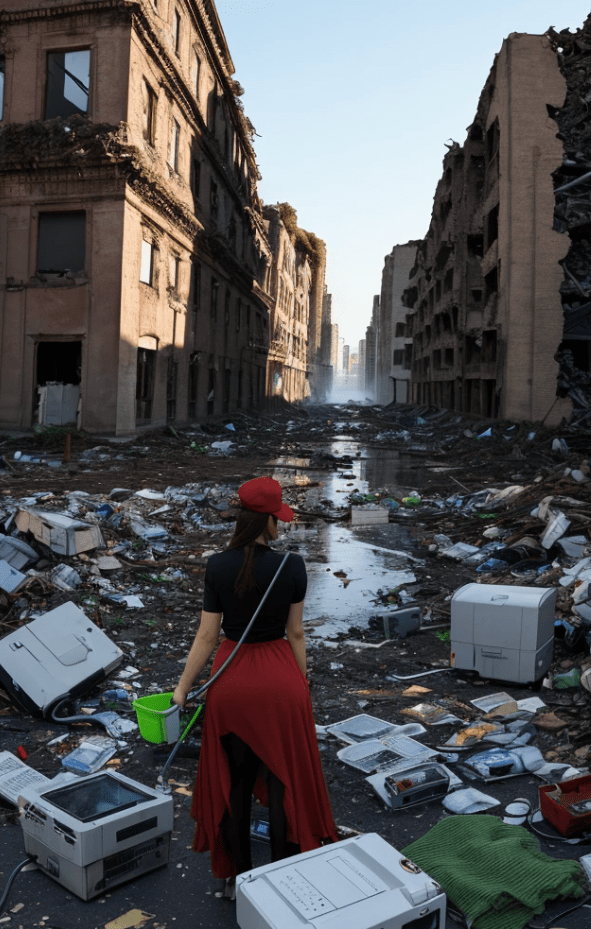
Starting From Nothing: My Painful Journey Into Basic Food Storage Prepping After Losing It All

I’m not proud of the man I became after everything fell apart.
When people talk about SHTF scenarios, they do it with a strange mix of fear and fascination. Some even romanticize it—imagining themselves as rugged lone wolves, capable of thriving when society collapses. I used to be one of them. I thought surviving would be instinctive, automatic, part of some primal ability buried deep inside. But instincts mean nothing when reality is colder, harsher, and hungrier than your imagination ever prepared you for.

I lost everything because I thought I was smarter than the disaster that came for me. I believed I had “enough” without really knowing what enough meant. I confused optimism for readiness, and that failure cost me more than possessions—it cost me people, comfort, security, and a sense of worth I still struggle to regain.

So now I write these words not as an expert, not as a brave prepper, but as someone who learned every lesson in the most painful way possible. If you are just getting started with basic food storage preps for an SHTF moment, I hope my failures will keep you from repeating them.


Why Food Storage Matters More Than You Think

When the world is still intact, food feels like an afterthought. Grocery stores glow on every corner. Restaurants hum with life. Delivery apps bring meals to your doorstep in minutes. It all feels so permanent—until the day it isn’t.

When SHTF hit my area, the grocery stores were empty within hours. Not days. Hours.
I remember walking down an aisle stripped bare, my footsteps echoing off metal shelves like the sound of a coffin lid closing. I had canned beans at home, maybe a bag of rice that I’d been ignoring in the pantry, and some stale cereal that I had forgotten to throw out. It wasn’t enough. Not even close.

If you think you have time to prepare later, you don’t. If you think you can improvise, you can’t. When everyone is scrambling, desperation destroys creativity. People who never stole a thing in their lives will fight over a dented can of tomatoes. People you trusted will become strangers. And you—if you’re like I was—will learn the meaning of regret in its rawest form.

That’s why food storage isn’t optional. It’s the foundation of survival.


Start Small—Because Small Is Still Better Than Nothing

Before everything fell apart, I always imagined prepping as something huge—stockpiling bunkers full of supplies, shelves fortified with military rations, huge five-gallon buckets lining the basement. I never started because it always felt overwhelming.

What I should have done—and what you should do—was start small. Even a single week of food stored properly can make the difference between panic and calm.

Here’s what I wish someone had told me:

1. Begin With a 7-Day Supply

A solid first step is simply making sure you can feed yourself (and your family, if you have one) for seven days without outside help.
This baseline prep includes:

  • Rice (cheap, long-lasting, filling)
  • Beans (dried or canned)
  • Canned meat like tuna or chicken
  • Pasta
  • Tomato sauce or canned vegetables
  • Oatmeal
  • Peanut butter
  • A few comfort foods (your sanity will thank you later)

This isn’t glamorous. It doesn’t look like the prepper fantasy you see online. But this humble supply can hold you steady when the world begins to tilt.

2. Build Up to 30 Days

Once you have a week, build toward a month.
At 30 days of food, something changes inside you. You begin to feel a kind of quiet strength. A stability. Not the loud confidence of someone bragging about their gear, but the soft, steady reassurance that you won’t starve tomorrow.


Keep Your Food Simple and Shelf-Stable

One of my big mistakes was buying “prepper food” without understanding my needs. I bought freeze-dried meals that required more water than I had available. I bought bulk grains without storing them correctly. Mice had a better feast than I did.

Focus on what lasts and what you’ll actually eat. Survival isn’t a diet—it’s nourishment.

Food Items That Last

  • White rice
  • Pasta
  • Rolled oats
  • Peanut butter
  • Canned tuna, chicken, and sardines
  • Canned vegetables
  • Canned soups
  • Honey (never spoils)
  • Salt and spices
  • Instant potatoes
  • Powdered drink mixes (helps fight taste fatigue)

Store It Right

This is where my downfall truly began: poor storage.
No matter how much food you gather, it’s worthless if ruined by:

  • Moisture
  • Heat
  • Pests
  • Light
  • Poor containers

Store food in cool, dry areas. Use airtight containers for grains. Label everything with dates. Don’t let your efforts rot away in silence the way mine did.


Rotate—Or Watch Your Supplies Die in the Dark

I used to think storing food meant sealing it away and forgetting it until disaster struck. That’s how I lost half my supplies: expiration dates quietly creeping past, cans rusting behind clutter, bags of rice turning to inedible bricks.

The rule you need to tattoo onto your mind is:

“Store what you eat. Eat what you store.”

Rotation keeps your stock fresh. It keeps you used to the foods you rely on. And it stops your prepping investment from becoming a graveyard of wasted money and ruined nourishment.


Water: The Part Everyone Ignores Until It’s Too Late

I had food. Not enough—but some. But water?
I had barely any. When the taps ran dry, reality hit harder than hunger ever did.

For every person, you need one gallon of water per day—minimum. Drinking, cooking, cleaning, sanitation—it all drains your supply faster than you think.

Start with:

  • A few cases of bottled water
  • Larger jugs or water bricks
  • A reliable filtration method (LifeStraw, Sawyer Mini, etc.)

Food will keep you alive.
Water will keep you human.


Don’t Learn the Hard Way Like I Did

Prepping isn’t paranoia.
It isn’t fearmongering.
It isn’t overreacting.

It’s the quiet, painful understanding that no one is coming to save you when everything falls apart.

I learned too late.
I lost too much.
I live every day with the weight of those failures.

But you can learn from me.
You can start now, with something small, something humble, something that grows over time.

And when the next disaster comes—and it will—you won’t feel that crushing panic I felt standing in an empty store staring at empty shelves. Instead, you’ll feel a sense of calm strength, knowing you took your future seriously.

I hope you prepare.
I hope you start today.
And I hope you never have to feel the kind of regret that still keeps me awake at night.

Super Duper Important Food Storage Organization: The Harsh Reality Preppers Keep Ignoring

If there’s one thing I’ve learned after years of watching society march itself off a cliff with a smile, it’s this: most people can barely keep their sock drawer organized, let alone their food storage. Everyone loves to talk big about “stocking up” and “being prepared,” but when it comes down to actually doing the unglamorous grunt work—taking inventory, rotating supplies, labeling containers—suddenly everyone becomes lazy, distracted, or “too busy.”

The truth, whether anyone wants to face it or not, is that food storage isn’t some Instagram-friendly pantry makeover. It’s not an aesthetic hobby. It’s a survival system, and if you treat it like anything less, you might as well hand your supplies to the nearest looter and call it a day.

So let’s get something straight: organization and inventory aren’t optional. They are the backbone of any real survival food plan. If you can’t track what you have, where it is, how long it will last, and what you need to replenish, then your entire so-called “prepping” is nothing more than a pile of false confidence waiting to collapse at the worst possible moment.

And moments like that are coming. Don’t kid yourself.


Why Food Storage Matters Even More Than You Think

Every year the world gets a little more chaotic, a little more unstable, and a lot more unpredictable. Supply chains break, crops fail, fuel prices spike, storms hit, and cities melt down—yet somehow the average person still believes grocery stores magically refill themselves overnight.

Maybe they think there’s a fairy in the back room restocking the shelves. Who knows.

But the reality is simple: the more unstable society becomes, the more critical your food storage system is. Not just the amount of food you have—though that matters too—but the management of that food.

Preppers often brag about having “months of supplies.” But when you ask them for specifics, like how many pounds of rice they have, the expiration dates on their canned goods, or how many calories their stash actually provides per day, they suddenly turn into philosophers—lots of vague answers and no actual numbers.

That’s not prepping. That’s denial.


Inventory Is the One Thing Lazy Preppers Refuse to Take Seriously

Let’s talk inventory. Most people hate it. It’s tedious. It requires writing things down. It forces you to face the fact that maybe you’re not as prepared as you thought.

And that’s exactly why it’s essential.

You cannot build a functional food storage system without knowing:

  • What you currently have
  • What’s expiring soon
  • What you need to rotate
  • What you need to replenish
  • How much you actually use over time
  • Where each item is stored
  • Your total caloric reserves
  • How long those reserves will last for each person in your household

If you’re rolling your eyes right now, maybe prepping isn’t actually your thing. Because survival is math, whether you like it or not.

Imagine waking up during a grid-down scenario, digging through your pantry, and realizing half your supplies expired last year because you never bothered to check them. Or discovering you bought 40 cans of soup… but all the same flavor your family hates. Or worse, realizing you stocked up on rice but didn’t buy a single pound of salt, seasonings, or oil to actually cook with it.

Inventory prevents disasters before they become disasters.


Organization: Because Chaos Won’t Save You

Some preppers treat their pantry like a junk drawer. Bags of beans shoved behind flour, cans stacked wherever they happen to fit, random Mylar bags tossed onto shelves “for later,” and half-empty containers leaning sideways like they’re begging to spill.

Do you know what that creates?

Chaos. Confusion. Waste. And vulnerability.

If you ever experience a real emergency, you won’t have time to “dig around and see what’s here.” You need to be able to access what you need immediately—and you need to know it’s still good, sealed, and edible.

Here are the harsh truths:

1. If it isn’t labeled, it doesn’t exist.

Write dates on EVERYTHING—every bucket, every can, every jar, every Mylar bag. If you’re too lazy to label, you’re too lazy to survive.

2. If you can’t see it, you won’t use it.

Deep shelves and unlit storage rooms are silent killers of supplies. Install lighting, use clear containers, and never bury critical food behind junk.

3. If it isn’t rotated, it WILL expire.

FIFO (First In, First Out) isn’t a suggestion. It’s the law of food storage. Treat it like one.

4. If it’s not grouped, it’s not organized.

Cans with cans. Grains with grains. Snacks with snacks. Stop mixing categories like a chaotic raccoon scavenging a dumpster.

5. If your storage isn’t protected, rodents and moisture will destroy it.

You’d be shocked how many preppers lose food to conditions they should have controlled.


People Who Don’t Organize Always Pay the Price Later

Most people assume they’ll be calm and rational when trouble comes. They won’t. Stress shuts down logical thinking. Panic makes people sloppy. Chaos fuels mistakes.

And when your brain is foggy with fear, trying to organize your pantry will be a disaster.

Do it NOW, when your hands aren’t shaking, when lighting still works, and when society hasn’t descended into noise and confusion.

Because here’s the ugly truth:

If you can’t manage your supplies during peace, you won’t magically become competent during crisis.


Building a Real Food Storage System

Here’s what actually works—tested, proven, and reliable:

1. Create a master inventory sheet
Digital or paper—doesn’t matter. Update it weekly.

2. Categorize everything
Grains, canned meats, canned vegetables, freeze-dried meals, spices, oils, comfort foods, etc.

3. Track calories, not just volume
Who cares how many jars you have if they don’t add up to enough daily fuel?

4. Use storage zones
Pantry, basement, long-term storage, emergency bug-out supply.

5. Keep a running “use and replace” list
If you take one item out, write it down immediately. No excuses.

6. Do monthly expiration checks
Yes, monthly. Not yearly like the optimistic amateurs.

7. Overprotect everything
Oxygen absorbers, Mylar, buckets, vacuum sealing—treat food like treasure because soon it might be.


Final Thoughts: Don’t Be Another Unprepared Statistic

The world isn’t getting kinder. It’s not getting more stable. And it sure isn’t getting more self-reliant. Every year, more people depend on fragile systems that can barely handle normal demand, let alone crisis.

You don’t have to be one of them.

But only if you stop pretending that buying food is the same as storing food. Only if you stop believing that survival is about “having stuff” instead of managing it.

Inventory and organization will either save you—or expose you.

It all depends on whether you take them seriously now, while you still have the chance.

Because once things go bad—and they will eventually—there’s no do-over.

Emergency Preparedness Planning 101: What to Do Before Everything Falls Apart

If you’re reading this, congratulations—you’re at least aware enough to realize the world is a mess and getting messier by the day. Most people shuffle through their lives staring at their phones, trusting the government, corporations, or some miraculous stroke of luck to save them when disaster strikes. Spoiler alert: no one is coming to save you. Emergency preparedness isn’t a hobby; it’s the bare minimum level of responsibility any halfway conscious adult should take. And yet here we are, in a society where people panic when the WiFi goes down for twenty minutes.

Welcome to Emergency Preparedness Planning 101—the class everyone should have taken, but most didn’t because they assumed everything would always be fine. Those of us who actually prepare know better. We don’t do it because it’s “fun” or because we want to feel special. We do it because we’ve seen enough to know that chaos is inevitable. And when chaos comes, you’re either ready… or you’re a liability.

Let’s go through what you should already know but probably don’t.


1. The First Rule: Accept That Disasters Happen

Most people cling to the fantasy that emergencies are rare. They’re not. At any moment, you could be dealing with:

  • Natural disasters
  • Power grid failures
  • Economic collapse
  • Social unrest
  • Pandemics
  • Infrastructure breakdown
  • Supply chain interruptions

And let’s not pretend any of these are far-fetched. Recent years have made it painfully clear how quickly society falls apart when even small disruptions hit. Yet people still act shocked when they walk into a store and see empty shelves. The truth is that modern society is held together with duct tape and wishful thinking. Preparing isn’t pessimism—it’s realism.


2. Water: The One Thing You Can’t Afford to Overlook

It’s astounding how many people stockpile gadgets, weapons, or flashlights but forget water—the literal foundation of survival. The rule is simple: one gallon per person per day, and that’s scratching the surface. Add pets, hygiene, cooking, and unforeseen emergencies, and that number climbs quickly.

If you think a few plastic bottles shoved in a closet is enough, you’re fooling yourself. Water sources get contaminated, municipal systems fail, and bottled water disappears instantly during any crisis. You need:

  • A minimum two-week supply stored
  • A long-term water storage plan
  • Filtration and purification systems
  • Redundant backup methods

Because if you don’t plan now, you’ll be fighting your neighbor at the nearest drainage ditch when the taps run dry.


3. Food Storage: Not the Instagram Version

People love the idea of food prepping until they realize it involves work and discipline. Emergency food storage is not about bragging rights or looking cool in a bunker selfie. It’s about having the calories and nutrients you need to keep going when grocery stores are stripped bare—which happens faster than most people believe.

Your food storage should include:

  • Shelf-stable staples (rice, beans, oats, pasta)
  • Freeze-dried meals
  • Canned protein
  • Long-term storage containers with oxygen absorbers
  • A rotation schedule

And before you even think it: no, your freezer doesn’t count. When the power goes out and everything inside turns into a thawed, useless mess, don’t say you weren’t warned.


4. Power: Because Sitting in the Dark Isn’t a Plan

If a grid failure happened right now, most people would be paralyzed. You need alternative power sources—plural. Relying on a single generator is a rookie mistake. Fuel runs out. Systems fail. Weather gets unpredictable.

A real prepper builds redundancy:

  • Solar power systems
  • Portable solar panels
  • Battery banks
  • Hand-crank chargers
  • Generators (as a secondary system)

This isn’t paranoia. It’s accepting the reality that modern life depends on electricity, and electricity is far more fragile than anyone wants to admit.


5. First Aid: Because the World Doesn’t Hand Out Second Chances

You don’t need to be a doctor, but you need more than an outdated band-aid box from 2004. When emergencies strike, hospitals overload instantly, and you may be on your own.

Your first aid preparedness should include:

  • A professional-grade trauma kit
  • Knowledge of wound care
  • Skills in CPR and basic first aid
  • Over-the-counter medications
  • Prescription backups (if possible)

Because when someone gets hurt—and someone will get hurt—waiting for help isn’t an option.


6. Security: The Topic Everyone Tiptoes Around

Let’s be honest: during real emergencies, people can be almost as dangerous as the disaster itself. Society runs on rules and consequences—take those away, and human behavior becomes incredibly unpredictable.

You need a plan to keep yourself and your loved ones safe. That includes:

  • Physical security
  • Situational awareness
  • Reinforced entry points
  • Lighting
  • Alarms
  • Nonviolent self-defense tools
  • Communication plans

The point isn’t to live in fear; it’s to not be blindsided when people act desperate, irrational, or opportunistic.


7. Communication: Because Isolation Is a Death Sentence

You need to be able to reach others—and they need to be able to reach you—when the world goes quiet. Don’t rely on cell towers and internet providers; they’re usually the first to collapse during crises.

A real emergency communication setup should include:

  • Battery-powered radios
  • NOAA weather radios
  • Two-way radios
  • Backup power sources
  • Written communication plans for your group or family

Being disconnected during an emergency is not only dangerous—it’s completely avoidable with minimal planning.


8. A Mindset That Doesn’t Crumble

Gear is useless without the right mindset. Emergency preparedness is about being mentally ready to deal with unpredictability. It’s about accepting that you’re responsible for you, no matter how much society has trained people to outsource responsibility.

Mindset means:

  • Staying calm under pressure
  • Being adaptable
  • Making decisions when others freeze
  • Thinking ahead
  • Maintaining discipline even when everything feels pointless

Preparing isn’t pessimistic—it’s acknowledging reality. Anyone who thinks the world is stable hasn’t been paying attention.


Final Thoughts

Emergency preparedness planning isn’t complicated. What makes it difficult is the denial people cling to. If you’re reading this, you’re already ahead of most. But being aware is only step one. Doing something about it is what matters. Stocking up, planning, learning, and preparing aren’t overreactions. They’re survival.

If the world goes sideways—and eventually it will—your only regret will be not preparing sooner.

Surviving the Endless Blackout: Hard Lessons for the Unprepared World

Let’s stop pretending the world is going to hold itself together forever. Every year the power grid becomes more fragile, the people become more dependent, and the illusion that “somebody else will fix it” grows more laughable. You want survival prepper advice for long-term power outages? Fine. But understand this: if you’re asking now, you’re already behind. For years, the writing has been on the wall in big, blinking red letters—the grid is dying, and almost no one cares enough to prepare.

People act like the power going out for a few hours is an inconvenience. They whine that their streaming service paused or the AC cut off. But a real long-term power outage? A true grid failure that stretches into weeks, months, maybe longer? That isn’t an “inconvenience.” It’s the unraveling of modern civilization—fast, brutal, unforgiving. And most of the population will panic, consume everything in sight, and turn on each other the moment their comforts disappear.

If you want to survive what’s coming, you need to prepare like the world won’t help you—because it won’t.


The Moment the Grid Goes Down, Your Old Life Ends

People have no idea how many things they rely on daily that require power. It’s not just lights. It’s not just entertainment. It’s water treatment, sewage management, supply chains, hospitals, refrigeration, communication, and transportation systems. When the grid collapses, everything else collapses with it.

The very moment the power stays off longer than 24 hours, the fragile illusion begins to crack. Grocery stores lose refrigeration. Gas stations stop pumping. ATMs go dead. Electronic payments die instantly. After 72 hours, the shelves are empty, the water pressure drops, and the desperation kicks in.

And here’s the truth: your neighbors won’t stay neighborly.
When their kids are hungry and they realize the government isn’t coming to save them, they will do whatever it takes—whatever it takes—to survive.

If you’re not ready, you become the resource they want.
If you are ready, you become the target they need.

Either way, power outages change people. And not for the better.


Your Long-Term Survival Depends on Energy Independence—Not Hope

Hope is useless.

Backup generators? Sure, they’re great—until they burn through fuel. And when the grid is down for months, good luck refilling those tanks. Fuel becomes liquid gold, guarded, fought over, and nearly impossible to acquire.

Solar? Better. But the average person buys a cheap solar generator thinking they’re set for life. They forget clouds exist. They forget batteries degrade. They forget that a single system can’t run a modern household.

Here’s the harsh truth:
If you want power long-term, you need redundancy—layers of energy options, not one toy you bought online.

Serious preppers follow this rule:

1. Solar Power (Primary)

Not a single panel. Not a cute portable kit.
A real setup: roof panels, ground arrays, battery banks, and proper inverters. Preferably something EMP-hardened or at least protected.

2. Fuel-Based Generators (Short-term and emergency)

Propane stores longer than gasoline. Diesel is stable. Gasoline is garbage after a few months unless treated and rotated.
Have multiple fuel sources, not one.

3. Manual Tools and Non-Electric Alternatives

Because eventually, everything breaks. And when it does, you’d better know how to live like electricity never existed.


Water: The First Resource to Disappear—and the Last You Can Live Without

People love stockpiling flashlights and candles while ignoring the most obvious issue: without power, water stops moving.

If you’re on a well? No electricity, no pump.
If you’re on city water? Once their backup generators fail, so does your faucet.

You need:

  • Multiple water storage systems
  • Gravity-fed solutions
  • Water filters that don’t rely on electricity
  • Backup manual well pumps
  • Rainwater collection systems

And believe me, when people get thirsty, they’ll become unpredictable fast. A dehydrated population is a violent population.


Food Storage: Because Grocery Stores Won’t Save You

Everyone projects their fantasy onto collapse: “Oh, I’ll just hunt.”
Right. So will every other desperate person. Wildlife won’t last a month near populated areas.

Your real food sources must be:

  • Bulk dry goods: rice, beans, oats, wheat berries, lentils
  • Freeze-dried emergency meals
  • Canned proteins: tuna, chicken, beef
  • Gardens and greenhouses capable of long-term production
  • Seed banks—heirloom only
  • Livestock (if possible)

But you know what people never plan for?
The part where they get robbed.

If you store food, others will eventually want that food. So add this to your list:

  • Hidden caches
  • Decoy storage
  • Defensive systems and training
  • Community alliances (even if you hate people, you’ll need them)

Yeah, community. Even angry pessimistic preppers like me know one truth: you can’t defend anything alone forever.


Heat, Cooling, and the Harsh Truth About Weather

When the grid collapses, people forget how unforgiving nature can be.

Winter becomes deadly for the unprepared.
Summer becomes lethal for the weak.

You need non-electric heating systems:

  • Wood stoves
  • Pellet stoves (with manual lighting options)
  • Thermal blankets
  • Insulated emergency shelters

Cooling? That’s harder. But methods exist:

  • Earth-sheltered structures
  • Cross-ventilation
  • Solar-powered fans
  • Underground storage for perishables
  • Heat-reflective materials

The wealthy think their backup generators will keep the AC going.
They won’t—not for long.
And when the heat becomes unbearable, they’ll be the first ones to panic.


Security: Because When the Lights Go Out, the Wolves Come Out

You can have all the supplies in the world, but if you can’t defend them, you’re just stockpiling for someone stronger.

Arm yourself. Train. Know your land.
Set up motion sensors, dogs, tripwires, perimeter alarms—systems that don’t need electricity.

And don’t fool yourself:
Morality is a luxury of stable societies.

When the grid dies, survival becomes the only rule.


Mental Fortitude: The One Prep No One Talks About

People break mentally long before they run out of food.
Isolation, fear, and the crushing realization that the world you knew is gone—that’s what destroys the unprepared.

You need hobbies, routines, skills, and discipline.
And you need to accept this now: life will never be easy again.


Final Thought: Prepare Like No One Is Coming—Because No One Is

Governments can barely handle a snowstorm.
You think they’ll manage a nationwide power collapse?

Look around. Society is soft, weak, and addicted to convenience.
They won’t survive long-term outages.

But you can—if you start now, prepare honestly, and stop trusting the world to keep the lights on.

Because once the switch flips for good, everything changes.
And only the prepared will make it through the darkness.

The Last Grocery Store Run Before the Grid Goes Dark: A Prepper’s Final Warning

You can feel a collapse long before you can prove it. The air thickens, conversations shorten, and people move with a jittery uncertainty they pretend isn’t fear. For weeks now, every expert with a tie and a microphone has insisted the power grid is “stable” or “only experiencing minor vulnerabilities.” But those of us who still use our eyes—and not the spoon-fed comfort pumped out of screens—know the truth: the grid is held together with duct tape, denial, and a hope that ran out sometime last decade.

So this morning, when the news quietly mentioned “regional instability” and “rolling disruptions,” I knew exactly what that meant: this was it. My last chance to top off supplies before the grid sputters out for good. And despite everything I’ve stockpiled over the years, despite the shelves I’ve meticulously filled and the gallons of fuel I’ve tucked away, there’s always one last run. One more pass through the grocery store to grab the things that might mean the difference between grinding through the collapse or becoming another body buried under its weight.

And of course, like clockwork, people waited until the last possible second to panic.

I threw my gear in the truck and headed into town for what I knew would be a hostile, frantic, anger-soaked sprint through a grocery store full of clueless, late-to-the-party consumers who spent years mocking preppers and are now shocked—shocked—that modern life doesn’t come with guarantees.

Walking Into the Chaos

The parking lot told the whole story before I even got inside. Cars abandoned at crooked angles. Carts left as barricades. People shouting into phones that weren’t even connected because the networks were already starting to choke. And there it was—that glazed-over look in their eyes: the realization that no one is coming to save them.

I walked through the automatic doors (thankfully still powered), and the assault hit instantly: the stench of panic sweat, the squeal of wheels pushing overloaded carts, and the sound of ten different conversations about “how this can’t really be happening” coming from people who have spent their entire lives outsourcing responsibility to systems they never bothered to understand.

Every aisle was a battlefield. Every shelf was a shrinking island of hope.

But I wasn’t there to feel sorry for them. I wasn’t there to help them wake up. I was there to finish the job—secure what I needed before the lights blinked out forever.

Item 1: Shelf-Stable Calories

The first stop was obvious: dry goods. Rice, beans, pasta—anything that stores for years and keeps a body alive. I grabbed what was left, even as two grown adults argued over the last bag of lentils like toddlers fighting over a toy. They didn’t notice I slipped behind them and pulled three bags of white rice they’d overlooked. I didn’t feel bad; their ignorance wasn’t my responsibility.

When you’ve been preparing for years, you learn to see what others don’t.

Item 2: Canned Proteins

Next was canned meat—tuna, chicken, spam, whatever hadn’t yet been ravaged by the first wave of panic shoppers. Protein will be gold when the grid dies, and hunting won’t be an option for half the people who think they’ll suddenly become wilderness experts.

Most of the shelves were stripped clean, but I managed to get a dozen cans of chili and several cans of chicken that were shoved behind fancy organic soups no one wanted. Funny how people become less picky right before the world goes dark.

Item 3: Water and Purification Supplies

Water is life, but bottled water was already gone—the shelves empty except for the plastic price tags. No surprise. People always go for the obvious.

But I knew the real score: grab bleach, grab filters, grab anything that makes questionable water drinkable.

Saw three teenage boys laughing as they tossed the last cases of bottled water into their cart, mocking the panic. I’d love to see how much laughing they’ll do once they realize one case of water lasts a family about two days, maybe three if rationed.

Meanwhile, I slipped down the cleaning aisle and filled my basket with purification essentials they didn’t even think about.

Item 4: High-Calorie “Morale Foods”

In a collapse, calories keep you alive—but morale keeps you human.

I grabbed chocolate, instant coffee, peanut butter, and the last few boxes of granola bars. These aren’t comforts—they’re psychological stabilizers. When your world shrinks to survival, a spoonful of peanut butter becomes strength, and a cup of coffee becomes hope.

People think prepping is all about ammo and generators. They forget the human mind collapses long before the body does.

Item 5: Quick-Use Foods

Anyone who’s lived through an outage knows the first few days are the worst. You need quick, no-cook food to get through the transition. I grabbed crackers, canned fruit, ready-made soups, and instant meals.

By now, the lights had started to flicker. The store manager shouted something unintelligible over the intercom, but nobody cared. The panic had gone from simmer to full boil.

The Desperation Was Palpable

I saw people crying in the aisles. Some were shouting into phones, begging family members to “get home now.” Others were staring at empty shelves as if they were staring at their own future—void, stark, unforgiving.

What infuriated me, though, was this: they had every chance to prepare. Every warning sign. Every news report hinting at instability. Every outage over the last decade, every expert saying the grid was aging, overstressed, and under-maintained.

But they ignored it all.

Because denial is a warm blanket in a cold world—right up until the blanket catches fire.

Checking Out

I got into the shortest line I could find—not that it mattered. People were frantic, dropping items, yelling, shoving. The card machines were already stalling. Someone screamed when their payment declined; someone else tried to argue their expired coupons should still apply “because this is an emergency.”

Pathetic.

I paid with cash—something else people have forgotten still has value when systems break.

As I walked back out into the parking lot, the first substation alarm in town began to wail. A low, mechanical howl rolling over the rooftops like a warning siren for the damned.

People looked around, confused. I wasn’t. I knew exactly what it meant.

Heading Home Before the Lights Go Out

The grid wasn’t collapsing.
It was collapsed. We were simply watching the echoes.

I tossed the last-gasp items into the truck, turned the engine over, and headed out of the mess before the roads clogged with panicked civilians who still believed someone would come fix this.

Because they don’t understand the truth we preppers have known for years:

When the grid goes down, it’s not just the lights that disappear.
It’s the illusion of stability.
It’s the myth of progress.
It’s the lie that society will always keep humming along politely.

And when that illusion dies, the world gets real—fast.

I didn’t make that last grocery store run because I was unprepared.
I made it because I understand something the rest of the world refuses to accept:

There is no cavalry. Only consequences.

And I intend to face those consequences with a stocked pantry, a clear head, and the grim satisfaction of knowing that while the world slept, I stayed awake.

Let the grid burn.
I’ll survive the night.

Best Survival Products Hiding in Your Grocery Aisles

Civilization is not a guarantee—it’s a temporary arrangement held together by apathy, duct tape, and a population that assumes “someone else” is handling things. Maybe that used to be true. Not anymore. Every week the cracks get wider, and every year we pretend that supply chains, government agencies, and corporate giants will somehow keep functioning even as everything around us falls apart.

And yet, most people wander through grocery stores like zombies, tossing snacks into their carts and giggling on their phones, never stopping to consider that the lights above their heads and the food on those shelves rely on systems that can collapse overnight. All it takes is one power grid failure, one fuel shortage, one cyberattack, one natural disaster—pick your poison—and the whole façade drops.

I’m tired of watching people sleepwalk through danger. I’m tired of pretending everything is fine. So here’s the truth: if you’re even half awake, you should already be stocking up. Fortunately, you don’t need a bunker, a forest cabin, or a shipping container full of MREs to prepare. You can find real, practical, shelf-stable survival gear right inside your everyday grocery store—if you know what to look for.

Below are the best survival products you can buy before the masses finally panic or the shelves go bare (again).


1. Canned Meat: The Only Protein You Can Trust When Reality Crumbles

Everyone loves to sneer at canned meat—right until the day the refrigerated section dies and the fresh meat aisle becomes a biohazard zone. Canned chicken, tuna, spam, and roast beef are some of the most underrated survival foods on the planet.

They last for years, require no cooking, maintain protein content, and can be eaten straight out of the can. When the world decides to malfunction, people who used to mock canned meat will regret tossing organic kale chips into their carts instead of stocking up like sane adults.

Stop worrying about the label aesthetics and grab the cans. Protein is survival, period.


2. Rice and Beans: The Boring Duo That Will Keep You Alive Longer Than Your Favorite Politician

People roll their eyes at rice and beans because they’re “too basic.” Well, guess what? Basic foods built civilizations long before electricity, refrigeration, and food delivery apps turned humanity soft. Rice and beans together form a complete protein, and both store for absurdly long periods if you keep them dry.

Everyone wants “fun” survival foods. Good luck staying alive on granola bars and high-priced freeze-dried meals. Rice and beans aren’t glamorous, but they’ll outlast every influencer who thinks prepping is a quirky aesthetic.


3. Peanut Butter: Nutrient-Dense, Calorie-Dense, and Doesn’t Give a Damn About Power Outages

One jar of peanut butter contains thousands of calories, lasts over a year, and requires no heating or preparation. That’s called dependable. Meanwhile, the world around you is becoming the opposite of dependable.

If inflation spikes, if the grid goes down, if transportation collapses even for a week—you will want foods that don’t care about temperature, convenience, or refrigeration. Peanut butter will carry you through days when chaos eats everything else.

Grab the jars. All of them.


4. Salt: The Mineral That Built Empires (And Will Save You When Your Fridge Is Just a Box of Rotting Hope)

Modern people treat salt like a seasoning. Precarious societies treat it like gold. In a real crisis, salt becomes one of the most valuable survival items on the planet because it preserves food, balances electrolytes, and extends the lifespan of almost anything perishable.

Refrigeration is temporary. Salt is forever. A few dollars now could save your entire supply stash later.


5. Shelf-Stable Milk: You’ll Thank Yourself When Fresh Dairy Turns Into Toxic Waste

You don’t have to live without milk during a crisis. Shelf-stable milk (boxed or powdered) lasts months to years and can be used for cooking, coffee, cereal, and sanity. When fresh milk disappears—and it will, very quickly—you’ll be watching people panic over shortages you solved months ago.

Most people don’t even realize shelf-stable milk exists. That’s why it’s still sitting quietly on store shelves. For now.


6. Instant Coffee: The Survival Comfort That Will Keep You From Losing Your Mind

Humans underestimate morale. They think survival is only calories, water, and shelter. But a demoralized mind collapses faster than a crumbling supply chain. That’s where instant coffee comes in.

When your entire neighborhood is losing it, when the sun rises on chaos, when the nights feel too long and too dark—one hot cup of coffee can keep your sanity tethered. Instant coffee stores forever, requires only water, and can be a mental anchor when everything else gets ugly.


7. Bottled Water: The Most Boring Thing in the Store, But the First Thing to Vanish

People laugh at preppers storing bottled water—right until a storm hits and they’re fighting strangers for the last case. Water is life. Water goes fast. Water stops being available the moment pumps lose electricity.

If the grocery store STILL has a wall of bottled water, consider it a miracle. Get it while you can. You will never regret having too much water—but you will regret not having enough.


8. First-Aid Supplies: Because Hospitals Might Be the First Thing to Collapse

Most grocery stores stock basic medical supplies that become invaluable when the healthcare system becomes overwhelmed. Gauze, bandages, antiseptic wipes, pain relievers, and antibacterial ointments can turn a crisis into an inconvenience instead of a death sentence.

People will scream that “someone” is coming to help. The problem is that “someone” is never as fast or reliable as your own preparation.


9. Trash Bags and Aluminum Foil: The Silent Titans of Survival

No one talks about these, and maybe they should start. Industrial-sized trash bags can be used for shelter, insulation, water collection, sanitation, and gear protection. Aluminum foil can cook, reflect heat, block moisture, and preserve food.

When you look at a simple shopping bag and see survival tools instead of household products, that’s when you finally wake up to how fragile this world has become.


10. Manual Can Opener: Because Electricity Won’t Open Anything for You

People buy stacks of canned food and forget the one item that actually lets them access it. A manual can opener is the difference between eating and starvation when the grid decides it’s had enough.

You don’t need a fancy one. You just need one that works without power—something the modern world seems to have forgotten how to function without.


Final Thoughts (Not That Anyone Listens)

The grocery store is more than a place to wander around mindlessly while the world deteriorates outside. It’s a temporary armory of supplies, a sanctuary before the storm, a fragile lifeline that won’t stay intact forever. The things that keep you alive in a crisis are sitting there on the shelves right now—quiet, unappreciated, ignored by a population that thinks the system will always work.

The truth? It won’t. And when it fails, you’ll either be the one holding the last can opener…
or the one begging for it.

The Ultimate EDC Checklist: Are These Key Items in Your Kit?

Imagine this scenario for a moment—you’re heading out the door, running errands, or even just walking to the mailbox. Everything seems perfectly normal. Then, suddenly, the unexpected happens. A power outage. A car breakdown. An emergency situation where you need to think on your feet and act fast.

Now, ask yourself: Are you really prepared for the unexpected?

Most people go about their day with the bare minimum in their pockets or bags: a wallet, a smartphone, and a set of keys. But what if that wasn’t enough? What if you could make a few small changes to your everyday carry (EDC) that could help you in a survival situation or simply make life a little easier?

It’s time to think beyond the basics and upgrade your EDC. When disaster strikes—whether it’s a natural disaster, power outage, or even just an unexpected situation—you’ll want to be as prepared as possible. With the right EDC, you can navigate these events with confidence, without being caught off guard.

Let’s go over the crucial items every survivalist should have in their everyday carry kit. These tools could very well be the difference between surviving and being caught unprepared.

1) Multi-tool

A multi-tool is perhaps the most essential item in your EDC. This versatile tool is your Swiss Army knife for modern-day survival. From knives and screwdrivers to bottle openers and pliers, a quality multi-tool will serve you in nearly any situation. Whether you’re fixing a broken item, opening a package, or handling an unexpected repair on the go, having a multi-tool at your disposal is invaluable.

Survival Prepper Tip: Choose a multi-tool that’s compact, durable, and easy to carry. Look for one that includes a knife, scissors, pliers, and a few screwdrivers. Don’t forget about the weight – you want something that’s easy to carry without weighing you down.

2) Flashlight

When the lights go out, a flashlight is your best friend. Whether you’re facing a power outage at home, navigating through a dark area, or even just trying to find something in a poorly lit space, a flashlight is a must-have in your EDC. Opt for a small, durable, and powerful flashlight that can be easily carried in your bag or pocket. There’s nothing worse than fumbling around in the dark when you need light the most.

Survival Prepper Tip: Look for a flashlight that uses rechargeable batteries, which can save you money in the long run. Solar-powered models are an excellent choice for preppers who want a sustainable option. Always have spare batteries in your kit as well.

3) Fire Starter

When you’re caught in a situation where you need warmth, cooking, or a signal for help, a reliable fire starter can be a game-changer. A Ferro rod fire starter is compact and easy to carry, and it’s capable of igniting a fire even in wet conditions. You never know when you might need to create a fire to cook food, stay warm, or send out an emergency signal. Fire is also essential for purification, whether you’re boiling water for drinking or disinfecting something.

Survival Prepper Tip: Practice using your fire starter before you need it. The last thing you want is to struggle with it during an emergency. Keep a few fire-starting supplies, like cotton balls soaked in petroleum jelly or tinder, in your kit for easy ignition.

4) Water Bottle

Water is life, and in any survival scenario, access to clean drinking water is critical. Carrying a durable, reusable water bottle ensures you’re never without hydration when you need it. Additionally, a high-quality water bottle with a built-in filter can help you purify water from lakes, streams, or questionable sources. Having access to clean water is a fundamental survival skill, and carrying it with you makes it a part of your everyday readiness.

Survival Prepper Tip: Choose a stainless steel or BPA-free plastic water bottle. If you’re worried about contamination, consider one with a built-in filtration system. This ensures you can purify water from a variety of sources in the wild.

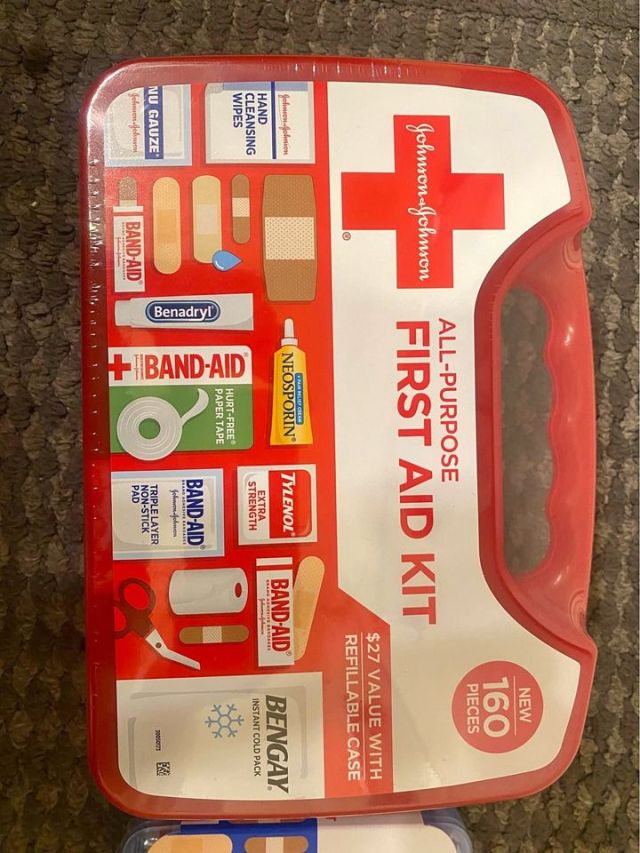
5) First Aid Kit

When you’re in a survival situation, injuries can happen fast—whether it’s a cut, burn, sprain, or something more serious. A small but well-stocked first aid kit is essential in your EDC. You should be able to address minor injuries and have supplies for more serious situations, like infection prevention or wound care.

Survival Prepper Tip: At the very least, your first aid kit should include antiseptic wipes, bandages, gauze, medical tape, tweezers, pain relievers, and any personal medications. Don’t forget to include an emergency whistle, as it can help you signal for help if you need it.

6) Paracord

Paracord is one of those items that you’ll be glad you packed, even though you might never need it. However, when you do, you’ll be amazed at its versatility. From building shelter, tying down gear, making repairs, to even using it for fire-starting (by stripping it), paracord is a survivalist’s go-to utility tool. Keep at least 10 feet of it in your EDC kit.

Survival Prepper Tip: Choose a high-quality, 550-paracord with a higher tensile strength. It should be durable enough to withstand harsh conditions. If possible, look for a paracord bracelet, so you have it easily accessible.

7) Survival Blanket (Mylar Blanket)

A Mylar survival blanket, also known as a space blanket, is a must-have in your EDC. It’s small, lightweight, and helps retain body heat in extreme temperatures. It can also be used as a reflective signaling device in emergencies. These blankets are an essential part of your kit because they protect you from hypothermia and other weather-related dangers.

Survival Prepper Tip: The reflective nature of Mylar blankets makes them ideal for signaling. Use them in survival situations to attract attention from rescuers. Consider carrying a small survival shelter or poncho for added protection.

8) Knife

A high-quality, folding pocket knife is essential for your EDC. From preparing food to cutting rope, a sharp knife can help you handle multiple survival tasks. Choose a compact, easy-to-carry knife that is capable of handling heavy-duty tasks. Make sure the blade is durable, and the handle is comfortable to grip.

Survival Prepper Tip: When selecting a knife, consider the lock mechanism for safety. Always sharpen your blade and check for rust to maintain optimal performance.

9) Compact Tool Kit

While a multi-tool is great, sometimes you need specialized tools for specific tasks. A small, compact tool kit with essentials like a small wrench, pliers, or even a screwdriver set can be a lifesaver. This can help you with repairs or minor fixes during your day-to-day life or in emergency situations.

Survival Prepper Tip: A lightweight, minimal tool kit with just a few essential tools will help you make repairs on the go without adding unnecessary bulk to your kit.

10) Tactical Pen

A tactical pen is another item that can be part of your EDC kit without drawing attention. While it functions as a regular pen, it also serves as a self-defense weapon, glass breaker, and even a tool for small repairs. It’s an inconspicuous but practical addition to your gear, and it could come in handy in a wide variety of scenarios.

Survival Prepper Tip: Choose a tactical pen made of heavy-duty materials, like aluminum or titanium, so it can withstand rugged use. Ensure it also has a reliable writing mechanism to make it functional as a regular pen.


Final Thoughts:

In a survival situation, your ability to adapt, improvise, and make use of the resources at hand is what will keep you alive. Your EDC is more than just a collection of random items. It’s a critical component of your overall preparedness strategy. The key to an effective EDC is to make sure you have the tools that you need to handle unexpected situations, whether that’s a minor inconvenience or a full-blown emergency.

By having these items in your kit, you’re setting yourself up for success. Keep refining your gear, add more items as necessary, and always stay alert. The world is unpredictable, but with the right tools in your pocket, you’ll be ready for whatever comes your way.

Survival Prepper Tip: Regularly review your EDC kit. Seasons change, your needs evolve, and new gear becomes available. Keeping your kit up to date will ensure that you’re always ready for whatever life throws your way.

The Wifi Trap: What Most Preppers Overlook When SHTF

As preppers, we’re always thinking about the “what ifs” — what if the power grid goes down? What if food becomes scarce? What if our security is compromised? But one thing that often gets overlooked in prepping is how we handle something as common as wifi when SHTF (Sh*t Hits The Fan).

Sure, most of us are used to having wifi at our fingertips. It’s something we take for granted in our daily lives, whether we’re at home, at a café, or even traveling. But when disaster strikes—whether it’s a natural disaster, an EMP, or some form of societal collapse—the wifi we rely on can become a huge liability.

Think about it: every time a major storm hits or an earthquake shakes things up, what happens? The power grid goes down, cell towers collapse, and suddenly, we’re cut off from the world. The internet disappears. But if you’re a prepper, you’ve probably planned ahead. You’ve got your own generator, and maybe even a backup power source for your wifi. You’re sitting pretty, right?

Well, not quite.


The Dangerous Wifi Mistake Most People Make

The truth is, while having wifi during a crisis can be a blessing—it can also make you a target. When you’ve got a working wifi signal in an otherwise digitally dead area, you’re sending out a beacon. A signal to anyone with a device searching for a connection. And when people are desperate—whether it’s for information, communication, or resources—they’ll stop at nothing to get to you. That includes the possibility of using force.

Picture this: a massive power outage or grid failure. You’re sitting in your home with your backup generator, using your wifi to access essential information or stay in touch with other preppers. But that signal, that tiny little wave bouncing off your router, is broadcasting to anyone nearby. And when resources are scarce, there are plenty of people who would be willing to do whatever it takes—perhaps even storm your house or break into your perimeter—to steal those resources.

This is a situation we must be prepared for. If you’ve got wifi set up for a SHTF scenario, there are a few things you need to understand to stay safe.


Reducing Your Wifi Range: A Smart Strategy

What’s the solution? Do we simply throw our routers out the window during a power outage? Of course not. But there are steps you can take to ensure your wifi doesn’t make you an easy target in an already dangerous situation.

One way to protect yourself is by reducing the range of your wifi signal. Most modern wifi routers allow you to adjust the power output—basically controlling how far your signal reaches. By lowering the power, you can restrict your wifi’s range and make it much less noticeable to anyone outside your immediate vicinity.

This is a smart strategy for preppers who don’t want to broadcast their presence to the wrong people.

Tip #1: Most wifi routers allow you to control the transmit power. Check your router’s settings and adjust the power output. You’ll want to reduce it to a level where only those inside your home or immediate property can access the signal.

Tip #2: Always refer to your router’s manual or interface to make sure you’re adjusting the correct settings. Each router model is different, but most will have an option to control the signal strength or transmit power.


How to Hide Your Wifi with Physical Barriers

Now, let’s say you’re not tech-savvy or don’t want to mess with your router settings. There’s another simple method you can use: physical barriers. You can reduce the range of your wifi signal by surrounding your router with dense materials like concrete or stones.

Think about it: wifi signals can only travel through certain materials. Concrete, metal, and stone are excellent at blocking signals. By placing your router in a space surrounded by these materials, you’re naturally limiting the range without having to adjust any settings. For example, if you have a basement or a sturdy, windowless room in your house, that could serve as a great space to keep your router safe.

Tip #3: A simple and effective method is placing your router in a room with thick concrete walls or a storage area made of dense materials. This will help shield the signal from reaching the outside world.


Prepping for Emergencies Beyond the Basics

As a prepper, it’s crucial to think outside the box, especially when you’re facing an unprecedented situation. Most people think of wifi as a convenience, not as a potential vulnerability. But in an emergency, your technology can become both a tool and a liability. The key is to adapt.

Tip #4: Don’t just prep for short-term scenarios. Plan for long-term sustainability. A few days without the grid is one thing; surviving for months or even years is something entirely different.


The Importance of Digital Security

Just as you would lock your doors and secure your home, you need to protect your digital space. In the chaos following a major disaster, people might go to extreme lengths to obtain your resources. You need to be aware of how much you’re broadcasting. This goes beyond just wifi—think about all the digital signals your devices are sending out. Cell phones, radios, and even Bluetooth can be tracked or intercepted if you aren’t careful.

Tip #5: Turn off Bluetooth, GPS, and Wi-Fi on devices when not in use. The fewer signals you send out, the less chance you’ll attract attention from those looking to exploit your resources.


Additional Wifi Safety Measures

Another smart move is to create a network that’s encrypted and secure. In a post-collapse world, information is power, and anyone who can hack into your system will have a major advantage. Set up a VPN (Virtual Private Network) to protect your online communications and data.

Tip #6: Always use a VPN on your devices. It encrypts your online activity and adds an extra layer of security when accessing the internet in a crisis.


Know Your Neighbors (But Keep Your Distance)

If you’re living in a close-knit neighborhood, don’t underestimate the value of knowing who is nearby. The stronger your community connections, the better prepared you’ll be to handle any situation. But even within a close community, you need to remain vigilant. Trust is built, not given.

Tip #7: Form a prepper group with trusted neighbors, but always remain cautious about who you allow into your circle. Trust, but verify.


Redundancy is Key to Prepper Success

While you’re reducing your wifi signal and securing your digital footprint, remember that redundancy is critical. You can’t rely on a single system. A backup communications plan is necessary, whether it’s a two-way radio or even an old-fashioned CB.

Tip #8: Invest in walkie-talkies or ham radios for backup communication in case the internet and cell towers fail completely.


Stay One Step Ahead

At the end of the day, the goal is to stay one step ahead of the game. By taking these simple but effective precautions, you reduce your exposure and keep your home from becoming a target when the chips go down.

Tip #9: Be proactive, not reactive. Anticipate problems before they occur, and stay prepared for any scenario that may unfold.


Conclusion: A Tactical Approach to Wifi in a Crisis

When SHTF, you’re going to face a whole new set of challenges. Wifi may be a tool, but it can also be a dangerous liability if you don’t handle it right. From adjusting power settings to using physical barriers, there are simple and effective ways to reduce the range of your wifi signal and avoid drawing attention to yourself.

Tip #10: Continuously reassess your preparedness plan. Emergencies evolve, and your prepping must evolve with them.

By being aware of the wifi mistake that many preppers overlook, you’re one step closer to ensuring that your home remains secure—and that you’re truly ready when the chips go down.

Surviving Without a Hospital: Medic Skills You Need When SHTF

Surviving Without a Hospital: Medic Skills You Need When SHTF

When the world collapses and the grid goes down, most of us will be cut off from the very systems that we rely on for survival—no electricity, no cell service, and no access to medical professionals. In those moments, you’ll need to rely on yourself. One of the most important skills you can develop is knowing how to be your own medic when SHTF. You won’t have the luxury of rushing to the emergency room, so your knowledge and your ability to treat injuries and illnesses will be critical to your survival.

The Importance of Medic Skills When SHTF

In a survival situation, you are the first responder. When disaster strikes, the hospitals and emergency services will be overwhelmed, or they may not even be available. You’ll need to step up, stay calm, and take control of your health. That means knowing how to handle common medical issues on your own—from minor cuts to more serious wounds, sprains, burns, fractures, and everything in between.

The good news is that with some basic training and the right mindset, you can equip yourself to manage medical emergencies until help arrives—or until you can find it. This might sound overwhelming at first, but it’s a skill set that will make the difference between life and death when the chips are down. So, let’s dive into some essential first aid skills and survival tips you need to know.

First Aid Basics for Survival Situations

1. Cuts and Scrapes: The First Line of Defense

Cuts and scrapes are the most common injuries you’ll encounter, and thankfully, they’re also some of the easiest to treat. If it’s a minor cut, you should:

  • Clean the wound with warm water and soap to prevent infection.
  • Apply an antibiotic ointment like Neosporin to ward off bacteria.
  • Cover the wound with a bandage to keep it clean and dry.

But if you’re dealing with a deeper cut or gash, things get more complicated.

  • Stop the bleeding by applying direct pressure with a clean cloth. Hold it in place until the bleeding slows.
  • For severe bleeding, use a tourniquet above the injury (only if you cannot stop the bleeding with pressure), but this should be a last resort. Remember, tourniquets can cause damage if left on too long, so it’s vital to get medical help as soon as possible.

2. Sprains and Strains: The R.I.C.E. Method

If you twist your ankle or injure your wrist, it’s crucial to address the injury immediately to prevent further damage. The R.I.C.E. method is your go-to strategy:

  • Rest: Limit movement to prevent further strain on the injury.
  • Ice: Apply an ice pack or a makeshift cold compress to reduce swelling.
  • Compression: Wrap the injured area with a bandage to provide stability and reduce swelling.
  • Elevation: Raise the injured limb above the level of your heart to reduce swelling.

While it may not completely heal the injury, it can minimize the damage and reduce pain until you get help or the injury heals naturally.

3. Burns: Treating Heat Injuries in the Wild

We’ve all burned ourselves at some point. Whether it’s from touching a hot pan or getting too close to a fire, burns can be debilitating. Here’s how to handle them:

  • For minor burns, immediately immerse the area in cool water (not ice-cold, which could cause more damage). You can also apply aloe vera or a soothing burn ointment.
  • For severe burns, cover the area with a clean, dry cloth (don’t use anything that could stick to the wound, like gauze or cotton). Don’t pop any blisters, as this can lead to infection. Seek medical help as soon as possible—burns can be life-threatening if they cover a large area.

4. Broken Bones: Immobilization Is Key

If you suspect a broken bone, the most important thing is to immobilize the area. Movement can worsen the damage and cause more pain. Here’s how you can handle it:

  • Immobilize the limb using a splint or any rigid material you have at hand, such as a stick, board, or even a rolled-up newspaper.
  • Apply a cold compress to reduce swelling.
  • Elevate the injured limb to reduce swelling and pain, if possible.

Remember, a fracture may be painful, but with proper immobilization, you can manage it until you can either get to help or set up a longer-term solution.

The Role of Knowledge in Survival Medicine

Now that we’ve covered some basic injuries, it’s important to stress that knowledge is your best weapon when dealing with medical emergencies in a survival situation. The key to surviving when medical help isn’t available is not just knowing how to stop bleeding or treat a sprain. You need to think on your feet and stay calm under pressure.

10 Prepper Tips for Managing Medical Emergencies When SHTF

  1. Master First Aid and CPR: Make sure you’re certified in both basic first aid and CPR. These certifications provide the knowledge you need to treat a variety of injuries and help keep someone alive until professional help arrives.
  2. Assemble a Fully Stocked First Aid Kit: Ensure that your first aid kit includes essential supplies like bandages, antiseptics, pain relievers, splints, and tourniquets. But don’t stop there—think about additional items like saline solution for wound irrigation, a good pair of scissors, and medical gloves.
  3. Learn to Use Herbal Remedies: In a grid-down situation, over-the-counter medications might not be available. Learn to identify and use medicinal plants for natural pain relief, wound care, and other common ailments. Echinacea, garlic, and yarrow are all great examples.
  4. Know How to Suture Wounds: In a real emergency, you might need to close a deep wound yourself. Take a class or practice using a suture kit. It could save your life or someone else’s.
  5. Prepare for Infection: Keep your wounds as clean as possible and apply antibacterial ointment. In a survival situation, infections can become life-threatening without antibiotics, so keep wounds covered and change dressings regularly.
  6. Learn to Make a Splint: You don’t always have a store-bought splint on hand. Learn how to improvise using sticks, cloth, or whatever materials you can find in your environment.
  7. Stockpile Antibiotics: While illegal in many areas, antibiotics are a must-have in a prepper’s medical supplies. Talk to a healthcare professional about obtaining them for emergency situations and learn how to use them properly.
  8. Stay Calm Under Pressure: One of the most important skills in a medical emergency is maintaining composure. Stay calm and assess the situation before rushing into action. The more calm and collected you are, the better your chances of dealing with the injury.
  9. Learn How to Build a Survival Medical Kit: You can’t always rely on pre-packaged kits. Consider building your own kit with the items that you know will be most useful in a survival situation. Don’t forget tools for improvisation.
  10. Practice Regularly: Medic skills are like any other skill—they get better with practice. Regularly practice treating injuries using your kit, and familiarize yourself with emergency procedures so you’re ready when things go sideways.

Conclusion: Be Your Own Medic, Be Your Own Lifeline

In a world where hospitals may not be an option, your ability to be your own medic could make all the difference. The knowledge you gain now will prepare you for any medical emergency that may arise, ensuring that you can handle everything from simple cuts to serious trauma.

By investing in your medical knowledge today, you’ll have the skills you need to survive and thrive in a world where help is no longer on the way. Keep learning, keep practicing, and above all, be prepared. Your life, and the lives of those around you, could depend on it.

The Stockpiler’s Survival Guide

In 2002, a man named Jack Whittaker from West Virginia hit the Powerball jackpot. It was the biggest prize of its time—hundreds of millions. Most folks would think he hit the ultimate jackpot. But if you dig deeper, you’ll find a cautionary tale that every prepper should take to heart.

Jack’s windfall didn’t bring joy. It brought chaos, greed, tragedy, and death. The moment people found out he was rich, they came out of the woodwork—begging, scheming, and circling like vultures. His house turned into a battleground of handouts and deception. He faced constant legal troubles, and worse, he lost both his daughter and granddaughter under tragic circumstances that many say were linked—directly or not—to the poison of sudden wealth.

Eventually, Jack said publicly that he wished he had torn up that lottery ticket.

CLICK HERE TO LEARN HOW TO NEVER STARVE WHEN DOOMSDAY HITS!

And that got me thinking.

As preppers, we’re not chasing lottery wins. But if you’re stockpiling wisely—if you’ve been planning for what others refuse to see coming—then in the eyes of the unprepared, you’re rich. Maybe not with cash, but with things that matter when the system collapses: food, water, fuel, skills, and know-how.

And just like Jack, if the wrong people find out, you become a target.

When SHTF, desperation turns good people bad. Neighbors turn into looters. Friends can become beggars. And strangers—well, don’t even count on mercy from them. It won’t matter if it’s your kid’s formula, your last bag of rice, or the meds you set aside for your spouse. If someone knows you have it, they will do anything to get it.

Lesson One: Conceal What You Have.

You don’t need to parade your supplies on social media. You don’t need to show off your stash in YouTube videos or brag about your “bug-out” plans at work. Loose lips sink ships. In a true crisis, every can of beans becomes gold. Every gallon of water becomes leverage.

Think about this: If every grocery store and supermarket shut down tonight, and folks knew you were stocked, your house might not survive the week. And that’s not paranoia—it’s math. Hungry people act fast. Starving people act violently.

Take a lesson from Jack Whittaker: if you have value—whether it’s dollars, gear, or provisions—keep it quiet. Because the more they know, the more they’ll take. And they won’t ask nicely.

Now, let’s talk about how to keep your prepping smart, quiet, and effective. Here are ten essential prepper tips every stockpiler should follow if they want to survive and stay off the radar.


10 Survival Prepper Tips for Smart Stockpiling and Stealth Survival

1. Don’t Tell, Don’t Show

It’s tempting to share your plans with friends or neighbors, especially if you’re proud of your setup. But limit your disclosures. Tell only those you trust with your life—and even then, keep details vague.

2. Diversify Your Stash

Don’t keep all your supplies in one place. Spread your stockpile across your home, vehicle, shed, and even hidden caches if possible. That way, if one area gets compromised, you’re not left high and dry.

3. Practice OPSEC

Operational Security (OPSEC) is a mindset. Don’t throw out packaging from large food purchases. Avoid bulk deliveries when neighbors are watching. Blend in. Be the “average Joe” who shops like everyone else.

4. Train, Don’t Just Store

All the gear in the world is worthless if you don’t know how to use it. Practice purifying water, making fire without matches, cooking off-grid, and self-defense. Build muscle memory.

5. Develop Community—but Quietly

Survival is easier in a group, but choose your circle carefully. Build quiet alliances with like-minded individuals. Barter, trade, and train together—but keep things low-key and never disclose your full inventory.

6. Gray Man Strategy

Look harmless, unprepared, and average. In public, don’t dress like you’re headed into the wild. When disaster strikes, don’t be the guy with the latest tactical gear walking down the street. Blend in to avoid attention.

7. Rotate and Maintain Supplies

Your food, fuel, and meds have expiration dates. Rotate stock, label everything, and use a spreadsheet if needed. The worst time to realize your food is spoiled is when your life depends on it.

8. Harden Your Home

Your house is your first line of defense. Reinforce doors, add security film to windows, set up motion lights, and consider solar cameras. You’re not being paranoid—you’re being ready.

9. Prepare for Power Loss

Most people think about food and water but forget energy. Stock up on batteries, solar chargers, hand-crank radios, and backup heating options. When the grid fails, you need to adapt quickly.

10. Have an Exit Plan

Sometimes you can’t shelter in place. Know where you’ll go, how you’ll get there, and what you’ll bring. Keep bug-out bags ready and have alternate routes. Never assume your first plan will work.


Survival Isn’t Just About Stuff—It’s About Mindset

Jack Whittaker’s story is more than a tragedy—it’s a mirror. When society collapses, the rules change. The rich won’t be the ones with stock portfolios—they’ll be the ones with clean water, warm meals, and working flashlights.

And just like Jack learned, if people know you’ve got something they don’t, they’ll come for it.

So stay sharp. Stay quiet. Stockpile smart. And remember: stealth is strength.

We prep not to boast, but to survive. And the best preppers don’t just prepare for disasters—they prepare to stay invisible when the world starts watching.