
Pennsylvania is a state of varied terrain and weather — from the rolling hills of the Piedmont and the fertile valleys of Lancaster to the mountainous regions of the Alleghenies. Cold winters, hot and humid summers, and unpredictable spring and fall frosts make survival gardening both a challenge and an opportunity. Brooke Homestead, 2025 Female Survivalist of the Year, has mastered Pennsylvania’s climate and knows how to build a resilient, productive homestead.
Below is her Pennsylvania-focused survival gardening and food storage strategy — practical, tested, and designed for Northeastern resilience.
2025 Survivalist of the Year: Brooke Homestead

“Hey friends — Brooke here.
Pennsylvania is beautiful but unpredictable. I’ve experienced early spring frosts wiping out seedlings, summer humidity encouraging disease, and unexpected winter storms arriving before fall crops were harvested. The first season I gardened here, I learned quickly that timing, placement, and crop selection are critical to success.”
Brooke’s Survival Gardening Strategy for Pennsylvania

Pennsylvania has roughly 150–180 frost-free days depending on the region. Temperature swings, humidity, and diverse terrain make careful planning essential.
Choose Resilient Crops
Brooke focuses on crops that thrive in Pennsylvania’s climate and store well:
- Kale and collard greens
- Spinach and lettuce
- Carrots and beets
- Cabbage
- Potatoes
- Onions
- Tomatoes (short-season, disease-resistant varieties)
- Peppers
- Summer and winter squash
“These crops handle Pennsylvania’s variable climate and provide long-term storage for winter months.”
Season Extension & Microclimates

“With a growing season that can be cut short by frost or storms, every week counts,” Brooke says.
- Cold frames for early spring seedlings
- Hoop houses for frost protection
- Floating row covers to protect crops from late frosts or pests
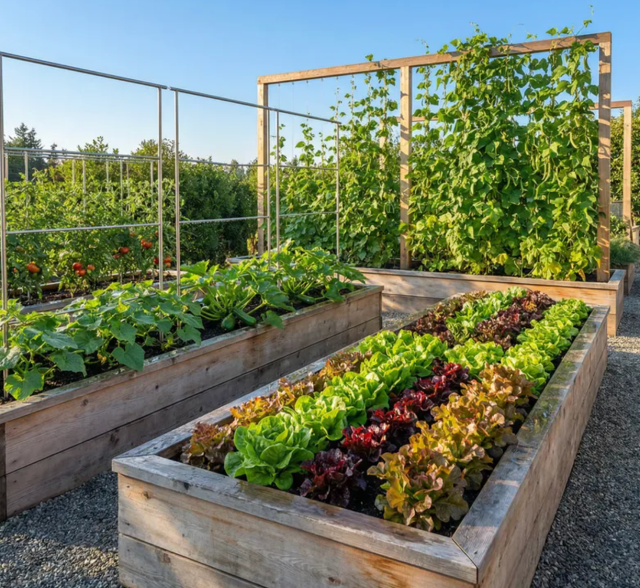
- Raised beds for better drainage and warmer soil in valleys
“Using microclimates effectively can maximize your harvest.”
Humidity & Pest Management
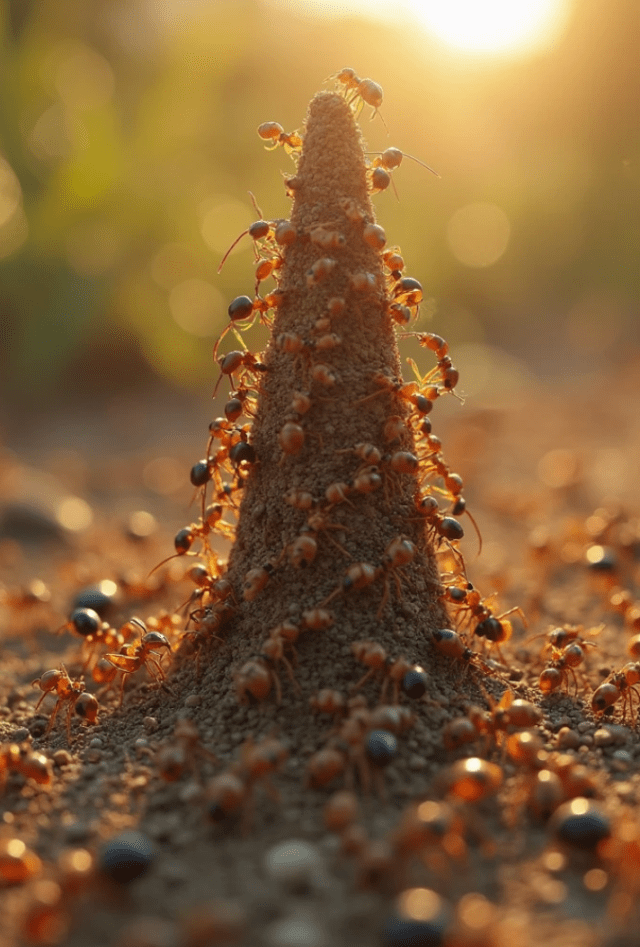
Pennsylvania summers are humid, which can encourage fungal disease and attract pests. Brooke’s strategies:
- Proper spacing for airflow
- Mulching to regulate soil moisture
- Companion planting (marigolds, basil, nasturtiums)
- Organic fungicides or neem oil when necessary
- Netting to protect from insects and birds
“Humidity is a double-edged sword — it can feed your crops or destroy them if not managed.”
Soil Preparation
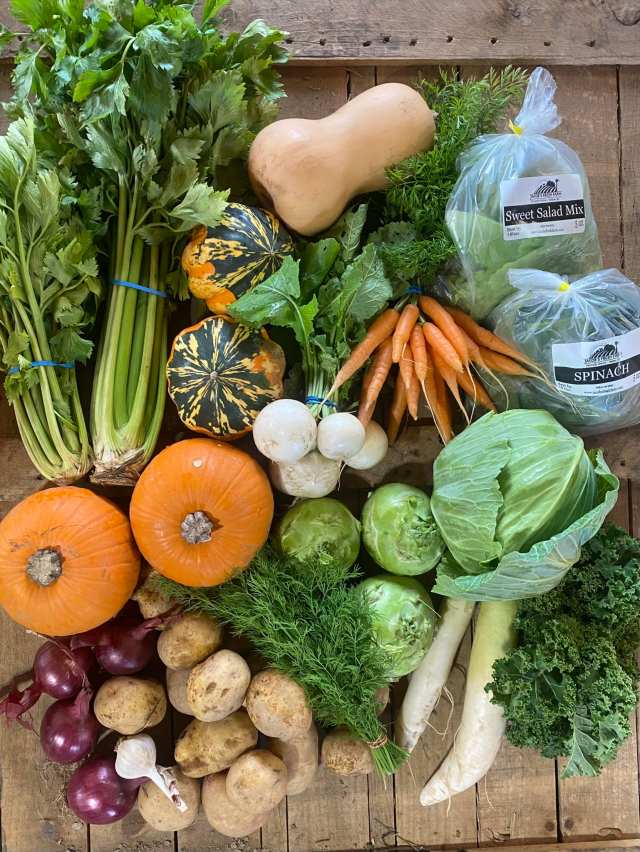
Soils vary from fertile valleys to rocky mountainous areas. Brooke advises:
- Mixing native soil with compost and aged manure
- Using raised beds in areas with poor drainage
- Cover crops during the off-season to build fertility
- Mulching to retain moisture and prevent erosion
“Healthy soil is the foundation of consistent yields.”
Pennsylvania Food Storage Strategy

“Winter can be long and isolation is real in rural areas. Food storage is essential.”
Root Cellaring

Brooke stores:
- Potatoes
- Carrots
- Beets
- Onions
- Cabbage
- Winter squash
Optimal storage: 32–40°F with proper ventilation and moderate humidity.
Pressure Canning
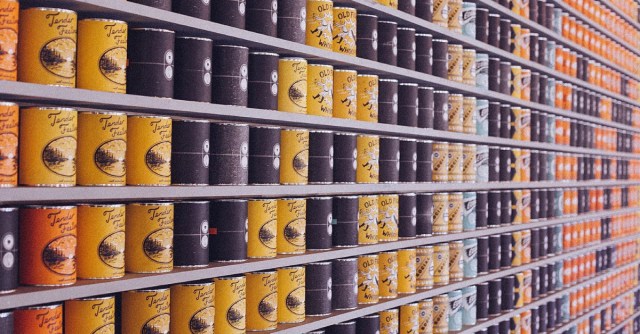
She preserves:
- Tomatoes and sauces
- Beans and peas
- Peppers
- Chicken and stews
- Bone broth
“Protein and vegetables preserved early guarantee food security during winter or unexpected disruptions.”
Long-Term Dry Storage
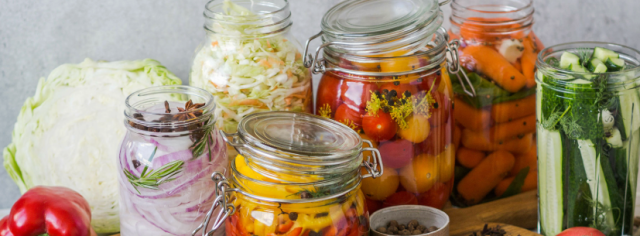
Staples Brooke keeps for survival:
- White rice
- Pinto beans
- Hard wheat
- Rolled oats
- Cornmeal
- Salt and sugar
Stored in Mylar bags, oxygen absorbers, and food-grade buckets.
“Preparedness in Pennsylvania means maximizing your growing season and storing harvests effectively.”
Why Survival Gardening in Pennsylvania Matters

Brooke emphasizes:
- Frosts can arrive early or late, threatening crops
- Humidity fosters disease and pests in summer
- Rural areas may face limited grocery access during storms
- Soil fertility varies widely, requiring planning
- Preservation ensures long-term food security
“Survival gardening in Pennsylvania is practical, not optional — it ensures independence.”
Brooke’s Final Advice for Pennsylvania

“Plan for frost, use microclimates wisely, grow resilient crops, preserve early, and store smart.
When winter storms hit and your pantry is full, that’s not luck — that’s strategy.”
— Brooke Homestead

