From Harvest to Vault: How Survivalists Save Heirloom Tomato Seeds

In any long-term survival strategy, food security is not optional—it’s foundational. While stockpiling freeze-dried meals and canned goods has its place, true independence comes from the ability to grow food year after year without relying on external supply chains. That’s where heirloom tomato seed saving becomes a critical skill.

As a survival prepper, I don’t view seed saving as a hobby. I treat it as insurance. Heirloom tomato seeds, when properly saved, can remain viable for years and provide a renewable food source no matter what disruptions come down the line. Unlike hybrid seeds, heirloom varieties grow true to type, meaning the seeds you save will reliably produce the same plant next season.

This guide walks you through the entire process of saving heirloom tomato seeds—from selecting the right fruit to long-term storage—using methods proven by gardeners and survivalists alike.


Why Heirloom Tomato Seeds Matter in Survival Planning
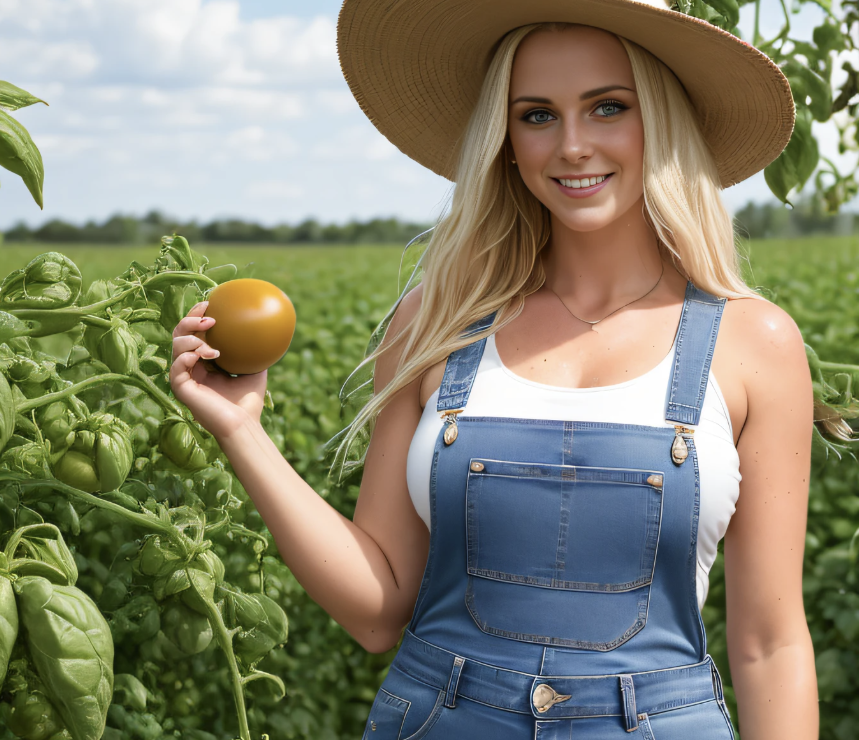
Heirloom tomatoes are open-pollinated varieties that have been passed down for generations. In a preparedness context, they offer several advantages:

  • Seed reliability: Saved seeds grow true, unlike hybrids.
  • Adaptation: Over time, your saved seeds adapt to your local climate.
  • Barter value: Seeds are lightweight, compact, and valuable trade items.
  • Food resilience: Tomatoes provide calories, vitamins, and preservation options.

In a grid-down or supply-chain collapse scenario, the ability to reproduce your own food becomes priceless. Saving heirloom tomato seeds is a low-cost, high-return investment in resilience.


Step One: Choose the Right Tomato for Seed Saving

Seed quality starts in the garden. Don’t save seeds from weak or diseased plants. Survival gardening demands selectivity.

What to Look For

Choose tomatoes that are:

  • Fully ripe (overripe is better)
  • From the healthiest plant in your garden
  • Free from disease, cracking, or pest damage
  • Representative of the variety’s best traits

If you’re serious about seed security, consider dedicating specific plants strictly for seed saving. These plants should receive optimal care and isolation if possible.


Step Two: Understand Tomato Seed Fermentation

Tomato seeds are naturally encased in a gel that contains germination inhibitors. In nature, this gel breaks down through fermentation as the fruit rots. To save seeds properly, we replicate this process under controlled conditions.

Fermentation is not optional. Skipping it reduces seed viability and increases the risk of disease transmission.


Step Three: Extracting the Seeds

Tools You’ll Need

  • A ripe heirloom tomato
  • A clean knife
  • A spoon
  • A glass jar or cup
  • Water
  • Paper towel or coffee filter
  • Permanent marker

Extraction Process

  1. Slice the tomato across its equator.
  2. Scoop the seed pulp into a clean jar.
  3. Add a small amount of water—just enough to cover the pulp.
  4. Label the container with the tomato variety and date.

At this point, the mixture should look unappealing. That’s normal. In survival work, comfort takes a back seat to results.


Step Four: Fermentation (The Critical Stage)

Place the jar in a warm area out of direct sunlight. Ideal temperatures range between 70–85°F.

What to Expect

  • Fermentation lasts 2–5 days.
  • A mold layer may form on top—this is normal.
  • Seeds that sink are viable; floating seeds are usually not.

Stir the mixture once daily. When the gel surrounding the seeds has dissolved and fermentation odor is noticeable, it’s time to move on.

Do not exceed five days. Over-fermentation can damage seeds.


Step Five: Cleaning the Seeds

Once fermentation is complete:

  1. Add more water to the jar.
  2. Stir vigorously.
  3. Pour off floating debris and bad seeds.
  4. Repeat until the water runs clear and only clean seeds remain at the bottom.

This step ensures you’re storing only viable seeds—critical when every planting cycle matters.


Step Six: Drying the Seeds Properly

Improper drying is one of the most common reasons seed stock fails.

Drying Method

  • Spread seeds in a single layer on a paper plate, coffee filter, or fine mesh screen.
  • Avoid paper towels; seeds stick to fibers.
  • Place in a warm, dry, well-ventilated area out of direct sunlight.
  • Stir seeds daily to prevent clumping.

Drying typically takes 7–14 days. Seeds should snap rather than bend when fully dry.

Do not rush this step. Moisture is the enemy of long-term storage.


Step Seven: Long-Term Storage for Survival Readiness

Once seeds are completely dry, storage determines how long they remain viable.

Best Storage Conditions

  • Cool: Ideally below 50°F
  • Dark: Light degrades seed quality
  • Dry: Humidity kills seeds faster than age

Recommended Containers

  • Paper envelopes (short-term)
  • Glass jars with silica gel packets
  • Vacuum-sealed Mylar bags
  • Ammo cans with desiccants for extreme preparedness

Label everything clearly:

  • Tomato variety
  • Year harvested
  • Any notes on plant performance

Properly stored heirloom tomato seeds can remain viable for 5–10 years, sometimes longer.


Preventing Cross-Pollination (Advanced Prepper Tip)

Tomatoes are mostly self-pollinating, but cross-pollination can occur. If you’re saving multiple varieties and want genetic purity:

  • Space varieties at least 10–20 feet apart
  • Use physical barriers like mesh bags over flowers
  • Save seeds from isolated plants

In a survival garden, consistency matters. You want to know exactly what you’re planting.


Testing Seed Viability Before You Need Them

Never assume stored seeds are good. Test them annually.

Simple Germination Test

  1. Place 10 seeds between damp paper towels.
  2. Seal in a plastic bag.
  3. Keep warm for 7–10 days.
  4. Count how many sprout.

If fewer than 70% germinate, it’s time to grow fresh seed stock.


Heirloom Tomato Seeds as a Survival Asset

In preparedness circles, we often talk about “skills that compound.” Seed saving is one of them. Each growing season increases your food security, your independence, and your ability to help others.

In a long-term emergency, seeds become currency. Knowledge becomes leverage. And those who planned ahead don’t just survive—they rebuild.

Saving heirloom tomato seeds isn’t complicated, but it does require discipline. Treat your seed stock like any other survival asset: protect it, document it, and refresh it regularly.

When supply chains fail and store shelves empty, a small envelope of seeds can mean the difference between scarcity and sustainability.


Final Thoughts from a Prepper’s Perspective

Preparedness isn’t about fear—it’s about responsibility. Saving heirloom tomato seeds is one of the simplest, most effective ways to take control of your food future.

Start now. Practice every season. Pass the knowledge on.

Because when things go wrong, the people who planned ahead don’t panic—they plant.

Unless You Fix Your Seed Germination, Your Survival Garden Will Fail

If you’re banking on your survival garden to save your life when the world finally collapses under its own stupidity—well, I’ll tell you right now, you’re already behind. And if you’re like most clueless optimists strolling around pretending everything’s fine, you probably assume that seeds magically sprout into food because that’s what they showed in kindergarten. Spoiler: they don’t. Seed germination is the first, brutal test of whether you’ll eat in a crisis or starve beside the raised beds you so proudly posted on social media.

You want the cold, infuriating truth? Most people fail at seed germination, and they fail hard. Not because it’s difficult, but because nature doesn’t care about your survival fantasies. Seeds germinate when conditions are right, not when society crumbles, not when you panic, and definitely not when you suddenly decide to “live off the land.” The seeds don’t care about your timeline. They respond only to reality—and reality is rarely on your side.

Why Germination Even Matters (As If Anyone Thinks Ahead)

You can stock all the canned food you want, but when things get ugly—and they will—your shelf-stable comfort zone will run out. Seeds are supposed to be your renewable lifeline. But seeds are only useful if they sprout. And if they don’t? Congratulations, you’re just a starving hoarder with fancy paper packets.

Food security starts at the moment that seed decides it’s safe enough to wake up. Moisture, warmth, oxygen—those are the essentials. But if you get even one variable wrong, your seeds either rot, stall, or shrivel up like everything else in this collapsing world.

This is why survivalists who rely purely on seed storage are fooling themselves. Stored seeds are potential. Germinated seeds are food. And the process between those two states is where the entire operation can fall apart.

The Seeds Themselves: Heirloom or Bust

I shouldn’t even have to explain this anymore, but apparently I do. If you’re still buying genetically mutated, chemically dependent, corporate-owned hybrid trash seeds, then you deserve whatever failure you get. For survival gardening, you go heirloom or you go hungry.

Heirloom seeds are stable, open-pollinated, and most importantly, they reproduce reliably, which is more than I can say for most modern humans. They also germinate more predictably when stored correctly, which brings me to the next infuriating topic.

Storage: The Thing Nobody Takes Seriously

You’d think people preparing for food shortages would understand that seeds are alive. But no—half the “preppers” I meet store their seeds in hot garages, humid sheds, or worse… their kitchens. Seed viability plummets with heat and moisture. If you wouldn’t store antibiotics or gunpowder in a certain place, don’t store seeds there either.

Here’s what seeds need if you want them to germinate when your life depends on it:

  • Cool temperatures (ideally 40–50°F)
  • Dry conditions (low humidity is critical)
  • Dark storage (light triggers degradation over time)

Vacuum sealing helps. Mylar helps. Desiccant packs help. But you know what doesn’t help? Wishful thinking. Seeds don’t care about your nostalgia for “simpler times.” Without proper storage, they lose viability every single year. And once viability drops, germination becomes a gamble—one you probably can’t afford to lose.

Germination Medium: Not All Dirt Is Created Equal

The soil in your backyard is good for burying your hopes, not for germinating seeds. Real seed starting requires a sterile, lightweight, fine-textured medium. Something like seed-starting mix or sifted compost mixed with perlite.

If your soil is:

  • too dense
  • too cold
  • too compacted
  • too wet
  • too alkaline
  • too acidic

…your seeds either rot or never sprout. That’s the reality. Germination requires a perfect environment, and no, nature will not bend the rules just because the grid went down.

Water: The Line Between Life and Rot

Here’s a concept that seems to baffle people: seeds need moisture, not a swamp. Overwater and you drown them. Underwater and they dry out. You need consistent moisture, which means checking them daily—something most people fail to do even when civilization is functioning.

The best methods for survival germination include:

  • Bottom watering (wicking moisture upward without drowning the seed)
  • Misting (light sprays prevent disturbance of delicate seeds)
  • Humidity domes (temporary—not permanent—covers to keep moisture levels steady)

But most folks either ignore these rules or rely on instinct, which usually means killing the seed before it ever sees daylight.

Temperature: The Most Ignored Factor in Germination

Seeds are picky. Each plant species has a specific germination temperature range. Most vegetables want soil temps between 65 and 85°F. Try starting seeds in a cold room during early spring and you’ll wait three weeks only to watch mold grow instead of sprouts.

When the world is falling apart, you can’t rely on luxury items like heat mats—so learn right now how to improvise thermal environments:

  • Use compost piles as heat sources.
  • Germinate seeds indoors against insulated south-facing walls.
  • Start seeds in cold frames that trap daytime heat.

If you ignore temperature, your seeds will ignore you.

Light: Not Needed for Germination… But Required Immediately After

Yes, seeds germinate in darkness. No, they do not grow in darkness. The moment they sprout, they require strong light or they become pale, leggy, weak, and useless—much like society.

If you can’t supply adequate sunlight or artificial light after germination, then why bother germinating them at all?

Pre-Soaking and Scarification: Tricks for Stubborn Seeds

Some seeds are built like the world we live in: hard, resistant, and uncooperative. Beans, peas, squash, and certain herbs sprout faster and more reliably when pre-soaked for 6–12 hours. Others need scarification—light sanding or nicking of the seed coat.

If you don’t take the time to learn these techniques now, you’ll waste precious seeds later. And yes, this makes me angry, because this is survival 101, yet countless preppers still ignore it.

Testing Viability Before the Collapse Forces You To

This one really gets me. Seeds are not immortal, but people treat them like ancient treasure that magically springs to life when needed. Test your seeds every year, before the crisis hits.

A simple viability test:

  1. Take 10 seeds.
  2. Lay them on a damp paper towel.
  3. Roll it up and seal it inside a bag.
  4. Check after the standard germination period.

If only 4 of 10 sprout, that’s 40% viability. Plan accordingly. Plant extra—or replace the batch. But don’t wait until disaster strikes to find out your seeds died years ago.

The Harsh Reality: Germination Is Survival

When everything collapses—supply chains, power grids, trust in institutions—you will be left with whatever food you can grow. And that food begins with seed germination. No sprouting seeds means no garden. No garden means no calories. No calories means you become another statistic in humanity’s long list of unprepared fools.

If you want to survive, you need to master germination now, while the world is still barely functioning. Because once chaos hits full stride, your seeds won’t care. They will obey only nature—never you.

3 Survival Garden Herbs for When Society Finally Crashes

Every direction you look—politics, economy, supply chains, the bizarre behavior of everyday people—it all screams one thing: this whole system is held together with duct tape and denial. And if you’re smart enough to build a survival garden, you already know that depending on modern conveniences is the fastest road to becoming another helpless statistic when things finally snap.

Growing food is essential, yes, but if that’s all you’re planting, you’re missing half the picture. When hospitals are overrun, pharmacies are empty, and the average person is pacing around hoping the government will magically fix everything, you’ll need medicinal plants on hand—herbs that don’t require electricity, insurance, or permission to use.

Most people think throwing a few tomato plants in the ground makes them “prepared.” Please. When the grid fails and chaos rolls through town, tomatoes aren’t going to calm an infection or soothe a respiratory issue. Herbs, however, have kept humans alive since long before the modern world started falling apart.

Below are three herbs every serious survival gardener should be growing right now, not next season, not “someday,” but immediately. Because time is running out faster than anyone wants to admit.


1. Yarrow: The Battlefield Medic You Can Grow

Out of all the herbs the average gardener ignores, yarrow might be the most underrated lifesaver. This plant has been used for thousands of years for its ability to stop bleeding, reduce inflammation, and assist wound healing—which is exactly what you’ll need when emergency services are either unavailable or too busy dealing with the fallout of societal collapse.

Yarrow is a rugged plant. It doesn’t sulk if the soil is bad. It doesn’t demand pampering or daily attention. It grows like it knows the world is falling apart—and frankly, it probably is.

Why it belongs in your survival garden:

  • Stops bleeding quickly. You can crush fresh leaves and pack them onto wounds. Yes, the world we’re headed toward may involve more of those than you’d like.
  • Anti-inflammatory and antimicrobial. Useful for cuts, scrapes, burns, and infections—situations that become life-threatening when hospitals aren’t an option.
  • Thrives in harsh conditions. Heat, drought, poor soil—yarrow shrugs it off like a seasoned prepper.

How to grow it:

Plant yarrow in full sun. It spreads aggressively, which is perfect, because if things get ugly, you’re not going to complain about having too much medicine growing in your yard. Just keep it trimmed so it doesn’t take over everything else.

If modern society ever manages to collapse the rest of the way, you’ll be thankful you didn’t listen to the gardeners who said it was “weedy.” Weedy plants are survivors—and in the coming mess, so should you be.


2. Holy Basil (Tulsi): Because Stress Won’t Be Going Away Anytime Soon

Let’s face it: stress levels are already off the charts, and that’s before the supply chains snap, the grid flickers out, or inflation turns basics like rice and fuel into luxury items. Stress isn’t going to magically disappear once society destabilizes—it’ll get worse, heavier, and more relentless.

That’s where holy basil, or tulsi, steps in. This herb has been used in traditional medicine for centuries as an adaptogen, meaning it helps your body cope with stress—physical, mental, and emotional.

If you think you won’t need that in the middle of chaos, you’re kidding yourself.

Why tulsi is a survival essential:

  • Reduces stress and anxiety naturally. No prescriptions, no pharmacy lines, no shortages.
  • Strengthens the immune system. Which you’ll need when sanitation crumbles and illnesses spread.
  • Helps regulate blood sugar and improve overall resilience.
  • Can be made into tea with minimal effort. Hot water, dried leaves, and you’re good to go—even if your “stove” is a campfire.

Growing tips:

Tulsi loves warm weather and plenty of sun. The good news is that it grows fast—faster than society’s decline at this rate. It does fine in containers, raised beds, or directly in the ground. Just keep harvesting the leaves regularly; the more you pick it, the more it produces. Like a good prepper, it thrives under pressure.

When things get tough—and they will—having a natural way to calm your mind without relying on fragile supply chains is priceless.


3. Plantain: The Ugly Weed That Saves Lives

Forget everything you think you know about weeds. While the average suburban lawn-obsessed neighbor is busy spraying chemicals to kill off every useful plant in sight, plantain (Plantago major or Plantago lanceolata) is quietly offering some of the best emergency medicinal benefits you can get.

Plantain is the ultimate survival herb: ignored, misunderstood, and tougher than half the people wandering around today glued to their screens.

What makes plantain indispensable:

  • Pulls toxins out of wounds. Infected cuts, bug bites, stings—plantain can help draw out the problem.
  • Heals skin quickly. It’s used to soothe burns, rashes, and scrapes.
  • Anti-inflammatory and antimicrobial.
  • Grows literally everywhere. This plant pops up in abandoned lots, sidewalk cracks, damaged soil—exactly the kind of places we’re all headed if things keep going the way they are.

How to grow it:

Honestly? You barely have to try. Plantain grows like it’s preparing for the end times—which is great, because it’s one of the few things that will still be thriving when your local grocery store shelves are stripped bare.

To use it, you can chew a fresh leaf and slap it onto a sting or wound to make a quick poultice. It’s simple, primitive, and effective—exactly the kind of medicine that works when modern life stops working.


The Harsh Truth: No One Is Coming to Save You

Growing herbs isn’t some quaint hobby. It’s not a cute gardening project to post on social media. It is strategic self-preservation.

If you’re reading this, you already know what most people don’t want to admit: the world is getting more unstable by the day, and every system we rely on—food, medicine, power, transportation—is vulnerable. Fragile. Overstretched. And increasingly unreliable.

When the next big disruption sweeps through, whether it’s economic, political, environmental, or something entirely unexpected, you’ll either have what you need in your backyard… or you won’t.

These three herbs—yarrow, holy basil, and plantain—aren’t luxury plants. They’re tools. Weapons. Allies. They’re the difference between being helpless or being capable.

Grow them now, while you still can.
Because once things really fall apart, it’ll be too late.

Your Brain Is the Only Prep That Won’t Fail You When SHTF (Unless You’re an Idiot)

People love to brag about their gear. They’ll wave around their $300 flashlights, their tacticool backpacks overloaded with things they don’t even know how to use, and their shelves stacked with food they’d burn through in three panicked weeks. Everyone wants to look prepared. Everyone wants to pretend they’re going to be the rugged survivor when everything collapses. But here’s the ugly truth that most people can’t—and won’t—face:

Your gear isn’t your salvation. Your storage isn’t your guarantee. The ONLY prep that actually matters when SHTF is inside your skull.

And judging by how the world behaves these days, most people’s mental preparedness is as empty as the store shelves will be when everything finally goes over the cliff.

People Prepare for Everything Except Actually Using Their Brains

The survival world has turned into a shopping spree masquerading as preparedness. Preppers buy gear the way the average person buys comfort foods—out of insecurity and habit. They think the gear will magically make up for their lack of experience, their lack of discipline, and their lack of mental resilience. But a tool is only as useful as the person holding it, and when SHTF, the only tool you won’t be able to lose, break, misplace, forget, or run out of batteries in is your MIND.

But instead of sharpening the most powerful survival tool they own, people distract themselves with toys and gadgets. They practice bushcraft once a year, maybe, when the weather is nice and the bugs aren’t biting. They read survival books but never actually test the ideas in real life. They make plans that only work under perfect conditions. Worst of all, they assume they’ll think clearly under pressure.

Let me tell you something: your brain, right now, in your daily comfort, is NOT the brain you will have when SHTF.

Stress Turns Most People Into Useless Liabilities

Everybody imagines themselves as the calm, collected hero in a crisis. But real disaster doesn’t care about your fantasies. When panic hits, your brain flips into primal mode. Fine motor skills degrade. Decision-making deteriorates. People freeze. Some scream. Some sit down and give up. Some make the worst possible choices simply because their nervous system has taken the wheel.

You think you’ll be able to shoot straight when someone is threatening your life? You think you’ll remember your fancy gear setup when you’re running on no food, no sleep, and are dehydrated enough that your brain is misfiring? Without mental conditioning—and I mean real conditioning, not just imagining yourself in a heroic scenario—you’ll crumble like the rest.

A weak mind is dead weight. And dead weight doesn’t survive collapse.

Situational Awareness: The Lost Art That Will Save Your Life

The saddest thing about society right now is how blind people are to their surroundings. Everyone is glued to a screen, walking around with the awareness of a stunned sheep. Nobody pays attention. Nobody watches for threats. Nobody picks up on social cues or environmental changes.

When SHTF, the people who can’t see danger until it’s touching them won’t last 24 hours.

Situational awareness—REAL awareness—is the skill that separates survivors from statistics. It’s about observing, processing, analyzing, and predicting. It’s about seeing an escalating threat before it becomes unavoidable. It’s about noticing resources others overlook. It’s about reading people and understanding when someone is about to become a problem.

This doesn’t come from gear. It doesn’t come from buying more things to store in your garage. It comes from deliberately retraining your mind to pay attention to the world you live in.

Adaptability: The Survival Trait Everyone Thinks They Have But Don’t

People love their routines. They cling to stability like it’s oxygen. But when the world breaks—and it will—it won’t break cleanly or politely. It’ll happen at the worst moment, with the worst conditions, and you’ll need to change course instantly.

Most people can’t handle that level of uncertainty. They need someone to tell them what to do. They need structure. They need reassurance. When everything familiar disappears, they mentally collapse.

But the survivors? The real survivors?

They adapt instantly.
They improvise.
They maintain clarity.
They pivot without hesitation.

Adaptability is pure mental flexibility, and it’s far more rare than you think. Society trains people to be obedient consumers, not independent thinkers. So don’t expect the average person to suddenly switch into survival mode when the world falls apart. They won’t. They’ll freeze up and wait for help that’s never coming.

You want to be different? Then train your mind for chaos NOW.

Knowledge Beats Gear Every Time

I’m not saying gear is useless. I’m saying gear without brains is useless.

Take two people:

  • One has a cheap knife and solid survival skills.
  • The other has a $300 knife and zero clue how to actually use it.

Who survives? The one who knows what the hell they’re doing.

A skilled mind makes ANY tool better.
An unskilled mind makes EVERY tool worthless.

You can replace gear. You can replace supplies. But you can’t replace the knowledge and mental resilience that turns a disaster into a manageable challenge.

Your Mindset Determines Whether You Survive or Become a Casualty

Here’s the harsh truth most preppers never want to confront: Survival isn’t about strength, or toughness, or gear, or who has the most cans of beans. Survival is about psychology—pure and simple.

The survivors are the ones who:

  • Stay calm when others panic
  • Think clearly when others lose their minds
  • Make decisions without hesitation
  • Control their emotions
  • Accept reality instantly
  • Act without waiting for permission

This is mental conditioning. This is internal preparedness. This is what actually keeps you alive when SHTF.

Stop Preparing Your Home and Start Preparing Your Head

If you want to survive the collapse that’s slowly rolling toward us like an unstoppable train, you need to stop relying on your gear and start relying on yourself. Start thinking critically, training your awareness, practicing decision-making under stress, and facing the reality that the world is NOT stable, NOT dependable, and NOT safe.

Your brain is the prep you can’t lose, can’t misplace, and can’t run out of.
But only if you actually train it.

Otherwise, when SHTF, you’re just another panicked, confused liability wandering into danger.

The world is falling apart.
Get your head on straight before it’s too late.

Self-Sufficient Living: Possible Dream or Doomed Fantasy?

People love to romanticize the idea of “self-sufficient living.” They picture themselves wandering off into the woods, building a cute cabin, milking a goat at sunrise, harvesting vegetables in perfect weather, and somehow producing everything they need without ever depending on the collapsing society they’re supposedly escaping. It sounds wonderful—if you live in a fantasy novel. Out here in the real world, the one unraveling a little more every day, true self-sufficiency is a lot closer to a mirage than a lifestyle.

Let’s cut through the delusion: self-sufficient living is possible, but only in the same way surviving a plane crash is possible. Technically. Maybe. If a long list of things go right and the universe decides to let you live another day. But for most people who imagine they can just wander off and “live off the land,” the truth is brutal—nature does not care about your feelings, your Pinterest gardening boards, or your prepper fantasies.

And honestly, neither do I. I’m too busy watching society burn itself down while people still pretend the grocery store will always magically restock itself.


The Myth of the Lone Wolf Homesteader

Let’s get this out of the way: nobody—literally nobody—has ever been fully self-sufficient by themselves. Historically, self-reliance took communities, families, groups, tribes, villages. Tools were traded. Skills were shared. Labor was pooled. Even the toughest mountain men still relied on trade posts or the occasional supply run.

But today? The average person can’t even go a week without Wi-Fi before they start to unravel. Yet somehow they think they’re going to raise livestock, manage solar power, filter water, preserve food, heat a homestead, grow crops, defend their property, and stay sane—all by themselves.

It’s delusional. And it’s exactly why the idea of total self-sufficiency triggers me like nothing else. People treat it like a lifestyle aesthetic, not the grueling, backbreaking, year-round work that it really is.


Modern Society Has Made Us Too Dependent

Even most “preppers” are lying to themselves. They stock up on rice and canned food, but they still rely on gasoline, spare parts, batteries, tools, equipment, insulation, and seed companies. Everyone depends on something. And in a world where everything is mass-produced in distant factories, good luck trying to forge your own screws or manufacture your own water pump.

People forget that real self-sufficient living means:

  • No Amazon replacements
  • No hardware store quick fixes
  • No easy food refills
  • No electricity unless you generate it
  • No medicine unless you grow or make it
  • No heat unless you cut it, haul it, and split it

It’s astonishing how many folks think they’re ready, yet couldn’t keep a tomato plant alive on their balcony if their life depended on it.


Nature Will Test You, Then Break You

Everyone wants to be “independent” until reality shows up: droughts, pests, diseases, predators, cold snaps, equipment failures, injuries—just pick one and it can wipe out your entire year of effort.

You don’t get a refund.
You don’t get a do-over.
And you definitely don’t get a second growing season.

Imagine relying on a garden for survival, only to have hornworms chew through your food supply in two nights. Or your chickens get wiped out by a raccoon because you underestimated it. Or your water source dries up because the rain stopped coming when the planet decided you weren’t important enough to hydrate.

Self-sufficiency isn’t a dream. It’s a nonstop fight against everything around you that doesn’t care whether you live or not.


So Is Self-Sufficient Living Possible?

Here’s the honest, infuriating truth:

Self-sufficiency is possible in degree, but not in totality.

You can reduce dependence.
You can grow a lot of your own food.
You can produce some of your own power.
You can store and filter your own water.
You can build resilience.

But you will still need tools.
You will still need parts.
You will still need knowledge.
You will still need community.
You will still need something from the outside world.

Anyone who claims they’re “fully self-sufficient” is either lying, delusional, or conveniently ignoring the dozens of modern resources they still rely on.


The Real Goal Isn’t Isolation—It’s Resilience

If you want to survive what’s coming—and let’s be honest, what’s already happening—don’t chase the fantasy of being 100% independent. Chase resilience. Learn skills. Reduce reliance where you can. Build community with people who actually know what they’re doing. Prepare for reality, not fantasy.
Because self-sufficient living isn’t about escaping the world.
It’s about surviving it when everyone else realizes too late that the world was never built to take care of them.

Grow These Survival Crops Now—Because Nobody’s Coming to Save You

The world isn’t getting better. You already know that—every headline is another reminder that the system is rotting from the inside out. The supply chain snaps if the wrong boat parks sideways. Grocery stores empty out if people panic for twenty minutes. And you’re supposed to trust that civilization will hold up long enough to keep your family fed?

Yeah. Right.

If you’re paying attention, you already know you need to grow your own food—real survival food, not the trendy nonsense influencers pretend will “heal your energy.” I’m talking about the tough crops. The war-zone crops. The crops that can keep you alive when everything else stops working.

This isn’t about gardening. This is about staying alive when society collapses under the weight of its own stupidity.

Below are the best survival foods to grow if you’re serious about not starving. They’re hardy, calorie-dense, reliable, and proven to keep humans alive when all hell breaks loose.

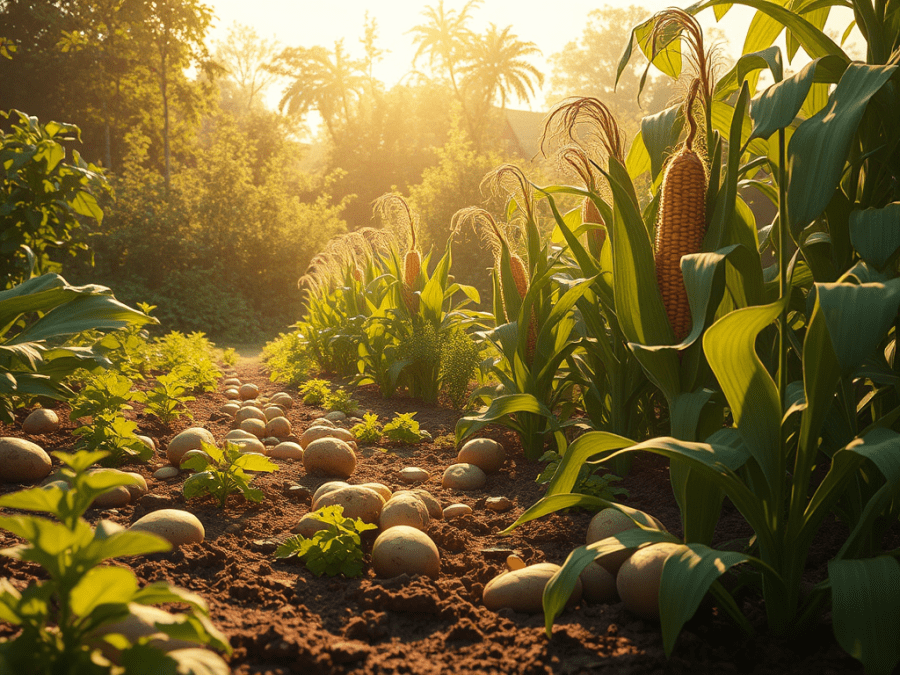
1. Potatoes (The Underrated Calorie King)

People laugh at potatoes—until they realize these humble dirt nuggets kept entire civilizations alive. Potatoes grow in lousy soil, don’t need much babying, and produce more calories per square foot than almost anything else.

When grocery shelves are stripped bare and the clueless masses panic, you’ll be sitting on piles of real food while they argue about who took the last granola bar.

Why potatoes are essential:

  • High calories
  • Grow in poor soil
  • Store well in cool, dark areas
  • Minimal pest issues

If you’re not growing potatoes, you’re already behind.

2. Beans (Your Long-Term Survival Protein)

Everyone talks about protein until they need to actually grow some. Livestock? Good luck feeding it when animal feed disappears. Hunting? So will everyone else—wildlife will vanish fast. But beans? Beans just grow. And they give you protein without expecting you to play rancher in the apocalypse.

Pole beans, bush beans, dry beans—grow them all. They improve soil, climb anything, and tolerate harsh neglect better than most people you know.

Why beans matter:

  • Plant-based protein
  • Long-term dry storage
  • Soil-building nitrogen fixers
  • Reliable yield

Beans won’t betray you. People will.

3. Corn (Massive Harvest, Endless Uses)

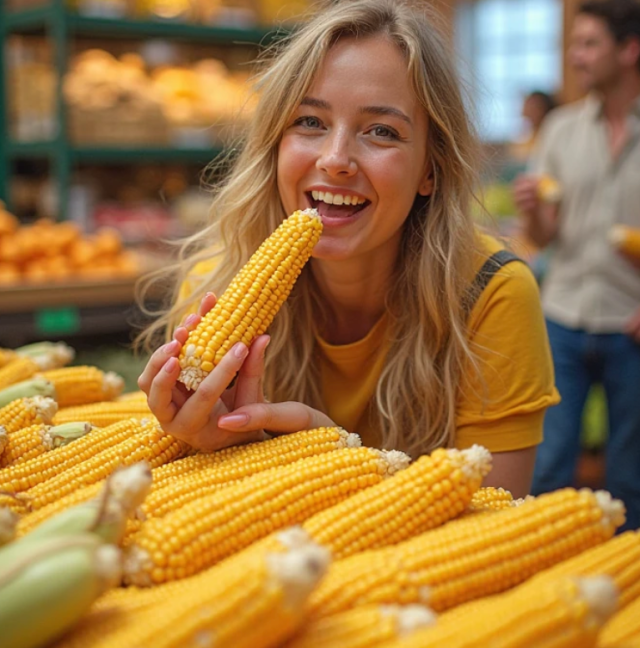
Say what you want about corn—it feeds people. It feeds animals. It feeds entire nations. And unlike half the fragile specialty crops people obsess over, corn actually produces enough mass to matter when you’re trying to stay alive.

You can grind it into meal, feed it to chickens, ferment it, store it, or eat it straight off the cob. Fast-growing, sun-loving, drought-tolerant corn is a prepper’s workhorse.

Corn benefits:

  • Huge calorie yield
  • Can be dried and stored long-term
  • Works in tons of recipes
  • Great for bartering

In a grid-down world, corn is currency.

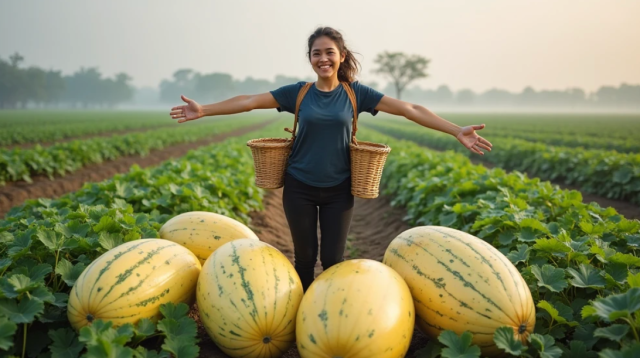
4. Winter Squash (Hard-Shelled Survival Gold)

After the collapse, refrigeration won’t be there to save you. That’s why winter squash matters—they’re the original long-term storage food. With thick rinds and durable flesh, they’ll sit on your shelf for months without rotting into compost.

Butternut, acorn, Hubbard, kuri—pick your fighters. Just make sure you grow a lot of them.

Why winter squash is vital:

  • Keep for 6–12 months
  • Great carbs and vitamins
  • Hardy plants once established
  • Huge harvest potential

When everyone else is shivering and hungry, your squash pile will look like treasure.

5. Sweet Potatoes (Survival Meets Nutrition)

Unlike regular potatoes, sweet potatoes tolerate heat, drought, and neglect like they’re built for catastrophe. They provide calories, vitamins, and vines you can eat as greens if you’re desperate.

Once you plant sweet potatoes, they practically take over—exactly what you want in a world falling apart.

Benefits:

  • High yield
  • Heat and drought tolerant
  • Edible greens
  • Stores for months

Sweet potatoes don’t care if civilization crumbles.

6. Cabbage (The Forget-Me-Not Food That Just Keeps Giving)

Cabbage is the vegetable equivalent of a bunker—heavy, tough, and made to endure. It produces a ton of edible mass and becomes even more useful when fermented.

Sauerkraut isn’t a trend—it’s what people made when they didn’t have refrigerators.

Why cabbage is a survival classic:

  • Huge nutritional value
  • Stores for weeks
  • Can be fermented for long-term preservation
  • Cold-hardy

Cabbage doesn’t die easily. Can’t say the same about most modern diets.

7. Garlic & Onions (Flavors That Keep You Sane)

Listen, life after collapse is going to be miserable enough. If your food is bland, it gets even worse. Garlic and onions aren’t just flavor—they’re medicine, pest repellants, and food preservers.

Plus, they store extremely well.

Why you need them:

  • Long storage
  • Antibacterial properties
  • Easy to grow
  • High value for trade

If you want morale, you want alliums.

8. Carrots (The Survival Root That Doesn’t Complain)

Carrots take a little soil prep, but once they’re growing, they’re practically unstoppable. They store well, grow well in cool weather, and diversify your calories.

They’re also one of the few crops people will still like eating when they’re exhausted, cold, and miserable.

Why carrots earn a spot:

  • Easy to grow
  • Long storage
  • Cold tolerant
  • High vitamins

Carrots are simple. The world won’t be.

9. Kale (The One Green That Doesn’t Die)

Most leafy greens collapse under heat, cold, or pests. Kale laughs at all of them. It’s a multi-season, frost-kissing, apocalypse-proof plant that keeps producing when everything else waves a white flag.

Benefits:

  • Extremely hardy
  • Long season
  • Nutrient dense
  • Keeps producing

You don’t need trendy superfoods. You need kale.

10. Sunflowers (Seeds, Oil, and Livestock Feed)

Sunflowers give you more than beauty—they give you protein-rich seeds, oil for cooking, and feed for animals. They grow tall, strong, and resilient, even when conditions turn nasty.

Why sunflowers matter:

  • Edible seeds
  • Oil extraction
  • Drought tolerant
  • Excellent survival bartering item

Sunflowers don’t care about chaos—they just grow.


FINAL THOUGHTS: GROW FOOD OR GET LEFT BEHIND

You can’t fix the world. You can’t stop the collapse. You can’t rely on the grid, the government, the stores, or the clueless crowds who still think “everything will be fine.”

But you can grow food.

Survival belongs to the prepared—not the optimistic.

Learn these crops. Plant them now. Because when the world finally goes dark, your garden will be the only thing standing between your family and starvation.

Washington Homestead Lifestyle: Reflections of a Lone Homesteader

Out here, where the Cascade Mountains shadow the land and the rains drip like clockwork from a gray sky, life has a rhythm all its own. I’m a homesteader in Washington, a place where nature’s pulse beats strong — rivers roaring in spring thaw, cedars towering with quiet majesty, and the sweet scent of firs in the misty dawn.

But it’s not all poetic. Out here, it’s just me. The days stretch long and silent, except for the chirps of birds or the distant howl of a coyote. Loneliness is a companion, as constant as the soil beneath my boots. Yet, I’ve learned to find solace and purpose in the work — in the skills I’ve taught myself, in the earth, the animals, and the slow, steady crafting of a life by my own hand.


Homestead Skills to Keep the Mind and Hands Busy

If you’re thinking about homesteading in Washington or any place remote, you soon discover that boredom can gnaw at you as surely as hunger. But boredom is a choice. Here are the 15 skills that have saved me from it — and maybe they can do the same for you:

  1. Beekeeping — Watching those bees dance around the hive, harvesting their honey, is a quiet joy. It takes patience and careful attention, but it’s incredible to feel part of such an ancient, humming ecosystem.
  2. Sourdough Baking — The slow fermentation of dough, the smell of crusty bread baking in a wood-fired oven… baking connects me to old ways, and the warmth fills the cabin like a friend.
  3. Soap Making — Crafting soap from lye and fats isn’t just practical — it’s meditative. Plus, nothing beats the feeling of making something useful from scratch.
  4. Canning and Preserving — Knowing that my summer harvest can be savored in the dead of winter gives me comfort and a sense of accomplishment.
  5. Herbal Medicine — Learning the native and introduced herbs around my land to treat minor ailments connects me to the wild, and keeps me healthy when trips to town aren’t easy.
  6. Blacksmithing Basics — Hammering iron over the forge, shaping tools, or fixing old farm implements keeps my hands busy and my mind focused.
  7. Soapstone or Wood Carving — Creating small works of art from natural materials helps quiet the mind when loneliness threatens to settle in.
  8. Trap Setting and Small Game Hunting — It’s a skill for food, for respect of the land, and to maintain balance.
  9. Mushroom Foraging — Knowing which fungi are safe to eat is both a practical skill and a delightful treasure hunt in the damp forest undergrowth.
  10. Greenhouse Gardening — Extending the growing season with a cold frame or greenhouse keeps the promise of fresh vegetables alive through Washington’s long winters.
  11. Composting — Turning kitchen scraps and garden waste into rich soil is like alchemy. It gives me hope for new growth even on gray days.
  12. Making Homemade Cheese and Yogurt — There’s something wonderfully satisfying about transforming milk into something delicious and nutritious.
  13. Building and Repairing Fences — The physicality of fence-building keeps me fit and protects my animals, my little kingdom.
  14. Solar Panel Maintenance — Understanding my small solar setup gives me energy independence and a sense of control over my survival.
  15. Reading Weather Signs — Learning to read the skies, the wind, and the behavior of animals helps me anticipate storms or droughts — a crucial skill when you depend on the land.

The Quiet Company I Long For

I’m honest when I say it’s hard being a lone man in these woods. Most homesteaders I meet are families, or couples. The occasional visitor comes by — sometimes other homesteaders, sometimes hunters or hikers — but the cold truth is that friendship, especially that which might bloom into something deeper, can be as rare as a clear night sky through the evergreen canopy.

But loneliness has taught me to be patient, to observe, and to use creativity as a bridge between myself and others. If you find yourself like me, out here in the wilds of Washington, wanting companionship beyond the dog and the chickens, I have a few DIY homestead hacks that have helped open the door to connection with women who appreciate this lifestyle:


3 DIY Homestead Hacks to Meet Women on a Homestead

1. Host a Seasonal Skill Workshop

Every season has something to teach, and people are drawn to hands-on learning. I started hosting small workshops — “Intro to Beekeeping,” “Sourdough Bread Basics,” or “Herbal Remedies from Your Backyard.” I put out flyers at the local farmers market and community center, inviting neighbors and passersby.

It’s amazing how a shared love for practical skills can spark conversation and friendship. Women with an interest in homesteading, sustainability, or just wanting to reconnect with nature come to learn — and sometimes, you find more than just friends in the crowd. The workshop atmosphere breaks the ice naturally, and working side-by-side tends to foster warmth and camaraderie.

2. Build a Communal Garden Space

This might seem ambitious, but building a small communal garden plot or herb circle near the homestead can draw in neighbors who want to garden but lack space or knowledge. I built a few raised beds with hand-hewn cedar planks and invited others to plant alongside me.

Gardening together means swapping tips, sharing produce, and trading stories — a simple but profound way to build community. When I’m outside, tending the plants and sharing the harvest, it feels less like isolation and more like belonging.

3. Create a “Book and Brew” Porch Night

I built a simple porch swing from reclaimed wood and string lights powered by my solar setup. I invite women (and anyone really) from the nearby town or homestead circles for an evening of sharing books, homemade herbal tea, or cider.

It’s low-pressure and relaxed, and the porch becomes a gathering spot where stories and laughter replace silence. Books are a perfect bridge — they spark conversation without the awkwardness of forced small talk, and brewing something warm by hand shows care and intention.


What the Land Teaches a Man

Washington’s wildness can feel both isolating and inspiring. The towering Douglas firs, the moss-draped cedars, the rocky streams — all remind me that I’m part of something vast and timeless. This land teaches patience, endurance, and respect. It demands a steady hand and an open heart.

The homestead life is not for everyone. It’s a mix of hard work and quiet moments, of struggle and celebration. It can be lonely, sure. But if you can find your rhythm, if you embrace the skills that keep your mind sharp and your hands busy, and if you build connections—no matter how slowly—with others who understand this way of life, then the solitude softens.

For me, the greatest skill of all has been learning to hope. To hope for the sunrise after a storm, for the first blossom in spring, and for the day when the porch swing creaks with more than just the wind.


If you’re out here or thinking of coming, take heart in the work and the waiting. Let the land teach you. And remember, even a lone homesteader can find ways to break the silence — through skill, creativity, and a little courage to reach out.

Washington’s homestead lifestyle is rugged, beautiful, and honest. It demands everything — but it gives back something few places can: the chance to live simply, deeply, and with purpose.

A West Virginia Homesteader’s Guide: Time-Saving Skills and DIY Hacks for Women

Howdy, y’all! Life on a West Virginia homestead is equal parts beautiful and challenging — rolling hills, thick forests, unpredictable weather, and that quiet rhythm of nature setting your pace. As a woman who’s carved out her little piece of heaven here, I’ve learned a thing or two about making the most of my time and resources, without sacrificing quality or joy.

Homesteading isn’t just about working harder — it’s about working smarter, especially when you’re juggling chores, family, and a million little tasks. So today, I’m sharing some of my favorite time-saving homestead skills for women, plus a few DIY hacks I’ve picked up along the way that’ll make your West Virginia homestead life a whole lot easier.


15 Time-Saving Homestead Skills for Women

  1. Meal Prepping with Seasonal Preserves
    West Virginia offers a bounty of seasonal fruits and veggies — blackberries, apples, greens — and preserving these in bulk (think jams, pickles, and frozen veggies) saves so much time during the busy months. When dinner time hits, you’ve got ready-made sides and sauces that cut your cooking down to minutes.
  2. Efficient Firewood Stacking and Splitting
    Stacking firewood neatly with good air flow and splitting logs before winter sets in means less time wrestling with damp wood when you really need a fire. Use a splitting maul and a sturdy chopping block, and you’ll halve your wood prep time.
  3. Rotational Chicken Care
    Set up a system where you feed and water your chickens in stations around the coop, so you’re not running back and forth. Rotate chores to maximize efficiency, and collect eggs in one trip by keeping nests organized.
  4. Growing a Cut-and-Come-Again Garden
    Instead of planting all your veggies to harvest once, plant varieties that regrow after cutting — like kale, chard, and green onions. This way, you get multiple harvests from one planting, cutting down on replanting time.
  5. DIY Herbal Remedies and Tinctures
    Gathering herbs like echinacea, mint, and yarrow in your yard and making tinctures or salves means less time running to the store for common remedies, and it’s empowering to have your own natural medicine cabinet.
  6. Solar Drying Produce
    Drying herbs and fruits using a simple solar dehydrator lets you preserve foods without using electricity or complicated appliances. It’s low maintenance and can run while you focus on other chores.
  7. Composting with Worm Bins
    Setting up worm compost bins close to your kitchen door saves time hauling scraps. Worms turn kitchen waste into rich soil faster, so you have ready compost to feed your garden.
  8. Smart Water Catchment Systems
    Rain barrels with automatic shutoffs or gutters leading to storage tanks mean you don’t have to constantly monitor your water supply. Efficient water collection keeps your garden hydrated with minimal fuss.
  9. DIY Seed Starting Stations
    Using a dedicated, well-lit seed-starting shelf with heat mats and timed lights means seedlings are ready to go with less babysitting. Start your garden early and save time in the growing season.
  10. Efficient Animal Milking Routines
    Milking goats or cows is easier when you develop a routine with a milking stool, clean buckets, and a quiet corner. Keeping your animals calm reduces fuss and speeds up the process.
  11. Rotating Crop Beds
    Plan your garden beds so you rotate crops each year, which keeps soil fertile and reduces pest problems — meaning less time dealing with infestations and more healthy plants.
  12. Quick-Release Herb Bundles for Drying
    Tie herbs in small bundles with quick-release twine so you can hang and remove them easily, saving time when drying or making bundles for sale or gifts.
  13. Using Multipurpose Tools
    Invest in versatile tools like a multipurpose garden hoe that can dig, weed, and cultivate all in one, reducing the number of tools you need to carry around.
  14. Organized Pantry Storage
    Label jars and organize your pantry by type and use, so you find what you need fast when cooking or canning.
  15. Batch Laundry Days with Solar Drying
    Pick one or two days a week to wash all laundry in batches and hang everything on a clothesline outside. The sun and breeze do most of the work, freeing you from the dryer’s time and cost.

3 DIY Homestead Hacks for West Virginia Living

1. DIY Rustic Rainwater Collection System
West Virginia’s rainy climate means you can harvest plenty of water. Use old wooden barrels or repurpose half whiskey barrels (plentiful in the state) placed beneath downspouts to catch rainwater. Fit a simple screen on top to keep leaves out, and add a spigot near the bottom for easy watering buckets. This is an inexpensive way to save on your water bill and keep your garden hydrated without daily trips to the well.

2. DIY Appalachian-Style Root Cellar Cooler
If you don’t have a root cellar built, a simple, cheap hack is to dig a shaded hole in a north-facing hill or under your porch, line it with bricks or cinder blocks, and cover with insulated boards. Store your root vegetables, apples, and canned goods here to keep them cool and fresh longer. This natural fridge works wonders without electricity, perfect for chilly mountain nights and hot summer days alike.

3. Upcycled Pallet Compost Bin
Wood pallets are everywhere in West Virginia and make an easy, cheap compost bin. Just stack four pallets into a square and secure them with screws or twine. The gaps allow for airflow, speeding decomposition. Place the bin near your garden or kitchen door for quick access to composting kitchen scraps and garden waste. This hack keeps your yard tidy and your soil rich without spending a dime.


Final Thoughts

Living the West Virginia homestead life as a woman means embracing the beauty of the mountains and valleys while mastering the skills that save time, conserve energy, and make daily chores manageable. By learning these skills and using DIY hacks, you can turn your homestead into a sanctuary of self-sufficiency and joy.

Remember, it’s not about doing everything perfectly or on your own — it’s about finding rhythms and routines that suit your land, your family, and your spirit. Celebrate the small wins: a jar of homemade jam, a clean water bucket, a row of thriving plants.

If you’re just starting out or you’ve been at it for years, take heart — every day brings a new chance to learn, grow, and enjoy the simple, hardworking life of a West Virginia homesteader. Here’s to the hands that build, nurture, and harvest — and to the women who keep it all moving with grit and grace.

The Passionate Homesteader: Love, Lust, and Living the Oregon Homestead Lifestyle

There’s something deeply seductive about living close to the land. Maybe it’s the morning mist rolling over the Douglas firs, the smell of cedar smoke in the twilight, or the way a pair of strong hands look wrapped around a jar of homemade preserves. Whatever it is, homesteading in Oregon isn’t just about prepping or permaculture—it’s about passion.

Let me tell you, when you’re raising chickens, splitting firewood, and fermenting your own cider, you learn to appreciate every little pleasure. Out here, we’re not only growing tomatoes—we’re growing desire, baby. Living on a homestead means you don’t need a fancy five-star hotel to keep the spark alive. You’ve got everything you need right outside your cabin door.

And if you’re like me—someone who’s both handy with a hatchet and hot under the collar—then you know how homestead skills can add fire to your love life. Whether you’re living off-grid with your sweetheart or just dreamin’ of that cozy cabin life, here are 15 homestead skills that will make sex (and romance) a whole lot more fun:


🔥 15 Homestead Skills to Heat Up Your Love Life

  1. Wood Chopping – There’s nothing sexier than watching your partner split logs with powerful swings. Bonus: you’ll both be warm later—in more ways than one.
  2. Outdoor Shower Building – Hot water under open sky? Yes, please. A DIY outdoor shower with solar-heated water becomes your personal spa for two.
  3. Soapmaking – Lather up with a bar of your own homemade lavender-vanilla soap. When you’ve made it yourself, bathing your lover becomes an art.
  4. Herbalism – Wild Oregon yarrow, rose petals, and mint? Make your own sensual massage oils, bath soaks, or even aphrodisiac teas. Nature provides.
  5. Beekeeping – Harvest that honey and drizzle it somewhere sweet. Need I say more?
  6. Fermentation – Cider, mead, and elderberry wine—craft your own intoxicating drinks and sip under the stars, blankets optional.
  7. Quilt Making – Whether you’re tangled in bed or curled up on the porch swing, a handmade quilt turns a chilly night into a sensual snugglefest.
  8. Bread Baking – There’s something primal about kneading dough, smelling fresh loaves, and feeding each other hunks of sourdough by firelight.
  9. Animal Husbandry – Tending animals together builds intimacy—and trust. Plus, there’s something sexy about watching your partner care for life.
  10. Preserving the Harvest – You and your sweetheart sweating over boiling jars of peaches and jam? Hot. And the rewards last all winter.
  11. DIY Sauna Building – Oregon forests are full of cedar, and cedar saunas are full of steam, sweat, and the perfect place for a little rustic intimacy.
  12. Carpentry – Build a bed frame that creaks for all the right reasons. Or a swing. You get the idea.
  13. Garden Tending – Getting dirty has never been this flirty. Weeding, planting, and harvesting side by side gives you time to connect—and tease.
  14. Fishing and Foraging – Pack a picnic, catch some trout, and nibble on wild strawberries with your bare hands. Nature’s full of edible foreplay.
  15. Candle Making – Nothing says romance like soft light dancing across skin. Make your own beeswax candles and let them glow until the sun rises.

Out here in Oregon, the rhythm of the seasons sets the pace for our passions. In the spring, everything’s bursting with life—and so are we. Summer is for skinny dipping in hidden rivers and staying up late under the Milky Way. Autumn? That’s cuddle season, baby. And in winter, the only thing better than hot coffee is each other’s body heat.

But let’s be real: even paradise needs a little effort to stay romantic. That’s why I always recommend a few DIY homestead romance hacks to keep the love burning, no matter how muddy the boots or how long the goat chores.


💋 3 DIY Romance Hacks for the Oregon Homestead

1. The Barn Loft Getaway

Transform your barn’s upper level into a secret love nest. Clean it out, hang some twinkle lights, toss down an old mattress (or even hay bales with a thick quilt), and you’ve got yourself a rustic hideaway. Bonus points if there’s a window with a view of the sunset over your field.

Tip: Hang some sheer curtains for that “prairie boudoir” vibe.

2. Garden of Intimate Delights

Designate a corner of your garden for romance. Plant fragrant herbs like lavender, chamomile, and lemon balm. Add a bench (or a hammock), a little trellis with climbing roses, and solar lanterns for late-night rendezvous. It’s your secret Eden.

Tip: Add strawberries or chocolate mint for tasty temptation.

3. Fire Pit for Two

Build a small, stone-lined fire pit just for the two of you—separate from the big bonfire area. Keep two chairs, some sheepskin throws, and a stash of marshmallows and spiced cider nearby. It’s the perfect spot to warm your hands…and hearts.

Tip: A cast iron Dutch oven full of cobbler bubbling nearby is an edible aphrodisiac.


So, yeah. We may be hauling water and shoveling compost by day, but when the sun goes down on an Oregon homestead, the real magic begins. You learn to make your own power, your own food—and your own pleasure. You discover that true intimacy comes from working side-by-side, making things with your hands, and sharing the simplest moments.

Romance on the homestead isn’t always roses and wine (though we do grow roses and make damn fine wine). Sometimes it’s helping your partner haul hay or patch a fence. It’s laughing through a muddy chore. It’s kissing under a dripping eave or slow dancing to the crackle of the woodstove.

If you’re looking to rekindle the flame—or spark a whole new wildfire—then get yourself a pair of muck boots and a lover who knows their way around a compost pile. Because in the Oregon homestead life, every chore is foreplay and every evening has the potential to become something a little more wild.

So go on. Pick up that ax. Light the fire. And let the land love you right back.


Wanna turn your homestead into a haven of heat and heart? Just remember this: in the end, it’s not about being perfect. It’s about being present. And nothing is sexier than that.

🌾🔥❤️

Michigan Homestead Lifestyle: One Dream, Fifteen Skills, and Three Hacks to Thrive Off the Grid

I didn’t move to the woods of Michigan to live small—I came to build a life big enough to fill my soul. I wanted sweat in my hands, soil in my boots, and a pantry so full it groans before winter even sets in. Michigan isn’t just a place to homestead—it’s a full-blown proving ground for the determined. If you can make it here—between the icy Upper Peninsula winds and the unpredictable Lake Effect snow—you can build a homestead anywhere.

The Michigan homestead lifestyle isn’t for the faint of heart, but if you’re ambitious like me—ready to turn raw land into a legacy—you’ve come to the right state. Let me tell you about the 15 skills that changed my life out here, and 3 homestead hacks that save me time, money, and sanity.


15 Essential Homesteading Skills for Michigan Living

1. Woodlot Management
If you’re not managing your woods, you’re leaving money (and heat) lying on the forest floor. I learned to identify, fell, split, and stack hardwoods like oak, hickory, and sugar maple. Deadfall is gold in the firewood world.

2. Heating with Wood
When that first frost hits in October, I fire up the wood stove. No propane. No electricity. Just seasoned logs and good chimney draft. Knowing how to start a fire—even when the wood’s damp—will keep you alive and thriving.

3. Maple Syrup Production
Come February, I tap my sugar maples. Michigan is syrup country. With a few taps and a homemade evaporator (more on that later), I’ve got jars of syrup to trade, gift, or pour on pancakes all year.

4. Food Preservation
Canning, fermenting, root cellaring—you name it, I’ve tried it. The Michigan winter is long. Your pantry is your insurance. I’ve got shelves of tomatoes, jams, kraut, pickled beets, and pressure-canned venison.

5. Raised Bed Gardening
Cold soils warm slow here. Raised beds help extend the season. I use a mix of compost, leaf mold, and worm castings to keep them rich. Carrots, kale, potatoes, and cabbage love the cooler temps.

6. Composting Like a Pro
Nothing goes to waste. Scraps go to the chickens or the pile. With a proper balance of green and brown, I turn autumn leaves and kitchen scraps into black gold.

7. Seed Saving
Heirloom seeds are treasure. I’ve been saving my own tomato, squash, and bean seeds for years. The plants are more adapted to my soil and climate every season.

8. Greenhouse Growing
Michigan spring takes its sweet time. A simple hoop house lets me get a six-week jump on the season. Lettuce in April? Yes, please.

9. Chicken Keeping
Buff Orpingtons and Barred Rocks strut around my coop. They’re hardy, reliable layers, and excellent compost helpers. Eggs every morning, fertilizer in the run.

10. Beekeeping
Pollination is key for good harvests. Plus, honey is the only sugar I need. Michigan bees need heavy winter prep, but it’s worth it.

11. Hunting and Processing Game
Every fall, I bow hunt deer. Nothing like venison stew when the snow piles up outside. I butcher and process it myself—less waste, more meat.

12. Basic Carpentry
Whether it’s building a barn, mending a fence, or knocking together a nesting box, knowing your way around lumber and a level is essential.

13. Rainwater Harvesting
Michigan gets its share of rain—sometimes too much. I use gutter systems to fill barrels and tanks. Water is life, and every drop counts.

14. Solar Power Setup
Even in Michigan’s cloudy climate, a small solar array powers my lights, radio, and water pump. Learn the basics of wiring, inverters, and batteries—it’s empowering.

15. Animal Husbandry
I’m raising goats for milk and meat, and I dream of adding a small dairy cow. Understanding feed, shelter, breeding, and health has made me more self-sufficient every year.


3 DIY Homestead Hacks That Changed My Life

1. Rocket Mass Heater for the Workshop
Michigan winters are brutal. I built a rocket mass heater in my workshop using firebrick, cob, and an old 55-gallon drum. It sips wood and puts out steady heat all day. Bonus: it doubles as a bread warmer and boot dryer.

2. Pallet Wood Chicken Tractor
I built my mobile chicken tractor from free pallets, scrap metal roofing, and repurposed wheels from an old lawnmower. The girls get fresh grass every day, and I don’t have to mow the lawn. Win-win.

3. Maple Syrup Evaporator from a File Cabinet
Yup—you heard that right. I converted an old filing cabinet into a syrup evaporator. Cut out drawers, added steam trays, and installed a chimney. It works like a charm and didn’t cost me a dime.


Why Michigan?

Some people think I’m nuts for choosing Michigan. “Too cold,” they say. “Too remote.” I say it’s just right. Michigan gives you four real seasons, rich soil, abundant water, and wild game. You learn to be tough and creative. You don’t survive the winter—you conquer it.

The best part? Community. Homesteaders here look out for each other. Need to barter eggs for hay? There’s a neighbor. Broke a part on your chainsaw? Someone’s got a spare. We’re not just building individual farms—we’re building a movement.


Final Thoughts: Build Bold, Live Brave

If you’re thinking of starting a homestead in Michigan, I’ve got one piece of advice: go all in. This lifestyle rewards hustle, grit, and heart. You’ll learn to do hard things, and they’ll become second nature. Whether you’re on 2 acres or 200, every fence post, garden row, and coop you build is a step toward freedom.

Don’t wait until everything’s perfect. Start with what you have. Learn as you go. Fail, adapt, and keep planting seeds—literal and metaphorical.

This lifestyle is more than growing food or cutting wood. It’s a way of saying, “I choose to live fully. I choose to live free.” And for me, that’s worth every frozen water line, every early frost, and every aching back.

Michigan homesteading isn’t easy. But it’s worth it. Every. Single. Day.