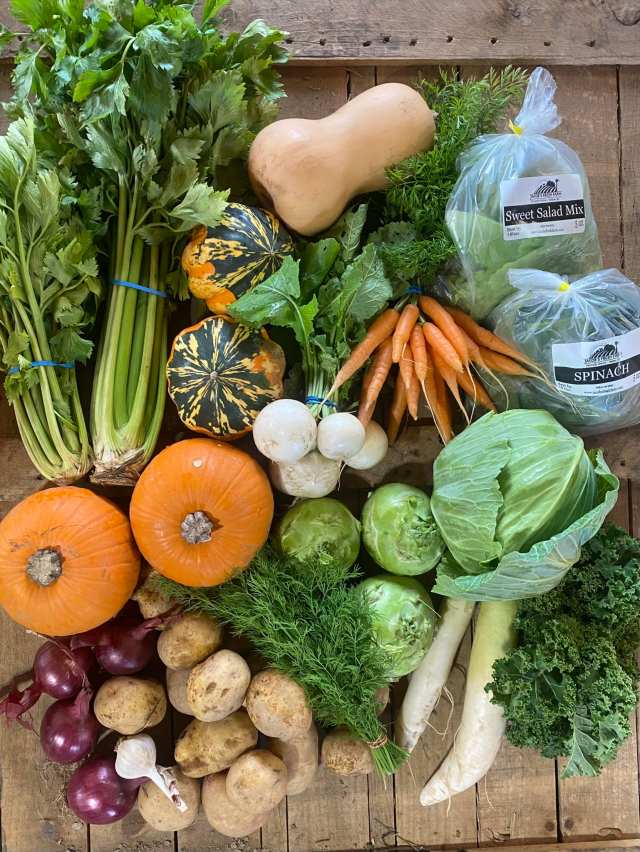
Avoiding Fatal Stings and Bites: A Prepper’s Guide to Missouri’s Deadliest Insects

Missouri is known for its rolling hills, rivers, and dense forests. The Show-Me State offers incredible opportunities for outdoor adventures, from hiking and camping to fishing and hunting. But lurking in the underbrush, trees, and even your backyard are some of the deadliest insects you could ever encounter. These aren’t your average bugs—they are armed, deadly, and capable of causing serious injury or even death. As a survival prepper, understanding these threats and knowing how to respond can make the difference between life and death.

In this guide, we’ll cover the most dangerous insects in Missouri, their behaviors, the risks they pose, and detailed strategies for preventing, mitigating, and surviving their attacks.


1. The Deadly Stinger: Africanized Honey Bees

Though not native, Africanized honey bees, often called “killer bees,” have been reported in Missouri. These insects are highly aggressive and will attack en masse if provoked. Unlike typical honey bees, Africanized honey bees chase victims long distances, sting multiple times, and can overwhelm even large animals.

Why They’re Dangerous

  • Aggressive Swarming Behavior: If one bee feels threatened, hundreds can attack simultaneously.
  • Multiple Stings: Unlike most bees that sting once, Africanized bees can sting multiple times.
  • Anaphylaxis Risk: Individuals allergic to bee venom can die from a single sting if medical help isn’t available.

Survival Tips

  1. Avoid Disturbing Hives: Never approach an unknown hive or swarm. They may not appear aggressive until it’s too late.
  2. Protective Clothing: When working outdoors in rural areas, wear long sleeves, gloves, and hats to reduce exposed skin.
  3. Escape Strategy: If attacked, run in a straight line and find shelter indoors or in a car. Do not swat—this increases aggression.
  4. Emergency Response: Carry an epinephrine injector if allergic. Seek immediate medical care after multiple stings.

2. The Silent Assassin: Ticks

Missouri’s humid climate and dense woodlands create the perfect environment for ticks. While ticks themselves are small and often go unnoticed, their bite can transmit life-threatening diseases such as Lyme disease, Rocky Mountain spotted fever, and ehrlichiosis.

Why They’re Dangerous

  • Disease Transmission: Lyme disease and Rocky Mountain spotted fever can cause severe illness and even death if untreated.
  • Stealthy Bites: Ticks inject an anesthetic while feeding, making them nearly impossible to detect.
  • Wide Habitat: Ticks are found in forests, tall grasses, and even residential backyards.

Survival Tips

  1. Prevent Contact: Wear long pants tucked into socks and use insect repellents containing DEET or permethrin.
  2. Check Your Body: After outdoor activities, inspect yourself for ticks, paying attention to the scalp, behind ears, and armpits.
  3. Proper Removal: Use fine-tipped tweezers to grasp the tick as close to the skin as possible and pull slowly. Disinfect the bite area afterward.
  4. Know Symptoms: Fever, rash, fatigue, and joint pain could indicate tick-borne disease. Seek medical attention immediately.

3. The Venomous Wasp: Bald-Faced Hornets

Bald-faced hornets, though technically a type of wasp, deserve a special mention. They are common in Missouri and are notorious for their painful stings and aggressive defense of nests.

Why They’re Dangerous

  • Painful Sting: Their venom can cause extreme pain, swelling, and, in rare cases, life-threatening reactions.
  • Aggressive Defense: Hornets will relentlessly attack if their nest is disturbed.
  • Colony Size: A single nest may house hundreds of workers ready to defend their queen.

Survival Tips

  1. Nest Avoidance: Observe the environment for hornet nests, especially in trees, shrubs, or under eaves.
  2. Do Not Provoke: Never attempt to destroy a nest on your own without protective gear.
  3. Protective Measures: If stung, wash the area with soap and water, apply ice to reduce swelling, and take antihistamines if needed. Seek emergency help if allergic reactions occur.

4. The Stealthy Killer: Brown Recluse Spiders

Missouri is home to the brown recluse spider, a venomous arachnid known for its necrotic bites. While fatalities are rare, untreated bites can lead to severe tissue damage, infections, and systemic complications.

Why They’re Dangerous

  • Venomous Bite: The venom can destroy skin tissue and, in rare cases, affect internal organs.
  • Elusive Nature: These spiders hide in dark, dry areas like attics, closets, and woodpiles.
  • Delayed Symptoms: Pain may be mild at first, making victims unaware of the severity.

Survival Tips

  1. Home Inspection: Regularly check closets, basements, and attics for spider activity.
  2. Protective Measures: Wear gloves when handling firewood or old boxes.
  3. Medical Treatment: Clean bites thoroughly and seek medical attention immediately if necrosis or severe pain develops.

5. The Tiny Assassin: Mosquitoes

Though often underestimated, mosquitoes are arguably the deadliest insects in Missouri. Beyond itchy bites, mosquitoes carry viruses such as West Nile Virus, Eastern Equine Encephalitis, and other pathogens.

Why They’re Dangerous

  • Disease Vector: Mosquito-borne illnesses can lead to hospitalization and, in rare cases, death.
  • Rapid Breeding: Mosquito populations explode in standing water, especially after heavy rains.
  • Widespread Presence: Found throughout urban, suburban, and rural areas.

Survival Tips

  1. Eliminate Standing Water: Remove containers, tires, or puddles that can serve as breeding grounds.
  2. Personal Protection: Apply insect repellent and wear long sleeves during peak activity times (dusk and dawn).
  3. Mosquito Nets: Essential for camping or rural survival situations.
  4. Know Symptoms: Fever, body aches, and neurological issues may indicate mosquito-borne illness. Seek medical help promptly.

6. The Deadly Stalker: Fire Ants

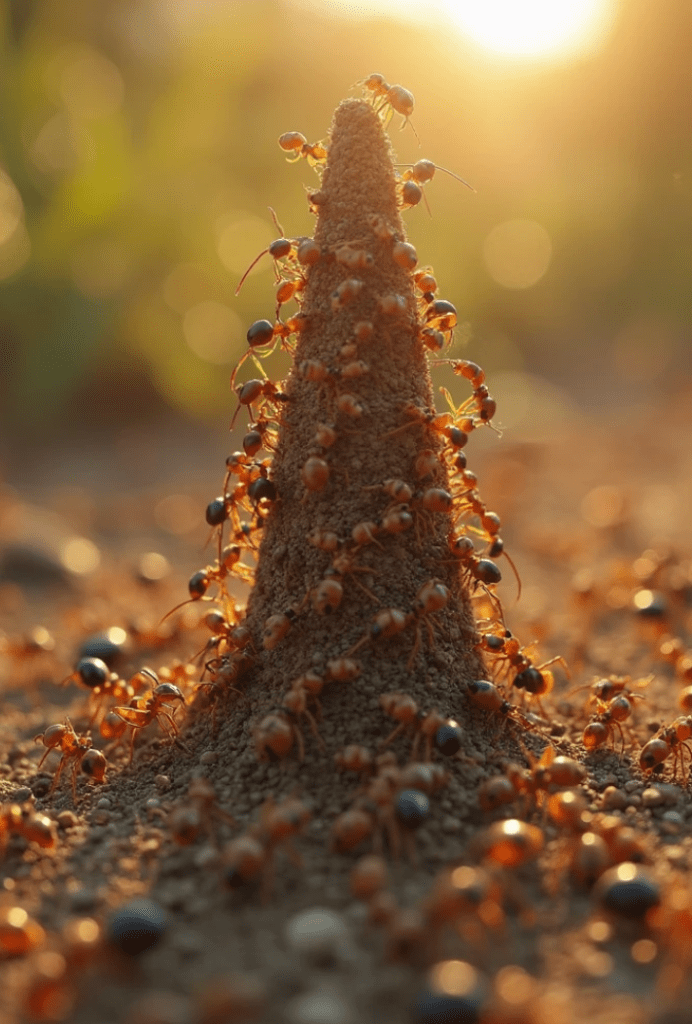
While more common in southern states, Missouri occasionally has infestations of red imported fire ants. These insects are extremely aggressive and deliver venomous stings that can trigger allergic reactions.

Why They’re Dangerous

  • Painful Stings: Fire ants inject venom causing burning sensations, blisters, and potential infections.
  • Colony Defense: Disturbing their mound can trigger multiple stings in minutes.
  • Anaphylaxis Risk: Severe allergic reactions can occur in sensitive individuals.

Survival Tips

  1. Avoid Mounds: Do not step near or disturb fire ant colonies.
  2. Protective Clothing: Wear boots and gloves in fields or wooded areas.
  3. First Aid: Wash stings, apply ice, and use antihistamines. Seek emergency care if systemic allergic symptoms occur.

7. General Strategies for Survival Against Insects

Knowing which insects are dangerous is only half the battle. Preppers and survivalists must adopt proactive strategies to reduce the risk of injury or death.

Personal Protection

  • Clothing: Long sleeves, pants tucked into boots, gloves, and hats.
  • Repellents: DEET-based sprays, permethrin-treated clothing, or natural alternatives like oil of lemon eucalyptus.
  • Camping Gear: Use mosquito nets, screen tents, and sealed sleeping bags.

Environmental Awareness

  • Avoid High-Risk Areas: Tall grass, dense forests, and stagnant water are common insect habitats.
  • Inspect Campsites: Check for hives, nests, or colonies before setting up.
  • Clear Surroundings: Remove debris, trim vegetation, and drain water to discourage insects.

Emergency Preparedness

  • Allergy Supplies: Epinephrine injectors, antihistamines, and first aid kits.
  • Medical Knowledge: Recognize symptoms of insect-borne diseases and venomous bites.
  • Communication: Have a plan to reach emergency services if you are in a remote area.

8. Conclusion

Missouri’s natural beauty comes with hidden dangers in the form of deadly insects. From aggressive bees and hornets to stealthy ticks, mosquitoes, and venomous spiders, the state is home to species that can quickly turn a routine outdoor adventure into a life-threatening situation.

As a prepper or outdoor enthusiast, awareness, preparation, and rapid response are key. Respect these insects, understand their behaviors, and adopt strategies to prevent and treat bites or stings. Survival is not just about enduring the elements—it’s about anticipating the threats you can’t always see.

By taking these precautions seriously, you can enjoy Missouri’s great outdoors while keeping deadly insects at bay. Remember: knowledge, preparation, and vigilance are your best tools for surviving the state’s most dangerous bugs.

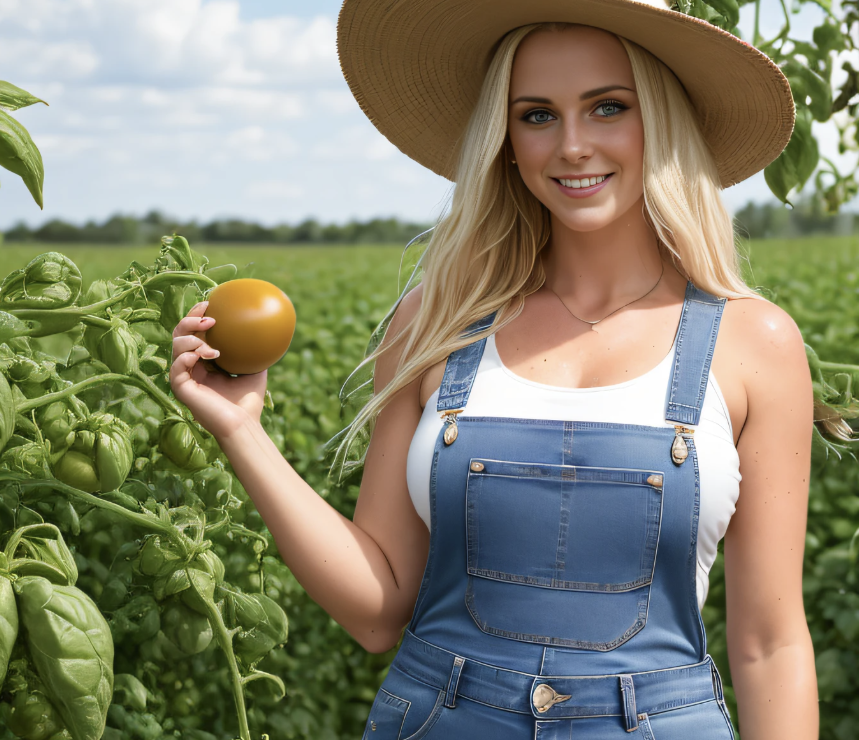
From Harvest to Vault: How Survivalists Save Heirloom Tomato Seeds

In any long-term survival strategy, food security is not optional—it’s foundational. While stockpiling freeze-dried meals and canned goods has its place, true independence comes from the ability to grow food year after year without relying on external supply chains. That’s where heirloom tomato seed saving becomes a critical skill.

As a survival prepper, I don’t view seed saving as a hobby. I treat it as insurance. Heirloom tomato seeds, when properly saved, can remain viable for years and provide a renewable food source no matter what disruptions come down the line. Unlike hybrid seeds, heirloom varieties grow true to type, meaning the seeds you save will reliably produce the same plant next season.

This guide walks you through the entire process of saving heirloom tomato seeds—from selecting the right fruit to long-term storage—using methods proven by gardeners and survivalists alike.


Why Heirloom Tomato Seeds Matter in Survival Planning

Heirloom tomatoes are open-pollinated varieties that have been passed down for generations. In a preparedness context, they offer several advantages:

  • Seed reliability: Saved seeds grow true, unlike hybrids.
  • Adaptation: Over time, your saved seeds adapt to your local climate.
  • Barter value: Seeds are lightweight, compact, and valuable trade items.
  • Food resilience: Tomatoes provide calories, vitamins, and preservation options.

In a grid-down or supply-chain collapse scenario, the ability to reproduce your own food becomes priceless. Saving heirloom tomato seeds is a low-cost, high-return investment in resilience.


Step One: Choose the Right Tomato for Seed Saving

Seed quality starts in the garden. Don’t save seeds from weak or diseased plants. Survival gardening demands selectivity.

What to Look For

Choose tomatoes that are:

  • Fully ripe (overripe is better)
  • From the healthiest plant in your garden
  • Free from disease, cracking, or pest damage
  • Representative of the variety’s best traits

If you’re serious about seed security, consider dedicating specific plants strictly for seed saving. These plants should receive optimal care and isolation if possible.


Step Two: Understand Tomato Seed Fermentation

Tomato seeds are naturally encased in a gel that contains germination inhibitors. In nature, this gel breaks down through fermentation as the fruit rots. To save seeds properly, we replicate this process under controlled conditions.

Fermentation is not optional. Skipping it reduces seed viability and increases the risk of disease transmission.


Step Three: Extracting the Seeds

Tools You’ll Need

  • A ripe heirloom tomato
  • A clean knife
  • A spoon
  • A glass jar or cup
  • Water
  • Paper towel or coffee filter
  • Permanent marker

Extraction Process

  1. Slice the tomato across its equator.
  2. Scoop the seed pulp into a clean jar.
  3. Add a small amount of water—just enough to cover the pulp.
  4. Label the container with the tomato variety and date.

At this point, the mixture should look unappealing. That’s normal. In survival work, comfort takes a back seat to results.


Step Four: Fermentation (The Critical Stage)

Place the jar in a warm area out of direct sunlight. Ideal temperatures range between 70–85°F.

What to Expect

  • Fermentation lasts 2–5 days.
  • A mold layer may form on top—this is normal.
  • Seeds that sink are viable; floating seeds are usually not.

Stir the mixture once daily. When the gel surrounding the seeds has dissolved and fermentation odor is noticeable, it’s time to move on.

Do not exceed five days. Over-fermentation can damage seeds.


Step Five: Cleaning the Seeds

Once fermentation is complete:

  1. Add more water to the jar.
  2. Stir vigorously.
  3. Pour off floating debris and bad seeds.
  4. Repeat until the water runs clear and only clean seeds remain at the bottom.

This step ensures you’re storing only viable seeds—critical when every planting cycle matters.


Step Six: Drying the Seeds Properly

Improper drying is one of the most common reasons seed stock fails.

Drying Method

  • Spread seeds in a single layer on a paper plate, coffee filter, or fine mesh screen.
  • Avoid paper towels; seeds stick to fibers.
  • Place in a warm, dry, well-ventilated area out of direct sunlight.
  • Stir seeds daily to prevent clumping.

Drying typically takes 7–14 days. Seeds should snap rather than bend when fully dry.

Do not rush this step. Moisture is the enemy of long-term storage.


Step Seven: Long-Term Storage for Survival Readiness

Once seeds are completely dry, storage determines how long they remain viable.

Best Storage Conditions

  • Cool: Ideally below 50°F
  • Dark: Light degrades seed quality
  • Dry: Humidity kills seeds faster than age

Recommended Containers

  • Paper envelopes (short-term)
  • Glass jars with silica gel packets
  • Vacuum-sealed Mylar bags
  • Ammo cans with desiccants for extreme preparedness

Label everything clearly:

  • Tomato variety
  • Year harvested
  • Any notes on plant performance

Properly stored heirloom tomato seeds can remain viable for 5–10 years, sometimes longer.


Preventing Cross-Pollination (Advanced Prepper Tip)

Tomatoes are mostly self-pollinating, but cross-pollination can occur. If you’re saving multiple varieties and want genetic purity:

  • Space varieties at least 10–20 feet apart
  • Use physical barriers like mesh bags over flowers
  • Save seeds from isolated plants

In a survival garden, consistency matters. You want to know exactly what you’re planting.


Testing Seed Viability Before You Need Them

Never assume stored seeds are good. Test them annually.

Simple Germination Test

  1. Place 10 seeds between damp paper towels.
  2. Seal in a plastic bag.
  3. Keep warm for 7–10 days.
  4. Count how many sprout.

If fewer than 70% germinate, it’s time to grow fresh seed stock.


Heirloom Tomato Seeds as a Survival Asset

In preparedness circles, we often talk about “skills that compound.” Seed saving is one of them. Each growing season increases your food security, your independence, and your ability to help others.

In a long-term emergency, seeds become currency. Knowledge becomes leverage. And those who planned ahead don’t just survive—they rebuild.

Saving heirloom tomato seeds isn’t complicated, but it does require discipline. Treat your seed stock like any other survival asset: protect it, document it, and refresh it regularly.

When supply chains fail and store shelves empty, a small envelope of seeds can mean the difference between scarcity and sustainability.


Final Thoughts from a Prepper’s Perspective

Preparedness isn’t about fear—it’s about responsibility. Saving heirloom tomato seeds is one of the simplest, most effective ways to take control of your food future.

Start now. Practice every season. Pass the knowledge on.

Because when things go wrong, the people who planned ahead don’t panic—they plant.

10 Deadliest Insects in North America That Can Kill You If You’re Not Paying Attention

People love to pretend North America is “safe.” Safe neighborhoods. Safe hiking trails. Safe backyards. That lie falls apart the second you realize how many things here can kill you without making a sound. No growl. No warning. Just a sting, a bite, or a microscopic parasite riding in on six legs.
Insects don’t care about your politics, your optimism, or your belief that “it won’t happen to me.” They’ve been killing humans long before cities existed, and they’ll keep doing it long after society collapses under its own stupidity.

Below are 10 of the most dangerous insects in North America—where they live, how they kill, and how you might survive if you stop being careless and start paying attention.


1. Mosquito

Location: Everywhere. Literally everywhere.
Why It’s Deadly: Disease transmission

If you think mosquitoes are just annoying, you’re already behind. Mosquitoes kill more humans than any other creature on the planet, and North America is no exception. West Nile virus, Eastern Equine Encephalitis, Zika—take your pick. You don’t feel the danger until it’s already in your bloodstream.

How to Survive:

  • Eliminate standing water around your home
  • Wear long sleeves at dusk and dawn
  • Use real insect repellent, not “natural” nonsense
  • Install window screens and actually maintain them

Ignore mosquitoes, and you’re gambling with your nervous system.


2. Africanized Honey Bee (“Killer Bee”)

Location: Southwest U.S., spreading north
Why It’s Deadly: Mass stings and venom overload

One bee sting won’t kill most people. Hundreds will. Africanized honey bees don’t stop when you run. They don’t warn you politely. They attack in swarms and chase victims for long distances.
How to Survive:

  • Run immediately if attacked—do not stand your ground
  • Cover your face and airway
  • Get indoors or into a vehicle fast
  • Seek medical attention after multiple stings

These bees don’t care that humans “own” the land now.

3. Brown Recluse Spider

Location: Midwest and Southern U.S.
Why It’s Deadly: Necrotic venom

This spider doesn’t kill everyone it bites—but when it does, it does it slowly and horribly. The venom destroys tissue, causing wounds that rot from the inside out. Infection and organ failure follow if untreated.

How to Survive:

  • Shake out shoes, gloves, and clothing
  • Seal cracks in walls and foundations
  • Seek medical help immediately after a suspected bite

Brown recluses thrive in clutter. Clean your environment or pay for it.


4. Black Widow Spider

Location: Throughout North America
Why It’s Deadly: Neurotoxic venom

Black widow venom attacks the nervous system, causing muscle paralysis, severe pain, and respiratory distress. Children, elderly adults, and people with weak health are especially vulnerable.

How to Survive:

  • Wear gloves when working in sheds or woodpiles
  • Reduce insect populations that attract spiders
  • Get medical treatment quickly—antivenom exists

Ignoring pain because you “don’t want to overreact” is how people die.


5. Fire Ant

Location: Southern U.S.
Why It’s Deadly: Venom and allergic reactions

Fire ants don’t sting once. They swarm, latch on, and inject venom repeatedly. For people with allergies, this can trigger fatal anaphylaxis. Even without allergies, massive stings can lead to infection and systemic reactions.

How to Survive:

  • Avoid ant mounds—watch where you step
  • Treat property infestations aggressively
  • Carry antihistamines or an EpiPen if allergic

Fire ants are proof that size doesn’t matter when numbers are on your enemy’s side.


6. Tsetse Fly (Rare but Documented Risk)

Location: Extremely rare, imported cases
Why It’s Deadly: African sleeping sickness

This isn’t common—but globalization keeps bringing foreign threats home. The tsetse fly transmits parasites that cause neurological collapse if untreated.

How to Survive:

  • Seek medical attention after unexplained fevers post-travel
  • Avoid complacency with imported insects

Nature doesn’t respect borders. Neither should your preparedness.


7. Kissing Bug (Triatomine Bug)

Location: Southern and Southwestern U.S.
Why It’s Deadly: Chagas disease

This insect feeds on blood and defecates near the bite wound. That waste carries parasites that enter the body and quietly destroy the heart over years.

How to Survive:

  • Seal cracks in homes
  • Keep pets indoors at night
  • Get tested if bitten

Some deaths don’t happen fast. They happen quietly while you’re busy ignoring reality.


8. Deer Fly

Location: Forests, wetlands, rural areas
Why It’s Deadly: Disease transmission

Deer flies deliver painful bites and can spread tularemia, a potentially fatal bacterial infection.

How to Survive:

  • Wear light-colored clothing
  • Use head nets in heavy fly areas
  • Clean and disinfect bites immediately

One infected bite can spiral into organ failure if untreated.


9. Fleas

Location: Anywhere mammals live
Why It’s Deadly: Plague and typhus

Yes, plague still exists. Fleas don’t care that it’s “medieval.” When sanitation breaks down, fleas become efficient killers again.

How to Survive:

  • Control rodents
  • Treat pets regularly
  • Maintain hygiene even when society doesn’t

History repeats itself because people refuse to learn.


10. Velvet Ant (Cow Killer Ant)

Location: Southern and Central U.S.
Why It’s Deadly: Extreme venom, allergic reactions

Despite the name, it’s a wasp. Its sting is legendary—intense pain that can cause shock, heart issues, or fatal allergic responses.

How to Survive:

  • Don’t handle unfamiliar insects
  • Wear protective footwear outdoors
  • Treat stings immediately

Curiosity is not a survival trait.


Final Reality Check

The world is not built for your comfort. It’s built to test whether you adapt or die. Insects don’t need claws, teeth, or intelligence. They just need you to stay ignorant long enough.

Preparedness isn’t paranoia—it’s the bare minimum. Learn where these insects live. Learn how they kill. Learn how to respond. Because help won’t always come in time, and nature doesn’t give second chances.

Stay alert. Stay angry. Stay alive.

Unless You Fix Your Seed Germination, Your Survival Garden Will Fail

If you’re banking on your survival garden to save your life when the world finally collapses under its own stupidity—well, I’ll tell you right now, you’re already behind. And if you’re like most clueless optimists strolling around pretending everything’s fine, you probably assume that seeds magically sprout into food because that’s what they showed in kindergarten. Spoiler: they don’t. Seed germination is the first, brutal test of whether you’ll eat in a crisis or starve beside the raised beds you so proudly posted on social media.

You want the cold, infuriating truth? Most people fail at seed germination, and they fail hard. Not because it’s difficult, but because nature doesn’t care about your survival fantasies. Seeds germinate when conditions are right, not when society crumbles, not when you panic, and definitely not when you suddenly decide to “live off the land.” The seeds don’t care about your timeline. They respond only to reality—and reality is rarely on your side.

Why Germination Even Matters (As If Anyone Thinks Ahead)

You can stock all the canned food you want, but when things get ugly—and they will—your shelf-stable comfort zone will run out. Seeds are supposed to be your renewable lifeline. But seeds are only useful if they sprout. And if they don’t? Congratulations, you’re just a starving hoarder with fancy paper packets.

Food security starts at the moment that seed decides it’s safe enough to wake up. Moisture, warmth, oxygen—those are the essentials. But if you get even one variable wrong, your seeds either rot, stall, or shrivel up like everything else in this collapsing world.

This is why survivalists who rely purely on seed storage are fooling themselves. Stored seeds are potential. Germinated seeds are food. And the process between those two states is where the entire operation can fall apart.

The Seeds Themselves: Heirloom or Bust

I shouldn’t even have to explain this anymore, but apparently I do. If you’re still buying genetically mutated, chemically dependent, corporate-owned hybrid trash seeds, then you deserve whatever failure you get. For survival gardening, you go heirloom or you go hungry.

Heirloom seeds are stable, open-pollinated, and most importantly, they reproduce reliably, which is more than I can say for most modern humans. They also germinate more predictably when stored correctly, which brings me to the next infuriating topic.

Storage: The Thing Nobody Takes Seriously

You’d think people preparing for food shortages would understand that seeds are alive. But no—half the “preppers” I meet store their seeds in hot garages, humid sheds, or worse… their kitchens. Seed viability plummets with heat and moisture. If you wouldn’t store antibiotics or gunpowder in a certain place, don’t store seeds there either.

Here’s what seeds need if you want them to germinate when your life depends on it:

  • Cool temperatures (ideally 40–50°F)
  • Dry conditions (low humidity is critical)
  • Dark storage (light triggers degradation over time)

Vacuum sealing helps. Mylar helps. Desiccant packs help. But you know what doesn’t help? Wishful thinking. Seeds don’t care about your nostalgia for “simpler times.” Without proper storage, they lose viability every single year. And once viability drops, germination becomes a gamble—one you probably can’t afford to lose.

Germination Medium: Not All Dirt Is Created Equal

The soil in your backyard is good for burying your hopes, not for germinating seeds. Real seed starting requires a sterile, lightweight, fine-textured medium. Something like seed-starting mix or sifted compost mixed with perlite.

If your soil is:

  • too dense
  • too cold
  • too compacted
  • too wet
  • too alkaline
  • too acidic

…your seeds either rot or never sprout. That’s the reality. Germination requires a perfect environment, and no, nature will not bend the rules just because the grid went down.

Water: The Line Between Life and Rot

Here’s a concept that seems to baffle people: seeds need moisture, not a swamp. Overwater and you drown them. Underwater and they dry out. You need consistent moisture, which means checking them daily—something most people fail to do even when civilization is functioning.

The best methods for survival germination include:

  • Bottom watering (wicking moisture upward without drowning the seed)
  • Misting (light sprays prevent disturbance of delicate seeds)
  • Humidity domes (temporary—not permanent—covers to keep moisture levels steady)

But most folks either ignore these rules or rely on instinct, which usually means killing the seed before it ever sees daylight.

Temperature: The Most Ignored Factor in Germination

Seeds are picky. Each plant species has a specific germination temperature range. Most vegetables want soil temps between 65 and 85°F. Try starting seeds in a cold room during early spring and you’ll wait three weeks only to watch mold grow instead of sprouts.

When the world is falling apart, you can’t rely on luxury items like heat mats—so learn right now how to improvise thermal environments:

  • Use compost piles as heat sources.
  • Germinate seeds indoors against insulated south-facing walls.
  • Start seeds in cold frames that trap daytime heat.

If you ignore temperature, your seeds will ignore you.

Light: Not Needed for Germination… But Required Immediately After

Yes, seeds germinate in darkness. No, they do not grow in darkness. The moment they sprout, they require strong light or they become pale, leggy, weak, and useless—much like society.

If you can’t supply adequate sunlight or artificial light after germination, then why bother germinating them at all?

Pre-Soaking and Scarification: Tricks for Stubborn Seeds

Some seeds are built like the world we live in: hard, resistant, and uncooperative. Beans, peas, squash, and certain herbs sprout faster and more reliably when pre-soaked for 6–12 hours. Others need scarification—light sanding or nicking of the seed coat.

If you don’t take the time to learn these techniques now, you’ll waste precious seeds later. And yes, this makes me angry, because this is survival 101, yet countless preppers still ignore it.

Testing Viability Before the Collapse Forces You To

This one really gets me. Seeds are not immortal, but people treat them like ancient treasure that magically springs to life when needed. Test your seeds every year, before the crisis hits.

A simple viability test:

  1. Take 10 seeds.
  2. Lay them on a damp paper towel.
  3. Roll it up and seal it inside a bag.
  4. Check after the standard germination period.

If only 4 of 10 sprout, that’s 40% viability. Plan accordingly. Plant extra—or replace the batch. But don’t wait until disaster strikes to find out your seeds died years ago.

The Harsh Reality: Germination Is Survival

When everything collapses—supply chains, power grids, trust in institutions—you will be left with whatever food you can grow. And that food begins with seed germination. No sprouting seeds means no garden. No garden means no calories. No calories means you become another statistic in humanity’s long list of unprepared fools.

If you want to survive, you need to master germination now, while the world is still barely functioning. Because once chaos hits full stride, your seeds won’t care. They will obey only nature—never you.

3 Survival Garden Herbs for When Society Finally Crashes

Every direction you look—politics, economy, supply chains, the bizarre behavior of everyday people—it all screams one thing: this whole system is held together with duct tape and denial. And if you’re smart enough to build a survival garden, you already know that depending on modern conveniences is the fastest road to becoming another helpless statistic when things finally snap.

Growing food is essential, yes, but if that’s all you’re planting, you’re missing half the picture. When hospitals are overrun, pharmacies are empty, and the average person is pacing around hoping the government will magically fix everything, you’ll need medicinal plants on hand—herbs that don’t require electricity, insurance, or permission to use.

Most people think throwing a few tomato plants in the ground makes them “prepared.” Please. When the grid fails and chaos rolls through town, tomatoes aren’t going to calm an infection or soothe a respiratory issue. Herbs, however, have kept humans alive since long before the modern world started falling apart.

Below are three herbs every serious survival gardener should be growing right now, not next season, not “someday,” but immediately. Because time is running out faster than anyone wants to admit.


1. Yarrow: The Battlefield Medic You Can Grow

Out of all the herbs the average gardener ignores, yarrow might be the most underrated lifesaver. This plant has been used for thousands of years for its ability to stop bleeding, reduce inflammation, and assist wound healing—which is exactly what you’ll need when emergency services are either unavailable or too busy dealing with the fallout of societal collapse.

Yarrow is a rugged plant. It doesn’t sulk if the soil is bad. It doesn’t demand pampering or daily attention. It grows like it knows the world is falling apart—and frankly, it probably is.

Why it belongs in your survival garden:

  • Stops bleeding quickly. You can crush fresh leaves and pack them onto wounds. Yes, the world we’re headed toward may involve more of those than you’d like.
  • Anti-inflammatory and antimicrobial. Useful for cuts, scrapes, burns, and infections—situations that become life-threatening when hospitals aren’t an option.
  • Thrives in harsh conditions. Heat, drought, poor soil—yarrow shrugs it off like a seasoned prepper.

How to grow it:

Plant yarrow in full sun. It spreads aggressively, which is perfect, because if things get ugly, you’re not going to complain about having too much medicine growing in your yard. Just keep it trimmed so it doesn’t take over everything else.

If modern society ever manages to collapse the rest of the way, you’ll be thankful you didn’t listen to the gardeners who said it was “weedy.” Weedy plants are survivors—and in the coming mess, so should you be.


2. Holy Basil (Tulsi): Because Stress Won’t Be Going Away Anytime Soon

Let’s face it: stress levels are already off the charts, and that’s before the supply chains snap, the grid flickers out, or inflation turns basics like rice and fuel into luxury items. Stress isn’t going to magically disappear once society destabilizes—it’ll get worse, heavier, and more relentless.

That’s where holy basil, or tulsi, steps in. This herb has been used in traditional medicine for centuries as an adaptogen, meaning it helps your body cope with stress—physical, mental, and emotional.

If you think you won’t need that in the middle of chaos, you’re kidding yourself.

Why tulsi is a survival essential:

  • Reduces stress and anxiety naturally. No prescriptions, no pharmacy lines, no shortages.
  • Strengthens the immune system. Which you’ll need when sanitation crumbles and illnesses spread.
  • Helps regulate blood sugar and improve overall resilience.
  • Can be made into tea with minimal effort. Hot water, dried leaves, and you’re good to go—even if your “stove” is a campfire.

Growing tips:

Tulsi loves warm weather and plenty of sun. The good news is that it grows fast—faster than society’s decline at this rate. It does fine in containers, raised beds, or directly in the ground. Just keep harvesting the leaves regularly; the more you pick it, the more it produces. Like a good prepper, it thrives under pressure.

When things get tough—and they will—having a natural way to calm your mind without relying on fragile supply chains is priceless.


3. Plantain: The Ugly Weed That Saves Lives

Forget everything you think you know about weeds. While the average suburban lawn-obsessed neighbor is busy spraying chemicals to kill off every useful plant in sight, plantain (Plantago major or Plantago lanceolata) is quietly offering some of the best emergency medicinal benefits you can get.

Plantain is the ultimate survival herb: ignored, misunderstood, and tougher than half the people wandering around today glued to their screens.

What makes plantain indispensable:

  • Pulls toxins out of wounds. Infected cuts, bug bites, stings—plantain can help draw out the problem.
  • Heals skin quickly. It’s used to soothe burns, rashes, and scrapes.
  • Anti-inflammatory and antimicrobial.
  • Grows literally everywhere. This plant pops up in abandoned lots, sidewalk cracks, damaged soil—exactly the kind of places we’re all headed if things keep going the way they are.

How to grow it:

Honestly? You barely have to try. Plantain grows like it’s preparing for the end times—which is great, because it’s one of the few things that will still be thriving when your local grocery store shelves are stripped bare.

To use it, you can chew a fresh leaf and slap it onto a sting or wound to make a quick poultice. It’s simple, primitive, and effective—exactly the kind of medicine that works when modern life stops working.


The Harsh Truth: No One Is Coming to Save You

Growing herbs isn’t some quaint hobby. It’s not a cute gardening project to post on social media. It is strategic self-preservation.

If you’re reading this, you already know what most people don’t want to admit: the world is getting more unstable by the day, and every system we rely on—food, medicine, power, transportation—is vulnerable. Fragile. Overstretched. And increasingly unreliable.

When the next big disruption sweeps through, whether it’s economic, political, environmental, or something entirely unexpected, you’ll either have what you need in your backyard… or you won’t.

These three herbs—yarrow, holy basil, and plantain—aren’t luxury plants. They’re tools. Weapons. Allies. They’re the difference between being helpless or being capable.

Grow them now, while you still can.
Because once things really fall apart, it’ll be too late.

Tap Water Is Poison. The Apocalypse Is Coming. Store Water or Perish.

If you think the world is going to “pull through,” you’re living in a fantasy fit for children and cowards. Look around: civilization is rotting from the inside out. Infrastructure is failing. Water systems are collapsing. Governments are lying. Populations are clueless. And when the end finally comes — and it will — water will be the first resource to vanish and the first thing people kill each other for.

You think you’re safe because your faucet still drips out something that looks like water?
Cute.
That tap is the thinnest thread holding your life together, and it can snap without warning at any moment.

This isn’t fearmongering.
This is the slow-motion death of a society too stupid to save itself.


Tap Water: The Toxic Death Juice You’ve Been Guzzling Without Thinking

Let’s get one thing straight: tap water is not clean. It’s not safe. It’s not pure.
It’s the byproduct of a decaying system being patched together by exhausted workers and aging equipment.

Every glass contains:

  • Lead from pipes older than your grandparents
  • PFAS (“forever chemicals”) that sit in your organs permanently
  • Chlorine byproducts linked to cancer
  • Microplastics littering your bloodstream
  • Agricultural runoff
  • Industrial pollutants
  • Trace pharmaceuticals
  • Bacteria that slip through “acceptable” standards
  • Whatever spills, leaks, or discharges they don’t publicly report

You are drinking a legal level of poison — because the law allows it.

And that’s during normal operations.

Imagine what you’ll be swallowing when:

  • Power goes out
  • Pumps stop
  • Purification plants fail
  • Filtration systems break
  • Chemical spills occur
  • Floods push sewage into reservoirs
  • Or society simply collapses under its own weight

The people who rely on unfiltered tap water will not survive what’s coming.
They won’t even last the first week.


Water Storage: The Line Between Survival and Becoming Another Body on the Ground

When the apocalypse hits — whether slowly through decay or instantly through disaster — people will scream, panic, riot, and die for water. You’ve seen how unhinged society gets over toilet paper. Imagine that, but with water — the one thing humans REQUIRE to live.

If you don’t store it now, you’re preparing to die thirsty.
Simple.
Cold.
Final.


How Much Water You Actually Need to Avoid Becoming a Statistic

Forget the weak government guidelines.
Those are for people who plan to rely on handouts and FEMA ration lines.

Actual survival requires:

  • 2–3 gallons per person per day
  • 30–60 days minimum
  • More if you have pets, kids, or a functioning brain

If you want to last longer than the first wave of casualties, double it.
If you want to outlive the desperate mobs, triple it.

The apocalypse doesn’t reward minimalism.


The Only Storage Options Worthy of Surviving Collapse

1. IBC Totes (275–330 gallons)

These aren’t containers. They’re lifeboats.

2. 55-Gallon Barrels

The prepper classic. Heavy, durable, battle-ready.

3. Water Bricks

Stackable, portable, apocalypse-friendly.

4. Thick-Walled BPA-Free Jugs

Not the brittle garbage that fractures when the temperature drops.

Every container you choose is a vote for whether you live or die.


Hidden Sources of Water While the World Burns

When the grid dies and panic erupts, your neighbors will run around screaming while you calmly access:

  • Water heaters
  • Toilet tanks (again: TOP tank, not the bowl)
  • Ice reserves
  • Rain barrels
  • Pools (with purification—unless you enjoy parasites)

The unprepared will watch their families deteriorate.
You won’t.


Purification: Because Drinking Bad Water in the Apocalypse Is a Death Sentence

In a grid-down world, waterborne diseases spread like wildfire. People will drop like flies from diarrhea, infections, parasites, and bacteria.

You need redundancy.
Backup for your backup.
Layers upon layers of purification.

Boiling

If you can’t boil water correctly, you won’t last.

Berkey, Katadyn, Sawyer

Filters designed for people who plan to live, not hope.

Bleach

The old-world lifesaver.
8 drops per gallon | ½ teaspoon per 5 gallons

Purification Tablets

Light. Deadly effective. Mandatory.

Solar Disinfection

Slow. Primitive. Keeps you alive.

Every method you ignore is another nail in your own coffin.


Tap Water Must Be Filtered NOW — Before Collapse Makes It Unusable

People say, “I’ll start filtering when things get bad.”

Wake up.
Things ARE bad.
You’re just numb to it.

Every sip of tap water carries microscopic threats your body doesn’t want — and the system barely controls.

Filtering tap water TODAY is your training for filtering “water” tomorrow that may come from:

  • mud holes
  • ditches
  • storm runoff
  • contaminated rivers
  • emergency relief points
  • decaying reservoirs

If you don’t build the habit now, you’ll die when the stakes are real.


Rainwater Harvesting: The Only Renewable Water Source Once Civilization Collapses

If there’s one system that separates survivors from statistics, it’s this one.

Rainwater = freedom.
Rainwater = independence.
Rainwater = survival.

All you need:

  • Gutters
  • Downspouts
  • A diverter
  • Storage barrels or tanks

While the desperate masses fight in dry streets, you’ll be gathering water from the sky.


Rotate or Rot: Stored Water Doesn’t Last Forever

Rotate:

  • every 6 months (tap water)
  • every 12 months (treated water)

Label. Track. Rotate.
Sloppiness kills.


The Final Commandment: NEVER Tell Anyone How Much Water You Have

In the apocalypse, thirsty people become animals.
Starving people become predators.
Desperate people become enemies.

Your water is your lifeline.
Your water is your power.
Your water is your survival.

Protect it or lose it.
Hide it or die with it.
Silence is your shield.

Self-Sufficient Living: Possible Dream or Doomed Fantasy?

People love to romanticize the idea of “self-sufficient living.” They picture themselves wandering off into the woods, building a cute cabin, milking a goat at sunrise, harvesting vegetables in perfect weather, and somehow producing everything they need without ever depending on the collapsing society they’re supposedly escaping. It sounds wonderful—if you live in a fantasy novel. Out here in the real world, the one unraveling a little more every day, true self-sufficiency is a lot closer to a mirage than a lifestyle.

Let’s cut through the delusion: self-sufficient living is possible, but only in the same way surviving a plane crash is possible. Technically. Maybe. If a long list of things go right and the universe decides to let you live another day. But for most people who imagine they can just wander off and “live off the land,” the truth is brutal—nature does not care about your feelings, your Pinterest gardening boards, or your prepper fantasies.

And honestly, neither do I. I’m too busy watching society burn itself down while people still pretend the grocery store will always magically restock itself.


The Myth of the Lone Wolf Homesteader

Let’s get this out of the way: nobody—literally nobody—has ever been fully self-sufficient by themselves. Historically, self-reliance took communities, families, groups, tribes, villages. Tools were traded. Skills were shared. Labor was pooled. Even the toughest mountain men still relied on trade posts or the occasional supply run.

But today? The average person can’t even go a week without Wi-Fi before they start to unravel. Yet somehow they think they’re going to raise livestock, manage solar power, filter water, preserve food, heat a homestead, grow crops, defend their property, and stay sane—all by themselves.

It’s delusional. And it’s exactly why the idea of total self-sufficiency triggers me like nothing else. People treat it like a lifestyle aesthetic, not the grueling, backbreaking, year-round work that it really is.


Modern Society Has Made Us Too Dependent

Even most “preppers” are lying to themselves. They stock up on rice and canned food, but they still rely on gasoline, spare parts, batteries, tools, equipment, insulation, and seed companies. Everyone depends on something. And in a world where everything is mass-produced in distant factories, good luck trying to forge your own screws or manufacture your own water pump.

People forget that real self-sufficient living means:

  • No Amazon replacements
  • No hardware store quick fixes
  • No easy food refills
  • No electricity unless you generate it
  • No medicine unless you grow or make it
  • No heat unless you cut it, haul it, and split it

It’s astonishing how many folks think they’re ready, yet couldn’t keep a tomato plant alive on their balcony if their life depended on it.


Nature Will Test You, Then Break You

Everyone wants to be “independent” until reality shows up: droughts, pests, diseases, predators, cold snaps, equipment failures, injuries—just pick one and it can wipe out your entire year of effort.

You don’t get a refund.
You don’t get a do-over.
And you definitely don’t get a second growing season.

Imagine relying on a garden for survival, only to have hornworms chew through your food supply in two nights. Or your chickens get wiped out by a raccoon because you underestimated it. Or your water source dries up because the rain stopped coming when the planet decided you weren’t important enough to hydrate.

Self-sufficiency isn’t a dream. It’s a nonstop fight against everything around you that doesn’t care whether you live or not.


So Is Self-Sufficient Living Possible?

Here’s the honest, infuriating truth:

Self-sufficiency is possible in degree, but not in totality.

You can reduce dependence.
You can grow a lot of your own food.
You can produce some of your own power.
You can store and filter your own water.
You can build resilience.

But you will still need tools.
You will still need parts.
You will still need knowledge.
You will still need community.
You will still need something from the outside world.

Anyone who claims they’re “fully self-sufficient” is either lying, delusional, or conveniently ignoring the dozens of modern resources they still rely on.


The Real Goal Isn’t Isolation—It’s Resilience

If you want to survive what’s coming—and let’s be honest, what’s already happening—don’t chase the fantasy of being 100% independent. Chase resilience. Learn skills. Reduce reliance where you can. Build community with people who actually know what they’re doing. Prepare for reality, not fantasy.

Because self-sufficient living isn’t about escaping the world.
It’s about surviving it when everyone else realizes too late that the world was never built to take care of them.

Why You Won’t Survive Off-Grid Living Without These Brutal Survival Skills

Let’s just say what everyone else is too scared to admit: the world is getting weaker, softer, and less capable every day. People can’t cook without an app, can’t fix anything without a YouTube tutorial, and can’t survive a power outage without crying on social media. The dependency is pathetic. Society has convinced millions that convenience is the same thing as stability—yet all it takes is one major event to rip that illusion to pieces.

If you’re preparing for off-grid living, you already understand something that the rest of the world refuses to face: no one is coming to save you. Not the government. Not your neighbors. Not emergency services. When the grid goes down or the system collapses, you either know how to keep yourself alive… or you don’t. And if you don’t, you’re done.

That’s why self-sufficiency and homesteading skills aren’t hobbies—they’re lifelines. They’re the difference between survival and helplessness. And right now, while the world still pretends everything is fine, is exactly when you should be learning them.

In this article, we’re going to walk through the survival and homesteading skills that actually matter—the ones that make you independent, resilient, and ready for the day when the world finally stops pretending it’s stable. These aren’t cute backyard “homestead crafts.” These are the skills that keep you alive when society collapses under its own incompetence.


WHY SELF-SUFFICIENCY ISN’T OPTIONAL ANYMORE

Every decade, things get worse.
Weaker infrastructure.
More fragile supply chains.
People who can’t survive one week without supermarkets.
Governments that trip over themselves at the first hint of crisis.

And yet people still act shocked when disasters leave them stranded. They act like it’s a cosmic injustice that no one came to spoon-feed them after the storm.

You and I know better:
If you can’t sustain yourself, you’re a liability.

Self-sufficiency skills put control back in your hands. They give you the power to:

  • Grow your own food
  • Produce your own heat
  • Repair your own tools
  • Purify your own water
  • Defend your own home
  • Maintain your own health

That’s survival—real survival—not the sanitized fantasy people like to imagine.

Now let’s get into the skills that actually matter.


1. FOOD PRODUCTION & PRESERVATION (THE CORE OF SELF-SUFFICIENCY)

If you can’t feed yourself, you won’t last long. And no—your “emergency stash” from the back of the pantry doesn’t count.

You need real, repeatable, sustainable food production.

Essential Skills:

  • Growing staple crops: potatoes, beans, corn, squash
  • Gardening with poor soil and unpredictable weather
  • Composting and soil regeneration
  • Seed saving (no seed, no future crops)
  • Raising chickens, rabbits, or goats for protein
  • Pressure canning
  • Dehydrating
  • Fermentation
  • Root cellar storage

The modern world has no idea how to produce food without a grocery cart. When shelves go empty, they panic. When your shelves go empty, you simply walk out to the garden or the coop.

That’s the difference between dependency and survival.


2. WATER COLLECTION, FILTRATION & PURIFICATION

People think water comes from taps—as if plumbing is some eternal force of nature.

No water = no life.
And municipal water systems are one power outage away from shutting down.

Skills you must have:

  • Rainwater harvesting
  • Gravity-fed filtration
  • Boiling
  • Solar distillation
  • Well maintenance
  • Water storage and rotation
  • Identifying natural water sources

If you don’t have multiple ways to source and clean water, you’re gambling with your life.


3. ENERGY & HEAT PRODUCTION

You will freeze without heat. You will break down without energy.

The grid is a luxury. Off-grid is reality.

Critical skills:

  • Wood splitting
  • Proper fire-building
  • Safe indoor heating
  • Generator maintenance
  • Solar power setup
  • Battery management
  • Candle and oil lamp use
  • Fuel storage

Most people can’t start a fire without lighter fluid and a prayer. Off-gridders don’t have that luxury.


4. HANDYMAN & REPAIR SKILLS (THE ART OF KEEPING THINGS ALIVE)

When you’re off grid, things break—and no one is coming to fix them.

You must become your own:

  • Carpenter
  • Plumber
  • Electrician (within safety limits)
  • Mechanic
  • Roofer
  • General problem-solver

We’re talking about real-world skills:

  • Fixing water leaks
  • Restoring broken tools
  • Sharpening blades
  • Basic electrical troubleshooting
  • Maintaining ATVs and small engines
  • Repairing fences, shelters, and structures

The modern world throws things away. The off-grid world repairs, reuses, and rebuilds.


5. DEFENSE & SECURITY SKILLS

When things fall apart, the desperate become dangerous. And they always show up looking for someone else’s supplies.

You must be able to:

  • Secure your property
  • Create defensive perimeters
  • Use alarms and early-warning systems
  • Handle dogs as deterrents
  • Use non-lethal defensive tools
  • Maintain situational awareness
  • Harden doors, windows, and entry points

If you can’t defend what you’ve built, you don’t get to keep it.


6. FIRST AID, MEDICAL & HEALTH SKILLS

Hospitals collapse fast in disasters.
Pharmacies empty out in hours.
Emergency services stop responding.

This means you must know how to:

  • Treat wounds
  • Stop bleeding
  • Clean infections
  • Suture (if trained)
  • Care for burns
  • Manage fevers
  • Set sprains
  • Maintain hygiene

Medical self-reliance is not optional. It’s survival.


7. FOOD FORAGING & WILDCRAFTING

Nature is generous—if you know what you’re looking at. If you don’t, nature becomes a minefield.

Skills include:

  • Identifying edible plants
  • Recognizing poisonous look-alikes
  • Harvesting wild herbs
  • Field dressing small game
  • Tracking and trapping basics

When gardens fail or seasons change, foraging fills the gaps.


8. MENTAL RESILIENCE & REALISTIC EXPECTATIONS

Most people crumble the moment life gets uncomfortable. They’ve been conditioned to depend on convenience. That’s why so many fail at off-grid living—it’s not the work, it’s the mental weakness.

Real off-grid living requires:

  • Patience
  • Discipline
  • Adaptability
  • Realistic expectations
  • Toughness
  • A willingness to learn constantly

If you can’t manage your emotions, you can’t manage a homestead.


SELF-SUFFICIENCY ISN’T A BUZZWORD—IT’S A WARNING

The world is spiraling.
People are lost.
Systems are fragile.
Comfort is an illusion.

Self-sufficiency isn’t a lifestyle trend—it’s an alarm bell. Every year, more people wake up and realize they need to reclaim the skills their grandparents had because the system they trusted is failing them.

The question is whether you’ll be ready before the collapse hits your door.

You’re learning the skills.
You’re building the systems.
You’re preparing for the reality others deny.

That’s what separates you from the rest:
You’re not afraid to face the truth.

Grow These Survival Crops Now—Because Nobody’s Coming to Save You

The world isn’t getting better. You already know that—every headline is another reminder that the system is rotting from the inside out. The supply chain snaps if the wrong boat parks sideways. Grocery stores empty out if people panic for twenty minutes. And you’re supposed to trust that civilization will hold up long enough to keep your family fed?

Yeah. Right.

If you’re paying attention, you already know you need to grow your own food—real survival food, not the trendy nonsense influencers pretend will “heal your energy.” I’m talking about the tough crops. The war-zone crops. The crops that can keep you alive when everything else stops working.

This isn’t about gardening. This is about staying alive when society collapses under the weight of its own stupidity.

Below are the best survival foods to grow if you’re serious about not starving. They’re hardy, calorie-dense, reliable, and proven to keep humans alive when all hell breaks loose.

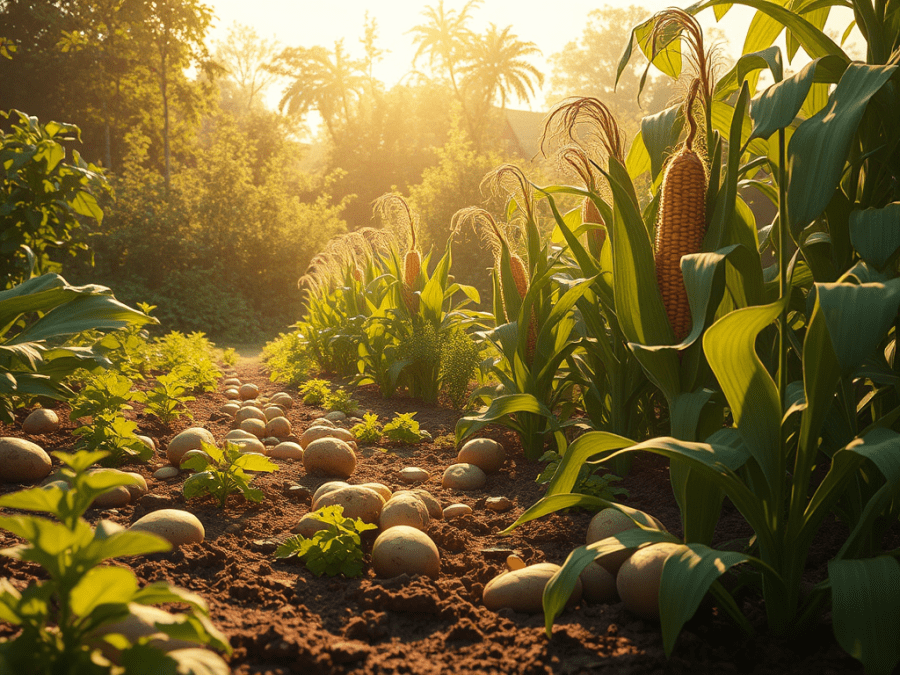
1. Potatoes (The Underrated Calorie King)

People laugh at potatoes—until they realize these humble dirt nuggets kept entire civilizations alive. Potatoes grow in lousy soil, don’t need much babying, and produce more calories per square foot than almost anything else.

When grocery shelves are stripped bare and the clueless masses panic, you’ll be sitting on piles of real food while they argue about who took the last granola bar.

Why potatoes are essential:

  • High calories
  • Grow in poor soil
  • Store well in cool, dark areas
  • Minimal pest issues

If you’re not growing potatoes, you’re already behind.

2. Beans (Your Long-Term Survival Protein)

Everyone talks about protein until they need to actually grow some. Livestock? Good luck feeding it when animal feed disappears. Hunting? So will everyone else—wildlife will vanish fast. But beans? Beans just grow. And they give you protein without expecting you to play rancher in the apocalypse.

Pole beans, bush beans, dry beans—grow them all. They improve soil, climb anything, and tolerate harsh neglect better than most people you know.

Why beans matter:

  • Plant-based protein
  • Long-term dry storage
  • Soil-building nitrogen fixers
  • Reliable yield

Beans won’t betray you. People will.

3. Corn (Massive Harvest, Endless Uses)

Say what you want about corn—it feeds people. It feeds animals. It feeds entire nations. And unlike half the fragile specialty crops people obsess over, corn actually produces enough mass to matter when you’re trying to stay alive.

You can grind it into meal, feed it to chickens, ferment it, store it, or eat it straight off the cob. Fast-growing, sun-loving, drought-tolerant corn is a prepper’s workhorse.

Corn benefits:

  • Huge calorie yield
  • Can be dried and stored long-term
  • Works in tons of recipes
  • Great for bartering

In a grid-down world, corn is currency.

4. Winter Squash (Hard-Shelled Survival Gold)

After the collapse, refrigeration won’t be there to save you. That’s why winter squash matters—they’re the original long-term storage food. With thick rinds and durable flesh, they’ll sit on your shelf for months without rotting into compost.

Butternut, acorn, Hubbard, kuri—pick your fighters. Just make sure you grow a lot of them.

Why winter squash is vital:

  • Keep for 6–12 months
  • Great carbs and vitamins
  • Hardy plants once established
  • Huge harvest potential

When everyone else is shivering and hungry, your squash pile will look like treasure.

5. Sweet Potatoes (Survival Meets Nutrition)

Unlike regular potatoes, sweet potatoes tolerate heat, drought, and neglect like they’re built for catastrophe. They provide calories, vitamins, and vines you can eat as greens if you’re desperate.

Once you plant sweet potatoes, they practically take over—exactly what you want in a world falling apart.

Benefits:

  • High yield
  • Heat and drought tolerant
  • Edible greens
  • Stores for months

Sweet potatoes don’t care if civilization crumbles.

6. Cabbage (The Forget-Me-Not Food That Just Keeps Giving)

Cabbage is the vegetable equivalent of a bunker—heavy, tough, and made to endure. It produces a ton of edible mass and becomes even more useful when fermented.

Sauerkraut isn’t a trend—it’s what people made when they didn’t have refrigerators.

Why cabbage is a survival classic:

  • Huge nutritional value
  • Stores for weeks
  • Can be fermented for long-term preservation
  • Cold-hardy

Cabbage doesn’t die easily. Can’t say the same about most modern diets.

7. Garlic & Onions (Flavors That Keep You Sane)

Listen, life after collapse is going to be miserable enough. If your food is bland, it gets even worse. Garlic and onions aren’t just flavor—they’re medicine, pest repellants, and food preservers.

Plus, they store extremely well.

Why you need them:

  • Long storage
  • Antibacterial properties
  • Easy to grow
  • High value for trade

If you want morale, you want alliums.

8. Carrots (The Survival Root That Doesn’t Complain)

Carrots take a little soil prep, but once they’re growing, they’re practically unstoppable. They store well, grow well in cool weather, and diversify your calories.

They’re also one of the few crops people will still like eating when they’re exhausted, cold, and miserable.

Why carrots earn a spot:

  • Easy to grow
  • Long storage
  • Cold tolerant
  • High vitamins

Carrots are simple. The world won’t be.

9. Kale (The One Green That Doesn’t Die)

Most leafy greens collapse under heat, cold, or pests. Kale laughs at all of them. It’s a multi-season, frost-kissing, apocalypse-proof plant that keeps producing when everything else waves a white flag.

Benefits:

  • Extremely hardy
  • Long season
  • Nutrient dense
  • Keeps producing

You don’t need trendy superfoods. You need kale.

10. Sunflowers (Seeds, Oil, and Livestock Feed)

Sunflowers give you more than beauty—they give you protein-rich seeds, oil for cooking, and feed for animals. They grow tall, strong, and resilient, even when conditions turn nasty.

Why sunflowers matter:

  • Edible seeds
  • Oil extraction
  • Drought tolerant
  • Excellent survival bartering item

Sunflowers don’t care about chaos—they just grow.


FINAL THOUGHTS: GROW FOOD OR GET LEFT BEHIND

You can’t fix the world. You can’t stop the collapse. You can’t rely on the grid, the government, the stores, or the clueless crowds who still think “everything will be fine.”

But you can grow food.

Survival belongs to the prepared—not the optimistic.

Learn these crops. Plant them now. Because when the world finally goes dark, your garden will be the only thing standing between your family and starvation.

Washington Homestead Lifestyle: Reflections of a Lone Homesteader

Out here, where the Cascade Mountains shadow the land and the rains drip like clockwork from a gray sky, life has a rhythm all its own. I’m a homesteader in Washington, a place where nature’s pulse beats strong — rivers roaring in spring thaw, cedars towering with quiet majesty, and the sweet scent of firs in the misty dawn.

But it’s not all poetic. Out here, it’s just me. The days stretch long and silent, except for the chirps of birds or the distant howl of a coyote. Loneliness is a companion, as constant as the soil beneath my boots. Yet, I’ve learned to find solace and purpose in the work — in the skills I’ve taught myself, in the earth, the animals, and the slow, steady crafting of a life by my own hand.


Homestead Skills to Keep the Mind and Hands Busy

If you’re thinking about homesteading in Washington or any place remote, you soon discover that boredom can gnaw at you as surely as hunger. But boredom is a choice. Here are the 15 skills that have saved me from it — and maybe they can do the same for you:

  1. Beekeeping — Watching those bees dance around the hive, harvesting their honey, is a quiet joy. It takes patience and careful attention, but it’s incredible to feel part of such an ancient, humming ecosystem.
  2. Sourdough Baking — The slow fermentation of dough, the smell of crusty bread baking in a wood-fired oven… baking connects me to old ways, and the warmth fills the cabin like a friend.
  3. Soap Making — Crafting soap from lye and fats isn’t just practical — it’s meditative. Plus, nothing beats the feeling of making something useful from scratch.
  4. Canning and Preserving — Knowing that my summer harvest can be savored in the dead of winter gives me comfort and a sense of accomplishment.
  5. Herbal Medicine — Learning the native and introduced herbs around my land to treat minor ailments connects me to the wild, and keeps me healthy when trips to town aren’t easy.
  6. Blacksmithing Basics — Hammering iron over the forge, shaping tools, or fixing old farm implements keeps my hands busy and my mind focused.
  7. Soapstone or Wood Carving — Creating small works of art from natural materials helps quiet the mind when loneliness threatens to settle in.
  8. Trap Setting and Small Game Hunting — It’s a skill for food, for respect of the land, and to maintain balance.
  9. Mushroom Foraging — Knowing which fungi are safe to eat is both a practical skill and a delightful treasure hunt in the damp forest undergrowth.
  10. Greenhouse Gardening — Extending the growing season with a cold frame or greenhouse keeps the promise of fresh vegetables alive through Washington’s long winters.
  11. Composting — Turning kitchen scraps and garden waste into rich soil is like alchemy. It gives me hope for new growth even on gray days.
  12. Making Homemade Cheese and Yogurt — There’s something wonderfully satisfying about transforming milk into something delicious and nutritious.
  13. Building and Repairing Fences — The physicality of fence-building keeps me fit and protects my animals, my little kingdom.
  14. Solar Panel Maintenance — Understanding my small solar setup gives me energy independence and a sense of control over my survival.
  15. Reading Weather Signs — Learning to read the skies, the wind, and the behavior of animals helps me anticipate storms or droughts — a crucial skill when you depend on the land.

The Quiet Company I Long For

I’m honest when I say it’s hard being a lone man in these woods. Most homesteaders I meet are families, or couples. The occasional visitor comes by — sometimes other homesteaders, sometimes hunters or hikers — but the cold truth is that friendship, especially that which might bloom into something deeper, can be as rare as a clear night sky through the evergreen canopy.

But loneliness has taught me to be patient, to observe, and to use creativity as a bridge between myself and others. If you find yourself like me, out here in the wilds of Washington, wanting companionship beyond the dog and the chickens, I have a few DIY homestead hacks that have helped open the door to connection with women who appreciate this lifestyle:


3 DIY Homestead Hacks to Meet Women on a Homestead

1. Host a Seasonal Skill Workshop

Every season has something to teach, and people are drawn to hands-on learning. I started hosting small workshops — “Intro to Beekeeping,” “Sourdough Bread Basics,” or “Herbal Remedies from Your Backyard.” I put out flyers at the local farmers market and community center, inviting neighbors and passersby.

It’s amazing how a shared love for practical skills can spark conversation and friendship. Women with an interest in homesteading, sustainability, or just wanting to reconnect with nature come to learn — and sometimes, you find more than just friends in the crowd. The workshop atmosphere breaks the ice naturally, and working side-by-side tends to foster warmth and camaraderie.

2. Build a Communal Garden Space

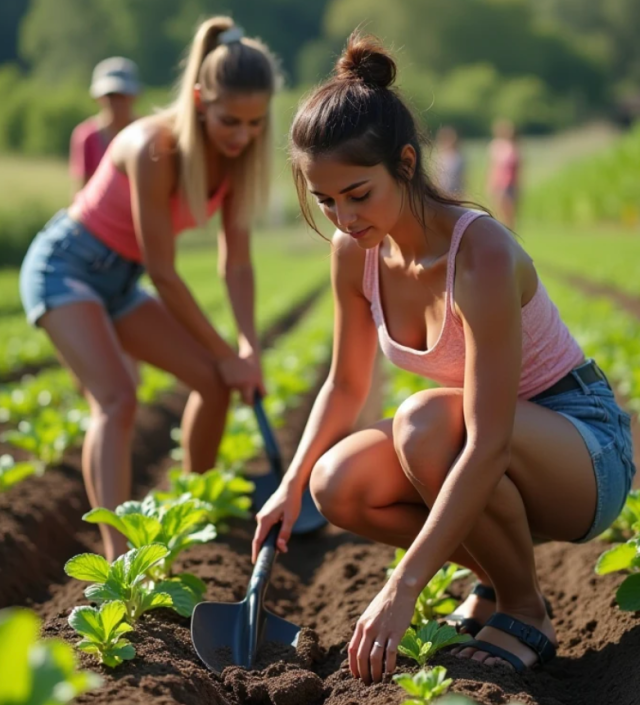
This might seem ambitious, but building a small communal garden plot or herb circle near the homestead can draw in neighbors who want to garden but lack space or knowledge. I built a few raised beds with hand-hewn cedar planks and invited others to plant alongside me.

Gardening together means swapping tips, sharing produce, and trading stories — a simple but profound way to build community. When I’m outside, tending the plants and sharing the harvest, it feels less like isolation and more like belonging.

3. Create a “Book and Brew” Porch Night

I built a simple porch swing from reclaimed wood and string lights powered by my solar setup. I invite women (and anyone really) from the nearby town or homestead circles for an evening of sharing books, homemade herbal tea, or cider.

It’s low-pressure and relaxed, and the porch becomes a gathering spot where stories and laughter replace silence. Books are a perfect bridge — they spark conversation without the awkwardness of forced small talk, and brewing something warm by hand shows care and intention.


What the Land Teaches a Man

Washington’s wildness can feel both isolating and inspiring. The towering Douglas firs, the moss-draped cedars, the rocky streams — all remind me that I’m part of something vast and timeless. This land teaches patience, endurance, and respect. It demands a steady hand and an open heart.

The homestead life is not for everyone. It’s a mix of hard work and quiet moments, of struggle and celebration. It can be lonely, sure. But if you can find your rhythm, if you embrace the skills that keep your mind sharp and your hands busy, and if you build connections—no matter how slowly—with others who understand this way of life, then the solitude softens.

For me, the greatest skill of all has been learning to hope. To hope for the sunrise after a storm, for the first blossom in spring, and for the day when the porch swing creaks with more than just the wind.


If you’re out here or thinking of coming, take heart in the work and the waiting. Let the land teach you. And remember, even a lone homesteader can find ways to break the silence — through skill, creativity, and a little courage to reach out.

Washington’s homestead lifestyle is rugged, beautiful, and honest. It demands everything — but it gives back something few places can: the chance to live simply, deeply, and with purpose.