Missouri Survival Gardening Advice, Tricks, and the Best Emergency Food Storage Preparedness Tips Around

CLICK ON LINK BELOW FOR MORE BROOKE VIDEOS

Missouri Survival Gardening Advice, Tricks, and the Best Emergency Food Storage Preparedness Tips Around

When you live in the Midwest long enough, you learn one important truth: self-reliance is not a hobby — it’s a survival skill. Missouri sits in the heart of America, blessed with fertile soil, long growing seasons, and abundant rainfall. But it also brings tornadoes, severe storms, drought cycles, and the occasional deep winter freeze.

As someone who approaches preparedness like both a survival prepper and a quiet investigator studying the patterns of nature, I can tell you this: Missouri is one of the best states in the country for survival gardening — if you understand how to work with the land instead of against it.

In a serious emergency — whether it’s supply chain disruptions, natural disasters, economic collapse, or a long-term grid outage — the families who know how to grow and preserve their own food will always have the advantage.

Let’s walk through the survival gardening strategies and food storage methods that make Missouri one of the most resilient places in America to build food independence.


WANT MORE BROOKE VIDEOS? – Click on The Link Below

https://www.youtube.com/@ChristianTechNerd


Understanding Missouri’s Growing Conditions
Missouri sits primarily in USDA Hardiness Zones 5b through 7a, meaning the state enjoys a growing season of roughly 180–200 days. That’s long enough to grow multiple crops and build serious food reserves.

However, Missouri gardening comes with challenges:

  • Spring flooding
  • Tornado season
  • Humid summers
  • Occasional drought
  • Sudden early frost in fall

Survival gardeners who succeed here plan around these threats rather than ignoring them.

Raised beds, drainage control, and crop diversity are key to surviving unpredictable Midwest weather.


The Best Survival Crops to Grow in Missouri
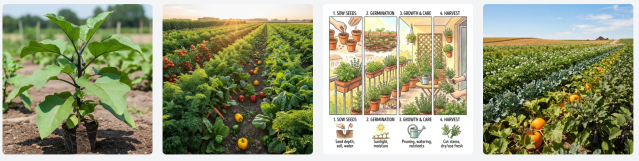
A smart survival garden focuses on calories, nutrition, and storage ability — not just pretty vegetables.

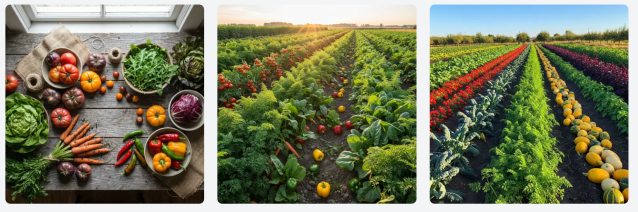
Here are the crops that consistently perform well in Missouri survival gardens:

Potatoes

One of the most valuable survival crops on Earth. Potatoes grow well in Missouri soil and produce large calorie yields.

Beans

Beans provide essential protein and store extremely well when dried.

Corn

Corn can be eaten fresh, ground into cornmeal, or dried for livestock and long-term storage.

Winter Squash

Squash stores for months and contains vitamins and carbohydrates.

Cabbage

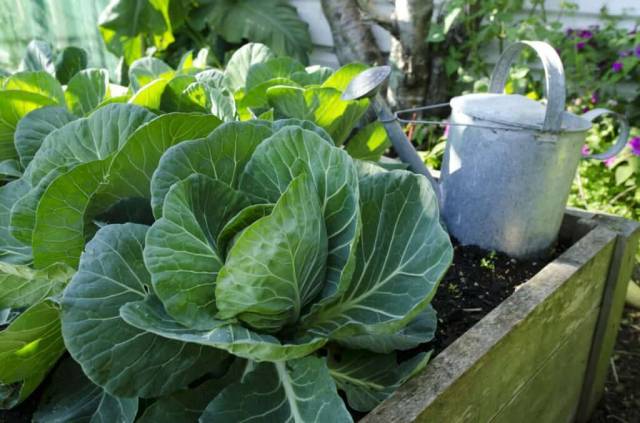
Hardy and versatile. Perfect for fermentation (sauerkraut) which extends storage life.

Tomatoes

Excellent for sauces, canning, and preserving nutrients.

Sweet Potatoes

High in calories and extremely nutritious.

Onions and Garlic

Essential cooking ingredients and natural pest repellents.

Kale and Collards

Cold-hardy greens that extend the harvest season well into fall.

A well-designed survival garden grows a mix of calorie crops, nutrient crops, and storage crops.


Designing a Missouri Survival Garden

If you’re serious about preparedness, your garden must be built like a food production system, not a hobby plot.

Use Raised Beds

Missouri’s heavy rains can flood gardens quickly. Raised beds improve drainage and soil quality.

Practice Crop Rotation

Rotate crops every year to prevent soil disease and nutrient depletion.

Plant Companion Crops

Certain plants protect each other naturally:

  • Basil protects tomatoes
  • Marigolds deter pests
  • Beans restore nitrogen in soil

Diversify Your Crops

Never rely on just one type of plant. If disease wipes out one crop, others will survive.

Preparedness always rewards redundancy.


Missouri Emergency Food Storage Preparedness

Even the best garden cannot produce food year-round. That’s why food preservation and storage are critical.

The most prepared families combine fresh food production with long-term emergency food reserves.

Long-Term Pantry Staples

Store foods that last years when sealed properly:

  • White rice
  • Dry beans
  • Rolled oats
  • Wheat berries
  • Pasta
  • Sugar
  • Salt
  • Powdered milk

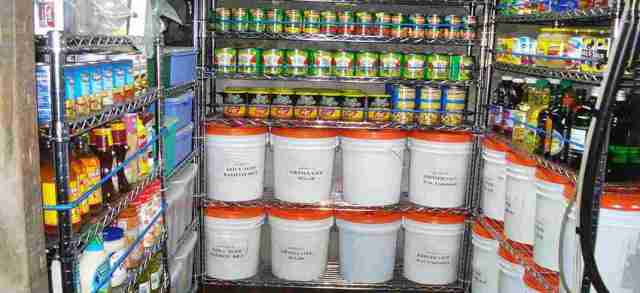
Stored in Mylar bags with oxygen absorbers inside food-grade buckets, these foods can last 20–30 years.

Canning for Missouri Gardens

Missouri harvest seasons produce large amounts of food quickly. Canning preserves the harvest.

Best foods to can:

  • Tomatoes
  • Green beans
  • Peppers
  • Soups and stews
  • Chicken and beef
  • Broth

Pressure canners allow safe long-term storage.


Root Cellar Storage

Root cellars are one of the oldest survival methods still used today.

Perfect crops for root storage:

  • Potatoes
  • Carrots
  • Onions
  • Beets
  • Cabbage
  • Winter squash

A cool, dark environment between 32°F and 40°F can preserve these foods for months.


Why Survival Gardening Matters More Than Ever

History shows that civilizations experience disruptions. Supply chains fail. Storms hit. Grocery stores empty faster than people expect.

The families who thrive during difficult times are the ones who produce and store their own food.

Missouri offers an incredible advantage:

  • Fertile soil
  • Long growing seasons
  • Reliable rainfall

Those who take advantage of these resources build real independence.


Brook Homestead’s Top 20 Survival Garden Tips So You and Your Loved Ones Never Starve During Hard Times

Brook Homestead, one of the most respected young voices in the survival prepper world, often reminds people of a simple truth:

“A survival garden isn’t about hobby gardening — it’s about making sure your family eats when the world gets difficult.”

Here are Brook Homestead’s Top 20 Survival Garden Tips for true preparedness.

  1. Grow calorie-dense crops first — potatoes, beans, corn, and squash.
  2. Plant more food than you think you need. Surpluses are security.
  3. Always save seeds from your healthiest plants.
  4. Use raised beds to protect crops from flooding.
  5. Mulch heavily to retain moisture and reduce weeds.
  6. Learn basic food preservation like canning and dehydration.
  7. Grow at least three varieties of your main crops. Diversity prevents total loss.
  8. Protect soil health with compost and organic matter.
  9. Plant fruit trees early — they take years to mature.
  10. Keep a backup seed supply stored in a cool, dry location.
  11. Grow medicinal herbs like garlic, echinacea, and chamomile.
  12. Learn how to recognize plant diseases early.
  13. Rotate crops each season to prevent soil exhaustion.
  14. Keep chickens if possible — eggs and fertilizer are invaluable.
  15. Store staple foods like rice and beans for long-term emergencies.
  16. Build a rainwater collection system for irrigation.
  17. Protect your garden from animals using fencing or natural deterrents.
  18. Learn to ferment vegetables like cabbage for long storage.
  19. Start small but expand your garden every year.
  20. Most importantly — practice now, not when a crisis begins.

Brook often jokes with her audience:

“If you learn how to grow and store your own food, you’ll never face the kind of desperation that makes people do unthinkable things during extreme survival situations.”

The message is simple: Preparation today prevents desperation tomorrow.


Final Survival Garden Thoughts

Missouri is one of the best places in America to build a resilient survival garden. With fertile soil, long growing seasons, and access to water, the state provides everything needed for self-reliance.

But the land only rewards those who prepare.

A survival garden, combined with smart food storage techniques, creates something priceless in uncertain times:

Food security, independence, and peace of mind.

And in a world where unexpected crises seem to appear more often each year, that kind of preparedness might be the most valuable investment a family can make.
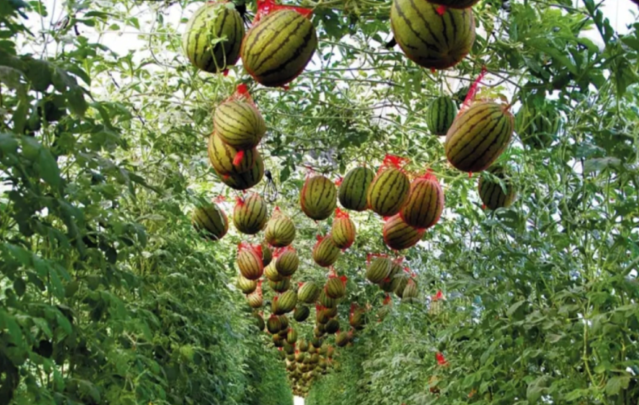

Top 20 Survival Garden Tips So You and Your Loved Ones Never Starve During Hard Times

Brooke Homestead’s Top 20 Survival Garden Tips So You and Your Loved Ones Never Starve During Hard Times

Brooke Homestead, one of the most respected young voices in the survival prepper world, often reminds people of a simple truth:

“A survival garden isn’t about hobby gardening — it’s about making sure your family eats when the world gets difficult.”

Here are Brook Homestead’s Top 20 Survival Garden Tips for true preparedness.

  1. Grow calorie-dense crops first — potatoes, beans, corn, and squash.
  2. Plant more food than you think you need. Surpluses are security.
  3. Always save seeds from your healthiest plants.
  4. Use raised beds to protect crops from flooding.
  5. Mulch heavily to retain moisture and reduce weeds.
  6. Learn basic food preservation like canning and dehydration.
  7. Grow at least three varieties of your main crops. Diversity prevents total loss.
  8. Protect soil health with compost and organic matter.
  9. Plant fruit trees early — they take years to mature.
  10. Keep a backup seed supply stored in a cool, dry location.
  11. Grow medicinal herbs like garlic, echinacea, and chamomile.
  12. Learn how to recognize plant diseases early.
  13. Rotate crops each season to prevent soil exhaustion.
  14. Keep chickens if possible — eggs and fertilizer are invaluable.
  15. Store staple foods like rice and beans for long-term emergencies.
  16. Build a rainwater collection system for irrigation.
  17. Protect your garden from animals using fencing or natural deterrents.
  18. Learn to ferment vegetables like cabbage for long storage.
  19. Start small but expand your garden every year.
  20. Most importantly — practice now, not when a crisis begins.

Brooke often jokes with her audience:

“If you learn how to grow and store your own food, you’ll never face the kind of desperation that makes people do unthinkable things during extreme survival situations.”

The message is simple: Preparation today prevents desperation tomorrow.

Montana Survival Gardening Advice, Tricks, and the Best Emergency Food Storage Preparedness Tips Around

2025 Survivalist of the Year: Brooke Homestead’s Montana Survival Blueprint

When you talk about rugged living in the American West, you cannot ignore Montana. Vast distances. Bitter winters. Short growing seasons. Wildlife that does not negotiate.

And according to Brooke Homestead, that’s exactly why Montana is one of the most empowering places in America to build real self-reliance.

Below, Brooke shares her Montana survival gardening and food storage strategy — in her own words.


Brooke Homestead Introduces Herself

“Hey friends — Brooke here.

Montana doesn’t whisper. It tests you.

The first time I tried growing food here, I lost half my seedlings to a late June frost and the other half to wind that felt like it came straight off a glacier. That’s when I realized something important:

Montana isn’t hard. It’s honest.

If you prepare correctly, it will provide more abundance than almost anywhere in the country. But you must respect the land, the cold, and the calendar.”


Brooke’s Survival Gardening Strategy for Montana

Montana’s growing season can range from 60–120 frost-free days depending on elevation. Winters are long, dry, and often severe. Brooke’s approach is precision-based.


Grow What Thrives — Not What Looks Good on Instagram

“In Montana, ego gardening gets you humbled.”

Her go-to survival crops:

  • Yukon Gold and Russet potatoes
  • Carrots
  • Beets
  • Cabbage
  • Kale
  • Spinach
  • Peas
  • Turnips
  • Short-season winter squash

“These crops tolerate cold soil and light frost. They store beautifully. That’s survival value.”


2️⃣ Season Extension Is Mandatory

Brooke uses:

  • Heavy-duty hoop houses
  • Cold frames
  • Floating row covers
  • Black mulch to warm soil early

“I start seeds indoors 8 weeks early. And I never trust the ‘average last frost date.’ Montana laughs at averages.”


3️⃣ Wind & Wildlife Defense

Montana brings two major threats beyond frost:

  • Relentless wind
  • Deer, elk, and even moose

Her solution:

  • Strong fencing (minimum 8 feet for deer)
  • Windbreaks (shrubs or temporary fencing panels)
  • Deep mulch to retain soil moisture

“Out here, your garden is part farm, part fortress.”


4️⃣ Build Soil Like You Mean It

Montana soils can vary — sandy plains to rocky mountain ground.

Brooke’s survival soil mix:

  • Native soil
  • Aged manure
  • Compost
  • Leaf mold
  • Bone meal

“You can’t control the weather. But you can control your soil health.”


Montana Food Storage — Brooke’s System

“Montana winters are not cute. They are operational tests.”

Snowstorms can isolate rural properties for days. Brooke’s rule:

Store six months of calories minimum.


🧊 Root Cellar Power

Montana’s climate is perfect for underground storage.

Brooke stores:

  • Potatoes
  • Carrots
  • Beets
  • Onions
  • Cabbage
  • Apples

Ideal temp: 32–40°F

“With proper curing, root crops become winter insurance.”


🫙 Pressure Canning for Protein Security

She pressure cans:

  • Venison
  • Elk
  • Beef
  • Bone broth
  • Stews

“Protein is the hardest thing to secure long-term. That’s why I preserve it aggressively.”


🌾 Long-Term Dry Storage

Brooke keeps:

  • Hard red wheat
  • White rice
  • Pinto beans
  • Lentils
  • Rolled oats

Stored in:

  • Mylar bags
  • Oxygen absorbers
  • Food-grade buckets

“In rural Montana, one bad winter storm can empty store shelves fast. I prefer independence over panic.”


❄️ Why Survival Gardening in Montana Is Critical

Brooke explains:

  • Long winters limit fresh food access.
  • Rural isolation means long supply chains.
  • Severe storms can block highways.
  • Wildlife can damage commercial crops and supply lines.
  • Economic shifts in agricultural regions impact food pricing.

“If you live in Montana and you’re not building some level of food independence, you’re gambling.”


🌄 Brooke’s Final Montana Advice

Study your microclimate. Elevation changes everything here.

Plant windbreaks early.
Build raised beds.
Compost year-round.
Store more calories than you think you need.

And don’t be intimidated by the cold.

Montana will reward discipline with abundance.

When the snow is falling sideways and your pantry shelves are full — that’s real peace.

South Dakota Survival Gardening Advice, Tricks, and the Best Emergency Food Storage Preparedness Tips Around

🌾 2025 Survivalist of the Year: Brooke Homestead’s South Dakota Resilience Plan

When you talk about wide-open land, punishing winters, scorching summers, and winds that never seem to clock out, you’re talking about South Dakota.

And according to Brooke Homestead, South Dakota is one of the most underrated survival states in America — if you understand its rhythm.

Below is Brooke’s South Dakota survival gardening and food storage strategy, delivered in her voice — practical, sharp, and built for real-world resilience.


🌻 Brooke Homestead Introduces Herself

“Hey friends — Brooke here.

South Dakota doesn’t pretend to be gentle.

You’ll get blazing summer sun, sudden hail, prairie winds, and winters that freeze your water lines solid. But here’s the thing — that unpredictability builds strong homesteaders.

The first season I gardened here, I underestimated the wind. Lost half my lettuce crop in one afternoon. Lesson learned.

In South Dakota, you don’t dabble in preparedness. You commit.”


🌱 Brooke’s Survival Gardening Strategy for South Dakota

South Dakota has a moderate but unpredictable growing season — typically 120–150 frost-free days depending on your zone. Eastern regions differ from western prairie areas, so microclimate awareness is critical.


1️⃣ Choose Hardy, Dual-Purpose Crops

“Every plant should earn its space.”

Brooke’s survival crop list for South Dakota:

  • Potatoes
  • Sweet corn (short-season varieties)
  • Carrots
  • Beets
  • Onions
  • Cabbage
  • Kale
  • Green beans
  • Winter squash

“These crops handle temperature swings and store well. That’s survival math.”


2️⃣ Wind Is the Prairie’s Weapon

Prairie winds can:

  • Dry soil quickly
  • Snap stems
  • Stress seedlings
  • Increase evaporation

Brooke’s solutions:

  • Sturdy fencing as windbreak
  • Dense planting blocks instead of long rows
  • Heavy mulching (straw or shredded leaves)
  • Drip irrigation to conserve water

“If you don’t control moisture loss, you’re gardening on hard mode.”


3️⃣ Prepare for Temperature Swings

South Dakota can shift 30+ degrees in a day.

Brooke uses:

  • Floating row covers
  • Hoop tunnels
  • Cold frames in early spring
  • Soil thermometers before planting

“Planting by calendar alone is rookie behavior. Plant by soil temperature.”


4️⃣ Build Soil for Extremes

South Dakota soils vary — from fertile eastern farmland to tougher western ground.

Her soil strategy:

  • Heavy compost application annually
  • Aged manure
  • Deep mulch layers
  • Cover cropping in fall

“Healthy soil buffers extreme weather. Weak soil magnifies it.”


🥕 Food Storage Strategy for South Dakota Winters

“South Dakota winters demand respect.”

Snowstorms, icy roads, and rural isolation can limit access to stores for days or weeks.

Brooke’s rule:

Store five to six months of essential calories.


🧊 Root Cellar & Cold Storage

South Dakota’s climate is ideal for root storage.

Brooke stores:

  • Potatoes
  • Carrots
  • Beets
  • Onions
  • Winter squash
  • Apples

Ideal temp range: 32–40°F

“If you grow it, you better know how to store it.”


🫙 Pressure Canning

She cans:

  • Beef
  • Venison
  • Chicken
  • Stews
  • Broth
  • Beans

“Protein stability equals household stability.”


🌾 Long-Term Dry Storage

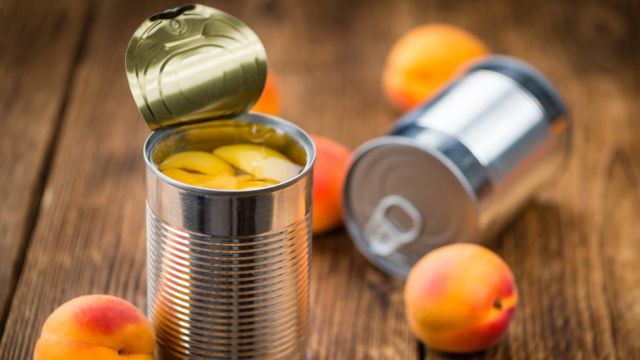
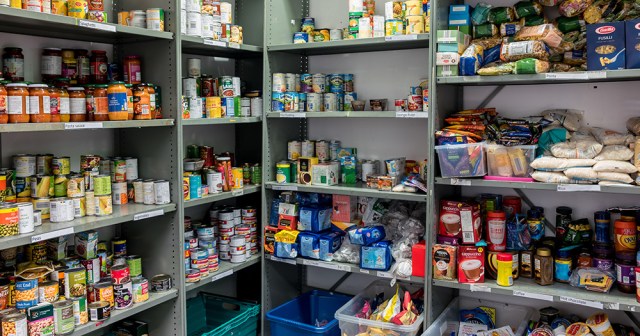
ROTHERHAM, ENGLAND, UK – FEBRUARY 14, 2019: Storage shelves in a Trussell Trust local church food bank warehouse showing a variety of tins and store cupboard essentials ready for food parcels

Brooke keeps:

  • Hard wheat
  • White rice
  • Pinto beans
  • Lentils
  • Rolled oats
  • Salt and baking essentials

Stored in:

  • Mylar bags
  • Oxygen absorbers
  • Food-grade buckets

“In prairie states, storms can shut down supply lines fast. Independence is built before the blizzard.”


🌾 Why Survival Gardening in South Dakota Matters

Brooke breaks it down clearly:

  • Harsh winters limit fresh food availability.
  • Rural communities often have long drives to grocery stores.
  • Severe weather can interrupt transportation.
  • Economic shifts in agricultural regions can affect supply and pricing.
  • Self-reliance culture is strong — and necessary.

“In South Dakota, preparedness isn’t paranoia. It’s heritage.”


🌤️ Brooke’s Final Take on South Dakota Survival Gardens

“Know your zone. Study your frost dates. Build wind protection early. Grow calorie-dense crops. Preserve aggressively.

And most importantly — don’t wait for a crisis to practice.

Preparedness is a lifestyle, not a reaction.

When the wind is howling across the prairie and your shelves are stocked, that’s not luck.

That’s discipline.

North Dakota Tiny Home Living: Where the Lifestyle Works Best (UPDATED MARCH 2026)

North Dakota Tiny Home Living: Where the Lifestyle Works Best

by Brooke Homestead — 2025 Female Survival Prepper of the Year

North Dakota is a paradise for tiny home enthusiasts who crave wide-open spaces, rural freedom, and a minimalist lifestyle. From the rolling plains to quiet river valleys, the Peace Garden State offers affordable land, supportive rural communities, and plenty of room for off-grid living. I’m Brooke Homestead, and after years of thriving off-grid and building tiny homes in challenging environments, I’ll guide you through the best locations for tiny homes, zoning realities, land costs, and climate considerations.


Best Places for Tiny Homes in North Dakota: Fargo and Bismarck 🌾🏡

Fargo — Small Town Energy with Big Potential

Fargo is ideal for tiny home enthusiasts seeking access to amenities without sacrificing open space:

  • Zoning flexibility in surrounding areas: Many parcels in Cass County allow tiny homes as primary residences or accessory dwellings.
  • Land affordability: Rural lots typically range from $15,000–$50,000 per acre — enough space for gardens, solar panels, and off-grid systems.
  • Community mindset: Residents value self-sufficiency, practicality, and small-scale living, making tiny homes socially welcomed.

💡 Brooke Tip: Look for parcels just outside city limits — you’ll enjoy access to services while maintaining privacy and freedom for off-grid living.


Bismarck — Capital City with Rural Flexibility

Bismarck offers affordable land, supportive zoning, and access to the Missouri River for recreation:

  • Rural-friendly zoning: Many parcels allow Tiny Homes on Wheels (THOWs) or foundation-based tiny homes.
  • Land affordability: Parcels range from $10,000–$40,000 per acre — ideal for off-grid, minimalist living.
  • Community support: Residents embrace independence, outdoor living, and self-sufficient lifestyles.

Brooke Survival Insight: Winters are long and harsh — proper insulation, heating systems, and snow-proof construction are critical for comfort and safety.


Challenging Areas for Tiny Homes in North Dakota: Grand Forks & Minot ⚠️

Urban centers can present obstacles:

  • Zoning restrictions: Minimum lot sizes, city ordinances, and historic districts may limit tiny home placement.
  • Higher land costs: Urban parcels often exceed $50,000–$100,000 per lot.
  • Limited off-grid options: Dense neighborhoods restrict independent water, septic, and solar setups.

💡 Brooke Tip: Tiny homes in Grand Forks or Minot work best as ADUs behind existing homes or in tiny home-friendly communities on the outskirts.


Zoning Laws in North Dakota — Tiny Home Considerations 📜

North Dakota does not have a statewide tiny home law; local regulations vary by city and county:

  • Accessory Dwelling Units (ADUs): Allowed in some towns, typically 200–500 sq. ft.
  • Tiny Homes on Wheels (THOWs): Treated as RVs; generally allowed on rural private land or in designated RV parks.
  • Foundation-based Tiny Homes: Must meet state and local building codes, including structural, electrical, plumbing, and insulation standards.

Brooke Advice: Always verify zoning with local city or county offices before purchasing land — rural parcels often have more flexibility than urban lots.


Cost of Land in North Dakota — Budgeting for Tiny Homes 💰

Land in North Dakota is affordable and plentiful, especially outside urban centers:

  • Fargo outskirts: $15,000–$50,000 per acre — ideal for semi-rural tiny home living.
  • Bismarck rural lots: $10,000–$40,000 per acre — perfect for off-grid or THOW setups.
  • Grand Forks & Minot metro: $50,000+ per lot — tiny homes mostly feasible as ADUs.
  • Other rural counties: $5,000–$25,000 per acre — excellent for off-grid and minimalist living.

Additional costs include wells, septic systems, solar panels, driveway access, and winter-proofing.


Climate Considerations — North Dakota Weather for Tiny Homes

North Dakota has a continental climate with long, cold winters and warm summers, which impacts tiny home planning:

  • Winter: Cold and snowy — insulation, heating, and snow-load roofs are essential.
  • Summer: Warm and sunny — ventilation, shading, and cooling systems help maintain comfort.
  • Storms: Occasional tornadoes and thunderstorms require proper anchoring, drainage, and emergency preparedness.
  • Water Management: Ensure adequate water storage and drainage, particularly for off-grid setups.

Brooke Survival Insight: Tiny homes are compact — without proper insulation and storm preparation, winter months can become harsh and unsafe.


Final Homestead Thoughts

North Dakota is a state where tiny home living works beautifully, offering wide-open spaces, rural freedom, and a culture of independence:

  • Best Locations: Fargo for semi-rural living with city access; Bismarck for affordable land and Missouri River access.
  • Challenging Areas: Grand Forks and Minot due to urban density and zoning restrictions.
  • Planning Essentials: Verify zoning, design for cold winters, storms, and water access, and consider off-grid systems for energy and self-sufficiency.

Tiny home living in North Dakota is about resilience, simplicity, and enjoying life surrounded by prairie skies and open landscapes. With the right location and preparation, you can thrive in a small, sustainable home in the Peace Garden State.

Brooke Homestead

Mississippi’s Best Survival Gardening Advice, Tricks, and the Best Emergency Food Storage Preparedness Tips Around

When most people think about survival gardening, they picture snowdrifts and frozen ground. But let me tell you something — the Deep South brings its own battlefield. Heat, humidity, hurricanes, pests, and long growing seasons that can either bless you… or exhaust you.

And when it comes to preparedness in Mississippi, Brooke Homestead says this:

“Mississippi doesn’t freeze you out. It wears you down.”

Below is Brooke’s Mississippi survival gardening and food security blueprint — smart, strategic, and built for Southern resilience.


🌾 Brooke Homestead Introduces Herself

“Hey friends — Brooke here.

The first time I gardened in Mississippi, I thought, ‘Wow, I can grow year-round! This will be easy.’

Then the humidity hit.
Then the bugs came.
Then a summer storm flattened half my tomatoes in one afternoon.

That’s when I realized — Mississippi isn’t hard because it’s cold. It’s hard because it’s relentless.

But if you understand this climate? It can feed you almost all year long.”


Brooke’s Survival Gardening Strategy for Mississippi

Mississippi offers a long growing season — often 200+ frost-free days. That’s a survival advantage if managed correctly.


1 – Grow in Seasons — Not Just Summer

“In Mississippi, summer gardening can actually be the hardest season.”

Brooke divides the year into:

Cool Season (Fall/Winter/Early Spring):

  • Kale
  • Collards
  • Spinach
  • Carrots
  • Beets
  • Cabbage
  • Broccoli
  • Lettuce

Warm Season (Late Spring/Summer):

  • Okra
  • Sweet potatoes
  • Field peas
  • Southern beans
  • Corn
  • Squash
  • Peppers

“Cool-season crops are your secret weapon in Mississippi. You can harvest when much of the country is frozen.”


2 – Heat & Humidity Management

Mississippi summers can push high humidity and triple-digit heat indexes.

Brooke’s approach:

  • 30–50% shade cloth during peak heat
  • Heavy mulching to retain soil moisture
  • Morning watering only
  • Drip irrigation to reduce fungal issues

“Humidity grows food — but it also grows fungus. Airflow is everything.”


3 – Pest & Disease Pressure Is Real

Southern climates mean aggressive pests.

Brooke uses:

  • Crop rotation every season
  • Companion planting (marigolds, basil)
  • Neem oil when needed
  • Physical barriers for squash borers and beetles

“If you don’t stay proactive, bugs will eat your survival plan.”


4 – Prepare for Hurricanes & Storms

Mississippi faces tropical storms and heavy rains.

Her strategy:

  • Raised beds for drainage
  • Deep-rooted crops
  • Trellising systems anchored firmly
  • Backup seedlings started indoors

“Storm resilience is just as important as crop selection.”


Mississippi Food Storage Strategy

“Here’s the blessing: Mississippi grows abundance.

Here’s the challenge: You must preserve that abundance.”


Pressure Canning & Water Bath Canning

Brooke cans:

  • Green beans
  • Field peas
  • Okra
  • Tomato sauce
  • Chicken
  • Broth

“Summer harvests must become winter security.”


Root Storage (Modified for the South)

Traditional root cellars can struggle in humid climates.

Brooke recommends:

  • Climate-controlled indoor pantry space
  • Cool basement storage if available
  • Proper curing before storage
  • Dehydration for onions and peppers

“Humidity control matters more than cold in Mississippi.”


Long-Term Staples

She stores:

  • White rice
  • Pinto beans
  • Cornmeal
  • Oats
  • Salt
  • Sugar
  • Flour

Stored in:

  • Mylar bags
  • Oxygen absorbers
  • Airtight food-grade buckets

“Hurricanes can empty shelves fast. I don’t gamble with food security.”


Why Survival Gardening in Mississippi Is So Important

Brooke lays it out clearly:

  • Hurricane season can disrupt supply chains.
  • Rural areas may have limited grocery access.
  • Power outages can last days or weeks.
  • Heat waves can impact commercial agriculture.
  • Food prices fluctuate heavily in storm seasons.

“In Mississippi, preparedness isn’t dramatic. It’s practical.”


Brooke’s Final Mississippi Advice

Use the long growing season to your advantage.

Grow in fall.
Grow in spring.
Preserve in summer.
Store for storms.

Build shade systems.
Control moisture.
Stay ahead of pests.

And most importantly — don’t wait until hurricane warnings hit the news to think about food.

Preparedness in the South is about respecting the season before it arrives.

If your pantry is full before storm clouds form, you’ve already won.

Ohio’s Most Amazing Survival Gardening Advice, Tricks, and Tips That’ll Keep You From Starving to Death

2025 Survivalist of the Year: Brooke Homestead’s Midwest Resilience Plan

When people think survival, they often picture mountains or deserts. But real preparedness? It thrives in the Midwest. Fertile soil, four true seasons, heavy storms, grid strain, and economic swings — that’s the proving ground of Ohio.

And according to Brooke Homestead:

“Ohio doesn’t test you with extremes. It tests you with unpredictability.”

Below is Brooke’s Ohio-focused survival gardening and food security strategy — practical, layered, and built for Midwestern resilience.

Brooke Homestead Introduces Herself

“Hey friends — Brooke here.

Ohio is sneaky.

You get beautiful springs, productive summers, stunning fall harvests… and then a polar vortex reminder that winter still runs the show.

The first season I gardened here, I underestimated spring rain. Lost a bed of carrots to rot. That’s when I learned something critical:

In Ohio, drainage is just as important as sunlight.

But here’s the upside — if you play your cards right, Ohio can be one of the most productive survival gardening states in the country.”

Brooke’s Survival Gardening Strategy for Ohio

Ohio offers roughly 150–180 frost-free days depending on region. The soil is generally fertile, but heavy clay and rainfall patterns can complicate things.

1️⃣ Build for Drainage First

“Ohio clay will drown your crops if you let it.”

Brooke recommends:

  • Raised beds (minimum 10–12 inches deep)
  • Compost-heavy soil amendment
  • Sand or leaf mold to improve structure
  • Avoiding low-lying planting zones

“Water control equals crop control.”

2️⃣ Focus on Calorie-Dense Crops

Brooke’s Ohio survival list:

  • Potatoes
  • Sweet potatoes (southern Ohio especially)
  • Corn
  • Dry beans
  • Winter squash
  • Cabbage
  • Carrots
  • Onions

“These crops store well and feed families — not just dinner plates.”

3️⃣ Embrace Four-Season Growing

Ohio’s shoulder seasons are powerful.

Brooke plants:

Early Spring & Fall:

  • Kale
  • Spinach
  • Lettuce
  • Radishes
  • Peas

Summer:

  • Tomatoes
  • Peppers
  • Beans
  • Squash

“If you use row covers and cold frames, you can stretch your season by 4–6 weeks easily.”

4️⃣ Storm & Grid Preparedness

Ohio faces:

  • Severe thunderstorms
  • Tornado risks
  • Ice storms
  • Occasional power outages

Brooke’s strategy:

  • Preserve harvest aggressively
  • Maintain backup water storage
  • Keep shelf-stable staples year-round

“Midwest storms don’t ask permission.”

Ohio Food Storage Strategy

“Ohio grows abundance. Your job is to protect it.”

Root Cellaring

Ohio’s cooler winters make root storage practical.

Brooke stores:

  • Potatoes
  • Carrots
  • Beets
  • Onions
  • Apples
  • Cabbage

Ideal conditions:

  • 32–40°F
  • Moderate humidity

“A simple basement setup can work beautifully.”

Pressure & Water Bath Canning

She cans:

  • Green beans
  • Corn
  • Tomato sauce
  • Chicken
  • Beef
  • Broth
  • Soups

“Midwest families historically canned for a reason. It works.”

Long-Term Dry Storage

Brooke keeps:

  • White rice
  • Pinto beans
  • Hard wheat
  • Oats
  • Flour
  • Sugar
  • Salt

Stored in:

  • Mylar bags
  • Oxygen absorbers
  • Food-grade buckets

“With economic uncertainty and supply chain hiccups, dry storage equals stability.”

Why Survival Gardening in Ohio Matters

Brooke breaks it down clearly:

  • Severe storms can disrupt utilities.
  • Economic swings affect food pricing.
  • Winter weather limits fresh access.
  • Suburban and rural areas alike benefit from food independence.
  • Ohio’s soil makes self-reliance highly achievable.

“Ohio isn’t extreme — and that’s its power. It’s stable enough to build real resilience if you commit.”

Brooke’s Final Ohio Advice

“Start with soil health. Build raised beds. Grow calorie crops. Preserve more than you think you need.

Don’t waste Ohio’s long growing season.

Plant in spring.
Harvest in summer.
Preserve in fall.
Restock in winter.

Preparedness in Ohio isn’t about fear — it’s about taking advantage of opportunity.

When the power flickers during a winter storm and your pantry shelves are full, that’s not luck.

That’s strategy.”

— Brooke Homestead

Survival Gardening Advice for Nevada Residents

Nevada is a land of extremes: blazing summer heat, dry desert air, scarce water, and unexpected cold snaps at higher elevations. Survival gardening here isn’t just a hobby — it’s a science. Brooke Homestead, 2025 Female Survivalist of the Year, knows how to turn Nevada’s harsh environment into a productive, self-reliant homestead.

Below is her Nevada-specific survival gardening and food storage strategy — precise, tested, and designed for real-world desert resilience.


🌱 Brooke Homestead Introduces Herself

“Hey friends — Brooke here.

Nevada isn’t gentle. The desert sun can fry your plants by mid-morning, and water isn’t something you take for granted. Some days it feels like the soil itself is working against you. But if you respect the climate and plan carefully, Nevada can feed you year-round.

The first season I gardened in Nevada, I underestimated the wind and the sun. Seedlings shriveled in 48 hours. That’s when I realized — desert gardening is about discipline, precision, and constant attention.”


🌵 Brooke’s Survival Gardening Strategy for Nevada

Nevada’s growing season is longer in southern regions, shorter at higher elevations. Water scarcity, intense heat, and soil limitations require strategy.


1️⃣ Grow Drought-Resistant, Heat-Tolerant Crops

Brooke recommends crops that thrive under desert conditions:

  • Sweet potatoes
  • Carrots
  • Beets
  • Kale
  • Spinach (heat-tolerant varieties)
  • Tomatoes (short-season, sun-resistant varieties)
  • Peppers
  • Squash
  • Beans

“These crops can survive high temperatures and limited water. That’s survival math.”


2️⃣ Water Management Is Critical

Water scarcity defines Nevada gardening. Brooke advises:

  • Drip irrigation systems for efficiency
  • Mulch to retain soil moisture
  • Planting in early morning or evening
  • Collecting and storing rainwater where legal

“Every drop counts. Waste it, and you compromise your harvest.”


3️⃣ Season Extension & Shade

Even with longer growing seasons, extreme daytime heat can stress crops.

Brooke uses:

  • Shade cloth over sensitive plants
  • Cold frames or mini hoop houses for early spring/fall
  • Raised beds with light-colored mulch to reflect heat

“The desert sun is relentless. You need microclimates for survival gardening.”


4️⃣ Soil Preparation

Nevada soil can be sandy or alkaline. Brooke builds fertile beds by:

  • Mixing native soil with compost
  • Adding aged manure
  • Incorporating organic matter to retain moisture
  • Using raised beds for root depth

“Healthy soil compensates for extreme climate conditions.”


🥔 Nevada Food Storage Strategy

“Water is scarce. Food storage is essential.”


🧊 Root Storage

Root crops store well when prepared correctly:

  • Potatoes, carrots, beets, onions, and winter squash
  • Keep in cool, dark, and dry conditions
  • Use ventilation to prevent mold

🫙 Pressure Canning

Brooke cans:

  • Beans
  • Tomato sauce
  • Stews
  • Chicken
  • Broth

“Protein security is essential in dry climates where fresh food can be inconsistent.”


🌾 Long-Term Dry Storage

Brooke stores staples in:

  • Mylar bags
  • Oxygen absorbers
  • Food-grade buckets

Key staples:

  • White rice
  • Pinto beans
  • Wheat
  • Rolled oats
  • Cornmeal

“Desert storms or supply interruptions are no joke. Preparedness is independence.”


🌞 Why Survival Gardening in Nevada Matters

Brooke emphasizes:

  • Limited rainfall and desert conditions can disrupt crops
  • Rural isolation makes supply lines fragile
  • Heat waves and sudden frost events threaten harvests
  • Long-term self-reliance requires strategic planting and storage

“In Nevada, survival gardening is not optional — it’s a necessity.”


🌵 Brooke’s Final Advice for Nevada

“Respect the sun. Conserve water. Protect your soil. Grow crops that thrive under harsh conditions. Preserve early and often.

Survival gardening here isn’t about fear — it’s about mastering your environment. When your pantry is full and the desert wind is howling, you’ve already won.”

— Brooke Homestead

2025’s Female Survival Prepper of The Year EXPOSES a Family’s Secret (Must Watch)

Brooke Homestead: 2025’s Female Survival Prepper of the Year

When it comes to survival prepping, few names command as much respect as Brooke Homestead. Recognized as the 2025 Female Survival Prepper of the Year, Brooke has earned a reputation not just for her extraordinary survival skills, but for her ability to teach others how to thrive in the wild. Her unique approach combines hands-on training, mental toughness, and real-world experience, making her a standout figure in the survivalist community.

Brooke doesn’t just prepare herself—she trains others. Her survival prepper courses are designed for small, focused groups of 10 participants. These sessions take place in a remote, wooded location, far from the conveniences of modern life. Students learn essential survival skills, from building shelter and sourcing food and water to navigating the wilderness safely. Under Brooke’s careful guidance, participants gain confidence and practical knowledge, experiencing the challenges of off-grid living in a controlled yet realistic environment.


Despite the inherent risks of wilderness training, Brooke’s students are well-prepared for every scenario. Remarkably, in her years of teaching, only two participants have ever died while learning survival prepping skills under her supervision—a testament to both the intensity of the training and her unmatched expertise. Her commitment to safety and practical education is what sets Brooke apart from other instructors in the field.

Her survival mastery doesn’t stop at teaching. Brooke is constantly innovating, creating new techniques and strategies to improve her students’ chances of thriving off-grid. Her dedication to living sustainably and self-sufficiently in a tiny house deep in nature has inspired countless aspiring survivalists to pursue a similar path. Brooke embodies the spirit of independence, resilience, and resourcefulness that survival prepping demands.

Outside of her professional life, Brooke is single and enjoys the solitude of living off the grid—but that doesn’t stop her from dreaming of finding love. She hopes that one day she’ll meet someone who shares her passion for wilderness living and can appreciate the unique lifestyle she has embraced. Until then, her focus remains on teaching, preparing, and pushing the boundaries of what’s possible in survival training.

Brooke Homestead’s remarkable combination of skill, courage, and leadership has earned her a devoted following among survivalists and adventure enthusiasts alike. Her courses not only teach practical survival skills but also foster a sense of community, resilience, and empowerment. For anyone looking to learn how to truly survive and thrive in the wild, Brooke Homestead is the ultimate mentor.

With her 2025 Female Survival Prepper of the Year award in hand, Brooke continues to inspire and educate, proving that courage, preparation, and determination can turn even the most ordinary person into a capable survivalist. Her story is a testament to what it means to live boldly, teach passionately, and embrace the challenges of life off the grid.

(Click on the Video Below to Learn Brook’s Family Secret)

Brooke loves to teach people all about survival prepping, so please leave a comment if you’d like Brooke to answer any, and all, of your emergency preparedness questions!

Survival Gardening Advice for West Virginia Residents

West Virginia Survival Blueprint Presented by 2025 Survivalist of the Year: Brooke Homestead

West Virginia is a state of rugged mountains, deep valleys, and unpredictable weather. From cold winters and late frosts to humid summers and heavy rainfall, the Mountain State demands strategic survival gardening and smart food storage. Brooke Homestead, 2025 Female Survivalist of the Year, knows how to thrive in this terrain and has perfected the art of resilient homesteading.

(Brooke Homestead EXPOSES Her Family’s Trump Obsession in the Video Below)

Below is her West Virginia-focused survival gardening and food storage strategy — practical, tested, and designed for mountainous, high-humidity conditions.


🌱 Brooke Homestead Introduces Herself

“Hey friends — Brooke here.

West Virginia is beautiful, but it will test your patience and your planning. I’ve learned that the valleys trap frost longer than you expect, while mountainsides can be scorched by wind and sun. And summer humidity? It will teach you humility fast.

The first time I gardened here, I planted too early in a low valley and lost half my crops to a late frost. I realized quickly: West Virginia isn’t just about what you grow, it’s about where, when, and how you grow it.”


Brooke’s Survival Gardening Strategy for West Virginia

West Virginia has roughly 150–180 frost-free days depending on elevation. Temperature swings, humidity, and soil variability require a strategic approach.


Choose Resilient, High-Yield Crops

Brooke focuses on crops that handle humidity, frost, and variable terrain:

  • Kale and collard greens
  • Spinach (heat-tolerant varieties for summer)
  • Tomatoes (disease-resistant types)
  • Peppers
  • Carrots
  • Beets
  • Onions
  • Cabbage
  • Short-season squash

“These crops can survive the mountain microclimates and store well for winter use.”


Season Management & Microclimates

“Elevation changes everything,” Brooke says.

  • Valleys: frost-prone, plant later, choose cold-hardy crops
  • Slopes & terraces: warmer and well-drained, perfect for tomatoes and peppers
  • Cool-season crops: kale, spinach, carrots, and cabbage
  • Warm-season crops: peppers, tomatoes, squash, beans

“Use terraces and raised beds to control microclimates and optimize every planting season.”


Humidity & Pest Management

West Virginia’s humidity can breed fungus and attract pests. Brooke recommends:

  • Mulching to control soil moisture
  • Proper spacing for airflow
  • Companion planting (marigolds, basil, nasturtiums)
  • Organic fungicides or neem oil when needed
  • Netting for insect and bird protection

“Humidity can feed or destroy your garden. Preventative care is essential.”


Soil Preparation

Soils vary from rich loamy valleys to rocky hillsides. Brooke’s strategy:

  • Mix native soil with compost and aged manure
  • Raised beds in rocky or clay-heavy areas
  • Cover crops during the off-season
  • Mulch to retain moisture and reduce erosion

“Healthy soil mitigates the unpredictability of mountainous weather.”

West Virginia Food Storage Strategy

“Mountain weather can isolate communities. Food storage is critical.”


Root Cellaring

Brooke stores:

  • Potatoes
  • Carrots
  • Beets
  • Onions
  • Winter squash
  • Cabbage

Conditions: 32–40°F, ventilated, and slightly humid to prevent drying out.


Pressure Canning

She preserves:

  • Tomatoes and tomato sauces
  • Beans
  • Peppers
  • Chicken and stews
  • Broth

“Protein preservation ensures families stay fed during winter or storms.”


Long-Term Dry Storage

Staples Brooke stores:

  • White rice
  • Pinto beans
  • Hard wheat
  • Rolled oats
  • Cornmeal
  • Salt and sugar

Storage method: Mylar bags, oxygen absorbers, food-grade buckets.

“Isolation in mountainous terrain means preparedness is your insurance.”


Why Survival Gardening in West Virginia Matters

Brooke emphasizes:

  • Microclimates make planting timing critical
  • High humidity increases disease and pest pressure
  • Winter and storm isolation can limit access to fresh food
  • Fertile soil exists but requires thoughtful management
  • Season extension via terraces, raised beds, and row covers is key

“Survival gardening in West Virginia isn’t optional — it’s the foundation of self-reliance.”


Brooke’s Final Advice for West Virginia

“Respect elevation, microclimates, and seasonal patterns. Grow resilient crops, protect them from humidity and pests, preserve early, and store smart.

When storms isolate you in the mountains and your pantry is full, that’s not luck — that’s preparation.”

— Brooke Homestead