Nuclear War Won’t Kill You First—People Will

The beginning of a nuclear war will not look like the movies. There won’t be heroic music, clear villains, or a neat countdown clock. What you’ll get instead is confusion, panic, misinformation, and millions of scared, selfish people who suddenly realize the system they trusted is gone. The blast is terrifying, sure. The radiation is deadly. But people? People will be the real danger from minute one.

I’ve spent years preparing for disasters because I don’t trust society to hold itself together when things get ugly. And nuclear war is the ugliest scenario humanity has ever engineered. When it starts, the rules you think exist—laws, politeness, morality—will evaporate faster than common sense in a crowded city. If you want to survive the opening phase, you need to stop thinking like a citizen and start thinking like a survivor.

The First Hours: Panic Is Contagious

When the first alerts hit—whether it’s sirens, phone warnings, or social media exploding—you’ll see mass panic almost immediately. People will rush to gas stations, grocery stores, pharmacies, and highways. Not because it’s logical, but because panic spreads faster than radiation.

Your biggest mistake would be joining the herd. Crowds are dangerous in normal times. In a nuclear crisis, they’re lethal. People will fight over fuel, trample each other for food, and pull weapons they barely know how to use. All it takes is one loud noise or rumor to turn a crowd into a riot.

If you are not already in a safe location when the news breaks, your priority is simple: get away from people, not toward supplies. The supplies will still be there later—assuming anyone survives to use them. Crowds, on the other hand, will get violent fast.

Shelter Is About Distance From People, Not Comfort
Everyone talks about bunkers, basements, and fallout shelters. What they don’t talk about is who else wants to use them. Public shelters will be chaos. Shared shelters will become power struggles. The more people involved, the faster cooperation turns into conflict.

Your shelter doesn’t need to be perfect. It needs to be discreet. A quiet, low-profile location away from main roads and population centers is worth more than the most well-stocked shelter surrounded by desperate neighbors. The less visible you are, the less likely someone will decide you have something worth taking.

Noise discipline matters. Light discipline matters. Smoke, generators, and loud conversations will advertise your location to people who are already on edge. In the early days of nuclear war, attention is a liability.

Trust No One—Especially at the Beginning

This is the part that makes people uncomfortable, but comfort died the moment the missiles launched. At the beginning of a nuclear war, trust is a luxury you cannot afford.

People you’ve known for years may turn on you if they think you have food, water, or shelter. Strangers will lie without hesitation. Some will cry, beg, or tell convincing stories because desperation strips away shame.

That doesn’t mean you become a monster. It means you become cautious. Help can wait. Survival cannot. If you give away your supplies or expose your shelter in the first wave of chaos, you’re signing your own death warrant.

Later—much later—small, trusted groups may form. But in the opening phase, when fear is at its peak and information is nonexistent, isolation is often safer than cooperation.

Information Will Be Weaponized

During the early stages of nuclear conflict, information will be wrong, delayed, or deliberately misleading. Governments will downplay damage. Social media will amplify rumors. People will repeat anything that gives them hope or justifies their panic.

Following bad information can get you killed. Evacuation orders may send you straight into fallout zones. “Safe routes” may be clogged with abandoned vehicles and armed opportunists.

Your best strategy is to assume that official information is incomplete and public chatter is useless. Make decisions based on preparation and observation, not headlines. If you prepared in advance, now is the time to follow your plan—not improvise based on someone else’s fear.

Resources Turn People Into Predators

Food, water, medical supplies, and shelter will instantly become currency. And where currency exists, so do predators. Some people will organize quickly—not to help, but to take.

Looting will start almost immediately. At first it will target stores. Then it will move to homes. Anyone who looks prepared becomes a target. If you look calm, organized, or well-supplied, someone will notice.

This is why blending in matters early on. Do not advertise preparedness. Do not show off gear. Do not talk about what you have. Scarcity turns envy into violence.

Movement Is Risky—Staying Put Is Usually Safer

In the early phase of nuclear war, movement exposes you to people, fallout, and bad decisions. Every mile traveled increases the chance of confrontation. Roadblocks—official or otherwise—will appear. Some will be manned by authorities. Others will be manned by people with guns and no rules.

If you have shelter and supplies, staying put is often the best option. Let the initial wave of chaos burn itself out. People will exhaust themselves panicking, fighting, and fleeing. Those who survive will slow down eventually.

Moving later, when desperation has thinned the population and patterns have emerged, is safer than moving immediately into the storm.

Self-Defense Is About Deterrence, Not Heroics

If you think the beginning of nuclear war is the time to play hero, you won’t last long. Self-defense is not about winning fights—it’s about avoiding them.

A visible ability to defend yourself can deter some threats, but it can also attract others. The goal is to look uninteresting, not intimidating. You want to be the house people pass by, not the one they think is worth the risk.

If confrontation is unavoidable, end it quickly and decisively. Hesitation invites escalation. But understand this: every conflict increases your visibility and your risk. Violence is sometimes necessary, but it always has consequences.

Psychological Survival Matters

Anger will keep you alert, but despair will get you killed. The beginning of nuclear war will crush illusions—about safety, about society, about human goodness. That realization hits people hard.

You need to accept the reality quickly: the world you knew is gone, and no one is coming to save you. Once you accept that, you can focus on what actually matters—staying alive, staying hidden, and staying disciplined.

Routines help. Silence helps. Purpose helps. Panic is the enemy.

The Hard Truth No One Likes to Admit
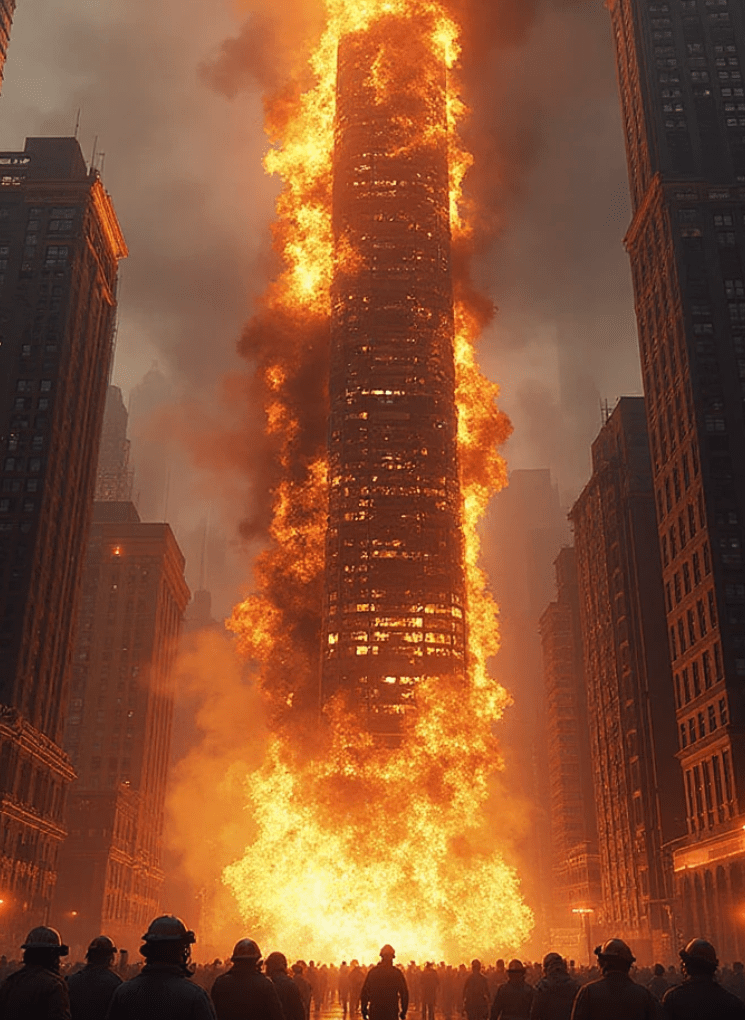
Most people are not prepared. Most people are not mentally equipped for collapse. When nuclear war begins, those people will do irrational, dangerous things. Not because they’re evil, but because they’re scared.

Your job is not to fix society. Your job is to survive it.

The beginning of nuclear war is not about rebuilding or community or hope. That comes later, if it comes at all. The beginning is about enduring the worst behavior humanity has to offer while the fallout settles—both literal and psychological.

If you can stay out of sight, out of crowds, and out of other people’s plans, your odds improve dramatically. The bombs may fall without warning, but human behavior is predictable. Panic. Greed. Violence.

Prepare for that, and you stand a chance.

Water Is the First Rule of Survival and the World Is Ignoring It

This Is Why Water Is The Absolute Basic for Preparedness

Let me tell you something that shouldn’t still need to be explained in the year we’re living in: water is the cornerstone of preparedness. Not food. Not tools. Not fancy gear. WATER.

And yet somehow—somehow—I keep seeing people stocking their garages with tactical backpacks and overpriced survival gimmicks while completely ignoring the one resource that actually keeps them alive. It’s infuriating. It’s ridiculous. It’s proof that the world has learned absolutely nothing from the disasters it already lived through.

I swear, every time the power grid flickers or a storm rolls in, these same unprepared folks run to the store like panicked toddlers to fight over the last cases of bottled water. Then they have the audacity to act shocked when the shelves are empty. Really? You didn’t see that coming? You didn’t think maybe—just maybe—you should’ve had water set aside already?

Well, buckle up, because we’re going to talk about why water is the absolute basic for preparedness, why the world keeps pretending it isn’t, and why you absolutely cannot afford to be as clueless as the masses sleepwalking through life.


1. Without Water, You’re Done in Three Days—Period

Let’s start with the biological truth. The hard truth. The slap-in-the-face truth:

A human can survive weeks without food, but only three days without water.

Three days.

That’s it.

And depending on the conditions—heat, physical exertion, illness—you might not even last that long. But somehow, people keep prepping like water is optional, like it’s some “bonus item” on the emergency checklist.

It’s not optional.
It’s not secondary.
It’s the foundation.

If you don’t have a dependable water supply, you’re not prepared. You’re pretending.


2. The System You Trust? It Breaks. Often. And Quickly.

Let me make something clear: clean, convenient, pressurized water flowing from your tap is not some magical guarantee. It’s a fragile system held together by aging infrastructure, overworked utilities, political incompetence, and pure luck.

One bad storm.
One prolonged blackout.
One contamination issue.
One supply chain failure.

And suddenly millions of people are boiling rainwater in pots, standing in line for hours at “emergency distribution points,” and acting like they live in the Stone Age.

We’ve seen it happen in small towns. We’ve seen it happen in major cities. We’ve seen it happen after hurricanes, droughts, chemical spills, grid failures, and even routine maintenance screwups. But every time, the world still behaves like these events were unpredictable.

It’s maddening how fast people forget.

The system isn’t stable.
It isn’t guaranteed.
And it certainly doesn’t deserve your blind trust.


3. Everyone Preps for Food First—Which Shows How Little They Understand

Nine out of ten new preppers start with food. “I need buckets of rice and beans,” they say. “I need canned goods. I need freeze-dried meals.”

Sure. Food matters.

But here’s the hilarious part: every one of those foods requires water to cook, or at the very least, water to digest properly so you don’t wreck your kidneys in the middle of a crisis.

You want to survive on dehydrated rations with no water? Enjoy that emergency room visit—oh wait, in a disaster scenario, there isn’t one.

The prepping world is full of people who think they’re being clever by buying 25-year-shelf-life meals, but they don’t store the water needed to actually use them. That’s like buying a car with no fuel tank.

I shouldn’t have to say this out loud. But apparently I do.


4. Water Isn’t Just for Drinking—And That’s Where Most People Go Wrong

Let’s break down some basic math for the folks in the back:

Drinking water:
~1 gallon per person per day (bare minimum).

But that’s only part of the equation.

You also need water for:

  • Cooking
  • Washing and hygiene
  • Pet care
  • First aid and wound cleaning
  • Cleaning tools and surfaces
  • Sanitation and flushing

So that “three-gallon emergency stash” some people brag about?
That’s going to last you about one day, maybe two if you’re living like a dehydrated desert hermit.

A realistic target is a minimum of 30 gallons per person, and that’s only for short-term disruptions. For long-term preparedness, you need far more—stored, filtered, collected, and renewable.

But try telling that to a society that thinks a few cases of bottled water is a preparedness plan.


5. You Need Multiple Water Sources—Because One Will Fail

And let me make one more point, because this is where amateurs fail spectacularly:

You need layers of water redundancy.

Not one method.
Not two.
Several.

If your plan is “I’ll just fill the bathtub,” guess what? If the power goes out before you think of it, the water pressure is gone. Too late. Enjoy your empty tub.

If your plan is “I’ll filter water from the river,” hope you enjoy walking to it while everyone else in your area has the exact same idea.

If your plan is “I’ll buy water,” you clearly haven’t lived through a real crisis—stores empty in minutes, not hours.

Here’s what a real prepper has:

  • Stored water (barrels, jugs, cubes, rotation system)
  • Rainwater collection (gutters, barrels, debris screens)
  • Filtration & purification (gravity filters, tablets, boiling capability)
  • Extraction tools (manual pumps, siphons)
  • Emergency short-term containers (bladder tanks, collapsible bags)

If your plan doesn’t include at least four of these, you’re betting your life on luck. And luck is the one resource you’re guaranteed to run out of.


6. Society Doesn’t Respect Water Until It Loses It—And That’s the Problem

We live in a world that treats water like it’s infinite. People run faucets while brushing their teeth, hose down driveways, refill backyard pools, and buy cases of bottled water like it’s fashionable.

Then one boil advisory hits and suddenly everyone becomes a panicked, desperate survivalist.

It’s pathetic.
It’s predictable.
And it’s exactly why preppers like us are constantly misunderstood or mocked—right up until the moment the grid stumbles and those same people come knocking on our doors.

You know who never panics when the water shuts off?
The person who already stored, filtered, and planned for it.

But the rest of society? They panic because they never bothered to think ahead.


7. If You Don’t Prepare Water First, You’re Setting Yourself Up to Fail

I don’t care how much gear you have. I don’t care how tough you think you are. I don’t care if you’ve watched every survival show ever made.

If you don’t have water, you’re not prepared. And you’re not going to make it.

This world is unstable—economically, environmentally, politically. Disruptions are coming. Some are already here. And you can either face them with water security or face them with empty hands and wishful thinking.

I’m tired of watching people ignore the basics.
I’m tired of seeing preparedness treated like a hobby instead of a necessity.
And I’m tired—truly tired—of shouting this into a world that refuses to listen.

But I’ll say it again, loudly, because maybe this time someone will finally hear it:

**WATER IS THE FIRST PREP.

THE MOST IMPORTANT PREP.
THE PREP THAT DEFINES WHETHER YOU SURVIVE OR FAIL.**

Everything else comes after.
Everything.

The EMP Threat Is Real: Why Prepared Families Are Safer Families

If there’s one thing I’ve learned after helping over 9,000 people get prepared, it’s this: you will never regret being ready, but you will always regret being caught off guard. And when it comes to the threat of electromagnetic pulse (EMP) weapons, that saying has never been more true.

I’m a happy prepper—not because I’m excited about disasters (far from it), but because I’ve seen firsthand how empowered and joyful a family becomes once they take control of their safety. Preparedness isn’t fear. Preparedness is FREEDOM. And today, I want to talk about a topic that many folks still believe lives only in sci-fi movies… but in reality, it’s as current as the phone in your pocket.

EMP weapons are no longer something governments merely research. They’re no longer hypothetical “maybe one day” scenarios. EMPs—whether naturally occurring from solar flares or man-made through specialized devices—are very real, very present, and very capable of turning modern society upside down in seconds.

But here’s the good news (and I always bring good news): with preparation, your family can weather an EMP event with confidence, comfort, and capability. Let’s break it all down so you walk away empowered—not overwhelmed.


What Exactly Is an EMP? (And Why It Matters)

An electromagnetic pulse (EMP) is a sudden burst of electromagnetic energy that can disrupt or disable electronics and electrical systems. You don’t need to understand the physics behind it to grasp the critical point: an EMP can knock out the power grid and anything dependent on it.

That means:

  • No lights
  • No refrigeration
  • No cell phones or computers
  • No ATMs
  • No functioning gas pumps
  • No running water in many areas
  • No modern vehicles that rely heavily on electronics

In other words, an EMP could set us back technologically by decades—overnight.

There are two major sources to be aware of:

1. Natural EMPs

These stem from massive solar storms or coronal mass ejections (CMEs). These have happened many times in Earth’s history, including the famous Carrington Event of 1859. Back then, telegraph systems caught fire—imagine that level of energy hitting our digital society today.

2. Man-Made EMPs

These include specialized devices designed to generate powerful electromagnetic bursts. You don’t need details about how they’re made or deployed (and I won’t provide any), but it’s enough to know: the technology exists, is well-understood, and multiple nations acknowledge its development.

EMP weapons have moved from the “maybe someday” category into the “they exist today” category.

And that’s why YOU are smart for wanting to prepare your family.


Why You Need to Prepare Your Family NOW

EMP preparedness isn’t about panic. It’s about practicality. It’s about loving your family enough to put a plan in place while life is calm and peaceful—so that if chaos ever arrives, you’re ready to rise above it.

Here are five reasons preparation is essential:

1. The Grid Is Vulnerable

Our electrical grid is a patchwork of aging components. Engineers, government reports, and infrastructure experts regularly point out its vulnerabilities. Even without malicious threats, it’s fragile enough that storms knock out power for thousands each year.

Add in an EMP? The impact could be nationwide.

2. Society Relies Almost Entirely on Electronics

Think of how much everyday life depends on digital systems. Banking, communication, transportation, heating, water purification—all electrical, automated, and interconnected.

EMP preparedness is really just basic societal failure preparedness.

3. Emergency Services Will Be Overwhelmed

When 9,000 people look to me for help, I can handle that. When 90 million people look to emergency responders? Impossible. If you’re not prepared, you’re in a race with millions of others who suddenly need the same resources.

4. Prepared Families Thrive While Others Panic

I’ve seen this over and over: families that have even a modest preparedness plan experience calm, confidence, and capability during crisis. Instead of scrambling, they adapt. Instead of fear, they move with purpose.

5. It Doesn’t Take Much to Be Far Ahead

The beauty of EMP preparation is that small actions create big advantages. You don’t need a bunker, a thousand acres, or a doomsday fortress. You simply need a plan and a few smart tools.


How to Prepare Your Family for an EMP (Without Stressing Out)

Let’s get to the fun part. Yes—FUN. Because prepping isn’t doom and gloom. It’s a lifestyle of empowerment. It’s about building a cushion of safety and independence.

Here are the foundational steps I’ve taught for years, the same steps that have helped thousands of families get ready without overwhelm.


1. Build a Reliable Food & Water Plan

In a grid-down scenario, food supply chains and water systems can fail quickly.

Water:
Store at least one gallon per person per day for two weeks. Add filtration and purification tools, because stored water eventually runs out.

Food:
Build a pantry of shelf-stable foods you already love. Canned meats, beans, rice, oats, pasta, freeze-dried meals—simple, comforting items your family already eats.

A prepared pantry means peace of mind.


2. Protect Critical Electronics in a Simple Faraday Container

You don’t need anything fancy. Metal containers with tight-fitting lids, specialized EMP bags, or a galvanized steel trash can with rubber insulation can all act as Faraday cages.

Items worth protecting include:

  • Small radios
  • Flashlights
  • Rechargeable batteries
  • Portable solar chargers
  • Medical devices that can be stored safely
  • Hard-drive backups of important family documents

Remember: you’re not protecting luxury—you’re protecting capability.


3. Get Comfortable Going Off-Grid

You don’t have to live off-grid—you just have to be capable of doing so temporarily.

Skills to practice include:

  • Cooking without electricity
  • Heating safely without the grid
  • Using alternative lighting
  • Managing sanitation

Make these practice days fun. Turn them into family adventures. I promise—kids love “grid-free nights.”


4. Strengthen Family Communication & Plans

In an EMP event, communication networks may fail. Your family needs a simple plan:

  • Where to meet
  • Who checks on whom
  • What to do if separated
  • What gear each person is responsible for

Prepared families don’t panic—they execute.


5. Build a “Grid-Down” Emergency Kit

A basic kit includes:

  • First-aid supplies
  • Flashlights
  • Batteries
  • Portable solar chargers
  • A crank radio
  • Water filters
  • Emergency blankets
  • Extra medications

This isn’t about fear—it’s about being comfortable when others aren’t.


Preparedness Is Love in Action

I’ve helped thousands of people build resilient, capable families. Every time I meet a newly prepared household, their eyes light up with confidence.

You’re not preparing because disaster is inevitable. You’re preparing because your family is worth protecting.

EMP threats aren’t futuristic—they’re part of our modern reality. But with the right mindset, the right tools, and the right plan, you can transform that reality into peace of mind.

And I’ll tell you this from experience:
Prepared families are happier families.

So take the next step. Build your plan. Protect your loved ones. And join the growing community of joyful preppers who face any challenge with a smile and a full toolkit.

You’ve got this—and I’ve got your back.

If You Aren’t Prepared for the End-Times, You’re Already in Trouble

Let me be brutally honest—because sugarcoating is a luxury humanity can no longer afford. If you haven’t noticed the world unraveling, you’re living in the same delusion as the rest of the masses scrolling mindlessly through their phones. Everything around us is deteriorating: the power grid, the economy, the food supply, the moral compass, the government’s sanity—pick your poison.

People whisper about “hard times,” “instability,” and “dark days.” But let’s call it what it is: an end-times scenario brewing in real time, whether you interpret that spiritually, politically, or simply logically.

And the worst part? Nobody is prepared. Not the government. Not your neighbors. Not your coworkers who think a flashlight app on their smartphone counts as “readiness.”

Meanwhile, you’re here because you know better. You’re not waiting for a FEMA line, a miracle, or a politician to swoop in and save you. You understand the cold truth: if you don’t prepare for an end-times level event, nobody will do it for you.

This article lays out the critical preparedness items you need—not someday, not “when things get worse,” but right now. Because things are already worse.


Why End-Times Preparedness Requires a Different Mindset

Most prepping guides focus on short-term weather emergencies—storms, floods, maybe a blackout. That’s child’s play. End-times prepping requires an entirely different framework. Forget three days of food and a flashlight; we’re talking long-term survival in a world that no longer functions.

In an end-times event:

  • The grid won’t come back online.
  • Supply chains will collapse permanently.
  • Law enforcement will vanish or turn predatory.
  • Medical care will become a relic of the past.
  • Food and water become currency, power, and leverage.
  • People you thought were “nice” will turn violent in days.

If that sounds dramatic, then you’re exactly the kind of person who needs to read this twice.


1. Water Filtration and Purification Supplies

Everyone stockpiles food but forgets the most crucial resource: water. Without it, you’re dead in three days—and the tap won’t be running in the end-times. You need:

High-Quality Water Filters

Not the cheap ones. Not something meant for camping trips. You need robust, gravity-fed filters capable of handling contaminated, murky, bacteria-laden water.

Purification Tablets

Lightweight, long-lasting, and vital when filtration isn’t enough.

Rainwater Harvesting Setup

Because rivers will be contested zones, and the desperate will flock to them.

Water is life. But in the end-times, water is war.


2. Long-Term Food Storage: The Only Real Insurance Policy

Let the unprepared mock you while they fill their carts with frozen pizza and microwave dinners. In a collapse, they’ll have nothing.

You? You need:

  • Freeze-dried meals
  • Mylar-bagged grains and beans
  • Canned goods
  • Shelf-stable fats
  • Seeds for long-term sustainability

And don’t forget manual tools for food prep: grain mills, can openers, grinders. Electricity won’t save you.


3. Medical Supplies They Don’t Want You to Have

In the end-times, pharmacies become death zones—looted within hours. Hospitals become morgues. Doctors disappear. So stock up NOW:

First Aid Kits (Real Ones, Not the Cute Kind)

Tourniquets, trauma pads, hemostatic agents, sutures, splints.

Antibiotics (Legal Options Like Fish Antibiotics)

When wounds get infected—and they will—there won’t be a doctor to help you.

Pain Management Supplies

Imagine surviving starvation and violence only to die of a tooth infection. That’s the world we’re heading into.


4. Self-Defense Tools—Because Nobody Is Coming to Save You

In the end-times, violence becomes currency. The weak get stripped of everything. The prepared—or the armed—survive.

Whether you prefer firearms, crossbows, blades, or blunt tools, the point is simple: if you can’t defend your supplies, you don’t have supplies.

And don’t forget:

  • Extra ammunition
  • Weapon cleaning kits
  • Tactical training materials
  • Spare parts

The unprepared love to rely on police. But when society collapses, the police won’t be responding… they’ll be surviving, just like you.


5. Off-Grid Power Sources (Because the Grid Is Already Crumbling)

The word “grid-down” is starting to sound quaint. We’re past that. In an end-times event:

  • The grid stays down.
  • Communication dies.
  • Heat disappears.
  • Darkness wins.

So invest NOW in:

  • Solar panels
  • Manual chargers
  • Hand-crank radios
  • Portable battery banks
  • Off-grid lighting

Electricity becomes luxury. Power becomes power.


6. Clothing and Gear Built for Harsh Reality

You can’t survive the end-times in jeans from the clearance rack or shoes meant for an air-conditioned mall.

You need:

  • Waterproof boots
  • Insulated clothing
  • Wool layers
  • Durable gloves
  • Tactical headlamps
  • Multi-tools
  • Thermal blankets

And make sure it’s all rugged—because you’re not replacing anything once society collapses.


7. Communication Tools: The Last Link to Intelligence

You might not think communication matters, but it’s everything. The unprepared will sit in the dark with zero information. You? You’ll know what’s moving, where, and who’s coming.

Get:

  • HAM radios
  • Walkie-talkies
  • EMP-protected storage
  • Signal mirrors
  • Whistles

Remember: knowledge becomes currency. Silence becomes a coffin.


8. Shelter and Fire Resources

In the end-times, weather kills faster than starvation. You need to be able to stay warm, dry, and sheltered—without stores, electricity, or the comforts you’ve been conditioned to rely on.

Stock:

  • Tarps
  • Cordage
  • Tents
  • Emergency stoves
  • Fuel tablets
  • Fire starters
  • Woodcutting tools

If you can’t make fire, you can’t cook, you can’t boil water, and you can’t survive.


9. Tools for Building, Repair, and Actual Work

The modern world made people soft. Most can’t fix a broken hinge, let alone build something meaningful. But in the end-times, tools become lifelines.

Essential items include:

  • Axes
  • Hatchets
  • Saws
  • Hammers
  • Hand drills
  • Shovels
  • Wrenches
  • Pliers

Anything with no reliance on electricity is worth its weight in gold.


10. Items for Bartering—Because Money Will Be Useless

When the dollar collapses and digital money evaporates, bartering becomes the new economy. Stock items people will desperately want:

  • Salt
  • Soap
  • Alcohol
  • Coffee
  • Cigarettes
  • Ammunition
  • Medical bandages
  • Water filters
  • Lighters
  • Fuel

While the unprepared panic, you’ll be able to trade wisely—and survive.


Final Thoughts: Prepare Now, Because Time Is Already Gone

If you think you have time… you don’t. Every day the world inches closer to something irreversible. Economic instability, global tensions, moral decay, unpredictable disasters—all signs pointing to a collapse nobody wants to admit is coming.

But YOU see it.
YOU feel it.
And YOU can prepare for it.

Most people will remain blind until it’s too late. They will cling to normalcy, trusting systems that have already proven they cannot protect them. And when the end-times hit, they will suffer the consequences of their denial.

But you won’t.
Because you’re preparing right now—angry, frustrated, and awake to reality.

Stock up. Train hard. Stay aware. Because the end-times won’t wait for you to be ready.

Texas Power Outages And How to Stay Safe With No Electricity During SHTF

If you’ve lived in Texas for a while, you already know that we can experience extreme weather from every angle—burning summers, ice storms, flooding, and even tornadoes. Unfortunately, each of these natural events can quickly spiral into a larger emergency, especially when the power goes out. The infamous Texas Winter Storm of 2021 taught us all just how vulnerable our power grid really is. So if you’re reading this, you’re likely the type of person who doesn’t want to be caught off guard again. That’s smart.

I’m here to help you prepare, not panic. When the grid goes down—whether from weather, cyberattack, aging infrastructure, or overload—you need to be able to survive, adapt, and protect your loved ones. No electricity doesn’t have to mean no hope. With the right skills, tools, and mindset, you can make it through even the toughest blackouts.

Let’s walk through five essential survival skills you’ll need when the lights go out, three clever DIY hacks for generating some power on your own, the top three must-have survival items to keep on hand, and finally, which cities in Texas are the absolute worst places to be when the grid fails.


5 Survival Skills to Know When Living Without Electricity

1. Off-Grid Cooking & Food Prep

When the power goes out, so does your electric stove, microwave, and fridge. Being able to cook food without power is critical. Invest in a propane camping stove, rocket stove, or build your own solar oven using a cardboard box and foil. Know how to use cast iron cookware over an open flame safely. And don’t forget the value of shelf-stable foods—beans, rice, canned meats, powdered milk.

Being able to preserve food without a fridge—by smoking, salting, dehydrating, or fermenting—is another underrated skill. It’s not just about eating, it’s about eating safely.

2. Water Purification and Storage

When electricity goes down, water pressure often drops or gets contaminated. Learn to collect rainwater and purify it. You should have water filters like LifeStraw or Sawyer Minis, but also know old-school methods like boiling, using bleach drops, or building a sand-charcoal filtration system.

You can DIY a water cache using 55-gallon food-grade barrels. Plan for at least one gallon of water per person, per day, for a minimum of two weeks.

3. Staying Warm (or Cool)

Texas weather isn’t just inconvenient—it can be deadly. In winter, without heat, hypothermia becomes a real risk. Learn to insulate a room using blankets, foam board, or mylar emergency blankets on windows. Set up a safe heat source like a Mr. Heater Buddy (rated for indoor propane use with proper ventilation).

In the summer, know how to cool down with old-fashioned tricks like cross-ventilation, wet cloth wraps, shade shelters, and battery-powered fans. Heat stroke can kill just as easily as frostbite.

4. Lighting & Situational Awareness

Once it’s dark, your world shrinks. Have a system for lighting: solar lanterns, candles, headlamps, and flashlights with rechargeable batteries. But also learn how to maintain night vision, avoid light discipline mistakes (which can attract attention in bad times), and move silently in low light.

Your eyes and ears are your best defenses when everything else is down. Learn to listen to your environment.

5. Community Bartering & Security Basics

Survival isn’t always about going it alone. When the grid is down for weeks, bartering may become necessary. Learn basic trade value (like what a bottle of bleach or a pound of rice is worth in hard times) and build trust with neighbors beforehand. At the same time, know how to secure your property discreetly and safely. Motion-activated solar lights, reinforced doors, and simple early-warning tripwires can go a long way.

You don’t need to become Rambo—you just need to be prepared, alert, and protective of your space and people.


3 DIY Electricity Hacks During a Blackout

1. Build a Solar USB Charger

Using a small solar panel (5-20W), a charge controller, and a USB output module, you can create your own solar phone charger. These parts are widely available online or from hardware stores. Great for keeping phones, radios, or USB lights running when the grid is down.

2. Bicycle Generator Setup

Convert a bicycle into a pedal-powered generator using an alternator or a DC motor. You’ll need a voltage regulator and a battery to store the charge. This DIY setup can power small devices or recharge batteries with a good workout.

3. DIY Mason Jar Oil Lamp

If you’re caught without flashlights or solar lanterns, you can make an oil lamp using a mason jar, olive or vegetable oil, and a cotton wick (or even a shoelace in a pinch). It won’t replace your entire lighting system, but it can provide a surprisingly steady light source.


Top 3 Most Important Survival Products to Have Without Electricity

1. Portable Power Bank (Solar Rechargeable)
A high-capacity solar power bank or battery station like a Jackery or Goal Zero unit allows you to keep your essential electronics (phone, radio, flashlight, fan) running. Make sure it’s solar rechargeable and test it regularly.

2. Water Filtration System
Whether it’s a gravity-fed Berkey filter, a LifeStraw, or Sawyer Mini, you must have a reliable way to turn contaminated water into drinkable water. Boiling is great—but what if you’re low on fuel?

3. Emergency Radio (Hand Crank + Solar + Battery)
Communication is critical in a crisis. A NOAA weather radio with AM/FM and shortwave capabilities keeps you informed. Bonus if it includes a flashlight and USB charger.


5 Worst Cities in Texas to Be in During a Power Outage

Some places in Texas are just tougher to survive in when the grid fails. Factors like population density, climate extremes, lack of infrastructure, or crime risk make these cities particularly hazardous:

1. Houston
Hot, humid, and sprawling, Houston becomes almost unlivable without AC. Crime increases during outages, and flood risk adds another danger.

2. Dallas
High population, extreme summer heat, and ice storms in the winter. Dallas has seen grid strain before and would struggle in long-term blackouts.

3. El Paso
While drier and safer than some cities, El Paso relies heavily on power for water pumps and cooling systems in a desert environment. Summer heat can be punishing.

4. Corpus Christi
Hurricane-prone and vulnerable to grid instability. Water contamination and evacuation problems make this a tough spot during power-down events.

5. San Antonio
Large and rapidly growing, San Antonio’s grid is already under pressure. With extreme heat and limited shade, it poses a serious survival challenge during summer outages.


Final Thoughts: Resilience Starts With Mindset

The truth is, we can’t always predict when or why the lights will go out. But what we can do is take control of how we respond. Preparing for a power outage isn’t just about gadgets or gear—it’s about mindset. Think long-term. Think “What can I do today to be better off tomorrow?”

Start small. Practice one survival skill a week. Add a few key items to your home every month. Talk to your neighbors. Run a mock blackout scenario with your family. It’s not paranoia—it’s responsibility.

The more self-sufficient you become, the more peace you’ll feel. And if the day comes when everything does go dark, you’ll be the one who knows how to light a fire, filter the water, cook the food, and stay calm in the storm.

Stay safe, stay prepared, and never underestimate the power of knowledge.

EMP Survival Guide: How to Prepare for the Powerless

Let’s get one thing straight: when the lights go out because of an EMP—they’re not coming back anytime soon. We’re not talking about a storm that knocks out the grid for a few hours or a squirrel tripping a transformer. An Electromagnetic Pulse (EMP) attack has the power to shut down everything—communications, transportation, water systems, hospitals, and most critically, your access to supplies. If you’re reading this, it’s because you’re smart enough to know that hoping for the best isn’t a plan—preparing for the worst is survival.

I’ve spent the last 20 years preparing for scenarios most people wouldn’t dream of. And let me tell you—an EMP attack is high on the list because it’s silent, sudden, and absolutely devastating. Whether it comes from a high-altitude nuclear blast or a solar flare like the Carrington Event of 1859, the end result is the same: widespread chaos and the return to a pre-electric civilization.

Here are 10 critical tips for EMP preparedness that could mean the difference between life and death when the grid goes dark.


1. Understand What an EMP Is

Before you can prepare, you’ve got to understand what you’re up against. An EMP is a burst of electromagnetic radiation. It can come from a natural source—like a massive solar flare—or from a man-made source, like a nuclear weapon detonated in the upper atmosphere. The result? It fries electronics, disables circuits, and renders most modern technology completely useless. Cars, phones, computers, even the power grid itself—toast.

A proper understanding of the threat allows you to prepare with purpose, not panic.


2. Build a Faraday Cage

This is Prepper 101 for EMP scenarios. A Faraday cage blocks electromagnetic fields and can protect your electronics from being destroyed. You can buy one, but I recommend building your own. Metal trash cans with tight-fitting lids, lined with cardboard or rubber to insulate the contents from the metal, work great. Store backups of essential electronics like walkie-talkies, a laptop with survival files, solar-powered chargers, LED flashlights, and even an old cell phone.

Just remember—no contact with the metal walls or your gear becomes a fried paperweight.


3. Store Non-Electric Tools and Appliances

You won’t be Googling how to fix things post-EMP. Stockpile manual tools—hand saws, screwdrivers, wrenches, a manual can opener, and analog devices. Anything you can’t operate without power needs to be replaced with a human-powered version.

Get yourself a non-electric grain mill, a mechanical sewing machine, and maybe even a wood-burning stove. It’s time to get old-school.


4. Secure Your Water Supply

City water systems run on electricity. Once the grid fails, water stops flowing. That means no drinking, no flushing, no cleaning unless you’re prepared. Store at least one gallon of water per person, per day for three months (minimum), and invest in high-quality water filters like the Berkey or Sawyer Mini.

Also consider installing a hand pump for your well or identifying natural water sources nearby—rivers, streams, lakes. No water = no survival.


5. Stockpile Long-Term Food Supplies

EMP = no refrigeration, no grocery stores, no Amazon Prime. That means you need a solid stockpile of shelf-stable food: rice, beans, oats, canned meats, freeze-dried meals, peanut butter, honey, salt, and powdered milk. Aim for a minimum of 3 to 6 months of food per person.

Don’t forget a manual grain mill and plenty of seeds for your garden—because you’ll be farming before long.


6. Prepare Off-Grid Power Options

Solar power is your friend—but only if protected. Keep a solar generator and panels stored in your Faraday cage. Small solar chargers can power flashlights, radios, and other essentials. Remember, even solar systems with inverters or controllers might get fried unless properly shielded.

Keep a basic solar setup ready to deploy post-EMP to keep your lights on when everyone else is stumbling in the dark.


7. Harden Your Vehicle

Modern vehicles are vulnerable. Any car made after the mid-1980s is full of sensitive electronics. If you can, invest in an older diesel vehicle with minimal electronics—ideally one built before 1985. These “EMP-proof” rigs can still run post-attack.

At the very least, keep spare parts like the ignition module, ECU, and alternator in a Faraday cage.


8. Fortify Home Security

When the grid’s down, 911 isn’t coming. Desperation will drive people to do unthinkable things. You need to be ready to defend your home and your loved ones. Install reinforced doors, security bars on windows, and deadbolts. Have a plan for night-time watch rotations.

Arm yourself legally and train regularly. If you’ve never handled a firearm, get proper instruction. Security is not optional—it’s survival.


9. Communication Will Be Key

With no cell service or internet, you’ll need backup ways to communicate. A set of two-way radios with a solar charger is a good start. Better yet, get a ham radio license and equipment. Ham radio operators will be the last network standing.

Include local maps, compasses, signal mirrors, and a signal whistle in your preps. Information is power—even more so after the lights go out.


10. Build a Community

This might surprise you—but your greatest asset isn’t your gear. It’s your people. No man is an island, especially post-EMP. Build relationships now with trustworthy neighbors, friends, and like-minded preppers. Form mutual aid networks, exchange skills, and train together.

A lone wolf might survive the initial chaos—but the long haul belongs to strong, organized communities.


The Time to Prepare Is Now

Most folks don’t realize just how fragile our modern life really is. One well-placed EMP, and it all unravels in minutes. No more credit cards, no gas pumps, no medical supplies, no online banking, and no food deliveries. We’re talking back to the 1800s—but with millions of people and none of the skills.

Don’t wait for the government to save you. They won’t. Don’t rely on hope. Hope is not a strategy. Stockpile, practice, train, and prepare like your life depends on it—because when the grid goes down, it just might.

You’ve got a head start just by reading this. Take action. Make a plan. Start today. Because when the EMP hits… it’s already too late.