Paradise Can Kill You: The Top 10 Ways People Die in Hawaii

Hawaii looks like paradise. Turquoise water. Warm trade winds. Lush mountains. Smiling faces.

But paradise has teeth.

I’ve spent years living, training, diving, and hunting in Hawaiian waters and wilderness. I’m a survivalist by trade and mindset, a prepper by necessity, and a shark hunter because understanding apex predators keeps you alive—both in the ocean and on land.

Most people who die in Hawaii don’t die peacefully in their sleep at 90. They die suddenly, violently, or because they underestimated this place.

Hawaii is not Disneyland. It is raw, wild, and indifferent to human error.

This article breaks down the top 10 non–old-age-related ways people die in Hawaii, why they die, and what you must do to avoid becoming another statistic.

This isn’t fear-mongering. This is survival intelligence.


1. Drowning (Ocean, Rivers, and Flash Floods)

The #1 silent killer in Hawaii

Why People Die This Way

Drowning is the leading non-age-related cause of death in Hawaii. Locals know this. Tourists ignore it.

Common reasons:

  • Underestimating rip currents
  • Swimming at unprotected beaches
  • Entering the ocean during high surf advisories
  • Alcohol use before swimming
  • River swimming during rain (flash floods)
  • Overconfidence in personal swimming ability

Hawaii’s ocean is not a pool. It’s a moving battlefield.

Rip currents here are fast, powerful, and invisible. Rivers can turn lethal in minutes due to upstream rain—even when skies are blue where you’re standing.

How to Survive It

Ocean Survival Rules:

  • Swim only at lifeguarded beaches
  • Learn to spot rip currents (dark channels, fewer breaking waves)
  • If caught in a rip: DO NOT FIGHT IT
    • Float
    • Signal
    • Swim parallel when released
  • Never turn your back on the ocean
  • Don’t swim alone

River Survival Rules:

  • If it rained anywhere inland, stay out
  • Avoid narrow valleys and waterfalls after storms
  • Heed warning signs—they exist because people died

Survival mindset: The ocean doesn’t care how confident you feel.


2. Motor Vehicle Accidents (Cars, Motorcycles, Scooters)

Why People Die This Way

Hawaii has narrow roads, blind curves, steep cliffs, and distracted drivers.

Top killers:

  • Speeding on unfamiliar roads
  • Driving tired or intoxicated
  • Tourists unfamiliar with terrain
  • Motorcycle crashes
  • Scooter accidents without helmets

Rain turns roads slick. Locals drive aggressively. Tourists hesitate at the worst moments.

That mix kills people.

How to Survive It

  • Drive defensively, not politely
  • Assume others will do something stupid
  • Avoid night driving in rural areas
  • Never speed on coastal or mountain roads
  • Wear helmets—always
  • If riding a motorcycle: assume invisibility

Prepper rule: Metal, speed, and terrain are unforgiving.


3. Hiking Accidents and Falls

Why People Die This Way

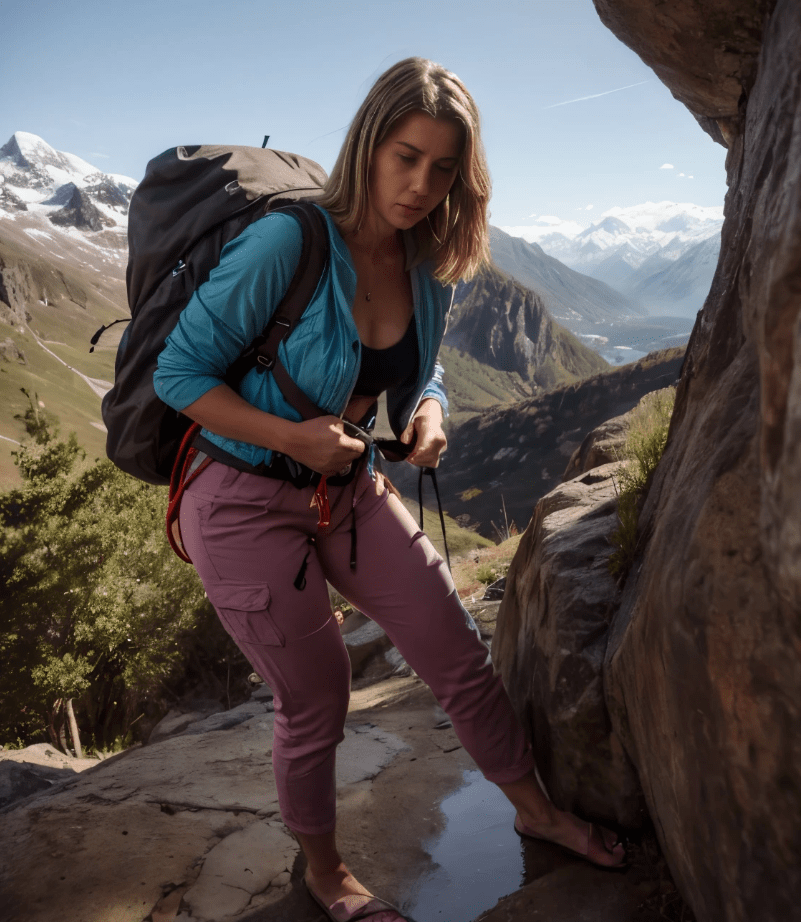
Instagram kills hikers.

People die from:

  • Hiking unmaintained trails
  • Slipping on wet volcanic rock
  • Heat exhaustion
  • Getting lost
  • Falling from ridges or waterfalls

Hawaii’s terrain is vertical and unstable. Mud becomes grease. Rocks crumble. One misstep can mean a 200-foot drop.

How to Survive It

  • Research trails before hiking
  • Avoid “illegal” or “closed” trails
  • Wear real hiking shoes, not sandals
  • Bring more water than you think you need
  • Start early; finish early
  • Tell someone where you’re going

If you don’t see locals hiking it—don’t hike it.


4. Drug Overdose (Including Prescription Drugs)

Why People Die This Way

Hawaii has a serious substance abuse problem beneath the surface beauty.

Common causes:

  • Opioids
  • Methamphetamine
  • Mixing drugs with alcohol
  • Unregulated street drugs
  • Tourists partying harder than their bodies can handle

Isolation increases risk. Help arrives slower in rural areas.

How to Survive It

  • Avoid unknown substances
  • Never mix drugs and alcohol
  • Use the buddy system
  • Carry naloxone if you or friends are at risk
  • Know your limits—and respect them

Survival isn’t macho. It’s disciplined.


5. Suicide

Why People Die This Way

Island life can feel isolating. Cost of living is brutal. Mental health resources are stretched thin.

People struggle silently.

How to Survive It

  • Stay connected
  • Seek help early
  • Watch for signs in others
  • Remove access to lethal means during crisis
  • Understand that asking for help is survival, not weakness

Even the strongest warriors need backup.


6. Shark Attacks (Yes, They Happen)

Why People Die This Way

Shark fatalities are rare—but when they happen, they’re violent and fast.

Contributing factors:

  • Murky water
  • Dawn and dusk swimming
  • Fishing activity nearby
  • Wearing shiny objects
  • Bleeding wounds

Sharks are not monsters. They are apex predators doing their job.

How to Survive It (From a Shark Hunter)

  • Avoid swimming at dawn/dusk
  • Stay out of murky water
  • Never swim near fishermen
  • Remove shiny jewelry
  • If attacked: fight back—eyes, gills, snout
  • Get out fast and control bleeding

Respect sharks. Understand them. Fear ignorance, not teeth.


7. Homicide and Violent Crime

Why People Die This Way

Most violence happens between people who know each other, often involving drugs, alcohol, or domestic disputes.

Tourists are rarely targeted—but complacency kills.

How to Survive It

  • Avoid high-risk neighborhoods at night
  • Don’t escalate conflicts
  • Trust your instincts
  • Secure your home
  • Situational awareness beats weapons

Survival starts with avoidance.


8. Fire and Carbon Monoxide Poisoning

Why People Die This Way

Common causes:

  • Faulty wiring
  • Improper generators
  • Grilling indoors
  • No smoke detectors
  • Poor ventilation

Hawaii homes often lack basements and firebreaks. Fires spread fast.

How to Survive It

  • Install smoke and CO detectors
  • Never use grills indoors
  • Use generators outside only
  • Have fire extinguishers
  • Practice evacuation plans

Fire doesn’t warn you. Prepare anyway.


9. Heat Illness and Dehydration

Why People Die This Way

People underestimate tropical heat.

Causes:

  • Hiking without water
  • Alcohol dehydration
  • Working outdoors without breaks
  • Ignoring early symptoms

Heat kills quietly.

How to Survive It

  • Hydrate constantly
  • Wear light clothing
  • Take shade breaks
  • Know heat exhaustion signs
  • Respect your limits

Water is life. Treat it that way.


10. Natural Disasters (Volcanoes, Flash Floods, Tsunamis)

Why People Die This Way

Hawaii is geologically alive.

Threats include:

  • Lava flows
  • Volcanic gas
  • Earthquakes
  • Tsunamis
  • Flash floods

People die when they ignore warnings.

How to Survive It

  • Know evacuation routes
  • Monitor alerts
  • Have go-bags ready
  • Don’t sightsee disasters
  • Obey authorities

Nature always wins. Adapt or perish.


Final Survival Thoughts from the Field

Hawaii doesn’t kill people randomly.

People die here because they assume paradise means safety.

Survival is about:

  • Awareness
  • Preparation
  • Respect for environment
  • Discipline

Whether you’re swimming, driving, hiking, partying, or just living—Hawaii demands humility.

Survive long enough, and you’ll see its beauty isn’t fragile—it’s lethal.

And it’s worth respecting.

Hawaii’s Worst Roads to Drive on During a Disaster

Driving Out of Disaster: Survivalist Secrets for Navigating Hawaii’s Worst Roads in a Crisis

Let me tell you something I’ve learned the hard way—wilderness survival skills are worth their weight in gold, but if you can’t drive your way out of hell when the ground starts shaking or the sea comes crashing in, all that bushcraft won’t do you a lick of good.

I’ve driven across lands scarred by wildfires, through hurricane-ravaged coastlines, and dodged falling ash from volcanic eruptions. And nowhere else are the stakes higher—or the roads rougher—than in Hawaii when nature turns mean. Paradise, yes. But when Pele gets restless or the sky splits open with rain, even a short drive can feel like an exodus through chaos.

So here’s what you need to know.


Hawaii’s Worst Roads in a Disaster

You need to respect the terrain. Hawaii isn’t like the mainland. Each island has its own personality—and its own deathtraps when disaster strikes.

  1. Highway 11 (Big Island) – Cuts across lava fields. A major eruption and this artery gets buried in fire and stone. During the 2018 Kilauea eruption, whole chunks of this road turned to rubble.
  2. Piilani Highway (Maui) – Scenic as hell, but remote. One landslide and you’re boxed in by cliffs and ocean.
  3. Kahekili Highway (Maui) – Narrow, winding, and crumbling in places. Try maneuvering through here with other panicked drivers. Good luck.
  4. Mauna Kea Access Road (Big Island) – If you think driving up a volcano during a storm is smart, think again. Ice, fog, lava, and altitude will gang up on you.
  5. Farrington Highway (Oahu) – Known for washouts, rockslides, and flash flooding. Get stuck here and you might not see another car for hours.
  6. Hana Highway (Maui) – 600+ hairpin turns. A gorgeous trap if blocked by landslides.
  7. Saddle Road (Daniel K. Inouye Highway, Big Island) – Offers an inland escape, but high elevation, fog, and wild weather can make it treacherous.
  8. Likelike Highway (Oahu) – One of the few roads through the Koʻolau Range. Block that, and Honolulu locks up fast.
  9. Tantalus/Round Top Drive (Oahu) – Landslides, sharp turns, zero visibility at night. You don’t want to be here when it gets slick.
  10. Kalanianaole Highway (Oahu) – Hugs the coast. When the sea rises, so do your chances of getting swept off the road.

Now, imagine being stuck on one of these during an earthquake, tsunami warning, or lava flow. That’s not the time to figure things out. That’s why you prepare now.


15 Survival Driving Skills to Master Before SHTF

  1. Off-road navigation – Not all roads go where you need to be. Learn how to read terrain and improvise your own route.
  2. Driving without GPS – Assume satellites fail. Get good with paper maps and landmarks.
  3. Using momentum – In low traction or uphill scenarios, use your vehicle’s weight and speed wisely to avoid getting bogged.
  4. Brake modulation – In wet or gravel terrain, slamming your brakes is suicide. Learn to pulse brake and control your stops.
  5. Tire repair on the fly – A flat in disaster country? If you can’t plug it, patch it, or swap it, you’re stuck.
  6. High-water crossing techniques – Know the depth limit of your vehicle and how to create a wake. Never rush water deeper than your axles.
  7. Escape from mud/sand traps – Use branches, floor mats, or even clothing to create traction. A shovel in the trunk goes a long way.
  8. Driving with broken windows or no windshield – Clear goggles and duct tape will keep the wind and ash out of your eyes and lungs.
  9. Manual override knowledge – Know how to manually shift your auto trans vehicle, disable electric locks, and pop the fuel door.
  10. Stealth driving at night – Tape your brake lights and use only side markers or a red lens flashlight. When avoiding detection is key, blackout mode matters.
  11. Controlled skids – Understand understeer vs. oversteer. Practicing skid recovery on a dirt lot can save your life.
  12. Conserving fuel with coasting – Coast downhill in neutral (manuals preferred) and cut the engine when not in motion.
  13. Evading roadblocks – Turnarounds, backtracking, and finding alternative routes with minimal delay. Don’t commit to a blocked road.
  14. Driving in ash – Keep the engine air filter clean and use a wet cloth over the intake if possible. Go slow to avoid clogging up critical systems.
  15. Towing and recovery – Learn how to use tow straps, winches, and chains without snapping them like a whip.

3 DIY Survival Driving Hacks When You Run Out of Gas

Let’s face it—when everyone’s fleeing, fuel disappears fast. Here’s how you stretch or make do when the tank’s dry:

  1. Siphon from abandoned vehicles
    Keep a siphon pump in your trunk. Modern cars make this harder, but it’s not impossible. A clear hose, gravity, and some patience can net you a few gallons from cars left behind.
  2. DIY alcohol fuel
    If you’re really desperate and your car can handle it (older engines preferred), you can mix ethanol or high-proof alcohol (like grain alcohol or moonshine) with gasoline in small amounts. Never exceed 10-15% unless your vehicle is flex-fuel rated.
  3. Fuel cache with stabilizer
    This is prepper 101: stash a 5-gallon can with fuel stabilizer hidden somewhere along your bug-out route. Rotate it every 6 months. Not a hack in the moment, but a lifesaver when it counts.

Mindset, Not Metal, Gets You Through

No vehicle is disaster-proof, and no road is ever truly safe. But your knowledge and instincts are what turn your 4×4, sedan, or motorcycle into a survival tool. Think ahead. Scan the terrain. Stay calm. A driver in control is a survivor in motion.

Remember: in Hawaii, a lot can go wrong fast—tsunamis, landslides, volcanic activity, flash floods. When the sirens blare or the ground rumbles, you don’t want to be stuck behind someone fumbling with Google Maps or trying to reverse through a rockfall.

Be the one with the spare tire, full tank, laminated map, and eyes on the next move.


Final Thoughts

Hawaii’s roads offer some of the most stunning drives in the world—but in a disaster, they become choke points, traps, and dead ends. If you live there, or even plan to visit during hurricane or eruption season, treat driving like a survival skill. Practice. Prepare. Preload your routes. And remember—disaster favors the unprepared.

I’ve made it out of more messes than I can count because I drove smart, stayed calm, and never relied on luck. With these skills and hacks, you can do the same.


Survival Camping in Hawaii: 30 Locations You Can’t Miss

Survival Preppers and Hawaii Camping: A Match Made in Paradise

Living in Hawaii offers a unique challenge for survival preppers. The beauty of these islands is undeniable, but as preppers, we know that beauty often masks the need for serious preparation. Whether you’re gearing up for a bug-out situation, seeking to improve your wilderness survival skills, or simply looking for a peaceful yet practical location to hone your craft, Hawaii has some of the best survival camping spots on the planet.

In this guide, I’m going to share 30 of the best campsites in Hawaii that are not only breathtakingly beautiful but also give you the perfect environment for testing and refining your survival skills. From remote jungle campsites to coastal hideaways, these locations will push your limits and prepare you for any survival scenario in Hawaii’s tropical wilderness.

Why Hawaii is Perfect for Preppers

Hawaii is home to diverse ecosystems, ranging from lush rainforests and volcanic terrains to arid deserts and towering mountains. The state’s isolated nature also makes it a great place for preppers who want to practice homesteading and long-term survival strategies without the interference of city life. However, you need to know where to go to test your skills effectively.

You’ll find both government-managed campsites and privately owned areas, each offering its own set of challenges. Whether you’re hiking into the backcountry to test your skills in food gathering, water purification, or shelter-building, Hawaii’s unique environments provide plenty of opportunities to practice and become self-sufficient.

30 Best Camping Sites for Survival Preppers in Hawaii

  1. Koke’e State Park (Kauai)
    With its high elevation and dense forest, this park is ideal for testing your wilderness survival abilities. You’ll find plenty of hiking trails that lead into the heart of the island’s rugged terrain.
  2. Napali Coast State Park (Kauai)
    A remote and challenging spot to reach, the Napali Coast offers towering sea cliffs, hidden beaches, and a wilderness experience like no other. If you’re looking to practice coastal survival skills, this is the place.
  3. Polipoli Spring State Recreation Area (Maui)
    Located in the slopes of Haleakalā, this spot offers cool temperatures and thick forests perfect for shelter-building, navigation, and even foraging.
  4. Waiʻānapanapa State Park (Maui)
    Known for its black sand beach, this site offers a range of coastal survival challenges. The rocky shorelines and dramatic sea cliffs will put your resourcefulness to the test.
  5. Haleakalā National Park (Maui)
    A vast, diverse landscape from volcanic craters to lush valleys makes this park perfect for those wanting to experience diverse survival scenarios. A great place for learning fire-starting techniques and shelter building.
  6. Na Ala Hele Trail System (Big Island)
    This extensive network of trails offers access to a variety of terrains, from dense rainforests to dry lava flows. It’s the perfect place to work on navigation and endurance.
  7. Hilo Forest Reserve (Big Island)
    If you want to practice your foraging and shelter-building skills, the Hilo Forest Reserve provides the lush, tropical environment for all sorts of survival tasks.
  8. Kailua Beach (Oahu)
    Ideal for practicing beach and coastal survival techniques, you can learn to catch fish, forage for food, and build shelters in this relatively accessible area.
  9. Diamond Head State Monument (Oahu)
    While it’s a popular tourist spot, the backcountry surrounding the Diamond Head crater provides a range of survival training opportunities, including navigation, shelter, and foraging.
  10. Pipiwai Trail (Maui)
    Located within the Haleakalā National Park, the Pipiwai Trail takes you through rainforests and bamboo groves, offering diverse challenges for any prepper.
  11. Kīlauea Iki Trail (Big Island)
    This volcanic trail offers both challenges and rewards as you practice wilderness survival in a unique volcanic landscape.
  12. Makua Valley (Oahu)
    Isolated and remote, this valley offers a chance to work on your self-sufficiency skills, with rugged terrain and little outside assistance.
  13. Manini’owali Beach (Kona, Big Island)
    A quiet and beautiful beach perfect for practicing coastal survival, with opportunities for fishing and building beach shelters.
  14. Makapu’u Point (Oahu)
    The coastline around Makapu’u provides a tough, rocky environment ideal for coastal survival. The area also has a variety of wildlife, great for learning about tracking.
  15. Pololu Valley (Big Island)
    Known for its breathtaking views, Pololu Valley is perfect for preppers wanting to test their skills in dense vegetation and rocky, challenging terrains.
  16. Kohala Forest Reserve (Big Island)
    With its challenging slopes and diverse ecosystem, this reserve provides a great spot for testing your ability to navigate, forage, and create shelter.
  17. Camp Olowalu (Maui)
    This campsite is located right by the beach and offers a peaceful, practical environment for practicing beachside survival techniques.
  18. Kalalau Valley (Kauai)
    Remote and stunning, Kalalau Valley is a hiking challenge and offers opportunities for practicing wilderness survival in an isolated tropical environment.
  19. Waimea Canyon State Park (Kauai)
    Known as the “Grand Canyon of the Pacific,” Waimea Canyon is perfect for testing your survival skills in a rugged, isolated environment.
  20. Kaʻena Point State Park (Oahu)
    A remote, coastal wilderness area where you can practice survival skills in isolation, focusing on water collection, shelter building, and food foraging.
  21. Mauna Loa (Big Island)
    For those looking to practice in a volcanic environment, Mauna Loa offers a unique and challenging terrain.
  22. Polipoli State Park (Maui)
    Located in the cooler highlands, this spot provides ample opportunities for testing your cold-weather survival strategies in a Hawaiian setting.
  23. Waimanu Valley (Big Island)
    This remote spot can only be accessed by foot or boat, offering an isolated area to practice foraging, shelter building, and survival tactics.
  24. Kona Coast (Big Island)
    A great spot for coastal preppers looking to test their ability to survive in a more arid, rocky environment.
  25. Hawai’i Volcanoes National Park (Big Island)
    Famous for its volcanic activity, this park offers unique challenges for any prepper—especially in learning to work with volcanic environments.
  26. Kahua Ranch (Big Island)
    A secluded ranch where you can practice homesteading and survival skills, such as animal husbandry and sustainable living.
  27. Kauai Backcountry Adventures (Kauai)
    If you’re looking to practice more extreme survival techniques, this company offers guided tours of Kauai’s rugged and remote backcountry.
  28. Makaha Beach (Oahu)
    Known for its seclusion, Makaha is perfect for practicing water purification and coastal survival techniques in a challenging environment.
  29. Kona Coffee Trail (Big Island)
    While walking this trail, you’ll learn about traditional coffee farming and how to forage, along with how to create a sustainable living in Hawaii’s wilderness.
  30. Waipio Valley (Big Island)
    Known for its steep cliffs and rugged beauty, Waipio Valley is perfect for honing your navigation, water collection, and shelter-building techniques.

Preparing for the Ultimate Survival Test in Hawaii

Each of these campsites offers unique challenges that will test your mental and physical limits as a prepper. The best thing about survival camping in Hawaii is the diversity of environments available. You can go from the coast to the jungle and even the highlands, all in a single day’s journey.

If you’re preparing for long-term survival or simply want to explore the island’s wildest, most isolated places, each of these campsites offers the chance to develop crucial skills—whether it’s fire building, water purification, food sourcing, or shelter construction.

Being a survival prepper in Hawaii is more than just enjoying the beauty of the islands—it’s about adapting to the natural environment and becoming self-sufficient, no matter what comes your way.