Plant These 10 Doomsday Crops Before Civilization Finally Breaks

The air feels different now. Heavier. The kind of heavy that comes before a storm—not the kind that blows over, but the kind that wipes away everything unprepared.

Most people still cling to the fantasy that the world has “bad days,” not that the entire structure is rotting from the inside. They still believe the trucks will keep delivering food. They still trust that the grid won’t fail. They still think someone—anyone—is in control.

But you know better.

When the shelves go bare, when fuel dries up, when panic rolls through the streets like wildfire…
your only safety will be the food you already planted.

And not the cute “homestead aesthetic” crops people brag about online.
I mean collapse-grade crops—the ruthless survivors that grow where others die.

Here are 10 new doomsday crops built for a future no one is ready for.


1. Amaranth (The Ancient Famine-Proof Grain)
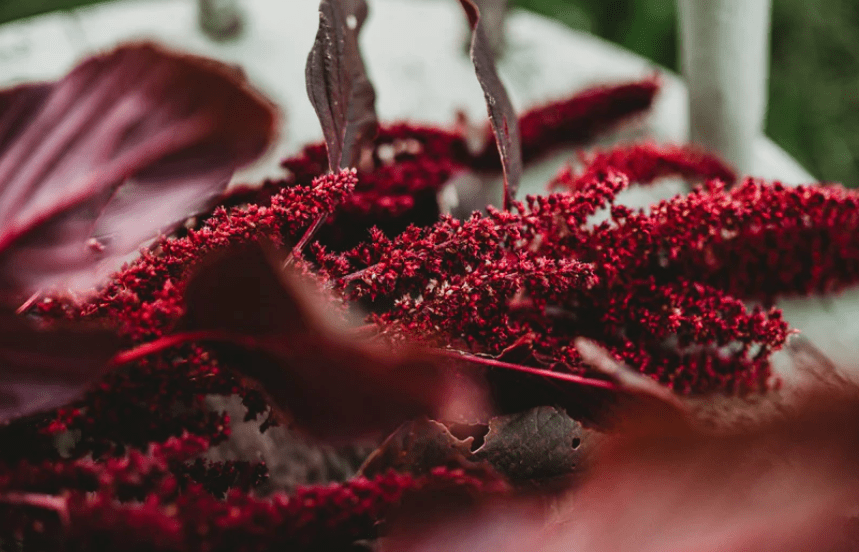
This plant kept entire civilizations alive when empires crumbled. It thrives in heat, drought, poor soil, and outright neglect. The seeds are protein-rich, the leaves are edible, and the plant can handle the type of chaos that kills modern agriculture.

Why amaranth is priceless:

  • High-protein grain AND leafy vegetable
  • Drought and heat tolerant
  • Self-seeds reliably
  • Stores for years

Amaranth doesn’t just survive—you’ll wish you were as tough as this plant.


2. Jerusalem Artichokes (The Underground Food That Never Dies)

Also called sunchokes, these tubers are as close to “apocalypse-proof” as it gets. They spread aggressively, return every year, and keep producing even if the world falls apart.

Why they matter:

  • Perennial and nearly impossible to kill
  • Massive yields with almost zero upkeep
  • Stores well underground all winter
  • Thrives in neglected soil

Plant once. Eat forever.


3. Buckwheat (Your Lightning-Fast Crisis Carb)

When everything collapses, fast food takes on a whole new meaning. Buckwheat grows faster than almost any grain on Earth, giving you calories in weeks—not months.

Buckwheat advantages:

  • Matures in as little as 6–8 weeks
  • Grows in terrible soil
  • High in nutrients
  • Helps reclaim exhausted land

It is the crop you grow when time is running out.


4. Turnips (The Cold-Weather Lifesaver)

Turnips don’t care about frost, storms, or the rapidly shifting climate. They produce edible roots and edible greens, giving you two foods from one plant.

Turnips earn their place by:

  • Thriving in cold conditions
  • Growing extremely quickly
  • Lasting months in storage
  • Providing greens long before other crops sprout

When winter turns deadly, turnips stay alive.


5. Chickpeas (The Protein Vault of the Old World)

These ancient legumes fed people through wars, famines, and droughts. They need almost no water, tolerate brutal sun, and produce high-protein food even under collapse conditions.

Why chickpeas are essential:

  • Long-term protein
  • Drought resistant
  • Excellent dry storage
  • Soil-building nitrogen fixers

Plant chickpeas if you don’t want to depend on luck.


6. Millet (The Grain for When the Rain Stops)
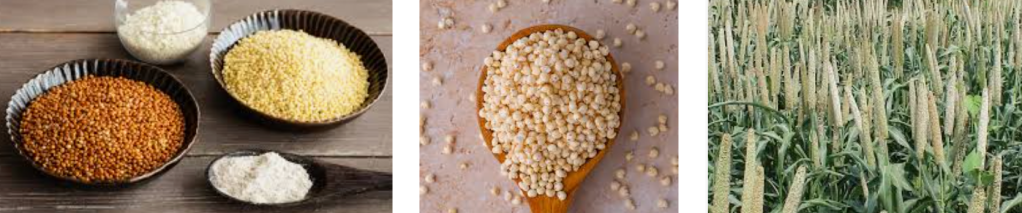
Millet grows where other grains surrender. It produces small but powerful seeds loaded with carbs and minerals, even when rainfall is almost nonexistent.

Millet strengths:

  • Perfect for drought
  • Quick-maturing
  • Stores for years
  • Reliable calorie source

When the climate turns hostile, millet endures.


7. Leeks (The Cold-Hard Guardians of Winter)

Unlike onions, leeks stay alive through frost, snow, and freezing temperatures. When food is scarce and the world is frozen, leeks remain standing.

Leek advantages:

  • Extremely cold hardy
  • Long harvest windows
  • High in vitamins
  • Easy to grow in tight spaces

Leeks are the winter warriors your future self will thank you for.


8. Peanuts (The Collapse-Ready Fat Source)
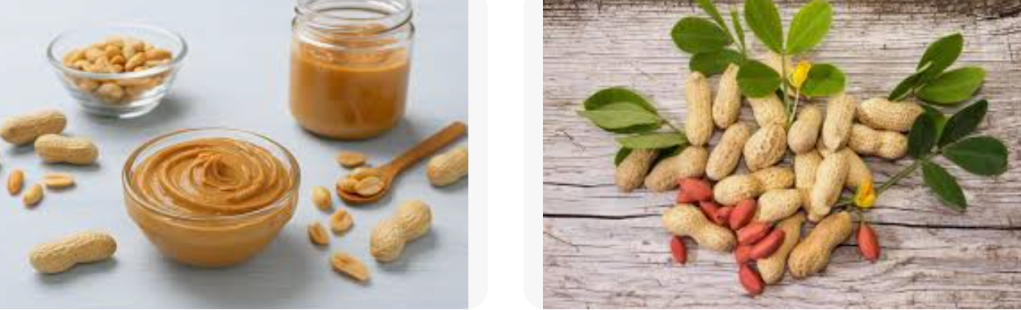
When society falls apart, oils and fats become rare. Peanuts solve that problem. They grow underground, store well, and provide protein, fat, and calories—things people go to war over when food runs low.

What makes peanuts invaluable:

  • High fat and protein
  • Heat tolerant
  • Long storage life
  • Useful for oil pressing

In a starving world, fat becomes power.


9. Rhubarb (The Perennial With a Vengeance)

Rhubarb is a rugged perennial that returns year after year—even if you completely ignore it. Once established, it’s almost impossible to kill.

Rhubarb earns its place because:

  • Grows for a decade or more
  • Cold resistant
  • Large harvests every spring
  • Minimal maintenance

Plant it once and it outlives half your neighborhood.


10. Moringa (The Tree That Replaces a Multivitamin)

If there is a “tree of life” for collapse, it’s moringa. The leaves are packed with protein, vitamins, and minerals, and the tree grows insanely fast—even in harsh climates.

Why moringa is survival gold:

  • Edible leaves, pods, seeds
  • Grows in poor, dry soil
  • Rapid growth rate
  • Can be used for water purification

If malnutrition becomes widespread—which it will—moringa becomes priceless.


THE COLD TRUTH: YOU DON’T HAVE YEARS. YOU HAVE MONTHS.

Civilization is being held together by duct tape and denial. Supply chains are failing. Infrastructure is aging. Tensions rise. Weather gets worse. Resources shrink.

You are not planting a garden.
You are building your last line of defense.

Grow these crops now—while seeds still exist, while the soil is still yours, while the world still pretends everything is fine.

Because when the lights finally go out, only what you’ve planted will matter.

Heat Is the Enemy: How to Defend Your Survival Garden from the Summer Onslaught

When you’re living with a prepper mindset, your garden isn’t just a hobby—it’s a lifeline. It’s your food, your medicine, and your independence. But come the dog days of summer, the very source of life—sunlight—turns into a slow-burning threat.

Make no mistake: extreme heat is a silent killer, and your crops are often the first to suffer. If you’re not prepared, weeks or months of hard work can vanish in a matter of days. We’re talking dry, cracked soil, wilting greens, and ruined yields.

But this isn’t just about gardening—it’s about survival.

So here’s how we fight back. These aren’t luxury tips for weekend hobbyists. These are battle-tested, prepper-grade tactics to protect your food supply when the heat tries to take it from you.

CLICK HERE TO LEARN HOW TO NEVER STARVE WHEN DOOMSDAY HITS!


1. Watering at the Right Time: Dawn and Dusk Are Your Allies

Prepper Tip #1: Water early in the morning or at dusk—not in the heat of the day.

It might seem like a good idea to douse your garden at high noon, but don’t fall for it. Watering when the sun is overhead leads to rapid evaporation. Worse, droplets can magnify sunlight and scorch leaves.

Instead, water at first light or just after sundown. This gives the moisture time to soak deep into the soil, reaching the roots where it matters most. Use a slow drip or soaker hose if possible—conservation is key.


2. Mulch: Your Garden’s First Line of Defense

Prepper Tip #2: Use mulch to trap moisture and insulate the soil.

A thick layer of mulch helps block the sun’s rays, keeps your soil cooler, and dramatically reduces water loss. Think of it as armor for your garden. Go for organic mulch like straw, grass clippings, shredded bark, or even dried leaves. Not only do they hold in water—they break down and enrich the soil.

Apply it two to four inches deep around your plants. Don’t skimp.


3. Shade Strategically

Prepper Tip #3: Use shade cloths or makeshift barriers to shield vulnerable crops.

Not every plant handles direct, relentless sunlight the same way. Leafy greens like lettuce, spinach, and herbs will bolt and die off if exposed too long. Use shade cloth (30–50% density) or repurpose tarps, bed sheets, or burlap sacks.

You can even plant tall crops (like corn or sunflowers) to serve as natural shade barriers for smaller ones. Be smart. Be tactical.


4. Prioritize Deep Watering Over Frequent Sprinkling

Prepper Tip #4: Train your plants to develop deep roots by watering less often but more deeply.

Shallow, frequent watering trains roots to stay near the surface, where they’re vulnerable to heat and evaporation. Instead, give your plants a good, deep soak a couple of times a week. This encourages roots to go deeper and tap into cooler, moist soil layers.

Think long-term survival, not just short-term fixes.


5. Move and Cluster Potted Plants

Prepper Tip #5: Group containers together and relocate them to shade zones.

Potted plants are more prone to heat stress—they dry out faster and have no insulation from surrounding soil. In extreme heat, cluster them together to create a humid microclimate. Better yet, move them under trees, porches, or makeshift shade shelters.

Containers? Use light-colored pots if possible—they absorb less heat.


6. Harvest Early and Often

Prepper Tip #6: Don’t let your food rot in the field—harvest as soon as it’s ready.

Fruit left on the vine too long in extreme heat is a target for sunscald, rot, or pest damage. Check your plants daily and harvest early in the morning when fruits are plump and hydrated.

Preserve immediately—can it, dehydrate it, or root cellar it. This is about food security.


7. Build Windbreaks and Heat Shields

Prepper Tip #7: Create simple windbreaks or reflective barriers for added protection.

High winds combined with heat can strip moisture from soil and plants. Use fencing, stacked straw bales, or even old pallets to build a windbreak. To reflect harsh sun from your crops, lean old metal roofing or foil-covered boards on the sun-facing side.

Your garden deserves cover fire—so give it some.


8. Monitor Soil Conditions Daily

Prepper Tip #8: Stick your finger 2–3 inches into the soil—every day.

Soil may look fine on the surface and be bone-dry underneath. This is where hands-on awareness beats any weather app. Check your moisture levels and inspect the leaves. Curled or limp leaves are signs you need to act fast.

Don’t wait for visible damage—anticipate it.


9. Rotate and Rest Crops as Needed

Prepper Tip #9: In severe heat, it’s OK to let parts of your garden rest.

If you’re experiencing prolonged drought and limited water access, scale back. Focus on high-yield, high-value crops and let less important sections go fallow. This conserves energy, water, and resources.

Remember—tactical retreat is not failure. It’s long-term survival.


10. Keep a Summer Heat Garden Log

Prepper Tip #10: Track what works and what fails every summer.

Prepping is about learning and adapting. Keep a notebook or digital log of heatwaves, water usage, plant stress signals, shade tactics, and what crops performed best. Each season is a test—pass or fail depends on your ability to adapt.


Final Word: Fight Like Your Food Depends On It—Because It Does

Your survival garden isn’t just dirt and plants. It’s your independence. It’s what separates you from relying on empty grocery shelves or FEMA handouts when SHTF. And summer? Summer is the battleground where you prove whether your garden is a fortress—or a failure.

So water wisely. Shade strategically. Use every tool, trick, and tactic at your disposal. Because come July and August, there are no second chances.

Your food security depends on what you do now.

Stay sharp. Stay ready. Stay growing.

Pest-Proof Your Survival Garden: Natural and Effective Protection Strategies

Pest-Proof Your Survival Garden: Natural and Effective Protection Strategies

When you’ve invested months of hard work into your survival garden, seeing it destroyed by pests feels like a punch to the gut. One moment, your garden is flourishing with ripe fruits and vegetables, and the next, it looks like a battlefield after a squirrel-led assault. It’s enough to make you want to throw in the towel—but don’t. This is where your skills as a prepper come in. Protecting your garden from pests is just another part of survival.

In a world where self-sufficiency is becoming increasingly important, your garden isn’t just a source of food; it’s a lifeline. You depend on it for nourishment, and you’ve put everything into it, from planting seeds to tending to the soil. So, what do you do when critters come along and start making a feast out of your harvest?

The answer: you fight back with knowledge, strategy, and resourcefulness. The first step is understanding your enemies. Knowing what kind of pests are common in your area is critical to crafting an effective defense plan. Is it the neighborhood deer, rabbits, raccoons, or maybe squirrels causing all the damage? Each of these invaders requires different countermeasures.

10 Survival Prepper Tips for Protecting Your Garden:

1. Identify the Pests: Before you can defend your garden, you need to know what you’re up against. Research the common garden pests in your area and understand their behaviors. Is it herbivores like rabbits and deer or burrowing critters like squirrels and raccoons? Different pests require different strategies, so take the time to figure out what’s causing the damage.

2. Invest in Strong Fencing: Fencing is one of the most basic, yet effective, ways to protect your garden. However, not all fences are created equal. A flimsy fence won’t stop a determined raccoon or a deer from reaching your crops. Go for a sturdy, high fence made of chicken wire or hardware cloth. If you’re dealing with burrowing pests, make sure the bottom of the fence is buried several inches underground to prevent digging.

3. Use Natural Repellents: Nature can provide us with a wealth of natural deterrents. Strong-smelling plants like garlic, onions, and lavender can repel deer, while herbs like mint, marigolds, and rosemary can keep rabbits and insects at bay. Another effective method is to make your own natural spray using garlic, hot pepper, or vinegar. Just mix these ingredients with water and spray them directly onto your plants. Be sure to reapply the spray after rain or heavy watering.

4. Create a Physical Barrier: If you’re dealing with smaller pests, consider creating a physical barrier around individual plants. For example, use mesh bags or plant covers to protect delicate seedlings from being eaten by insects or rodents. Row covers can also be used to create a barrier around larger sections of your garden.

5. Try Motion-Activated Sprinklers: For more persistent or larger pests like deer, raccoons, or even cats, motion-activated sprinklers can be an excellent tool. The sudden burst of water startles the animals and sends them running, giving your plants some peace and quiet. This solution works best for larger gardens with a wide perimeter.

6. Use Reflective Objects and Noises: Animals, especially birds and small rodents, tend to be frightened by sudden movements or unfamiliar sounds. Hang up reflective materials such as aluminum foil strips or Mylar tape around your garden to confuse and scare pests. Wind chimes, old CDs, and even a whirling flag can create unsettling noise or movement that keeps critters at bay.

7. Set Traps (Legally): If you have a particularly persistent pest, a live trap might be necessary. Make sure to research the local laws regarding trapping, as they vary by region. Set up live traps around the perimeter of your garden or near problem areas. Once you trap the intruder, relocate it far away from your property to prevent it from coming back. Always check traps frequently to ensure that no animals suffer.

8. Rotate Your Crops: Pests often target specific types of plants, so rotating your crops from season to season can be an effective way to prevent them from becoming entrenched in your garden. Moving your crops around ensures that pests don’t find their preferred meals year after year.

9. Use Companion Planting: Companion planting is an old-school strategy that works wonders for keeping pests away. Certain plants naturally repel pests that would otherwise destroy your crops. For example, planting basil alongside tomatoes can deter hornworms, and marigolds planted near vegetables can repel aphids. Educate yourself on which plants work best together and take advantage of nature’s built-in defenses.

10. Regularly Inspect Your Garden: Prevention is key to keeping pests from overrunning your garden. Make it a habit to regularly inspect your plants for signs of damage or pest activity. Early detection can help you act quickly before the problem escalates. If you spot a pest, remove it immediately or apply the appropriate deterrent.


Going Beyond the Basics

When preparing for a survival situation, it’s easy to focus only on the bare essentials—water, food, shelter. But having a productive garden that can provide you with a consistent source of nutrition can be just as important. That means you must protect your crops with the same level of care and strategy you would use for any other prepper asset.

In a SHTF scenario, the last thing you need is a swarm of hungry animals ruining your garden and depleting your food supply. Every vegetable you grow is a potential meal, and every fruit or herb is a life-sustaining resource. To maintain that, you’ll need to be proactive and creative in defending your garden.

Additional Prepper Tips:

  • Use raised beds to keep your crops out of reach of burrowing pests.
  • Install a compost bin far from your garden to avoid attracting rodents and raccoons.
  • Keep your garden clean and free from debris to reduce hiding spots for pests.
  • Consider planting drought-tolerant crops that are less attractive to pests.
  • Build a root cellar to store surplus crops and keep them safe from wildlife.

In Conclusion

Your survival garden isn’t just a patch of earth—it’s a vital part of your survival plan. You’ve already taken the time to grow it, so don’t let pests steal the fruits of your labor. By identifying the critters in your area and using a variety of tactics, you can defend your crops and ensure that your garden continues to produce when you need it most.

Remember, survival isn’t just about the big, dramatic moments—it’s about the small, consistent steps you take every day to keep yourself fed, protected, and thriving. And that includes learning how to protect your garden from the many forces of nature that would love to feast on your hard work.

So, prep smart, protect your garden, and keep thriving!