
Indiana Winter Survival: Why People Freeze, Crash, and Run Out of Food

Let me be blunt:
Indiana winter storms don’t look scary enough for people to respect them—and that’s exactly why they kill people every year.

Indiana isn’t Alaska. It’s not Wyoming. It doesn’t get romanticized blizzards. What it gets is something far more dangerous: ice, sleet, freezing rain, wind, and long power outages, all wrapped in the illusion that “we’ve handled worse.”

That illusion is deadly.

I’ve watched Indiana winter storms shut down highways, strand drivers, empty grocery stores, and leave families freezing in dark houses because they assumed the storm would be “quick” or “manageable.”

This article breaks down:

  • The top ways people die during winter storms in Indiana
  • Why grocery stores empty almost immediately
  • Why survival food and backup power matter here
  • The supplies that actually keep you alive
  • How to survive when ice takes over and help slows to a crawl

If you live in Indiana and don’t prep for winter, you’re relying on luck. Luck fails every year.


Why Indiana Winter Storms Are More Dangerous Than People Think
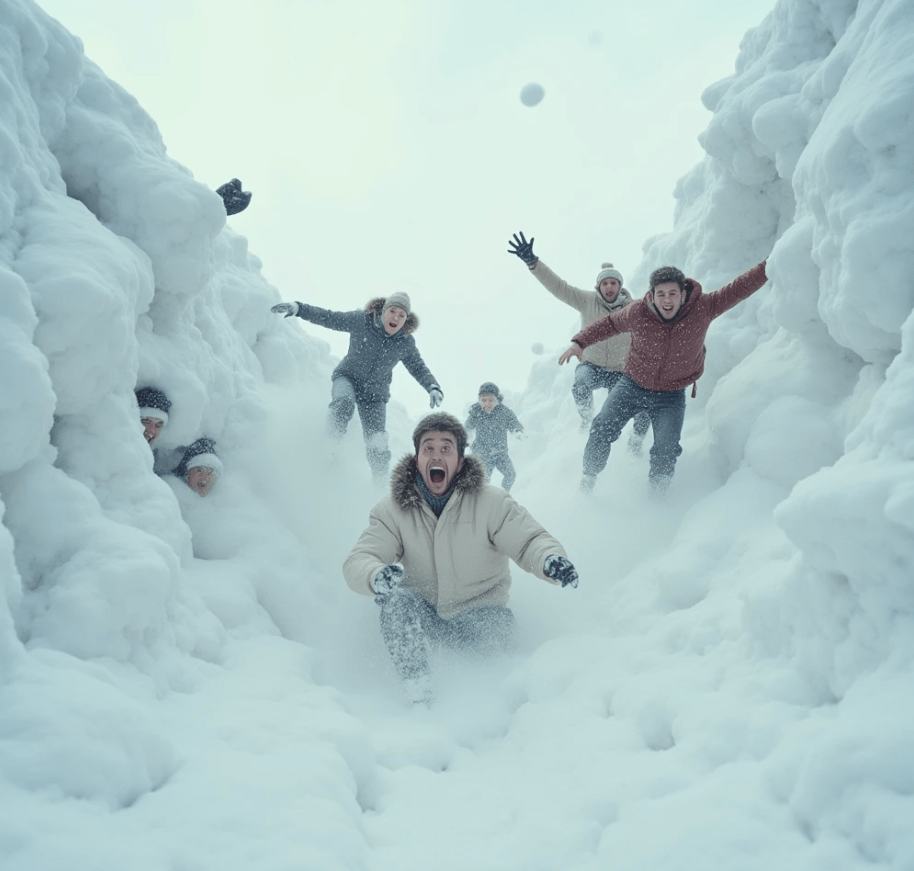
Indiana’s biggest killer isn’t snow depth—it’s ice and infrastructure failure.

Here’s what makes Indiana winter storms especially dangerous:

  • Freezing rain that turns roads into glass
  • Flat highways that encourage speeding
  • Heavy ice loads on power lines
  • Aging electrical infrastructure
  • Dense population with limited redundancy
  • Temperatures that hover just low enough for hypothermia

Indiana storms don’t roar—they silently shut everything down.


The Top Ways People Die in Winter Storms in Indiana

Let’s get honest. These deaths are predictable.

1. Vehicle Accidents on Ice-Covered Roads

This is the number one cause of winter storm deaths in Indiana.

  • Black ice on interstates like I-65, I-69, and I-70
  • Freezing rain that looks wet but isn’t
  • Drivers assuming flat roads are safe
  • Overconfidence in trucks and SUVs

Ice doesn’t care how flat Indiana is. Once traction is gone, physics wins.

If you don’t absolutely need to drive, stay off the roads.


2. Hypothermia Inside the Home
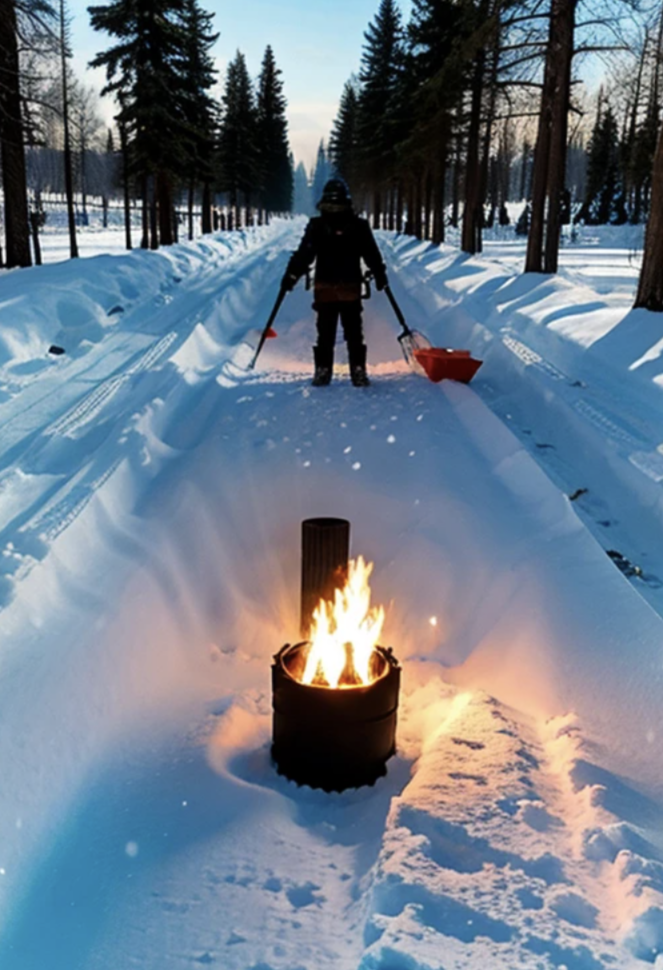
This one surprises people—and it shouldn’t.

Indiana winter storms regularly knock out power for days. Homes cool fast once furnaces shut down, especially older houses and mobile homes.

People die from hypothermia:

  • Sitting in cold homes
  • Wearing light clothing indoors
  • Trying to “tough it out”
  • Falling asleep and not waking up

Cold kills quietly. No drama. No warning.


3. Carbon Monoxide Poisoning

Every winter, same mistake, same outcome.

  • Generators run in garages
  • Propane heaters used improperly
  • Charcoal grills brought indoors
  • Gas stoves used as heaters

Carbon monoxide is odorless and invisible. By the time symptoms appear, it’s often too late.

If you live in Indiana without carbon monoxide detectors, you are taking an unnecessary and stupid risk.


4. Medical Emergencies With Delayed Response

During winter storms:

  • Ambulances are delayed
  • Roads are impassable
  • Clinics close
  • Pharmacies shut down

People die from:

  • Heart attacks while shoveling heavy snow
  • Missed medications
  • Respiratory distress
  • Diabetic complications

Winter storms don’t cause these emergencies—they cut off help.


5. Exposure While Clearing Ice and Snow

Ice-covered steps, ladders, and driveways are deadly.

People fall.
People hit their heads.
People freeze while injured.

Trying to “get it done real quick” is how small tasks turn fatal.


Will Grocery Stores Go Empty in Indiana?

Yes. And faster than most people expect.

Indiana grocery stores rely on just-in-time inventory, which means:

  • Minimal back stock
  • Constant deliveries
  • No buffer during storms

Here’s what vanishes first:

  • Bread
  • Milk
  • Eggs
  • Meat
  • Bottled water
  • Baby formula

Once trucks stop rolling, shelves stay empty.

If your plan is to shop after the storm starts, you’ve already failed.


Why Survival Food Prepping Matters in Indiana

Indiana storms may not isolate you for weeks—but 3–7 days without power or stores is common.

Survival food gives you breathing room.

Every household should have:

  • 7–10 days of food per person
  • No refrigeration required
  • Minimal cooking needs

Best Survival Food Options

  • Freeze-dried meals
  • Canned soups and meats
  • Rice and beans
  • Pasta
  • Protein bars
  • Peanut butter
  • Instant oatmeal

If your food spoils when the power goes out, it’s not reliable.


Solar Generators: Indiana’s Best Backup Power Option

Gas generators cause problems every winter:

  • Fuel shortages
  • Carbon monoxide risk
  • Noise
  • Cold-start failures

Solar generators paired with battery storage are safer and more reliable for most Indiana homes.

They can power:

  • Phones and radios
  • Medical equipment
  • LED lighting
  • Refrigerators
  • Internet routers
  • Small space heaters

No fuel runs. No fumes. No guessing.

If you don’t have backup power in Indiana, you’re trusting an overworked grid during peak demand.


Essential Winter Survival Supplies for Indiana

This is the minimum for surviving a serious Indiana winter storm:

Power & Heat

  • Solar generator with battery storage
  • Power banks
  • Indoor-safe heater
  • Warm blankets and sleeping bags

Clothing & Warmth

  • Thermal base layers
  • Wool socks
  • Hats and gloves
  • Emergency bivy blankets

Food & Water

  • 1 gallon of water per person per day
  • Non-perishable food
  • Manual can opener

Safety & Medical

  • First aid kit
  • Prescription medication backups
  • Carbon monoxide detectors
  • Fire extinguisher

Communication

  • NOAA weather radio
  • Flashlights and headlamps
  • Extra batteries

If you don’t own these, you’re depending on luck instead of planning.


Why Survival Prepping Is More Important Than Ever in Indiana

Indiana’s winters are becoming:

  • More unpredictable
  • More ice-heavy
  • More disruptive

The power grid is aging. Emergency services are stretched thin. And storms don’t wait for convenience.

Prepping isn’t fear—it’s responsibility.

You prepare so:

  • You don’t drive when roads are deadly
  • You don’t freeze in your own home
  • You don’t panic-buy when shelves are empty
  • You don’t become another preventable statistic

Final Word From an Upbeat Indiana Prepper

Every winter storm death in Indiana comes down to the same mistake:

Someone assumed it wouldn’t be that bad.

Ice doesn’t announce itself.
Power doesn’t come back on demand.
And help doesn’t arrive instantly.

Prepare before the storm hits—or deal with the consequences when it does.

Winter doesn’t care what state you live in.
It only cares whether you’re ready.

How Preppers in Arkansas Prepare for Natural Disasters: A Complete Guide

How Arkansas Residents Prepare for the State’s Worst Natural Disasters

As a prepper living in Arkansas, you understand the importance of being prepared for anything Mother Nature throws your way. In this state, we deal with a wide range of natural disasters, from tornadoes and severe thunderstorms to floods, wildfires, and even the occasional ice storm. Whether you’ve lived here your whole life or are just settling in, it’s critical to have a solid survival plan in place to weather these unpredictable events.

In this article, I’ll walk you through the types of natural disasters we face in Arkansas, how local preppers get ready for them, and most importantly, 10 survival tips that will help you stay safe and self-sufficient when disaster strikes.

CLICK HERE TO LEARN HOW TO SURVIVE A FAMINE

1. Tornadoes – The King of Arkansas Disasters

Tornadoes are, without a doubt, the most terrifying natural disaster we face in Arkansas. They can pop up without warning, especially during spring and early summer, wreaking havoc across towns and rural areas alike. In fact, Arkansas is in “Tornado Alley,” meaning we’re right in the path of severe storms that can produce destructive twisters.

When it comes to prepping for tornadoes, time is of the essence. The best way to survive a tornado is to be prepared ahead of time. Know the safest place in your home to seek shelter. Typically, the basement is your best option, but if you don’t have one, head to an interior room on the lowest floor, away from windows and exterior walls.

Prepper Tip #1: Get a weather radio. Tornadoes can form quickly, and having a battery-powered NOAA weather radio will alert you to an impending storm long before it hits.

Prepper Tip #2: Create a tornado kit. Your kit should include essentials like water, non-perishable food, first aid supplies, a flashlight, a multi-tool, and important documents.

2. Flooding – A Persistent Threat

Flooding is another major threat in Arkansas, especially during the wet season. Heavy rainfall can cause rivers to overflow, while flash floods can occur within hours. Arkansas has numerous rivers, including the Arkansas River, White River, and Ouachita River, all of which pose a risk during periods of excessive rain.

Preppers in Arkansas need to understand the flooding risks in their area. Flood-prone zones are more common than you might think, especially around river valleys or low-lying areas. One of the best ways to stay safe is to elevate your home, or at the very least, keep your survival gear in waterproof containers that won’t get ruined in the event of a flood.

Prepper Tip #3: Know the flood zones. If you live in a floodplain, have a plan for evacuation. Keep emergency bags packed and ready to go at all times.

Prepper Tip #4: Install sump pumps. If your home is in a low-lying area, consider installing a sump pump to prevent water from infiltrating your basement.

3. Severe Thunderstorms and Hail – Common But Dangerous

It’s no surprise that Arkansas experiences frequent thunderstorms, especially in the warmer months. These storms often bring heavy rain, lightning, high winds, and hail—sometimes large enough to cause significant damage. While we can predict thunderstorms, the severity and timing are often less predictable.

Prepper Tip #5: Fortify your home. Invest in storm shutters or window protection to minimize damage from high winds or hail.

Prepper Tip #6: Have a lightning safety plan. Lightning is a serious risk during thunderstorms. Stay indoors and avoid electrical appliances during the storm. If you’re outdoors, avoid tall trees and open fields.

4. Wildfires – A Growing Concern

Although Arkansas isn’t typically associated with wildfires, dry conditions combined with high winds can lead to the rapid spread of flames. In recent years, wildfires have become more common in certain regions, particularly in the Ozarks. Preppers need to be aware of fire risks, especially during prolonged periods of dry weather.

Prepper Tip #7: Create defensible space around your property. Clear dead vegetation, leaves, and other fire-prone debris from your yard to minimize the chance of a wildfire reaching your home.

Prepper Tip #8: Invest in a fire extinguisher. Keep multiple fire extinguishers around your property—inside your home and near the outdoor areas that could catch fire. If you’re in a rural area, it’s also smart to have a water source available for firefighting.

5. Ice Storms and Winter Weather – The Silent Killer

Arkansas isn’t known for heavy snowfall, but when we do get snow and ice, it can cause chaos. Ice storms are particularly dangerous. Power outages are common, and roads become treacherous. During these storms, staying warm and safe is a priority.

Prepper Tip #9: Stockpile firewood. If you live in a rural area, consider installing a wood-burning stove or fireplace for heat during power outages. Stockpile firewood so that you can stay warm when the grid goes down.

Prepper Tip #10: Keep extra blankets and warm clothing. If the power goes out, having enough blankets, sleeping bags, and layers of clothing can keep you and your family safe from the cold. A camp stove or propane heater can also be life-saving.

How Arkansans Are Preparing for the Worst

In Arkansas, preppers aren’t just sitting around waiting for a disaster to strike. We’re actively working to make sure we’re ready for anything. Many of us are involved in local prepper groups, where we share information and resources. We’re learning about sustainable living, emergency first aid, and how to grow our own food. We also focus on off-grid living solutions—because let’s face it, when the power goes out, it might not be back on for days.

The survival mindset here is about being self-reliant. Preppers in Arkansas have long recognized that we can’t always rely on the government or emergency responders to bail us out. Whether it’s learning how to purify water, build a shelter, or hunt and fish for food, we know that every little bit of knowledge helps when the grid goes down.

Some Arkansans are even fortifying their homes against natural disasters with storm shelters, backup generators, and solar power systems. And with a large rural population, we know that being able to live off the land can make the difference between life and death when supply chains break down.

Conclusion

Being a prepper in Arkansas means constantly thinking ahead. Whether it’s preparing for tornadoes, floods, or wildfires, we make it a point to be ready for the worst. The tips shared here will give you a strong foundation to build on as you create your own emergency plan. Remember, the key to survival isn’t just about having gear—it’s about having the knowledge and mindset to endure whatever disaster comes your way.

Surviving Alaska: How to Prepare for Natural Disasters in the Last Frontier

How Alaska Residents Prepare for the State’s Worst Natural Disasters

Living in Alaska, we know that the harsh environment is as much a part of life as breathing. From freezing winters to unpredictable earthquakes and wildfires, natural disasters are just another reality we must contend with. Preparing for these challenges isn’t a choice—it’s a necessity. If you’re a resident of the Last Frontier, you understand that survival isn’t about waiting for disaster to strike. It’s about being ready long before the storm hits.

Alaska is vast and diverse, stretching across multiple climate zones, making it prone to a wide range of natural disasters. Earthquakes, tsunamis, wildfires, and severe weather events are common, each presenting its own set of challenges. Let’s break down the most significant natural disasters that could impact the state and how we prepare for them.

Earthquakes

Alaska is located on the Pacific Ring of Fire, making it one of the most seismically active regions in the world. The state experiences thousands of earthquakes each year, though most go unnoticed. However, there’s always the risk of a major earthquake. In 1964, Anchorage experienced a magnitude 9.2 earthquake—the most powerful earthquake ever recorded in North America.

Preparation Tips for Earthquakes in Alaska:

  1. Secure Heavy Items: Make sure furniture, water heaters, and other large items are securely anchored to walls. In an earthquake, the last thing you need is a heavy object falling on you or causing a fire.
  2. Emergency Kit: Keep a survival kit with food, water, medical supplies, and a flashlight. Keep it in an easily accessible location.
  3. Learn to Drop, Cover, and Hold On: Earthquakes strike without warning. Teach your family how to protect themselves when the shaking starts.
  4. Have a Communication Plan: During a major earthquake, phone lines may be down. Make sure everyone knows where to meet and how to communicate in case of an emergency.
  5. Know Your Exit Routes: In an earthquake, you may need to evacuate. Familiarize yourself with alternate exit routes from your home.

Tsunamis

Alaska’s long coastline is vulnerable to tsunamis, triggered by undersea earthquakes or volcanic activity. The Alaska Peninsula, Aleutian Islands, and southern coastal areas are at the highest risk. In 1964, the Great Alaska Earthquake triggered a tsunami that caused widespread damage across the state and even as far as Hawaii and Japan.

Preparation Tips for Tsunamis in Alaska:

  1. Know Your Evacuation Zone: If you live along the coast, find out whether you’re in a tsunami evacuation zone. Local authorities often provide maps that show evacuation routes.
  2. High Ground: Always know the nearest high ground in case of a tsunami warning. Get to higher ground immediately—don’t wait to see if the water rises.
  3. Tsunami Warning System: Pay attention to local tsunami warnings. They’re issued by the National Weather Service and can save lives. Make sure your emergency kit includes a battery-powered radio to receive alerts.
  4. Family Meeting Points: Tsunamis can be especially dangerous if you’re separated from your family. Set predetermined meeting points in the event of an evacuation.
  5. Prepare for Aftershocks: After a tsunami or earthquake, there may be aftershocks that cause further damage or trigger additional tsunamis. Be prepared for more seismic activity.

Wildfires

Alaska experiences some of the largest wildfires in the country, especially in the summer. The state’s vast forests and dry conditions create ideal environments for fires to spread quickly. Fire seasons can be unpredictable, with some years experiencing little activity and others facing massive outbreaks.

CLICK HERE TO LEARN HOW TO SURVIVE A FAMINE

Preparation Tips for Wildfires in Alaska:

  1. Create a Defensible Space: Clear brush, dead trees, and flammable materials from around your home. Creating a defensible space can help protect your property from encroaching wildfires.
  2. Fire-Resistant Materials: If you’re building or renovating, consider using fire-resistant materials like metal roofing and non-combustible siding to reduce your home’s risk.
  3. Fire Extinguishers: Keep fire extinguishers in strategic locations around your home and property. Make sure you know how to use them.
  4. Evacuation Routes: Plan multiple evacuation routes in case of a wildfire. Roads may become impassable, so it’s essential to have alternatives.
  5. Emergency Kit: In addition to the usual items in an emergency kit, include N95 masks to protect against smoke inhalation during a wildfire.

Severe Winter Weather

Alaska’s winter weather is brutal. Snowstorms, ice storms, and temperatures regularly dipping below freezing are common occurrences. With little daylight in the winter months, Alaskans must be especially vigilant about staying prepared.

Preparation Tips for Severe Winter Weather:

  1. Winterize Your Home: Insulate your pipes and windows. Ensure your home’s heating system is in good working order, and stock up on firewood if you use a wood stove for heat.
  2. Winter Survival Gear: Always have cold-weather survival gear in your vehicle, including blankets, extra clothing, food, and water. If you get stranded, these items can mean the difference between life and death.
  3. Snow Removal Tools: Keep snow shovels, salt, and other tools on hand to keep driveways and walkways clear.
  4. Car Maintenance: Before winter sets in, make sure your vehicle is ready. Check the tires, battery, and fluid levels to prevent breakdowns in freezing temperatures.
  5. Emergency Heat Sources: Consider having a backup heat source in case your primary heating system fails. A propane heater or kerosene heater can be life-saving.

Flooding

Click here to learn how to survive a nationwide blackout

Floods can occur in Alaska due to rapid snowmelt, heavy rain, or ice jams. While the state’s vast wilderness areas are less prone to flooding than more developed areas, communities along rivers and streams still face a significant risk, especially during the spring thaw.

Preparation Tips for Flooding in Alaska:

  1. Elevate Important Items: In flood-prone areas, raise valuables and important documents off the ground to prevent water damage.
  2. Sandbags: Keep sandbags on hand to divert floodwaters away from your property. These can be used around doors or windows to protect your home.
  3. Know Your Flood Zones: If you live in a floodplain, check local maps and understand the risks to your property. Develop a plan to evacuate quickly if necessary.
  4. Keep a Boat or Floatation Device: If you live in a flood-prone area, having a small boat or floatation device on hand can help with evacuations or emergency rescues.
  5. Flood Insurance: Regular homeowner’s insurance won’t cover flood damage. Look into flood insurance if you live in a high-risk zone.

10 Survival Prepper Tips for Alaska’s Natural Disasters

  1. Layer Up: In Alaska’s unpredictable weather, layering is key to staying warm. A good base layer will keep sweat off your skin and trap heat.
  2. Stockpile Non-Perishables: Buy extra canned goods, dried foods, and long-lasting supplies to ensure you can survive during an emergency.
  3. Water Filtration: Have a water filtration system or purification tablets on hand in case your water supply is contaminated.
  4. Battery-Powered Radio: Stay informed by having a battery-powered or hand-crank radio to listen to weather alerts and emergency instructions.
  5. Fire-Starting Kit: A fire can save your life in extreme cold. Keep waterproof matches, lighters, and fire starters in your survival kit.
  6. Work Boots and Gloves: Protect your feet and hands with durable boots and gloves, especially when working outside in harsh conditions.
  7. GPS Devices: If you’re traveling in remote areas, a GPS device can help you navigate and stay on track if traditional landmarks are covered in snow or debris.
  8. Practice Regular Drills: Regularly practice your emergency plans with your family so everyone knows what to do when disaster strikes.
  9. Know the Wild Edibles: Familiarize yourself with local plant life so you can forage for food in an emergency situation.
  10. Stay Fit: Physical fitness is crucial for survival. Whether it’s hiking, snowshoeing, or even carrying firewood, staying strong will help you endure tough conditions.