Silent Killers at the County Fair: Iowa’s Most Dangerous Insects and How to Avoid Them

I’ve spent years traveling the Midwest teaching preparedness, and every summer I make my way through Iowa during county fair season. The smell of funnel cakes, the sound of livestock auctions, and the crowds packed into fairgrounds are as Iowa as it gets. But when you spend enough time sleeping in rural campgrounds, walking fence lines, and standing in hot crowds, you learn quickly that Iowa’s greatest threats aren’t always storms or accidents. Sometimes, the smallest creatures carry the biggest risks.

Iowa doesn’t have tropical monsters or jungle predators, but it does have insects and insect-like pests that can seriously injure or even kill you under the wrong circumstances. As a survival prepper, I don’t believe in panic—I believe in awareness, preparation, and simple habits that keep you alive. Let’s talk about the deadliest insects you’ll realistically encounter in Iowa, why they’re dangerous, and how to protect yourself during fair season and beyond.


The Golden Mosquito: Iowa’s Most Dangerous Killer by Numbers

If I had to name the deadliest insect in Iowa, it wouldn’t be the scariest-looking one. It would be the mosquito.

Mosquitoes in Iowa are capable of transmitting serious diseases, including West Nile virus and other mosquito-borne illnesses. Most people brush off bites as itchy annoyances, but disease transmission is where the real danger lies. Every year, Iowans are hospitalized due to complications from mosquito-borne illnesses, especially older adults and those with weakened immune systems.

Why they’re deadly:

  • Disease transmission rather than venom
  • High population during warm, wet summers
  • Active at dusk, dawn, and during humid evenings

Survival prepper tips:

  • Wear long sleeves and pants during evening fair events
  • Use insect repellent when outdoors for extended periods
  • Avoid standing water near campsites or lodging
  • Use light-colored clothing to reduce attraction

At county fairs, mosquitoes thrive near livestock barns, food waste areas, and temporary water sources. I always assume mosquitoes are present and plan accordingly.


Small Stings, Big Consequences

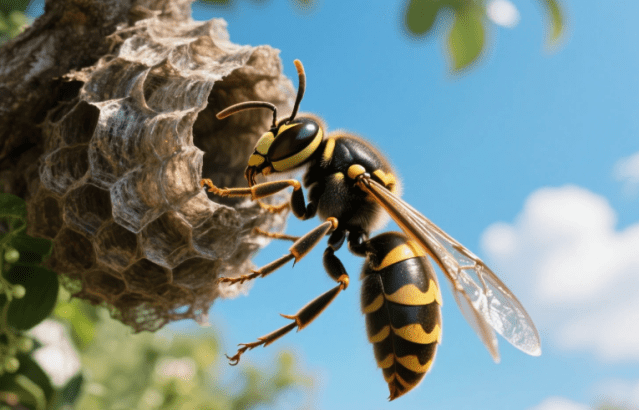
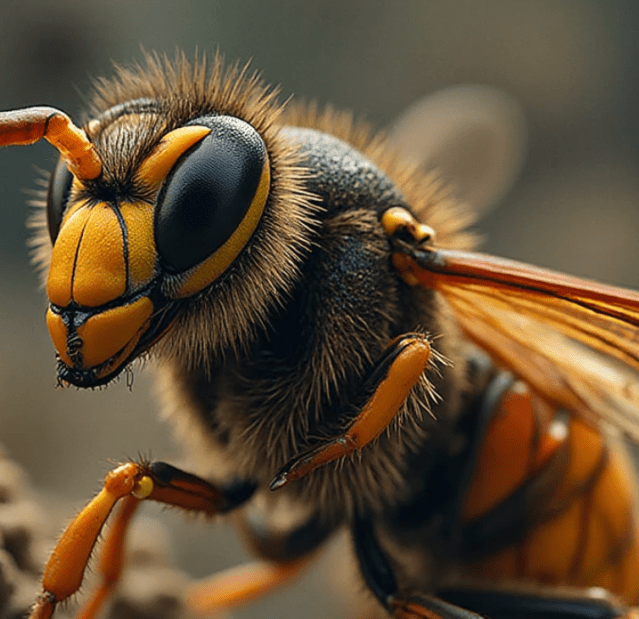
Stinging insects are a constant at Iowa fairs, picnics, and outdoor events. Yellowjackets, paper wasps, honeybees, and hornets are all common across the state.

For most people, a sting is painful but survivable. For others, especially those with allergies, a single sting can become life-threatening within minutes.

Why they’re deadly:

  • Severe allergic reactions (anaphylaxis)
  • Multiple stings from disturbed nests
  • Aggressive behavior near food and sugary drinks

Survival prepper tips:

  • Never swat at flying insects—it increases aggression
  • Keep food covered when eating outdoors
  • Check drink cans before sipping
  • Identify nest locations and keep your distance

At county fairs, I see people accidentally step on yellowjackets near trash cans more than anywhere else. Trash areas are danger zones—move deliberately and stay alert.


The Silent Hitchhikers

While ticks aren’t technically insects, any prepper would be irresponsible not to include them. Iowa is prime tick territory, especially in grassy areas, wooded edges, and rural fairgrounds.

Ticks can transmit serious illnesses, including Lyme disease. The danger isn’t immediate pain—it’s delayed symptoms that many people ignore until it’s too late.

Why they’re deadly:

  • Disease transmission
  • Often unnoticed for hours or days
  • High exposure risk in rural environments

Survival prepper tips:

  • Wear long pants and tuck them into socks
  • Perform full-body tick checks daily
  • Shower after spending time outdoors
  • Remove ticks promptly with proper technique

If you camp near fairgrounds or park in tall grass, assume ticks are present. I check myself every night, no exceptions.


Blister Beetles: The Hidden Hazard Most People Miss

Blister beetles don’t look dangerous, which is what makes them risky. These beetles produce a chemical called cantharidin, which can cause severe skin blistering if crushed against the skin.

While human fatalities are rare, severe exposure or ingestion can be dangerous. They’re more commonly known for harming livestock, but fairgoers who handle hay, straw, or agricultural displays should be aware.

Why they’re dangerous:

  • Toxic chemical secretion
  • Skin injury and possible systemic reactions
  • Found near agricultural materials

Survival prepper tips:

  • Avoid handling beetles or crushing insects on bare skin
  • Wash hands after touching hay or straw displays
  • Wear gloves when handling farm materials

At agricultural fairs, people forget that not every danger flies or stings.


Horseflies and Deer Flies: Painful and Persistent

Horseflies and deer flies are aggressive biters found in rural Iowa during summer. Their bites can break the skin and become infected if not treated.

Why they’re dangerous:

  • Painful bites that can lead to infection
  • Aggressive behavior
  • Often found near livestock and water

Survival prepper tips:

  • Wear long sleeves near livestock areas
  • Clean bites immediately
  • Avoid swatting—move away calmly

While rarely fatal, infections can become serious if ignored.


Final Prepper Rules for Staying Alive in Iowa

Survival isn’t about fear—it’s about habits. When I walk Iowa fairgrounds, I follow simple rules:

  1. Assume insects are present everywhere
  2. Cover skin during peak insect hours
  3. Carry basic first-aid supplies
  4. Stay calm and observant
  5. Teach kids awareness without panic

Iowa is a great state with great people, but nature doesn’t take the summer off. Whether you’re visiting a county fair, camping nearby, or working outdoors, respecting Iowa’s smallest threats can make the difference between a good memory and a medical emergency.

Stay alert, stay prepared, and enjoy the fair—you’ll live longer that way.

South Dakota’s Deadliest Insects: Survival Prepper Warnings You Need to Read

Most people assume that South Dakota is “safe” because we don’t have tropical jungles or deserts full of exotic killers. That assumption gets people hurt. Sometimes killed. Insects don’t need size or strength — they rely on venom, disease, and human ignorance.

This article isn’t written to scare you. It’s written to prepare you. Because survival favors those who respect the threat before it bites.

Below are the most dangerous insects found in South Dakota, why they matter, and exactly what to do if you encounter them.


1. Ticks (Blacklegged Tick & American Dog Tick)

Ticks are, without question, the most dangerous insects in South Dakota.

They don’t need venom. They don’t need aggression. They kill through disease transmission, and they do it slowly.

Why They’re Deadly

South Dakota ticks carry:

  • Lyme disease
  • Rocky Mountain spotted fever
  • Anaplasmosis
  • Tularemia

Untreated, some of these diseases can cause:

  • Organ failure
  • Neurological damage
  • Long-term disability
  • Death

Many fatalities occur because people ignore early symptoms.

Where You’ll Encounter Them

  • Tall grass and prairie
  • River bottoms
  • Wooded shelter belts
  • Hunting land
  • Campgrounds

Survival Protocol

  • Wear light-colored clothing to spot ticks early
  • Tuck pants into socks when in tall grass
  • Use permethrin-treated clothing
  • Perform full body checks after outdoor exposure
  • Remove ticks immediately with fine-tip tweezers
  • Seek medical attention if symptoms appear within 30 days

Ticks don’t rush. They wait. That patience is what makes them lethal.


2. Black Widow Spiders

Yes, spiders matter. And the black widow is not folklore.

Why They’re Dangerous

Black widow venom attacks the nervous system. While healthy adults usually survive with treatment, children, elderly individuals, and people with heart conditions are at real risk.

Symptoms include:

  • Severe muscle cramping
  • Chest pain that mimics heart attack
  • Nausea and sweating
  • Elevated blood pressure

Where They Hide

  • Woodpiles
  • Sheds and barns
  • Basements
  • Undisturbed corners
  • Farm equipment

Survival Protocol

  • Wear gloves when handling stored items
  • Shake out boots and clothing before wearing
  • Seek medical help immediately after a bite
  • Do NOT attempt home remedies

A black widow bite won’t always kill you — but it can incapacitate you long enough for other threats to finish the job.


3. Brown Recluse Spiders (Rare but Present)

Brown recluses are uncommon in South Dakota, but confirmed sightings exist, especially in transported goods and buildings.

Why They’re Dangerous

Their venom causes necrotic tissue damage, meaning flesh dies around the bite.

In severe cases:

  • Open wounds
  • Secondary infections
  • Sepsis
  • Permanent tissue loss

Where They Hide

  • Cardboard boxes
  • Storage areas
  • Closets
  • Attics

Survival Protocol

  • Reduce clutter
  • Use sticky traps in basements
  • Seek medical care immediately
  • Document the bite progression

The danger isn’t the bite — it’s ignoring it.


4. Mosquitoes (Yes, They Belong on This List)

Mosquitoes kill more humans globally than any other animal. South Dakota is no exception.

Diseases They Carry

  • West Nile virus
  • Encephalitis
  • Heartworm (fatal to pets)

West Nile can cause:

  • Brain swelling
  • Paralysis
  • Death

High-Risk Areas

  • Standing water
  • Wetlands
  • Late summer evenings
  • Flood-prone areas

Survival Protocol

  • Eliminate standing water around your property
  • Use EPA-approved repellents
  • Wear long sleeves at dusk and dawn
  • Install window screens
  • Take symptoms seriously

If you think mosquitoes are “just annoying,” you’re not paying attention.


5. Wasps, Hornets, and Yellow Jackets

These insects kill every single year — usually through allergic reactions.

Why They’re Dangerous

  • Multiple stings can overwhelm the body
  • Anaphylaxis can occur even in people with no known allergy
  • Swelling can block airways

Where They Attack

  • Eaves and soffits
  • Underground nests
  • Trees
  • Garbage areas

Survival Protocol

  • Never disturb nests
  • Wear protective clothing
  • Carry an epinephrine injector if allergic
  • Seek emergency care after multiple stings
  • Remove nests professionally

Underestimating stinging insects is one of the fastest ways to end up in an ER — or worse.


6. Fire Ants (Rare, But Expanding North)

Fire ants are not common yet, but climate shifts are pushing them northward.

Why They’re Dangerous

  • Aggressive swarm behavior
  • Painful venom
  • Secondary infections
  • Allergic reactions

Survival Protocol

  • Avoid unknown mounds
  • Wear boots outdoors
  • Wash stings immediately
  • Seek help if breathing issues occur

Survival means planning for what’s coming — not just what’s already here.


Final Survival Principles Every South Dakotan Should Follow

  1. Never dismiss insect exposure
  2. Act early — delay kills
  3. Protect skin before exposure
  4. Know symptoms and timelines
  5. Teach children awareness
  6. Keep medical kits accessible
  7. Respect the small threats

Insects don’t chase you. They wait for mistakes.


Final Thoughts from a South Dakota Survival Prepper

The most dangerous threats in South Dakota aren’t always loud or obvious. They don’t roar. They don’t stalk. They land, bite, sting, or latch on — and then disappear.

Survival isn’t about fear. It’s about respect, preparation, and discipline.

If you can survive the smallest threats, you can survive anything this state throws at you.

Stay sharp. Stay prepared. Stay alive.

Colorado Insects That Can Kill You and Why You’re Not Ready

Let’s get one thing straight right out of the gate: nature does not care about you. Colorado doesn’t care about you. The mountains don’t care. The plains don’t care. And the insects crawling, flying, biting, and stinging their way across this state certainly don’t care. The world likes to sell you a postcard version of Colorado—clean air, blue skies, hiking trails, and sunshine. That’s the lie. The truth is that this state is crawling with small, angry, venomous, disease-carrying creatures that can ruin you—or kill you—faster than you think.

And before anyone jumps in with “technically that’s a spider, not an insect,” save it. When you’re on the ground in pain, your body shutting down, taxonomy won’t save you. Survival will.

This article isn’t here to comfort you. It’s here to warn you.


1. Wasps, Hornets, and Yellowjackets: Death by Allergy or Numbers

Let’s start with the obvious menace most people underestimate: stinging insects. Yellowjackets, paper wasps, hornets, and various bees are everywhere in Colorado—from urban backyards to remote campsites.

For most people, a sting is painful but survivable. For others, it’s a death sentence.

Anaphylaxis doesn’t announce itself politely. Your throat swells, your blood pressure drops, your airway closes, and panic sets in. If you don’t have immediate access to emergency treatment, you’re done. No heroics. No second chances.

Even if you’re not allergic, multiple stings can overwhelm your system. Disturb a nest while hiking or mowing the lawn, and you won’t be dealing with “one or two stings.” You’ll be dealing with dozens.

Survival Reality Check:

  • Know whether you’re allergic before you’re in the wilderness.
  • Carry emergency medication if prescribed.
  • Avoid ground nests like your life depends on it—because it might.
  • Don’t rely on cell service to save you. Out here, help is often far away.

2. Mosquitoes: The Silent Disease Delivery System

People laugh at mosquitoes. They shouldn’t.

Colorado mosquitoes are known carriers of West Nile virus, which can lead to severe neurological damage or death. You don’t feel it happening. You don’t hear it coming. You get bit, you move on, and days later your body starts betraying you.

The danger here isn’t drama—it’s invisibility. No venom. No warning. Just consequences.

Survival Reality Check:

  • Use insect repellent consistently, not occasionally.
  • Avoid stagnant water areas, especially at dusk.
  • Don’t ignore flu-like symptoms after heavy mosquito exposure.
  • Prevention is the only defense—there is no fast cure.

3. Ticks: Tiny Parasites with a Long Memory

Colorado is home to several tick species, including the Rocky Mountain wood tick. These things latch on quietly and stay there, feeding while transferring bacteria and viruses into your bloodstream.

Colorado tick fever is real. So are other tick-borne illnesses that can leave you hospitalized or worse.

Ticks don’t need wilderness. They thrive in grass, brush, and even suburban yards. You don’t have to be “roughing it” to get hit.

Survival Reality Check:

  • Do full-body checks every time you’re outdoors.
  • Remove ticks properly and promptly.
  • Don’t assume symptoms will show up immediately.
  • Treat tick bites as serious business, not an inconvenience.

4. Black Widow Spiders: Venom with a Bad Attitude

Yes, spiders aren’t insects. No, that doesn’t make them less dangerous.

The western black widow is present in Colorado and carries neurotoxic venom that can cause severe pain, muscle spasms, breathing difficulty, and systemic reactions. While deaths are rare, “rare” doesn’t mean impossible—especially for children, older adults, or anyone with underlying conditions.

They like dark, quiet places: woodpiles, sheds, garages, and yes, sometimes your home.

Survival Reality Check:

  • Wear gloves when handling debris or firewood.
  • Shake out boots and clothing left outside.
  • Seek medical attention immediately after a bite.
  • Ignoring symptoms is how people get into real trouble.

5. Blister Beetles: Chemical Warfare in a Shell

Blister beetles don’t sting or bite, which makes them more dangerous than you think. They secrete cantharidin, a toxic chemical that causes severe skin blistering and can be deadly if ingested.

Livestock deaths from blister beetles happen every year. Humans aren’t immune to the toxin’s effects—it can damage the digestive and urinary systems.

They’re common in Colorado during warmer months, especially in agricultural areas.

Survival Reality Check:

  • Never handle unfamiliar beetles with bare hands.
  • Wash skin immediately after contact.
  • Keep them away from food and water sources.
  • “Harmless-looking” is a trap.

6. Kissing Bugs: Rare but Real

Triatomine insects—commonly called kissing bugs—have been documented in Colorado. They can carry Trypanosoma cruzi, the parasite responsible for Chagas disease.

The disease can cause long-term heart and digestive damage and may be fatal years after infection. Most people don’t even realize they’ve been infected until the damage is done.

Survival Reality Check:

  • Seal cracks in homes and sleeping areas.
  • Use screens and reduce outdoor lighting that attracts insects.
  • Don’t ignore unexplained symptoms after insect exposure.
  • Just because something is “rare” doesn’t mean it won’t be you.

Final Thoughts: Survival Is a Mindset

Here’s the part no one likes to hear: the world is not getting safer, cleaner, or more forgiving. Medical systems are strained. Response times are slow. People are distracted, complacent, and unprepared.

Insects don’t care about your optimism.

Survival in Colorado—or anywhere—requires awareness, preparation, and a healthy distrust of anything small enough to crawl under your defenses. You don’t need to panic. You need to pay attention.

Because out here, it’s never the big threats that get you.
It’s the little ones you didn’t take seriously.

Arizona’s Deadliest Insects – What Can Kill You and How to Stay Alive

Arizona is one of the most beautiful and unforgiving landscapes in the United States. As a survival prepper, I respect the desert not because it is harsh—but because it is efficient. Everything here is designed to survive, defend itself, or kill. While most people worry about snakes or extreme heat, some of the greatest threats in Arizona come in very small packages.

Insects and insect-like arthropods are responsible for more serious injuries, allergic reactions, and deaths worldwide than nearly any other group of animals. In Arizona, several species can end your life quickly if you’re unprepared, unaware, or slow to respond.

This article is not meant to scare you—it’s meant to prepare you. Survival always favors the informed.


First, a Survival Reality Check

Before diving in, understand this critical principle:

Most people don’t die from the insect itself—they die from delayed reaction, ignorance, or panic.

Preparation, awareness, and fast action are what separate survival from tragedy.


1. Arizona Bark Scorpion (Centruroides sculpturatus)

The Arizona bark scorpion is the most venomous scorpion in North America and one of the most dangerous creatures you’ll encounter in the state.

Why It’s Deadly

  • Its venom attacks the nervous system
  • Children, elderly individuals, and those with compromised health are at highest risk
  • Stings can cause breathing difficulty, convulsions, and severe neurological reactions

While healthy adults often survive, underestimating this scorpion is a mistake.

Survival Prepper Tips

  • Shake out shoes, clothing, and bedding—especially at night
  • Seal cracks in walls, baseboards, and door frames
  • Use blacklights at night; bark scorpions glow under UV light
  • Seek medical help immediately if a sting causes intense pain, muscle spasms, or breathing issues

Rule of survival: Never assume a sting is “minor.”


2. Africanized Honey Bees (“Killer Bees”)

Africanized honey bees are established throughout Arizona and pose a very real threat.

Why They’re Deadly

  • They attack in large numbers
  • They pursue threats for long distances
  • Multiple stings can overwhelm the body, even without an allergy

Deaths usually occur from mass envenomation, not a single sting.

Survival Prepper Tips

  • Never disturb hives or swarms
  • If attacked, run immediately and cover your face
  • Do not swat—movement triggers further aggression
  • Seek shelter inside a vehicle or building as fast as possible
  • Call emergency services after reaching safety

Prepper mindset: Distance equals survival.


3. Black Widow Spider (Latrodectus species)

While technically an arachnid, the black widow is often grouped with insects due to its threat level.

Why It’s Dangerous

  • Venom causes severe muscle pain and cramping
  • Can lead to respiratory distress in vulnerable individuals
  • Bites often occur in garages, woodpiles, and storage areas

Deaths are rare, but serious complications are possible.

Survival Prepper Tips

  • Wear gloves when working in dark or cluttered areas
  • Keep storage spaces clean and well-lit
  • Seek medical attention if pain spreads or worsens over time

Survival truth: Small bites can become big problems.


4. Kissing Bugs (Triatomine Bugs)

Kissing bugs are present in Arizona and are known carriers of Chagas disease, a potentially fatal illness.

Why They’re Deadly

  • They feed on human blood at night
  • Infection can occur when parasite-containing feces enter the body
  • Chagas disease may cause fatal heart complications years later

This is a long-term survival threat many people ignore.

Survival Prepper Tips

  • Seal cracks in homes and sleeping areas
  • Use bed nets in rural or desert environments
  • Reduce rodent populations near dwellings
  • Monitor unexplained swelling or illness after bites

Prepper rule: Not all threats kill fast—but they still kill.


5. Mosquitoes (Disease Vectors)

Mosquitoes may seem harmless, but they are statistically among the deadliest creatures on Earth.

Why They’re Deadly

  • Transmit diseases such as West Nile virus
  • Infections can cause severe neurological damage
  • Children and elderly individuals face higher risks

Arizona’s warm climate allows mosquitoes to thrive.

Survival Prepper Tips

  • Eliminate standing water around your home
  • Use window screens and protective clothing
  • Apply insect repellent when outdoors
  • Take symptoms seriously after mosquito exposure

Survival mindset: Disease is a weapon of nature.


6. Fleas (Plague Risk)

Yes—plague still exists in Arizona.

Why They’re Dangerous

  • Fleas can carry bubonic plague
  • Often transmitted via rodents and pets
  • Symptoms can escalate rapidly if untreated

Arizona reports plague cases more often than most states.

Survival Prepper Tips

  • Control rodents around living spaces
  • Use flea prevention on pets
  • Avoid contact with wild animals
  • Seek medical care immediately for fever after flea exposure

Preparedness equals early action.


General Survival Rules for Arizona Insect Threats

A survival prepper lives by systems, not luck. Follow these principles:

  1. Awareness beats strength – Know what lives where you live
  2. Speed beats venom – Fast response saves lives
  3. Prevention beats treatment – Secure your environment
  4. Education beats panic – Calm decisions keep you alive

The Most Dangerous Insects in the State of Arizona That Can Easily End Your Life—and What You Can Do to Survive

Arizona doesn’t care how tough you are. It rewards preparation and punishes complacency.

The insects and arthropods of this state don’t hunt you—but they will defend themselves, spread disease, and exploit your mistakes. Survival isn’t about fear. It’s about respect, knowledge, and readiness.

Stay alert. Stay prepared. And never underestimate something just because it’s small.