Prepper’s Pantry: 10 Foods You Should Always Keep on Hand

Prepper’s Pantry: 10 Foods You Should Always Keep on Hand for Tiny House Living

Living in a tiny house doesn’t just mean downsizing your belongings—it’s about embracing a more intentional lifestyle. Every item you bring into your tiny home should serve a purpose, and food storage is no exception. A prepper’s pantry isn’t just for hoarding massive amounts of canned goods and bags of rice; it’s about curating a collection of foods that are practical, space-efficient, and long-lasting. When space is limited, smart food storage becomes a crucial part of sustainable living. The key to prepping in a tiny house is striking a balance between the right amount of food to meet your needs without overcrowding your limited space.

CLICK HERE TO LEARN HOW TO NEVER STARVE WHEN DOOMSDAY HITS!

In this post, we’ll explore 10 foods that every tiny house dweller should always keep on hand for a well-stocked, sustainable pantry. With a little planning, you can have everything you need to weather unexpected situations—without sacrificing too much valuable space.


1. Canned Vegetables and Beans

When you live in a tiny house, versatility is your best friend. Canned vegetables and beans are non-negotiable pantry staples because they’re easy to store, have a long shelf life, and are ready to use with minimal prep. Whether you’re making soups, stews, or casseroles, canned beans are a quick and nutritious way to get protein without taking up precious refrigerator space. Vegetables like corn, peas, and carrots can be great options for adding a quick serving of greens to any meal.

Tip #1: Buy in bulk—Purchase large cans to save space and money. Also, consider choosing BPA-free canned goods for better health and eco-friendliness.


2. Rice and Quinoa

Rice and quinoa are essential pantry items that are both filling and versatile. These grains can serve as a base for countless meals, from stir-fries to grain bowls. Since both rice and quinoa have long shelf lives when stored in airtight containers, they’re perfect for small spaces like tiny houses. Quinoa also packs in extra protein, which is great for tiny house dwellers looking for more nutritional density in a small package.

Tip #2: Store rice and quinoa in airtight jars to prevent pests from invading your pantry. And consider using glass containers to cut down on plastic waste.


3. Dried Fruits and Nuts

Living small means making the most of every square inch, and dried fruits and nuts are a must for quick, nutritious snacks or meal add-ins. These foods are calorie-dense, so you don’t need much to get a lot of energy. Almonds, walnuts, dried apricots, and raisins can be great for on-the-go or mixed into oatmeal, salads, or baked goods. Plus, they have a long shelf life, making them perfect for long-term storage.

Tip #3: Store dried fruits and nuts in vacuum-sealed bags or mason jars to keep them fresh longer. This will also help maximize your storage space.


4. Canned Fish and Meats

Protein is a critical component of any diet, and canned fish and meats like tuna, salmon, and chicken provide a convenient, shelf-stable solution. These canned proteins can be added to everything from salads to sandwiches and are ideal for quick meals. In a tiny house, you don’t have the luxury of a massive freezer, so canned options are a great alternative to fresh or frozen meats.

Tip #4: Rotate your stock—Use older cans first to prevent anything from sitting in your pantry for too long. Stockpiling a variety of meats ensures that you don’t get tired of the same options.


5. Canned Tomatoes

Canned tomatoes are a versatile ingredient that forms the base for many dishes—from pasta sauces to soups. They have a long shelf life and are easy to store, making them a great choice for tiny house living. You can use canned tomatoes in everything from homemade pizza sauce to chili, adding both flavor and nutrition to your meals. They’re also great for making quick and easy meals when you’re short on time.

Tip #5: Buy in bulk—If you use canned tomatoes often, buying larger quantities can help save money and reduce packaging waste.


6. Pasta and Noodles

Pasta is a staple in almost any pantry because it’s cheap, easy to prepare, and can be paired with a variety of sauces, proteins, and vegetables. The best part is that pasta stores well and takes up little space—perfect for tiny house living. You can stock a variety of pasta shapes, from spaghetti to macaroni, and use them in everything from quick weeknight dinners to hearty pasta salads.

Tip #6: Use clear storage containers for your pasta to make it easy to see what you have on hand. This way, you can keep your pantry organized and avoid over-purchasing.


7. Powdered Milk

If you’re living in a tiny house, refrigeration space is precious. Powdered milk is a great substitute for fresh milk and can be used in everything from coffee and tea to baking and cooking. Since it doesn’t require refrigeration, it’s perfect for stocking up in a small space. Plus, it has a long shelf life, so you won’t need to worry about it going bad any time soon.

Tip #7: Store powdered milk in a cool, dry place to keep it fresh. Keep it in airtight containers to ensure its longevity.


8. Spices and Seasonings

In a tiny house, you want to make sure you’re packing only the essentials, and that means choosing your spices wisely. A few high-quality seasonings, like salt, pepper, garlic powder, and chili flakes, can make a huge difference in the flavor of your meals. Instead of stocking every spice under the sun, focus on the ones you use most often, and keep them in small containers or spice racks to save space.

Tip #8: Opt for multi-use spices—For example, a good all-purpose seasoning can work for many dishes, cutting down on the number of containers you need.


9. Honey and Maple Syrup

Honey and maple syrup are excellent natural sweeteners that also have medicinal properties. Honey can be used in tea, spread on toast, or added to baked goods. Maple syrup is another great natural sweetener that works well in pancakes, oatmeal, and desserts. Both honey and maple syrup have long shelf lives, which makes them great for your pantry. In tiny house living, these versatile sweeteners can do double duty as both food and medicine.

Tip #9: Store honey at room temperature—Honey doesn’t spoil, but storing it in a cool place ensures it stays at its best consistency.


10. Oats and Granola

Oats are a fantastic and filling food that can be used in a variety of ways, from oatmeal to granola bars. They’re a great source of fiber and are perfect for breakfast or even as a base for savory dishes. Granola is another good option to have on hand as a quick snack or a topping for yogurt and fruit. Both oats and granola are compact, making them perfect for tiny house living.

Tip #10: Keep oats in airtight containers to prevent pests and moisture from ruining your stock. You can also use oats for baking, adding to smoothies, or making homemade granola.


10 Tiny House Living Tips for Efficient Food Storage

  1. Use vertical space—Maximize storage by using shelves or hanging storage for jars and canned goods.
  2. Opt for multi-purpose foods—Choose ingredients that can be used in several dishes to reduce the variety of items needed.
  3. Keep your pantry organized—Invest in clear containers or labels so you can easily find what you need without taking up extra space.
  4. Use airtight containers—To prevent spoilage and pests, store grains, nuts, and dried fruits in airtight containers.
  5. Grow your own herbs—Even in a tiny home, you can grow herbs like basil, thyme, and mint in small pots or hanging planters.
  6. Shop in bulk—Buying in bulk not only saves you money but also reduces packaging waste.
  7. Plan meals around your pantry—Make sure to use up older items first to avoid waste and keep your pantry fresh.
  8. Preserve seasonal produce—Stock up on fresh fruits and vegetables when they’re in season and preserve them through canning or freezing.
  9. Keep a running inventory—Having an up-to-date list of your pantry items will help you avoid buying duplicates and save you time.
  10. Keep food prep simple—Simplify your meals by focusing on staple ingredients that can be transformed into multiple dishes.

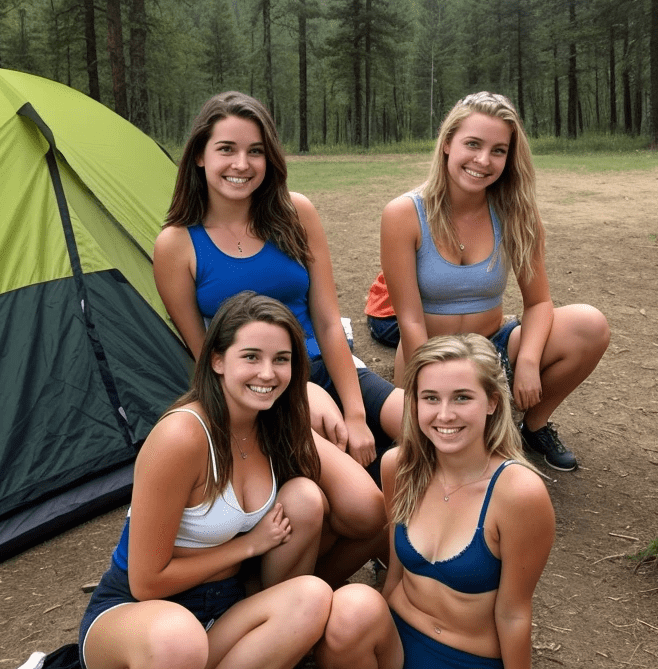
The Best Illinois Campsites for Preppers Who Want to Be Ready for Anything

The Best Campsites for Illinois Survival Preppers: A Guide to Stay Prepared in the Prairie State

As survival preppers living in the state of Illinois, we know that being ready for any disaster, big or small, is crucial. Whether you’re dealing with an economic collapse, natural disaster, or just taking a break from the chaos of everyday life, camping in Illinois provides an excellent opportunity to hone your survival skills and keep your body, mind, and supplies sharp.

Illinois, with its diverse landscapes, offers a range of camping sites that are perfect for preppers. Whether you’re seeking dense forests, quiet lakes, or open prairies, the state has something for everyone. As preppers, we look for more than just a spot to set up a tent—we seek locations that provide ample resources for water, food, shelter, and natural defense. Additionally, these campsites allow you to practice crucial survival techniques, like foraging, shelter-building, fire-starting, and navigation, while being able to step away from the hustle and bustle of urban life.

In this guide, we will cover the 30 best campsites in Illinois for survival preppers, giving you the perfect places to practice your skills and be prepared for whatever comes your way.

CLICK HERE TO LEARN HOW TO SURVIVE A FAMINE

Why Illinois for Survival Prepping?

Illinois might not be the first state that comes to mind when you think of survival prep, but it is one of the most underrated states for preppers looking to blend outdoor survival with practical training. The state is home to various ecosystems, from the rugged Shawnee National Forest in the southern tip to the vast prairies and wetlands in the central and northern regions. With plenty of water resources, diverse wildlife, and hundreds of acres of land for off-grid living, Illinois is a prepper’s paradise waiting to be discovered.

Moreover, Illinois’s moderate climate makes it an ideal location for year-round prepping. Winters can be harsh, but this allows for the testing of winter survival gear and skills. Summers are typically humid, offering a unique environment to practice shelter building and heat management.

Let’s dive into the 30 best camping sites in Illinois that every prepper should know.

1. Shawnee National Forest

Located in southern Illinois, Shawnee National Forest spans over 280,000 acres. This forest is perfect for preppers looking for a mix of dense forest, rocky bluffs, and secluded areas. It’s an ideal location to practice navigation, shelter building, and foraging.

2. Starved Rock State Park

Famous for its canyons, waterfalls, and dense forests, Starved Rock is one of Illinois’ most popular parks. For preppers, it offers plenty of natural resources for survival, including accessible water sources, firewood, and wildlife.

3. Cave-in-Rock State Park

Situated along the Ohio River, this park offers unique caves to explore. Perfect for survivalists interested in learning about shelter in caves and river navigation.

4. Red Hills State Park

This park offers over 1,000 acres of dense woods and beautiful hills. It’s ideal for preppers seeking a quieter spot to practice wilderness survival skills away from the crowds.

5. Mississippi Palisades State Park

Located along the Mississippi River, this park features rocky bluffs and dense forests. It’s great for practicing water navigation, fire-starting, and identifying wild edible plants.

6. Illinois Beach State Park

Situated on the shore of Lake Michigan, this park offers a perfect mix of beach, forest, and wetlands. It’s perfect for water navigation and prepping for coastal survival scenarios.

7. Giant City State Park

This park is named for its giant sandstone cliffs and offers more than 4,000 acres of wilderness. Great for practicing shelter building, fire-starting, and even stone carving.

8. Sangchris Lake State Park

With its massive lake and thick woods, this park is an excellent spot for practicing fishing, navigation, and resource gathering. It also features remote, less-trafficked areas ideal for survivalists seeking solitude.

9. Hickory Ridge Wilderness Area

Perfect for off-grid camping, this area is known for its wild beauty and dense forests. It offers a remote location where preppers can practice long-term survival strategies.

10. Ferne Clyffe State Park

This park, known for its cliffs and ravines, is a great place for practicing shelter building and navigation. It also offers plenty of wildlife and natural resources.

11. Fox Ridge State Park

With a variety of woodlands, prairies, and bluffs, Fox Ridge offers preppers a variety of terrain to hone their wilderness survival skills.

12. Fort Massac State Park

This historical site located along the Ohio River offers a unique blend of history and natural beauty. Preppers can practice tactical camping and waterborne navigation in a historically significant setting.

13. Rock Cut State Park

Known for its two beautiful lakes, Rock Cut State Park is perfect for practicing water purification, fishing, and fire-starting techniques.

14. Toledo State Wildlife Area

A remote and peaceful area for preppers to practice isolation and learn how to live off the land with ample opportunities to forage and hunt.

15. Kankakee River State Park

If you’re interested in water navigation and fishing, this park along the Kankakee River offers an abundance of resources for preppers to practice waterborne survival skills.

16. Chain O’ Lakes State Park

Perfect for those prepping for urban collapse and needing to practice survival in areas near rivers and lakes, this park is a haven for fishing, watercraft, and wilderness techniques.

17. Busse Woods Forest Preserve

Just north of Chicago, this park offers preppers a chance to practice in a suburban wilderness setting. It’s great for those interested in survival techniques in more populated areas.

18. Lake Shelbyville

A perfect location for preppers looking for water sources and a varied landscape to practice fishing, boating, and even building makeshift shelters near the shoreline.

19. Walnut Point State Park

Ideal for practicing solitude and off-grid survival techniques, this park offers ample space for establishing camp away from prying eyes.

20. Shabbona Lake State Park

With its fishing opportunities and wooded areas, Shabbona Lake is a prime location for survivalists looking to hone their fishing skills, practice navigation, and shelter-building techniques.

21. Spring Lake State Fish and Wildlife Area

This area offers thick woods and marshes, making it an ideal location for preppers looking to practice their survival skills in wetlands and dense forests.

22. Beall Woods State Park

Located on the Wabash River, Beall Woods is perfect for learning survival skills related to river navigation, fishing, and natural shelter-building.

23. Clinton Lake State Recreation Area

A fantastic spot for preppers who want to practice fishing, navigation, and survival techniques near a large lake and wooded areas.

24. Shawnee National Forest – Garden of the Gods

The famous Garden of the Gods offers stunning views and secluded camping areas, ideal for practicing navigation, shelter building, and fire-starting.

25. Evergreen Lake

Located near Bloomington, this lake offers preppers opportunities for water navigation and fishing, as well as secluded areas for practicing long-term survival.

26. Matthiessen State Park

This park offers great terrain for survivalists, with a combination of deep forests, streams, and ravines. It’s perfect for practicing navigation and foraging.

27. Coffeen Lake State Fish and Wildlife Area

This remote park offers abundant wildlife and a peaceful, off-the-beaten-path location perfect for practicing fishing, foraging, and shelter building.

28. Beaver Dam State Park

A quiet and remote location where survivalists can hone their skills away from the public eye. There are abundant resources here for long-term prepping.

29. Siloam Springs State Park

Located in western Illinois, Siloam Springs is a hidden gem that offers preppers an excellent place to practice water purification, shelter building, and navigation.

30. Pere Marquette State Park

Known for its rugged terrain and beautiful forested areas, this park offers the ideal environment for practicing fire-starting, foraging, and building wilderness shelters.

Final Thoughts on Illinois Camping for Preppers

When it comes to prepping in Illinois, these campsites offer the perfect opportunity to train, test, and fine-tune your survival skills. From navigating thick forests and wetlands to fishing and hunting for your next meal, Illinois offers a diverse range of environments that will prepare you for any emergency situation. Whether you’re practicing for a long-term grid-down scenario or just need some time away to hone your skills, these campsites are some of the best in the state.

Remember, as a prepper, it’s not just about surviving the wilderness—it’s about thriving in it, and these Illinois campsites provide the perfect places to do just that.

Oregon’s Top Bug-Out Locations for Hardcore Preppers

Primitive But Powerful: Oregon’s Most Prepped Campsites

As a seasoned prepper in Oregon, I’ve scouted and tested campgrounds that not only offer breathtaking views but also provide the solitude, resources, and terrain ideal for long-term survival training, bug-out scenarios, or just reconnecting with the land. From dense old-growth forests to high-desert plateaus, Oregon’s diverse landscapes offer unparalleled opportunities for self-reliance practice.

CLICK HERE TO LEARN HOW TO SURVIVE A FAMINE


🏕️ Top 30 Prepper-Friendly Campgrounds in Oregon

  1. Bull of the Woods Wilderness – A rugged, old-growth forest in the Cascades, perfect for stealth camping and water purification training. Wikipedia
  2. Santiam State Forest – Offers diverse terrain with creeks, waterfalls, and fire lookout access, ideal for navigation and shelter-building exercises. Wikipedia
  3. Suttle Lake Campgrounds – Provides access to water for purification practice and opportunities for fishing and boating. Wikipedia+7Wikipedia+7Axios+7
  4. Glass Buttes – A volcanic high-desert area with abundant obsidian, excellent for tool crafting and survival crafting skills. Wikipedia
  5. Derrick Cave – A lava tube cavern offering natural shelter for emergency scenarios and exploration. Wikipedia
  6. Opal Creek Wilderness – Features pristine rivers and old-growth forests, perfect for water sourcing and stealth camping.
  7. Trillium Lake Campground – Provides clear water sources and opportunities for fishing and kayaking.
  8. Devils Lake State Recreation Area – Offers nearly 700 acres of fish-rich waters, suitable for fishing and water purification practice. Axios
  9. Whalen Island County Campground – A rustic coastal retreat ideal for birdwatching, kayaking, and enjoying serene sunsets. Axios
  10. L.L. Stub Stewart Memorial State Park – Known as “Portland’s backyard,” featuring extensive trails and biking paths. Axios
  11. Silver Falls State Park – Offers waterfall hikes and diverse terrain for navigation and shelter-building exercises.
  12. Redwood National and State Parks – Provides serene experiences with ancient coast redwoods and diverse ecosystems. Condé Nast Traveler
  13. Mount Hood National Forest – Features diverse terrain with opportunities for hiking, fishing, and wildlife observation.Wikipedia
  14. Willamette National Forest – Offers a variety of trails and campgrounds for diverse outdoor activities.
  15. Deschutes National Forest – Provides access to lakes, rivers, and trails for fishing, boating, and hiking.
  16. Umpqua National Forest – Features hot springs, waterfalls, and diverse wildlife for exploration.
  17. Wallowa-Whitman National Forest – Offers rugged terrain and diverse ecosystems for hiking and wildlife observation.
  18. Fremont-Winema National Forest – Provides access to lakes and rivers for fishing and boating activities.
  19. Ochoco National Forest – Features diverse terrain with opportunities for hiking and wildlife observation.
  20. Siuslaw National Forest – Offers coastal access and diverse ecosystems for exploration.
  21. Wallowa Lake State Park – Provides access to Wallowa Lake for fishing and boating activities.
  22. Catherine Creek Campground – Offers access to Catherine Creek for fishing and hiking activities.
  23. Timothy Lake Campground – Provides access to Timothy Lake for fishing and boating activities.
  24. Lost Lake Campground – Offers access to Lost Lake for fishing and hiking activities.Wikipedia+2Axios+2Wikipedia+2
  25. Diamond Lake Campground – Provides access to Diamond Lake for fishing and boating activities.
  26. Alvord Desert – A remote desert area offering solitude and opportunities for survival training.
  27. Steens Mountain – Features rugged terrain and diverse ecosystems for hiking and wildlife observation.Condé Nast Traveler
  28. Owyhee River Canyon – Offers remote canyon landscapes for exploration and survival training.
  29. John Day Fossil Beds National Monument – Provides unique geological formations and opportunities for exploration.
  30. Hells Canyon National Recreation Area – Features rugged terrain and diverse ecosystems for hiking and wildlife observation.

🧭 Prepper’s Checklist for Oregon Campgrounds

  • Water Sources: Ensure access to clean water for drinking and purification practice.Wikipedia
  • Terrain Variety: Look for areas with diverse landscapes for navigation and shelter-building exercises.
  • Seclusion: Choose remote locations to practice stealth camping and avoid detection.
  • Wildlife: Familiarize yourself with local wildlife for safety and food sourcing.
  • Emergency Access: Know the nearest exit routes and emergency services.

🔥 Survival Skills to Practice

  • Fire Starting: Practice using various methods to start fires in different conditions.
  • Shelter Building: Construct shelters using natural materials and available resources.
  • Water Purification: Test different methods of purifying water from natural sources.
  • Food Sourcing: Identify edible plants and practice fishing and hunting techniques.