Rhode Island Tiny Home Living: Small State, Big Tiny Movement

Rhode Island Tiny Home Living: Small State, Big Tiny Movement

by Brooke Homestead — 2025 Female Survival Prepper of the Year

Rhode Island may be the smallest state in the U.S., but it’s making big waves in the tiny home movement. With coastal charm, quaint towns, and a growing interest in minimalism, Rhode Island is perfect for those looking to downsize without giving up community, culture, or access to nature. I’m Brooke Homestead, and after years of building tiny homes, living off-grid, and thriving in small spaces, I’ll guide you through Rhode Island’s best spots for tiny homes, zoning realities, land costs, and climate considerations.


Best Places for Tiny Homes in Rhode Island: Westerly and Portsmouth
Westerly — Coastal Charm with Tiny Home Potential

Westerly is ideal for tiny home enthusiasts seeking beach access, community, and scenic living:

  • Zoning flexibility in outskirts: Many parcels outside the main town center allow tiny homes as primary residences or accessory dwellings.
  • Land affordability: Parcels range from $80,000–$150,000 per acre — higher than many states but reasonable for coastal living.
  • Community mindset: Residents value small-scale living, sustainability, and local engagement, making tiny homes welcomed socially.

💡 Brooke Tip: Look for properties slightly inland from the coast — you’ll avoid flooding risk while still enjoying proximity to beaches and rivers.


Portsmouth — Island and Waterfront Access

Portsmouth offers access to Narragansett Bay, historic charm, and quiet surroundings:

  • Rural-friendly zoning: Many parcels allow THOWs or foundation-based tiny homes, especially outside densely populated areas.
  • Land affordability: Parcels generally range from $90,000–$200,000 per acre, depending on waterfront access.
  • Community support: Residents appreciate outdoor recreation, sustainability, and alternative living solutions.

Brooke Survival Insight: Coastal weather means hurricane preparedness and moisture-resistant materials are essential for tiny homes here.


Challenging Areas for Tiny Homes in Rhode Island: Providence & Newport
Urban centers present some hurdles:

  • Zoning restrictions: Minimum lot sizes, historic district codes, and urban planning regulations limit tiny home placement.
  • High land costs: Urban parcels can easily exceed $200,000–$500,000 per lot.
  • Limited off-grid options: Dense development reduces flexibility for solar, water, and septic systems.

💡 Brooke Tip: Tiny homes in Providence or Newport are mostly feasible as ADUs behind existing homes or in specialized eco-friendly communities designed for small living.


Zoning Laws in Rhode Island — Tiny Home Considerations

Rhode Island does not have a statewide tiny home law; local regulations vary:

  • Accessory Dwelling Units (ADUs): Increasingly allowed in some towns, typically 200–500 sq. ft.
  • Tiny Homes on Wheels (THOWs): Treated as RVs; generally permitted on private rural land or in designated RV parks.
  • Foundation-based Tiny Homes: Must meet state and local building codes, including electrical, plumbing, structural, and insulation standards.

Brooke Advice: Always confirm zoning with local planning offices before purchasing land — rules can differ significantly between neighboring parcels.


Cost of Land in Rhode Island — Budgeting for Tiny Homes

Land in Rhode Island is expensive relative to many states, but small-scale living is possible with smart planning:

  • Westerly outskirts: $80,000–$150,000 per acre — coastal access and semi-rural living.
  • Portsmouth rural lots: $90,000–$200,000 per acre — ideal for THOWs or foundation-based homes.
  • Providence & Newport metro: $200,000+ per small lot — tiny homes mostly feasible as ADUs.
  • Southern Rhode Island small towns: $70,000–$130,000 per acre — good for off-grid, minimalist living.

Other costs: wells, septic systems, solar panels, driveway access, and hurricane preparedness.


Climate Considerations — Rhode Island Weather for Tiny Homes

Rhode Island has a humid continental climate with coastal influences, which affects tiny home planning:

  • Winter: Cold with snow — proper insulation and heating systems are essential.
  • Summer: Warm and humid — ventilation, shade, and cooling systems are important.
  • Storms: Hurricanes and nor’easters require elevated foundations, reinforced construction, and emergency prep.
  • Rain & Flooding: Proper drainage and site selection prevent water damage.

Brooke Survival Insight: Tiny homes are compact — poor insulation, ventilation, or storm prep can create discomfort or hazards, especially in hurricane-prone coastal towns.


Brooke Homestead’s Final Thoughts About Rhode Island‘s Tiny Home Lifestyle

Rhode Island is a small state with a big tiny home movement, offering coastal access, historic towns, and a growing culture of sustainability:

  • Best Places: Westerly for coastal charm and affordability; Portsmouth for waterfront access and quiet living.
  • Challenging Areas: Providence and Newport due to zoning, density, and higher land costs.
  • Planning Essentials: Verify zoning, design for coastal storms, and consider off-grid systems for water and energy.

Tiny home living in Rhode Island is about resilience, simplicity, and enjoying life by the water or in quaint towns. With careful planning and the right location, you can thrive in a small, sustainable home surrounded by beaches, rivers, and charming New England scenery.

Brooke Homestead

Texas Tiny Home Living: Best Cities and Worst Zoning Areas

Texas Tiny Home Living: Best Cities and Worst Zoning Areas

by Brooke Homestead — 2025 Female Survival Prepper of the Year

Texas is big. I mean really big. From the Hill Country to the deserts of West Texas, sprawling ranches to bustling cities, it’s a state that can accommodate nearly any lifestyle — including tiny home living. But size doesn’t automatically mean freedom. The Lone Star State has a mix of welcoming cities and tough zoning landscapes that can make or break your dream. I’m Brooke Homestead, and I’ve built off-grid setups in extreme climates. Today, I’ll guide you through the best cities for tiny homes in Texas and the places where zoning makes life a little trickier.


Best Cities for Tiny Homes in Texas: Austin and Fredericksburg

Austin — Culture, Community, and Tiny Home-Friendly Policies

Austin is the Texas state capital and also a city with a culture of creativity and sustainability. Tiny homes are increasingly accepted here, especially as Accessory Dwelling Units (ADUs).

Why Austin works:

  • Progressive zoning: Many neighborhoods now allow ADUs up to 400 square feet. Some districts also accept tiny homes as primary residences with proper permits.
  • Culture of innovation: The city embraces sustainability, solar energy, and alternative lifestyles — perfect for off-grid or tiny living.
  • Access to utilities and services: Even if you choose a small lot or off-grid setup, Austin provides proximity to healthcare, shops, and a thriving community.

💡 Brooke Tip: Seek parcels outside strict historic districts or single-family overlays to simplify approvals. Suburban and semi-rural areas near Austin are often the sweet spot for tiny home living.


Fredericksburg — Hill Country Charm and Rural Freedom

Fredericksburg sits in the Texas Hill Country, surrounded by rolling hills, vineyards, and open land. It’s ideal if you want space to spread out and a community that’s familiar with rural lifestyles.

Why Fredericksburg works:

  • Rural flexibility: Many parcels allow tiny homes on wheels or foundation-based homes with minimal interference from county zoning.
  • Scenic surroundings: Nature is literally at your doorstep — perfect for gardens, solar arrays, and small homesteads.
  • Community friendliness: Locals tend to respect private property rights and rural self-sufficiency, making it easier to integrate a tiny home.

Brooke Survival Insight: Water access is key in the Hill Country. Many rural lots have wells, but confirm availability before you buy. A tiny home with reliable water supply is a tiny home that survives.


Worst Zoning Areas for Tiny Homes: Houston and Dallas

Houston and Dallas are economic hubs, but zoning for tiny homes can be brutal:

  • Houston: Surprisingly tricky despite its size. While the city has no formal zoning law for most of its land, county-level permitting and utility access can be inconsistent. Tiny homes on wheels are treated like RVs, making full-time living complicated.
  • Dallas: Zoning tends to prioritize traditional housing and multifamily units. Tiny homes on private lots usually need to comply with minimum square footage rules, limiting your flexibility.

Other urban centers like San Antonio also present similar challenges — it’s not impossible, but expect bureaucracy, permit delays, and higher land costs.

Brooke Advice: If urban living is a must, consider tiny homes as ADUs behind a main residence or explore tiny home communities where regulations are built into the plan.


Zoning Laws in Texas — What Tiny Home Builders Must Know

Texas does not have statewide tiny home legislation. Tiny home legality depends on local city ordinances and county regulations. Here’s a breakdown:

  • Accessory Dwelling Units (ADUs): Growing acceptance in progressive cities like Austin and San Antonio. Usually requires adherence to local building codes.
  • Tiny Homes on Wheels (THOWs): Treated like RVs. Often allowed in RV parks, rural counties, or private lots with temporary permits.
  • Foundation-based Tiny Homes: Must comply with the International Residential Code (IRC) and local building codes. Some cities require minimum square footage for primary residences.

💡 Brooke Tip: Always call the city or county planner before buying land. I’ve seen too many tiny home dreams stall because of overlooked ordinances — especially minimum dwelling size and setback requirements.


Cost of Land in Texas — Know Your Budget

Texas land prices vary by region:

  • Rural Hill Country (Fredericksburg, Kerrville): $5,000–$15,000 per acre. Utilities and water access may need to be added.
  • Austin suburbs: $50,000–$150,000+ per small lot; tiny homes often require ADU classification.
  • Dallas/Fort Worth metro: High demand = high cost; small urban lots can easily exceed $100,000.
  • West Texas (El Paso, Marfa, remote areas): Low cost, open space, but infrastructure may be minimal.

Other costs to plan for: septic systems, wells, solar panels, road access, and permits. Off-grid readiness pays off in the long run.


Climate Considerations — Texas Weather Challenges

Texas is not uniform — climate varies from region to region:

  • Hill Country and Austin area: Hot summers, mild winters, occasional floods. Plan for heat mitigation, rainwater collection, and storm preparedness.
  • West Texas deserts: Arid, hot, and windy. Solar power and water storage are essential.
  • East Texas (piney woods): Humid, rainy summers, risk of tornadoes. Foundation and roof stability are key.
  • Metro areas: Urban heat islands, flooding in low-lying areas — plan drainage and insulation carefully.

Brooke Homestead Tip: Wherever you build, think resiliency first. Strong foundations, proper insulation, solar, and water storage are your best friends.


Brooke Homestead’s Final WordsClick Video Below to Watch

Texas is a land of extremes — big landscapes, diverse climates, and varied zoning realities. Tiny home living here is possible — but you need to pick your city wisely:

  • Best Cities: Austin for culture and policy-friendly ADUs; Fredericksburg for rural freedom and natural beauty.
  • Worst Zoning Areas: Houston and Dallas present bureaucracy, minimum square footage restrictions, and high costs.
  • Planning Is Everything: Understand local zoning, prepare for climate extremes, and budget realistically for land and infrastructure.

Tiny living is about freedom, resilience, and connection to your surroundings. Texas has the potential to offer all three — but only if you plan smart, respect the rules, and build wisely.

Maryland’s Tiny Home Movement: Best and Worst Counties

Maryland’s Tiny Home Movement: Best and Worst Counties

by Brooke Homestead — 2025 Female Survival Prepper of the Year

Maryland may be small geographically, but it offers big opportunities for tiny home living — if you know where to look. From the Chesapeake Bay shores to the mountains of western Maryland, the state has a mix of welcoming counties and strict zoning areas that can make or break your tiny home dream. I’m Brooke Homestead, and after years of off-grid living, tiny home building, and survival prep, I know that location, zoning, and climate planning are everything when downsizing.

Here’s my guide to Maryland’s best and worst counties for tiny home living, with practical advice for building sustainably and thriving off-grid.


Best Counties for Tiny Homes in Maryland: Allegany & Garrett Counties

Allegany County — Affordable and Rural-Friendly

Allegany County, in western Maryland, offers plenty of open land and rural freedom, making it ideal for tiny homes.

Why Allegany works:

  • Rural zoning flexibility: Many parcels allow tiny homes, both foundation-based and on wheels, especially outside densely populated areas.
  • Affordable land: Acreage is reasonably priced, often $3,000–$10,000 per acre.
  • Natural resources: Rivers, forests, and hills make sustainable living practical — firewood, gardening, and water collection are all feasible.

💡 Brooke Tip: Check each parcel for well access and septic approval — utilities may not be included on more remote lots. A tiny home thrives with a reliable water source.


Garrett County — Mountain Retreat for Off-Grid Living

Garrett County, Maryland’s westernmost county, is ideal if you’re seeking quiet, forested surroundings and off-grid potential.

Why Garrett works:

  • Zoning and building codes: County codes are more accommodating in rural zones, allowing tiny homes as primary residences with proper permits.
  • Outdoor opportunities: Hiking, lakes, and forests make this county perfect for tiny home gardens, solar power, and wood heating systems.
  • Community acceptance: Small towns value independence and self-sufficiency, which aligns perfectly with tiny living.

Brooke Survival Insight: Winters are cold and snowy — plan insulation, heating, and roof load carefully. A tiny home in Garrett County must be winter-ready.


Worst Counties for Tiny Homes in Maryland: Montgomery & Howard Counties

Montgomery and Howard Counties are desirable, but zoning and regulations can make tiny home living challenging:

  • Montgomery County: Strict zoning ordinances, minimum lot sizes, and building codes make standalone tiny homes difficult. Tiny homes on wheels are often treated as RVs, limiting full-time residency.
  • Howard County: Minimum dwelling sizes, tight suburban development, and limited rural parcels restrict freedom for tiny home builders.

💡 Brooke Tip: If your heart is in these counties, consider tiny homes as ADUs behind an existing house or explore small modular homes that meet minimum square footage requirements.


Zoning Laws in Maryland — Tiny Home Considerations

Maryland does not have a statewide tiny home law, so everything depends on county and municipal rules:

  • Accessory Dwelling Units (ADUs): Allowed in many progressive counties and cities, often 200–400 sq. ft.
  • Tiny Homes on Wheels (THOWs): Treated as RVs; generally allowed in rural areas, private land, or RV parks with permits.
  • Foundation-based Tiny Homes: Must meet state and local residential building codes, including electrical, plumbing, insulation, and structural requirements.

Brooke Advice: Always contact the county zoning office before purchasing land. A parcel may seem perfect, but zoning, setbacks, or easements can prevent tiny home placement.


Cost of Land in Maryland — What to Budget For

Land prices vary widely depending on county:

  • Western Maryland (Allegany & Garrett): $3,000–$10,000 per acre — affordable and ideal for off-grid setups.
  • Central Maryland (Howard & Montgomery suburbs): $75,000–$150,000+ per small lot. Tiny home feasibility is limited due to zoning and cost.
  • Eastern Shore: $10,000–$25,000 per acre, often flood-prone; careful site selection is required.

Other costs: septic systems, wells, solar panels, and road access. Off-grid readiness pays off, especially in rural western counties.


Climate Considerations — Maryland Weather for Tiny Homes

Maryland has a four-season climate that affects tiny home design:

  • Western Maryland (mountains): Cold winters with snow; proper insulation, heating, and roof design are essential.
  • Central Maryland (Baltimore suburbs): Hot summers, mild winters; consider ventilation and humidity control.
  • Eastern Shore & coastal areas: Humid summers, occasional storms; drainage and flood planning are crucial.

Brooke Survival Insight: Tiny homes are compact — winter storms, flooding, or humidity missteps can impact your entire space. Plan accordingly.


Final Homestead Thoughts

Maryland can be a tiny home haven if you pick the right county and plan carefully:

  • Best Counties: Allegany for affordable rural land and zoning flexibility; Garrett for forested, off-grid retreats.
  • Challenging Counties: Montgomery and Howard due to strict suburban zoning and high costs.
  • Planning Essentials: Verify zoning, check utilities and water access, and prepare for seasonal weather.

Tiny home living in Maryland is about freedom, resilience, and smart planning. Choose your county wisely, build responsibly, and you can thrive in a small home surrounded by forests, rivers, and open land.

Brooke Homestead

Pennsylvania Tiny Homes: Where Downsizing Is Taking Off

Pennsylvania Tiny Homes: Where Downsizing Is Taking Off

by Brooke Homestead — 2025 Female Survival Prepper of the Year

Pennsylvania is a state of historic cities, rolling hills, forests, and farmland — making it an intriguing option for tiny home living. Whether you’re looking to embrace minimalism in the countryside or settle into a small urban-friendly community, downsizing is gaining traction across the Keystone State. I’m Brooke Homestead, and after years of building tiny homes, surviving off-grid, and helping people live minimally, I know that location, zoning, and climate planning are the keys to a successful tiny home lifestyle.


Best Places for Tiny Homes in Pennsylvania: Lancaster and State College

Lancaster — Rural Charm and Tiny Home Potential

Lancaster, in southeastern Pennsylvania, is perfect if you want affordable land, farmland views, and a strong community focus:

  • Zoning flexibility in rural areas: Many parcels in Lancaster County allow tiny homes on foundations or on wheels.
  • Affordable land: Rural lots often range from $20,000–$50,000 per acre, providing room for gardens, solar setups, and rainwater collection.
  • Community mindset: Residents value sustainable living, small-scale farming, and practical off-grid solutions.

💡 Brooke Tip: Focus on parcels outside city limits to maximize zoning flexibility and off-grid potential.


State College — Progressive Town for Small Living

State College offers college-town energy combined with suburban-rural flexibility, ideal for tiny home enthusiasts:

  • Rural/suburban zoning: County regulations often permit tiny homes as primary residences or accessory dwellings in low-density areas.
  • Community support: Progressive, environmentally conscious residents embrace downsizing and alternative lifestyles.
  • Access to amenities: Nearby markets, services, and recreational areas make tiny living more convenient without urban congestion.

Brooke Survival Insight: Winters are cold and snowy. Proper insulation, heating, and snow-load roof design are essential.

Challenging Areas for Tiny Homes in Pennsylvania: Philadelphia & Pittsburgh Metro

Urban centers pose challenges for downsizing and off-grid living:

  • Zoning restrictions: Minimum lot sizes, historic district codes, and urban planning limit tiny home placement.
  • High land costs: Urban lots can exceed $100,000–$300,000, reducing the financial advantage of tiny living.
  • Limited off-grid potential: Dense development limits water, septic, and solar independence.

Brooke Tip: Tiny homes in Philadelphia or Pittsburgh are mostly feasible as ADUs behind existing homes or in planned tiny home or eco-communities.

Zoning Laws in Pennsylvania — Tiny Home Considerations

Pennsylvania has no statewide tiny home law, so regulations vary by municipality:

  • Accessory Dwelling Units (ADUs): Increasingly allowed in progressive towns, typically 200–500 sq. ft.
  • Tiny Homes on Wheels (THOWs): Treated as RVs; allowed mainly on rural private land or in permitted RV parks.
  • Foundation-based Tiny Homes: Must comply with state and local building codes, including electrical, plumbing, structural, and insulation requirements.

Brooke Advice: Always verify with your township or county planning office before purchasing land — legal tiny home placement can vary widely, even between neighboring parcels.

Cost of Land in Pennsylvania — Budgeting for Tiny Homes

Land in Pennsylvania varies depending on location:

  • Lancaster County outskirts: $20,000–$50,000 per acre — ideal for off-grid or semi-rural living.
  • State College rural/suburban lots: $25,000–$60,000 per acre — offers space for small-scale gardens and solar.
  • Philadelphia & Pittsburgh metro: $100,000+ per lot — tiny homes mostly feasible as ADUs or secondary dwellings.
  • Northern PA small towns: $5,000–$20,000 per acre — excellent for off-grid setups and minimalist living.

Additional costs include wells, septic systems, solar panels, driveway access, and winter weather preparedness.

Climate Considerations — Pennsylvania Weather for Tiny Homes

Pennsylvania has four distinct seasons, which affects tiny home design:

  • Winter: Cold, snowy, and windy — insulation, heating, and roof load capacity are critical.
  • Summer: Hot and humid — ventilation, shade, and cooling systems are essential.
  • Spring/Fall: Rain and storms require proper drainage and weatherproofing.

Brooke Survival Insight: Tiny homes are compact — poor insulation, inadequate ventilation, or water management mistakes can quickly create discomfort or hazards.

Final Homestead Thoughts

Pennsylvania is a state where tiny homes are gaining popularity, especially in rural and progressive areas:

  • Best Places: Lancaster for farmland and rural freedom; State College for progressive, small-town living.
  • Challenging Areas: Philadelphia and Pittsburgh metro due to zoning, density, and high land costs.
  • Planning Essentials: Verify zoning, plan for all seasons, and prepare for off-grid readiness when possible.

Tiny home living in Pennsylvania is about resilience, minimalism, and connecting with your environment. With careful planning and the right location, you can thrive in a small, sustainable home surrounded by forests, farmland, and small-town communities.

Brooke Homestead
Nevada Tiny Home Living: Where the Desert Meets Minimalism

Nevada Tiny Home Living: Where the Desert Meets Minimalism

by Brooke Homestead — 2025 Female Survival Prepper of the Year

Nevada is the ultimate playground for tiny home enthusiasts who love wide-open spaces, desert landscapes, and self-sufficient living. From the mountain-ringed valleys of Reno to the remote stretches near Las Vegas, the Silver State offers opportunities for downsizing, off-grid living, and minimalist lifestyles. I’m Brooke Homestead, and after years of thriving off-grid and building tiny homes, I’ll guide you through the best desert communities for tiny homes, zoning realities, land costs, and climate considerations.


Best Desert Communities for Tiny Homes in Nevada: Reno and Pahrump

Reno — High Desert with Community Access

Reno is perfect for tiny home enthusiasts seeking proximity to urban amenities while enjoying desert space:

  • Zoning flexibility in outskirts: Many parcels in Washoe County allow tiny homes as primary residences or accessory dwellings.
  • Land affordability: Rural lots range from $15,000–$50,000 per acre — plenty of space for solar panels, gardens, and off-grid systems.
  • Community mindset: Residents value self-sufficiency, practicality, and outdoor lifestyles, making tiny homes socially welcomed.

💡 Brooke Tip: Look for parcels outside city limits — you’ll get more privacy and freedom for off-grid setups while still accessing shops, schools, and healthcare.


Pahrump — Southern Desert Freedom

Pahrump offers affordable land, desert beauty, and lenient zoning for tiny homes:

  • Rural-friendly zoning: Many parcels allow THOWs or foundation-based tiny homes.
  • Land affordability: Parcels typically range from $5,000–$25,000 per acre — ideal for off-grid desert homesteads.
  • Community support: Residents embrace independence, sustainability, and minimalistic living.

Brooke Survival Insight: Desert heat is intense in summer — reflective roofing, ventilation, and shading are essential for comfort and energy efficiency.


Challenging Areas for Tiny Homes in Nevada: Las Vegas & Henderson

Urban centers present challenges:

  • Zoning restrictions: Minimum lot sizes, municipal codes, and HOA rules limit tiny home placement.
  • Higher land costs: Urban parcels often exceed $75,000–$150,000 per lot.
  • Limited off-grid options: Dense development restricts water systems, septic independence, and solar setups.

💡 Brooke Tip: Tiny homes in Las Vegas or Henderson work mostly as ADUs behind existing homes or in planned eco-friendly tiny home communities.


Zoning Laws in Nevada — Tiny Home Considerations

Nevada does not have a statewide tiny home law; local regulations vary:

  • Accessory Dwelling Units (ADUs): Allowed in some cities, usually 200–500 sq. ft.
  • Tiny Homes on Wheels (THOWs): Treated as RVs; generally permitted on rural private land or in designated RV parks.
  • Foundation-based Tiny Homes: Must meet state and local building codes, including structural, electrical, plumbing, and insulation standards.

Brooke Advice: Always confirm zoning with city or county offices before purchasing land — desert parcels may have restrictions based on water access and municipal codes.


Cost of Land in Nevada — Budgeting for Tiny Homes

Land in Nevada is affordable, especially in rural desert areas:

  • Reno outskirts: $15,000–$50,000 per acre — perfect for off-grid high desert living.
  • Pahrump rural lots: $5,000–$25,000 per acre — ideal for THOWs or foundation-based tiny homes.
  • Las Vegas & Henderson metro: $75,000+ per lot — tiny homes mostly feasible as ADUs.
  • Northern and central desert towns: $3,000–$20,000 per acre — excellent for minimalist and self-sufficient living.

Additional costs include wells, septic systems, solar panels, driveway access, and desert-specific building materials.


Climate Considerations — Desert Living for Tiny Homes

Nevada has a desert and high desert climate, which affects tiny home planning:

  • Winter: Mild to cold — insulation is still important for cold desert nights.
  • Summer: Hot and dry — reflective roofs, ventilation, and shade are essential.
  • Storms: Occasional monsoons and wind storms require proper drainage, anchoring, and reinforced construction.
  • Water scarcity: Rainwater collection, water storage, and efficiency are critical for off-grid living.

Brooke Survival Insight: Tiny homes are compact — without proper insulation, sun protection, and water planning, desert life can quickly become uncomfortable or unsustainable.


Final Homestead Thoughts

Nevada is a state where tiny home living and desert minimalism thrive, offering stunning landscapes, wide-open spaces, and a culture of independence:

  • Best Communities: Reno for high desert amenities and proximity to city services; Pahrump for affordability, desert freedom, and off-grid potential.
  • Challenging Areas: Las Vegas and Henderson due to zoning, density, and high land costs.
  • Planning Essentials: Verify zoning, design for sun, heat, monsoons, and water access, and plan off-grid systems for energy and self-sufficiency.

Tiny home living in Nevada is about resilience, simplicity, and enjoying life in expansive desert spaces under endless skies. With the right location and preparation, you can thrive in a small, sustainable home surrounded by rugged landscapes and quiet freedom.

Brooke Homestead

New Mexico Tiny Home Living: Best Desert Communities

New Mexico Tiny Home Living: Best Desert Communities

by Brooke Homestead — 2025 Female Survival Prepper of the Year
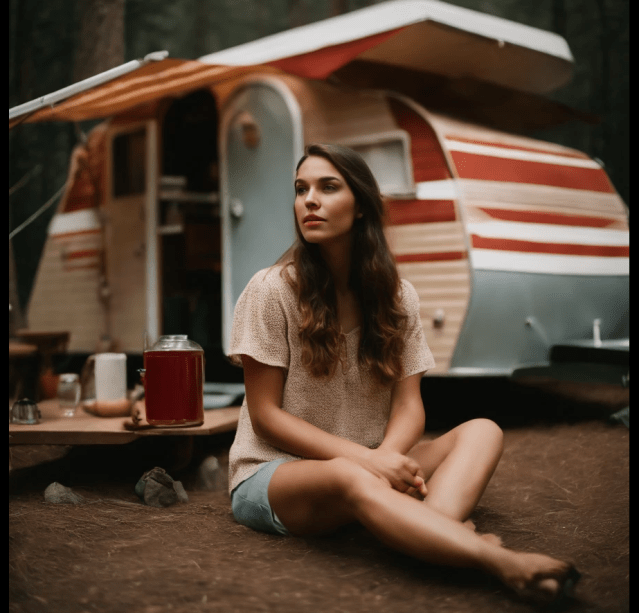
New Mexico is a desert haven for tiny home enthusiasts, offering wide-open spaces, breathtaking landscapes, and a lifestyle that blends simplicity with self-sufficiency. From the high desert of Santa Fe to small towns with strong off-grid communities, the state is ideal for those who want to downsize, embrace minimalism, and connect with nature. I’m Brooke Homestead, and after years of living off-grid, building tiny homes, and thriving in desert environments, I’ll guide you through New Mexico’s best desert communities, zoning realities, land costs, and climate considerations.


Best Desert Communities for Tiny Homes in New Mexico: Santa Fe and Las Cruces

Santa Fe — Artsy Desert Living with Community

Santa Fe is perfect for tiny home enthusiasts who want culture, community, and desert beauty:

  • Zoning flexibility in outskirts: Many parcels outside the city allow tiny homes as primary residences or accessory dwellings.
  • Land affordability: Rural lots range from $25,000–$60,000 per acre — enough for off-grid solar, gardens, and water catchment systems.
  • Community mindset: Residents embrace sustainability, minimalism, and alternative lifestyles, making tiny homes socially welcomed.

💡 Brooke Tip: Look for parcels in the high desert surrounding Santa Fe — privacy, space for off-grid systems, and stunning sunsets are guaranteed.


Las Cruces — Southern Desert Simplicity

Las Cruces offers affordable land, desert beauty, and a practical environment for tiny homes:

  • Rural-friendly zoning: Many parcels allow THOWs or foundation-based tiny homes.
  • Land affordability: Parcels typically range from $10,000–$35,000 per acre — ideal for off-grid or minimalist setups.
  • Community support: Residents value independence, self-sufficiency, and practical living.

Brooke Survival Insight: The desert sun is intense — proper insulation, reflective roofing, and solar ventilation are critical for comfort and energy efficiency.


Challenging Areas for Tiny Homes in New Mexico: Albuquerque & Santa Teresa

Urban centers present some challenges:

  • Zoning restrictions: Minimum lot sizes, municipal codes, and building requirements can limit tiny home placement.
  • Higher land costs: Urban parcels often exceed $75,000 per lot.
  • Limited off-grid options: Dense neighborhoods reduce freedom for solar, water, and septic independence.

💡 Brooke Tip: Tiny homes in Albuquerque or Santa Teresa are mostly feasible as ADUs behind existing homes or in planned eco-friendly small-home communities.


Zoning Laws in New Mexico — Tiny Home Considerations

New Mexico does not have a statewide tiny home law; local regulations vary:

  • Accessory Dwelling Units (ADUs): Increasingly allowed in some towns, usually 200–500 sq. ft.
  • Tiny Homes on Wheels (THOWs): Treated as RVs; generally allowed on rural private land or in designated RV parks.
  • Foundation-based Tiny Homes: Must meet state and local building codes, including electrical, plumbing, structural, and insulation standards.

Brooke Advice: Always verify zoning with city or county planning offices before purchasing land — desert parcels may have different restrictions based on water access and land use.


Cost of Land in New Mexico — Budgeting for Tiny Homes

Land in New Mexico is affordable, especially outside metro areas:

  • Santa Fe outskirts: $25,000–$60,000 per acre — perfect for high desert living.
  • Las Cruces rural lots: $10,000–$35,000 per acre — ideal for THOWs or off-grid foundation-based homes.
  • Albuquerque & Santa Teresa metro: $75,000+ per small lot — tiny homes mostly feasible as ADUs.
  • Northern desert towns: $5,000–$25,000 per acre — excellent for minimalist living and off-grid systems.

Additional costs include water access, solar panels, septic systems, driveway access, and desert-specific building materials.


Climate Considerations — Desert Living for Tiny Homes

New Mexico has a high desert climate, which affects tiny home planning:

  • Winter: Mild and dry — insulation is still important for cold desert nights.
  • Summer: Hot and sunny — reflective roofs, ventilation, and shade are essential.
  • Storms: Occasional monsoons require drainage planning and reinforced construction.
  • Water scarcity: Rainwater collection and efficient water use are critical for off-grid living.

Brooke Survival Insight: Tiny homes are compact — without proper insulation, ventilation, and water planning, desert living can become uncomfortable or unsustainable.


Final Homestead Thoughts

New Mexico is a state where tiny home living thrives in the desert, offering stunning landscapes, affordable land, and a culture of independence:

  • Best Communities: Santa Fe for culture and high desert beauty; Las Cruces for affordability and practical off-grid living.
  • Challenging Areas: Albuquerque and Santa Teresa due to density, zoning, and urban restrictions.
  • Planning Essentials: Verify zoning, design for sun, heat, storms, and water access, and plan off-grid systems for self-sufficiency.

Tiny home living in New Mexico is about resilience, simplicity, and enjoying life in wide-open desert spaces. With the right location and preparation, you can thrive in a small, sustainable home under endless skies and vivid sunsets.

Brooke Homestead

Stay Clean, Stay Ready: 10 Essential Water-Saving Bathing Tips

When disaster strikes, whether it’s a natural calamity like a hurricane or earthquake, or a man-made crisis like civil unrest or infrastructure failure, one of the first and most critical resources you’ll have to guard is water. Clean water isn’t just for drinking—it’s essential for hygiene, survival, and maintaining morale. As a survival prepper, I’ve learned that even in the worst conditions, maintaining cleanliness isn’t a luxury; it’s a necessity. But the challenge? Water can be scarce when the world goes sideways.

Bathing efficiently without wasting water is one of the most overlooked survival skills. You might think, “How much difference can saving a few gallons per shower make?” Trust me—it adds up fast. Conserving water during everyday activities like bathing can mean the difference between having enough water to drink and running dangerously low during a disaster.

Here are 10 practical tips to save water when bathing, designed for anyone serious about survival preparedness, while still keeping personal hygiene intact.


1. Take Short Showers – 5 Minutes or Less

In normal circumstances, it’s easy to linger under the water while daydreaming or checking your phone. But in survival scenarios, every drop counts. Limiting your shower to five minutes or less drastically reduces water usage. Use a timer if needed—think of it as a countdown for your survival plan. Quick showers will keep you clean and help you ration water for other critical needs.


2. Use a Bucket to Collect Shower Water

This technique may feel old-school, but it’s a survivalist’s best friend. Place a bucket in the shower to catch the cold water that flows while waiting for it to heat. That water can later be used for flushing toilets, cleaning dishes, or even watering plants if necessary. During emergencies, no drop should go to waste.


3. Install a Low-Flow Showerhead

A low-flow showerhead can cut your water usage in half without sacrificing cleanliness. Many models are easy to install and don’t require a plumber. For preppers, this is a long-term investment in water security. When water is scarce, technology like this becomes a true lifesaver.


4. Turn Off the Tap When Lathering

We all do it—letting the water run while scrubbing shampoo into our hair or washing our bodies. Instead, turn off the tap while lathering, then turn it back on to rinse. It’s simple, effective, and could save hundreds of gallons over a month. In survival terms, every gallon you save could be used for drinking, cooking, or emergency medical needs.


5. Use a Wet Washcloth or Sponge Instead of a Full Shower
In a worst-case scenario where water is extremely limited, you don’t need a full shower every day. A wet washcloth or sponge bath uses far less water and still keeps you hygienic. Focus on key areas like your face, underarms, and groin. Think of it as “targeted hygiene”—you stay clean without depleting your water reserves.


6. Reuse Greywater for Non-Potable Purposes

Greywater is the term for water that has been used for bathing, washing dishes, or laundry. While not safe to drink, it can be stored and reused for flushing toilets, cleaning floors, or irrigation. In survival mode, storing and reusing greywater is a crucial skill. Even in small quantities, it can extend your water supply significantly.


7. Keep Your Showers Cooler

Hot showers feel luxurious, but heating water consumes fuel or electricity—resources that might be scarce in emergencies. Cooler showers use less water because people naturally shorten the time they spend under cold water. Additionally, cold showers have health benefits, including increased alertness and improved circulation. Think of it as a survival boost and a water-saving tactic rolled into one.


8. Bathe Less Frequently, But Strategically

In survival situations, hygiene routines may need to change. Bathing every single day may not be necessary—especially if you’re not heavily sweating or exposed to contaminants. Focus on bathing strategically: after heavy work, exposure to dirt or chemicals, or when morale and mental health demand it. A strategic approach conserves water while keeping you safe and reasonably comfortable.


9. Collect Rainwater for Bathing

Rainwater collection is a classic prepper technique. If it’s safe in your region, set up barrels or containers to catch rainwater for bathing and other non-potable uses. While you should always filter and possibly disinfect collected water, rainwater can drastically extend your bathing supply without drawing on your main water reserves.


10. Educate Everyone in Your Household

Water conservation is most effective when everyone in your household understands the stakes. Teach your family or fellow preppers these water-saving techniques. Turn it into a fun challenge: who can take the fastest, cleanest shower while using the least water? In emergencies, a cooperative approach can save thousands of gallons of water.


Bonus Survival Tip: Prepare for Long-Term Water Scarcity

Saving water while bathing is just one piece of the puzzle. Prepper survival strategies should include storing water, knowing local water sources, learning purification methods, and even growing foods that require minimal irrigation. The more you practice water conservation now, the better prepared you’ll be for unexpected disasters. Every tip you implement today is an investment in your survival tomorrow.


Final Thoughts

Water is life. In any disaster, whether it’s a flood, a drought, or societal collapse, conserving water is not optional—it’s mandatory. By implementing these ten strategies, you’ll stretch every drop further while maintaining hygiene and morale. Remember, survival is as much about smart planning and discipline as it is about strength and endurance.

Even small adjustments, like turning off the tap while lathering or taking a five-minute shower, can accumulate into a significant water reserve over weeks or months. Pair these tips with rainwater collection, greywater reuse, and low-flow fixtures, and you’ll be prepared for situations where every gallon counts.

Being clean doesn’t have to be a casualty in a crisis—it just requires some forward thinking, discipline, and creativity. Stay prepared, stay hygienic, and never underestimate the power of a few simple water-saving habits.

How to Live Off the Grid When the World Has Officially Lost Its Mind

Let’s stop pretending the world is stable. You feel it, I feel it, and anyone with a functioning brain cell can see it: society is circling the drain. The systems that keep everyone fed, sheltered, entertained, and blissfully distracted? They’re cracking. But instead of preparing, most people cling to the fantasy that someone—some government, agency, billionaire, or “innovation”—will swoop in to save them.

Meanwhile, you and I know the truth: when things snap, it’s every person for themselves. Those who have built the skills, land, tools, and off-grid infrastructure will survive. Everyone else will be looking for handouts and pointing fingers.

So if you’re planning to disappear from the grid—or at least stop relying on the fragile circus masquerading as modern civilization—you’re already miles ahead. But let’s go deeper. Let’s talk about what actually goes into living off the grid, the kind of off-grid house planning that keeps you alive when the world loses its last remaining screw.

This isn’t a Pinterest fantasy version of the homestead lifestyle. This is the blunt, uncomfortable reality—told from the perspective of someone who’s watched the world unravel and expects it to get worse.
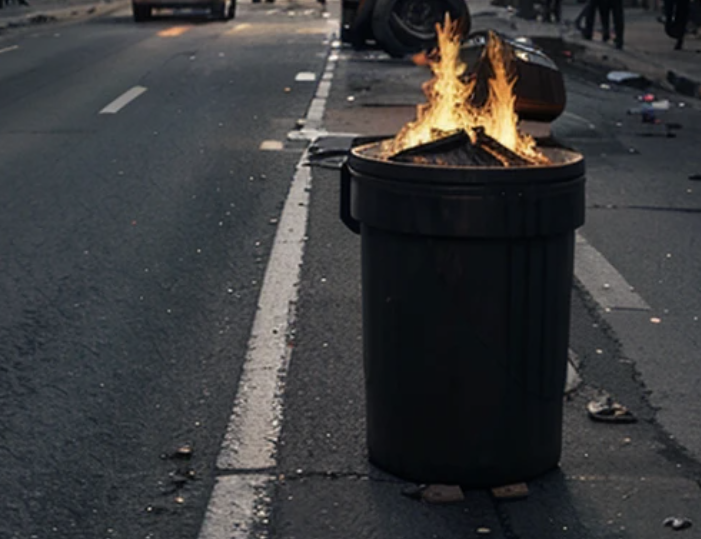

THE REALITY OF GOING OFF THE GRID: IT’S HARD, IT’S BRUTAL, AND IT’S NECESSARY

Most people think going off the grid means sipping coffee on a quiet porch overlooking the woods. Cute idea—but laughably wrong.

Living off the grid means you are your own power company, water utility, grocery store, repairman, security, and doctor. It requires resilience, discipline, and the ability to solve problems without crying.

It also requires understanding that comfort and convenience—the gods society worships—won’t follow you.

If you can handle that, read on. If not, the collapse will handle it for you.


1. CHOOSING WHERE YOU’LL BUILD YOUR OFF-GRID LIFE

Everything starts with land. Not fantasy land. Real land. Land that works with you, not against you.

Here’s what matters more than anything:

• Water

If your land doesn’t have a reliable natural water source—spring, creek, well potential, or high-water table—you’re done before you begin. Water hauling is for the desperate and the short-sighted.

• Sunlight

Solar power only works if the sun actually reaches your panels. Dense forest + no clearing = you’ll be living by candlelight.

• Soil Quality

You can’t live off the land if the land is dead. Test the soil. Don’t guess. Don’t assume.

• Defensibility

Sound paranoid? Good. You’re building a refuge, not a tourist cabin.


2. DESIGNING OFF-GRID HOUSE PLANS THAT WON’T FAIL YOU

Your off-grid home is not a suburban house copy-pasted into the woods. It must be functional, durable, efficient, low-maintenance, and designed for long-term survival.

Here’s the truth: the best off-grid houses are boring, not Instagram-cute. They are built to keep you alive, not to impress people you’re trying to escape from.

THE NON-NEGOTIABLE STRUCTURE ELEMENTS:


A. Passive Solar Orientation

Your home must be positioned to collect sunlight in winter and deflect heat in summer. If you ignore this, you’ll spend your life fighting nature—and losing.


B. High Thermal Mass Walls

Materials like:

  • Rammed earth
  • Cob
  • Straw bale
  • Insulated concrete forms (ICFs)

These hold heat like a battery—warm in winter, cool in summer. Any prepper serious about long-term independence uses thermal mass.


C. Metal Roof (Preferably Standing Seam)

Why?

  • Rainwater harvesting
  • Fire resistance
  • Long lifespan
  • Solar panel compatibility

Also, shingles rot. Metal doesn’t care.


D. Rainwater Harvesting & Gravity-Fed Storage

You want gravity to do the work. Pumps fail. Power fails. Gravity does not.

The most functional systems include:

  • Roof catchment
  • First-flush diverter
  • 3–5 food-grade holding tanks
  • Gravity pressure line into the house

This alone puts you ahead of 99% of “survival influencers.”


E. Root Cellars & Cold Storage Rooms

Forget refrigerators as your primary food storage. Off-grid homes require:

  • Earth-cooled root cellars
  • Passive cold pantries
  • Subterranean food vaults

Electricity cannot be your only plan.


3. POWER SYSTEMS: THE PART MOST PEOPLE GET WRONG

Everyone thinks solar is enough. It’s not—not alone, anyway.

You need a multi-layered system or you’ll be sitting in the dark half the year.

Your power plan should include:

  • Solar
  • Battery bank
  • Generator backup
  • Wood stove for heat
  • Propane for redundancy
  • Wind turbine (if the land has the wind for it)

No single system will save you. The combination will.

The world is fragile because it relies on a singular centralized grid. Don’t repeat the same foolish mistake off-grid.


4. WATER: THE REAL FOUNDATION OF SURVIVAL

An off-grid home stands or falls on water. Without water, nothing else matters.

Your system needs:

  1. Primary water source (well or spring)
  2. Secondary source (rain harvesting)
  3. Emergency source (nearby creek or lake)
  4. Purification backups:
    • Gravity filters
    • Berkey-style units
    • Ceramic filters
    • Boiling capability

If you’re not planning three levels deep, you’re planning to fail.


5. FOOD PRODUCTION: THE PART THAT TESTS YOUR DISCIPLINE

Gardening is cute until it becomes life or death. Most new off-grid wannabes expect instant abundance, only to discover:

  • Soil sucks
  • Weather is unpredictable
  • Pests are relentless
  • Gardening is work

But with persistence, you can produce enough food to survive.

Your long-term plan should include:

  • 4-season greenhouse
  • Raised beds with compost systems
  • Chickens for eggs and protein
  • Rabbits for fast breeding
  • Perennial crops (asparagus, berries, fruit trees)
  • Food dehydration and canning areas

This is a lifestyle, not a hobby.


6. WASTE MANAGEMENT (THE PART NOBODY LIKES TALKING ABOUT)

Civilization hides its filth behind pipes and trucks. Off-grid life doesn’t have that luxury.

You’ll need:

• Composting toilets

Low maintenance, eco-friendly, and the best option for long-term independence.

• Greywater systems

Your dish and shower water can irrigate trees and shrubs—with proper filtration.

• Burn piles & scrap sorting

You will produce waste. Deal with it efficiently.

Waste management might not be glamorous, but ignoring it will destroy your land—and your sanity.


7. SECURITY: NOT PARANOIA, JUST REALITY

No, you’re not building a fortress. But you are responsible for your own safety.

Off-grid living requires:

  • Dogs (first alarm system)
  • Perimeter lighting
  • Thorn barriers & natural fencing
  • Secure doors & windows
  • Smart land layout (visibility, no blind corners)

Prepare quietly. Don’t broadcast your setup.


CONCLUSION: OFF-GRID LIVING ISN’T IDEALISTIC—IT’S NECESSARY

The world is getting weaker, louder, angrier, and more dependent by the minute. People have forgotten how to live without being plugged into a dying system.

Off-grid living isn’t an escape from society.
It’s a rejection of its failures.

If you’re building an off-grid life, good. You’re preparing for reality while everyone else scrolls themselves to sleep.

Just know this:

The grid won’t be around forever.
But your off-grid fortress—if done right—will be.

Is Arkansas’ Drinking Water Safe


Is Arkansas’ Drinking Water Safe? Hell No—and You’d Be a Fool to Think Otherwise.

Let me make one thing damn clear: if you’re trusting the government or your city utilities to keep your water clean in Arkansas, you’re playing Russian roulette with your health. Maybe it hasn’t hit the headlines yet, but if you’re waiting for the feds to warn you before your tap starts coughing up poison, you’ll be six feet under before they file the report. I’m not here to scare you. I’m here to wake you up. Because in a world that’s circling the drain, clean water isn’t a privilege—it’s a survival skill.

Look around. Between industrial runoff, aging infrastructure, agricultural waste, and good ol’ government negligence, Arkansas’ water supply is just one natural disaster or chemical spill away from being a death sentence. You think a boiling advisory on your local news is gonna save your kids from cryptosporidium or arsenic buildup? Think again.

It’s time to stop hoping and start preparing.

Here’s what every red-blooded Arkansan—or anyone with half a brain—needs to learn to stay alive when the taps go toxic.


🔥 15 Water Filtration Survival Skills You’d Better Learn Before It’s Too Late:

1. Know Your Sources

Surface water is riddled with bacteria. Groundwater can be filled with heavy metals. Before you filter, know what the hell you’re dealing with. A water test kit (available at any hardware store) can give you a basic rundown.

2. Boil Like Your Life Depends on It

Because it does. Bring water to a rolling boil for at least 1 full minute—3 minutes if you’re above 6,500 feet. This kills most pathogens. But boiling won’t remove chemicals or heavy metals. That’s where filtration comes in.

3. Build a Bio-Filter

Layer gravel, sand, and activated charcoal in a 2-liter bottle. Let the water trickle down through each layer. It’s slow—but it’s a lifeline when you’ve got nothing else.

4. Make Activated Charcoal

Burn hardwood in a low-oxygen environment. Crush the charcoal. Rinse it. Bam—homemade activated charcoal. Filters out a ton of chemical nasties.

5. Solar Still Magic

Dig a hole, place a container in the center, cover with plastic, and put a rock on top. Condensation drips clean water into the cup. It’s slow, but in the Arkansas heat, it works.

6. DIY Sedimentation Setup

Let muddy water sit in a container for hours. Heavy particles settle. Scoop the clean water off the top—then filter it, for the love of all that’s holy.

7. Use a Bandana Pre-Filter

It won’t purify anything, but it’ll keep out bugs, leaves, and muck that can clog your better filters.

8. Know How to Use a Lifestraw or Sawyer

You’d be amazed how many people buy one and never learn how to use it. Practice before SHTF.

9. Harvest Rainwater

Set up barrels with mesh screens. Make sure they’re food-grade plastic. Rainwater is surprisingly clean—until it hits your filthy roof.

10. Learn the Bleach Ratio

8 drops of unscented household bleach per gallon of clear water. Double it for cloudy water. Shake. Wait 30 minutes. If it doesn’t smell faintly of bleach after that—repeat or toss it.

11. Make a Slow-Drip Sand Filter

PVC pipe + layers of sand, gravel, and charcoal = one badass filtration system. Just be ready to maintain it.

12. Distillation Setup with Pots

Boil water in one pot, catch steam in a clean container using a funnel or tubing. This strips out metals and pathogens. Great for saltwater too.

13. Portable Water Filters

Invest in a solid gravity-fed filter like the Berkey or Katadyn. It’s not cheap—but neither is dialysis from heavy metal poisoning.

14. Use UV Light Purifiers

SteriPens or DIY UV-C LEDs kill bacteria and viruses. But don’t rely on them alone—combine with other methods.

15. Know the Signs of Contamination

Smell, color, taste—none of these are reliable. But know the symptoms of waterborne illness: diarrhea, vomiting, cramps. And if multiple people in your area are sick at the same time? It’s not a coincidence. It’s your water.


💥 3 DIY Survival Drinking Water Hacks You Should Burn Into Your Brain:

Hack #1: Charcoal Coffee Filter Rig

Take an old coffee maker (no electricity needed), load it with activated charcoal instead of coffee, and run collected rainwater or river water through it. Double up with a boil afterwards. Turns trash into treasure.

Hack #2: Penny Trick for Bacterial Disinfection

Copper kills microbes. Drop a clean penny in a gallon of water (pre-1982 pennies are 95% copper). Let it sit for 24 hours. Don’t drink it straight—filter it afterwards—but it knocks down the bug load.

Hack #3: Bottle in the Sun (SODIS Method)

Fill clear PET bottles with water, shake to oxygenate, and lay them in direct sun for 6 hours. The UV light cooks most bacteria and viruses. It’s not 100%, but when you’re stuck between Giardia and dehydration, it’ll do.


Arkansas: A Powder Keg Waiting to Blow

Now back to Arkansas. Think you’re safe because you’re on city water in Little Rock or Fayetteville? Wrong. The Beaver Water District has had nitrate issues before. Smaller rural systems? Don’t even get me started—many of them rely on aging pipes and open reservoirs.

In 2021, over 25 Arkansas public water systems violated EPA safety standards—and those are just the ones that got caught. Between pesticides, fertilizer runoff, PFAS (aka “forever chemicals”), and livestock waste—yeah, you’re sipping on a cocktail of cancer and cow piss. And if a flood, tornado, or sabotage takes out a treatment plant? You’ll be scrambling like everyone else.

The question isn’t “Is Arkansas’ water safe?”
The real question is “How prepared are you when it’s not?”


Final Word from a Pissed-Off Prepper

Let’s cut the crap: the cavalry isn’t coming. If you’re waiting for FEMA or the local water authority to rescue you, don’t bother. The people who survive what’s coming are the ones who train now, prepare early, and trust no one with their water supply.

Get your filters. Build your systems. Teach your kids.

Because when Arkansas’ taps run brown—and mark my words, they will—you won’t have time to Google “how to purify water.” You’ll either already know, or you’ll be in the back of the line, fighting over a bottle of Aquafina.

Get smart. Get angry. Get ready.


Stockpile Smart: Mastering Long-Term Food Storage Techniques

First off, wake up! The world isn’t your safe little bubble anymore. The power grid can go out, trucks can stop delivering, and those fancy supermarkets? Empty shelves faster than you can blink. You want peace of mind? You build a fortress of food, not just some half-assed pantry with expired cans in the back.

But don’t get cocky thinking you can just shove a bunch of junk food in a closet and call it a day. Stockpiling smart means knowing what to store, how to store it, and for how long it’ll last. This isn’t a weekend camping trip; this is about surviving the unknown long haul. Here’s the deal:


10 Survival Skills You MUST Master for Long-Term Food Storage

  1. Food Rotation Management
    Don’t let your stockpile turn into a science experiment. Keep track of expiration dates and always rotate your supplies. Use the oldest first, replace with fresh, and mark everything clearly. No excuses.
  2. Proper Sealing Techniques
    Oxygen and moisture are your enemies. Learn to use vacuum sealers and Mylar bags with oxygen absorbers to extend shelf life. You want airtight containers that can withstand the test of time and pests.
  3. Dehydrating Food
    Drying food is a time-tested method that reduces weight and volume while locking in nutrients. Learn to dehydrate fruits, vegetables, and meats. It’s cheap, effective, and makes your stockpile last longer.
  4. Canning Mastery
    Pressure canning for low-acid foods like beans and meat is a survival skill you can’t ignore. If you botch it, you risk botulism—so get trained or study hard. Home-canned food can last years if done right.
  5. Growing Your Own Food
    Store all you want, but if the disaster drags on, you’ll need to grow your own. Get good at gardening, seed saving, and understanding your soil and climate. Stockpiling alone won’t save you forever.
  6. Foraging Knowledge
    Learn what wild plants are edible and safe. If you have to stretch your stockpile, wild greens, nuts, and berries can supplement your diet. But know them well—one wrong bite and you’re done.
  7. Food Preservation with Salt and Smoke
    If you want to keep meats and fish long-term, get familiar with salting and smoking. These old-school methods work wonders without electricity or fancy gadgets.
  8. Pest Control
    Rodents, bugs, and mold will wreck your food faster than you think. Master pest-proofing your storage area with tight containers, traps, and natural repellents.
  9. Water Purification and Storage
    Food alone won’t do you any good without clean water. Know how to store water safely and purify it on the fly with filters, boiling, or chemical treatments.
  10. Cooking with Minimal Resources
    Long-term survival means you might have to cook on a camp stove, solar oven, or even an open fire. Practice cooking from your stockpile using minimal fuel and tools.

3 DIY Survival Hacks for Smarter Food Storage

  1. DIY Mylar Bag and Oxygen Absorber System
    Don’t waste cash on pre-packaged storage. Buy food-grade Mylar bags in bulk, scoop in your dried or dehydrated food, and throw in oxygen absorbers. Seal the bag with a cheap iron from a thrift store or even a hair straightener. This DIY method will keep your food fresh and bug-free for years.
  2. Repurpose Old Buckets for Bulk Storage
    Got old 5-gallon buckets? Clean ’em out, line with Mylar bags, and store large quantities of grains, beans, or flour. Use gamma seal lids for airtight, stackable storage. This keeps pests out and food fresh. Bonus: buckets can double as water storage or emergency toilets if you’re really in a pinch.
  3. Build a Root Cellar Substitute
    No basement? No problem. Dig a small hole in a shaded, cool part of your yard, line it with bricks or wood, and cover it well with insulating materials. Store root veggies and some canned goods there to keep them cool and extend their shelf life naturally. This is old-school survival wisdom that’s dirt cheap and effective.

Now, why the hell does all this matter?

Because when SHTF, your “funny little stockpile” of expired canned beans and stale crackers won’t cut it. You need a system. A fortress. Something that works when the lights go out and the world flips upside down. If you don’t stockpile smart, you’re just delaying the inevitable starvation party.


More Angry Survivalist Truths About Food Storage

Don’t fall for the marketing crap! Freeze-dried meals and survival kits that cost you a kidney aren’t always the answer. They’re a start, sure, but building your own stockpile with bulk grains, beans, dried vegetables, and home-canned goods is where you build real resilience.

Balance nutrition, dammit! Storing only rice and beans might keep you alive, but you’ll feel like garbage. Get some powdered milk, freeze-dried fruits, nuts, honey, and salt. Your body needs variety to keep fighting.

Don’t forget your tools! You better have a manual can opener, a good knife, and a portable stove or two. If you can’t open your food, it’s worthless. No exceptions.

Label everything. No, seriously. Label every container with the contents and date stored. This is survival 101. You don’t want to waste precious calories guessing what’s inside.


Step-by-Step Stockpile Smart Plan

  1. Assess Your Needs
    Calculate how many days or months you want to cover. Factor in family size, calorie needs, and dietary restrictions.
  2. Start Small, Build Fast
    Buy staples in bulk gradually. Don’t blow your entire savings on one haul and then give up.
  3. Get Proper Containers
    Use airtight buckets, Mylar bags, vacuum sealers, and food-grade jars. Plastic bags won’t cut it.
  4. Keep It Cool and Dry
    Temperature and humidity are the enemy of food storage. Find a cool, dark, and dry place for your stockpile.
  5. Learn Preservation Skills
    Master drying, canning, fermenting, and salting. The more techniques you have, the better your chances.
  6. Regularly Inspect Your Stockpile
    Look for leaks, moisture, pests, and spoilage. Catch problems early before your food turns to garbage.
  7. Practice Using Your Stockpile
    Cook meals from your stockpile regularly to familiarize yourself with what you have and avoid surprises.

Final Warning

You want to be the one who survives? Stop whining and start doing. Stockpiling smart isn’t about paranoia; it’s about preparedness. If you wait until disaster strikes, it’ll be too late. Long-term food storage is your insurance policy against chaos.

If you haven’t mastered these skills and built your stockpile yet, you’re playing Russian roulette with your life. Get moving before the next crisis slams the door shut.


So, what are you waiting for? Start learning, start building, and stockpile smart. Because when the world goes dark, it’s not just about surviving. It’s about thriving — and that starts with your food.