When the Sky Turns to Ash: Would a Super Volcano End Civilization—or Just Ruin It?

I’ve spent most of my adult life preparing for disasters that may never come. Economic collapse. Grid failure. Pandemics. Solar flares. Supply-chain breakdowns. Civil unrest. Volcanic eruptions.

I’ve also spent the last football season making decisions that, in hindsight, were far more catastrophic to my personal economy than any of the above. Losing over $110,000 betting on games will humble you in ways few things can. You start asking hard questions—like whether the universe is indifferent to preparation, or just enjoys irony.

Still, preparation matters. Especially when the threat isn’t just another bad season, but something that could legitimately alter the course of human civilization.

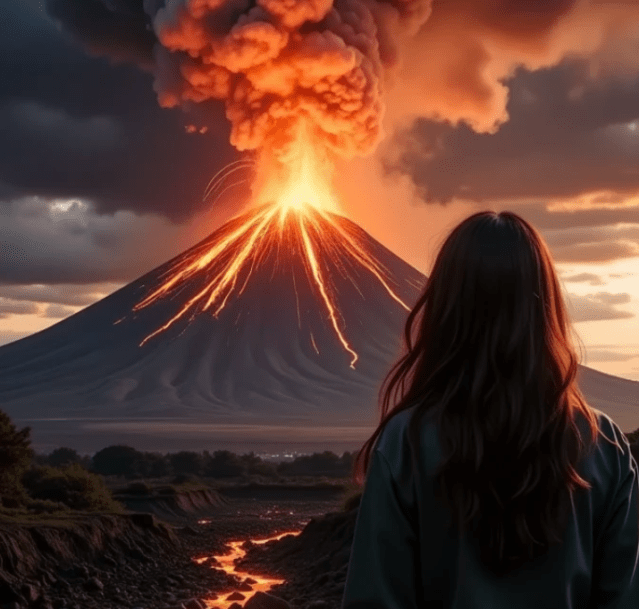
So let’s talk about super volcanoes. Not Hollywood volcanoes with dramatic lava fountains and heroic music. I’m talking about planet-altering, sun-blocking, food-chain-destroying geological events that don’t care if you recycled or bought the extended warranty.

The big question is simple but uncomfortable:

Could the world survive a super volcano eruption? Or would humanity go extinct?

The answer is… complicated. But not hopeless.


What Is a Super Volcano (And Why It’s Not Just a Big Volcano)
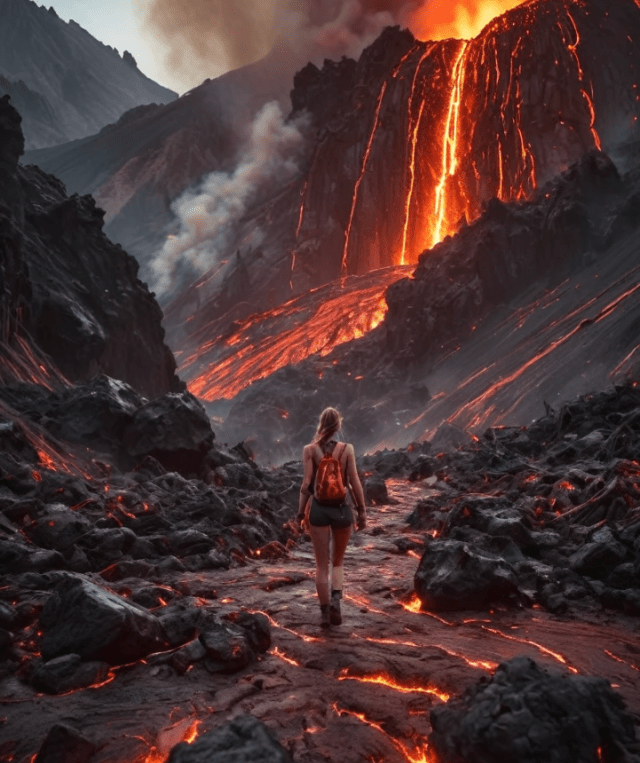
A super volcano isn’t just a volcano that’s “extra mad.” It’s a geological system capable of erupting more than 1,000 cubic kilometers of material in a single event. For comparison, Mount St. Helens released about 1 cubic kilometer in 1980 and wrecked an entire region.

Super volcanoes don’t build towering cones. They collapse inward, forming massive depressions called calderas. Yellowstone is the most famous example, but it’s not alone. Others include:

  • Toba (Indonesia)
  • Taupo (New Zealand)
  • Campi Flegrei (Italy)

When one of these erupts, it’s not a local disaster. It’s a planetary event.

We’re talking:

  • Ash clouds covering continents
  • Global temperatures dropping several degrees
  • Agricultural collapse lasting years
  • Transportation grinding to a halt
  • Supply chains failing simultaneously

This isn’t a movie. This is physics.


Would a Super Volcano Cause Human Extinction?
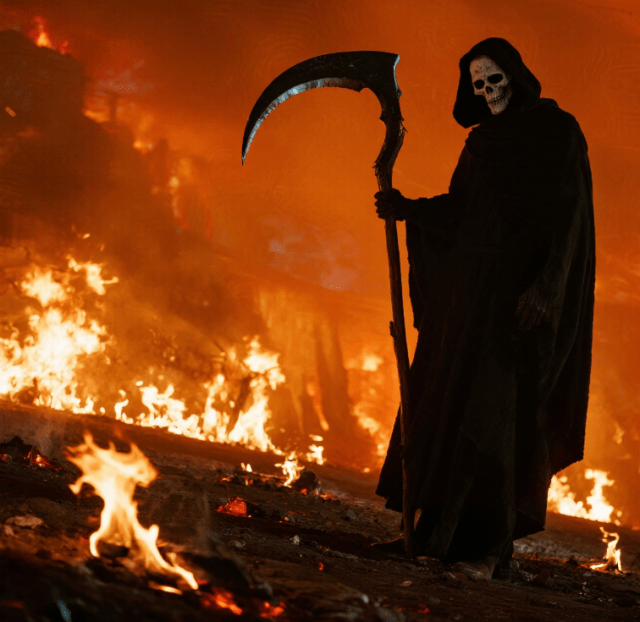
Let’s address the headline fear right away.

No, a super volcano would not instantly wipe out humanity.

But—and this is the part people gloss over—it could kill billions through indirect effects.

Human extinction is unlikely. Civilizational collapse, mass starvation, and geopolitical chaos? Entirely plausible.

The danger isn’t lava. Lava is actually the least of your problems unless you live very close to ground zero (in which case your survival plan should include “don’t”).

The real killers are:

  • Volcanic ash
  • Volcanic winter
  • Crop failure
  • Food distribution collapse
  • Political instability

Most people won’t die on Day One. They’ll die slowly, months or years later, when the systems they rely on stop working.


The Immediate Effects: The First Days and Weeks

If a super volcano erupts, the first phase is chaos—fast, violent, and overwhelming.

Ashfall: The Silent Destroyer

Volcanic ash isn’t soft like fireplace ash. It’s microscopic shards of rock and glass. It:

  • Destroys engines
  • Collapses roofs
  • Contaminates water
  • Destroys crops
  • Causes respiratory failure

A few inches can collapse buildings. A few feet makes areas uninhabitable.

If you’re within a thousand miles, you’re dealing with ash. And ash doesn’t care if you’re prepared—it just cares about gravity.

Power and Infrastructure Failure

Ash shorts transformers, clogs cooling systems, and grounds aircraft worldwide. No flights. No shipping. No just-in-time logistics.

Power grids fail fast. Backup systems fail shortly after.

This is when modern life starts coming apart at the seams.


Volcanic Winter: The Real Apocalypse

Here’s where things get truly dangerous.

A super volcano injects sulfur dioxide into the stratosphere, forming aerosols that reflect sunlight back into space. This causes global cooling—often called a volcanic winter.

Depending on the eruption size, we could see:

  • Average global temperature drops of 2–5°C
  • Shortened growing seasons
  • Summer frosts
  • Multi-year crop failures

After the Toba eruption ~74,000 years ago, the planet may have cooled by several degrees for years. Some researchers believe human population numbers dropped drastically.

Now imagine that happening to a world with 8+ billion people and industrial agriculture that depends on precision timing.


Food: Where Most People Lose the Game

Let me be blunt: food is the bottleneck.

Modern agriculture is fragile. It depends on:

  • Predictable seasons
  • Synthetic fertilizers
  • Fuel
  • Transportation
  • Stable governments

A volcanic winter breaks all of those.

Grain-producing regions would suffer catastrophic losses. Livestock would die due to lack of feed. Fisheries would be disrupted by ocean cooling.

Grocery stores—already running on razor-thin inventory—would empty in days.

And no, your neighbor’s garden isn’t saving the block.


Would Governments Save Us?

Some would try. Some would fail. Some would turn authoritarian faster than you can say “emergency powers.”

Expect:

  • Rationing
  • Export bans on food
  • Military control of key infrastructure
  • Population movements and border closures

Countries with strong agricultural resilience, energy independence, and lower population density would fare better.

Countries dependent on imports? Not so much.

If you think the pandemic response was messy, imagine that—but global, permanent, and colder.


So How Would Someone Actually Survive a Super Volcano?

This is where the prepper in me kicks in—and where my football losses remind me that hoping you’ll figure it out later is not a strategy.

Survival wouldn’t depend on luck alone. It would depend on positioning, resources, and discipline.

1. Location Is Everything

You want to be:

  • Far from the eruption zone
  • Away from heavy ashfall regions
  • In a politically stable country
  • In a climate that can still grow food during cooler temperatures

High latitudes might struggle with sunlight loss. Equatorial regions may fare better—but only if they have food sovereignty.

Rural beats urban. Every time.

Cities are consumption machines. When the supply chain breaks, cities starve.

2. Food Storage (Measured in Years, Not Weeks)

Forget 72-hour kits. This is a multi-year problem.

Survival means:

  • 12–24 months of shelf-stable food minimum
  • Grains, legumes, fats, and protein
  • Knowledge of food preservation
  • Seed banks for cold-tolerant crops

If you don’t already know how to cook from raw staples, you’re behind.

3. Water and Filtration

Ash contaminates water sources. Surface water becomes dangerous.

You need:

  • Stored water
  • Gravity filtration
  • Chemical purification backups

No water = no survival, regardless of how many canned beans you own.

4. Heat and Energy Independence

Volcanic winters are cold. Fuel shortages are guaranteed.

Survival means:

  • Wood heat
  • Alternative fuels
  • Insulation
  • The ability to stay warm without electricity

Solar still works—but less efficiently. You need redundancy.

5. Respiratory Protection

Ash will kill people who otherwise would survive.

This isn’t optional:

  • N95 or better masks
  • Eye protection
  • Sealed living spaces

If you can’t breathe, nothing else matters.


The Psychological Side of Survival (The Part Nobody Likes)

Here’s the truth most prepping blogs avoid:

Long-term disasters break people mentally before they break them physically.

Isolation. Cold. Hunger. Uncertainty. Loss of normalcy.

You need:

  • Routine
  • Purpose
  • Community
  • Emotional resilience

I’ve watched grown adults melt down over a bad playoff loss (myself included, apparently). Multiply that stress by a thousand.

Survival isn’t just gear. It’s mindset.


How Long Would Recovery Take?

This is not a “bounce back in six months” situation.

We’re talking:

  • 5–10 years of global disruption
  • Decades for climate normalization
  • Permanent geopolitical shifts

Humanity would survive—but the world you knew would not.

And that’s the hardest thing to prep for: grief for a future that never happened.


Final Verdict: Would Humanity Survive?

Yes.

But not comfortably. Not equally. Not without scars.

A super volcano wouldn’t be the end of the human species—but it could be the end of modern civilization as we understand it.

Survival would favor those who:

  • Planned ahead
  • Lived simply
  • Understood systems
  • Didn’t assume “someone else will handle it”

And if there’s one lesson I’ve learned—from disasters, from prepping, and from losing six figures on football—it’s this:

Hope is not a plan. And overconfidence is expensive.

The Earth doesn’t care about our schedules, our economies, or our bets. It will do what it does. The only real question is whether we’re ready to adapt when it does.

Prepare accordingly.

3 Survival Garden Herbs for When Society Finally Crashes

Every direction you look—politics, economy, supply chains, the bizarre behavior of everyday people—it all screams one thing: this whole system is held together with duct tape and denial. And if you’re smart enough to build a survival garden, you already know that depending on modern conveniences is the fastest road to becoming another helpless statistic when things finally snap.

Growing food is essential, yes, but if that’s all you’re planting, you’re missing half the picture. When hospitals are overrun, pharmacies are empty, and the average person is pacing around hoping the government will magically fix everything, you’ll need medicinal plants on hand—herbs that don’t require electricity, insurance, or permission to use.

Most people think throwing a few tomato plants in the ground makes them “prepared.” Please. When the grid fails and chaos rolls through town, tomatoes aren’t going to calm an infection or soothe a respiratory issue. Herbs, however, have kept humans alive since long before the modern world started falling apart.

Below are three herbs every serious survival gardener should be growing right now, not next season, not “someday,” but immediately. Because time is running out faster than anyone wants to admit.


1. Yarrow: The Battlefield Medic You Can Grow

Out of all the herbs the average gardener ignores, yarrow might be the most underrated lifesaver. This plant has been used for thousands of years for its ability to stop bleeding, reduce inflammation, and assist wound healing—which is exactly what you’ll need when emergency services are either unavailable or too busy dealing with the fallout of societal collapse.

Yarrow is a rugged plant. It doesn’t sulk if the soil is bad. It doesn’t demand pampering or daily attention. It grows like it knows the world is falling apart—and frankly, it probably is.

Why it belongs in your survival garden:

  • Stops bleeding quickly. You can crush fresh leaves and pack them onto wounds. Yes, the world we’re headed toward may involve more of those than you’d like.
  • Anti-inflammatory and antimicrobial. Useful for cuts, scrapes, burns, and infections—situations that become life-threatening when hospitals aren’t an option.
  • Thrives in harsh conditions. Heat, drought, poor soil—yarrow shrugs it off like a seasoned prepper.

How to grow it:

Plant yarrow in full sun. It spreads aggressively, which is perfect, because if things get ugly, you’re not going to complain about having too much medicine growing in your yard. Just keep it trimmed so it doesn’t take over everything else.

If modern society ever manages to collapse the rest of the way, you’ll be thankful you didn’t listen to the gardeners who said it was “weedy.” Weedy plants are survivors—and in the coming mess, so should you be.


2. Holy Basil (Tulsi): Because Stress Won’t Be Going Away Anytime Soon

Let’s face it: stress levels are already off the charts, and that’s before the supply chains snap, the grid flickers out, or inflation turns basics like rice and fuel into luxury items. Stress isn’t going to magically disappear once society destabilizes—it’ll get worse, heavier, and more relentless.

That’s where holy basil, or tulsi, steps in. This herb has been used in traditional medicine for centuries as an adaptogen, meaning it helps your body cope with stress—physical, mental, and emotional.

If you think you won’t need that in the middle of chaos, you’re kidding yourself.

Why tulsi is a survival essential:

  • Reduces stress and anxiety naturally. No prescriptions, no pharmacy lines, no shortages.
  • Strengthens the immune system. Which you’ll need when sanitation crumbles and illnesses spread.
  • Helps regulate blood sugar and improve overall resilience.
  • Can be made into tea with minimal effort. Hot water, dried leaves, and you’re good to go—even if your “stove” is a campfire.

Growing tips:

Tulsi loves warm weather and plenty of sun. The good news is that it grows fast—faster than society’s decline at this rate. It does fine in containers, raised beds, or directly in the ground. Just keep harvesting the leaves regularly; the more you pick it, the more it produces. Like a good prepper, it thrives under pressure.

When things get tough—and they will—having a natural way to calm your mind without relying on fragile supply chains is priceless.


3. Plantain: The Ugly Weed That Saves Lives

Forget everything you think you know about weeds. While the average suburban lawn-obsessed neighbor is busy spraying chemicals to kill off every useful plant in sight, plantain (Plantago major or Plantago lanceolata) is quietly offering some of the best emergency medicinal benefits you can get.

Plantain is the ultimate survival herb: ignored, misunderstood, and tougher than half the people wandering around today glued to their screens.

What makes plantain indispensable:

  • Pulls toxins out of wounds. Infected cuts, bug bites, stings—plantain can help draw out the problem.
  • Heals skin quickly. It’s used to soothe burns, rashes, and scrapes.
  • Anti-inflammatory and antimicrobial.
  • Grows literally everywhere. This plant pops up in abandoned lots, sidewalk cracks, damaged soil—exactly the kind of places we’re all headed if things keep going the way they are.

How to grow it:

Honestly? You barely have to try. Plantain grows like it’s preparing for the end times—which is great, because it’s one of the few things that will still be thriving when your local grocery store shelves are stripped bare.

To use it, you can chew a fresh leaf and slap it onto a sting or wound to make a quick poultice. It’s simple, primitive, and effective—exactly the kind of medicine that works when modern life stops working.


The Harsh Truth: No One Is Coming to Save You

Growing herbs isn’t some quaint hobby. It’s not a cute gardening project to post on social media. It is strategic self-preservation.

If you’re reading this, you already know what most people don’t want to admit: the world is getting more unstable by the day, and every system we rely on—food, medicine, power, transportation—is vulnerable. Fragile. Overstretched. And increasingly unreliable.

When the next big disruption sweeps through, whether it’s economic, political, environmental, or something entirely unexpected, you’ll either have what you need in your backyard… or you won’t.

These three herbs—yarrow, holy basil, and plantain—aren’t luxury plants. They’re tools. Weapons. Allies. They’re the difference between being helpless or being capable.

Grow them now, while you still can.
Because once things really fall apart, it’ll be too late.

The SHTF Wake-Up Call: How to Prepare for a World Where What You Have Is All That Matters

The SHTF Wake-Up Call: How to Prepare for a World Where What You Have Is All That Matters

If you’re still sitting around, thinking that everything is going to be fine and that some miracle will come along to save you, then it’s time for a serious wake-up call. You’ve been warned, and if you haven’t taken action yet, you’re a fool. When shit hits the fan (SHTF) for real, you won’t have time to run to the store and pick up a few cans of beans. You won’t have a backup plan that depends on someone else’s help. The hard truth is, what you have on hand will be ALL that matters. That’s it. You think you’re prepared? Think again. You can’t survive on optimism or hope alone.

So, let me make it crystal clear: You better have your act together now, or you’re done.

The problem with most people today is that they’re completely blind to the real threats we face. They walk around, heads buried in their phones, oblivious to the fact that this whole society could collapse in the blink of an eye. But it’s not just some far-off apocalypse I’m talking about. I’m talking about economic collapse, social unrest, grid failures, natural disasters, pandemics, and everything in between. The kind of world where your food, your water, your shelter, and your ability to protect yourself from the chaos around you will depend entirely on what you’ve managed to gather and the skills you’ve learned.

That’s right. Skills. Skills that you better start mastering now.

Here’s the thing: when the grid goes down and the grocery stores empty out, you won’t be able to waltz into your friendly local convenience store to grab a snack. And let me tell you, unless you live in a rural area and have prepared for the worst, you won’t be seeing those preppers with “lots of ammo and supplies” coming to save you. It’s every man for himself, and you will quickly realize just how unprepared you are if you don’t start taking this seriously.

So, let’s get into it. If you want to survive the collapse, you need to have the right skills in your back pocket. Here are 15 critical SHTF survival skills you need to master before it’s too late.

1. Water Filtration and Purification

If there’s one thing that’s more precious than gold when SHTF, it’s water. You can go without food for weeks, but you can’t survive more than a few days without water. Stockpiling water is smart, but you also need the knowledge to purify any water you come across. Learn how to boil water, use filtration systems, and make DIY purification methods.

2. Fire Starting

A fire isn’t just for cooking or warmth. It’s a beacon for rescue, a deterrent for predators, and a signal to others. Learn how to start a fire with limited supplies. I’m talking about using flint and steel, magnifying glasses, fire starters, and even primitive methods like rubbing sticks together. If you can’t make fire, you’re screwed.

3. Food Preservation

Stockpiling food is essential, but do you know how to make it last? Canning, dehydrating, and fermenting food are all necessary skills. If you’re relying solely on canned goods, you’re setting yourself up for failure in the long run. Learning how to preserve your own food can make the difference between life and death.

4. Self-Defense

Let me say it loud and clear: the world isn’t going to be a safe place when SHTF. People will become desperate, and desperation breeds violence. If you don’t know how to defend yourself—whether that’s with a firearm, a knife, or your bare hands—you’re putting yourself at extreme risk. Learn how to use weapons, but also know how to fight without them.

5. Shelter Building

When your home is no longer safe, you’ll need to know how to build a shelter. Do you know how to construct a lean-to, a tarp shelter, or even use natural resources for protection? If you’re stuck in the wilderness, your survival depends on your ability to stay dry, warm, and protected.

6. Hunting and Fishing

You’re not going to find a butcher shop to supply you with steaks once society falls apart. Knowing how to hunt, fish, trap, and forage is vital for long-term survival. You need to have the skills to put food on the table in a world where hunting for a meal isn’t just a recreational activity.

7. First Aid and Medical Knowledge

When help isn’t on the way, you better know how to take care of yourself. You need more than just a basic first aid kit—you need to know how to use it. Learn basic field medicine, including how to treat wounds, fractures, infections, and even how to perform CPR. The human body is fragile, and when it goes wrong, you’ll be on your own.

8. Navigation

If the GPS goes down, are you prepared to find your way? Learn how to read a map and use a compass. In a collapsed world, you’ll need to be able to navigate through urban areas or the wilderness. Whether you’re running from danger or searching for a safer place, the ability to find your way will be crucial.

9. Bartering

Cash is worthless when the economy collapses, but goods and services still hold value. If you don’t understand how to barter, you’re going to be at a serious disadvantage. Learn how to negotiate and trade supplies or skills to get what you need.

10. Composting and Growing Food

When you can no longer rely on grocery stores, you better know how to grow your own food. If you can’t grow your own crops or raise livestock, you’ll quickly run out of resources. Learn how to compost, plant, and maintain a garden. It’s one of the most valuable survival skills you can have.

11. Mental Toughness

Let’s face it: survival isn’t just about physical skills; it’s also about mental resilience. If you lose your nerve when things get tough, you won’t last long. You need to stay calm, think critically, and be able to make tough decisions when everything around you is falling apart. Mental toughness will be your secret weapon.

12. Improvised Weapons

When ammunition and weapons are scarce, you need to know how to improvise. A sharp stick or a hammer can be just as effective as a firearm in a pinch. Learn how to turn everyday objects into weapons for self-defense.

13. Electricity Alternatives

You won’t have access to the grid when it goes down, so you better know how to create your own power. Solar panels, wind turbines, and hand-crank generators are all viable options. You also need to know how to repair basic electrical systems.

14. Communication

When cell towers and the internet are gone, you need to know how to communicate without relying on modern technology. Ham radios, signal fires, and other low-tech methods will keep you connected when everyone else is in the dark.

15. Mental Health Care

When society breaks down, your emotional and psychological state can make or break your survival. Depression, stress, and anxiety can destroy your ability to function. Learn techniques for maintaining mental health during chaotic times. You need to stay strong, calm, and focused.


3 DIY SHTF Survival Hacks

Now, let’s talk about some simple, DIY hacks that can save your life when SHTF. If you’re relying on a pre-made kit, you’re already behind the curve. Here are three hacks you need to know:

1. DIY Water Filter

You don’t need an expensive water filtration system to clean dirty water. Create a simple water filter using sand, gravel, charcoal, and a piece of cloth. Just layer these materials in a plastic bottle, and it will filter out the bigger contaminants, leaving you with cleaner water. It won’t purify it entirely, but it will make it much safer to drink.

2. DIY Solar Still

If you’re out in the wilderness without access to clean water, a solar still can help. Dig a small hole, place a container at the bottom, and surround it with plastic sheeting. Place a small stone in the center of the plastic to create a low point, and the sun will cause the water to evaporate, collect, and drip into the container. It’s a slow process, but it can provide clean water.

3. Fire Starter with Cotton Balls and Vaseline

When you don’t have matches, and you need to start a fire, make your own fire starter. Soak cotton balls in Vaseline and store them in a waterproof container. When you need to start a fire, just light one of these balls. The Vaseline will act as an accelerant, giving you a fast and hot flame to get your fire going.


If you think all of this is overkill, fine. Keep living in your fantasy world where someone else will save you when the world falls apart. But remember this: when SHTF, what you have is all you’ll have. No backup plans, no help from anyone. It’s time to wake up, get real, and start preparing. Or you’ll be one of the ones begging for help when it’s already too late. Your survival starts now, not tomorrow.

SHTF Reality Check: Why Local Officials Might Not Have Your Back

Many folks believe that when disaster strikes, the authorities will step in and keep them informed. They assume that emergency alerts will come through loud and clear, and that help will be on the way. But that mindset is a dangerous one.

The truth is, when the SHTF, relying on authorities—or mainstream media—to keep you informed is a gamble. Their priorities often don’t align with your survival needs. In many cases, they might not even have the information you need when you need it most.

It’s time to face facts: you are your first responder. If you’re waiting for someone else to tell you what’s happening, you’re already behind the curve.

CLICK HERE TO LEARN HOW TO NEVER STARVE WHEN DOOMSDAY HITS!


The Reality of Emergency Information

When disaster strikes, authorities may not be as transparent as we’d like them to be. Their priority is often to prevent confusion from spreading through the masses. Panicking can cause more immediate disarray than the emergency itself, and they know this.

To them, emergency situations are about the statistics. What they care about the most is saving face with the public. And everyday folks who just want to protect themselves and their families may be left in the dark when SHTF—until it’s too late to do anything about it.

But our families are not just a percentage on a screen. It is our duty to protect them.


10 Survival Prepper Tips to Stay Informed and Prepared

1. Invest in a Hand-Crank or Solar-Powered Radio

A battery-operated or hand-cranked radio can keep you connected to the outside world, even when the power grid fails. There are numerous channels and frequencies dedicated to emergency broadcasts, and they can be an invaluable resource when emergencies strike.

2. Utilize Emergency Alert Apps

There are several apps designed to keep you informed during emergencies. Apps like FEMA, AccuWeather, and the American Red Cross offer real-time alerts and detailed disaster planning guides. Additionally, apps like Zello turn your phone into a walkie-talkie, allowing you to communicate with others using Wi-Fi or cellular data .LifewireLifewire+2preppersparadigm.com+2End Times Preppers+2

3. Build a Local Network

Your neighbors, your friends, or any acquaintance you have can provide important insights and updates during emergencies. Building these relationships can pay us back a thousandfold in bad situations.

4. Stay Active on Community Forums

Online communities and forums dedicated to emergency preparedness and survival can be invaluable resources. Websites like SurvivalistBoards and PrepperForums offer a wealth of information and allow you to connect with like-minded individuals .

5. Monitor Police and Emergency Scanner Apps

Apps like Police Scanner and Scanner Radio allow you to listen to live broadcasts from law enforcement and emergency services. These can help you stay informed about local emergencies, road closures, and other critical events!

6. Create a Family Emergency Plan

Develop a comprehensive emergency plan that includes evacuation routes, meeting points, and communication strategies. Ensure all family members are familiar with the plan and conduct regular drills.

7. Assemble a Bug-Out Bag

A well-stocked bug-out bag can be a lifesaver in an emergency. Include essentials like water, non-perishable food, a first aid kit, flashlight, and multi-tool. Don’t forget important documents and any necessary medications.

8. Stay Informed Through Alternative News Sources

While mainstream media can be unreliable, alternative news sources often provide more detailed and timely information. Websites like Zero Hedge and The Prepper Journal offer insights into current events and their potential impact on your preparedness plans .Food Storage Moms+1Preparing with Dan+1

9. Practice Situational Awareness

Always be aware of your surroundings and stay alert to potential threats. Trust your instincts and don’t ignore red flags. Situational awareness can help you make informed decisions and avoid dangerous situations.

10. Regularly Review and Update Your Preparedness Plans

Emergencies can evolve rapidly, and so should your preparedness plans. Regularly review and update your plans to ensure they remain effective and relevant. Adapt to new information and changing circumstances.


Final Thoughts

Our world is unpredictable and often unfair. We can’t always rely on being spoon-fed knowledge in emergencies. However, by staying proactive and equipping ourselves with the right tools, we can stay ready to move when we have to.

Remember, when the SHTF, the authorities might not be there to help you. It’s up to you to stay informed, stay prepared, and stay alive.

Take control of your information sources, build a reliable network, and equip yourself with the knowledge and tools you need. Your family’s safety depends on it.

Top 30 Campgrounds in Colorado for Survival Preppers

The Best Camp Sites for Colorado Survival Preppers!

As a prepper living in Colorado, you know that being ready for any situation means more than just having food, water, and supplies stocked up. The rugged mountains, deep forests, and remote wilderness areas of Colorado offer the perfect training grounds for testing your survival skills. Whether you’re prepping for a grid-down scenario, or simply looking for a peaceful retreat where you can practice your outdoor skills, Colorado has some of the best campsites for self-sufficiency, stealth, and survival.

CLICK HERE TO LEARN HOW TO NEVER STARVE WHEN DOOMSDAY HITS!

Being a prepper in Colorado means being in tune with the land and its changing conditions. The state’s high elevation, unpredictable weather, and diverse ecosystems make it an ideal location for testing your survival gear and abilities. From learning how to purify water to building shelter, the right camping spots can offer both challenges and rewards. Here’s a guide to 30 of the best campgrounds in Colorado that survival preppers should consider for their next adventure.

1. San Juan National Forest

San Juan National Forest is a treasure trove of rugged wilderness and is perfect for preppers who want to test their skills in a remote environment. With over 1.8 million acres, it offers endless possibilities for solo camping and survival training. The dense forests, high-altitude lakes, and steep mountains provide the ideal landscape for honing your wilderness survival techniques.

2. Great Sand Dunes National Park

For those looking for a unique and challenging landscape, Great Sand Dunes National Park provides a desert-like environment with towering sand dunes and isolated campsites. This remote location is perfect for learning desert survival skills while being close to the Colorado Springs area for resupply.

3. Rocky Mountain National Park

Located near Estes Park, Rocky Mountain National Park is one of the most iconic places in Colorado. The park’s diverse terrain, from alpine lakes to thick forests, makes it ideal for practicing various survival tactics. High-altitude campsites like Timber Lake are remote and offer opportunities to work on cold-weather prepping, especially with its unpredictable mountain weather.

4. Black Canyon of the Gunnison National Park

This park is a hidden gem in Colorado and is a fantastic spot for advanced survivalists. Its deep, narrow canyon walls make it difficult to access, which means you’ll get some solitude while practicing your prepping skills. You’ll also be far from the noise of civilization.

5. Buffalo Peaks Wilderness Area

Buffalo Peaks offers a mix of open meadows and forested areas that provide a variety of survival challenges. Its higher elevation makes it ideal for those who want to test their cold-weather gear and skills.

6. Pike National Forest

Pike National Forest is a vast area with plenty of room for survivalists to explore. The forest is home to a variety of wildlife, and the remote campsites offer complete isolation for those who wish to practice their self-sufficiency techniques.

7. Flatirons Vista

Just outside of Boulder, Flatirons Vista is a great choice for survivalists looking to test their skills in semi-urban proximity. It’s a place where you can enjoy the benefits of wilderness, but if things go wrong, resupply is only a short drive away.

8. Uncompahgre National Forest

This forest is perfect for preppers who want to get deep into the wilderness. The Uncompahgre region offers solitude, rugged terrain, and enough space for any prepper to truly disconnect from society. You’ll also find several survival-worthy campsites that allow for self-sufficiency in a true wild environment.

9. Boulder Open Space and Mountain Parks

Perfect for urban preppers in the Boulder area, this park system provides a great mix of forest, grasslands, and mountainous terrain. It’s a great place for practice runs, teaching kids how to build a fire, and prepping for short-term survival situations.

10. Gore Creek Campground

Gore Creek offers fantastic fishing and hiking opportunities for preppers who need to keep their skills sharp. It’s remote enough to provide solitude, and the nearby creek makes it a perfect location to practice water purification and fishing for food.

11. Brainard Lake Recreation Area

Located in the Indian Peaks Wilderness, Brainard Lake offers fantastic camping with stunning mountain views. Preppers can practice shelter building, fire starting, and fishing, all within reach of nature’s toughest elements.

12. Maroon Bells-Snowmass Wilderness

This is one of the most scenic areas in Colorado, and it’s perfect for preppers who want to practice their wilderness survival skills in some of the most picturesque landscapes in the state. While there, practice your wilderness navigation skills, hunting, and fishing.

13. Mount Evans Wilderness Area

For preppers looking for high-altitude survival training, the Mount Evans Wilderness offers some of the most challenging terrain in the state. You’ll be testing your skills in a tough environment, from snow-capped peaks to deep forests.

14. Big Thompson Canyon

Big Thompson Canyon offers rugged camping experiences for those who want to test their outdoor survival gear in varied terrain. It’s an ideal location to work on both your navigation and shelter-building skills.

15. Rio Grande National Forest

With nearly 2 million acres of wilderness, Rio Grande National Forest is an exceptional place to practice long-term survival strategies. Remote campgrounds in this area offer peace, quiet, and true isolation for any prepper.

16. Telluride Ski Resort Wilderness Area

For the serious survivalist, Telluride’s wild areas beyond the resort offer plenty of opportunities to explore and practice survival skills while immersed in Colorado’s backcountry.

17. Cross Creek Trail

Located in the Eagles Nest Wilderness, Cross Creek Trail provides the perfect place for preppers who need a challenge. You’ll be surrounded by rugged terrain and pristine nature, ideal for building up your survival toolkit.

18. South Platte River Basin

Perfect for practicing water purification and fishing, the South Platte River Basin is a fantastic camping spot that’s a little less traveled. It offers solitude and practice for both river and forest survival.

19. Colorado National Monument

The vast, wild landscapes of the Colorado National Monument provide a challenging environment to put your survival skills to the test. It’s a less-trodden area and provides a unique experience for preppers.

20. Canyons of the Ancients National Monument

For preppers interested in history as well as wilderness survival, Canyons of the Ancients offers a blend of natural beauty and ancient ruins. The location is perfect for long-term survival practice.

21. Indian Peaks Wilderness

This wilderness area offers endless opportunities for preppers to practice in a variety of terrains, from high-altitude alpine lakes to dense forests.

22. High Lonesome Ranch

Located in western Colorado, this ranch is a great location for practicing long-term survival techniques, including hunting, shelter building, and off-the-grid living.

23. Mesa Verde National Park

For a unique blend of ancient ruins and wilderness survival, head to Mesa Verde. The combination of desert and forest landscapes offers preppers the chance to work on desert survival, along with canyon navigation.

24. Cuchara Valley

With its remote campsites and rolling hills, Cuchara Valley is an excellent location to practice living off the grid. It’s great for preppers who want to refine their wilderness survival skills.

25. Aspen Creek Campground

Aspen Creek offers beautiful wooded campsites and a great location for learning fishing, foraging, and building a wilderness shelter.

26. The Flat Tops Wilderness Area

Located in northwest Colorado, the Flat Tops offers some of the best terrain for survivalists looking for solitude and a challenge.

27. Dinosaur National Monument

For preppers looking to get serious about long-term survival, Dinosaur National Monument is the ultimate choice. It combines rugged terrain and prehistoric landscapes, making it ideal for wilderness survival practice.

28. Yampa River State Park

A great place for learning water-based survival skills, Yampa River State Park offers excellent fishing and water purification training. The location is remote, making it ideal for prepper-focused campsites.

29. Grand Mesa National Forest

The Grand Mesa offers a variety of survival opportunities for preppers. Dense forests, lakes, and meadows offer plenty of space for honing your wilderness skills.

30. Eldorado Canyon State Park

Known for its rock climbing, Eldorado Canyon is perfect for preppers who want to hone their climbing and navigation skills while camping in a rugged, isolated environment.

Oregon’s Top Bug-Out Locations for Hardcore Preppers

Primitive But Powerful: Oregon’s Most Prepped Campsites

As a seasoned prepper in Oregon, I’ve scouted and tested campgrounds that not only offer breathtaking views but also provide the solitude, resources, and terrain ideal for long-term survival training, bug-out scenarios, or just reconnecting with the land. From dense old-growth forests to high-desert plateaus, Oregon’s diverse landscapes offer unparalleled opportunities for self-reliance practice.

CLICK HERE TO LEARN HOW TO SURVIVE A FAMINE


🏕️ Top 30 Prepper-Friendly Campgrounds in Oregon

  1. Bull of the Woods Wilderness – A rugged, old-growth forest in the Cascades, perfect for stealth camping and water purification training. Wikipedia
  2. Santiam State Forest – Offers diverse terrain with creeks, waterfalls, and fire lookout access, ideal for navigation and shelter-building exercises. Wikipedia
  3. Suttle Lake Campgrounds – Provides access to water for purification practice and opportunities for fishing and boating. Wikipedia+7Wikipedia+7Axios+7
  4. Glass Buttes – A volcanic high-desert area with abundant obsidian, excellent for tool crafting and survival crafting skills. Wikipedia
  5. Derrick Cave – A lava tube cavern offering natural shelter for emergency scenarios and exploration. Wikipedia
  6. Opal Creek Wilderness – Features pristine rivers and old-growth forests, perfect for water sourcing and stealth camping.
  7. Trillium Lake Campground – Provides clear water sources and opportunities for fishing and kayaking.
  8. Devils Lake State Recreation Area – Offers nearly 700 acres of fish-rich waters, suitable for fishing and water purification practice. Axios
  9. Whalen Island County Campground – A rustic coastal retreat ideal for birdwatching, kayaking, and enjoying serene sunsets. Axios
  10. L.L. Stub Stewart Memorial State Park – Known as “Portland’s backyard,” featuring extensive trails and biking paths. Axios
  11. Silver Falls State Park – Offers waterfall hikes and diverse terrain for navigation and shelter-building exercises.
  12. Redwood National and State Parks – Provides serene experiences with ancient coast redwoods and diverse ecosystems. Condé Nast Traveler
  13. Mount Hood National Forest – Features diverse terrain with opportunities for hiking, fishing, and wildlife observation.Wikipedia
  14. Willamette National Forest – Offers a variety of trails and campgrounds for diverse outdoor activities.
  15. Deschutes National Forest – Provides access to lakes, rivers, and trails for fishing, boating, and hiking.
  16. Umpqua National Forest – Features hot springs, waterfalls, and diverse wildlife for exploration.
  17. Wallowa-Whitman National Forest – Offers rugged terrain and diverse ecosystems for hiking and wildlife observation.
  18. Fremont-Winema National Forest – Provides access to lakes and rivers for fishing and boating activities.
  19. Ochoco National Forest – Features diverse terrain with opportunities for hiking and wildlife observation.
  20. Siuslaw National Forest – Offers coastal access and diverse ecosystems for exploration.
  21. Wallowa Lake State Park – Provides access to Wallowa Lake for fishing and boating activities.
  22. Catherine Creek Campground – Offers access to Catherine Creek for fishing and hiking activities.
  23. Timothy Lake Campground – Provides access to Timothy Lake for fishing and boating activities.
  24. Lost Lake Campground – Offers access to Lost Lake for fishing and hiking activities.Wikipedia+2Axios+2Wikipedia+2
  25. Diamond Lake Campground – Provides access to Diamond Lake for fishing and boating activities.
  26. Alvord Desert – A remote desert area offering solitude and opportunities for survival training.
  27. Steens Mountain – Features rugged terrain and diverse ecosystems for hiking and wildlife observation.Condé Nast Traveler
  28. Owyhee River Canyon – Offers remote canyon landscapes for exploration and survival training.
  29. John Day Fossil Beds National Monument – Provides unique geological formations and opportunities for exploration.
  30. Hells Canyon National Recreation Area – Features rugged terrain and diverse ecosystems for hiking and wildlife observation.

🧭 Prepper’s Checklist for Oregon Campgrounds

  • Water Sources: Ensure access to clean water for drinking and purification practice.Wikipedia
  • Terrain Variety: Look for areas with diverse landscapes for navigation and shelter-building exercises.
  • Seclusion: Choose remote locations to practice stealth camping and avoid detection.
  • Wildlife: Familiarize yourself with local wildlife for safety and food sourcing.
  • Emergency Access: Know the nearest exit routes and emergency services.

🔥 Survival Skills to Practice

  • Fire Starting: Practice using various methods to start fires in different conditions.
  • Shelter Building: Construct shelters using natural materials and available resources.
  • Water Purification: Test different methods of purifying water from natural sources.
  • Food Sourcing: Identify edible plants and practice fishing and hunting techniques.

Unplug and Survive: Best Camping Locations for Preppers in New York

Discover New York’s Most Challenging Survival Campsites

If you’re a prepper living in New York, you’re probably already aware that your survival plan needs to include reliable access to nature. In a state as diverse as New York, with its dense forests, rugged mountains, and sprawling lakes, it’s the perfect place to prepare for all kinds of situations. Whether you’re looking for an off-the-grid weekend retreat, a basecamp for your bug-out plan, or just a place to practice wilderness survival skills, New York is home to some of the best campsites that cater to every prepper’s needs.

CLICK HERE TO LEARN HOW TO SURVIVE A FAMINE

As survivalists, we know that camping is more than just recreation—it’s preparation. It’s the opportunity to hone your skills, test your gear, and get comfortable with self-sufficiency in the wild. In this guide, we’ll go over 30 of the best campsites in New York for survival preppers. These campsites offer everything from backcountry, primitive camping to more established sites where you can stock up and get away from it all. Whether you’re testing out a new shelter or practicing bushcraft, there’s a spot here that fits the bill.

1. Adirondack Park: A Prepper’s Paradise

Adirondack Park is one of the largest protected areas in the U.S., covering over six million acres. The size of this wilderness alone makes it a perfect location for a prepper’s retreat. The park offers an expansive network of trails and primitive campsites where you can practice your skills in survival, navigation, and self-reliance. Remote lakes and rivers offer ideal spots for fishing and water purification practices.

  • Campgrounds: The state has more than 100 campsites scattered throughout the park, but for a true prepper experience, you’ll want to check out the backcountry sites.
  • Skills to Practice: Wilderness navigation, fire-starting, shelter-building, water filtration.

2. Letchworth State Park: The Grand Canyon of the East

Known for its dramatic gorge and the Genesee River cutting through, Letchworth State Park is a wonderful place for both beginner and advanced preppers. With over 14,000 acres of rugged terrain, this park offers a variety of experiences, from easy-to-access campsites to more remote, primitive ones for those who want to test their survival mettle.

  • Campgrounds: You’ll find several campgrounds with amenities, but the more remote sites on the western side of the park offer a challenge for those wanting a deeper survival experience.
  • Skills to Practice: Topographic map reading, first-aid, fire-starting in damp conditions.

3. Catskill Mountains: Steeped in Wilderness and History

The Catskills are a rugged mountain range that stretches over 700,000 acres in southeastern New York. A favorite for backpackers and survivalists, the Catskills are packed with hiking trails and primitive camping options. The terrain here will challenge your skills and force you to adapt to ever-changing conditions.

  • Campgrounds: The high-elevation sites along the Long Path and the Pine Hill-West Kill trail will provide solitude and allow you to practice backcountry survival.
  • Skills to Practice: Map and compass use, knot-tying, building improvised shelters.

4. Shawangunk Ridge: Rugged and Remote

If you’re looking for rugged, isolated terrain where you can disconnect and get serious about prepping, the Shawangunk Ridge is the place to be. This area offers everything from high cliffs to deep forests, making it a great location for testing your wilderness survival skills.

  • Campgrounds: The Sam’s Point area has several primitive campsites, but for the truly adventurous, the backcountry campsites off the main trails are the most secluded.
  • Skills to Practice: Shelter-building, hunting, foraging, signaling for help.

5. Taconic State Park: Remote and Quiet

Located in the southeastern corner of the state, Taconic State Park offers a peaceful retreat for preppers looking to escape to more remote locations. With its mix of dense woods and open fields, Taconic is a great spot to practice bushcraft and hone your fire-making techniques in a variety of environments.

  • Campgrounds: Several primitive campsites near Rudd Pond provide a more isolated experience. The Taconic Trail offers ample opportunities for backcountry exploration.
  • Skills to Practice: Water purification, creating traps, building effective shelters.

6. Finger Lakes National Forest: Lakeside Survival

The Finger Lakes region is known for its clear, deep lakes, and the national forest here is no exception. The forest offers several campsites located near water, which is ideal for learning fishing, water treatment, and utilizing natural resources. For a prepper, having access to a water source is a key factor in determining camp location.

  • Campgrounds: The Backbone Campground is situated in a secluded area, providing the perfect base for testing your outdoor skills.
  • Skills to Practice: Fishing, water purification, crafting tools from stone and wood.

7. Harriman State Park: Just a Stone’s Throw from the City

If you’re based in New York City, Harriman State Park offers a quick getaway without venturing too far. Despite its proximity to the city, Harriman is a large park with plenty of backcountry campsites, making it a prime spot for testing your survival skills in a relatively controlled setting.

  • Campgrounds: The park has both developed and primitive campsites, with remote sites along the Long Path and the Ramapo-Dunderberg Trail.
  • Skills to Practice: Navigation, long-term food storage, night survival techniques.

8. Mohonk Preserve: A Nature Lover’s Sanctuary

This stunning preserve in the Shawangunk Mountains offers a variety of outdoor experiences, including backcountry camping for those who want to test their preparedness in a pristine, protected environment. It’s not just about camping here—it’s about integrating survivalism into the natural ecosystem.

  • Campgrounds: The preserve’s camping areas offer access to diverse habitats for testing different types of shelters and survival strategies.
  • Skills to Practice: Foraging for edible plants, emergency shelter-building, wilderness first-aid.

9. North-South Lake: Escape to the Catskills

Located in the heart of the Catskill Mountains, North-South Lake offers a prime location for preppers to practice their survival skills with access to both water and wilderness. The campsites here are well-established but also provide access to remote and less-visited backcountry areas.

  • Campgrounds: The North-South Lake Campground is ideal for beginner preppers, while the surrounding wilderness areas are perfect for more advanced survivalists.
  • Skills to Practice: Fishing, water filtration, natural navigation.

10. Lake Placid: Adventure and Survival Combined

Lake Placid is known for its winter sports, but it’s also an excellent spot for preppers. Located in the Adirondacks, this area offers both rugged terrain and access to water, making it a prime location for honing skills in a variety of environments.

  • Campgrounds: The area has several backcountry campsites that are ideal for testing both your survival gear and your ability to live off the land.
  • Skills to Practice: Winter camping, ice fishing, shelter-building in harsh conditions.

11. Green Lakes State Park: Beautiful and Practical

Located near Syracuse, Green Lakes State Park is a picturesque site with two glacial lakes. For preppers, this area offers the opportunity to practice survival in a relatively controlled environment while having easy access to clean water and fish. It’s a great location for testing emergency supplies and gear.

  • Campgrounds: The campgrounds offer access to lakeside camping with easy access to hiking trails and survival testing spots.
  • Skills to Practice: Fishing, emergency preparedness, first-aid skills.

12. Boreas Ponds: Remote and Rugged

For those who want to take their prepping to the next level, Boreas Ponds is a secluded, hard-to-reach location within the Adirondacks. The ponds and surrounding wilderness provide a truly isolated experience, perfect for testing your limits.

  • Campgrounds: Primitive campsites scattered around the ponds and accessible only by trail offer solitude and immersion in nature.
  • Skills to Practice: Water sourcing, navigating in isolation, long-term food storage.

13. Saranac Lake: A Prepper’s Oasis in the Wild

Saranac Lake offers a unique combination of wilderness, beauty, and remote camping. The region is home to multiple campgrounds and backcountry sites that are ideal for preppers looking to test their survival skills without too much interference from modern civilization.

  • Campgrounds: The surrounding forest and lake make it a great location for testing shelter-building, hunting, and trapping.
  • Skills to Practice: Fishing, fire-making, water filtration.

14. Ticonderoga: Fort and Wilderness

Ticonderoga is known for its historic fort, but the surrounding wilderness offers much more for a prepper. With its location near Lake Champlain, it’s a great area for practicing aquatic survival skills, navigation, and wilderness shelter building.

  • Campgrounds: Primitive campsites along the Lake Champlain shore provide a mix of history and survival experience.
  • Skills to Practice: Shelter-building, historical knowledge, water sourcing.

15. Allegany State Park: Large and Diverse

This massive state park offers a mix of forest, open land, and mountainous terrain. It’s perfect for preppers looking to test out a variety of survival techniques in one area.

  • Campgrounds: The park has several established campgrounds with primitive sites for serious survivalists.
  • Skills to Practice: Tracking, shelter-building, foraging.

16. Balsam Lake Mountain: A Peak Experience

For a real challenge, head to Balsam Lake Mountain. With a summit offering panoramic views and a remote setting, it’s a great place to work on your prepper skills in a more challenging environment.

  • Campgrounds: Several backcountry campsites along the mountain trails allow for extensive wilderness testing.
  • Skills to Practice: Hiking, navigation, fire-making in high altitudes.

17. Wilson State Park: Secluded Wilderness

This state park in the southern part of the Adirondacks is known for its wild, remote setting. It’s perfect for testing your backcountry survival skills without distractions from other campers.

  • Campgrounds: With its rugged terrain, the campgrounds are isolated, offering an excellent testing ground for preppers.
  • Skills to Practice: Navigation, bushcraft, water sourcing.

18. Hither Hills State Park: Coastal Survival Skills

Located on Long Island, Hither Hills State Park offers a different type of wilderness compared to the dense forests of the Adirondacks or Catskills. The coastal environment here is perfect for practicing coastal survival skills, such as fishing, foraging, and beach shelter-building.

  • Campgrounds: The park’s oceanside campsites provide access to both forests and beaches, offering an ideal setting for water-based survival practices.
  • Skills to Practice: Coastal foraging, fishing, shelter-building on sandy terrain.

19. Montauk Point State Park: Coastal Retreat

At the farthest tip of Long Island, Montauk Point offers some of the most remote, rugged coastal terrain. Ideal for preppers looking to master survival skills along the coast, Montauk combines the harshness of the sea with wilderness challenges.

  • Campgrounds: With limited campsites near the lighthouse and surrounding terrain, it’s a great spot for testing survival tactics and gear for coastal environments.
  • Skills to Practice: Saltwater fishing, sea survival, emergency signaling.

20. Rondout Reservoir: Off the Beaten Path

Located in the Catskills, the Rondout Reservoir is a hidden gem for preppers looking for a remote site. The reservoir and surrounding forest offer a pristine location to test your skills, especially for water sourcing and aquatic survival techniques.

  • Campgrounds: There are few established campgrounds here, and most camping requires a trek into more isolated areas.
  • Skills to Practice: Fishing, water filtration, long-distance hiking.

21. Seward Mountain: Rugged Adirondack Challenge

For preppers looking for a serious challenge, Seward Mountain provides the rugged terrain and remote setting you need to put your survival skills to the test. This area is perfect for training in altitude, exposure, and long-term survival practices.

  • Campgrounds: The lack of established campsites makes it an ideal spot for backcountry camping.
  • Skills to Practice: Altitude survival, trail navigation, advanced fire-building.

22. Palisades Interstate Park: Urban Escape

Located just across the river from New York City, Palisades Interstate Park offers a surprising escape into nature with cliffs, woodlands, and riverside spots. It’s ideal for prepping if you’re located in or near the city but need to retreat into nature.

  • Campgrounds: With easy access to the city but a wild atmosphere, this park is perfect for weekend getaways with a focus on survival training.
  • Skills to Practice: Urban escape planning, water purification, minimal camping.

23. High Peaks Wilderness: Ultimate Prepper Challenge

High Peaks is home to New York’s highest mountains, offering terrain that will test even the most seasoned prepper. This area offers an abundance of backcountry campsites in a rugged, remote wilderness environment, perfect for serious long-term survival practice.

  • Campgrounds: Remote campsites only accessible by foot, making it ideal for experienced preppers.
  • Skills to Practice: Wilderness navigation, shelter-building, winter survival.

24. Otter Creek: Off the Grid

If you’re looking for a true off-the-grid experience, Otter Creek offers remote backcountry camping perfect for preppers wanting to disconnect entirely. Located near the Adirondacks, it offers both water access and forested terrain for testing your survival skills.

  • Campgrounds: Primitive camping sites scattered throughout the area provide a true wilderness experience.
  • Skills to Practice: Fire-starting without matches, fishing, stealth camping.

25. Lake George Wild Forest: Nature’s Bounty

The Lake George Wild Forest offers abundant resources for preppers, including clean water, wild food sources, and shelter-building materials. The extensive trail network and forested terrain make it a perfect location for a comprehensive survival practice.

  • Campgrounds: A mix of primitive and established campsites throughout the area provides varying levels of challenge for preppers.
  • Skills to Practice: Wild edibles, trap-setting, crafting survival tools.

26. Zaleski State Forest: Wilderness Exploration

While technically just over the border in Ohio, Zaleski State Forest has become a popular choice for preppers looking to challenge themselves in the wild. Its isolation and rugged terrain make it a great spot for practicing long-term survival techniques.

  • Campgrounds: Zaleski offers few established campsites, so you’re likely to be in complete isolation.
  • Skills to Practice: Navigation, stealth camping, fire-starting in wet conditions.

27. Cherry Ridge Wilderness Area: Seclusion and Silence

Cherry Ridge is one of the most remote camping locations in New York State, offering a deep wilderness experience. This location is perfect for practicing survival skills in an isolated environment, far from civilization.

  • Campgrounds: With minimal infrastructure, this area is ideal for those wanting to test their true survival skills.
  • Skills to Practice: Long-term shelter-building, wilderness foraging, tracking.

Additional Tips for Preppers Camping in New York:

  • Be Prepared for the Weather: New York’s climate varies greatly depending on the region, so make sure to check weather reports before heading out. The Adirondacks can be cold, even in summer, while the Catskills can have sudden weather shifts.
  • Carry Essential Survival Gear: Always have a survival kit with essentials such as a knife, fire starter, first-aid kit, flashlight, water purifier, and food rations.
  • Know Your Water Sources: Many of these campsites offer access to lakes and rivers, but always purify your water. Knowing how to filter water and make it potable is a crucial prepper skill.
  • Practice Leave No Trace: Be respectful of nature. Take everything you bring and leave no trace of your stay.
  • Consider Emergency Communication: It’s a good idea to carry a satellite phone or radio in case of emergency, especially in more remote areas.

Final Thoughts:

Whether you’re looking for an off-the-grid retreat, a basecamp for your bug-out plan, or just a place to test your survival skills, New York State has something to offer every prepper. From the dense forests of the Adirondacks to the rugged peaks of the Catskills, each of these campsites provides a unique environment for prepping, learning, and honing your skills. So, gather your gear, pick a spot, and get out there—your next survival training adventure awaits!