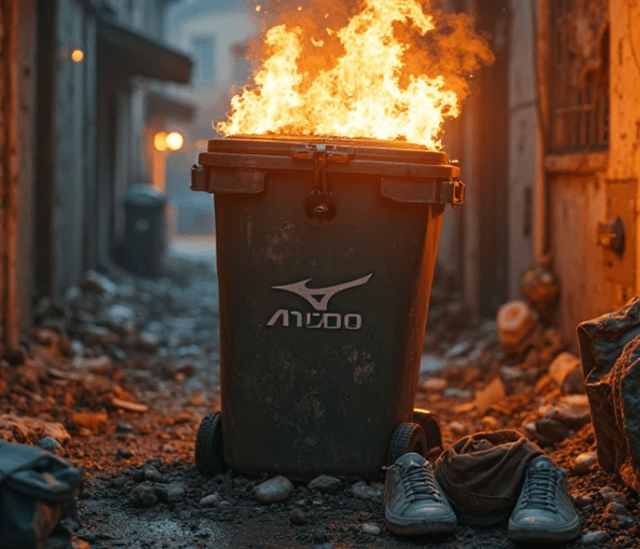
Survive Anything: The Lifespan of Your Emergency Kit and the Best Places to Keep It

When it comes to surviving the unexpected, there’s nothing more empowering than having a fully stocked emergency preparedness kit. Whether it’s a hurricane, an earthquake, a power outage, or even civil unrest, having the right supplies within reach can make the difference between a stressful inconvenience and a true life-or-death situation.

But as any seasoned prepper will tell you, it’s not just about having a kit—it’s about maintaining it, understanding its lifespan, and storing it in the right location. Today, we’re going to dive into how long emergency kits can last, what factors affect their longevity, and the best practices for storing them so they’re always ready when you need them.


Understanding the Lifespan of an Emergency Kit

First, let’s address the big question: how long can an emergency kit last? The answer isn’t straightforward, because it depends on what’s inside the kit, the storage conditions, and how often you rotate or check your supplies.

1. Food Supplies
Most preppers know that food is the cornerstone of any survival kit. However, food has a shelf life, and not all emergency foods are created equal.

  • Canned Goods: Most canned foods can last anywhere from 2 to 5 years if stored properly in a cool, dry place. However, the acidic nature of foods like tomatoes or citrus can shorten the lifespan to around 18 months to 2 years.
  • Freeze-Dried Meals: These are the gold standard for preppers because they can last anywhere from 25 to 30 years if stored correctly. They’re lightweight, nutritious, and easy to prepare with just water.
  • MREs (Meals Ready-to-Eat): Military-grade MREs can last about 5 years at room temperature, with longevity decreasing in higher temperatures.

2. Water and Hydration Supplies
Water is arguably the most critical component of any emergency kit. While tap water stored in sealed containers can last up to 6 months, commercially bottled water has a shelf life of 1 to 2 years. For long-term storage, consider water purification tablets or filters, which can last up to 10 years unopened.

3. Medical Supplies
First aid kits often contain bandages, antiseptics, medications, and other medical essentials. While bandages and gauze can last indefinitely if stored properly, medications and ointments have expiration dates ranging from 1 to 5 years. Always check these regularly and rotate them out as needed.

4. Tools and Gear
Flashlights, multi-tools, batteries, and other equipment may not “expire” in the traditional sense, but they can degrade over time. For instance, batteries may corrode or lose charge, and plastic components can become brittle if exposed to extreme temperatures. Store tools in a controlled environment and check them at least twice a year.


Factors That Affect Kit Longevity

Several external factors can influence how long your emergency kit lasts:

  • Temperature: Extreme heat can dramatically shorten the shelf life of food, medications, and batteries. Keep your kit in a cool, dry place.
  • Humidity: Moisture can cause canned goods to rust, mold to develop, or bandages to degrade.
  • Light Exposure: Sunlight can break down packaging, degrade medications, and dry out essential oils. Always keep your kit in a dark or opaque container.
  • Movement: Shaking or jostling can damage cans, glass containers, or delicate items like matches and electronics.

Understanding these factors helps you make informed decisions about where and how to store your kit for maximum longevity.


Where to Keep Your Emergency Kit

Knowing how long your kit can last is only half the battle—the other half is knowing where to store it. The ideal storage location is one that balances accessibility with protection from environmental threats.

1. Home Storage
For most people, keeping a kit at home is the first priority. Consider these options:

  • Basement: Often the most temperature-stable area of a house, a basement can protect supplies from heat and light. However, ensure it’s dry to avoid mold or rust.
  • Closet: A dedicated closet or pantry can work well if it’s away from heat sources like ovens, heaters, or direct sunlight.
  • Under Bed or Furniture: Some preppers like to keep a compact kit under the bed or in a storage ottoman for quick access during emergencies.

2. Car Storage
A smaller, portable emergency kit in your car can be a lifesaver during road accidents, breakdowns, or natural disasters while away from home. Keep a kit in your trunk or glove compartment—but remember, cars can experience extreme temperatures, so check supplies regularly.

3. Workplace Storage
For people who spend long hours at work, having an emergency kit at your office or workspace can be crucial. Opt for a compact kit with essentials like food, water, first aid, and a flashlight.

4. Bug-Out Locations
If you maintain a secondary shelter, cabin, or safe house, keep a kit there as well. Store long-lasting supplies in airtight containers and in areas protected from moisture and rodents.


Tips for Maintaining Your Emergency Kit

Even the best kit won’t do you much good if it’s expired or broken when disaster strikes. Here are some essential maintenance tips:

  1. Label Everything: Clearly label containers with the purchase or expiration date.
  2. Rotate Supplies: Use older items for everyday use and replace them with fresh stock.
  3. Inspect Regularly: At least twice a year, check for leaks, rust, mold, or broken items.
  4. Keep a Checklist: Maintain a written or digital inventory to track what’s inside and when items need to be replaced.
  5. Temperature Control: If possible, store your kit in a climate-controlled area to extend shelf life.
  6. Educate Household Members: Everyone should know where the kit is and how to use it. Knowledge is as critical as the supplies themselves.

The Psychological Edge of Preparedness

One of the most overlooked benefits of having an emergency kit is the peace of mind it brings. Knowing that you have food, water, medical supplies, and essential tools at your fingertips reduces panic, helps you make rational decisions, and increases your overall resilience during any disaster.

Preparedness isn’t just about surviving—it’s about thriving when chaos strikes. A well-maintained kit gives you the confidence to act decisively, whether it’s evacuating your home during a hurricane or sheltering in place during a prolonged blackout.


Conclusion: Survival Starts With Preparedness

An emergency kit isn’t just a collection of items—it’s a lifeline. By understanding how long each component lasts and storing it in the right location, you’re ensuring that your kit will be effective when you need it most.

From canned foods and freeze-dried meals to water, first aid supplies, and tools, each item has its role in helping you survive disasters—both natural and man-made. Regular maintenance, strategic storage, and periodic rotation are key to keeping your kit reliable.

Remember, survival isn’t just about stockpiling supplies; it’s about foresight, knowledge, and the peace of mind that comes from knowing you’re prepared for whatever life throws your way.

So, take action today: check your kit, refresh your supplies, and secure it in a place that maximizes both longevity and accessibility. Your future self will thank you when disaster strikes.


California is Killing You: The Top 10 Non-Health Hazards You’re Ignoring

Wake up, California. You might think your biggest threats are the latest flu strain or a heart attack, but that’s only half the story. The truth is far grimmer. Life in the Golden State isn’t just expensive; it’s a constant hazard zone. If you’re walking around thinking the state’s only threat is invisible bacteria or the occasional bad fast food, think again. This article isn’t here to sugarcoat reality—this is your wake-up call.

I’ve lived through enough disasters, near-misses, and face-to-face encounters with the chaos of California life to know one thing: your survival isn’t guaranteed. The state is a beautiful trap filled with lethal risks, many of which have nothing to do with health. Here are the top 10 non-health-related reasons why people in California die, and why ignoring them is basically a death sentence.


1. Car Accidents – The Rolling Killers

You don’t need a virus to die in California; you need only step into your car—or the car of someone else. With congested highways, aggressive drivers, and one-too-many distracted texters behind the wheel, car accidents are rampant. Los Angeles, San Francisco, and even smaller towns see thousands of fatal crashes every year. High-speed collisions, drunk drivers, and motorcycles weaving through traffic are just waiting for you to make one wrong move. And let’s be honest: traffic laws exist more as suggestions than as enforceable rules.

If you think you can “just be careful,” think again. The odds are not in your favor. California drivers are famously impatient, and the infrastructure is stressed to the max. One moment you’re minding your own business, the next—boom.


2. Wildfires – Nature’s Inferno

California’s wildfires are legendary, but most people still underestimate them. These aren’t small backyard blazes—they’re monstrous infernos that can consume entire neighborhoods in hours. Houses, cars, pets, and yes, people, vanish in the flames.

Evacuation is chaotic, emergency services are stretched thin, and wind patterns can change in an instant. You could literally be trapped in your own home as fire storms sweep down hillsides. If you think your insurance or city alerts will save you, you’re already thinking like a sheep waiting for slaughter.


3. Earthquakes – The Ground Betrays You

California sits on a network of faults that are just waiting for the next big quake. And let me tell you, “big” isn’t an exaggeration. Buildings crumble, roads crack open, and bridges collapse without warning. Earthquakes don’t discriminate—wealthy neighborhoods and sleepy towns alike can be reduced to rubble in seconds.

Don’t fool yourself into thinking your modern apartment is safe. Structural engineering only delays death; it doesn’t prevent it when the earth decides it’s time.


4. Extreme Heat & Environmental Exposure

You might scoff at the idea that weather can kill you in a state known for its beaches and sunshine, but California’s heat waves are no joke. Temperatures can soar past 110°F in the Central Valley and inland deserts. Heatstroke, dehydration, and exposure kill people every year—often those foolish enough to think they can beat the sun by ignoring it.

And let’s not forget that climate change is making these extremes more frequent and intense. This isn’t just discomfort; it’s deadly.


5. Crime – Humans as Predators

People often overlook the fact that humans are often the deadliest threat. California has areas plagued by violent crime, from urban centers to seemingly quiet suburbs. Shootings, muggings, and home invasions are a daily hazard for the unprepared.

Gang violence isn’t confined to the movies—it’s a very real danger in some neighborhoods. And even if you live somewhere “safe,” opportunistic crimes happen everywhere. Trust no one too easily.


6. Traffic & Pedestrian Accidents

It’s not just car-on-car collisions. Pedestrians, cyclists, and scooters face a deadly gauntlet. Drivers are distracted, reckless, or downright hostile. Every crosswalk could be your last if you don’t maintain a paranoid level of vigilance.

Sidewalks and bike lanes aren’t sanctuaries—they’re just another layer of danger in a state obsessed with speed and convenience over safety.


7. Industrial & Workplace Hazards

From oil refineries in Southern California to tech warehouses in the Bay Area, workplace accidents kill hundreds every year. Machinery malfunctions, chemical exposures, and human error combine to create a daily lottery where survival is not guaranteed.

And don’t expect a lawsuit to save you. By the time lawyers get involved, it’s too late. The system is slow, inefficient, and indifferent to human life.


8. Homelessness and Exposure to Violence

California has a massive homeless population, many of whom live in conditions that guarantee premature death. Violence, exposure, and malnutrition aren’t just statistics—they are daily realities for thousands.

Even for those not homeless, the ripple effects can touch you. Encampments and urban decay lead to crime spikes and unsafe public spaces, turning what should be routine errands into potential hazards.


9. Fires (Other than Wildfires) – Urban Arson & Accidents

People think of fire as only a forest problem, but urban fires are just as deadly. Faulty wiring, careless smoking, and arson claim lives every year. In densely populated areas, a small spark can become a deadly inferno before firefighters even arrive.

And don’t fool yourself into thinking “it won’t happen to me.” Disasters rarely pick their victims—they just find someone vulnerable.


10. Infrastructure Failures – When the State Betrays You

Bridges collapse, levees break, and dams fail. California has a long list of infrastructure weak points. Aging structures, deferred maintenance, and overpopulation create the perfect storm for unexpected death.

A simple drive across a structurally compromised bridge, or living downstream from a poorly maintained dam, could be enough to kill you. And the government’s safety nets? Half the time they’re just bureaucratic mirages.


Final Thoughts – Wake Up Before It’s Too Late

If you’re still reading this, hopefully you’re feeling the chill of reality. California isn’t just a sunny paradise; it’s a deadly game of survival. And while health risks get headlines, these ten non-health hazards are just as lethal—often more so because people refuse to prepare for them.

Survival in California demands awareness, preparation, and a ruthless understanding of your environment. Traffic, fires, earthquakes, crime, heat—these aren’t abstract possibilities. They’re imminent threats that could strike today, tomorrow, or next week.

If you want to stay alive, stop pretending the world is safe. Stock supplies, learn situational awareness, and never underestimate the lethal combination of human error and environmental chaos. Your survival isn’t guaranteed—but with preparation, it’s possible.

Ignore this warning, and California will show you the meaning of the phrase “golden state” in the harshest way possible.

California’s Top 10 Deadly Threats and How to Outsmart Them

California. The so-called “Golden State.” Sunshine, beaches, wine, and endless Instagram posts. But behind the glitzy veneer lies a brutal, life-threatening reality. If you think living here is safe, think again. The truth is, California is practically a death trap if you aren’t constantly on your toes. From nature’s fury to human negligence, there are threats lurking everywhere. If you want to survive, you better face the ugly truth. I’ve compiled the Top 10 Most Dangerous Things in California That Can Easily End Your Life—and What You Can Do to Survive Them. Strap in, because I’m not sugarcoating anything.


1. Wildfires: Nature’s Merciless Inferno

California’s wildfires are legendary, but not in a good way. Each year, thousands of acres are reduced to ash, and countless people lose their homes—or worse, their lives. Fire doesn’t discriminate. It will burn you alive if you’re not paying attention.

Survival Strategy: Know evacuation routes like the back of your hand. Have a “grab-and-go” bag ready with essentials: water, non-perishable food, important documents, and first aid. Most importantly, stay informed via emergency alerts—waiting until you see flames is already too late.


2. Earthquakes: The Ground Is Out to Get You

The San Andreas Fault isn’t a joke. California is one massive shaking trap, and a big quake can happen at any second. Buildings collapse, roads split open, and utilities go offline. Do you really want to gamble your life on luck?

Survival Strategy: Secure heavy furniture and appliances. Create a family earthquake plan, including safe spots in every room (under sturdy tables or against interior walls). Stock up on emergency supplies—water, food, first aid kits, and even a portable toilet. After all, earthquakes aren’t polite; they’ll ruin everything.


3. Heatwaves and Extreme Sun Exposure

California’s “perfect weather” often turns murderous. Inland valleys and desert areas can hit triple-digit temperatures that fry the human body. Heatstroke and dehydration don’t care if you’re trying to have a relaxing day—they’ll kill you quietly and quickly.

Survival Strategy: Hydrate like your life depends on it—because it does. Wear breathable, sun-protective clothing and avoid being outside during peak heat hours. Always carry water and electrolytes; your body isn’t invincible, no matter how much Instagram influencers pretend it is.


4. Wild Animals: Coyotes, Mountain Lions, and Snakes

Yes, California has the animals you read about in horror stories. Mountain lions, rattlesnakes, and even aggressive coyotes can end your life if you stumble into their territory. Don’t let the cuteness fool you; survival here is not about selfies with wildlife.

Survival Strategy: Stay alert when hiking or camping. Make noise to avoid surprising predators. Carry bear spray or a sturdy walking stick. Know how to identify dangerous animals and never underestimate their strength or speed.


5. Dangerous Ocean Currents and Rip Tides

California’s beaches are seductive, but many have deadly undertows. Every year, tourists and locals alike are dragged out to sea by rip currents, and few come back. The ocean doesn’t negotiate—it drags you down and drowns you, no questions asked.

Survival Strategy: Swim only at lifeguard-patrolled beaches. Learn to spot rip currents: they’re usually darker, choppier channels of water moving away from the shore. If caught, don’t fight the current; swim parallel to the shore until free, then make your way back slowly.


6. Car Accidents: The Silent Killer

California’s highways are a mess of reckless drivers, endless traffic, and unpredictable conditions. Each day, thousands of accidents happen, many fatal. It’s not just about speed; it’s distracted drivers, drunk drivers, and the sheer density of vehicles that make every road a death trap.

Survival Strategy: Drive defensively. Keep your distance, never text while driving, and always wear your seatbelt. Know emergency maneuvers, like how to regain control on slick roads. It’s basic, but most people ignore it—and that’s why they die.


7. Toxic Air and Pollution

Between wildfires, industrial zones, and smog-heavy cities like Los Angeles, California’s air isn’t just unpleasant—it’s deadly. Long-term exposure leads to lung disease, heart issues, and a diminished lifespan. Don’t be naïve: breathing can kill you here.

Survival Strategy: Monitor air quality reports. Keep N95 masks on hand for emergencies. Air purifiers at home can filter particulate matter. Avoid outdoor activity during bad air days—sacrificing convenience now can save your lungs, and your life.


8. Floods and Mudslides

After the fires, California becomes a soggy, sliding nightmare. Burn scars destabilize the soil, making mudslides an unpredictable killer during rains. Flash floods can occur in valleys and riverbeds, often without warning.

Survival Strategy: Never camp or build in known flood zones. Check weather alerts during the rainy season. Elevate your home and clear debris from drainage paths if possible. Awareness is your best weapon—ignorance will get you buried.


9. Burglaries, Assaults, and Urban Crime

Yes, nature kills, but humans are just as lethal. Certain neighborhoods in California are infamous for violent crime. It doesn’t matter how strong or smart you are; being unprepared makes you a target.

Survival Strategy: Invest in home security systems. Be vigilant in public spaces. Learn basic self-defense. Avoid risky areas after dark. And for the love of your future, never carry valuables openly. Criminals don’t care about your excuses.


10. Avalanche and Snow Hazards in the Sierra Nevada

People forget that California isn’t just beaches and deserts. Its mountains can be merciless. Avalanches, icy trails, and sudden snowstorms can trap or kill hikers and skiers. The cold isn’t forgiving, and neither are the slopes.

Survival Strategy: Check avalanche reports before heading into the mountains. Carry emergency blankets, shovels, and avalanche beacons. Never hike alone in snow-heavy areas. Respect the mountains—they don’t negotiate with arrogance.


Final Thoughts: Survive or Die

California is a beautiful place to look at, but it’s a slaughterhouse for anyone who doesn’t respect the threats. From fires to floods, predators to predators in human form, the Golden State is not a vacation—it’s a survival test. The question isn’t “will you survive?” It’s “will you prepare before it’s too late?”

Take every warning seriously. Don’t fool yourself with optimism. Arm yourself with knowledge, tools, and a survival mindset. Ignore this, and California will happily write your obituary. Remember: life isn’t fair, nature isn’t kind, and neither are the streets of California.

Survive, because nobody else is coming to save you.

Stay Safe in the Silver State: Prepper Tips for Nevada’s Natural Disasters

Surviving the Deserts and Earthquakes of Nevada: A Prepper’s Guide

Nevada, the Silver State, is well-known for its vast desert landscapes, glimmering casinos, and a lifestyle deeply rooted in independence. But beyond the glitzy lights and urban sprawl, residents are aware of the harsh realities of living in a state susceptible to a variety of natural disasters. As a prepper in Nevada, you’ve got to be ready for anything—from extreme heatwaves and wildfires to earthquakes and floods. In this guide, I’m going to walk you through how we prepare for Nevada’s worst natural disasters and offer 10 survival prepper tips that every Nevadan should know.

1. Understand the Nevada Landscape and Hazards

Nevada is a diverse state, but it’s known for its arid desert climate and rugged mountain terrain. The northern part of the state experiences extreme cold temperatures and heavy snow in the winter, while the southern part remains hot and dry year-round. Both extremes present unique survival challenges, especially during natural disasters. Residents in the north must prepare for snowstorms and freezing temperatures, while those in the south face the ever-present threat of wildfires and extreme heat.

CLICK HERE TO LEARN HOW TO SURVIVE A FAMINE

2. Wildfires: The Ever-Present Danger

Wildfires are a frequent and devastating threat in Nevada, particularly during the dry summer months. Wildfires can spread rapidly, consuming dry vegetation and quickly becoming uncontrollable. As a prepper, it’s vital to have a plan to evacuate if a wildfire is near. Prepare your home by creating defensible spaces around your property, clearing away dry vegetation, and investing in fire-resistant materials for your home.

Prepper Tip #1: Create an evacuation route and practice it with your family. Always have your go-bag ready, and be prepared to leave at a moment’s notice. Ensure that everyone knows where the emergency rendezvous point is.

3. Earthquakes: Nevada’s Hidden Danger

Nevada may not be as famous for earthquakes as California, but it’s a major player in the seismic zone. In fact, Nevada experiences more than 600 earthquakes each year, with some of them strong enough to cause significant damage. The west of the state is part of the Walker Lane Fault Zone, which is an active fault line. While most of these quakes are small, the potential for a large, damaging earthquake exists.

Prepper Tip #2: Secure your home by anchoring heavy furniture and shelving units to the wall. Store your emergency supplies in easy-to-reach places, and practice earthquake drills with your family.

4. Extreme Heat: Surviving Nevada’s Searing Summers

Summer temperatures in Nevada can easily exceed 100°F, especially in the southern part of the state. The desert climate makes it easy to become dehydrated, and prolonged exposure to the sun can result in heatstroke. Extreme heat can also lead to power outages and water shortages.

Prepper Tip #3: Invest in a good solar-powered air conditioning system or fans that can help you keep cool during power outages. Always keep a large water supply on hand—aim for at least a gallon per person per day for a week. Hydration is key.

5. Flash Flooding: A Surprising Hazard

While Nevada is mostly dry, flash floods can happen unexpectedly, especially during monsoon season. These floods can quickly transform dry riverbeds into raging torrents of water, sweeping away vehicles and homes in a matter of minutes. It’s crucial to know when flash flood warnings are issued and have a plan to get to higher ground if necessary.

Prepper Tip #4: Know the flood-prone areas in your area and avoid building or storing valuables in low-lying areas. If you live near a wash or riverbed, keep a set of waterproof clothing and emergency supplies ready to go.

6. Snowstorms and Winter Weather: Northern Nevada’s Challenge

Though much of Nevada is desert, northern regions like Reno and the surrounding areas can experience heavy snowfalls during the winter months. These snowstorms can lead to road closures, power outages, and the isolation of communities.

Prepper Tip #5: Keep a winter survival kit in your vehicle, including blankets, chains for your tires, extra food and water, and a flashlight. It’s also a good idea to have a backup generator for when the power goes out during a storm.

7. Droughts: A Long-Term Issue

Nevada is one of the driest states in the U.S., and droughts are an ongoing concern. With a reliance on the Colorado River for water, the state faces constant pressure from declining water levels. In prolonged drought conditions, water shortages become a critical issue.

Prepper Tip #6: Collect and store rainwater whenever possible. Having a rainwater harvesting system installed can provide a valuable backup water supply. Also, consider investing in a high-efficiency water filtration system for your home.

8. Tornadoes: A Rare but Real Threat

Though rare in Nevada, tornadoes can and do occur, primarily in the northern and central parts of the state. Tornadoes can come with little warning, and their destructive power can level entire structures. It’s vital to be prepared and understand what to do if one should strike.

Prepper Tip #7: Have a designated safe room or basement in your home that’s reinforced to withstand the wind and debris of a tornado. Keep it stocked with emergency supplies like first aid kits, water, and non-perishable food.

9. Pests and Rodents: An Unlikely Survival Threat

While not traditionally thought of as a disaster, Nevada’s desert environment can bring pests like scorpions, rattlesnakes, and rodents into close contact with humans. These animals can be dangerous and spread disease, especially if they’re driven to seek shelter due to natural disasters.

Prepper Tip #8: Seal up cracks and gaps in your home, especially in the foundation, to keep out pests. Always inspect outdoor gear and supplies before bringing them inside, and consider investing in pest-proof containers for food storage.

10. Power Outages: Be Ready for the Worst

The heat, wildfires, and snowstorms in Nevada can all contribute to power outages. Whether it’s a widespread blackout or a localized issue, losing electricity can be a serious survival challenge, especially if it’s during extreme weather.

Prepper Tip #9: Install a backup power system, like a generator, to keep essential appliances running. Solar-powered chargers for your phones and other devices can also be a lifesaver when the grid goes down.

11. Stay Informed: Knowledge is Key

Living in a state prone to natural disasters means staying informed. Nevada residents need to know when disasters are on the horizon and have access to reliable weather and emergency information sources.

Prepper Tip #10: Invest in a weather radio with battery backup, so you can receive up-to-date information during emergencies. Also, consider downloading emergency apps on your phone that will alert you to local disaster warnings.

Conclusion

Being a survival prepper in Nevada means more than just stacking up supplies—it’s about preparing for the unique natural disasters the state faces. Whether you’re braving the scorching summer heat, preparing for an earthquake, or evacuating from a wildfire, the key to survival is planning and preparation. With these 10 survival tips, you can be confident that you’re ready for whatever Nevada throws your way. Keep your head in the game, your supplies stocked, and your mind sharp. Survival in the Silver State isn’t just about luck—it’s about being prepared for anything.

Surviving Oregon: Essential Prepper Tips for the Worst Natural Disasters

Living in Oregon means you get to experience the breathtaking beauty of our mountains, forests, and coastline. But with those natural wonders come some serious challenges. From earthquakes that could shake the entire state to wildfires that sweep across vast areas, Oregon residents need to be prepared for the unexpected. Natural disasters are a reality here, and as a prepper, it’s crucial to know what to expect and how to stay alive when everything goes sideways. In this article, we’ll dive into how Oregonians can prepare for the state’s worst natural disasters.

Understanding Oregon’s Natural Disaster Risks

CLICK HERE TO LEARN HOW TO SURVIVE A FAMINE

Oregon is no stranger to natural disasters. The state’s unique geography and climate mean that we’re at risk for multiple types of catastrophic events. Here’s a breakdown of the most common disasters Oregonians face:

  1. Earthquakes: Oregon lies on the Cascadia Subduction Zone, a fault line that runs off the coast and could produce a major earthquake at any time. The Cascadia earthquake, expected to be a magnitude 9 or higher, could devastate much of the state, with significant infrastructure damage and widespread chaos.
  2. Wildfires: Oregon’s forests are a beauty to behold, but they are also highly susceptible to wildfires. These fires can start easily in the dry summer months and quickly spread across thousands of acres.
  3. Flooding: Heavy rains, especially in the winter months, can cause flooding in the Willamette Valley and along the coast. Floodwaters can wash out roads, damage homes, and create long-lasting issues for affected communities.
  4. Tsunamis: Living on the coast or in low-lying coastal areas means being at risk of a tsunami triggered by a major earthquake along the Cascadia fault.
  5. Severe Weather: While not as frequent, Oregon can experience extreme weather conditions, including ice storms, snowstorms, and windstorms. The mountainous regions often see heavy snowfall, and the coastal areas can be hit by intense wind events.

For those of us living here, preparing for the worst is not just an option—it’s a necessity.

How to Prepare for Oregon’s Worst Natural Disasters: A Prepper’s Guide

Now that we understand the types of natural disasters Oregon faces, it’s time to talk about how to prepare for them. Here’s a prepper’s guide to surviving these emergencies:

1. Build a Comprehensive Emergency Kit

Every prepper needs an emergency kit, and it should be tailored to the specific needs of your region. For Oregon residents, this means being prepared for both earthquakes and wildfires. Your kit should include water, non-perishable food, a first aid kit, a flashlight, a radio, batteries, and essential medications. Don’t forget to include clothing suited for all weather conditions, such as rain gear, warm clothing, and sturdy boots.

Prepper Tip: Include a fire extinguisher in your kit to address wildfires that may break out near your home.

2. Plan Your Evacuation Routes

In the event of an earthquake or wildfire, evacuation could be a matter of life and death. Make sure to identify multiple evacuation routes from your home, especially if you live in a high-risk area. Know where your nearest emergency shelters are located, and practice evacuation drills with your family.

Prepper Tip: If you live in a coastal area, know your tsunami evacuation route and where high ground is.

3. Seismic Safety for Earthquakes

Oregon is prone to earthquakes, and the Cascadia Subduction Zone could produce a massive quake at any time. To prepare, secure heavy furniture and objects that could fall during a tremor. Reinforce doors, windows, and walls to withstand shaking. Make sure your home’s foundation is secure, and if you’re in a high-risk area, consider retrofitting your home for earthquake resistance.

Prepper Tip: Keep a hardhat and protective gloves in your emergency kit in case you need to navigate debris after an earthquake.

4. Create a Wildfire Defense Plan

Wildfires are a constant threat in Oregon, especially during the hot summer months. To defend your property, clear away any dead vegetation, leaves, or dry brush from around your home. Trim back trees and shrubs that could catch fire. Additionally, keep your lawn well-watered and ensure that you have access to water sources for firefighting.

Prepper Tip: Install fire-resistant roofing and siding, and always keep a hose, shovels, and fire tools handy during fire season.

5. Flood Preparedness for the Willamette Valley

The Willamette Valley is particularly susceptible to flooding, so it’s essential to have a plan in place for when waters rise. Elevate important items in your home above potential flood levels. Stockpile sandbags, and make sure your sump pump is working properly. If you live in a floodplain, consider flood insurance to protect your property.

Prepper Tip: Avoid driving through floodwaters, and have a boat or raft on standby in case of an emergency.

6. Tsunami Preparedness for Coastal Areas

If you live near the Oregon coast, tsunami preparedness is crucial. Make sure you have an evacuation plan that leads you to high ground away from the shore. Tsunamis can strike minutes after an earthquake, so it’s essential to act quickly. Always have a battery-powered weather radio to get updates on potential tsunami warnings.

Prepper Tip: Educate your family about tsunami evacuation zones and practice evacuation drills regularly.

7. Stockpile Emergency Food and Water

In the aftermath of a disaster, supplies can run out quickly. For that reason, it’s important to store at least a 72-hour supply of emergency food and water. Focus on high-calorie, non-perishable foods like freeze-dried meals, canned goods, and protein bars. Be sure to rotate your stock every six months to ensure freshness.

Prepper Tip: Keep a portable water filtration system in your kit to purify any local water sources if necessary.

8. Secure Communications

During a disaster, cell networks may go down, so it’s essential to have alternate methods of communication. Invest in two-way radios, a satellite phone, or a ham radio. Make sure everyone in your family knows how to use these devices and has a way to communicate if phone lines are down.

Prepper Tip: Have a paper copy of important phone numbers and contact information, as digital devices may not work in all situations.

9. Practice Self-Sufficiency Skills

Living in Oregon means having the skills to survive when the grid goes down. Learn how to hunt, fish, forage, and grow your own food. Understand basic first aid, fire-starting techniques, and how to purify water.

Prepper Tip: Invest in a good set of tools for gardening, hunting, and emergency repairs.

10. Keep Your Gas Tank Full

Oregon’s remote areas can become isolated during natural disasters, so always keep your vehicle’s gas tank at least half full. This ensures you’ll have enough fuel to evacuate if needed and can power your vehicle’s generator for emergencies.

Prepper Tip: Keep a spare fuel container on hand in case you need extra gas.

Conclusion: Prepare for the Worst, Hope for the Best

Living in Oregon means living with the constant possibility of natural disasters. As a prepper, it’s essential to stay vigilant and be prepared for whatever comes your way. By following these tips, you can ensure that you and your loved ones are ready to handle everything from earthquakes to wildfires to tsunamis. It’s not just about surviving; it’s about thriving in the face of disaster. Stay safe, stay prepared, and trust that your efforts will pay off when disaster strikes.


Incorporating these survival tips will give you the peace of mind knowing that, no matter what Oregon throws at you, you’ll be ready to weather the storm—literally.

Disaster-Proofing Your Home in New Mexico: Essential Survival Tips for New Mexico’s Worst Natural Disasters

How New Mexico Residents Prepare for the State’s Worst Natural Disasters

Living in New Mexico comes with its own unique set of challenges when it comes to preparing for natural disasters. Whether it’s the threat of wildfires, flash floods, earthquakes, or the occasional dust storm, residents of the Land of Enchantment need to stay vigilant and well-prepared. Unlike other regions, New Mexico’s geography and climate throw a curveball at survival preppers who need to plan for a variety of potential disasters. Here’s how we get ready for the worst, and some of the steps that you should take to ensure your family’s safety when things go south.

Understanding the Risks of New Mexico’s Natural Disasters

CLICK HERE TO LEARN HOW TO SURVIVE A FAMINE

The first step in preparing for any natural disaster is understanding the risks. In New Mexico, the risk varies by region, but there are several types of disasters we all need to think about:

  1. Wildfires: With hot, dry summers, New Mexico is no stranger to wildfires. The danger is particularly high in the spring and early summer when the state’s vegetation is dry. Areas near forests or grasslands are more vulnerable.
  2. Flash Floods: While the state is known for its deserts, it also experiences brief but intense rainstorms that can quickly turn dry washes and arroyos into raging rivers. These floods can be especially dangerous in the mountainous regions and along areas where flash floods are common.
  3. Earthquakes: The southwest is earthquake-prone, and New Mexico is no exception. Though the state doesn’t experience large, devastating quakes like California, the risk of a moderate earthquake is still present, especially in the northern regions.
  4. Severe Windstorms and Dust Storms: New Mexico’s flat desert landscape makes it susceptible to intense windstorms, particularly in the spring and fall. Dust storms, also called “haboobs,” can reduce visibility to near zero and cause dangerous driving conditions.
  5. Extreme Heat: New Mexico experiences some of the hottest temperatures in the country, especially in the summer. Extreme heat can be just as deadly as a fire or flood if you’re not prepared.

With these risks in mind, New Mexico residents need to have a comprehensive plan to deal with these natural disasters. But what exactly do we do to stay safe?

Prepping for Wildfires:

In New Mexico, wildfire season can start early in the year, sometimes as early as March. If you live in or near wooded areas, you need to take wildfire preparedness seriously.

  1. Defensible Space: Creating defensible space around your home is crucial. This means clearing brush, trees, and dead plants from a 30-foot perimeter. Prune trees and bushes to prevent fire from spreading to your home.
  2. Fire-Resistant Materials: If you’re building or remodeling, consider fire-resistant materials for your home, such as metal roofing, stucco siding, and tempered glass windows. These materials can help prevent your house from igniting in the event of a wildfire.
  3. Emergency Bag: Keep a go-bag ready with essentials like water, food, first aid supplies, and fire-resistant clothing. Don’t forget your important documents and identification in a waterproof bag.

Preparing for Flash Floods:

Flash floods in New Mexico can come out of nowhere. With the steep, rugged terrain, rain can turn dry arroyos into deadly torrents, so it’s important to know what to do if you find yourself in one of these situations.

  1. Know Your Flood Zone: Research the area where you live and understand whether you’re in a floodplain. Even if you’re not in a flood zone, flash floods can still happen unexpectedly.
  2. Flash Flood Kit: A kit designed specifically for flash flood situations should include waterproof bags, a hand-cranked flashlight, extra batteries, a portable radio, and non-perishable food and water. Having a solid plan to leave your home before a flood hits can save your life.
  3. Elevation Awareness: If you’re in an area prone to floods, know where the high ground is. In the event of heavy rainfall, you may need to move to higher ground quickly.

Dealing with Earthquakes:

While New Mexico isn’t as seismically active as places like California, earthquakes still pose a risk. If you live in the northern part of the state, you may be closer to fault lines that are capable of triggering tremors.

  1. Earthquake-Proof Your Home: Use anchor bolts to secure large furniture to walls, and install latches on cabinets to prevent items from falling. You’ll want to be able to secure your home and protect your family as much as possible.
  2. Have a Shake-Ready Kit: Pack an earthquake survival kit with essentials like bottled water, first aid supplies, a flashlight, and sturdy shoes (since the ground may be unstable).
  3. Create an Emergency Plan: Make sure your family knows where to meet and how to get in touch if the phone lines are down. In the case of an earthquake, it’s essential to know where the safest spaces in your home are—under a sturdy table or against an interior wall, away from windows.

Surviving Dust Storms:

Dust storms, or haboobs, are a common occurrence in New Mexico, especially in the spring. These storms can whip up dust and sand at speeds of over 60 miles per hour, reducing visibility and making it hard to breathe.

  1. Stay Indoors: The best thing you can do during a dust storm is to stay indoors. Seal windows and doors tightly to prevent dust from entering your home. Keep the air conditioning on, but make sure the air intake is closed.
  2. Have a Dust Mask: If you must go outside, wearing a dust mask can help protect your respiratory system from the harmful particles in the air. Have extra masks on hand for emergencies.

Additional Survival Prepper Tips for New Mexico:

  1. Stay Hydrated in the Heat: New Mexico’s high summer temperatures can lead to dehydration quickly. Make sure you and your family are drinking plenty of water, especially during outdoor activities.
  2. Solar Power Systems: In remote areas, power outages are common, so having a solar power system or backup generator can keep your lights on and your communication devices working.
  3. Fire Extinguishers: Keep multiple fire extinguishers in easily accessible areas around your home, especially near the kitchen, garage, and areas with lots of flammable materials.
  4. Shelter in Place Supplies: If a major storm or disaster prevents you from leaving home, ensure your shelter-in-place supplies are well-stocked. This includes food, water, a battery-powered radio, and a first-aid kit.
  5. Know Your Community Emergency Plan: Understand how local authorities and emergency services respond to disasters in your area. Have contact information for shelters, road closures, and emergency response teams.

Conclusion

Living in New Mexico means facing a variety of natural disasters. But by preparing your home, having the right gear, and understanding the unique risks of the state, you can protect yourself and your loved ones. Whether it’s preparing for wildfires, floods, or dust storms, a survival prepper’s mindset and proactive actions are the keys to surviving when disaster strikes.

Surviving West Virginia’s Natural Disasters: A Prepper’s Reality Check

Living in West Virginia means living with an ever-present connection to the wild, rugged land. It’s beautiful, but the unpredictable nature of the region’s weather and terrain requires that you be prepared for everything from flash floods and wildfires to severe storms and even the occasional earthquake. Whether you’re living off the grid or in a small town nestled in the Appalachian Mountains, the reality is that disasters can hit at any moment, and being prepared could mean the difference between life and death.

CLICK HERE TO LEARN HOW TO SURVIVE A FAMINE

West Virginia residents know firsthand the importance of survival preparedness. The state’s unpredictable weather patterns and challenging geography can quickly turn a calm day into a battle for survival. As a prepper, I’ve learned how vital it is to be prepared for natural disasters that can strike without warning. And since we’re talking about the Mountain State, the risks are unique: flooding from sudden rainstorms, powerful winds from tornadoes, or even forest fires in some areas. It’s no secret that West Virginia can be a beautiful and dangerous place to live, which is why I’ve taken survival preparedness seriously.

1. Understanding the Common Natural Disasters in West Virginia

Before diving into how you can prep, let’s talk about the disasters that most commonly hit West Virginia. Understanding what you’re up against is step one in any prepper’s strategy.

  • Flooding: The mountainous terrain and frequent thunderstorms make flooding a serious risk, especially during spring and fall.
  • Severe Storms: West Virginia gets its fair share of thunderstorms, which often bring heavy rains, high winds, and even tornadoes.
  • Winter Weather: Snowstorms, ice storms, and freezing temperatures are common in the winter months, creating hazardous conditions on the roads and in homes without power.
  • Wildfires: While less common than in places like California, wildfires do occur, particularly in areas with dry summers and dense forests.
  • Earthquakes: Earthquakes are less frequent but still a concern in certain parts of the state, particularly the northern region.

2. 10 Survival Prepper Tips for West Virginia Residents

As a prepper in West Virginia, I’ve put together the following tips to help you navigate the state’s unique natural disasters. These aren’t just “nice-to-haves” — they’re essentials that could save your life when the situation gets dire.

1. Build a Bug-Out Bag for Every Member of Your Family

You never know when you’ll need to leave your home quickly. Whether it’s a flash flood or a wildfire spreading rapidly, a bug-out bag is your first line of defense. Pack essentials like water, non-perishable food, a first-aid kit, a flashlight, extra clothing, and a multi-tool. Make sure every family member has one, and don’t forget about your pets!

2. Install a Reliable Water Filtration System

Access to clean water may be cut off in the event of a natural disaster, especially during a flood or severe storm. Having a portable water filter or a filtration system installed at home is crucial. You don’t want to risk drinking contaminated water when your life could depend on staying hydrated.

3. Know the Flash Flood Zones

Flash floods are one of the most dangerous risks in West Virginia, especially after heavy rainstorms. Know the flood zones in your area and plan accordingly. If you live in a flood-prone area, elevate your critical supplies and home systems to prevent water damage.

4. Secure a Heat Source for Winter

Winters in West Virginia can get downright brutal. Losing power during a snowstorm or ice storm can leave you in the cold fast. Keep a backup heat source, such as a wood stove or kerosene heater, and stockpile firewood or fuel. I’ve seen too many people caught in the cold because they weren’t ready.

5. Reinforce Your Home Against Severe Winds

Severe storms and tornadoes can tear through parts of West Virginia. To protect your home, reinforce doors and windows, especially if you’re in an area that is prone to high winds. Consider installing storm shutters or buying a safe room kit to safeguard your family during high winds.

6. Stock Up on Non-Perishable Food

When disaster strikes, grocery store shelves can be emptied within hours. Make sure you’ve got at least a two-week supply of non-perishable food items, including canned goods, freeze-dried meals, and dried beans. You’ll also want a manual can opener — don’t rely on electricity for this.

7. Learn Basic First Aid and CPR

In a disaster, help might not come immediately, especially in remote parts of West Virginia. That’s why you need to know how to treat injuries, administer CPR, and handle medical emergencies. I recommend taking a first-aid and CPR course, and always keeping a well-stocked first-aid kit with you.

8. Know How to Navigate Without GPS

When a disaster strikes, cell phone towers might go down, making GPS useless. Learn how to read a map and use a compass. In rural areas, especially those deep in the mountains, this could be the key to getting out alive when roads are blocked or destroyed.

9. Prepare for Extended Power Outages

In the winter, heavy snow and ice can knock out power lines. During summer storms, it’s the high winds that often take down power. Keep a generator on hand, along with fuel, to keep your home running in case the power goes out. Don’t forget extra batteries for your devices, too!

10. Have an Emergency Communication Plan

If you and your family get separated during a disaster, you need a way to get back in touch. Have a communication plan in place. Designate meeting spots, and make sure everyone knows how to reach one another if cell towers go down. Invest in a two-way radio for backup communication.

3. Additional Considerations for Prepping in West Virginia

While the above tips will help with common natural disasters, West Virginia’s unique geography and weather patterns also present additional challenges. As a prepper, it’s vital to stay vigilant and adjust your plans accordingly.

  • High Altitude Survival: If you’re living in the mountains, the altitude and rugged terrain can pose additional dangers in a disaster. Make sure you’re physically prepared for hiking long distances or evacuating with a heavy load.
  • Wildlife Safety: In the forests, encounters with wildlife, especially black bears or coyotes, are a concern. Keep your food stored safely and have a bear spray or firearm ready if necessary.
  • Keep Local Emergency Contacts Handy: Know who to call in your area, whether it’s a local sheriff or emergency services. Establish relationships with neighbors, too. When disaster strikes, neighbors can be your first line of help.

4. Conclusion: Prep for the Worst, Hope for the Best

In West Virginia, natural disasters are a reality, but being prepared can make all the difference. As preppers, we don’t live in fear, but in readiness. We respect the wild beauty of this state and prepare for its unpredictability. Whether it’s a flash flood, a snowstorm, or a wildfire, having a plan and the right tools can keep you safe through whatever nature throws our way. So, gear up, stay smart, and keep your family safe. After all, survival isn’t just about enduring; it’s about thriving in the face of adversity.

Prepper’s Playbook for Surviving Kansas Disasters: Essential Tips and Tricks

As a Kansas prepper, I’m sure you’re familiar with the relentless forces of nature that can strike this state at any moment. Kansas is a land of extremes — from scorching heatwaves and blizzards to flooding rains and tornadoes. The unpredictable weather and frequent severe storms make it a necessity for every Kansan to be ready for anything. In this guide, I’ll dive into how residents of Kansas prepare for the worst natural disasters and provide you with practical tips to survive and thrive when Mother Nature decides to wreak havoc.

Tornadoes: The Kansas Menace

Tornadoes are the most feared and frequent natural disaster in Kansas. In fact, Kansas is part of what is often referred to as “Tornado Alley,” where conditions are ripe for violent storms that can produce deadly twisters. When it comes to tornado preparedness, knowing what to do and being equipped can mean the difference between life and death.

Tornado Prep Tips:

  1. Have a Plan: Every family member needs to know exactly what to do in the event of a tornado. This includes where to take shelter (a basement or interior room on the lowest level of the house, away from windows), what to take with you (such as a flashlight, portable radio, and a first-aid kit), and how to communicate during a disaster.
  2. Storm Shelter or Safe Room: If possible, invest in a storm shelter or create a designated safe room within your home. A small, windowless room in the center of your house can serve as a refuge from flying debris.
  3. Weather Radio: Keep a battery-operated weather radio on hand to stay updated on tornado warnings. Many radios have a NOAA weather band that broadcasts continuous weather alerts and emergency information.
  4. Know the Signs: Familiarize yourself with the signs of a tornado — dark, greenish skies, large, low-hanging clouds, and a loud, continuous roar. If you spot these signs, take immediate shelter.
  5. Emergency Kit: Always have an emergency kit ready with essentials such as water, non-perishable food, a first-aid kit, flashlight, batteries, and medications. If you have pets, include supplies for them as well.

Flooding: The Silent Danger

While tornadoes may steal the spotlight, floods are also a major threat to Kansas residents, particularly in low-lying areas and places near rivers. Heavy rain from thunderstorms, snowmelt, or even spring rains can cause flash floods that come on suddenly and with little warning.

Flood Prep Tips:

  1. Know Your Flood Zone: If you live near a river, creek, or in a low-lying area, you may be in a flood zone. Check FEMA flood maps to see your flood risk and take the necessary steps to protect your property.
  2. Elevation Matters: Elevate critical items like electrical systems, HVAC units, and appliances above potential flood levels. If you live in a flood-prone area, consider installing sump pumps and barriers to help prevent water from entering your home.
  3. Emergency Alerts: Set up FEMA and local weather alerts on your phone to receive warnings about flash floods or rising water.
  4. Evacuation Plan: If you live in a flood zone, have an evacuation plan that includes multiple routes to higher ground. Know where the nearest shelters are located and have a “go-bag” ready with essential supplies.
  5. Stay Away from Water: Never attempt to drive through floodwaters. The force of the current is often stronger than it appears, and it can sweep you away in seconds.

Winter Storms: Frozen Fury

Kansas winters can be brutal, with snowstorms, freezing rain, and bone-chilling temperatures. Winter weather can create hazardous driving conditions, power outages, and increase the risk of hypothermia.

Winter Storm Prep Tips:

  1. Stockpile Essentials: During winter months, ensure you have enough food, water, and heating fuel to last for at least three days. Keep extra blankets, warm clothing, and gloves on hand.
  2. Vehicle Preparedness: Keep your car winter-ready by having snow tires, jumper cables, extra blankets, and a first-aid kit in your vehicle. Also, check the battery, tires, and antifreeze levels regularly.
  3. Generator: If power outages are common in your area, invest in a backup generator to keep essential appliances running. Make sure to have extra fuel on hand and keep the generator outdoors to avoid carbon monoxide poisoning.
  4. Winterize Your Home: Insulate your pipes and check your heating systems before the cold sets in. Make sure your roof is in good shape to handle heavy snow.
  5. Winter Survival Kit: Keep a winter survival kit in your car, including a shovel, ice scraper, blankets, non-perishable food, and a flashlight.

Extreme Heat: Kansas Sun’s Scorched Earth

Kansas summers can be unforgiving, with intense heat waves that can push temperatures into the triple digits. Extreme heat can lead to dehydration, heatstroke, and wildfires if left unchecked. Preparation is key to surviving the intense heat waves.

Heatwave Prep Tips:

CLICK HERE TO LEARN HOW TO SURVIVE A FAMINE

  1. Stay Hydrated: Always carry water with you and stay hydrated throughout the day, especially during extreme heat. Avoid alcohol and caffeine, which can dehydrate you.
  2. Cooling Centers: If your home doesn’t have air conditioning, know where the nearest cooling centers are located. Many public buildings and libraries offer free refuge during hot spells.
  3. Heat-Resistant Clothing: Dress in lightweight, light-colored clothing to help reflect the sun’s heat. A wide-brimmed hat and sunscreen are essential for protecting yourself from the sun.
  4. Limit Outdoor Activity: Avoid outdoor activities during the hottest part of the day (usually 10 a.m. to 4 p.m.). If you must go outside, take frequent breaks in the shade and drink plenty of water.
  5. Wildfire Prevention: Be mindful of fire risks during dry spells. Keep brush and trees around your property trimmed and clear. Create a defensible space by removing dead vegetation and keeping your lawn hydrated.

Earthquakes: The Unseen Threat

Though not as common in Kansas as other disasters, earthquakes are still a possibility, particularly along the Kansas-Oklahoma border. A major earthquake could cause significant damage, especially to infrastructure and buildings that aren’t built to withstand seismic activity.

Earthquake Prep Tips:

  1. Secure Heavy Objects: Anchor heavy furniture, appliances, and other items that could topple during an earthquake. Use safety straps and place heavier items on lower shelves.
  2. Emergency Kit: Make sure your emergency kit includes basic supplies like food, water, first-aid materials, and tools to shut off utilities like gas and water.
  3. Know How to Drop, Cover, and Hold On: Practice earthquake drills with your family. Drop to the ground, take cover under a sturdy piece of furniture, and hold on until the shaking stops.
  4. Check for Structural Safety: Ensure your home is properly secured to its foundation and that the building materials can withstand minor shaking.
  5. Have a Family Communication Plan: Earthquakes can disrupt power and phone lines. Make sure each family member knows how to reach others using alternative methods like text messaging or social media.

As a Kansas prepper, being prepared for the worst can make all the difference in surviving the state’s unpredictable natural disasters. From tornadoes to floods, winter storms to heatwaves, knowing what to do in each scenario — and having the right gear and plans in place — can save your life. Remember, it’s not about living in fear, but about being smart, vigilant, and ready for whatever comes our way.

Stay safe, stay prepared, and stay strong, Kansas!

Surviving Vermont’s Worst Disasters: Are You Prepared for the Worst?

This is How Vermont Residents Prepare for the State’s Worst Natural Disasters

Living in Vermont, we understand that the weather and natural environment can be unpredictable and harsh, especially when it comes to natural disasters. Being a prepper here means adapting to the unique challenges that our beautiful state offers. From snowstorms to floods, we know firsthand that being prepared can make all the difference when the worst happens.

Vermont’s natural disasters aren’t like the catastrophic hurricanes or earthquakes you might hear about in other parts of the country. Instead, they come in the form of things like heavy snow, intense flooding, ice storms, and even the occasional tornado. While we’re lucky enough to be far removed from some of the extreme weather patterns, we don’t take our safety lightly. We know that preparation isn’t just about stockpiling supplies; it’s about having the skills, knowledge, and mindset to thrive no matter what nature throws at us.

The Power of Preparation in Vermont

CLICK HERE TO LEARN HOW TO SURVIVE A FAMINE

Vermont’s weather is not for the faint-hearted. Winters can bring heavy snowfalls, freezing temperatures, and power outages that can last for days. In the summer, flooding from sudden rains can wreak havoc on homes, roads, and infrastructure. And then there’s the unpredictable threat of tornadoes, especially in the spring. As preppers, we don’t sit around waiting for a disaster to strike. We actively plan, prepare, and adapt to make sure we’re as self-sufficient as possible when the worst happens.

The Top Natural Disasters Vermonters Face

  1. Heavy Snowstorms and Blizzards
    Winters in Vermont are brutal, with snowstorms and blizzards often hitting the state hard. It’s not unusual for a storm to dump several feet of snow, and combined with subzero temperatures, these events can cause power outages, block roads, and make travel nearly impossible.
  2. Flooding from Spring Rains
    Vermont’s rivers and streams are subject to rapid rises in water levels during the spring thaw or after heavy rainfalls. This can lead to severe flooding, especially in areas near the Winooski and Otter Creek. Flooding can damage homes, businesses, and infrastructure, and the aftermath is often a long recovery process.
  3. Ice Storms
    Ice storms are another common issue. Freezing rain can coat everything, including trees and power lines, leading to widespread power outages. These storms can be just as dangerous as blizzards and often result in hazardous driving conditions and downed trees.
  4. Tornadoes
    While Vermont is not as tornado-prone as places like the Midwest, tornadoes do occur here, typically in the spring and early summer. They can cause sudden and violent destruction in their path, and while they are generally weaker than those in more tornado-prone areas, they can still be deadly.
  5. Wildfires
    While not as common as in western states, wildfires have become more of a concern in Vermont in recent years due to changing climate patterns. Dry conditions combined with gusty winds can create the perfect storm for fast-moving fires in forested areas, especially in the late summer and fall.

The Importance of Self-Reliance

Being a prepper in Vermont isn’t just about having a stash of supplies in your basement or garage. It’s about self-reliance, resourcefulness, and building a lifestyle that can withstand whatever nature throws your way. Here are ten essential tips that all Vermonters should consider when preparing for natural disasters:

1. Winterize Your Home and Vehicles

Snow and freezing temperatures are a given in Vermont. Ensure your home is well-insulated, with backup heating options such as a wood stove or propane heater. Keep your car stocked with essentials like blankets, extra gloves, and a shovel. Never rely on your car to keep you warm for long periods.

2. Stockpile Emergency Supplies

The importance of having a solid supply of food, water, and medical necessities cannot be overstated. In Vermont, snowstorms and power outages can keep us cut off from stores for days. Store at least 72 hours’ worth of supplies, including non-perishable food, bottled water, and any medications you may need.

3. Invest in a Generator

Vermont’s winter storms often result in power outages that can last for several days. A generator can be a game-changer, providing power for essentials like lighting, heating, and refrigeration. Ensure your generator is in good working order and that you have enough fuel to run it.

4. Create an Emergency Evacuation Plan

Flooding, wildfires, and even tornadoes can force you to evacuate. Know the safest routes out of your area and establish a communication plan with family and neighbors. Practice this plan regularly so that everyone knows what to do in case of an emergency.

5. Be Prepared for Ice Storms

Ice storms can create hazardous conditions very quickly. Keep your driveway and walkways clear of ice, and keep a supply of sand or salt handy for traction. In the event of a power outage, a battery-powered radio or a crank-powered device can keep you informed.

6. Prepare Your Land for Fires

Even if wildfires aren’t frequent in Vermont, they are a possibility, especially with the changing climate. Clear brush and dead trees from around your property, and make sure that you have a water source nearby in case of a fire emergency.

7. Stay Informed with Weather Alerts

Vermont’s weather can change quickly. Sign up for emergency weather alerts, whether through your phone or local news stations, so you’re always in the loop. A NOAA weather radio is also a great backup in case the power goes out.

8. Have a Bug-Out Bag Ready

A bug-out bag (BOB) should contain the basics for survival: food, water, clothing, first aid supplies, and tools. Make sure that every family member has one, and keep it easily accessible in case you need to leave in a hurry.

9. Understand Local Terrain and Risks

Vermont’s landscape can be both beautiful and dangerous. Understand your local risks, whether that’s flooding along a river, avalanche zones, or areas prone to wildfires. Knowing the terrain can help you make better decisions when it comes to evacuation and survival strategies.

10. Grow Your Own Food

If you have the space, growing your own food is a sustainable and rewarding practice. Vermont’s growing season may be short, but hardy crops like root vegetables and cold-weather crops can thrive here. A garden can help you stay self-sufficient, especially if grocery stores become inaccessible.

Community Preparedness: Helping Each Other

In Vermont, we’re a tight-knit community. Whether it’s lending a hand to a neighbor after a blizzard or checking in on elderly family members during an ice storm, we know the value of community in times of disaster. Keep in touch with your neighbors and family members and establish a support system. In emergencies, it’s not just about surviving on your own—it’s about surviving together.

Conclusion

While Vermont may not face the same level of natural disasters as other parts of the country, we’re still vulnerable to the forces of nature. As Vermonters, we understand the importance of preparation, self-reliance, and community. By following these tips and taking a proactive approach to disaster preparedness, we can ensure that we’re ready for whatever comes our way. When disaster strikes, it’s not about panicking; it’s about staying calm, staying prepared, and staying safe.

New York’s Survival Guide: How to Prepare for Nature’s Fury

The Ultimate Prepper’s Guide to Surviving New York’s Natural Disasters

CLICK HERE TO LEARN HOW TO SURVIVE A FAMINE

From freezing winters and heavy snowfalls to hurricanes, floods, and even the occasional earthquake, the state’s residents must stay vigilant. As a prepper, being prepared is not just about collecting gear; it’s about understanding the risks, planning ahead, and ensuring you can survive and thrive when the worst happens.

New York is a diverse state, with its geography ranging from the busy streets of New York City to the remote Adirondacks and the coastal shores of Long Island. Each of these regions faces unique natural disaster threats. Whether you’re in the city, upstate, or along the coast, being ready for natural disasters is crucial. Let’s break down the major risks and some prepper tips to keep you and your family safe.

The Top Natural Disasters in New York

  1. Blizzards and Snowstorms: The cold, harsh winters of New York are famous, and with that comes the risk of heavy snowstorms and blizzards. These can trap people indoors for days or even weeks and cause power outages that leave you without heat and electricity.
  2. Flooding: New York is prone to both river and coastal flooding. Areas like the Hudson Valley and parts of New York City are particularly vulnerable to spring floods, while Long Island is threatened by hurricanes that can bring massive storm surges.
  3. Hurricanes and Tropical Storms: The Atlantic hurricane season is a significant concern for New Yorkers, especially those in coastal and low-lying areas like Long Island and the boroughs of NYC. These storms can cause widespread damage through high winds, heavy rain, and storm surges.
  4. Earthquakes: While not as frequent as other disasters, earthquakes do pose a risk in parts of New York. The state has experienced small tremors in the past, and although large quakes are rare, it’s always wise to be prepared.
  5. Tornadoes: While not as common as in the Midwest, tornadoes have been known to strike New York, particularly in the western and central parts of the state. These storms can cause significant damage, and their sudden nature makes them a true threat to residents.

10 Essential Survival Tips for New York Preppers

Now, let’s talk about how you can prepare for these natural disasters. Prepping isn’t just about having the right supplies; it’s about understanding the risks and making sure you’re prepared for any emergency.

1. Winterize Your Home and Vehicle

When snowstorms hit New York, they can cause massive disruptions. Your first priority should be to winterize your home and vehicles. Make sure your pipes are insulated, your furnace is serviced, and you have a reliable backup heat source, such as a wood stove or propane heater. Stock up on snow removal equipment like shovels and salt, and make sure your car has snow tires, a full tank of gas, and emergency supplies, including blankets, food, and water.

2. Build a Comprehensive Emergency Kit

In New York, it’s not just snow and ice you need to worry about – flooding, hurricanes, and power outages are common as well. Build a survival kit that includes:

  • Non-perishable food (at least a three-day supply for each person)
  • Water (1 gallon per person per day for at least three days)
  • Flashlights, batteries, and solar chargers
  • First-aid kit and prescription medications
  • Extra clothing and blankets
  • Important documents (in a waterproof bag)
  • Multi-tool, fire starters, and emergency blankets

3. Prepare for Power Outages

Long winter storms and hurricanes often lead to extended power outages in New York. Investing in a generator can be a lifesaver, especially if you live in a rural area. Make sure your home has enough fuel to power the generator for at least 72 hours, and always follow safety guidelines when using it. If a generator isn’t feasible, battery-operated lights and a solar-powered battery charger can keep you functional.

4. Know Your Evacuation Routes

Whether you’re in a flood zone or a high-risk area for hurricanes, it’s crucial to have an evacuation plan in place. Research routes that avoid flood-prone areas or other hazards, and make sure everyone in your household knows how to get to safety. Also, keep a “go bag” packed with essentials like a change of clothes, money, and identification.

5. Flood-Proof Your Property

If you live in an area prone to flooding, elevate essential items like your furnace, water heater, and electrical appliances above potential flood levels. Sandbags can be used to help divert water away from your home. Be prepared to move quickly and have waterproof bags or containers to keep your most important belongings safe.

6. Stay Informed

When hurricanes, snowstorms, or earthquakes are on the horizon, knowledge is power. Stay connected by having a battery-powered radio or weather alert system. Make sure you have a plan for getting updates even if the power goes out. Local emergency services often provide real-time information on evacuation orders, road closures, and shelter locations.

7. Secure Your Home’s Structure

If a tornado is a concern in your area, secure your home by reinforcing the roof and windows with storm shutters or plywood. Have a safe room designated in your home that’s as small and central as possible. For blizzards, keep walkways clear and ensure your roof is free of snow accumulation to avoid collapse.

8. Stay Hydrated and Stock Water

Water is critical for survival. In case of a natural disaster, like a hurricane or snowstorm, water supplies may be contaminated or unavailable. Stock up on bottled water and ensure that you have a filtration system or purification tablets in case you need to source water from elsewhere.

9. Establish a Communication Plan

During a disaster, communication can become difficult. Have a plan in place for how your family will stay in touch. Designate an out-of-town contact person whom everyone can check in with. Ensure that your phones are charged, and consider investing in walkie-talkies for short-range communication.

10. Take Personal Safety Precautions

If an earthquake hits, drop, cover, and hold on. In a blizzard, dress in layers and avoid exposure to freezing temperatures for extended periods. For hurricane season, know the signs of storm surges and high winds, and don’t try to drive through floodwaters. Always err on the side of caution and keep a survival mindset.

Conclusion

New York’s unpredictable weather and natural disasters can strike at any time, and being prepared can mean the difference between life and death. As a prepper, it’s not just about hoarding supplies; it’s about understanding the potential risks and having a plan in place. The key to surviving New York’s worst natural disasters is knowledge, readiness, and a strong survival mentality.

By following these prepper tips, you’ll be more confident in your ability to handle whatever nature throws your way. Whether you’re facing a blizzard in the Adirondacks or a hurricane on Long Island, these strategies can help you survive and thrive through any disaster.