The Most Dangerous Insects in Nebraska That Every Prepper Must Know Before SHTF

A Survival Prepper’s Guide to Tiny Threats That Can End Lives When Society Fails

When most people think about survival threats in Nebraska, they imagine tornadoes ripping across farmland, brutal winter cold, or food shortages during societal collapse. Those are real dangers. But as a survival prepper who has spent decades studying what actually kills people when infrastructure fails, I can tell you this with absolute certainty:

Insects will become one of the most underestimated killers during SHTF.

When hospitals are closed, pharmacies are empty, and emergency services are overwhelmed or gone entirely, something as small as a bite, sting, or parasite can spiral into infection, permanent injury, or death.

Nebraska may not have jungles or deserts, but it does have insects capable of killing, disabling, infecting, and weakening survivors, especially children, the elderly, and the unprepared.

This article is not written to scare you.
It is written to wake you up.

If you live in Nebraska—or plan to bug out through it—you need to understand which insects pose the greatest risk, why they are dangerous, and how to prepare for them when modern medicine is no longer an option.


Why Insects Become More Dangerous During SHTF

In normal times, insect encounters are inconveniences. In collapse scenarios, they become force multipliers of death.

Here’s why:

  • No access to antibiotics
  • No emergency epinephrine for allergic reactions
  • Limited wound care
  • Increased exposure due to outdoor living
  • Breakdown of sanitation
  • Weakened immune systems from stress and malnutrition

Insects don’t need to hunt you. They don’t need intent.
They only need opportunity.

And Nebraska provides plenty of it.


1. Ticks – The Silent Killers of the Midwest

Why Ticks Are Nebraska’s #1 Insect Threat

If I had to name the most dangerous insect in Nebraska from a survival standpoint, ticks would top the list without hesitation.

Ticks don’t kill you quickly.
They kill you slowly—through disease.

Nebraska is home to several dangerous tick species, including:

  • American Dog Tick
  • Blacklegged Tick (Deer Tick)
  • Lone Star Tick

These parasites are expanding their range every year, and climate shifts have made Nebraska more tick-friendly than ever.

Diseases Ticks Can Transmit

In a functioning society, these diseases are serious. In collapse, they are often fatal.

  • Lyme disease
  • Rocky Mountain spotted fever
  • Ehrlichiosis
  • Anaplasmosis
  • Tularemia
  • Alpha-gal syndrome (red meat allergy)

Without antibiotics, many of these diseases lead to:

  • Neurological damage
  • Heart complications
  • Chronic pain
  • Immune system failure
  • Death

Survival Reality

A tick bite may go unnoticed for days. By the time symptoms appear, treatment options may be gone.

Ticks are the long-game killers.

Prepper Countermeasures

  • Treat clothing with permethrin
  • Perform daily full-body tick checks
  • Carry tick removal tools
  • Learn herbal and alternative antimicrobial protocols
  • Avoid tall grass when possible
  • Keep campsites clear and dry

2. Mosquitoes – Nebraska’s Airborne Plague

More Than Just an Annoyance

Mosquitoes are often dismissed as harmless. That mindset will get people killed during societal collapse.

Nebraska mosquitoes are known carriers of:

  • West Nile Virus
  • Eastern Equine Encephalitis
  • Heartworm (affects animals critical to survival)

West Nile alone has caused fatalities in Nebraska in modern times—with hospitals operating.

Now imagine no hospitals.

Why Mosquitoes Are So Dangerous Post-Collapse

  • They breed fast
  • They thrive in stagnant water
  • They attack at night
  • They weaken already stressed survivors

A fever that lasts a week in SHTF conditions can mean dehydration, delirium, or secondary infection.

Prepper Countermeasures

  • Eliminate standing water
  • Sleep under mosquito netting
  • Burn natural repellents (sage, cedar, pine)
  • Wear long sleeves at dusk and dawn
  • Maintain immune strength through nutrition

3. Brown Recluse Spider – The Flesh-Destroyer

Nebraska’s Most Feared Spider

The brown recluse spider exists in Nebraska, especially in southern regions and inside structures.

While not aggressive, its bite can cause serious tissue damage, and in some cases, systemic illness.

Why Brown Recluse Bites Are Deadly During SHTF

  • Necrotic wounds are prone to infection
  • Open sores attract bacteria and insects
  • Healing is slow without medical care

A bite that would be manageable today could become fatal due to infection alone.

Prepper Countermeasures

  • Shake out boots, gloves, and clothing
  • Seal sleeping areas
  • Keep bedding elevated
  • Learn wound cleaning and infection control
  • Avoid cluttered shelters

4. Black Widow Spider – Neurotoxic Threat

Not Just a Scary Name

Black widows are present throughout Nebraska and prefer dark, undisturbed places like woodpiles, sheds, and debris.

Their venom attacks the nervous system.

Survival Risk Factors

  • Severe pain can immobilize survivors
  • Muscle spasms and weakness limit mobility
  • No antivenom access during collapse

For elderly or malnourished individuals, the danger increases dramatically.

Prepper Countermeasures

  • Wear gloves when handling debris
  • Keep camps organized
  • Avoid reaching into unseen spaces
  • Maintain calcium and magnesium intake

5. Bees, Wasps, and Hornets – The Allergy Killers

The Insect That Kills the Fastest

Bees and wasps don’t usually kill through venom toxicity.
They kill through anaphylaxis.

During SHTF:

  • No EpiPens
  • No ambulances
  • No emergency rooms

One sting can end a life in minutes.

Nebraska’s Aggressive Species

  • Yellowjackets
  • Paper wasps
  • Bald-faced hornets

Prepper Countermeasures

  • Avoid strong scents
  • Keep food sealed
  • Destroy nests carefully during cold months
  • Identify allergy risks in your group
  • Carry antihistamines and natural anti-inflammatories

6. Fire Ants – Expanding Threat

While not historically dominant, fire ants are slowly expanding northward.

Multiple stings can cause:

  • Severe pain
  • Infection
  • Allergic reactions

In a weakened survivor, fire ants can overwhelm quickly.

Prepper Countermeasures

  • Avoid disturbed soil
  • Wear boots
  • Treat bites immediately
  • Keep sleeping areas elevated

7. Fleas – The Disease Carriers People Forget

Fleas are more than itchy nuisances.

Historically, they were responsible for plagues that wiped out millions.

Why Fleas Matter in Collapse

  • Thrive on rodents
  • Spread quickly
  • Carry bacterial diseases
  • Multiply in unsanitary conditions

If rodent populations explode post-collapse, flea-borne illness follows.

Prepper Countermeasures

  • Control rodents aggressively
  • Keep bedding clean
  • Use diatomaceous earth
  • Maintain hygiene even when water is scarce

8. Biting Flies – The Blood Loss Factor

Horse flies and deer flies are common in Nebraska and capable of delivering painful bites that bleed.

In survival conditions:

  • Open wounds invite infection
  • Blood loss weakens already fragile bodies

Prepper Countermeasures

  • Wear light-colored clothing
  • Use head nets
  • Cover exposed skin
  • Clean bites immediately

Psychological Warfare: Insects Break Morale

Insects don’t just harm the body.
They attack the mind.

  • Constant itching disrupts sleep
  • Bites lower morale
  • Fear reduces decision-making ability

In survival, mental resilience is as important as physical strength.


Nebraska Medical Preparedness: Your Anti-Insect Survival Kit

Every prepper in Nebraska should stock:

  • Antihistamines
  • Antiseptics
  • Sterile bandages
  • Tick removal tools
  • Permethrin
  • Natural repellents
  • Antibiotic alternatives
  • Wound care manuals

Knowledge weighs nothing.
Ignorance weighs lives.


Remember: Small Threats in Nebraska Can End Big Plans

History shows us a brutal truth:

Civilizations don’t just fall to war and famine. They fall to disease, infection, and neglect of small dangers.

Insects have survived every extinction event.
They will survive whatever comes next.

The question is whether you will.

The Most Dangerous Insects in the State of Nebraska That Could Really Harm You

If you live in Nebraska—or pass through it during uncertain times—you must respect these tiny threats. You must prepare for them. And you must teach others.

Because when the world goes quiet, the buzzing doesn’t stop.

Stay alert.
Stay prepared.
And never underestimate the smallest enemy.

Surviving Tornadoes, Blizzards, and Floods in Nebraska: What You Need to Know

Living in Nebraska isn’t just about enjoying the vast plains and rich agricultural landscape; it’s also about being prepared for the unique natural disasters that can strike the state. Tornadoes, blizzards, flooding, and extreme heat are all common occurrences, and each one can be devastating if you’re not ready. As a survival prepper in the Cornhusker State, it’s crucial to be proactive and prepared. With the right mindset and tools, you can face any disaster head-on, ensuring your safety and the well-being of your loved ones.

Nebraska’s weather is unpredictable, and it doesn’t take much for things to go from calm to catastrophic. The Great Plains region, where Nebraska sits, is known for its volatile weather patterns. From severe thunderstorms and tornadoes to deep winter snowstorms, it’s important to know what you’re up against. As a prepper, you need to be able to handle a range of natural disasters that could occur at any moment.

CLICK HERE TO LEARN HOW TO SURVIVE A FAMINE

1. Tornadoes: The Silent Killers

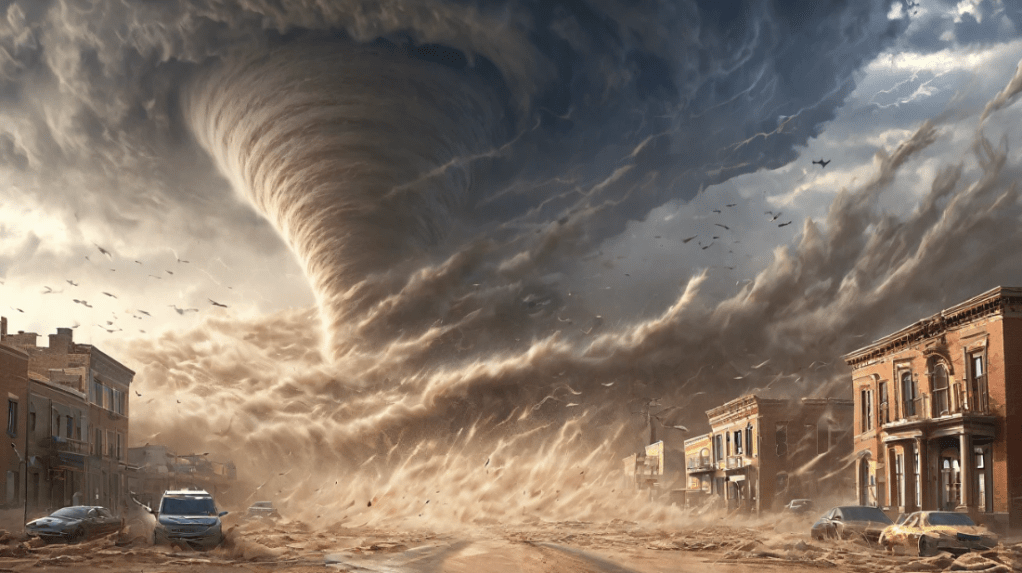
Tornadoes are probably the most well-known disaster in Nebraska, and for good reason. Tornado season in the state typically begins in April and peaks in May and June, but these deadly storms can strike at any time during the spring and early summer months. On average, Nebraska sees about 50 tornadoes a year, making it one of the most tornado-prone states in the country.

Prepper Tip:

  • Get a Weather Radio: Make sure you have a reliable weather radio that broadcasts severe weather alerts. When tornado warnings go out, every second counts. You need to know when it’s time to seek shelter.
  • Create a Shelter Plan: In case of a tornado, you should have a designated safe area in your home—preferably a basement or an interior room without windows.

2. Blizzards: The Deadly Cold

Winter storms in Nebraska are no joke. The state is prone to heavy snow, icy conditions, and blizzards. These storms can trap you at home for days, and if you’re not ready, they can be life-threatening. In addition to snow accumulation, wind chill temperatures can plummet to dangerous levels.

Prepper Tip:

  • Stock Up on Warm Clothing and Gear: You should have winter coats, blankets, gloves, and boots that are suitable for sub-zero temperatures. Insulated sleeping bags are also essential in case you lose heat during a winter storm.
  • Backup Heat Source: In case your power goes out, a backup heating source, like a propane heater or wood stove, is crucial for survival.

3. Flooding: The Rising Waters

Flooding is a significant threat in Nebraska, especially in areas near rivers and streams. Melting snow in the spring or sudden heavy rains can cause rivers to overflow, leading to widespread damage. Nebraska’s flat terrain doesn’t help either, as it allows water to pool in low-lying areas, making flooding even more dangerous.

Prepper Tip:

  • Elevate Important Items: Store important documents, electronics, and valuables above the flood level. Keeping a bag of emergency essentials ready to go can be a lifesaver in a flood situation.
  • Flood Insurance: If you live in a flood zone, consider getting flood insurance to protect your property from potential damage.

4. Extreme Heat: The Scorching Drought

Nebraska is no stranger to intense heatwaves, especially in late summer. High temperatures can easily soar into the 90s and even reach over 100°F, causing dehydration and heatstroke. These hot spells can be particularly dangerous if you lose access to water or cooling systems.

Prepper Tip:

  • Water, Water, Water: Stockpile water for drinking, cleaning, and cooling. A good rule of thumb is at least one gallon per person per day for at least three days.
  • Solar-Powered Cooling: Invest in solar-powered fans or air-conditioning units that can operate even if the power goes out.

5. Drought: The Silent Crisis

While not as immediately threatening as other disasters, droughts are an ongoing problem in Nebraska. These dry spells can severely impact water resources, crops, and livestock, which could lead to food shortages and economic hardship for the state’s agriculture-heavy economy.

Prepper Tip:

  • Rainwater Harvesting System: Install a rainwater harvesting system to collect and store water for your homestead. This can be a valuable resource during extended dry spells.

6. Severe Thunderstorms: The Storms That Never End

Nebraska regularly experiences severe thunderstorms, often packing heavy rains, hail, and lightning. These storms can cause flash flooding, power outages, and property damage. Lightning strikes, in particular, can ignite fires, especially during dry summer months.

Prepper Tip:

  • Surge Protectors: Protect your electronics and appliances with surge protectors to prevent damage from power surges caused by lightning strikes.
  • Emergency Lighting: Have flashlights, lanterns, and extra batteries ready for when the power goes out. A battery-powered light source can be crucial during a storm-induced blackout.

7. Wildfires: The Blaze That Spreads Quickly

While not as common as other disasters, wildfires are a growing concern in Nebraska, especially during the hotter months. The dry conditions during the summer and fall can make the state prone to grassfires and wildfires, especially in rural areas.

Prepper Tip:

  • Fire-Resistant Building Materials: If you live in an area prone to wildfires, consider using fire-resistant materials for your home’s exterior to reduce the risk of ignition.
  • Create Defensible Space: Clear brush and dry vegetation around your home to create a defensible space that can help prevent wildfires from spreading to your property.

8. Earthquakes: A Rare but Real Threat

Though Nebraska doesn’t sit on a major fault line, minor earthquakes do occur in the state from time to time. While they are usually low in magnitude, it’s still essential to be prepared for the possibility of shaking ground.

Prepper Tip:

  • Secure Heavy Items: Anchor heavy furniture and appliances to the wall to prevent them from tipping over during an earthquake.

9. Tornado Preparation: A Must-Have Checklist

When it comes to tornadoes, preparation can save lives. Having an emergency kit and a plan is critical, especially in Nebraska, where tornadoes can strike unexpectedly.

Prepper Tip:

  • Emergency Kit: Your kit should include non-perishable food, water, first-aid supplies, flashlights, extra batteries, a multi-tool, and a battery-powered weather radio.

10. Mental Preparedness: Stay Calm Under Pressure

Surviving a disaster isn’t just about having the right gear; it’s about staying calm and knowing what to do when things go south. Mental preparation is just as important as physical preparedness.

Prepper Tip:

  • Practice Drills: Regularly practice your emergency plan with your family to ensure everyone knows their role. The more you practice, the better prepared you’ll be when disaster strikes.

11. Community Preparedness: Teamwork Matters

Survival isn’t just about individual readiness; it’s about being a part of a community that can support one another during times of crisis. In rural Nebraska, neighbors help neighbors, and that’s a crucial part of surviving natural disasters.

Prepper Tip:

  • Form a Local Prepper Group: Building a community of like-minded individuals can be a valuable asset during a disaster. Share resources, information, and strategies to strengthen your collective resilience.

Why Nebraska Is Extremely Dangerous for Prepping: An In-Depth Conclusion

At first glance, Nebraska might not strike outsiders as a high-risk zone. With its expansive prairies, friendly small towns, and an economy rooted in agriculture, it looks like the picture of Midwestern peace. But for those of us who live here—and especially for those of us who prep—Nebraska is one of the most challenging environments to prepare for. The danger doesn’t come from just one source; it’s the unpredictable and often overlapping natural disasters that make this state uniquely hazardous and demanding for preppers.

The first major threat is Nebraska’s position in Tornado Alley. With dozens of tornadoes every year and a climate that encourages sudden, violent supercells, the state is a hotbed for twisters that can level homes in seconds. Tornadoes are fast, unpredictable, and unforgiving. And even with early warning systems, their destructive power makes sheltering and recovery extremely difficult. Unlike hurricanes or wildfires, tornadoes offer almost no time to evacuate.

Then there’s the brutal winter weather. Nebraska gets hit hard by blizzards, ice storms, and polar vortex events. Roads shut down, power lines snap, and rural areas can be cut off for days or even weeks. Survival isn’t about convenience—it’s about staying alive in subzero temperatures, without power or access to supplies. Unlike more temperate states, Nebraska’s winters can kill.

Flooding adds another layer of complexity. With so much of the land flat and many communities built along rivers and streams, Nebraska can go from bone-dry to underwater in hours. The 2019 floods were historic and catastrophic, washing out entire towns, damaging major infrastructure, and isolating thousands. For preppers, this means bug-out locations, stored supplies, and even livestock can be compromised in a single event.

Let’s not forget the scorching summer heat and prolonged droughts that cripple water resources and food production. These events don’t always make headlines like tornadoes or blizzards, but they are slow-burning disasters that threaten long-term sustainability. A prepper without water or a plan for agricultural self-reliance in Nebraska’s dry months is in serious trouble.

In many states, preppers can focus on one or two major disaster types. In Nebraska, you need to be prepared for everything—often all at once. You need to build tornado-proof shelters, winterize your property, plan for drought and heat, and still worry about flash floods and wildfires. The sheer variety of threats requires an advanced level of readiness and constant adaptation.

Moreover, the rural nature of much of Nebraska can be both a blessing and a curse. On one hand, distance from urban centers can mean safety from civil unrest. On the other hand, isolation during a disaster can mean delayed emergency response, limited medical care, and difficulty accessing supplies. If you’re not fully self-reliant out here, you’re vulnerable.

In short, Nebraska doesn’t give you a break. It’s one of the few places in the country where you have to be prepared for every season, every threat, every possibility. It’s a land of extremes, and those extremes can compound to create the perfect storm. That’s what makes Nebraska so dangerous for preppers. It’s not the possibility of disaster—it’s the certainty of multiple disasters, often back to back.

This isn’t a place for casual prepping. Nebraska demands total readiness, adaptability, and constant vigilance. But for those of us who live here and are willing to put in the work, there’s a certain pride in knowing we’re ready for anything. Because in Nebraska, you have to be.