As survivalists, we know that it’s not just about having the right gear and knowledge but also about finding the best locations to test your skills, hone your instincts, and be prepared for anything. In Iowa, the rolling hills, dense forests, and abundant rivers offer ideal places to practice your wilderness survival tactics. Whether you’re refining your fire-starting skills, perfecting your shelter-building techniques, or just looking for a quiet spot to test your bug-out bag, these 30 camping sites across the state offer the best conditions for preppers to be ready for any emergency situation.
Here in Iowa, we’re lucky to have access to such diverse landscapes. While the state is known for its farmland, Iowa also boasts a number of stunning parks and forests that make perfect camping destinations for preppers. These campsites aren’t just for leisure—they’re prime spots to practice your survival skills, scout terrain, and learn how to live off the land if the need ever arises. Whether you’re an experienced prepper or just starting out, these campsites will provide the opportunities to grow your self-sufficiency and preparedness.
1. Ledges State Park – Boone
Ledges State Park is a prime spot for survivalists who want to experience the rugged beauty of Iowa’s terrain. It’s got a mix of wooded areas, rocky outcrops, and fast-moving streams—perfect for learning how to navigate tough conditions. The park’s trails will help you practice your land navigation, and the nearby Des Moines River provides opportunities for water-based survival skills. If you’re looking for a place that challenges your skills, this is it.
2. Backbone State Park – Dundee
Backbone State Park is known for its dramatic cliffs, deep valleys, and thick woodlands. This park offers challenging terrain and a variety of habitats, making it an excellent location for preppers looking to test their navigation and shelter-building skills. The surrounding water features also allow you to practice fishing and water purification techniques.
With over 8,000 acres of forested hills and deep ravines, Yellow River State Forest offers preppers a real opportunity to get off the grid. The dense woods are full of wildlife, perfect for those looking to practice hunting, trapping, and identifying edible plants. The park’s rugged nature makes it a great location to work on your survival skills in a more isolated, remote setting.
4. Big Creek State Park – Polk City
Big Creek State Park offers a combination of woodlands and a large lake. It’s an excellent spot for preppers who want to practice water-based survival techniques, such as fishing, boating, and water filtration. Plus, it’s one of the best locations in Iowa to practice foraging and identifying plants in a more controlled, yet natural, environment.
5. Lake Macbride State Park – Solon
This park is perfect for preppers who want to test their wilderness skills in an environment with diverse terrain. Lake Macbride’s large forested areas and freshwater lake provide opportunities to practice fishing, navigation, and shelter construction. The park’s various trails can also be used to simulate long-term bug-out scenarios.
6. Maquoketa Caves State Park – Maquoketa
If you’re looking for a place to practice spelunking or cave survival, Maquoketa Caves is the spot. This park is home to dozens of caves and rock formations that will give any prepper a challenge. While caves can be an excellent place to find shelter, they also require specific survival skills, such as managing darkness and creating secure resting areas.
7. Pike’s Peak State Park – McGregor
Located along the Mississippi River, Pike’s Peak offers breathtaking views and a variety of natural features that make it perfect for preppers. The steep hillsides, rivers, and dense woods make it an ideal spot for wilderness survival training. Whether you’re practicing fire-starting, shelter-building, or simply testing your endurance, Pike’s Peak is a great place to do so.
8. George Wyth State Park – Waterloo
George Wyth State Park is a diverse area featuring lakes, forests, and wetlands. This park is ideal for practicing water navigation and fishing techniques, while the surrounding woods are great for practicing primitive skills, such as bow hunting, shelter building, and food gathering. If you’re prepping for an emergency that might require aquatic escape, this park is a must-visit.
9. Walnut Woods State Park – Des Moines
For those who prefer a more accessible option, Walnut Woods offers dense forests, creeks, and well-maintained trails. It’s a great place for honing your navigation skills in woodland areas. Additionally, this park provides the perfect place to practice fire-starting and cooking over an open flame, which is essential for any prepper.
10. Wapsipinicon State Park – Anamosa
Wapsipinicon State Park has diverse terrain, including forests, wetlands, and the Wapsipinicon River. It’s a great location for preppers looking to practice water filtration techniques, hunting, and fishing. The park also has plenty of campsites that can serve as practice areas for learning how to build temporary shelters and live off the land for an extended period of time.
30 Best Campgrounds in Iowa for Survival Preppers
Lake of Three Fires State Park – Taylor County
Forest City Public Campground – Forest City
Red Haw State Park – Chariton
Keosauqua State Park – Keosauqua
Wildcat Den State Park – Muscatine
Union Grove State Park – Gladbrook
Strawberry Point City Park – Strawberry Point
Black Hawk State Park – Lake View
Luther College Campground – Decorah
Clear Lake State Park – Clear Lake
Eagle Point Park – Dubuque
Maquoketa River Campground – Maquoketa
Springbrook State Park – Guthrie Center
Lake Anita State Park – Anita
Pottawattamie County Conservation Board – Council Bluffs
Brushy Creek State Recreation Area – Lehigh
Waterloo Recreation Area – Waterloo
Lake Okoboji – Arnolds Park
Brushy Creek Campground – Lehigh
Rock Creek State Park – Grinnell
Iowa’s rich natural environment gives preppers the perfect blend of challenges to test and improve your survival skills. Whether you’re looking to practice fire-building techniques, develop your hunting and fishing abilities, or simply get away from the modern world to reconnect with nature, these campsites provide everything a survivalist needs. By taking the time to explore Iowa’s many camping sites, you can improve your self-reliance and ensure you’re prepared for whatever may come in the future.
Living in Georgia, you already know this state is more than just peaches and southern hospitality. It’s a place rich with wildlife, dense forests, rivers, and rugged terrains that can quickly turn into the perfect setting for any survivalist or prepper. Whether you’re preparing for the worst or just love the idea of connecting with nature in a way most people can’t even imagine, camping in Georgia offers numerous opportunities to hone your survival skills, stock up on essential knowledge, and truly test your preparedness.
The great thing about Georgia is its diversity. From the Appalachian Mountains to the coastal plains, you can find every type of terrain a prepper would need to train and test their skills. And while there’s plenty of “tourist” camping, the best survival spots are often tucked away, off the beaten path. As a prepper, you want more than just a spot to pitch your tent – you need an environment that challenges you and lets you practice the full range of wilderness survival skills, from foraging and fire-starting to shelter building and water purification. Georgia offers that in spades.
Here’s a list of 30 of the best campsites in Georgia for survival preppers – places where you can fine-tune your skills, sharpen your instincts, and connect with the land in a way that prepares you for whatever comes next.
1. Cohutta Wilderness
Located in the Appalachian Mountains, the Cohutta Wilderness offers over 36,000 acres of dense forest and rugged terrain. It’s a prime spot for preppers looking to practice navigation, shelter building, and foraging. Expect solitude here, as it’s far from the crowds.
2. Chattahoochee National Forest
This massive forest, covering parts of North Georgia, features a variety of landscapes, including rivers, dense woods, and mountainous areas. It’s a great place to practice everything from tracking wildlife to using your map and compass.
3. Tallulah Gorge State Park
Known for its deep, dramatic gorge, this site offers both challenges and beauty. The steep terrain and river make it a perfect location for preppers to hone water-crossing and navigation skills.
4. Vogel State Park
Located at the foot of Blood Mountain, Vogel is known for its secluded feel despite being a popular park. The mountain trails offer excellent terrain for hiking and practicing wilderness survival techniques.
5. Unicoi State Park
Unicoi offers excellent hiking trails and access to nearby wilderness areas, making it an ideal place for survival preppers to learn about shelter, water sources, and basic survival in a forested environment.
6. Cloudland Canyon State Park
This is one of Georgia’s most beautiful and rugged parks, offering views, deep ravines, and rocky terrain. It’s an excellent location for practicing your climbing skills, water filtration, and building more advanced shelters.
7. Sapelo Island
For preppers interested in coastal survival, Sapelo Island offers a unique environment. With marshlands, forests, and beach access, you can practice skills for both land and sea.
8. Moccasin Creek State Park
Set along Lake Burton, Moccasin Creek is ideal for water-based survival training. It offers fishing opportunities and is a peaceful location to hone your skills in fire-starting and cooking with limited supplies.
9. Ocmulgee Mounds National Historical Park
For those who want to connect with history while testing survival skills, this park offers ancient earth mounds and forests. It’s a great place to practice natural shelter building and identifying wild edibles.
10. Providence Canyon State Park
Often called Georgia’s “Little Grand Canyon,” Providence Canyon offers stunning views and challenging terrain. This is a spot for preppers looking for rugged conditions to test both their survival instincts and their physical endurance.
11. The Okefenokee Swamp
With its mysterious waters, swamps, and dense forest, the Okefenokee Swamp is a perfect place for survival preppers to practice navigating tricky wetlands, tracking wildlife, and using local plants for survival.
12. Jacks River
Located within the Chattahoochee National Forest, this river is perfect for water survivalists. You’ll need to plan your routes carefully to avoid flash floods, and the river provides ample opportunities for fishing and purifying water.
13. Lake Russell Recreation Area
This is an under-the-radar gem in Georgia. The area around Lake Russell offers both forest and water survival opportunities, with hiking trails and ample chances to practice shelter building.
14. Bartram Trail
If you’re looking to truly test your backcountry survival skills, the Bartram Trail is an excellent choice. Spanning through the Chattahoochee National Forest, this trail offers the full range of Georgia wilderness.
15. F.D. Roosevelt State Park
This expansive park near Pine Mountain offers dense woods, hiking trails, and opportunities for fishing. It’s a great place to practice setting traps, fishing, and wilderness navigation.
16. Georgia’s Blue Ridge Mountains
The mountain trails here offer steep inclines and forested landscapes perfect for any survival prepper. Whether you’re navigating ridgelines or practicing shelter-building, these mountains will challenge you.
17. Elijah Clark State Park
Located along Lake Thurmond, Elijah Clark State Park provides access to water, which is essential for any survivalist. The nearby forest offers a great environment for fire-starting, shelter-building, and foraging.
18. Wayne National Forest
Not to be confused with Georgia’s coastal region, this wilderness area offers rough terrain and ample opportunities to practice survival techniques, especially when it comes to water sources and shelter.
19. Rocky Mountain Recreation Area
This park offers rugged, rocky terrain perfect for testing climbing skills and preparing for various wilderness conditions. The isolation here allows preppers to put their full range of survival skills to work.
20. Red Top Mountain State Park
This park near Lake Allatoona is perfect for prepping on both land and water. Fishing, hiking, and wild edibles can be tested here, and the lake provides an opportunity for water-based survival practices.
21. Tugaloo State Park
Set on the border of Georgia and South Carolina, Tugaloo offers a combination of lake access and forest terrain. It’s a great spot for preppers to test their survival skills in varying conditions.
22. North Georgia Mountains
For preppers looking for a true test, the rugged North Georgia mountains offer remote areas and challenging terrain perfect for wilderness survival training. You’ll need solid navigation skills, foraging knowledge, and survival instincts.
23. Pine Mountain Wilderness
If you want to avoid crowds while still being close to civilization, Pine Mountain Wilderness is perfect. This area is full of dense woods and steep ridges – ideal for testing your map and compass skills.
24. Wilderness Road State Park
With over 1,000 acres of backcountry terrain, this park is a great place to immerse yourself in survivalist training. From shelter-building to foraging, it’s an area that offers all the tools a prepper might need.
25. Appalachian Trail – Georgia Section
The Appalachian Trail begins in Georgia, and its section through the state is perfect for those who want to practice backpacking, shelter-building, and wilderness survival in a true long-distance setting.
26. Crooked River State Park
A hidden gem for preppers, this state park offers coastal terrain and marshlands, providing both land and water survival training opportunities. It’s quieter and less crowded than some other spots on the coast.
27. Lake Sinclair
Located in central Georgia, Lake Sinclair offers water-based survival opportunities. The surrounding woods provide opportunities to test your wilderness skills, including shelter-building and fire-starting.
28. Chickamauga and Chattanooga National Military Park
This historical site has dense forests and rugged terrain. It’s an ideal spot for preppers to practice survival skills while learning about the area’s history and its impact on American survival tactics.
29. Piedmont National Wildlife Refuge
This lesser-known wildlife refuge is a prime location for preppers who want to practice camouflage, tracking, and understanding local wildlife, including edible plants and animals.
30. Coastal Georgia
The coastal marshes and islands provide an entirely different kind of survival experience. From hunting to building shelters, the ever-changing coastline offers unique opportunities for any survival prepper.
Whether you’re testing your skills in the rugged mountains, dense forests, or coastal marshlands, these 30 sites offer the ultimate challenge for any Georgia prepper. Remember, the key to survival is training in a variety of environments, and Georgia’s diverse landscape is the perfect place to do just that. So get your gear ready, grab your map, and start your prepper journey at one of these top camping spots today.
If you’re a survival prepper living in Nebraska, you know how essential it is to be prepared for anything the world might throw your way. Whether you’re dealing with extreme weather, a long-term emergency, or just want to hone your skills and reconnect with the land, Nebraska offers some of the best camping sites in the country for preppers like you. From the rugged Sandhills to the Missouri River bluffs, these spots provide the ideal environment to test your gear, practice your survival skills, and truly immerse yourself in nature.
As preppers, we value our independence, self-reliance, and the ability to adapt to the ever-changing environment around us. Nebraska’s natural landscapes give us the space to do all of that, while also offering the perfect terrain for camping and survival training. So whether you’re preparing for an emergency, just looking to escape into the wild, or need to test out some of your gear, Nebraska’s diverse campsites are waiting for you.
1. Fort Robinson State Park – Crawford, NE
Fort Robinson is a prepper’s dream. Located in the northwest corner of the state, this park offers a combination of rugged terrain and expansive landscapes, ideal for testing your survival skills. The park has several campsites, including backcountry options, giving you the opportunity to test out your wilderness gear. Don’t forget to practice your shelter-building skills near the wild canyons and thick pine forests.
2. Pine Ridge Ranger District – Chadron, NE
Located near the Black Hills, Pine Ridge is known for its dense forests, rough terrain, and secluded areas perfect for prepping. Here, you can practice shelter construction, trapping, and wilderness navigation while being completely immersed in nature. The remote nature of this area offers a fantastic chance to hone your skills away from prying eyes.
Chadron State Park is another solid choice for preppers. The park provides a variety of environments, from wooded areas to rolling hills, perfect for testing different survival scenarios. The park also has a combination of primitive and developed campsites, so you can choose between a more rugged, backcountry experience or something more comfortable.
4. Cedar Ridge Campground – Nebraska National Forest
This area is perfect for anyone who wants a mix of solitude and access to essential resources. The Nebraska National Forest is known for its mix of woodland, grasslands, and rugged terrain. Cedar Ridge offers primitive campsites that are ideal for testing your preparedness under more difficult conditions.
5. Mahoney State Park – Ashland, NE
Mahoney State Park is located in eastern Nebraska and offers a more accessible location for preppers looking for something closer to home. While it’s a bit more developed than other locations, it still offers secluded areas where you can practice skills such as navigation and fire-starting without being disturbed.
6. Louisville State Recreation Area – Louisville, NE
Louisville State Recreation Area offers a peaceful, wooded environment that’s perfect for stealth camping. This area has less foot traffic, allowing preppers to practice techniques like camouflage, building a shelter, and cooking over an open fire without drawing attention.
7. Sandy Point Campground – Branched Oak Lake
For those who prefer water-based survival scenarios, Sandy Point Campground offers a great spot for fishing, boating, and practicing water navigation skills. While it’s not entirely remote, it still provides a great opportunity to practice waterborne survival techniques, especially with the lake and surrounding forest.
8. Rock Creek Station State Historical Park – Fairbury, NE
The historical park is a fantastic spot for preppers who want to combine history with wilderness survival. The park features primitive campsites and is located in a historically significant area along the Oregon Trail. This gives you a unique chance to practice survival skills while gaining a deeper understanding of the challenges faced by pioneers.
9. Buffalo Bill Ranch State Historical Park – North Platte, NE
Located in the heart of Nebraska, Buffalo Bill Ranch offers a combination of historical exploration and wilderness skills training. The area around the park features forests, open fields, and rolling hills, giving preppers a broad range of environments to practice their survival techniques.
10. Clear Creek Campground – Lincoln, NE
For those who need a campsite closer to the city, Clear Creek Campground offers a peaceful place to set up camp and practice skills like fire-starting and cooking over a fire. The nearby creek provides opportunities for water filtration practice and learning to navigate using water sources.
30 Top Campsites for Nebraska Survival Preppers
Fort Robinson State Park, Crawford
Pine Ridge Ranger District, Chadron
Chadron State Park, Chadron
Cedar Ridge Campground, Nebraska National Forest
Mahoney State Park, Ashland
Louisville State Recreation Area, Louisville
Sandy Point Campground, Branched Oak Lake
Rock Creek Station State Historical Park, Fairbury
Buffalo Bill Ranch State Historical Park, North Platte
Clear Creek Campground, Lincoln
Platte River State Park, Louisville
Ponca State Park, Ponca
Smith Falls State Park, Valentine
Eugene T. Mahoney State Park, Ashland
Fremont Lakes State Recreation Area, Fremont
Arbor Lodge State Historical Park, Nebraska City
Niobrara State Park, Niobrara
Harlan County Reservoir, Republican City
Calamus Reservoir Recreation Area, Burwell
Lake McConaughy State Recreation Area, Ogallala
Branched Oak State Recreation Area, Malcolm
Swanson Reservoir, Trenton
Merritt Reservoir State Recreation Area, Valentine
Bessey Ranger District, Halsey
South Bend Campground, South Bend
Big Horn Campground, Nebraska National Forest
Cherry Creek Campground, Nebraska National Forest
Red Willow Reservoir, McCook
Box Butte Reservoir State Recreation Area, Hemingford
Enders Reservoir State Recreation Area, Imperial
In-Depth Conclusion: Homesteading in Nebraska – A Prepper’s Perspective
Homesteading in Nebraska isn’t just a lifestyle—it’s a mindset rooted in self-reliance, resilience, and an unshakable connection to the land. For survival preppers and off-grid enthusiasts, Nebraska offers a rare combination of practical benefits and raw natural beauty that make it an ideal place to put down sustainable roots. From the sweeping plains of the Sandhills to the fertile river valleys and forested western ridges, the state presents a diverse range of ecosystems perfect for building a life centered on preparedness, independence, and harmony with nature.
One of the greatest advantages of homesteading in Nebraska is its affordability. Compared to other states, the cost of land is relatively low, especially in rural areas where larger plots can still be acquired without breaking the bank. This means more space for farming, livestock, renewable energy systems, and even dedicated areas for wilderness training or bug-out drills. Nebraska’s climate—while varied—offers four true seasons, each presenting its own challenges and learning opportunities for the committed homesteader. From frigid winters that test your wood-stove and insulation setup to hot summers that push your irrigation and crop management skills, it’s a proving ground for self-sufficiency.
Water access is another critical factor, and Nebraska doesn’t disappoint. The Ogallala Aquifer, one of the largest underground water sources in the world, spans much of the state, giving rural landowners access to dependable well water for drinking, irrigation, and livestock. Rainwater collection is also feasible, and with careful management, you can achieve long-term water independence.
Agriculturally, Nebraska is rich in heritage and soil. Even modest plots can support fruit trees, vegetable gardens, and pasture animals. The state supports a strong culture of local markets and food co-ops, making it easier for homesteaders to sell or barter excess produce, eggs, honey, and homemade goods. Whether you’re raising chickens, goats, bees, or just tending heirloom crops, Nebraska provides the climate and community support to thrive.
Energy independence is also within reach. With its wide-open skies and steady wind corridors, Nebraska is well-suited for both solar and wind power systems. Many homesteaders choose to install hybrid energy systems that ensure uninterrupted off-grid power year-round. Combined with proper storage solutions and backup generators, you can build a homestead that remains operational even during grid failures or emergencies.
Community-wise, Nebraska’s rural regions are filled with like-minded individuals—hardworking, modest folks who understand the value of preparedness and helping a neighbor in need. Local fairs, farmer gatherings, and community events offer opportunities to learn traditional skills, exchange knowledge, and find a support system rooted in shared values.
That said, homesteading here isn’t without its challenges. Tornadoes in spring, harsh winters, and limited access to some services in the more remote areas require a high degree of personal resilience. But for preppers, these are not drawbacks—they’re opportunities to test your systems, refine your plans, and strengthen your independence.
If you’re a prepper considering the next step toward complete self-sufficiency, Nebraska stands out as a prime location to begin or expand your homesteading journey. With the right planning, effort, and mindset, you can create a secure, sustainable, and rewarding life here—one that isn’t just about surviving, but thriving, no matter what the world throws your way.
As a survival prepper living in the great state of Kansas, you know the importance of preparation. From tornadoes to unpredictable weather shifts, Kansas can test the mettle of even the most seasoned survivalists. That’s why it’s crucial to know where to camp, train, and test your skills in the wilderness. Whether you’re preparing for the worst or just getting out into nature to hone your survival skills, Kansas offers some of the best and most accessible campsites for preppers.
Here’s a guide to 20 of the best camping sites in Kansas that will get you prepared for anything, all while offering a great chance to experience the heart of the Midwest in its most raw and natural form.
1. Tuttle Creek State Park
Tuttle Creek State Park, located near Manhattan, offers 1,200 acres of pristine camping grounds. If you’re looking to practice water purification techniques or just enjoy the outdoors, Tuttle Creek’s proximity to the Kansas River makes it an ideal location. The park is large enough to escape the crowds, but not so remote that you’ll find yourself totally off the grid. Whether you’re testing your shelter-building skills or practicing fire-starting, Tuttle Creek provides everything a prepper needs in a campsite.
2. Wilson State Park
For those who want a rugged, isolated environment for survival training, Wilson State Park is an excellent choice. The park’s secluded campgrounds by the scenic Wilson Lake are ideal for honing your navigation and wilderness survival skills. If you’re concerned about potential threats or simply want to simulate real-world survival conditions, this site offers all the elements you need, including nearby dense woods and open plains.
3. Perry State Park
Perry State Park is a must-visit for Kansas preppers who enjoy a combination of water and land survival. This park, located near the Perry Reservoir, offers abundant opportunities for water-based survival training, such as water filtration, fishing, and kayaking. The thick forests surrounding the park provide plenty of cover for practicing stealth and tactical movements.
4. Lake Scott State Park
If you’re preparing for survival in a semi-arid environment, Lake Scott State Park, located in western Kansas, is a prime destination. Known for its dry, rugged landscape and rocky terrain, this park simulates the challenges that can arise in extreme conditions. From shelter-building techniques to the need for water conservation, Lake Scott provides the perfect environment for learning how to thrive in tough, desert-like conditions.
5. Elk City State Park
This is one of the best spots in Kansas for preppers who are looking to build a solid foundation in wilderness survival. Elk City State Park is located in the southeastern part of the state and offers a great mix of forest and lake environments. It’s perfect for practicing shelter-building, gathering resources, and water collection. The thick woods offer great cover for stealth movements and tactical exercises.
6. Big Hill Lake
Nestled in the southeast corner of Kansas, Big Hill Lake is a hidden gem for preppers looking to escape into nature and practice survival techniques. Whether you’re perfecting your fire-starting skills or experimenting with hunting and fishing, Big Hill Lake provides a diverse landscape to work with. The wooded areas surrounding the lake offer great opportunities for practicing stealth, navigation, and resource management.
7. Kansan State Park
Kansan State Park is known for its rugged terrain and seclusion, making it a prime spot for preppers looking to train in wilderness survival. With plenty of hiking trails and an abundance of wildlife, this park offers a mix of environments that will keep you on your toes. Its isolation also offers the chance to simulate real-world survival conditions with minimal human interference.
8. Cedar Bluff State Park
Cedar Bluff State Park is one of Kansas’ hidden treasures, located in the western part of the state. The park is home to a series of bluffs, canyons, and creeks that make it a perfect place for testing your survival knowledge. It’s a great spot for practicing water filtration, purifying food, and testing various wilderness techniques. Its remote location provides the solitude you need to hone your skills and perfect your self-reliance.
9. Flint Hills National Wildlife Refuge
For preppers looking for a truly wild experience, the Flint Hills National Wildlife Refuge offers expansive prairie lands and is home to a wide variety of wildlife. The vast, open spaces are perfect for practicing long-range navigation, identifying natural resources, and testing your skills in camouflage and survival tactics. The absence of many man-made structures in the area also gives you a genuine “off-the-grid” experience.
10. Rock Creek Station State Park
Rock Creek Station State Park, located in the heart of the state, offers a variety of terrain perfect for prepping. It’s great for survivalists who want to practice camping in diverse conditions, from forests to grasslands. The park also has historical significance, making it an excellent choice for preppers interested in learning about early American survival tactics while testing modern skills.
11. Kanopolis State Park
Kanopolis State Park is known for its picturesque scenery and diverse wildlife. It offers rugged, hilly terrain that will challenge even the most experienced preppers. Whether you’re working on land navigation, wilderness shelter building, or honing your fishing skills, Kanopolis State Park provides the space and variety to test a variety of techniques.
12. Cheyenne Bottoms Wildlife Area
Cheyenne Bottoms is a natural wetland area in central Kansas, making it a prime spot for learning and practicing water-based survival skills. It’s perfect for testing your knowledge of survival tactics that require access to water, including fishing, water purification, and navigation. This area is great for preppers who are focused on developing their knowledge of aquatic survival.
13. Wilson Lake Shoreline
If you’re looking for a secluded place to practice everything from shelter building to water purification, the Wilson Lake Shoreline is one of the best options in Kansas. This area is perfect for preppers who want to stay close to water while honing their outdoor survival skills. With miles of shoreline and plenty of natural cover, this spot offers a perfect balance of challenge and accessibility.
14. Sand Hills State Park
Located in central Kansas, Sand Hills State Park offers a unique opportunity to practice survival techniques in an arid, desert-like environment. The park’s sandy terrain, dry brush, and scarce water make it an excellent place for testing your skills in managing resources and adapting to tough conditions. Whether you’re practicing basic survival skills or working on long-term sustainability, this park is a challenging environment that will put your preparation to the test.
15. Smoky Hill River State Park
Situated in central Kansas, Smoky Hill River State Park is an ideal location for preppers who want to test their wilderness survival skills in a rugged, rocky environment. The terrain varies from wide open grasslands to tree-filled areas along the river, offering opportunities to work on shelter-building, water purification, and general survival tactics.
16. Troy City Park
If you’re looking for a smaller, more intimate setting to practice survival, Troy City Park offers a peaceful, less crowded environment for honing your skills. Located in the northeast part of the state, this park offers hiking trails, wildlife, and water features that make it ideal for preppers to practice essential survival techniques like navigation, water collection, and fishing.
17. Hillsdale Lake
Hillsdale Lake is another great spot for survival preppers in Kansas, especially if you want to practice water-based survival skills. The lake offers plenty of opportunities for fishing, water filtration, and other aquatic survival techniques. The surrounding area is wooded, making it an excellent place for setting up camp and practicing your wilderness skills.
18. Lake Melvern
Melvern Lake, located in eastern Kansas, offers a peaceful setting for preppers looking to practice everything from fishing and water purification to shelter building and navigation. The wooded areas surrounding the lake provide plenty of natural cover, while the lake itself offers ample opportunities for testing water survival techniques.
19. Meade State Park
Meade State Park is perfect for preppers who want to get away from it all and practice essential survival techniques. Located in the southwestern part of the state, this park features rugged, isolated terrain that provides the ideal setting for building shelters, gathering resources, and learning survival skills without distractions.
20. Lakeside Hills
Lakeside Hills is a quiet, secluded campground in the northeastern part of the state, offering wooded terrain and ample opportunities for preppers to practice basic wilderness survival skills. It’s a great spot for those looking to set up camp in a remote setting and simulate survival conditions in a low-stress environment.
Conclusion: Mastering Survival in Kansas’ Best Campsites
As a survival prepper in Kansas, you understand the critical need to stay prepared for a wide range of scenarios, from severe weather events like tornadoes to grid failures or even a longer-term survival situation. The state of Kansas, with its unique mix of prairies, forests, lakes, and rugged terrain, offers a perfect training ground for honing survival skills that could make all the difference when disaster strikes. Whether you’re practicing fire-starting techniques, perfecting your shelter-building abilities, or learning how to purify water from nearby lakes and rivers, Kansas’ diverse campsites provide the ideal environment to push your survival abilities to their limits.
Each of the campsites featured in this guide represents an opportunity to immerse yourself in nature and practice life-saving skills that are essential for every prepper. From the dense forests of Perry State Park to the arid, rugged beauty of Lake Scott State Park, these sites allow you to test your resourcefulness, adaptability, and ability to thrive in a variety of environments. Whether you’re looking for seclusion, water-based survival training, or a combination of both, Kansas offers diverse landscapes to meet every prepper’s needs.
Moreover, many of these parks and campsites are situated in remote or semi-remote areas, which gives you the opportunity to simulate real-world survival conditions where communication and outside help may not be readily available. Practicing in these isolated locations will help you refine critical skills like navigation, food procurement, water sourcing, and creating effective shelter — all fundamental aspects of survival that can be relied upon in an emergency.
While these campsites are perfect for honing your individual survival skills, they also offer valuable opportunities to train with family or fellow preppers. The knowledge and skills you gain in these natural environments can also be shared with others, helping you build a community of like-minded individuals who are just as focused on self-sufficiency and preparedness.
Kansas’ camping destinations also offer an added benefit that’s often overlooked in survival preparation: they allow for rest and mental clarity. A survival situation isn’t just about physical endurance — it’s about mental strength and the ability to make clear decisions under pressure. By taking the time to camp in these beautiful yet challenging locations, you can improve your focus, adaptability, and ability to stay calm in high-pressure situations. This mental toughness will be invaluable when faced with unexpected crises.
Ultimately, the key to survival lies in the ability to adapt and respond to the unexpected. As a prepper in Kansas, these campsites are your testing ground. They allow you to simulate various disaster scenarios, practice emergency protocols, and prepare yourself for whatever comes your way. From long-term camping to quick weekend getaways, these campsites provide the perfect backdrop to keep sharpening your skills, testing new gear, and continuously improving your preparedness plan.
Whether you’re just starting your prepper journey or are an experienced survivalist looking for new training grounds, Kansas offers some of the best and most versatile campsites for your needs. So grab your gear, prepare for the unexpected, and head out to one of these top campsites to start building the skills that will ensure you’re ready for whatever the future holds. Remember, survival isn’t just about having the right tools — it’s about the knowledge, skills, and experience you acquire along the way. Make the most of these Kansas camping sites, and you’ll be better prepared for anything the world may throw at you.
When you’re a prepper living in the rugged terrain of New Hampshire, you’re no stranger to the wild and untamed nature of the land. Whether you’re preparing for the worst-case scenario or just want to spend some time honing your survival skills, the Granite State offers some of the best campsites for survivalists. From dense forests to remote mountain ranges, New Hampshire is a goldmine for those who want to be off the grid and ready for anything. Below, we explore the 30 best camping sites for preppers in New Hampshire. These campsites are perfect for those who want to test their wilderness survival skills or just get away from it all while still being close enough to resources in case you need them.
Located in the White Mountains, Crawford Notch State Park is ideal for survivalists. The park’s rugged terrain offers ample opportunities for bushcraft, hunting, and fishing. If you’re looking for a spot to practice your fire-starting skills or to set up a temporary shelter, this is the place to do it. Nearby, you’ll find the Saco River, which is perfect for water purification experiments.
2. Franconia Notch State Park
Franconia Notch is home to some of the most breathtaking landscapes in New Hampshire. The park is surrounded by steep cliffs, dense woods, and plenty of wildlife. This site is perfect for advanced survivalists who want to experience challenging terrain. You’ll find abundant hiking trails, and the infamous “Old Man of the Mountain” memorial makes for an iconic backdrop.
3. White Mountain National Forest
As the largest national forest in New Hampshire, the White Mountain National Forest offers a massive area for preppers to explore and practice survival skills. There are countless trails, campsites, and remote areas where you can set up camp. The terrain includes everything from thick forests to high-altitude peaks. It’s the ideal location for prepping and practicing your navigation and shelter-building skills.
4. Moose Brook State Park
This park, located near Berlin, offers great access to the northern White Mountains. If you need a secluded area to hone your skills, Moose Brook offers quiet campgrounds, perfect for survivalists who want to practice stealth camping. There are ample fishing opportunities, and the nearby terrain provides plenty of challenges for testing your resourcefulness.
5. Mount Monadnock State Park
Known as one of the most climbed mountains in the world, Mount Monadnock is an excellent location for preppers looking to test their endurance. The summit provides an incredible vantage point over the surrounding forest, perfect for learning topographic map navigation. The park offers primitive campsites for those who want to stay off the beaten path.
Tucked away in the heart of the White Mountains, Ellis River Campground offers a secluded environment for those interested in primitive camping. With the Ellis River nearby, it’s a great location for testing water purification methods or practicing fishing for your food. The forest offers excellent opportunities for shelter building and wildlife tracking.
7. Lake Francis State Park
Lake Francis, in the northern part of the state, is known for its wild, unspoiled beauty. This park is remote enough that you’ll have to rely on your survival skills if you plan to go off-grid. The lake is ideal for water-based survival practice, and the surrounding woodlands are great for setting up an emergency camp.
8. Pawtuckaway State Park
Pawtuckaway State Park offers a variety of campsites that range from more developed to primitive. This diversity makes it perfect for preppers, as you can start with easy access and move to more challenging locations. With wooded trails, marshes, and a large pond, it’s an excellent location for wildlife identification and survival practices like fire-building and trapping.
9. Lost River Gorge and Boulder Caves
For those who want to practice survival skills in a unique location, Lost River Gorge offers a fascinating environment. The caves and gorge offer natural shelter opportunities, while the boulders can be used for rock climbing and testing your ability to navigate rough terrain. This is one of the best campsites for preppers who like to think outside the box.
10. Tuckerman Ravine
If you’re an experienced prepper looking to push your limits, Tuckerman Ravine on Mount Washington should be on your list. The area is challenging, and the weather can be brutal, but it’s a perfect place for advanced survivalists. The rugged terrain and rapidly changing weather conditions will test your resilience and ability to adapt in a real wilderness survival scenario.
11. Gorham Mountain Trail Camp
For preppers looking for high-altitude training, the Gorham Mountain Trail Camp is the place to go. Located in Acadia National Park, it’s the ideal spot for refining your wilderness navigation skills. The view from the summit provides a unique perspective of the land, while the area around the campsite offers multiple natural resources to practice with.
12. Kancamagus Highway
The Kancamagus Highway is more than just a scenic drive – it’s a prime location for camping. The area is rich in wildlife, and the surrounding forests make it perfect for bushcraft exercises. Preppers can test their ability to survive in diverse environments, from river crossings to dense woods, all while staying relatively close to the highway for easy extraction if necessary.
13. The Androscoggin River Campsites
For those interested in water-based survival skills, camping along the Androscoggin River offers plenty of opportunities. This river is not only a beautiful site but also a perfect location for practicing water purification and fishing techniques. You’ll also find dense woods where you can perfect your shelter-building skills.
14. Jenness State Beach Campground
For preppers looking to practice survival skills in a coastal environment, Jenness State Beach Campground offers a unique experience. With access to both saltwater and fresh water, this site is ideal for practicing coastal survival techniques, including fishing, foraging, and fire-starting.
15. Baker River Campground
Located near Rumney, the Baker River Campground is nestled along the river, providing an ideal environment for testing your bushcraft and survival skills. This location offers a mix of flat grounds, river access, and forested areas to practice building shelters and water purification. It’s remote enough to be a challenge but close enough to civilization if things go awry.
16. Wildcat Mountain
For more experienced preppers, Wildcat Mountain offers a rugged challenge. The terrain here is tough, with steep inclines and unpredictable weather, making it perfect for testing endurance and resourcefulness. There are plenty of wooded areas for setting up camp and practicing stealth tactics.
17. Sawyer Pond Campsite
Sawyer Pond, located in the central part of the state, offers a serene location to practice traditional survival skills. The pond provides an excellent water source for testing purification techniques, while the surrounding forest is ideal for tracking and wildlife observation.
18. Camp Northwood
A more secluded and primitive campsite located near Lake Winnipesaukee, Camp Northwood is perfect for prepping in a relatively isolated area. The terrain around the lake provides a combination of wetland and forested environments, great for testing a variety of survival skills.
19. Pine River Campground
A tranquil location near the White Mountains, the Pine River Campground offers preppers a perfect mix of isolation and access to resources. There’s abundant wildlife to track, and the nearby river provides both water purification and fishing practice.
20. Mount Chocorua Campground
Mount Chocorua is one of the most iconic peaks in New Hampshire, and its campground offers an excellent base for survivalists. It’s secluded, with rugged terrain perfect for wilderness skills practice. Set up camp and test your ability to navigate through varied landscapes.
21-30: Other Notable Campsites in New Hampshire for Survival Preppers:
Hancock Campground
Jockey Hollow
Carter Notch Hut
Grafton Notch State Park
Cranmore Mountain Resort
Mount Cardigan
Nansen Wayside Campground
Shelburne Campground
Baker Valley Campground
Echo Lake State Park
Conclusion
For survival preppers in New Hampshire, the abundance of rugged terrain and remote locations provides a multitude of opportunities to hone your skills and test your preparedness. Whether you’re learning how to build a fire, forage for food, or navigate the wilderness, New Hampshire’s campsites offer an unparalleled setting for training, practice, and testing your resilience. Remember, the key to being ready for any emergency is to have the skills and the mindset to survive, no matter what. These campsites will give you the space you need to get in touch with nature and sharpen your survival instincts.
The Best Campsites for Mississippi Survival Preppers: A Guide to Thriving in the Magnolia State
Survival prepping is a lifestyle, and here in Mississippi, it’s all about preparing for the worst while hoping for the best. Whether you’re preparing for a storm, a long-term disaster, or just looking to test your skills off the grid, camping is one of the most effective ways to hone your survival techniques. Our state is rich in natural beauty and diverse landscapes, offering plenty of opportunities to practice essential outdoor skills, whether you’re a seasoned prepper or just getting started.
From deep forests to riverfront sites and remote islands, Mississippi offers an array of camping experiences that are perfect for anyone looking to sharpen their survival instincts. If you’re ready to embrace the challenges that come with prepping in the wild, here’s a list of 22 of the best campsites across the state that will help you develop the skills necessary for long-term survival.
1. Tishomingo State Park
Located in the northeastern part of Mississippi, Tishomingo State Park offers a blend of rugged terrain, rolling hills, and diverse wildlife. It’s a great place to practice shelter building and fire-starting in a wilderness setting. The park’s natural beauty and peaceful environment make it perfect for those looking to hone their survival skills.
Key Survival Skill: Shelter building and fire-starting
2. Pascagoula River Audubon Center
If you’re looking for a more unique experience, the Pascagoula River Audubon Center offers swampy marshlands, wildlife-rich areas, and solitude. This area can help you practice water-based survival techniques, including building a raft, fishing, and foraging for edible plants.
This park is located near Jackson and offers a mix of forest and lakefront sites. It’s a great spot for those looking to practice fishing, trapping, and creating makeshift shelters. The park is easy to access and provides a controlled environment to sharpen your skills.
Key Survival Skill: Fishing and trapping
4. Keesler Air Force Base Campground
For those who want a more structured, yet still rugged, camping experience, the Keesler Air Force Base Campground near Biloxi provides military-style camping sites with access to beaches, forests, and other environments perfect for prepping. You’ll learn how to live in harsh conditions while still having a little comfort.
Key Survival Skill: Adaptability and basic gear usage
5. Natchez Trace Parkway
Stretching through Mississippi, the Natchez Trace Parkway offers a mix of forested campsites and long stretches of remote terrain. It’s an excellent spot for long hikes and practicing navigation, a crucial survival skill. You can also learn how to secure food in a variety of environments here.
Key Survival Skill: Navigation and food procurement
6. Cedar Point Campground
Located in the Gulf Islands National Seashore, Cedar Point offers a secluded, beachside experience where you can hone skills like water purification, coastal survival, and shelter building in sandy environments. You’ll also find plenty of wild edibles and fishing opportunities.
Key Survival Skill: Coastal survival and water purification
7. Mississippi Palisades State Park
This park is perfect for survivalists looking for a more rugged experience. The terrain is steep, and the area offers forested areas, cliffs, and views of the Mississippi River. This site is perfect for honing your climbing skills and wilderness navigation.
Key Survival Skill: Climbing and advanced navigation
8. Percy Quin State Park
Just an hour’s drive from Jackson, Percy Quin offers plenty of lakeside campsites surrounded by woods. It’s a great spot for practicing your fishing techniques and learning how to survive in more moderate climates with various habitats.
Key Survival Skill: Fishing, survival tactics in moderate climates
9. Bogue Chitto Water Park
If you’re interested in water survival skills and rafting, Bogue Chitto Water Park offers fast-moving water and lush forests, making it the perfect environment to practice water-based survival tactics and shelter-building in wet, cold conditions.
Key Survival Skill: Water-based survival
10. Tallahatchie Flats Campground
This remote campground is ideal for those looking for solitude and a place to escape from civilization. It’s a great spot to practice foraging and understanding the natural world around you while testing your ability to survive in isolated areas.
Key Survival Skill: Foraging and living off the land
11. Gulf Islands National Seashore
There’s nothing like learning to survive along the coast, and Gulf Islands National Seashore offers pristine beaches and dense forests. It’s a great place to practice wilderness skills like shelter-building, fishing, and fire-starting, all while learning how to use the elements to your advantage.
Located in the DeSoto National Forest, this campsite offers a chance to camp by clear springs in a quiet, secluded environment. It’s the perfect location to practice water purification techniques, shelter-building, and finding wild edibles.
Key Survival Skill: Water purification and wild edibles
13. Black Creek Wilderness
For those who want a truly rugged challenge, Black Creek Wilderness offers untouched terrain with few modern amenities. This is an area for the serious prepper to test their skills in advanced navigation, shelter-building, and wildlife tracking.
Key Survival Skill: Advanced navigation and tracking
14. Lake Chautauqua
A peaceful and scenic environment, Lake Chautauqua offers many opportunities for primitive camping. It’s an excellent site for practicing water purification and fishing while also learning how to live off the grid.
Key Survival Skill: Living off the grid
15. Flint Creek Water Park
This spot is well known for its pristine waters, making it ideal for survivalists looking to practice water-based survival skills, including fishing, boating, and water purification. You can also learn how to live in areas that rely on water as a critical resource.
Key Survival Skill: Water-based survival and resource management
16. Bogue Chitto State Park
Another great park in the area, Bogue Chitto is perfect for testing out basic survival skills. The park offers great foraging opportunities and wild animal tracking, along with plenty of forest for shelter-building practice.
Key Survival Skill: Animal tracking and foraging
17. Sandy Creek Campground
Sandy Creek offers a more serene environment where you can set up camp beside beautiful water features. The park offers good opportunities for practicing shelter-building, fishing, and wilderness survival techniques.
Key Survival Skill: Wilderness shelter-building and fishing
18. Jonestown Campground
This remote campground offers access to a rugged, undeveloped environment where you can test your skills in basic wilderness survival. It’s perfect for preppers who want to practice living completely off the land.
Key Survival Skill: Off-the-grid survival
19. Piney Woods Campground
This campground is deep in the heart of Mississippi’s pine forests. It’s a great spot to practice fire-starting, building shelters, and understanding how to navigate through dense woods.
Key Survival Skill: Fire-starting and shelter-building
20. Desoto National Forest
Located in southern Mississippi, the Desoto National Forest is vast and offers numerous campgrounds perfect for survivalists who enjoy an immersive experience. From food foraging to building shelters, this forest is the perfect training ground.
Key Survival Skill: Immersive wilderness survival
21. Enid Lake Campground
Enid Lake is a prime location for those looking to perfect their water-based survival skills, as it offers ample fishing, boating, and resource gathering opportunities. It’s perfect for prepping with access to natural water sources.
Key Survival Skill: Water survival and fishing
22. Aliceville Lake Campground
This remote campground offers a quiet space to practice survival skills in a mostly undisturbed environment. It’s ideal for testing your knowledge of wildlife and practicing the fine art of stealth camping.
Key Survival Skill: Stealth camping and wildlife observation
Whether you’re testing your skills in fire-building, navigation, or water survival, Mississippi offers diverse landscapes for every prepper to master survival skills. These campgrounds will give you the opportunity to experience a variety of environments and test yourself in different scenarios, so when the time comes, you’ll be ready. Get out there and start prepping for whatever challenges lie ahead.
Discover New York’s Most Challenging Survival Campsites
If you’re a prepper living in New York, you’re probably already aware that your survival plan needs to include reliable access to nature. In a state as diverse as New York, with its dense forests, rugged mountains, and sprawling lakes, it’s the perfect place to prepare for all kinds of situations. Whether you’re looking for an off-the-grid weekend retreat, a basecamp for your bug-out plan, or just a place to practice wilderness survival skills, New York is home to some of the best campsites that cater to every prepper’s needs.
As survivalists, we know that camping is more than just recreation—it’s preparation. It’s the opportunity to hone your skills, test your gear, and get comfortable with self-sufficiency in the wild. In this guide, we’ll go over 30 of the best campsites in New York for survival preppers. These campsites offer everything from backcountry, primitive camping to more established sites where you can stock up and get away from it all. Whether you’re testing out a new shelter or practicing bushcraft, there’s a spot here that fits the bill.
1. Adirondack Park: A Prepper’s Paradise
Adirondack Park is one of the largest protected areas in the U.S., covering over six million acres. The size of this wilderness alone makes it a perfect location for a prepper’s retreat. The park offers an expansive network of trails and primitive campsites where you can practice your skills in survival, navigation, and self-reliance. Remote lakes and rivers offer ideal spots for fishing and water purification practices.
Campgrounds: The state has more than 100 campsites scattered throughout the park, but for a true prepper experience, you’ll want to check out the backcountry sites.
Skills to Practice: Wilderness navigation, fire-starting, shelter-building, water filtration.
2. Letchworth State Park: The Grand Canyon of the East
Known for its dramatic gorge and the Genesee River cutting through, Letchworth State Park is a wonderful place for both beginner and advanced preppers. With over 14,000 acres of rugged terrain, this park offers a variety of experiences, from easy-to-access campsites to more remote, primitive ones for those who want to test their survival mettle.
Campgrounds: You’ll find several campgrounds with amenities, but the more remote sites on the western side of the park offer a challenge for those wanting a deeper survival experience.
Skills to Practice: Topographic map reading, first-aid, fire-starting in damp conditions.
3. Catskill Mountains: Steeped in Wilderness and History
The Catskills are a rugged mountain range that stretches over 700,000 acres in southeastern New York. A favorite for backpackers and survivalists, the Catskills are packed with hiking trails and primitive camping options. The terrain here will challenge your skills and force you to adapt to ever-changing conditions.
Campgrounds: The high-elevation sites along the Long Path and the Pine Hill-West Kill trail will provide solitude and allow you to practice backcountry survival.
Skills to Practice: Map and compass use, knot-tying, building improvised shelters.
4. Shawangunk Ridge: Rugged and Remote
If you’re looking for rugged, isolated terrain where you can disconnect and get serious about prepping, the Shawangunk Ridge is the place to be. This area offers everything from high cliffs to deep forests, making it a great location for testing your wilderness survival skills.
Campgrounds: The Sam’s Point area has several primitive campsites, but for the truly adventurous, the backcountry campsites off the main trails are the most secluded.
Skills to Practice: Shelter-building, hunting, foraging, signaling for help.
5. Taconic State Park: Remote and Quiet
Located in the southeastern corner of the state, Taconic State Park offers a peaceful retreat for preppers looking to escape to more remote locations. With its mix of dense woods and open fields, Taconic is a great spot to practice bushcraft and hone your fire-making techniques in a variety of environments.
Campgrounds: Several primitive campsites near Rudd Pond provide a more isolated experience. The Taconic Trail offers ample opportunities for backcountry exploration.
Skills to Practice: Water purification, creating traps, building effective shelters.
6. Finger Lakes National Forest: Lakeside Survival
The Finger Lakes region is known for its clear, deep lakes, and the national forest here is no exception. The forest offers several campsites located near water, which is ideal for learning fishing, water treatment, and utilizing natural resources. For a prepper, having access to a water source is a key factor in determining camp location.
Campgrounds: The Backbone Campground is situated in a secluded area, providing the perfect base for testing your outdoor skills.
Skills to Practice: Fishing, water purification, crafting tools from stone and wood.
7. Harriman State Park: Just a Stone’s Throw from the City
If you’re based in New York City, Harriman State Park offers a quick getaway without venturing too far. Despite its proximity to the city, Harriman is a large park with plenty of backcountry campsites, making it a prime spot for testing your survival skills in a relatively controlled setting.
Campgrounds: The park has both developed and primitive campsites, with remote sites along the Long Path and the Ramapo-Dunderberg Trail.
Skills to Practice: Navigation, long-term food storage, night survival techniques.
8. Mohonk Preserve: A Nature Lover’s Sanctuary
This stunning preserve in the Shawangunk Mountains offers a variety of outdoor experiences, including backcountry camping for those who want to test their preparedness in a pristine, protected environment. It’s not just about camping here—it’s about integrating survivalism into the natural ecosystem.
Campgrounds: The preserve’s camping areas offer access to diverse habitats for testing different types of shelters and survival strategies.
Skills to Practice: Foraging for edible plants, emergency shelter-building, wilderness first-aid.
9. North-South Lake: Escape to the Catskills
Located in the heart of the Catskill Mountains, North-South Lake offers a prime location for preppers to practice their survival skills with access to both water and wilderness. The campsites here are well-established but also provide access to remote and less-visited backcountry areas.
Campgrounds: The North-South Lake Campground is ideal for beginner preppers, while the surrounding wilderness areas are perfect for more advanced survivalists.
Skills to Practice: Fishing, water filtration, natural navigation.
10. Lake Placid: Adventure and Survival Combined
Lake Placid is known for its winter sports, but it’s also an excellent spot for preppers. Located in the Adirondacks, this area offers both rugged terrain and access to water, making it a prime location for honing skills in a variety of environments.
Campgrounds: The area has several backcountry campsites that are ideal for testing both your survival gear and your ability to live off the land.
Skills to Practice: Winter camping, ice fishing, shelter-building in harsh conditions.
11. Green Lakes State Park: Beautiful and Practical
Located near Syracuse, Green Lakes State Park is a picturesque site with two glacial lakes. For preppers, this area offers the opportunity to practice survival in a relatively controlled environment while having easy access to clean water and fish. It’s a great location for testing emergency supplies and gear.
Campgrounds: The campgrounds offer access to lakeside camping with easy access to hiking trails and survival testing spots.
Skills to Practice: Fishing, emergency preparedness, first-aid skills.
12. Boreas Ponds: Remote and Rugged
For those who want to take their prepping to the next level, Boreas Ponds is a secluded, hard-to-reach location within the Adirondacks. The ponds and surrounding wilderness provide a truly isolated experience, perfect for testing your limits.
Campgrounds: Primitive campsites scattered around the ponds and accessible only by trail offer solitude and immersion in nature.
Skills to Practice: Water sourcing, navigating in isolation, long-term food storage.
13. Saranac Lake: A Prepper’s Oasis in the Wild
Saranac Lake offers a unique combination of wilderness, beauty, and remote camping. The region is home to multiple campgrounds and backcountry sites that are ideal for preppers looking to test their survival skills without too much interference from modern civilization.
Campgrounds: The surrounding forest and lake make it a great location for testing shelter-building, hunting, and trapping.
Skills to Practice: Fishing, fire-making, water filtration.
14. Ticonderoga: Fort and Wilderness
Ticonderoga is known for its historic fort, but the surrounding wilderness offers much more for a prepper. With its location near Lake Champlain, it’s a great area for practicing aquatic survival skills, navigation, and wilderness shelter building.
Campgrounds: Primitive campsites along the Lake Champlain shore provide a mix of history and survival experience.
Skills to Practice: Shelter-building, historical knowledge, water sourcing.
15. Allegany State Park: Large and Diverse
This massive state park offers a mix of forest, open land, and mountainous terrain. It’s perfect for preppers looking to test out a variety of survival techniques in one area.
Campgrounds: The park has several established campgrounds with primitive sites for serious survivalists.
Skills to Practice: Tracking, shelter-building, foraging.
16. Balsam Lake Mountain: A Peak Experience
For a real challenge, head to Balsam Lake Mountain. With a summit offering panoramic views and a remote setting, it’s a great place to work on your prepper skills in a more challenging environment.
Campgrounds: Several backcountry campsites along the mountain trails allow for extensive wilderness testing.
Skills to Practice: Hiking, navigation, fire-making in high altitudes.
17. Wilson State Park: Secluded Wilderness
This state park in the southern part of the Adirondacks is known for its wild, remote setting. It’s perfect for testing your backcountry survival skills without distractions from other campers.
Campgrounds: With its rugged terrain, the campgrounds are isolated, offering an excellent testing ground for preppers.
Skills to Practice: Navigation, bushcraft, water sourcing.
18. Hither Hills State Park: Coastal Survival Skills
Located on Long Island, Hither Hills State Park offers a different type of wilderness compared to the dense forests of the Adirondacks or Catskills. The coastal environment here is perfect for practicing coastal survival skills, such as fishing, foraging, and beach shelter-building.
Campgrounds: The park’s oceanside campsites provide access to both forests and beaches, offering an ideal setting for water-based survival practices.
Skills to Practice: Coastal foraging, fishing, shelter-building on sandy terrain.
19. Montauk Point State Park: Coastal Retreat
At the farthest tip of Long Island, Montauk Point offers some of the most remote, rugged coastal terrain. Ideal for preppers looking to master survival skills along the coast, Montauk combines the harshness of the sea with wilderness challenges.
Campgrounds: With limited campsites near the lighthouse and surrounding terrain, it’s a great spot for testing survival tactics and gear for coastal environments.
Skills to Practice: Saltwater fishing, sea survival, emergency signaling.
20. Rondout Reservoir: Off the Beaten Path
Located in the Catskills, the Rondout Reservoir is a hidden gem for preppers looking for a remote site. The reservoir and surrounding forest offer a pristine location to test your skills, especially for water sourcing and aquatic survival techniques.
Campgrounds: There are few established campgrounds here, and most camping requires a trek into more isolated areas.
Skills to Practice: Fishing, water filtration, long-distance hiking.
21. Seward Mountain: Rugged Adirondack Challenge
For preppers looking for a serious challenge, Seward Mountain provides the rugged terrain and remote setting you need to put your survival skills to the test. This area is perfect for training in altitude, exposure, and long-term survival practices.
Campgrounds: The lack of established campsites makes it an ideal spot for backcountry camping.
Skills to Practice: Altitude survival, trail navigation, advanced fire-building.
22. Palisades Interstate Park: Urban Escape
Located just across the river from New York City, Palisades Interstate Park offers a surprising escape into nature with cliffs, woodlands, and riverside spots. It’s ideal for prepping if you’re located in or near the city but need to retreat into nature.
Campgrounds: With easy access to the city but a wild atmosphere, this park is perfect for weekend getaways with a focus on survival training.
Skills to Practice: Urban escape planning, water purification, minimal camping.
23. High Peaks Wilderness: Ultimate Prepper Challenge
High Peaks is home to New York’s highest mountains, offering terrain that will test even the most seasoned prepper. This area offers an abundance of backcountry campsites in a rugged, remote wilderness environment, perfect for serious long-term survival practice.
Campgrounds: Remote campsites only accessible by foot, making it ideal for experienced preppers.
Skills to Practice: Wilderness navigation, shelter-building, winter survival.
24. Otter Creek: Off the Grid
If you’re looking for a true off-the-grid experience, Otter Creek offers remote backcountry camping perfect for preppers wanting to disconnect entirely. Located near the Adirondacks, it offers both water access and forested terrain for testing your survival skills.
Campgrounds: Primitive camping sites scattered throughout the area provide a true wilderness experience.
Skills to Practice: Fire-starting without matches, fishing, stealth camping.
25. Lake George Wild Forest: Nature’s Bounty
The Lake George Wild Forest offers abundant resources for preppers, including clean water, wild food sources, and shelter-building materials. The extensive trail network and forested terrain make it a perfect location for a comprehensive survival practice.
Campgrounds: A mix of primitive and established campsites throughout the area provides varying levels of challenge for preppers.
Skills to Practice: Wild edibles, trap-setting, crafting survival tools.
26. Zaleski State Forest: Wilderness Exploration
While technically just over the border in Ohio, Zaleski State Forest has become a popular choice for preppers looking to challenge themselves in the wild. Its isolation and rugged terrain make it a great spot for practicing long-term survival techniques.
Campgrounds: Zaleski offers few established campsites, so you’re likely to be in complete isolation.
Skills to Practice: Navigation, stealth camping, fire-starting in wet conditions.
27. Cherry Ridge Wilderness Area: Seclusion and Silence
Cherry Ridge is one of the most remote camping locations in New York State, offering a deep wilderness experience. This location is perfect for practicing survival skills in an isolated environment, far from civilization.
Campgrounds: With minimal infrastructure, this area is ideal for those wanting to test their true survival skills.
Skills to Practice: Long-term shelter-building, wilderness foraging, tracking.
Additional Tips for Preppers Camping in New York:
Be Prepared for the Weather: New York’s climate varies greatly depending on the region, so make sure to check weather reports before heading out. The Adirondacks can be cold, even in summer, while the Catskills can have sudden weather shifts.
Carry Essential Survival Gear: Always have a survival kit with essentials such as a knife, fire starter, first-aid kit, flashlight, water purifier, and food rations.
Know Your Water Sources: Many of these campsites offer access to lakes and rivers, but always purify your water. Knowing how to filter water and make it potable is a crucial prepper skill.
Practice Leave No Trace: Be respectful of nature. Take everything you bring and leave no trace of your stay.
Consider Emergency Communication: It’s a good idea to carry a satellite phone or radio in case of emergency, especially in more remote areas.
Final Thoughts:
Whether you’re looking for an off-the-grid retreat, a basecamp for your bug-out plan, or just a place to test your survival skills, New York State has something to offer every prepper. From the dense forests of the Adirondacks to the rugged peaks of the Catskills, each of these campsites provides a unique environment for prepping, learning, and honing your skills. So, gather your gear, pick a spot, and get out there—your next survival training adventure awaits!
As a survival prepper living in the rugged, often harsh environment of Minnesota, it’s crucial to have a plan in place for not just surviving but thriving when the unexpected happens. Whether you’re preparing for a long-term emergency, practicing off-grid living, or just getting away from it all, camping in the wilds of Minnesota provides the perfect opportunity to hone your skills and connect with nature.
Minnesota, with its dense forests, vast lakes, and diverse ecosystems, offers some of the best camping spots for preppers. Whether you’re looking for a remote location for self-sufficiency training or a more accessible site for family outings, the state is full of options that cater to a variety of needs.
Below is a list of 23 top camping sites that will provide a perfect base to practice your prepper skills, from fire-making and shelter building to water purification and foraging. Let’s dive into the best Minnesota campsites for survival preppers!
This 1.1 million-acre expanse of pristine wilderness is one of the best places in the state to practice survival skills. The BWCAW is known for its remote nature, only accessible by canoe or foot, making it an ideal location for preppers seeking a real wilderness experience. The variety of lakes, rivers, and forests provides endless opportunities to practice everything from fishing and foraging to navigating and shelter building.
2. Voyageurs National Park
Located in the northern part of the state, Voyageurs offers miles of waterways and backcountry camping opportunities. With its remote islands and forests, this park is a prime location for testing your wilderness skills in a more rugged environment. Boat access ensures that you can travel deeper into the park for solitude, or, for a challenge, kayak or canoe to reach more isolated spots.
3. Tettegouche State Park
Tettegouche is perfect for preppers who enjoy a mix of lakeside camping and forested trails. With over 9,000 acres of land, this park offers rugged terrain, waterfalls, and wilderness camping areas that are ideal for practicing survival tactics in a controlled environment.
4. Apostle Islands National Lakeshore
While technically in Wisconsin, the Apostle Islands are a short hop from Minnesota’s border. These 21 islands are accessible by boat or kayak, and they’re perfect for preppers seeking isolation. You can camp on some of the islands and practice self-sufficiency while exploring unique coastal terrain.
5. Cascade River State Park
Known for its dramatic waterfalls and deep ravines, Cascade River State Park offers preppers a secluded area to test their survival skills. The park’s challenging terrain is perfect for those who want to practice creating shelter or navigating difficult landscapes.
6. Split Rock Lighthouse State Park
Split Rock is a scenic and relatively accessible spot for preppers who want to get away without venturing too far into the wilderness. The park has a historic lighthouse, and with miles of hiking trails and cliffs overlooking Lake Superior, it’s a great spot to practice survival skills.
7. Sibley State Park
Sibley is known for its diversity of terrain, from lakes to woods, and its proximity to the Chippewa National Forest. It offers a range of opportunities for learning and practicing wilderness survival tactics like tracking, fire-building, and wilderness first aid.
8. Itasca State Park
This is the birthplace of the Mississippi River, and it’s a fantastic place for preppers to practice wilderness living. Itasca State Park offers dense forests and numerous trails that will help you hone your navigation skills and perfect your understanding of local flora and fauna.
9. Jay Cooke State Park
This park is ideal for those who want to hone their skills in a rugged environment. With its river gorges, dense forests, and terrain that’s both challenging and beautiful, Jay Cooke offers a mix of survival training opportunities and scenic beauty.
10. St. Croix State Park
Located in the eastern part of the state, St. Croix is Minnesota’s largest state park and offers great opportunities for preppers. With a mix of forests, lakes, and trails, this park is perfect for those looking to practice navigation, building shelters, and foraging for food.
11. Upper Sioux Agency State Park
This park provides a secluded and quiet atmosphere, perfect for a prepper who wants to go off-grid for a while. The park features native prairie, woodlands, and the Yellow Medicine River, ideal for practicing survival skills like trapping, fishing, and fire-starting.
12. Fools Creek Campground
Located in the Chippewa National Forest, Fools Creek is an excellent location for preppers who want to be surrounded by forest while learning about shelter building and navigation. The forest is dense, and there are plenty of opportunities to practice skills related to foraging and survival.
13. Gooseberry Falls State Park
The dramatic waterfalls here aren’t just for sightseeing—they provide an excellent backdrop for practicing your prepper skills. Whether you’re building a shelter or fishing, this park offers a natural environment to test your survival strategies.
14. Pipestone National Monument
While known for its cultural significance, Pipestone also offers rugged terrain for practicing survival skills. The trails lead through prairie and wetlands, giving you a chance to work on your navigation and foraging skills while learning about the history of the land.
15. Whitewater State Park
With its rolling hills and river valleys, Whitewater offers beautiful scenery and diverse wildlife. It’s an excellent spot for preppers to practice survival skills like fishing, hunting, and cooking with limited resources.
16. Crow Wing State Park
This state park is perfect for preppers who want to spend some time on water, as it’s located at the confluence of the Crow Wing and Mississippi Rivers. This is a great location to practice paddling, fishing, and bushcraft skills, all while exploring one of Minnesota’s most beautiful regions.
17. Minneopa State Park
If you’re looking to practice your prepping skills with a little more accessibility, Minneopa offers a combination of woods and prairie that’s ideal for beginner preppers. It also has some great trails for hiking and testing your ability to navigate in a mixed environment.
18. Camden State Park
This park, located along the Redwood River, offers a mix of hardwood forest, prairies, and hiking trails. It’s an excellent location to practice fishing, trapping, and living off the land.
19. Blue Mounds State Park
If you’re looking for a more rugged, mountainous terrain, Blue Mounds is the place for you. The park offers opportunities for rock climbing, hiking, and learning to live in a more challenging environment.
20. Lake Bemidji State Park
Located near the city of Bemidji, this park offers a variety of outdoor opportunities, including hiking, canoeing, and wildlife watching. It’s an excellent spot for practicing survival techniques while enjoying the beauty of northern Minnesota.
21. Tamarac National Wildlife Refuge
For preppers interested in honing their survival skills around a wetland environment, Tamarac offers a unique opportunity. Its diverse ecosystems are perfect for learning about wildlife tracking and foraging in a more aquatic environment.
22. Cannon Falls Regional Park
For preppers who want a more urban environment but still need to practice basic survival skills, this regional park is a good option. It’s less remote but offers plenty of opportunities to practice essential skills like first aid and basic bushcraft.
23. Lake of the Woods
Located in the far north of the state, this remote lake offers unparalleled isolation and is perfect for preppers who want to get away from it all. The surrounding woods and waters provide the perfect backdrop for practicing your fishing, shelter-building, and wilderness survival skills.
The Importance of Survival Prepping: A Critical Conclusion
Survival prepping is no longer just a hobby or niche interest; it has become a vital aspect of modern life, especially for those living in areas like Minnesota, where the environment can change abruptly and harshly. While the idea of prepping might seem extreme to some, in reality, it’s a practical and proactive approach to securing your safety and well-being during times of crisis. Whether it’s natural disasters, economic collapse, or civil unrest, being prepared can make the difference between survival and hardship. Let’s dive deeper into why survival prepping is not just important, but crucial for everyone—especially in a state like Minnesota, where the elements and unexpected events can truly test your resilience.
1. Unpredictable Natural Disasters
Minnesota, known for its harsh winters, tornadoes, and severe weather conditions, presents a variety of challenges that can strike unexpectedly. Extreme cold, blizzards, ice storms, and flooding can isolate communities and disrupt essential services like electricity, water, and transportation. When these events occur, they often happen without much warning, leaving little time to react. By being prepared, you can ensure you have the necessary supplies, skills, and mental readiness to handle such crises effectively.
2. Self-Sufficiency in a Crisis
One of the key principles of survival prepping is self-sufficiency. When disaster strikes, whether it’s a natural disaster or a societal collapse, relying on others for help can often lead to disappointment or delay. The ability to be self-reliant—having the tools, knowledge, and skills to survive on your own—gives you an enormous advantage. From growing your own food and purifying water to knowing how to build shelter and start a fire, self-sufficiency ensures that you can withstand even the toughest conditions without needing to rely on outside resources. In Minnesota, with its vast wilderness and unpredictable weather, knowing how to be independent and self-sustaining could save your life.
3. A Layer of Security in an Uncertain World
The world is increasingly uncertain, with political tensions, economic instability, and global challenges that can disrupt our normal way of life. Disasters—whether large-scale catastrophes or smaller, more localized crises—can happen at any time, leaving individuals unprepared for the realities of living without the comforts of modern life. Survival prepping helps provide a layer of security during these times of uncertainty. By preparing now, you’re ensuring that you and your loved ones have a plan and the necessary supplies to face these challenges head-on. This peace of mind allows you to focus on finding solutions, rather than panicking when the time comes.
4. Mental and Emotional Preparedness
Survival prepping isn’t just about physical preparation; it’s also about developing a resilient mindset. When disaster strikes, fear, anxiety, and confusion are natural reactions. However, those who have prepared are often mentally more resilient, able to stay calm and think clearly under pressure. By training in survival techniques, practicing scenarios, and learning problem-solving skills, preppers develop a mindset that’s focused on solutions rather than problems. This mental and emotional preparedness is just as critical as having physical supplies.
5. Community and Family Protection
Survival prepping extends beyond the individual. It’s about ensuring that your family, friends, and community are equally prepared to face crises. When disaster strikes, those who have been trained and equipped to handle difficult situations can provide invaluable support to those around them. A well-prepared family can navigate a crisis together, relying on each other’s strengths, skills, and resources. Moreover, when everyone in a community shares basic survival knowledge and supplies, it increases the overall chance of survival for the group.
6. Sustainability and Long-Term Preparedness
Another reason survival prepping is crucial is its long-term focus. It’s not just about getting through the immediate aftermath of a crisis; it’s about building resilience for the future. Growing your own food, learning sustainable farming techniques, using renewable energy sources, and creating a robust emergency plan can help ensure that your survival is not a short-term fix, but a sustainable way of life. Prepping for long-term survival allows you to thrive in the face of adversity, reducing your dependence on systems that may fail during a crisis.
7. Becoming Better Stewards of the Land
As a prepper, there’s also a strong emphasis on understanding and respecting nature. Survival prepping often goes hand-in-hand with outdoor skills like foraging, fishing, and hunting. By learning to live in harmony with the environment, preppers build a deep connection to the land and an appreciation for sustainable practices. Minnesota’s diverse ecosystems, from forests to lakes, provide endless opportunities to learn and apply these skills. This approach doesn’t just ensure your survival—it also teaches you how to protect the land for future generations.
8. Empowerment Through Preparation
Finally, survival prepping is about empowerment. In an unpredictable world, knowing that you have the skills, knowledge, and resources to overcome challenges can give you a sense of confidence and control. When you prepare for the worst, you’re not just bracing for disaster—you’re actively taking steps to ensure your success in the face of adversity. This proactive approach gives you the mental and emotional strength to handle any situation, from natural disasters to social unrest.
Lastly: Why Survival Prepping Is Critical
Survival prepping is not about living in fear; it’s about living with foresight and resilience. In a state like Minnesota, where weather can be unforgiving and the world can change in the blink of an eye, it’s essential to be prepared. Prepping allows you to be proactive, self-sufficient, and mentally strong in the face of adversity. Whether you’re surviving a harsh winter, an economic collapse, or a natural disaster, the skills and resources you build today could mean the difference between life and death tomorrow.
As a prepper, you’re not just preparing for the worst; you’re ensuring that, come what may, you and your loved ones will thrive no matter what challenges arise.















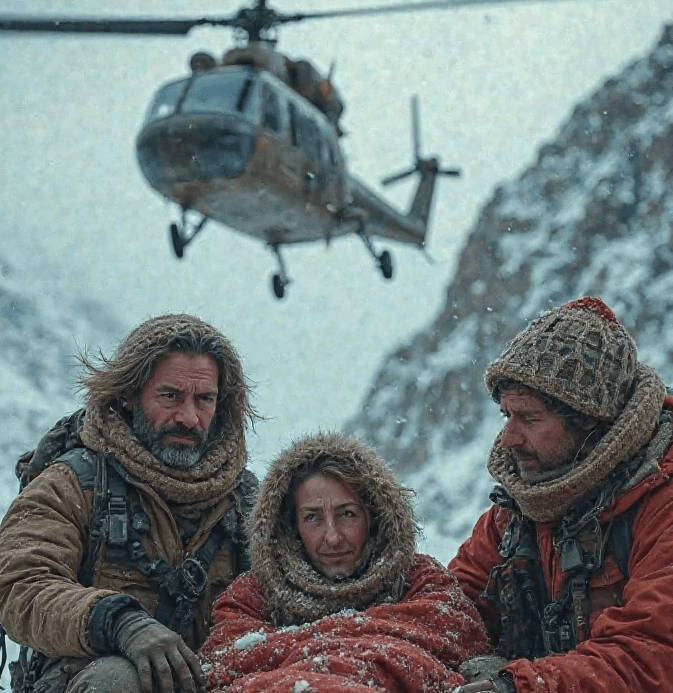



 TheDailyChristian