

If you have been trying to prepare for emergencies, then you have probably come across the same roadblock that most preppers have… practice.
As a prepper, it is very difficult to put your prepping skills to the test.
Emergencies simply don’t happen that often.
So you can’t know whether your preparations are up to the task or not.
Practice, however, is a crucial aspect of every skill we develop.
They say that the first step to getting better at anything is to suck at it first.
And to identify your flaws, try to fix them, and improve over time.
But how can you do that with prepping?
Well, with little imagination, you can take steps to test your prepping techniques and stay prepared for any eventuality.
I’ll show you how to do that in a minute.
First, you need to…
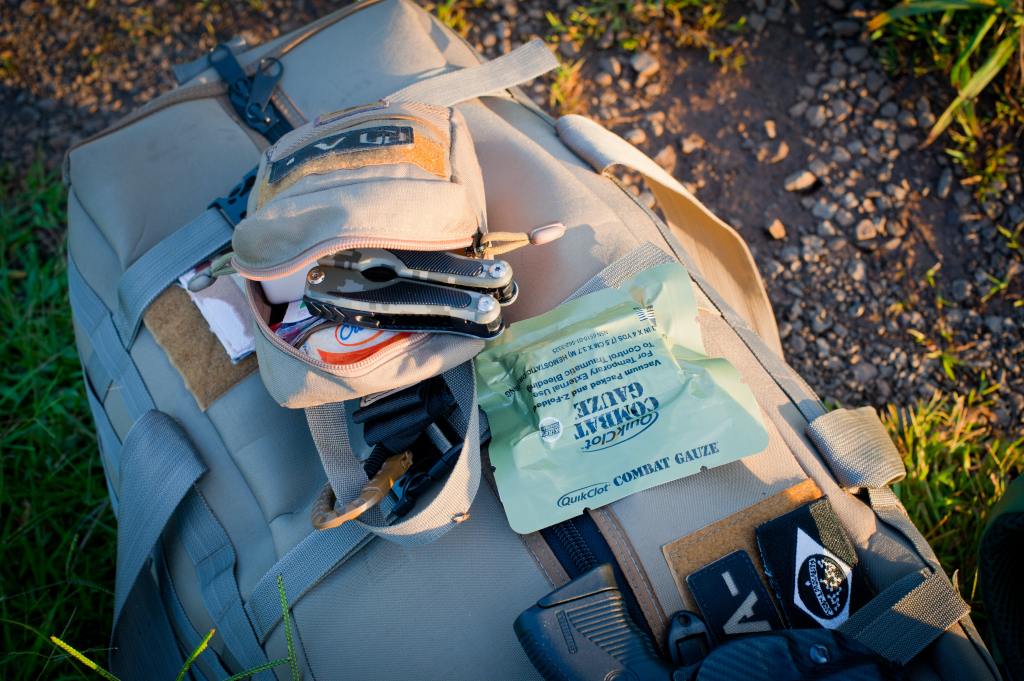
Understand Your Prepping Needs
I wish I could give you a clear-cut path that you should follow.
But depending on where you live and your current situation, you need to develop the appropriate skills.
Before testing your skills, though, you need to understand what you need to test.
There are several ways to do that:

Identify Potential Emergencies
The first step is to understand what types of emergencies are most likely to occur in your area.
Look at your town’s history, or ask the local residents what the most dangerous disaster that they had to go through was.
Additionally, consider factors such as natural disasters, power outages, and other events that could disrupt your family.
Assess Your Resources
Take stock of what items and resources you currently have on hand and identify any gaps in your prepping plan.
Consider things like food, water, shelter, clothing, and medication, as well as any tools or equipment that you may need.

Determine Your Priorities
With a clear understanding of your needs, it is easier to prioritize what skills and items you should focus on first.
For example, if you live in an area prone to hurricanes, your priority might be to have a solid evacuation plan in place.
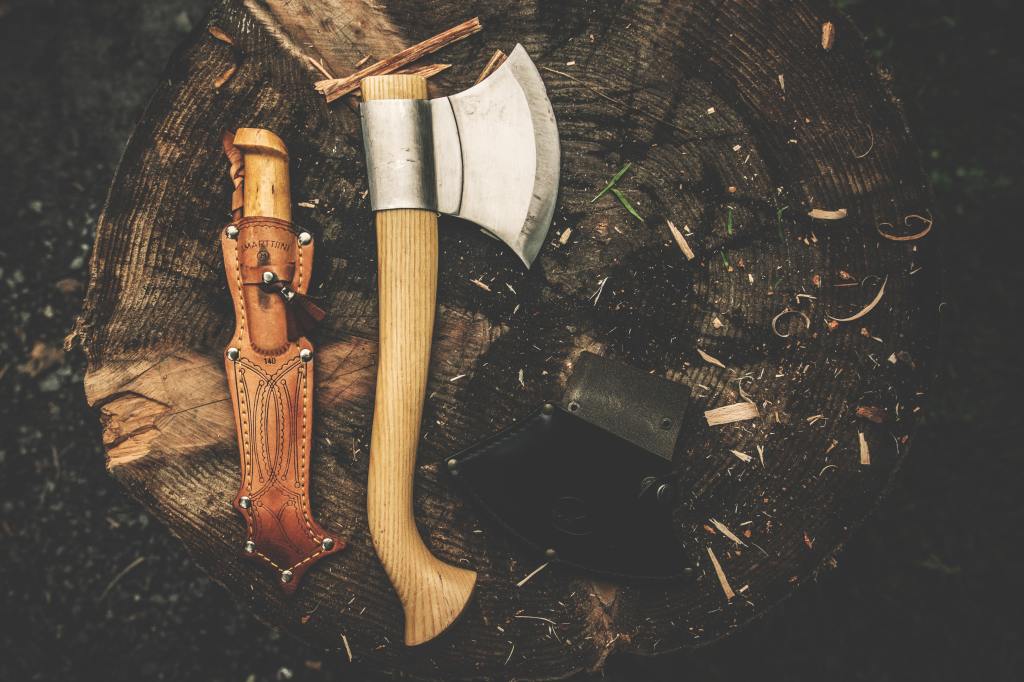
Putting Your Prepping Skills To The Test
It is finally time to test your skills.
You first need to find a safe and controlled environment.
This is where you will be pushing yourself to find flaws in your survival plan.
There are several ways you can do that.
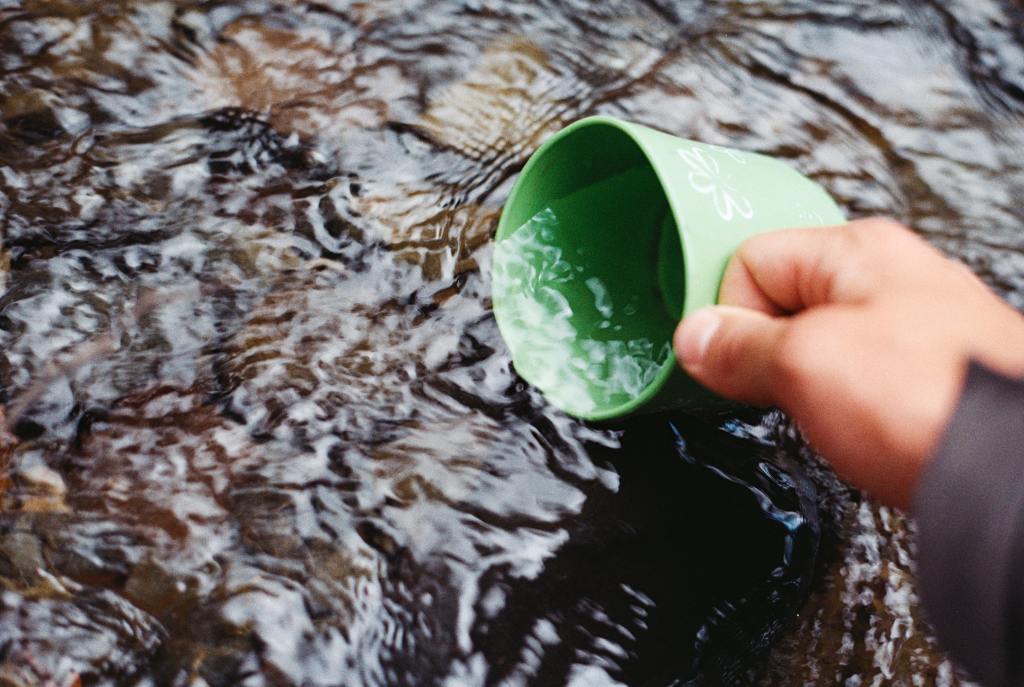
Simulated Emergency Scenarios
One effective way to test your prepping skills is to create simulated emergency scenarios that mimic real situations.
This allows you to see how well you can handle different types of emergencies using your equipment and skills.
For example, you could simulate a power outage, and see how well you can respond to the situation.
We actually make a game out of this in my household and even have the kids evolve in the prepping process.
Practice Essential Skills
This is a simpler one to execute. But it is also time-consuming.
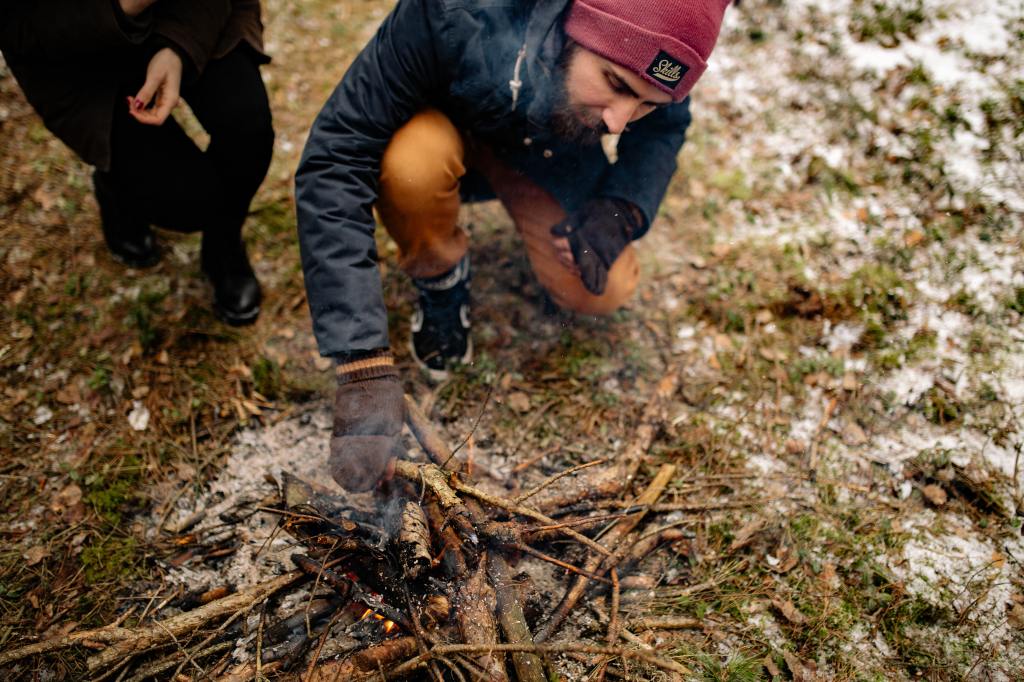
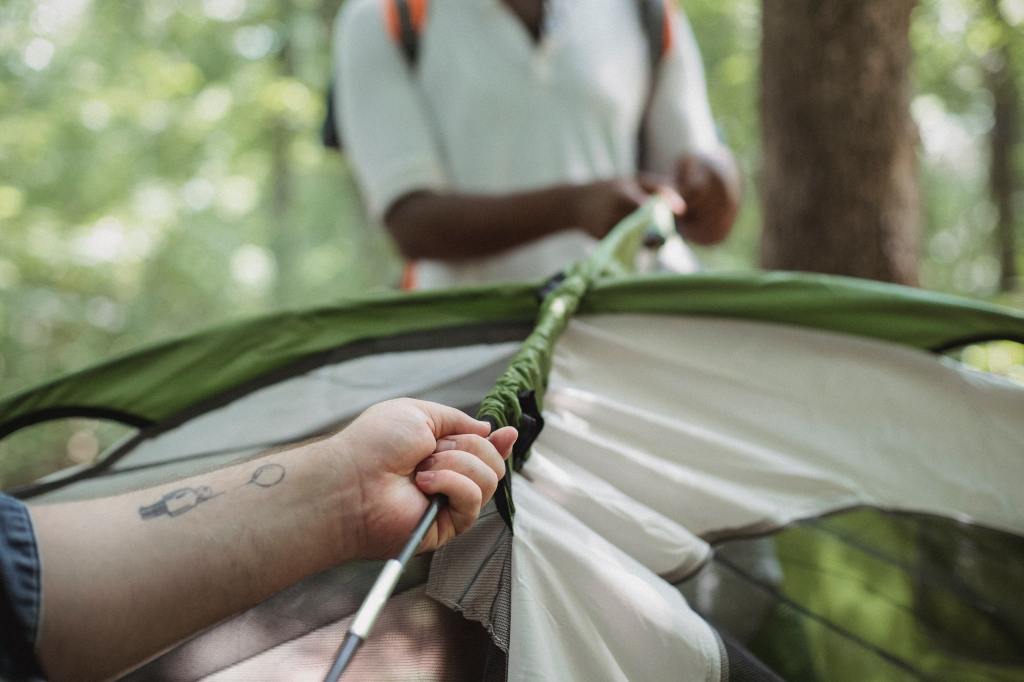
You just try out your essential skills.
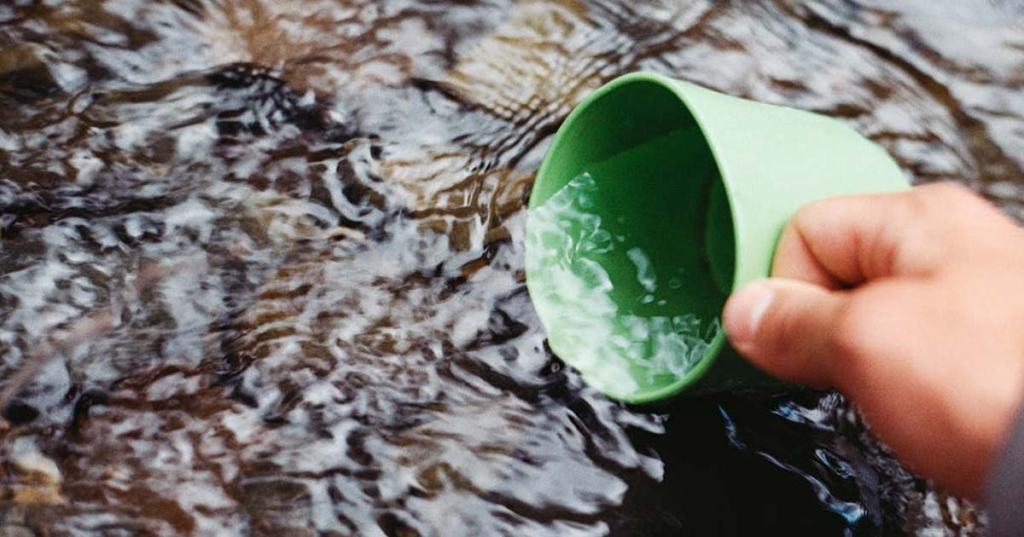
This includes building shelters, starting fires, purifying water, and more.
Regularly practicing these skills will help you feel more confident using them in real situations.
And most importantly, it will help you identify any areas that may need improvement.
Seek Feedback From Other Preppers
Sometimes we don’t see an obvious mistake we are making until someone points it out to us.
Just last week, a buddy of mine told me some of my emergency foods had expired.
I had forgotten to look!
Speaking to other preppers can help you see your skills and equipment from a different perspective.
I go over my emergency plans with my friends very often.
And I suggest you do too.

Engage in Community Preparedness Efforts
Your local community can give you tons of chances to test your prepping skills.
Many communities hold emergency preparedness drills and exercises.
These can be excellent times to test your skills and learn from others.
By actively participating in these efforts, you can ensure that you are fully prepared to handle any emergency situation that may arise.
Stay Up-To-Date With Modern Developments
What works nowadays is different from what worked 10 years ago.
The prepping community is always evolving and advancing.
So it is important to stay informed about the latest developments and advancements in the field.
This can include:
- Researching and learning about modern technologies and gear.
Stay informed about the latest gear and technologies available to preppers.
There is always different stuff coming out.
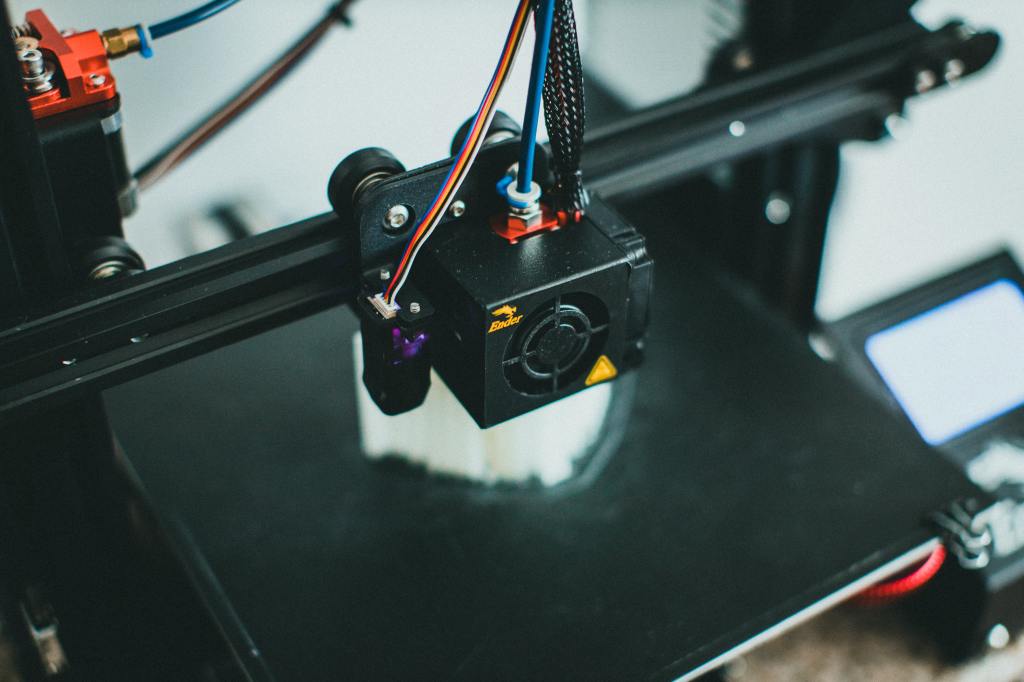
Just recently, for example, I learned that 3D printers are incredible for preppers.
- Staying informed about current events.
Information is one of the most crucial aspects of prepping.
Keep up with current events and news that may impact your preparedness.
If there is an occurring strain of a disease or a major flood, for instance, you should be aware of how these events could impact your area and your preparedness plan.

Practice and Maintain Your Prepping Skills Regularly
Prepping is not a goal. It’s a way of living.
You need to regularly evaluate your plan and change it depending on the circumstances.
This is why prepping should be a regular part of your routine.
This could mean setting aside time to practice your skills, update your equipment, and reassess your plan.
Your skills are not ever going to be flawless.
As you learn about different technologies and gear, incorporate them into your survival plan.
This can help you stay prepared and up-to-date with the latest developments.
Socrates said that unexamined lives are not worth living.
Same goes for prepping.
An unexamined plan is not worth having.
You need to constantly reassess your prepping plan to ensure that it is still relevant and effective.
Putting your prepping skills to the test is an essential part of being truly prepared for an emergency.
Prepping is not just about having gear and a plan.
It’s about actively practicing and refining your skills so that you are ready for any situation.
Remember, being prepared means being ready for the unexpected.
So take the time to test your prepping skills and continually improve your preparedness.

 TheDailyChristian