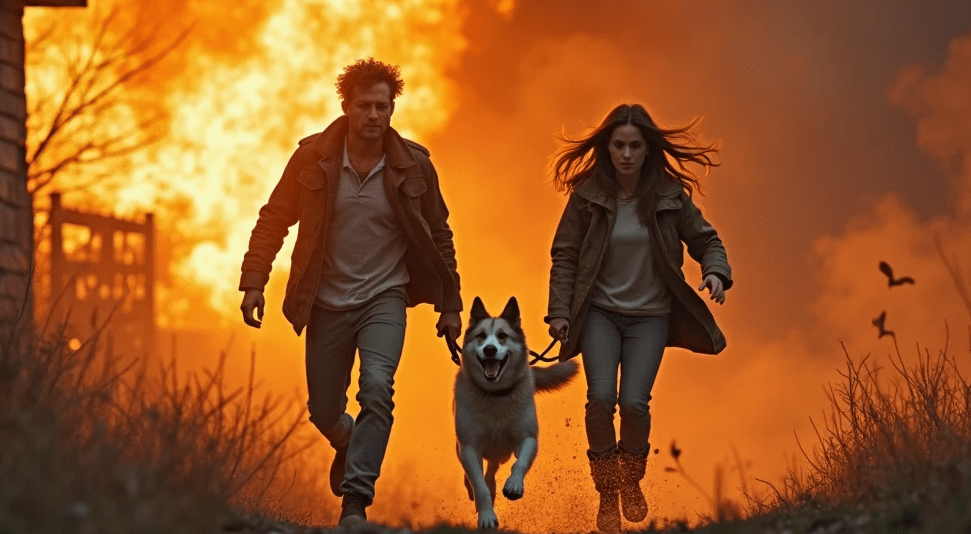
SHTF Reality Check: Why Local Officials Might Not Have Your Back

Many folks believe that when disaster strikes, the authorities will step in and keep them informed. They assume that emergency alerts will come through loud and clear, and that help will be on the way. But that mindset is a dangerous one.

The truth is, when the SHTF, relying on authorities—or mainstream media—to keep you informed is a gamble. Their priorities often don’t align with your survival needs. In many cases, they might not even have the information you need when you need it most.

It’s time to face facts: you are your first responder. If you’re waiting for someone else to tell you what’s happening, you’re already behind the curve.

CLICK HERE TO LEARN HOW TO NEVER STARVE WHEN DOOMSDAY HITS!


The Reality of Emergency Information

When disaster strikes, authorities may not be as transparent as we’d like them to be. Their priority is often to prevent confusion from spreading through the masses. Panicking can cause more immediate disarray than the emergency itself, and they know this.

To them, emergency situations are about the statistics. What they care about the most is saving face with the public. And everyday folks who just want to protect themselves and their families may be left in the dark when SHTF—until it’s too late to do anything about it.

But our families are not just a percentage on a screen. It is our duty to protect them.


10 Survival Prepper Tips to Stay Informed and Prepared

1. Invest in a Hand-Crank or Solar-Powered Radio

A battery-operated or hand-cranked radio can keep you connected to the outside world, even when the power grid fails. There are numerous channels and frequencies dedicated to emergency broadcasts, and they can be an invaluable resource when emergencies strike.

2. Utilize Emergency Alert Apps

There are several apps designed to keep you informed during emergencies. Apps like FEMA, AccuWeather, and the American Red Cross offer real-time alerts and detailed disaster planning guides. Additionally, apps like Zello turn your phone into a walkie-talkie, allowing you to communicate with others using Wi-Fi or cellular data .LifewireLifewire+2preppersparadigm.com+2End Times Preppers+2

3. Build a Local Network

Your neighbors, your friends, or any acquaintance you have can provide important insights and updates during emergencies. Building these relationships can pay us back a thousandfold in bad situations.

4. Stay Active on Community Forums

Online communities and forums dedicated to emergency preparedness and survival can be invaluable resources. Websites like SurvivalistBoards and PrepperForums offer a wealth of information and allow you to connect with like-minded individuals .

5. Monitor Police and Emergency Scanner Apps

Apps like Police Scanner and Scanner Radio allow you to listen to live broadcasts from law enforcement and emergency services. These can help you stay informed about local emergencies, road closures, and other critical events!

6. Create a Family Emergency Plan

Develop a comprehensive emergency plan that includes evacuation routes, meeting points, and communication strategies. Ensure all family members are familiar with the plan and conduct regular drills.

7. Assemble a Bug-Out Bag

A well-stocked bug-out bag can be a lifesaver in an emergency. Include essentials like water, non-perishable food, a first aid kit, flashlight, and multi-tool. Don’t forget important documents and any necessary medications.

8. Stay Informed Through Alternative News Sources

While mainstream media can be unreliable, alternative news sources often provide more detailed and timely information. Websites like Zero Hedge and The Prepper Journal offer insights into current events and their potential impact on your preparedness plans .Food Storage Moms+1Preparing with Dan+1

9. Practice Situational Awareness

Always be aware of your surroundings and stay alert to potential threats. Trust your instincts and don’t ignore red flags. Situational awareness can help you make informed decisions and avoid dangerous situations.

10. Regularly Review and Update Your Preparedness Plans

Emergencies can evolve rapidly, and so should your preparedness plans. Regularly review and update your plans to ensure they remain effective and relevant. Adapt to new information and changing circumstances.


Final Thoughts

Our world is unpredictable and often unfair. We can’t always rely on being spoon-fed knowledge in emergencies. However, by staying proactive and equipping ourselves with the right tools, we can stay ready to move when we have to.

Remember, when the SHTF, the authorities might not be there to help you. It’s up to you to stay informed, stay prepared, and stay alive.

Take control of your information sources, build a reliable network, and equip yourself with the knowledge and tools you need. Your family’s safety depends on it.


Survival Strategies for Massachusetts: Preparing for the Worst Natural Disasters

The Ultimate Prepper’s Guide to Massachusetts: Staying Ready for Any Natural Disaster

Living in Massachusetts, we all know that the weather can turn on a dime. Whether it’s snowstorms, hurricanes, or floods, we face a variety of natural disasters that demand preparedness. For a survival prepper like myself, the key to getting through any disaster is being ready, no matter what mother nature throws our way. In this post, I’ll walk you through how Massachusetts residents prepare for the worst natural disasters the state is prone to and provide survival prepper tips tailored to the unique challenges of living here.

The New England Winter: Preparing for Snowstorms and Blizzards

When it comes to natural disasters in Massachusetts, the winter months pose one of the greatest risks. Nor’easters—those fierce winter storms that dump heavy snow and bring powerful winds—are something we prep for every year. These storms can knock out power lines, cause road blockages, and leave entire neighborhoods in a state of emergency for days.

Survival Prepper Tip 1: Stock Up on Non-Perishable Foods and Water
You don’t want to be caught without food or water when the power goes out during a blizzard. Canned goods, dry foods like rice and beans, and a good supply of bottled water are essential. Make sure to have at least three days’ worth of supplies for each member of your family.

Survival Prepper Tip 2: Have a Reliable Heating Source
Massachusetts is known for frigid temperatures during winter, so you’ll want a backup heating source in case the power goes out. Propane heaters, wood stoves, or kerosene heaters can keep your home warm when the grid goes down. Make sure your chimney is cleaned regularly if you’re using a wood stove or fireplace.

Hurricane Season: Dealing with Coastal Storms

Though Massachusetts isn’t as frequently hit by hurricanes as some Southern states, we’ve still seen our fair share of damage from these powerful storms. Coastal areas are especially vulnerable to storm surges, high winds, and flooding. As a prepper, I always keep a watchful eye on hurricane season, which runs from June to November.

Survival Prepper Tip 3: Create an Evacuation Plan
If you live near the coast, evacuation is sometimes the best option during a hurricane. Know your evacuation routes and make sure your family is familiar with them. If you’re in a flood-prone area, consider having a “go bag” packed with essentials like clothing, medication, and important documents so you can leave quickly if needed.

Survival Prepper Tip 4: Reinforce Your Home
For those living near the coast, it’s important to fortify your home against strong winds and storm surges. Invest in storm shutters, and reinforce your roof, windows, and doors. Consider sandbagging around your home’s perimeter to protect against flooding.

Flooding: An Increasing Threat in Massachusetts

CLICK HERE TO LEARN HOW TO SURVIVE A FAMINE

Flooding is one of the biggest concerns for Massachusetts residents, especially as the climate changes and rainfall patterns become more unpredictable. While we don’t see the catastrophic flooding of places like New Orleans, our state is still vulnerable to flash floods and coastal flooding. Areas near rivers, the Cape Cod region, and Boston are particularly at risk.

Survival Prepper Tip 5: Elevate Important Items
In case of a flood, it’s crucial to protect your valuable items. Store important documents in waterproof containers and elevate electronics, furniture, and anything that could get ruined. If you live in a flood-prone area, consider installing sump pumps to prevent basement flooding.

Survival Prepper Tip 6: Create a Flood-Proof Emergency Kit
Flooding can leave you stranded in your home or in a temporary shelter for an extended period. Make sure your emergency kit includes a flashlight, batteries, a first-aid kit, and extra medication. Include items like waterproof matches, water purification tablets, and extra clothing.

Tornadoes: Rare, But Dangerous

Though Massachusetts isn’t known for frequent tornado activity, the state is not immune. Tornadoes can spring up unexpectedly, especially during severe thunderstorms in late spring and summer. While the risk of a direct hit is low, it’s always a good idea to be prepared for the possibility.

Survival Prepper Tip 7: Know Your Shelter Locations
If a tornado is heading your way, you need to seek shelter immediately. A basement or storm cellar is your safest bet. If you don’t have access to a basement, go to the interior part of your house on the lowest floor, away from windows. Keep a small “tornado kit” with essentials like blankets, water, and non-perishable snacks in your shelter area.

Earthquakes: Not a Major Threat, But Still Possible

Though Massachusetts is not on a fault line like California, the state can experience small to moderate earthquakes. The last significant earthquake to hit Massachusetts was in 1755, but smaller tremors are not unheard of. While a major earthquake is unlikely, it’s still worth knowing how to prepare.

Survival Prepper Tip 8: Secure Heavy Items
In the event of an earthquake, unsecured heavy furniture and appliances can fall and cause injury. Use brackets, anchors, or straps to secure shelves, TVs, and large appliances to the wall. Keep a first-aid kit on hand in case of injury.

Extreme Heat and Drought: A Growing Concern

As global temperatures rise, Massachusetts is experiencing hotter summers and occasional drought conditions. Prolonged heatwaves can put a strain on the power grid and increase the risk of wildfires. While we don’t see as many wildfires as the West, they can still occur, especially during dry conditions.

Survival Prepper Tip 9: Stay Hydrated and Plan for Power Outages
In extreme heat, staying hydrated is crucial. Always have plenty of water on hand, and consider purchasing a portable fan or solar-powered cooling system if you live without air conditioning. If your area is prone to power outages during storms or extreme heat, invest in a backup generator.

Winter Storms and Emergency Power

Massachusetts winters can throw everything at you, from snowstorms to ice storms, so it’s essential to be prepared for these cold and potentially power-sapping conditions. Ice storms can knock out power for days, making it imperative to have backup energy sources and supplies.

Survival Prepper Tip 10: Invest in a Generator and Backup Power
Power outages during winter storms can leave you without heat or refrigeration for extended periods. A reliable backup generator is one of the best investments a prepper can make. Make sure you have enough fuel stored to last for several days, and consider a propane or solar generator for a long-term solution.

Conclusion

Living in Massachusetts means preparing for the unexpected, and the state’s natural disasters require us to be proactive in our readiness. From winter storms to hurricanes and floods, knowing how to react and have the right gear ready is essential for survival. If you take the time now to prepare your home and family, you’ll be more than ready to face whatever comes your way. Stay safe, stay prepared, and remember that a good prepper is always ready for the worst—no matter the disaster.

Weathering the Worst: How to Prep for Tennessee’s Top Natural Disasters

Living in Tennessee, we’re no strangers to the unpredictable nature of weather and natural disasters. Our beautiful state, nestled between the Appalachian Mountains and the Mississippi River, boasts lush landscapes and diverse ecosystems, but it’s also prone to a variety of extreme weather conditions. As a survival prepper in Tennessee, I know firsthand that it’s not just the beauty of the state that makes it special, but the need to be prepared for any disaster that could come our way. Whether it’s tornadoes, floods, winter storms, or even the occasional earthquake, preparation is key to ensuring the safety of you and your family.

Tornadoes: A Tennessee Staple

Tennessee lies in “Tornado Alley,” where tornadoes can strike with little warning, especially during the spring and fall. We’ve all seen the devastation they cause, tearing through entire communities in a matter of minutes. As someone who’s lived through several tornadoes, I can tell you that preparation is essential. You can’t always predict when or where a tornado will strike, but you can certainly increase your chances of surviving one by knowing what to do.

Survival Tip #1: Always have a tornado shelter or a basement to retreat to. If you don’t have a basement, consider investing in a reinforced storm shelter. Make sure it’s stocked with food, water, flashlights, and a first-aid kit. Don’t forget a battery-powered weather radio to keep up with alerts.

Flooding: Rising Waters in Tennessee

Flooding is another common natural disaster that Tennesseans face, particularly in the spring when heavy rains cause rivers and creeks to overflow. Parts of Tennessee, especially the lower-lying areas, are especially susceptible to flooding. The memories of the 2010 Nashville flood are still fresh in our minds, as the rising water destroyed homes and took lives. This is a reminder that even if you live in an area that doesn’t typically flood, it’s vital to be prepared.

Survival Tip #2: Keep your home’s foundation and exterior properly sealed to prevent water from seeping inside. You should also have sandbags on hand and a pump to remove water if needed. Elevate important belongings, and make sure to know the flood zones in your area so you can evacuate quickly if necessary.

Winter Storms: Ice and Snow in the Volunteer State

While winter storms might not be as frequent in Tennessee as they are in other parts of the country, they still pack a punch when they do occur. Ice storms, in particular, are common, and these storms can cause widespread power outages, hazardous road conditions, and even damage to trees and power lines. Winter preparedness is critical because even though Tennessee winters aren’t as harsh as those up north, they can still cause chaos.

Survival Tip #3: Stock up on firewood, propane, or alternative heating sources for when the power goes out. Keep blankets, warm clothing, and sleeping bags in your emergency kit, and don’t forget extra batteries for flashlights. Prepare your vehicle by ensuring it’s winter-ready with antifreeze, chains, and a full tank of gas.

Earthquakes: The New Threat to Tennessee

CLICK HERE TO LEARN HOW TO SURVIVE A FAMINE

While Tennessee isn’t traditionally known for its earthquakes, we’re not immune to seismic activity. The New Madrid Seismic Zone, just north of the state, has the potential to cause massive earthquakes that could be felt across much of the state. The last significant earthquake in this region was over 200 years ago, but it’s crucial to remember that an earthquake could strike at any time, with little to no warning.

Survival Tip #4: Strengthen your home’s structure by retrofitting it for earthquake preparedness. Secure heavy furniture and objects to walls, and have an emergency kit ready to go with food, water, and other essentials.

Severe Heat: A Growing Concern

Tennessee summers can be brutal. The combination of heat and humidity often pushes the temperatures well above 90°F, and we also face the risk of heat-related illnesses, especially for the elderly and vulnerable. As climate change continues to affect weather patterns, heat waves could become more frequent and intense.

Survival Tip #5: Have a cooling strategy in place. Keep a good stockpile of water, portable fans, and a backup generator to keep air conditioning running during power outages. Stay aware of the heat index, and be ready to take action if conditions become dangerous.

Survival Prepper Tips for Natural Disasters in Tennessee

Being a prepper in Tennessee means knowing what types of disasters are most likely and being ready to face them. Here are 10 more survival prepper tips that will help you stay safe and self-sufficient:

Survival Tip #6: Always have a comprehensive first-aid kit that includes items like bandages, antiseptic, prescription medications, and any other specialized items you might need.

Survival Tip #7: Develop a family emergency plan and practice it regularly. Know the safest routes for evacuation, meeting points in case of separation, and how to stay in communication when cell service is down.

Survival Tip #8: Learn how to purify water from natural sources such as streams or rainwater. Keeping a reliable filtration system in your emergency kit is key.

Survival Tip #9: Have a bug-out bag for each family member with clothing, food, and water for at least 72 hours. This bag should be easy to grab and go if you need to evacuate quickly.

Survival Tip #10: Stay informed by subscribing to local weather alerts and installing weather apps on your phone. Knowledge is power, and knowing what’s coming can give you the upper hand in any disaster situation.

Survival Tip #11: Stock up on non-perishable foods that are high in nutrition, such as canned goods, rice, pasta, and freeze-dried meals. These foods will help sustain you during long-term emergencies.

Survival Tip #12: Consider investing in solar-powered chargers and alternative power sources for your home. Solar panels, generators, and battery backups can be lifesavers during power outages.

Survival Tip #13: Create a home defense plan to protect your property from looters in the event of a widespread disaster. This could involve reinforcing doors and windows or having tools for self-defense.

Survival Tip #14: Build a network with other preppers in your area. During a disaster, having a community to rely on can make all the difference in terms of resources and safety.

Survival Tip #15: Don’t forget about pets. Make sure to have food, water, and medicine stocked up for your animals. They depend on you to keep them safe during a disaster.

Staying Safe in Tennessee: The Prepper’s Mindset

Being a prepper in Tennessee means always being ready for what Mother Nature can throw at us. From tornadoes and floods to winter storms and earthquakes, Tennessee offers its own unique set of challenges. But with the right mindset, tools, and preparation, you can ensure that you and your loved ones are well-equipped to handle whatever comes your way. Whether you’re dealing with a flash flood or an ice storm, the key to survival is always staying calm, informed, and prepared.

As a prepper, it’s not just about having the gear—it’s about being mentally and emotionally prepared to handle disaster when it strikes. Tennessee residents who take the time to prepare today will be able to weather the storms of tomorrow. So, gather your supplies, plan your escape routes, and stay vigilant. Because in Tennessee, the next disaster could be just around the corner.

The Stockpiler’s Survival Guide

In 2002, a man named Jack Whittaker from West Virginia hit the Powerball jackpot. It was the biggest prize of its time—hundreds of millions. Most folks would think he hit the ultimate jackpot. But if you dig deeper, you’ll find a cautionary tale that every prepper should take to heart.

Jack’s windfall didn’t bring joy. It brought chaos, greed, tragedy, and death. The moment people found out he was rich, they came out of the woodwork—begging, scheming, and circling like vultures. His house turned into a battleground of handouts and deception. He faced constant legal troubles, and worse, he lost both his daughter and granddaughter under tragic circumstances that many say were linked—directly or not—to the poison of sudden wealth.

Eventually, Jack said publicly that he wished he had torn up that lottery ticket.

CLICK HERE TO LEARN HOW TO NEVER STARVE WHEN DOOMSDAY HITS!

And that got me thinking.

As preppers, we’re not chasing lottery wins. But if you’re stockpiling wisely—if you’ve been planning for what others refuse to see coming—then in the eyes of the unprepared, you’re rich. Maybe not with cash, but with things that matter when the system collapses: food, water, fuel, skills, and know-how.

And just like Jack, if the wrong people find out, you become a target.

When SHTF, desperation turns good people bad. Neighbors turn into looters. Friends can become beggars. And strangers—well, don’t even count on mercy from them. It won’t matter if it’s your kid’s formula, your last bag of rice, or the meds you set aside for your spouse. If someone knows you have it, they will do anything to get it.

Lesson One: Conceal What You Have.

You don’t need to parade your supplies on social media. You don’t need to show off your stash in YouTube videos or brag about your “bug-out” plans at work. Loose lips sink ships. In a true crisis, every can of beans becomes gold. Every gallon of water becomes leverage.

Think about this: If every grocery store and supermarket shut down tonight, and folks knew you were stocked, your house might not survive the week. And that’s not paranoia—it’s math. Hungry people act fast. Starving people act violently.

Take a lesson from Jack Whittaker: if you have value—whether it’s dollars, gear, or provisions—keep it quiet. Because the more they know, the more they’ll take. And they won’t ask nicely.

Now, let’s talk about how to keep your prepping smart, quiet, and effective. Here are ten essential prepper tips every stockpiler should follow if they want to survive and stay off the radar.


10 Survival Prepper Tips for Smart Stockpiling and Stealth Survival

1. Don’t Tell, Don’t Show

It’s tempting to share your plans with friends or neighbors, especially if you’re proud of your setup. But limit your disclosures. Tell only those you trust with your life—and even then, keep details vague.

2. Diversify Your Stash

Don’t keep all your supplies in one place. Spread your stockpile across your home, vehicle, shed, and even hidden caches if possible. That way, if one area gets compromised, you’re not left high and dry.

3. Practice OPSEC

Operational Security (OPSEC) is a mindset. Don’t throw out packaging from large food purchases. Avoid bulk deliveries when neighbors are watching. Blend in. Be the “average Joe” who shops like everyone else.

4. Train, Don’t Just Store

All the gear in the world is worthless if you don’t know how to use it. Practice purifying water, making fire without matches, cooking off-grid, and self-defense. Build muscle memory.

5. Develop Community—but Quietly

Survival is easier in a group, but choose your circle carefully. Build quiet alliances with like-minded individuals. Barter, trade, and train together—but keep things low-key and never disclose your full inventory.

6. Gray Man Strategy

Look harmless, unprepared, and average. In public, don’t dress like you’re headed into the wild. When disaster strikes, don’t be the guy with the latest tactical gear walking down the street. Blend in to avoid attention.

7. Rotate and Maintain Supplies

Your food, fuel, and meds have expiration dates. Rotate stock, label everything, and use a spreadsheet if needed. The worst time to realize your food is spoiled is when your life depends on it.

8. Harden Your Home

Your house is your first line of defense. Reinforce doors, add security film to windows, set up motion lights, and consider solar cameras. You’re not being paranoid—you’re being ready.

9. Prepare for Power Loss

Most people think about food and water but forget energy. Stock up on batteries, solar chargers, hand-crank radios, and backup heating options. When the grid fails, you need to adapt quickly.

10. Have an Exit Plan

Sometimes you can’t shelter in place. Know where you’ll go, how you’ll get there, and what you’ll bring. Keep bug-out bags ready and have alternate routes. Never assume your first plan will work.


Survival Isn’t Just About Stuff—It’s About Mindset

Jack Whittaker’s story is more than a tragedy—it’s a mirror. When society collapses, the rules change. The rich won’t be the ones with stock portfolios—they’ll be the ones with clean water, warm meals, and working flashlights.

And just like Jack learned, if people know you’ve got something they don’t, they’ll come for it.

So stay sharp. Stay quiet. Stockpile smart. And remember: stealth is strength.

We prep not to boast, but to survive. And the best preppers don’t just prepare for disasters—they prepare to stay invisible when the world starts watching.

Why The Local Authorities Will Not Always Be Your Ally When SHTF

I see a lot of people who don’t even bother staying in touch with the latest events.

Because as they say “the authorities will let them know if anything major happens.”

But they have it backward, folks.

In an emergency, authorities may not be as transparent as we’d like them to be.

Their priority is to prevent confusion from spreading through the masses.

Panicking often causes more immediate disarray than the emergency itself.

And they know this.

CLICK HERE TO LEARN HOW TO NEVER STARVE WHEN DOOMSDAY HITS!

To them, emergency situations are about the statistics.

What they care about the most is saving face to the public.

And everyday folks who just want to protect themselves and their families may be left in the dark when SHTF

Until it’s too late to do anything about it.

But our families are not just a percentage on the screen.

It is our duty to protect them.

That’s why it’s absolutely essential that we take the reins on how we obtain and process knowledge.

Let’s not rely solely on the local authorities or mainstream media.

There are numerous alternatives that allow us to stay informed and be ready for anything.

Radio, for instance, has long been a reliable source of info during emergencies.

A battery-operated or hand-cranked radio can keep you connected to the outside world, even when the power grid fails.

There are numerous channels and frequencies dedicated to emergency broadcasts, and they can be an invaluable resource when emergencies strike.

And don’t forget about the web.

Sure, you can’t rely on it in the worst-case scenario, but it’s a treasure trove of information as long as it’s available.

Follow trusted alternative info websites, independent journalists, and forums dedicated to emergency preparedness and survival.

Lastly, don’t forget the importance of local community networks.

Your neighbors, your friends, or any acquaintance you have can provide important insights and updates during emergencies.

Building these relationships can pay us back a thousandfold in bad situations.

Our world is unpredictable and often unfair. We can’t always rely on being spoon-fed knowledge in emergencies.

However, by staying proactive and equipping ourselves with the right tools, we can stay ready to move when we have to.

Do This Before Neighbors Become Dangerous

Picture this.

You are enjoying a nice dinner with your family on a quiet Sunday afternoon.

When suddenly an incredible earthquake strikes your city without warning. Leaving devastation in its wake.

Power lines are down, and it seems like it could be days, or even weeks, until they’re restored.

But that doesn’t scare you.

Because your essentials are well-stocked, your family is safe, and you’re ready to weather the storm.

You breathe a sigh of relief.

But then there’s a knock at the door…

What happens when the most dangerous thing after an emergency isn’t the emergency itself, but the people living right next door?

It’s a reality we don’t like to confront.

And yet, the truth is, not everyone is as ready as we are.

When the world around us crumbles, and desperation seeps in, your well-laid plans and stockpile might make you a target.

So how do you navigate this potential challenge?

Well, there is no way around it. If you have neighbors, transforming them into fellow preppers is the safest thing you can do.

It might seem a bit paradoxical at first.

Talk about your well-earned knowledge and resources with the very people who could pose a threat?

However, it’s this shift in perspective that could make a world of difference.

When your neighbors are also ready, then they are not dangerous anymore.

If anything, they might aid you in emergencies.

The transformative power of community readiness is something that is vastly underestimated.

Instead of being isolated and under potential threat from unprepared neighbors, fostering a culture of preparedness can turn your neighborhood into a network of allies during difficult times.

You can start by investing your time in spreading awareness about the importance of readiness.

Or host a neighborhood meeting where you share valuable insights on emergency planning, food and water storage, basic first-aid, and necessary survival skills.

Or, if this sounds like too much work, you could just forward my emails to them.

I share everything I learn about emergency preparedness, and I hold nothing back.

We are in this together.

Helping each other survive is the natural thing to do.

By sharing your knowledge, you’re equipping your neighbors to stand on their own feet.

And you are eliminating a potential threat.

Let’s embrace the power of community. Because when SHTF, unity is strength.

10 Critical Items Every Southern California Prepper Should Stock

Ready for the End: 10 Critical Items Every Southern California Prepper Should Stock

Hey there, SoCal! Whether you’re a seasoned prepper or just starting to think about disaster readiness, it’s essential to be prepared for the unexpected. From wildfires and earthquakes to power outages and civil unrest, having the right gear can make all the difference. Let’s dive into the top 10 survival tools every Southern Californian should have on hand.


1. Water Filtration System

In a region prone to droughts and wildfires, access to clean water can become scarce. A portable water filter, like the Sawyer Mini, allows you to purify water from lakes, streams, or even puddles, ensuring you stay hydrated when municipal systems fail. Survival Magazine


2. Multi-Tool or Survival Knife

A high-quality multi-tool or fixed-blade knife is indispensable. Brands like Gerber and Leatherman offer models equipped with pliers, screwdrivers, and blades, making them versatile for various survival tasks, from building shelter to preparing food.


3. Portable Power Station

Power outages can last for days, especially after a wildfire or earthquake. A portable power station, such as the Goal Zero Yeti, can charge your devices, run small appliances, and keep essential equipment operational during extended blackouts.


4. First Aid Kit

Accidents happen, and having a well-stocked first aid kit is crucial. Ensure it includes bandages, antiseptics, tweezers, pain relievers, and any personal medications. Regularly check and update your kit to keep it ready for use.


5. Emergency Shelter

In the event of evacuation or if your home becomes uninhabitable, having an emergency shelter is vital. Compact tents, tarps, or emergency bivvies can provide protection from the elements and a place to rest.


6. Fire Extinguisher

With the threat of wildfires in Southern California, having a fire extinguisher on hand is essential. Ensure it’s rated for all types of fires (Class A, B, and C) and that all family members know how to use it.


7. Flashlight and Headlamp

Power outages can occur without warning. A reliable flashlight and headlamp ensure you can navigate safely in the dark. Opt for LED models with long battery life and consider solar-powered options to reduce reliance on disposable batteries.


8. Emergency Radio

Staying informed is crucial during a disaster. An emergency radio, preferably hand-crank or solar-powered, can provide updates on weather conditions, evacuation orders, and emergency broadcasts when other communication channels are down.PlanetWare


9. Duct Tape and Paracord

These versatile items can be used for a multitude of purposes, from repairing gear to building shelter. Duct tape is excellent for quick fixes, while paracord can serve as rope for various tasks.


10. Emergency Food Supply

Having a stash of non-perishable food ensures you have sustenance during emergencies. Opt for freeze-dried meals, protein bars, and canned goods that are easy to prepare and have long shelf lives.


10 Survival Prepper Tips for Southern Californians

  1. Create a Family Emergency Plan: Establish meeting points and communication methods in case of separation.
  2. Maintain a 72-Hour Emergency Kit: Ensure each family member has a kit with essentials like water, food, and first aid supplies.
  3. Secure Your Home: Install fire-resistant materials and clear vegetation to create defensible space.
  4. Stay Informed: Sign up for local alert systems and monitor NOAA Weather Radio for updates.
  5. Practice Evacuation Drills: Regularly rehearse evacuation routes and procedures with all family members.
  6. Know Multiple Routes: Familiarize yourself with alternative evacuation routes to avoid traffic congestion.
  7. Maintain Your Vehicle: Keep your car fueled and stocked with emergency supplies, including a spare tire and jumper cables.
  8. Secure Important Documents: Store copies of important documents in a waterproof and fireproof container.
  9. Learn Basic First Aid: Take a first aid and CPR course to be prepared for medical emergencies.
  10. Stay Calm and Follow Official Instructions: During a disaster, remain calm and follow the guidance of local authorities.

Best Camping Sites in Southern California

For preppers, camping isn’t just about recreation—it’s about training and testing gear. Here are some top spots to consider:

  • Jumbo Rocks Campground, Joshua Tree National Park: Offers surreal desert landscapes and clear night skies, ideal for stargazing and testing gear. PlanetWare
  • San Onofre Bluffs Campground: Located near San Clemente, this site provides ocean views and access to surf breaks, perfect for coastal survival training. wildoutdoorsy.com
  • Green Valley Campground, Cuyamaca Rancho State Park: Situated near Julian, this campground offers cooler temperatures and lush forests, providing a different environment for survival practice. PlanetWare
  • El Capitan State Beach Campground: Located near Santa Barbara, this site offers beachfront camping with opportunities for fishing and marine survival skills.
  • Idyllwild Campground, Mount San Jacinto State Park: Nestled in the San Bernardino National Forest, this campground offers cooler temperatures and access to hiking trails, ideal for wilderness survival training.

10 Non-Negotiables for the Serious Doomsday Prepper

10 Non-Negotiables for the Serious Doomsday Prepper: A Christian Perspective

As Christians, we are called to be good stewards of all that God has entrusted to us. This includes our families, our resources, and our ability to prepare for uncertain times. The Bible teaches us to be wise and prudent, especially in times of trial. Proverbs 22:3 tells us, “The prudent see danger and take refuge, but the simple keep going and pay the penalty.” This verse serves as a reminder that we are not to live in fear, but rather in preparation for challenges that may arise. For the serious doomsday prepper, this means equipping ourselves spiritually, mentally, and physically for any eventuality that could disrupt our lives.

While the world around us seems increasingly unstable—with political unrest, natural disasters, and economic upheaval—God calls us to trust Him while also taking practical steps to ensure our survival and the well-being of our loved ones. Below, we’ll explore ten non-negotiable items that every serious prepper should have, all through the lens of faith, prayer, and wisdom from the Word of God.


1. Faith and Trust in God

Before anything else, the foundation of all preparation must be a firm reliance on God. As Christians, we know that no matter what happens in the world, our ultimate security rests in the hands of our Heavenly Father. Psalm 46:1 assures us, “God is our refuge and strength, an ever-present help in trouble.” While it’s important to prepare, we must remember that it is God who ultimately sustains us.

Prayer:
“Father, help me to trust You in all circumstances. Grant me wisdom to prepare, but peace in knowing that You are in control of my future. In Jesus’ name, Amen.”


2. Water Filtration and Storage

Water is essential to life, and it is vital that you have a reliable source of clean water, especially in the event of a disaster. A water filtration system is non-negotiable for preppers. The Bible speaks about water being life-sustaining, as in John 4:14, where Jesus says, “Whoever drinks the water I give them will never thirst.” As we prepare, let us also remember that God provides for our needs. Nevertheless, we must be responsible stewards of the resources He provides.

Ensure you have an emergency supply of water, as well as the means to filter and purify water in case it becomes contaminated.


3. Food Storage and Emergency Supplies

In Matthew 6:11, Jesus teaches us to pray, “Give us today our daily bread.” While we trust in God to provide, it is also wise to prepare for times when food might be scarce. Having a well-stocked pantry filled with non-perishable foods, freeze-dried meals, and essential items like rice, beans, and canned goods is an essential part of any prepper’s plan.

It’s important not only to stock food but also to rotate it regularly to ensure it stays fresh and usable when needed. Also, consider adding a manual can opener to your kit, as it could become a crucial tool in an emergency.


4. First Aid Kit and Medical Supplies

Health emergencies can arise unexpectedly, and we must be prepared to care for ourselves and others when necessary. The Bible encourages us to take care of our bodies as temples of the Holy Spirit (1 Corinthians 6:19-20). A comprehensive first aid kit that includes bandages, antiseptics, medications, and tools for dealing with serious injuries is a non-negotiable item for every prepper.

Additionally, consider learning basic first aid and CPR to better assist those in need. In times of crisis, being able to provide medical assistance could save lives.


5. Firearms and Self-Defense Tools

In times of disaster, the ability to defend yourself and your loved ones becomes critical. The Bible doesn’t shy away from the fact that, at times, we may need to defend what God has entrusted to us. Nehemiah 4:14 says, “Don’t be afraid of them. Remember the Lord, who is great and awesome, and fight for your families, your sons and your daughters, your wives and your homes.” While our trust is in God, it’s also wise to equip ourselves with the means to protect what is valuable to us.

Ensure that you are well-trained and proficient in the use of firearms and other self-defense tools.


6. Bibles and Spiritual Resources

No matter how prepared we are physically, we must never forget our spiritual needs. A Bible is a non-negotiable item for every prepper. In times of crisis, it is the Word of God that provides us with comfort, peace, and hope. Psalm 119:105 says, “Your word is a lamp for my feet, a light on my path.” Having Bibles for yourself and your family, along with Christian books that offer encouragement and wisdom, will help you stay grounded spiritually.

Prayer:
“Lord, thank You for Your Word. Help me to keep it in my heart and use it as a guide through all trials. May I always find comfort and strength in Your promises. Amen.”


7. Emergency Shelter and Warmth

Whether it’s a tent, tarp, or other forms of shelter, having the ability to protect yourself from the elements is crucial. The Bible speaks of God’s provision and care even in the most difficult circumstances. In Psalm 91:4, it says, “He will cover you with His feathers, and under His wings you will find refuge.” Just as God provides shelter and protection, we must ensure that we have the means to shelter ourselves in case of an emergency.

Also, stock up on blankets, sleeping bags, and warm clothing, especially if you live in an area prone to cold weather or extreme conditions.


8. Communication Devices

While it’s important to have physical preparedness, staying connected with others is also essential. The Bible encourages us to look out for one another, as seen in Galatians 6:2: “Carry each other’s burdens, and in this way, you will fulfill the law of Christ.” Having communication devices, such as two-way radios or satellite phones, will help you stay connected with family, friends, and fellow believers during a disaster.

Ensure your communication devices are fully charged and have backup power sources to keep them operational when needed most.


9. Cash and Barterable Goods

In a financial collapse or in times when electronic payments no longer work, cash and tangible items for bartering will become invaluable. Proverbs 11:1 tells us, “The Lord detests dishonest scales, but accurate weights find favor with Him.” While we are to trust God with our finances, it is wise to keep some cash on hand, as well as items like gold, silver, or other resources that can be traded if currency becomes obsolete.


10. Mental and Emotional Resilience

When disaster strikes, mental and emotional resilience is as important as physical survival. Proverbs 24:10 reminds us, “If you falter in a time of trouble, how small is your strength!” Preparing for mental and emotional challenges is just as important as preparing for physical ones. Build a strong, prayerful mindset that relies on God’s strength. Practice gratitude, hope, and trust in God’s plan, no matter what comes.


5 Survival Prepper Tips

  1. Develop a Family Emergency Plan – Communication is key. Create a plan that includes where to meet, how to contact each other, and who to rely on in case of emergency.
  2. Learn Basic Survival Skills – From fire-starting to shelter-building, learning these essential skills ensures you can thrive even when your gear fails.
  3. Train for Self-Defense – Equip yourself with the knowledge of self-defense techniques, firearms training, and situational awareness to protect your family.
  4. Stay Physically Fit – Your body is your first line of defense in a disaster. Exercise regularly to build strength and stamina to endure tough situations.
  5. Trust in God’s Provision – Above all, trust that God will provide for your needs, even when times are uncertain. Remember Matthew 6:33: “But seek first His kingdom and His righteousness, and all these things will be given to you as well.”

Prepper Priorities: Must-Have Items Before the Collapse

Prepper Priorities: Must-Have Items Before the Collapse

In today’s uncertain world, the notion of self-reliance is becoming more important than ever. With rising concerns over political instability, economic uncertainty, and the unpredictability of natural disasters, it’s clear that the need to prepare for potential crises is something that we can no longer ignore. Whether it’s the possibility of hyperinflation, power grid failures, or even the collapse of social order, being ready for the worst can ensure that you, your family, and your community are protected.

As conservative-minded individuals, we value independence, personal responsibility, and the ability to weather any storm that comes our way. Preparing for a collapse—whether political, economic, or otherwise—requires the right mindset, skills, and tools. Let’s take a look at the must-have items every prepper should stock up on, with a focus on practical, common-sense solutions.


1. Water Filtration System

You don’t have to look far to see that clean water is becoming an increasingly precious commodity. The fact that many cities across the U.S. are experiencing water shortages, and that the quality of municipal water is increasingly suspect, makes having a reliable water filtration system essential. Whether you prefer a portable filter like the Lifestraw or a larger, home-based filtration system, ensuring access to clean water is a top priority. As recent reports have highlighted the contamination of water supplies in cities like Flint, Michigan, the need for self-sufficiency when it comes to water is crystal clear.


2. Food Storage and Emergency Supplies

With inflation at historic highs and the global food supply chain under increasing strain, securing a long-term food supply is more critical than ever. Stocking up on non-perishable foods, freeze-dried meals, and essentials like rice, beans, and canned goods will help ensure your family is well-fed during a crisis. In recent years, we’ve seen shortages in everything from toilet paper to baby formula—what if the next shortage impacts your ability to feed your family? Given the government’s unpredictable handling of supply chain issues, it’s up to you to ensure you’re prepared.


3. Firearms and Ammunition

As we’ve witnessed in the past year, political and social tensions in the U.S. are rising, and the need for personal protection is becoming more pressing. The Second Amendment is an essential part of our nation’s foundation, and being able to defend your home and loved ones is paramount. From unpredictable civil unrest to the increasing possibility of government overreach, firearms and ammunition are not just for hunting—they’re a tool for preserving life and liberty. Recent political debates on gun control have only further solidified the importance of having the right to bear arms and the necessity of being prepared.


4. Medical Supplies and First Aid Kit

In any emergency situation, the ability to treat wounds, illnesses, and injuries is crucial. As hospitals become overwhelmed in times of crisis—whether due to pandemics, civil unrest, or natural disasters—a well-stocked first aid kit can make a life-or-death difference. Essential items include bandages, antiseptics, medications, and tools for dealing with serious injuries. When you rely on government-run healthcare systems that are increasingly overwhelmed, having the knowledge and resources to care for yourself and your family becomes indispensable.


5. Solar-Powered Battery Chargers

The rising risk of power grid failures should be a wake-up call to anyone who values self-sufficiency. From cyberattacks on critical infrastructure to natural disasters like hurricanes and wildfires, power outages are becoming more common. Solar-powered battery chargers allow you to keep your communications running, charge important devices, and maintain a basic level of connectivity, even during extended outages. With the increasing instability of both domestic and international politics, it’s important to ensure that you can maintain your independence, even when the grid goes down.


6. Emergency Shelter

When disaster strikes, the ability to secure shelter can make all the difference in your survival. Whether it’s a temporary bug-out shelter or a more permanent setup, having the right gear—such as tents, tarps, or a well-built shelter in your backyard—can provide safety and comfort in times of chaos. Just look at the mass exodus from urban areas in the wake of natural disasters or civil unrest—having a backup plan for shelter can help you escape the fray when the world goes sideways.


7. Survival Tools and Multi-Tools

The right tools can mean the difference between life and death in a survival situation. A high-quality multi-tool, such as a Leatherman or Swiss Army knife, can serve a multitude of purposes, from building shelter to defending yourself. Additionally, having specialized tools for tasks like fire-starting, hunting, and cooking can make your survival efforts much more manageable. As we’ve seen with the growing unpredictability of global conflicts and natural disasters, there’s no telling when you may need to rely on your own two hands to survive.


8. Fuel and Energy Resources

As power grids and gas supplies become more vulnerable to both cyberattacks and supply chain breakdowns, securing alternative energy sources is becoming more critical. This can include fuel for cooking and heating, as well as renewable resources like solar panels or generators. With the rising cost of energy and increasing energy dependency in times of crisis, being able to manage your own energy resources will be key to maintaining your independence. Political tensions in energy-rich regions only further highlight the importance of securing your energy needs now.


9. Communication Devices

Staying informed and connected during an emergency is crucial. While smartphones are convenient, they are also dependent on the grid. Investing in alternative communication devices—such as two-way radios or satellite phones—can keep you in touch with loved ones and provide critical information when all other forms of communication fail. The recent power outages in California and Texas have demonstrated how fragile our communication systems can be when disaster strikes, and having a backup plan is essential for survival.


10. Bug-Out Bag

A bug-out bag is your go-to survival kit that should include everything you need to survive for at least 72 hours in a crisis. This should include water, food, medical supplies, fire-starting tools, and clothing, all packed in a durable, easy-to-carry bag. Recent political developments, such as civil unrest and the rising risk of natural disasters, have shown that being able to quickly evacuate your home is not just a smart move—it could be life-saving.


11. Mental and Physical Conditioning

Survival isn’t just about having the right gear—it’s also about being mentally and physically prepared to endure. Building physical strength, stamina, and mental resilience can help you handle the stress and strain that comes with survival situations. Whether it’s training for self-defense, practicing mindfulness, or strengthening your body through regular exercise, conditioning is crucial to maintaining a survival mindset.


11 Survival Prepper Tips

  1. Develop a comprehensive emergency plan – Include family members and ensure everyone knows the steps to take in case of evacuation or lockdown.
  2. Stay informed – Always monitor reliable news sources for updates on local and global crises.
  3. Learn essential survival skills – Learn how to forage, hunt, and fish; practice fire-starting and shelter-building.
  4. Create a bug-out plan – Know multiple escape routes and have a trusted destination in mind.
  5. Practice financial preparedness – Have cash on hand and precious metals for bartering in case the financial system collapses.
  6. Stockpile essentials – Think beyond food and water—get tools, batteries, and other long-term supplies.
  7. Communicate your plan – Share your emergency plans with loved ones and practice regularly.
  8. Strengthen community ties – Build relationships with neighbors and like-minded individuals who can help in a crisis.
  9. Stay fit and healthy – In an emergency, your health and stamina will be critical to your survival.
  10. Learn basic first aid – Knowing how to treat injuries and illnesses could save lives during a disaster.
  11. Have a backup energy source – Solar-powered tools and alternative energy sources will keep you off the grid.

Current Events Political Moments Impacting Prepping

Recent political events—from the chaotic withdrawal from Afghanistan to escalating tensions over inflation—serve as stark reminders of the instability in our world. Policies that affect energy, gun rights, and government intervention are all part of the equation when planning for a collapse. As government actions grow more unpredictable, self-reliance becomes more necessary for ensuring your future security.

Surviving the Texas Storm: How Texans Prepare for the Worst Natural Disasters

How Texans Prepare for the State’s Worst Natural Disasters

Living in Texas, you’re no stranger to the force of nature. From blistering heatwaves to unpredictable storms, the Lone Star State has seen it all. While we love our BBQs, rodeos, and wide-open spaces, we also know that when disaster strikes, it’s not a time to panic – it’s a time to act.

In Texas, survival is a way of life. Whether you’re out in the flat plains of West Texas, nestled in the Hill Country, or living closer to the Gulf Coast, you know that natural disasters aren’t just a possibility – they’re a fact of life. Tornadoes, hurricanes, wildfires, floods, and extreme heatwaves are all common threats in the state, and preparedness is key to surviving any of them.

CLICK HERE TO LEARN HOW TO SURVIVE A FAMINE

If you want to be ready when the storm hits, you’ve got to think ahead and build a solid survival plan. But don’t worry – we’re all in this together, and there’s no need to face disaster unprepared. Here are some ways Texas residents like me prepare for the worst and keep our families safe.

1. Tornadoes: Don’t Wait for the Warning

Tornadoes are one of the most terrifying natural disasters to hit Texas. The state is part of “Tornado Alley,” meaning we are especially prone to these powerful, destructive storms. To prepare for a tornado, the first step is knowing when one might be coming. That means investing in a reliable weather radio that broadcasts emergency alerts 24/7.

Beyond the radio, every Texan should have a designated storm shelter. It doesn’t need to be fancy – even a small, windowless interior room like a bathroom or closet can provide shelter. Keep your storm kit stocked with essentials like a flashlight, batteries, a first-aid kit, and a few days’ worth of non-perishable food and water.

2. Hurricanes: Don’t Underestimate the Gulf Coast

For those of us living along the Gulf Coast, hurricanes are a serious concern. Whether you’re in Houston or Galveston, hurricanes bring strong winds, heavy rain, and the threat of flooding. The key to surviving a hurricane is early preparation and constant vigilance. Make sure you have an evacuation plan that includes a designated safe location – preferably in an area not prone to flooding.

Stock up on emergency supplies, including bottled water, canned goods, medication, and other essentials. If you live near the coast, invest in hurricane shutters or plywood to protect your windows, and make sure your roof is secure. Once a storm is headed your way, stay updated on the latest forecasts and be ready to leave if necessary.

3. Wildfires: Be Ready for the Texas Heat

While wildfires are a year-round threat, they are especially dangerous in the hotter months of summer and early fall. As Texans, we’re used to the dry spells and the scorching heat, but when combined with strong winds, they can ignite massive wildfires. If you’re in rural areas, keep defensible space around your home by clearing dead vegetation, branches, and other flammable materials. This will help protect your property from spreading flames.

A well-stocked bug-out bag is a must, and it should contain a good-quality N95 mask to protect against smoke inhalation. Keep your gutters clear, and be sure to have fire extinguishers accessible, especially in areas prone to wildfires.

4. Floods: Know Where the Water Will Go

Flooding is another significant risk, especially for those living along Texas rivers or in low-lying areas. The unpredictable rains that often come with hurricanes or spring storms can overwhelm flood control systems and cause massive damage. One of the first steps is to know if you live in a flood zone, and if you do, consider purchasing flood insurance. It’s worth the investment.

In preparation, elevate your electrical appliances and other valuables above potential flood levels. If a flood watch is issued, make sure your emergency supplies are packed and ready to go. Flashlights, extra batteries, and sturdy shoes for wading through water are essential. If the water is rising, know your evacuation routes and keep your car’s gas tank full, just in case.

5. Extreme Heat: Don’t Let the Texas Sun Get the Best of You

Texas heat can be brutal, especially in cities like Dallas, Austin, and San Antonio during the summer months. Temperatures can easily exceed 100°F, and when the humidity is high, it can be even worse. To avoid heat exhaustion or heat stroke, always have a supply of water on hand, and wear light, breathable clothing.

If you don’t have air conditioning, make sure you have fans or a way to cool your home down. Keep your body cool by using wet towels or ice packs on your pulse points, and don’t forget to check on elderly neighbors or others who may be more vulnerable to heat stress.

10 Survival Prepper Tips for Texans Facing Natural Disasters:

  1. Know Your Risk: Understand what natural disasters are most likely to affect your region, whether it’s a flood, tornado, wildfire, or hurricane.
  2. Create a Family Emergency Plan: Sit down with your family and make sure everyone knows their roles in an emergency, including evacuation routes and communication plans.
  3. Emergency Kit: Always have a stocked emergency kit with the basics: water, non-perishable food, flashlight, batteries, medications, and first-aid supplies.
  4. Backup Power: Invest in a generator or a backup power system to keep essential devices running during power outages.
  5. Water Storage: In Texas, water is a critical resource during both floods and droughts. Always store extra water to get you through an emergency.
  6. Stay Informed: Sign up for emergency alerts from local authorities and always monitor the weather.
  7. Get an Emergency Car Kit: Make sure your car is stocked with essentials such as extra water, blankets, non-perishable food, and a first-aid kit.
  8. Defend Against Wildfires: Maintain a defensible space around your property by keeping grass short, clearing debris, and trimming trees.
  9. Plan for Pets: Don’t forget your furry friends! Keep a pet emergency kit with food, water, medications, and any necessary paperwork.
  10. Insurance is Key: Ensure your home and vehicle insurance cover damage from common disasters in your area, such as floods, fires, or wind damage.

Conclusion: Preparedness is Key in Texas

The weather in Texas is unpredictable, and natural disasters can strike without warning. But with proper planning and preparation, you can face anything that comes your way. By following these tips, Texans can not only survive but thrive in the face of nature’s challenges. After all, we’re a tough breed, and we know how to handle what the wild Texas weather throws at us.