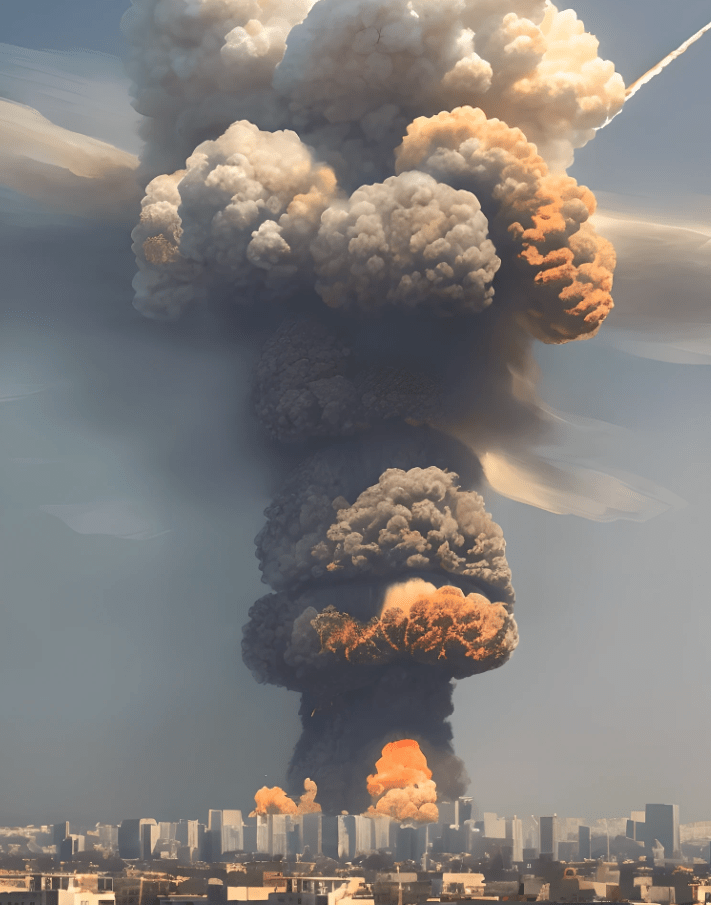
10 Critical Items Every Southern California Prepper Should Stock

Ready for the End: 10 Critical Items Every Southern California Prepper Should Stock

Hey there, SoCal! Whether you’re a seasoned prepper or just starting to think about disaster readiness, it’s essential to be prepared for the unexpected. From wildfires and earthquakes to power outages and civil unrest, having the right gear can make all the difference. Let’s dive into the top 10 survival tools every Southern Californian should have on hand.


1. Water Filtration System

In a region prone to droughts and wildfires, access to clean water can become scarce. A portable water filter, like the Sawyer Mini, allows you to purify water from lakes, streams, or even puddles, ensuring you stay hydrated when municipal systems fail. Survival Magazine


2. Multi-Tool or Survival Knife

A high-quality multi-tool or fixed-blade knife is indispensable. Brands like Gerber and Leatherman offer models equipped with pliers, screwdrivers, and blades, making them versatile for various survival tasks, from building shelter to preparing food.


3. Portable Power Station

Power outages can last for days, especially after a wildfire or earthquake. A portable power station, such as the Goal Zero Yeti, can charge your devices, run small appliances, and keep essential equipment operational during extended blackouts.


4. First Aid Kit

Accidents happen, and having a well-stocked first aid kit is crucial. Ensure it includes bandages, antiseptics, tweezers, pain relievers, and any personal medications. Regularly check and update your kit to keep it ready for use.


5. Emergency Shelter

In the event of evacuation or if your home becomes uninhabitable, having an emergency shelter is vital. Compact tents, tarps, or emergency bivvies can provide protection from the elements and a place to rest.


6. Fire Extinguisher

With the threat of wildfires in Southern California, having a fire extinguisher on hand is essential. Ensure it’s rated for all types of fires (Class A, B, and C) and that all family members know how to use it.


7. Flashlight and Headlamp

Power outages can occur without warning. A reliable flashlight and headlamp ensure you can navigate safely in the dark. Opt for LED models with long battery life and consider solar-powered options to reduce reliance on disposable batteries.


8. Emergency Radio

Staying informed is crucial during a disaster. An emergency radio, preferably hand-crank or solar-powered, can provide updates on weather conditions, evacuation orders, and emergency broadcasts when other communication channels are down.PlanetWare


9. Duct Tape and Paracord

These versatile items can be used for a multitude of purposes, from repairing gear to building shelter. Duct tape is excellent for quick fixes, while paracord can serve as rope for various tasks.


10. Emergency Food Supply

Having a stash of non-perishable food ensures you have sustenance during emergencies. Opt for freeze-dried meals, protein bars, and canned goods that are easy to prepare and have long shelf lives.


10 Survival Prepper Tips for Southern Californians

  1. Create a Family Emergency Plan: Establish meeting points and communication methods in case of separation.
  2. Maintain a 72-Hour Emergency Kit: Ensure each family member has a kit with essentials like water, food, and first aid supplies.
  3. Secure Your Home: Install fire-resistant materials and clear vegetation to create defensible space.
  4. Stay Informed: Sign up for local alert systems and monitor NOAA Weather Radio for updates.
  5. Practice Evacuation Drills: Regularly rehearse evacuation routes and procedures with all family members.
  6. Know Multiple Routes: Familiarize yourself with alternative evacuation routes to avoid traffic congestion.
  7. Maintain Your Vehicle: Keep your car fueled and stocked with emergency supplies, including a spare tire and jumper cables.
  8. Secure Important Documents: Store copies of important documents in a waterproof and fireproof container.
  9. Learn Basic First Aid: Take a first aid and CPR course to be prepared for medical emergencies.
  10. Stay Calm and Follow Official Instructions: During a disaster, remain calm and follow the guidance of local authorities.

Best Camping Sites in Southern California

For preppers, camping isn’t just about recreation—it’s about training and testing gear. Here are some top spots to consider:

  • Jumbo Rocks Campground, Joshua Tree National Park: Offers surreal desert landscapes and clear night skies, ideal for stargazing and testing gear. PlanetWare
  • San Onofre Bluffs Campground: Located near San Clemente, this site provides ocean views and access to surf breaks, perfect for coastal survival training. wildoutdoorsy.com
  • Green Valley Campground, Cuyamaca Rancho State Park: Situated near Julian, this campground offers cooler temperatures and lush forests, providing a different environment for survival practice. PlanetWare
  • El Capitan State Beach Campground: Located near Santa Barbara, this site offers beachfront camping with opportunities for fishing and marine survival skills.
  • Idyllwild Campground, Mount San Jacinto State Park: Nestled in the San Bernardino National Forest, this campground offers cooler temperatures and access to hiking trails, ideal for wilderness survival training.

10 Non-Negotiables for the Serious Doomsday Prepper

10 Non-Negotiables for the Serious Doomsday Prepper: A Christian Perspective

As Christians, we are called to be good stewards of all that God has entrusted to us. This includes our families, our resources, and our ability to prepare for uncertain times. The Bible teaches us to be wise and prudent, especially in times of trial. Proverbs 22:3 tells us, “The prudent see danger and take refuge, but the simple keep going and pay the penalty.” This verse serves as a reminder that we are not to live in fear, but rather in preparation for challenges that may arise. For the serious doomsday prepper, this means equipping ourselves spiritually, mentally, and physically for any eventuality that could disrupt our lives.

While the world around us seems increasingly unstable—with political unrest, natural disasters, and economic upheaval—God calls us to trust Him while also taking practical steps to ensure our survival and the well-being of our loved ones. Below, we’ll explore ten non-negotiable items that every serious prepper should have, all through the lens of faith, prayer, and wisdom from the Word of God.


1. Faith and Trust in God

Before anything else, the foundation of all preparation must be a firm reliance on God. As Christians, we know that no matter what happens in the world, our ultimate security rests in the hands of our Heavenly Father. Psalm 46:1 assures us, “God is our refuge and strength, an ever-present help in trouble.” While it’s important to prepare, we must remember that it is God who ultimately sustains us.

Prayer:
“Father, help me to trust You in all circumstances. Grant me wisdom to prepare, but peace in knowing that You are in control of my future. In Jesus’ name, Amen.”


2. Water Filtration and Storage

Water is essential to life, and it is vital that you have a reliable source of clean water, especially in the event of a disaster. A water filtration system is non-negotiable for preppers. The Bible speaks about water being life-sustaining, as in John 4:14, where Jesus says, “Whoever drinks the water I give them will never thirst.” As we prepare, let us also remember that God provides for our needs. Nevertheless, we must be responsible stewards of the resources He provides.

Ensure you have an emergency supply of water, as well as the means to filter and purify water in case it becomes contaminated.


3. Food Storage and Emergency Supplies

In Matthew 6:11, Jesus teaches us to pray, “Give us today our daily bread.” While we trust in God to provide, it is also wise to prepare for times when food might be scarce. Having a well-stocked pantry filled with non-perishable foods, freeze-dried meals, and essential items like rice, beans, and canned goods is an essential part of any prepper’s plan.

It’s important not only to stock food but also to rotate it regularly to ensure it stays fresh and usable when needed. Also, consider adding a manual can opener to your kit, as it could become a crucial tool in an emergency.


4. First Aid Kit and Medical Supplies

Health emergencies can arise unexpectedly, and we must be prepared to care for ourselves and others when necessary. The Bible encourages us to take care of our bodies as temples of the Holy Spirit (1 Corinthians 6:19-20). A comprehensive first aid kit that includes bandages, antiseptics, medications, and tools for dealing with serious injuries is a non-negotiable item for every prepper.

Additionally, consider learning basic first aid and CPR to better assist those in need. In times of crisis, being able to provide medical assistance could save lives.


5. Firearms and Self-Defense Tools

In times of disaster, the ability to defend yourself and your loved ones becomes critical. The Bible doesn’t shy away from the fact that, at times, we may need to defend what God has entrusted to us. Nehemiah 4:14 says, “Don’t be afraid of them. Remember the Lord, who is great and awesome, and fight for your families, your sons and your daughters, your wives and your homes.” While our trust is in God, it’s also wise to equip ourselves with the means to protect what is valuable to us.

Ensure that you are well-trained and proficient in the use of firearms and other self-defense tools.


6. Bibles and Spiritual Resources

No matter how prepared we are physically, we must never forget our spiritual needs. A Bible is a non-negotiable item for every prepper. In times of crisis, it is the Word of God that provides us with comfort, peace, and hope. Psalm 119:105 says, “Your word is a lamp for my feet, a light on my path.” Having Bibles for yourself and your family, along with Christian books that offer encouragement and wisdom, will help you stay grounded spiritually.

Prayer:
“Lord, thank You for Your Word. Help me to keep it in my heart and use it as a guide through all trials. May I always find comfort and strength in Your promises. Amen.”


7. Emergency Shelter and Warmth

Whether it’s a tent, tarp, or other forms of shelter, having the ability to protect yourself from the elements is crucial. The Bible speaks of God’s provision and care even in the most difficult circumstances. In Psalm 91:4, it says, “He will cover you with His feathers, and under His wings you will find refuge.” Just as God provides shelter and protection, we must ensure that we have the means to shelter ourselves in case of an emergency.

Also, stock up on blankets, sleeping bags, and warm clothing, especially if you live in an area prone to cold weather or extreme conditions.


8. Communication Devices

While it’s important to have physical preparedness, staying connected with others is also essential. The Bible encourages us to look out for one another, as seen in Galatians 6:2: “Carry each other’s burdens, and in this way, you will fulfill the law of Christ.” Having communication devices, such as two-way radios or satellite phones, will help you stay connected with family, friends, and fellow believers during a disaster.

Ensure your communication devices are fully charged and have backup power sources to keep them operational when needed most.


9. Cash and Barterable Goods

In a financial collapse or in times when electronic payments no longer work, cash and tangible items for bartering will become invaluable. Proverbs 11:1 tells us, “The Lord detests dishonest scales, but accurate weights find favor with Him.” While we are to trust God with our finances, it is wise to keep some cash on hand, as well as items like gold, silver, or other resources that can be traded if currency becomes obsolete.


10. Mental and Emotional Resilience

When disaster strikes, mental and emotional resilience is as important as physical survival. Proverbs 24:10 reminds us, “If you falter in a time of trouble, how small is your strength!” Preparing for mental and emotional challenges is just as important as preparing for physical ones. Build a strong, prayerful mindset that relies on God’s strength. Practice gratitude, hope, and trust in God’s plan, no matter what comes.


5 Survival Prepper Tips

  1. Develop a Family Emergency Plan – Communication is key. Create a plan that includes where to meet, how to contact each other, and who to rely on in case of emergency.
  2. Learn Basic Survival Skills – From fire-starting to shelter-building, learning these essential skills ensures you can thrive even when your gear fails.
  3. Train for Self-Defense – Equip yourself with the knowledge of self-defense techniques, firearms training, and situational awareness to protect your family.
  4. Stay Physically Fit – Your body is your first line of defense in a disaster. Exercise regularly to build strength and stamina to endure tough situations.
  5. Trust in God’s Provision – Above all, trust that God will provide for your needs, even when times are uncertain. Remember Matthew 6:33: “But seek first His kingdom and His righteousness, and all these things will be given to you as well.”

Prepper Priorities: Must-Have Items Before the Collapse

Prepper Priorities: Must-Have Items Before the Collapse

In today’s uncertain world, the notion of self-reliance is becoming more important than ever. With rising concerns over political instability, economic uncertainty, and the unpredictability of natural disasters, it’s clear that the need to prepare for potential crises is something that we can no longer ignore. Whether it’s the possibility of hyperinflation, power grid failures, or even the collapse of social order, being ready for the worst can ensure that you, your family, and your community are protected.

As conservative-minded individuals, we value independence, personal responsibility, and the ability to weather any storm that comes our way. Preparing for a collapse—whether political, economic, or otherwise—requires the right mindset, skills, and tools. Let’s take a look at the must-have items every prepper should stock up on, with a focus on practical, common-sense solutions.


1. Water Filtration System

You don’t have to look far to see that clean water is becoming an increasingly precious commodity. The fact that many cities across the U.S. are experiencing water shortages, and that the quality of municipal water is increasingly suspect, makes having a reliable water filtration system essential. Whether you prefer a portable filter like the Lifestraw or a larger, home-based filtration system, ensuring access to clean water is a top priority. As recent reports have highlighted the contamination of water supplies in cities like Flint, Michigan, the need for self-sufficiency when it comes to water is crystal clear.


2. Food Storage and Emergency Supplies

With inflation at historic highs and the global food supply chain under increasing strain, securing a long-term food supply is more critical than ever. Stocking up on non-perishable foods, freeze-dried meals, and essentials like rice, beans, and canned goods will help ensure your family is well-fed during a crisis. In recent years, we’ve seen shortages in everything from toilet paper to baby formula—what if the next shortage impacts your ability to feed your family? Given the government’s unpredictable handling of supply chain issues, it’s up to you to ensure you’re prepared.


3. Firearms and Ammunition

As we’ve witnessed in the past year, political and social tensions in the U.S. are rising, and the need for personal protection is becoming more pressing. The Second Amendment is an essential part of our nation’s foundation, and being able to defend your home and loved ones is paramount. From unpredictable civil unrest to the increasing possibility of government overreach, firearms and ammunition are not just for hunting—they’re a tool for preserving life and liberty. Recent political debates on gun control have only further solidified the importance of having the right to bear arms and the necessity of being prepared.


4. Medical Supplies and First Aid Kit

In any emergency situation, the ability to treat wounds, illnesses, and injuries is crucial. As hospitals become overwhelmed in times of crisis—whether due to pandemics, civil unrest, or natural disasters—a well-stocked first aid kit can make a life-or-death difference. Essential items include bandages, antiseptics, medications, and tools for dealing with serious injuries. When you rely on government-run healthcare systems that are increasingly overwhelmed, having the knowledge and resources to care for yourself and your family becomes indispensable.


5. Solar-Powered Battery Chargers

The rising risk of power grid failures should be a wake-up call to anyone who values self-sufficiency. From cyberattacks on critical infrastructure to natural disasters like hurricanes and wildfires, power outages are becoming more common. Solar-powered battery chargers allow you to keep your communications running, charge important devices, and maintain a basic level of connectivity, even during extended outages. With the increasing instability of both domestic and international politics, it’s important to ensure that you can maintain your independence, even when the grid goes down.


6. Emergency Shelter

When disaster strikes, the ability to secure shelter can make all the difference in your survival. Whether it’s a temporary bug-out shelter or a more permanent setup, having the right gear—such as tents, tarps, or a well-built shelter in your backyard—can provide safety and comfort in times of chaos. Just look at the mass exodus from urban areas in the wake of natural disasters or civil unrest—having a backup plan for shelter can help you escape the fray when the world goes sideways.


7. Survival Tools and Multi-Tools

The right tools can mean the difference between life and death in a survival situation. A high-quality multi-tool, such as a Leatherman or Swiss Army knife, can serve a multitude of purposes, from building shelter to defending yourself. Additionally, having specialized tools for tasks like fire-starting, hunting, and cooking can make your survival efforts much more manageable. As we’ve seen with the growing unpredictability of global conflicts and natural disasters, there’s no telling when you may need to rely on your own two hands to survive.


8. Fuel and Energy Resources

As power grids and gas supplies become more vulnerable to both cyberattacks and supply chain breakdowns, securing alternative energy sources is becoming more critical. This can include fuel for cooking and heating, as well as renewable resources like solar panels or generators. With the rising cost of energy and increasing energy dependency in times of crisis, being able to manage your own energy resources will be key to maintaining your independence. Political tensions in energy-rich regions only further highlight the importance of securing your energy needs now.


9. Communication Devices

Staying informed and connected during an emergency is crucial. While smartphones are convenient, they are also dependent on the grid. Investing in alternative communication devices—such as two-way radios or satellite phones—can keep you in touch with loved ones and provide critical information when all other forms of communication fail. The recent power outages in California and Texas have demonstrated how fragile our communication systems can be when disaster strikes, and having a backup plan is essential for survival.


10. Bug-Out Bag

A bug-out bag is your go-to survival kit that should include everything you need to survive for at least 72 hours in a crisis. This should include water, food, medical supplies, fire-starting tools, and clothing, all packed in a durable, easy-to-carry bag. Recent political developments, such as civil unrest and the rising risk of natural disasters, have shown that being able to quickly evacuate your home is not just a smart move—it could be life-saving.


11. Mental and Physical Conditioning

Survival isn’t just about having the right gear—it’s also about being mentally and physically prepared to endure. Building physical strength, stamina, and mental resilience can help you handle the stress and strain that comes with survival situations. Whether it’s training for self-defense, practicing mindfulness, or strengthening your body through regular exercise, conditioning is crucial to maintaining a survival mindset.


11 Survival Prepper Tips

  1. Develop a comprehensive emergency plan – Include family members and ensure everyone knows the steps to take in case of evacuation or lockdown.
  2. Stay informed – Always monitor reliable news sources for updates on local and global crises.
  3. Learn essential survival skills – Learn how to forage, hunt, and fish; practice fire-starting and shelter-building.
  4. Create a bug-out plan – Know multiple escape routes and have a trusted destination in mind.
  5. Practice financial preparedness – Have cash on hand and precious metals for bartering in case the financial system collapses.
  6. Stockpile essentials – Think beyond food and water—get tools, batteries, and other long-term supplies.
  7. Communicate your plan – Share your emergency plans with loved ones and practice regularly.
  8. Strengthen community ties – Build relationships with neighbors and like-minded individuals who can help in a crisis.
  9. Stay fit and healthy – In an emergency, your health and stamina will be critical to your survival.
  10. Learn basic first aid – Knowing how to treat injuries and illnesses could save lives during a disaster.
  11. Have a backup energy source – Solar-powered tools and alternative energy sources will keep you off the grid.

Current Events Political Moments Impacting Prepping

Recent political events—from the chaotic withdrawal from Afghanistan to escalating tensions over inflation—serve as stark reminders of the instability in our world. Policies that affect energy, gun rights, and government intervention are all part of the equation when planning for a collapse. As government actions grow more unpredictable, self-reliance becomes more necessary for ensuring your future security.

Surviving the Texas Storm: How Texans Prepare for the Worst Natural Disasters

How Texans Prepare for the State’s Worst Natural Disasters

Living in Texas, you’re no stranger to the force of nature. From blistering heatwaves to unpredictable storms, the Lone Star State has seen it all. While we love our BBQs, rodeos, and wide-open spaces, we also know that when disaster strikes, it’s not a time to panic – it’s a time to act.

In Texas, survival is a way of life. Whether you’re out in the flat plains of West Texas, nestled in the Hill Country, or living closer to the Gulf Coast, you know that natural disasters aren’t just a possibility – they’re a fact of life. Tornadoes, hurricanes, wildfires, floods, and extreme heatwaves are all common threats in the state, and preparedness is key to surviving any of them.

CLICK HERE TO LEARN HOW TO SURVIVE A FAMINE

If you want to be ready when the storm hits, you’ve got to think ahead and build a solid survival plan. But don’t worry – we’re all in this together, and there’s no need to face disaster unprepared. Here are some ways Texas residents like me prepare for the worst and keep our families safe.

1. Tornadoes: Don’t Wait for the Warning

Tornadoes are one of the most terrifying natural disasters to hit Texas. The state is part of “Tornado Alley,” meaning we are especially prone to these powerful, destructive storms. To prepare for a tornado, the first step is knowing when one might be coming. That means investing in a reliable weather radio that broadcasts emergency alerts 24/7.

Beyond the radio, every Texan should have a designated storm shelter. It doesn’t need to be fancy – even a small, windowless interior room like a bathroom or closet can provide shelter. Keep your storm kit stocked with essentials like a flashlight, batteries, a first-aid kit, and a few days’ worth of non-perishable food and water.

2. Hurricanes: Don’t Underestimate the Gulf Coast

For those of us living along the Gulf Coast, hurricanes are a serious concern. Whether you’re in Houston or Galveston, hurricanes bring strong winds, heavy rain, and the threat of flooding. The key to surviving a hurricane is early preparation and constant vigilance. Make sure you have an evacuation plan that includes a designated safe location – preferably in an area not prone to flooding.

Stock up on emergency supplies, including bottled water, canned goods, medication, and other essentials. If you live near the coast, invest in hurricane shutters or plywood to protect your windows, and make sure your roof is secure. Once a storm is headed your way, stay updated on the latest forecasts and be ready to leave if necessary.

3. Wildfires: Be Ready for the Texas Heat

While wildfires are a year-round threat, they are especially dangerous in the hotter months of summer and early fall. As Texans, we’re used to the dry spells and the scorching heat, but when combined with strong winds, they can ignite massive wildfires. If you’re in rural areas, keep defensible space around your home by clearing dead vegetation, branches, and other flammable materials. This will help protect your property from spreading flames.

A well-stocked bug-out bag is a must, and it should contain a good-quality N95 mask to protect against smoke inhalation. Keep your gutters clear, and be sure to have fire extinguishers accessible, especially in areas prone to wildfires.

4. Floods: Know Where the Water Will Go

Flooding is another significant risk, especially for those living along Texas rivers or in low-lying areas. The unpredictable rains that often come with hurricanes or spring storms can overwhelm flood control systems and cause massive damage. One of the first steps is to know if you live in a flood zone, and if you do, consider purchasing flood insurance. It’s worth the investment.

In preparation, elevate your electrical appliances and other valuables above potential flood levels. If a flood watch is issued, make sure your emergency supplies are packed and ready to go. Flashlights, extra batteries, and sturdy shoes for wading through water are essential. If the water is rising, know your evacuation routes and keep your car’s gas tank full, just in case.

5. Extreme Heat: Don’t Let the Texas Sun Get the Best of You

Texas heat can be brutal, especially in cities like Dallas, Austin, and San Antonio during the summer months. Temperatures can easily exceed 100°F, and when the humidity is high, it can be even worse. To avoid heat exhaustion or heat stroke, always have a supply of water on hand, and wear light, breathable clothing.

If you don’t have air conditioning, make sure you have fans or a way to cool your home down. Keep your body cool by using wet towels or ice packs on your pulse points, and don’t forget to check on elderly neighbors or others who may be more vulnerable to heat stress.

10 Survival Prepper Tips for Texans Facing Natural Disasters:

  1. Know Your Risk: Understand what natural disasters are most likely to affect your region, whether it’s a flood, tornado, wildfire, or hurricane.
  2. Create a Family Emergency Plan: Sit down with your family and make sure everyone knows their roles in an emergency, including evacuation routes and communication plans.
  3. Emergency Kit: Always have a stocked emergency kit with the basics: water, non-perishable food, flashlight, batteries, medications, and first-aid supplies.
  4. Backup Power: Invest in a generator or a backup power system to keep essential devices running during power outages.
  5. Water Storage: In Texas, water is a critical resource during both floods and droughts. Always store extra water to get you through an emergency.
  6. Stay Informed: Sign up for emergency alerts from local authorities and always monitor the weather.
  7. Get an Emergency Car Kit: Make sure your car is stocked with essentials such as extra water, blankets, non-perishable food, and a first-aid kit.
  8. Defend Against Wildfires: Maintain a defensible space around your property by keeping grass short, clearing debris, and trimming trees.
  9. Plan for Pets: Don’t forget your furry friends! Keep a pet emergency kit with food, water, medications, and any necessary paperwork.
  10. Insurance is Key: Ensure your home and vehicle insurance cover damage from common disasters in your area, such as floods, fires, or wind damage.

Conclusion: Preparedness is Key in Texas

The weather in Texas is unpredictable, and natural disasters can strike without warning. But with proper planning and preparation, you can face anything that comes your way. By following these tips, Texans can not only survive but thrive in the face of nature’s challenges. After all, we’re a tough breed, and we know how to handle what the wild Texas weather throws at us.

Wyoming Survivalist’s Guide: Preparing for the State’s Worst Natural Disasters

Wyoming Survivalist’s Guide: Preparing for the State’s Worst Natural Disasters

Living in Wyoming means embracing the rugged beauty and unpredictable nature of the state. From the towering peaks of the Tetons to the vast plains of the east, Wyoming offers a diverse landscape that can be both awe-inspiring and challenging. As a survival prepper residing in this great state, I’ve learned that preparation is key to thriving amidst the natural disasters that can strike without warning.

CLICK HERE TO LEARN HOW TO SURVIVE A FAMINE


Understanding Wyoming’s Natural Disasters

Wyoming’s unique geography and climate make it susceptible to a variety of natural disasters. The state’s residents must be prepared for:

  • Blizzards and Winter Storms: With long, harsh winters, Wyoming often experiences severe snowstorms and subzero temperatures.
  • Wildfires: Dry summers and strong winds create ideal conditions for wildfires, especially in forested areas.
  • Flooding: Rapid snowmelt and heavy rains can lead to flash floods, particularly in mountainous regions.
  • Tornadoes: While less frequent than in “Tornado Alley,” Wyoming does experience tornadoes, especially in the eastern plains.
  • Earthquakes: The western part of the state lies near the Intermountain Seismic Belt, making it prone to seismic activity.

10 Survival Prepper Tips for Wyoming’s Natural Disasters

  1. Build a Comprehensive Emergency Kit: Include essentials such as water (one gallon per person per day for at least three days), non-perishable food, a flashlight, extra batteries, a first aid kit, and necessary medications. Don’t forget a manual can opener and a multi-tool.
  2. Prepare for Power Outages: Invest in a reliable generator and ensure you have sufficient fuel. Solar-powered chargers and battery packs can also be invaluable during extended outages.
  3. Winterize Your Home and Vehicle: Insulate pipes, seal drafts, and stock up on heating fuel. Keep a winter survival kit in your vehicle, including blankets, extra clothing, and non-perishable snacks.
  4. Create a Family Emergency Plan: Establish meeting points, communication methods, and roles for each family member. Ensure everyone knows how to respond to different types of disasters.
  5. Stay Informed: Invest in a NOAA Weather Radio and sign up for local emergency alerts. Monitor weather conditions regularly, especially during storm seasons.
  6. Secure Important Documents: Store vital records such as insurance policies, identification, and medical records in a waterproof and fireproof container.
  7. Practice Evacuation Routes: Familiarize yourself with multiple evacuation routes from your home and community. Practice these routes regularly with your family.
  8. Maintain Livestock and Animal Supplies: If you have animals, ensure you have enough feed, water, and shelter to protect them during disasters.
  9. Fire Prevention Measures: Create defensible space around your property by clearing dead vegetation and maintaining a defensible space. Keep firefighting tools readily available.
  10. Community Involvement: Join local preparedness groups and participate in community drills. Sharing resources and knowledge can enhance collective resilience.

Preparing Financially for Disasters

Beyond physical preparedness, it’s crucial to organize your financial life ahead of natural disasters. Gather essential documents like birth certificates, social security cards, and insurance policies, and store them securely in a fireproof and waterproof location. Maintain updated records of financial accounts, medical information, and contact details for key individuals and services. Additionally, keep cash available for emergencies, as electronic banking may be disrupted. Weatherizing homes and addressing health hazards are proactive steps to reduce the financial impact of disasters. Regularly update your documents, especially during significant life changes to stay prepared.


Staying Informed During Disasters

In Wyoming, staying informed during a disaster is paramount. Local radio stations and NOAA Weather Radio broadcasts provide timely alerts and information. It’s essential to have a battery-powered or hand-crank radio to receive updates when the power goes out. Additionally, consider downloading emergency preparedness apps like FEMA and American Red Cross to receive real-time alerts and guidance.


Building a Go-Bag for Quick Evacuations

A go-bag is an essential tool during natural disasters. Here’s how to build your own:

  • Water: 1 gallon per person, per day (3-day supply for evacuation)
  • Food: Nonperishable, easy-to-prepare (3-day supply for evacuation)
  • First aid kit
  • Medications: 7-day supply and medical items
  • Copies of personal documents: Medication list and pertinent medical information, proof of address, deed/lease to home, passports, birth certificates, insurance policies
  • Family and emergency contact information

FEMA emphasizes that everybody will have a different list because everybody’s needs are different. It’s important to customize your go-bag based on your specific requirements.


Community Preparedness and Training

Engaging with your community can enhance overall preparedness. Teton County Emergency Management recommends that every home and business have a NOAA Weather Radio and knows how to operate it. Local radio stations and television channels are also vital sources of information during a disaster. Additionally, consider taking classes through FEMA’s Independent Study Program or the American Red Cross to enhance your disaster response skills.


Final Thoughts

Living in Wyoming requires a proactive approach to disaster preparedness. By understanding the unique risks associated with the state and implementing the survival prepper tips outlined above, you can enhance your resilience and ensure the safety of yourself and your loved ones. Remember, preparation is the key to survival.

Frozen Solid: Surviving the Coldest Winters in New Hampshire

Living in New Hampshire means dealing with a variety of natural disasters that can strike at any moment. Whether it’s the extreme cold of winter, the torrential rains of spring, or the occasional blizzard, we Granite Staters have learned that preparation is key. In a state as unpredictable as New Hampshire, being ready for any emergency can mean the difference between life and death. From building the right emergency kit to ensuring your home is fortified against the elements, here’s how New Hampshire residents are preparing for the worst that Mother Nature can throw at us.

1. Winter Storms and Blizzards

Let’s start with winter, which is probably the most well-known challenge in New Hampshire. With its long, harsh winters, snowstorms, and blizzards can easily leave roads impassable and power outages lasting for days. The first line of defense against a New Hampshire winter storm is a well-stocked emergency kit. Make sure you’ve got enough food, water, and other essential supplies to last for at least 72 hours.

  • Tip #1: Keep extra blankets, sleeping bags, and warm clothing on hand in case your heating system goes down. You might also want to have a wood stove or alternative heat source to keep your home warm.
  • Tip #2: Stock up on emergency food supplies such as canned goods, freeze-dried meals, and high-calorie snacks. Don’t forget about a manual can opener!
  • Tip #3: Ensure you have an emergency power source. A generator is a great investment, but if you can’t afford one, invest in a good supply of rechargeable batteries, solar-powered chargers, and power banks.

2. Flooding

New Hampshire has its share of rivers and streams, and during heavy rainstorms or the spring thaw, flooding can be a serious risk. The Merrimack and Connecticut Rivers, among others, have a history of flooding when storms hit or when the snowpack melts too quickly. If you live in a flood zone, it’s vital to be aware of evacuation routes and have a plan in place.

  • Tip #4: Install sump pumps in your basement and have backup power in case the electricity goes out. A flooded basement can cause irreversible damage if left unattended.
  • Tip #5: Elevate electrical appliances and items like important documents to higher ground. Consider waterproofing your basement if you live in a flood-prone area.

3. Tornadoes

While New Hampshire is not typically known for tornadoes, these vicious storms have been known to strike, particularly during the spring and summer months. Strong tornadoes are rare, but they can still cause significant damage.

  • Tip #6: Build a safe room or basement in your home where you can take shelter during a tornado. Make sure your family knows where to go and how to stay safe.
  • Tip #7: Invest in a NOAA weather radio with a battery backup. This way, you’ll always be informed of severe weather warnings.

4. Earthquakes

Earthquakes aren’t a daily concern in New Hampshire, but that doesn’t mean we’re immune. The state has experienced tremors in the past, and scientists believe the area is capable of more significant seismic activity in the future. Though rare, it’s always smart to be prepared.

  • Tip #8: Secure heavy furniture and appliances to the walls to prevent them from falling during an earthquake. Have an evacuation plan in place, and know where the safest areas are in your home.
  • Tip #9: Keep a stash of water and food that doesn’t require cooking or refrigeration in case utilities are disrupted.

5. Wildfires

With increasing temperatures and drier conditions, New Hampshire is beginning to see a rise in wildfires. While the risk is lower than in other parts of the country, we’ve had a few out-of-control blazes in recent years.

  • Tip #10: If you live near wooded areas, create defensible space around your home by clearing dead leaves, branches, and brush. Keep a hose, shovel, and rake nearby to help manage smaller fires.

6. Hurricanes and Tropical Storms

While New Hampshire is located far from the usual hurricane tracks, we are still vulnerable to the tail ends of major storms that make their way up the coast. These storms can bring heavy rains, high winds, and dangerous coastal flooding.

  • Tip #11: Keep your gutters clean and ensure that your property’s drainage system is functioning properly. Heavy rainfall can cause rapid flooding if there’s nowhere for the water to go.
  • Tip #12: Have a sturdy emergency kit on hand, especially if you live near the coast. Consider investing in storm shutters or plywood to protect your windows from high winds.

7. Severe Winter Cold

New Hampshire’s winters can get so cold that frostbite and hypothermia become a real risk. In some areas, temperatures can dip well below freezing for weeks at a time. It’s important to know how to stay warm and how to care for others in these extreme conditions.

  • Tip #13: Keep extra layers of clothing available, including insulated gloves, boots, and socks. A good winter coat and thermal underwear are lifesavers during long bouts of cold.
  • Tip #14: If you have elderly family members or neighbors, check in on them regularly. They’re more susceptible to the cold, and their homes may not be as well-insulated.

8. Food and Water Storage

New Hampshire’s varied weather conditions mean that emergencies can come in all seasons. Stocking up on food and water supplies is an absolute necessity, as grocery stores and other essential services may not be readily available during or after a natural disaster.

  • Tip #15: Store at least a two-week supply of non-perishable food and water. Don’t forget about pets or other animals—make sure you have enough food and water for them too.
  • Tip #16: Invest in high-quality water filters, as flooding can often contaminate local water supplies. Having a way to purify water from lakes or rivers could save your life in a worst-case scenario.

9. Communication Plans

During a disaster, communication can be challenging. Cell towers may go down, and landlines may be cut off. New Hampshire residents need to ensure they have a reliable means of communicating with family and emergency responders.

  • Tip #17: Establish a family emergency plan. Ensure everyone knows where to meet in the event of a disaster, and keep a list of emergency contacts, including out-of-state relatives.
  • Tip #18: Consider investing in satellite phones or two-way radios as a backup communication system. These can be life-saving if traditional cell networks fail.

10. Home Fortification

The state of New Hampshire can experience a variety of natural disasters, and it’s crucial to fortify your home against the elements. Whether it’s reinforcing your roof to withstand heavy snow, installing storm-resistant windows, or ensuring your foundation is strong enough to hold up during flooding, preparation starts with your home.

  • Tip #19: Keep your roof clear of snow and ice in the winter months. Ice dams can cause major water damage if left unchecked. Regularly check your roof’s condition and make necessary repairs before winter hits.

Conclusion

New Hampshire residents know that survival isn’t just about having a few canned goods and a flashlight. It’s about being prepared for any situation. From snowstorms to flooding, tornadoes, and hurricanes, the state’s weather can change on a dime, and it’s up to us to be ready for whatever comes our way.

Being prepared means staying vigilant, having the right supplies, and knowing how to react in an emergency. It’s about taking the time to create a plan, fortifying your home, and stocking up on essentials so that you can weather any storm that comes your way. Living in New Hampshire means facing the best and worst of nature’s fury, but with the right preparation, we’ll be ready for whatever the future holds.

CLICK HERE TO LEARN HOW TO SURVIVE A FAMINE

Surviving Washington’s Natural Disasters: A Prepper’s Guide

Surviving the Unpredictable: How Washington Residents Prepare for Natural Disasters

Living in Washington State, we’re no strangers to Mother Nature’s fury. From volcanic eruptions to severe winter storms, flooding, and the occasional earthquake, Washington residents need to be prepared for a variety of natural disasters that could strike without warning. Whether you’re in the shadow of Mount Rainier or along the Puget Sound coastline, the risks vary, but the need for preparedness is universal. In this post, we’ll dive into how we prepare for the worst and give you a rundown of survival tips you need to implement now.

1. Understanding the Hazards

CLICK HERE TO LEARN HOW TO SURVIVE A FAMINE

Washington State has a range of potential disasters, but the big ones we need to worry about are:

  • Volcanic Eruptions: With Mount St. Helens, Mount Rainier, and Mount Baker all active, volcanic eruptions are a constant threat.
  • Earthquakes: The Cascadia Subduction Zone is a real concern. A major earthquake could hit at any time, and the risk of a tsunami along the coast adds another layer of danger.
  • Flooding: Heavy rain, rapid snowmelt, and river overflow can cause severe flooding, particularly in western Washington.
  • Wildfires: Summer months bring dry conditions, especially in the eastern part of the state, making wildfires a concern.
  • Winter Storms: Harsh winter storms and freezing temperatures are a norm in Washington, particularly in higher altitudes and the Cascade Range.

2. Stockpiling Essentials

Living in Washington, we know that we might need to rely on ourselves for several days or even weeks if a disaster hits. That’s why having an emergency supply kit is essential. Here are the basics every prepper should have on hand:

  • Water: The general rule is to store one gallon per person per day for at least three days, but I’d recommend having enough to last at least two weeks if possible.
  • Non-perishable Food: Canned goods, freeze-dried meals, energy bars, and MREs (Meals Ready-to-Eat) are great options.
  • First Aid Kit: You can’t afford to overlook this one. A well-stocked first aid kit with medications and supplies can be a lifesaver.
  • Flashlights and Batteries: The power can go out for days, so have enough flashlights, headlamps, and extra batteries to light your way.
  • Manual Tools: When the electricity goes out, you’ll need a good set of manual tools. Hand-cranked radios and chargers are a must.

3. Creating a Family Plan

If you’re a family, you need to create a disaster plan that everyone knows and can execute under stress. This includes establishing communication points, evacuation routes, and meeting places. In a state like Washington, where seismic activity is a threat, an emergency family plan isn’t just a good idea—it’s essential.

4. Evacuation Routes and Emergency Shelters

With a state prone to earthquakes and volcanic activity, knowing your evacuation routes is critical. Washington’s infrastructure, especially in cities like Seattle, can be strained under emergency conditions. Make sure you’re familiar with all routes, including secondary roads, as highways can quickly become blocked. Additionally, identify local shelters in your area—know where they are and how to get there.

5. Investing in Emergency Power Sources

Power outages are common during storms, and in the event of an earthquake or volcanic eruption, the grid could be down for a while. Investing in backup power is non-negotiable for anyone living here. Options include solar-powered generators, gasoline-powered generators, and even manual backup systems like a bike-powered generator. This way, you’ll have power for your phone, medical equipment, or essential lights.

6. Understanding Volcanic Risk and Ashfall Preparedness

Mount St. Helens erupted in 1980, and while it hasn’t erupted since, Washington still sits within a volcanic hotspot. Ashfall is one of the major concerns, as it can disrupt transportation, damage crops, and even cause respiratory issues. If you live near a volcano, you need to have masks, goggles, and proper ventilation in your emergency kits.

Additionally, if you’re close to a river near a volcano, it’s important to be aware of lahar risks (volcanic mudflows), which could occur during an eruption. A lahar can travel at a rapid pace, and it could cause massive destruction.

7. Earthquake Preparedness: The Cascadia Subduction Zone

The Cascadia Subduction Zone (CSZ) is an area where the Juan de Fuca Plate meets the North American Plate, and when it shifts, it can trigger a massive earthquake. A CSZ earthquake could result in significant damage across the entire state. Preparedness for this means securing heavy furniture, reinforcing your home’s structure, and storing enough supplies to get through weeks without outside help.

8. Dealing with Flooding

While the western part of the state is prone to rain and flooding, it’s also important to prepare for the threat of mudslides, especially in mountainous areas. If you live in a floodplain, invest in sandbags or barriers to protect your property. Additionally, understand your local flood evacuation routes and ensure you have a high-water vehicle or a way to get out if roads are impassable.

9. Protecting Against Wildfires

If you live in eastern Washington, wildfire season should be part of your yearly preparation routine. Clearing brush and firewood from around your home, installing ember-resistant vents, and creating a defensible space will give you a much better chance of surviving a wildfire. Always have a go-bag ready in case you need to evacuate quickly.

10. Winter Storm Preparation

Winter storms can strike at any time, especially in the Cascade Mountains. Be sure to have chains for your vehicle, plenty of warm clothing, and a heating source that doesn’t rely on electricity, like a propane heater or wood stove. Stock up on salt or sand for icy roads, and don’t forget about snow shovels and snow blowers for clearing driveways.

10 Survival Prepper Tips for Washington Residents

  1. Install earthquake-resistant brackets for heavy furniture to prevent damage or injury during a seismic event.
  2. Create a firebreak around your home by clearing brush and debris, especially in fire-prone areas like eastern Washington.
  3. Stock up on local maps, as GPS may be unreliable during natural disasters.
  4. Build a DIY water filtration system—a simple, effective method for purifying water if you’re unable to access clean sources.
  5. Maintain a bug-out bag at home and in your car with essential supplies in case of sudden evacuation.
  6. Store extra fuel for your generator, chainsaw, or vehicle, as it may be difficult to refuel during an emergency.
  7. Join a local community preparedness group—collaborating with neighbors can make all the difference in an emergency.
  8. Practice fire drills with your family, including evacuating the house and meeting at a designated spot.
  9. Use a 72-hour emergency kit as a starting point but plan for two weeks of self-sufficiency.
  10. Invest in a personal locator beacon (PLB) if you live in a remote area; it could save your life in an emergency.

Conclusion

Washington residents know that being prepared isn’t just a nice idea—it’s a necessity. From volcanic eruptions to winter storms, there are plenty of reasons to stay ready. Stocking up on supplies, securing your home, and having a plan in place are all key to surviving the worst natural disasters this state has to offer. Stay vigilant, stay prepared, and never underestimate the power of nature. Your family’s safety depends on it.

North Carolina Prepper’s Handbook: Surviving the State’s Worst Natural Disasters

How North Carolina Residents Prepare for the State’s Worst Natural Disasters

Living in North Carolina means embracing the beauty of the mountains, the charm of small towns, and the unpredictability of Mother Nature. From the coast to the foothills, we’ve seen it all: hurricanes, floods, tornadoes, and even the occasional earthquake. As a seasoned prepper in the Tar Heel State, I’ve learned that preparation isn’t just a choice—it’s a necessity.

CLICK HERE TO LEARN HOW TO SURVIVE A FAMINE


Understanding North Carolina’s Natural Disasters

North Carolina’s diverse geography makes it susceptible to a variety of natural disasters:

  • Hurricanes: The Atlantic hurricane season runs from June 1 to November 30. Coastal areas like Wilmington and the Outer Banks are particularly vulnerable. Hurricane Helene in 2024 was a stark reminder of the devastation these storms can bring.NC DPSWIRED+3Politico+3Vox+3
  • Flooding: Heavy rains can lead to flash floods, especially in mountainous regions. Western North Carolina experienced unprecedented flooding during Hurricane Helene, with over 2 feet of rain causing widespread damage. Politico
  • Tornadoes: While less common, tornadoes can strike without warning. The Piedmont and Coastal Plain regions are particularly at risk.
  • Winter Storms: Ice and snow can disrupt power lines and transportation, particularly in the higher elevations.
  • Earthquakes: Though rare, seismic activity can occur, especially in the eastern part of the state.

10 Survival Prepper Tips for North Carolina Residents

  1. Assemble a Comprehensive Emergency Kit: Include at least 3-7 days’ worth of water (1 gallon per person per day), non-perishable food, a battery-powered or hand-crank radio, flashlights, extra batteries, a manual can opener, first aid supplies, prescription medications, and important documents in a waterproof container. SELF+3North Carolina A&T State University+3Macon County Center+3
  2. Secure Your Home: Install storm shutters or plywood over windows, anchor outdoor furniture, and clear gutters to prevent water damage. NC DOI
  3. Create a Family Emergency Plan: Establish communication protocols, designate meeting points, and ensure all family members know evacuation routes and shelter locations. NC 211 – NC 211
  4. Stay Informed: Monitor weather conditions through NOAA Weather Radio, local news, and emergency alerts. Sign up for community warning systems when available.
  5. Maintain a Home Inventory: Document valuables and belongings with photos or videos, and store them digitally. This can assist with insurance claims after a disaster. NC DOI
  6. Ensure Proper Insurance Coverage: Standard homeowner’s insurance may not cover flood damage. Consider purchasing additional flood insurance through the National Flood Insurance Program (NFIP). NC 211 – NC 211+1AP News+1AP News
  7. Prepare Your Vehicle: Keep your gas tank full, and store emergency supplies such as blankets, water, non-perishable snacks, and a first aid kit in your car.
  8. Practice Drills: Conduct regular emergency drills with your family to ensure everyone knows their roles and responsibilities during a disaster.NC DPS+2NC 211 – NC 211+2Macon County Center+2
  9. Plan for Pets and Livestock: Have a plan in place for evacuating or sheltering animals. Include food, water, medications, and carriers in your emergency kit.NC DPS
  10. Stay Financially Prepared: Keep cash on hand, as ATMs and credit card machines may be down during power outages. Store important financial documents in a secure, waterproof location. SELF+1AP News+1AP News

Conclusion

In North Carolina, we face a unique blend of natural disasters due to our state’s diverse geography. However, with proper preparation, we can mitigate the impacts of these events. By assembling comprehensive emergency kits, securing our homes, staying informed, and practicing emergency drills, we can ensure the safety and well-being of ourselves and our families. Remember, preparedness is not just about surviving a disaster—it’s about thriving in the face of adversity.

Utah’s Worst Natural Disasters and How to Prepare Like a Pro

Surviving Utah: A Prepper’s Guide to Natural Disaster Readiness

As a seasoned prepper in Utah, I know firsthand that survival isn’t just about gear—it’s about mindset, strategy, and community. Utah’s diverse terrain and climate present unique challenges, from the seismic risks along the Wasatch Front to the wildfire-prone regions in the south. Here’s how we prepare for the worst, ensuring we not only survive but thrive when disaster strikes.

CLICK HERE TO LEARN HOW TO SURVIVE A FAMINE


1. Earthquakes: Brace for the Big One

The Wasatch Front is overdue for a significant earthquake. With a 57% chance of a magnitude 6.0 or greater quake in the next 50 years, preparedness is paramount. Securing heavy furniture, retrofitting homes, and assembling a comprehensive emergency kit are essential steps. Additionally, practicing the “drop, cover, and hold on” technique can save lives during the shaking. KSL News+5KSL News+5KSL News+5KSL News+5KSL News+5KSL News+5dspd.utah.gov+6KSL News+6KSL News+6


2. Wildfires: Defend Your Homestead

Utah’s hot, dry summers create prime conditions for wildfires. Residents in areas like St. George and Cedar City are particularly vulnerable. Creating defensible space around your property, using fire-resistant materials, and having a go-bag ready can make all the difference. Stay informed through local fire alerts and always have an evacuation plan in place.


3. Flooding: Know Your Terrain

While floods aren’t as common as other disasters, Utah’s mountainous terrain and rapid snowmelt can lead to sudden flash floods. Living near rivers or in valleys increases this risk. It’s crucial to understand your local flood zone and have a plan to move to higher ground if necessary. Avoid driving through flooded areas, as even shallow waters can be deadly. Utah State University Extension


4. Winter Storms: Winterize Everything

Utah’s winters can be brutal, with blizzards and subzero temperatures. Winterizing your vehicle, stocking up on essentials like blankets and non-perishable food, and ensuring your home heating systems are functional are vital steps. Always keep a battery-powered radio to receive weather updates during power outages. dspd.utah.gov+1Vox+1


5. Heatwaves: Stay Cool and Hydrated

Utah’s summer heat can be intense, especially in southern regions. To combat heat-related illnesses, drink plenty of water, avoid strenuous activities during peak heat hours, and stay in air-conditioned environments when possible. Having a cooling center plan and understanding the signs of heat exhaustion can be lifesaving.


10 Survival Prepper Tips for Utah’s Natural Disasters

  1. Diversify Water Sources: Don’t rely solely on city water. Collect rainwater and store it in barrels. Ensure you have a portable water filter for purification.Utah State University Extension
  2. Emergency Communication Plan: Establish a family meeting point and an out-of-state contact. Use walkie-talkies or satellite phones when cell networks are down.KSL News
  3. Food Storage: Maintain a 72-hour emergency food supply. Rotate stock regularly and include comfort foods to maintain morale.dspd.utah.gov+1Be Ready Utah+1
  4. First Aid Training: Take CPR and first aid courses. Equip your kit with essential medical supplies, including prescription medications.AP News
  5. Fire Safety: Keep fire extinguishers accessible and learn how to use them. Regularly clear dry brush and debris from around your property.Be Ready Utah
  6. Power Backup: Invest in solar-powered chargers and backup generators. Ensure you have extra fuel stored safely.
  7. Emergency Shelter: Have tents, tarps, and sleeping bags ready. Know the locations of nearby shelters and evacuation routes.
  8. Security Measures: Install motion-sensor lights and security cameras. Consider firearms training and legal firearm ownership for self-defense.
  9. Community Involvement: Join local CERT (Community Emergency Response Team) groups. Participate in neighborhood preparedness drills.Utah State University ExtensionKSL News+6Be Ready Utah+6Vox+6
  10. Stay Informed: Use apps like FEMA, MyShake, and NOAA Weather Radio for real-time alerts. Regularly check local hazard maps and updates.Utah State University Extension+2WIRED+2Vox+2Be Ready Utah

Conclusion

In Utah, survival isn’t just about having the right gear; it’s about being proactive, staying informed, and fostering a community of preparedness. By understanding the unique risks our state faces and taking deliberate steps to mitigate them, we ensure that when disaster strikes, we’re not just surviving—we’re thriving.

Florida Survival Prepper’s Handbook: Navigating Nature’s Challenges

Florida Survival Prepper’s Guide: Conquering Nature’s Fury

CLICK HERE TO LEARN HOW TO SURVIVE A FAMINE

Living in Florida means embracing the sun, sand, and surf—but it also means preparing for nature’s unpredictable challenges. As a seasoned survival prepper in the Sunshine State, I’ve learned that readiness isn’t just a choice; it’s a necessity. From hurricanes to wildfires, Florida’s diverse climate demands a comprehensive approach to survival.

Understanding Florida’s Natural Disasters

Florida’s unique geography exposes it to a variety of natural disasters:

  • Hurricanes: The state’s coastal position makes it a prime target for Atlantic hurricanes. These storms bring heavy rains, high winds, and storm surges that can devastate communities.
  • Flooding: Low-lying areas and heavy rainfall can lead to flash floods, especially during hurricane season.
  • Wildfires: The dry season, combined with lightning strikes and human activity, can ignite wildfires that spread rapidly.
  • Tornadoes: Particularly in the central and northern parts of the state, tornadoes can form during thunderstorms, causing localized destruction.
  • Earthquakes: While rare, Florida isn’t immune to seismic activity, with occasional minor earthquakes recorded.

10 Survival Prepper Tips for Florida’s Natural Disasters

  1. Create a Comprehensive Emergency Kit: Ensure you have at least seven days’ worth of supplies, including water, non-perishable food, medications, flashlights, batteries, and a first aid kit. Don’t forget pet supplies and baby essentials if applicable.
  2. Fortify Your Home: Install storm shutters or plywood over windows, reinforce garage doors, and trim trees and shrubs to prevent wind damage. Elevate electrical appliances above potential flood levels.
  3. Develop an Evacuation Plan: Know your evacuation routes and have a designated meeting point for family members. Keep your vehicle’s gas tank full and have a portable charger for your phone.
  4. Stay Informed: Use a NOAA weather radio to receive real-time updates. Download emergency alert apps and follow local authorities on social media for the latest information.
  5. Secure Important Documents: Store vital records like insurance policies, birth certificates, and passports in a waterproof container or digital format.
  6. Prepare for Power Outages: Invest in a generator, but ensure it’s used safely outdoors. Stock up on batteries, solar-powered chargers, and consider a manual can opener for food.
  7. Practice Shelter-in-Place Drills: Regularly review safety protocols with your family, including where to take cover during a tornado or how to shut off utilities during a flood.
  8. Maintain a First Aid Kit: Regularly check and update your first aid supplies. Include items like antiseptics, bandages, tweezers, and any necessary prescription medications.
  9. Plan for Pets: Have a pet emergency kit with food, water, medications, and a leash. Research pet-friendly shelters in advance.
  10. Stay Calm and Be Resourceful: In the face of disaster, maintaining a level head is crucial. Rely on your training and resources to navigate challenges effectively.

Recent Developments in Florida’s Disaster Preparedness

As the 2025 hurricane season approaches, Florida residents are reflecting on past storms and enhancing their preparedness strategies. Taylor County, for instance, is still recovering from the impacts of Hurricanes Idalia, Debby, and Helene. These storms caused significant damage, particularly in coastal areas like Keaton Beach, where over 250 properties were destroyed, leading to damages exceeding $50 million .

In response, local officials are emphasizing the importance of having a comprehensive emergency plan, assembling a disaster kit, and heeding evacuation orders. With the possibility of storm surges up to 12 feet, it’s crucial to prepare for all scenarios .

Conclusion

Surviving Florida’s natural disasters requires more than just luck—it demands preparation, knowledge, and resilience. By understanding the risks and implementing proactive measures, you can safeguard yourself and your loved ones against nature’s unpredictability. Remember, in the world of survival prepping, it’s better to be over-prepared than caught off guard.


Additional Resources:

Stay safe, stay prepared, and embrace the spirit of survival.