Surviving Wisconsin’s Wild Weather: Tips for Every Prepper

The Ultimate Wisconsin Disaster Survival Checklist

Living in Wisconsin is a unique experience. As much as it’s known for its lush forests, rolling hills, and iconic dairy farms, it’s also a state that faces a wide variety of natural disasters. From harsh winters that can leave you stranded to the threat of tornadoes in the summer, the people of Wisconsin are no strangers to extreme weather. This makes survival preparation not just a smart move—it’s a necessity. Whether you’re new to the state or a lifelong resident, understanding how to survive and thrive in the face of nature’s worst is key to living here.

The Wild Weather of Wisconsin

CLICK HERE TO LEARN HOW TO SURVIVE A FAMINE

Wisconsin is located in the heart of the Midwest, and it’s no stranger to a broad spectrum of natural disasters. From the brutal snowstorms that make winter travel treacherous to tornadoes that strike in the warmer months, it’s clear that the state faces a variety of threats. But how do Wisconsinites prepare for these disasters? Let’s break down the main threats and dive into the survival tactics locals use to ensure they’re ready when disaster strikes.

1. Harsh Winters and Heavy Snowstorms

Winter in Wisconsin is no joke. The season typically lasts from November to March, and during this time, the state can experience some of the harshest snowstorms and cold temperatures in the nation. With average winter temperatures plummeting well below freezing, it’s not uncommon for residents to be stranded at home due to the blizzards that rage through the state.

To prepare for these extreme winter conditions, Wisconsinites take several precautions:

  • Winterize Your Home: Make sure your heating system is in good working order, and insulate pipes to prevent freezing. Caulking around windows and doors can also prevent drafts, keeping your home warm when the temperature dips.
  • Stock Up on Supplies: It’s wise to have a stockpile of essential items, such as canned food, bottled water, medicine, and hygiene products, to sustain you if you’re snowed in.
  • Keep Your Vehicle Ready: Never underestimate the power of a well-maintained car in winter. Keep an emergency kit in your car with items like a blanket, flashlight, extra clothing, and non-perishable snacks.

2. Tornadoes and Severe Thunderstorms

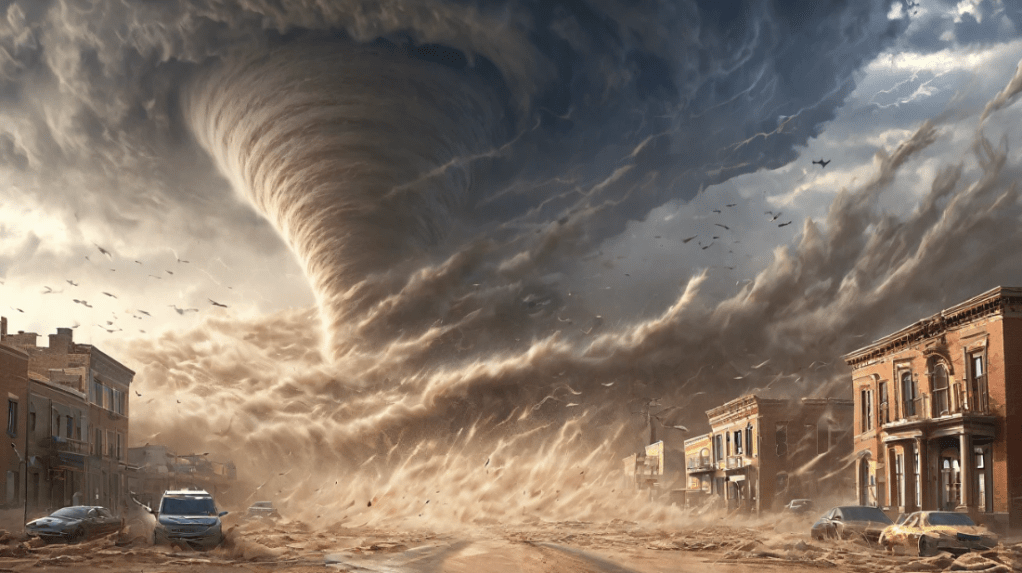
Wisconsin is also part of “Tornado Alley,” and while it may not be as prone to twisters as other states like Kansas or Oklahoma, it still sees its fair share of tornadoes. The state’s prime tornado season runs from May to August, and during these months, the Midwest is particularly susceptible to powerful storms.

In addition to tornadoes, severe thunderstorms with damaging winds and hail can cause destruction, power outages, and flooding. Residents need to have a plan in place:

  • Create a Safe Room: Designate a windowless room or basement in your home as a storm shelter. This should be stocked with emergency supplies, including flashlights, a first-aid kit, and a battery-powered radio.
  • Know the Warning Signs: Familiarize yourself with the National Weather Service’s warnings and advisories, and invest in a weather radio so you can get real-time updates, even if the power goes out.
  • Keep Emergency Kits on Hand: Make sure you have a “go bag” ready, which includes items you might need if you need to evacuate quickly.

3. Flooding

Though flooding isn’t as frequent as snowstorms or tornadoes, it’s still a major concern for Wisconsinites. Areas near rivers and lakes are especially vulnerable during periods of heavy rainfall, spring melt, or ice jams. Cities like Milwaukee, Green Bay, and Madison often face rising waters that can cause extensive damage to homes and infrastructure.

Wisconsin residents prepare for flooding by:

  • Elevating Home Utilities: To protect against floodwaters, many Wisconsinites elevate their water heaters, furnaces, and electrical systems to higher levels.
  • Sump Pumps: Installing sump pumps and backflow valves in homes can help prevent basement flooding.
  • Flood Insurance: If you live in an area prone to flooding, flood insurance is a must. It’s a relatively small investment that could save you thousands in repair costs.

4. Extreme Heat

Though Wisconsin is known for its cold winters, the state has also experienced an increase in extreme heat events in recent years. In the summer months, temperatures can climb well into the 90s or higher, and the combination of high humidity and heat can lead to heat exhaustion or heatstroke.

To prepare for extreme heat:

  • Stay Hydrated: Keep plenty of water available, especially during heatwaves. Keep track of the weather forecast, and try to stay indoors during the hottest parts of the day.
  • Cooling Centers: Many communities in Wisconsin open cooling centers during heatwaves, offering residents a safe space to cool down and escape the dangerous conditions.
  • Prepare Your Home: Use fans, air conditioning, or even freeze water bottles to help keep your home cool during extreme heat. Install window coverings to block the sun’s heat.

5. Wildfires

Though wildfires aren’t as frequent as in other parts of the country, Wisconsin is still susceptible to them, especially in the spring and fall when conditions are dry. Droughts or extended periods without rain can lead to dry vegetation, creating the perfect fuel for wildfires.

To prepare for wildfires:

  • Clear Debris: Keeping your yard and surrounding areas free of leaves, branches, and dry vegetation is essential to reducing the risk of fires spreading near your home.
  • Fire-Resistant Landscaping: If you live in a rural area or near wooded regions, consider landscaping with fire-resistant plants to create a defensible space around your property.
  • Emergency Evacuation Plan: Wildfires can spread quickly, so it’s important to have a clear evacuation route and a designated meeting spot for your family.

6. Earthquakes

While earthquakes aren’t common in Wisconsin, the state has experienced small tremors from time to time. As a result, it’s important to be prepared for the possibility of a quake, even if it’s not a regular occurrence.

To prepare for earthquakes:

  • Secure Heavy Items: Use straps or anchors to secure heavy furniture, TVs, and appliances so they don’t topple during an earthquake.
  • Earthquake Kits: Keep an emergency kit that includes water, food, a flashlight, a first-aid kit, and a whistle in case you need to signal for help.

10 Survival Prepper Tips for Wisconsinites

  1. Layer Up in Winter: Wisconsin’s cold temperatures demand proper clothing. Invest in quality thermal layers, gloves, hats, and boots.
  2. Install a Backup Generator: Power outages are common during snowstorms, floods, or tornadoes. A backup generator can keep your lights on and your refrigerator running.
  3. Learn Basic First Aid: Whether it’s dealing with a winter injury or a post-tornado cut, first aid knowledge is essential in an emergency.
  4. Create an Emergency Communication Plan: Make sure your family has a reliable way to communicate if the phones go down, whether it’s through walkie-talkies or designated meeting places.
  5. Know the Evacuation Routes: In the event of a large-scale disaster like a flood or tornado, know the safest routes to evacuate your home.
  6. Preserve Fresh Water: Store at least a gallon of water per person per day for at least three days in case of emergencies.
  7. Have a Bug-Out Bag: Always have a bug-out bag packed with essentials for at least 72 hours in case you need to evacuate.
  8. Fire Extinguisher: Have at least one fire extinguisher in your home and know how to use it properly.
  9. Maintain Your Car: Keep your vehicle in good working condition, with a full gas tank, especially during winter.
  10. Stay Informed: Subscribe to local emergency alerts and weather notifications to stay up-to-date on potential threats.

Survival Gardening in Wisconsin

Survival gardening in Wisconsin is not just a way to cultivate fresh produce—it’s a crucial component of long-term preparedness. Given the state’s fluctuating weather patterns, including harsh winters, unpredictable summers, and the risk of natural disasters like tornadoes and flooding, having a reliable food source becomes more than a convenience; it’s a necessity. In the heart of the Midwest, where food security can become a concern during a crisis, survival gardening provides self-sufficiency, resilience, and a hedge against uncertainty.

The Unique Challenges of Gardening in Wisconsin

Gardening in Wisconsin presents a series of unique challenges that require adaptability and careful planning. The state’s cold winters and short growing seasons can be difficult to navigate, but these hurdles are far from insurmountable. In fact, with the right knowledge and preparation, Wisconsin residents can grow a surprising variety of crops, even in the face of unpredictable weather.

The harsh winters, with temperatures often dipping well below freezing, make the growing season relatively short, typically lasting from late May to early October. This means gardeners must prioritize fast-growing crops, such as leafy greens, radishes, peas, and certain types of beans, while also utilizing techniques like cold frames, greenhouses, and frost-resistant varieties to extend the season.

Building a Resilient Survival Garden

To succeed in survival gardening in Wisconsin, there are several key strategies to consider:

  1. Choosing Hardy Crops: One of the most critical steps in preparing your survival garden is selecting crops that are suited to Wisconsin’s cold climate. Hardy vegetables like kale, carrots, potatoes, cabbage, onions, and turnips thrive in the state’s cooler temperatures and can withstand light frosts. Root vegetables, in particular, are great choices for Wisconsin gardens since they grow well in the soil’s colder temperatures.
  2. Cold Weather Extension Techniques: To maximize the growing season, many Wisconsinites use cold frames, greenhouses, or row covers to protect plants from early or late-season frosts. Cold frames, which are essentially small, clear shelters placed over garden beds, create a warmer microclimate around the plants, allowing them to continue growing even when temperatures drop. Greenhouses also offer a more controlled environment, allowing gardeners to grow crops that wouldn’t survive in the open air, such as tomatoes, peppers, or herbs.
  3. Soil Preparation and Maintenance: Wisconsin’s soil varies across regions, but it generally benefits from proper care and amendments. Adding organic matter such as compost, mulch, and manure helps to improve soil structure and retain moisture, which is crucial for sustaining plants through the dry spells of summer. Additionally, ensuring proper drainage is key—Wisconsin’s heavy rains can flood gardens, so raised beds or well-draining soil can prevent waterlogged roots and root rot.
  4. Seed Selection and Starting: Starting seeds indoors or in a greenhouse is an excellent way to jumpstart the growing season in Wisconsin. Many Wisconsinites begin their seeds in late winter, typically in February or March, so they’re ready to be transplanted into the garden once the threat of frost has passed. By the time the soil warms up and the danger of frost subsides, your seedlings will already have a head start, giving you a longer growing period.
  5. Companion Planting and Pest Control: Wisconsin’s humid summers create an ideal environment for pests such as aphids, slugs, and beetles. A critical part of survival gardening in Wisconsin is managing these pests naturally. Companion planting, where certain plants are grown next to each other to repel pests or boost growth, can be an effective strategy. For instance, planting marigolds around tomatoes can help deter aphids, while basil can improve the flavor and health of nearby tomatoes. Additionally, using natural pest control methods like diatomaceous earth or insecticidal soap can minimize the need for chemicals.
  6. Water Conservation: Wisconsin’s weather can be unpredictable, with periods of heavy rainfall followed by dry spells. For survival gardeners, having a reliable water source is essential. Rain barrels, which collect water runoff from roofs, can be used to supplement your garden’s water needs during dry spells. Additionally, drip irrigation systems ensure that water is applied directly to the plant roots, minimizing evaporation and waste.

The Benefits of Survival Gardening

Survival gardening offers a wealth of benefits, especially in the context of Wisconsin’s challenging environment. The most obvious advantage is food security. With a well-planned garden, you can grow your own fresh produce, reducing your reliance on grocery stores. This becomes particularly valuable during emergencies, such as power outages, flooding, or supply chain disruptions, where access to food may be limited.

Another significant benefit is the financial savings. The cost of food can skyrocket during a disaster or in the aftermath of severe weather. By having a garden, you can mitigate the impact of rising grocery prices and avoid the financial strain of having to purchase overpriced produce. Additionally, by preserving your harvest through methods like canning, dehydrating, or freezing, you can extend the shelf life of your crops, ensuring that you have food available long after the growing season ends.

Additionally, growing your own food fosters a sense of independence and self-sufficiency. In a world that is becoming increasingly uncertain, the ability to grow your own food is an empowering skill that provides peace of mind. It connects you to the land, allows you to be more self-reliant, and reduces your overall vulnerability to outside factors.

Preparing for the Worst

In Wisconsin, natural disasters such as blizzards, tornadoes, floods, and even extreme heat are part of life. Survival gardening helps ensure that you can weather these storms—literally and figuratively. By diversifying the crops in your garden, you can create a more resilient food system that can handle unpredictable conditions. For example, growing drought-resistant plants like beans, squash, and certain herbs can help you maintain food production during dry summers.

Gardens can also serve as an excellent source of nutrition during times of crisis. Having access to homegrown vegetables, fruits, and herbs ensures that your family can still eat healthily, even if access to store-bought food becomes difficult. Additionally, gardens provide a way to maintain a sense of normalcy and routine when the world outside is chaotic.

Conclusion: Empowerment Through Survival Gardening

In Wisconsin, survival gardening isn’t just a hobby—it’s a lifestyle choice that builds resilience, sustainability, and independence. Whether it’s combating the bitter cold of winter, managing the unpredictability of summer thunderstorms, or simply striving for self-sufficiency in an increasingly unpredictable world, the practice of gardening is vital for every prepper. By learning how to grow hardy crops, extending the growing season, and preparing your garden for Wisconsin’s unique challenges, you can cultivate not just food, but the confidence to face whatever comes your way.

As climate patterns change and the risk of natural disasters grows, survival gardening is no longer a luxury—it’s an essential skill for anyone looking to build a secure future. In Wisconsin, where nature can be both beautiful and brutal, survival gardening offers a practical, rewarding way to live in harmony with the environment while securing your family’s well-being. With the right preparation and mindset, you can face any challenge that comes your way with confidence, knowing that you’ve got the tools to grow your own survival.

Are You Ready for Mississippi’s Worst Natural Disasters? Here’s How

When you live in Mississippi, you understand that the state has its fair share of natural disasters, and you have to be ready for whatever Mother Nature throws your way. Whether it’s hurricanes, tornadoes, floods, or wildfires, residents here know that survival is about more than just having a plan; it’s about being self-sufficient, adaptable, and prepared for the worst. Mississippi’s diverse geography and unpredictable weather patterns mean that you need a solid survival strategy, and we’re here to break down how we prepare for the state’s worst natural disasters, and what you can do to keep your family safe when disaster strikes.

Hurricanes

CLICK HERE TO LEARN HOW TO SURVIVE A FAMINE

Mississippi is no stranger to hurricanes, especially along its Gulf Coast. The threat of a massive storm hitting the coast is always there, and residents who live near the water have to be extra vigilant. The key to hurricane preparedness is to have a plan in place before the storm even hits. First, know your evacuation routes and have a go-bag ready with essentials like water, non-perishable food, first aid supplies, and any necessary medications.

It’s also essential to have a weather radio or a reliable means of receiving up-to-date information. During hurricane season (June to November), it’s crucial to keep an eye on any developing storms. Boarding up windows and securing your property is also a must, and having a stockpile of fuel for your vehicle and generator will keep you ready in case power goes out.

Tornadoes

Mississippi sits in “Tornado Alley,” and the state sees more than its fair share of tornadoes, particularly in the spring. These storms can strike without much warning, and they move fast. The best way to prepare for a tornado is to have a safe room in your home—a basement, storm shelter, or interior room without windows. Stock your shelter with blankets, a flashlight, extra batteries, and a portable radio.

Having a weather alert system that provides immediate notifications of tornado watches and warnings is crucial. Always have your emergency kit accessible and include essentials like water, food, a first aid kit, and any important documents.

Floods

Mississippi is known for its rivers, but all that water can lead to flooding, especially during heavy rains. Flash floods can happen quickly, and if you live in a flood-prone area, it’s vital to know your evacuation routes and avoid driving through flooded areas. The key to flood preparedness is staying informed. Flood-prone areas should have sandbags, water pumps, and waterproof storage for important items.

Wildfires

While wildfires are more common out west, Mississippi has seen an uptick in them in recent years due to drought conditions and changing weather patterns. It’s essential to maintain defensible space around your property, clearing brush, and making sure trees are trimmed. Having a garden hose long enough to reach any part of your home and keeping fire extinguishers at the ready will give you a fighting chance if a wildfire threatens your property.

Survival Prepper Tips for Mississippi Residents:

  1. Stay Informed: Keep a weather radio on hand and always stay tuned to local news broadcasts, especially during the storm season. Early warnings can save your life.
  2. Create a Family Plan: Know where to meet up in case of evacuation, and establish communication methods in case your cell phone doesn’t work. A family plan is crucial in any disaster scenario.
  3. Have an Emergency Kit: Your survival kit should include a 72-hour supply of water, food, medicine, flashlights, first aid supplies, and a battery-powered radio.
  4. Invest in a Generator: Mississippi can experience extended power outages during storms. A portable generator is essential to keep the lights on and critical appliances running.
  5. Keep Your Gas Tank Full: Whether you’re evacuating or just need to get to safety, you don’t want to be caught without fuel. Keep your tank at least half full at all times during hurricane season.
  6. Have Cash on Hand: Credit card machines may be down during power outages, so having cash available can make the difference when you need to buy supplies or gas.
  7. Know Your Evacuation Routes: It’s critical to know the fastest routes to get out of town. Have multiple routes planned in case one is blocked by fallen trees or flooding.
  8. Fortify Your Home: During hurricane and tornado season, make sure your home is reinforced. Install storm shutters or board up windows, and secure loose outdoor items that could become projectiles.
  9. Food Storage: Stock up on canned goods, dried foods, and bulk items like rice and beans that don’t require refrigeration. It’s always a good idea to have more than enough food and water.
  10. Train Your Family in Basic Survival Skills: Knowing how to use a fire extinguisher, perform CPR, or administer first aid can save lives when help is not immediately available.

Preparing for the Worst

The best way to prepare for any natural disaster is to assume it could happen at any time. If you’re a Mississippi resident, make sure you’ve done everything you can to protect your family, your property, and your community.

Whether you’re boarding up windows for a hurricane or heading to your safe room for a tornado, being ready can make all the difference. The peace of mind that comes with preparation is invaluable, and while we can’t predict when disaster will strike, we can control how we respond.

Top Survival Prepper Advice for Residents of Rhode Island

As a prepper living in Rhode Island, I’ve seen first-hand the importance of preparedness when it comes to the unpredictable forces of nature. This tiny state might seem like it’s safe from the brunt of major natural disasters, but make no mistake—Rhode Island is just as susceptible to the effects of hurricanes, blizzards, flooding, and even the occasional earthquake. In this guide, I’ll break down how we, as Rhode Island residents, prepare for the worst natural disasters and share some of the most important survival tips to help you weather any storm.

Rhode Island’s Natural Disaster Landscape

CLICK HERE TO LEARN HOW TO SURVIVE A FAMINE

Though Rhode Island may not get as much media attention as states like Florida or California, it’s crucial to understand the natural disasters that can hit our shores. Living in the smallest state in the U.S. doesn’t mean we’re immune to the forces of nature. From coastal flooding to winter snowstorms, the local survival prepper community must be vigilant in order to survive. Here’s a rundown of the most common natural disasters that threaten Rhode Island:

  1. Hurricanes: Rhode Island sits along the Atlantic coast, and as such, hurricanes can impact the state during the late summer and early fall. While we’re not as prone to full-on direct hits like southern states, hurricanes can still bring heavy rains, high winds, and coastal storm surges.
  2. Flooding: Coastal and river flooding can be a serious threat in Rhode Island, especially during spring melt-offs or after heavy rainfall events. The state is home to numerous rivers and a large coastal plain that can quickly become overwhelmed by water.
  3. Blizzards and Winter Storms: The winter months in Rhode Island can be brutal, with blizzards and nor’easters regularly dumping feet of snow and ice. Power outages, tree damage, and transportation disruptions can make survival challenging for those unprepared.
  4. Earthquakes: While not a daily threat, Rhode Island lies near the boundary of the North American and African tectonic plates. Minor earthquakes, though rare, are possible, and larger tremors from nearby states could still cause significant damage.
  5. Tornadoes: Tornadoes in Rhode Island are rare but not impossible. These fierce storms can do serious damage in a short amount of time, and their unpredictability makes them a hidden danger for Rhode Island residents.

10 Survival Prepper Tips for Rhode Island Residents

Now that you understand the natural disaster risks we face, let’s dive into some practical survival tips specifically tailored for Rhode Island residents. These tips cover everything from shelter and food to weatherproofing your home and staying safe during emergencies.

  1. Build a Comprehensive Emergency Kit: In Rhode Island, hurricanes and winter storms are common threats, so having an emergency kit stocked with essentials is critical. Your kit should include enough non-perishable food and water to last at least three days, along with a flashlight, extra batteries, a first-aid kit, a battery-powered radio, and any medications you or your family might need. Don’t forget your pets—pack food and supplies for them, too.
  2. Know Your Evacuation Routes: Coastal flooding and hurricanes can force evacuation. It’s important to know your local evacuation routes ahead of time. Keep a map in your emergency kit and identify higher ground or emergency shelters where you can go if you have to leave your home in a hurry.
  3. Prepare for Power Outages: Rhode Island residents are no strangers to power outages, especially after winter snowstorms or hurricanes. Invest in a generator (make sure you know how to use it safely), stock up on extra blankets, and have flashlights and headlamps ready. Always keep a supply of batteries and a backup phone charger in case you can’t use your regular outlets.
  4. Flood-Proof Your Home: If you live in a flood-prone area, elevate important electrical equipment and appliances above possible flood levels. Installing sump pumps, flood barriers, and waterproof sealants on your home’s foundation can also help mitigate the risks of water damage.
  5. Winterize Your Property: The winter months in Rhode Island can be harsh, so take steps to winterize your home. Insulate pipes to prevent freezing, stock up on snow removal tools, and make sure your heating system is in good working order. You’ll also want to keep a supply of sand or salt on hand to melt ice around your driveway and walkways.
  6. Stay Informed with Local Alerts: The National Weather Service and local authorities will issue warnings for hurricanes, blizzards, and other severe weather. Sign up for emergency alerts from Rhode Island’s local government, and download apps that provide real-time weather information.
  7. Strengthen Your Home’s Structure: Whether it’s a hurricane or a blizzard, the integrity of your home is essential during a natural disaster. Reinforce windows and doors, trim back trees that could fall on your house during high winds, and install storm shutters if you’re in a coastal area vulnerable to hurricanes.
  8. Have a Family Communication Plan: In case of evacuation or power loss, make sure everyone in your household knows how to communicate and where to meet up. Consider creating a designated meeting point outside your home, in case phone lines are down.
  9. Invest in Water Filtration: In Rhode Island, the public water supply can be compromised during flooding or power outages. Having portable water filters or purification tablets is a smart move in case you need to rely on local streams or rivers for water.
  10. Stay Fit and Prepared for Physical Tasks: Rhode Island may not experience a lot of physical threats like wildfires, but heavy snow removal and moving supplies during a storm or evacuation require stamina. Keep your body in shape to tackle the physical demands of disaster prep.

Bonus Tip: Be Prepared for the Unexpected

While Rhode Island’s natural disasters may seem predictable in nature, it’s important to remember that the unexpected can happen at any time. Earthquakes, although rare, are possible in New England. Make sure your home is earthquake-resistant by securing heavy furniture and fragile items. Have an emergency kit specifically designed for earthquake scenarios, complete with sturdy shoes, a whistle, and a helmet.

How to Survive Rhode Island’s Worst Natural Disasters

When disaster strikes in Rhode Island, it’s important to stay calm, stay informed, and follow your survival plans. Whether it’s a storm surge from a hurricane or a heavy snowstorm cutting off your power, preparedness is key to ensuring you and your loved ones come through it unscathed.

The local prepper community in Rhode Island is tight-knit, with many sharing advice on how to better withstand the harshest conditions. They know how to read the weather, track storm systems, and take action when necessary. By following their example, you can make sure your family is ready for whatever disaster comes next.

Surviving the Big Sky: A Prepper’s Guide to Montana’s Natural Disasters

Surviving the Big Sky: A Prepper’s Guide to Montana’s Natural Disasters

Living in Montana means embracing the rugged beauty of the Big Sky State. But with that beauty comes the reality of natural disasters that can strike without warning. From wildfires to blizzards, understanding how to prepare is crucial for survival.

CLICK HERE TO LEARN HOW TO SURVIVE A FAMINE

1. Wildfires: A Constant Threat

Montana’s vast forests and dry summers make it prone to wildfires. To protect your property:

  • Create defensible space: Clear brush and dead vegetation within a 30-foot radius of your home.
  • Use fire-resistant materials: Opt for metal or tile roofing and non-combustible siding.
  • Maintain defensible zones: Keep trees trimmed and spaced to prevent fire spread.

2. Blizzards and Extreme Cold

Winter in Montana can be unforgiving. Prepare for blizzards by:

  • Winterizing your vehicle: Keep your gas tank full, install winter tires, and carry an emergency car kit.
  • Stocking up on essentials: Ensure a three-day supply of food, water, and medications.
  • Insulating your home: Use weatherstripping and insulation to retain heat.

3. Flooding Risks

While not as common, flooding can occur due to rapid snowmelt or heavy rains. To mitigate risks:

  • Elevate utilities: Install sump pumps and elevate electrical appliances above potential flood levels.
  • Improve drainage: Ensure gutters and downspouts are clear and direct water away from your foundation.
  • Purchase flood insurance: Standard homeowners insurance may not cover flood damage.

4. Tornadoes and Severe Storms

Montana is part of “Tornado Alley,” making it susceptible to tornadoes and severe storms. Stay safe by:

  • Identifying safe rooms: Choose a basement or interior room on the lowest floor without windows.
  • Monitoring weather alerts: Use a NOAA weather radio and smartphone apps for real-time updates.
  • Having an emergency kit: Include essentials like flashlights, batteries, and first aid supplies.

5. Earthquakes

While less frequent, earthquakes can occur in Montana. Prepare by:

  • Securing heavy furniture: Anchor bookshelves and cabinets to walls.
  • Creating a family emergency plan: Establish meeting points and communication methods.
  • Storing emergency supplies: Keep a kit with water, food, and first aid items.

10 Survival Prepper Tips for Montana’s Natural Disasters

  1. Stay Informed: Regularly check local weather forecasts and sign up for emergency alerts.
  2. Emergency Contacts: Maintain a list of emergency contacts, including out-of-state relatives.
  3. First Aid Training: Take a certified first aid and CPR course to handle medical emergencies.
  4. Fire Safety: Keep fire extinguishers accessible and know how to use them.
  5. Backup Power: Invest in a generator to keep essential appliances running during power outages.
  6. Evacuation Routes: Familiarize yourself with multiple evacuation routes from your home.
  7. Pet Preparedness: Have a plan for your pets, including carriers and food supplies.
  8. Community Involvement: Join local emergency response teams or neighborhood watch programs.
  9. Document Storage: Keep important documents in a waterproof and fireproof safe.
  10. Regular Drills: Conduct regular emergency drills with your family to ensure readiness.

Conclusion

Being prepared for Montana’s natural disasters requires foresight, planning, and action. By understanding the risks and implementing these survival tips, you can ensure the safety and well-being of yourself and your loved ones in the face of adversity.

Surviving Tornadoes, Blizzards, and Floods in Nebraska: What You Need to Know

Living in Nebraska isn’t just about enjoying the vast plains and rich agricultural landscape; it’s also about being prepared for the unique natural disasters that can strike the state. Tornadoes, blizzards, flooding, and extreme heat are all common occurrences, and each one can be devastating if you’re not ready. As a survival prepper in the Cornhusker State, it’s crucial to be proactive and prepared. With the right mindset and tools, you can face any disaster head-on, ensuring your safety and the well-being of your loved ones.

Nebraska’s weather is unpredictable, and it doesn’t take much for things to go from calm to catastrophic. The Great Plains region, where Nebraska sits, is known for its volatile weather patterns. From severe thunderstorms and tornadoes to deep winter snowstorms, it’s important to know what you’re up against. As a prepper, you need to be able to handle a range of natural disasters that could occur at any moment.

CLICK HERE TO LEARN HOW TO SURVIVE A FAMINE

1. Tornadoes: The Silent Killers

Tornadoes are probably the most well-known disaster in Nebraska, and for good reason. Tornado season in the state typically begins in April and peaks in May and June, but these deadly storms can strike at any time during the spring and early summer months. On average, Nebraska sees about 50 tornadoes a year, making it one of the most tornado-prone states in the country.

Prepper Tip:

  • Get a Weather Radio: Make sure you have a reliable weather radio that broadcasts severe weather alerts. When tornado warnings go out, every second counts. You need to know when it’s time to seek shelter.
  • Create a Shelter Plan: In case of a tornado, you should have a designated safe area in your home—preferably a basement or an interior room without windows.

2. Blizzards: The Deadly Cold

Winter storms in Nebraska are no joke. The state is prone to heavy snow, icy conditions, and blizzards. These storms can trap you at home for days, and if you’re not ready, they can be life-threatening. In addition to snow accumulation, wind chill temperatures can plummet to dangerous levels.

Prepper Tip:

  • Stock Up on Warm Clothing and Gear: You should have winter coats, blankets, gloves, and boots that are suitable for sub-zero temperatures. Insulated sleeping bags are also essential in case you lose heat during a winter storm.
  • Backup Heat Source: In case your power goes out, a backup heating source, like a propane heater or wood stove, is crucial for survival.

3. Flooding: The Rising Waters

Flooding is a significant threat in Nebraska, especially in areas near rivers and streams. Melting snow in the spring or sudden heavy rains can cause rivers to overflow, leading to widespread damage. Nebraska’s flat terrain doesn’t help either, as it allows water to pool in low-lying areas, making flooding even more dangerous.

Prepper Tip:

  • Elevate Important Items: Store important documents, electronics, and valuables above the flood level. Keeping a bag of emergency essentials ready to go can be a lifesaver in a flood situation.
  • Flood Insurance: If you live in a flood zone, consider getting flood insurance to protect your property from potential damage.

4. Extreme Heat: The Scorching Drought

Nebraska is no stranger to intense heatwaves, especially in late summer. High temperatures can easily soar into the 90s and even reach over 100°F, causing dehydration and heatstroke. These hot spells can be particularly dangerous if you lose access to water or cooling systems.

Prepper Tip:

  • Water, Water, Water: Stockpile water for drinking, cleaning, and cooling. A good rule of thumb is at least one gallon per person per day for at least three days.
  • Solar-Powered Cooling: Invest in solar-powered fans or air-conditioning units that can operate even if the power goes out.

5. Drought: The Silent Crisis

While not as immediately threatening as other disasters, droughts are an ongoing problem in Nebraska. These dry spells can severely impact water resources, crops, and livestock, which could lead to food shortages and economic hardship for the state’s agriculture-heavy economy.

Prepper Tip:

  • Rainwater Harvesting System: Install a rainwater harvesting system to collect and store water for your homestead. This can be a valuable resource during extended dry spells.

6. Severe Thunderstorms: The Storms That Never End

Nebraska regularly experiences severe thunderstorms, often packing heavy rains, hail, and lightning. These storms can cause flash flooding, power outages, and property damage. Lightning strikes, in particular, can ignite fires, especially during dry summer months.

Prepper Tip:

  • Surge Protectors: Protect your electronics and appliances with surge protectors to prevent damage from power surges caused by lightning strikes.
  • Emergency Lighting: Have flashlights, lanterns, and extra batteries ready for when the power goes out. A battery-powered light source can be crucial during a storm-induced blackout.

7. Wildfires: The Blaze That Spreads Quickly

While not as common as other disasters, wildfires are a growing concern in Nebraska, especially during the hotter months. The dry conditions during the summer and fall can make the state prone to grassfires and wildfires, especially in rural areas.

Prepper Tip:

  • Fire-Resistant Building Materials: If you live in an area prone to wildfires, consider using fire-resistant materials for your home’s exterior to reduce the risk of ignition.
  • Create Defensible Space: Clear brush and dry vegetation around your home to create a defensible space that can help prevent wildfires from spreading to your property.

8. Earthquakes: A Rare but Real Threat

Though Nebraska doesn’t sit on a major fault line, minor earthquakes do occur in the state from time to time. While they are usually low in magnitude, it’s still essential to be prepared for the possibility of shaking ground.

Prepper Tip:

  • Secure Heavy Items: Anchor heavy furniture and appliances to the wall to prevent them from tipping over during an earthquake.

9. Tornado Preparation: A Must-Have Checklist

When it comes to tornadoes, preparation can save lives. Having an emergency kit and a plan is critical, especially in Nebraska, where tornadoes can strike unexpectedly.

Prepper Tip:

  • Emergency Kit: Your kit should include non-perishable food, water, first-aid supplies, flashlights, extra batteries, a multi-tool, and a battery-powered weather radio.

10. Mental Preparedness: Stay Calm Under Pressure

Surviving a disaster isn’t just about having the right gear; it’s about staying calm and knowing what to do when things go south. Mental preparation is just as important as physical preparedness.

Prepper Tip:

  • Practice Drills: Regularly practice your emergency plan with your family to ensure everyone knows their role. The more you practice, the better prepared you’ll be when disaster strikes.

11. Community Preparedness: Teamwork Matters

Survival isn’t just about individual readiness; it’s about being a part of a community that can support one another during times of crisis. In rural Nebraska, neighbors help neighbors, and that’s a crucial part of surviving natural disasters.

Prepper Tip:

  • Form a Local Prepper Group: Building a community of like-minded individuals can be a valuable asset during a disaster. Share resources, information, and strategies to strengthen your collective resilience.

Why Nebraska Is Extremely Dangerous for Prepping: An In-Depth Conclusion

At first glance, Nebraska might not strike outsiders as a high-risk zone. With its expansive prairies, friendly small towns, and an economy rooted in agriculture, it looks like the picture of Midwestern peace. But for those of us who live here—and especially for those of us who prep—Nebraska is one of the most challenging environments to prepare for. The danger doesn’t come from just one source; it’s the unpredictable and often overlapping natural disasters that make this state uniquely hazardous and demanding for preppers.

The first major threat is Nebraska’s position in Tornado Alley. With dozens of tornadoes every year and a climate that encourages sudden, violent supercells, the state is a hotbed for twisters that can level homes in seconds. Tornadoes are fast, unpredictable, and unforgiving. And even with early warning systems, their destructive power makes sheltering and recovery extremely difficult. Unlike hurricanes or wildfires, tornadoes offer almost no time to evacuate.

Then there’s the brutal winter weather. Nebraska gets hit hard by blizzards, ice storms, and polar vortex events. Roads shut down, power lines snap, and rural areas can be cut off for days or even weeks. Survival isn’t about convenience—it’s about staying alive in subzero temperatures, without power or access to supplies. Unlike more temperate states, Nebraska’s winters can kill.

Flooding adds another layer of complexity. With so much of the land flat and many communities built along rivers and streams, Nebraska can go from bone-dry to underwater in hours. The 2019 floods were historic and catastrophic, washing out entire towns, damaging major infrastructure, and isolating thousands. For preppers, this means bug-out locations, stored supplies, and even livestock can be compromised in a single event.

Let’s not forget the scorching summer heat and prolonged droughts that cripple water resources and food production. These events don’t always make headlines like tornadoes or blizzards, but they are slow-burning disasters that threaten long-term sustainability. A prepper without water or a plan for agricultural self-reliance in Nebraska’s dry months is in serious trouble.

In many states, preppers can focus on one or two major disaster types. In Nebraska, you need to be prepared for everything—often all at once. You need to build tornado-proof shelters, winterize your property, plan for drought and heat, and still worry about flash floods and wildfires. The sheer variety of threats requires an advanced level of readiness and constant adaptation.

Moreover, the rural nature of much of Nebraska can be both a blessing and a curse. On one hand, distance from urban centers can mean safety from civil unrest. On the other hand, isolation during a disaster can mean delayed emergency response, limited medical care, and difficulty accessing supplies. If you’re not fully self-reliant out here, you’re vulnerable.

In short, Nebraska doesn’t give you a break. It’s one of the few places in the country where you have to be prepared for every season, every threat, every possibility. It’s a land of extremes, and those extremes can compound to create the perfect storm. That’s what makes Nebraska so dangerous for preppers. It’s not the possibility of disaster—it’s the certainty of multiple disasters, often back to back.

This isn’t a place for casual prepping. Nebraska demands total readiness, adaptability, and constant vigilance. But for those of us who live here and are willing to put in the work, there’s a certain pride in knowing we’re ready for anything. Because in Nebraska, you have to be.

Do This Before Your Neighbors Become Dangerous

Do This Before Your Neighbors Become Dangerous: A Survivalist’s Guide

In times of crisis, the greatest threat may not come from distant enemies but from those living closest to you. When societal structures begin to crumble, neighbors—once familiar faces—can quickly become unpredictable and even dangerous. As a survivalist, it’s imperative to prepare not only for external threats but also for the potential dangers lurking next door.

Understanding the Threat

The collapse of societal norms can lead to desperation. People who once adhered to the rule of law may resort to violence or theft to secure resources. In such scenarios, your immediate environment becomes a battleground. Recognizing this reality is the first step in fortifying your home and ensuring the safety of your loved ones.

1. Fortify Your Home’s Exterior

Your home’s perimeter is your first line of defense. Strengthen it by:

  • Reinforcing Doors and Windows: Install solid core doors and metal or reinforced frames. Use security film on windows to prevent easy break-ins.
  • Securing Entry Points: Add deadbolts, slide bolts, and security bars where appropriate. Ensure all gates are locked and consider adding a secondary locking mechanism.
  • Installing Motion-Sensing Lights: These can deter intruders and alert you to movement around your property.

2. Establish a Safe Room

A designated safe room can be a lifesaver. This should be a room with:

  • Reinforced Walls and Door: Use materials like steel or solid wood.
  • Communication Tools: Keep a charged phone and a two-way radio.
  • Supplies: Stock with water, non-perishable food, first-aid kit, and self-defense tools.

3. Develop a Neighborhood Watch

Community vigilance can be a powerful deterrent. Organize a neighborhood watch by:

  • Establishing Communication Channels: Use group messaging apps to stay informed.
  • Setting Up Regular Check-Ins: Regularly assess the well-being of neighbors, especially the elderly or those living alone.
  • Sharing Information: Report suspicious activities to local authorities and fellow neighbors promptly.

4. Maintain Situational Awareness

Always be aware of your surroundings. This includes:

  • Monitoring Local News: Stay updated on events that could impact your area.
  • Observing Unusual Activities: Note unfamiliar vehicles or people in your neighborhood.
  • Trusting Your Instincts: If something feels off, investigate further or alert others.

5. Secure Water and Food Sources

In times of crisis, access to clean water and food can become scarce. Prepare by:

  • Storing Water: Aim for at least one gallon per person per day for at least three days.
  • Stockpiling Non-Perishable Foods: Include items like canned goods, dried fruits, and grains.
  • Purification Methods: Have water purification tablets or filters on hand.

6. Arm Yourself Responsibly

While firearms can be an effective means of self-defense, they come with responsibilities. Ensure:

  • Proper Training: Take courses on firearm safety and usage.
  • Secure Storage: Keep weapons locked and out of reach of unauthorized individuals.
  • Legal Compliance: Adhere to all local and state laws regarding firearm ownership and use.

7. Create Diversion Strategies

In case of an intruder, having diversion tactics can buy you valuable time. Consider:

  • Noise Makers: Use alarms or whistles to disorient intruders.
  • Escape Routes: Plan and practice multiple exit strategies.
  • Decoy Items: Place valuables in less obvious locations.

8. Build Strong Relationships with Trusted Neighbors

Not all neighbors will pose a threat. Cultivate relationships with those you trust by:

  • Offering Help: Assist with tasks or share resources.
  • Sharing Information: Keep them informed about potential threats or emergencies.
  • Establishing Mutual Aid Agreements: Agree on how to support each other during crises.

9. Practice Regular Drills

Preparation is key. Conduct regular drills to:

  • Test Emergency Plans: Ensure everyone knows their role during a crisis.
  • Identify Weaknesses: Spot areas in your defense plan that need improvement.
  • Build Confidence: Familiarize everyone with procedures to reduce panic during real events.

10. Stay Informed and Adapt

The landscape of threats can change rapidly. Stay informed by:

  • Attending Workshops: Participate in survivalist and preparedness seminars.
  • Reading Relevant Literature: Keep updated with books and articles on home defense and survival tactics.
  • Networking: Join online forums or local groups to exchange knowledge and experiences.

Conclusion

The safety of your home and loved ones depends on proactive preparation. By fortifying your home, establishing strong community ties, and staying vigilant, you can mitigate the risks posed by dangerous neighbors in times of crisis. Remember, in the world of survivalism, it’s better to be over-prepared than caught off guard.

For further reading and resources on home defense and survival tactics, consider exploring the following:

Stay safe, stay prepared.

Blackout Preparedness: How to Stay Secure When the Lights Go Out

Blackout Survival: 10 Crucial Steps to Stay Safe in a Nationwide Power Outage

When the power goes out across the entire country, it’s not just an inconvenience—it’s a critical survival situation. A nationwide blackout can lead to widespread chaos, leaving you and your family vulnerable to everything from extreme temperatures to civil unrest. The question isn’t whether you’ll survive the blackout—it’s how prepared you are to face the dangers it brings.

We’re all familiar with the basic concept of a power outage—lights go out, appliances stop working, and we’re forced to revert to older methods of doing things. But what happens when that outage lasts days, weeks, or even longer? When the grid goes down across the entire country, there’s a ripple effect that impacts nearly every aspect of our lives. That’s why, as preppers, it’s absolutely crucial that we’re ready not just for short-term power loss, but for long-term survival in the face of a widespread blackout.

In this guide, I’ll walk you through 10 critical steps to ensure you and your loved ones stay safe and secure during a nationwide blackout.


1. Secure Your Water Supply

Prepper Tip #1: Always have a minimum of one gallon per person per day for drinking and hygiene. Store it in water-tight containers, and consider adding water purification tablets or a filter to ensure your water stays clean.

In a blackout, water is often the first thing people forget to secure. Water supplies are typically dependent on power to pump and treat water, and in the event of a nationwide blackout, you might lose access to clean water. Don’t rely on local utilities to maintain water availability during a prolonged power outage.

Tip: Fill up your bathtubs, sinks, and any other containers that can hold water when you know a blackout is imminent. You should also have a supply of bottled water stored, and a water filter (such as a LifeStraw or Berkey filter) is invaluable in case you need to source water from rivers or lakes.


2. Create a Backup Power Plan

Prepper Tip #2: Invest in solar-powered chargers, portable generators, and battery banks for essential electronics. Have extra fuel stored for backup generators if you rely on one.

When the grid fails, your lights, electronics, and even heating/cooling systems will likely stop working. A backup power plan can make the difference between comfort and disaster. You don’t need to go off the grid completely, but having a small, off-grid solar system or battery-powered lights and chargers will help keep your family safe, informed, and connected.

For critical needs like a medical device, communication, or security, ensure you have a backup power source that is independent of the grid. A solar-powered generator is an excellent option for recharging important items.


3. Maintain Communication with Trusted Contacts

Prepper Tip #3: Invest in a battery-powered or hand-crank radio for emergency broadcasts and stay connected to any news updates.

Without electricity, your usual communication methods—cell phones, landlines, internet—may be down. Staying connected with neighbors, loved ones, and other preppers is essential for coordination, especially during a nationwide blackout.

Tip: Have an emergency radio (battery-powered or hand-cranked) that can pick up AM/FM and NOAA weather broadcasts. These stations often provide critical updates about the blackout’s duration, local conditions, and even government advisories.


4. Stay Secure with Alternative Lighting

Prepper Tip #4: Avoid open flames for lighting, as they can be a fire hazard. Instead, use battery-powered LED lanterns, solar lights, or hand-crank flashlights to light your home safely.

The first thing most people think about during a blackout is lighting. But in the chaos of survival, you want to avoid the risk of candles or open flames, which are a fire hazard. LED lanterns, solar-powered lights, or flashlights powered by rechargeable batteries or hand cranks are much safer and longer-lasting.

Store extra batteries and consider solar-powered lights for outdoor spaces, as well. Having multiple light sources can make a significant difference in reducing stress and maintaining safety at night.


5. Keep Your Food Safe and Fresh

Prepper Tip #5: Have a cooler with ice packs on hand for food preservation. Consider investing in a 12V DC cooler that can run on a solar panel or backup generator.

Without electricity, your refrigerator and freezer will stop working. While this isn’t an immediate problem, the longer the blackout lasts, the greater the risk of food spoilage. If you don’t have a solar-powered fridge or backup generator, the next best option is to have a cooler filled with ice packs and non-perishable foods like canned goods, freeze-dried meals, and vacuum-sealed meats.

Tip: You can also learn to preserve food using methods like canning, dehydrating, or fermenting so you can avoid relying on refrigerated items during long-term outages.


6. Defend Your Home from Looters

Prepper Tip #6: Invest in high-quality locks, security cameras, and motion-detecting lights to keep your home safe. Have self-defense tools ready, such as a baton, pepper spray, or firearm if legal.

Unfortunately, blackouts can trigger panic buying and looting. When society’s infrastructure crumbles, some individuals may turn to crime in desperation. Having a security plan is vital to protecting your home and your supplies.

Screenshot

Tip: Fortify your entry points—secure windows and doors with heavy-duty locks and consider adding motion-sensor lights around your property. Keep a weapon for personal protection if you’re trained to use it safely.


7. Stay Aware of Health Risks

Prepper Tip #7: Always have a well-stocked first aid kit, and ensure you have essential medications stored. Know how to administer basic first aid and CPR.

With hospitals overwhelmed or without power, healthcare can become a distant thought during a nationwide blackout. You must be prepared to manage your health in these situations. Ensure you have a stocked first aid kit with bandages, medications, and antiseptics. Know how to treat minor injuries, manage illness, and recognize medical emergencies that could arise in a power-deprived environment.

Tip: Keep a two-week supply of any essential medications for family members who rely on them, and create an emergency medical plan for handling health issues when help is far away.


8. Know How to Stay Cool or Warm

Prepper Tip #8: Stockpile thermal blankets and sleeping bags for cold weather. In hot weather, have battery-powered fans and hydration supplies to stay cool.

Depending on the time of year, a blackout can either leave you freezing or overheating. In winter, you’ll need to be prepared to stay warm with thermal blankets, insulated clothing, and possibly a wood stove or kerosene heater if you’re equipped for it. In the summer, heat can be just as deadly. Keep hydration packs and cooling towels available to avoid dehydration and heatstroke.


9. Protect Your Food Sources

Prepper Tip #9: Consider setting up a garden with drought-resistant plants, and store seeds for when you need to grow your own food. Learn basic foraging and hunting skills to supplement your supply.

While canned and freeze-dried foods are great for short-term survival, you also need to think long-term. If the power is out for months, your food supply will eventually dwindle. Having a garden, growing perennials, and being able to forage in your area will be key to surviving through extended blackouts.

Tip: Make sure you know how to preserve your harvest by canning, freezing, or drying foods, so you can stockpile for the future.


10. Stay Calm and Rational

Prepper Tip #10: In high-stress situations, stay calm, assess your surroundings, and take time to plan your next steps. Always prioritize safety and self-reliance.

Finally, one of the most important survival tips during any emergency—especially a blackout—is to stay calm. Stress and panic cloud your judgment, which could lead to bad decisions. It’s vital to remain calm, think logically, and carefully consider your next move. Keep your mind clear, your plans flexible, and stay self-reliant.


Conclusion

Surviving a nationwide blackout isn’t just about enduring the inconvenience of no power—it’s about being prepared for the cascading impacts that follow. From losing access to clean water and food to dealing with the dangers of an unpredictable environment, each step you take to prepare will increase your chances of surviving and thriving during a widespread power outage.

By securing your resources, maintaining communication, and staying calm, you can protect yourself and your family from the chaos that often follows a nationwide blackout.

Remember, the key to survival is not just preparation—it’s action. Be ready, stay focused, and adapt to the challenges that come your way.

The Critical Role of Survival Food in Keeping Your Family Safe and Healthy

When disaster strikes, one of the first things that becomes critically important is food. Without food, your body won’t have the fuel it needs to survive. But when it comes to survival, it’s not just about having any food—it’s about having the right kind of food. That’s where survival food comes in.

Survival food isn’t just a convenience item. It’s an essential component of your long-term survival plan. Whether you’re preparing for a natural disaster, a societal collapse, or any other crisis that disrupts the normal supply of food, having a stockpile of nutritious and long-lasting survival food can make the difference between life and death for you and your family. Let’s break down why survival food is so crucial and how it fits into your preparedness strategy.


1. Disasters Disrupt Food Supply Chains

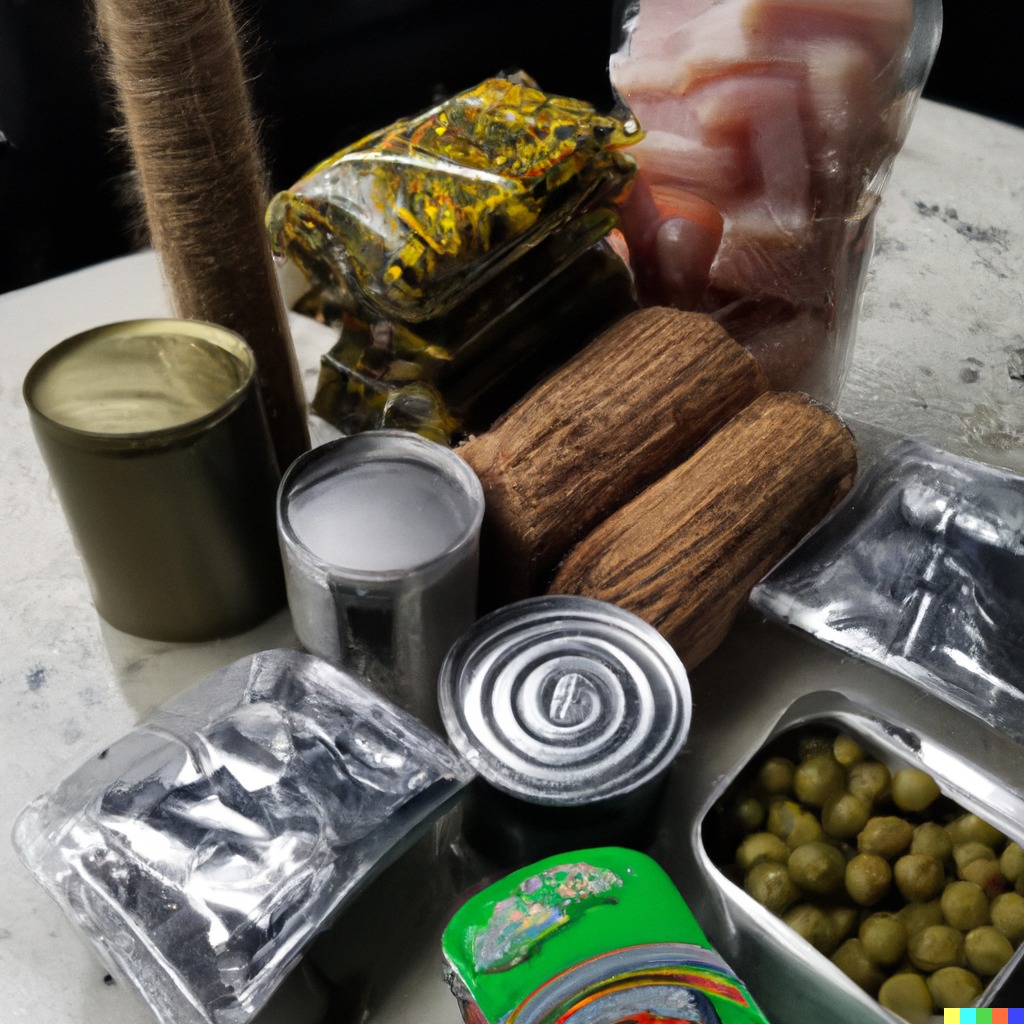
Prepper Tip #1: Stock up on non-perishable survival foods such as freeze-dried meals, canned goods, and vacuum-sealed items. Aim for a minimum of a three-month supply for your family.

In the event of a disaster, whether it’s a natural one like a hurricane or a man-made one like an economic collapse, the food supply chain can quickly break down. Grocery stores might run out of stock within hours, and transportation systems may be disrupted, leaving you with nothing but empty shelves. During these times, having a supply of survival food allows you to feed your family without relying on the failing supply chains.

Survival food is designed for long-term storage and can withstand extreme conditions. Items like freeze-dried meals, dehydrated vegetables, and vacuum-sealed protein provide you with a reliable source of nutrients when fresh food is no longer available.


2. Nutritional Needs During Crisis Situations

Prepper Tip #2: Ensure your survival food supply includes a balanced mix of protein, carbohydrates, fats, and micronutrients. Focus on foods that are high in calories to sustain energy levels.

When a crisis hits, the last thing you want is to survive on food that’s nutrient-poor. You need food that not only fills your stomach but provides the calories and nutrients needed to keep your body functioning at its best. When you’re under stress, possibly in harsh weather or physically demanding situations, your body needs fuel to stay sharp.

Survival food is formulated with this in mind. The best survival food options include high-calorie meals that provide protein, fats, and carbohydrates—all essential for maintaining your energy levels. For example, freeze-dried meat, nut butters, instant rice, and energy bars are all great options for providing long-lasting energy and keeping your immune system strong.


3. Shelf Life of Survival Food

Prepper Tip #3: Store survival food in cool, dry places to maximize shelf life. Rotate older supplies regularly to ensure they remain fresh and usable.

One of the biggest advantages of survival food is its long shelf life. Depending on the type, survival food can last anywhere from 5 to 25 years, making it ideal for long-term storage. Canned goods, freeze-dried meals, and vacuum-sealed options can last far longer than fresh food. If stored correctly, they provide you with a security blanket in uncertain times.

However, the key to making sure your survival food lasts is to store it properly. Keep it in a cool, dry area, away from sunlight and humidity. Proper rotation is also important. Use the first-in, first-out (FIFO) method to make sure you’re always consuming the oldest stock first, ensuring your survival food stays fresh.


4. Survival Food Saves Time and Energy

Prepper Tip #4: Choose easy-to-prepare survival food like MREs (Meals Ready to Eat) or freeze-dried meals. These meals don’t require cooking and can be eaten straight out of the bag or after just adding water.

When the grid goes down, cooking becomes a challenge. The last thing you want to worry about is preparing a meal from scratch when you’re trying to keep your family safe, secure, and healthy. Survival food is designed for ease and convenience. Meals like MREs, freeze-dried soup, and instant oatmeal require minimal effort to prepare—sometimes just adding water and waiting a few minutes.

This ease of preparation allows you to focus on other critical survival tasks like securing shelter, gathering water, or defending your home, instead of worrying about how to cook a full meal from raw ingredients.


5. Peace of Mind in Uncertain Times

Prepper Tip #5: Make a family plan and discuss how you will distribute survival food during a crisis. Having a plan in place reduces stress and increases your efficiency during emergencies.

One of the most overlooked aspects of survival preparedness is the peace of mind that comes with knowing you’re ready. When you have a solid stockpile of survival food, you don’t need to panic when the lights go out or the grocery stores close. You’re prepared, and that sense of readiness can reduce anxiety and help you think clearly when everything else seems chaotic.

By having a well-stocked survival food supply, you know that if the worst happens, you’ll be able to provide for your family. This peace of mind is critical for making rational decisions during emergencies.


6. Flexibility in Meal Planning

Prepper Tip #6: Keep varied survival food options so that meals don’t become monotonous. A mix of freeze-dried meals, canned goods, and snacks can help maintain morale.

While having enough food is crucial, the variety of food you have also plays a role in survival. During long-term emergencies, eating the same thing day after day can lead to “survival fatigue,” which can impact your morale and mental health. Survival food provides the ability to mix and match meals, preventing the monotony that can come from eating nothing but canned beans or rice.

In addition to the basics, consider adding treats like jerky, dried fruit, and trail mix to your survival food stash. These foods are not only delicious, but they help lift spirits during challenging times.


7. The Role of Survival Food in Bug-Out Bags

Prepper Tip #7: Always include high-calorie survival food in your bug-out bag. Compact, calorie-dense foods like granola bars or energy gels will keep you energized while on the move.

During an emergency, you may need to bug out—that is, evacuate your home and seek refuge elsewhere. Having survival food in your bug-out bag is essential. You won’t have the luxury of preparing a meal or hunting for food while you’re on the go. Carry foods that are calorie-dense, lightweight, and easy to consume.

Energy bars, nut butter packets, and high-calorie trail mix are great options that will keep you going without weighing you down.


8. Enhancing Your Survival Skills with Food

Prepper Tip #8: Learn how to forage for food and hunt in your area, but supplement these skills with stored survival food to ensure you don’t run out.

While survival food is essential, it should never be your only food source. In addition to your stockpile, learning how to forage, hunt, and fish will increase your self-reliance. Supplementing survival food with wild edibles or small game can help diversify your diet and reduce the need to dip into your emergency stockpile too quickly.


9. Keeping the Family Healthy During Crisis

Prepper Tip #9: Include vitamins and minerals in your survival food plan to keep everyone’s immune system strong, especially when fresh produce is unavailable.

During a crisis, it’s easy to forget about nutrition, especially if you’re relying on a steady diet of canned foods or dried meals. However, maintaining a healthy immune system is more important than ever when disease or injury can be much harder to treat.

Ensure your survival food supply includes multi-vitamin supplements and vitamin-rich foods to support long-term health.


10. Long-Term Sustainability of Survival Food

Prepper Tip #10: Incorporate food-growing plans into your overall prepper strategy. Consider starting a garden with non-perishable seeds for vegetables, herbs, and fruits.

In addition to stocked survival food, you should be planning for long-term sustainability. Consider integrating food-growing strategies into your survival plan. Growing your own food can help replenish your stockpiles, providing you with a renewable food source during extended crises.


Conclusion

Survival food is an essential part of any prepper’s plan, and understanding its critical role in keeping your family safe and healthy is key to successful preparedness. From providing energy and nutrients to ensuring that you can endure a long-term crisis, survival food is your lifeline during emergencies. Whether you’re facing a short-term power outage or a long-term societal collapse, a well-stocked supply of survival food will ensure that you and your loved ones are taken care of, no matter what comes your way.

By following these survival tips and maintaining a healthy stockpile, you’ll be ready to face any disaster and keep your family safe, healthy, and prepared.

Survival prepping Like This Could Be A Double-Edged Sword

Prepping Like This Could Be A Double-Edged Sword

Have you ever heard the saying, “a little knowledge is a dangerous thing”?

Well, I’ve been thinking about this lately, especially when it comes to prepping.

Everyone knows that the right gear is essential.

But there’s a concealed risk lurking beneath the surface — something that might catch us unprepared if we’re not careful.

It will become clear once you read this story.

Last week, I was talking to a buddy of mine who’s also into prepping.

He was excited to show me the latest thing he bought. A top-of-the-line water filtration system.

He proudly explained its features and how it would provide clean water for his family in case of an emergency.

So far so good

But then he said something that made me pause.

“I feel so much safer ever since I have it. I don’t have to worry about anything.”

I couldn’t fault him for his enthusiasm.

But his words struck me as a stark reminder of the pitfall that is complacency.

When we feel like we’ve got everything covered, it’s easy to let our guard down. To assume that we’re invincible.

And yet the truth is, no matter how ready we are, there’s always something that can catch us by surprise.

That’s why it’s essential to remain vigilant, to continuously challenge ourselves and adapt to different situations.

At the end of the day, it’s not just about what we have at our disposal. It’s about our ability to think on our feet, to adapt and overcome.

Our mindset is what truly sets us apart as preppers.

So folks, let’s not fall into the trap.

Let us keep improving our skills, our equipment, and let us keep expanding our knowledge.

That way, we can ensure that our prepping efforts serve us well when the time comes.

Stay safe and vigilant.

How much food should you stockpile?

Everyone in the prepping world talks about stockpiling food for an emergency situation.

Beans, cans, rice, anything that lasts a long time can allow us to make it through emergency situations.

And even though it’s crystal clear that stockpiling is essential

People usually don’t know how much food is too much or too little.

I want to provide some clarity, so you can decide how much to stockpile based on your specific circumstances.

The answer, as always, is that it depends.

Everything boils down to the specifics of your situation. Your family headcount, dietary needs, and the type of emergency you’re prepping for.

But don’t worry, we’ll break it down together.

First and foremost, it’s essential to consider the duration of the emergency.

Are you expecting a short-term disruption, like a brief power outage or a snowstorm?

Or are you prepping for a more long-term scenario, like a natural emergency or an economic collapse?

For short-term emergencies, a supply of about two weeks’ worth of food should suffice.

This will tide you over until services are restored, and you can replenish your pantry.

But remember, it’s always more ideal to have a little more, just in case.

So let’s talk about long-term emergencies.

In these cases, you’ll want to have a minimum of three months’ worth of food stocked up.

However, to truly be on the safe side, I would recommend aiming for a full year’s supply.

This might sound daunting, but it’s a goal worth striving for. The future is uncertain, and it’s more reasonable to be over- than underprepared.

If this seems too difficult, there is a way to make it easier.

That is by gradually building up your stockpile.

Don’t try to shop for everything at once.

Instead, focus on adding to your reserves over time.

Slow and steady wins the race.

And don’t forget to diversify your stockpile.

A well-rounded supply should include non-perishable items such as canned goods, dried fruits, grains, and freeze-dried meals.

Also, make sure you account for any dietary restrictions or allergies.

And there you have it, folks!

Being mindful of these factors will put you on the right path.

Remember, it’s not about hoarding. It’s about being ready and self-reliant in the face of uncertainty.

Do you have any other topics that you would like me to cover? Let me know by commenting on this survival preppers article.