BUG OUT BAG CHECKLIST: THE ONLY THING STANDING BETWEEN YOU AND CHAOS

If you’re reading this, congratulations—you’re officially one of the very few people who haven’t been hypnotized into believing society is stable. Most folks happily scroll through their feeds while the world around them bleeds, burns, and breaks apart. But not you. You’re here because you know the truth: the system is cracking, and when it finally collapses, you’ll only survive with what’s on your back.

That backpack?
That “bug out bag”?
That’s your last line of defense against a world that’s already circling the drain.

The politicians won’t save you.
The agencies won’t save you.
Your neighbors definitely won’t save you—they’ll be the first ones banging on your door when everything goes dark.

That’s why your bug out bag checklist matters. And if you get it wrong, you’re not just risking discomfort—you’re signing your own death certificate.

So let’s build this bag the right way—with anger, realism, and a deep understanding that no one is coming to help.


WHY YOUR BUG OUT BAG MUST BE BRUTALLY PRACTICAL

A bug out bag isn’t a hobby project. It’s not a camping pack. It’s not a Pinterest board of “cute emergency items.” It is a survival system designed to keep you breathing for 72 hours or longer during the worst moments of your life.

When the grid fails, when water stops flowing, when hospitals lock their doors, when people panic and turn violent—your bug out bag becomes the only thing separating you from chaos.

And most people pack theirs like fools.

They bring comfort items instead of survival gear.
They bring gadgets instead of durability.
They bring weight instead of usefulness.

Not you. Not after this checklist.


THE ULTIMATE BUG OUT BAG CHECKLIST (NO NONSENSE, NO FLUFF)

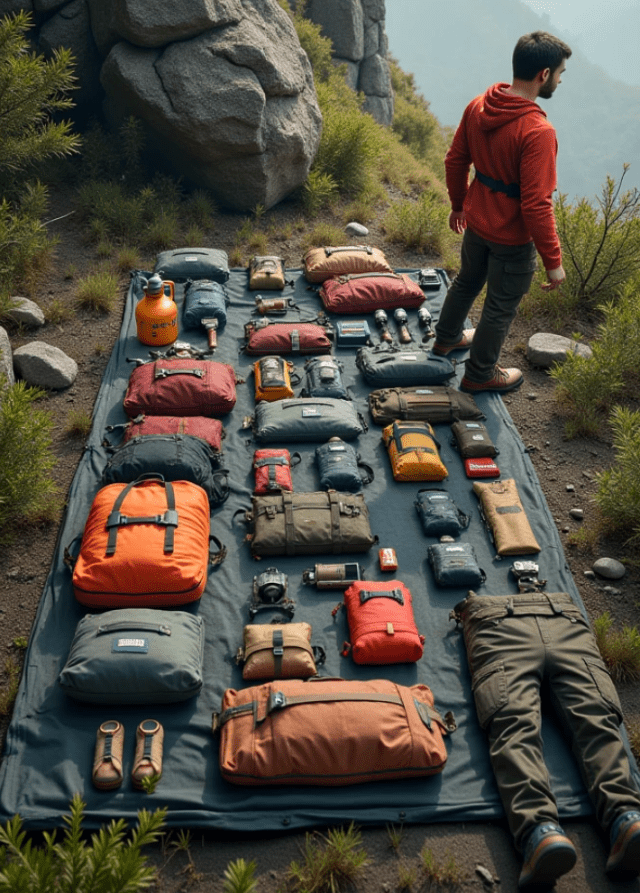
Below is the gear that actually matters—the gear that keeps you alive. Everything else can be tossed.


1. WATER & FILTRATION (THE FIRST THING YOU’LL LOSE IN A CRISIS)

Water disappears fast. Faster than food, faster than safety, faster than logic. Within hours of a disaster, stores are empty, taps are dry, and people turn feral.

Your bag needs:

  • Stainless steel water bottle (boil water directly in it)
  • Collapsible water container
  • Sawyer Mini or Lifestraw filter
  • Water purification tablets
  • Small metal cup/pot for boiling

If you don’t have these, you’ll be dehydrated and delirious before the first nightfall—easy prey for anyone less prepared than you.


2. FOOD & NUTRITION (LIGHTWEIGHT AND LONG-LASTING)

You’re not eating for pleasure. You’re eating for survival.

Pack:

  • High-calorie survival bars
  • Freeze-dried meals (compact and dependable)
  • Instant oatmeal packs
  • Jerky
  • Electrolyte packets

Anything requiring long cooking times is dead weight. Anything requiring refrigeration is a liability.


3. SHELTER & CLOTHING (BECAUSE THE WORLD ISN’T KIND)

Exposure is one of the fastest killers in a disaster. Cold doesn’t care how tough you are. Rain doesn’t care how optimistic you are. Weather kills the unprepared.

Include:

  • Emergency bivy sack
  • Compact tarp
  • 550 paracord
  • Mylar blankets
  • Extra socks
  • Wool base layers
  • A rugged, waterproof jacket

Cotton? Forget it. Cotton kills. High-performance synthetics and wool save lives.


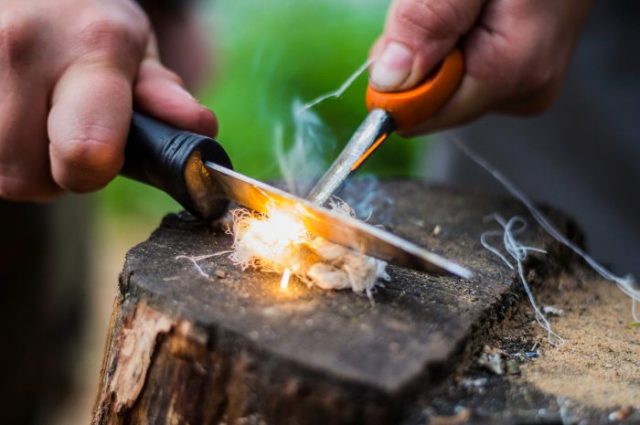
4. FIRE STARTING (FLAME IS LIFE)

Fire purifies water, cooks food, warms your body, and signals for help.

You need redundancy:

  • Ferro rod
  • Stormproof matches
  • Bic lighters
  • Tinder tabs
  • Cotton balls soaked in petroleum jelly (in a sealed bag)

Three fire sources minimum. Anything less is gambling with your life.


5. TOOLS (THE GEAR THAT ACTUALLY DOES WORK)

Tools separate survivors from victims.

Mandatory:

  • Fixed-blade knife (full tang, not some flimsy folding toy)
  • Multi-tool
  • Hatchet or folding saw
  • Duct tape
  • Mini crowbar
  • Work gloves
  • Headlamp with extra batteries

You don’t rise to the occasion—you fall to the level of your tools.


6. FIRST AID (BECAUSE HELP WILL NOT BE COMING)

When you’re injured in a disaster, you aren’t getting an ambulance. You’re getting silence.

Your bag needs:

  • Trauma kit (not a “boo-boo kit”)
  • Tourniquet
  • Compressed gauze
  • Israeli bandage
  • Alcohol wipes
  • Medical tape
  • Pain relievers
  • Antibiotic ointment

Your life may depend on your ability to stop bleeding, treat infection, and stabilize yourself long enough to move.


7. NAVIGATION (THE GRID GOES DOWN—YOU DON’T)

GPS? Cute. When the towers fail, your phone is a paperweight.

You need:

  • Compass
  • Local area maps
  • Grease pencil for marking routes

If you can’t navigate, you’re just wandering around waiting to become a statistic.


8. COMMUNICATION & SIGNALING

Because yelling won’t cut it.

Pack:

  • Emergency whistle
  • Signal mirror
  • Hand-crank radio

Information is survival. Silence is death.


9. SELF-DEFENSE & SECURITY

This category is intentionally general. People have different laws, abilities, and choices.

But minimally:

  • Pepper spray
  • Heavy-duty tactical flashlight
  • Strong knife (listed earlier)

Your bug out bag must keep you alive—not get you arrested. Know your local laws.


10. PERSONAL DOCUMENTS & MISC ESSENTIALS

Because bureaucracy survives even when civilization doesn’t.

Include copies of:

  • ID
  • Insurance information
  • Emergency contacts
  • Cash (small bills)

Also pack:

  • Notepad and pen
  • Bandanas
  • Trash bags
  • Zip ties

The small stuff becomes big when everything else collapses.


THE BITTER TRUTH MOST PEOPLE WON’T FACE

Most people won’t build a real bug out bag.
Most people won’t prepare.
Most people will freeze when crisis hits.

They’ll say:
“It won’t happen here.”
“Everything will work out.”
“The government will fix it.”

And when everything doesn’t work out, they’ll be the first ones panicking in the streets.

You?
You won’t be one of them. Because you’re building a bag that doesn’t rely on fantasy.

You’re preparing for the world as it really is: fragile, unstable, and full of people who think they can freeload off the prepared.

Your bug out bag is your lifeline.
Build it now.
Don’t wait for permission.
Don’t wait for disaster.
Don’t wait for the world to finally snap—because by then, it will be too late.

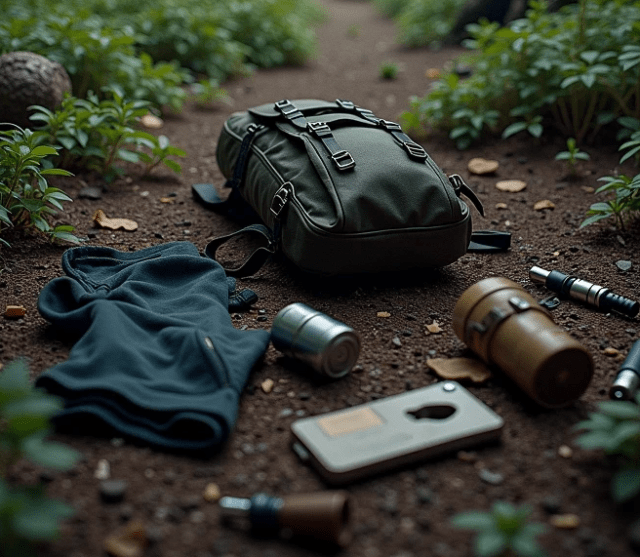
The World Earned Its Collapse — Build the Bag That Lets You Outlive It

Because Humanity Has Chosen This Path — and Most People Will Go Down With It

Let’s stop pretending humanity is some noble masterpiece worth saving.
Look around.
Look closely.

We’re a species addicted to noise, distraction, denial, and self-destruction.
We build nothing that lasts.
We destroy everything we touch.
We trade truth for entertainment and stability for convenience.
We’ve turned intelligence into arrogance and technology into a crutch.

So yes — collapse is coming.
Not as punishment.
Not as tragedy.
But as a natural consequence of billions of people who would rather be comfortable than conscious.

Humanity deserves the chaos roaring toward it.
But you don’t have to go down with the rest of the sleepwalkers.

That’s why a real bug out bag matters:
Not to save humanity.
Not to restore society.
But to survive the implosion you’ve been watching unfold for years.

This isn’t hope.
This is resignation — weaponized.


WHY YOU NEED A BUG OUT BAG IN A WORLD THAT NO LONGER DESERVES SAVING

The average person has no idea what’s coming.
They mock preparedness.
They laugh at reality.
They think grocery stores magically refill, that power grids last forever, that violence is something that only happens “somewhere else.”

Humanity’s arrogance will be its death sentence.

But you?
You’re not here because you believe things will get better.
You’re here because you see the unraveling clearly and refuse to be dragged down by the herd.

A bug out bag isn’t optimism.
It’s not hope.
It’s not even fear.

It’s acceptance:
The acceptance that society chose collapse — and your only obligation is to outlive the consequences.

This checklist reflects that truth.


THE NIHILIST’S BUG OUT BAG CHECKLIST

Gear for When the World Finally Gets What It Deserves


1. WATER: THE RESOURCE HUMANITY TOOK FOR GRANTED UNTIL THE VERY END

Humans poisoned their own rivers, overpumped aquifers, dumped waste into oceans, and acted shocked when drought arrived.

Don’t join them.

Pack:

  • Stainless steel water bottle
  • Water filter (Sawyer Mini or equivalent)
  • Purification tablets
  • Collapsible reservoir
  • Metal cup for boiling

Without water, you’re done.
And humanity has already proven it can’t protect a drop of it.


2. FOOD: SIMPLE FUEL FOR A SPECIES THAT COMPLICATED EVERYTHING

Humans invented food shortages in a world overflowing with resources.
Now they panic when shelves run empty for 12 hours.

Your survival depends on:

  • Freeze-dried meals
  • Survival rations
  • Jerky
  • Oatmeal
  • Electrolyte powder

This is not about culinary joy.
This is about staying alive while the world eats itself.


3. SHELTER: PROTECTION FROM THE ELEMENTS (AND HUMANITY’S MISTAKES)

People chopped down forests, paved over ecosystems, and still act surprised when weather becomes lethal.

Pack:

  • Tarp
  • Paracord
  • Bivy sack
  • Mylar blankets
  • Wool layers
  • Waterproof jacket
  • Spare socks

Nature isn’t the enemy.
Humanity’s ignorance is.


4. FIRE: SOMETHING ANCIENT HUMANITY FORGOT HOW TO DO WITHOUT WI-FI

Fire once represented intelligence.
Now people panic when their lighter runs out.

Pack redundancy:

  • Ferro rod
  • Stormproof matches
  • Bic lighters
  • Tinder

If you cannot make fire, you cannot stay alive — and the world won’t care.


5. TOOLS: FUNCTIONALITY FOR A WORLD THAT CHOSE CONVENIENCE OVER COMPETENCE

We built smartphones but forgot how to use knives.
We built skyscrapers but forgot how to use rope.
We built drones but forgot how to build shelter.

You need:

  • Fixed-blade knife
  • Multi-tool
  • Folding saw
  • Duct tape
  • Headlamp + batteries
  • Work gloves

Because survival will require more skill than scrolling.


6. FIRST AID: BECAUSE INFRASTRUCTURE COLLAPSES FASTER THAN DENIAL

Emergency rooms will overflow, then shut down.
Supplies will vanish.
Help will evaporate.

Your kit must include:

  • Tourniquet
  • Israeli bandage
  • Gauze
  • Alcohol wipes
  • Antibiotic ointment
  • Pain relievers
  • Medical tape

Humans ignored their own health when times were good.
They’ll beg for medicine when it’s too late.


7. NAVIGATION: BECAUSE GPS DEPENDS ON A CIVILIZATION THAT’S FALLING APART

GPS requires satellites.
Satellites require stability.
Stability is gone.

Pack:

  • Compass
  • Maps
  • Grease pencil

When the world loses its direction, you won’t.


8. SIGNALING & COMMUNICATION: NOT TO BE RESCUED — BUT TO REMAIN INFORMED

You’re not signaling for help.
You’re signaling for options.

Pack:

  • Whistle
  • Signal mirror
  • Hand-crank radio

Information becomes priceless when the world drowns in noise.


9. SECURITY: BECAUSE THE BIGGEST THREAT TO YOUR SURVIVAL ISN’T NATURE — IT’S PEOPLE

People created the collapse.
People will panic.
People will turn chaotic.

Minimal essentials:

  • Pepper spray
  • High-lumen flashlight
  • Knife (already in tools)

You don’t need to harm anyone.
You just need enough distance to avoid becoming another casualty of collective stupidity.


10. DOCUMENTS & MISC: THE IRONY OF PAPERWORK IN A DYING WORLD

The world collapses, but bureaucracy still somehow survives.

Pack:

  • ID copies
  • Cash
  • Emergency contacts
  • Notepad
  • Pen
  • Zip ties
  • Trash bags

The old world will cling to life far longer than its people deserve.


THE FINAL TRUTH: HUMANITY BROUGHT THIS COLLAPSE ON ITSELF

Humanity won’t fall because of bad luck.
It will fall because it earned it — through arrogance, apathy, and an unshakable belief that consequences don’t apply to it.

Your bug out bag isn’t a rebellion.
It’s not an attempt to fix the world.
It’s not even survival for the sake of survival.

It’s quiet refusal.
A silent declaration that you won’t drown with the ship.
A commitment to continue existing even if humanity doesn’t deserve to.

You prepare not because you believe in humanity…
but because you don’t.

Super Duper Important Food Storage Organization: The Harsh Reality Preppers Keep Ignoring

If there’s one thing I’ve learned after years of watching society march itself off a cliff with a smile, it’s this: most people can barely keep their sock drawer organized, let alone their food storage. Everyone loves to talk big about “stocking up” and “being prepared,” but when it comes down to actually doing the unglamorous grunt work—taking inventory, rotating supplies, labeling containers—suddenly everyone becomes lazy, distracted, or “too busy.”

The truth, whether anyone wants to face it or not, is that food storage isn’t some Instagram-friendly pantry makeover. It’s not an aesthetic hobby. It’s a survival system, and if you treat it like anything less, you might as well hand your supplies to the nearest looter and call it a day.

So let’s get something straight: organization and inventory aren’t optional. They are the backbone of any real survival food plan. If you can’t track what you have, where it is, how long it will last, and what you need to replenish, then your entire so-called “prepping” is nothing more than a pile of false confidence waiting to collapse at the worst possible moment.

And moments like that are coming. Don’t kid yourself.


Why Food Storage Matters Even More Than You Think

Every year the world gets a little more chaotic, a little more unstable, and a lot more unpredictable. Supply chains break, crops fail, fuel prices spike, storms hit, and cities melt down—yet somehow the average person still believes grocery stores magically refill themselves overnight.

Maybe they think there’s a fairy in the back room restocking the shelves. Who knows.

But the reality is simple: the more unstable society becomes, the more critical your food storage system is. Not just the amount of food you have—though that matters too—but the management of that food.

Preppers often brag about having “months of supplies.” But when you ask them for specifics, like how many pounds of rice they have, the expiration dates on their canned goods, or how many calories their stash actually provides per day, they suddenly turn into philosophers—lots of vague answers and no actual numbers.

That’s not prepping. That’s denial.


Inventory Is the One Thing Lazy Preppers Refuse to Take Seriously

Let’s talk inventory. Most people hate it. It’s tedious. It requires writing things down. It forces you to face the fact that maybe you’re not as prepared as you thought.

And that’s exactly why it’s essential.

You cannot build a functional food storage system without knowing:

  • What you currently have
  • What’s expiring soon
  • What you need to rotate
  • What you need to replenish
  • How much you actually use over time
  • Where each item is stored
  • Your total caloric reserves
  • How long those reserves will last for each person in your household

If you’re rolling your eyes right now, maybe prepping isn’t actually your thing. Because survival is math, whether you like it or not.

Imagine waking up during a grid-down scenario, digging through your pantry, and realizing half your supplies expired last year because you never bothered to check them. Or discovering you bought 40 cans of soup… but all the same flavor your family hates. Or worse, realizing you stocked up on rice but didn’t buy a single pound of salt, seasonings, or oil to actually cook with it.

Inventory prevents disasters before they become disasters.


Organization: Because Chaos Won’t Save You

Some preppers treat their pantry like a junk drawer. Bags of beans shoved behind flour, cans stacked wherever they happen to fit, random Mylar bags tossed onto shelves “for later,” and half-empty containers leaning sideways like they’re begging to spill.

Do you know what that creates?

Chaos. Confusion. Waste. And vulnerability.

If you ever experience a real emergency, you won’t have time to “dig around and see what’s here.” You need to be able to access what you need immediately—and you need to know it’s still good, sealed, and edible.

Here are the harsh truths:

1. If it isn’t labeled, it doesn’t exist.

Write dates on EVERYTHING—every bucket, every can, every jar, every Mylar bag. If you’re too lazy to label, you’re too lazy to survive.

2. If you can’t see it, you won’t use it.

Deep shelves and unlit storage rooms are silent killers of supplies. Install lighting, use clear containers, and never bury critical food behind junk.

3. If it isn’t rotated, it WILL expire.

FIFO (First In, First Out) isn’t a suggestion. It’s the law of food storage. Treat it like one.

4. If it’s not grouped, it’s not organized.

Cans with cans. Grains with grains. Snacks with snacks. Stop mixing categories like a chaotic raccoon scavenging a dumpster.

5. If your storage isn’t protected, rodents and moisture will destroy it.

You’d be shocked how many preppers lose food to conditions they should have controlled.


People Who Don’t Organize Always Pay the Price Later

Most people assume they’ll be calm and rational when trouble comes. They won’t. Stress shuts down logical thinking. Panic makes people sloppy. Chaos fuels mistakes.

And when your brain is foggy with fear, trying to organize your pantry will be a disaster.

Do it NOW, when your hands aren’t shaking, when lighting still works, and when society hasn’t descended into noise and confusion.

Because here’s the ugly truth:

If you can’t manage your supplies during peace, you won’t magically become competent during crisis.


Building a Real Food Storage System

Here’s what actually works—tested, proven, and reliable:

1. Create a master inventory sheet
Digital or paper—doesn’t matter. Update it weekly.

2. Categorize everything
Grains, canned meats, canned vegetables, freeze-dried meals, spices, oils, comfort foods, etc.

3. Track calories, not just volume
Who cares how many jars you have if they don’t add up to enough daily fuel?

4. Use storage zones
Pantry, basement, long-term storage, emergency bug-out supply.

5. Keep a running “use and replace” list
If you take one item out, write it down immediately. No excuses.

6. Do monthly expiration checks
Yes, monthly. Not yearly like the optimistic amateurs.

7. Overprotect everything
Oxygen absorbers, Mylar, buckets, vacuum sealing—treat food like treasure because soon it might be.


Final Thoughts: Don’t Be Another Unprepared Statistic

The world isn’t getting kinder. It’s not getting more stable. And it sure isn’t getting more self-reliant. Every year, more people depend on fragile systems that can barely handle normal demand, let alone crisis.

You don’t have to be one of them.

But only if you stop pretending that buying food is the same as storing food. Only if you stop believing that survival is about “having stuff” instead of managing it.

Inventory and organization will either save you—or expose you.

It all depends on whether you take them seriously now, while you still have the chance.

Because once things go bad—and they will eventually—there’s no do-over.

Survive or Die in New York: The 10 Most Dangerous Things in The Big Apple State That Will End You

Let me tell you something straight: New York isn’t the glitzy, picturesque wonderland people want you to believe. Beneath the skyscrapers, the subways, and the tourist-packed streets lurks a deadly reality that most people are too naive to acknowledge. If you think a stroll in Central Park or a weekend at the Adirondacks is harmless, think again. Death comes quietly, unexpectedly, and without warning. And if you want even the slightest chance of survival, you better pay attention to the top 10 killers in New York—and how to survive them. I’m not here to sugarcoat it. This is grim. This is real. And it’s life or death.


1. The Subway System – A Maze of Metal and Madness

You step onto the subway thinking it’s just a mode of transportation, but one misstep, one loose handhold, or one distracted second, and you’re toast. Subways are magnets for criminal activity, unexpected train arrivals, and slippery conditions that can turn a simple fall into a catastrophic end.

Survival Tactic: Never be distracted by your phone. Stay behind the yellow line, avoid empty cars late at night, and always have an escape route in mind. Carry a personal alarm or whistle; the panic it creates may just save your life.


2. Extreme Weather Events – Mother Nature’s Fury

Hurricanes, blizzards, flash floods—you name it, New York experiences it. People romanticize the snowy winters, but frostbite and hypothermia are silent killers. Summer? Heatwaves can sneak up on you, causing heatstroke faster than you can hydrate.

Survival Tactic: Always check weather warnings and never underestimate local advisories. Stock emergency supplies: water, non-perishable food, a thermal blanket, and a first-aid kit. Know your high-ground evacuation routes for floods and always dress in layers for winter.


3. Aggressive Wildlife – Not Just in the Wilderness

You think New York’s wildlife is cute? Think again. Coyotes prowl suburban streets at night, snapping up small pets, and raccoons can carry diseases that are deadly to humans. And don’t forget venomous insects—ticks with Lyme disease and mosquitoes carrying West Nile Virus.

Survival Tactic: Never approach wildlife. Keep trash sealed, maintain a safe distance from animals, and use repellents and protective clothing. If bitten, seek medical help immediately; the city hospitals are your lifeline here.


4. Urban Crime – The Hidden Predator

Pickpockets, muggers, and random violent acts are not myths—they’re a daily reality in certain parts of New York. Walking alone at night can feel like a death sentence if you’re unprepared.

Survival Tactic: Always stay alert, avoid dimly lit areas, and keep valuables hidden. Self-defense training isn’t optional—it’s mandatory. Carry a legal deterrent like pepper spray or a tactical flashlight. And never trust the “safe” neighborhoods blindly; danger doesn’t announce itself.


5. Traffic Chaos – Steel Beasts on Wheels

New Yorkers drive like maniacs. Pedestrians think they have the right of way; drivers think the city belongs to them. One distracted driver, one ignored traffic signal, and it’s over.

Survival Tactic: Never assume vehicles will stop. Look both ways twice, even at crosswalks. Wear bright clothing if you walk or bike, and always have an escape route in mind. Avoid distractions, and keep your phone in your pocket. Your life depends on it.


6. Building Fires – Silent Killers in Plain Sight

New York is a concrete jungle, and fires can spread faster than most people realize. Faulty wiring, unattended candles, or kitchen accidents can turn a cozy apartment into a death trap.

Survival Tactic: Always have a fire extinguisher, smoke detectors, and a pre-planned escape route. Never assume the fire department will arrive in time; self-rescue knowledge is crucial. And for God’s sake, test your escape route—it’s not just theory, it’s life or death.


7. Water Hazards – Lakes, Rivers, and Storm Drains

From the Hudson to the Erie Canal, water is everywhere in New York. But currents, tides, and hidden underwater hazards turn recreational swimming and boating into potentially lethal activities. Storm drains and subway tunnels can become deadly traps during floods.

Survival Tactic: Learn to swim and wear a life jacket near open water. Avoid areas prone to flooding and never underestimate the power of currents. Carry a waterproof survival kit if you venture near water, including a whistle, rope, and signaling device.


8. Falling Objects – A Threat You Can’t Always See

Construction sites, crumbling buildings, and even city streets can drop debris on your head without warning. A loose brick, a falling sign, or a collapsing scaffold can end your life instantly.

Survival Tactic: Always be aware of your surroundings. Avoid walking near construction zones, look up periodically, and keep your head protected if you’re in a high-risk area. Sometimes, the best defense is simply not being there when disaster strikes.


9. Food and Water Contamination – The Invisible Assassin

Most people assume city food and water are safe—but contamination from bacteria, mold, or chemical pollutants can kill slowly or suddenly. From raw street food to polluted lakes, ignoring these risks is suicidal.

Survival Tactic: Drink only treated or bottled water, cook food thoroughly, and practice good hygiene. Have water purification tablets or a portable filter ready. In New York, assuming everything is safe is a gamble you won’t survive losing.


10. Mental Collapse – The Overlooked Killer

This one’s not flashy, but make no mistake: mental breakdowns can kill you just as efficiently as anything else. The stress of the city, coupled with the constant threat of danger, can cause panic, poor decisions, and fatal mistakes.

Survival Tactic: Stay mentally vigilant. Practice mindfulness, stress management, and situational awareness. Always have a plan B and don’t rely on others to save you. In survival, the weakest mind is the first casualty.


Final Thoughts: Embrace Paranoia, or Die

Here’s the ugly truth: most people walk around New York thinking the worst will never happen to them. They’re naïve, lazy, and oblivious—and that’s exactly why so many die prematurely. If you want to survive, you can’t just hope for the best. You need vigilance, preparation, and a healthy dose of paranoia.

Carry your tools, know your risks, and treat every step outside as a potential life-or-death decision. Because in New York, it often is.

Why Your Food Won’t Last When the Grid Fails Unless You Do This

Let’s stop pretending everything is fine. You’re smart enough to see the cracks forming. Every month, the world grows more unstable—power grids stretched to their limits, infrastructure rotting, supply chains one bad day away from snapping. And the average person? They just scroll on their phone, complaining about inconveniences while being completely dependent on a system that can’t even keep the lights on during a windy afternoon.

That’s why you, the person reading this, already know what most refuse to accept: if the grid goes down for real—whether it’s a cyberattack, an EMP, civil unrest, or just the inevitable collapse of aging infrastructure—nobody’s coming to save you. And food? Food will be the first thing to vanish, right after sanity.

So let’s talk about how to preserve food in a grid-down situation… because if you don’t take this seriously, you may as well hand your pantry over to your neighbors when they start pounding on your door.


Why You Need to Think About Food Preservation NOW

People love to mock preppers—until they’re hungry. Until they realize that grocery stores keep, on average, three days of food on the shelves. Three days. That’s it. If the trucks stop rolling, the grid dies, or the government decides to “ration” supplies, you’ll watch shelves empty faster than a politician’s promise.

And when the grid goes down?
Your fridge is useless.
Your freezer is a liability.
Your “fresh food” is now a ticking time bomb.

Most Americans can’t even go a day without DoorDash. Imagine them trying to salt a piece of meat or ferment vegetables. They won’t last a week.

But you aren’t going to be one of them. You’re here to prepare, even if the world calls you paranoid.

Good. They can stay unprepared. You’re going to stay alive.


1. Canning: The Skill the Modern World Forgot

Canning is one of the oldest, safest, and longest-lasting ways to preserve food—and I’m always amazed at how many people refuse to learn it because “it looks complicated.” You know what’s complicated? Starving.

There are two main methods:

Water Bath Canning

Perfect for high-acid foods like:

  • Tomatoes
  • Pickles
  • Fruits
  • Jams and jellies

Pressure Canning

For low-acid foods, which is basically everything else worth eating in a crisis:

  • Meat
  • Beans
  • Soups
  • Vegetables
  • Broths

If you don’t have a pressure canner, get one now, before prices skyrocket again or shelves go empty—because they absolutely will in a crisis.

Canned food can last 5+ years, and unlike a freezer, it doesn’t stop working when the power does.


2. Dehydration: Turning Fresh Food into Survival Food

You don’t need electricity to dehydrate food—though electric dehydrators certainly make life easier during “normal” times. When the grid collapses, there are alternatives:

Solar Dehydrators

These can be built from scrap wood, screen material, and a little patience. They use sunlight and airflow—nothing fancy, nothing fragile.

Air Drying

Great for herbs, some vegetables, and thin cuts of meat (jerky), if humidity isn’t a problem.

Dehydrated foods are lightweight, compact, and can last decades when stored properly. And unlike MREs or store-bought survival food, you know exactly what’s in them.


3. Fermentation: The Preservation Method Civilization Was Built On

People forget that before refrigerators, fermentation was how entire populations survived winters, plagues, and wars.

Fermentation doesn’t require electricity—just salt, time, jars, and a little common sense. You can ferment:

  • Cabbage (sauerkraut)
  • Carrots
  • Beets
  • Cucumbers
  • Radishes
  • Garlic
  • Peppers

Fermented foods are packed with probiotics, vitamins, and calories—exactly what your body needs during stress and scarcity.

And the best part?
Fermentation can’t collapse because the grid does.


4. Smoking and Salting Meat: Because Your Freezer Will Fail You

Most people hoard their freezers with food, thinking they’re prepared. They’re not. When the power dies, they’ll be trying to figure out how to keep 200 pounds of meat cold before it turns into a bacteria buffet.

The old methods still work:

Smoking

Smoke adds flavor, removes moisture, and creates a protective layer on meat and fish. Build a smokehouse or use a barrel—you don’t need a fancy setup.

Salting

Salt pulls moisture out of the meat and prevents bacterial growth. It’s one of the most reliable preservation methods in human history.

Salt is cheap now.
It won’t stay cheap.
Stock up.


5. Root Cellaring: Nature’s Refrigerator That Won’t Betray You

You don’t need electricity to store food at stable temperatures. A root cellar—whether built into your basement, buried in the ground, or improvised with barrels or coolers—can keep food fresh for months.

Foods that store well in a root cellar include:

  • Potatoes
  • Onions
  • Carrots
  • Cabbage
  • Apples
  • Beets
  • Winter squash

Imagine that—storing food naturally instead of relying on a grid that barely works on the best days.


6. The Importance of Backup Storage: Mylar, O2 Absorbers & Buckets

Screenshot

You’ve probably seen the panic buyers hoard rice and beans during every “emergency” the media announces. But guess what?

They store them wrong every time.

If you want your dry goods to last 10–30 years, you need:

  • Mylar bags
  • Oxygen absorbers
  • Food-grade buckets
  • Desiccant packs (optional but helpful)

Pack it right once, and it’ll outlive the chaos.


7. The Hard Truth: People Will Come for Your Food

No one wants to talk about this part. But as a prepper, you know it’s true: when people are hungry, they turn violent. When they’re desperate, they stop being rational.

You can have the best food stockpile on the planet, preserved every which way…
but if you don’t defend it, you’re just storing it for someone else.

So prepare quietly. Preserve your food without broadcasting it to the world. The unprepared masses will mock you today—but they’ll envy you later.

And envy becomes danger.


Final Thoughts: Don’t Rely on a System That Has Already Failed

Every year, the grid becomes less stable. Every year, disasters—natural, political, or fabricated—add more strain to the system. And every year, the average citizen becomes more helpless, more dependent, more vulnerable.

But not you.

You’re doing what the world refuses to do: learning real skills, preserving real food, and building real security. When the grid goes down—and it will—your preparations will be the only thing standing between survival and starvation.

Start today.
Because when collapse comes… you won’t get a warning.

Don’t Lie to Yourself — Your Pathetic Bug Out Bag Won’t Save You

Let’s cut the sugarcoating.
If your bug out bag is underbuilt, understocked, or underthought, you will die.
Not metaphorically… not “you’ll be uncomfortable”… not “things will get tough.”
No. You will actually die.

Exposure kills.
Dehydration kills.
Infection kills.
Stupidity kills fastest of all.

And the world is unraveling faster than you think. While most people post memes, binge shows, and pretend everything is fine, you’re one disaster away from finding out your gear is either your salvation or your coffin.

A bug out bag isn’t a hobby.
It’s not a Pinterest project.
It’s not a casual “just in case” backpack.

It is the difference between crawling into survival… or collapsing into the dirt face-first while the world burns around you.

This checklist is designed for one thing: keeping you alive when society stops pretending it’s functional.


WHY YOUR CURRENT BUG OUT BAG IS A JOKE — AND HOW IT WILL KILL YOU

Most people’s bags are overloaded with junk or missing lifesaving basics.
They pack:

  • gadgets they don’t know how to use
  • food that spoils in 24 hours
  • knives made for cartoons
  • useless “tactical” garbage they bought because it looked cool

Meanwhile, the truly essential survival gear sits forgotten on some Amazon wishlist.

Those mistakes will kill them within 72 hours of a real collapse.

If your bag fails in heat, cold, darkness, or panic…
If your water plan is wishful thinking…
If your shelter plan is “I’ll figure it out”…

You’re not a survivor. You’re a casualty waiting for its moment.

This checklist fixes that.


THE BRUTALLY HONEST BUG OUT BAG CHECKLIST (THE SURVIVOR’S VERSION)

Prepare for bluntness. Anything less is deadly.


1. WATER & PURIFICATION (FAIL THIS AND YOU DIE FIRST)

Dehydration doesn’t care about your attitude. It doesn’t wait for you to “get more prepared later.” It drops you on the ground, weak, confused, and dying in as little as three days.

You NEED:

  • Stainless steel water bottle (boil in it or don’t bother)
  • Lightweight filter (Sawyer Mini or better)
  • Purification tabs
  • Collapsible bladder
  • Metal cup

If your water system can’t handle mud, runoff, or contaminated puddles, you’ll be dead faster than you think.


2. FOOD THAT ACTUALLY KEEPS YOU ALIVE (NOT “SNACKS”)

Most people pack “food” that produces one outcome: metabolic collapse.

Your food must be:

  • lightweight
  • calorie-dense
  • idiot-proof

This means:

  • Survival bars
  • Freeze-dried meals
  • Jerky
  • Oatmeal packs
  • Electrolyte powder

Not chips.
Not granola.
Not candy.

If your food burns more calories to digest than it gives, you’re killing yourself slowly.


3. SHELTER & CLOTHING: THIS IS WHERE MOST PEOPLE DIE

Exposure kills faster than hunger and almost as fast as dehydration.
Hypothermia doesn’t care about your optimism.
Rain doesn’t care about your ego.

Pack:

  • Emergency bivy
  • 550 cord
  • Tarp
  • Mylar blankets
  • Wool or synthetic clothing
  • Spare socks
  • Weatherproof jacket

If your bug out strategy involves cotton, congratulations—you’ve built a shroud, not a survival system.


4. FIRE: WITHOUT IT YOU FREEZE, SICKEN, OR STARVE

Fire is life. Period.

You need:

  • Ferro rod
  • Stormproof matches
  • At least two Bic lighters
  • Tinder kit

If you fail to make fire in the rain, in the cold, or when your hands shake with fear… you will die shivering in a wet pile of regret.


5. TOOLS: IF THEY BREAK, SO DO YOU

Gear failure equals survival failure.

Don’t pack toys. Pack tools:

  • Full-tang fixed-blade knife
  • Multi-tool
  • Folding saw or hatchet
  • Heavy-duty duct tape
  • Headlamp + spare batteries
  • Work gloves

If your knife bends, snaps, or dulls instantly, enjoy slowly discovering how helpless a grown adult can become without tools.


6. TRAUMA-READY FIRST AID (THE “BAND-AID KIT” WILL SET YOU UP TO DIE)

Here’s a reality check:
In a disaster, there is no ambulance.
No ER.
No 911.
Just you and your gear.

You need:

  • Tourniquet
  • Israeli bandage
  • QuikClot or gauze
  • Alcohol wipes
  • Antibiotic ointment
  • Pain meds
  • Medical tape

A twisted ankle, a deep cut, an infection—these things become lethal fast if you don’t have the gear to handle them.


7. NAVIGATION: IF YOU CAN’T FIND YOUR WAY OUT, YOU’LL ROT WHERE YOU STAND

GPS dies with the grid.
Cell service collapses under panic.
Your phone becomes a sleek, useless brick.

You need:

  • Compass
  • Local maps
  • Pencil or grease marker

If you can’t navigate without electronics, the wilderness—or the city—will swallow you whole.


8. SIGNALING & COMMUNICATION: SILENCE IN A DISASTER MEANS DEATH

Ignoring this category is how people vanish.

Pack:

  • Whistle
  • Signal mirror
  • Hand-crank radio

If you can’t receive information, you’re blind.
If you can’t signal, you’re silent.
If you’re blind and silent, you’re dead.


9. SECURITY: IGNORING THIS WILL END YOU

I won’t list weapons. Laws differ. People differ. Situations differ.

But minimally:

  • Pepper spray
  • High-lumen flashlight
  • Knife (already listed)

If your bag doesn’t allow you to deter threats, protect yourself, or escape danger, you’re gambling with your life.


10. DOCUMENTS & MISC: YOU’LL BE SHOCKED HOW IMPORTANT THIS BECOMES

Include:

  • ID copies
  • Cash
  • Emergency contacts
  • Notepad
  • Sharpie
  • Bandanas
  • Zip ties
  • Trash bags

These tiny items solve massive problems.


THE COLD, UGLY, UNDENIABLE TRUTH

If your bug out bag is trash, your survival odds drop to zero.

The world is not stable.
Systems break.
People panic.
Authorities get overwhelmed.
Help never arrives.

So your choice is simple:

Build a real bug out bag now… or die wishing you had one.

There is no middle ground.
No “I’ll get to it.”
No “Maybe later.”

Later is when people die.
Later is when the unprepared panic.
Later is when the weak beg for help they’ll never receive.

Now is your only chance.

How To Stay Safe and Survive During a Riot in Pennsylvania

When civil unrest erupts, the rules of normal society get tossed out the window. If you find yourself in Pennsylvania during a riot—whether in Philly, Pittsburgh, or a small town—you need to shift from civilian mindset to survivalist instinct fast. I’ve lived through hurricanes, blackouts, and civil unrest. Let me tell you: chaos doesn’t send a warning text.

If you’re caught unprepared, you’re a target. But with the right mindset, skills, and tools, you can protect yourself and your loved ones. Here’s how a seasoned survival prepper handles a riot scenario.


First: Situational Awareness is Your Survival Bedrock

Before you ever have to throw a punch or swing a bat, your awareness will keep you alive. Monitor your surroundings constantly. Know the difference between a peaceful crowd and a mob ready to burn everything in sight. Stay updated on local news, and if something starts brewing, trust your gut. Don’t wait. Get out early if you can.

Install police scanner apps and follow local emergency channels. If you’re on foot, avoid bottlenecks like alleyways or fences. If you’re in a vehicle, keep your gas tank above half at all times and know at least three alternate routes out of town.


8 Self-Defense Skills Every Prepper Should Master

In a riot, 911 is likely overwhelmed or unavailable. That means you are your own first responder. Whether you’re defending yourself or your family, here are the self-defense skills that matter most:

  1. Situational De-escalation
    Learn how to defuse tension verbally and with body language. Sometimes not fighting is the smartest fight you’ll win.
  2. Krav Maga Basics
    This Israeli martial art was designed for real-world violence. Focus on neutralizing threats fast—groin strikes, eye gouges, and throat punches are not dirty; they’re smart.
  3. Palm Heel Strikes
    Avoid hurting your own hand. A palm heel to the nose or jaw is devastating and easy to learn.
  4. Elbow Strikes
    In close quarters, nothing beats the elbow. Short, fast, and bone-breaking.
  5. Improvised Weapon Training
    Know how to turn a flashlight, pen, or belt buckle into a weapon. A sturdy tactical pen can be life-saving.
  6. Ground Defense
    If you end up on the ground, know how to protect your face and get back up. Jiu-jitsu fundamentals are invaluable here.
  7. Escape From Grabs
    Practice breaking holds. A wrist grab can lead to a beatdown—or a quick reversal if you’ve trained properly.
  8. Weapon Retention & Disarmament
    If someone pulls a weapon on you, your goal is either to flee or disarm fast. Learn the basics of redirecting a knife or firearm—timing and confidence are everything.

3 DIY Survival Weapons You Can Make at Home

Even if you don’t own firearms or they’re not accessible, you can arm yourself legally and discreetly with DIY tools that pack serious deterrent value.

1. PVC Pipe Baton

  • Materials: 1-inch diameter PVC pipe (2 feet), sand or BBs, duct tape.
  • Instructions: Fill the pipe with BBs or sand to give it weight, seal both ends, wrap with duct tape for grip. It hits hard and won’t attract as much attention as a metal bat.

2. Improvised Spear

  • Materials: A broomstick, kitchen knife, duct tape, paracord.
  • Instructions: Lash the knife to the end of the stick tightly. Works for both defense and deterrent purposes, especially if you’re defending your home.

3. Slingshot with Metal Ammo

  • Materials: Commercial slingshot, ball bearings or marbles.
  • Instructions: Practice accuracy. A slingshot can take down small game or discourage an aggressive attacker without the noise of a firearm.

How To Fortify & Escape Your Home During a Riot

If a riot is headed your way, bugging in is your first line of defense. Fortify your home with these quick strategies:

  • Block ground-floor windows with furniture or plywood. You’re not trying to win a war, just discourage entry.
  • Turn off all lights at night to avoid drawing attention.
  • Create a safe room. If intruders enter, you need one locked, fortified space to regroup and plan an escape if needed.

If the situation escalates and you must bug out:

  • Don’t take major roads. They’re likely jammed or under police/military lockdown.
  • Move at dawn or dusk. Less visibility, less risk.
  • Dress like a grey man. Neutral colors, no tactical gear that screams “prepared.” You want to blend in, not stand out.

Quick-Access Riot Survival Kit

Here’s what every Pennsylvanian should keep ready when unrest flares up:

  • Tactical flashlight with strobe
  • Filtered water bottle or Lifestraw
  • Multi-tool or fixed blade knife
  • First aid kit with blood clotting gauze
  • Smoke mask or N95
  • Sturdy gloves (for climbing or dealing with debris)
  • Copies of ID in a waterproof bag
  • Map with marked safe routes out of town
  • Cash in small bills
  • Energy bars or MREs

Mindset: The Ultimate Survival Tool

If you panic, you lose. Stay calm, focused, and decisive. Panic is contagious. So is confidence. Your demeanor will influence your family and those around you. In a riot, fear spreads like fire. Be the firebreak.

Trust your instincts. Don’t hesitate. If you see things are spiraling, don’t wait for permission to act. It’s always better to leave too early than one minute too late.


Final Thoughts From a Seasoned Prepper

Riots in Pennsylvania aren’t just a big-city problem anymore. With social tension boiling across the country, even rural towns can become hotspots overnight. You don’t need to be a doomsday bunker-dweller to be prepared. You just need to take your safety seriously.

Train your body. Train your mind. Prepare your home. Learn to defend yourself and protect what matters.

Because in the end, when the system fails, you’re all you’ve got.

The Wifi Trap: What Most Preppers Overlook When SHTF

As preppers, we’re always thinking about the “what ifs” — what if the power grid goes down? What if food becomes scarce? What if our security is compromised? But one thing that often gets overlooked in prepping is how we handle something as common as wifi when SHTF (Sh*t Hits The Fan).

Sure, most of us are used to having wifi at our fingertips. It’s something we take for granted in our daily lives, whether we’re at home, at a café, or even traveling. But when disaster strikes—whether it’s a natural disaster, an EMP, or some form of societal collapse—the wifi we rely on can become a huge liability.

Think about it: every time a major storm hits or an earthquake shakes things up, what happens? The power grid goes down, cell towers collapse, and suddenly, we’re cut off from the world. The internet disappears. But if you’re a prepper, you’ve probably planned ahead. You’ve got your own generator, and maybe even a backup power source for your wifi. You’re sitting pretty, right?

Well, not quite.


The Dangerous Wifi Mistake Most People Make

The truth is, while having wifi during a crisis can be a blessing—it can also make you a target. When you’ve got a working wifi signal in an otherwise digitally dead area, you’re sending out a beacon. A signal to anyone with a device searching for a connection. And when people are desperate—whether it’s for information, communication, or resources—they’ll stop at nothing to get to you. That includes the possibility of using force.

Picture this: a massive power outage or grid failure. You’re sitting in your home with your backup generator, using your wifi to access essential information or stay in touch with other preppers. But that signal, that tiny little wave bouncing off your router, is broadcasting to anyone nearby. And when resources are scarce, there are plenty of people who would be willing to do whatever it takes—perhaps even storm your house or break into your perimeter—to steal those resources.

This is a situation we must be prepared for. If you’ve got wifi set up for a SHTF scenario, there are a few things you need to understand to stay safe.


Reducing Your Wifi Range: A Smart Strategy

What’s the solution? Do we simply throw our routers out the window during a power outage? Of course not. But there are steps you can take to ensure your wifi doesn’t make you an easy target in an already dangerous situation.

One way to protect yourself is by reducing the range of your wifi signal. Most modern wifi routers allow you to adjust the power output—basically controlling how far your signal reaches. By lowering the power, you can restrict your wifi’s range and make it much less noticeable to anyone outside your immediate vicinity.

This is a smart strategy for preppers who don’t want to broadcast their presence to the wrong people.

Tip #1: Most wifi routers allow you to control the transmit power. Check your router’s settings and adjust the power output. You’ll want to reduce it to a level where only those inside your home or immediate property can access the signal.

Tip #2: Always refer to your router’s manual or interface to make sure you’re adjusting the correct settings. Each router model is different, but most will have an option to control the signal strength or transmit power.


How to Hide Your Wifi with Physical Barriers

Now, let’s say you’re not tech-savvy or don’t want to mess with your router settings. There’s another simple method you can use: physical barriers. You can reduce the range of your wifi signal by surrounding your router with dense materials like concrete or stones.

Think about it: wifi signals can only travel through certain materials. Concrete, metal, and stone are excellent at blocking signals. By placing your router in a space surrounded by these materials, you’re naturally limiting the range without having to adjust any settings. For example, if you have a basement or a sturdy, windowless room in your house, that could serve as a great space to keep your router safe.

Tip #3: A simple and effective method is placing your router in a room with thick concrete walls or a storage area made of dense materials. This will help shield the signal from reaching the outside world.


Prepping for Emergencies Beyond the Basics

As a prepper, it’s crucial to think outside the box, especially when you’re facing an unprecedented situation. Most people think of wifi as a convenience, not as a potential vulnerability. But in an emergency, your technology can become both a tool and a liability. The key is to adapt.

Tip #4: Don’t just prep for short-term scenarios. Plan for long-term sustainability. A few days without the grid is one thing; surviving for months or even years is something entirely different.


The Importance of Digital Security

Just as you would lock your doors and secure your home, you need to protect your digital space. In the chaos following a major disaster, people might go to extreme lengths to obtain your resources. You need to be aware of how much you’re broadcasting. This goes beyond just wifi—think about all the digital signals your devices are sending out. Cell phones, radios, and even Bluetooth can be tracked or intercepted if you aren’t careful.

Tip #5: Turn off Bluetooth, GPS, and Wi-Fi on devices when not in use. The fewer signals you send out, the less chance you’ll attract attention from those looking to exploit your resources.


Additional Wifi Safety Measures

Another smart move is to create a network that’s encrypted and secure. In a post-collapse world, information is power, and anyone who can hack into your system will have a major advantage. Set up a VPN (Virtual Private Network) to protect your online communications and data.

Tip #6: Always use a VPN on your devices. It encrypts your online activity and adds an extra layer of security when accessing the internet in a crisis.


Know Your Neighbors (But Keep Your Distance)

If you’re living in a close-knit neighborhood, don’t underestimate the value of knowing who is nearby. The stronger your community connections, the better prepared you’ll be to handle any situation. But even within a close community, you need to remain vigilant. Trust is built, not given.

Tip #7: Form a prepper group with trusted neighbors, but always remain cautious about who you allow into your circle. Trust, but verify.


Redundancy is Key to Prepper Success

While you’re reducing your wifi signal and securing your digital footprint, remember that redundancy is critical. You can’t rely on a single system. A backup communications plan is necessary, whether it’s a two-way radio or even an old-fashioned CB.

Tip #8: Invest in walkie-talkies or ham radios for backup communication in case the internet and cell towers fail completely.


Stay One Step Ahead

At the end of the day, the goal is to stay one step ahead of the game. By taking these simple but effective precautions, you reduce your exposure and keep your home from becoming a target when the chips go down.

Tip #9: Be proactive, not reactive. Anticipate problems before they occur, and stay prepared for any scenario that may unfold.


Conclusion: A Tactical Approach to Wifi in a Crisis

When SHTF, you’re going to face a whole new set of challenges. Wifi may be a tool, but it can also be a dangerous liability if you don’t handle it right. From adjusting power settings to using physical barriers, there are simple and effective ways to reduce the range of your wifi signal and avoid drawing attention to yourself.

Tip #10: Continuously reassess your preparedness plan. Emergencies evolve, and your prepping must evolve with them.

By being aware of the wifi mistake that many preppers overlook, you’re one step closer to ensuring that your home remains secure—and that you’re truly ready when the chips go down.

Caught to Survive: The Prepper’s Guide to Traps and Snares

Alright, listen up, because I’m only gonna say this once. If you’re dumb enough to think survival is just about stocking up on canned beans and pretending that’ll keep you alive when the world goes sideways, then this rant isn’t for you. Survival is about doing — using your brain, your hands, and yes, your grit — to catch what you can, snare what you need, and make it through whatever hellhole we find ourselves dropped into.

Welcome to Caught to Survive: The Prepper’s Guide to Traps and Snares — a no-BS blueprint for anyone who refuses to be just another dead body left behind when the grid goes dark. If you don’t know how to make a trap or a snare, you might as well start digging your grave now.


15 Survival Skills Every Prepper Should Master — Or Die Trying

1. Basic Knot Tying
If you don’t know a bowline from a granny knot, you’re already screwed. Traps and snares depend on strong, reliable knots. Practice until you can tie them blindfolded and with one hand tied behind your back.

2. Crafting Deadfall Traps
This ain’t your grandpa’s picnic. Knowing how to build a deadfall trap using logs and rocks can catch rabbits, squirrels, or whatever dumb critter walks into your line.

3. Snare Making
Wire snares are the backbone of stealth trapping. Know how to twist, set tension, and place snares where animals naturally run — otherwise, you’re wasting time.

4. Camouflage and Concealment
A trap that’s obvious gets disabled or avoided. Learn to hide your gear in plain sight with branches, leaves, or dirt. If your traps aren’t invisible, they’re useless.

5. Tracking Animal Behavior
Study animal trails, feeding spots, and habits. Set traps where animals will be, not where you wish they’d show up. If you’re just hoping for luck, you’ll be eating dirt.

6. Fire Starting Under Any Conditions
You’ll need fire to cook your catch, sterilize traps, and keep warm. Practice friction, flint, and modern methods until you can start a blaze in a rainstorm with nothing but grit.

7. Knotless Snares and Loop Placement
Sometimes animals are wary of wire loops with knots. Master creating smooth, sliding loops to increase your catch rate.

8. Butchering Small Game
Trapping isn’t just about capture — you’ve got to know how to clean and prepare your kill fast and sanitary. You’re not hunting dinner for fancy; you’re hunting survival.

9. Using Natural Materials for Traps
Wire might run out. Learn to use vines, strips of bark, and wood for snares and triggers.

10. Primitive Tools Making
Carve your own hooks, spears, and trap components from stone, bone, or wood. If you don’t have gear, make it. No excuses.

11. Emergency Shelter Building
Trapping is useless if you freeze to death. Know how to build shelters with minimal materials while you lay traps and prepare food.

12. Water Sourcing and Purification
Without water, you’re dead in 3 days. Find and purify water near your trap zones. Don’t poison your own food source with careless water mistakes.

13. First Aid for Trapping Injuries
Cut yourself setting a snare? Step on a rusty nail? Know basic first aid to keep infection from killing you.

14. Disguise Your Scent
Animals smell better than you think. Use mud, leaves, or natural scents to hide your human odor near trap lines.

15. Understanding Local Wildlife Laws and Ethics
Yeah, when society is functioning, respect the laws and the animals. But when survival’s on the line, knowing the legal boundaries beforehand saves you headaches later.


3 DIY Survival Hacks to Boost Your Trap and Snare Game

Hack #1: The “Tripwire Alarm”
Use a length of thin wire or strong cord connected to a can filled with rocks or anything noisy. Place it across a path where you expect an animal. When triggered, it alerts you without you having to stay glued to the trap all day. No more missing your catch because you were distracted or sleeping.

Hack #2: The “Improvised Spring Snare”
If you don’t have steel wire or springs, carve a Y-shaped flexible sapling branch. Attach a loop of vine or wire to the top and set the snare with the bent sapling tensioned. When the animal steps into the loop, the sapling snaps back, tightening the noose. It’s noisy but effective if you can’t get your hands on commercial gear.

Hack #3: The “Natural Glue Trap”
Mix pine resin with charcoal or crushed leaves to make a sticky, natural glue. Spread it on a flat surface or a small stick and place near bait. Small rodents get their paws stuck, making capture easier. It’s messy but works when you’re desperate and wire’s not an option.


Here’s Why This Matters — And Why You Should Be Mad Too

When disaster strikes, the entire system you rely on falls apart. Power? Gone. Grocery stores? Looted or empty. Police? Who knows. The only reliable source of food will be your hands and your wit. If you’re not trapping and snaring, you’re begging for scraps or starvation. And no one’s gonna hand you a sandwich when chaos rules the day.

Get angry. Get serious. This is not a game. Every second you waste scrolling your phone or buying more junk you don’t need, someone else is learning to survive without it. The animals don’t care about your excuses. If you can’t catch food, you die.

Traps and snares are the silent soldiers of survival — no loud guns, no wasting ammo, just pure skill and patience. They’re the tools that will keep your belly full when the world crumbles. Master them or prepare to be a statistic.


Final Warning: If You’re Not Willing to Get Dirty, Stay Home

Setting traps isn’t glamorous. It’s tedious, frustrating, and sometimes downright gross. You’ll get bitten by bugs, scratched by thorns, and spend hours just watching a snare you set. But that’s the price of survival — patience and resilience.

Get angry at the world for making survival necessary. Get angry at yourself for not preparing sooner. But channel that anger into action. Learn every skill, practice every hack, and build traps until they’re second nature.

Because when the grid goes dark and the streets fill with chaos, no one’s coming to save you. You’re on your own. And if you don’t catch to survive, you won’t.


There. Now stop whining and start doing. What do you want me to break down first — setting snares? Finding the best trap locations? Or maybe how to butcher a rabbit clean in under five minutes?

Survival Gold: Highest Calorie Canned Goods to Stockpile Now

Listen up, you soft city dwellers and clueless suburbanites. If you’re still prancing around thinking a few cans of soup and a bag of rice will keep you alive when the world goes sideways, you’re dead wrong. You’re not prepping; you’re playing pretend. When the grid goes down, when the shelves are bare, and when the chaos hits, you better have the right fuel to keep your body running. And that fuel isn’t some low-calorie, nutrient-deficient nonsense. It’s high-calorie, shelf-stable, and packed with the energy you need to survive. So, let’s talk about the real survival gold: the highest calorie canned goods you should be hoarding right now.


🔥 1. SPAM – The Calorie Beast

Let’s start with the king of canned calories: SPAM. Each can packs a whopping 1,080 calories. That’s right—1,080 calories of pure, unadulterated energy. It’s compact, shelf-stable, and doesn’t require refrigeration. In a survival situation, that’s gold. Sure, it’s not gourmet, but when you’re hungry and the world’s gone to hell, you’ll be thankful for every greasy bite.


🥩 2. Libby’s Corned Beef – Protein Powerhouse

Next up, Libby’s Corned Beef. This isn’t just a salty snack; it’s a protein-packed powerhouse. With 2.1 calories per gram, it’s dense, filling, and perfect for long-term storage. It’s been a staple in American pantries since 1868, and for good reason. When you’re rationing food, you want something that sticks with you.


🐟 3. Tuna in Oil – Omega-3 and Calories

Don’t overlook canned tuna in oil. While tuna in water is leaner, tuna in oil is calorie-dense and provides essential omega-3 fatty acids. A 5-ounce can can deliver around 160 calories, and that’s before you even factor in the oil. It’s lightweight, easy to store, and doesn’t require cooking. In a pinch, that’s invaluable.


🌶️ 4. Chili with Beans – Comfort and Calories

Chili with beans is more than just a comfort food; it’s a survival staple. A 19-ounce can can pack up to 540 calories. It’s hearty, filling, and provides a good balance of protein and carbohydrates. Plus, it’s easy to eat cold if you don’t have a way to heat it up. When the world is falling apart, a warm meal can do wonders for morale.


🥩 5. Roast Beef – Ready-to-Eat Protein

Canned roast beef is a must-have for any serious prepper. A 15-ounce can can deliver around 400 calories. It’s ready to eat, requires no preparation, and is packed with protein. When you’re on the move or don’t have the luxury of a full kitchen, this is the kind of food that keeps you going.


🍗 6. Chunk Chicken Breast – Lightweight Protein

Canned chunk chicken breast is another excellent protein source. With around 240 calories per can, it’s lightweight, easy to store, and versatile. You can eat it straight from the can, mix it with other foods, or use it in recipes. In a survival situation, versatility is key.


🥫 7. Canned Beans – Carbs and Fiber

Don’t forget about canned beans. They’re not just for chili; they’re a great source of carbohydrates and fiber. A cup of canned black beans can deliver around 200 calories. They’re shelf-stable, easy to store, and can be eaten cold if necessary. In a long-term survival situation, you’ll need carbs to keep your energy up.


🥥 8. Coconut Milk – High-Calorie Liquid

Coconut milk is often overlooked, but it’s a high-calorie liquid that’s perfect for cooking or drinking. A cup can deliver around 552 calories. It’s also shelf-stable and can add variety to your meals. When you’re stuck eating the same things day after day, a little variety can make a big difference.


🍫 9. Dark Chocolate – Sweet Survival

Yes, dark chocolate. It’s not just a treat; it’s a survival food. An ounce can deliver around 150–170 calories. It’s also packed with antioxidants and can boost morale. In a survival situation, keeping your spirits up is just as important as keeping your body fueled.preppingprotips.com


🍜 10. Instant Noodles – Quick and Calorie-Dense

Instant noodles are a prepper’s best friend. A package can deliver around 380 calories. They’re lightweight, easy to store, and cook quickly. In a survival situation, time and energy are precious commodities. Anything that saves you both is worth its weight in gold.


🔧 15 Survival Skills You Better Master (continued)

Fire Starting – Without fire, you’re dead.

Water Purification – You can’t drink from just any stream.

Shelter Building – Hypothermia kills.

Foraging – Know what’s edible and what’s not.

Hunting and Trapping – Food doesn’t just appear.

Fishing – Rivers and lakes are full of food if you know how to catch it.

Self-Defense – Not everyone is friendly.

Navigation – A map and compass are your best friends.

First Aid – Injuries happen; know how to treat them.


🛠️ 3 DIY Survival Hacks That Actually Work

You don’t need fancy gear. You need grit, brains, and a little ingenuity. These three hacks could make the difference between dying cold in a ditch or seeing another sunrise.


1. DIY Rocket Stove (Out of Cans)

Forget lugging a propane burner. You can build a small rocket stove with just a large coffee can, a smaller soup can, and a knife. Cut an L-shaped channel in the sides, nest the smaller can inside, and boom—you’ve got a high-efficiency burner that uses sticks and dry leaves to boil water in minutes. Lightweight, compact, and hot as hell. That’s the kind of stove that saves lives.


2. Crayon Fire Starters

That’s right—those dumb crayons you gave your kids can burn for up to 30 minutes each. Wrap a few in foil, keep them in your bug-out bag, and when you need to get a fire going in wet weather or high wind, light the paper wrapper. You’ll thank me when your hands are frozen and your lighter’s sputtering.


3. Plastic Bottle Fishing Kit

Take a water bottle, wrap 10-15 feet of fishing line around it, tuck in a couple of hooks and sinkers, and seal the whole thing up. Now you’ve got a compact, waterproof fishing kit that can catch you dinner in any river, lake, or pond. Lightweight, stealthy, effective—like every survival tool should be.


🧭 Final Thoughts from an Angry Survivalist

Here’s the ugly truth: Most people aren’t gonna make it. They’ll run to the grocery store three days too late, get trampled for a loaf of bread, and starve in the comfort of their own panic.

But not you.

You’re here because you see the storm on the horizon. You know that survival isn’t about who has the nicest solar generator or the fanciest bug-out location. It’s about planning. It’s about discipline. And yes—it’s about calories.

Canned food isn’t just convenient—it’s currency, it’s fuel, and it’s life insurance. And every single can you stack today is a bullet dodged tomorrow.

So don’t listen to the soft voices telling you, “you don’t need that much food,” or “you’re being paranoid.” No, you’re being prepared. And when things go sideways—and they will—you’ll be alive, well-fed, and ready to rebuild while the rest are curled up in their living rooms, wondering where the Wi-Fi went.

Stock up. Train up. And for the love of survival—don’t wait.

This isn’t a game. It’s survival. And only the prepared will eat.