Surviving Connecticut’s Worst: A Prepper’s Guide to Natural Disasters

5 Ways Connecticut Preppers Survive the State’s Worst Natural Disasters

Living in Connecticut means you’ve got to be ready for anything. Whether it’s the bitter cold of winter, hurricane-force winds, or sudden floods, every prepper knows that survival isn’t about luck — it’s about preparation. As a seasoned prepper in the Nutmeg State, I’ve learned through experience that the best way to survive any natural disaster is to stay ahead of the game. Here’s how I and many other Connecticut residents get ready for the worst.

CLICK HERE TO LEARN HOW TO SURVIVE A FAMINE

1. Preparing for Severe Winter Weather

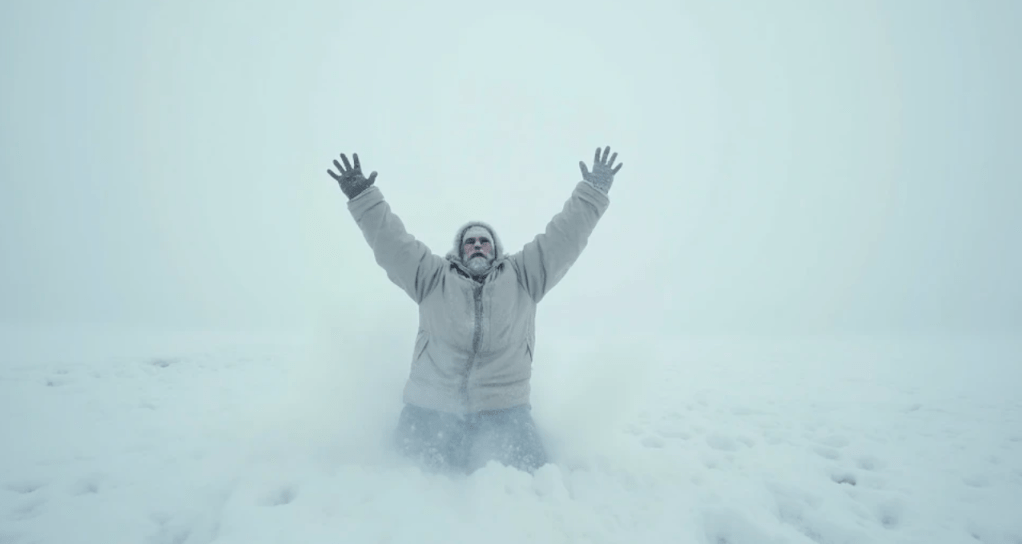
Connecticut winters are nothing to laugh about. While the coastal areas might get some respite, the rest of the state, especially inland, gets hit with heavy snow, freezing rain, and bone-chilling temperatures. To prepare for winter storms, preppers in Connecticut focus on three main priorities: heat, food, and transportation.

  • Heat: You should have multiple heat sources. A wood stove, propane heater, or kerosene heater can save your life when the power goes out during a winter storm. If you can, make sure your stove or fireplace is in good working order and has a reliable supply of wood. Invest in thermal blankets, sleeping bags rated for sub-zero temperatures, and extra fuel for heaters.
  • Food and Water: Make sure you have a minimum of three days’ worth of non-perishable food and water, but ideally, go for at least two weeks’ worth. Canned goods, freeze-dried meals, and water purification systems like a LifeStraw or Sawyer Mini filter are absolute essentials.
  • Transportation: Keep your vehicle stocked with essentials like jumper cables, blankets, food, and water. Keep it well-maintained and ensure you’ve got good winter tires, as snowstorms can make the roads treacherous.

2. Dealing with Hurricane Season

Hurricane season in Connecticut can be unpredictable, especially for coastal areas like New Haven and Bridgeport. When a storm like Hurricane Sandy hit in 2012, the devastation showed how quickly the state could be knocked off its feet. Preppers in Connecticut know it’s vital to keep a close eye on weather patterns and stay prepared.

  • Evacuation Routes: Know your local evacuation routes and have a bug-out bag ready for each member of your family, including pets. Have a go-bag with clothes, food, water, a flashlight, batteries, and important documents ready to grab in case of an evacuation order.
  • Flood Prevention: If you live near the coast or a river, investing in sump pumps, sandbags, and waterproofing your basement is crucial. You can never be too prepared for flooding. If your home isn’t in a flood zone, consider elevating critical equipment and electrical outlets at least 12 inches above the ground.

3. Preparing for Flooding

Flooding is one of Connecticut’s most common natural disasters. Heavy rainstorms, especially during the spring and fall, can cause rivers to overflow and create flash floods. You don’t need to live on the coast to be at risk — inland areas like Hartford, New London, and Torrington are often affected.

  • Flood-Resistant Gear: Keep waders, waterproof boots, and water-resistant bags in your prepper kit. These items are essential when navigating through flooded areas, especially if you have to evacuate on foot.
  • Home Floodproofing: You should have a plan for elevating your home’s essential systems. This includes moving electronics and valuables to higher ground and using sump pumps or drainage systems to minimize water intrusion. If you’re in an area prone to repeated flooding, you might want to consider installing flood barriers.

4. Tornadoes in the Quiet Corner

Tornadoes are a less common but very real threat in Connecticut. Although they don’t occur with the same frequency as in Tornado Alley, they do pop up, especially in the eastern part of the state, sometimes referred to as the “Quiet Corner.” These twisters can be extremely dangerous and unpredictable.

  • Shelter: A basement or storm cellar is your best option, but if that’s not available, an interior room with no windows (such as a closet) is the next best thing. Keep helmets, heavy-duty gloves, and blankets in your tornado kit to protect against flying debris.
  • Warning Systems: Sign up for Connecticut’s emergency alert system. The state issues tornado warnings through multiple channels, so make sure your family knows what to do when those sirens go off.

5. Earthquakes and Seismic Activity

While Connecticut is not known for major earthquakes, it does experience minor tremors. The New Madrid Fault Zone, while mainly active further west, can still send shockwaves across the region. Minor earthquakes can cause structural damage, so it’s best to prepare for the unexpected.

  • Structural Stability: Secure heavy furniture and appliances to walls, and use non-slip mats for electronics and fragile items. It’s important to make sure you have a clear exit path, as buildings may sway or crack during a tremor.
  • Emergency Plan: Make sure you have a family emergency plan that includes what to do during an earthquake. Practicing drop, cover, and hold on drills can save lives in case the ground shakes.

Top 10 Survival Prepper Tips for Connecticut’s Natural Disasters

  1. Stock Up on Essentials: Always have at least two weeks’ worth of non-perishable food and water. Don’t forget pet food and other family essentials.
  2. Build a Bug-Out Bag: Each family member should have a bug-out bag that includes clothes, food, water, first aid, and a flashlight.
  3. Know Your Local Hazards: Whether it’s floods, hurricanes, or tornadoes, research your area and prepare accordingly.
  4. Backup Power: Keep a portable generator and extra fuel on hand in case of power outages. Solar-powered chargers are a must for your devices.
  5. First Aid Skills: Learn basic first aid and CPR. You never know when you might need to treat a wound or assist someone in distress.
  6. Water Purification: Invest in a high-quality water filter or purification tablets to ensure you have access to clean water during emergencies.
  7. Plan for Pets: Make sure your pets have their own emergency kit, including food, water, and any necessary medications.
  8. Communication Plans: Set up a communication plan with your family so you can stay in contact during an emergency, even if phone lines are down.
  9. Maintain Your Vehicle: Regular maintenance is key, especially in harsh winter conditions. Keep your car well-stocked with emergency supplies.
  10. Stay Calm and Educated: The more you prepare, the calmer you’ll be when disaster strikes. Stay informed and stay calm.

Other Preparedness Resources:

  • Local Prepper Groups: Connect with other preppers in your area. Many of us share knowledge, tools, and support when things go wrong.
  • Red Cross Classes: Take a first aid and CPR course through the American Red Cross or a local community center.

In the end, Connecticut is a beautiful state, but as preppers, we know how important it is to be ready for anything. Whether it’s a blizzard, flood, or hurricane, having the right gear, knowledge, and plans in place can make all the difference when disaster strikes. Stay safe out there, and remember: It’s always better to be over-prepared than underprepared.


Best Kentucky Prepper’s Handbook: Mastering Natural Disaster Preparedness

Surviving Kentucky: A Prepper’s Guide to Natural Disaster Readiness

Living in Kentucky means embracing the land’s beauty and unpredictability. As a prepper in the Bluegrass State, I’ve learned that readiness isn’t just a choice—it’s a necessity. From the rolling hills to the winding rivers, Kentucky offers both serenity and peril. Understanding the natural disasters that frequent our state and preparing accordingly can make the difference between life and death.


Understanding Kentucky’s Natural Disasters

CLICK HERE TO LEARN HOW TO SURVIVE A FAMINE

Kentucky’s diverse geography subjects it to various natural disasters:

  • Tornadoes: The state ranks among the top in the nation for tornado occurrences. The western region, including areas like Mayfield, has been particularly hard-hit. AP News
  • Flooding: Heavy rains can lead to flash floods, especially in eastern Kentucky’s mountainous terrain.
  • Winter Storms: The state’s unpredictable winters bring ice storms and heavy snowfalls, disrupting power and transportation.
  • Earthquakes: The New Madrid Fault Line runs through western Kentucky, posing a significant seismic risk. Kentucky and Beyond
  • Severe Thunderstorms: These can spawn tornadoes, hail, and damaging winds, affecting the entire state.

10 Survival Prepper Tips for Kentucky Residents

  1. Build a Comprehensive Emergency Kit: Include at least a three-day supply of water (one gallon per person per day), non-perishable food, a manual can opener, flashlights, batteries, a first aid kit, and necessary medications. SELF+3GQ+3Kenton Hardin Health Department+3
  2. Create a Family Emergency Plan: Establish meeting points, communication methods, and evacuation routes. Practice this plan regularly with all family members.
  3. Stay Informed with NOAA Weather Radio: A battery-powered or hand-crank NOAA Weather Radio can provide real-time alerts for severe weather events. Kenton Hardin Health Department+1GQ+1
  4. Secure Your Home Against Tornadoes: Identify a safe room or basement. If in a mobile home, evacuate immediately during a tornado warning. kyem.ky.gov+1Western Kentucky University+1
  5. Prepare for Flooding: Keep important documents in waterproof containers. Elevate electrical appliances above potential flood levels.
  6. Winterize Your Home: Insulate pipes, stock up on salt for de-icing, and have extra blankets and warm clothing on hand during winter months.
  7. Earthquake Preparedness: Secure heavy furniture to walls, practice “Drop, Cover, and Hold On” drills, and have an emergency kit readily accessible. Kenton Hardin Health Department+4police.uky.edu+4Western Kentucky University+4
  8. Maintain a Go-Bag: Pack essentials like water, food, clothing, and important documents in a bag that can be grabbed quickly in case of evacuation.
  9. Develop a Pet Emergency Plan: Ensure pets have identification, a supply of food and water, and a plan for shelter during disasters. Kenton Hardin Health Department
  10. Engage with Local Emergency Services: Join programs like Community Emergency Response Teams (CERT) to stay informed and assist during emergencies. LINK nky

Conclusion

Being a prepper in Kentucky isn’t about fear—it’s about empowerment. By understanding the risks and taking proactive steps, we can safeguard ourselves, our families, and our communities. Remember, preparedness isn’t just a one-time task; it’s an ongoing commitment to resilience.

Surviving Minnesota’s Worst: A Prepper’s Guide to Natural Disasters

Surviving Minnesota’s Worst: A Prepper’s Guide to Natural Disasters

As a seasoned prepper in Minnesota, I’ve learned the hard way that the state’s unpredictable weather can turn deadly in an instant. From blizzards that trap you in your own home to tornadoes that tear through communities, being unprepared is not an option. Here’s how I, and many like me, prepare for Minnesota’s worst natural disasters.

1. Emergency Kits: Your Lifeline

Every Minnesotan should have an emergency kit ready to go. The Minnesota Department of Public Safety recommends a kit that includes:Minnesota Department of Public Safety+2Minnesota Department of Public Safety+2Minnesota Department of Public Safety+2

  • One gallon of water per person per day for at least three days
  • A three-day supply of non-perishable food
  • Battery-powered or hand-crank radio and a NOAA Weather Radio with tone alert
  • Flashlight and extra batteries
  • First aid kit
  • Whistle to signal for help
  • Dust mask to help filter contaminated air
  • Plastic sheeting and duct tape to shelter-in-place
  • Moist towelettes, garbage bags, and plastic ties for personal sanitation
  • Wrench or pliers to turn off utilities
  • Can opener for food (if kit contains canned food)
  • Local maps
  • Cell phone with chargers, inverter, or solar chargerMinnesota Department of Health+4Minnesota Department of Public Safety+4Minnesota Department of Public Safety+4

These items are crucial for surviving the first 72 hours after a disaster, especially when help may be delayed.

2. Family Emergency Plan: Communication is Key

When disaster strikes, communication can be the difference between life and death. Establishing a family emergency plan is essential. Decide on a meeting place, ensure everyone knows how to reach each other, and practice your plan regularly. The Minnesota Department of Public Safety offers resources to help you create a comprehensive plan. Minnesota Department of Public SafetyUniversity of Minnesota Extension+1Minnesota Department of Public Safety+1

3. Evacuation Kit: Be Ready to Leave at a Moment’s Notice

In Minnesota, wildfires and floods can force you to evacuate quickly. The Minnesota Department of Natural Resources provides an evacuation checklist that includes:

  • Leaving power and outside lights on
  • Leaving a written note on the table of who evacuated, where you are heading, and the time and date
  • Leaving your cabin unlocked
  • Turning on your hose with the nozzle in the closed position
  • Taking your pets with you, along with their medications and vaccination records
  • Taking your medications with you, in their original bottles
  • Leaving ladders up against your roof
  • Leaving your boats in the lake with motor, gas, and life preservers
  • Notifying your next of kin that you have evacuated and are safe
  • Following designated evacuation routes
  • Bringing extra eyeglasses if necessary
  • Bringing cash, credit cards, and important documents you may have stored at home
  • Taking a change of clothes and pillow, blanket, and towel
  • Including any special needs items (formula, diapers, nebulizers, canes, wheelchairs, etc.)MN DNR+1AP News+1

Being prepared to evacuate can save precious time and ensure your safety. AP News+1MN DNR+1

4. Financial Preparedness: Protect Your Assets

Organizing your financial life ahead of natural disasters is crucial. Gather important documents like birth certificates, social security cards, and insurance policies, and store them securely in a fireproof and waterproof location. Maintain updated records of financial accounts, medical information, and contact details for key individuals and services. Additionally, keep cash available for emergencies, as electronic banking may be disrupted. AP News

5. Stay Informed: Knowledge is Power

In Minnesota, staying informed can be a matter of life and death. Monitor weather alerts through NOAA Weather Radio or local news stations. The Minnesota Department of Public Safety emphasizes the importance of being informed about potential hazards and knowing what to do before, during, and after an emergency. Minnesota Department of Public Safety+1Minnesota Department of Public Safety+1


10 Survival Prepper Tips for Minnesota’s Natural Disasters

  1. Winterize Your Vehicle: Ensure your vehicle is equipped with winter tires, antifreeze, and an emergency kit including blankets, food, and a shovel.
  2. Fire-Resistant Landscaping: Use fire-resistant plants and materials around your home to reduce wildfire risk.
  3. Flood-Proof Your Home: Install sump pumps and seal basement windows to prevent flooding.
  4. Tornado Drills: Regularly practice tornado drills with your family to ensure everyone knows what to do.Minnesota Department of Public Safety+1Minnesota Department of Health+1
  5. Backup Power: Invest in a generator to keep essential appliances running during power outages.Minnesota Department of Public Safety+1Minnesota Department of Public Safety+1
  6. Emergency Water Supply: Store at least one gallon of water per person per day for at least three days.Minnesota Department of Public Safety
  7. Non-Perishable Food: Stock up on a three-day supply of non-perishable food items.Minnesota Department of Public Safety+1Minnesota Department of Public Safety+1
  1. Secure Important Documents:
    Store originals in a waterproof/fireproof safe and make digital copies saved to a USB drive or secure cloud storage. Include IDs, insurance papers, medical records, and property deeds—if disaster strikes, having fast access can make all the difference.
  2. Build Local Connections:
    Know your neighbors and build a local support network. In a crisis, especially in rural Minnesota, help might not arrive fast. Trading supplies, sharing intel, or just having someone to watch your six can save lives.
  3. Train and Practice Regularly:
    Don’t let your survival plan collect dust. Conduct regular drills, rotate food and water supplies, and keep your skills sharp—fire-starting, first aid, basic navigation, and self-defense. The best gear in the world won’t save you if you don’t know how to use it.

Natural Disasters Minnesota Preppers Face—and How We Handle Them

Minnesota might look like the land of lakes and peace, but don’t let the serene nature fool you. Our state faces a cocktail of threats year-round, and here’s how we confront each one:

❄️ Blizzards and Extreme Cold

Minnesota winters are no joke. Temperatures dip well below zero, with whiteouts stranding folks in their cars or homes for days. I keep thermal blankets, a kerosene heater, and a sealed-off “heat room” to preserve warmth. All windows are insulated, and I rotate my food stocks every season.

🌪️ Tornadoes

Come spring and summer, the winds shift—and so does our focus. Tornado sirens are a normal part of life here. I have a reinforced storm shelter stocked with 7 days of rations, water, and comms. My family knows the drill: no hesitation, grab the go-bag and get underground.

🌊 Flooding

Especially near the Mississippi, Minnesota River, and Red River, floods can wipe out homes. I elevate my essential gear and use water alarms in my basement. I also track rainfall and snowmelt patterns. My sump pump system has backup batteries and an alert system tied to my phone.

🔥 Wildfires

Northern Minnesota is forested territory, and dry spells can turn the woods into tinder. I’ve cleared brush 30 feet from all buildings, store firefighting tools nearby, and always have an evacuation pack prepped in my truck.

Power Outages

Ice storms and high winds frequently knock out the grid. That’s why my solar battery backup and dual-fuel generator are non-negotiables. I’ve even wired essential circuits in the cabin to switch automatically.


Final Thoughts from the Minnesota Wilderness

Preparedness isn’t paranoia—it’s peace of mind. Out here, nature doesn’t care if you’re ready. It’ll bury you in snow, blow your roof off, or drown your home with spring melt. Being a prepper in Minnesota means respecting the land but never underestimating it.

It’s about readiness, not fear. Confidence, not panic. And while we might seem a bit intense to the untrained eye, we know that the difference between surviving and suffering is often just a few hours—or a few decisions.

So stock up. Gear up. And never let the weather catch you off guard. Because in Minnesota, it’s not if disaster strikes—it’s when.

North Carolina Prepper’s Handbook: Surviving the State’s Worst Natural Disasters

How North Carolina Residents Prepare for the State’s Worst Natural Disasters

Living in North Carolina means embracing the beauty of the mountains, the charm of small towns, and the unpredictability of Mother Nature. From the coast to the foothills, we’ve seen it all: hurricanes, floods, tornadoes, and even the occasional earthquake. As a seasoned prepper in the Tar Heel State, I’ve learned that preparation isn’t just a choice—it’s a necessity.

CLICK HERE TO LEARN HOW TO SURVIVE A FAMINE


Understanding North Carolina’s Natural Disasters

North Carolina’s diverse geography makes it susceptible to a variety of natural disasters:

  • Hurricanes: The Atlantic hurricane season runs from June 1 to November 30. Coastal areas like Wilmington and the Outer Banks are particularly vulnerable. Hurricane Helene in 2024 was a stark reminder of the devastation these storms can bring.NC DPSWIRED+3Politico+3Vox+3
  • Flooding: Heavy rains can lead to flash floods, especially in mountainous regions. Western North Carolina experienced unprecedented flooding during Hurricane Helene, with over 2 feet of rain causing widespread damage. Politico
  • Tornadoes: While less common, tornadoes can strike without warning. The Piedmont and Coastal Plain regions are particularly at risk.
  • Winter Storms: Ice and snow can disrupt power lines and transportation, particularly in the higher elevations.
  • Earthquakes: Though rare, seismic activity can occur, especially in the eastern part of the state.

10 Survival Prepper Tips for North Carolina Residents

  1. Assemble a Comprehensive Emergency Kit: Include at least 3-7 days’ worth of water (1 gallon per person per day), non-perishable food, a battery-powered or hand-crank radio, flashlights, extra batteries, a manual can opener, first aid supplies, prescription medications, and important documents in a waterproof container. SELF+3North Carolina A&T State University+3Macon County Center+3
  2. Secure Your Home: Install storm shutters or plywood over windows, anchor outdoor furniture, and clear gutters to prevent water damage. NC DOI
  3. Create a Family Emergency Plan: Establish communication protocols, designate meeting points, and ensure all family members know evacuation routes and shelter locations. NC 211 – NC 211
  4. Stay Informed: Monitor weather conditions through NOAA Weather Radio, local news, and emergency alerts. Sign up for community warning systems when available.
  5. Maintain a Home Inventory: Document valuables and belongings with photos or videos, and store them digitally. This can assist with insurance claims after a disaster. NC DOI
  6. Ensure Proper Insurance Coverage: Standard homeowner’s insurance may not cover flood damage. Consider purchasing additional flood insurance through the National Flood Insurance Program (NFIP). NC 211 – NC 211+1AP News+1AP News
  7. Prepare Your Vehicle: Keep your gas tank full, and store emergency supplies such as blankets, water, non-perishable snacks, and a first aid kit in your car.
  8. Practice Drills: Conduct regular emergency drills with your family to ensure everyone knows their roles and responsibilities during a disaster.NC DPS+2NC 211 – NC 211+2Macon County Center+2
  9. Plan for Pets and Livestock: Have a plan in place for evacuating or sheltering animals. Include food, water, medications, and carriers in your emergency kit.NC DPS
  10. Stay Financially Prepared: Keep cash on hand, as ATMs and credit card machines may be down during power outages. Store important financial documents in a secure, waterproof location. SELF+1AP News+1AP News

Conclusion

In North Carolina, we face a unique blend of natural disasters due to our state’s diverse geography. However, with proper preparation, we can mitigate the impacts of these events. By assembling comprehensive emergency kits, securing our homes, staying informed, and practicing emergency drills, we can ensure the safety and well-being of ourselves and our families. Remember, preparedness is not just about surviving a disaster—it’s about thriving in the face of adversity.

Utah’s Worst Natural Disasters and How to Prepare Like a Pro

Surviving Utah: A Prepper’s Guide to Natural Disaster Readiness

As a seasoned prepper in Utah, I know firsthand that survival isn’t just about gear—it’s about mindset, strategy, and community. Utah’s diverse terrain and climate present unique challenges, from the seismic risks along the Wasatch Front to the wildfire-prone regions in the south. Here’s how we prepare for the worst, ensuring we not only survive but thrive when disaster strikes.

CLICK HERE TO LEARN HOW TO SURVIVE A FAMINE


1. Earthquakes: Brace for the Big One

The Wasatch Front is overdue for a significant earthquake. With a 57% chance of a magnitude 6.0 or greater quake in the next 50 years, preparedness is paramount. Securing heavy furniture, retrofitting homes, and assembling a comprehensive emergency kit are essential steps. Additionally, practicing the “drop, cover, and hold on” technique can save lives during the shaking. KSL News+5KSL News+5KSL News+5KSL News+5KSL News+5KSL News+5dspd.utah.gov+6KSL News+6KSL News+6


2. Wildfires: Defend Your Homestead

Utah’s hot, dry summers create prime conditions for wildfires. Residents in areas like St. George and Cedar City are particularly vulnerable. Creating defensible space around your property, using fire-resistant materials, and having a go-bag ready can make all the difference. Stay informed through local fire alerts and always have an evacuation plan in place.


3. Flooding: Know Your Terrain

While floods aren’t as common as other disasters, Utah’s mountainous terrain and rapid snowmelt can lead to sudden flash floods. Living near rivers or in valleys increases this risk. It’s crucial to understand your local flood zone and have a plan to move to higher ground if necessary. Avoid driving through flooded areas, as even shallow waters can be deadly. Utah State University Extension


4. Winter Storms: Winterize Everything

Utah’s winters can be brutal, with blizzards and subzero temperatures. Winterizing your vehicle, stocking up on essentials like blankets and non-perishable food, and ensuring your home heating systems are functional are vital steps. Always keep a battery-powered radio to receive weather updates during power outages. dspd.utah.gov+1Vox+1


5. Heatwaves: Stay Cool and Hydrated

Utah’s summer heat can be intense, especially in southern regions. To combat heat-related illnesses, drink plenty of water, avoid strenuous activities during peak heat hours, and stay in air-conditioned environments when possible. Having a cooling center plan and understanding the signs of heat exhaustion can be lifesaving.


10 Survival Prepper Tips for Utah’s Natural Disasters

  1. Diversify Water Sources: Don’t rely solely on city water. Collect rainwater and store it in barrels. Ensure you have a portable water filter for purification.Utah State University Extension
  2. Emergency Communication Plan: Establish a family meeting point and an out-of-state contact. Use walkie-talkies or satellite phones when cell networks are down.KSL News
  3. Food Storage: Maintain a 72-hour emergency food supply. Rotate stock regularly and include comfort foods to maintain morale.dspd.utah.gov+1Be Ready Utah+1
  4. First Aid Training: Take CPR and first aid courses. Equip your kit with essential medical supplies, including prescription medications.AP News
  5. Fire Safety: Keep fire extinguishers accessible and learn how to use them. Regularly clear dry brush and debris from around your property.Be Ready Utah
  6. Power Backup: Invest in solar-powered chargers and backup generators. Ensure you have extra fuel stored safely.
  7. Emergency Shelter: Have tents, tarps, and sleeping bags ready. Know the locations of nearby shelters and evacuation routes.
  8. Security Measures: Install motion-sensor lights and security cameras. Consider firearms training and legal firearm ownership for self-defense.
  9. Community Involvement: Join local CERT (Community Emergency Response Team) groups. Participate in neighborhood preparedness drills.Utah State University ExtensionKSL News+6Be Ready Utah+6Vox+6
  10. Stay Informed: Use apps like FEMA, MyShake, and NOAA Weather Radio for real-time alerts. Regularly check local hazard maps and updates.Utah State University Extension+2WIRED+2Vox+2Be Ready Utah

Conclusion

In Utah, survival isn’t just about having the right gear; it’s about being proactive, staying informed, and fostering a community of preparedness. By understanding the unique risks our state faces and taking deliberate steps to mitigate them, we ensure that when disaster strikes, we’re not just surviving—we’re thriving.

Top Survival Prepper Advice for Residents of Rhode Island

As a prepper living in Rhode Island, I’ve seen first-hand the importance of preparedness when it comes to the unpredictable forces of nature. This tiny state might seem like it’s safe from the brunt of major natural disasters, but make no mistake—Rhode Island is just as susceptible to the effects of hurricanes, blizzards, flooding, and even the occasional earthquake. In this guide, I’ll break down how we, as Rhode Island residents, prepare for the worst natural disasters and share some of the most important survival tips to help you weather any storm.

Rhode Island’s Natural Disaster Landscape

CLICK HERE TO LEARN HOW TO SURVIVE A FAMINE

Though Rhode Island may not get as much media attention as states like Florida or California, it’s crucial to understand the natural disasters that can hit our shores. Living in the smallest state in the U.S. doesn’t mean we’re immune to the forces of nature. From coastal flooding to winter snowstorms, the local survival prepper community must be vigilant in order to survive. Here’s a rundown of the most common natural disasters that threaten Rhode Island:

  1. Hurricanes: Rhode Island sits along the Atlantic coast, and as such, hurricanes can impact the state during the late summer and early fall. While we’re not as prone to full-on direct hits like southern states, hurricanes can still bring heavy rains, high winds, and coastal storm surges.
  2. Flooding: Coastal and river flooding can be a serious threat in Rhode Island, especially during spring melt-offs or after heavy rainfall events. The state is home to numerous rivers and a large coastal plain that can quickly become overwhelmed by water.
  3. Blizzards and Winter Storms: The winter months in Rhode Island can be brutal, with blizzards and nor’easters regularly dumping feet of snow and ice. Power outages, tree damage, and transportation disruptions can make survival challenging for those unprepared.
  4. Earthquakes: While not a daily threat, Rhode Island lies near the boundary of the North American and African tectonic plates. Minor earthquakes, though rare, are possible, and larger tremors from nearby states could still cause significant damage.
  5. Tornadoes: Tornadoes in Rhode Island are rare but not impossible. These fierce storms can do serious damage in a short amount of time, and their unpredictability makes them a hidden danger for Rhode Island residents.

10 Survival Prepper Tips for Rhode Island Residents

Now that you understand the natural disaster risks we face, let’s dive into some practical survival tips specifically tailored for Rhode Island residents. These tips cover everything from shelter and food to weatherproofing your home and staying safe during emergencies.

  1. Build a Comprehensive Emergency Kit: In Rhode Island, hurricanes and winter storms are common threats, so having an emergency kit stocked with essentials is critical. Your kit should include enough non-perishable food and water to last at least three days, along with a flashlight, extra batteries, a first-aid kit, a battery-powered radio, and any medications you or your family might need. Don’t forget your pets—pack food and supplies for them, too.
  2. Know Your Evacuation Routes: Coastal flooding and hurricanes can force evacuation. It’s important to know your local evacuation routes ahead of time. Keep a map in your emergency kit and identify higher ground or emergency shelters where you can go if you have to leave your home in a hurry.
  3. Prepare for Power Outages: Rhode Island residents are no strangers to power outages, especially after winter snowstorms or hurricanes. Invest in a generator (make sure you know how to use it safely), stock up on extra blankets, and have flashlights and headlamps ready. Always keep a supply of batteries and a backup phone charger in case you can’t use your regular outlets.
  4. Flood-Proof Your Home: If you live in a flood-prone area, elevate important electrical equipment and appliances above possible flood levels. Installing sump pumps, flood barriers, and waterproof sealants on your home’s foundation can also help mitigate the risks of water damage.
  5. Winterize Your Property: The winter months in Rhode Island can be harsh, so take steps to winterize your home. Insulate pipes to prevent freezing, stock up on snow removal tools, and make sure your heating system is in good working order. You’ll also want to keep a supply of sand or salt on hand to melt ice around your driveway and walkways.
  6. Stay Informed with Local Alerts: The National Weather Service and local authorities will issue warnings for hurricanes, blizzards, and other severe weather. Sign up for emergency alerts from Rhode Island’s local government, and download apps that provide real-time weather information.
  7. Strengthen Your Home’s Structure: Whether it’s a hurricane or a blizzard, the integrity of your home is essential during a natural disaster. Reinforce windows and doors, trim back trees that could fall on your house during high winds, and install storm shutters if you’re in a coastal area vulnerable to hurricanes.
  8. Have a Family Communication Plan: In case of evacuation or power loss, make sure everyone in your household knows how to communicate and where to meet up. Consider creating a designated meeting point outside your home, in case phone lines are down.
  9. Invest in Water Filtration: In Rhode Island, the public water supply can be compromised during flooding or power outages. Having portable water filters or purification tablets is a smart move in case you need to rely on local streams or rivers for water.
  10. Stay Fit and Prepared for Physical Tasks: Rhode Island may not experience a lot of physical threats like wildfires, but heavy snow removal and moving supplies during a storm or evacuation require stamina. Keep your body in shape to tackle the physical demands of disaster prep.

Bonus Tip: Be Prepared for the Unexpected

While Rhode Island’s natural disasters may seem predictable in nature, it’s important to remember that the unexpected can happen at any time. Earthquakes, although rare, are possible in New England. Make sure your home is earthquake-resistant by securing heavy furniture and fragile items. Have an emergency kit specifically designed for earthquake scenarios, complete with sturdy shoes, a whistle, and a helmet.

How to Survive Rhode Island’s Worst Natural Disasters

When disaster strikes in Rhode Island, it’s important to stay calm, stay informed, and follow your survival plans. Whether it’s a storm surge from a hurricane or a heavy snowstorm cutting off your power, preparedness is key to ensuring you and your loved ones come through it unscathed.

The local prepper community in Rhode Island is tight-knit, with many sharing advice on how to better withstand the harshest conditions. They know how to read the weather, track storm systems, and take action when necessary. By following their example, you can make sure your family is ready for whatever disaster comes next.

South Dakota’s Ultimate Campsite Guide for Preppers

Survivalist’s Guide to South Dakota’s Best Campsites

As a survival prepper in South Dakota, finding the right camping sites is crucial for honing skills, testing gear, and ensuring you’re prepared for any emergency. The Mount Rushmore State offers a diverse range of terrains, from dense forests to expansive prairies, making it an ideal location for survival training. Below are 30 of the best campsites in South Dakota that cater to preppers seeking solitude, natural resources, and a true wilderness experience.

CLICK HERE TO LEARN HOW TO SURVIVE A FAMINE

1. Roy Lake State Park

Located in Marshall County, Roy Lake State Park is a haven for those looking to practice water-based survival skills. With 100 campsites and access to fishing and boating, it’s perfect for testing water purification methods and fishing techniques.

2. Hartford Beach State Park

Situated on Big Stone Lake, this park offers 87 campsites with electric hookups. The area is ideal for practicing fishing and water purification, with the added benefit of a boat ramp for easy access.

3. Lake Vermillion Recreation Area

In McCook County, Lake Vermillion Recreation Area provides 267 acres of wilderness. It’s a prime spot for practicing navigation and shelter building, with ample opportunities for hiking and fishing.

4. Oakwood Lakes State Park

Located in Brookings County, this park features 136 campsites and two lakes. It’s excellent for practicing fishing, canoeing, and water purification techniques.

5. Newton Hills State Park

With 1,063 acres of forested terrain, Newton Hills State Park is perfect for practicing shelter building and fire-starting skills. The park also offers hiking trails and cross-country skiing in winter.

6. Fisher Grove State Park

This park offers 22 campsites and access to the James River, making it ideal for practicing canoeing and water purification. The surrounding area provides ample opportunities for foraging and wildlife observation.

7. Custer State Park

Known for its bison herds, Custer State Park offers over 70,000 acres of wilderness. It’s a prime location for practicing navigation, wildlife tracking, and survival skills in a variety of terrains.

8. Badlands National Park

With its unique geological formations, the Badlands provide a challenging environment for survival training. The park offers limited camping options, making it ideal for those seeking solitude and a test of their skills.

9. Black Hills National Forest

Spanning over 1.2 million acres, the Black Hills offer diverse ecosystems and terrains. It’s perfect for extended survival trips, with opportunities for hiking, fishing, and wildlife observation.

10. Buffalo Gap National Grassland

This expansive grassland offers wide-open spaces, making it ideal for practicing navigation and shelter building in a prairie environment.

11. Sica Hollow State Park

Known for its dense forests and steep ravines, Sica Hollow offers a challenging environment for survival training. The park provides opportunities for hiking and wildlife observation.

12. Pine Ridge Ranger District

Located in the Nebraska National Forest, this area offers diverse terrains, including forests and grasslands. It’s ideal for practicing navigation and shelter building skills.

13. Spring Creek Recreation Area

Situated in the Black Hills, this area offers opportunities for fishing and hiking. It’s a great spot for practicing water purification and shelter building techniques.

14. Lewis and Clark Recreation Area

Located near Yankton, this area offers access to the Missouri River, making it ideal for practicing water-based survival skills and fishing techniques.

15. Lake Andes National Wildlife Refuge

This refuge offers opportunities for wildlife observation and fishing. It’s a great spot for practicing navigation and foraging skills.

16. Red Canyon Visitor Center

Located in the Black Hills, this area offers hiking trails and opportunities for wildlife observation. It’s ideal for practicing navigation and shelter building.

17. Angostura Recreation Area

Situated near Hot Springs, this area offers access to Angostura Reservoir, making it ideal for practicing water purification and fishing techniques.

18. Bitter Lake National Wildlife Refuge

Located near Waubay, this refuge offers opportunities for wildlife observation and fishing. It’s a great spot for practicing navigation and foraging skills.

19. Lake Thompson Recreation Area

Situated near De Smet, this area offers access to Lake Thompson, making it ideal for practicing water-based survival skills and fishing techniques.

20. Swan Lake State Park

Located near Viborg, this park offers opportunities for fishing and hiking. It’s a great spot for practicing water purification and shelter building techniques.

21. Big Sioux Recreation Area

Situated near Brandon, this area offers access to the Big Sioux River, making it ideal for practicing water-based survival skills and fishing techniques.

22. Oakwood Lakes State Park

Located near Brookings, this park offers opportunities for fishing and hiking. It’s a great spot for practicing water purification and shelter building techniques.

23. Lake Poinsett Recreation Area

Tucked away in Hamlin County, Lake Poinsett is one of the largest lakes in eastern South Dakota. With over 100 campsites and year-round access, it’s excellent for cold-weather survival drills, fishing, and testing winter gear. The variety of game and nearby forested areas make it a strong candidate for extended primitive stays.

24. Shadehill Recreation Area

Located in Perkins County in the northwestern part of the state, this area is remote, open, and rugged — ideal for long-range bug-out practice. The Shadehill Reservoir provides a reliable water source, and the sparse human presence makes it a prime location for stealth camping or off-grid living experiments.

25. Snake Creek Recreation Area

On the banks of Lake Francis Case, this area gives you the opportunity to hone your fishing and boating survival tactics. With both primitive and modern campsites, it’s a good transitional training ground for going from comfort to bare-bones wilderness.

26. Llewellyn Johns Recreation Area

A lesser-known site near the North Dakota border, this quiet escape offers wide-open terrain with minimal foot traffic. It’s ideal for testing long-term shelter setups, solar gear, and food growing experiments in a prairie climate.

27. Beaver Creek Nature Area

Located near Sioux Falls but hidden enough to give you a decent taste of the wild, Beaver Creek is good for quick weekend bug-out drills. The creek is a great natural resource for learning advanced filtration and fire-starting techniques in wetter conditions.

28. Sheps Canyon Recreation Area

Nestled near Angostura Reservoir in the southern Black Hills, Sheps Canyon is a solid training ground for rocky terrain survival, water access issues, and dealing with varied wildlife. It’s remote, yet rich in resources — ideal for testing concealment shelters.

29. Union Grove State Park

Down in Union County, this peaceful spot offers dense forest cover and a quiet creek. It’s excellent for isolation training, practicing stealth movements, and working on nighttime navigation under tree canopy.

30. Brush Lake State Recreation Area

A real gem for preppers who like to stay off the radar, Brush Lake in Edmunds County is small, remote, and lightly trafficked. It’s ideal for primitive camping with minimal gear, foraging exercises, and small-game trapping tests. If you’re looking for a site that forces you to rely on instinct, this one delivers.


Final Thoughts from a South Dakota Survivalist

Out here in the Dakotas, nature doesn’t hand you anything — you earn it. Whether you’re getting ready for hard times, brushing up on self-reliance skills, or teaching the next generation how to live off the land, these 30 spots are tried and true. They’ve helped me test solar kits in windstorms, start fires in freezing rain, catch food when the fish ain’t biting, and sleep soundly under the open stars with just a tarp and a knife.

Use these places wisely. Don’t just car camp — simulate a real grid-down scenario. Leave the generator at home, cook over open flame, and carry water like it’s gold. Pack light, plan smart, and remember: it’s not about comfort. It’s about capability.

Stay sharp, stay silent, stay prepared.