From Harvest to Vault: How Survivalists Save Heirloom Tomato Seeds

In any long-term survival strategy, food security is not optional—it’s foundational. While stockpiling freeze-dried meals and canned goods has its place, true independence comes from the ability to grow food year after year without relying on external supply chains. That’s where heirloom tomato seed saving becomes a critical skill.

As a survival prepper, I don’t view seed saving as a hobby. I treat it as insurance. Heirloom tomato seeds, when properly saved, can remain viable for years and provide a renewable food source no matter what disruptions come down the line. Unlike hybrid seeds, heirloom varieties grow true to type, meaning the seeds you save will reliably produce the same plant next season.

This guide walks you through the entire process of saving heirloom tomato seeds—from selecting the right fruit to long-term storage—using methods proven by gardeners and survivalists alike.


Why Heirloom Tomato Seeds Matter in Survival Planning
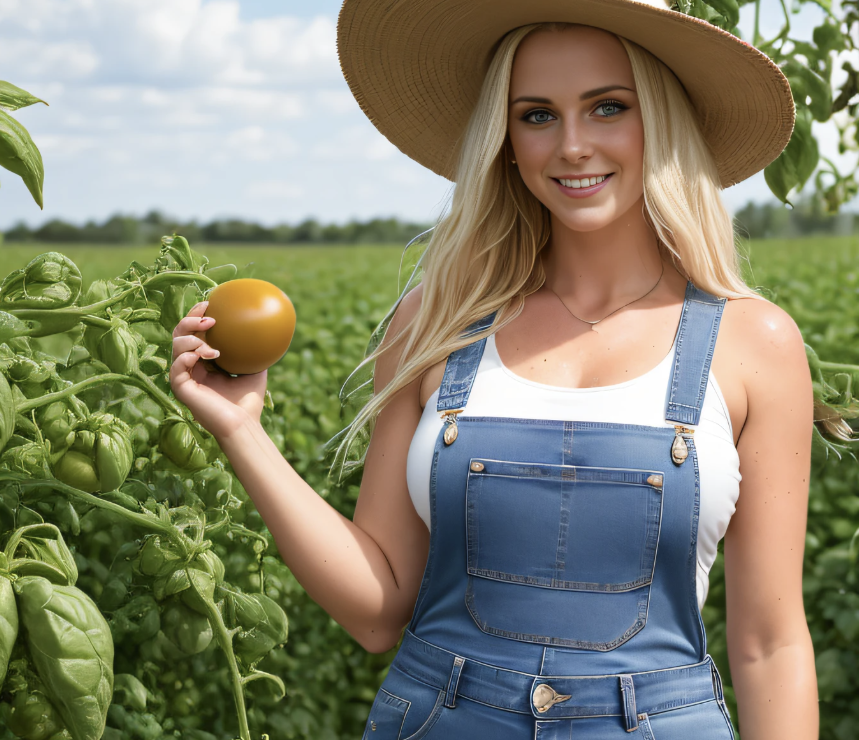
Heirloom tomatoes are open-pollinated varieties that have been passed down for generations. In a preparedness context, they offer several advantages:

  • Seed reliability: Saved seeds grow true, unlike hybrids.
  • Adaptation: Over time, your saved seeds adapt to your local climate.
  • Barter value: Seeds are lightweight, compact, and valuable trade items.
  • Food resilience: Tomatoes provide calories, vitamins, and preservation options.

In a grid-down or supply-chain collapse scenario, the ability to reproduce your own food becomes priceless. Saving heirloom tomato seeds is a low-cost, high-return investment in resilience.


Step One: Choose the Right Tomato for Seed Saving

Seed quality starts in the garden. Don’t save seeds from weak or diseased plants. Survival gardening demands selectivity.

What to Look For

Choose tomatoes that are:

  • Fully ripe (overripe is better)
  • From the healthiest plant in your garden
  • Free from disease, cracking, or pest damage
  • Representative of the variety’s best traits

If you’re serious about seed security, consider dedicating specific plants strictly for seed saving. These plants should receive optimal care and isolation if possible.


Step Two: Understand Tomato Seed Fermentation

Tomato seeds are naturally encased in a gel that contains germination inhibitors. In nature, this gel breaks down through fermentation as the fruit rots. To save seeds properly, we replicate this process under controlled conditions.

Fermentation is not optional. Skipping it reduces seed viability and increases the risk of disease transmission.


Step Three: Extracting the Seeds

Tools You’ll Need

  • A ripe heirloom tomato
  • A clean knife
  • A spoon
  • A glass jar or cup
  • Water
  • Paper towel or coffee filter
  • Permanent marker

Extraction Process

  1. Slice the tomato across its equator.
  2. Scoop the seed pulp into a clean jar.
  3. Add a small amount of water—just enough to cover the pulp.
  4. Label the container with the tomato variety and date.

At this point, the mixture should look unappealing. That’s normal. In survival work, comfort takes a back seat to results.


Step Four: Fermentation (The Critical Stage)

Place the jar in a warm area out of direct sunlight. Ideal temperatures range between 70–85°F.

What to Expect

  • Fermentation lasts 2–5 days.
  • A mold layer may form on top—this is normal.
  • Seeds that sink are viable; floating seeds are usually not.

Stir the mixture once daily. When the gel surrounding the seeds has dissolved and fermentation odor is noticeable, it’s time to move on.

Do not exceed five days. Over-fermentation can damage seeds.


Step Five: Cleaning the Seeds

Once fermentation is complete:

  1. Add more water to the jar.
  2. Stir vigorously.
  3. Pour off floating debris and bad seeds.
  4. Repeat until the water runs clear and only clean seeds remain at the bottom.

This step ensures you’re storing only viable seeds—critical when every planting cycle matters.


Step Six: Drying the Seeds Properly

Improper drying is one of the most common reasons seed stock fails.

Drying Method

  • Spread seeds in a single layer on a paper plate, coffee filter, or fine mesh screen.
  • Avoid paper towels; seeds stick to fibers.
  • Place in a warm, dry, well-ventilated area out of direct sunlight.
  • Stir seeds daily to prevent clumping.

Drying typically takes 7–14 days. Seeds should snap rather than bend when fully dry.

Do not rush this step. Moisture is the enemy of long-term storage.


Step Seven: Long-Term Storage for Survival Readiness

Once seeds are completely dry, storage determines how long they remain viable.

Best Storage Conditions

  • Cool: Ideally below 50°F
  • Dark: Light degrades seed quality
  • Dry: Humidity kills seeds faster than age

Recommended Containers

  • Paper envelopes (short-term)
  • Glass jars with silica gel packets
  • Vacuum-sealed Mylar bags
  • Ammo cans with desiccants for extreme preparedness

Label everything clearly:

  • Tomato variety
  • Year harvested
  • Any notes on plant performance

Properly stored heirloom tomato seeds can remain viable for 5–10 years, sometimes longer.


Preventing Cross-Pollination (Advanced Prepper Tip)

Tomatoes are mostly self-pollinating, but cross-pollination can occur. If you’re saving multiple varieties and want genetic purity:

  • Space varieties at least 10–20 feet apart
  • Use physical barriers like mesh bags over flowers
  • Save seeds from isolated plants

In a survival garden, consistency matters. You want to know exactly what you’re planting.


Testing Seed Viability Before You Need Them

Never assume stored seeds are good. Test them annually.

Simple Germination Test

  1. Place 10 seeds between damp paper towels.
  2. Seal in a plastic bag.
  3. Keep warm for 7–10 days.
  4. Count how many sprout.

If fewer than 70% germinate, it’s time to grow fresh seed stock.


Heirloom Tomato Seeds as a Survival Asset

In preparedness circles, we often talk about “skills that compound.” Seed saving is one of them. Each growing season increases your food security, your independence, and your ability to help others.

In a long-term emergency, seeds become currency. Knowledge becomes leverage. And those who planned ahead don’t just survive—they rebuild.

Saving heirloom tomato seeds isn’t complicated, but it does require discipline. Treat your seed stock like any other survival asset: protect it, document it, and refresh it regularly.

When supply chains fail and store shelves empty, a small envelope of seeds can mean the difference between scarcity and sustainability.


Final Thoughts from a Prepper’s Perspective

Preparedness isn’t about fear—it’s about responsibility. Saving heirloom tomato seeds is one of the simplest, most effective ways to take control of your food future.

Start now. Practice every season. Pass the knowledge on.

Because when things go wrong, the people who planned ahead don’t panic—they plant.

Unless You Fix Your Seed Germination, Your Survival Garden Will Fail

If you’re banking on your survival garden to save your life when the world finally collapses under its own stupidity—well, I’ll tell you right now, you’re already behind. And if you’re like most clueless optimists strolling around pretending everything’s fine, you probably assume that seeds magically sprout into food because that’s what they showed in kindergarten. Spoiler: they don’t. Seed germination is the first, brutal test of whether you’ll eat in a crisis or starve beside the raised beds you so proudly posted on social media.

You want the cold, infuriating truth? Most people fail at seed germination, and they fail hard. Not because it’s difficult, but because nature doesn’t care about your survival fantasies. Seeds germinate when conditions are right, not when society crumbles, not when you panic, and definitely not when you suddenly decide to “live off the land.” The seeds don’t care about your timeline. They respond only to reality—and reality is rarely on your side.

Why Germination Even Matters (As If Anyone Thinks Ahead)

You can stock all the canned food you want, but when things get ugly—and they will—your shelf-stable comfort zone will run out. Seeds are supposed to be your renewable lifeline. But seeds are only useful if they sprout. And if they don’t? Congratulations, you’re just a starving hoarder with fancy paper packets.

Food security starts at the moment that seed decides it’s safe enough to wake up. Moisture, warmth, oxygen—those are the essentials. But if you get even one variable wrong, your seeds either rot, stall, or shrivel up like everything else in this collapsing world.

This is why survivalists who rely purely on seed storage are fooling themselves. Stored seeds are potential. Germinated seeds are food. And the process between those two states is where the entire operation can fall apart.

The Seeds Themselves: Heirloom or Bust

I shouldn’t even have to explain this anymore, but apparently I do. If you’re still buying genetically mutated, chemically dependent, corporate-owned hybrid trash seeds, then you deserve whatever failure you get. For survival gardening, you go heirloom or you go hungry.

Heirloom seeds are stable, open-pollinated, and most importantly, they reproduce reliably, which is more than I can say for most modern humans. They also germinate more predictably when stored correctly, which brings me to the next infuriating topic.

Storage: The Thing Nobody Takes Seriously

You’d think people preparing for food shortages would understand that seeds are alive. But no—half the “preppers” I meet store their seeds in hot garages, humid sheds, or worse… their kitchens. Seed viability plummets with heat and moisture. If you wouldn’t store antibiotics or gunpowder in a certain place, don’t store seeds there either.

Here’s what seeds need if you want them to germinate when your life depends on it:

  • Cool temperatures (ideally 40–50°F)
  • Dry conditions (low humidity is critical)
  • Dark storage (light triggers degradation over time)

Vacuum sealing helps. Mylar helps. Desiccant packs help. But you know what doesn’t help? Wishful thinking. Seeds don’t care about your nostalgia for “simpler times.” Without proper storage, they lose viability every single year. And once viability drops, germination becomes a gamble—one you probably can’t afford to lose.

Germination Medium: Not All Dirt Is Created Equal

The soil in your backyard is good for burying your hopes, not for germinating seeds. Real seed starting requires a sterile, lightweight, fine-textured medium. Something like seed-starting mix or sifted compost mixed with perlite.

If your soil is:

  • too dense
  • too cold
  • too compacted
  • too wet
  • too alkaline
  • too acidic

…your seeds either rot or never sprout. That’s the reality. Germination requires a perfect environment, and no, nature will not bend the rules just because the grid went down.

Water: The Line Between Life and Rot

Here’s a concept that seems to baffle people: seeds need moisture, not a swamp. Overwater and you drown them. Underwater and they dry out. You need consistent moisture, which means checking them daily—something most people fail to do even when civilization is functioning.

The best methods for survival germination include:

  • Bottom watering (wicking moisture upward without drowning the seed)
  • Misting (light sprays prevent disturbance of delicate seeds)
  • Humidity domes (temporary—not permanent—covers to keep moisture levels steady)

But most folks either ignore these rules or rely on instinct, which usually means killing the seed before it ever sees daylight.

Temperature: The Most Ignored Factor in Germination

Seeds are picky. Each plant species has a specific germination temperature range. Most vegetables want soil temps between 65 and 85°F. Try starting seeds in a cold room during early spring and you’ll wait three weeks only to watch mold grow instead of sprouts.

When the world is falling apart, you can’t rely on luxury items like heat mats—so learn right now how to improvise thermal environments:

  • Use compost piles as heat sources.
  • Germinate seeds indoors against insulated south-facing walls.
  • Start seeds in cold frames that trap daytime heat.

If you ignore temperature, your seeds will ignore you.

Light: Not Needed for Germination… But Required Immediately After

Yes, seeds germinate in darkness. No, they do not grow in darkness. The moment they sprout, they require strong light or they become pale, leggy, weak, and useless—much like society.

If you can’t supply adequate sunlight or artificial light after germination, then why bother germinating them at all?

Pre-Soaking and Scarification: Tricks for Stubborn Seeds

Some seeds are built like the world we live in: hard, resistant, and uncooperative. Beans, peas, squash, and certain herbs sprout faster and more reliably when pre-soaked for 6–12 hours. Others need scarification—light sanding or nicking of the seed coat.

If you don’t take the time to learn these techniques now, you’ll waste precious seeds later. And yes, this makes me angry, because this is survival 101, yet countless preppers still ignore it.

Testing Viability Before the Collapse Forces You To

This one really gets me. Seeds are not immortal, but people treat them like ancient treasure that magically springs to life when needed. Test your seeds every year, before the crisis hits.

A simple viability test:

  1. Take 10 seeds.
  2. Lay them on a damp paper towel.
  3. Roll it up and seal it inside a bag.
  4. Check after the standard germination period.

If only 4 of 10 sprout, that’s 40% viability. Plan accordingly. Plant extra—or replace the batch. But don’t wait until disaster strikes to find out your seeds died years ago.

The Harsh Reality: Germination Is Survival

When everything collapses—supply chains, power grids, trust in institutions—you will be left with whatever food you can grow. And that food begins with seed germination. No sprouting seeds means no garden. No garden means no calories. No calories means you become another statistic in humanity’s long list of unprepared fools.

If you want to survive, you need to master germination now, while the world is still barely functioning. Because once chaos hits full stride, your seeds won’t care. They will obey only nature—never you.

Grow These Survival Crops Now—Because Nobody’s Coming to Save You

The world isn’t getting better. You already know that—every headline is another reminder that the system is rotting from the inside out. The supply chain snaps if the wrong boat parks sideways. Grocery stores empty out if people panic for twenty minutes. And you’re supposed to trust that civilization will hold up long enough to keep your family fed?

Yeah. Right.

If you’re paying attention, you already know you need to grow your own food—real survival food, not the trendy nonsense influencers pretend will “heal your energy.” I’m talking about the tough crops. The war-zone crops. The crops that can keep you alive when everything else stops working.

This isn’t about gardening. This is about staying alive when society collapses under the weight of its own stupidity.

Below are the best survival foods to grow if you’re serious about not starving. They’re hardy, calorie-dense, reliable, and proven to keep humans alive when all hell breaks loose.

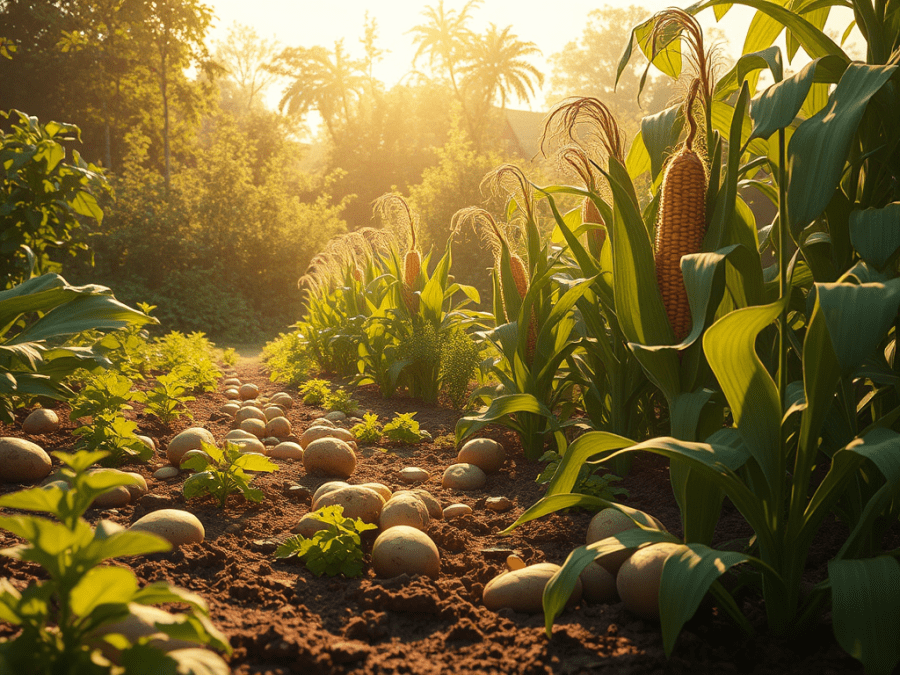
1. Potatoes (The Underrated Calorie King)

People laugh at potatoes—until they realize these humble dirt nuggets kept entire civilizations alive. Potatoes grow in lousy soil, don’t need much babying, and produce more calories per square foot than almost anything else.

When grocery shelves are stripped bare and the clueless masses panic, you’ll be sitting on piles of real food while they argue about who took the last granola bar.

Why potatoes are essential:

  • High calories
  • Grow in poor soil
  • Store well in cool, dark areas
  • Minimal pest issues

If you’re not growing potatoes, you’re already behind.

2. Beans (Your Long-Term Survival Protein)

Everyone talks about protein until they need to actually grow some. Livestock? Good luck feeding it when animal feed disappears. Hunting? So will everyone else—wildlife will vanish fast. But beans? Beans just grow. And they give you protein without expecting you to play rancher in the apocalypse.

Pole beans, bush beans, dry beans—grow them all. They improve soil, climb anything, and tolerate harsh neglect better than most people you know.

Why beans matter:

  • Plant-based protein
  • Long-term dry storage
  • Soil-building nitrogen fixers
  • Reliable yield

Beans won’t betray you. People will.

3. Corn (Massive Harvest, Endless Uses)

Say what you want about corn—it feeds people. It feeds animals. It feeds entire nations. And unlike half the fragile specialty crops people obsess over, corn actually produces enough mass to matter when you’re trying to stay alive.

You can grind it into meal, feed it to chickens, ferment it, store it, or eat it straight off the cob. Fast-growing, sun-loving, drought-tolerant corn is a prepper’s workhorse.

Corn benefits:

  • Huge calorie yield
  • Can be dried and stored long-term
  • Works in tons of recipes
  • Great for bartering

In a grid-down world, corn is currency.

4. Winter Squash (Hard-Shelled Survival Gold)

After the collapse, refrigeration won’t be there to save you. That’s why winter squash matters—they’re the original long-term storage food. With thick rinds and durable flesh, they’ll sit on your shelf for months without rotting into compost.

Butternut, acorn, Hubbard, kuri—pick your fighters. Just make sure you grow a lot of them.

Why winter squash is vital:

  • Keep for 6–12 months
  • Great carbs and vitamins
  • Hardy plants once established
  • Huge harvest potential

When everyone else is shivering and hungry, your squash pile will look like treasure.

5. Sweet Potatoes (Survival Meets Nutrition)

Unlike regular potatoes, sweet potatoes tolerate heat, drought, and neglect like they’re built for catastrophe. They provide calories, vitamins, and vines you can eat as greens if you’re desperate.

Once you plant sweet potatoes, they practically take over—exactly what you want in a world falling apart.

Benefits:

  • High yield
  • Heat and drought tolerant
  • Edible greens
  • Stores for months

Sweet potatoes don’t care if civilization crumbles.

6. Cabbage (The Forget-Me-Not Food That Just Keeps Giving)

Cabbage is the vegetable equivalent of a bunker—heavy, tough, and made to endure. It produces a ton of edible mass and becomes even more useful when fermented.

Sauerkraut isn’t a trend—it’s what people made when they didn’t have refrigerators.

Why cabbage is a survival classic:

  • Huge nutritional value
  • Stores for weeks
  • Can be fermented for long-term preservation
  • Cold-hardy

Cabbage doesn’t die easily. Can’t say the same about most modern diets.

7. Garlic & Onions (Flavors That Keep You Sane)

Listen, life after collapse is going to be miserable enough. If your food is bland, it gets even worse. Garlic and onions aren’t just flavor—they’re medicine, pest repellants, and food preservers.

Plus, they store extremely well.

Why you need them:

  • Long storage
  • Antibacterial properties
  • Easy to grow
  • High value for trade

If you want morale, you want alliums.

8. Carrots (The Survival Root That Doesn’t Complain)

Carrots take a little soil prep, but once they’re growing, they’re practically unstoppable. They store well, grow well in cool weather, and diversify your calories.

They’re also one of the few crops people will still like eating when they’re exhausted, cold, and miserable.

Why carrots earn a spot:

  • Easy to grow
  • Long storage
  • Cold tolerant
  • High vitamins

Carrots are simple. The world won’t be.

9. Kale (The One Green That Doesn’t Die)

Most leafy greens collapse under heat, cold, or pests. Kale laughs at all of them. It’s a multi-season, frost-kissing, apocalypse-proof plant that keeps producing when everything else waves a white flag.

Benefits:

  • Extremely hardy
  • Long season
  • Nutrient dense
  • Keeps producing

You don’t need trendy superfoods. You need kale.

10. Sunflowers (Seeds, Oil, and Livestock Feed)

Sunflowers give you more than beauty—they give you protein-rich seeds, oil for cooking, and feed for animals. They grow tall, strong, and resilient, even when conditions turn nasty.

Why sunflowers matter:

  • Edible seeds
  • Oil extraction
  • Drought tolerant
  • Excellent survival bartering item

Sunflowers don’t care about chaos—they just grow.


FINAL THOUGHTS: GROW FOOD OR GET LEFT BEHIND

You can’t fix the world. You can’t stop the collapse. You can’t rely on the grid, the government, the stores, or the clueless crowds who still think “everything will be fine.”

But you can grow food.

Survival belongs to the prepared—not the optimistic.

Learn these crops. Plant them now. Because when the world finally goes dark, your garden will be the only thing standing between your family and starvation.

Pest-Proof Your Survival Garden: Natural and Effective Protection Strategies

Pest-Proof Your Survival Garden: Natural and Effective Protection Strategies

When you’ve invested months of hard work into your survival garden, seeing it destroyed by pests feels like a punch to the gut. One moment, your garden is flourishing with ripe fruits and vegetables, and the next, it looks like a battlefield after a squirrel-led assault. It’s enough to make you want to throw in the towel—but don’t. This is where your skills as a prepper come in. Protecting your garden from pests is just another part of survival.

In a world where self-sufficiency is becoming increasingly important, your garden isn’t just a source of food; it’s a lifeline. You depend on it for nourishment, and you’ve put everything into it, from planting seeds to tending to the soil. So, what do you do when critters come along and start making a feast out of your harvest?

The answer: you fight back with knowledge, strategy, and resourcefulness. The first step is understanding your enemies. Knowing what kind of pests are common in your area is critical to crafting an effective defense plan. Is it the neighborhood deer, rabbits, raccoons, or maybe squirrels causing all the damage? Each of these invaders requires different countermeasures.

10 Survival Prepper Tips for Protecting Your Garden:

1. Identify the Pests: Before you can defend your garden, you need to know what you’re up against. Research the common garden pests in your area and understand their behaviors. Is it herbivores like rabbits and deer or burrowing critters like squirrels and raccoons? Different pests require different strategies, so take the time to figure out what’s causing the damage.

2. Invest in Strong Fencing: Fencing is one of the most basic, yet effective, ways to protect your garden. However, not all fences are created equal. A flimsy fence won’t stop a determined raccoon or a deer from reaching your crops. Go for a sturdy, high fence made of chicken wire or hardware cloth. If you’re dealing with burrowing pests, make sure the bottom of the fence is buried several inches underground to prevent digging.

3. Use Natural Repellents: Nature can provide us with a wealth of natural deterrents. Strong-smelling plants like garlic, onions, and lavender can repel deer, while herbs like mint, marigolds, and rosemary can keep rabbits and insects at bay. Another effective method is to make your own natural spray using garlic, hot pepper, or vinegar. Just mix these ingredients with water and spray them directly onto your plants. Be sure to reapply the spray after rain or heavy watering.

4. Create a Physical Barrier: If you’re dealing with smaller pests, consider creating a physical barrier around individual plants. For example, use mesh bags or plant covers to protect delicate seedlings from being eaten by insects or rodents. Row covers can also be used to create a barrier around larger sections of your garden.

5. Try Motion-Activated Sprinklers: For more persistent or larger pests like deer, raccoons, or even cats, motion-activated sprinklers can be an excellent tool. The sudden burst of water startles the animals and sends them running, giving your plants some peace and quiet. This solution works best for larger gardens with a wide perimeter.

6. Use Reflective Objects and Noises: Animals, especially birds and small rodents, tend to be frightened by sudden movements or unfamiliar sounds. Hang up reflective materials such as aluminum foil strips or Mylar tape around your garden to confuse and scare pests. Wind chimes, old CDs, and even a whirling flag can create unsettling noise or movement that keeps critters at bay.

7. Set Traps (Legally): If you have a particularly persistent pest, a live trap might be necessary. Make sure to research the local laws regarding trapping, as they vary by region. Set up live traps around the perimeter of your garden or near problem areas. Once you trap the intruder, relocate it far away from your property to prevent it from coming back. Always check traps frequently to ensure that no animals suffer.

8. Rotate Your Crops: Pests often target specific types of plants, so rotating your crops from season to season can be an effective way to prevent them from becoming entrenched in your garden. Moving your crops around ensures that pests don’t find their preferred meals year after year.

9. Use Companion Planting: Companion planting is an old-school strategy that works wonders for keeping pests away. Certain plants naturally repel pests that would otherwise destroy your crops. For example, planting basil alongside tomatoes can deter hornworms, and marigolds planted near vegetables can repel aphids. Educate yourself on which plants work best together and take advantage of nature’s built-in defenses.

10. Regularly Inspect Your Garden: Prevention is key to keeping pests from overrunning your garden. Make it a habit to regularly inspect your plants for signs of damage or pest activity. Early detection can help you act quickly before the problem escalates. If you spot a pest, remove it immediately or apply the appropriate deterrent.


Going Beyond the Basics

When preparing for a survival situation, it’s easy to focus only on the bare essentials—water, food, shelter. But having a productive garden that can provide you with a consistent source of nutrition can be just as important. That means you must protect your crops with the same level of care and strategy you would use for any other prepper asset.

In a SHTF scenario, the last thing you need is a swarm of hungry animals ruining your garden and depleting your food supply. Every vegetable you grow is a potential meal, and every fruit or herb is a life-sustaining resource. To maintain that, you’ll need to be proactive and creative in defending your garden.

Additional Prepper Tips:

  • Use raised beds to keep your crops out of reach of burrowing pests.
  • Install a compost bin far from your garden to avoid attracting rodents and raccoons.
  • Keep your garden clean and free from debris to reduce hiding spots for pests.
  • Consider planting drought-tolerant crops that are less attractive to pests.
  • Build a root cellar to store surplus crops and keep them safe from wildlife.

In Conclusion

Your survival garden isn’t just a patch of earth—it’s a vital part of your survival plan. You’ve already taken the time to grow it, so don’t let pests steal the fruits of your labor. By identifying the critters in your area and using a variety of tactics, you can defend your crops and ensure that your garden continues to produce when you need it most.

Remember, survival isn’t just about the big, dramatic moments—it’s about the small, consistent steps you take every day to keep yourself fed, protected, and thriving. And that includes learning how to protect your garden from the many forces of nature that would love to feast on your hard work.

So, prep smart, protect your garden, and keep thriving!