Signs For End Of Times: What Preppers Need to Know
Many people today are asking themselves: Are we truly living in the end times? From global instability to natural disasters, there are signals that can’t be ignored. As Brooke Homestead often emphasizes, preparedness isn’t about fear—it’s about responsibility. Understanding the warning signs and being ready is the best way to protect yourself, your family, and your loved ones.
Modern life is convenient, but also fragile. Supply chains stretch across the globe, power grids connect millions of homes, and digital systems control almost everything, from banking to communication. When these systems fail—even temporarily—the consequences can arrive quickly. Recognizing the signs early allows you to take steps to ensure your household is prepared for emergencies and worst-case scenarios.
Unusual Natural Events
One of the first categories to watch is natural events. These include extreme weather patterns, earthquakes, floods, and unusual climate anomalies. While isolated incidents are common, a noticeable increase in frequency or severity can signal larger disruptions ahead. Preppers should monitor weather reports, geological activity, and unusual natural phenomena to stay informed and adjust their preparedness strategies.
Social and Political Unrest
Another critical sign is increasing social or political instability. Widespread protests, government instability, economic turmoil, and breakdowns in local communities can all indicate societal stress. Observing trends in your own community and across the globe helps you anticipate disruptions and prepare accordingly. Being prepared doesn’t mean expecting the worst every day—it means building resilience into your lifestyle so that you and your family remain safe regardless of circumstances.
Supply Chain and Resource Issues
Supply chain disruptions and shortages of essential goods are also key indicators. Empty store shelves, rising prices of food and fuel, or delays in essential products can be early warning signs of larger problems. Preppers focus on having emergency supplies and food storage plans in place, ensuring that their family has access to necessities during unexpected crises.
Health and Medical Signals
Pandemics, new diseases, or overwhelming medical systems can also be a sign that things are shifting. Having basic survival and medical skills—including first aid, CPR, and trauma care—can make a major difference during emergencies. Communities that invest in localized training or preparedness programs are often better equipped to handle sudden health crises.
Spiritual and Personal Awareness
Brooke Homestead also encourages preppers to remain spiritually and mentally aware. Being alert, practicing self-reliance, and cultivating a mindset that balances caution with practical action are essential pillars of preparedness. Recognizing warning signs doesn’t mean living in fear; it means building a lifestyle of readiness and resilience.
Staying Prepared
Preparation is not about predicting doom—it’s about creating a secure environment for your family no matter what happens. Monitoring signs like extreme weather, social unrest, supply chain issues, and health risks, combined with practical survival skills, can help you stay ahead of potential crises. Simple steps, such as maintaining emergency food and water supplies, learning survival skills, and building a self-reliant mindset, will make all the difference when unexpected challenges arise.
In conclusion, the end times—or at least major disruptions—may be closer than some think. By paying attention to early warning signs and prioritizing preparedness, you can ensure that your family is safe, resilient, and ready for anything. Remember Brooke Homestead’s words: preparedness isn’t about fear, it’s about responsibility. Stay informed, stay vigilant, and stay prepared.
When you live close to the woods, work with your hands, and believe in self-reliance, you learn quickly that the smallest threats are often the ones that hurt you the most.
In Tennessee, the terrain is generous but unforgiving. Thick forests, rolling farmland, humid summers, and mild winters make it prime territory not just for people, but for insects that can seriously injure—or in rare cases, kill—an unprepared individual.
This article isn’t written to scare you. Fear is useless in survival. Information, on the other hand, is a tool. My goal is to lay out the most dangerous insects found in the state of Tennessee, explain why they matter, and give you clear, practical steps to keep yourself and your family safe.
If you live, hunt, hike, camp, garden, or simply enjoy sitting on a back porch in this state, this knowledge belongs in your mental survival kit.
Why Insects Are a Serious Survival Threat in Tennessee
Most people think of survival threats as storms, power outages, or civil unrest. Insects rarely get the respect they deserve. That’s a mistake.
Insects are dangerous because:
They are easy to overlook
They thrive near homes and campsites
They often attack without warning
Some carry diseases with long-term consequences
Medical treatment may not be immediately available in rural areas
In a grid-down or disaster scenario, even a minor bite can become life-threatening if infection sets in or medical care is delayed. Prepared people don’t dismiss small threats—they manage them.
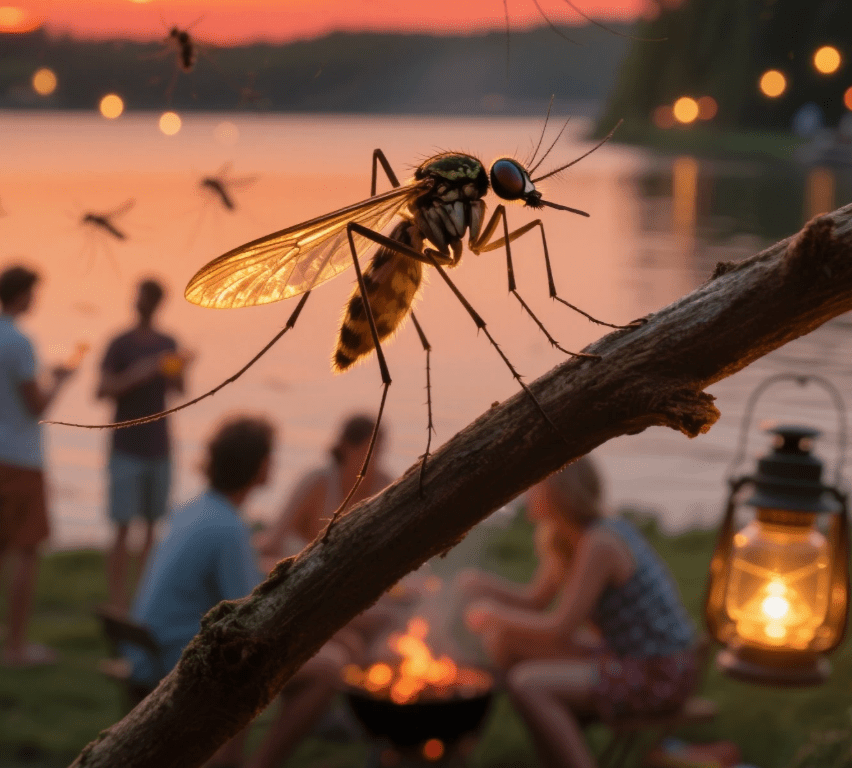
1. Mosquitoes: Tennessee’s Deadliest Insect by Numbers
If we’re talking strictly about human deaths, mosquitoes top the list—not just in Tennessee, but worldwide.
Why Mosquitoes Are Dangerous
Mosquitoes themselves aren’t the problem. What they carry is.
In Tennessee, mosquitoes are known vectors for:
West Nile Virus
Eastern Equine Encephalitis (EEE)
Zika Virus
La Crosse Encephalitis
While many infected individuals show mild or no symptoms, others—especially children, the elderly, and immunocompromised adults—can suffer severe neurological complications.
From a prepper’s perspective, disease-carrying insects are a long-term threat. You may not feel the damage immediately, but once symptoms appear, you’re already behind the curve.
Where You’ll Encounter Them
Standing water (ditches, buckets, birdbaths)
Creek bottoms and riverbanks
Shaded yards and overgrown brush
Campsites and hunting areas
How to Stay Safe from Mosquitoes
Eliminate standing water around your home weekly
Wear long sleeves and pants during dawn and dusk
Use proven repellents (DEET, picaridin, or oil of lemon eucalyptus)
Install window screens and repair holes
Run fans on porches—mosquitoes are weak flyers
Prepared households treat mosquito control as routine maintenance, not a seasonal afterthought.
2. Ticks: Silent, Patient, and Potentially Life-Altering
Ticks are not insects, but most folks group them together—and for good reason. In Tennessee, ticks are one of the most serious outdoor health threats.
Dangerous Tick Species in Tennessee
Lone Star Tick
Blacklegged Tick (Deer Tick)
American Dog Tick
These ticks can transmit:
Lyme disease
Rocky Mountain spotted fever
Ehrlichiosis
Alpha-gal syndrome (a red meat allergy caused by Lone Star ticks)
Alpha-gal alone has changed the lives of many outdoorsmen who suddenly can’t eat beef or pork without severe reactions.
Why Ticks Are a Prepper’s Concern
Ticks don’t bite and leave. They embed themselves, feed slowly, and often go unnoticed for hours or days. In a long-term emergency scenario, untreated tick-borne illness can remove a capable adult from usefulness entirely.
Tick Prevention Strategies
Treat clothing with permethrin
Wear light-colored pants to spot ticks
Tuck pants into boots when in tall grass
Perform full-body tick checks after outdoor activity
Shower within two hours of exposure
In my household, tick checks are non-negotiable. Discipline prevents disease.
3. Brown Recluse Spiders: Small, Reclusive, and Dangerous
The brown recluse spider is well established in Tennessee and deserves respect.
Why Brown Recluses Are Dangerous
Their venom can cause:
Severe skin damage
Necrotic wounds
Secondary infections
While fatalities are rare, untreated bites can result in long healing times and permanent tissue damage.
Where Brown Recluses Hide
Garages
Sheds
Woodpiles
Closets
Cardboard boxes
Undisturbed storage areas
They don’t roam looking to bite you. Most bites happen when someone puts on clothing or reaches into storage without looking.
How to Avoid Brown Recluse Bites
Shake out shoes and clothing
Store items in plastic bins, not cardboard
Reduce clutter
Wear gloves when moving stored items
Seal cracks and crevices in structures
Prepared living spaces are orderly for a reason—it limits hiding places for threats.
4. Black Widow Spiders: Recognizable and Medically Significant
Black widows are less common than brown recluses but still present throughout Tennessee.
Why Black Widows Are Dangerous
Their venom attacks the nervous system and can cause:
Severe muscle pain
Cramping
Nausea
Elevated blood pressure
Children and elderly individuals are at higher risk for complications.
Common Black Widow Locations
Under decks
In woodpiles
Crawl spaces
Outdoor furniture
Utility boxes
Safety Measures
Wear gloves when handling firewood
Inspect outdoor furniture before use
Keep woodpiles away from the home
Reduce insect populations that attract spiders
Respect their space, and they usually return the favor.
5. Fire Ants: Aggressive and Relentless
Imported fire ants are spreading in parts of Tennessee, particularly in the southern and western regions.
Why Fire Ants Are Dangerous
Fire ants attack as a group. Their stings cause:
Intense burning pain
Pustules
Secondary infections
Allergic reactions, including anaphylaxis
Multiple stings can overwhelm children or pets quickly.
6. Wasps, Hornets, and Yellowjackets: Territorial Defenders
Stinging insects account for more insect-related deaths in the U.S. than spiders.
Why They’re Dangerous
They sting repeatedly
They attack in groups
They defend nests aggressively
Allergic reactions can be fatal without epinephrine
Yellowjackets are especially aggressive and commonly encountered during late summer and fall.
Where Encounters Happen
Trash cans
Picnic areas
Attics and eaves
Underground nests
Campsites
Staying Safe Around Stinging Insects
Avoid swatting
Cover food outdoors
Secure garbage lids
Inspect structures regularly
Remove nests early (or hire professionals)
In a survival scenario, stings are more than painful—they can be disabling.
7. Kissing Bugs: Rare but Worth Knowing
Kissing bugs are present in Tennessee, though encounters are uncommon.
Why They Matter
They can carry Chagas disease, a serious illness affecting the heart and digestive system. Transmission is rare in the U.S., but awareness matters.
Prepper Takeaway
Seal cracks in homes
Reduce outdoor lighting near doors
Keep pets indoors at night
Preparedness isn’t paranoia—it’s awareness.
Practical Survival Principles for Bug Safety
Here’s how a prepper thinks about insects:
Control the environment – Reduce habitat and access
Protect the body – Clothing, repellents, inspections
Recognize early signs – Bites, rashes, unusual symptoms
Maintain medical readiness – First aid supplies and knowledge
Educate the family – Everyone plays a role
Insects don’t care how tough you are. They exploit complacency.
Essential Bug Defense Gear for Tennessee Homes
Every prepared household should have:
Insect repellent
Tick removal tools
Antihistamines
Hydrocortisone cream
Epinephrine (if prescribed)
Protective clothing
Mosquito netting for emergencies
These items are inexpensive compared to the cost of treatment—or regret.
Final Thoughts from a Prepper
Living prepared doesn’t mean living afraid. It means respecting reality.
Tennessee’s insects are part of the ecosystem, but they don’t have to be part of your medical history. Most injuries happen because people assume “it won’t happen to me.” Survival-minded folks don’t rely on luck—they rely on knowledge, habits, and discipline.
If you take nothing else from this article, remember this: the smallest threats succeed when ignored. Pay attention, prepare your space, and teach the next generation how to live smart in bug country.
If you’re still sitting around scratching your head about whether canned food or freeze-dried food is the better option for survival storage, then you’re already behind. Way behind. In a collapsing world full of soft minds, false comforts, and people who think “preparedness” means having extra granola bars in the glove compartment, you’d better start thinking harder and stocking smarter. Because when the lights go out and the shelves go empty, you won’t have time to debate the finer points of canned chili versus freeze-dried stroganoff—you’ll be too busy wishing you had listened to someone who wasn’t afraid to tell you the truth unfiltered.
So buckle up. I’m not here to coddle you. I’m here to explain what actually keeps you alive when the world stops playing nice.
The Cold Reality of Canned Food
Canned food is the old reliable workhorse of survival storage. It’s been around forever, and it’s not going anywhere. And there’s a reason for that—it works.
Pros of Canned Food
1. Ready to Eat When you’re cold, tired, and fed up with your surroundings—and trust me, you will be—there’s nothing better than cracking open a can of something edible and shoveling it down without needing water, fuel, or time.
2. Cheap and Available You don’t need to sell your soul or your kidney to build a decent canned food stash. Hit sales, buy in bulk, toss the cans on a shelf, and you’re in business.
3. Naturally Calorie-Dense Let’s be real: calories matter more than flavor when survival is on the line. Canned meats, soups, beans—they’re heavy, but they pack real nutrition, not lightweight fluff.
Cons of Canned Food
1. Heavy as Sin If you think you’re bugging out with 100 pounds of canned stew strapped to your back, good luck. Make sure you leave a map so the rest of us can find your body later.
2. Shorter Shelf Life Than You Think Yes, canned food lasts a while—years, even. But not decades. The clock is ticking, and eventually those cans will rust, swell, or turn into biological experiments you don’t want to open.
3. Bulky Storage Canned food eats shelf space like a starving wolf. Living in an apartment? Good luck stacking 300 cans without your place looking like a doomsday bunker crossed with a metal scrapyard.
Freeze-Dried Food: Lightweight Hope or Overpriced Hype?
Freeze-dried food is the glamorous newcomer in the preparedness world. Shiny bags, fancy marketing, and pictures of smiling backpackers pretending their rehydrated lasagna is gourmet cuisine.
But don’t be fooled by the packaging. There’s real power here—if you know what you’re doing.
Pros of Freeze-Dried Food
1. Shelf Life That Laughs at Time Twenty-five years. Sometimes more. If that doesn’t make your inner survivalist grin like a maniac, nothing will.
2. Zero Weight, High Convenience If you need to move—fast—you’re not taking canned goods. Freeze-dried wins every mobile scenario. You can pack a week’s worth of meals and barely feel the weight.
3. Nutrient Retention Compared to canned food, freeze-dried meals preserve vitamins, texture, color, and flavor. Not that you’ll care when you’re starving, but hey—it’s a nice bonus.
Cons of Freeze-Dried Food
1. Water Required And I don’t mean a few drops. Some meals need two cups or more. If you don’t have water or the ability to boil it, good luck chewing on powder like a desperate ferret.
2. Cost Freeze-dried food can burn through your wallet faster than the world falls apart. One #10 can might cost what you would normally spend on a week’s worth of regular groceries.
3. Meal Fatigue Is Real After your tenth freeze-dried “breakfast skillet,” your soul might start leaving your body.
So Which One Actually Wins?
Here’s the part where you expect me to pick a winner. But survival isn’t a game show. There’s no trophy ceremony, no confetti raining down, no cheering crowd. The only prize is staying alive, and the only way to do that is through redundancy and diversity.
Anyone telling you to pick only canned or only freeze-dried foods has clearly never lived through anything harder than a short power outage. The world is unpredictable, unstable, and unforgiving. Your food storage should be the same—rugged, layered, and ready for anything.
The Brutal, Honest Recommendation
1. Stock Canned Food for Short to Mid-Term Survival
This is what you eat first during a disaster. Heavy? Yes. But it requires no extra resources, no preparation, no hope—just a can opener and a bad attitude.
2. Build Freeze-Dried Food for Long-Term Security
When the dust settles and your canned stash starts to run low, freeze-dried is your lifeline. Lightweight, space-efficient, and designed to outlive your optimism.
3. Mix, Match, and Layer
A serious survival pantry includes:
Canned meats
Canned vegetables
Canned soups and stews
Freeze-dried meals
Freeze-dried ingredients
Bulk staples (rice, beans, oats)
Water storage and filtration
If that sounds like a lot, that’s because it is. Survival isn’t convenient. It’s not cute. It’s not trendy. It’s messy, heavy, expensive, and absolutely worth every ounce of effort.
Final Thoughts (If You Can Handle Them)
Canned food keeps you alive today. Freeze-dried food keeps you alive years from today. Anyone who thinks the choice is “either/or” is already halfway to being a liability when things go bad.
Do yourself—and everyone stuck with you—a favor: stop hesitating, stop overthinking, and start building a food storage plan that actually stands a chance when the world stops pretending everything is fine.
Because it won’t be fine. And when that day comes, the only thing worse than being unprepared… is realizing you had every chance to prepare and chose not to.
Living in Oregon means you get to experience the breathtaking beauty of our mountains, forests, and coastline. But with those natural wonders come some serious challenges. From earthquakes that could shake the entire state to wildfires that sweep across vast areas, Oregon residents need to be prepared for the unexpected. Natural disasters are a reality here, and as a prepper, it’s crucial to know what to expect and how to stay alive when everything goes sideways. In this article, we’ll dive into how Oregonians can prepare for the state’s worst natural disasters.
Oregon is no stranger to natural disasters. The state’s unique geography and climate mean that we’re at risk for multiple types of catastrophic events. Here’s a breakdown of the most common disasters Oregonians face:
Earthquakes: Oregon lies on the Cascadia Subduction Zone, a fault line that runs off the coast and could produce a major earthquake at any time. The Cascadia earthquake, expected to be a magnitude 9 or higher, could devastate much of the state, with significant infrastructure damage and widespread chaos.
Wildfires: Oregon’s forests are a beauty to behold, but they are also highly susceptible to wildfires. These fires can start easily in the dry summer months and quickly spread across thousands of acres.
Flooding: Heavy rains, especially in the winter months, can cause flooding in the Willamette Valley and along the coast. Floodwaters can wash out roads, damage homes, and create long-lasting issues for affected communities.
Tsunamis: Living on the coast or in low-lying coastal areas means being at risk of a tsunami triggered by a major earthquake along the Cascadia fault.
Severe Weather: While not as frequent, Oregon can experience extreme weather conditions, including ice storms, snowstorms, and windstorms. The mountainous regions often see heavy snowfall, and the coastal areas can be hit by intense wind events.
For those of us living here, preparing for the worst is not just an option—it’s a necessity.
How to Prepare for Oregon’s Worst Natural Disasters: A Prepper’s Guide
Now that we understand the types of natural disasters Oregon faces, it’s time to talk about how to prepare for them. Here’s a prepper’s guide to surviving these emergencies:
1. Build a Comprehensive Emergency Kit
Every prepper needs an emergency kit, and it should be tailored to the specific needs of your region. For Oregon residents, this means being prepared for both earthquakes and wildfires. Your kit should include water, non-perishable food, a first aid kit, a flashlight, a radio, batteries, and essential medications. Don’t forget to include clothing suited for all weather conditions, such as rain gear, warm clothing, and sturdy boots.
Prepper Tip: Include a fire extinguisher in your kit to address wildfires that may break out near your home.
2. Plan Your Evacuation Routes
In the event of an earthquake or wildfire, evacuation could be a matter of life and death. Make sure to identify multiple evacuation routes from your home, especially if you live in a high-risk area. Know where your nearest emergency shelters are located, and practice evacuation drills with your family.
Prepper Tip: If you live in a coastal area, know your tsunami evacuation route and where high ground is.
3. Seismic Safety for Earthquakes
Oregon is prone to earthquakes, and the Cascadia Subduction Zone could produce a massive quake at any time. To prepare, secure heavy furniture and objects that could fall during a tremor. Reinforce doors, windows, and walls to withstand shaking. Make sure your home’s foundation is secure, and if you’re in a high-risk area, consider retrofitting your home for earthquake resistance.
Prepper Tip: Keep a hardhat and protective gloves in your emergency kit in case you need to navigate debris after an earthquake.
4. Create a Wildfire Defense Plan
Wildfires are a constant threat in Oregon, especially during the hot summer months. To defend your property, clear away any dead vegetation, leaves, or dry brush from around your home. Trim back trees and shrubs that could catch fire. Additionally, keep your lawn well-watered and ensure that you have access to water sources for firefighting.
Prepper Tip: Install fire-resistant roofing and siding, and always keep a hose, shovels, and fire tools handy during fire season.
5. Flood Preparedness for the Willamette Valley
The Willamette Valley is particularly susceptible to flooding, so it’s essential to have a plan in place for when waters rise. Elevate important items in your home above potential flood levels. Stockpile sandbags, and make sure your sump pump is working properly. If you live in a floodplain, consider flood insurance to protect your property.
Prepper Tip: Avoid driving through floodwaters, and have a boat or raft on standby in case of an emergency.
6. Tsunami Preparedness for Coastal Areas
If you live near the Oregon coast, tsunami preparedness is crucial. Make sure you have an evacuation plan that leads you to high ground away from the shore. Tsunamis can strike minutes after an earthquake, so it’s essential to act quickly. Always have a battery-powered weather radio to get updates on potential tsunami warnings.
Prepper Tip: Educate your family about tsunami evacuation zones and practice evacuation drills regularly.
7. Stockpile Emergency Food and Water
In the aftermath of a disaster, supplies can run out quickly. For that reason, it’s important to store at least a 72-hour supply of emergency food and water. Focus on high-calorie, non-perishable foods like freeze-dried meals, canned goods, and protein bars. Be sure to rotate your stock every six months to ensure freshness.
Prepper Tip: Keep a portable water filtration system in your kit to purify any local water sources if necessary.
8. Secure Communications
During a disaster, cell networks may go down, so it’s essential to have alternate methods of communication. Invest in two-way radios, a satellite phone, or a ham radio. Make sure everyone in your family knows how to use these devices and has a way to communicate if phone lines are down.
Prepper Tip: Have a paper copy of important phone numbers and contact information, as digital devices may not work in all situations.
9. Practice Self-Sufficiency Skills
Living in Oregon means having the skills to survive when the grid goes down. Learn how to hunt, fish, forage, and grow your own food. Understand basic first aid, fire-starting techniques, and how to purify water.
Prepper Tip: Invest in a good set of tools for gardening, hunting, and emergency repairs.
10. Keep Your Gas Tank Full
Oregon’s remote areas can become isolated during natural disasters, so always keep your vehicle’s gas tank at least half full. This ensures you’ll have enough fuel to evacuate if needed and can power your vehicle’s generator for emergencies.
Prepper Tip: Keep a spare fuel container on hand in case you need extra gas.
Conclusion: Prepare for the Worst, Hope for the Best
Living in Oregon means living with the constant possibility of natural disasters. As a prepper, it’s essential to stay vigilant and be prepared for whatever comes your way. By following these tips, you can ensure that you and your loved ones are ready to handle everything from earthquakes to wildfires to tsunamis. It’s not just about surviving; it’s about thriving in the face of disaster. Stay safe, stay prepared, and trust that your efforts will pay off when disaster strikes.
Incorporating these survival tips will give you the peace of mind knowing that, no matter what Oregon throws at you, you’ll be ready to weather the storm—literally.
In 2002, a man named Jack Whittaker from West Virginia hit the Powerball jackpot. It was the biggest prize of its time—hundreds of millions. Most folks would think he hit the ultimate jackpot. But if you dig deeper, you’ll find a cautionary tale that every prepper should take to heart.
Jack’s windfall didn’t bring joy. It brought chaos, greed, tragedy, and death. The moment people found out he was rich, they came out of the woodwork—begging, scheming, and circling like vultures. His house turned into a battleground of handouts and deception. He faced constant legal troubles, and worse, he lost both his daughter and granddaughter under tragic circumstances that many say were linked—directly or not—to the poison of sudden wealth.
Eventually, Jack said publicly that he wished he had torn up that lottery ticket.
As preppers, we’re not chasing lottery wins. But if you’re stockpiling wisely—if you’ve been planning for what others refuse to see coming—then in the eyes of the unprepared, you’re rich. Maybe not with cash, but with things that matter when the system collapses: food, water, fuel, skills, and know-how.
And just like Jack, if the wrong people find out, you become a target.
When SHTF, desperation turns good people bad. Neighbors turn into looters. Friends can become beggars. And strangers—well, don’t even count on mercy from them. It won’t matter if it’s your kid’s formula, your last bag of rice, or the meds you set aside for your spouse. If someone knows you have it, they will do anything to get it.
Lesson One: Conceal What You Have.
You don’t need to parade your supplies on social media. You don’t need to show off your stash in YouTube videos or brag about your “bug-out” plans at work. Loose lips sink ships. In a true crisis, every can of beans becomes gold. Every gallon of water becomes leverage.
Think about this: If every grocery store and supermarket shut down tonight, and folks knew you were stocked, your house might not survive the week. And that’s not paranoia—it’s math. Hungry people act fast. Starving people act violently.
Take a lesson from Jack Whittaker: if you have value—whether it’s dollars, gear, or provisions—keep it quiet. Because the more they know, the more they’ll take. And they won’t ask nicely.
Now, let’s talk about how to keep your prepping smart, quiet, and effective. Here are ten essential prepper tips every stockpiler should follow if they want to survive and stay off the radar.
10 Survival Prepper Tips for Smart Stockpiling and Stealth Survival
1. Don’t Tell, Don’t Show
It’s tempting to share your plans with friends or neighbors, especially if you’re proud of your setup. But limit your disclosures. Tell only those you trust with your life—and even then, keep details vague.
2. Diversify Your Stash
Don’t keep all your supplies in one place. Spread your stockpile across your home, vehicle, shed, and even hidden caches if possible. That way, if one area gets compromised, you’re not left high and dry.
3. Practice OPSEC
Operational Security (OPSEC) is a mindset. Don’t throw out packaging from large food purchases. Avoid bulk deliveries when neighbors are watching. Blend in. Be the “average Joe” who shops like everyone else.
4. Train, Don’t Just Store
All the gear in the world is worthless if you don’t know how to use it. Practice purifying water, making fire without matches, cooking off-grid, and self-defense. Build muscle memory.
5. Develop Community—but Quietly
Survival is easier in a group, but choose your circle carefully. Build quiet alliances with like-minded individuals. Barter, trade, and train together—but keep things low-key and never disclose your full inventory.
6. Gray Man Strategy
Look harmless, unprepared, and average. In public, don’t dress like you’re headed into the wild. When disaster strikes, don’t be the guy with the latest tactical gear walking down the street. Blend in to avoid attention.
7. Rotate and Maintain Supplies
Your food, fuel, and meds have expiration dates. Rotate stock, label everything, and use a spreadsheet if needed. The worst time to realize your food is spoiled is when your life depends on it.
8. Harden Your Home
Your house is your first line of defense. Reinforce doors, add security film to windows, set up motion lights, and consider solar cameras. You’re not being paranoid—you’re being ready.
9. Prepare for Power Loss
Most people think about food and water but forget energy. Stock up on batteries, solar chargers, hand-crank radios, and backup heating options. When the grid fails, you need to adapt quickly.
10. Have an Exit Plan
Sometimes you can’t shelter in place. Know where you’ll go, how you’ll get there, and what you’ll bring. Keep bug-out bags ready and have alternate routes. Never assume your first plan will work.
Survival Isn’t Just About Stuff—It’s About Mindset
Jack Whittaker’s story is more than a tragedy—it’s a mirror. When society collapses, the rules change. The rich won’t be the ones with stock portfolios—they’ll be the ones with clean water, warm meals, and working flashlights.
And just like Jack learned, if people know you’ve got something they don’t, they’ll come for it.
So stay sharp. Stay quiet. Stockpile smart. And remember: stealth is strength.
We prep not to boast, but to survive. And the best preppers don’t just prepare for disasters—they prepare to stay invisible when the world starts watching.
If you’re a survival prepper living in Nebraska, you know how essential it is to be prepared for anything the world might throw your way. Whether you’re dealing with extreme weather, a long-term emergency, or just want to hone your skills and reconnect with the land, Nebraska offers some of the best camping sites in the country for preppers like you. From the rugged Sandhills to the Missouri River bluffs, these spots provide the ideal environment to test your gear, practice your survival skills, and truly immerse yourself in nature.
As preppers, we value our independence, self-reliance, and the ability to adapt to the ever-changing environment around us. Nebraska’s natural landscapes give us the space to do all of that, while also offering the perfect terrain for camping and survival training. So whether you’re preparing for an emergency, just looking to escape into the wild, or need to test out some of your gear, Nebraska’s diverse campsites are waiting for you.
1. Fort Robinson State Park – Crawford, NE
Fort Robinson is a prepper’s dream. Located in the northwest corner of the state, this park offers a combination of rugged terrain and expansive landscapes, ideal for testing your survival skills. The park has several campsites, including backcountry options, giving you the opportunity to test out your wilderness gear. Don’t forget to practice your shelter-building skills near the wild canyons and thick pine forests.
2. Pine Ridge Ranger District – Chadron, NE
Located near the Black Hills, Pine Ridge is known for its dense forests, rough terrain, and secluded areas perfect for prepping. Here, you can practice shelter construction, trapping, and wilderness navigation while being completely immersed in nature. The remote nature of this area offers a fantastic chance to hone your skills away from prying eyes.
Chadron State Park is another solid choice for preppers. The park provides a variety of environments, from wooded areas to rolling hills, perfect for testing different survival scenarios. The park also has a combination of primitive and developed campsites, so you can choose between a more rugged, backcountry experience or something more comfortable.
4. Cedar Ridge Campground – Nebraska National Forest
This area is perfect for anyone who wants a mix of solitude and access to essential resources. The Nebraska National Forest is known for its mix of woodland, grasslands, and rugged terrain. Cedar Ridge offers primitive campsites that are ideal for testing your preparedness under more difficult conditions.
5. Mahoney State Park – Ashland, NE
Mahoney State Park is located in eastern Nebraska and offers a more accessible location for preppers looking for something closer to home. While it’s a bit more developed than other locations, it still offers secluded areas where you can practice skills such as navigation and fire-starting without being disturbed.
6. Louisville State Recreation Area – Louisville, NE
Louisville State Recreation Area offers a peaceful, wooded environment that’s perfect for stealth camping. This area has less foot traffic, allowing preppers to practice techniques like camouflage, building a shelter, and cooking over an open fire without drawing attention.
7. Sandy Point Campground – Branched Oak Lake
For those who prefer water-based survival scenarios, Sandy Point Campground offers a great spot for fishing, boating, and practicing water navigation skills. While it’s not entirely remote, it still provides a great opportunity to practice waterborne survival techniques, especially with the lake and surrounding forest.
8. Rock Creek Station State Historical Park – Fairbury, NE
The historical park is a fantastic spot for preppers who want to combine history with wilderness survival. The park features primitive campsites and is located in a historically significant area along the Oregon Trail. This gives you a unique chance to practice survival skills while gaining a deeper understanding of the challenges faced by pioneers.
9. Buffalo Bill Ranch State Historical Park – North Platte, NE
Located in the heart of Nebraska, Buffalo Bill Ranch offers a combination of historical exploration and wilderness skills training. The area around the park features forests, open fields, and rolling hills, giving preppers a broad range of environments to practice their survival techniques.
10. Clear Creek Campground – Lincoln, NE
For those who need a campsite closer to the city, Clear Creek Campground offers a peaceful place to set up camp and practice skills like fire-starting and cooking over a fire. The nearby creek provides opportunities for water filtration practice and learning to navigate using water sources.
30 Top Campsites for Nebraska Survival Preppers
Fort Robinson State Park, Crawford
Pine Ridge Ranger District, Chadron
Chadron State Park, Chadron
Cedar Ridge Campground, Nebraska National Forest
Mahoney State Park, Ashland
Louisville State Recreation Area, Louisville
Sandy Point Campground, Branched Oak Lake
Rock Creek Station State Historical Park, Fairbury
Buffalo Bill Ranch State Historical Park, North Platte
Clear Creek Campground, Lincoln
Platte River State Park, Louisville
Ponca State Park, Ponca
Smith Falls State Park, Valentine
Eugene T. Mahoney State Park, Ashland
Fremont Lakes State Recreation Area, Fremont
Arbor Lodge State Historical Park, Nebraska City
Niobrara State Park, Niobrara
Harlan County Reservoir, Republican City
Calamus Reservoir Recreation Area, Burwell
Lake McConaughy State Recreation Area, Ogallala
Branched Oak State Recreation Area, Malcolm
Swanson Reservoir, Trenton
Merritt Reservoir State Recreation Area, Valentine
Bessey Ranger District, Halsey
South Bend Campground, South Bend
Big Horn Campground, Nebraska National Forest
Cherry Creek Campground, Nebraska National Forest
Red Willow Reservoir, McCook
Box Butte Reservoir State Recreation Area, Hemingford
Enders Reservoir State Recreation Area, Imperial
In-Depth Conclusion: Homesteading in Nebraska – A Prepper’s Perspective
Homesteading in Nebraska isn’t just a lifestyle—it’s a mindset rooted in self-reliance, resilience, and an unshakable connection to the land. For survival preppers and off-grid enthusiasts, Nebraska offers a rare combination of practical benefits and raw natural beauty that make it an ideal place to put down sustainable roots. From the sweeping plains of the Sandhills to the fertile river valleys and forested western ridges, the state presents a diverse range of ecosystems perfect for building a life centered on preparedness, independence, and harmony with nature.
One of the greatest advantages of homesteading in Nebraska is its affordability. Compared to other states, the cost of land is relatively low, especially in rural areas where larger plots can still be acquired without breaking the bank. This means more space for farming, livestock, renewable energy systems, and even dedicated areas for wilderness training or bug-out drills. Nebraska’s climate—while varied—offers four true seasons, each presenting its own challenges and learning opportunities for the committed homesteader. From frigid winters that test your wood-stove and insulation setup to hot summers that push your irrigation and crop management skills, it’s a proving ground for self-sufficiency.
Water access is another critical factor, and Nebraska doesn’t disappoint. The Ogallala Aquifer, one of the largest underground water sources in the world, spans much of the state, giving rural landowners access to dependable well water for drinking, irrigation, and livestock. Rainwater collection is also feasible, and with careful management, you can achieve long-term water independence.
Agriculturally, Nebraska is rich in heritage and soil. Even modest plots can support fruit trees, vegetable gardens, and pasture animals. The state supports a strong culture of local markets and food co-ops, making it easier for homesteaders to sell or barter excess produce, eggs, honey, and homemade goods. Whether you’re raising chickens, goats, bees, or just tending heirloom crops, Nebraska provides the climate and community support to thrive.
Energy independence is also within reach. With its wide-open skies and steady wind corridors, Nebraska is well-suited for both solar and wind power systems. Many homesteaders choose to install hybrid energy systems that ensure uninterrupted off-grid power year-round. Combined with proper storage solutions and backup generators, you can build a homestead that remains operational even during grid failures or emergencies.
Community-wise, Nebraska’s rural regions are filled with like-minded individuals—hardworking, modest folks who understand the value of preparedness and helping a neighbor in need. Local fairs, farmer gatherings, and community events offer opportunities to learn traditional skills, exchange knowledge, and find a support system rooted in shared values.
That said, homesteading here isn’t without its challenges. Tornadoes in spring, harsh winters, and limited access to some services in the more remote areas require a high degree of personal resilience. But for preppers, these are not drawbacks—they’re opportunities to test your systems, refine your plans, and strengthen your independence.
If you’re a prepper considering the next step toward complete self-sufficiency, Nebraska stands out as a prime location to begin or expand your homesteading journey. With the right planning, effort, and mindset, you can create a secure, sustainable, and rewarding life here—one that isn’t just about surviving, but thriving, no matter what the world throws your way.
Living in New Hampshire means dealing with a variety of natural disasters that can strike at any moment. Whether it’s the extreme cold of winter, the torrential rains of spring, or the occasional blizzard, we Granite Staters have learned that preparation is key. In a state as unpredictable as New Hampshire, being ready for any emergency can mean the difference between life and death. From building the right emergency kit to ensuring your home is fortified against the elements, here’s how New Hampshire residents are preparing for the worst that Mother Nature can throw at us.
1. Winter Storms and Blizzards
Let’s start with winter, which is probably the most well-known challenge in New Hampshire. With its long, harsh winters, snowstorms, and blizzards can easily leave roads impassable and power outages lasting for days. The first line of defense against a New Hampshire winter storm is a well-stocked emergency kit. Make sure you’ve got enough food, water, and other essential supplies to last for at least 72 hours.
Tip #1: Keep extra blankets, sleeping bags, and warm clothing on hand in case your heating system goes down. You might also want to have a wood stove or alternative heat source to keep your home warm.
Tip #2: Stock up on emergency food supplies such as canned goods, freeze-dried meals, and high-calorie snacks. Don’t forget about a manual can opener!
Tip #3: Ensure you have an emergency power source. A generator is a great investment, but if you can’t afford one, invest in a good supply of rechargeable batteries, solar-powered chargers, and power banks.
2. Flooding
New Hampshire has its share of rivers and streams, and during heavy rainstorms or the spring thaw, flooding can be a serious risk. The Merrimack and Connecticut Rivers, among others, have a history of flooding when storms hit or when the snowpack melts too quickly. If you live in a flood zone, it’s vital to be aware of evacuation routes and have a plan in place.
Tip #4: Install sump pumps in your basement and have backup power in case the electricity goes out. A flooded basement can cause irreversible damage if left unattended.
Tip #5: Elevate electrical appliances and items like important documents to higher ground. Consider waterproofing your basement if you live in a flood-prone area.
3. Tornadoes
While New Hampshire is not typically known for tornadoes, these vicious storms have been known to strike, particularly during the spring and summer months. Strong tornadoes are rare, but they can still cause significant damage.
Tip #6: Build a safe room or basement in your home where you can take shelter during a tornado. Make sure your family knows where to go and how to stay safe.
Tip #7: Invest in a NOAA weather radio with a battery backup. This way, you’ll always be informed of severe weather warnings.
4. Earthquakes
Earthquakes aren’t a daily concern in New Hampshire, but that doesn’t mean we’re immune. The state has experienced tremors in the past, and scientists believe the area is capable of more significant seismic activity in the future. Though rare, it’s always smart to be prepared.
Tip #8: Secure heavy furniture and appliances to the walls to prevent them from falling during an earthquake. Have an evacuation plan in place, and know where the safest areas are in your home.
Tip #9: Keep a stash of water and food that doesn’t require cooking or refrigeration in case utilities are disrupted.
5. Wildfires
With increasing temperatures and drier conditions, New Hampshire is beginning to see a rise in wildfires. While the risk is lower than in other parts of the country, we’ve had a few out-of-control blazes in recent years.
Tip #10: If you live near wooded areas, create defensible space around your home by clearing dead leaves, branches, and brush. Keep a hose, shovel, and rake nearby to help manage smaller fires.
6. Hurricanes and Tropical Storms
While New Hampshire is located far from the usual hurricane tracks, we are still vulnerable to the tail ends of major storms that make their way up the coast. These storms can bring heavy rains, high winds, and dangerous coastal flooding.
Tip #11: Keep your gutters clean and ensure that your property’s drainage system is functioning properly. Heavy rainfall can cause rapid flooding if there’s nowhere for the water to go.
Tip #12: Have a sturdy emergency kit on hand, especially if you live near the coast. Consider investing in storm shutters or plywood to protect your windows from high winds.
7. Severe Winter Cold
New Hampshire’s winters can get so cold that frostbite and hypothermia become a real risk. In some areas, temperatures can dip well below freezing for weeks at a time. It’s important to know how to stay warm and how to care for others in these extreme conditions.
Tip #13: Keep extra layers of clothing available, including insulated gloves, boots, and socks. A good winter coat and thermal underwear are lifesavers during long bouts of cold.
Tip #14: If you have elderly family members or neighbors, check in on them regularly. They’re more susceptible to the cold, and their homes may not be as well-insulated.
8. Food and Water Storage
New Hampshire’s varied weather conditions mean that emergencies can come in all seasons. Stocking up on food and water supplies is an absolute necessity, as grocery stores and other essential services may not be readily available during or after a natural disaster.
Tip #15: Store at least a two-week supply of non-perishable food and water. Don’t forget about pets or other animals—make sure you have enough food and water for them too.
Tip #16: Invest in high-quality water filters, as flooding can often contaminate local water supplies. Having a way to purify water from lakes or rivers could save your life in a worst-case scenario.
9. Communication Plans
During a disaster, communication can be challenging. Cell towers may go down, and landlines may be cut off. New Hampshire residents need to ensure they have a reliable means of communicating with family and emergency responders.
Tip #17: Establish a family emergency plan. Ensure everyone knows where to meet in the event of a disaster, and keep a list of emergency contacts, including out-of-state relatives.
Tip #18: Consider investing in satellite phones or two-way radios as a backup communication system. These can be life-saving if traditional cell networks fail.
10. Home Fortification
The state of New Hampshire can experience a variety of natural disasters, and it’s crucial to fortify your home against the elements. Whether it’s reinforcing your roof to withstand heavy snow, installing storm-resistant windows, or ensuring your foundation is strong enough to hold up during flooding, preparation starts with your home.
Tip #19: Keep your roof clear of snow and ice in the winter months. Ice dams can cause major water damage if left unchecked. Regularly check your roof’s condition and make necessary repairs before winter hits.
Conclusion
New Hampshire residents know that survival isn’t just about having a few canned goods and a flashlight. It’s about being prepared for any situation. From snowstorms to flooding, tornadoes, and hurricanes, the state’s weather can change on a dime, and it’s up to us to be ready for whatever comes our way.
Being prepared means staying vigilant, having the right supplies, and knowing how to react in an emergency. It’s about taking the time to create a plan, fortifying your home, and stocking up on essentials so that you can weather any storm that comes your way. Living in New Hampshire means facing the best and worst of nature’s fury, but with the right preparation, we’ll be ready for whatever the future holds.
How California Residents Prepare for the State’s Worst Natural Disasters
Living in California is a double-edged sword. The state’s natural beauty is unparalleled, but it’s also a hotbed for some of the most unpredictable and devastating natural disasters in the U.S. As a seasoned prepper in the Golden State, I’ve learned that survival isn’t about luck—it’s about preparation.
California sits atop the Pacific Ring of Fire, making earthquakes a constant threat. While we can’t predict when the “Big One” will hit, we can certainly prepare for it. Securing heavy furniture, retrofitting older homes, and practicing the “Drop, Cover, and Hold On” drill are essential. The Great California ShakeOut is an annual event that brings communities together to rehearse earthquake preparedness. Wikipedia
2. Wildfires: The Unforgiving Blaze
With climate change extending fire seasons, wildfires have become a year-round concern. Creating defensible space around your property, using fire-resistant materials, and maintaining a “go-bag” with essentials like medications, important documents, and pet supplies are crucial. The California Governor’s Office of Emergency Services (Cal OES) emphasizes the importance of being prepared for a wildfire. TimeCal OES News+1Axios+1
3. Floods: The Rising Tide
While not as frequent as earthquakes or fires, floods can be equally destructive. Living near rivers or in low-lying areas increases the risk. It’s vital to know your evacuation routes, have sandbags ready, and keep valuable items elevated. Additionally, discussing flood safety and preparedness measures with your family can help reduce fear and anxiety. IZC Insurance+1Cal OES+1Cal OES
4. Tsunamis: The Coastal Threat
California’s coastline is at risk of tsunamis, especially after undersea earthquakes. If you’re near the coast, it’s essential to have a tsunami evacuation plan, practice your route, and keep a disaster kit handy. Familiarity with your escape route, even at night or during inclement weather, can save lives. Cal OES
5. Power Outages: The Silent Disruptor
Natural disasters often lead to power outages. Investing in backup power sources like generators or solar-powered battery systems ensures you can keep essential appliances running. Always place generators outside in well-ventilated areas to prevent carbon monoxide poisoning. IZC Insurance
10 Survival Prepper Tips for California’s Natural Disasters
Stay Informed: Use NOAA Weather Radio with a tone-alert feature to keep you informed of local watches and warnings. Cal OES
Backup Power: Invest in a backup generator or solar-powered battery storage system to keep essential appliances running. IZC Insurance
Fireproofing: Install ember-resistant vents and use non-combustible fencing materials near your home to reduce fire hazards. IZC Insurance
Water Storage: Store at least one gallon of water per person per day for at least two weeks. IZC Insurance
Smart Technology: Install smart smoke and carbon monoxide detectors that send alerts to your phone. IZC Insurance
Insurance: Talk to your insurance agent about coverage for natural disasters, including flood insurance. KCRW
Community Training: Join programs like Community Emergency Response Team (CERT) to gain practical skills in emergency preparedness. The Guardian
Stay Connected: Designate an out-of-area contact, a friend or relative, in case local phone lines are clogged. NBC Los Angeles+1disaster.asmdc.org+1
Final Thoughts
In California, we don’t have the luxury of waiting for help to arrive. We must be our own first responders. By staying informed, having a solid plan, and being proactive, we can face the challenges that nature throws our way. Remember, survival isn’t just about enduring—it’s about thriving in the face of adversity.
How Michigan Residents Prepare for the State’s Worst Natural Disasters
Living in Michigan means embracing the extremes. From the bone-chilling cold of winter to the unpredictable fury of summer storms, the Great Lakes State tests its residents’ resilience. As a seasoned prepper, I’ve learned that surviving Michigan’s natural disasters isn’t just about having the right gear—it’s about mindset, strategy, and community.
Michigan’s diverse climate and geography make it susceptible to a range of natural disasters:
Winter Storms & Ice: The Upper Peninsula and northern Lower Peninsula often face severe ice storms, leading to power outages and hazardous travel conditions.Manistee News Advocate
Flooding: Heavy spring rains and rapid snowmelt can overwhelm rivers and drainage systems, causing widespread flooding.
Tornadoes & Severe Thunderstorms: While not as frequent as in “Tornado Alley,” Michigan experiences its share of twisters and intense storms, especially in the spring and summer months.
Wildfires: Though less common, dry conditions in certain areas can lead to wildfires, particularly in the western Upper Peninsula.
Extreme Cold & Wind Chill: The state’s northern regions can experience dangerously low temperatures and wind chills during winter months.Michigan+1Midland Daily News+1
10 Survival Prepper Tips for Michigan’s Natural Disasters
Winterize Your Home and Vehicle: Ensure your home is insulated, and your vehicle is equipped with winter survival gear, including blankets, non-perishable food, and a shovel.
Stay Informed with NOAA Weather Radio: These radios provide continuous broadcasts of official Weather Service information, including weather and emergency information. Time+2Michigan+2WIRED+2
Create a Family Emergency Plan: Establish meeting points, communication methods, and roles for each family member during a disaster. Michigan Medicine+1Michigan Medicine+1
Backup Power Solutions: Invest in generators and solar chargers to keep essential devices running during power outages. Michigan Medicine+1Michigan Medicine+1
Flood-Proof Your Property: Elevate electrical appliances, clear gutters regularly, and use sump pumps to prevent basement flooding. Michigan
Fire Safety Measures: Keep fire extinguishers accessible, clear brush away from structures, and stay informed about local fire danger levels. Manistee News Advocate
Secure Important Documents: Store copies of insurance policies, identification, and medical records in a waterproof and fireproof container. AP News
Practice Regular Drills: Participate in local tornado drills and other emergency preparedness exercises to stay sharp. Huron Daily Tribune
Community Engagement: Join local CERT (Community Emergency Response Team) programs and stay connected with neighbors to enhance collective preparedness. Manistee News Advocate
Conclusion
Surviving Michigan’s natural disasters requires more than just a stocked pantry—it demands a proactive approach, continuous learning, and community involvement. By implementing these prepper strategies, you can ensure that you and your loved ones are ready for whatever the Great Lakes State throws your way.
Surviving the Big Sky: A Prepper’s Guide to Montana’s Natural Disasters
Living in Montana means embracing the rugged beauty of the Big Sky State. But with that beauty comes the reality of natural disasters that can strike without warning. From wildfires to blizzards, understanding how to prepare is crucial for survival.
Improve drainage: Ensure gutters and downspouts are clear and direct water away from your foundation.
Purchase flood insurance: Standard homeowners insurance may not cover flood damage.
4. Tornadoes and Severe Storms
Montana is part of “Tornado Alley,” making it susceptible to tornadoes and severe storms. Stay safe by:
Identifying safe rooms: Choose a basement or interior room on the lowest floor without windows.
Monitoring weather alerts: Use a NOAA weather radio and smartphone apps for real-time updates.
Having an emergency kit: Include essentials like flashlights, batteries, and first aid supplies.
5. Earthquakes
While less frequent, earthquakes can occur in Montana. Prepare by:
Securing heavy furniture: Anchor bookshelves and cabinets to walls.
Creating a family emergency plan: Establish meeting points and communication methods.
Storing emergency supplies: Keep a kit with water, food, and first aid items.
10 Survival Prepper Tips for Montana’s Natural Disasters
Stay Informed: Regularly check local weather forecasts and sign up for emergency alerts.
Emergency Contacts: Maintain a list of emergency contacts, including out-of-state relatives.
First Aid Training: Take a certified first aid and CPR course to handle medical emergencies.
Fire Safety: Keep fire extinguishers accessible and know how to use them.
Backup Power: Invest in a generator to keep essential appliances running during power outages.
Evacuation Routes: Familiarize yourself with multiple evacuation routes from your home.
Pet Preparedness: Have a plan for your pets, including carriers and food supplies.
Community Involvement: Join local emergency response teams or neighborhood watch programs.
Document Storage: Keep important documents in a waterproof and fireproof safe.
Regular Drills: Conduct regular emergency drills with your family to ensure readiness.
Conclusion
Being prepared for Montana’s natural disasters requires foresight, planning, and action. By understanding the risks and implementing these survival tips, you can ensure the safety and well-being of yourself and your loved ones in the face of adversity.