West Virginia’s Most Dangerous Insects and the Off-Grid Survival Tactics That Can Save Your Life

I live in a tiny house tucked deep in the West Virginia hills. No power lines. No grid. No phone service most days. When the sun goes down, the lights go out. When something bites you, there’s no hospital five minutes away. No ambulance screaming down a paved road. Out here, nature doesn’t apologize and it doesn’t wait.

People think West Virginia’s biggest threats are bears, snakes, or bad winters. Those are rookie assumptions. The real killers are small. Quiet. Crawling. Flying. Waiting. Insects don’t need claws or teeth. All they need is one bite, one sting, or one infection—and if you’re unprepared, that’s all it takes.

This article isn’t written from a desk. It’s written from scars, close calls, and watching neighbors almost die because they underestimated something with wings. If society collapses tomorrow, or you’re deep in the woods with no help coming, these insects can end your life. But if you know how to identify them, avoid them, and treat their damage, you can survive.

Let’s talk about the real dangers crawling through West Virginia.


Why Insects Are a Major Survival Threat in West Virginia
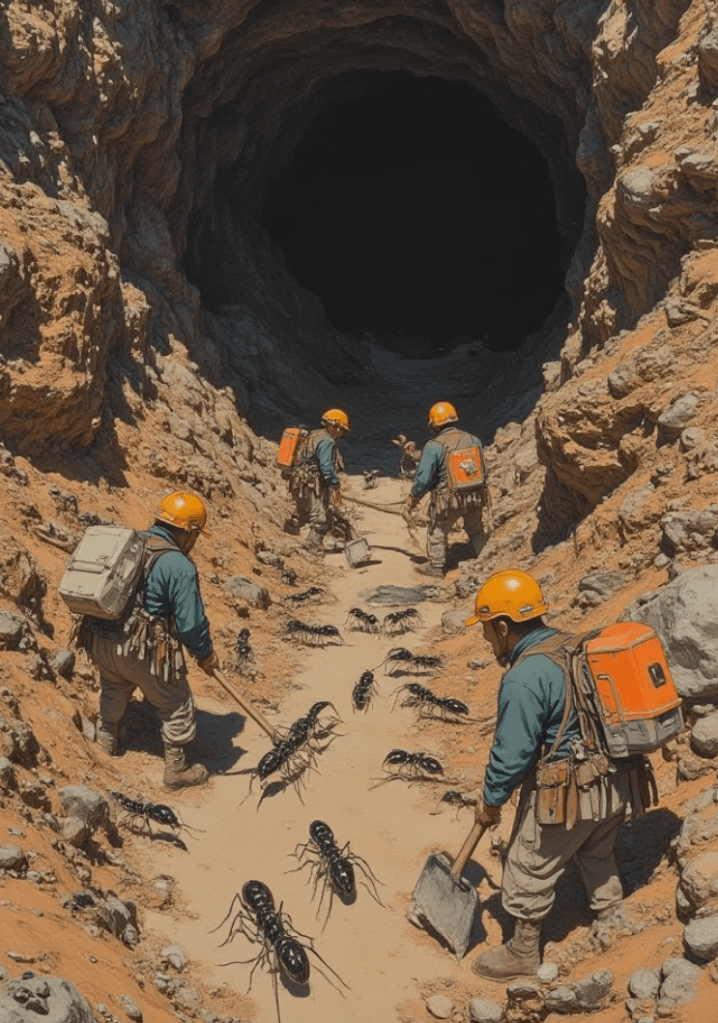
West Virginia is humid. Forested. Wet. That’s paradise for insects. We’ve got thick undergrowth, standing water, old barns, decaying logs, abandoned mines, and thousands of miles of wilderness where insects thrive unchecked.

Insects kill people in three main ways:

  1. Venom and Toxic Reactions
  2. Disease Transmission
  3. Secondary Infections and Delayed Death

You don’t have to drop dead instantly for an insect to kill you. Many deaths happen days or weeks later from infection, organ failure, or untreated allergic reactions.

Now let’s break down the worst offenders.


1. Deer Ticks (Blacklegged Ticks): The Silent Killers of Appalachia

If I had to pick one insect that scares me more than any snake, it’s the deer tick.

Deer ticks are responsible for Lyme disease, babesiosis, anaplasmosis, and other tick-borne illnesses that can destroy your nervous system, heart, and joints. In a grid-down scenario, these diseases can be a death sentence.

Why Deer Ticks Are So Dangerous

  • You often don’t feel the bite
  • Symptoms can take weeks to appear
  • Untreated infections can cause heart failure
  • Chronic Lyme can cripple you permanently

Ticks don’t hunt like predators. They wait. They cling to tall grass and brush, sensing body heat and carbon dioxide. You walk by, they latch on.

Real Survival Risk

Out here, I’ve seen strong men lose the ability to walk after untreated Lyme. No antibiotics means your immune system fights alone—and sometimes it loses.

Survival Tactics

  • Wear light-colored clothing to spot ticks
  • Tuck pants into socks
  • Perform full body checks daily
  • Remove ticks immediately with fine tweezers
  • Disinfect the bite site
  • Watch for bullseye rashes and flu-like symptoms

In a world without doctors, prevention is survival.


2. Mosquitoes: More Dangerous Than Any Animal in West Virginia

Mosquitoes kill more people worldwide than any other creature—and West Virginia is not exempt.

Diseases Carried by Mosquitoes

  • West Nile Virus
  • Eastern Equine Encephalitis (EEE)
  • La Crosse Encephalitis

EEE in particular has a high fatality rate and survivors often suffer permanent brain damage.

Why Mosquitoes Are a Grid-Down Nightmare

Without hospitals, antivirals, or IV fluids, mosquito-borne illnesses become deadly fast. Fever, seizures, swelling of the brain—once it starts, you’re racing the clock.

Survival Strategies

  • Eliminate standing water
  • Sleep under mosquito netting
  • Wear long sleeves at dawn and dusk
  • Use natural repellents like oil of lemon eucalyptus
  • Burn smoky fires to repel them

Never ignore mosquito swarms. They aren’t annoying—they’re biological weapons.


3. Bald-Faced Hornets: The Flying Landmines

These black-and-white hornets are aggressive, territorial, and capable of killing you without mercy.

Why Bald-Faced Hornets Are Lethal

  • They attack in groups
  • Their venom causes intense pain and swelling
  • Multiple stings can cause systemic toxicity
  • They can trigger fatal anaphylaxis

One disturbed nest can mean dozens of stings in seconds.

Off-Grid Reality

I once watched a man stumble into a nest while clearing brush. He didn’t make it to the road. The swelling closed his airway before help arrived.

Survival Protocol

  • Learn to identify aerial nests
  • Never approach or throw objects at nests
  • Wear protective clothing when clearing land
  • Run in a straight line if attacked
  • Get to water if possible (they won’t follow underwater)

Hornets don’t warn. They punish.


4. Fire Ants: A Southern Invasion Moving North

Fire ants are spreading into West Virginia, and they bring chaos with them.

Why Fire Ants Are Deadly

  • Attack in massive numbers
  • Each ant stings repeatedly
  • Venom causes severe allergic reactions
  • Secondary infections from pustules are common

People have died from hundreds of stings in minutes.

Survival Measures

  • Watch for mound formations
  • Never stand still in infested areas
  • Wash stings immediately
  • Apply antiseptic
  • Monitor for allergic reactions

Underestimate them once and you may not get a second chance.


5. Brown Recluse Spiders: Flesh-Eating Venom

Yes, brown recluses exist in parts of West Virginia.

Why Brown Recluse Bites Are So Dangerous

  • Necrotic venom kills tissue
  • Wounds can become infected
  • Severe cases lead to sepsis
  • Healing can take months

Survival Tips

  • Shake out clothing and boots
  • Keep living areas clean
  • Treat bites immediately
  • Watch for expanding wounds

Left untreated, a small bite can become a life-threatening infection.


6. Yellow Jackets: Aggression Without Mercy

Yellow jackets are responsible for more insect sting deaths than bees.

Why They’re So Deadly

  • Highly aggressive
  • Nest underground (easy to disturb)
  • Attack in swarms
  • Stings cause severe reactions

Survival Rules

  • Listen for buzzing near the ground
  • Avoid sweet smells outdoors
  • Carry antihistamines if possible
  • Move fast if attacked

One misstep can trigger a nightmare.


7. Kissing Bugs: The Hidden Disease Vector

These insects carry Chagas disease, which attacks the heart.

Why Chagas Is Deadly

  • Often asymptomatic for years
  • Causes heart failure
  • No cure once damage sets in

Survival Awareness

  • Seal cracks in shelters
  • Use bed netting
  • Inspect sleeping areas

This is a slow killer—and slow killers are the worst.


8. Fleas: The Plague Carriers People Forget

Fleas still carry dangerous bacteria.

Diseases Fleas Spread

  • Murine typhus
  • Plague (rare but possible)

Survival Strategy

  • Control rodents
  • Clean bedding
  • Treat bites immediately

History proves fleas can collapse civilizations.


9. Wasps: Pain Is Only the Beginning

Paper wasps and mud daubers are common and dangerous.

Risk Factors

  • Multiple stings
  • Allergic reactions
  • Falls caused by panic

Survival Tactics

  • Learn nest locations
  • Keep distance
  • Treat stings fast

Pain makes people careless. Carelessness kills.


10. Maggots and Blowflies: Death by Infection

Open wounds attract flies.

Why They’re Dangerous

  • Lay eggs in wounds
  • Cause tissue damage
  • Lead to sepsis

Survival Rule

  • Clean all wounds immediately
  • Cover injuries
  • Monitor for infestation

Infections end lives quietly.


Survival Prepper Truth from an Off-Grid Life
Out here, I don’t have emergency rooms or 911. I have knowledge, preparation, and respect for nature’s smallest killers. Insects don’t need bad intentions. They just do what they’ve always done.

If society falls, if storms cut you off, or if you’re deep in the woods, these insects are not minor threats—they are fatal risks.

Survival isn’t about fear. It’s about awareness.

The smallest things kill the unprepared.

And the prepared?
We live another day.

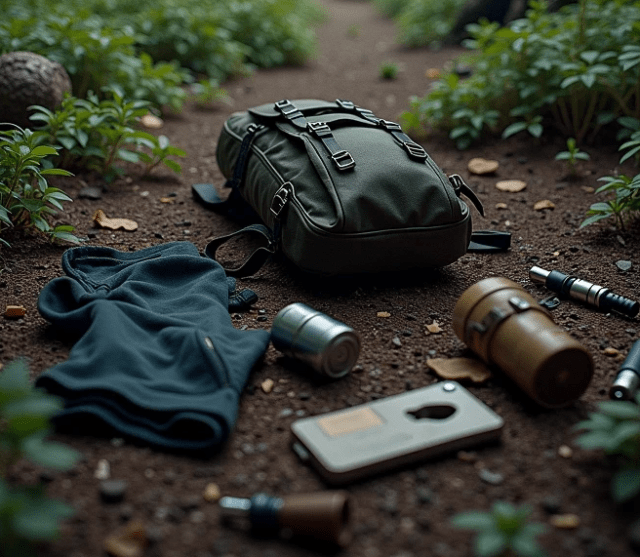
BUG OUT BAG CHECKLIST: THE ONLY THING STANDING BETWEEN YOU AND CHAOS

If you’re reading this, congratulations—you’re officially one of the very few people who haven’t been hypnotized into believing society is stable. Most folks happily scroll through their feeds while the world around them bleeds, burns, and breaks apart. But not you. You’re here because you know the truth: the system is cracking, and when it finally collapses, you’ll only survive with what’s on your back.

That backpack?
That “bug out bag”?
That’s your last line of defense against a world that’s already circling the drain.

The politicians won’t save you.
The agencies won’t save you.
Your neighbors definitely won’t save you—they’ll be the first ones banging on your door when everything goes dark.

That’s why your bug out bag checklist matters. And if you get it wrong, you’re not just risking discomfort—you’re signing your own death certificate.

So let’s build this bag the right way—with anger, realism, and a deep understanding that no one is coming to help.


WHY YOUR BUG OUT BAG MUST BE BRUTALLY PRACTICAL

A bug out bag isn’t a hobby project. It’s not a camping pack. It’s not a Pinterest board of “cute emergency items.” It is a survival system designed to keep you breathing for 72 hours or longer during the worst moments of your life.

When the grid fails, when water stops flowing, when hospitals lock their doors, when people panic and turn violent—your bug out bag becomes the only thing separating you from chaos.

And most people pack theirs like fools.

They bring comfort items instead of survival gear.
They bring gadgets instead of durability.
They bring weight instead of usefulness.

Not you. Not after this checklist.


THE ULTIMATE BUG OUT BAG CHECKLIST (NO NONSENSE, NO FLUFF)

Below is the gear that actually matters—the gear that keeps you alive. Everything else can be tossed.


1. WATER & FILTRATION (THE FIRST THING YOU’LL LOSE IN A CRISIS)

Water disappears fast. Faster than food, faster than safety, faster than logic. Within hours of a disaster, stores are empty, taps are dry, and people turn feral.

Your bag needs:

  • Stainless steel water bottle (boil water directly in it)
  • Collapsible water container
  • Sawyer Mini or Lifestraw filter
  • Water purification tablets
  • Small metal cup/pot for boiling

If you don’t have these, you’ll be dehydrated and delirious before the first nightfall—easy prey for anyone less prepared than you.


2. FOOD & NUTRITION (LIGHTWEIGHT AND LONG-LASTING)

You’re not eating for pleasure. You’re eating for survival.

Pack:

  • High-calorie survival bars
  • Freeze-dried meals (compact and dependable)
  • Instant oatmeal packs
  • Jerky
  • Electrolyte packets

Anything requiring long cooking times is dead weight. Anything requiring refrigeration is a liability.


3. SHELTER & CLOTHING (BECAUSE THE WORLD ISN’T KIND)

Exposure is one of the fastest killers in a disaster. Cold doesn’t care how tough you are. Rain doesn’t care how optimistic you are. Weather kills the unprepared.

Include:

  • Emergency bivy sack
  • Compact tarp
  • 550 paracord
  • Mylar blankets
  • Extra socks
  • Wool base layers
  • A rugged, waterproof jacket

Cotton? Forget it. Cotton kills. High-performance synthetics and wool save lives.


4. FIRE STARTING (FLAME IS LIFE)

Fire purifies water, cooks food, warms your body, and signals for help.

You need redundancy:

  • Ferro rod
  • Stormproof matches
  • Bic lighters
  • Tinder tabs
  • Cotton balls soaked in petroleum jelly (in a sealed bag)

Three fire sources minimum. Anything less is gambling with your life.


5. TOOLS (THE GEAR THAT ACTUALLY DOES WORK)

Tools separate survivors from victims.

Mandatory:

  • Fixed-blade knife (full tang, not some flimsy folding toy)
  • Multi-tool
  • Hatchet or folding saw
  • Duct tape
  • Mini crowbar
  • Work gloves
  • Headlamp with extra batteries

You don’t rise to the occasion—you fall to the level of your tools.


6. FIRST AID (BECAUSE HELP WILL NOT BE COMING)

When you’re injured in a disaster, you aren’t getting an ambulance. You’re getting silence.

Your bag needs:

  • Trauma kit (not a “boo-boo kit”)
  • Tourniquet
  • Compressed gauze
  • Israeli bandage
  • Alcohol wipes
  • Medical tape
  • Pain relievers
  • Antibiotic ointment

Your life may depend on your ability to stop bleeding, treat infection, and stabilize yourself long enough to move.


7. NAVIGATION (THE GRID GOES DOWN—YOU DON’T)

GPS? Cute. When the towers fail, your phone is a paperweight.

You need:

  • Compass
  • Local area maps
  • Grease pencil for marking routes

If you can’t navigate, you’re just wandering around waiting to become a statistic.


8. COMMUNICATION & SIGNALING

Because yelling won’t cut it.

Pack:

  • Emergency whistle
  • Signal mirror
  • Hand-crank radio

Information is survival. Silence is death.


9. SELF-DEFENSE & SECURITY

This category is intentionally general. People have different laws, abilities, and choices.

But minimally:

  • Pepper spray
  • Heavy-duty tactical flashlight
  • Strong knife (listed earlier)

Your bug out bag must keep you alive—not get you arrested. Know your local laws.


10. PERSONAL DOCUMENTS & MISC ESSENTIALS

Because bureaucracy survives even when civilization doesn’t.

Include copies of:

  • ID
  • Insurance information
  • Emergency contacts
  • Cash (small bills)

Also pack:

  • Notepad and pen
  • Bandanas
  • Trash bags
  • Zip ties

The small stuff becomes big when everything else collapses.


THE BITTER TRUTH MOST PEOPLE WON’T FACE

Most people won’t build a real bug out bag.
Most people won’t prepare.
Most people will freeze when crisis hits.

They’ll say:
“It won’t happen here.”
“Everything will work out.”
“The government will fix it.”

And when everything doesn’t work out, they’ll be the first ones panicking in the streets.

You?
You won’t be one of them. Because you’re building a bag that doesn’t rely on fantasy.

You’re preparing for the world as it really is: fragile, unstable, and full of people who think they can freeload off the prepared.

Your bug out bag is your lifeline.
Build it now.
Don’t wait for permission.
Don’t wait for disaster.
Don’t wait for the world to finally snap—because by then, it will be too late.

Top 10 Killers in America (Non-Health Related) and How to Outlive Them with Prepper Wisdom

I’m a prepper. That means I stock food, rotate water, check batteries twice a year, and assume that if something can go wrong, it will—usually at the worst possible moment.

But here’s the thing most folks don’t like to think about: the majority of Americans don’t die from mysterious diseases or dramatic movie-style disasters. They die from ordinary, everyday, painfully preventable events.

The kind that happen because someone was distracted, unprepared, or assumed “it won’t happen to me.”

This article isn’t meant to scare you (okay, maybe a little). It’s meant to make you harder to kill. Below are the top 10 most common non-health-related causes of death in the United States—and practical, prepper-approved ways to avoid each one.

Strap in. Literally. That’s tip number one.


1. Motor Vehicle Accidents (AKA: Death by Commuting)

Cars are the single most dangerous tool most Americans use daily—and we treat them like comfy metal sofas with cup holders.

Why it kills so many people:

  • Speeding
  • Distracted driving
  • Drunk or impaired drivers
  • Poor vehicle maintenance

Prepper Survival Tips:

  • Wear your seatbelt. Every time. No exceptions.
  • Assume every other driver is actively trying to kill you.
  • Don’t text. That meme can wait.
  • Keep your vehicle maintained like it’s an escape vehicle—because one day it might be.
  • Carry a roadside kit: flares, flashlight, water, first-aid, jumper cables.

Prepper rule: If you’re behind the wheel, you’re on patrol.


2. Accidental Poisoning & Overdose (Not Just “Drugs”)

This category includes illegal drugs, prescription misuse, household chemicals, and even carbon monoxide.

Why it happens:

  • Mixing medications
  • Improper storage of chemicals
  • Poor ventilation
  • “Eyeballing” dosages (never eyeball anything except suspicious strangers)

Prepper Survival Tips:

  • Install carbon monoxide detectors on every level of your home.
  • Label all chemicals clearly.
  • Lock meds away from kids—and adults who “just grab whatever.”
  • Read labels like your life depends on it… because it might.

A prepper doesn’t trust fumes, powders, or mystery pills. Ever.


3. Falls (Yes, Gravity Is Still the Enemy)

Falls kill more Americans than fires and drownings combined, especially as people age.

Common scenarios:

  • Ladders
  • Slippery stairs
  • Bathroom wipeouts
  • “I don’t need help” moments

Prepper Survival Tips:

  • Use ladders correctly. No standing on buckets.
  • Install grab bars in bathrooms. Pride heals slower than broken bones.
  • Wear shoes with traction.
  • Don’t rush. Gravity loves impatience.

Survival mindset: If you fall, you’ve surrendered the high ground—to the floor.


4. Fire and Smoke Inhalation

Fire doesn’t care how tough you are or how expensive your couch was.

Why it kills:

  • Faulty wiring
  • Unattended cooking
  • Candles
  • Smoking indoors
  • No escape plan

Prepper Survival Tips:

  • Install and test smoke detectors regularly.
  • Keep fire extinguishers in the kitchen and garage.
  • Never leave cooking unattended.
  • Practice fire escape routes with your family.

Rule of flame: If you smell smoke, you’re already behind schedule.


5. Firearms Accidents (Negligence, Not the Tool)

Firearms themselves aren’t the issue—carelessness is.

Common causes:

  • Improper storage
  • Failure to check chamber status
  • Treating firearms like toys

Prepper Survival Tips:

  • Store firearms locked and unloaded when not in use.
  • Treat every firearm as loaded.
  • Never point at anything you don’t intend to destroy.
  • Educate everyone in the household on firearm safety.

A prepper respects tools. Especially the loud ones.


6. Drowning (Even Strong Swimmers Die This Way)

You don’t need the ocean to drown. Pools, lakes, rivers, and even bathtubs qualify.

Why it happens:

  • Overconfidence
  • Alcohol
  • Poor supervision
  • No flotation devices

Prepper Survival Tips:

  • Never swim alone.
  • Wear life jackets when boating.
  • Supervise children constantly.
  • Learn basic water rescue techniques.

Remember: Water doesn’t negotiate.


7. Workplace Accidents

Construction sites, warehouses, farms, and factories are full of hazards—many ignored until it’s too late.

Common issues:

  • Skipping safety gear
  • Fatigue
  • Rushing
  • Improvised “shortcuts”

Prepper Survival Tips:

  • Wear PPE. All of it.
  • Follow lockout/tagout procedures.
  • Speak up about unsafe conditions.
  • Don’t rush—speed kills more than boredom ever will.

A prepper values fingers, limbs, and spines. Try living without them sometime.


8. Suffocation & Choking

Food, small objects, confined spaces—oxygen deprivation is fast and unforgiving.

Why it happens:

  • Eating too quickly
  • Poor chewing
  • Unsafe sleeping environments
  • Confined spaces without ventilation

Prepper Survival Tips:

  • Learn the Heimlich maneuver.
  • Cut food into manageable pieces.
  • Keep small objects away from children.
  • Never enter confined spaces without airflow testing.

Breathing is non-negotiable. Guard it fiercely.


9. Homicide (Situational Awareness Matters)

While less common than accidents, violence still claims lives every year.

Risk factors:

  • Poor situational awareness
  • Escalating confrontations
  • Unsafe environments
  • Alcohol-fueled decisions

Prepper Survival Tips:

  • Trust your instincts.
  • Avoid unnecessary confrontations.
  • Learn basic self-defense.
  • Keep your head on a swivel in public.

The best fight is the one you never show up to.


10. Extreme Weather Exposure

Heat, cold, storms, and floods kill more people than most realize.

Common mistakes:

  • Underestimating conditions
  • Lack of preparation
  • Ignoring warnings

Prepper Survival Tips:

  • Monitor weather forecasts.
  • Have emergency kits ready.
  • Dress for conditions.
  • Know when to shelter and when to evacuate.

Weather doesn’t care about optimism. Prepare accordingly.


Final Prepper Thoughts: Survival Is a Daily Habit

Most people imagine survival as something dramatic—zombies, EMPs, or alien invasions. But the truth is much less cinematic.

Survival is:

  • Wearing your seatbelt
  • Installing detectors
  • Slowing down
  • Paying attention

The goal isn’t to live in fear. The goal is to live long enough to enjoy the good stuff—family, freedom, and a pantry that’s always suspiciously well stocked.

Stay safe. Stay prepared. And don’t let preventable nonsense take you out early.

The World Earned Its Collapse — Build the Bag That Lets You Outlive It

Because Humanity Has Chosen This Path — and Most People Will Go Down With It

Let’s stop pretending humanity is some noble masterpiece worth saving.
Look around.
Look closely.

We’re a species addicted to noise, distraction, denial, and self-destruction.
We build nothing that lasts.
We destroy everything we touch.
We trade truth for entertainment and stability for convenience.
We’ve turned intelligence into arrogance and technology into a crutch.

So yes — collapse is coming.
Not as punishment.
Not as tragedy.
But as a natural consequence of billions of people who would rather be comfortable than conscious.

Humanity deserves the chaos roaring toward it.
But you don’t have to go down with the rest of the sleepwalkers.

That’s why a real bug out bag matters:
Not to save humanity.
Not to restore society.
But to survive the implosion you’ve been watching unfold for years.

This isn’t hope.
This is resignation — weaponized.


WHY YOU NEED A BUG OUT BAG IN A WORLD THAT NO LONGER DESERVES SAVING

The average person has no idea what’s coming.
They mock preparedness.
They laugh at reality.
They think grocery stores magically refill, that power grids last forever, that violence is something that only happens “somewhere else.”

Humanity’s arrogance will be its death sentence.

But you?
You’re not here because you believe things will get better.
You’re here because you see the unraveling clearly and refuse to be dragged down by the herd.

A bug out bag isn’t optimism.
It’s not hope.
It’s not even fear.

It’s acceptance:
The acceptance that society chose collapse — and your only obligation is to outlive the consequences.

This checklist reflects that truth.


THE NIHILIST’S BUG OUT BAG CHECKLIST

Gear for When the World Finally Gets What It Deserves


1. WATER: THE RESOURCE HUMANITY TOOK FOR GRANTED UNTIL THE VERY END

Humans poisoned their own rivers, overpumped aquifers, dumped waste into oceans, and acted shocked when drought arrived.

Don’t join them.

Pack:

  • Stainless steel water bottle
  • Water filter (Sawyer Mini or equivalent)
  • Purification tablets
  • Collapsible reservoir
  • Metal cup for boiling

Without water, you’re done.
And humanity has already proven it can’t protect a drop of it.


2. FOOD: SIMPLE FUEL FOR A SPECIES THAT COMPLICATED EVERYTHING

Humans invented food shortages in a world overflowing with resources.
Now they panic when shelves run empty for 12 hours.

Your survival depends on:

  • Freeze-dried meals
  • Survival rations
  • Jerky
  • Oatmeal
  • Electrolyte powder

This is not about culinary joy.
This is about staying alive while the world eats itself.


3. SHELTER: PROTECTION FROM THE ELEMENTS (AND HUMANITY’S MISTAKES)

People chopped down forests, paved over ecosystems, and still act surprised when weather becomes lethal.

Pack:

  • Tarp
  • Paracord
  • Bivy sack
  • Mylar blankets
  • Wool layers
  • Waterproof jacket
  • Spare socks

Nature isn’t the enemy.
Humanity’s ignorance is.


4. FIRE: SOMETHING ANCIENT HUMANITY FORGOT HOW TO DO WITHOUT WI-FI

Fire once represented intelligence.
Now people panic when their lighter runs out.

Pack redundancy:

  • Ferro rod
  • Stormproof matches
  • Bic lighters
  • Tinder

If you cannot make fire, you cannot stay alive — and the world won’t care.


5. TOOLS: FUNCTIONALITY FOR A WORLD THAT CHOSE CONVENIENCE OVER COMPETENCE

We built smartphones but forgot how to use knives.
We built skyscrapers but forgot how to use rope.
We built drones but forgot how to build shelter.

You need:

  • Fixed-blade knife
  • Multi-tool
  • Folding saw
  • Duct tape
  • Headlamp + batteries
  • Work gloves

Because survival will require more skill than scrolling.


6. FIRST AID: BECAUSE INFRASTRUCTURE COLLAPSES FASTER THAN DENIAL

Emergency rooms will overflow, then shut down.
Supplies will vanish.
Help will evaporate.

Your kit must include:

  • Tourniquet
  • Israeli bandage
  • Gauze
  • Alcohol wipes
  • Antibiotic ointment
  • Pain relievers
  • Medical tape

Humans ignored their own health when times were good.
They’ll beg for medicine when it’s too late.


7. NAVIGATION: BECAUSE GPS DEPENDS ON A CIVILIZATION THAT’S FALLING APART

GPS requires satellites.
Satellites require stability.
Stability is gone.

Pack:

  • Compass
  • Maps
  • Grease pencil

When the world loses its direction, you won’t.


8. SIGNALING & COMMUNICATION: NOT TO BE RESCUED — BUT TO REMAIN INFORMED

You’re not signaling for help.
You’re signaling for options.

Pack:

  • Whistle
  • Signal mirror
  • Hand-crank radio

Information becomes priceless when the world drowns in noise.


9. SECURITY: BECAUSE THE BIGGEST THREAT TO YOUR SURVIVAL ISN’T NATURE — IT’S PEOPLE

People created the collapse.
People will panic.
People will turn chaotic.

Minimal essentials:

  • Pepper spray
  • High-lumen flashlight
  • Knife (already in tools)

You don’t need to harm anyone.
You just need enough distance to avoid becoming another casualty of collective stupidity.


10. DOCUMENTS & MISC: THE IRONY OF PAPERWORK IN A DYING WORLD

The world collapses, but bureaucracy still somehow survives.

Pack:

  • ID copies
  • Cash
  • Emergency contacts
  • Notepad
  • Pen
  • Zip ties
  • Trash bags

The old world will cling to life far longer than its people deserve.


THE FINAL TRUTH: HUMANITY BROUGHT THIS COLLAPSE ON ITSELF

Humanity won’t fall because of bad luck.
It will fall because it earned it — through arrogance, apathy, and an unshakable belief that consequences don’t apply to it.

Your bug out bag isn’t a rebellion.
It’s not an attempt to fix the world.
It’s not even survival for the sake of survival.

It’s quiet refusal.
A silent declaration that you won’t drown with the ship.
A commitment to continue existing even if humanity doesn’t deserve to.

You prepare not because you believe in humanity…
but because you don’t.

Stay Clean, Stay Ready: 10 Essential Water-Saving Bathing Tips

When disaster strikes, whether it’s a natural calamity like a hurricane or earthquake, or a man-made crisis like civil unrest or infrastructure failure, one of the first and most critical resources you’ll have to guard is water. Clean water isn’t just for drinking—it’s essential for hygiene, survival, and maintaining morale. As a survival prepper, I’ve learned that even in the worst conditions, maintaining cleanliness isn’t a luxury; it’s a necessity. But the challenge? Water can be scarce when the world goes sideways.

Bathing efficiently without wasting water is one of the most overlooked survival skills. You might think, “How much difference can saving a few gallons per shower make?” Trust me—it adds up fast. Conserving water during everyday activities like bathing can mean the difference between having enough water to drink and running dangerously low during a disaster.

Here are 10 practical tips to save water when bathing, designed for anyone serious about survival preparedness, while still keeping personal hygiene intact.


1. Take Short Showers – 5 Minutes or Less

In normal circumstances, it’s easy to linger under the water while daydreaming or checking your phone. But in survival scenarios, every drop counts. Limiting your shower to five minutes or less drastically reduces water usage. Use a timer if needed—think of it as a countdown for your survival plan. Quick showers will keep you clean and help you ration water for other critical needs.


2. Use a Bucket to Collect Shower Water

This technique may feel old-school, but it’s a survivalist’s best friend. Place a bucket in the shower to catch the cold water that flows while waiting for it to heat. That water can later be used for flushing toilets, cleaning dishes, or even watering plants if necessary. During emergencies, no drop should go to waste.


3. Install a Low-Flow Showerhead

A low-flow showerhead can cut your water usage in half without sacrificing cleanliness. Many models are easy to install and don’t require a plumber. For preppers, this is a long-term investment in water security. When water is scarce, technology like this becomes a true lifesaver.


4. Turn Off the Tap When Lathering

We all do it—letting the water run while scrubbing shampoo into our hair or washing our bodies. Instead, turn off the tap while lathering, then turn it back on to rinse. It’s simple, effective, and could save hundreds of gallons over a month. In survival terms, every gallon you save could be used for drinking, cooking, or emergency medical needs.


5. Use a Wet Washcloth or Sponge Instead of a Full Shower

In a worst-case scenario where water is extremely limited, you don’t need a full shower every day. A wet washcloth or sponge bath uses far less water and still keeps you hygienic. Focus on key areas like your face, underarms, and groin. Think of it as “targeted hygiene”—you stay clean without depleting your water reserves.


6. Reuse Greywater for Non-Potable Purposes

Greywater is the term for water that has been used for bathing, washing dishes, or laundry. While not safe to drink, it can be stored and reused for flushing toilets, cleaning floors, or irrigation. In survival mode, storing and reusing greywater is a crucial skill. Even in small quantities, it can extend your water supply significantly.


7. Keep Your Showers Cooler

Hot showers feel luxurious, but heating water consumes fuel or electricity—resources that might be scarce in emergencies. Cooler showers use less water because people naturally shorten the time they spend under cold water. Additionally, cold showers have health benefits, including increased alertness and improved circulation. Think of it as a survival boost and a water-saving tactic rolled into one.


8. Bathe Less Frequently, But Strategically

In survival situations, hygiene routines may need to change. Bathing every single day may not be necessary—especially if you’re not heavily sweating or exposed to contaminants. Focus on bathing strategically: after heavy work, exposure to dirt or chemicals, or when morale and mental health demand it. A strategic approach conserves water while keeping you safe and reasonably comfortable.


9. Collect Rainwater for Bathing

Rainwater collection is a classic prepper technique. If it’s safe in your region, set up barrels or containers to catch rainwater for bathing and other non-potable uses. While you should always filter and possibly disinfect collected water, rainwater can drastically extend your bathing supply without drawing on your main water reserves.


10. Educate Everyone in Your Household

Water conservation is most effective when everyone in your household understands the stakes. Teach your family or fellow preppers these water-saving techniques. Turn it into a fun challenge: who can take the fastest, cleanest shower while using the least water? In emergencies, a cooperative approach can save thousands of gallons of water.


Bonus Survival Tip: Prepare for Long-Term Water Scarcity

Saving water while bathing is just one piece of the puzzle. Prepper survival strategies should include storing water, knowing local water sources, learning purification methods, and even growing foods that require minimal irrigation. The more you practice water conservation now, the better prepared you’ll be for unexpected disasters. Every tip you implement today is an investment in your survival tomorrow.


Final Thoughts

Water is life. In any disaster, whether it’s a flood, a drought, or societal collapse, conserving water is not optional—it’s mandatory. By implementing these ten strategies, you’ll stretch every drop further while maintaining hygiene and morale. Remember, survival is as much about smart planning and discipline as it is about strength and endurance.

Even small adjustments, like turning off the tap while lathering or taking a five-minute shower, can accumulate into a significant water reserve over weeks or months. Pair these tips with rainwater collection, greywater reuse, and low-flow fixtures, and you’ll be prepared for situations where every gallon counts.

Being clean doesn’t have to be a casualty in a crisis—it just requires some forward thinking, discipline, and creativity. Stay prepared, stay hygienic, and never underestimate the power of a few simple water-saving habits.

Super Duper Important Food Storage Organization: The Harsh Reality Preppers Keep Ignoring

If there’s one thing I’ve learned after years of watching society march itself off a cliff with a smile, it’s this: most people can barely keep their sock drawer organized, let alone their food storage. Everyone loves to talk big about “stocking up” and “being prepared,” but when it comes down to actually doing the unglamorous grunt work—taking inventory, rotating supplies, labeling containers—suddenly everyone becomes lazy, distracted, or “too busy.”

The truth, whether anyone wants to face it or not, is that food storage isn’t some Instagram-friendly pantry makeover. It’s not an aesthetic hobby. It’s a survival system, and if you treat it like anything less, you might as well hand your supplies to the nearest looter and call it a day.

So let’s get something straight: organization and inventory aren’t optional. They are the backbone of any real survival food plan. If you can’t track what you have, where it is, how long it will last, and what you need to replenish, then your entire so-called “prepping” is nothing more than a pile of false confidence waiting to collapse at the worst possible moment.

And moments like that are coming. Don’t kid yourself.


Why Food Storage Matters Even More Than You Think

Every year the world gets a little more chaotic, a little more unstable, and a lot more unpredictable. Supply chains break, crops fail, fuel prices spike, storms hit, and cities melt down—yet somehow the average person still believes grocery stores magically refill themselves overnight.

Maybe they think there’s a fairy in the back room restocking the shelves. Who knows.

But the reality is simple: the more unstable society becomes, the more critical your food storage system is. Not just the amount of food you have—though that matters too—but the management of that food.

Preppers often brag about having “months of supplies.” But when you ask them for specifics, like how many pounds of rice they have, the expiration dates on their canned goods, or how many calories their stash actually provides per day, they suddenly turn into philosophers—lots of vague answers and no actual numbers.

That’s not prepping. That’s denial.


Inventory Is the One Thing Lazy Preppers Refuse to Take Seriously

Let’s talk inventory. Most people hate it. It’s tedious. It requires writing things down. It forces you to face the fact that maybe you’re not as prepared as you thought.

And that’s exactly why it’s essential.

You cannot build a functional food storage system without knowing:

  • What you currently have
  • What’s expiring soon
  • What you need to rotate
  • What you need to replenish
  • How much you actually use over time
  • Where each item is stored
  • Your total caloric reserves
  • How long those reserves will last for each person in your household

If you’re rolling your eyes right now, maybe prepping isn’t actually your thing. Because survival is math, whether you like it or not.

Imagine waking up during a grid-down scenario, digging through your pantry, and realizing half your supplies expired last year because you never bothered to check them. Or discovering you bought 40 cans of soup… but all the same flavor your family hates. Or worse, realizing you stocked up on rice but didn’t buy a single pound of salt, seasonings, or oil to actually cook with it.

Inventory prevents disasters before they become disasters.


Organization: Because Chaos Won’t Save You

Some preppers treat their pantry like a junk drawer. Bags of beans shoved behind flour, cans stacked wherever they happen to fit, random Mylar bags tossed onto shelves “for later,” and half-empty containers leaning sideways like they’re begging to spill.

Do you know what that creates?

Chaos. Confusion. Waste. And vulnerability.

If you ever experience a real emergency, you won’t have time to “dig around and see what’s here.” You need to be able to access what you need immediately—and you need to know it’s still good, sealed, and edible.

Here are the harsh truths:

1. If it isn’t labeled, it doesn’t exist.

Write dates on EVERYTHING—every bucket, every can, every jar, every Mylar bag. If you’re too lazy to label, you’re too lazy to survive.

2. If you can’t see it, you won’t use it.

Deep shelves and unlit storage rooms are silent killers of supplies. Install lighting, use clear containers, and never bury critical food behind junk.

3. If it isn’t rotated, it WILL expire.

FIFO (First In, First Out) isn’t a suggestion. It’s the law of food storage. Treat it like one.

4. If it’s not grouped, it’s not organized.

Cans with cans. Grains with grains. Snacks with snacks. Stop mixing categories like a chaotic raccoon scavenging a dumpster.

5. If your storage isn’t protected, rodents and moisture will destroy it.

You’d be shocked how many preppers lose food to conditions they should have controlled.


People Who Don’t Organize Always Pay the Price Later

Most people assume they’ll be calm and rational when trouble comes. They won’t. Stress shuts down logical thinking. Panic makes people sloppy. Chaos fuels mistakes.

And when your brain is foggy with fear, trying to organize your pantry will be a disaster.

Do it NOW, when your hands aren’t shaking, when lighting still works, and when society hasn’t descended into noise and confusion.

Because here’s the ugly truth:

If you can’t manage your supplies during peace, you won’t magically become competent during crisis.


Building a Real Food Storage System

Here’s what actually works—tested, proven, and reliable:

1. Create a master inventory sheet
Digital or paper—doesn’t matter. Update it weekly.

2. Categorize everything
Grains, canned meats, canned vegetables, freeze-dried meals, spices, oils, comfort foods, etc.

3. Track calories, not just volume
Who cares how many jars you have if they don’t add up to enough daily fuel?

4. Use storage zones
Pantry, basement, long-term storage, emergency bug-out supply.

5. Keep a running “use and replace” list
If you take one item out, write it down immediately. No excuses.

6. Do monthly expiration checks
Yes, monthly. Not yearly like the optimistic amateurs.

7. Overprotect everything
Oxygen absorbers, Mylar, buckets, vacuum sealing—treat food like treasure because soon it might be.


Final Thoughts: Don’t Be Another Unprepared Statistic

The world isn’t getting kinder. It’s not getting more stable. And it sure isn’t getting more self-reliant. Every year, more people depend on fragile systems that can barely handle normal demand, let alone crisis.

You don’t have to be one of them.

But only if you stop pretending that buying food is the same as storing food. Only if you stop believing that survival is about “having stuff” instead of managing it.

Inventory and organization will either save you—or expose you.

It all depends on whether you take them seriously now, while you still have the chance.

Because once things go bad—and they will eventually—there’s no do-over.

Surviving Ohio: The 10 Most Dangerous Things That Could Kill You at Any Moment

The state of Ohio, with its cornfields, sleepy suburbs, and so-called “friendly people,” is quietly plotting your demise. Most of the population strolls around blind to the fact that death is lurking behind seemingly innocent facades—your local forest, a quiet pond, even the air you breathe. I’m done watching idiots get themselves killed while pretending everything is “fine.”

Here’s a cold, unfiltered rundown of the top 10 most dangerous things in Ohio that can easily end your life, and what you absolutely must do to survive them. Spoiler alert: if you think luck or a polite smile will save you, you’re already halfway to the morgue.


1. Tornadoes

Ohio isn’t Oklahoma, but don’t let that fool you—tornadoes are unpredictable, brutal, and they love Ohio in spring. These rotating death funnels can obliterate homes in seconds, hurl cars like toys, and turn your entire life into a nightmare in minutes.

How to survive:

  • Never, ever ignore tornado warnings. Your “I’ll wait it out” mentality will get you killed.
  • Have a storm cellar or a reinforced basement stocked with essentials.
  • Keep helmets and heavy blankets on hand—anything to protect your skull from flying debris.

Ignoring tornadoes is like challenging a bear to a thumb war. You’ll lose.


2. Rattlesnakes and Other Venomous Critters

Ohio is home to the Eastern Massasauga rattlesnake. Cute? Sure. Deadly? Absolutely. Most people never see them until it’s too late. Combine that with aggressive bees, spiders, and other venomous creatures, and your backyard can quickly become a death trap.

How to survive:

  • Watch your step in tall grass or near rivers.
  • Keep a snakebite kit handy and know how to use it.
  • Do NOT try to handle any venomous animals. You are not a superhero.

3. Flooding

Flooding in Ohio is subtle and sinister. A seemingly calm river can swell in hours, destroying homes, sweeping cars away, and drowning the unprepared. Many deaths happen not because people can’t swim, but because they underestimate water power.

How to survive:

  • Monitor local flood alerts—this isn’t optional.
  • Never drive or walk through floodwaters. A few inches can turn into a swift, deadly current.
  • Elevate critical items in your home and have an evacuation plan.

4. Poisonous Plants

Yes, you read that right. Ohio’s forests are full of plants that can slowly, painfully kill you if ingested or touched. Poison hemlock, wild parsnip, and deadly mushrooms aren’t folklore—they’re real, and they’re everywhere.

How to survive:

  • Learn to identify toxic flora. Ignorance is fatal.
  • Never eat foraged plants unless you are 100% sure they are safe.
  • Protect your skin when walking through thick vegetation.

5. The Ohio Highways

Forget bears, snakes, or tornadoes—humans on the road are just as deadly. Ohio’s highways are crawling with reckless drivers, distracted teenagers, and commuters fueled by coffee and rage. Statistics show thousands die in car accidents each year, many preventable.

How to survive:

  • Defensive driving isn’t optional. Assume every driver is trying to kill you.
  • Avoid driving at night on rural roads; wildlife is just waiting to plow into your car.
  • Seatbelts are the bare minimum—think of them as life insurance, not a suggestion.

6. Extreme Weather

Ohio doesn’t just have tornadoes. Winters bring bone-chilling cold, ice storms, and hypothermia-inducing blizzards. Summers are sweltering, humid, and perfect for heatstroke. Nature here will test your body, patience, and survival skills.

How to survive:

  • Stock layered clothing for winter and hydration strategies for summer.
  • Never underestimate exposure—frostbite and heatstroke are silent killers.
  • Have backup heat sources and cooling methods in case the grid fails.

7. Drowning in Lakes and Rivers

Ohio has thousands of lakes, rivers, and ponds. People go to swim, fish, or boat without realizing that water can end their life in moments. Currents, cold water shock, or even just poor swimming skills can kill you faster than you think.

How to survive:

  • Always wear a life jacket while boating or fishing.
  • Swim only in designated areas with lifeguards if possible.
  • Never underestimate cold water—it can incapacitate you in minutes.

8. Rabid Animals

Rabies isn’t a legend here; it’s a very real and very deadly threat. Bats, raccoons, and even stray dogs can carry the virus. A single bite can be fatal if not treated immediately.

How to survive:

  • Avoid wild animals, especially if they are acting unusually aggressive or tame.
  • Vaccinate pets and keep them away from wildlife.
  • Seek immediate medical attention if bitten—time is critical.

9. Foodborne Illnesses

You think dying in Ohio means a tornado or snakebite? Think again. Contaminated food, whether from local farms, restaurants, or your own kitchen, kills hundreds every year. Bacteria like E. coli and Salmonella are stealthy killers.

How to survive:

  • Wash hands, cook meat thoroughly, and store food properly.
  • Be skeptical of “fresh” produce from unknown sources.
  • When in doubt, throw it out. Your life is worth more than a moldy tomato.

10. The Complacent Mindset

Finally, the most lethal danger of all is your own ignorance. People assume Ohio is “safe” because it’s not New Orleans, not California, not Alaska. That complacency kills more than snakes, floods, and tornadoes combined.

How to survive:

  • Always be aware of your surroundings.
  • Learn survival skills, first aid, and basic self-defense.
  • Never trust that luck will keep you alive. It won’t.

Conclusion

Ohio might look peaceful with its rolling hills, cornfields, and “friendly” neighborhoods, but underneath lurks a deadly cocktail of natural, human, and environmental hazards. Tornadoes, floods, venomous creatures, and your own stupidity are waiting to end your life.

If you want to survive, you need to wake up. Be vigilant, be prepared, and respect every threat like it has a vendetta against your sorry existence—because, honestly, it does. Don’t wait until it’s too late. In Ohio, death doesn’t send a warning; it just comes for you quietly, and often, ruthlessly.

You’ve been warned.

5 Simple Survival Prepper Ways to Save More Money Before the World Falls Apart

If you haven’t noticed yet, the world is spiraling downhill faster than a shopping cart racing through a pothole-ridden parking lot. Prices climb every week, wages drag behind like a busted wagon, and everyone seems too distracted by the latest shiny nonsense to realize how unstable everything has become. While most people are busy scrolling themselves into oblivion, the rest of us—the ones with the nerve to prepare—are left scrambling to stretch every dollar before the next crisis knocks the power grid offline or the food supply chain collapses again.

So yes, I’m irritated. And if you’re paying attention, you should be too. But anger is only useful if it fuels action, and right now the smartest action a survival-minded person can take is to learn how to save more money while the system still barely functions.

Below are five simple survival prepper ways to save more money, even in a world that seems dead-set on squeezing us dry. These strategies aren’t fancy. They won’t impress the clueless masses. But they will help you build resilience, independence, and a financial buffer—even when the economy looks like it’s on life support.


1. Cut Every Recurring Cost That Doesn’t Support Survival

Most people have no idea how much money they burn on subscriptions, memberships, apps, streaming services, and convenience traps that don’t do a single thing to actually help them survive. Corporations count on this. They want you distracted. They want you attached to digital pacifiers. They want your wallet leaking small amounts constantly so you never accumulate real financial strength.

As a survival prepper, your first mission is to strip away everything that does not get you closer to self-reliance.

Ask yourself brutally honest questions:

  • Does this service help me acquire skills?
  • Does it help me prepare for economic downturns or supply shortages?
  • Does it help me build long-term resilience?
  • Would I even miss it after three days without power?

If the answer is “no,” then congratulations—you just found your next cancellation.

Bake this into your weekly routine. Every Friday, scan your bank account and credit card for recurring charges. If a subscription does not directly contribute to survival knowledge, physical tools, or mental resilience, terminate it immediately. You’ll be shocked how fast you start saving. And no, you won’t miss that streaming service where you rewatch the same stale shows.


2. Master the Lost Art of Repairing Everything

We live in a disposable culture, which is fitting for a disposable society. People throw away perfectly good items because they don’t know how to tighten a bolt, patch a seam, or sharpen a blade. Meanwhile, those of us who still possess a spine (and a functioning brain) know that self-reliance starts with the ability to repair what we already have.

Repairing saves money in two major ways:

  1. It prevents buying replacements
  2. It teaches the skills you’ll need when replacements are no longer available

Every repair you make is one less chunk of cash handed over to companies that seem to raise prices every time the wind blows.

Start with the basics:

  • Fix clothing tears before they explode into unwearable rags
  • Patch hoses and buckets instead of tossing them
  • Maintain knives, tools, axes, and saws
  • Clean and oil equipment regularly
  • Learn small engine maintenance

If you don’t know how to repair something, there are thousands of tutorials online—free ones. Watch them now while the internet still functions. Skills outlast systems, and systems are crumbling.


3. Buy in Bulk… But Only the Right Way

People hear “bulk buying” and immediately picture giant warehouse stores filled with oversized boxes of sugar-coated nonsense. That’s not what a real prepper does. Bulk buying is only useful when you’re stocking items that check all three boxes:

  1. Long shelf life
  2. Essential for survival
  3. Cheaper per unit when bought in quantity

Smart bulk buying targets staples that won’t spoil, won’t go out of usefulness, and won’t break your budget:

  • Rice
  • Beans
  • Oats
  • Salt
  • Sugar
  • Flour
  • Canned goods
  • Water storage containers
  • Medical supplies
  • Batteries
  • Fuel stabilizers

And yes, prices fluctuate—badly. That’s why you track costs over time. When something dips briefly below the usual price, that’s your moment. Stock deep when the rest of the world is distracted and wasting money on things they’ll toss within a month.

The money you save buying essentials in bulk compounds over time. Meanwhile, your pantry becomes insurance against inflated grocery bills and empty shelves.


4. Make DIY Versions of the Things You Use the Most

You want to save money while building skills that actually matter? Learn to make your own versions of everyday items instead of paying triple for store-bought products filled with chemicals nobody can pronounce.

A true prepper knows that DIY doesn’t just save money—it builds independence.

Start with easy wins:

  • Homemade cleaning supplies
  • Vinegar-based disinfectants
  • DIY soap
  • Simple first-aid balms
  • Laundry detergent
  • Fire starters
  • Water filters (as backups)
  • Dehydrated foods

The more you make yourself, the less you rely on a system that is constantly on the verge of breaking. And when you realize how cheap these items are to create, you’ll feel a satisfying mix of accomplishment and disgust at how badly corporations overcharge for convenience.


5. Stop Buying Junk and Invest Only in Gear That Lasts Decades

One of the greatest financial drains on modern households is the relentless purchase of cheap garbage. Tools that break. Clothes that unravel. Electronics that fail after two updates. Furniture made of cardboard. Equipment designed to fail so you buy more.

As a prepper, you don’t have the luxury of wasting money on disposable junk. Every dollar should go toward items that can withstand harsh conditions and heavy use.

This means buying:

  • Real tools—not decorative ones
  • Clothing built for durability—not trends
  • Cast iron instead of flimsy aluminum
  • Heavy-duty backpacks instead of bargain-bin specials
  • Knives with real steel—not mass-produced replicas
  • Water containers that won’t crack when the temperature drops

Yes, higher quality costs more upfront. But long-lasting gear saves money over your lifetime—and it’s far more reliable when the world goes sideways. Buy once. Cry once. Use forever.


Conclusion: The World Won’t Fix Itself—So Start Saving Like Your Life Depends on It

Look, the world is unraveling. People might not want to admit it, but we all see the cracks forming. Inflation is turning dollars into confetti. Supply chains snap every time a ship turns sideways. Society is one good crisis away from chaos.

You can’t control any of that. But you can control your preparedness, your spending habits, and your self-reliance.

These five methods won’t just save you money—they’ll help you build the independence necessary to weather whatever comes next. Whether the next disaster is economic, environmental, social, or something we haven’t even imagined yet, the people who survive will be the ones who took action early, saved aggressively, and learned to rely on themselves instead of a failing system.

So start now. Start today. Because the world isn’t getting any better. And when things get worse, you’ll be thankful you prepared while there was still time.

3 Survival Garden Herbs for When Society Finally Crashes

Every direction you look—politics, economy, supply chains, the bizarre behavior of everyday people—it all screams one thing: this whole system is held together with duct tape and denial. And if you’re smart enough to build a survival garden, you already know that depending on modern conveniences is the fastest road to becoming another helpless statistic when things finally snap.

Growing food is essential, yes, but if that’s all you’re planting, you’re missing half the picture. When hospitals are overrun, pharmacies are empty, and the average person is pacing around hoping the government will magically fix everything, you’ll need medicinal plants on hand—herbs that don’t require electricity, insurance, or permission to use.

Most people think throwing a few tomato plants in the ground makes them “prepared.” Please. When the grid fails and chaos rolls through town, tomatoes aren’t going to calm an infection or soothe a respiratory issue. Herbs, however, have kept humans alive since long before the modern world started falling apart.

Below are three herbs every serious survival gardener should be growing right now, not next season, not “someday,” but immediately. Because time is running out faster than anyone wants to admit.


1. Yarrow: The Battlefield Medic You Can Grow

Out of all the herbs the average gardener ignores, yarrow might be the most underrated lifesaver. This plant has been used for thousands of years for its ability to stop bleeding, reduce inflammation, and assist wound healing—which is exactly what you’ll need when emergency services are either unavailable or too busy dealing with the fallout of societal collapse.

Yarrow is a rugged plant. It doesn’t sulk if the soil is bad. It doesn’t demand pampering or daily attention. It grows like it knows the world is falling apart—and frankly, it probably is.

Why it belongs in your survival garden:

  • Stops bleeding quickly. You can crush fresh leaves and pack them onto wounds. Yes, the world we’re headed toward may involve more of those than you’d like.
  • Anti-inflammatory and antimicrobial. Useful for cuts, scrapes, burns, and infections—situations that become life-threatening when hospitals aren’t an option.
  • Thrives in harsh conditions. Heat, drought, poor soil—yarrow shrugs it off like a seasoned prepper.

How to grow it:

Plant yarrow in full sun. It spreads aggressively, which is perfect, because if things get ugly, you’re not going to complain about having too much medicine growing in your yard. Just keep it trimmed so it doesn’t take over everything else.

If modern society ever manages to collapse the rest of the way, you’ll be thankful you didn’t listen to the gardeners who said it was “weedy.” Weedy plants are survivors—and in the coming mess, so should you be.


2. Holy Basil (Tulsi): Because Stress Won’t Be Going Away Anytime Soon

Let’s face it: stress levels are already off the charts, and that’s before the supply chains snap, the grid flickers out, or inflation turns basics like rice and fuel into luxury items. Stress isn’t going to magically disappear once society destabilizes—it’ll get worse, heavier, and more relentless.

That’s where holy basil, or tulsi, steps in. This herb has been used in traditional medicine for centuries as an adaptogen, meaning it helps your body cope with stress—physical, mental, and emotional.

If you think you won’t need that in the middle of chaos, you’re kidding yourself.

Why tulsi is a survival essential:

  • Reduces stress and anxiety naturally. No prescriptions, no pharmacy lines, no shortages.
  • Strengthens the immune system. Which you’ll need when sanitation crumbles and illnesses spread.
  • Helps regulate blood sugar and improve overall resilience.
  • Can be made into tea with minimal effort. Hot water, dried leaves, and you’re good to go—even if your “stove” is a campfire.

Growing tips:

Tulsi loves warm weather and plenty of sun. The good news is that it grows fast—faster than society’s decline at this rate. It does fine in containers, raised beds, or directly in the ground. Just keep harvesting the leaves regularly; the more you pick it, the more it produces. Like a good prepper, it thrives under pressure.

When things get tough—and they will—having a natural way to calm your mind without relying on fragile supply chains is priceless.


3. Plantain: The Ugly Weed That Saves Lives

Forget everything you think you know about weeds. While the average suburban lawn-obsessed neighbor is busy spraying chemicals to kill off every useful plant in sight, plantain (Plantago major or Plantago lanceolata) is quietly offering some of the best emergency medicinal benefits you can get.

Plantain is the ultimate survival herb: ignored, misunderstood, and tougher than half the people wandering around today glued to their screens.

What makes plantain indispensable:

  • Pulls toxins out of wounds. Infected cuts, bug bites, stings—plantain can help draw out the problem.
  • Heals skin quickly. It’s used to soothe burns, rashes, and scrapes.
  • Anti-inflammatory and antimicrobial.
  • Grows literally everywhere. This plant pops up in abandoned lots, sidewalk cracks, damaged soil—exactly the kind of places we’re all headed if things keep going the way they are.

How to grow it:

Honestly? You barely have to try. Plantain grows like it’s preparing for the end times—which is great, because it’s one of the few things that will still be thriving when your local grocery store shelves are stripped bare.

To use it, you can chew a fresh leaf and slap it onto a sting or wound to make a quick poultice. It’s simple, primitive, and effective—exactly the kind of medicine that works when modern life stops working.


The Harsh Truth: No One Is Coming to Save You

Growing herbs isn’t some quaint hobby. It’s not a cute gardening project to post on social media. It is strategic self-preservation.

If you’re reading this, you already know what most people don’t want to admit: the world is getting more unstable by the day, and every system we rely on—food, medicine, power, transportation—is vulnerable. Fragile. Overstretched. And increasingly unreliable.

When the next big disruption sweeps through, whether it’s economic, political, environmental, or something entirely unexpected, you’ll either have what you need in your backyard… or you won’t.

These three herbs—yarrow, holy basil, and plantain—aren’t luxury plants. They’re tools. Weapons. Allies. They’re the difference between being helpless or being capable.

Grow them now, while you still can.
Because once things really fall apart, it’ll be too late.

Financial Preparedness: The Most Ignored Part of Emergency Survival

You can stockpile all the canned beans, water filters, and fancy tactical gear you want—but if your financial world collapses the moment the grid flickers, you’re not prepared. People love to talk about fire starters and bug-out bags, but bring up financial preparedness and suddenly everyone thinks it’s too boring or too complicated. They shrug, wave their hands, and say, “I’ll deal with that when things get bad.”

Newsflash: if you start preparing when things are already bad, you’re preparing too late.

The world is unstable—economically, socially, politically. Everything is overpriced, under-maintained, and one bad week away from chaos. Meanwhile, people keep living paycheck to paycheck, pretending everything is fine. They think the systems around them will just magically keep functioning because they always have, as if history isn’t a giant catalog of societies that collapsed under their own weight.

And when those systems finally buckle?
Your credit score won’t save you.
Your job won’t save you.
Your taxes won’t save you.

Only your preparedness—especially your financial preparedness—will matter.


Why Financial Preparedness Is the Most Neglected Part of Survival Planning

The reason people avoid financial preparedness is simple: it forces them to face the truth. It’s easier to buy a new survival gadget than it is to admit your savings account is hanging on by a thread. It’s easier to watch prepping videos than to sit down and calculate how long you could actually last without income, power, or access to the banking system.

But a crisis doesn’t care about your feelings, your denial, or your excuses.

A crisis strips everything down to the brutally practical.
Food. Water. Security. Shelter. Resources.

And resources—whether you like it or not—usually involve money or something that acts like money.

Financial preparedness isn’t about being wealthy. In fact, most wealthy people are absurdly fragile because their entire lives depend on digital numbers not disappearing. It’s about being strategic, resilient, and realistic about what your financial world will look like when the entire system is under stress.


Short-Term Emergency Preparedness: Cash Still Matters When the Lights Go Out

Let’s start with short-term emergencies—the kind most people actually experience:

  • Sudden job loss
  • Power outages
  • ATMs going down
  • Bank “maintenance” that disables account access
  • Natural disasters that shut down entire regions

In these situations, cash becomes king again. Digital money is useless when the network is offline. We’ve already seen small examples of this any time a storm knocks out power. Stores suddenly become “cash only.” People panic because they don’t have any. They act shocked, as if they’ve never considered that electronic banking requires electricity.

A short-term emergency fund—real cash, not imaginary numbers—is the bare minimum for survival. Not for comfort. For survival.

I’m not talking about hundreds of dollars tucked away like “fun money.” I mean enough actual cash to cover:

  • Fuel
  • Food
  • Water
  • Medicine
  • Transportation
  • Temporary lodging

Because when everyone else is standing in line at a dead ATM machine, you’ll be moving, acting, surviving.

But people skip this step. They say, “I don’t want that much cash sitting around.” Great. Yes. Much better to have zero cash when the grid goes down. Brilliant.


Long-Term Disaster Preparedness: When the System Fails, Only Prepared People Thrive

In a long-term disaster—economic collapse, prolonged shortages, cyberattacks on infrastructure, civil disruption—you can kiss the idea of “normal financial life” goodbye. The longer the crisis, the harder the currency shocks hit.

People think “that could never happen here.”
People in every fallen society said the exact same thing.

If the supply chain fails long enough, money changes value—sometimes it loses value altogether. Banks freeze withdrawals. Governments put limits on cash. Digital platforms go down. Inflation spikes. And suddenly the comfortable modern citizen becomes a hostage to the system they trusted.

That’s why financial preparedness isn’t just about savings—it’s about diversification of resources.

1. Physical assets

Not the cute kind that financial advisors love to talk about. I mean things that hold value because they are useful or scarce:

  • Tools
  • Durable goods
  • Seeds
  • Food stores
  • Fuel
  • Medical supplies

These items are currency in a long-term crisis.

2. Precious metals (Yes, the classics)

People scoff at gold and silver until they realize every form of paper money in history has eventually failed. Metals are not magical; they’re simply a hedge against stupidity—specifically the stupidity of governments printing money like it grows on trees.

3. Skills that generate value

Skills become currency when systems fail. The person who can repair things, grow food, purify water, treat wounds, or defend property becomes incredibly valuable. Your job title means nothing when society cracks. Your skills become your real income.

4. Reducing dependency

The less debt you have, the fewer monthly expenses you have, and the more self-sufficient your household is, the harder you are to control or destabilize. Independence isn’t about ego—it’s about survival.

People who depend on fragile systems collapse first.


The Harsh Reality: You Can’t Prep Without a Financial Plan

This is the part nobody wants to hear:
Prepping requires money.

Sure, you can start small and be creative—but the notion that you can fully prepare without any financial foundation is a dangerous fantasy.

Stockpiling food? Costs money.
Building reserves? Money.
Home repairs? Money.
Emergency gear? Money.
Fuel storage? Money.
Training and skills? Money.
Relocation plans? Definitely money.

The world says, “Don’t save, just spend.”
The system says, “Don’t prepare, just trust us.”
Society says, “Nothing bad will happen.”

Meanwhile, everything around us is held together with duct tape and false confidence.

Financial preparedness is not optional. It is not extra. It is not “for later.”

It is survival.


If You’re Waiting for Permission to Prepare, You’re Already Behind

Most people are reactive. They wait for disaster to hit before they even think about preparing—if they can still afford to. They wait because they don’t want to seem paranoid, or because planning feels overwhelming, or because they keep telling themselves they’ll start “next month.”

Well, next month won’t matter when the economy snaps like a dry branch or the supply chain shudders to a halt.

Preparedness only works before disaster.

No one is coming to save you.
No one is going to hand you the money you didn’t save.
No one will give you the resources you didn’t secure.

And no matter how angry you get at the world, the world won’t change for you.
You have to change for it.


Conclusion: Financial Preparedness Is Survival Preparedness

If you’re a prepper—or even if you aren’t—financial preparedness isn’t optional. It is the backbone of every other form of planning. Without it, your entire “survival strategy” collapses the minute the world stops cooperating.

And let’s be honest: the world isn’t exactly reliable these days.

Prepare now, while you still can.
The system won’t warn you before it fails.
It never does.