Healing A Broken Bone in the Apocalypse When All the Doctors Are Dead

In the apocalypse, nobody is coming to save you.

No ambulance. No urgent care. No orthopedic surgeon with clean scrubs and a shiny smile. Just you, whatever gear you bothered to stockpile before the world fell apart, and a broken bone that doesn’t care about your feelings.

This is the part of preparedness nobody wants to talk about because it’s ugly, painful, slow, and unforgiving. You can stock ammo, water filters, and freeze-dried food until your garage collapses, but one bad fall, one wrong step, or one unlucky encounter, and suddenly your survival fantasy gets real uncomfortable.

This article isn’t optimistic. It isn’t gentle. And it sure as hell isn’t pretending things will “work out.” This is about damage control when civilization is gone and the human body is still fragile as ever.

If that makes you uncomfortable, good. It should have motivated you years ago.


First, Accept the Brutal Reality of a Broken Bone

A broken bone in the end times is not an inconvenience. It’s a survival event.

You’re slower. Weaker. Louder. Less useful. More vulnerable. Every predator—human or otherwise—can sense weakness, and injury broadcasts it like a radio signal. Anyone telling you otherwise is lying to themselves or selling something.

Healing is possible, yes. Humans have been doing it long before hospitals existed. But healing well is not guaranteed. Infection, poor alignment, chronic pain, permanent disability—these are all on the table now.

So before we even talk about “healing,” understand the goal:

Stay alive long enough for the bone to mend.

Not “walk it off.” Not “power through.” Survival doesn’t care about your pride.


Step One: Stop Making It Worse (The Most Ignored Rule)

The moment a bone breaks, the damage isn’t finished. Every unnecessary movement, every attempt to “test it,” every stubborn step you take can turn a survivable fracture into a crippling one.

In the apocalypse, stupidity kills faster than starvation.

At a basic level, your priority is immobilization. That means keeping the injured area from moving in ways it shouldn’t. Bones heal when they’re stable. They don’t heal when you keep grinding them together because you “don’t have time to rest.”

If you break a leg and keep walking on it, congratulations—you’ve just volunteered for lifelong pain, assuming you live that long.

You don’t need fancy gear to understand the principle: movement equals damage.


Alignment: Because Crooked Healing Is Still Broken

Here’s another truth preppers hate hearing: bones heal in the position they’re held.

If a fracture heals out of alignment, that’s your new normal. No corrective surgery later. No physical therapist. No redo.

In a functioning world, doctors use imaging and traction to line bones up properly. In the end times, you’re working blind. That means gentle correction only and only if it’s obvious something is severely out of place.

This is where ego gets people killed.

Forcing bones into place without training can cause nerve damage, blood loss, or turn a closed fracture into an open one. If the limb is reasonably straight and circulation is intact, stabilizing it where it is may be the lesser evil.

Perfect healing is a luxury of civilization. Survival healing is about avoiding catastrophe.


Immobilization Without Modern Comforts

No, you won’t have a fiberglass cast and a nurse signing it in Sharpie.

You’ll have sticks, boards, torn clothing, duct tape if you were smart, and whatever else you scavenged before the shelves went bare. The principle is simple even if the execution is miserable: support the bone and limit motion above and below the break.

Immobilization isn’t about squeezing tight. It’s about support. Cut off circulation and you’ll trade a fracture for tissue death, which is a fast track to infection and amputation—assuming anyone is left who knows how.

Check circulation. Check sensation. Check color. And then check again later. The body changes, swelling happens, and what was “fine earlier” can become deadly overnight.

This is not a “set it and forget it” situation.


Infection: The Silent Killer Nobody Plans For

You don’t die from the break. You die from what comes after.

In a collapsed world, infection is the real threat. Dirt, blood, open wounds, compromised immune systems, stress, poor nutrition—it’s a perfect storm. Even a closed fracture can become a problem if swelling breaks skin or blisters form.

Cleanliness becomes sacred. Water that’s safe enough to drink is barely safe enough to clean wounds, but you use what you have. Dirty wounds kill. Period.

Antibiotics, if you have them, become priceless. But misuse them and they’re gone forever—or worse, ineffective when you truly need them. This isn’t a pharmacy with automatic refills. Every pill is a strategic decision.

If you never stocked medical supplies because they weren’t “cool,” congratulations again. You planned for gunfights and forgot about gravity.


Nutrition: You Can’t Heal on Empty

Here’s something most survival fantasies ignore: bone healing requires resources.

Calories. Protein. Minerals. Hydration.

Your body doesn’t magically fix itself because you want it to. It needs raw materials, and in the apocalypse, those materials are scarce. Healing a fracture is metabolically expensive. If you’re already malnourished, the process slows to a crawl or stops altogether.

That means food allocation matters. The injured person may need more, not less. Yes, that feels unfair when everyone is hungry. Survival isn’t fair.

Weak nutrition leads to weak healing, which leads to prolonged immobility, which leads to increased risk. Everything compounds. The world is very good at punishing mistakes.


Time: The One Resource You Can’t Rush

Bones take weeks to months to heal under ideal conditions. The apocalypse is not ideal.

There is no shortcut. No hack. No motivational speech that speeds up cellular repair. Anyone telling you otherwise is selling nonsense.

Rest is mandatory. Movement is calculated. Pain is information, not something to ignore. Every day you’re injured is a day you’re less capable of defending yourself, gathering supplies, or relocating.

This is why injury avoidance is the most underrated survival skill. You don’t get bonus points for bravery when you fall off a ladder and break your arm because you were rushing.

The end times reward caution, not heroics.


Mental Health: The Part No One Wants to Admit Matters

Lying still while the world burns does things to your head.

Anger. Depression. Paranoia. Hopelessness. All normal. All dangerous.

A broken bone doesn’t just weaken the body; it messes with morale. And morale affects decision-making. Bad decisions get you killed faster than bad luck.

Staying mentally engaged—planning, observing, maintaining routines—can matter as much as physical healing. Giving up because “what’s the point” is how people fade out quietly.

The world may be over, but you’re not done yet. Not unless you decide you are.


When Healing Isn’t Perfect (And It Often Won’t Be)

Here’s the bitter end of the truth: you may never fully recover.

Reduced mobility. Chronic pain. Limited strength. That might be the price of survival. In a functioning society, that’s tragic but manageable. In a collapsed one, it changes your role permanently.

Adaptation becomes the new survival skill. You do what you can. You stop pretending life will go back to “normal.” Normal is dead. You’re living in the aftermath.

Those who survive long-term aren’t the strongest. They’re the ones who adjust fastest to the damage they’ve taken.


Final Thoughts from an Angry, Tired Prepper

I’m not writing this to scare you. I’m writing it because most people refuse to think past the fantasy phase.

Broken bones don’t care about your political opinions, your stockpile size, or how many forums you argued on. They happen quietly, randomly, and at the worst possible time.

If the apocalypse comes—and history says something always does eventually—your survival won’t hinge on how tough you are. It will hinge on how well you prepared for being fragile.

Because in the end times, the world isn’t just dangerous.

It’s indifferent.

And it will break you without a second thought if you give it the chance.

Prepper Priorities: Must-Have Items Before the Collapse

Prepper Priorities: Must-Have Items Before the Collapse

In today’s uncertain world, the notion of self-reliance is becoming more important than ever. With rising concerns over political instability, economic uncertainty, and the unpredictability of natural disasters, it’s clear that the need to prepare for potential crises is something that we can no longer ignore. Whether it’s the possibility of hyperinflation, power grid failures, or even the collapse of social order, being ready for the worst can ensure that you, your family, and your community are protected.

As conservative-minded individuals, we value independence, personal responsibility, and the ability to weather any storm that comes our way. Preparing for a collapse—whether political, economic, or otherwise—requires the right mindset, skills, and tools. Let’s take a look at the must-have items every prepper should stock up on, with a focus on practical, common-sense solutions.


1. Water Filtration System

You don’t have to look far to see that clean water is becoming an increasingly precious commodity. The fact that many cities across the U.S. are experiencing water shortages, and that the quality of municipal water is increasingly suspect, makes having a reliable water filtration system essential. Whether you prefer a portable filter like the Lifestraw or a larger, home-based filtration system, ensuring access to clean water is a top priority. As recent reports have highlighted the contamination of water supplies in cities like Flint, Michigan, the need for self-sufficiency when it comes to water is crystal clear.


2. Food Storage and Emergency Supplies

With inflation at historic highs and the global food supply chain under increasing strain, securing a long-term food supply is more critical than ever. Stocking up on non-perishable foods, freeze-dried meals, and essentials like rice, beans, and canned goods will help ensure your family is well-fed during a crisis. In recent years, we’ve seen shortages in everything from toilet paper to baby formula—what if the next shortage impacts your ability to feed your family? Given the government’s unpredictable handling of supply chain issues, it’s up to you to ensure you’re prepared.


3. Firearms and Ammunition

As we’ve witnessed in the past year, political and social tensions in the U.S. are rising, and the need for personal protection is becoming more pressing. The Second Amendment is an essential part of our nation’s foundation, and being able to defend your home and loved ones is paramount. From unpredictable civil unrest to the increasing possibility of government overreach, firearms and ammunition are not just for hunting—they’re a tool for preserving life and liberty. Recent political debates on gun control have only further solidified the importance of having the right to bear arms and the necessity of being prepared.


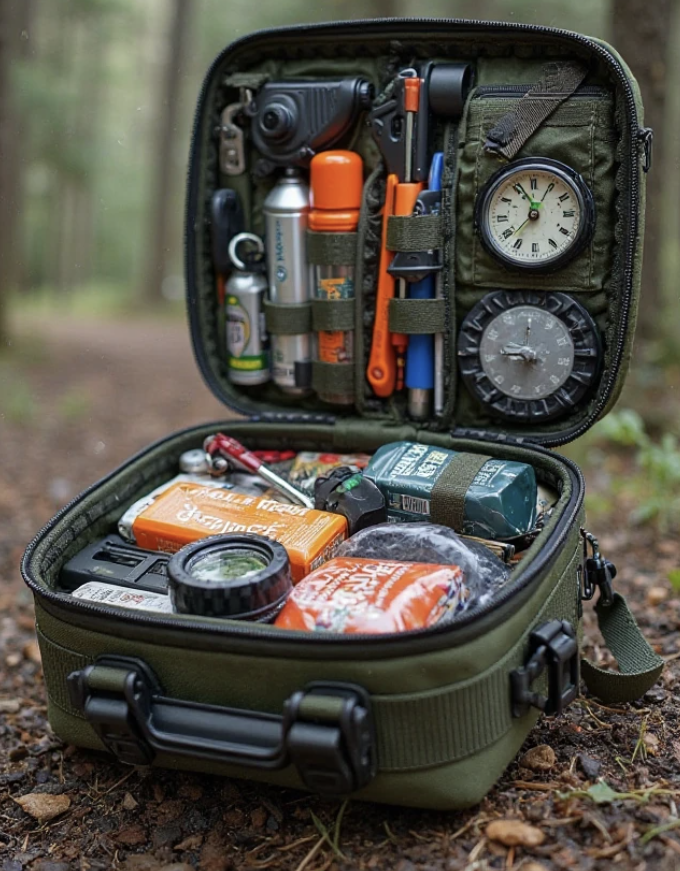
4. Medical Supplies and First Aid Kit

In any emergency situation, the ability to treat wounds, illnesses, and injuries is crucial. As hospitals become overwhelmed in times of crisis—whether due to pandemics, civil unrest, or natural disasters—a well-stocked first aid kit can make a life-or-death difference. Essential items include bandages, antiseptics, medications, and tools for dealing with serious injuries. When you rely on government-run healthcare systems that are increasingly overwhelmed, having the knowledge and resources to care for yourself and your family becomes indispensable.


5. Solar-Powered Battery Chargers

The rising risk of power grid failures should be a wake-up call to anyone who values self-sufficiency. From cyberattacks on critical infrastructure to natural disasters like hurricanes and wildfires, power outages are becoming more common. Solar-powered battery chargers allow you to keep your communications running, charge important devices, and maintain a basic level of connectivity, even during extended outages. With the increasing instability of both domestic and international politics, it’s important to ensure that you can maintain your independence, even when the grid goes down.


6. Emergency Shelter

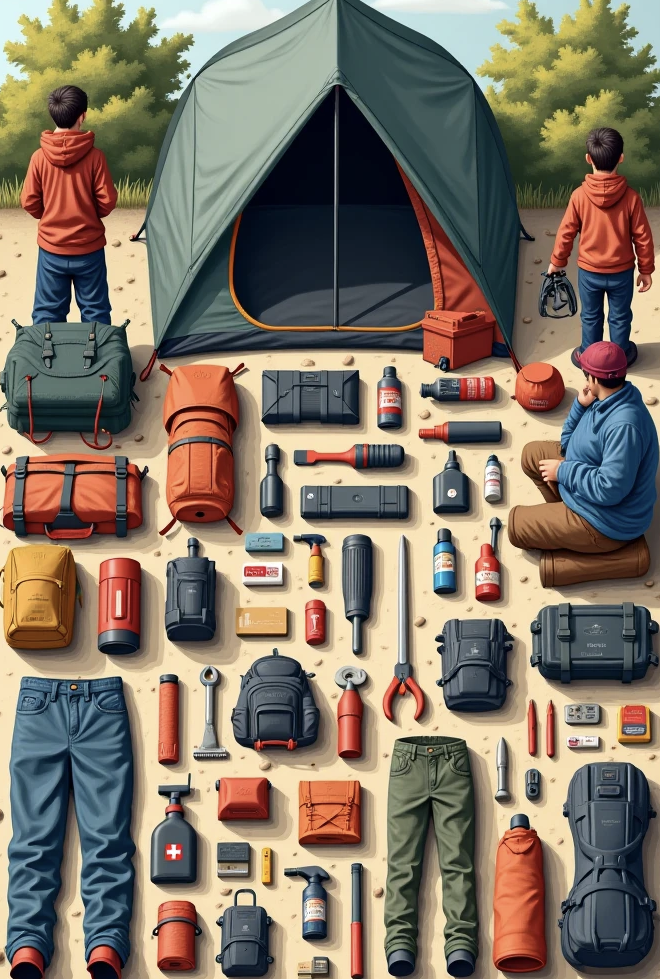
When disaster strikes, the ability to secure shelter can make all the difference in your survival. Whether it’s a temporary bug-out shelter or a more permanent setup, having the right gear—such as tents, tarps, or a well-built shelter in your backyard—can provide safety and comfort in times of chaos. Just look at the mass exodus from urban areas in the wake of natural disasters or civil unrest—having a backup plan for shelter can help you escape the fray when the world goes sideways.


7. Survival Tools and Multi-Tools

The right tools can mean the difference between life and death in a survival situation. A high-quality multi-tool, such as a Leatherman or Swiss Army knife, can serve a multitude of purposes, from building shelter to defending yourself. Additionally, having specialized tools for tasks like fire-starting, hunting, and cooking can make your survival efforts much more manageable. As we’ve seen with the growing unpredictability of global conflicts and natural disasters, there’s no telling when you may need to rely on your own two hands to survive.


8. Fuel and Energy Resources

As power grids and gas supplies become more vulnerable to both cyberattacks and supply chain breakdowns, securing alternative energy sources is becoming more critical. This can include fuel for cooking and heating, as well as renewable resources like solar panels or generators. With the rising cost of energy and increasing energy dependency in times of crisis, being able to manage your own energy resources will be key to maintaining your independence. Political tensions in energy-rich regions only further highlight the importance of securing your energy needs now.


9. Communication Devices

Staying informed and connected during an emergency is crucial. While smartphones are convenient, they are also dependent on the grid. Investing in alternative communication devices—such as two-way radios or satellite phones—can keep you in touch with loved ones and provide critical information when all other forms of communication fail. The recent power outages in California and Texas have demonstrated how fragile our communication systems can be when disaster strikes, and having a backup plan is essential for survival.


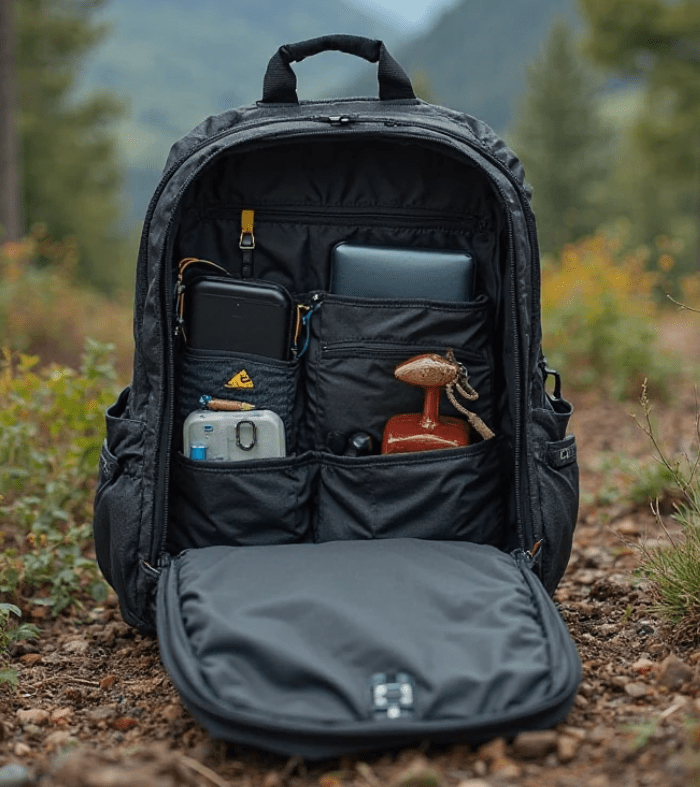
10. Bug-Out Bag

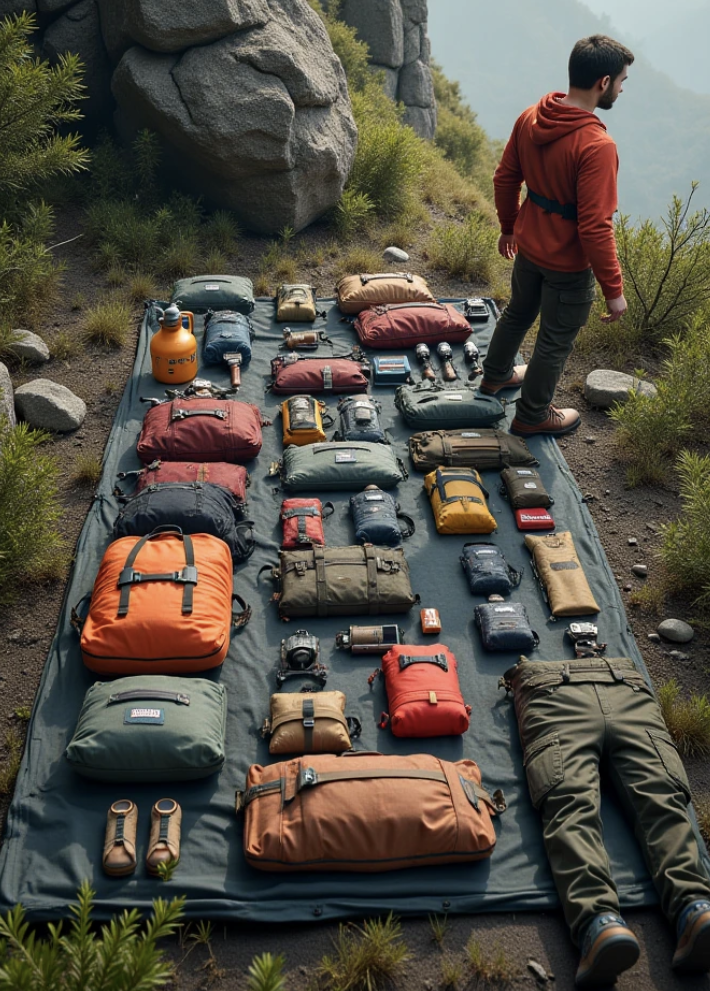
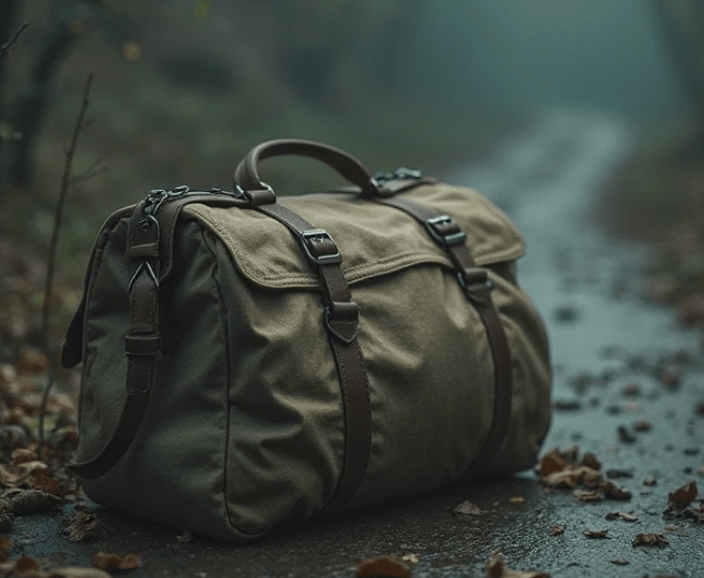
A bug-out bag is your go-to survival kit that should include everything you need to survive for at least 72 hours in a crisis. This should include water, food, medical supplies, fire-starting tools, and clothing, all packed in a durable, easy-to-carry bag. Recent political developments, such as civil unrest and the rising risk of natural disasters, have shown that being able to quickly evacuate your home is not just a smart move—it could be life-saving.


11. Mental and Physical Conditioning

Survival isn’t just about having the right gear—it’s also about being mentally and physically prepared to endure. Building physical strength, stamina, and mental resilience can help you handle the stress and strain that comes with survival situations. Whether it’s training for self-defense, practicing mindfulness, or strengthening your body through regular exercise, conditioning is crucial to maintaining a survival mindset.


11 Survival Prepper Tips

  1. Develop a comprehensive emergency plan – Include family members and ensure everyone knows the steps to take in case of evacuation or lockdown.
  2. Stay informed – Always monitor reliable news sources for updates on local and global crises.
  3. Learn essential survival skills – Learn how to forage, hunt, and fish; practice fire-starting and shelter-building.
  4. Create a bug-out plan – Know multiple escape routes and have a trusted destination in mind.
  5. Practice financial preparedness – Have cash on hand and precious metals for bartering in case the financial system collapses.
  6. Stockpile essentials – Think beyond food and water—get tools, batteries, and other long-term supplies.
  7. Communicate your plan – Share your emergency plans with loved ones and practice regularly.
  8. Strengthen community ties – Build relationships with neighbors and like-minded individuals who can help in a crisis.
  9. Stay fit and healthy – In an emergency, your health and stamina will be critical to your survival.
  10. Learn basic first aid – Knowing how to treat injuries and illnesses could save lives during a disaster.
  11. Have a backup energy source – Solar-powered tools and alternative energy sources will keep you off the grid.

Current Events Political Moments Impacting Prepping

Recent political events—from the chaotic withdrawal from Afghanistan to escalating tensions over inflation—serve as stark reminders of the instability in our world. Policies that affect energy, gun rights, and government intervention are all part of the equation when planning for a collapse. As government actions grow more unpredictable, self-reliance becomes more necessary for ensuring your future security.

Bugging Out Gone Wrong and The Hidden Hazards You Can’t Afford to Ignore

As preppers, we plan for the worst-case scenario. We stockpile supplies, create bug-out bags, and rehearse evacuation plans. But in the heat of the moment, with panic and adrenaline running high, things can go terribly wrong. And if you’re not careful, even the best-prepared bug-out plan can quickly turn into a nightmare.

The truth is, there are hidden hazards when bugging out—dangers that many people overlook when creating their survival strategies. These aren’t just the obvious risks like bad weather, wild animals, or hostile individuals. The real threats are often things we don’t expect, the hazards that are easy to dismiss, but which can be just as deadly in a collapse situation.

The Hidden Hazards When Bugging Out

When the time comes to bug out, you need to be prepared for more than just getting from point A to point B. The hazards of the journey and survival in the wild can be numerous, and even the smallest oversight can lead to disaster. Let’s break down some of the often-forgotten risks that can make bugging out much more dangerous than you anticipate.


1. Overpacking Your Bug-Out Bag

Prepper Tip #1: Don’t overpack your bug-out bag. Focus on lightweight, high-utility items. Prioritize quality over quantity.

It’s easy to get excited and pack everything you think you’ll need, but this is one of the most common mistakes preppers make. A heavy, overstuffed bug-out bag can slow you down and wear you out faster than you think. You might be carrying extra weight that you don’t need, making it harder to move efficiently or even causing physical injury if you’re not used to carrying heavy loads over long distances.

When bugging out, your goal should be mobility and endurance. Focus on essential survival gear that serves multiple purposes. Choose lightweight, compact tools and space-efficient items that you can rely on. If your bag is too heavy, you’re less likely to reach your destination—and you’ll waste valuable energy and time.


2. Failing to Consider Terrain and Route

Prepper Tip #2: Scout multiple routes and plan for terrain challenges. Always have a secondary escape route.

When you’re bugging out, the route you take is just as important as the gear you carry. Terrain can be one of the most dangerous hidden hazards when you’re trying to escape from danger. You might think you know the land around you, but terrain can change drastically depending on weather, local geography, or even human interference.

Hiking through dense forests, crossing rivers, or scaling steep hills can take more time and energy than you anticipate. These challenges can not only delay your travel, but they can also exhaust you or lead to injury.

Tip: Plan your routes carefully. Avoid areas with difficult terrain, and always have a secondary route in case you run into unforeseen obstacles. When scouting, look for natural barriers like mountains or swamps that could either help you or hinder your progress, and always account for the distance and time it will take to travel through each area.


3. Not Taking into Account Wildlife Risks

Prepper Tip #3: Learn to identify dangerous wildlife and practice defensive tactics. Know which animals to avoid and how to deal with them.

Wildlife can be both a source of food and a deadly threat during a bug-out. In a survival situation, animals like deer, wild boar, and rabbits may seem like an easy food source, but you need to understand the dangers that come with interacting with wildlife. Dangerous animals—like bears, mountain lions, and wolves—can be an immediate threat if you’re not prepared to defend yourself.

Additionally, animals may carry diseases like rabies, ticks that spread Lyme disease, or parasites that can seriously affect your health. When bugging out, always be cautious of the wildlife in your surroundings. Keep a safe distance, avoid provoking animals, and know the proper defensive measures for any encounters.


4. Underestimating the Importance of Water Sources

Prepper Tip #4: Always carry a water filtration system and know how to purify natural water sources.

You can survive for weeks without food, but only a few days without water. That’s why ensuring you have access to clean, safe drinking water is one of the most critical components of a successful bug-out plan. Many preppers make the mistake of underestimating the importance of water sources and assume they’ll be able to find it when they need it.

While it’s true that there are plenty of natural water sources—rivers, streams, lakes, and springs—many of these are contaminated with bacteria, parasites, or harmful chemicals. Even if the water looks clean, it may still be unsafe to drink. Without proper filtration, you risk drinking contaminated water, which could lead to severe illness or even death.

Always carry a high-quality water filtration system in your bug-out bag, such as a LifeStraw or a portable water filter, and know how to purify water using boiling or chemical treatments if necessary.


5. Not Accounting for Food and Caloric Needs

Prepper Tip #5: Have high-calorie, lightweight food in your bug-out bag and know how to forage or hunt for more.

Food is another hidden hazard in the bug-out equation. While you may have a bug-out bag full of supplies, your food may not last as long as you think. Rationing becomes critical when you’re on the move for extended periods of time. And relying solely on packed food without considering the possibility of foraging or hunting can limit your options.

By the time you run out of food, you may find yourself stuck in an area with few edible plants or animals. Carry a variety of high-calorie, lightweight food items like energy bars, dried fruits, and trail mix. And make sure you have fishing gear or small game hunting tools like snares or traps to supplement your food supply.


6. Ignoring Medical Risks and First Aid

Prepper Tip #6: Always carry a comprehensive first aid kit and know basic wilderness medicine to treat injuries and illness on the spot.

In the wilderness, injuries or illnesses can escalate quickly. Without proper medical care, even a small cut or scrape can turn into a serious infection. Bugging out without a first aid kit is a critical mistake that could cost you your survival.

A well-stocked first aid kit is an essential part of your bug-out gear. Make sure it includes antibiotics, bandages, splints, painkillers, burn creams, and antiseptic wipes. Learn basic first aid skills like wound care, splinting fractures, and performing CPR.


7. Not Having a Good Shelter Plan

Prepper Tip #7: Pack portable shelter such as a tarp, emergency bivy sack, or tent to ensure a safe place to sleep each night.

When bugging out, you may not be able to find shelter right away. Building a fire and finding a place to sleep in the wild requires careful planning. If you don’t have a pre-made shelter, such as a tent or tarp, you may find yourself exposed to the elements, which can lead to hypothermia, dehydration, and exhaustion.

Plan ahead for shelter construction, and always have a weather-resistant shelter option that will keep you protected from the elements, particularly in colder climates.


8. Underestimating the Psychological Impact

Prepper Tip #8: Mentally prepare for the psychological stress of bugging out and have a plan to stay calm under pressure.

Bugging out isn’t just physically demanding—it’s mentally exhausting. The emotional toll of leaving your home, traveling through unfamiliar territory, and dealing with constant danger can be overwhelming. Fear, panic, and anxiety can cloud your judgment, leading to rash decisions or mistakes that could cost you dearly.

Prepare your mind as much as you prepare your body. Practice mindfulness, stress management techniques, and focus on staying calm in emergency situations. Keep a positive attitude and have a clear mental strategy for handling challenges along the way.


9. Misjudging the Threat of Hostile Individuals

Prepper Tip #9: Be aware of your surroundings and always be ready for potential conflict with other survivors.

In a post-collapse scenario, other people might pose a bigger threat than wildlife. Roving bands of hostile individuals, other desperate preppers, or even those who are simply unprepared could target you for your resources. These threats can escalate quickly if you’re caught off guard.

Be mindful of your surroundings, traveling in groups if possible, and keep defensive weapons at the ready. Always be prepared to handle a confrontation—either through negotiation or force if necessary.


10. Failure to Stay Low-Key and Stealthy

Prepper Tip #10: Move quietly and avoid drawing attention to your location. Stealth is your best defense against both nature and hostile individuals.

One of the best ways to avoid drawing attention to yourself is by moving quietly and subtly. Making noise or being too flashy with your gear can alert others to your presence, making you a target. Blend in with nature and stay as discreet as possible.


Conclusion

When bugging out, the hazards are everywhere. The obvious risks like wild animals or dangerous terrain are easy to spot, but it’s the hidden dangers that can be your undoing. From underestimating the psychological toll to failing to account for wildlife or terrain risks, you must consider every aspect of your survival strategy. By preparing for the unexpected, you can increase your chances of making it to safety and surviving long enough to rebuild.

Bugging out is a risky endeavor, but with careful planning and vigilance, you can minimize the threats and maximize your chances of success.

Stay smart. Stay prepared. Stay alive.