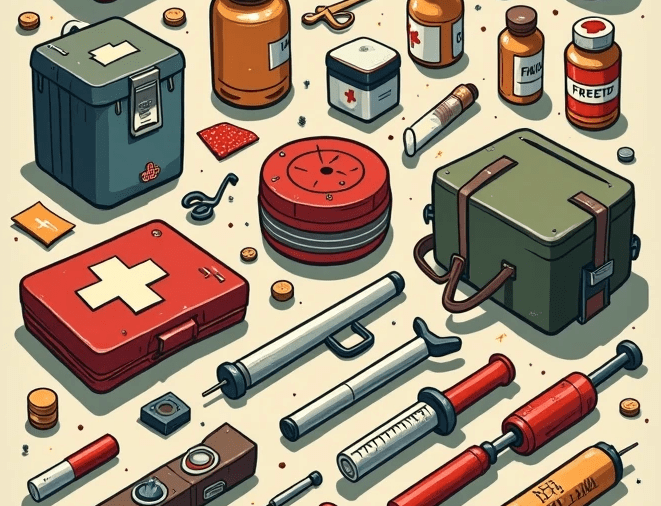
Bleed, Breathe, Survive: A Prepper’s Guide to Emergency Care

Bleed, Breathe, Survive: A Prepper’s Guide to Emergency Care

Listen up. When the world goes sideways — whether it’s a natural disaster, a collapse, or some unholy mix of both — the one thing that’ll separate you from the rotting herd is how fast and sharp you act when it comes to emergency care. I’m talking real, raw, in-your-face survival knowledge, not some PC classroom fluff. You’re bleeding out, choking on dust, or gasping for air — you don’t have time for pansy medical training or waiting for an ambulance that ain’t coming. You fix it. You keep yourself or your people alive. Period.

If you don’t get this, you’re dead meat. So pay attention, because I’m about to drop some serious survival wisdom. Here’s your no-bullshit, angry survivalist guide to handling emergency care when it counts the most.


Survival Skill #1: Stop the Bleed – FAST and HARD
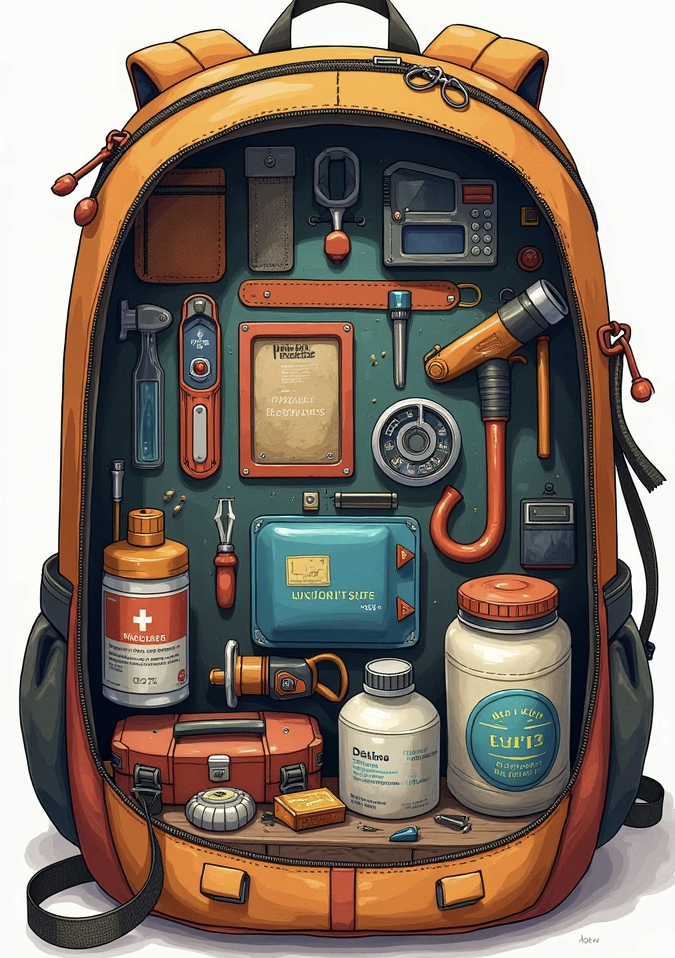
Bleeding out is the number one killer in any emergency scenario. If you don’t stop the blood, your body goes into shock and you’re toast. I’m not just talking about a small scrape; I mean a serious artery gushing blood like a busted fire hydrant.

Skill: Master the tourniquet and pressure bandage like your life depends on it — because it does.

  • Tourniquet — This ain’t just a fancy word. A tourniquet is a lifesaver when a limb is bleeding uncontrollably. Wrap it above the wound tight enough to stop the flow of blood, but not so tight you tear skin or nerves. Get a proper commercial one, but if you don’t have it, make one out of a sturdy belt or cloth and twist it with a stick or pen to tighten.
  • Pressure bandage — If the wound’s on your torso or can’t be tourniquetted, apply direct pressure with clean cloth or gauze. Don’t let up for a minute. If you don’t have gauze, use a T-shirt, towel, or anything clean-ish.

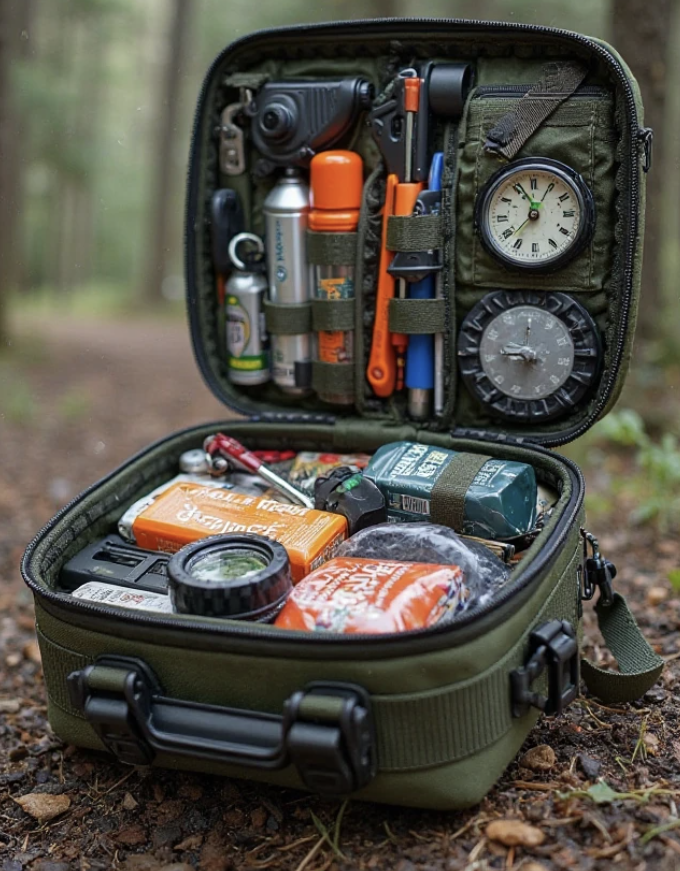
Pro Tip: Always carry a compact trauma kit with a tourniquet, pressure bandages, and hemostatic agents. Hemostatic agents are powders or dressings that make blood clot faster. If you don’t have those, improvise but prioritize stopping the bleeding first.


Survival Skill #2: Control Your Airway – Clear It, Keep It Open

What good is stopping the bleeding if you can’t breathe? When disaster strikes, choking on blood, vomit, or debris is a very real threat. If you don’t keep that airway open, you’re dead before you even get a chance to bleed out.

Skill: Learn to do the Head-Tilt Chin-Lift maneuver and the Heimlich maneuver.

  • Head-Tilt Chin-Lift — If someone’s unconscious or semi-conscious, tilt their head back and lift the chin to open the airway. Clear any visible obstruction with your fingers or a tool.
  • Heimlich Maneuver — If someone’s choking on food or debris, hit that abdomen hard just above the belly button until the obstruction pops out.

Pro Tip: Don’t wait to be a medic to learn CPR. That’s your bread and butter when someone stops breathing or their heart stops. Get certified or at least watch good tutorials and practice.


Survival Skill #3: Build and Use a Splint

Broken bones are no joke in the wild or disaster zones. Without proper immobilization, you risk further injury, bleeding, or infection. You can’t call an ambulance — you are the ambulance.

Skill: Use what you have — sticks, branches, metal, or anything rigid — to immobilize broken or sprained limbs.

  • Find two strong sticks or any sturdy straight object.
  • Pad them with cloth to prevent cutting into the skin.
  • Secure them tightly with rope, tape, strips of cloth, or even shoelaces.
  • Make sure the splint immobilizes the joints above and below the injury.

Pro Tip: Practice making a splint now, so when you need it, you don’t fumble like a scared city slicker.


Survival Skill #4: Improvise a Breathing Filter or Mask

Smoke, chemical fumes, dust, and toxic air can kill you just as fast as a bullet. If you don’t have a gas mask or proper respirator, don’t sit there choking. Use your brain and improvise.

Skill: Make a basic filter using materials around you.

  • Take a clean cloth or bandana and wet it.
  • Layer it with activated charcoal (if you have it) or charcoal from a campfire crushed finely.
  • Fold it to cover nose and mouth tightly.
  • Breathe through it — it won’t be perfect, but it’ll filter out much of the dust and chemicals.

Pro Tip: Store activated charcoal tablets or powder in your survival kit. If you can’t get charcoal, use multiple layers of damp fabric as a minimum barrier.


Survival Skill #5: Keep Calm and Prioritize Care

You can’t do anything if you lose your head. Panic is the biggest killer after injury or trauma. Your body’s adrenaline will spike, but your brain needs to stay cold and tactical.

Skill: Train yourself mentally to triage and act swiftly.

  • Assess the situation quickly: who needs the most urgent care?
  • Stop the bleeding first.
  • Keep the airway clear second.
  • Immobilize injuries third.
  • Prevent shock by keeping the patient warm and calm.

Pro Tip: Practice these steps under pressure with your group or family. If you freeze up in a real disaster, your survival odds drop drastically.


DIY Survival Hack #1: Make a Field Dressing from Household Items

You don’t need fancy medical gear to make a functional dressing.

  • Take clean cotton T-shirts, towels, or even sanitary napkins (they’re sterile and absorbent).
  • Fold them thickly.
  • Use duct tape or strips of cloth to secure them over wounds.
  • If you have honey, rub a thin layer on the wound before dressing. Honey is a natural antibacterial agent and helps prevent infection.

This field dressing will buy you time to get serious care or stabilize someone long enough for evacuation.


DIY Survival Hack #2: Create a DIY Splint from Magazine Pages and Tape

No sticks handy? No problem.

  • Fold several pages of a magazine tightly into a thick, rigid strip.
  • Use duct tape or cloth to secure it firmly around the injured limb.
  • This crude splint isn’t perfect but will stabilize a sprain or minor fracture enough to prevent further damage.

Practice this now so you can whip one out in a pinch.


DIY Survival Hack #3: Homemade Mouth-to-Mouth Shield

If someone’s unconscious and not breathing, you’ll need to perform rescue breaths safely.

  • Cut a small piece of plastic from a sandwich bag or cling wrap.
  • Poke a small hole in the middle (about the size of a dime).
  • Use this as a barrier between your mouth and theirs to reduce infection risk while doing mouth-to-mouth.

This simple device is cheap, easy, and could save a life without risking your own health.


Bottom Line: Bleed, Breathe, Survive
If you think emergency care is something only doctors or medics should worry about, you’re already dead. This survival game is brutal, and you will get hurt — maybe badly. The difference between life and death is having the skills, guts, and knowledge to act immediately and decisively.

You stop the bleeding, clear the airway, immobilize injuries, protect yourself from toxic air, and keep a cool head under pressure. Every second wasted is a second closer to the grave. Get the right gear, practice these skills, and learn these hacks now. Because when SHTF, the world won’t be handing out Band-Aids and breathing masks. You’ll have to be your own damn EMT.

Remember: Bleed, Breathe, Survive. It’s that simple. Or not at all.
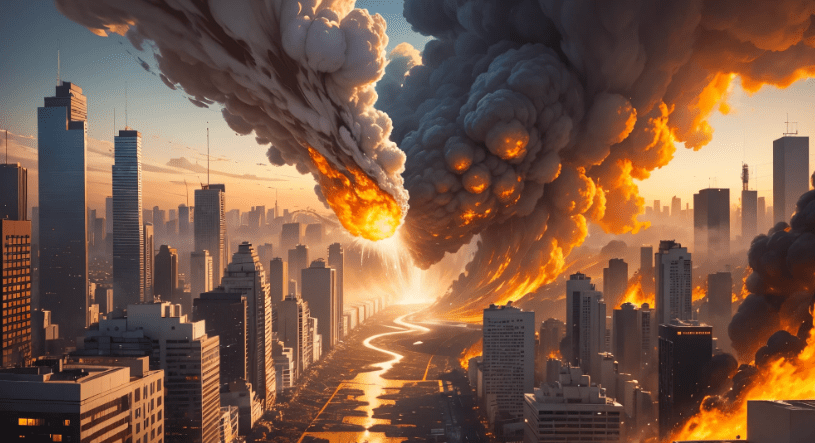
Why The Local Authorities Will Not Always Be Your Ally When SHTF

I see a lot of people who don’t even bother staying in touch with the latest events.

Because as they say “the authorities will let them know if anything major happens.”

But they have it backward, folks.

In an emergency, authorities may not be as transparent as we’d like them to be.

Their priority is to prevent confusion from spreading through the masses.

Panicking often causes more immediate disarray than the emergency itself.

And they know this.

CLICK HERE TO LEARN HOW TO NEVER STARVE WHEN DOOMSDAY HITS!

To them, emergency situations are about the statistics.

What they care about the most is saving face to the public.

And everyday folks who just want to protect themselves and their families may be left in the dark when SHTF

Until it’s too late to do anything about it.

But our families are not just a percentage on the screen.

It is our duty to protect them.

That’s why it’s absolutely essential that we take the reins on how we obtain and process knowledge.

Let’s not rely solely on the local authorities or mainstream media.

There are numerous alternatives that allow us to stay informed and be ready for anything.

Radio, for instance, has long been a reliable source of info during emergencies.

A battery-operated or hand-cranked radio can keep you connected to the outside world, even when the power grid fails.

There are numerous channels and frequencies dedicated to emergency broadcasts, and they can be an invaluable resource when emergencies strike.

And don’t forget about the web.

Sure, you can’t rely on it in the worst-case scenario, but it’s a treasure trove of information as long as it’s available.

Follow trusted alternative info websites, independent journalists, and forums dedicated to emergency preparedness and survival.

Lastly, don’t forget the importance of local community networks.

Your neighbors, your friends, or any acquaintance you have can provide important insights and updates during emergencies.

Building these relationships can pay us back a thousandfold in bad situations.

Our world is unpredictable and often unfair. We can’t always rely on being spoon-fed knowledge in emergencies.

However, by staying proactive and equipping ourselves with the right tools, we can stay ready to move when we have to.

Food Security 101: Top 10 Stockpile Staples

Food Security 101: Top 10 Stockpile Staples for the Homestead

Living on a homestead is more than just a lifestyle choice; it’s a commitment to self-sufficiency and preparedness. One of the most important aspects of this way of life is ensuring that you have a solid foundation for food security. There’s a certain peace of mind that comes from knowing you can feed your family no matter what the world throws your way. Whether you’re preparing for an unexpected crisis or simply want to make sure you’re well-stocked for the long haul, knowing what to stockpile is key.

CLICK HERE TO LEARN HOW TO NEVER STARVE WHEN DOOMSDAY HITS!

Food security on the homestead isn’t just about having enough food in the pantry. It’s about being resourceful, thinking ahead, and building up a collection of staples that will help your family thrive, even in uncertain times. There’s a strong sense of responsibility when it comes to providing for yourself and your loved ones. The Bible says in 1 Timothy 5:8, “Anyone who does not provide for their relatives, and especially for their own household, has denied the faith and is worse than an unbeliever.” As homesteaders, we take that verse to heart, ensuring that we are prepared and able to provide for our families.

Let’s dive into the top 10 food stockpile staples that every homesteader should have. These items will not only provide you with essential nutrition but will also give you peace of mind knowing that you’re ready for whatever the future may bring.


1. Canned Goods

Canned goods are an absolute essential in any food stockpile. They have a long shelf life, are easy to store, and can provide you with a wide range of meal options in a pinch. Stocking up on canned vegetables, beans, soups, meats, and fruits will ensure that you have access to nutrients even when fresh food isn’t available. When purchasing canned goods, make sure to check expiration dates and rotate your stock regularly to ensure freshness.

Tip #1: Always buy a variety of canned goods to prevent food fatigue—opt for a mix of vegetables, meats, beans, and fruits.


2. Grains (Rice, Oats, and Quinoa)

Grains are a staple of any long-term food storage plan because they’re versatile, nutrient-dense, and easy to store. Rice is a homesteader’s best friend—it’s cheap, stores well, and can be used in a variety of dishes. Oats are perfect for breakfast and can be used in baked goods or as a thickener for soups and stews. Quinoa, while a bit pricier, is a great gluten-free option that packs a lot of protein and fiber.

Tip #2: Consider purchasing grains in bulk to save money, and store them in airtight containers to protect them from pests and moisture.


3. Beans and Legumes

Beans are another essential staple for homesteaders. They’re full of protein and fiber, which makes them an excellent choice for maintaining a balanced diet. Dried beans have an incredibly long shelf life, which is why they’re a popular item for long-term food storage. Stock up on various types, including black beans, kidney beans, lentils, and chickpeas. They’re perfect for soups, stews, salads, or as a main dish.

Tip #3: Buy dried beans in bulk and be sure to soak them before cooking to reduce cooking time and improve digestibility.


4. Salt and Spices

Salt is one of the most important stockpile items you can have—not only for flavoring food but for preservation as well. Salt is a time-tested method for curing meats, preserving vegetables, and seasoning dishes. Alongside salt, don’t forget to stock up on your favorite spices. Fresh herbs may not always be available, but dried herbs and spices can transform a basic meal into something flavorful and comforting.

Tip #4: Store salt in airtight containers, and consider vacuum-sealing smaller spice packets for long-term freshness.


5. Sugar and Honey

Sugar and honey are important staples for sweetening dishes and making preserves. Sugar is also crucial in the process of canning fruits and vegetables. Honey, on the other hand, has natural antibacterial properties and can be used in many medicinal and culinary ways. Both have a long shelf life and can be used in a variety of recipes.

Tip #5: Store sugar in airtight containers to prevent clumping, and opt for raw honey if possible, as it has a longer shelf life.


6. Flour and Baking Ingredients

If you’re a homesteader, you likely do a lot of baking. Flour, yeast, and other baking ingredients are essential for creating bread, muffins, pancakes, and other staples. Flour has a relatively long shelf life when stored properly, but make sure to rotate it regularly and keep it in airtight containers. You’ll also want to have a variety of other baking essentials like baking powder, soda, and cornstarch on hand.

Tip #6: Consider storing flour in the freezer for longer shelf life and to prevent pests from getting into it.


7. Dehydrated and Freeze-Dried Foods

Dehydrated and freeze-dried foods are perfect for the homestead pantry. They’re lightweight, easy to store, and offer a great shelf life, making them an excellent addition to any emergency stockpile. Freeze-dried fruits, vegetables, and even meats can provide valuable nutrition when fresh food is not available. These foods can be rehydrated with water and used in a variety of recipes.

Tip #7: Consider investing in a food dehydrator or freeze dryer to make your own dehydrated food at home for ultimate self-sufficiency.


8. Canned Dairy or Powdered Milk

Dairy can be difficult to store long-term, but there are options that will ensure you don’t miss out on this important part of your diet. Canned dairy and powdered milk are both excellent choices for homesteaders looking to stock up. They may not replace fresh milk, but they’re great for cooking, baking, and making drinks. Powdered milk can also be used to make cheese or yogurt, providing valuable protein and calcium.

Tip #8: Store powdered milk in airtight containers and keep it in a cool, dark place to extend its shelf life.


9. Root Vegetables (Potatoes, Sweet Potatoes, Onions)

Root vegetables are an essential part of any homestead’s food stockpile. They store well, provide essential vitamins and minerals, and can be eaten in a variety of ways. Potatoes and sweet potatoes are packed with carbohydrates and can be used in everything from soups to casseroles. Onions are a great addition to many dishes and can be dehydrated for long-term storage.

Tip #9: Store root vegetables in a cool, dry place to prevent sprouting and spoilage. If possible, grow your own to increase self-sufficiency.


10. Nuts and Seeds

Nuts and seeds are nutrient-dense and packed with protein, fats, and vitamins. Almonds, walnuts, sunflower seeds, and pumpkin seeds are great options for your stockpile. They can be eaten as snacks, added to meals, or used for making nut butters. These foods are especially helpful in adding variety and texture to your meals.

Tip #10: Store nuts and seeds in airtight containers or vacuum-seal bags to prevent them from going rancid due to exposure to air.


10 Homestead Tips for Food Security:

  1. Rotate your stock regularly – Make sure you’re using older items first and replenishing your stock to keep everything fresh.
  2. Preserve your own food – Canning, dehydrating, and freezing your homegrown produce helps build up your food security.
  3. Grow a garden – The best way to ensure a steady supply of fresh food is by growing it yourself.
  4. Start a compost pile – Composting kitchen scraps will help nourish your garden, ensuring you have a sustainable food source.
  5. Invest in root cellars – A root cellar is a great way to store vegetables and fruits for long periods, keeping them fresh without refrigeration.
  6. Learn to forage – Wild edibles can supplement your food supply, and knowledge of local plants can be invaluable.
  7. Preserve your own meat – Learn to butcher and preserve meat through methods like curing, smoking, or canning.
  8. Store water – Having a water filtration system and backup water supplies is just as important as food.
  9. Barter with neighbors – Building strong relationships within your community can be a valuable resource for exchanging goods and services.
  10. Be prepared for emergencies – Having a well-stocked pantry and emergency plan in place will give you peace of mind.

The Ultimate Doomsday Prepper Starter Pack

The Ultimate Doomsday Prepper Starter Pack: A Movie Critic’s Guide to Survival Skills

When it comes to preparing for the inevitable end, the world of doomsday prepping has captured our imagination. Hollywood has long been fascinated with apocalyptic scenarios, from plagues to natural disasters and alien invasions. And while some may dismiss preppers as a fringe group, the reality is, the need for survival preparation is more mainstream than ever. Whether you’re preparing for a natural disaster or a total societal collapse, having the right skills and equipment can make all the difference in your survival. So, let’s explore the ultimate doomsday prepper starter pack, featuring essential survival skills, key tools, and Hollywood films that might just offer some valuable lessons along the way.


1. Water Filtration

First and foremost, it’s all about water. Sure, you can live without food for a while, but without clean water, you’re a goner. Investing in a water filtration system, like the Lifestraw or a high-end portable filtration pump, is essential. This ensures that even if your water sources become contaminated, you’ll have the tools to purify them. Survival movies like The Road (2009), where a father and son trek through a post-apocalyptic landscape, emphasize the dire need for basic essentials like clean water.

2. Fire Starting Kit

Nothing says survival more than the ability to make fire. It’s warmth, light, and the means to cook your food. A fire starting kit, whether it’s a reliable ferro rod, waterproof matches, or a flint-and-steel set, should be an absolute staple. In films like Cast Away (2000), where Tom Hanks’ character is stranded on an island, his struggle to start a fire symbolizes the core of human survival. A fire means hope in a hopeless world.


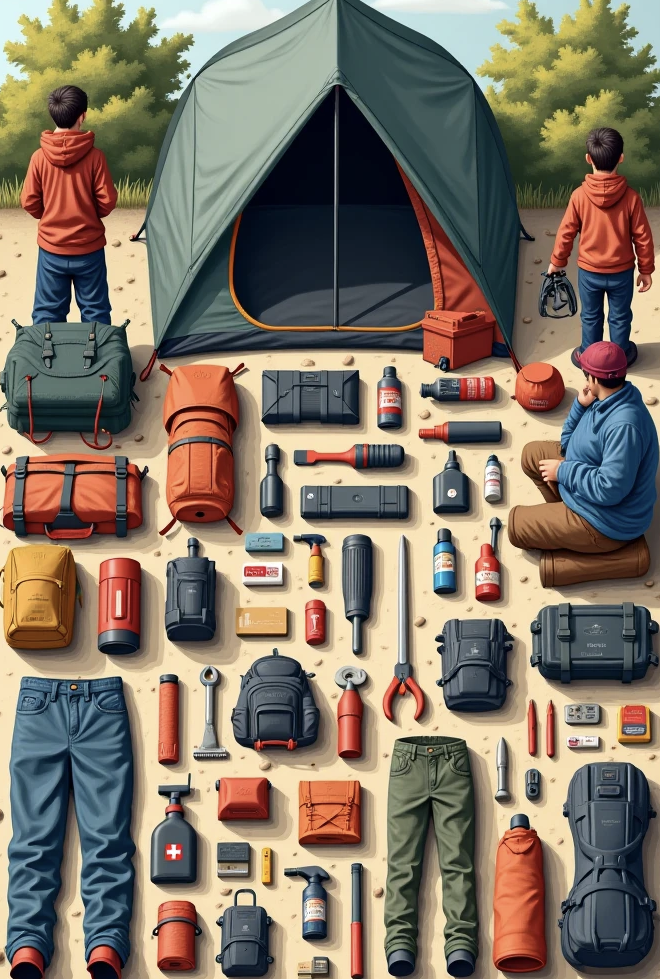
3. Shelter Building and Tarp Setup

The ability to quickly set up shelter can be the difference between life and death in the wilderness. From tents to tarps, being able to shield yourself from the elements will keep you safe and comfortable when it all hits the fan. If you’ve ever seen Into the Wild (2007), where Emile Hirsch’s character endures nature’s harshness, you understand that shelter is a must-have in your prepper toolkit.

4. Emergency Food Supplies

Survivalist films always emphasize one thing: food is vital. Whether it’s protein bars, freeze-dried meals, or canned goods, having an emergency food supply can keep you going for days. One movie that hammers this point home is The Martian (2015), where Matt Damon’s character uses his ingenuity to grow food and survive on Mars. It’s a perfect reminder that with the right tools and preparation, you can survive in the most unexpected places.


5. First Aid and Medical Knowledge

In any survival scenario, injuries are bound to happen. Having a first aid kit stocked with bandages, antiseptics, and pain relievers is non-negotiable. More importantly, you’ll want to know how to use the supplies effectively. Movies like 127 Hours (2010) and The Revenant (2015) show us the raw reality of survival, where characters find themselves in dire medical situations, and the most important thing is knowing how to tend to wounds.


6. Self-Defense Skills

Self-defense is another critical skill for preppers, as societal breakdowns often bring about dangerous situations. Knowing how to protect yourself, whether with hand-to-hand combat or weapons training, is essential. The Walking Dead (TV series) has drilled this concept into our minds, with its depictions of human survival in a post-apocalyptic world where both zombies and humans are threats. The importance of self-defense is highlighted in the brutal, no-holds-barred world the characters navigate.


7. Navigation and Orienteering

In an emergency, you may need to navigate through unfamiliar terrain or find your way to safety. Skills in map reading, compass usage, and GPS navigation are vital. The Grey (2011), starring Liam Neeson, is a prime example of how navigation and situational awareness can make or break your survival chances. After a plane crash in the wild, Neeson’s character must rely on his wits to survive in the harsh conditions.


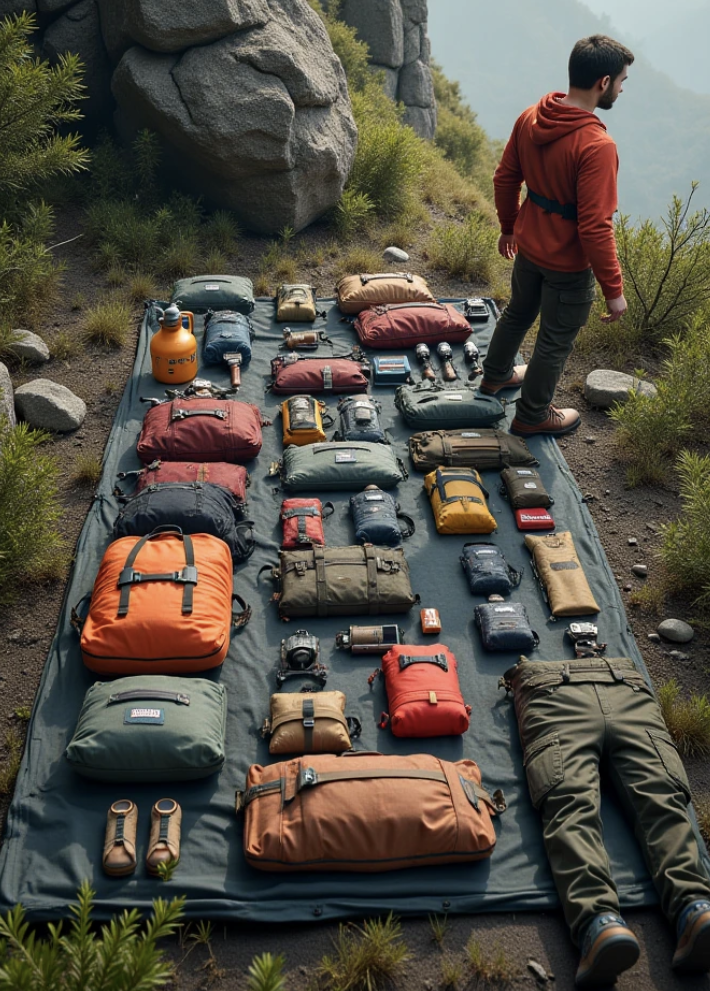
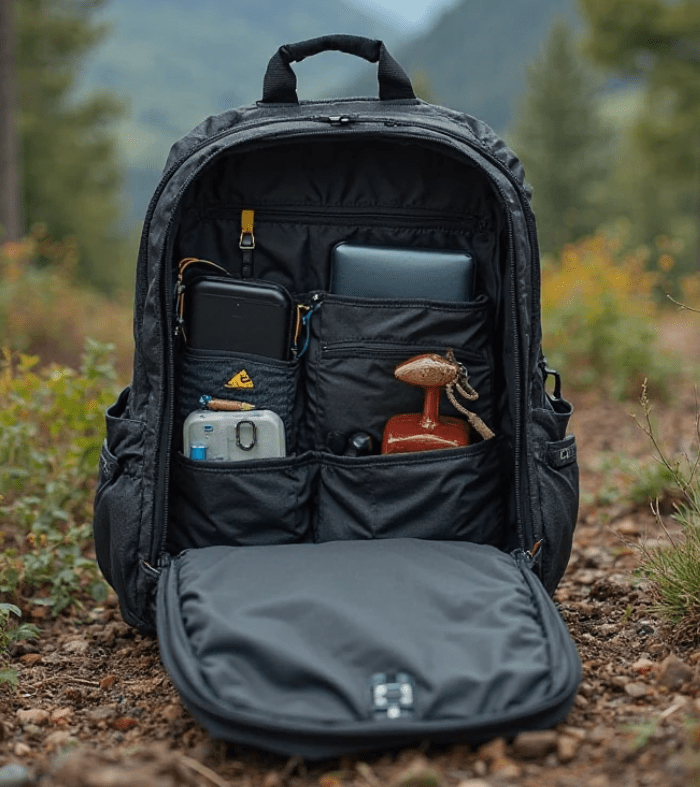
8. Building a Bug-Out Bag

Having a well-packed bug-out bag is a must for any prepper. It should include essentials like a multi-tool, fire starter, first aid kit, extra clothing, and survival food. World War Z (2013) is an exciting example of the bug-out bag in action. Brad Pitt’s character goes on a worldwide hunt for a solution to the zombie pandemic, and it’s his preparedness that keeps him one step ahead of the chaos.


9. Mental Toughness

Perhaps the most underrated survival skill is mental toughness. Whether you’re facing a natural disaster or a long-term societal collapse, your mindset can determine your success or failure. The Road (2009), a bleak but beautiful tale about a father and son’s journey through a destroyed world, shows us that survival isn’t just about the physical tools—it’s about keeping your mental state strong when everything around you is crumbling.


10. Knowledge of Renewable Energy

When the grid goes down, renewable energy sources like solar power can be your saving grace. Solar-powered lights, chargers, and even solar ovens can provide a way to stay functional when your conventional energy sources are unavailable. Children of Men (2006) hints at a world on the brink of collapse, where technological breakdowns and energy crises are just as dangerous as societal chaos.


11. Bartering and Negotiation Skills

In a world where currency becomes obsolete, bartering will be the next best thing. Whether it’s trading food, supplies, or knowledge, being able to negotiate and barter will be key. The TV series The Walking Dead again comes to mind, as characters constantly negotiate for resources in a world where everything is scarce. Understanding value beyond traditional currency can ensure that you stay afloat in a collapsed economy.


Survival Prepper Skills to Master Before the End

  1. Water purification – Learn how to filter and purify water, one of your most precious resources in any survival situation.
  2. Fire making – Practice starting a fire in different environments and with various methods.
  3. Shelter building – Learn how to create emergency shelters using tarps, tents, and natural resources.
  4. Foraging – Understand which plants and insects are safe to eat and which are not.
  5. Trapping and hunting – Basic knowledge of trapping and hunting can provide you with much-needed food.
  6. Basic carpentry – Learn how to build structures and create useful items from wood.
  7. Self-defense – Take a class on hand-to-hand combat or weapons handling to protect yourself.
  8. Signaling for help – Practice using mirrors, flares, or other signaling methods to attract rescue teams.
  9. Cooking over a fire – Learn how to prepare meals using just a campfire or other primitive methods.
  10. Critical thinking and problem-solving – A clear mind can help you assess any situation and come up with a creative solution.
  11. Leadership and team coordination – Being able to lead and work in a group during stressful times is vital for long-term survival.

Hollywood Movies That Relate to Survival Prepping

  • The Road (2009) – An emotionally charged film about survival in a post-apocalyptic world where every decision counts.
  • The Martian (2015) – Matt Damon proves that ingenuity and resourcefulness are key to surviving in isolation.
  • Into the Wild (2007) – The true story of Chris McCandless, who seeks freedom in the wild, teaches us the importance of self-reliance.
  • Cast Away (2000) – Tom Hanks’ epic solo survival saga is a masterclass in patience, creativity, and mental fortitude.
  • The Grey (2011) – A gripping tale of survival against nature’s harshest elements, proving that perseverance can defy the odds.

Prepper Priorities: Must-Have Items Before the Collapse

Prepper Priorities: Must-Have Items Before the Collapse

In today’s uncertain world, the notion of self-reliance is becoming more important than ever. With rising concerns over political instability, economic uncertainty, and the unpredictability of natural disasters, it’s clear that the need to prepare for potential crises is something that we can no longer ignore. Whether it’s the possibility of hyperinflation, power grid failures, or even the collapse of social order, being ready for the worst can ensure that you, your family, and your community are protected.

As conservative-minded individuals, we value independence, personal responsibility, and the ability to weather any storm that comes our way. Preparing for a collapse—whether political, economic, or otherwise—requires the right mindset, skills, and tools. Let’s take a look at the must-have items every prepper should stock up on, with a focus on practical, common-sense solutions.


1. Water Filtration System

You don’t have to look far to see that clean water is becoming an increasingly precious commodity. The fact that many cities across the U.S. are experiencing water shortages, and that the quality of municipal water is increasingly suspect, makes having a reliable water filtration system essential. Whether you prefer a portable filter like the Lifestraw or a larger, home-based filtration system, ensuring access to clean water is a top priority. As recent reports have highlighted the contamination of water supplies in cities like Flint, Michigan, the need for self-sufficiency when it comes to water is crystal clear.


2. Food Storage and Emergency Supplies

With inflation at historic highs and the global food supply chain under increasing strain, securing a long-term food supply is more critical than ever. Stocking up on non-perishable foods, freeze-dried meals, and essentials like rice, beans, and canned goods will help ensure your family is well-fed during a crisis. In recent years, we’ve seen shortages in everything from toilet paper to baby formula—what if the next shortage impacts your ability to feed your family? Given the government’s unpredictable handling of supply chain issues, it’s up to you to ensure you’re prepared.


3. Firearms and Ammunition

As we’ve witnessed in the past year, political and social tensions in the U.S. are rising, and the need for personal protection is becoming more pressing. The Second Amendment is an essential part of our nation’s foundation, and being able to defend your home and loved ones is paramount. From unpredictable civil unrest to the increasing possibility of government overreach, firearms and ammunition are not just for hunting—they’re a tool for preserving life and liberty. Recent political debates on gun control have only further solidified the importance of having the right to bear arms and the necessity of being prepared.


4. Medical Supplies and First Aid Kit

In any emergency situation, the ability to treat wounds, illnesses, and injuries is crucial. As hospitals become overwhelmed in times of crisis—whether due to pandemics, civil unrest, or natural disasters—a well-stocked first aid kit can make a life-or-death difference. Essential items include bandages, antiseptics, medications, and tools for dealing with serious injuries. When you rely on government-run healthcare systems that are increasingly overwhelmed, having the knowledge and resources to care for yourself and your family becomes indispensable.


5. Solar-Powered Battery Chargers

The rising risk of power grid failures should be a wake-up call to anyone who values self-sufficiency. From cyberattacks on critical infrastructure to natural disasters like hurricanes and wildfires, power outages are becoming more common. Solar-powered battery chargers allow you to keep your communications running, charge important devices, and maintain a basic level of connectivity, even during extended outages. With the increasing instability of both domestic and international politics, it’s important to ensure that you can maintain your independence, even when the grid goes down.


6. Emergency Shelter

When disaster strikes, the ability to secure shelter can make all the difference in your survival. Whether it’s a temporary bug-out shelter or a more permanent setup, having the right gear—such as tents, tarps, or a well-built shelter in your backyard—can provide safety and comfort in times of chaos. Just look at the mass exodus from urban areas in the wake of natural disasters or civil unrest—having a backup plan for shelter can help you escape the fray when the world goes sideways.


7. Survival Tools and Multi-Tools

The right tools can mean the difference between life and death in a survival situation. A high-quality multi-tool, such as a Leatherman or Swiss Army knife, can serve a multitude of purposes, from building shelter to defending yourself. Additionally, having specialized tools for tasks like fire-starting, hunting, and cooking can make your survival efforts much more manageable. As we’ve seen with the growing unpredictability of global conflicts and natural disasters, there’s no telling when you may need to rely on your own two hands to survive.


8. Fuel and Energy Resources

As power grids and gas supplies become more vulnerable to both cyberattacks and supply chain breakdowns, securing alternative energy sources is becoming more critical. This can include fuel for cooking and heating, as well as renewable resources like solar panels or generators. With the rising cost of energy and increasing energy dependency in times of crisis, being able to manage your own energy resources will be key to maintaining your independence. Political tensions in energy-rich regions only further highlight the importance of securing your energy needs now.


9. Communication Devices

Staying informed and connected during an emergency is crucial. While smartphones are convenient, they are also dependent on the grid. Investing in alternative communication devices—such as two-way radios or satellite phones—can keep you in touch with loved ones and provide critical information when all other forms of communication fail. The recent power outages in California and Texas have demonstrated how fragile our communication systems can be when disaster strikes, and having a backup plan is essential for survival.


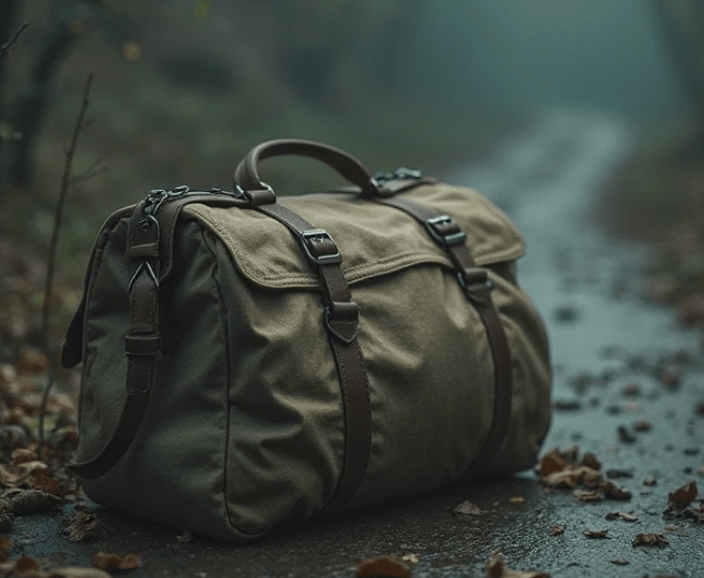
10. Bug-Out Bag

A bug-out bag is your go-to survival kit that should include everything you need to survive for at least 72 hours in a crisis. This should include water, food, medical supplies, fire-starting tools, and clothing, all packed in a durable, easy-to-carry bag. Recent political developments, such as civil unrest and the rising risk of natural disasters, have shown that being able to quickly evacuate your home is not just a smart move—it could be life-saving.


11. Mental and Physical Conditioning

Survival isn’t just about having the right gear—it’s also about being mentally and physically prepared to endure. Building physical strength, stamina, and mental resilience can help you handle the stress and strain that comes with survival situations. Whether it’s training for self-defense, practicing mindfulness, or strengthening your body through regular exercise, conditioning is crucial to maintaining a survival mindset.


11 Survival Prepper Tips

  1. Develop a comprehensive emergency plan – Include family members and ensure everyone knows the steps to take in case of evacuation or lockdown.
  2. Stay informed – Always monitor reliable news sources for updates on local and global crises.
  3. Learn essential survival skills – Learn how to forage, hunt, and fish; practice fire-starting and shelter-building.
  4. Create a bug-out plan – Know multiple escape routes and have a trusted destination in mind.
  5. Practice financial preparedness – Have cash on hand and precious metals for bartering in case the financial system collapses.
  6. Stockpile essentials – Think beyond food and water—get tools, batteries, and other long-term supplies.
  7. Communicate your plan – Share your emergency plans with loved ones and practice regularly.
  8. Strengthen community ties – Build relationships with neighbors and like-minded individuals who can help in a crisis.
  9. Stay fit and healthy – In an emergency, your health and stamina will be critical to your survival.
  10. Learn basic first aid – Knowing how to treat injuries and illnesses could save lives during a disaster.
  11. Have a backup energy source – Solar-powered tools and alternative energy sources will keep you off the grid.

Current Events Political Moments Impacting Prepping

Recent political events—from the chaotic withdrawal from Afghanistan to escalating tensions over inflation—serve as stark reminders of the instability in our world. Policies that affect energy, gun rights, and government intervention are all part of the equation when planning for a collapse. As government actions grow more unpredictable, self-reliance becomes more necessary for ensuring your future security.

Top Indiana Campsites Every Survival Prepper Needs to Know

As a survival prepper in Indiana, I know the importance of finding the right camping spots. Not just any campsite will do when you’re preparing for an emergency, wilderness survival situation, or just getting away to practice your skills in the wild. Indiana’s diverse landscape—from rolling hills and dense forests to clear rivers and lakes—offers countless opportunities for training, prepping, and getting that much-needed escape from the hustle and bustle of daily life.

Whether you’re prepping for a natural disaster, TEOTWAWKI (The End of The World As We Know It), or just learning new skills for your survival toolkit, finding the right places to camp is critical. The right site can provide solitude, resources, and perfect opportunities for training your skills, honing your wilderness survival techniques, and perfecting your bug-out strategy.

The following list of Indiana’s top 30 campsites isn’t just about packing up and getting some fresh air. It’s about honing your survival skills, getting accustomed to your gear, and testing your mental and physical toughness in a variety of environments that Indiana has to offer. From dense woods to riverside sites, these campsites are ideal for preppers who want to stay connected with nature and prepared for any situation.

1. Brown County State Park

Located in the heart of Indiana, Brown County is the largest state park in Indiana. With over 15,000 acres of forested hills, it’s an ideal spot for practicing bushcraft, setting up your tent, and testing your fire-starting skills. You’ll also find numerous hiking trails and potential natural resources to test your survival instincts.

2. Hoosier National Forest

Stretching across 202,000 acres, the Hoosier National Forest offers many opportunities to practice wilderness survival. There are several primitive campsites scattered throughout the forest, perfect for honing your skills in shelter building, navigation, and resource management.

3. Indiana Dunes State Park

If you’re interested in practicing survival near water, the Indiana Dunes State Park is one of the best locations. Its proximity to Lake Michigan offers unique challenges, such as managing coastal winds and understanding waterborne survival tactics. You’ll also find sand dunes and varied terrain to test your wilderness adaptability.

4. Shakamak State Park

This park is a great location for preppers who want to combine lake survival with forested terrain. Its three large lakes are excellent for testing your fishing, water purification, and boat navigation skills.

5. Morgan-Monroe State Forest

Morgan-Monroe State Forest is perfect for preppers seeking solitude. With dense woods and plenty of wildlife, it’s a prime spot to practice camouflage, trapping, and observation skills.

6. Raccoon Lake State Recreation Area

This area offers water access, which makes it ideal for practicing water purification and fishing. The surrounding forests also provide opportunities to work on shelter building and fire making.

7. Tippecanoe River State Park

Tippecanoe River is perfect for preppers who want to focus on water navigation and survival. With campsites along the river, you’ll be able to practice boat-based survival, fishing, and living off the land.

8. Cataract Falls

This is the perfect spot if you’re training in both water survival and bushcraft. The nearby falls offer a chance to practice water filtration techniques, while the woods give you a place to focus on shelter-building and finding edible plants.

9. Charles C. Deam Wilderness

This 13,000-acre wilderness area offers a true challenge to survivalists. With rugged terrain and dense forest, it’s a place where you can really push your limits when it comes to navigation, fire-making, and food sourcing.

10. Pokagon State Park

If you’re a prepper focused on winter survival, Pokagon is ideal. With its sledding hills and deep woods, you can practice fire-starting in cold weather and test your cold-weather camping gear in real-world conditions.

11. Spring Mill State Park

This state park offers a range of natural features that will test your prepper skills, from cave systems for exploring to rugged terrain and ample wildlife for hunting and trapping practice.

12. Versailles State Park

With its dense woodlands and large lake, Versailles is great for water survival and bushcraft practice. If you’re prepping for a natural disaster, this is an excellent place to practice emergency shelter-building and water purification.

13. Yellowwood State Forest

This is a secluded and serene place, perfect for honing wilderness survival techniques. With limited development, it’s a great spot to practice skills like fire building, finding shelter, and foraging.

14. Turkey Run State Park

Known for its stunning canyons and rock formations, this park offers an opportunity to practice rock climbing, navigating uneven terrain, and testing your mental toughness.

15. Clifty Falls State Park

This park provides rugged, forested terrain where you can practice shelter-building and navigate the more challenging sections of the park. The waterfalls are a good opportunity for water purification and filtering practice.

16. Lake Monroe

Located near Bloomington, Lake Monroe offers great spots for fishing and kayaking, making it a perfect spot to practice water navigation and aquatic survival. The surrounding forest provides ample space for bushcraft training.

17. O’Bannon Woods State Park

Perfect for practicing survival skills, O’Bannon Woods offers primitive campsites and miles of trails. There are also several caves in the area, great for exploring and learning about sheltering in natural formations.

18. Deer Creek Wildlife Management Area

With a variety of ecosystems, including wetlands and forests, this location is great for practicing both survival and wildlife tracking. It offers limited amenities, allowing for an authentic prepper experience.

19. Laurel Ridge

A great spot to work on both navigation and survival, Laurel Ridge offers rugged terrain and steep trails, providing a perfect challenge for any prepper looking to test their hiking endurance.

20. Patoka Lake

This lake provides a good balance of water survival skills and forest-based training. Practice fishing, boating, and shelter-building while being surrounded by rich natural resources.

21. Ferdinand State Forest

Perfect for advanced preppers, this state forest offers a variety of terrains for shelter-building and fire-starting, while also allowing for wildlife tracking and even hunting opportunities.

22. Chain O’ Lakes State Park

Chain O’ Lakes offers a unique experience for water-focused preppers, with its many interconnected lakes. It’s ideal for waterborne survival tactics and camping off the beaten path.

23. Hickory Ridge Campground

Located in Brown County, this site provides a quiet, secluded area for preppers to practice solo survival techniques and hone basic skills like fire-building, foraging, and fishing.

24. Redbird State Recreation Area

A well-known spot for off-roading, this area also provides many trails for hiking and testing your survival skills in dense woods, perfect for testing your navigation and tracking abilities.

25. Pine Hills Nature Preserve

Known for its rugged topography, Pine Hills is great for practicing extreme wilderness survival. With rocky cliffs and thick forests, this is the place to test your endurance and self-reliance.

26. Ridgeway State Forest

For preppers looking for seclusion, Ridgeway offers just that. The forest is perfect for practicing advanced survival techniques like shelter-building in harsh environments and finding food in less hospitable places.

27. Salamonie River State Forest

Another great river-based location, this area allows you to practice survival techniques related to water access, purification, and shelter building in varied terrain.

28. Twelve Mile Creek Park

Located in the western part of Indiana, this park is a great place for primitive camping and prepping. The dense woods and creek access offer great resources for prepping practice.

29. Kankakee River State Park

Kankakee River offers a chance to practice survival in wetland and water-heavy environments. The river is an ideal location for fishing, water purification, and testing the effectiveness of your survival gear in damp conditions.

30. Hickory Run State Park

For the ultimate prepper experience, Hickory Run offers dense forests and pristine lakes. It’s the ideal location for testing your wilderness survival knowledge, whether it’s winter camping or heat endurance.


Indiana’s campgrounds aren’t just for weekend getaways—they’re practical training grounds for any prepper worth their salt. Whether you’re building a bug-out bag, practicing water filtration, or learning how to identify local flora and fauna, these campsites give you the real-world practice you need to be ready for anything.

Bugging Out Gone Wrong and The Hidden Hazards You Can’t Afford to Ignore

As preppers, we plan for the worst-case scenario. We stockpile supplies, create bug-out bags, and rehearse evacuation plans. But in the heat of the moment, with panic and adrenaline running high, things can go terribly wrong. And if you’re not careful, even the best-prepared bug-out plan can quickly turn into a nightmare.

The truth is, there are hidden hazards when bugging out—dangers that many people overlook when creating their survival strategies. These aren’t just the obvious risks like bad weather, wild animals, or hostile individuals. The real threats are often things we don’t expect, the hazards that are easy to dismiss, but which can be just as deadly in a collapse situation.

The Hidden Hazards When Bugging Out

When the time comes to bug out, you need to be prepared for more than just getting from point A to point B. The hazards of the journey and survival in the wild can be numerous, and even the smallest oversight can lead to disaster. Let’s break down some of the often-forgotten risks that can make bugging out much more dangerous than you anticipate.


1. Overpacking Your Bug-Out Bag

Prepper Tip #1: Don’t overpack your bug-out bag. Focus on lightweight, high-utility items. Prioritize quality over quantity.

It’s easy to get excited and pack everything you think you’ll need, but this is one of the most common mistakes preppers make. A heavy, overstuffed bug-out bag can slow you down and wear you out faster than you think. You might be carrying extra weight that you don’t need, making it harder to move efficiently or even causing physical injury if you’re not used to carrying heavy loads over long distances.

When bugging out, your goal should be mobility and endurance. Focus on essential survival gear that serves multiple purposes. Choose lightweight, compact tools and space-efficient items that you can rely on. If your bag is too heavy, you’re less likely to reach your destination—and you’ll waste valuable energy and time.


2. Failing to Consider Terrain and Route

Prepper Tip #2: Scout multiple routes and plan for terrain challenges. Always have a secondary escape route.

When you’re bugging out, the route you take is just as important as the gear you carry. Terrain can be one of the most dangerous hidden hazards when you’re trying to escape from danger. You might think you know the land around you, but terrain can change drastically depending on weather, local geography, or even human interference.

Hiking through dense forests, crossing rivers, or scaling steep hills can take more time and energy than you anticipate. These challenges can not only delay your travel, but they can also exhaust you or lead to injury.

Tip: Plan your routes carefully. Avoid areas with difficult terrain, and always have a secondary route in case you run into unforeseen obstacles. When scouting, look for natural barriers like mountains or swamps that could either help you or hinder your progress, and always account for the distance and time it will take to travel through each area.


3. Not Taking into Account Wildlife Risks

Prepper Tip #3: Learn to identify dangerous wildlife and practice defensive tactics. Know which animals to avoid and how to deal with them.

Wildlife can be both a source of food and a deadly threat during a bug-out. In a survival situation, animals like deer, wild boar, and rabbits may seem like an easy food source, but you need to understand the dangers that come with interacting with wildlife. Dangerous animals—like bears, mountain lions, and wolves—can be an immediate threat if you’re not prepared to defend yourself.

Additionally, animals may carry diseases like rabies, ticks that spread Lyme disease, or parasites that can seriously affect your health. When bugging out, always be cautious of the wildlife in your surroundings. Keep a safe distance, avoid provoking animals, and know the proper defensive measures for any encounters.


4. Underestimating the Importance of Water Sources

Prepper Tip #4: Always carry a water filtration system and know how to purify natural water sources.

You can survive for weeks without food, but only a few days without water. That’s why ensuring you have access to clean, safe drinking water is one of the most critical components of a successful bug-out plan. Many preppers make the mistake of underestimating the importance of water sources and assume they’ll be able to find it when they need it.

While it’s true that there are plenty of natural water sources—rivers, streams, lakes, and springs—many of these are contaminated with bacteria, parasites, or harmful chemicals. Even if the water looks clean, it may still be unsafe to drink. Without proper filtration, you risk drinking contaminated water, which could lead to severe illness or even death.

Always carry a high-quality water filtration system in your bug-out bag, such as a LifeStraw or a portable water filter, and know how to purify water using boiling or chemical treatments if necessary.


5. Not Accounting for Food and Caloric Needs

Prepper Tip #5: Have high-calorie, lightweight food in your bug-out bag and know how to forage or hunt for more.

Food is another hidden hazard in the bug-out equation. While you may have a bug-out bag full of supplies, your food may not last as long as you think. Rationing becomes critical when you’re on the move for extended periods of time. And relying solely on packed food without considering the possibility of foraging or hunting can limit your options.

By the time you run out of food, you may find yourself stuck in an area with few edible plants or animals. Carry a variety of high-calorie, lightweight food items like energy bars, dried fruits, and trail mix. And make sure you have fishing gear or small game hunting tools like snares or traps to supplement your food supply.


6. Ignoring Medical Risks and First Aid

Prepper Tip #6: Always carry a comprehensive first aid kit and know basic wilderness medicine to treat injuries and illness on the spot.

In the wilderness, injuries or illnesses can escalate quickly. Without proper medical care, even a small cut or scrape can turn into a serious infection. Bugging out without a first aid kit is a critical mistake that could cost you your survival.

A well-stocked first aid kit is an essential part of your bug-out gear. Make sure it includes antibiotics, bandages, splints, painkillers, burn creams, and antiseptic wipes. Learn basic first aid skills like wound care, splinting fractures, and performing CPR.


7. Not Having a Good Shelter Plan

Prepper Tip #7: Pack portable shelter such as a tarp, emergency bivy sack, or tent to ensure a safe place to sleep each night.

When bugging out, you may not be able to find shelter right away. Building a fire and finding a place to sleep in the wild requires careful planning. If you don’t have a pre-made shelter, such as a tent or tarp, you may find yourself exposed to the elements, which can lead to hypothermia, dehydration, and exhaustion.

Plan ahead for shelter construction, and always have a weather-resistant shelter option that will keep you protected from the elements, particularly in colder climates.


8. Underestimating the Psychological Impact

Prepper Tip #8: Mentally prepare for the psychological stress of bugging out and have a plan to stay calm under pressure.

Bugging out isn’t just physically demanding—it’s mentally exhausting. The emotional toll of leaving your home, traveling through unfamiliar territory, and dealing with constant danger can be overwhelming. Fear, panic, and anxiety can cloud your judgment, leading to rash decisions or mistakes that could cost you dearly.

Prepare your mind as much as you prepare your body. Practice mindfulness, stress management techniques, and focus on staying calm in emergency situations. Keep a positive attitude and have a clear mental strategy for handling challenges along the way.


9. Misjudging the Threat of Hostile Individuals

Prepper Tip #9: Be aware of your surroundings and always be ready for potential conflict with other survivors.

In a post-collapse scenario, other people might pose a bigger threat than wildlife. Roving bands of hostile individuals, other desperate preppers, or even those who are simply unprepared could target you for your resources. These threats can escalate quickly if you’re caught off guard.

Be mindful of your surroundings, traveling in groups if possible, and keep defensive weapons at the ready. Always be prepared to handle a confrontation—either through negotiation or force if necessary.


10. Failure to Stay Low-Key and Stealthy

Prepper Tip #10: Move quietly and avoid drawing attention to your location. Stealth is your best defense against both nature and hostile individuals.

One of the best ways to avoid drawing attention to yourself is by moving quietly and subtly. Making noise or being too flashy with your gear can alert others to your presence, making you a target. Blend in with nature and stay as discreet as possible.


Conclusion

When bugging out, the hazards are everywhere. The obvious risks like wild animals or dangerous terrain are easy to spot, but it’s the hidden dangers that can be your undoing. From underestimating the psychological toll to failing to account for wildlife or terrain risks, you must consider every aspect of your survival strategy. By preparing for the unexpected, you can increase your chances of making it to safety and surviving long enough to rebuild.

Bugging out is a risky endeavor, but with careful planning and vigilance, you can minimize the threats and maximize your chances of success.

Stay smart. Stay prepared. Stay alive.

The Brutal Truth: Why Most Will Fail When SHTF

Imagine you’re planning a road trip for a week. You plot your route, book places to stay, pack meals, and maybe schedule a few scenic stops along the way. You’ve got a plan, and you’re feeling good about it.

Now imagine that trip doesn’t last a week… but a year. No hotels. No grocery stores. No running water. No gas stations. No internet. No police. Just you, your family, and whatever you can carry—or grow, build, and protect.

Could you survive it?

That’s not just a hypothetical. That’s a real possibility. And if you think it can’t happen, you’re already in danger.

When SHTF—and it will, sooner or later—your life won’t just change for a few days. It could change forever. Most people are prepping for the wrong timeline. They prepare for a blackout or a short-term emergency. But they’re not thinking long-term. They’re not ready for the hard truth: the collapse of society won’t have a set expiration date.


Why Most People Will Fail

The average person is prepping for a weekend storm, not for societal collapse. When the shelves are empty, the power grid fails, and law enforcement is overwhelmed or gone, most people will fall apart in less than 72 hours.

Why? Because survival isn’t just about stuff. It’s about mindset, adaptability, and skills. Most folks are comfortable and soft. They rely on systems they don’t control. And when those systems go offline, they freeze, panic, or turn dangerous.

You and I both know: survival is a lifestyle, not a hobby.


The Shift in Thinking That Saves Lives

Canned food, bottled water, a flashlight, and a pack of batteries might get you through a blizzard or a flood. Maybe even a week-long power outage. But what happens when that stockpile runs dry?

The real preppers—the ones who’ll survive—aren’t just storing supplies. They’re building skills. They’re thinking five, ten, twenty years down the road.

That’s the difference between short-term survival and long-term resilience.

Your ancestors didn’t stockpile snack packs and battery-powered lanterns. They lived off the land. They built what they needed. They fixed what broke. They worked with the seasons and respected nature. And they didn’t wait for someone else to save them.

If we want to survive when SHTF—really survive—we’ve got to reclaim that mindset.


10 Survival Prepper Tips for Long-Term SHTF Living

These aren’t just “nice to haves.” These are the skills and principles that will separate the survivors from the statistics.


1. Learn to Grow Your Own Food

Canned beans won’t feed you forever. Learn to plant, cultivate, and harvest. Start small: lettuce, tomatoes, beans, potatoes. Expand into seed-saving, composting, and year-round gardening.

Tip: Practice crop rotation and companion planting to maintain soil health and improve yields.


2. Master Water Collection and Purification

Clean water is non-negotiable. Store it, but more importantly—know how to find it and purify it. Streams, rainwater, dew traps—learn them all.

Tip: Keep multiple purification options on hand—boiling, filters, tablets—and practice using each.


3. Practice Food Preservation

Dehydrating, canning, fermenting, smoking, salting—learn how to stretch your harvest. Your food isn’t useful if it spoils before you can eat it.

Tip: Build a root cellar or create a cool, dry place for long-term storage.


4. Build Practical First Aid Skills

You won’t be calling 911 when you’re miles from help. Learn wound care, splinting, infection control, and herbal remedies.

Tip: Take a wilderness first aid course and stock your kits accordingly.


5. Strengthen Your Body

A weak body can’t hike, haul, build, or fight. Prepping isn’t about having six-pack abs—it’s about stamina, mobility, and resilience.

Tip: Include lifting, cardio, and real-world movements (chopping wood, carrying loads) in your fitness routine.


6. Hone Situational Awareness

The unprepared walk blindly into danger. You need to be alert—always. The more you notice, the safer you’ll be.

Tip: Practice the OODA loop (Observe, Orient, Decide, Act) until it becomes automatic.


7. Learn Basic Carpentry and Repair

When things break—and they will—you need to know how to fix them. Simple tools, strong hands, and know-how can save the day.

Tip: Focus on multi-purpose tools and basic mechanical skills like using hand drills, patching roofs, or fixing plumbing without modern parts.


8. Create Community (But Choose Wisely)

A strong community is a force multiplier. Lone wolves get exhausted. But beware: not everyone is an asset. Some are leeches—or worse.

Tip: Vet people now. Build trust slowly. Train together. Have clear plans for roles, barter, and defense.


9. Get Comfortable With Discomfort

Most people are addicted to comfort. But discomfort builds toughness. Sleep on the ground. Work in the rain. Get dirty.

Tip: Do at least one thing every month that pushes you out of your comfort zone. Cold weather drills. Off-grid weekends. No electricity challenges.


10. Commit to Lifelong Learning

Prepping is never “done.” The world changes. Threats evolve. Your skills need to grow. Read. Practice. Repeat.

Tip: Keep a “prepper journal” to track skills, failures, and lessons learned. Teach others—it reinforces your own knowledge.


It’s a Marathon, Not a Sprint

Most people will fail when SHTF because they never truly committed. They bought gear but didn’t train. They stored food but never grew it. They talked tough but stayed soft.

But you? You know better.

You’re training now—not just to survive, but to thrive. You’re building a future where your family doesn’t just get by… but stands strong, off-grid, self-reliant, and untouchable.

Prepping isn’t about fear—it’s about freedom.

Don’t be like most people. Think long-term. Build real skills. And when the world changes—you’ll already be ready for it.

Stay alert. Stay sharp. Stay free.


Texas Camping Survival Guide: Where Preppers Thrive

When it comes to preparing for an emergency or practicing your wilderness survival skills, few places offer as much diverse terrain, natural beauty, and tactical advantage as the state of Texas. Known for its vast open lands, unpredictable weather, and rugged landscapes, Texas is a top choice for preppers looking for camping sites that offer both isolation and the ability to hone vital skills. Whether you’re perfecting fire-starting techniques, building shelters, or learning to live off the land, finding the right campsite is crucial. In this article, we’ll dive into the 30 best camping sites across Texas that will test your survival instincts, push your skills to the limit, and offer peace of mind in your journey to self-sufficiency.

1. Big Bend National Park

This is the crown jewel of Texas wilderness. Located in the farthest reaches of West Texas, Big Bend offers a vast, remote location with desert, mountain, and river ecosystems. It’s perfect for anyone who wants to test their survival skills in extreme conditions. The park offers isolation, stunning views, and ample opportunities to practice wilderness navigation.

2. Guadalupe Mountains National Park

If you’re looking to practice shelter building in rugged terrain, this is your place. The Guadalupe Mountains boast some of the highest peaks in Texas, and you’ll find plenty of space for self-reliance exercises like water purification and firecraft.

3. Palo Duro Canyon State Park

Known as the “Grand Canyon of Texas,” this park is a great location for camping and prepper activities. The canyon’s landscape is perfect for understanding terrain features and wilderness survival techniques. There’s ample wildlife and a variety of environments, from high plains to canyon floors.

4. Caddo Lake State Park

Survivalists looking to practice swamp survival need to make a trip to Caddo Lake. This is an ideal spot for learning how to navigate wetlands, use aquatic resources, and gain experience in primitive shelter building.

5. Lake Livingston State Park

With its vast wooded areas and proximity to water, this park is an excellent choice for testing survival gear, setting up base camps, and learning to fish and forage in a lush, forested environment.

6. Texas Hill Country State Natural Area

This is a less crowded spot perfect for practicing basic survival skills such as wild edibles identification and fire-building in varied terrain. The remote location offers peace of mind and the solitude needed for serious prepper training.

7. Davy Crockett National Forest

For those seeking a forested environment, Davy Crockett National Forest provides a remote and tranquil setting perfect for testing your wilderness survival techniques. With a mix of thick forest and open areas, it’s great for learning to stay off the grid.

8. Chisos Basin Campground (Big Bend National Park)

A more sheltered location within Big Bend, the Chisos Basin offers high-altitude campsites with cooler temperatures, ideal for preppers who want to practice building fires in cold weather or experimenting with more challenging environments.

9. Government Canyon State Natural Area

Located just outside San Antonio, Government Canyon offers plenty of space for prepping activities. It’s a wonderful area for testing out your gear while hiking through varied landscapes and exploring more rugged, rocky terrain.

10. South Llano River State Park

South Llano River is ideal for preppers looking to practice water purification techniques and survival in riverine environments. The park also has areas that are perfect for testing navigation skills and wilderness survival.

11. Fort Richardson State Park

A historic site and a great place to practice your tactical skills while also exploring the remnants of Fort Richardson. Its varied landscape is perfect for scouting, shelter building, and testing survival strategies in different environments.

12. Inks Lake State Park

Situated on the shores of Inks Lake, this park offers the opportunity for survivalists to work on water-based survival strategies, fishing, and testing self-sufficiency. The lake also provides an important resource for purifying water.

CLICK HERE TO LEARN HOW TO SURVIVE A FAMINE

13. Bastrop State Park

Known for its beautiful pine forests, Bastrop State Park offers a more traditional forest environment for survivalists. It’s great for wilderness training, camping, and practicing primitive skills in the piney woods of East Texas.

14. Lake Mineral Wells State Park

This park is a popular spot for practicing land navigation, shelter building, and water purification, all while enjoying the tranquility of a lake surrounded by rugged terrain. It’s a solid spot for learning to live off the land.

15. Big Thicket National Preserve

A critical area for those seeking a challenge in wetland survival, Big Thicket offers dense forest and swampy areas. It’s perfect for preppers looking to develop skills related to tracking, foraging, and navigating dense underbrush.

16. Lost Maples State Natural Area

Ideal for preppers looking to explore more isolated, wooded environments, Lost Maples offers beautiful and challenging terrain that is great for survival exercises like food gathering, fire-making, and shelter construction.

17. Monahans Sandhills State Park

A unique environment made up of rolling sand dunes, this location is perfect for learning desert survival skills. Practicing water conservation and adapting to extreme heat are key lessons at Monahans Sandhills.

18. Colorado Bend State Park

For those looking for a diverse environment, Colorado Bend offers a mix of caves, river crossings, and rugged trails. It’s perfect for practicing land navigation and enhancing your survival kit in various challenging landscapes.

19. Big Bend Ranch State Park

A rugged, remote area where you can practice a range of survival skills. Whether you’re learning how to navigate desert terrain or live off the land in isolation, this park offers an excellent setting.

20. St. Edwards Park

St. Edwards provides a secluded space near Austin where survivalists can practice shelter building and foraging techniques. The varied terrain of woods and creeks adds to the experience.

21. Caprock Canyons State Park

Great for those who want to test their navigation and survival skills in arid, rocky terrain, Caprock Canyons offers isolation and a range of opportunities for survival training.

22. Lake Arrowhead State Park

Located in North Texas, this park has wooded areas perfect for testing shelter-building and wilderness skills. The nearby lake provides ample fishing and water purification opportunities.

23. Purtis Creek State Park

This park offers a blend of forest and lake environments, providing plenty of chances to test different survival skills, including shelter building, water purification, and even animal tracking.

24. Devil’s River State Natural Area

One of the most isolated spots in Texas, Devil’s River is perfect for those who want to practice true wilderness survival in an unforgiving environment. It’s an excellent location for water purification and fishing.

25. Tyler State Park

With a mixture of pine forests and clear water lakes, Tyler State Park offers excellent opportunities for learning to navigate difficult terrain and practice water-based survival.

26. Briarwood Nature Preserve

For a less-traveled location, Briarwood offers a quiet, undisturbed environment perfect for practicing survival skills and camping off the grid in solitude.

27. Huntsville State Park

A combination of dense forest and scenic lakes makes Huntsville State Park a great location for testing gear, learning bushcraft, and practicing wilderness survival tactics.

28. Mother Neff State Park

As one of the oldest state parks in Texas, Mother Neff offers preppers an opportunity to enjoy a remote setting perfect for small-scale survival training like fire-making, shelter building, and water sourcing.

29. Lockhart State Park

Known for its historic charm, Lockhart is a great site for preppers who are looking to hone their skills in less challenging, but still realistic, Texas terrain.

30. Sabine National Forest

For those who want a real challenge, Sabine National Forest offers rugged trails and a mix of dense woods and swampland. It’s ideal for testing water purification methods, fire-starting, and overall survival in diverse environments.

Prepper’s Playbook for Surviving Kansas Disasters: Essential Tips and Tricks

As a Kansas prepper, I’m sure you’re familiar with the relentless forces of nature that can strike this state at any moment. Kansas is a land of extremes — from scorching heatwaves and blizzards to flooding rains and tornadoes. The unpredictable weather and frequent severe storms make it a necessity for every Kansan to be ready for anything. In this guide, I’ll dive into how residents of Kansas prepare for the worst natural disasters and provide you with practical tips to survive and thrive when Mother Nature decides to wreak havoc.

Tornadoes: The Kansas Menace

Tornadoes are the most feared and frequent natural disaster in Kansas. In fact, Kansas is part of what is often referred to as “Tornado Alley,” where conditions are ripe for violent storms that can produce deadly twisters. When it comes to tornado preparedness, knowing what to do and being equipped can mean the difference between life and death.

Tornado Prep Tips:

  1. Have a Plan: Every family member needs to know exactly what to do in the event of a tornado. This includes where to take shelter (a basement or interior room on the lowest level of the house, away from windows), what to take with you (such as a flashlight, portable radio, and a first-aid kit), and how to communicate during a disaster.
  2. Storm Shelter or Safe Room: If possible, invest in a storm shelter or create a designated safe room within your home. A small, windowless room in the center of your house can serve as a refuge from flying debris.
  3. Weather Radio: Keep a battery-operated weather radio on hand to stay updated on tornado warnings. Many radios have a NOAA weather band that broadcasts continuous weather alerts and emergency information.
  4. Know the Signs: Familiarize yourself with the signs of a tornado — dark, greenish skies, large, low-hanging clouds, and a loud, continuous roar. If you spot these signs, take immediate shelter.
  5. Emergency Kit: Always have an emergency kit ready with essentials such as water, non-perishable food, a first-aid kit, flashlight, batteries, and medications. If you have pets, include supplies for them as well.

Flooding: The Silent Danger

While tornadoes may steal the spotlight, floods are also a major threat to Kansas residents, particularly in low-lying areas and places near rivers. Heavy rain from thunderstorms, snowmelt, or even spring rains can cause flash floods that come on suddenly and with little warning.

Flood Prep Tips:

  1. Know Your Flood Zone: If you live near a river, creek, or in a low-lying area, you may be in a flood zone. Check FEMA flood maps to see your flood risk and take the necessary steps to protect your property.
  2. Elevation Matters: Elevate critical items like electrical systems, HVAC units, and appliances above potential flood levels. If you live in a flood-prone area, consider installing sump pumps and barriers to help prevent water from entering your home.
  3. Emergency Alerts: Set up FEMA and local weather alerts on your phone to receive warnings about flash floods or rising water.
  4. Evacuation Plan: If you live in a flood zone, have an evacuation plan that includes multiple routes to higher ground. Know where the nearest shelters are located and have a “go-bag” ready with essential supplies.
  5. Stay Away from Water: Never attempt to drive through floodwaters. The force of the current is often stronger than it appears, and it can sweep you away in seconds.

Winter Storms: Frozen Fury

Kansas winters can be brutal, with snowstorms, freezing rain, and bone-chilling temperatures. Winter weather can create hazardous driving conditions, power outages, and increase the risk of hypothermia.

Winter Storm Prep Tips:

  1. Stockpile Essentials: During winter months, ensure you have enough food, water, and heating fuel to last for at least three days. Keep extra blankets, warm clothing, and gloves on hand.
  2. Vehicle Preparedness: Keep your car winter-ready by having snow tires, jumper cables, extra blankets, and a first-aid kit in your vehicle. Also, check the battery, tires, and antifreeze levels regularly.
  3. Generator: If power outages are common in your area, invest in a backup generator to keep essential appliances running. Make sure to have extra fuel on hand and keep the generator outdoors to avoid carbon monoxide poisoning.
  4. Winterize Your Home: Insulate your pipes and check your heating systems before the cold sets in. Make sure your roof is in good shape to handle heavy snow.
  5. Winter Survival Kit: Keep a winter survival kit in your car, including a shovel, ice scraper, blankets, non-perishable food, and a flashlight.

Extreme Heat: Kansas Sun’s Scorched Earth

Kansas summers can be unforgiving, with intense heat waves that can push temperatures into the triple digits. Extreme heat can lead to dehydration, heatstroke, and wildfires if left unchecked. Preparation is key to surviving the intense heat waves.

Heatwave Prep Tips:

CLICK HERE TO LEARN HOW TO SURVIVE A FAMINE

  1. Stay Hydrated: Always carry water with you and stay hydrated throughout the day, especially during extreme heat. Avoid alcohol and caffeine, which can dehydrate you.
  2. Cooling Centers: If your home doesn’t have air conditioning, know where the nearest cooling centers are located. Many public buildings and libraries offer free refuge during hot spells.
  3. Heat-Resistant Clothing: Dress in lightweight, light-colored clothing to help reflect the sun’s heat. A wide-brimmed hat and sunscreen are essential for protecting yourself from the sun.
  4. Limit Outdoor Activity: Avoid outdoor activities during the hottest part of the day (usually 10 a.m. to 4 p.m.). If you must go outside, take frequent breaks in the shade and drink plenty of water.
  5. Wildfire Prevention: Be mindful of fire risks during dry spells. Keep brush and trees around your property trimmed and clear. Create a defensible space by removing dead vegetation and keeping your lawn hydrated.

Earthquakes: The Unseen Threat

Though not as common in Kansas as other disasters, earthquakes are still a possibility, particularly along the Kansas-Oklahoma border. A major earthquake could cause significant damage, especially to infrastructure and buildings that aren’t built to withstand seismic activity.

Earthquake Prep Tips:

  1. Secure Heavy Objects: Anchor heavy furniture, appliances, and other items that could topple during an earthquake. Use safety straps and place heavier items on lower shelves.
  2. Emergency Kit: Make sure your emergency kit includes basic supplies like food, water, first-aid materials, and tools to shut off utilities like gas and water.
  3. Know How to Drop, Cover, and Hold On: Practice earthquake drills with your family. Drop to the ground, take cover under a sturdy piece of furniture, and hold on until the shaking stops.
  4. Check for Structural Safety: Ensure your home is properly secured to its foundation and that the building materials can withstand minor shaking.
  5. Have a Family Communication Plan: Earthquakes can disrupt power and phone lines. Make sure each family member knows how to reach others using alternative methods like text messaging or social media.

As a Kansas prepper, being prepared for the worst can make all the difference in surviving the state’s unpredictable natural disasters. From tornadoes to floods, winter storms to heatwaves, knowing what to do in each scenario — and having the right gear and plans in place — can save your life. Remember, it’s not about living in fear, but about being smart, vigilant, and ready for whatever comes our way.

Stay safe, stay prepared, and stay strong, Kansas!