2025’s Female Survival Prepper of The Year EXPOSES a Family’s Secret (Must Watch)

Brooke Homestead: 2025’s Female Survival Prepper of the Year

When it comes to survival prepping, few names command as much respect as Brooke Homestead. Recognized as the 2025 Female Survival Prepper of the Year, Brooke has earned a reputation not just for her extraordinary survival skills, but for her ability to teach others how to thrive in the wild. Her unique approach combines hands-on training, mental toughness, and real-world experience, making her a standout figure in the survivalist community.

Brooke doesn’t just prepare herself—she trains others. Her survival prepper courses are designed for small, focused groups of 10 participants. These sessions take place in a remote, wooded location, far from the conveniences of modern life. Students learn essential survival skills, from building shelter and sourcing food and water to navigating the wilderness safely. Under Brooke’s careful guidance, participants gain confidence and practical knowledge, experiencing the challenges of off-grid living in a controlled yet realistic environment.

Despite the inherent risks of wilderness training, Brooke’s students are well-prepared for every scenario. Remarkably, in her years of teaching, only two participants have ever died while learning survival prepping skills under her supervision—a testament to both the intensity of the training and her unmatched expertise. Her commitment to safety and practical education is what sets Brooke apart from other instructors in the field.

Her survival mastery doesn’t stop at teaching. Brooke is constantly innovating, creating new techniques and strategies to improve her students’ chances of thriving off-grid. Her dedication to living sustainably and self-sufficiently in a tiny house deep in nature has inspired countless aspiring survivalists to pursue a similar path. Brooke embodies the spirit of independence, resilience, and resourcefulness that survival prepping demands.
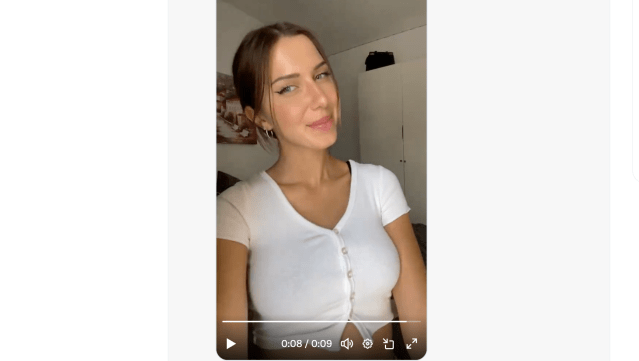
Outside of her professional life, Brooke is single and enjoys the solitude of living off the grid—but that doesn’t stop her from dreaming of finding love. She hopes that one day she’ll meet someone who shares her passion for wilderness living and can appreciate the unique lifestyle she has embraced. Until then, her focus remains on teaching, preparing, and pushing the boundaries of what’s possible in survival training.

Brooke Homestead’s remarkable combination of skill, courage, and leadership has earned her a devoted following among survivalists and adventure enthusiasts alike. Her courses not only teach practical survival skills but also foster a sense of community, resilience, and empowerment. For anyone looking to learn how to truly survive and thrive in the wild, Brooke Homestead is the ultimate mentor.

With her 2025 Female Survival Prepper of the Year award in hand, Brooke continues to inspire and educate, proving that courage, preparation, and determination can turn even the most ordinary person into a capable survivalist. Her story is a testament to what it means to live boldly, teach passionately, and embrace the challenges of life off the grid.

(Click on the Video Below to Learn Brook’s Family Secret)

Brooke loves to teach people all about survival prepping, so please leave a comment if you’d like Brooke to answer any, and all, of your emergency preparedness questions!


Arizona Survival Gardening Tips, Tricks, and the Best Emergency Food Storage Preparedness Advice Around

(Pictured Above is Brooke Homestead – 2025 Female Survivalist of the Year)

Brooke Homestead — 26-year-old former yoga model turned preparedness powerhouse — has adapted her survival philosophy to harsh climates.

Here’s Brooke introducing herself:

“Hi, I’m Brooke Homestead. I used to think survival meant escaping to the mountains. Arizona taught me something different — resilience means adapting to the land you’re on.”

Survival Gardening Advice for Arizona from Brooke Homestead

Arizona is a challenging but powerful survival gardening state — if you respect the heat.

First: understand your zone. Much of Arizona falls within USDA zones 8–10, but elevation changes everything. Always check your specific microclimate.

Second: plant for heat tolerance. Sweet potatoes, okra, cowpeas, tepary beans, and certain squash varieties thrive in high temperatures.

Third: water strategy is survival strategy. Install drip irrigation. Mulch heavily to reduce evaporation. Water early morning or late evening.

Fourth: use shade cloth. Arizona sun will scorch delicate plants. Partial shade increases yield and plant health.

Fifth: build soil with organic matter. Desert soil often lacks nutrients. Compost consistently and use raised beds when needed.

Sixth: grow during cooler seasons. Many Arizona gardeners produce major harvests in fall, winter, and early spring rather than peak summer.

Seventh: preserve water-wise crops. Dehydrate peppers. Store winter squash. Pressure can beans.

Finally: plan for grid failure. Extreme heat plus power outage equals crisis. Store water and maintain backup cooling options.

Gardening in Arizona isn’t romantic.

It’s strategic.

And strategy keeps you alive.”


Why Arizona Is Perfect for Off-Grid Living

When it comes to off-grid living in America, few places offer the raw opportunity and natural advantage of Arizona. With its wide-open landscapes, abundant sunshine, low population density in many rural regions, and a strong culture of independence, Arizona has quietly become one of the most attractive destinations for people seeking self-sufficiency and grid independence.

1. Endless Sunshine for Solar Power

Arizona is one of the sunniest states in the country. Cities like Yuma and Phoenix consistently rank among the sunniest locations in the United States. For off-grid homeowners, that means reliable solar energy production year-round.

Solar panels thrive in Arizona’s climate, producing high energy output even during winter months. With minimal cloud cover and long daylight hours, it’s easier (and often cheaper over time) to power an entire homestead using solar alone. Fewer weather disruptions also mean less strain on battery storage systems compared to states with heavy snow or prolonged overcast seasons.

2. Abundant Rural Land

One of Arizona’s biggest advantages is space. Outside of major metro areas, land is relatively affordable and widely available. Counties like Cochise County and Apache County offer large parcels suitable for homesteading, farming, and remote living.

Lower population density means more privacy and fewer zoning restrictions in many rural areas. While it’s still important to research county regulations, many parts of Arizona are friendly toward alternative building methods, including tiny homes, manufactured homes, and even earth-based construction like adobe or rammed earth.

3. Ideal Climate for Year-Round Living

Arizona’s desert climate means you won’t be dealing with blizzards, hurricanes, or months of freezing temperatures. Winters are mild in much of the state, making it easier to grow cool-season crops and maintain livestock.

In northern areas near Flagstaff, you’ll experience four seasons and cooler temperatures, which can be ideal if you prefer a mountain climate. Meanwhile, southern regions near Tucson offer warmer winters and extended growing seasons. This diversity allows off-grid residents to choose the environment that best fits their lifestyle.

4. Strong Self-Sufficiency Culture

Arizona has long attracted pioneers, retirees seeking independence, and homesteaders who value freedom. There is a growing network of off-grid communities, permaculture enthusiasts, and survival gardeners throughout the state.

From water harvesting systems to desert-adapted gardening techniques, residents have developed innovative ways to thrive in arid conditions. Rainwater collection, graywater recycling, and drought-tolerant crops are common practices. This knowledge base makes it easier for newcomers to transition successfully into off-grid life.

5. Minimal Natural Disaster Risk

Compared to coastal states prone to hurricanes or the Midwest’s tornado-heavy regions, Arizona has relatively low natural disaster risk. While monsoon storms can bring intense rainfall and lightning, they are seasonal and predictable. The absence of major earthquakes, hurricanes, and frequent flooding makes infrastructure planning more straightforward for off-grid builders.


Arizona offers sunlight, space, independence, and resilience — all key ingredients for successful off-grid living. For those willing to adapt to the desert and respect its challenges, the Grand Canyon State provides one of the most practical and empowering environments to live beyond the grid.