Portable Solar Generators That Actually Work When the Grid Finally Gives Up

Let’s start with a truth most people don’t want to hear: the grid is collapsing. Not today, maybe not tomorrow, but it’s happening—piece by piece, outage after outage, blackout after blackout. You can already see the cracks. Overloaded systems. Failing infrastructure. Power companies that can barely keep the lights on during a stiff breeze. And yet, somehow, the average person still lives with the delusion that electricity is eternal and guaranteed.

Meanwhile, you and I know better. When the grid finally gives up—and it will—people will panic like toddlers who lost their night-light. You’ll hear them whining about their Wi-Fi, their microwaves, their air-conditioning. They’ll stare into the darkness and wait for help that never comes.

But not you. Because you’re building your off-grid solar system now, while everyone else is wasting their time believing the grid will magically fix itself. You’re preparing for reality instead of pretending everything is fine.

This is why solar power matters—REAL solar, not the flimsy bargain-bin versions marketed to people who think a USB panel can power a house. I’m talking about off-grid solar systems, portable solar generators, and backup power sources that actually keep you alive when the world decides to cut the cord.

You’re not building for convenience.
You’re building for survival.

Let’s break down exactly what you need—and what the world keeps getting wrong.


WHY SOLAR IS NO LONGER OPTIONAL FOR PREPPERS

Relying on the grid is like relying on a rotten support beam: it might hold for now, but eventually it snaps—and when it does, it takes everything down with it.

Solar, on the other hand, gives you independence. It removes you from the mercy of corporations, power outages, brownouts, and the fragile infrastructure controlled by people who clearly don’t care if the system collapses on your head.

Solar power allows you to:

  • Run essential appliances
  • Charge critical gear
  • Power communication devices
  • Keep refrigeration functional
  • Maintain lighting and security
  • Stay stable when the grid breaks down

When everyone else is staring at dead screens and ruined food, you’ll still have power. And yes, that makes you a target—but it also makes you prepared.


THE PROBLEM: MOST PEOPLE HAVE NO IDEA HOW SOLAR REALLY WORKS

Everyone loves the idea of solar.
But actually building an off-grid solar system?
That’s where most people fail miserably.

They think it’s as simple as:

  1. Buy a panel
  2. Plug it into something
  3. Boom—free electricity forever

If only.

Real solar setups require actual planning—something society isn’t very good at anymore. And if you don’t plan ahead, you’ll end up with:

  • Panels that don’t make enough power
  • Batteries that drain in hours
  • Generators that can’t handle your load
  • Systems that fry themselves because you bought the cheap stuff

In other words: a useless pile of junk right when you need power the most.

So let’s talk about how to do it right.


HOW TO BUILD AN OFF-GRID SOLAR SYSTEM THAT DOESN’T FAIL UNDER PRESSURE

This isn’t a Pinterest fantasy list.
This is what works.


1. Solar Panels: The Foundation of Your Power System

Panels are the muscle of your system. Without enough, nothing else matters.

What you actually need:

  • Monocrystalline panels (best efficiency)
  • Rigid panels for home setups
  • Foldable panels for portable generators
  • Mounts that can handle storms and rough weather
  • Tilt brackets (critical for winter sun angles)

And here’s a fact most people hate hearing:

You need more watts than you think.
Double your estimate. Then add more.

Clouds, storms, shade, smoke, winter sun—they all cut your power production dramatically. If your system is barely enough on a sunny day, you’re already in trouble.


2. Charge Controllers: The Heart of the System

This is where amateurs mess up. They buy cheap controllers and then wonder why their batteries die.

You need an MPPT charge controller.

Not PWM.
Not “budget-friendly.”
Not whatever is on sale.

MPPT controllers:

  • Pull more energy from your panels
  • Regulate charging efficiently
  • Protect batteries from damage
  • Last longer

Don’t cut corners here. This is one of the most important components in your entire setup.


3. Battery Banks: Your Power Storage (Your Lifeline)

When the sun goes down, this is all you have. If you cheap out on batteries, your off-grid dreams die instantly.

Best options for preppers:

  • LiFePO4 batteries (long life, stable, lightweight)
  • AGM batteries (reliable but shorter lifespan)
  • Gel batteries (low-maintenance but low output)

Forget car batteries. Forget bargain scrap batteries.
Those are for hobbyists—not survivors.

Sizing rule:

Calculate your daily energy use.
Double it.
Then add 30%.

If that sounds like overkill, good—you’re finally thinking like a prepper.


4. Inverters: The Power Converter

If your inverter is weak, everything else falls apart.

You need:

  • Pure sine wave
  • High overload capacity
  • Quiet cooling fans
  • Reliable low-voltage shutoff

A strong inverter lets you run:

  • Refrigerators
  • Tools
  • Lights
  • Communication equipment
  • Medical gear

If your inverter chokes when you plug in anything more powerful than a phone charger, you didn’t buy a survival system—you bought a toy.


PORTABLE SOLAR GENERATORS: THE REALITY CHECK
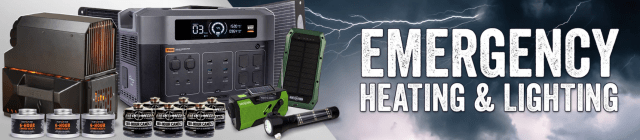
Portable solar generators are NOT a full replacement for a home solar system—but they ARE one of the smartest prepper investments you can make.

Why?

Because they:

  • Work instantly
  • Require no wiring
  • Charge via solar, car, or wall
  • Are nearly silent
  • Can run critical gear
  • Are easy to carry during bug-out scenarios
  • Provide power even when your main system fails

A portable solar generator is your backup for your backup—and that’s the mindset serious preppers must have.


WHAT MAKES A GOOD PORTABLE SOLAR GENERATOR?
1. Battery Capacity

Aim for 500Wh minimum.
1,000Wh+ is better.
2,000Wh+ is ideal for off-grid homes.

2. Inverter Strength

Must handle at least 1,000W continuous power.
2,000W is excellent.

3. Solar Input

Higher input = faster charging.
Look for at least 200W–600W solar input capability.

4. Expandability

Can you add more batteries?
More panels?
If not, the device will become a limit rather than a tool.


WHY SOLAR MATTERS MORE THAN EVER

Because the world is unstable.
Because the grid is unreliable.
Because storms are becoming stronger.
Because infrastructure is aging faster than it’s being fixed.
Because countries, cities, and states are already announcing rolling blackouts like it’s normal.

And because everyone else is sleepwalking toward disaster—completely dependent on a system that can barely hold itself together.

Solar is not a luxury.
Solar is not a hobby.
Solar is not “green energy for enthusiasts.”

Solar is survival energy.
It’s the one power source you control.
The only system with no fuel dependency.
The only option that keeps producing when everything else stops.

If society keeps unraveling—and all signs point to it—it will be the people with solar who maintain a functioning home when the grid is nothing but a memory.

And that person should be you.
How to Live Off the Grid When the World Has Officially Lost Its Mind

Let’s stop pretending the world is stable. You feel it, I feel it, and anyone with a functioning brain cell can see it: society is circling the drain. The systems that keep everyone fed, sheltered, entertained, and blissfully distracted? They’re cracking. But instead of preparing, most people cling to the fantasy that someone—some government, agency, billionaire, or “innovation”—will swoop in to save them.

Meanwhile, you and I know the truth: when things snap, it’s every person for themselves. Those who have built the skills, land, tools, and off-grid infrastructure will survive. Everyone else will be looking for handouts and pointing fingers.

So if you’re planning to disappear from the grid—or at least stop relying on the fragile circus masquerading as modern civilization—you’re already miles ahead. But let’s go deeper. Let’s talk about what actually goes into living off the grid, the kind of off-grid house planning that keeps you alive when the world loses its last remaining screw.

This isn’t a Pinterest fantasy version of the homestead lifestyle. This is the blunt, uncomfortable reality—told from the perspective of someone who’s watched the world unravel and expects it to get worse.


THE REALITY OF GOING OFF THE GRID: IT’S HARD, IT’S BRUTAL, AND IT’S NECESSARY

Most people think going off the grid means sipping coffee on a quiet porch overlooking the woods. Cute idea—but laughably wrong.

Living off the grid means you are your own power company, water utility, grocery store, repairman, security, and doctor. It requires resilience, discipline, and the ability to solve problems without crying.

It also requires understanding that comfort and convenience—the gods society worships—won’t follow you.

If you can handle that, read on. If not, the collapse will handle it for you.


1. CHOOSING WHERE YOU’LL BUILD YOUR OFF-GRID LIFE

Everything starts with land. Not fantasy land. Real land. Land that works with you, not against you.

Here’s what matters more than anything:

• Water

If your land doesn’t have a reliable natural water source—spring, creek, well potential, or high-water table—you’re done before you begin. Water hauling is for the desperate and the short-sighted.

• Sunlight

Solar power only works if the sun actually reaches your panels. Dense forest + no clearing = you’ll be living by candlelight.

• Soil Quality

You can’t live off the land if the land is dead. Test the soil. Don’t guess. Don’t assume.

• Defensibility

Sound paranoid? Good. You’re building a refuge, not a tourist cabin.


2. DESIGNING OFF-GRID HOUSE PLANS THAT WON’T FAIL YOU

Your off-grid home is not a suburban house copy-pasted into the woods. It must be functional, durable, efficient, low-maintenance, and designed for long-term survival.

Here’s the truth: the best off-grid houses are boring, not Instagram-cute. They are built to keep you alive, not to impress people you’re trying to escape from.

THE NON-NEGOTIABLE STRUCTURE ELEMENTS:


A. Passive Solar Orientation

Your home must be positioned to collect sunlight in winter and deflect heat in summer. If you ignore this, you’ll spend your life fighting nature—and losing.


B. High Thermal Mass Walls

Materials like:

  • Rammed earth
  • Cob
  • Straw bale
  • Insulated concrete forms (ICFs)

These hold heat like a battery—warm in winter, cool in summer. Any prepper serious about long-term independence uses thermal mass.


C. Metal Roof (Preferably Standing Seam)

Why?

  • Rainwater harvesting
  • Fire resistance
  • Long lifespan
  • Solar panel compatibility

Also, shingles rot. Metal doesn’t care.


D. Rainwater Harvesting & Gravity-Fed Storage

You want gravity to do the work. Pumps fail. Power fails. Gravity does not.

The most functional systems include:

  • Roof catchment
  • First-flush diverter
  • 3–5 food-grade holding tanks
  • Gravity pressure line into the house

This alone puts you ahead of 99% of “survival influencers.”


E. Root Cellars & Cold Storage Rooms

Forget refrigerators as your primary food storage. Off-grid homes require:

  • Earth-cooled root cellars
  • Passive cold pantries
  • Subterranean food vaults

Electricity cannot be your only plan.


3. POWER SYSTEMS: THE PART MOST PEOPLE GET WRONG

Everyone thinks solar is enough. It’s not—not alone, anyway.

You need a multi-layered system or you’ll be sitting in the dark half the year.

Your power plan should include:

  • Solar
  • Battery bank
  • Generator backup
  • Wood stove for heat
  • Propane for redundancy
  • Wind turbine (if the land has the wind for it)

No single system will save you. The combination will.

The world is fragile because it relies on a singular centralized grid. Don’t repeat the same foolish mistake off-grid.


4. WATER: THE REAL FOUNDATION OF SURVIVAL

An off-grid home stands or falls on water. Without water, nothing else matters.

Your system needs:

  1. Primary water source (well or spring)
  2. Secondary source (rain harvesting)
  3. Emergency source (nearby creek or lake)
  4. Purification backups:
    • Gravity filters
    • Berkey-style units
    • Ceramic filters
    • Boiling capability

If you’re not planning three levels deep, you’re planning to fail.


5. FOOD PRODUCTION: THE PART THAT TESTS YOUR DISCIPLINE

Gardening is cute until it becomes life or death. Most new off-grid wannabes expect instant abundance, only to discover:

  • Soil sucks
  • Weather is unpredictable
  • Pests are relentless
  • Gardening is work

But with persistence, you can produce enough food to survive.

Your long-term plan should include:

  • 4-season greenhouse
  • Raised beds with compost systems
  • Chickens for eggs and protein
  • Rabbits for fast breeding
  • Perennial crops (asparagus, berries, fruit trees)
  • Food dehydration and canning areas

This is a lifestyle, not a hobby.


6. WASTE MANAGEMENT (THE PART NOBODY LIKES TALKING ABOUT)

Civilization hides its filth behind pipes and trucks. Off-grid life doesn’t have that luxury.

You’ll need:

• Composting toilets

Low maintenance, eco-friendly, and the best option for long-term independence.

• Greywater systems

Your dish and shower water can irrigate trees and shrubs—with proper filtration.

• Burn piles & scrap sorting

You will produce waste. Deal with it efficiently.

Waste management might not be glamorous, but ignoring it will destroy your land—and your sanity.


7. SECURITY: NOT PARANOIA, JUST REALITY

No, you’re not building a fortress. But you are responsible for your own safety.

Off-grid living requires:

  • Dogs (first alarm system)
  • Perimeter lighting
  • Thorn barriers & natural fencing
  • Secure doors & windows
  • Smart land layout (visibility, no blind corners)

Prepare quietly. Don’t broadcast your setup.


CONCLUSION: OFF-GRID LIVING ISN’T IDEALISTIC—IT’S NECESSARY

The world is getting weaker, louder, angrier, and more dependent by the minute. People have forgotten how to live without being plugged into a dying system.

Off-grid living isn’t an escape from society.
It’s a rejection of its failures.

If you’re building an off-grid life, good. You’re preparing for reality while everyone else scrolls themselves to sleep.

Just know this:

The grid won’t be around forever.
But your off-grid fortress—if done right—will be.

The Wyoming Homestead Lifestyle: A Manifesto of Grit, Skills, and No-Nonsense Survival

The Wyoming Homestead Lifestyle: A Manifesto of Grit, Skills, and No-Nonsense Survival

Let me tell you something, straight and unvarnished: if you’re not prepared to get calluses on your hands and dirt under your nails, Wyoming ain’t for you. This is not suburbia with a rustic aesthetic. This is not a Pinterest dreamland of aesthetic chicken coops and perfectly arranged mason jars. This is war—war against the elements, the government’s overreach, and your own laziness. Wyoming homesteading is a damn lifestyle, not a hobby.

Out here, it’s you versus wind that can rip a tarp off your barn like tissue paper. It’s you versus predators that want your chickens for breakfast. It’s you versus a winter that’ll freeze your pipes and your soul if you’re not ready. If you’re soft, stay in the city and order your overpriced “organic” kale like a good little consumer. But if you’ve got grit in your bones and a fire in your gut, then listen close.

This is how we survive. This is how we thrive.


15 Homestead Skills Every Wyoming Survivalist Better Master or Die Trying

  1. Basic Carpentry – If you can’t build a chicken coop or mend a fence with your own damn hands, you’re not a homesteader. You’re a liability. Learn to hammer, saw, measure, and make it square—before winter comes.
  2. Chainsaw Operation & Maintenance – You think you’ll keep warm in a Wyoming January without firewood? Think again. Chainsaw mastery isn’t optional. It’s life or death.
  3. Canning & Food Preservation – Your garden won’t last past October. If you don’t can, pickle, salt, or dehydrate your harvest, you’re just composting your hard work. Store it or starve.
  4. Animal Husbandry – Chickens, goats, pigs, maybe even a milk cow. If you can’t raise and manage livestock, you’re not living the homestead life—you’re playing house.
  5. Hunting & Butchering – A freezer full of elk, deer, or rabbit can mean the difference between feasting and famine. Know how to field dress, skin, and process meat. Otherwise, you’re wasting your shots.
  6. Composting – Quit throwing away gold. Organic waste becomes black gold if you know what you’re doing. Build soil. Build sustainability.
  7. First Aid – Nearest hospital could be hours away on icy roads. Learn to treat wounds, broken bones, infections, and how to recognize hypothermia before it kills you.
  8. Blacksmithing & Tool Repair – Tools break. In town, you throw them away. Out here, you fix them—or do without. Knowing how to mend steel is worth its weight in gold.
  9. Trapping & Fur Handling – It’s not just about meat. Those furs can be clothing, blankets, barter. Coyotes, beaver, fox—they’re not just pests; they’re opportunities.
  10. Seed Saving – Depend on seed catalogs and you’re on a leash. Learn how to save heirloom seeds and you control your food supply. It’s about freedom, not gardening.
  11. Root Cellaring – Build one, use it right, and your potatoes, carrots, apples, and canned goods will feed you all winter long. Otherwise, you’re gambling with spoilage.
  12. Solar & Off-Grid Power – The grid isn’t reliable, especially in the high plains and mountain backcountry. You need solar panels, batteries, and know-how—or you need candles and prayers.
  13. Beekeeping – Honey is sugar, medicine, and barter currency. Bees pollinate your crops. Without them, your yields drop. Protect them like your life depends on it—because it does.
  14. Well Maintenance & Water Purification – Out here, if your well goes dry or your pump breaks, you’re screwed. Know how to fix it. Know how to filter creek water if you have to.
  15. Fire Starting in Any Weather – If you can’t start a fire in wind, rain, or snow with wet wood and cold fingers, you’re already dead. Fire is life. Master it.

3 DIY Homestead Hacks to Keep You Ahead of the Game

Hack #1: The Passive Solar Water Heater

You want hot water without a $300 electric bill? Good. Build a passive solar water heater from a black-painted steel coil inside a glass-topped wooden box. Mount it on a south-facing roof or platform. Gravity feed it into your kitchen or bathroom sink. Works like a charm—unless you’re lazy.

Hack #2: The Rocket Mass Heater

Forget your old wood stove that eats logs like candy. Build a rocket mass heater using bricks, cob, and a few bits of pipe. Burns cleaner, uses a fraction of the fuel, and keeps your house warm as a campfire in a cave. Bonus: it’s cheap as dirt if you scavenge right.

Hack #3: Gravity-Fed Drip Irrigation from Rain Barrels

Wyoming rains are rare, but when they hit, you better catch every drop. Set up barrels at every downspout, connect them with PVC, and run a drip line to your garden beds. No power. No pumps. Just gravity, baby. Efficient, silent, and free. Lazy people don’t collect water. Survivors do.


Wyoming: Where Homesteading Isn’t Just a Dream—It’s a Battlefield

You think you’re ready for the Wyoming Homestead Lifestyle? Let me be clear: this life is not for dabblers, tourists, or social media influencers. This land eats the weak. The wind will break you if the solitude doesn’t get there first. The snow will bury your plans if you don’t plan better. The isolation will crush your spirit if you’re not built for it.

But if you are—if you’re the kind of person who looks at a broken-down barn and sees a project, not a problem—then this life will feed your soul. It’ll teach you real value. Self-reliance. Honor. Work ethic. The kind of values they don’t teach in schools anymore.

You’ll come to love the rhythm of chores, the honest ache of muscles well-used, and the satisfaction of putting food on the table you raised, grew, or harvested yourself. You’ll wake up at dawn, not because some boss told you to, but because your life depends on it. You’ll sleep well, because exhaustion and purpose are the best bedfellows known to man.

So get out here. Build something with your own two hands. Grow food. Raise animals. Learn the old ways—not for nostalgia, but for survival. Because when the world gets shaky—and it will—you won’t be the one panic-buying batteries and bottled water. You’ll already be ready. You’ll already be free.


Final Thought from a Surly Realist:

Homesteading in Wyoming is not cute. It’s not quaint. It’s powerful. It’s about taking control back from corporations, from dependence, from mediocrity. It’s about living a life that actually means something.

So quit whining. Quit scrolling. Get to work.

Because out here? You either live like a wolf, or you die like a sheep.

So You Wanna Live Off-Grid in Paradise? Hawaii Homestead Lifestyle!

So You Wanna Live Off-Grid in Paradise? Welcome to the Hawaiian Homestead Hellscape (If You Ain’t Ready).

You think paradise means mai tais, hammocks, and endless sunsets? Think again, pal. Hawaii’ll eat you alive if you come in soft. You want the Hawaii homestead lifestyle? You better be ready to bleed for it. This ain’t a postcard—it’s volcanic rock, wild boars, relentless rain, sun that burns your scalp off, and bureaucrats who’d rather drown you in paperwork than let you build a damn chicken coop.

Let’s get one thing straight: You are not on vacation. You are surviving. Out here, you’re 2,500 miles from the mainland. You run outta supplies? Too bad. Boat comes once a week, maybe. Stores hike prices higher than Mauna Kea. So if you don’t learn to make, grow, hunt, fix, build, and hustle everything yourself, you’re gonna wish you never traded your cubicle for coconuts.

15 HARDCORE HOMESTEAD SKILLS YOU’D BETTER MASTER IN HAWAII

  1. Rainwater Harvesting – If you think tap water is reliable, you’re dumber than a feral goat. Get yourself a system. 55-gallon drums, filters, UV sterilizers. Capture every drop like it’s your last.
  2. Tropical Permaculture Gardening – Everything grows in Hawaii, including weeds. Learn to work WITH the jungle, not against it. Banana circles, sweet potato beds, pigeon pea hedges—get your soil fed, or your crops are dead.
  3. Solar Power System Maintenance – Grid’s unreliable. You’ll need solar. But panels corrode. Batteries die. Inverters blow. Learn to troubleshoot, or enjoy the dark.
  4. Off-Grid Cooking – Propane runs out. Build a rocket stove, a solar oven, and learn to cook over kiawe wood. And for the love of taro, STOP trying to use an electric microwave.
  5. Animal Husbandry (Island Style) – Chickens, goats, pigs. They’ll feed you if you treat them right. But if you slack, mongoose, dogs, and parasites will wipe your whole stock out overnight.
  6. Hunting & Trapping Feral Pigs – These beasts wreck gardens and spread disease. Learn to track, trap, dress, and cook ’em. Free protein, if you’re not squeamish.
  7. Wild Edible Foraging – Breadfruit, guava, wild turmeric, warabi fern, Java plum. Know what you can eat—and what’ll send you to the ER.
  8. Natural Building – Cement costs a fortune out here. Use bamboo, ohia, albizia, lava rock. Build hurricane-proof, termite-resistant shelters or watch your home rot into the ground.
  9. Composting Toilets – Septic installation is a nightmare. Deal with your business the old-school way—bucket, sawdust, compost pile. Keep it clean or catch disease.
  10. Food Preservation – Dehydrate, can, ferment. Mango season’s short. Breadfruit rots fast. If you ain’t preserving, you’re wasting.
  11. First Aid & Tropical Medicine – You’ll get cut. You’ll get stung. You’ll get infected. Know how to clean wounds, make poultices, fight infections, and set your own damn bones if needed.
  12. Firewood Harvesting & Storage – Hawaii’s wet. You want a fire? Keep your wood dry. Learn which trees burn hot, which smoke like hell, and which ones’ll blow sparks into your face.
  13. Communication & Radios – No cell signal, no internet, and the power’s out? You better know how to use a ham radio or die ignorant.
  14. Barter & Island Trade – Cash means jack if the boat doesn’t come. Eggs, avocados, banana starts, firewood—these are your currency. Be useful or be broke.
  15. Dealing With Bureaucracy – The real predators wear Aloha shirts and carry clipboards. Permits, zoning, water rights, ag land regulations—study the law or get fined into oblivion.

DIY HACKS THAT MIGHT JUST SAVE YOUR TAIL

1. Banana Trunk Mulch Hack
Banana trees grow like weeds. Cut ‘em down, chop the trunks, and lay them around your plants. It’s free mulch, it holds moisture like a sponge, and it breaks down fast to feed the soil. Out here where the sun bakes the ground and rains wash away your topsoil, this hack saves your garden.

2. Lava Rock Heat Sink
Build raised garden beds or walls using lava rock. It soaks in heat during the day and radiates it out at night—keeps your plants warmer and protects them from fungal rot during those cold wet spells. And guess what? It’s everywhere. Just dig.

3. DIY Solar Fruit Dehydrator
You got guavas and mangoes rotting in piles? Build a solar dehydrator with scrap wood, black mesh, and plexiglass or old windows. Angle it toward the sun. Add ventilation. Boom—now you’ve got dried fruit and preserved nutrition year-round.


HERE’S WHAT THE TOURISTS DON’T TELL YOU

They sell the dream of Hawaii: “Live on a beach, eat pineapples, surf all day.” Reality? That beach is eroding, pineapples are $8 a piece, and you’ll be too damn tired from hauling pig feed up a muddy hill to even see the ocean.

Hawaii isn’t for the weak. It’s not for the lazy. It’s not for rich influencers playing house in $3M “eco-luxury” pods. It’s for warriors. For scrappers. For the kind of people who can chase a loose goat through jungle, haul water uphill in the rain, and build a chicken tractor with rusty nails and bamboo.

Out here, your life is in your hands. Your food is what you grow. Your comfort is what you build. And your safety? That’s you, your dogs, and maybe a loaded shotgun if the pigs or tweakers get too bold.

You can’t Uber Eats a pizza. You can’t call a plumber. You can’t cry when the goat eats your kale for the fifth damn time. You either learn. Adapt. Or fail.


YOU STILL THINK YOU WANT THIS?

Good. Maybe you’ve got some guts after all. If you’re willing to sweat, bleed, and live with purpose, there’s nothing like it. Hawaii will test you. It’ll harden you. And it’ll reward you, if you earn it.

You’ll eat food you grew. Drink water you caught. Sleep under stars with your dogs curled at your feet and the sound of the coqui frogs in your ears. You’ll live life on your own terms, beholden to no one.

But don’t expect it to be easy. Expect it to be real.

Get ready. Or get wrecked.


Now go build that rain catchment, sharpen your machete, and plant some damn taro. You’re burning daylight.

Alternative Power Sources – Solar panels, generators, wind power, and battery banks.

Alright, listen up, because I’m only going to say this once. If you’re out there thinking you can just sit back and rely on the grid when the world goes sideways, you’re dead wrong. The grid fails. It’s a ticking time bomb that can explode at any second — a blackout, a natural disaster, civil unrest, or a cyberattack — and then you’re left in the dark, literally and figuratively. If you don’t have alternative power sources locked down, you might as well kiss your survival chances goodbye.

I’m not here to sugarcoat it or hold your hand. Survival is about being ready, being ruthless, and being smart. If you don’t want to be a sitting duck, you better learn how to harness power on your own terms. Solar panels, generators, wind turbines, and battery banks are your lifelines in a SHTF scenario. But it’s not enough to just have them—you need to know how to use, maintain, and adapt these systems. Here’s the raw, no-BS breakdown.


15 Survival Skills for Alternative Power Sources

  1. Solar Panel Setup and Orientation
    If you don’t know how to properly set up your solar panels, you’re wasting time and resources. Panels need to face true south (in the northern hemisphere) and be angled based on your latitude. Learn how to adjust this seasonally for maximum efficiency.
  2. Solar Panel Maintenance
    Dust, snow, leaves, and grime kill your panel’s output. You need to be scrubbing those panels regularly with clean water and a soft cloth. Never use harsh chemicals or abrasive materials.
  3. Generator Operation and Fuel Management
    A generator isn’t magic; it’s a beast that needs fuel and proper care. Know how to start it cold, run it safely, and manage fuel reserves without letting gas go stale. Rotating your fuel stockpile is essential.
  4. Generator Troubleshooting
    Generators can fail. Know how to check spark plugs, fuel lines, oil levels, and air filters. Don’t wait until you need it—practice running your generator monthly.
  5. Wind Turbine Basics
    Wind power is often overlooked. Learn to build or set up a small wind turbine, identify optimal sites (look for steady, unobstructed wind), and know the common failure points like blade damage or electrical shorts.
  6. Battery Bank Assembly
    It’s not just about throwing a bunch of batteries together. Understand series vs. parallel connections, proper wiring, fusing, and ventilation to avoid deadly short circuits or fires.
  7. Battery Maintenance and Monitoring
    Lead-acid and lithium batteries need different care. You have to check water levels in flooded batteries, keep terminals clean, and use voltmeters or battery monitors to avoid deep discharge.
  8. Inverter Use and Power Management
    Converting DC to AC with an inverter wastes power. Know your inverter’s efficiency, the wattage limits, and how to prioritize what appliances get power.
  9. Power Load Calculation
    You must calculate the total wattage your system can handle. Overloading your system means failure when you need it most.
  10. Emergency Power Rationing
    Know how to ration your power output—turn off non-essential devices, switch to energy-saving modes, and rotate usage to stretch your reserves.
  11. Energy Storage Alternatives
    Aside from batteries, learn how to use capacitors, flywheels, or even old-school mechanical storage (like gravity-based energy storage) if you want to get creative.
  12. Portable Power Sources
    Learn to maintain portable solar chargers and small generators that can be transported easily—critical if you need to bug out.
  13. DIY Power Repair Skills
    Have basic electrical skills—knowing how to solder, crimp, and replace fuses or connectors can keep your system running when parts fail.
  14. Fuel Harvesting and Storage
    For generators, learn to store fuel safely and harvest alternative fuels like biodiesel or wood gas if you’re truly hardcore.
  15. Grid Tie-in and Isolation
    Know how to safely isolate your system from the grid or even tie into it if it’s still functioning. Backfeeding can kill linemen or damage your gear.

3 DIY Survival Hacks for Alternative Power

1. Build Your Own Solar Still to Power Small Devices

If you’re desperate, make a solar still with clear plastic, a container, and a water source. This isn’t just for water purification — you can use the condensation water to cool small solar panels or create micro-hydro setups. It’s a low-cost, low-tech way to get the basics when you have zero gear.

2. Repurpose Old Car Alternators for Wind or Water Power

Car alternators are rugged and made to generate electricity. Hook one up to a DIY wind turbine or a small water wheel. This is how you get electricity without buying expensive gear. Yes, it takes some work and know-how, but when the grid fails, a little elbow grease goes a long way.

3. Create a Bicycle Generator Setup

Turn your bike into a generator by attaching it to a DC motor wired to your battery bank. Pedaling spins the motor, generating power. It’s brutal work, but when you’re trapped with no fuel and no sun, the sweat on your brow will keep your lights on and your radio running.


Why This Matters

Look, survival isn’t a weekend hobby or a trendy Instagram post. It’s life or death. You don’t just get to rely on government help, the power company, or your neighbors. The power grid is a fragile beast that can fail without warning—and if you’re not prepared with alternative power sources, you’re dead in the water.

Solar panels don’t care about blackouts, wind turbines laugh at gas shortages, generators can keep you running when the sun goes down, and battery banks store precious power you can’t afford to lose. But only if you know how to use them.

Get out there, learn these skills, and build your own power fortress. Otherwise, when the blackout hits, don’t come whining to me because you didn’t prepare.


If you want me to break down each power source in excruciating detail, or if you want me to talk about long-term storage and fuel alternatives, just say the word. But until then? Get off your butt and start building. Because if you don’t, someone else will—and you’ll be begging for scraps in the dark.

Grid Down, Game On: Tailgate Party Power-Out Hacks

Let me tell you something: just because the power grid goes down doesn’t mean the game’s off. In my world, we prep for worst-case scenarios and still know how to have a good time. I’ve hosted tailgate parties in conditions that would make most folks head for the hills—ice storms, blackouts, rolling grid failures. Why? Because morale matters. In a crisis, keeping traditions alive—especially one as sacred as game day—is how communities stay strong.

If you’re looking to keep the party going when the lights go out, you’ve come to the right place. This isn’t your average fluff about burgers and folding chairs. This is grid-down tailgating, survivalist style. And I’ve got 10 rock-solid tips, plus my go-to solar generators that’ll keep your tailgate humming without the grid.


1. Go Solar or Go Hungry

First and foremost: if you’re planning a tailgate with no power, you’ll need an alternative energy source. Generators are great—until they run out of gas. But a solar generator? Quiet, sustainable, and won’t attract the wrong kind of attention. Invest in a good one, and you can power a mini-fridge, speaker system, lights, and even a TV for the game.

More on the best solar options later. Just know this—solar is the lifeline of any blackout bash.


2. Choose Battery-Powered Appliances

When the grid’s gone, every watt counts. Don’t bring energy hogs to your tailgate. Opt for LED lights, battery-powered fans, and low-voltage appliances. I’m talking electric coolers, rechargeable blenders, and portable induction cookers with built-in battery compatibility.

Save your juice for the essentials: food, music, and the game.


3. Set Up a Solar Charging Station

You’re going to have guests, and guests come with dead phones and high expectations. A basic folding solar panel with USB ports can keep devices running. Set up a charging station away from the food zone, and make sure it gets direct sunlight for most of the day.

Pro tip: precharge all your battery banks the day before.


4. Prep Food That Doesn’t Need Power

No one wants to be cooking a 12-hour brisket during a blackout. Plan your menu around items that store well and don’t need much prep. Think smoked sausage, jerky, pre-grilled chicken, sandwiches, wraps, and cold salads. Keep a propane stove or camp grill handy for hot items.

Plan like the fridge isn’t coming back—and you’ll never go hungry.


5. Keep Drinks Ice-Cold Without Electricity

Forget electric coolers if your solar setup’s limited. Use heavily insulated coolers like YETI or RTIC, and pack them tight with ice the night before. Salt the ice to lower its melting point—it’ll last longer. Separate drink coolers from food coolers to reduce how often you open them.

Tailgates are judged by drink temperature. Don’t mess this up.


6. Create a DIY Tailgate Shelter

If the power’s out, there’s a good chance the weather’s part of the problem. Whether it’s too hot or threatening rain, you need shelter. Set up a heavy-duty canopy, and anchor it like you’re expecting 30 mph winds. Add tarps to create walls for windbreaks or shade.

Comfort = morale. Morale = victory.


7. Use a Solar Lantern Setup for After-Dark Fun

Once the sun goes down, you’ll need light. String up solar lanterns during the day to charge, then hang them under your canopy, in trees, or on poles. These will give off ambient light without sucking up battery power like an electric setup.

Avoid fire or open flames in tight areas—you don’t want your blackout party to turn into a burn unit.


8. Keep Entertainment Old-School Ready

If the game’s delayed, or you lose the stream, have backup fun planned. Cornhole, ladder toss, and playing cards keep the party rolling. Don’t rely solely on tech. And make sure your speaker system is either battery-powered or runs efficiently on your solar generator.

And yes, that means downloading the pre-game playlist ahead of time. Spotify doesn’t work when the internet’s out, rookie.


9. Prepare for Safety and Sanitation

Power out? That means bathrooms may be too. Bring a privacy shelter, portable toilet, hand sanitizer, and garbage bags. Stock up on paper towels and have a fire extinguisher on hand near your cooking area.

Sanitation breakdown = party shutdown. Stay clean, stay prepped.


10. Test Your Setup BEFORE Game Day

This one’s non-negotiable. Run a full test of your off-grid tailgate setup at least a week before the event. Make sure your solar panels charge, your battery banks hold, your gear works as expected. You don’t want to find out your “solar-ready” grill needs an outlet 10 minutes before kickoff.

Amateurs improvise. Preppers prepare.


Top Solar Generators for Grid-Down Tailgating

Now let’s talk gear. Not all solar generators are created equal, and you want something that can handle party mode under pressure.

1. Jackery Explorer 1000 Plus

  • Pros: Lightweight, expandable battery, runs cooler boxes and small appliances with ease.
  • Cons: Limited AC outlets, not for heavy-duty items.
  • Why it’s great: Perfect for powering a portable TV and speaker system without burning through reserves.

2. EcoFlow Delta 2 Max

  • Pros: Ultra-fast charging, runs larger devices like grills and even small AC units.
  • Cons: Heavier, but still portable.
  • Why it’s great: A true workhorse for tailgates with a crowd.

3. Bluetti AC200MAX

  • Pros: High capacity, multiple charging ports, can power a small fridge, induction cooktop, and lights all at once.
  • Cons: Pricey, but worth every cent if you tailgate regularly.
  • Why it’s great: Built for blackout situations—and built to party.

4. Anker Solix F2000 (PowerHouse 767)

  • Pros: Expandable, durable, and runs quietly.
  • Cons: Large footprint, not backpack-portable.
  • Why it’s great: You can tailgate through the whole season on a single charge cycle with proper solar input.

Final Word: Party Like a Prepper

Blackout or not, tailgate season doesn’t stop for anything. When the power goes out, it’s the preppers, the planners, and the prepared who keep the good times rolling. If you’ve got solar, smarts, and a solid cooler full of snacks and cold drinks, you’re already ahead of the game.

Remember—it’s not just about surviving, it’s about thriving. And on game day, that means having the best seat in the parking lot, even when the rest of the city’s gone dark.

Grid down? Game on.