
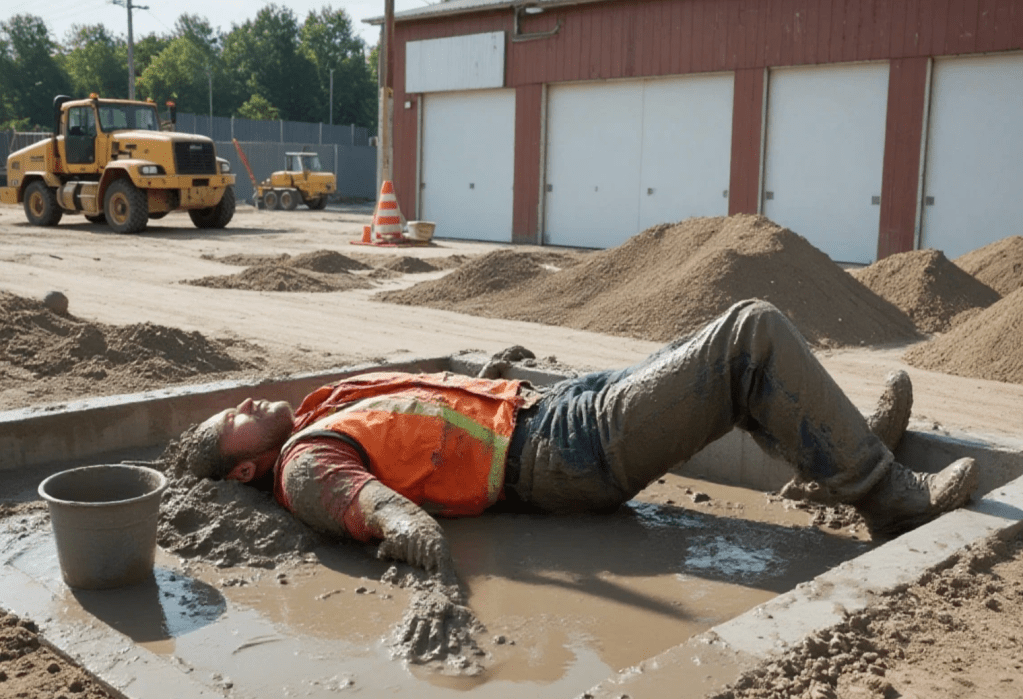
Most people don’t die because they’re unlucky.
They die because they didn’t see it coming, didn’t respect risk, or assumed it wouldn’t happen to them.
I’ve spent years studying survival—real survival, not Hollywood nonsense. The kind that happens on highways, job sites, back roads, lakes, neighborhoods, and during ordinary days that turn deadly fast.
If you live in Georgia, this article is for you.
Not because Georgia is uniquely dangerous—but because Georgia has a very specific risk profile shaped by:
• Heavy vehicle traffic
• Rural and urban overlap
• Heat and humidity
• Firearm prevalence
• Severe weather
• Outdoor culture
• Long commutes
• Industrial and construction work
This article covers the top 10 non-disease, non-age-related ways people die in Georgia, why those deaths happen, and—most importantly—how to stay alive.
This is about personal responsibility, situational awareness, and stacking the odds in your favor.
Let’s get into it.
#1 Motor Vehicle Crashes (Cars, Trucks, Motorcycles)

Why This Is the #1 Killer
If there’s one thing that quietly kills more Georgians than anything else on this list, it’s traffic accidents.
High-speed interstates. Long commutes. Distracted driving. Rural roads with poor lighting. Aggressive driving culture. Motorcycle fatalities. Large trucks.
Cars are weapons when handled carelessly.
People die because:
• Speed is normalized
• Phones steal attention
• Fatigue is ignored
• Seatbelts aren’t used consistently
• Motorcycles are treated as invisible
• Weather is underestimated
Survival truth: Most crashes happen close to home, during routine drives.
How to Survive Georgia Roads

Adopt the survival driver mindset:
• Drive like everyone else is distracted—because they are
• Leave space. Space equals reaction time
• Never assume someone sees you
• Slow down in rain (Georgia roads get slick fast)
• Treat intersections as danger zones
Non-negotiables:
• Seatbelt. Every time. No excuses.
• No phone use—not even “quick checks”
• Don’t drive tired. Fatigue kills like alcohol.
• Motorcyclists: wear full protective gear, not just a helmet
Life coach reminder:
You don’t get bonus points for arriving fast. You only win by arriving alive.
#2 Firearm-Related Deaths (Accidental, Homicide, and Self-Inflicted)

Why Firearms Are a Major Risk in Georgia
Georgia has strong gun culture—which isn’t inherently bad—but familiarity breeds complacency.
People die because:
• Firearms are handled casually
• Guns are stored improperly
• Safety rules are ignored
• Emotional moments escalate
• Alcohol mixes with firearms
This category includes accidents, violence, and self-inflicted harm. Each one is preventable.
How to Stay Alive Around Firearms

If you own a gun:
• Treat every firearm as loaded
• Secure firearms from unauthorized access
• Separate guns and ammunition when not in use
• Never mix alcohol or drugs with firearms
If you don’t own a gun:
• Be aware of your environment
• Avoid emotionally charged confrontations
• Leave situations that feel unstable
Life coach perspective:
Strength isn’t pulling a trigger—it’s walking away when your ego wants control.
If you’re struggling emotionally, survival sometimes means asking for help. That’s not weakness. That’s leadership over your own life.
#3 Accidental Poisoning & Drug Overdose

Why This Happens So Often
Overdoses don’t just happen to “addicts.”
They happen because:
• Dosages are misunderstood
• Substances are mixed
• Pills are shared
• Tolerance changes
• Illicit substances are unpredictable
Accidental poisoning also includes:
• Carbon monoxide exposure
• Household chemicals
• Improper medication storage
How to Protect Yourself and Your Family
Survival rules:
• Never mix substances without medical guidance
• Store medications locked and labeled
• Install carbon monoxide detectors
• Ventilate fuel-burning appliances
• Avoid using generators indoors or in garages
Life coach truth:
Your body is not a testing ground. Respect it like the survival asset it is.
#4 Falls (Construction, Ladders, Heights, and Work-Related Accidents)

Why Falls Kill Younger People Than You Think
Falls aren’t just “old people problems.”
In Georgia, they happen on:
• Construction sites
• Roofing jobs
• Ladders
• Trees
• Warehouses
People die because:
• Safety gear is skipped
• Heights are underestimated
• Fatigue sets in
• “I’ve done this a hundred times” mentality
How to Stay Vertical and Alive
Non-negotiables:
• Use proper fall protection
• Inspect ladders and scaffolding
• Don’t rush jobs at height
• Stop when tired
Life coach reminder:
Experience doesn’t make you immune—it makes you responsible.
#5 Drowning (Lakes, Rivers, Pools, and the Coast)

Why Georgia Drowning Deaths Are Common
Georgia has:
• Lakes
• Rivers
• Pools
• Coastal access
People drown because:
• They overestimate swimming ability
• Alcohol is involved
• Life jackets aren’t worn
• Currents are underestimated
How to Survive Water
Water survival basics:
• Wear life jackets—especially on boats
• Never swim alone
• Avoid alcohol near water
• Learn basic rescue techniques
Life coach truth:
Nature doesn’t care how confident you feel. Respect keeps you alive.
#6 Fires & Smoke Inhalation
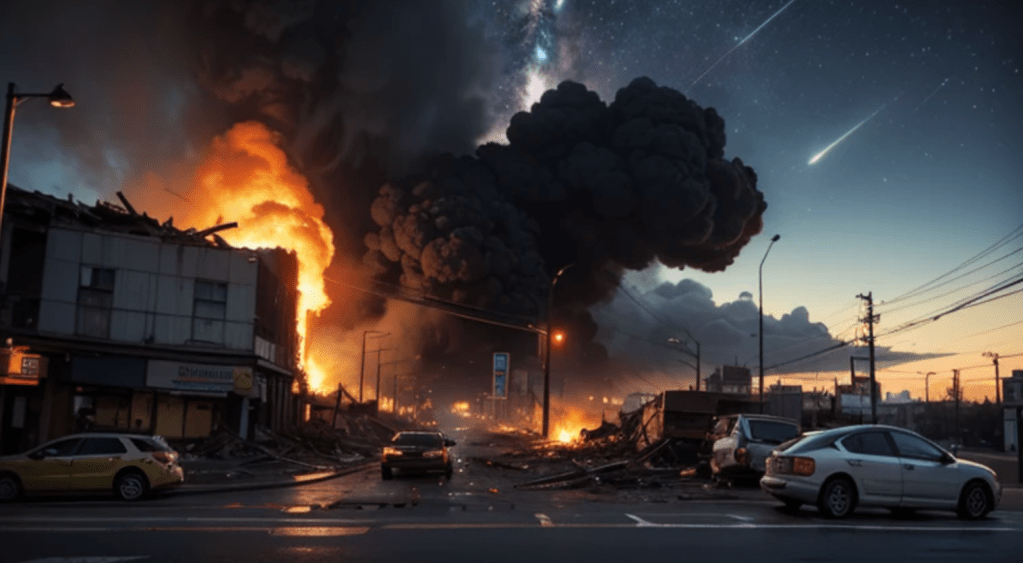
Why Fire Kills So Fast
Fire deaths usually aren’t from burns—they’re from smoke.
People die because:
• Smoke detectors don’t work
• Escape plans don’t exist
• Exits are blocked
• People underestimate speed of fire
Fire Survival Rules
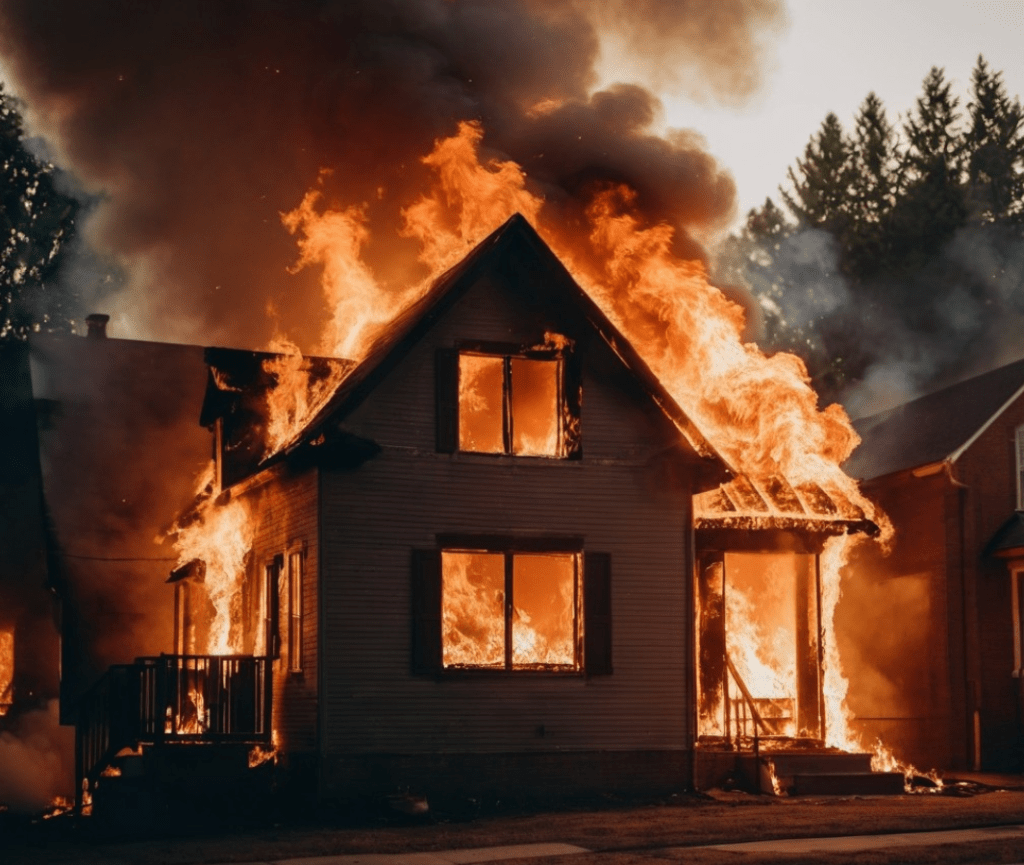
• Install and test smoke detectors
• Plan escape routes
• Practice drills
• Keep extinguishers accessible
Life coach angle:
Preparation is love in action—for yourself and everyone in your home.
#7 Workplace & Industrial Accidents

Why Jobs Kill
Georgia has strong industrial, agricultural, and logistics sectors.
People die because:
• Safety protocols are ignored
• Equipment is rushed
• Training is skipped
• Fatigue is normalized
How to Stay Alive at Work
• Follow procedures—even when inconvenient
• Speak up about unsafe conditions
• Never bypass safety mechanisms
Life coach truth:
Your life is worth more than productivity metrics.
#8 Severe Weather (Heat, Storms, Tornadoes)

Why Weather Is Deadly in Georgia
Heat kills quietly.
Storms kill suddenly.
People die because:
• Heat exhaustion is ignored
• Weather warnings aren’t taken seriously
• Shelter plans don’t exist
Weather Survival Mindset
• Hydrate aggressively
• Respect heat indexes
• Have storm plans
• Don’t drive into flooded roads
Life coach reminder:
Preparation beats panic every single time.
#9 Violence & Assault (Non-Firearm)
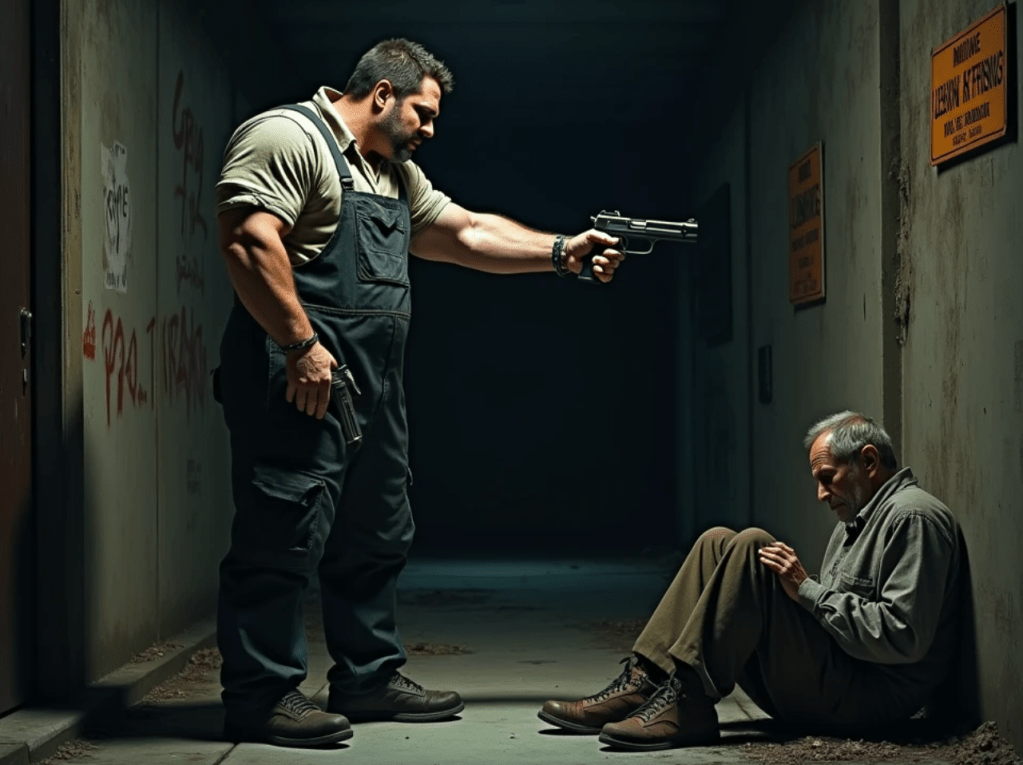
Why Situational Awareness Matters
Fatal violence isn’t random.
It happens when:
• People ignore warning signs
• Arguments escalate
• Alcohol lowers inhibition
• Ego overrides safety
How to Avoid Becoming a Statistic
• De-escalate
• Leave early
• Trust instincts
• Avoid known high-risk environments
Life coach angle:
Walking away is a skill. Train it.
#10 Carbon Monoxide & Household Hazards

The Silent Killer
Carbon monoxide kills without warning.
People die because:
• Detectors are missing
• Appliances malfunction
• Ventilation is poor
How to Stay Safe at Home
• Install CO detectors
• Maintain appliances
• Never use fuel devices indoors
Life coach truth:
Your home should restore you—not end you.
Surviving in Georgia Is a Daily Practice

Survival isn’t paranoia.
It’s awareness plus action.
Every single cause of death on this list is largely preventable with:
• Respect for risk
• Preparation
• Emotional control
• Personal responsibility
You don’t need to live scared.
You need to live awake.
Because survival isn’t about avoiding death—it’s about choosing life, every single day.
If you do that consistently, Georgia becomes a place to thrive—not just survive.


 TheDailyChristian